
Antique Flower Vases: Vintage, Victorian & Period-Style Designs for Classic Interiors
Summary›
- Understanding Antique, Vintage & Period-Style Vase Categories
- How Antique-Inspired Vases Elevate Scandinavian Interiors
- Key Features That Signal Vase Value & Authenticity
- Styling Antique Vases for Classic Interior Vignettes
- Material Matters: Glass, Ceramic & Silver Selection
- Contemporary Artisans Creating Period-Inspired Masterpieces
- Curating Your Personal Antique Vase Collection
- Conclusion: Timeless Beauty for Modern Living
The allure of an antique flower vase lies in its ability to tell stories through design. Whether you're drawn to the ornate elegance of Victorian vessels, the streamlined sophistication of mid-century glass, or the rustic charm of aged ceramics, vintage and period-style vases bring unmatched character to classic interiors. These pieces bridge centuries of craftsmanship with contemporary styling needs, offering homeowners a way to infuse warmth and history into their living spaces.
For design enthusiasts seeking that perfect balance between heritage and modern functionality, understanding the nuanced world of antique and vintage-inspired vases opens new possibilities. From identifying authentic period pieces to sourcing artfully crafted reproductions that honor historical aesthetics, this guide will walk you through everything you need to know about incorporating timeless vases into your home. And while authentic antiques hold undeniable appeal, today's artisans are creating stunning period-inspired pieces that honor tradition while meeting modern standards of quality and durability.
Understanding Antique, Vintage & Period-Style Vase Categories
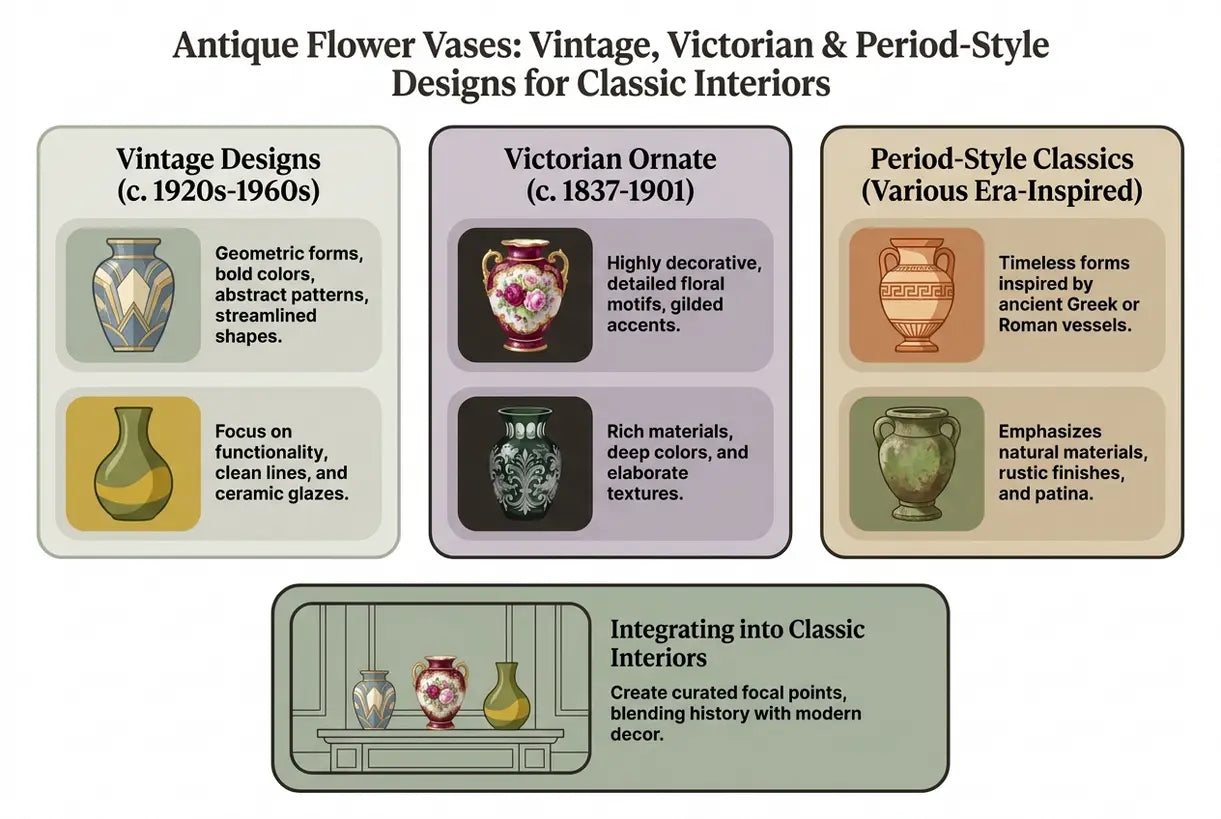
Before diving into your search, it helps to understand the distinctions between these often-interchanged terms. Antique flower vases are technically defined as pieces over 100 years old, bearing authentic marks of their era through materials, manufacturing techniques, and design motifs. Victorian-era vessels from the 1830s to 1900s represent some of the most coveted antiques, featuring hand-painted porcelain, elaborate silverwork, and deeply saturated colored glass.
Vintage vases, typically 20 to 100 years old, capture the aesthetic evolution of the early 20th century through the mid-century modern period. These pieces often showcase geometric glass forms, streamlined Art Deco silhouettes, and earthy ceramic glazes that feel surprisingly contemporary. Period-style vases, by contrast, are modern reproductions or artisan interpretations that draw inspiration from historical designs without claiming authentic age—offering accessibility for those who love the look but seek practical durability for everyday use.
How Antique-Inspired Vases Elevate Scandinavian Interiors
The Scandinavian design ethos centers on intentional simplicity and warm functionality—a philosophy that pairs beautifully with the rich textures of antique and vintage flower vase styles. The contrast between clean Nordic lines and the organic patina of aged vessels creates visual interest without overwhelming a space. A single Victorian-inspired ceramic vase on a minimalist console table becomes a focal point that draws the eye and invites connection.
This marriage of styles works particularly well because both traditions value craftsmanship and authenticity. Where Scandinavian design celebrates honest materials and functional beauty, period-style vases showcase the hand of the maker through glaze variations, hand-blown glass bubbles, and artisanal tooling marks. For those looking to explore more options, our Homeware collection offers a curated selection of pieces that bridge these design philosophies seamlessly.
When styling antique vases within contemporary spaces, consider the principle of restraint. One statement piece often delivers more impact than multiple competing vessels. Allow your chosen vase to breathe by giving it negative space, and let its history become part of your home's narrative. The key is curation over accumulation—selecting pieces that resonate personally while supporting your interior's overall harmony.
Decorative Vases
Shop all Decorative Vases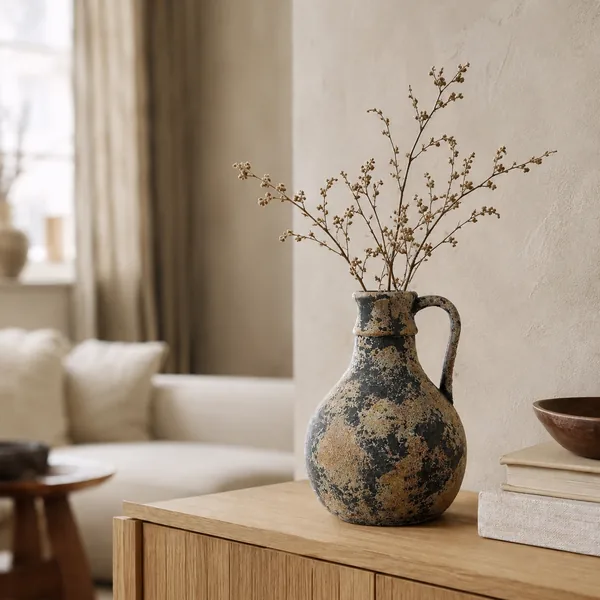
 Save $40.00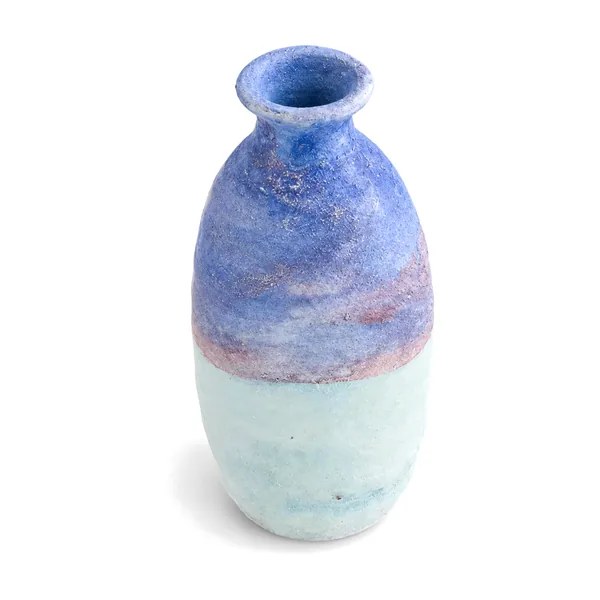
 4 options
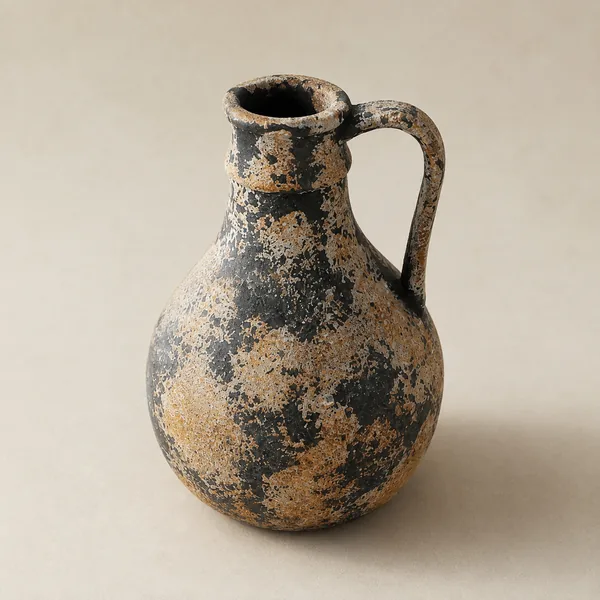
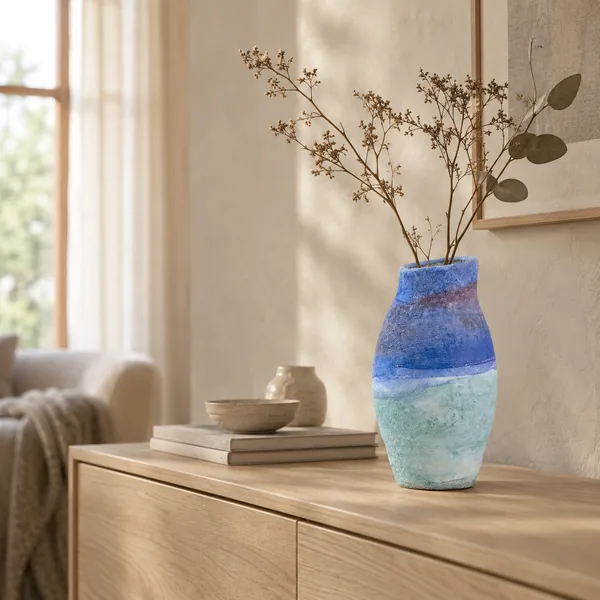
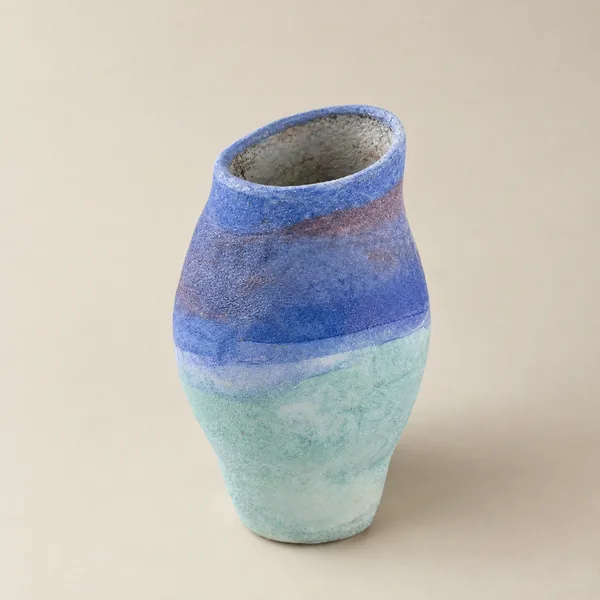
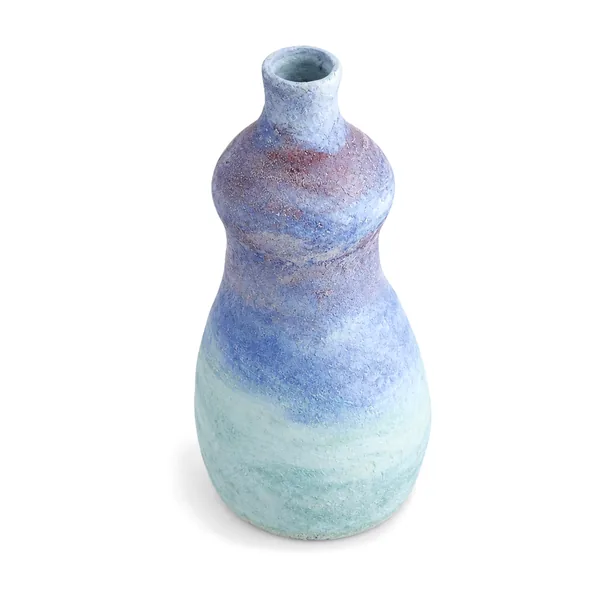
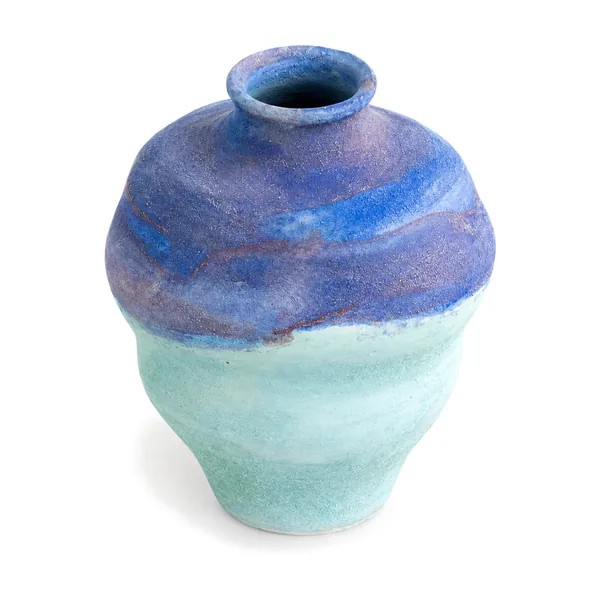
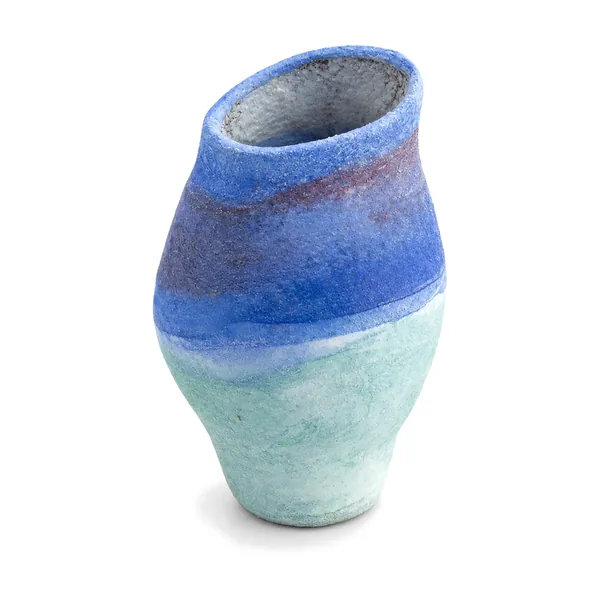
Dyvna Blue Gradient Ceramic Vase for Home Decor
Key Features That Signal Vase Value & Authenticity
Identifying a valuable antique flower vase requires examining specific characteristics that reveal age, craftsmanship, and provenance. Start by turning your vase over and examining the base—this area often contains the most telling information. Genuine antiques frequently show signs of hand-finishing, such as unglazed foot rings on porcelain, pontil marks on hand-blown glass, or slight asymmetries that machine production would eliminate.
Porcelain and ceramic pieces bear maker's marks, factory stamps, or artist signatures that researchers can date through reference guides. Silver vases warrant attention to hallmark stamps indicating maker, origin, and silver content. For glass vessels, look for telltale signs of handcraft: bubbles trapped in the glass, irregular thickness, and ground pontil marks where the glassblower's tool detached. Color is another indicator—antique glass often contains minerals that create depth and subtle variations impossible to replicate in modern industrial production.
Value Indicators Checklist: Look for hand-painted details, weighted proportional design, quality closure mechanisms on metal tops, natural patina that develops over decades (not artificial distressing), and provenance documentation when available.
Styling Antique Vases for Classic Interior Vignettes
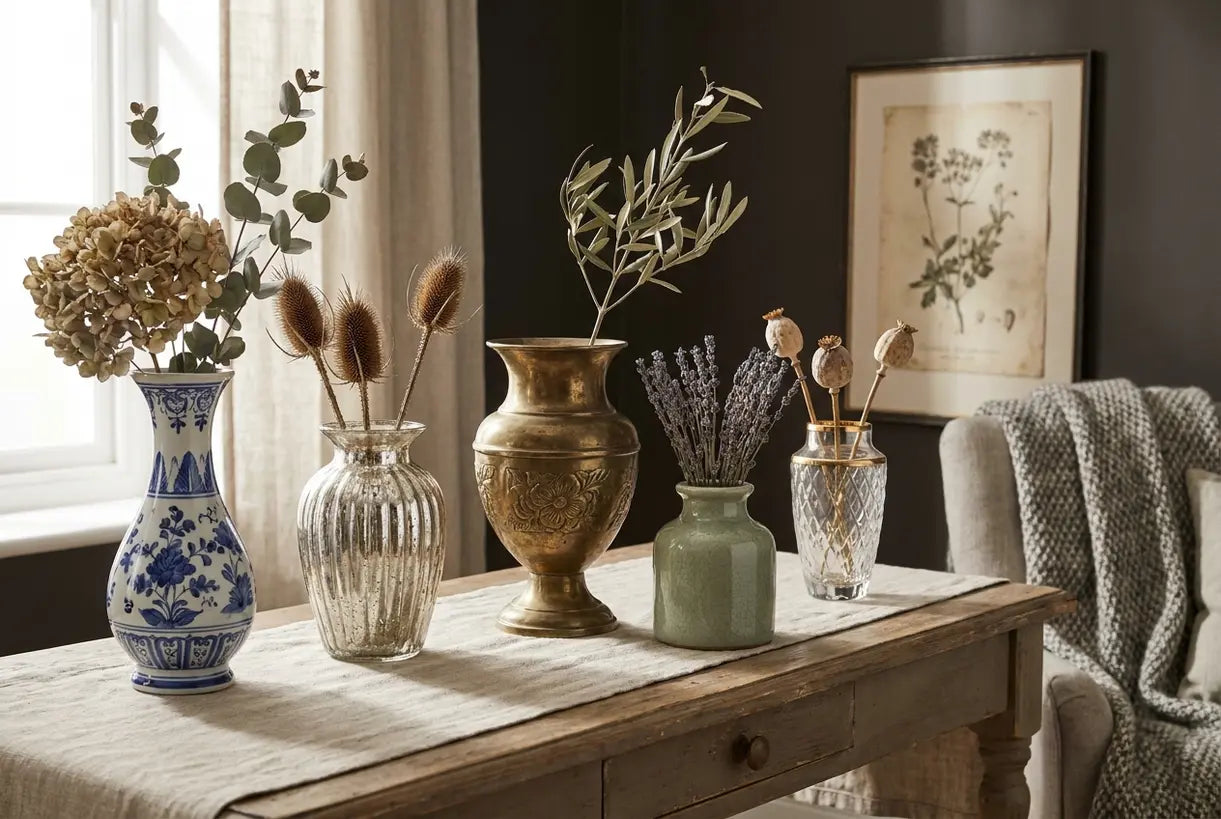
Creating compelling displays with vintage and antique vases involves intention rather than random placement. Consider scale carefully—a substantial Victorian urn anchors a large dining table beautifully, while delicate bud vases suit intimate bedside tables or powder room shelves. Grouping vases in odd numbers (three or five) creates rhythm, while varying heights adds dynamic visual tension.
Floral selection matters as much as the vessel itself. Antique vases shine when paired with seasonal botanicals that feel gathered rather than arranged—think trailing ivy, dried grasses, foraged branches, or relaxed garden blooms rather than tightly structured floristry. The juxtaposition of timeworn ceramics with fresh, fleeting flowers captures the Scandinavian concept of hygge: finding beauty in impermanence and imperfect moments.
Material Matters: Glass, Ceramic & Silver Selection
The material composition of your period style vase significantly impacts both aesthetic effect and practical functionality. Glass vases, particularly amber, green, and clear crystal varieties, capture and refract light in ways that animate a room throughout the day. Vintage vase styles in cut glass or pressed glass offer textural interest even when displayed without botanicals, functioning as sculptural objects in their own right.
Ceramic and pottery vases bring earthy groundedness to interiors. Earthenware and stoneware vessels showcase the material's natural variations—iron spots in clay bodies, drippy glazes that pool at bases, and hand-thrown throwing rings that celebrate the maker's process. These pieces pair exceptionally well with organic modern interiors and bring warmth to spaces dominated by hard surfaces and technology.
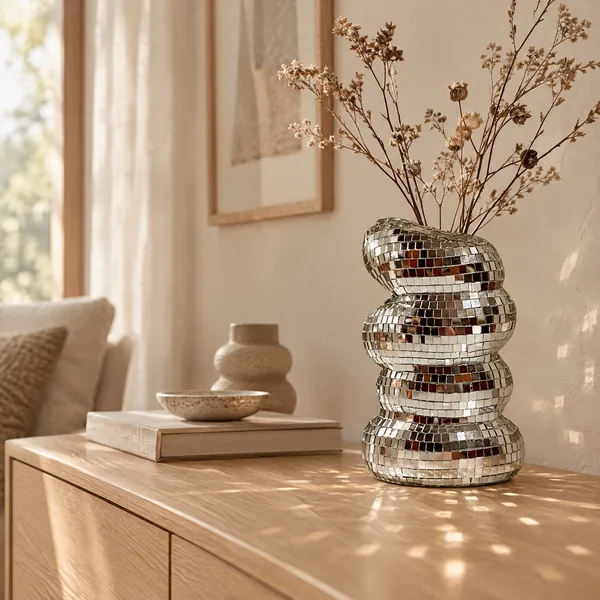
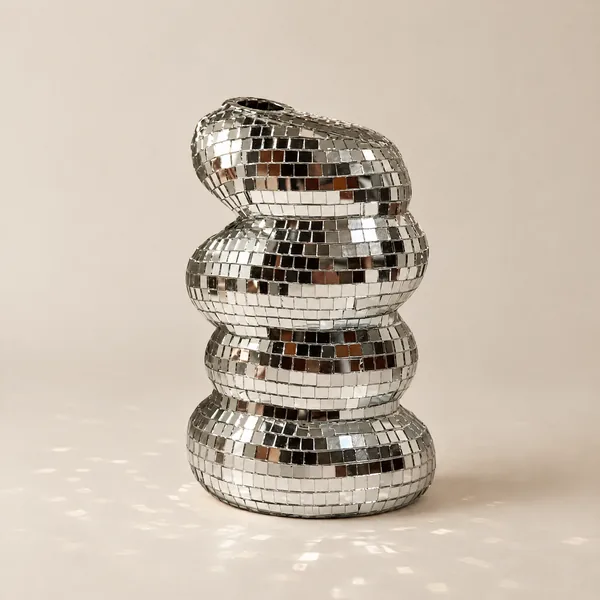
Silver and metal vases offer reflective elegance suited to formal spaces and special occasions. However, these require more maintenance and careful environmental control to prevent tarnishing. Many collectors display silver vases as decorative objects while using more durable materials for daily floral arrangements—a practical approach to living with precious pieces.
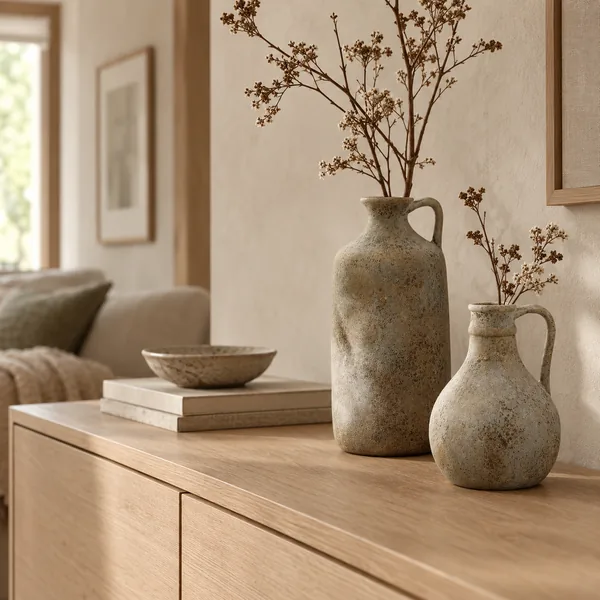
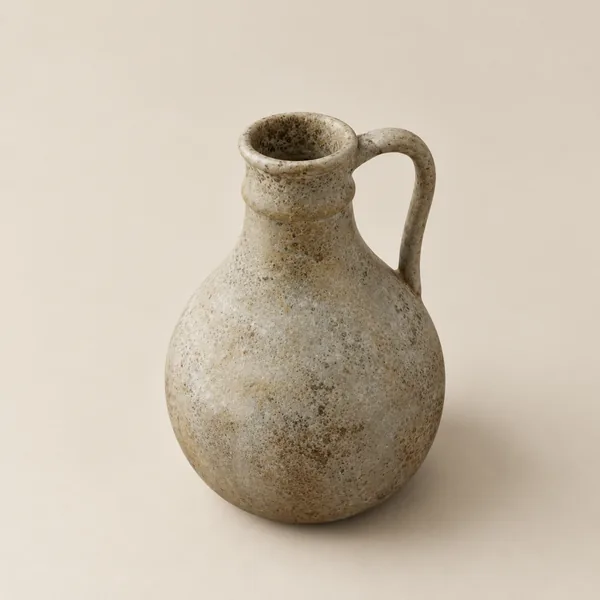
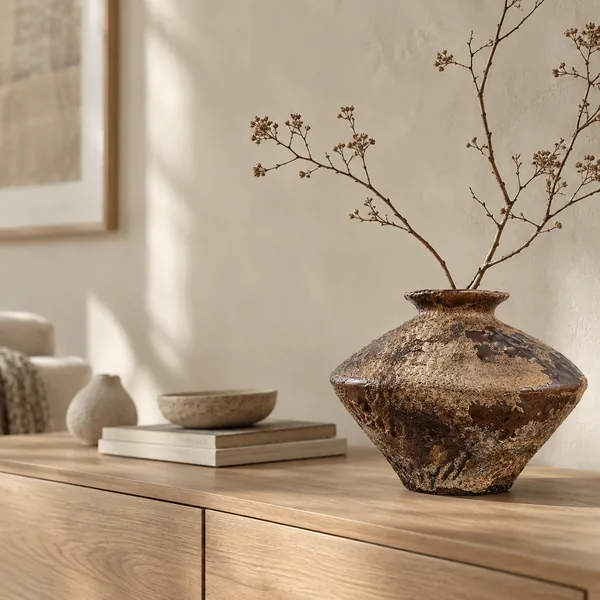 Jorde Handmade Rustic Ceramic Vase Home Decor$129.00$189.00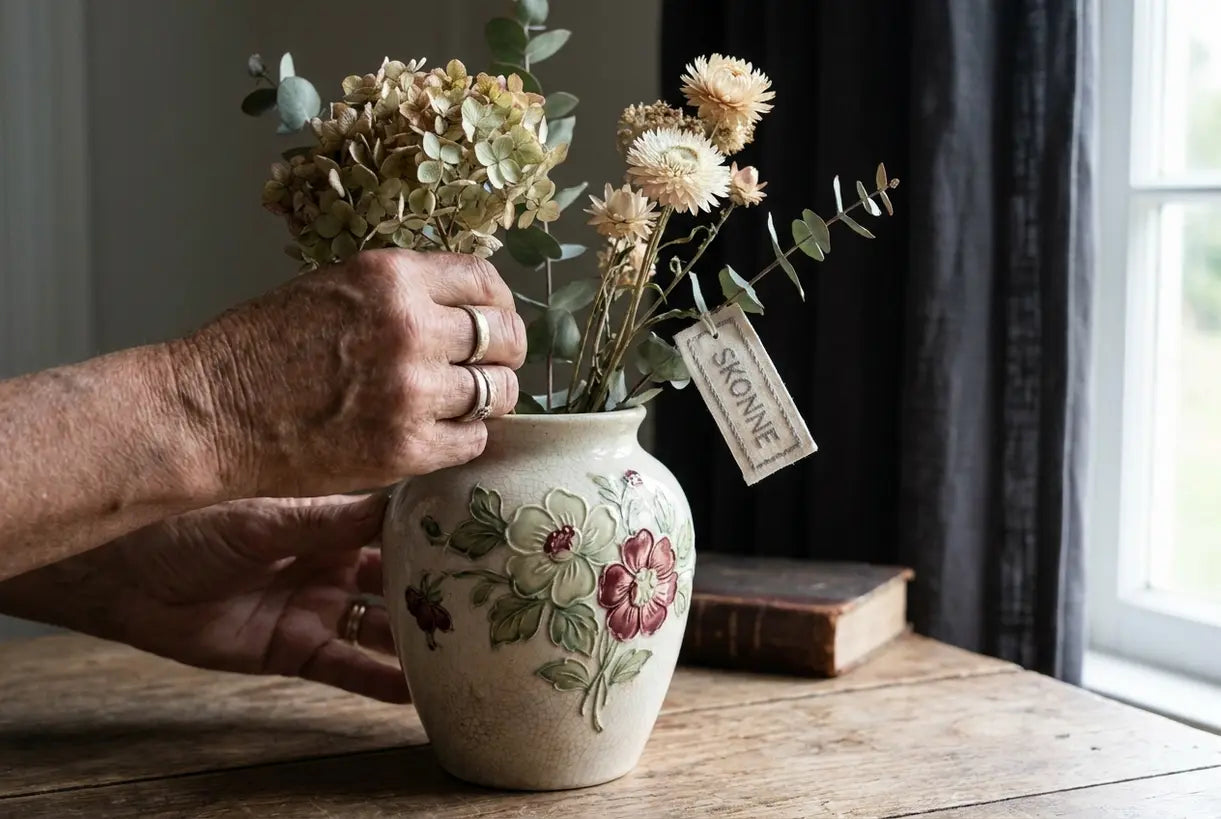
The Jorde Handmade Rustic Ceramic Vase Home Decor exemplifies how contemporary artisans honor antique aesthetics while delivering modern quality. Its active glaze finish captures the organic warmth of aged pottery, making it an ideal vessel for vintage vases for centerpieces or standalone sculptural display. The handcrafted nature ensures each piece carries unique character—much like true antiques, but with the durability needed for daily enjoyment.
Home Decor
Shop all Home Decor
 Save $44.50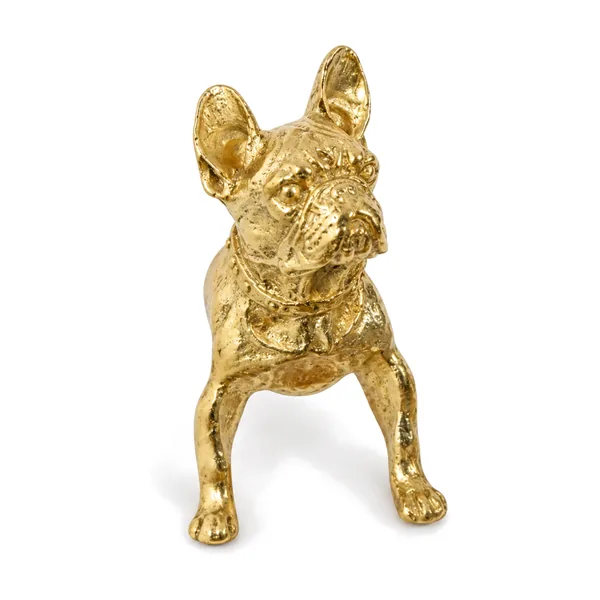
 2 options
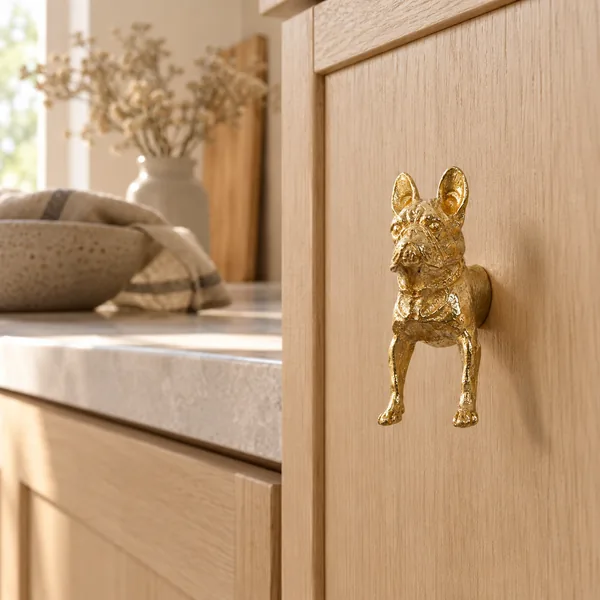
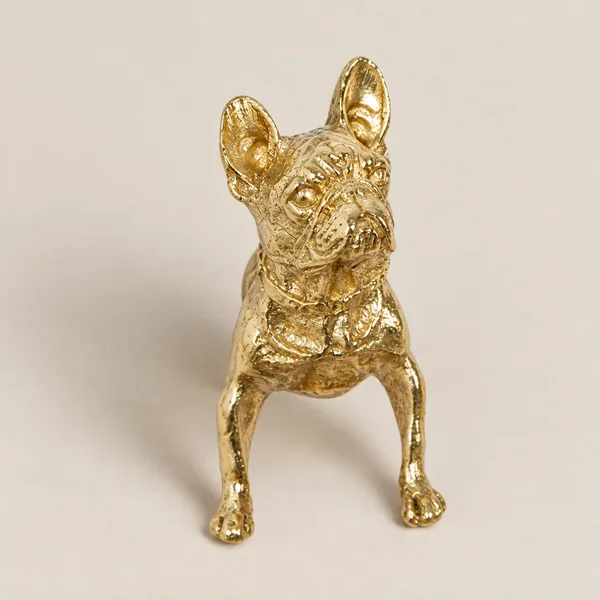
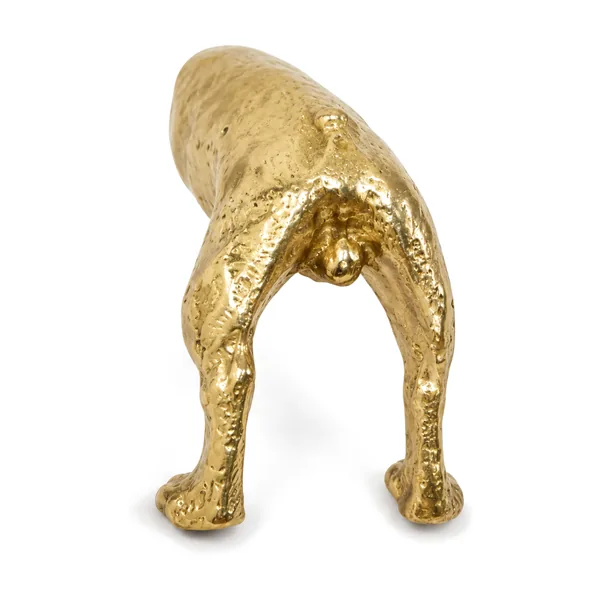
Tassa Polished Brass Dog Cabinet Pull Handle
 Save $110.00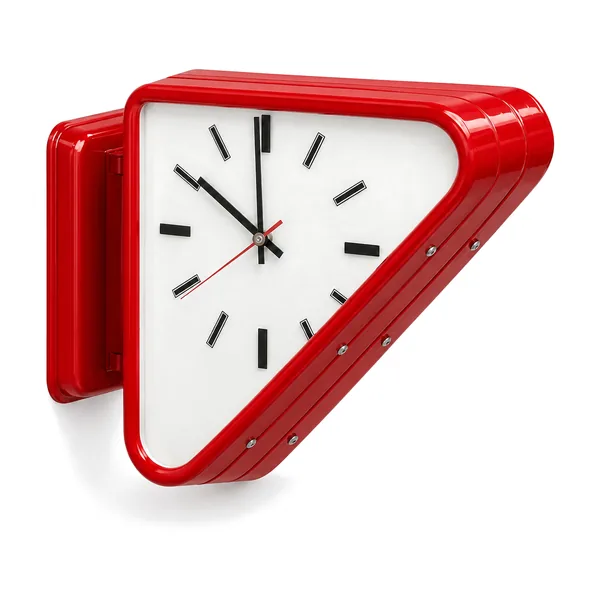
 +15 options
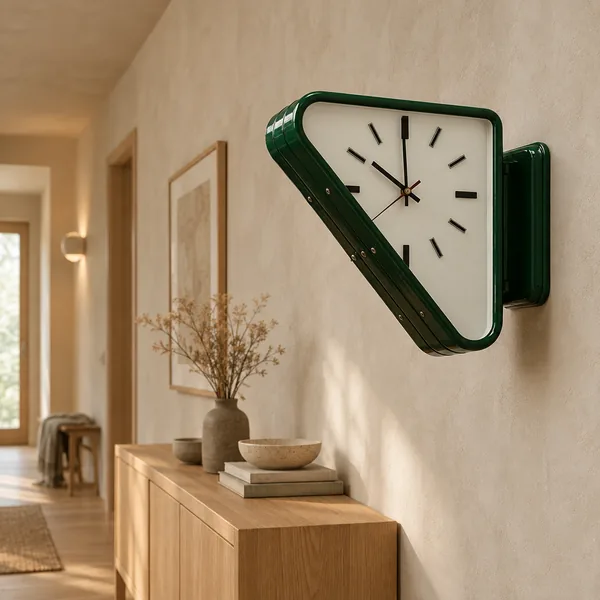
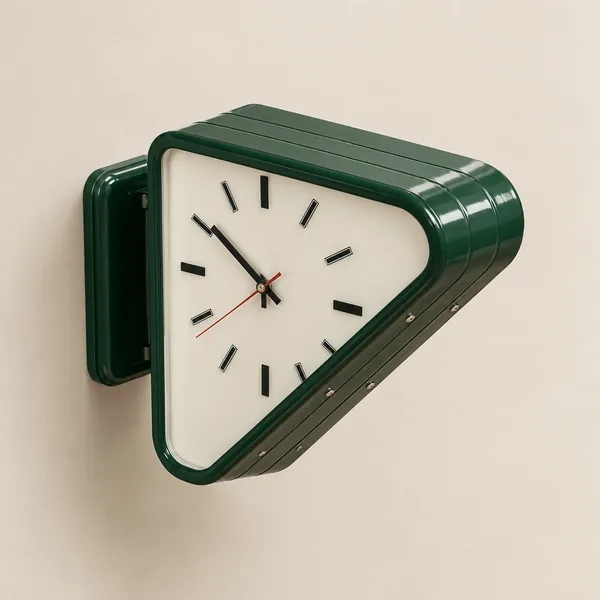
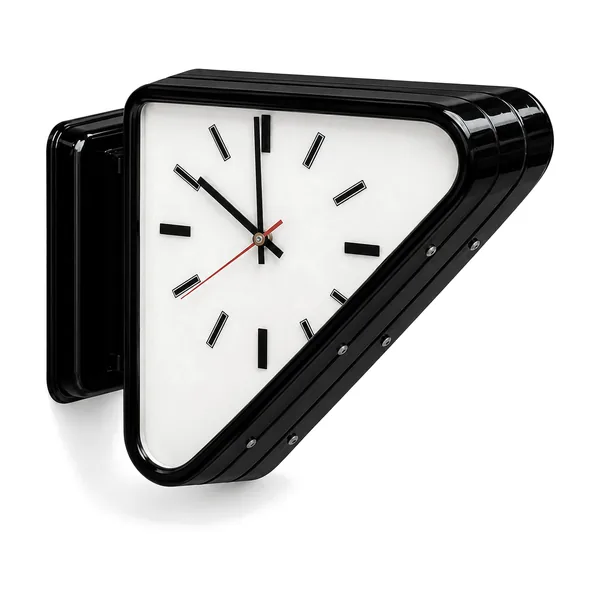
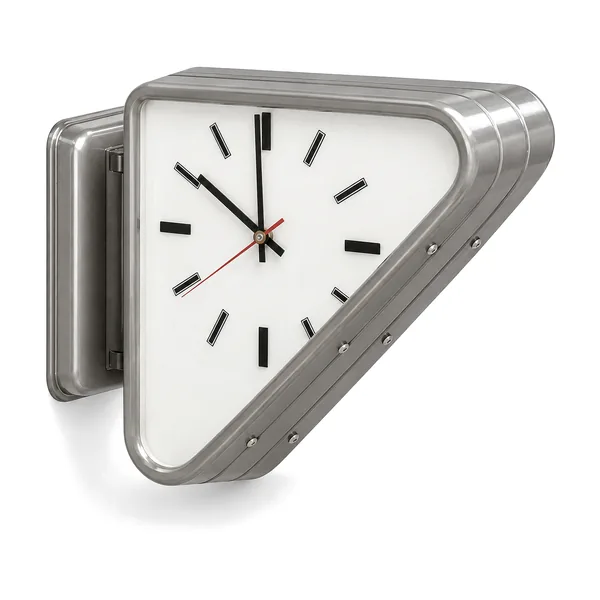
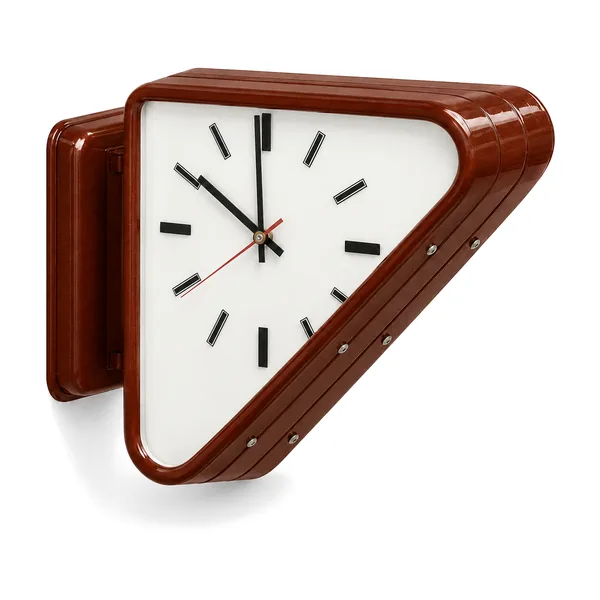
Tvilling Dual-Sided Geometric Metal Wall Clock
Contemporary Artisans Creating Period-Inspired Masterpieces
Today's most compelling vase offerings come from skilled craftspeople who study historical techniques while applying contemporary quality standards. These pieces honor the visual language of antique silver flower vase traditions, Victorian ceramic methods, and Art Deco glasswork while offering reliable construction that survives modern household realities. This approach allows homeowners to build collections that feel curated over generations rather than purchased in a single shopping session.
When evaluating period-inspired pieces, look for makers who articulate their process and inspiration clearly. The best contemporary artisans understand how historical forms functioned and replicate those proportions and weightings authentically. They employ traditional finishing techniques—oxidation, reactive glazes, hand-polishing—that develop character over time rather than revealing artificial distressing immediately.
Pro Tip: Mix authentic antique finds with quality period-inspired reproductions to build a collection that's both visually cohesive and practically sustainable. This approach lets you reserve delicate museum-quality pieces for display while enjoying sturdy artisan-made vases for everyday blooms.
Artisan Period-Style Vases for Classic Interiors
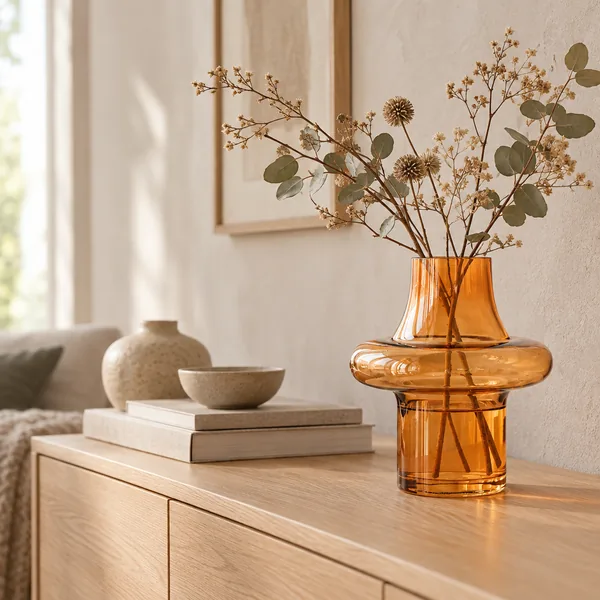 Glovik Amber Geometric Glass Sculptural Vase$89.00
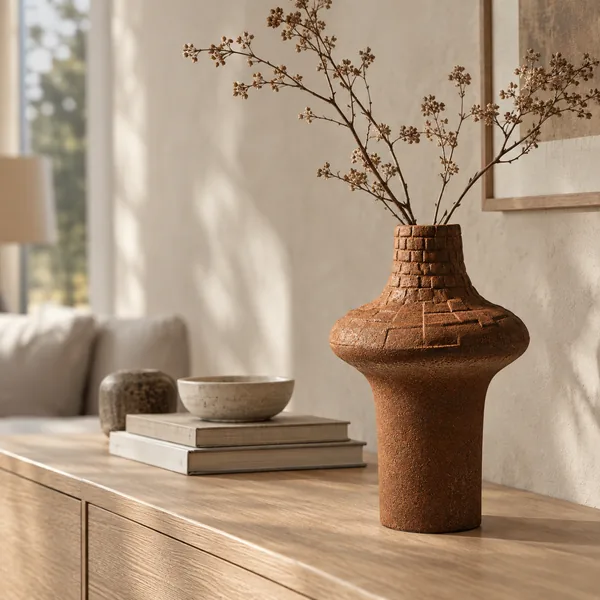 Torva Rustic Plaid Ceramic Vase Artisan Decor$149.00$219.00
The Glovik Amber Geometric Glass Sculptural Vase channels victorian style flower vase warmth through its translucent honey tone, while bold geometric lines anchor it firmly in contemporary design sensibilities. This piece demonstrates how period-inspired color palettes transcend their historical origins to complement modern interiors.
Similarly, the Torva Rustic Plaid Ceramic Vase Artisan Decor carries the textural intrigue of antique pottery through its distinctive plaid pattern and earthy clay body. Such pieces answer the common search for antique flower vase for sale by offering aesthetic authenticity without the fragility, price premiums, or provenance uncertainties of genuine antiques.
Curating Your Personal Antique Vase Collection
Building a meaningful collection of vintage and period-style vases happens gradually through thoughtful acquisition rather than hasty accumulation. Start by identifying which historical eras speak to your aesthetic sensibilities—perhaps the romantic florals of Victorian porcelain, the streamlined elegance of Art Deco glass, or the rustic functionality of early American pottery. Allow your collection to develop organically around these preferences.
Consider your actual lifestyle when selecting pieces. If you entertain frequently, invest in larger statement vessels suitable for dramatic centerpieces. For quieter households, an intimate collection of bud vases might better serve your needs. Remember that empty vases hold equal decorative power—arranged on open shelving, gathered in tableaus, or spotlighted individually as sculptural elements within your interior composition.
Conclusion: Timeless Beauty for Modern Living
Antique and period-style flower vases offer something increasingly rare in our fast-paced digital world—tactile connections to history, craftsmanship, and the natural cycles celebrated through floral display. Whether you invest in authenticated antiques, discover treasures in estate sales, or select artfully crafted contemporary pieces inspired by historical traditions, these vessels elevate daily life through their presence.
At Skonne, we believe that honoring design heritage shouldn't require sacrificing quality or practicality. Our curated selection of ceramic antique flower vase inspired pieces and period-style interpretations brings timeless Scandinavian warmth to homes seeking that perfect blend of history and contemporary living. Explore our collections to find vessels that speak to your personal aesthetic—pieces that will become the heirlooms of tomorrow while serving beautifully today.
Related Article
Gold Flower Vases: Warm Metallic Designs for Glamorous & Elevated InteriorsDiscover stunning gold flower vase designs that add warmth and glamour to Scandinavian-inspired interiors with timeless metallic accents.