
Outdoor Lighting
Showing 1 - 16 of 16 products
 Save $30.00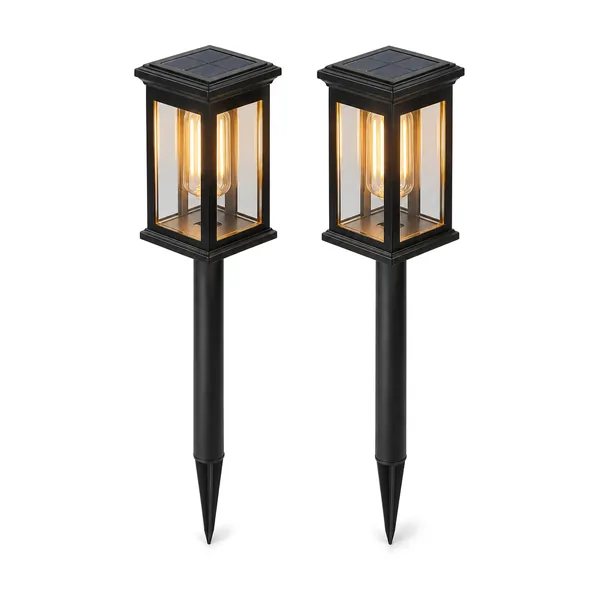
 3 options
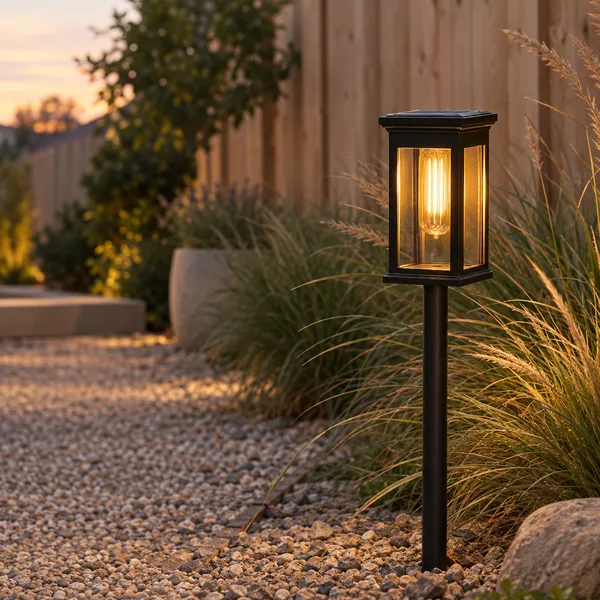
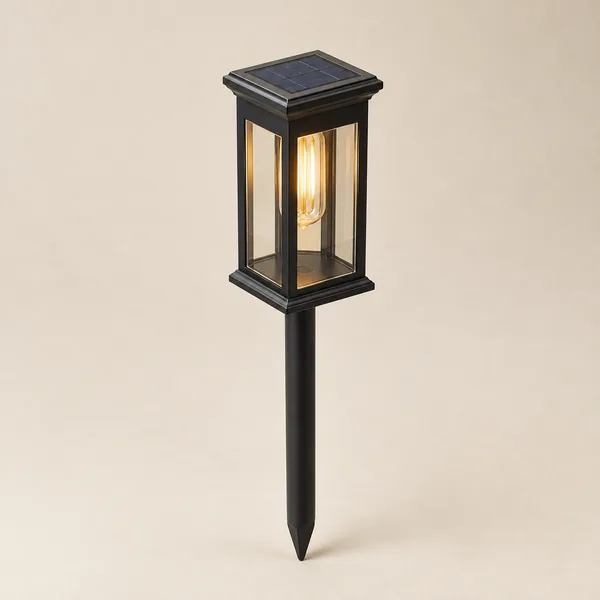
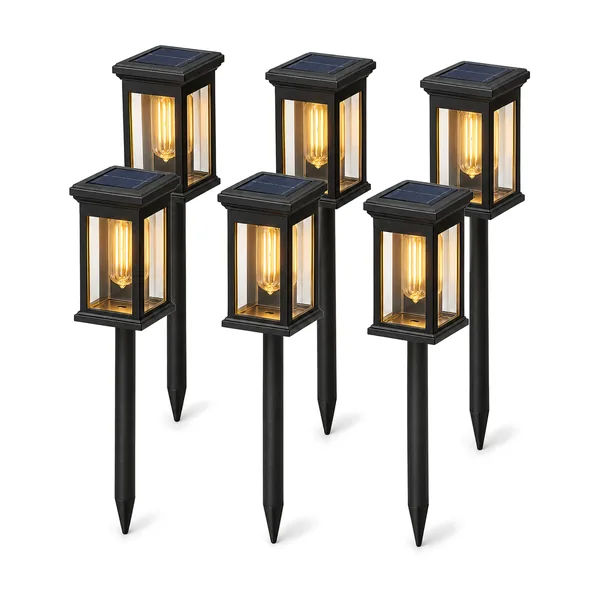
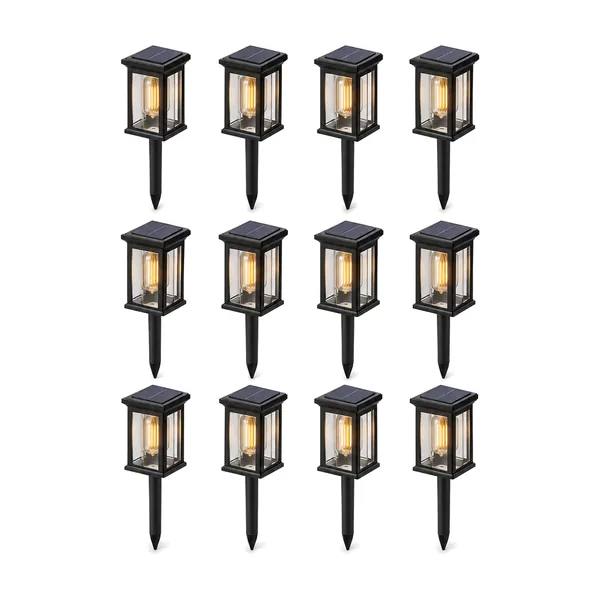
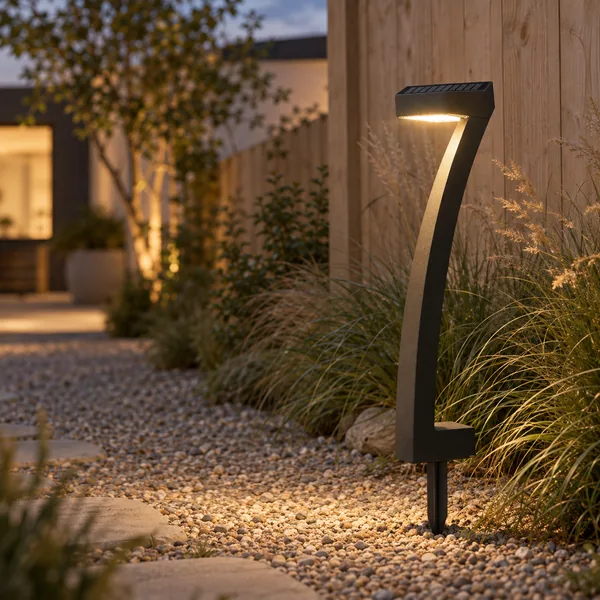
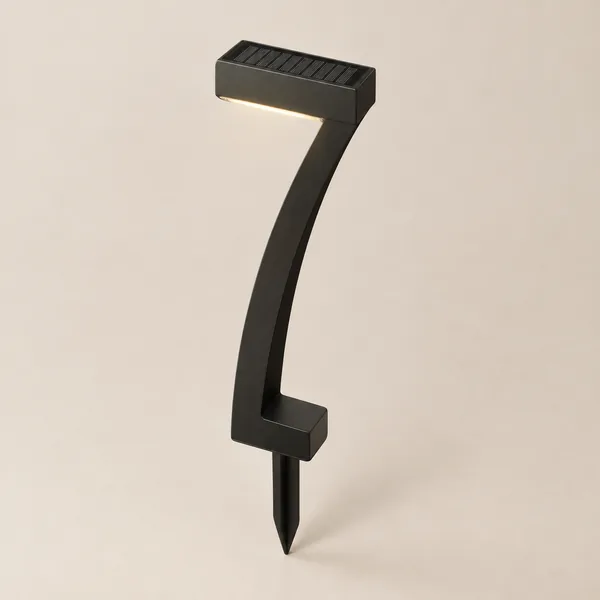
Solsti Solar Garden Path Lights 2700K Warm White
 Save $40.00
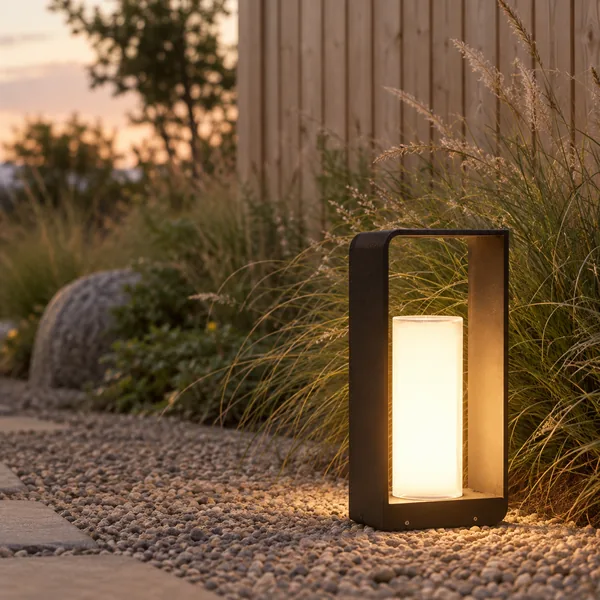
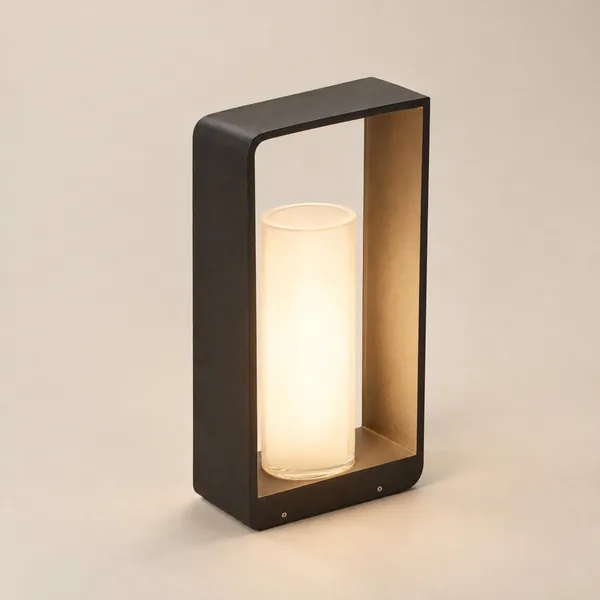
Kvelda Solar LED Garden Lawn Lamp Waterproof
 Save $30.00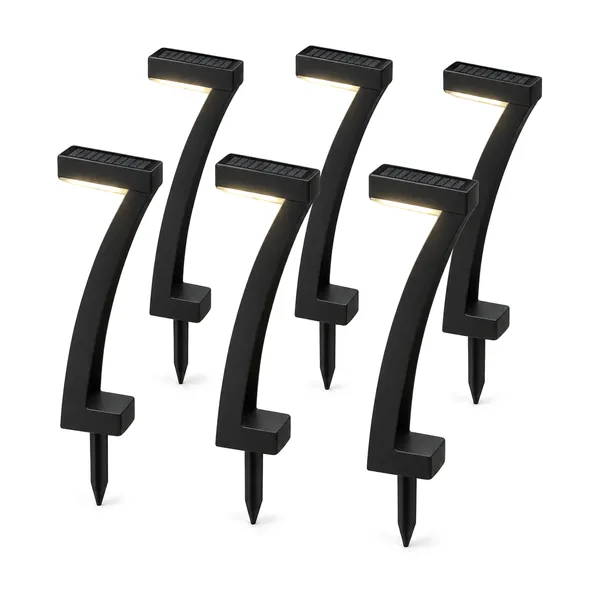
 2 options
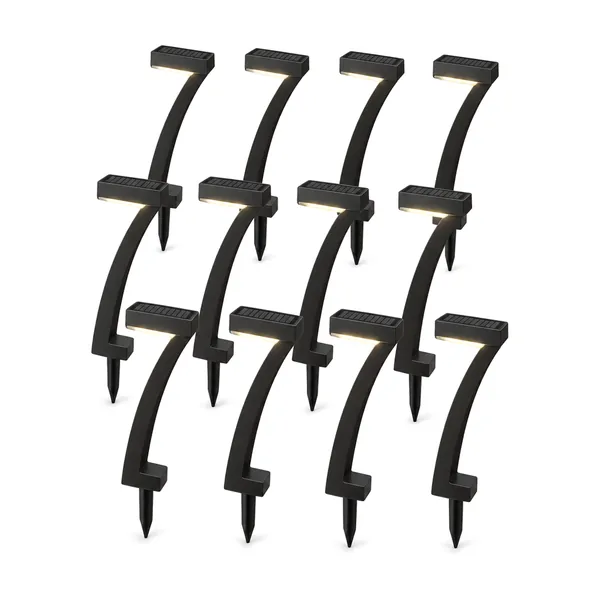
Solsti Solar Outdoor Path Lights 2700K Warm White
 Save $170.00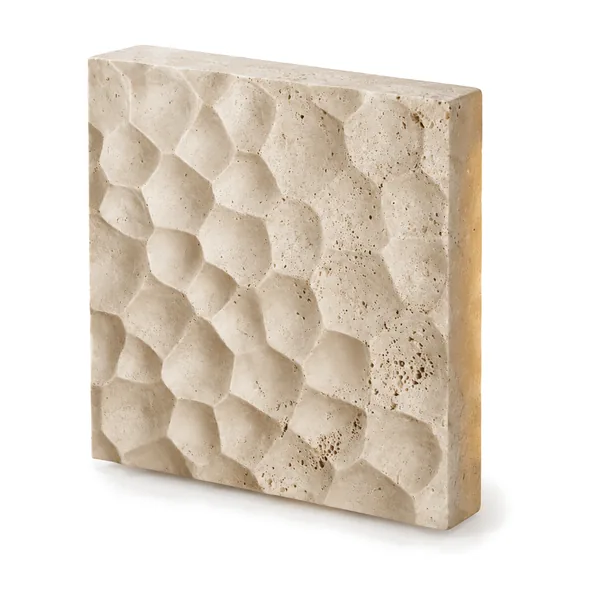
 2 options
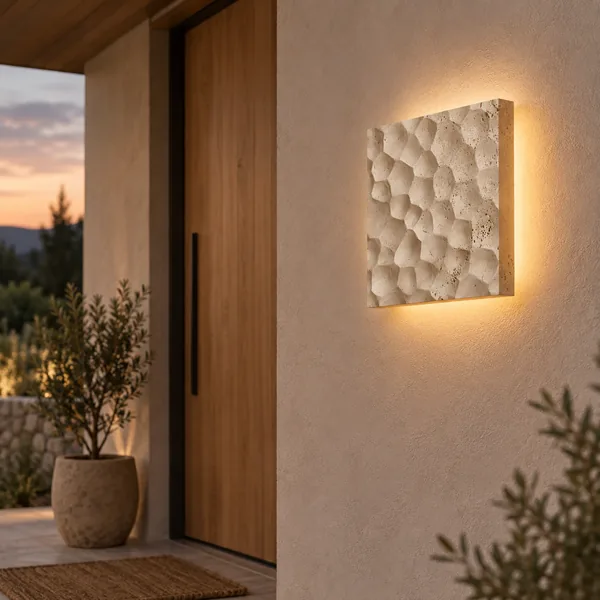
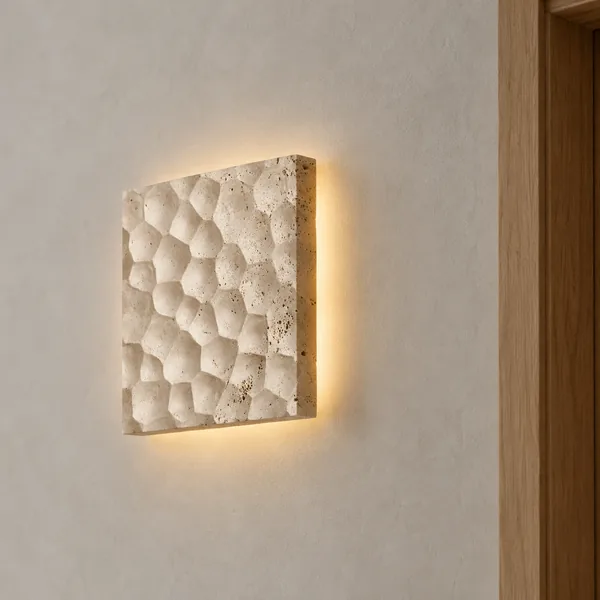
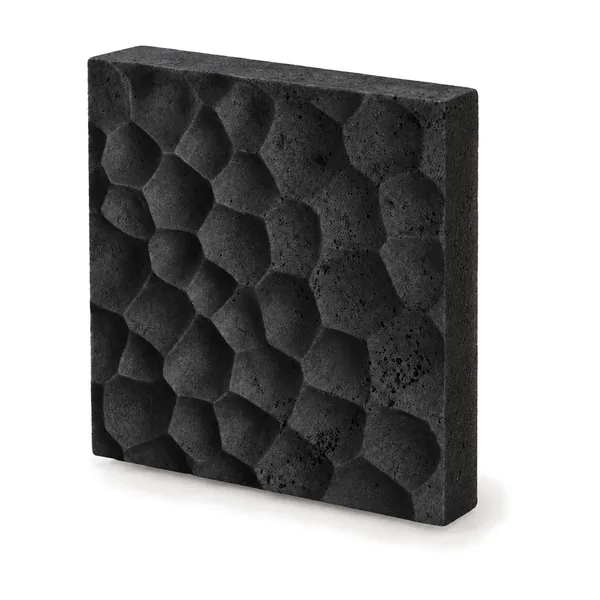
Stenvei Natural Stone IP65 LED Outdoor Sconce
 Save $150.00
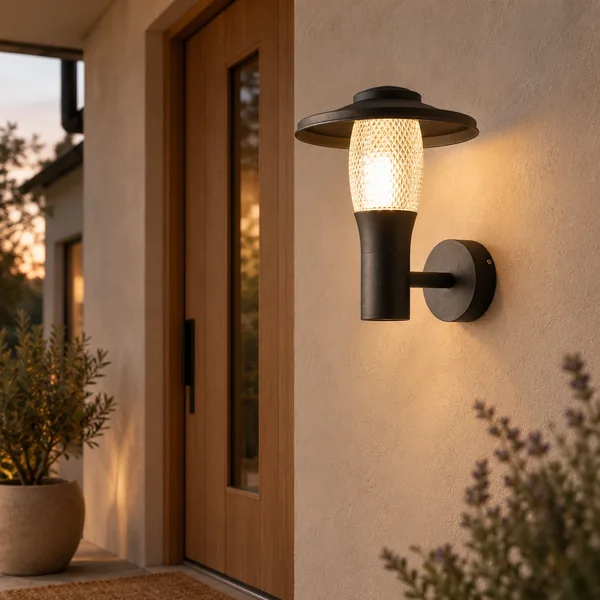
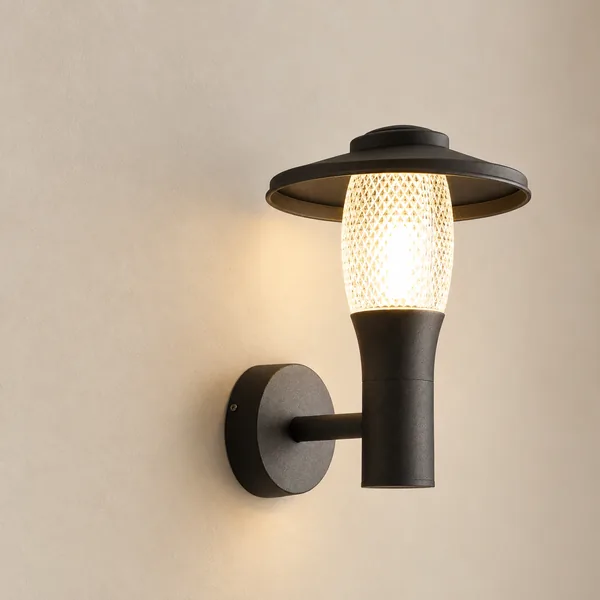
Uteld Modern Outdoor Waterproof LED Wall Light
 Save $240.00
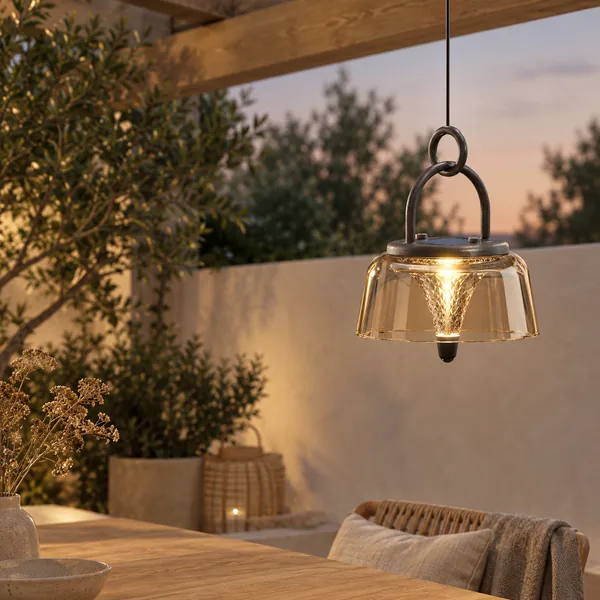
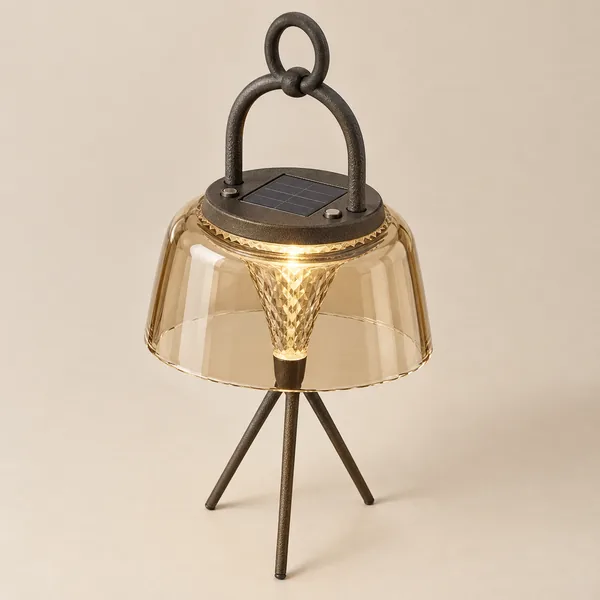
Kvelda Solar Outdoor LED Lantern IP65 Waterproof
 Save $100.00
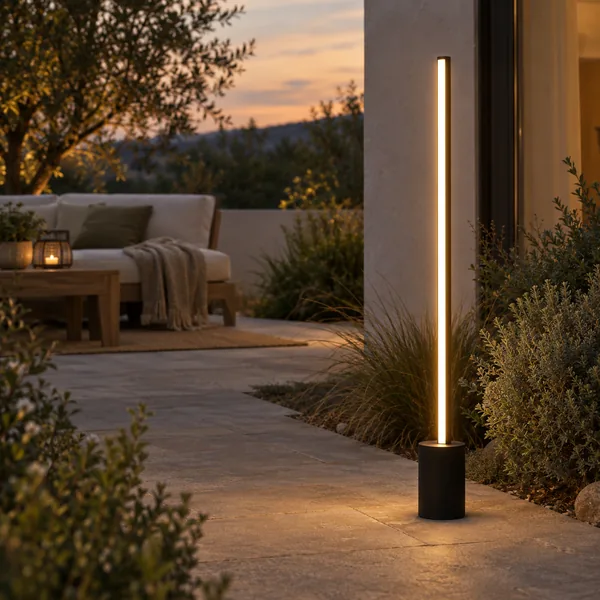
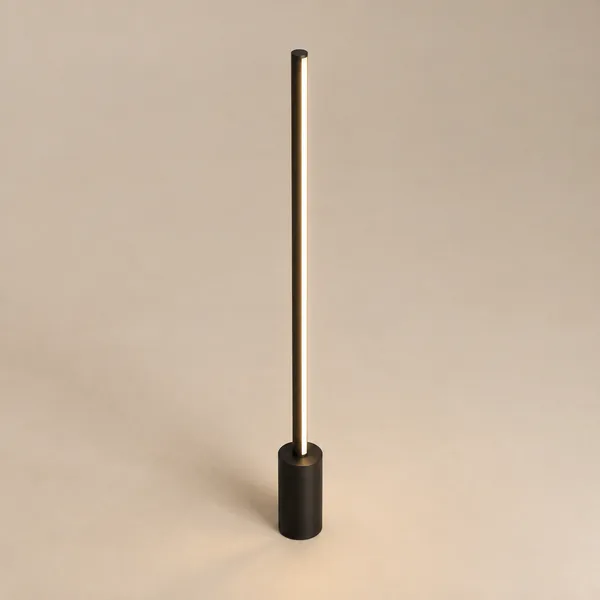
Stiglys Waterproof LED Garden Path Post Light
 Save $120.00
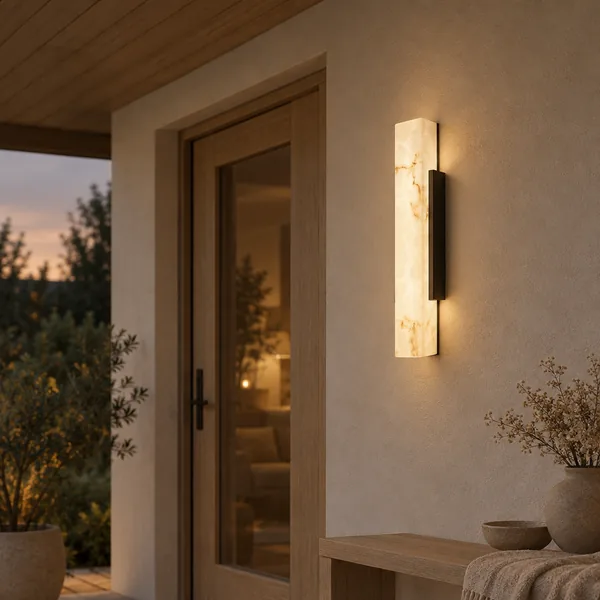
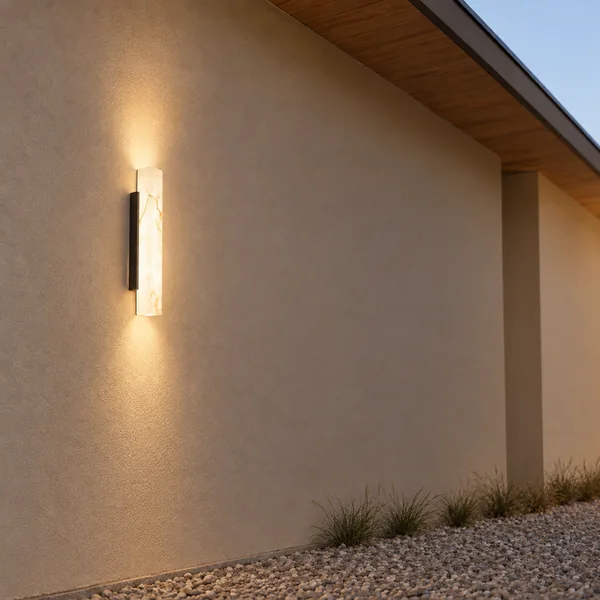
Uteld Outdoor LED Wall Light with Marble Effect
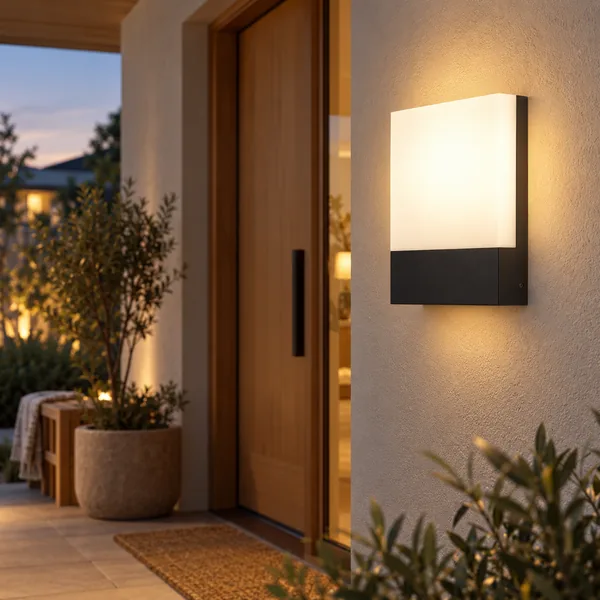
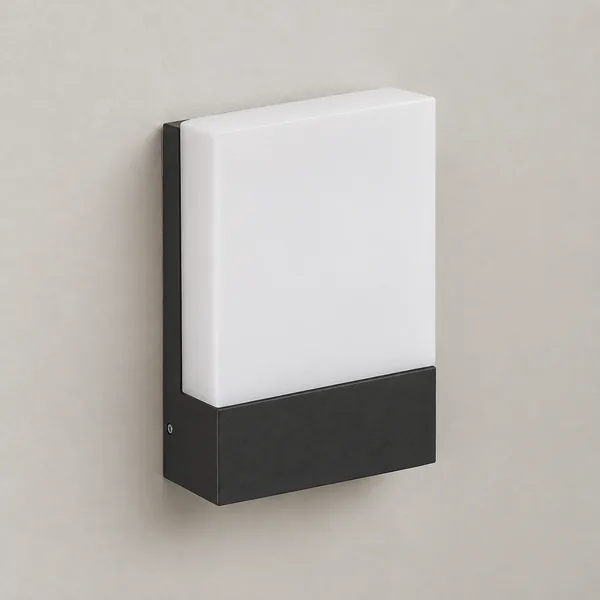 Save $90.00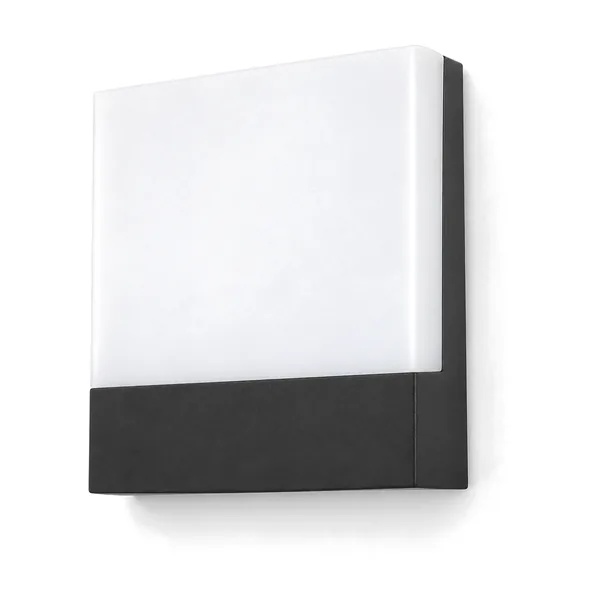
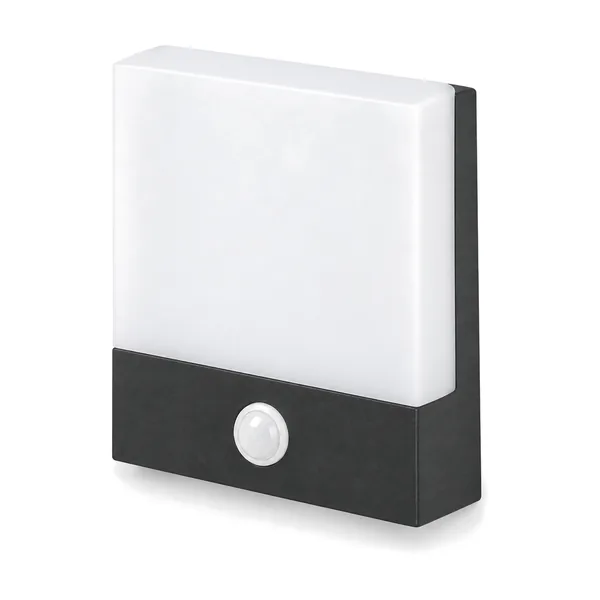 4 options
Vaktre Waterproof Square LED Outdoor Wall Light
 Save $150.00
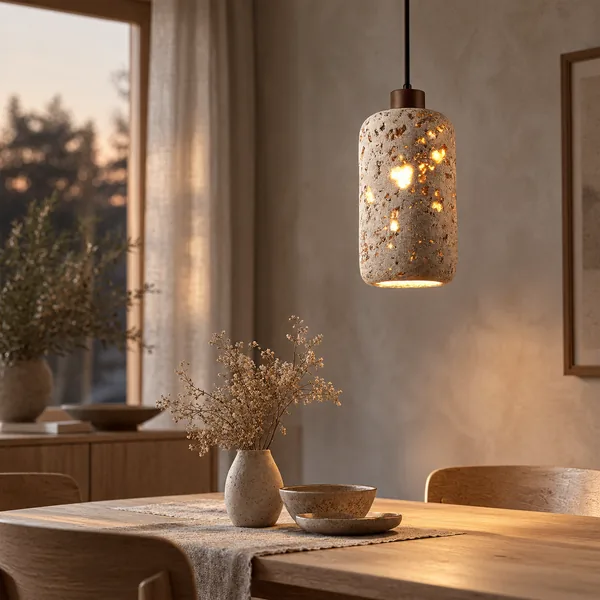
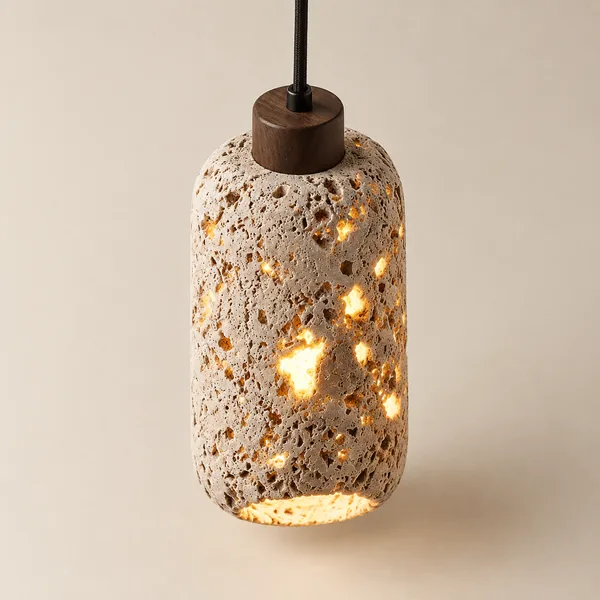
Fjella Travertine Stone Pendant Light Japandi
 Save $110.00
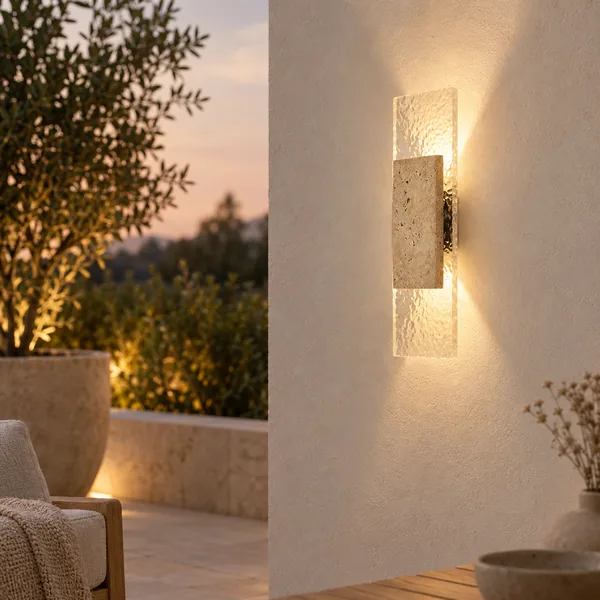
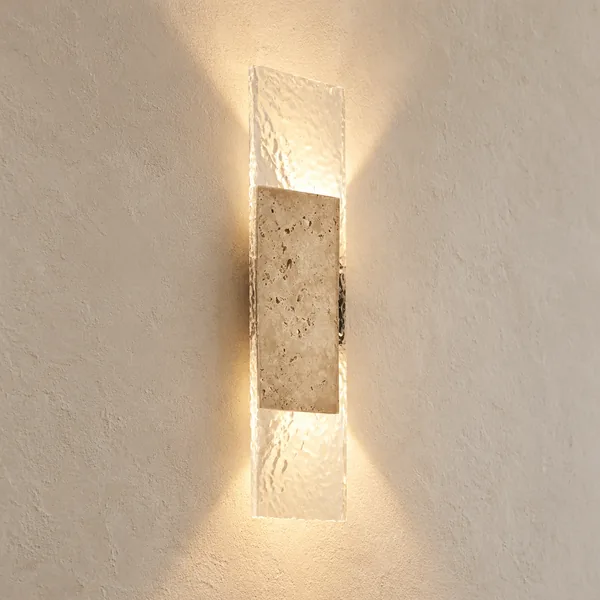
Steinglo Waterproof Stone Wall Sconce 18W LED
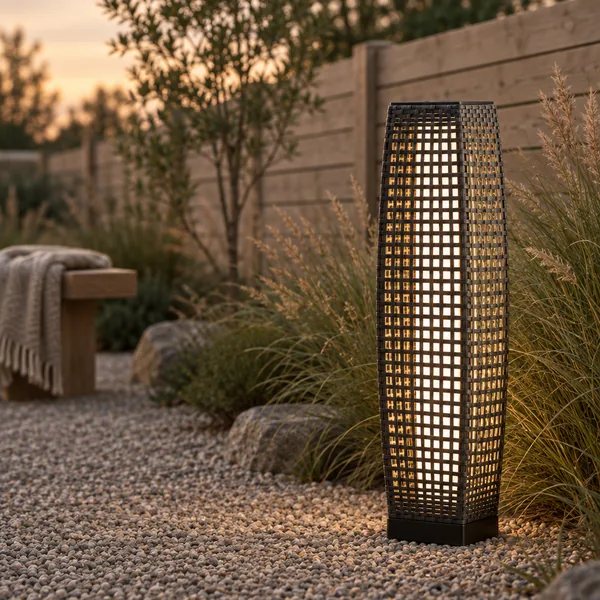
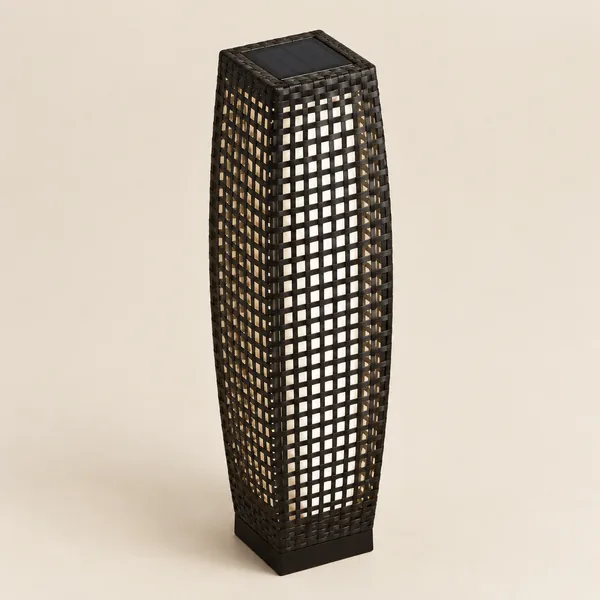
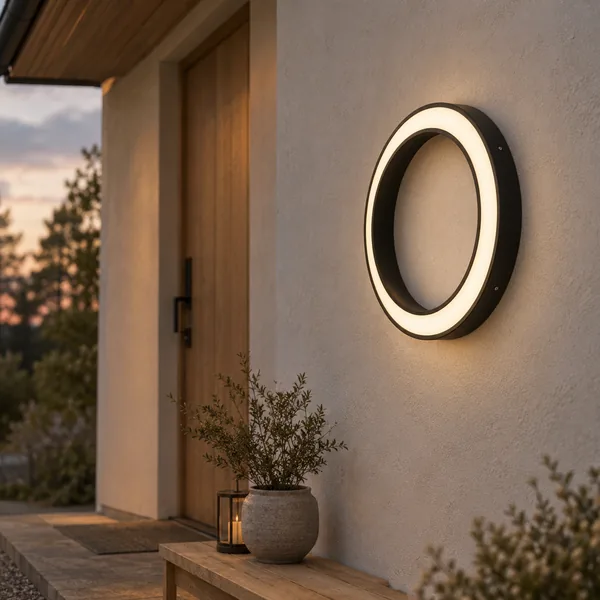
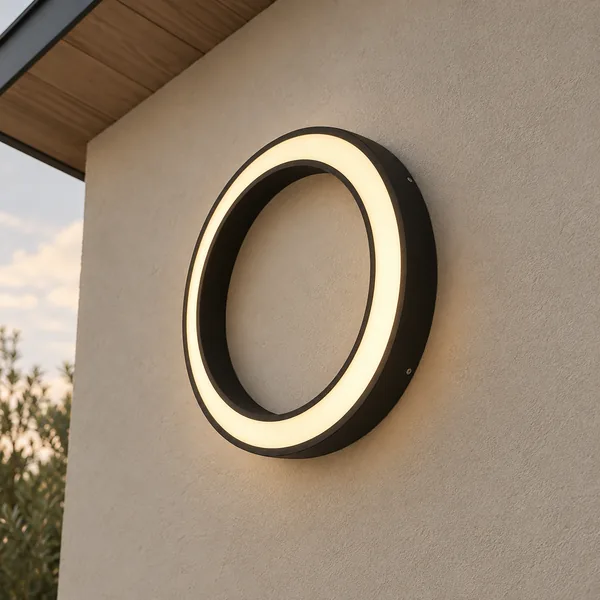
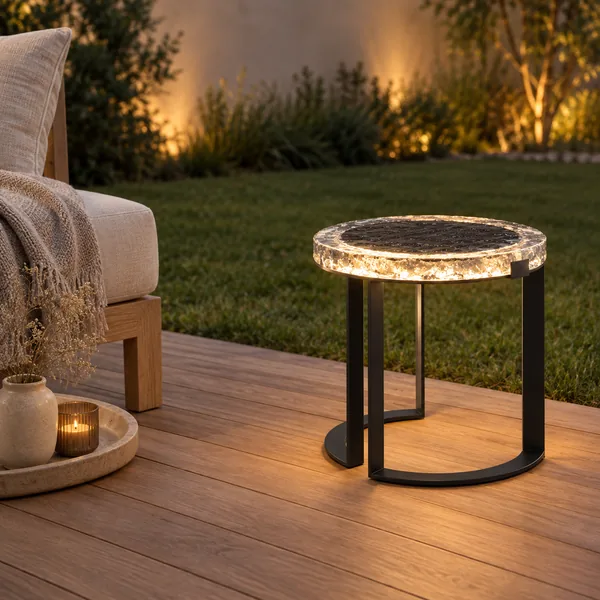
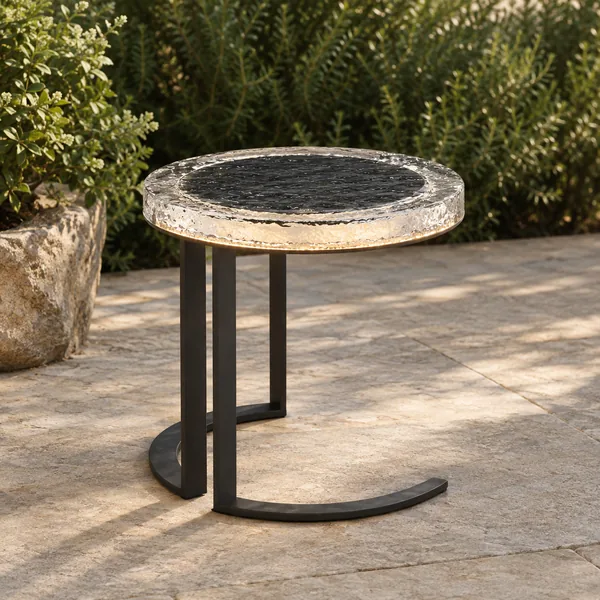
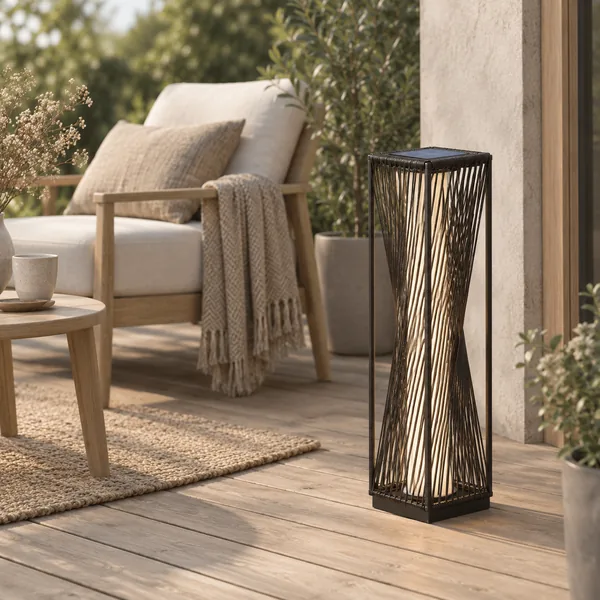
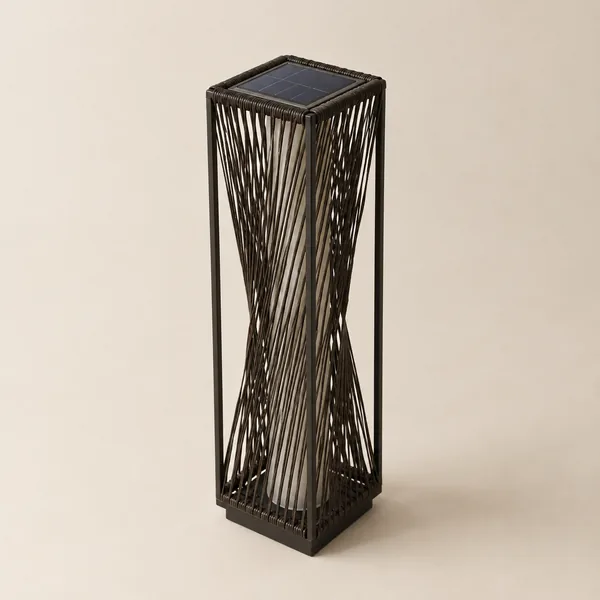
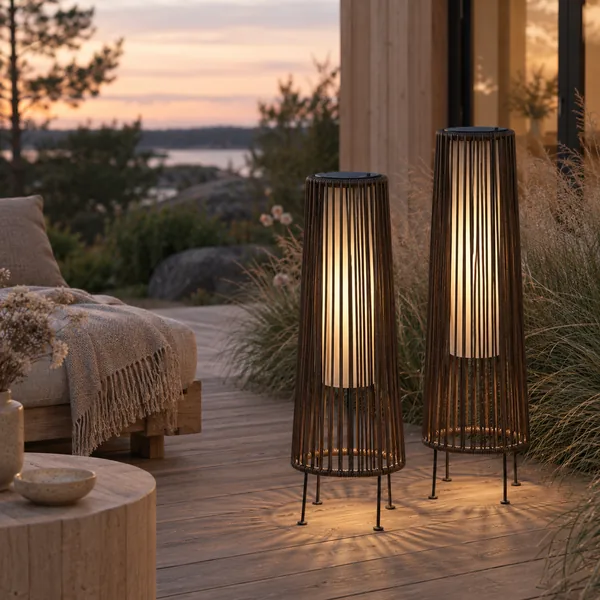
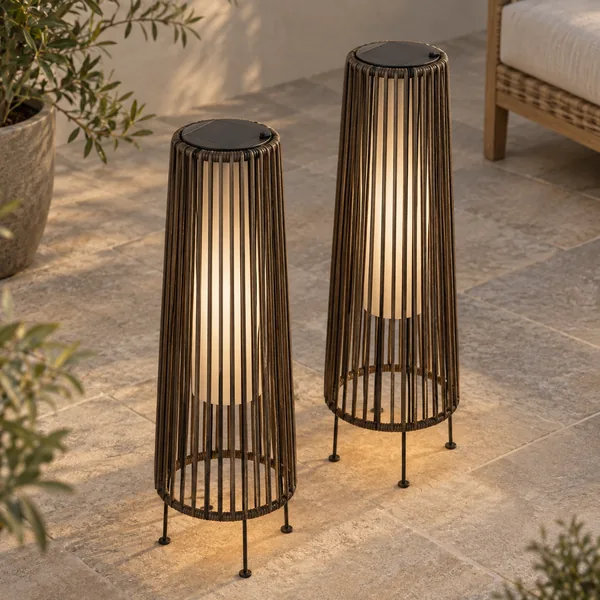
There's something quietly powerful about a well-lit exterior. A warm glow at the front door, soft light tracing a garden path, a lantern casting amber across the porch — these small moments of outdoor lighting shape how your home feels from the outside in. At Skonne, we believe that Nordic design principles don't stop at the threshold. Every fixture in our outdoor collection is chosen with the same intentional warmth, honest materiality, and respect for natural light that defines Scandinavian interiors.
Whether you're updating a single outdoor wall sconce or reimagining your entire home exterior with landscape lighting, this collection brings you fixtures that are as thoughtfully made as they are beautiful to live with.
Outdoor Lighting That Reflects Nordic Design Philosophy
In Scandinavia, where long winters make light a precious resource, exterior lighting has always been treated with the same care as indoor design. A porch light isn't just functional — it's the first impression your home makes, the beacon that welcomes family home, the quiet signal that someone is there. Scandinavian outdoor design leans into materials that age gracefully, silhouettes that are clean and unfussy, and light quality that flatters rather than overpowers.
At Skonne, we carry that philosophy outward, literally. Our outdoor lighting range spans modern outdoor lighting with architectural edge to more traditional patio lanterns with timeless appeal. The common thread is intentionality — no fixture is here by accident, and none sacrifices quality for price alone.
From a $39 solar stake light to a handcrafted coastal-grade wall lantern, every product in this range is evaluated for its design integrity, material durability, and the quality of light it produces. That breadth is deliberate. A real home has a front entry, a back patio, a side gate, and a garden path — and each deserves a fixture chosen for its specific role, not a one-size-fits-all compromise.
Types of Outdoor Lighting for Every Area of Your Home Exterior
The most successful exterior lighting schemes layer multiple fixture types, each serving a distinct purpose. Understanding the categories makes it far easier to plan a cohesive result that's both beautiful and genuinely useful.
Outdoor Wall Lights and Porch Fixtures
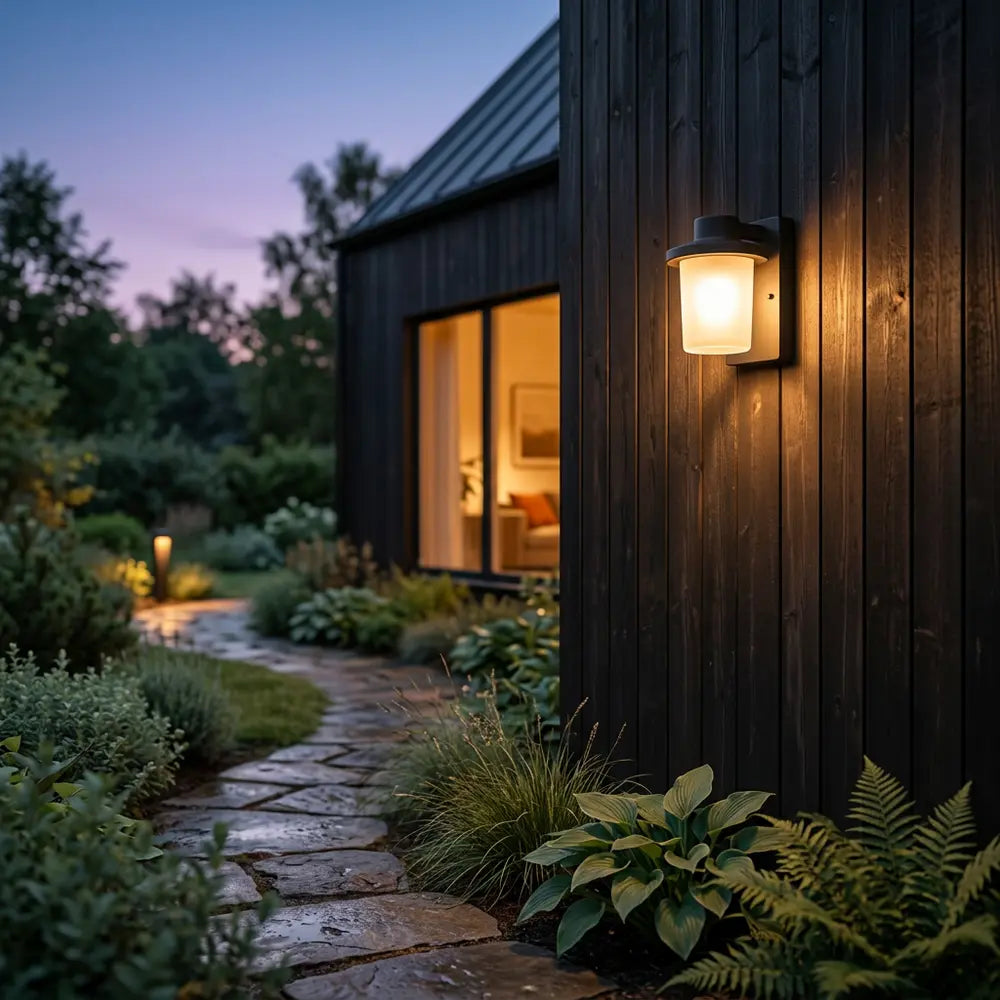
Outdoor wall lights are often the cornerstone of any exterior scheme. Flanking a front door, mounted beside a garage, or running along a covered walkway, they provide the primary ambient light for an entrance. Our porch light fixtures range from clean geometric forms suited to contemporary architecture to lantern-style designs that complement more traditional facades.
When choosing a wall-mounted exterior light, consider the scale of the wall it will occupy. A fixture that feels appropriately sized in a catalogue can look undersized against a double-height entry or oversized on a narrow townhouse facade. A useful guide: the fixture height should be roughly one-quarter to one-third of the door height for most residential entries.
Landscape and Garden Path Lighting
Landscape lighting serves both aesthetic and practical purposes. Low voltage landscape lighting along pathways improves safety without the visual weight of full-brightness fixtures, guiding footsteps with a soft, directional glow. Bollard lights offer a taller, more architectural option for driveways and wider garden paths, creating vertical rhythm in the landscape.
Uplighting trees or garden features adds depth and drama — it transforms a flat yard into a layered nightscape. Downlighting from overhead structures like pergolas or covered patios creates that warm, intimate garden ambiance that makes outdoor spaces genuinely livable after dark.
String Lights and Decorative Patio Lighting
Outdoor string lights have earned their enduring popularity for good reason. Bistro lights strung overhead create instant atmosphere on a patio or deck, producing that soft, diffused glow that photographs well and feels even better in person. They're one of the most accessible ways to extend outdoor living hours without a major installation investment.
Skonne's curated string light selection focuses on warm white LED options that prioritize light quality — the kind of glow that flatters faces and complements natural materials rather than washing everything in cold, clinical brightness.
Security and Motion-Activated Lighting
Practical exterior lighting doesn't have to look utilitarian. A well-chosen motion sensor wall light can be just as handsome as a purely decorative fixture, with the added benefit of activating when it's needed most. Security lights integrated thoughtfully into the overall exterior scheme — rather than bolted on as an afterthought — offer deterrence without compromising the aesthetic you've carefully built.
Choosing an Outdoor Lighting Design Style for Your Home
The most common mistake in exterior lighting is selecting fixtures without considering the architecture they'll inhabit. A sleek matte black lantern that looks stunning on a modern farmhouse can feel awkward on a Victorian terrace. Getting this right doesn't require a design degree — it requires a moment of honest observation.
Look at your home's dominant material palette: warm brick, cool render, natural timber cladding, painted weatherboard. Then consider its roofline and window shapes — pitched or flat, arched or square. Modern outdoor lighting with geometric frames and minimal ornamentation tends to suit contemporary builds and clean-lined extensions. Lantern-style fixtures with curved arms and textured glass read better against heritage or cottage-style architecture.
Finish consistency matters enormously for a cohesive result. Mixing brushed brass and matte black across adjacent fixtures creates visual noise. Selecting a single metal finish — or intentionally pairing complementary tones — pulls an exterior scheme together in the same way that consistent hardware does for a kitchen.
Coastal grade materials deserve a special mention for anyone within proximity of the ocean or in high-humidity climates. Salt air accelerates corrosion dramatically. Look for fixtures rated for coastal exposure, with marine-grade stainless steel, powder-coated aluminium, or solid brass construction.
How Outdoor Lighting Connects and Powers Your Exterior
Understanding how your outdoor fixtures will be powered is a practical step that significantly shapes your choice. The three main options — mains-wired, solar, and low voltage — each suit different contexts and installation appetites.
Mains-Wired Exterior Fixtures
Hardwired fixtures connected to your home's electrical circuit offer the most reliable, consistent light output. They're the standard choice for permanent installations like outdoor wall lights, porch lights, and garage fixtures. Installation typically requires a licensed electrician, particularly for new circuits or external outlet points, but the result is a fixture that performs identically every night regardless of weather or season.
Solar Lights Outdoor
Solar lights outdoor have improved dramatically in recent years. Modern solar path lights, stake lights, and even wall-mounted solar fixtures offer meaningful light output and improved battery retention — some models performing effectively through multiple overcast days. They remain best suited to garden accent lighting, path marking, and low-key ambient applications rather than primary entry or security lighting where consistent brightness is essential.
For most of North America, solar lighting performs well across spring, summer, and autumn. Winter performance varies by latitude — in northern states, shorter days and lower sun angles reduce charging efficiency. This is worth factoring into your fixture choice if you live above the 45th parallel.
Low Voltage Landscape Systems
Low voltage landscape lighting runs on 12V rather than the standard 120V mains supply, making it significantly safer for DIY installation and more energy-efficient overall. A transformer plugged into an outdoor outlet powers a run of pathway lights, spotlights, or garden fixtures through a simple buried cable. These systems are flexible, scalable, and a practical choice for anyone who wants a professionally finished landscape scheme without a major electrical project.
The Benefits of Quality Outdoor Lighting for Your Home
Investing in considered outdoor lighting for your house delivers returns well beyond aesthetics — though the aesthetic case is compelling on its own.
Safety and navigation are the most immediate practical benefits. Well-lit pathways, clearly illuminated steps, and bright entry points reduce the risk of trips and falls significantly. Entry lighting that activates at dusk or via motion gives household members and guests clear, confident access to the front door.
Security is a well-documented benefit of exterior lighting. A consistently and well-lit perimeter is a meaningful deterrent. Motion-activated floodlights in particular are documented in crime prevention research as one of the more effective low-cost deterrents for opportunistic incidents.
Property value is increasingly recognized as responsive to exterior presentation, and lighting is a significant contributor to curb appeal — the first impression a property makes. Real estate professionals consistently note that homes with well-maintained, tasteful exterior lighting photograph better, show better, and attract stronger offers.
Finally, livability — the often underestimated benefit of great outdoor lighting. A patio that's functional and inviting after dark effectively doubles as usable living space. A garden that glows warmly on a summer evening becomes a place people actually gather. These are the small but meaningful quality-of-life returns that make considered exterior lighting fixtures a worthwhile investment in how you experience your own home.
Maintaining and Weatherproofing Your Outdoor Light Fixtures
Outdoor fixtures live a harder life than their interior counterparts. Temperature swings, moisture, UV exposure, and physical contact with garden tools, ladders, and seasonal debris all take a toll. A modest maintenance routine extends fixture life significantly and keeps your exterior looking considered rather than neglected.
Cleaning is the most fundamental step. A soft cloth dampened with mild soapy water, applied every few months, removes accumulated grime, salt deposits, and oxidation from fixture bodies. Avoid abrasive cleaners that scratch protective coatings. For glass panels, a dedicated glass cleaner restores clarity and maximizes light output.
Check seals and gaskets annually on hardwired fixtures. The weatherproof integrity of a fixture depends on intact rubber seals around cable entry points and lens housing. If seals show cracking or deformation, replacement gaskets are typically available from the manufacturer and are inexpensive insurance against water ingress.
LED light sources in outdoor fixtures rarely need replacing within the first decade of normal use, but if a fixture accepts replaceable bulbs, ensure any replacement meets the same IP (Ingress Protection) rating as the original. A bulb not rated for outdoor use can introduce moisture points even in an otherwise weatherproof fixture.
For metal fixtures showing surface oxidation or weathering, a light application of an appropriate metal protectant — specific to the fixture's finish — restores appearance and slows further deterioration. Solid brass fixtures, in particular, will develop a natural patina over time that many find appealing; clear lacquer maintains the original finish if preferred.
Explore the Full Outdoor Lighting Collection at Skonne
Our outdoor lighting range is organized to help you find exactly the right fixture for each specific context — from a single replacement porch light to a complete exterior scheme. Browse by fixture type and application to discover options curated with Nordic design values and real-world durability in mind.
Every home exterior is different, and the right outdoor lighting plan reflects that. Whether you're drawn to the quiet restraint of Scandinavian outdoor design or seeking something with more decorative character, the Skonne collection offers genuine range without sacrificing curation. Explore the broader world of lighting to discover how our indoor and outdoor ranges work together to create a home that feels cohesive from every angle.
Frequently Asked Questions about Outdoor Lighting
16 products