
Dinnerware Sets
Showing 1 - 10 of 10 products
 Save $70.00
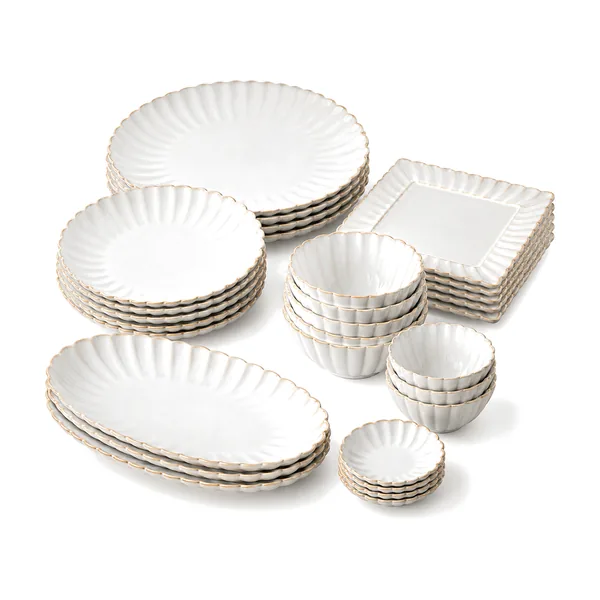
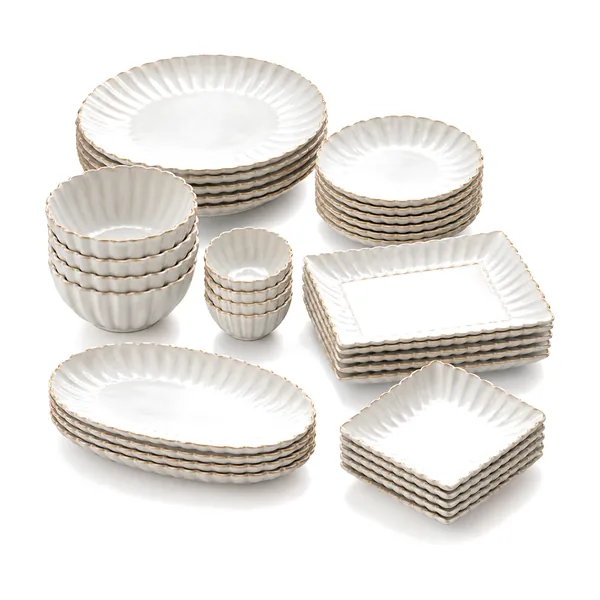 3 options
Nordic Ceramic Dinnerware Set Matte Glaze Finish
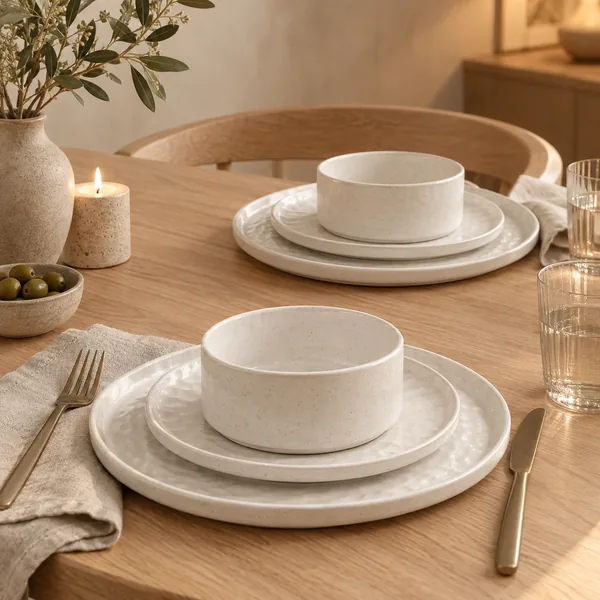
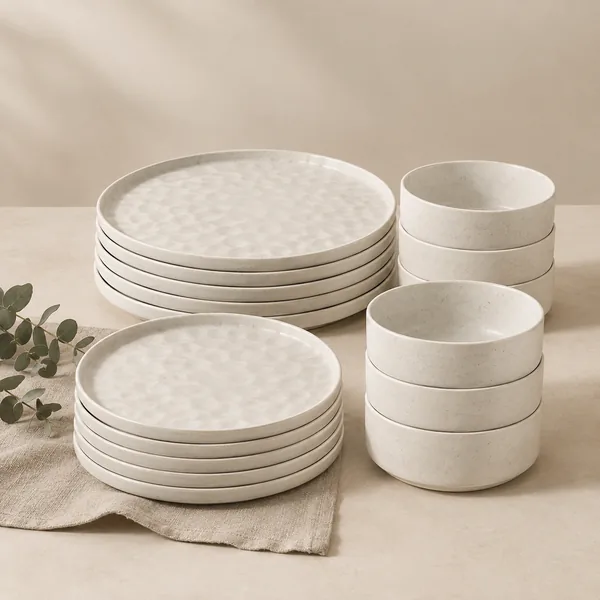 Save $70.00
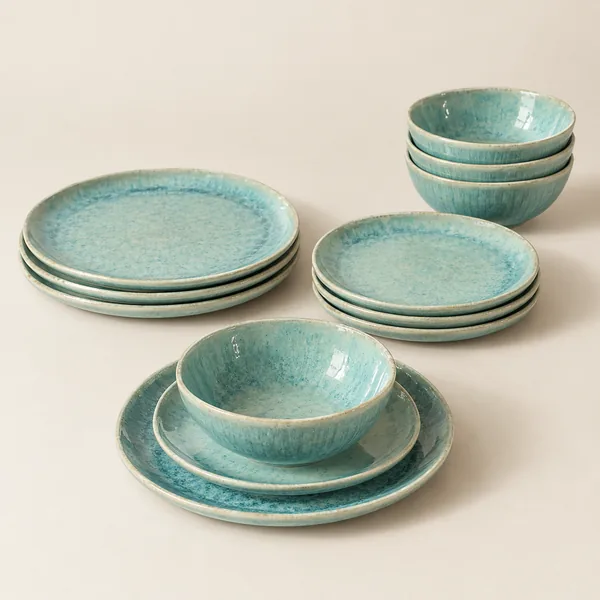
Bylgja Ripple Glaze Stoneware Dinnerware Set
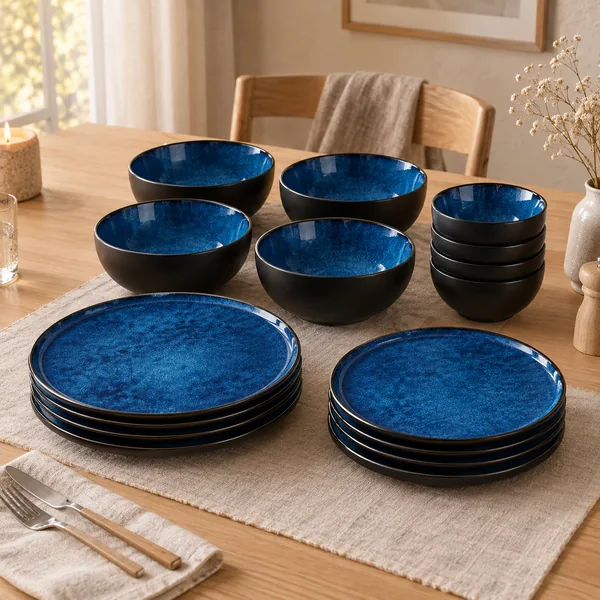
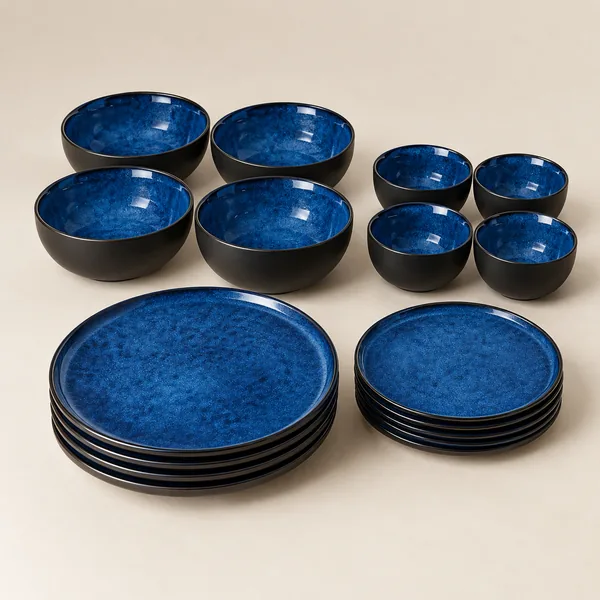 Save $130.00
Lera 16-Piece Ceramic Dinnerware Set for Four
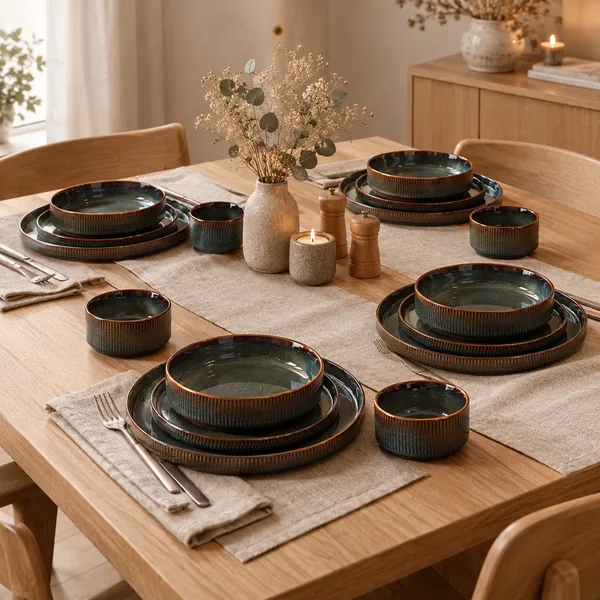
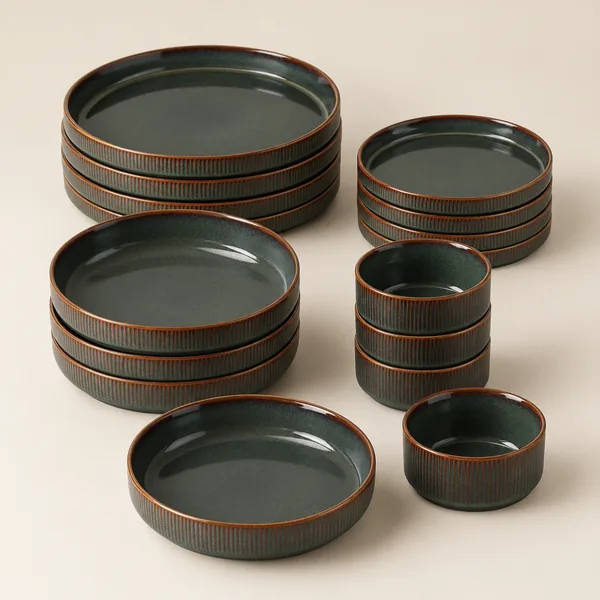 Save $240.00
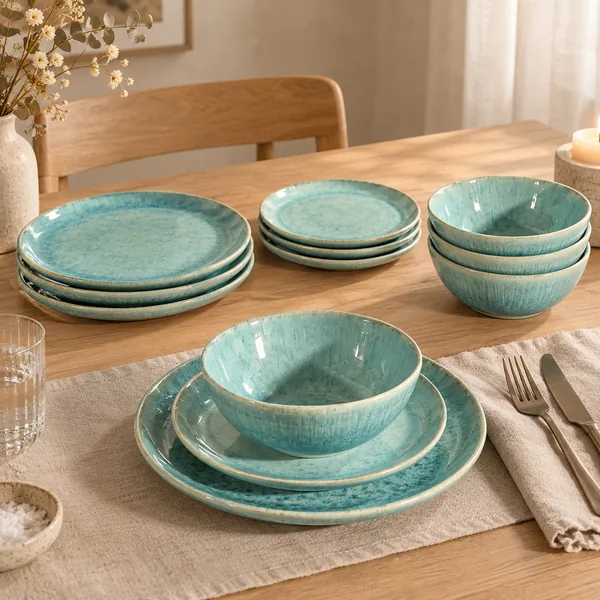
Grondal Ribbed Green Stoneware Dinnerware Set
 Save $30.00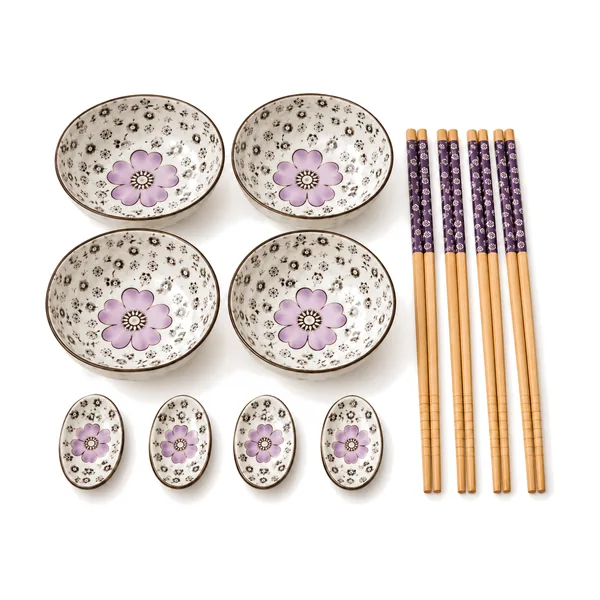
 2 options
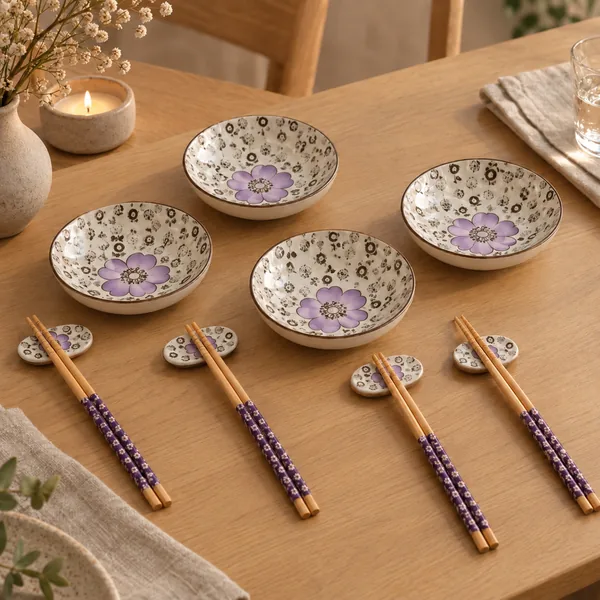
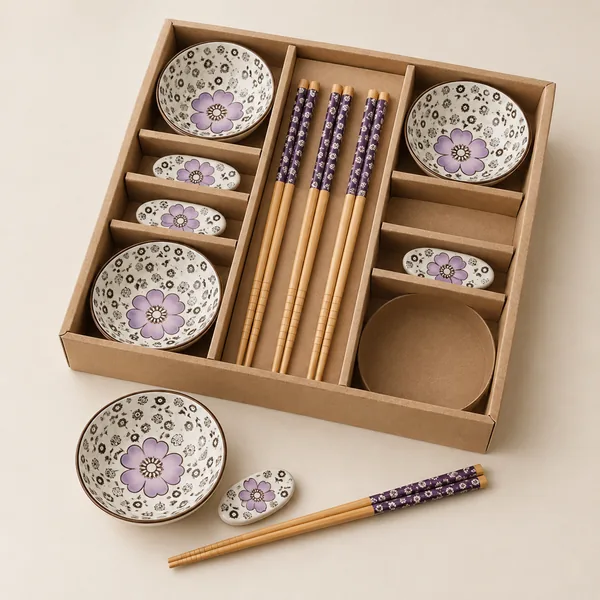
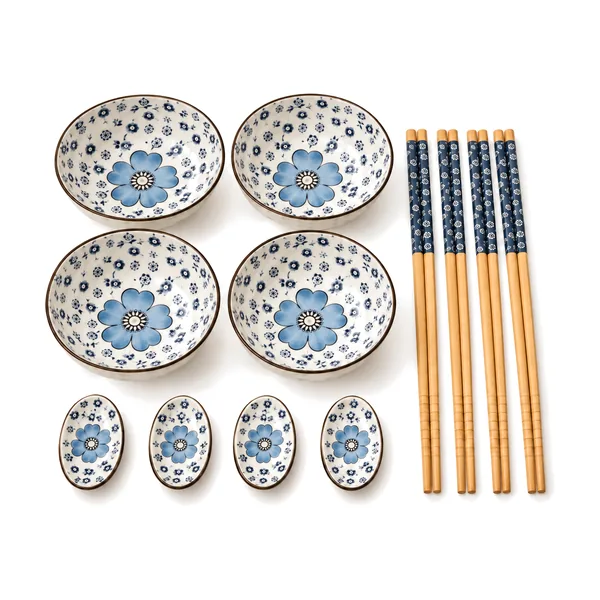
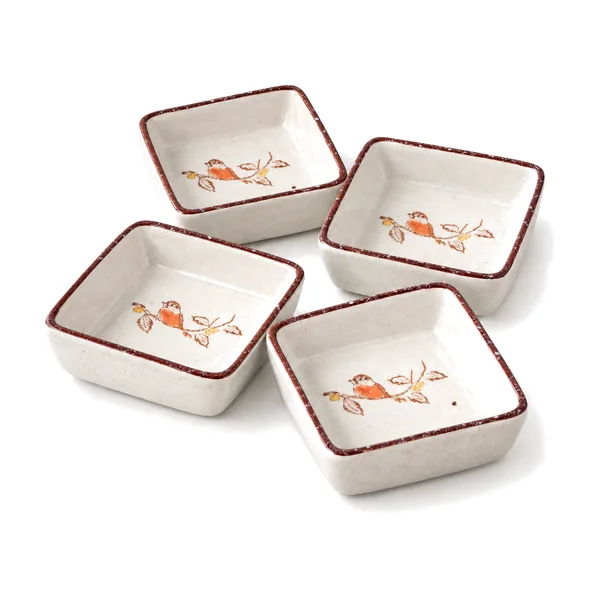
Kirsja Cherry Blossom Ceramic Dinnerware Set
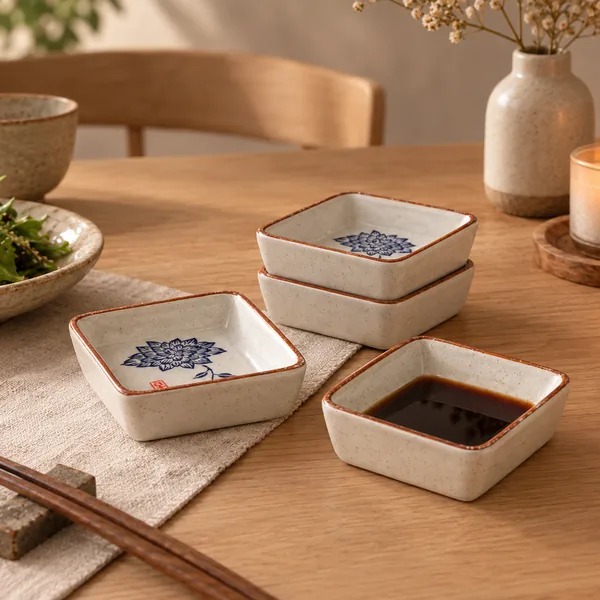
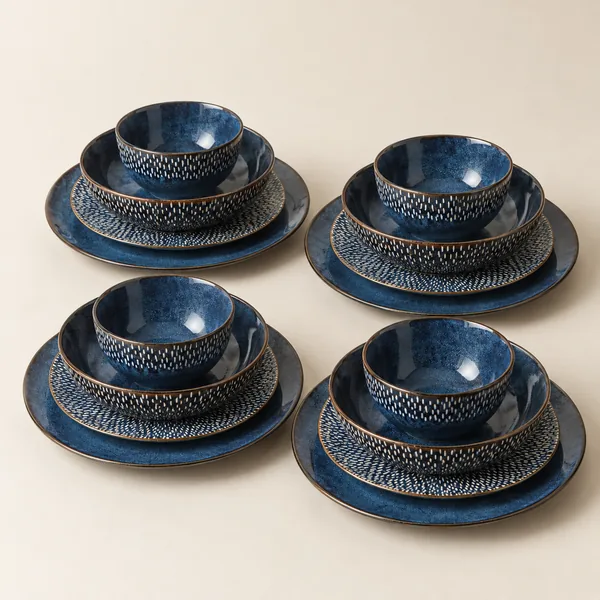
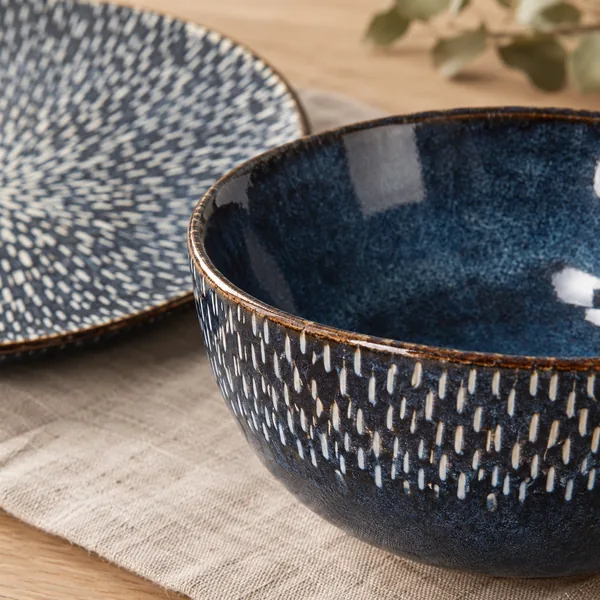
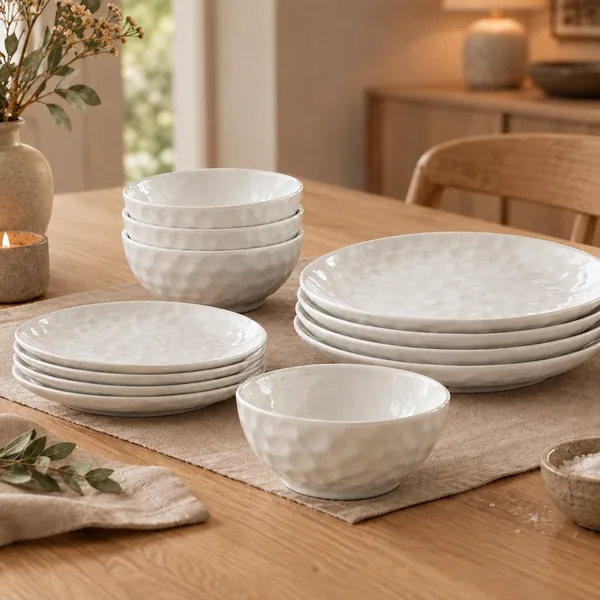
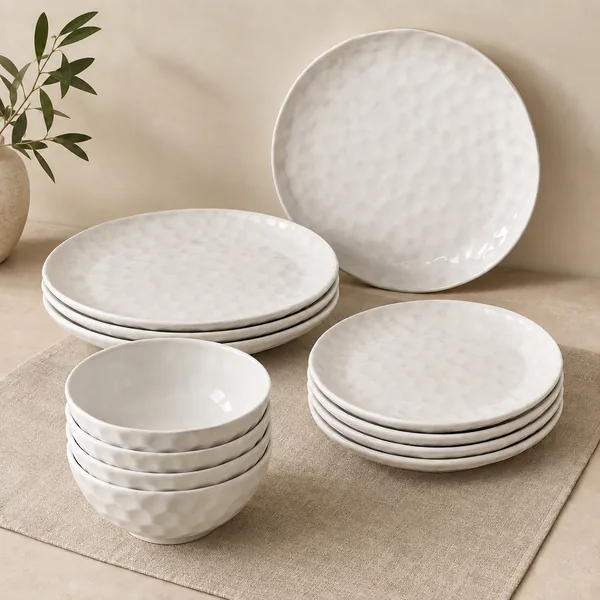
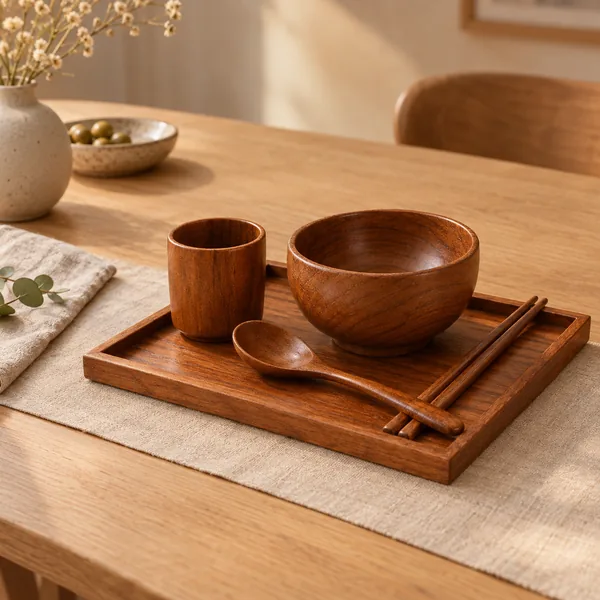
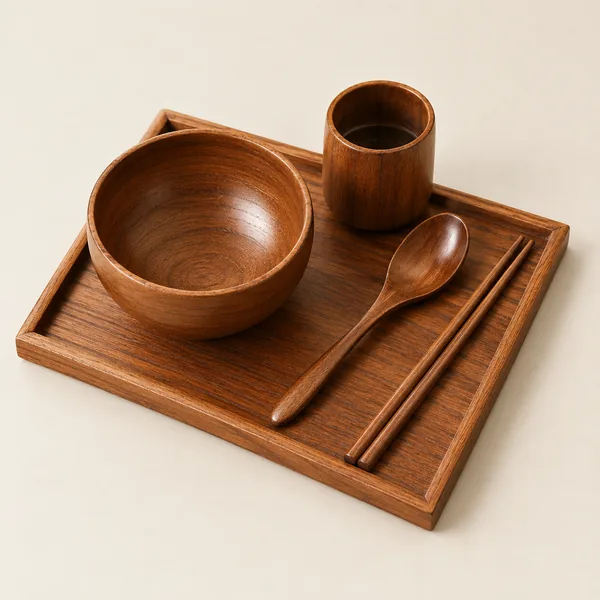
There is something quietly transformative about setting a beautiful table. At Skonne, our dinnerware sets are designed to bring that everyday ritual a little closer to the Scandinavian ideal — unhurried, considered, and genuinely lovely to live with. Whether you are building your first home or refreshing a kitchen that has served you well for years, this collection offers a curated path through Nordic tableware that feels as good as it looks.
From tactile stoneware dinnerware sets with their earthy, handcrafted character to refined porcelain dinnerware sets with clean Nordic lines, every piece here is chosen with intention. This is not a collection assembled for trend cycles — it is built for tables that actually get used, morning after morning, gathering after gathering.
What Makes a Dinnerware Set Worth Keeping
The best dinnerware set is one you reach for every single day without thinking about it. It survives the rhythm of real life — dishwasher cycles, stacked cupboards, Saturday brunches, Tuesday dinners — and still looks beautiful doing it.
At Skonne, we curate with that standard in mind. Every set in this collection has been selected for its balance of durability and design integrity. Chip-resistant constructions, glazes that hold their depth over time, and proportions that feel natural in the hand — these are the quiet qualities that separate a set you love from one you simply tolerate.
Nordic design has always understood that everyday objects deserve the same care as statement pieces. That philosophy runs through everything here.
Stoneware Dinnerware Sets with Scandinavian Character
Stoneware is the workhorse of the Nordic kitchen, and for good reason. Dense, weighty, and fired at high temperatures, high-quality stoneware offers exceptional durability alongside a warmth that mass-produced ceramics rarely achieve. Its slightly textured surface, natural colour variation, and often matte or semi-matte finish give stoneware an artisan pottery quality that reads as both humble and refined.
Our stoneware sets frequently feature reactive glaze finishes — a technique where the glaze interacts unpredictably with heat during firing, producing subtle colour variations across each piece. No two bowls are exactly identical. That organic quality is central to the hygge home aesthetic: warmth through imperfection, character through craft.
Stoneware is also genuinely practical. Most pieces in our collection are dishwasher safe, microwave-friendly, and built to transition from oven to table without drama. For families, regular entertainers, or anyone who simply wants beautiful plates they do not need to baby, stoneware is the natural starting point.
Porcelain Dinnerware Sets for a More Refined Table
If stoneware lends warmth and texture, porcelain brings precision. Porcelain dinnerware sets are fired at even higher temperatures than stoneware, producing a denser, finer material that translates beautifully into clean forms and sharply defined edges — the kind of aesthetic that feels at home in a gallery and equally at home on a Sunday dinner table.
The minimalist aesthetic of Scandinavian design finds its most refined expression in porcelain. Thin-walled plates, subtle coupe silhouettes, soft white or stone-toned glazes — these are the pieces that make even a simple meal feel deliberate. For hosting, porcelain communicates an elevated table setting without effort or pretension.
Porcelain also offers a naturally translucent quality when held to the light — a marker of fine material and careful craft. Our porcelain sets maintain that quality while meeting the everyday expectations of a functional kitchen: dishwasher safe, chip-resistant where possible, and proportioned for real serving portions rather than photogenic minimalism alone.
Ceramic Dinnerware Sets and the Broader Material Landscape
Beyond stoneware and porcelain, ceramic dinnerware sets in our collection encompass a broader range of earthenware and mixed-clay constructions, each bringing their own character to the table. Earthenware tends to be lighter and more porous than stoneware, often featuring bolder glazes and a more rustic, artisan feel. It suits relaxed, convivial dining — long, unhurried meals where the table itself is part of the atmosphere.
We also carry select pieces in bone china, the material historically associated with fine European dining. Bone china's extraordinary translucency and lightness make it one of the most elegant options available, while modern manufacturing has made it considerably more durable than its delicate appearance suggests. For those who want investment pieces that genuinely elevate a formal table, bone china rewards the consideration.
Understanding which material suits your household is not complicated — it is really a question of how you use your table and what feeling you want to create around it. We have tried to make that decision easier by curating across all these material families rather than narrowing to a single aesthetic.
Choosing the Right Set Size and Piece Count
One of the most practical decisions in choosing a dinnerware set is simply how many place settings you need. Our collection ranges from compact sets designed for intimate two-person households through to dinnerware sets for 8 that are built around regular hosting.
A standard four-piece place setting typically includes a dinner plate, a salad or side plate, a bowl, and a mug or cup. A full set for four would therefore contain 16 pieces. Many sets in our collection extend this further with additional serving bowls, platters, or supplementary pieces that make hosting simpler and more cohesive.
For everyday dining, a set for four is often sufficient for households of two — the additional place settings cover guests, breakages over time, or simply the reality that dishwasher cycles do not always align with meal schedules. For regular entertainers or larger families, sets for six or eight provide the cohesion of a matched table without the need to mix and match.
It is also worth considering whether you want the flexibility to expand. Some of our collections are available as open stock, meaning you can add individual pieces — extra dinner plates, additional pasta bowls, a dedicated serving dish — over time. This approach suits those who prefer building a table gradually, and aligns naturally with the Scandinavian ethos of acquiring fewer, better things.
Nordic Design Trends Shaping the Modern Dinnerware Set
Scandinavian design has always moved slowly and deliberately, favouring longevity over novelty. That said, the aesthetic conversation around modern dinnerware sets is genuinely evolving, and Nordic design is leading several of the most interesting directions.
Organic forms are increasingly prominent — plates with subtly uneven rims, bowls that taper gently rather than sitting perfectly uniform, handles that acknowledge the hand that throws them. This shift away from machine-perfect symmetry echoes the Japanese concept of wabi-sabi, which has long been a quiet influence on Scandinavian craft thinking.
Matte finishes continue to dominate Nordic table settings, often in a restrained palette of warm off-whites, soft greys, terracotta, and deep forest tones. These colours read as sophisticated without demanding attention — they recede elegantly against food, allowing the meal itself to be the visual focus. Reactive and dip-glazed surfaces add tonal depth without pattern, keeping the aesthetic clean while avoiding the sterility of pure white.
Textural contrast is another defining trend — combining a rough-edged stoneware dinner plate with a smoother, thinner porcelain side plate, or pairing earthy tones with a single contrasting glaze. Nordic table styling has always understood that restraint does not mean monotony; thoughtful contrast within a limited palette is where the real sophistication lives.
Standard Bowl and Plate Dimensions to Know Before You Buy
Understanding dimensions before purchasing a dinnerware set saves surprises at the table. Standard dinner plates in our collection typically measure between 26 cm and 28 cm (approximately 10 to 11 inches) in diameter — large enough for full portions without dominating a standard dining table.
Salad or side plates generally range from 20 cm to 23 cm (around 8 to 9 inches), well-suited for starters, bread plates, or dessert. Pasta bowls and shallow soup bowls, which have become increasingly central to Nordic everyday dining, typically sit between 20 cm and 24 cm across with a moderate depth that holds liquid without being unwieldy.
Deep cereal or soup bowls in our collection are generally 15 cm to 18 cm in diameter with a deeper profile suited to morning porridge, ramen, or generous serves of soup. Mugs, where included, typically hold between 300 ml and 400 ml — a range that covers most morning coffee and tea habits without requiring a secondary purchase.
Where specific dimensions matter — for example, if you are fitting sets into a particular storage configuration or have specific serving requirements — individual product pages carry detailed measurements for each piece in the set.
Explore Our Dinnerware Sets by Material and Style
Skonne's dinnerware collection sits within a broader world of thoughtfully chosen tableware. If you are building a complete Nordic table, you may also find it useful to explore our tableware collection, which brings together the full range of plates, bowls, serveware, and table accessories curated with the same Scandinavian intention.
Frequently Asked Questions about Dinnerware Sets
10 products