
Travertine Lighting
Showing 1 - 18 of 18 products
 Save $170.00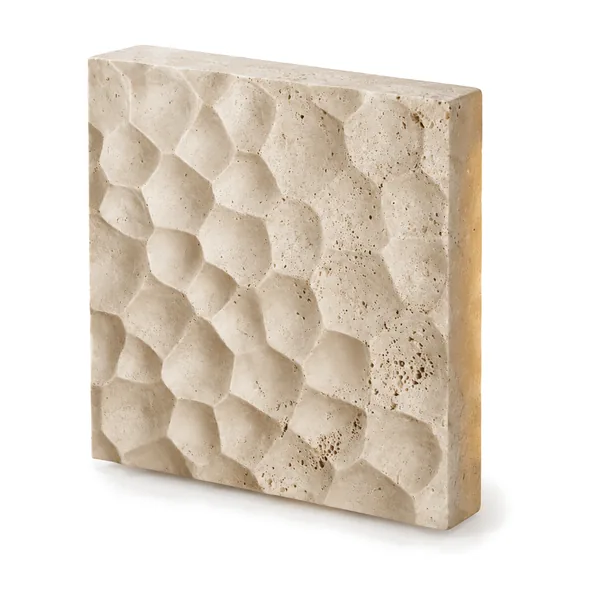
 2 options
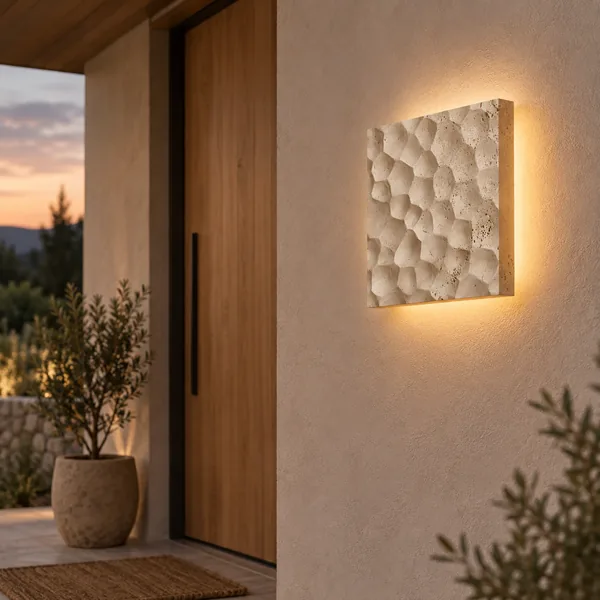
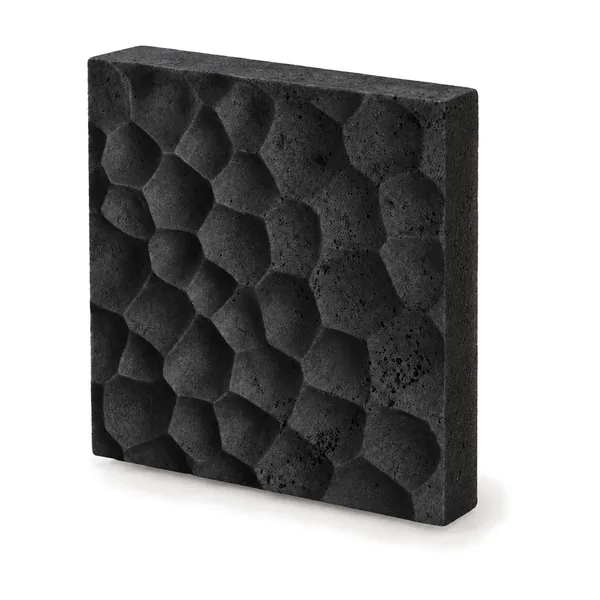
Stenvei Natural Stone IP65 LED Outdoor Sconce
 Save $130.00
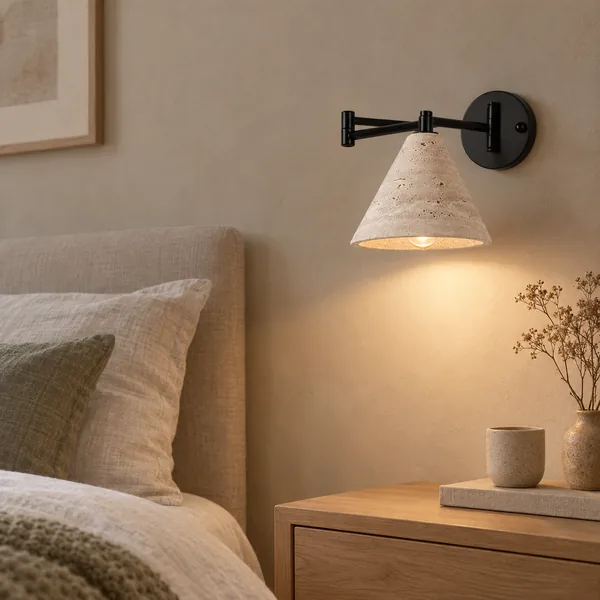
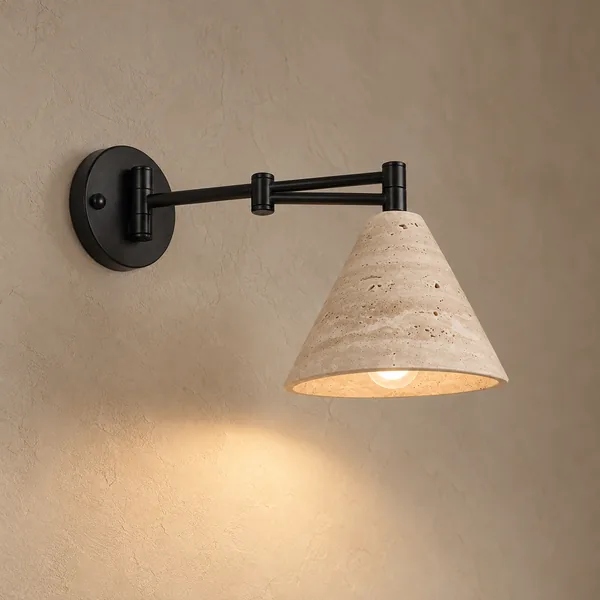
Fjella Natural Travertine Adjustable Wall Lamp
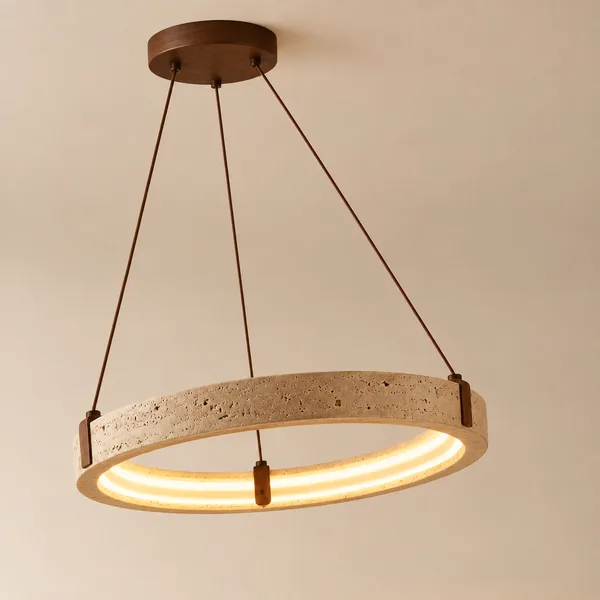 Save $310.00
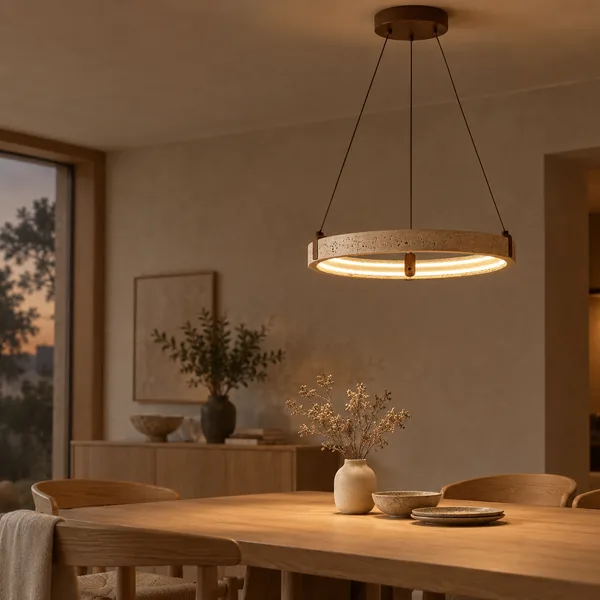
Steina Natural Stone Ring Pendant Light Dimmable
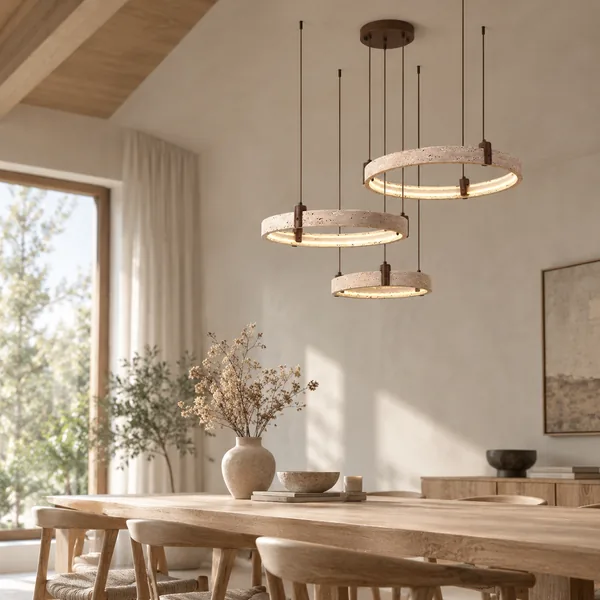
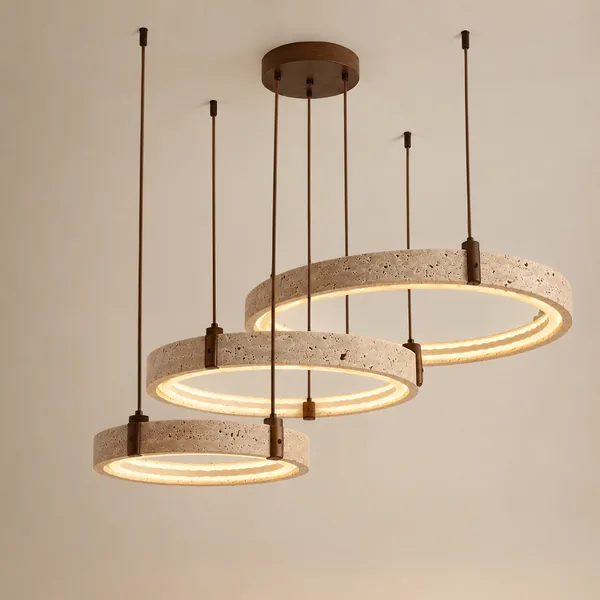 Save $440.00
Steinrund Natural Stone Multi-Ring Pendant Light
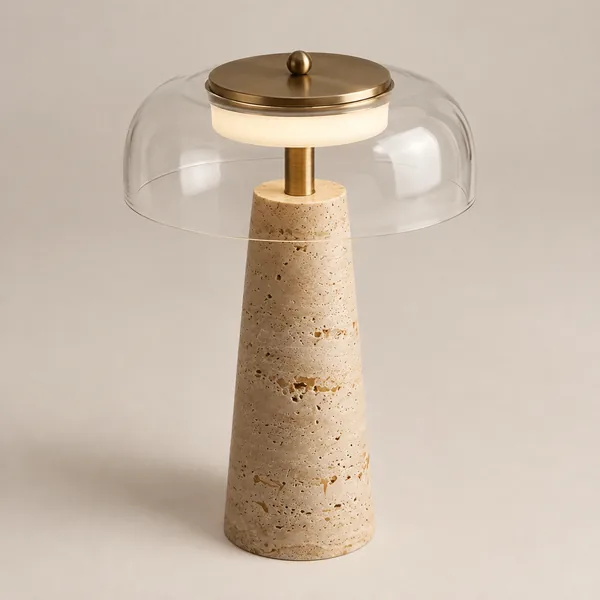
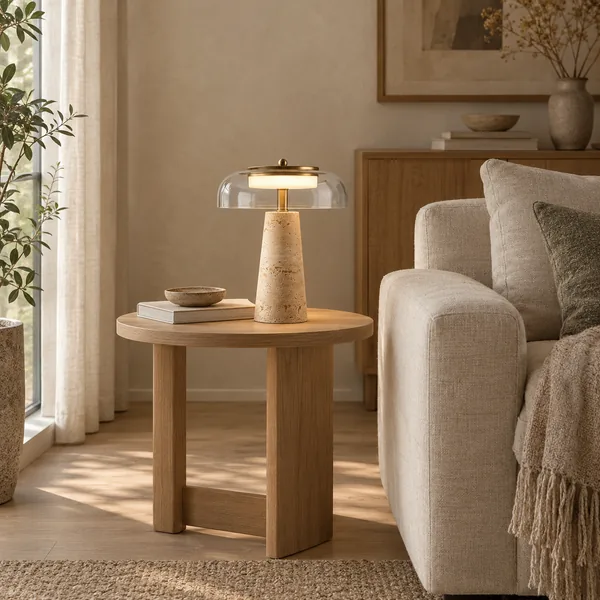 Save $170.00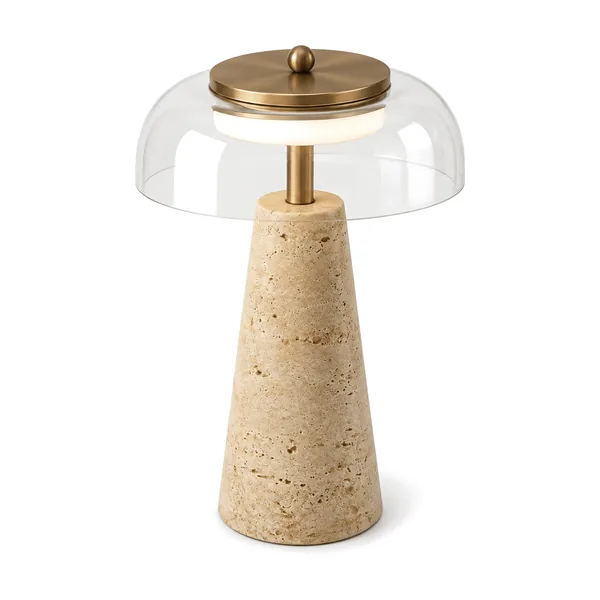
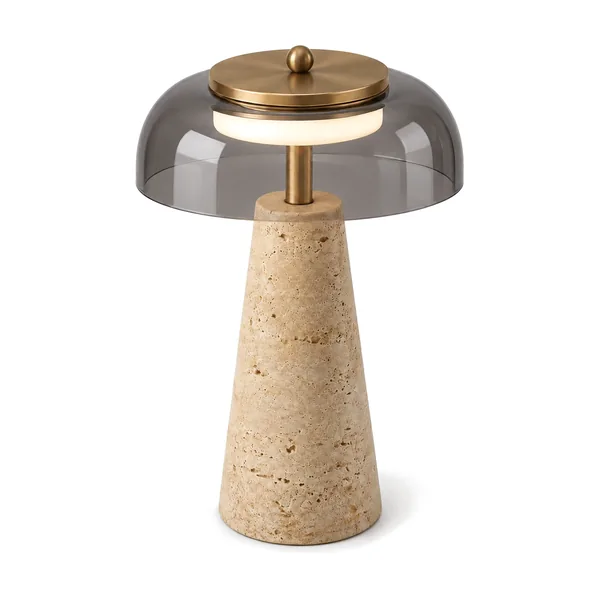 2 options
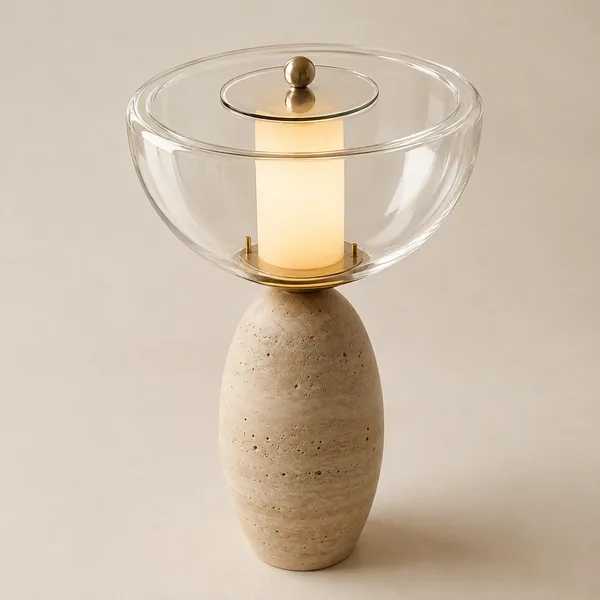
Steina Travertine Stone Table Lamp 3-Color LED
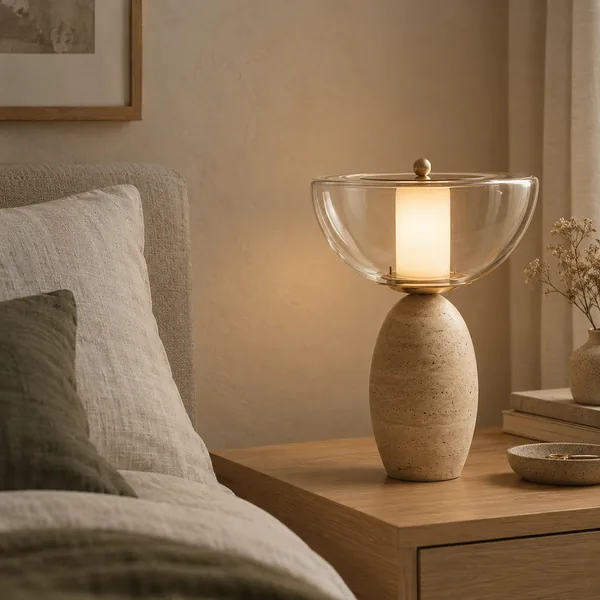
 Save $200.00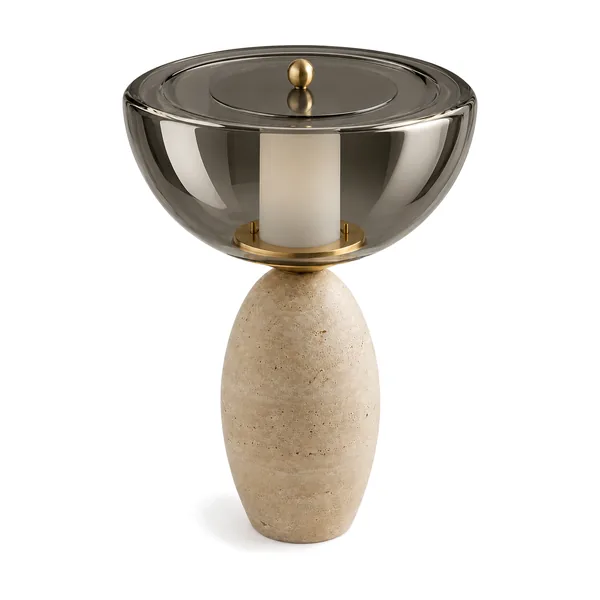
 2 options
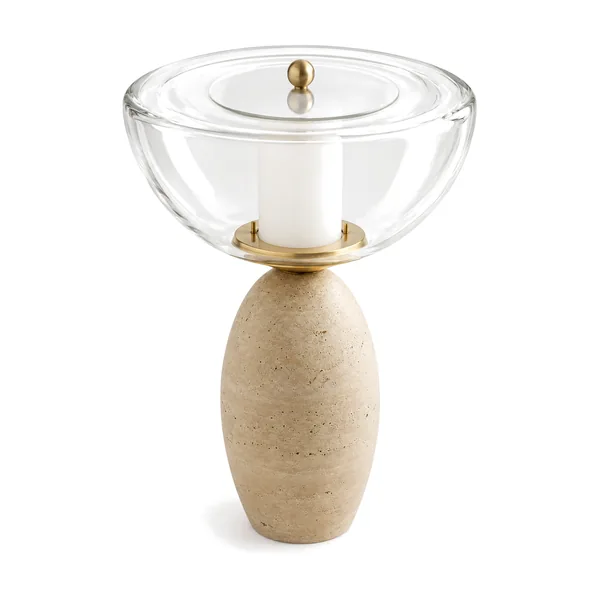
Stenvei Nordic Travertine Natural Stone Table Lamp
 Save $120.00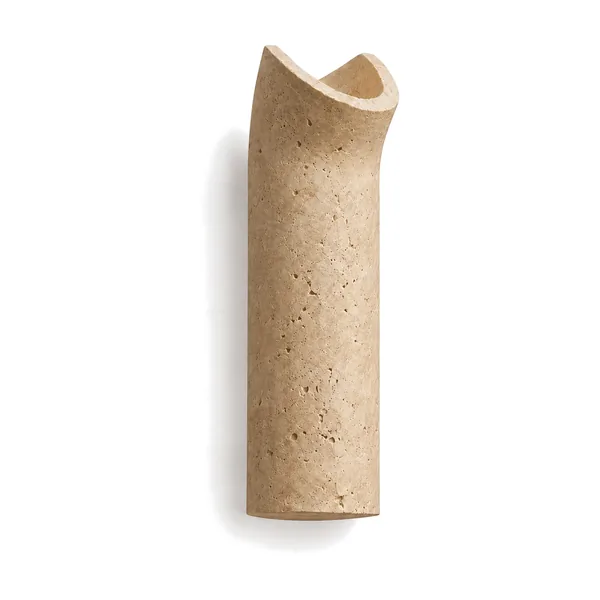
 2 options
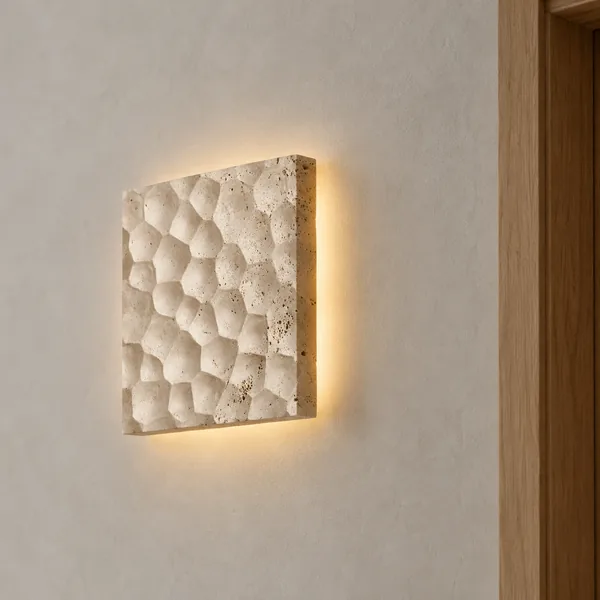
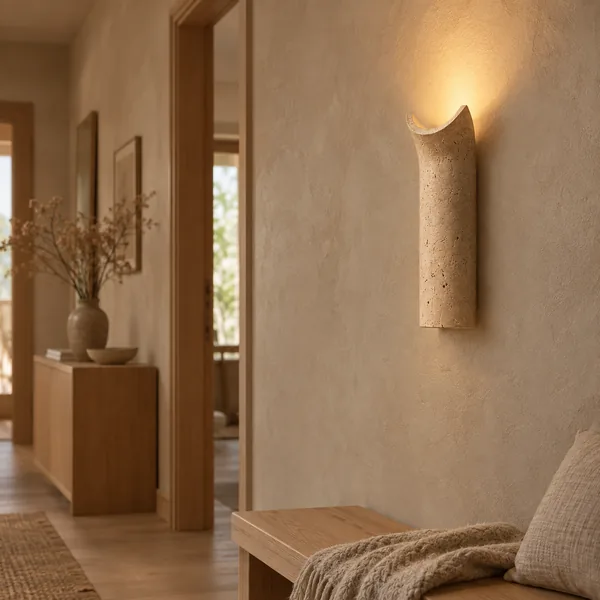
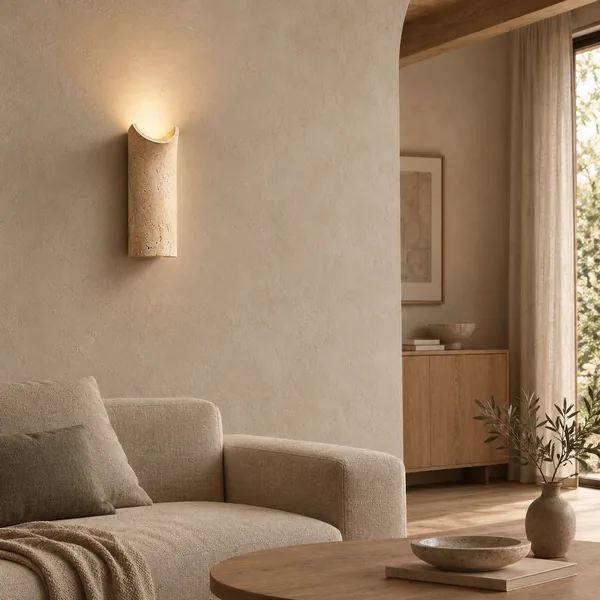
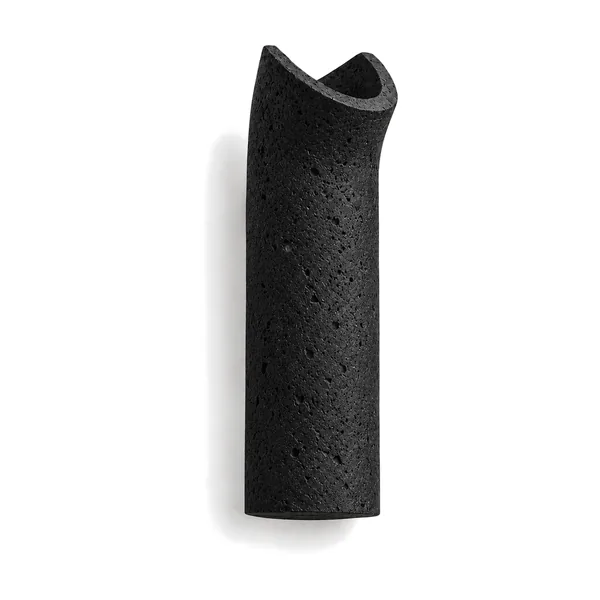
Stenvei Travertine Natural Stone LED Wall Sconce
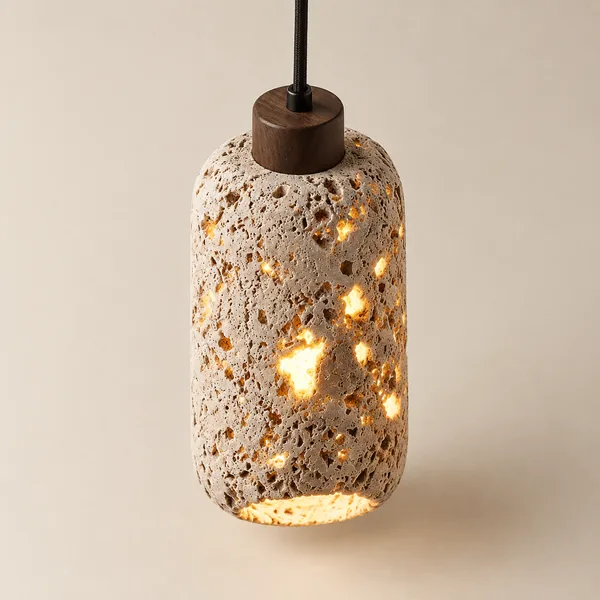 Save $150.00
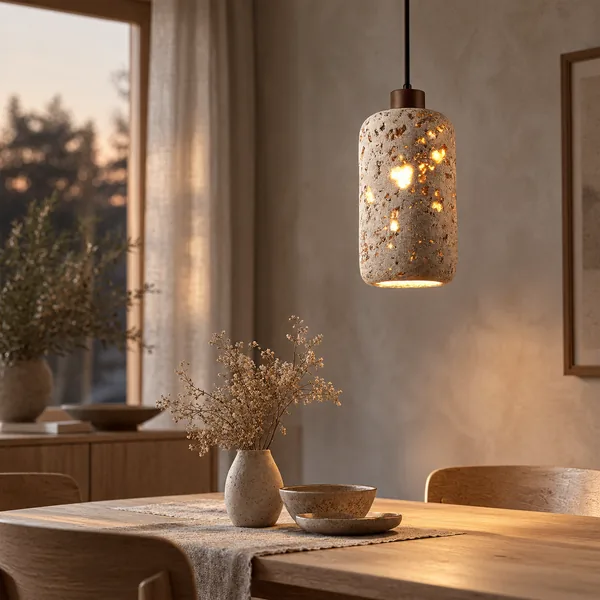
Fjella Travertine Stone Pendant Light Japandi
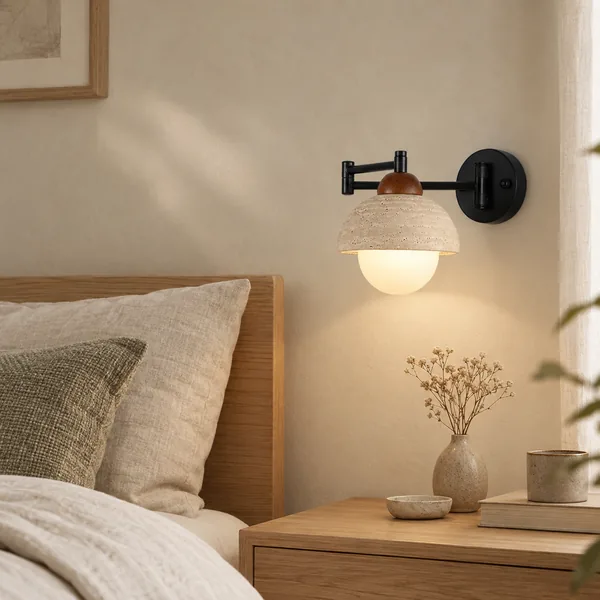
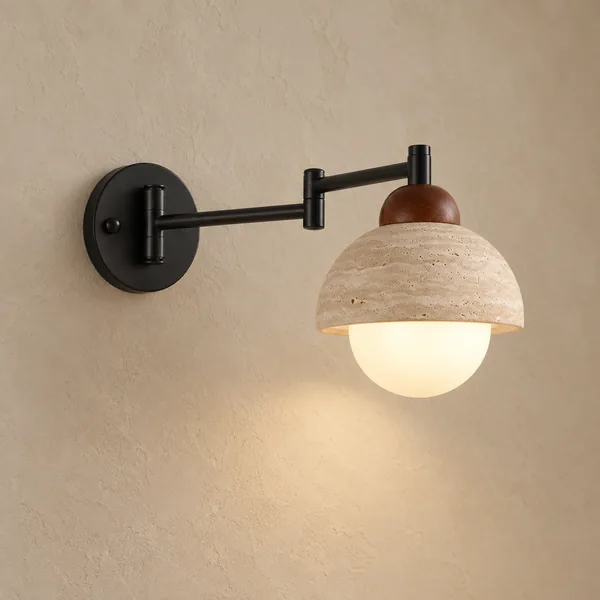 Save $120.00
Steiva Natural Travertine Adjustable Wall Sconce
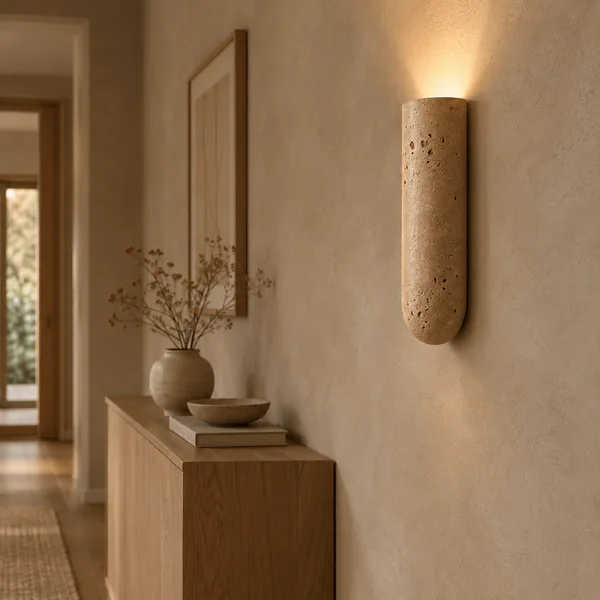
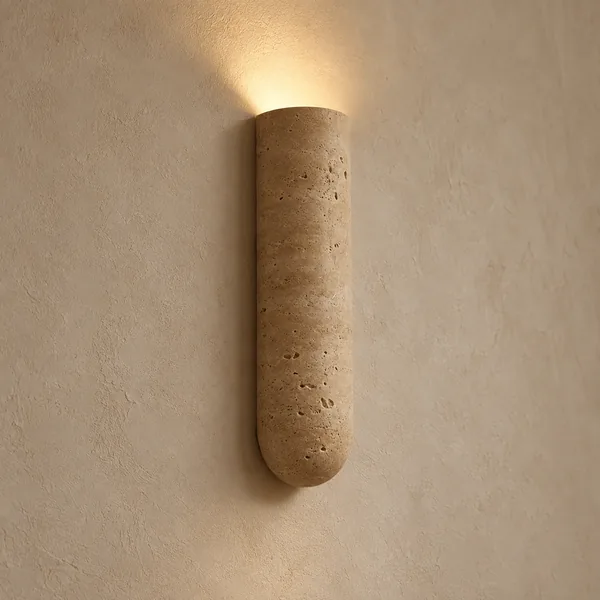 Save $110.00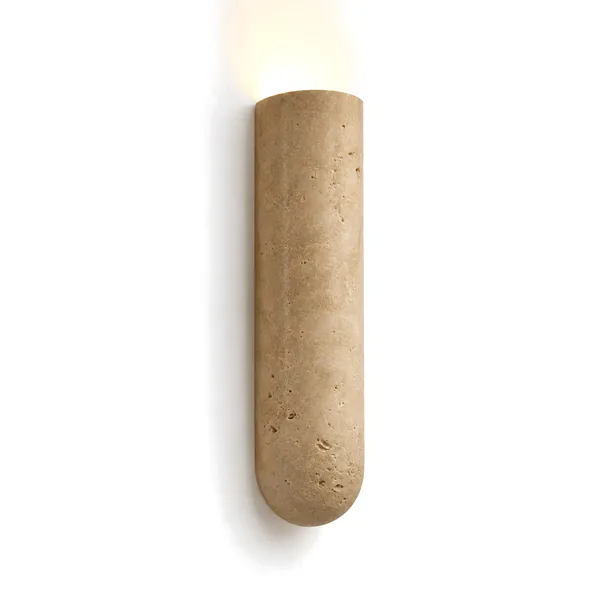
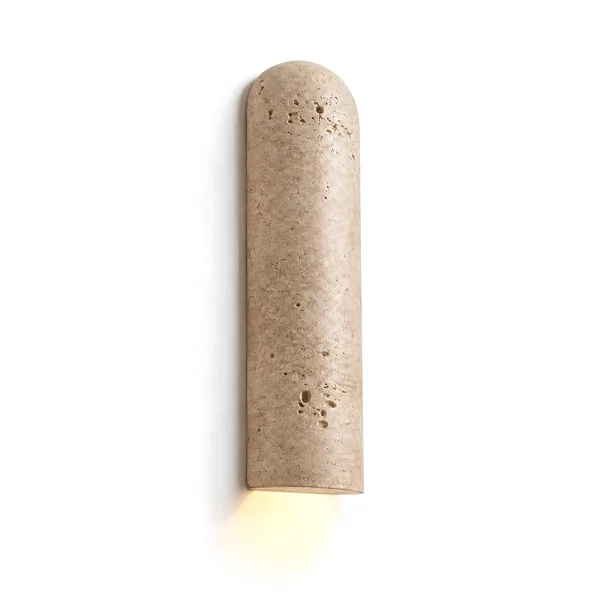 2 options
Glodsten Carved Travertine Stone LED Wall Lamp
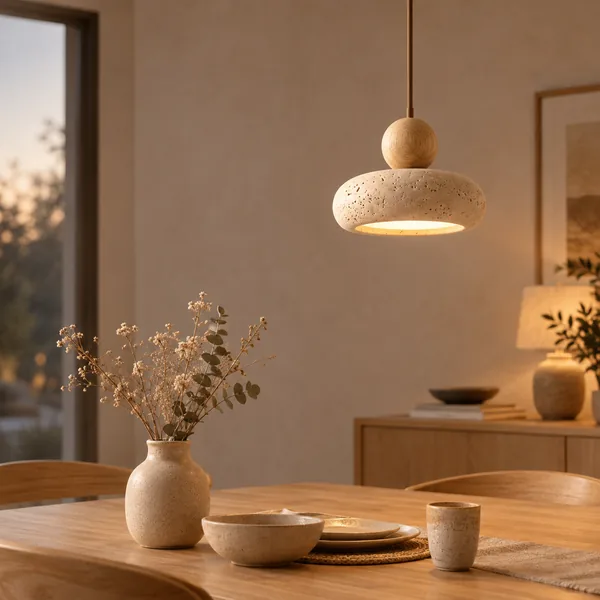
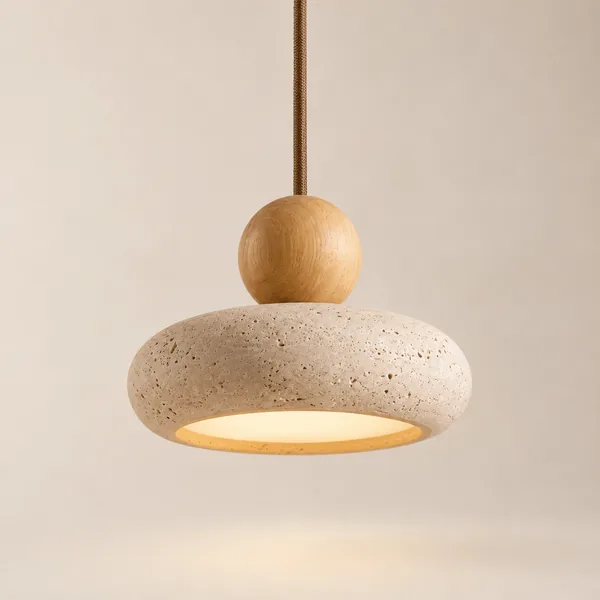 Save $80.00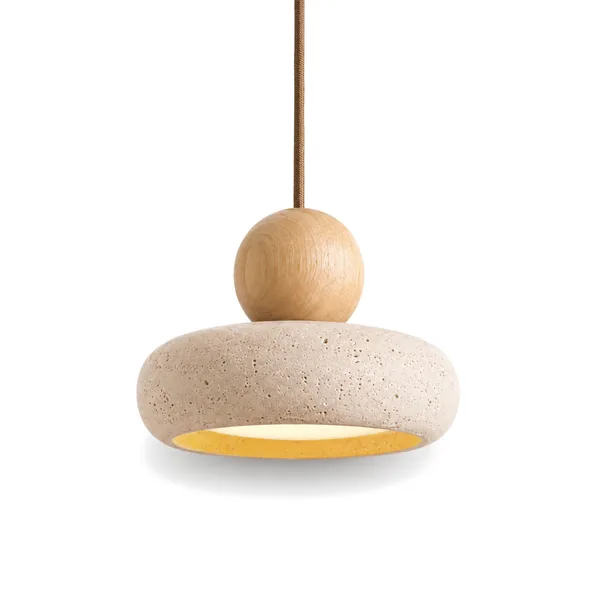
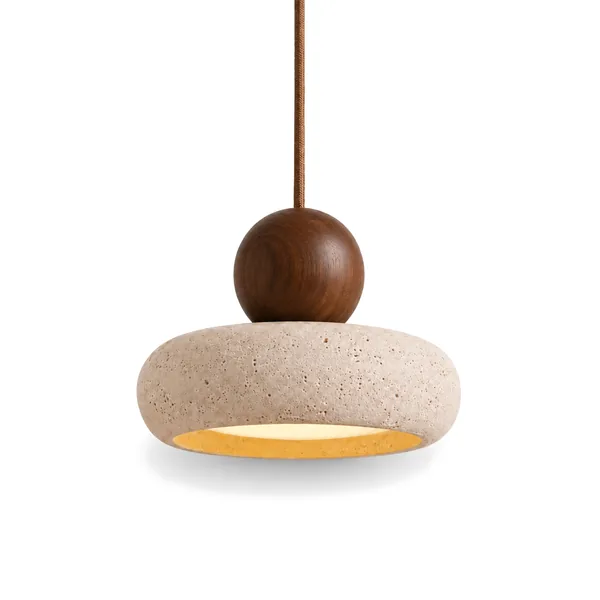 2 options
Steinja Natural Agate Stone Ceiling Pendant Light
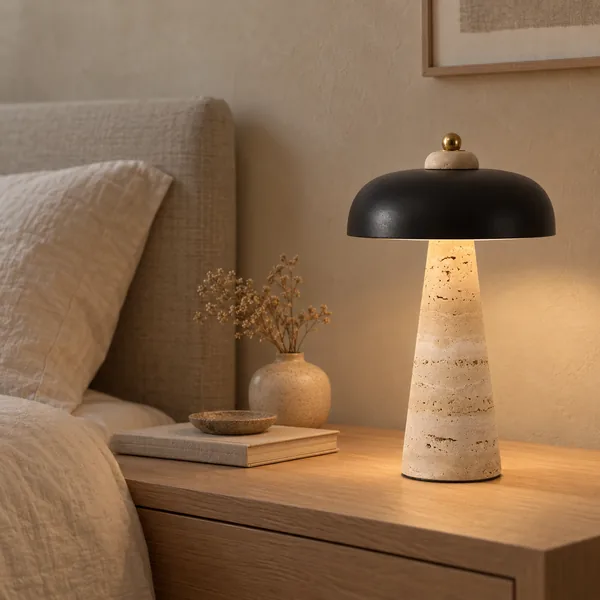
 Save $120.00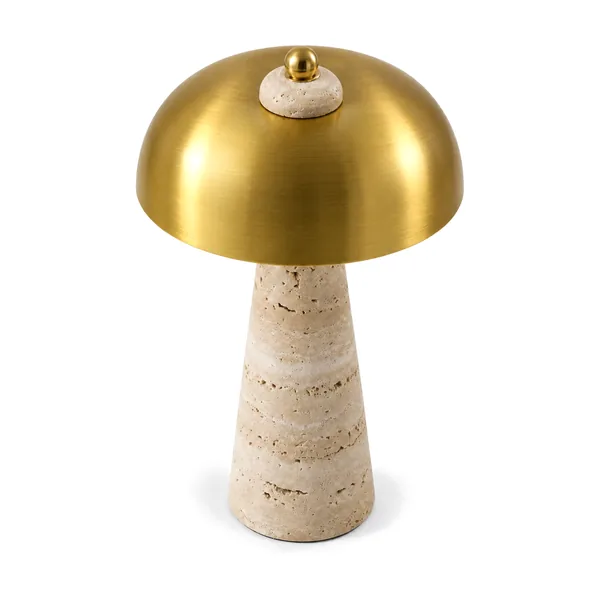
 3 options
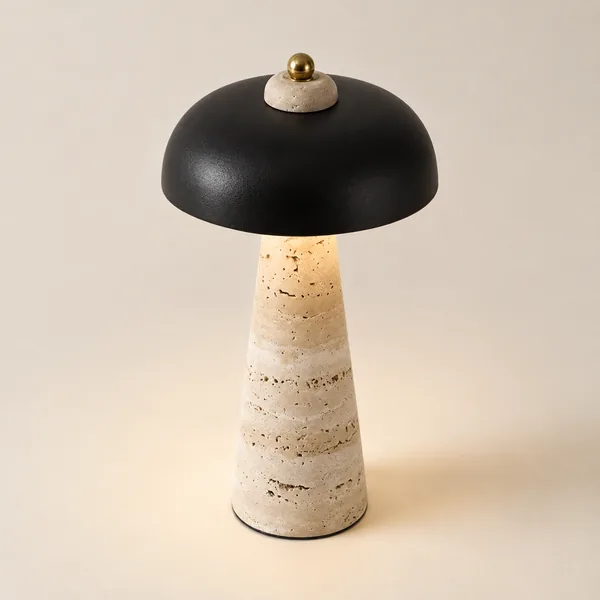
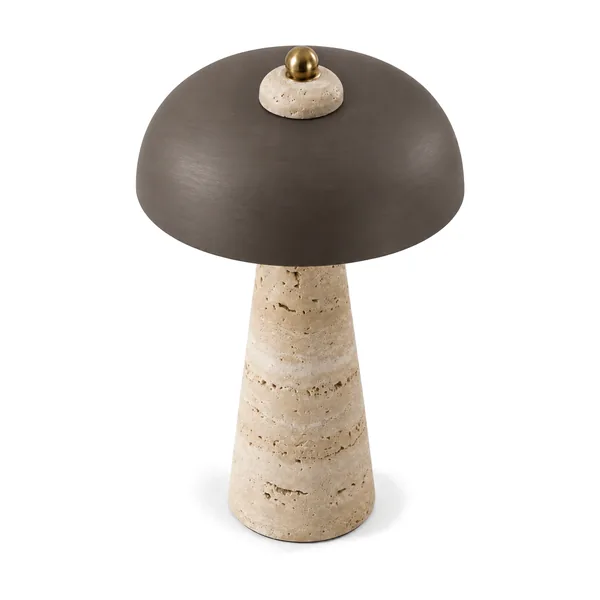
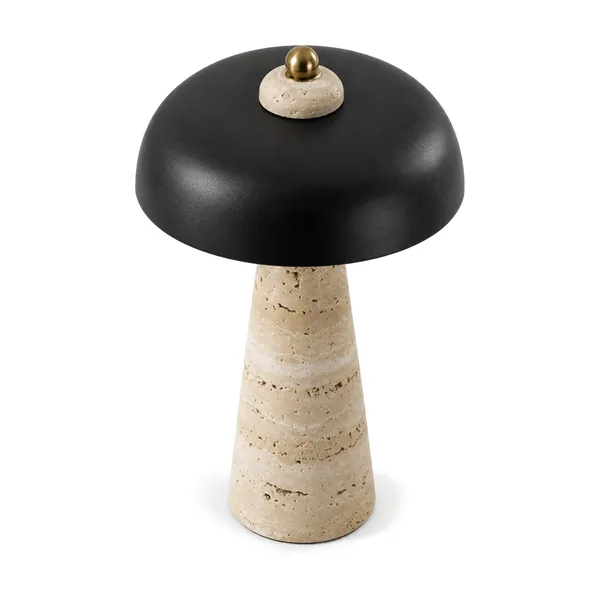
Kveldstein Natural Stone Rechargeable Table Lamp
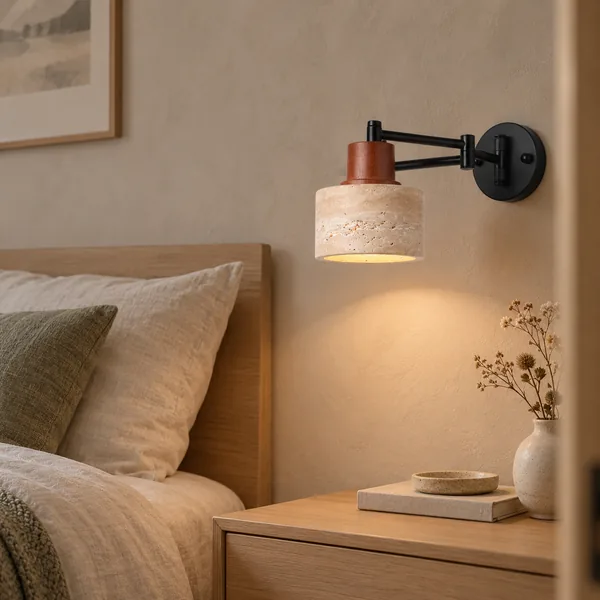
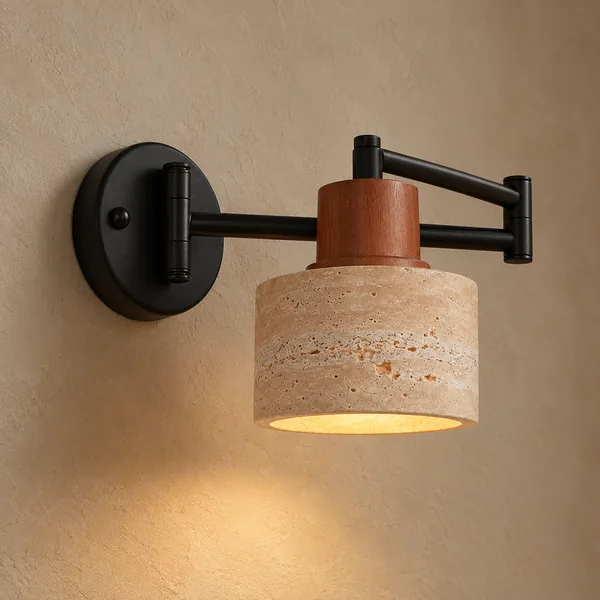
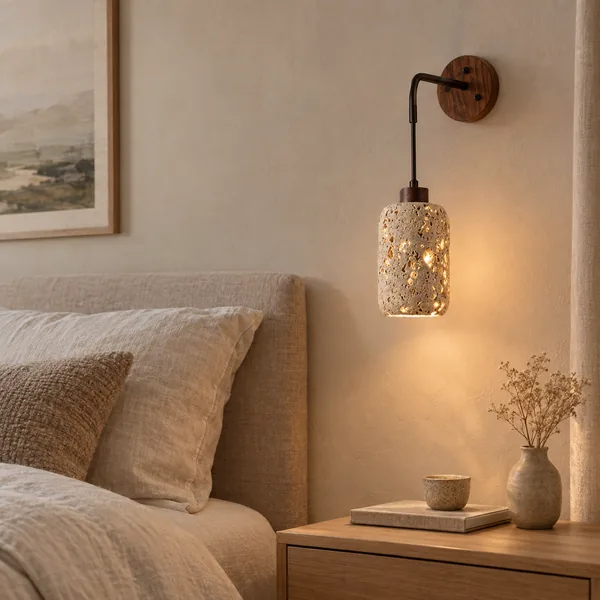
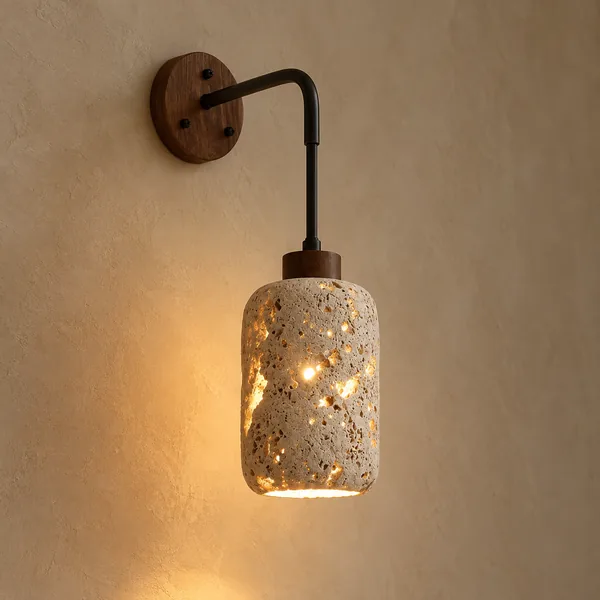
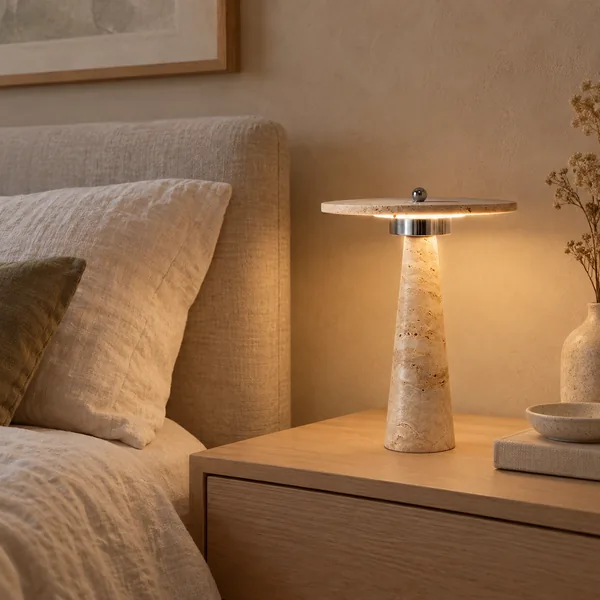
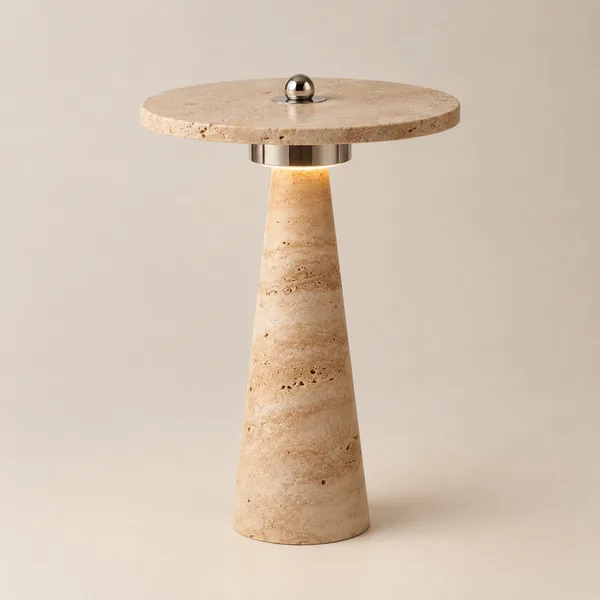
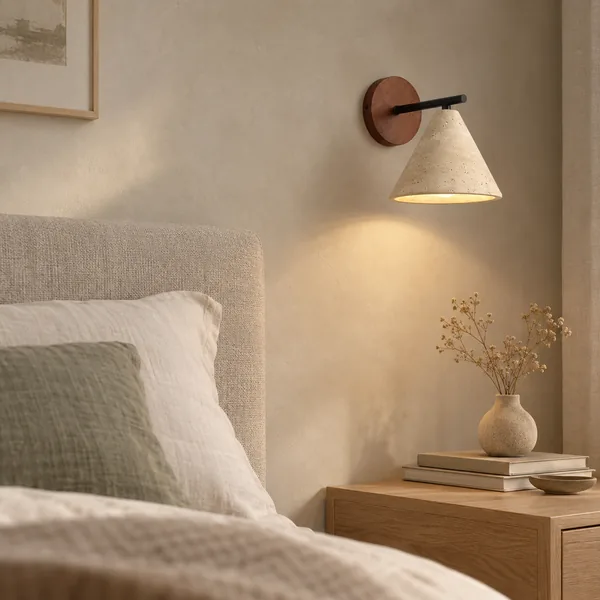
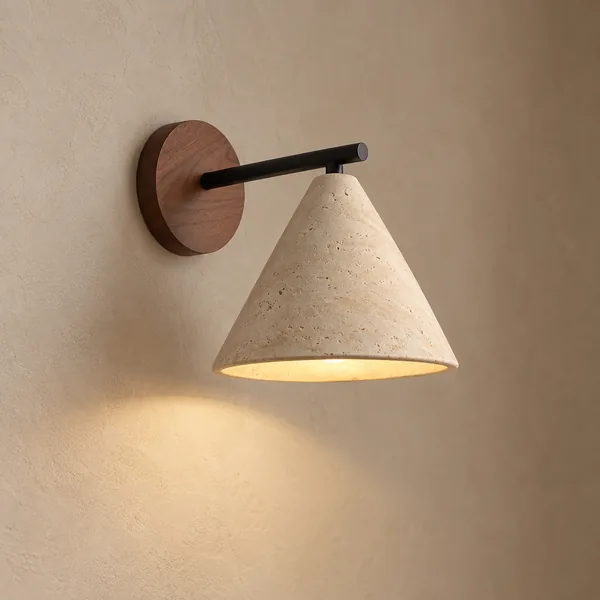
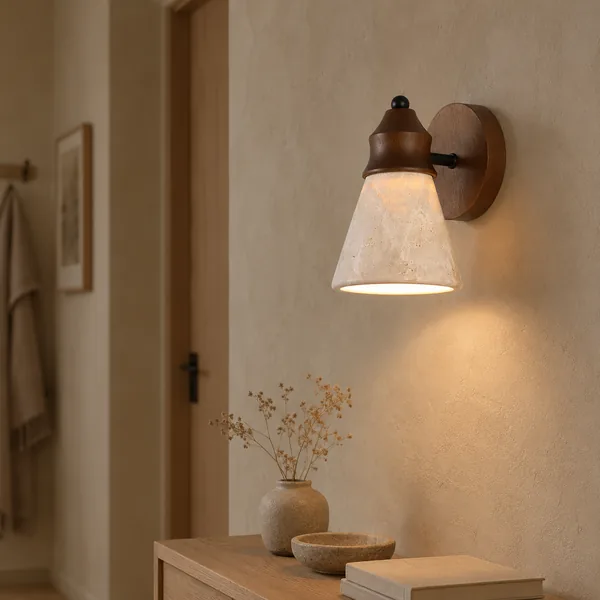
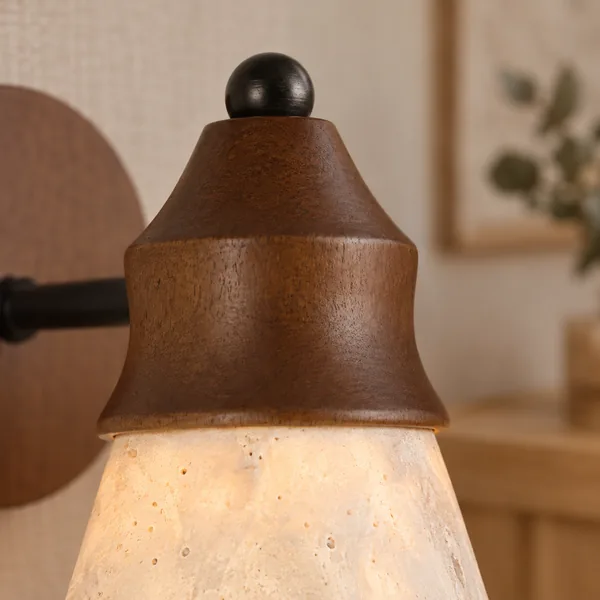
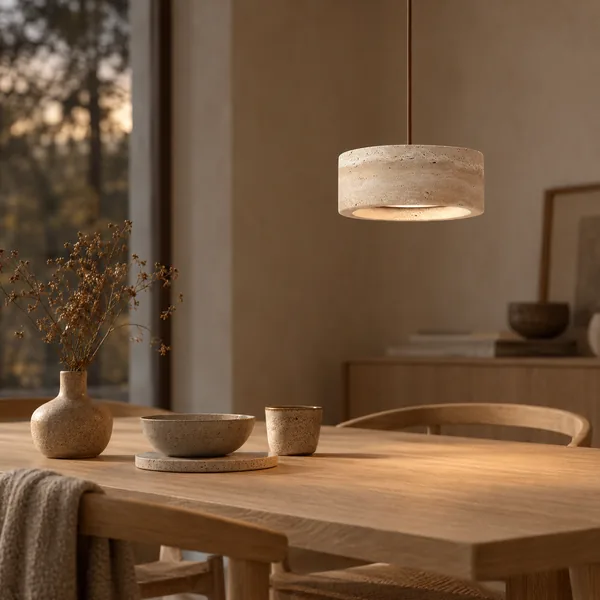
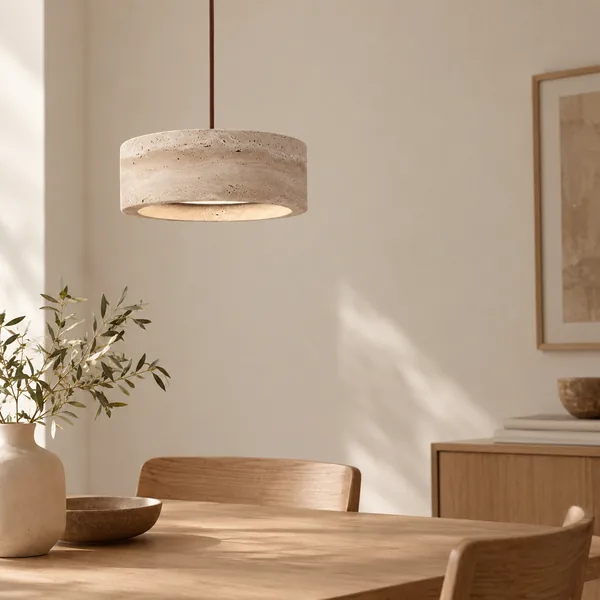
There's something quietly magnetic about a lamp that looks as though it was shaped by the earth itself. Travertine lamps bring that quality into your home — a fusion of natural stone texture, sculptural form, and the kind of warm amber glow that makes a room feel genuinely lived-in and loved. At Skonne, our curated collection of travertine lighting spans table lamps, floor lamps, pendants, and wall fixtures, each piece selected for its ability to anchor a space with organic elegance without ever demanding attention.
Whether you're drawn to the creamy ivory tones of honed travertine or the more dramatic presence of a veined stone pedestal, this collection bridges the gap between functional lighting and considered design. It's the kind of investment that rewards you every single evening.
Why Travertine Has Become a Signature Material in Modern Interiors
Travertine is not a trend — it's a material with centuries of architectural history, and its return to interior design feels less like a revival and more like a homecoming. Formed from mineral-rich spring water and limestone deposits, travertine carries within it the visual memory of its geological journey: subtle pitting, natural veining, and tonal variations that shift from warm ivory to rich walnut depending on the stone's origin and finish.
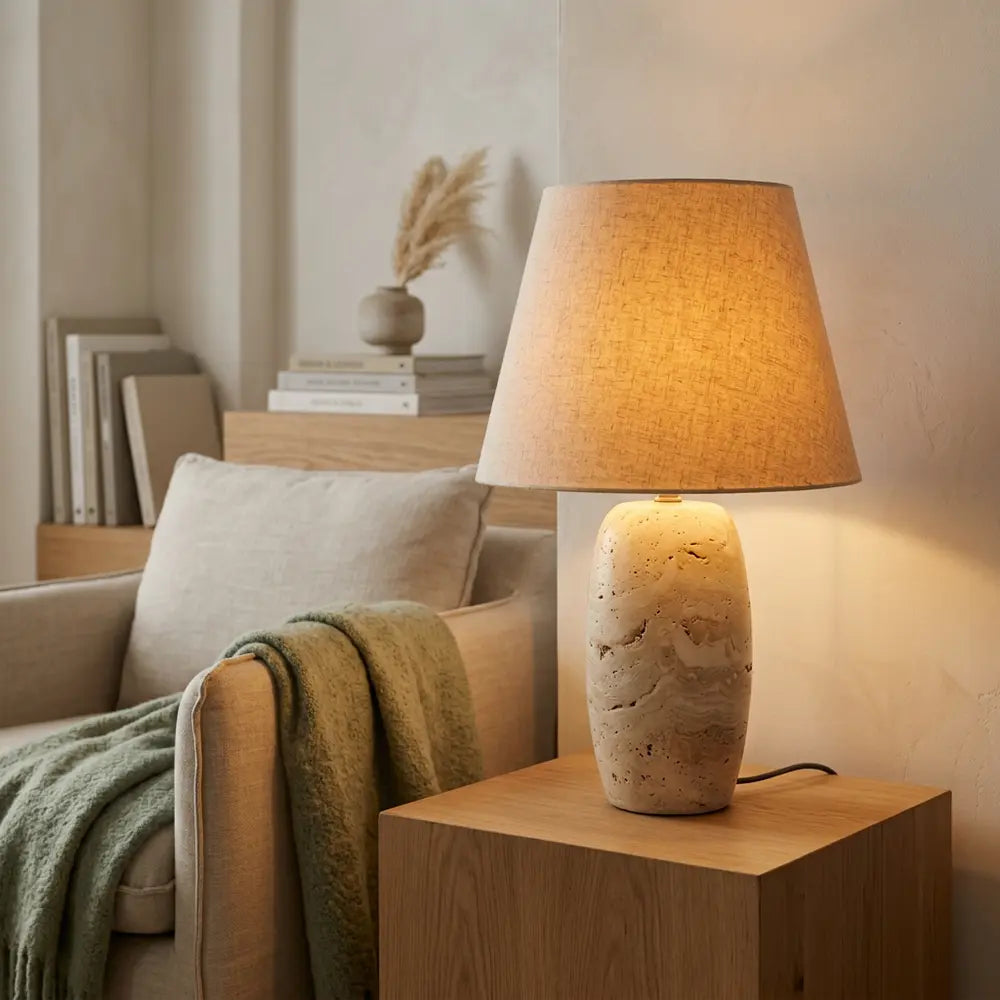
In lighting, these qualities translate into something extraordinary. A travertine table lamp doesn't just illuminate a surface — it becomes a focal point, a sculptural object that holds its own even when the light is switched off. The stone's inherent warmth means it complements the amber tones of LED filament bulbs beautifully, amplifying that soft, golden quality that distinguishes a well-designed room from a merely lit one.
For interiors influenced by warm minimalist decor — Japandi, Scandinavian, Mediterranean, or organic modern — travertine is a natural anchor material. It speaks the same visual language as linen shades, raw oak furniture, and handthrown ceramics, making it one of the most versatile natural stone choices for cohesive home styling.
Understanding Travertine Lamp Texture and Natural Variation
One of the most common questions we hear is: what does a travertine lamp base actually look and feel like in person? The honest answer is that every piece is slightly different — and that's precisely the point.
Honed travertine has a matte, velvety surface that absorbs light gently, emphasizing the stone's natural pitting and subtle veining without reflective glare. This finish gives bases a tactile, almost meditative quality that photographs beautifully but is even more satisfying to experience in a room. Polished travertine, by contrast, brings out the depth of the veining more dramatically, offering a finish closer to the visual richness associated with veined marble accents.
The tonal range across our travertine lighting pieces moves from pale, almost chalky ivory travertine through warm beiges and sandy tones to deeper, more saturated earthy hues. Because the stone is natural, no two bases are identical. The veining patterns, the distribution of the characteristic travertine pitting, and the exact colour tone will vary from piece to piece. This natural variation is not a flaw — it is the material's signature, and it means your lamp is genuinely one of a kind.
The Sculptural Shapes Available in Travertine Lighting
Beyond the material itself, what defines great travertine lighting is the quality of the forms it's been given. Our collection spans a range of sculptural and geometric shapes, each one designed to feel purposeful rather than decorative for decoration's sake.
Tapered and Column Silhouettes
The tapered silhouette is perhaps the most classic form for a travertine table lamp — a gently narrowing column of stone that draws the eye upward, creating a sense of height and refinement. These bases pair naturally with linen shades in off-white or warm oat tones, reinforcing the organic, tonal quality of the overall design.
Geometric and Architectural Bases
For spaces that lean toward a more structured aesthetic, geometric travertine bases — cylinders, cubes, and faceted prisms — offer a sense of mid-century architectural lighting discipline. These shapes are particularly well-suited to home offices, reading corners, and living spaces where design intention is clearly communicated through material and form.
Organic and Sculptural Forms
At the more expressive end of the collection, you'll find bases that reference natural forms — rounded boulders, asymmetric stacked stones, and mushroom-like profiles that blur the line between lamp and sculpture. The travertine mushroom lamp silhouette, in particular, has become one of the most sought-after forms in organic modern interiors, offering a softness that geometric shapes can't quite achieve.
Travertine Floor Lamps and Pendants
Travertine isn't limited to table lamp bases. Our travertine floor lamp designs incorporate stone in the base or stem, grounding tall fixtures with the same organic gravitas you'd expect from a table piece. Travertine pendant lamps bring natural stone into overhead lighting — often as a diffuser or decorative element paired with warm frosted globe shades — and work beautifully above dining tables or in entrance hallways where a statement overhead presence is called for.
Warm Glow and Light Diffusion in Travertine Lamps
The light quality of a travertine lamp is shaped by two things: the stone itself and the shade or diffuser that accompanies it. Together, they produce something that most modern lighting simply cannot replicate — a layered, living quality of illumination that feels genuinely warm rather than merely bright.
Travertine, when used as a base, subtly reflects and absorbs light differently across its textured surface. The natural pitting and veining catch light at varying angles, creating micro-shadows and highlights that give the base a dimensional, almost glowing quality of its own. Pair this with an amber glow from a warm-white LED bulb — ideally in the 2200K to 2700K range — and the result is a pool of light that feels candle-like in its intimacy.
When travertine is used as a diffuser or shade material (as seen in some pendant designs), the effect becomes even more pronounced. The stone's semi-translucent qualities allow light to filter through its thinner sections, casting a warm, honeyed luminescence that changes subtly with the time of day and the angle of natural light in the room. This is natural stone lighting at its most expressive.
Travertine Lamp Weight, Stability, and Everyday Practicality
A question that comes up often — and rightly so — is whether a travertine lamp base is stable enough for everyday use, especially in homes with children or pets. The answer is reassuringly straightforward: natural stone is inherently heavy, and that weight works in the lamp's favour.
A typical travertine table lamp base weighs between 2 and 5 kilograms depending on its size and the density of the specific stone used. This mass gives the lamp an extremely stable footprint, making accidental tipping far less likely than with ceramic or resin bases of comparable height. The stone pedestal quality of a travertine base isn't just aesthetic — it's functional.
For larger pieces such as travertine floor lamps, the weight distribution through the stone base provides exceptional stability even on hard flooring surfaces. We recommend placing floor lamps on the specific type of surface suggested in each product's care guide, particularly on polished or tiled floors where a rubber or felt pad beneath the base will prevent both scratching and any risk of movement.
Portable Cordless Travertine Lamps vs Hardwired Fixtures
One of the most practical considerations when choosing a travertine lamp is whether you need a portable, cordless option or a traditionally wired fixture. Both have their place in a well-considered home, and our collection accommodates both preferences.
Cordless portable lamps with travertine bases are increasingly popular for their flexibility — they can be moved from bedside to dining table to outdoor terrace without the constraint of a power socket. Battery-powered or rechargeable models are perfect for styling a space for entertaining, creating atmosphere in areas without accessible wiring, or simply enjoying the freedom to rearrange your lighting as your mood or the season changes.
Hardwired or corded travertine lamps remain the default for most table and floor lamp applications, offering reliable, consistent illumination without the need to monitor battery levels. For pendant and wall fixtures, hardwired installation is standard, and we always recommend professional installation to ensure both safety and the best visual result from the fixture's positioning.
Travertine Lighting for Japandi, Scandinavian, and Organic Modern Interiors
The aesthetic compatibility of travertine lighting with contemporary interior design movements is one of the strongest reasons for its growing popularity. Travertine's warm neutrals, natural texture, and sculptural presence make it an almost universally versatile material across the most significant design aesthetics of the moment.
In Japandi interiors — the meeting point of Japanese wabi-sabi and Scandinavian hygge — travertine lamps bring the material honesty and organic simplicity that both design philosophies prize. The stone's imperfections are celebrated rather than concealed, aligning perfectly with the wabi-sabi embrace of natural irregularity.
In Scandinavian-influenced spaces, travertine pairs beautifully with the pale woods, muted linens, and restrained palette that define Nordic home aesthetics. The ivory and warm beige tones of travertine read as natural, unhurried, and deeply considered — the opposite of the stark, clinical minimalism that sometimes misrepresents Scandinavian design.
For organic modern and Mediterranean interiors, travertine has an almost native quality. Its Italian travertine style heritage connects it directly to the sun-warmed architectural traditions of Southern Europe, making it a particularly resonant material choice for homes that draw inspiration from those landscapes.
Travertine vs Marble Lighting — Understanding the Difference
Travertine and marble are often confused, and understandably so — both are natural stones, both bring organic texture and tonal warmth to a space, and both have long histories in architectural and decorative applications. But they are distinct materials with genuinely different visual and practical qualities.
Marble is a metamorphic rock, denser and typically more dramatically veined than travertine. Marble lighting tends toward a cooler, more polished aesthetic, with bold veining patterns in white, grey, or black creating a more formal, luxurious impression. It is the natural choice for spaces that lean toward classical elegance or high-contrast design.
Travertine is a sedimentary limestone, warmer in tone and more visually textured due to its characteristic pitting. It feels inherently more casual and organic than marble — less about grandeur, more about warmth and character. If marble lighting says formal living room, travertine lighting says considered bedroom or intimate sitting room. Both are excellent; the choice comes down to the emotional register you're designing toward. You can explore both in our broader lighting collection to find the right fit for your home.
Caring for Your Travertine Lamp
Natural stone requires thoughtful care, but maintaining a travertine lamp is simpler than many people expect. The key principles are gentleness and consistency rather than intensive cleaning regimes.
For routine dusting, a soft, dry microfibre cloth is ideal. Avoid abrasive materials or rough cloths that could scratch the stone's surface, particularly on honed finishes where micro-scratches are more visible than on polished stone. For light cleaning, a barely damp cloth with plain water is sufficient for most everyday marks.
Avoid acidic cleaners — including vinegar and lemon-based products — as these can etch the stone's surface and cause permanent dullness. Similarly, avoid placing travertine lamps in environments with high ambient moisture, such as bathrooms, unless the piece is specifically rated for such conditions. For spills, blot immediately rather than wiping, and allow the stone to air dry naturally. With this level of care, a travertine lamp base will remain beautiful for decades.
Frequently Asked Questions about Travertine Lighting
18 products