
Decorative Vases
Showing 1 - 18 of 18 products
 Save $40.00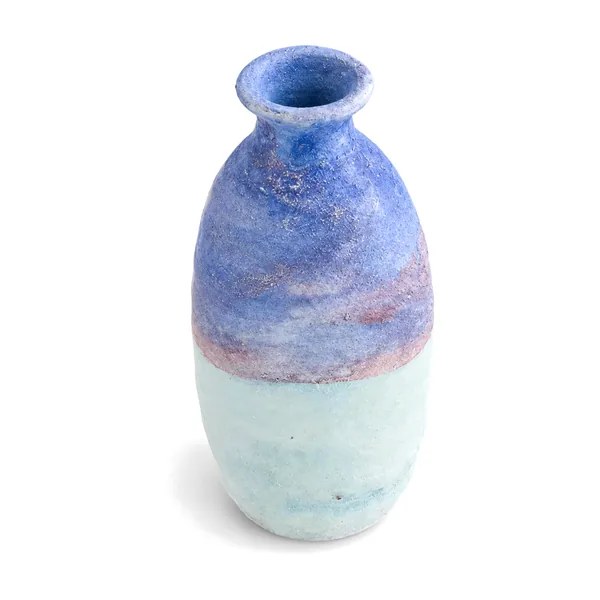
 4 options
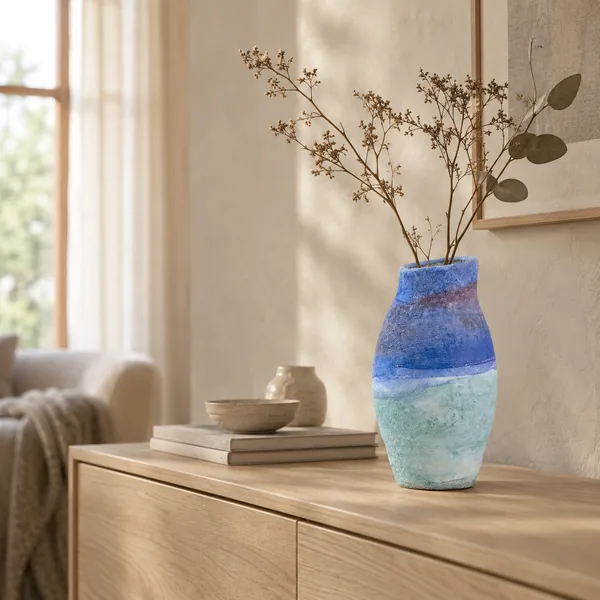
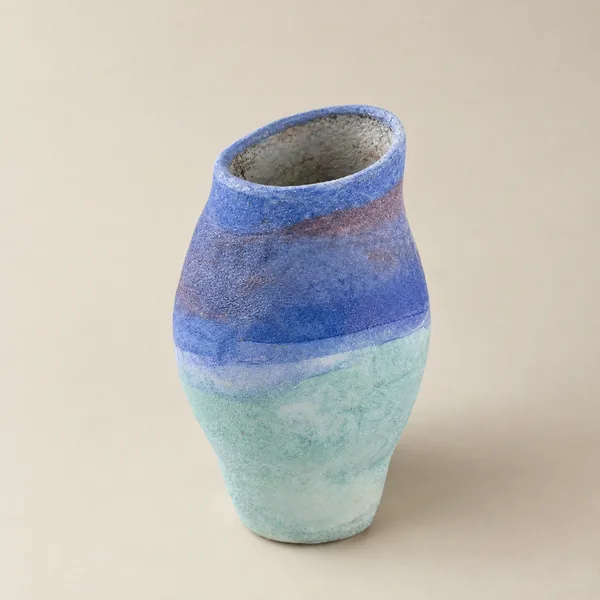
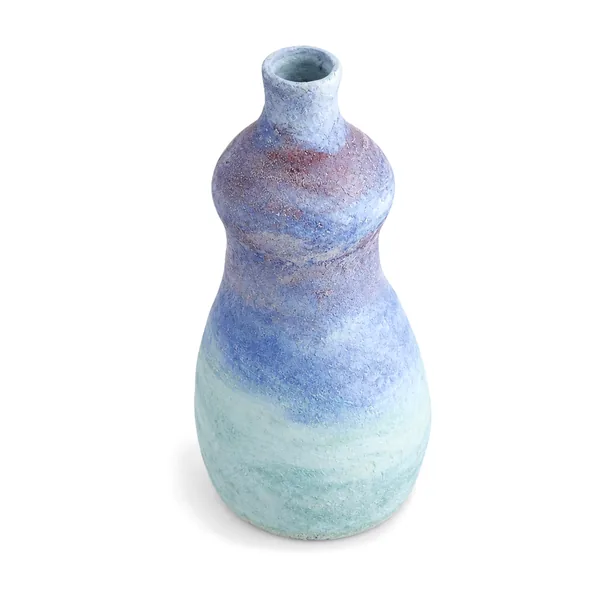
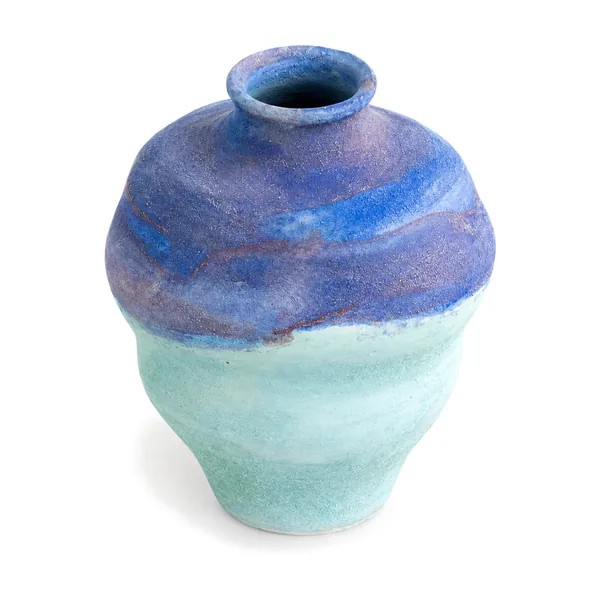
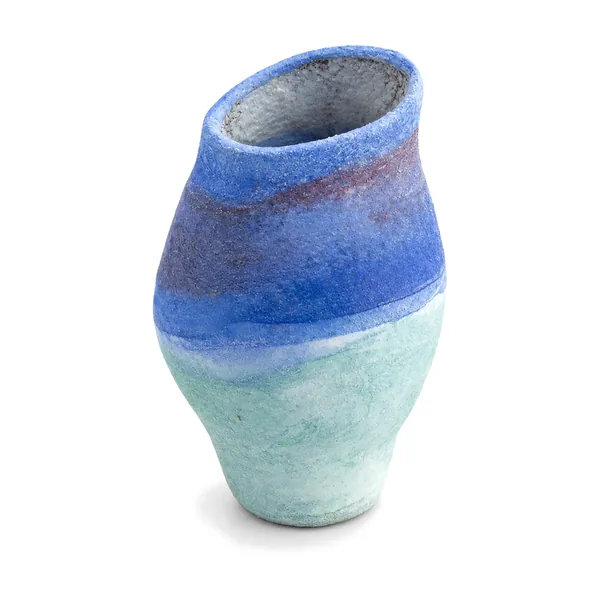
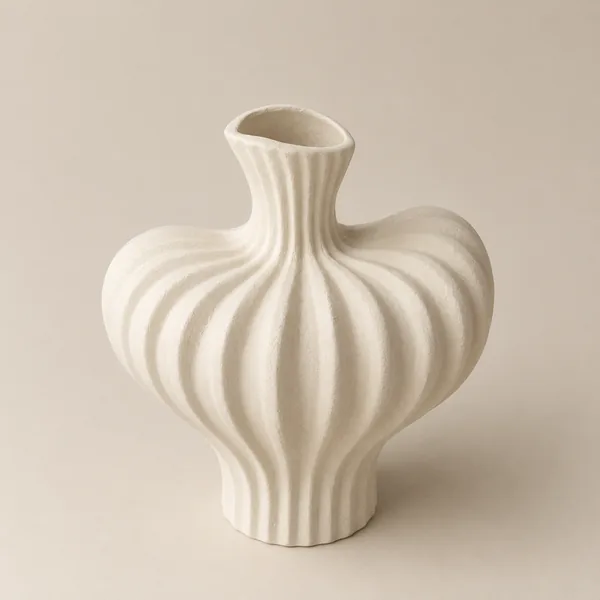
Dyvna Blue Gradient Ceramic Vase for Home Decor
 Save $40.00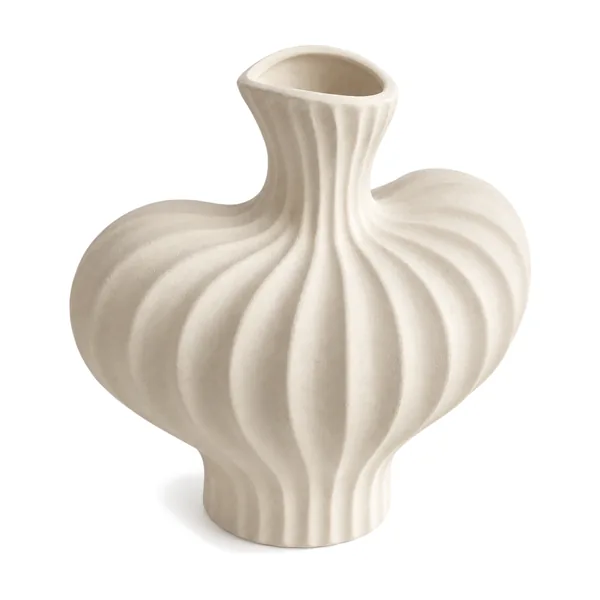
 2 options
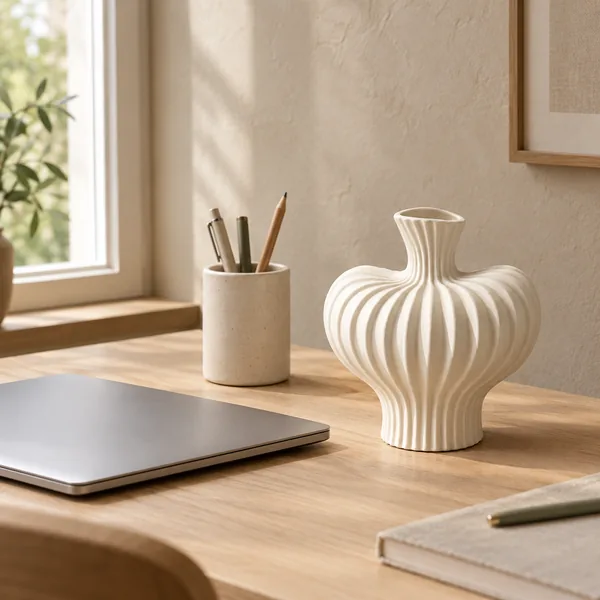
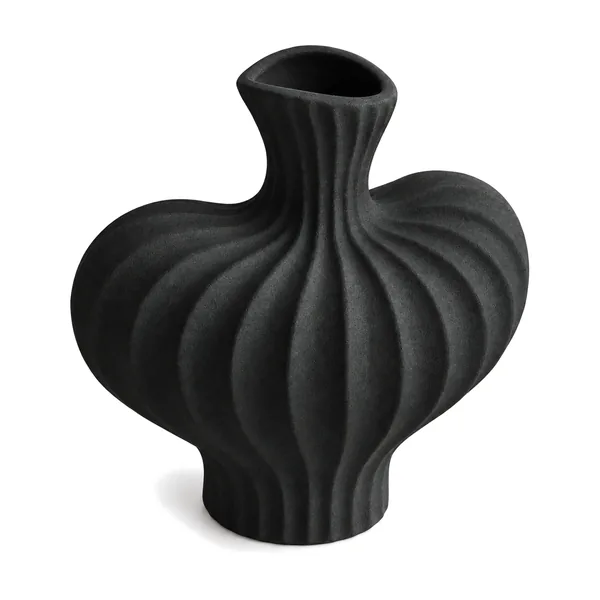
Stilla Ceramic-Look Minimalist Tabletop Vase
 Save $60.00
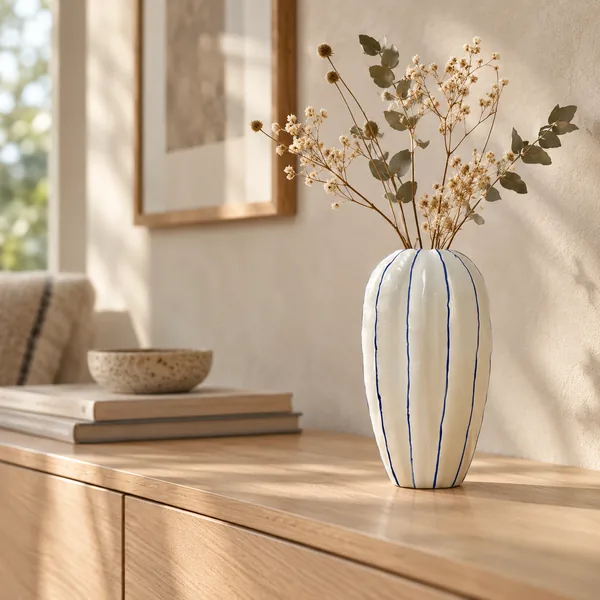
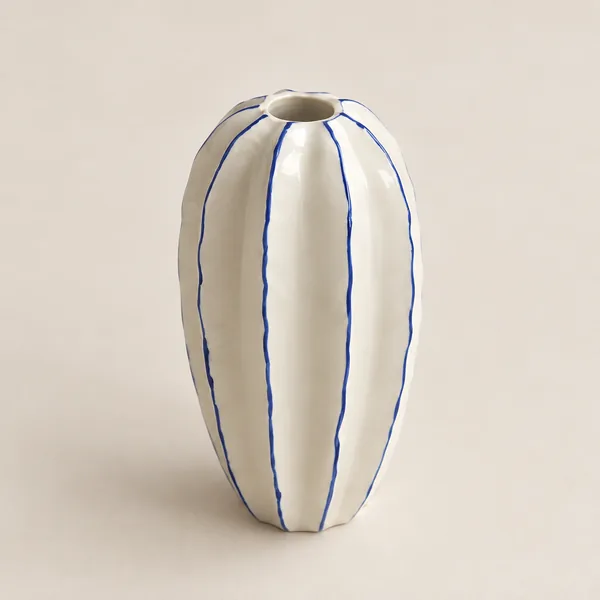
Blomra Handcrafted Porcelain Sculptural Vase
 Save $40.00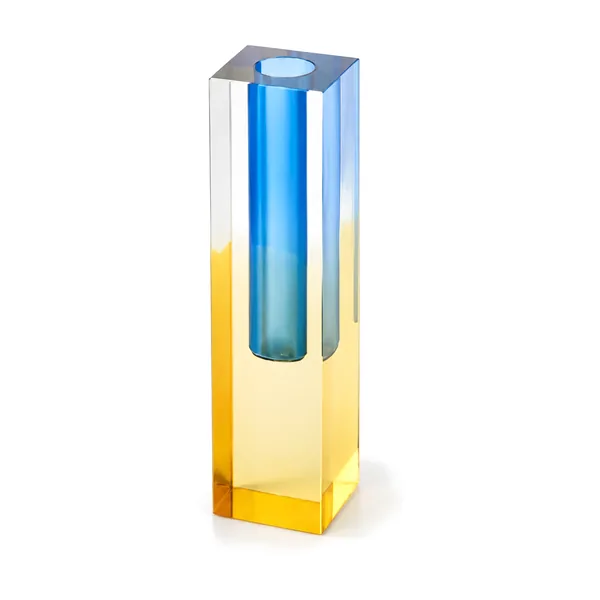
 4 options
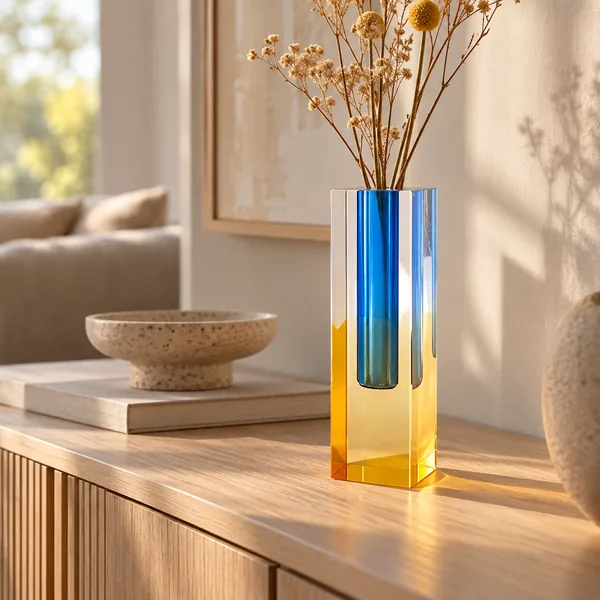
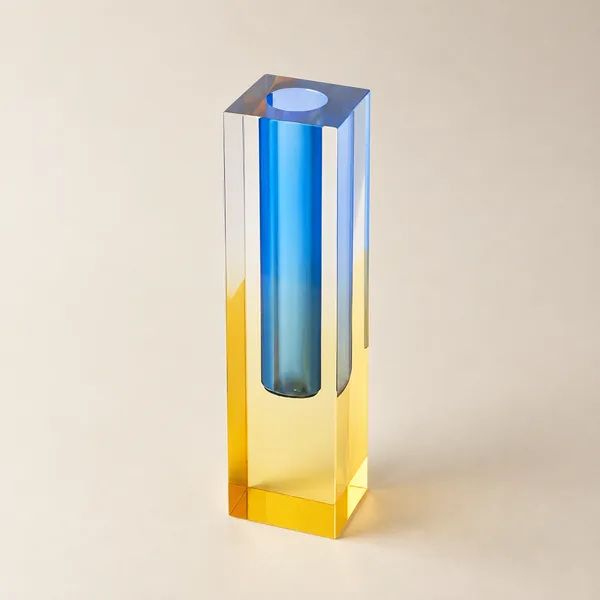
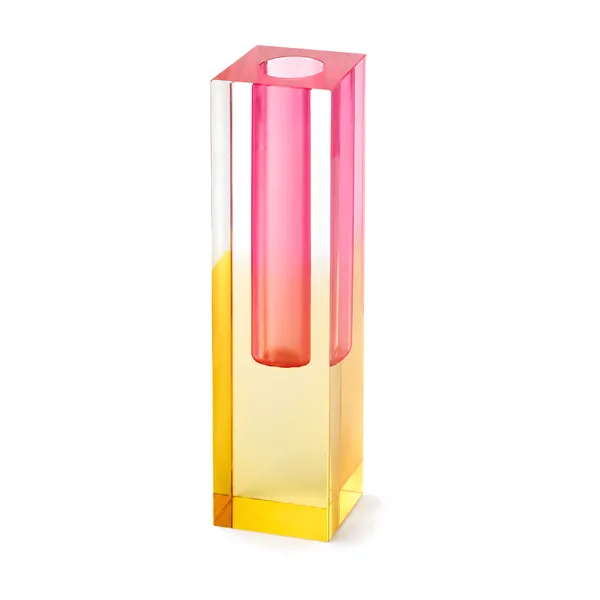
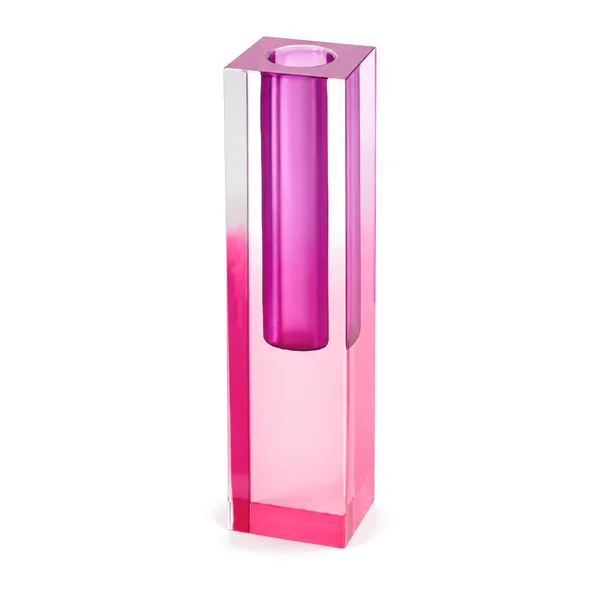
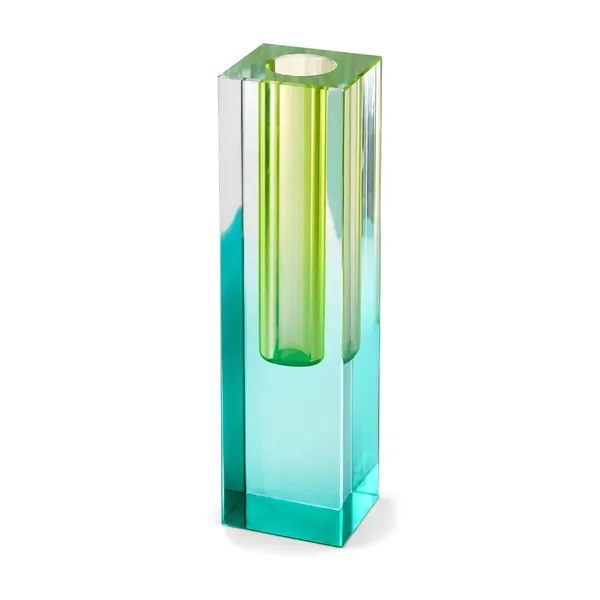
Klaris Tall Nordic Acrylic Bud Vase Minimalist
 Save $100.00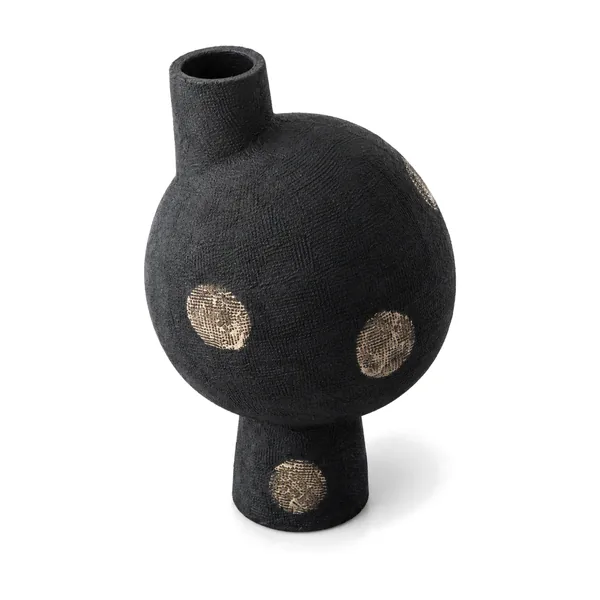
 3 options
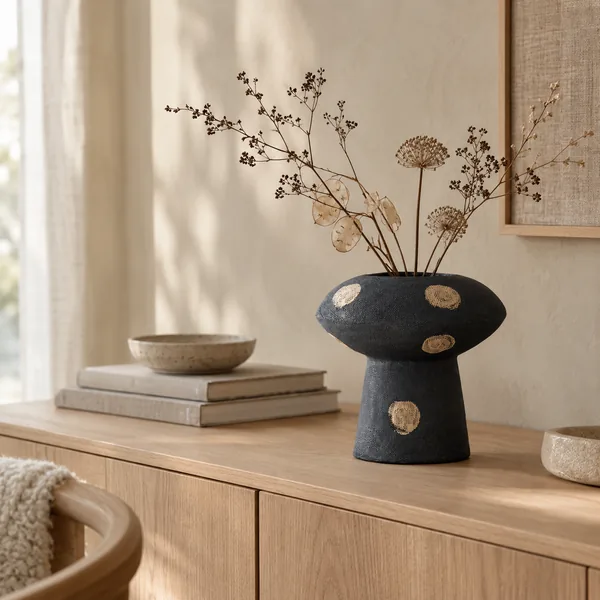
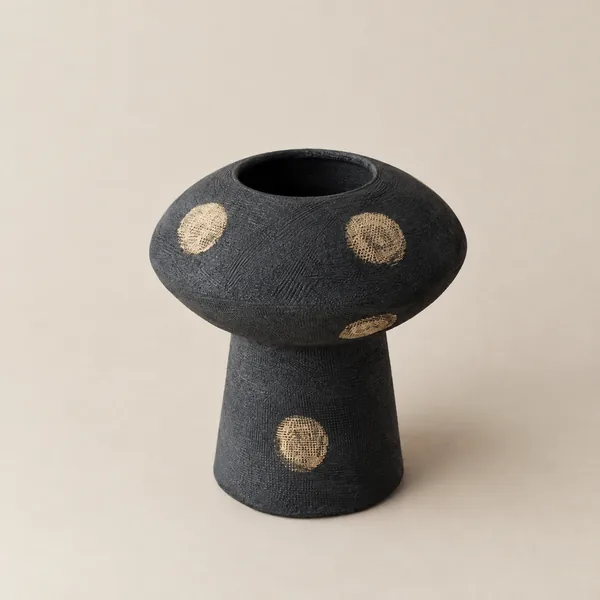
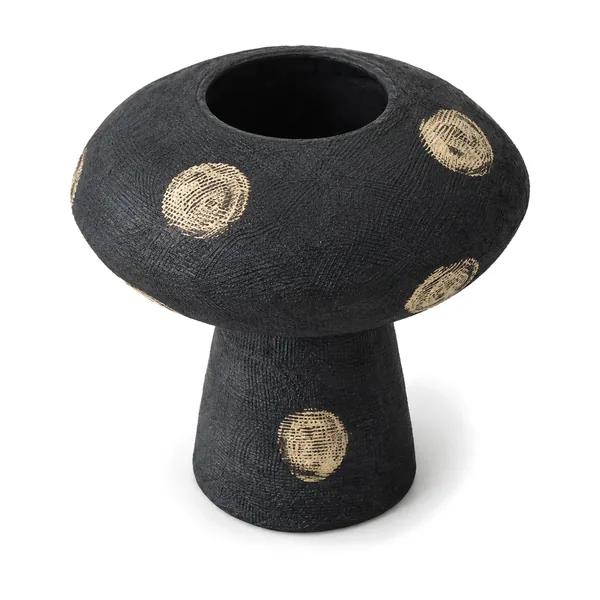
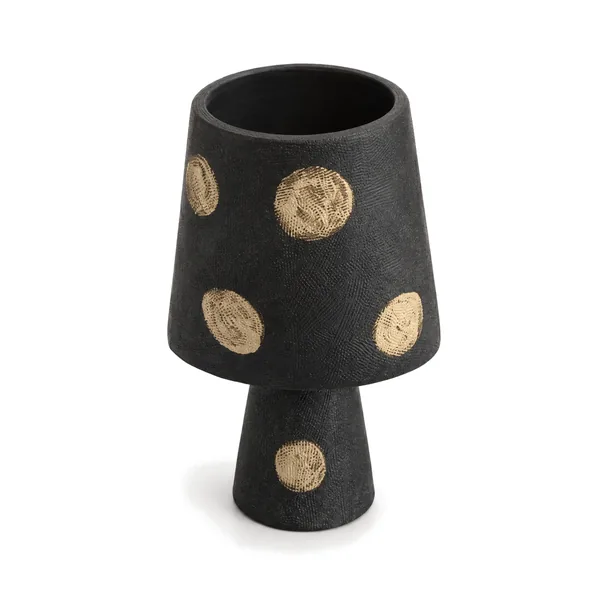
Prikka Handcrafted Ceramic Vase with Gold Detail
 Save $50.00
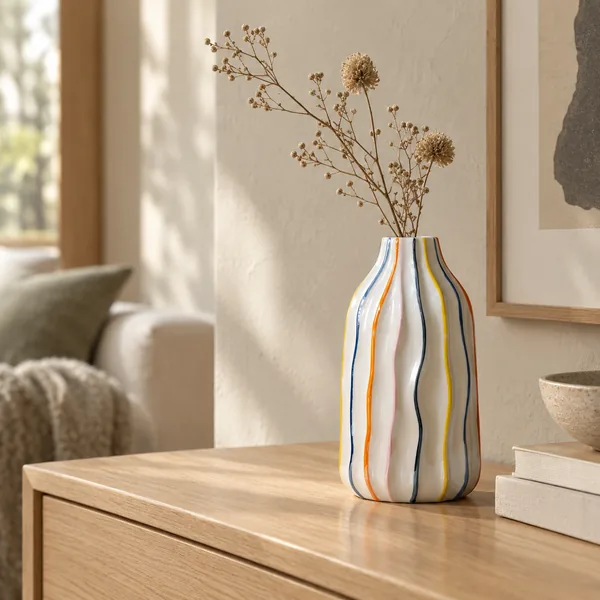
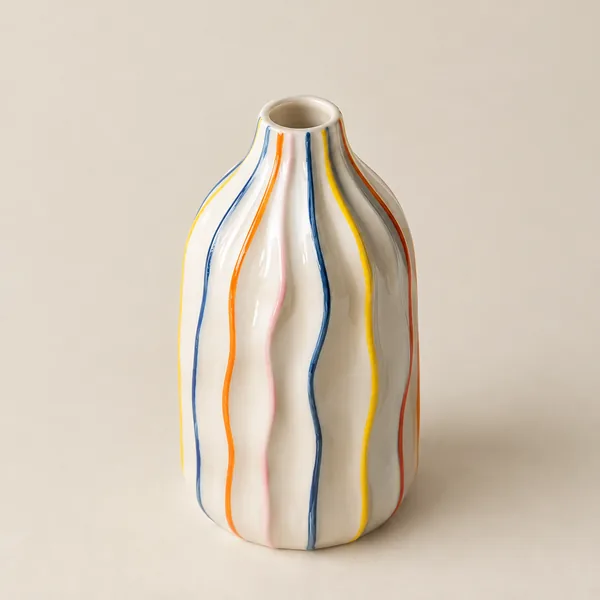
Randal Multicolor Striped Ceramic Vase Decor
 Save $21.00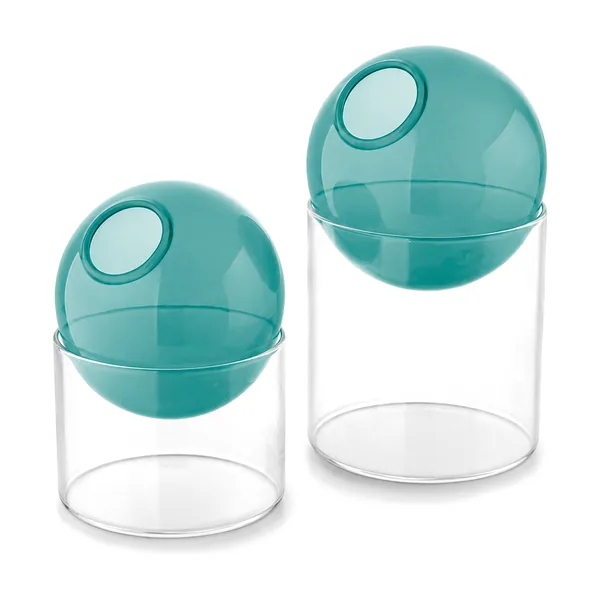
 +110 options
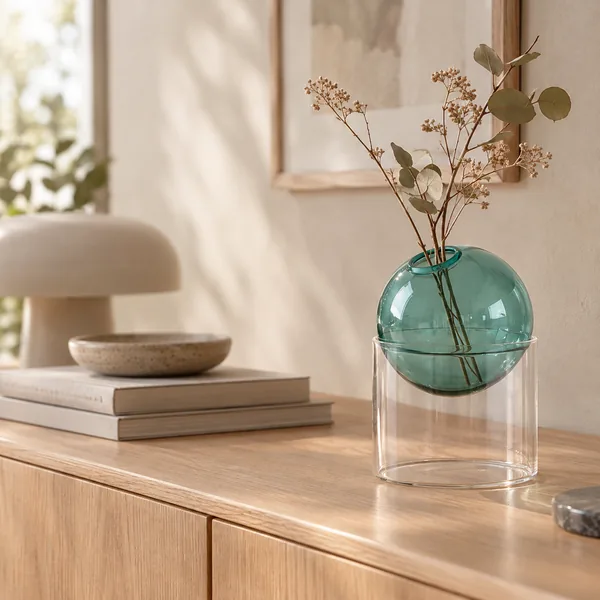
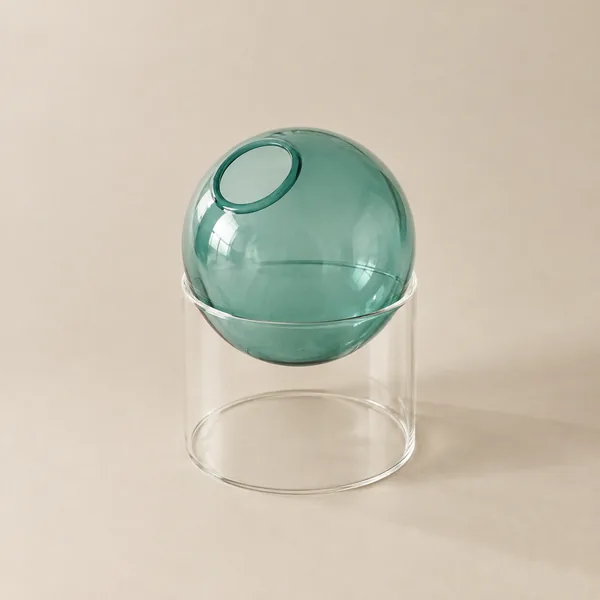
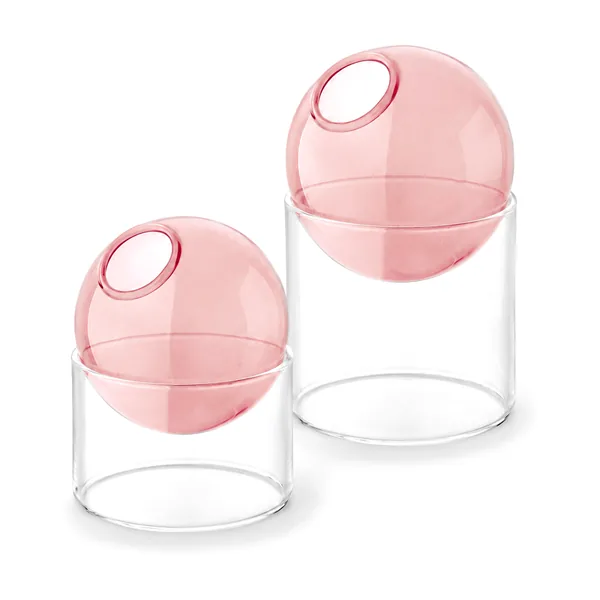
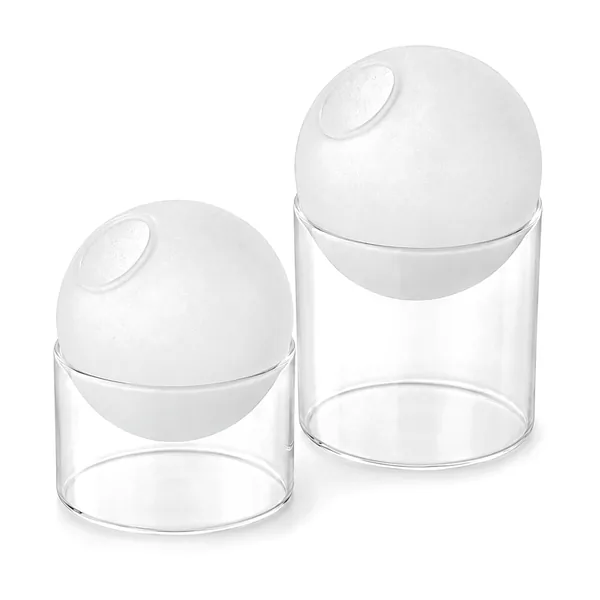
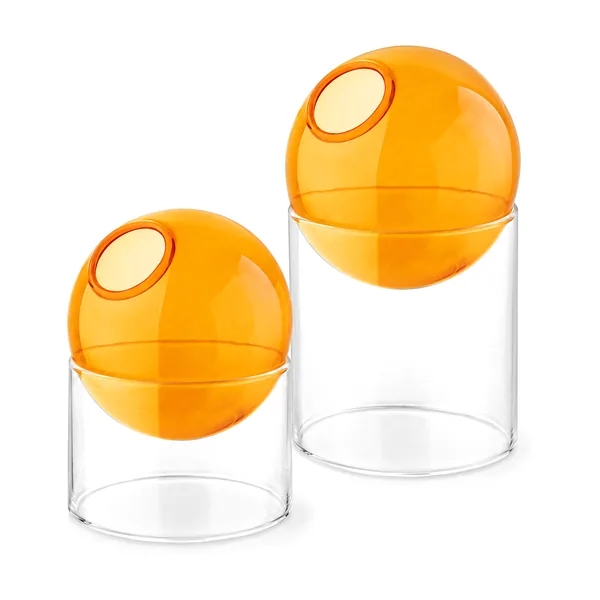
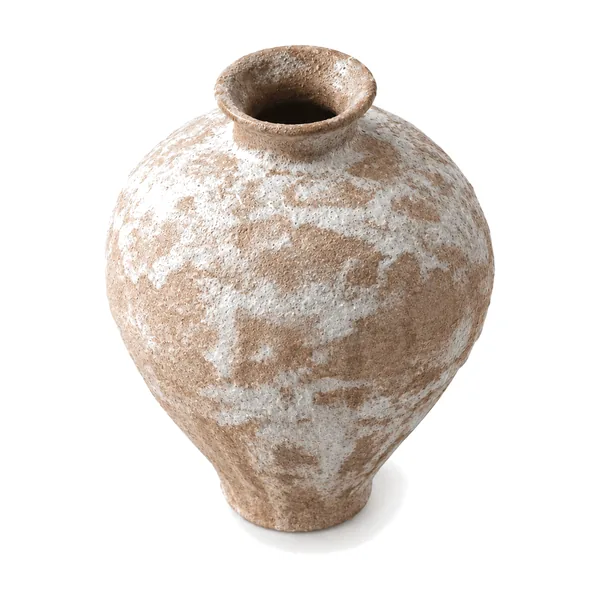
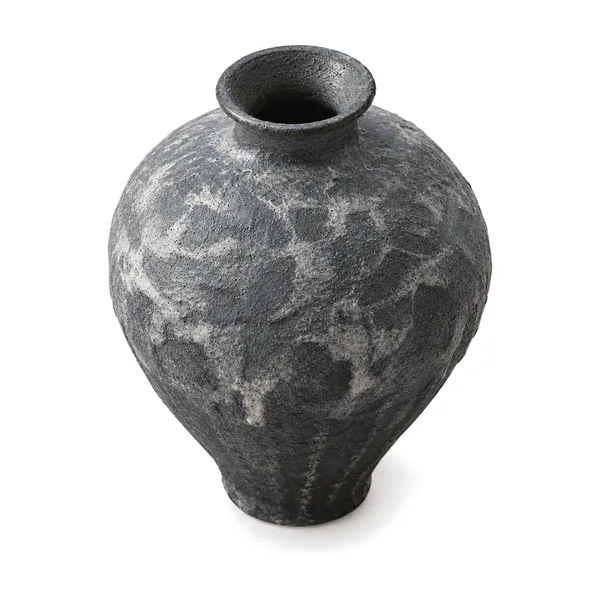
Vårka Borosilicate Round Glass Vase for Flowers
 Save $60.00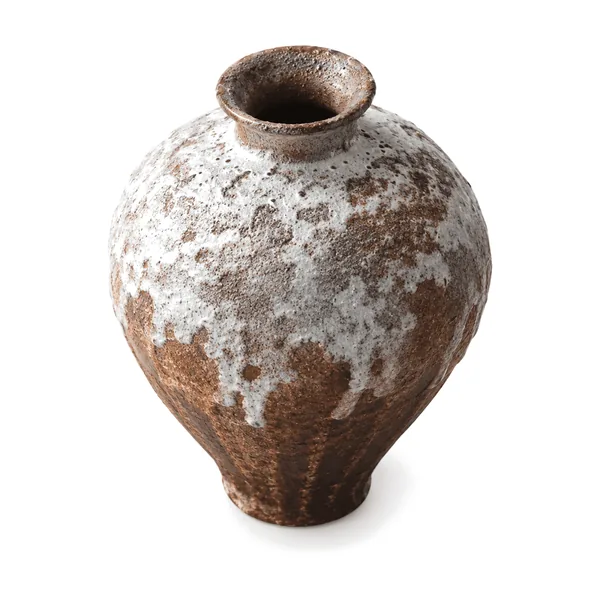
 5 options
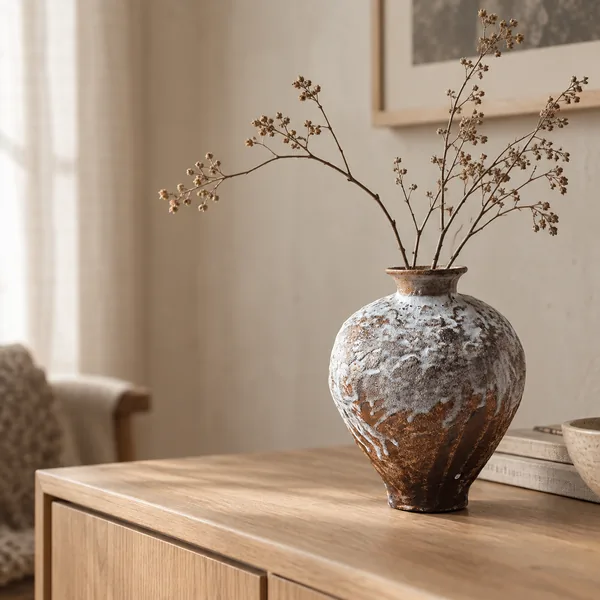
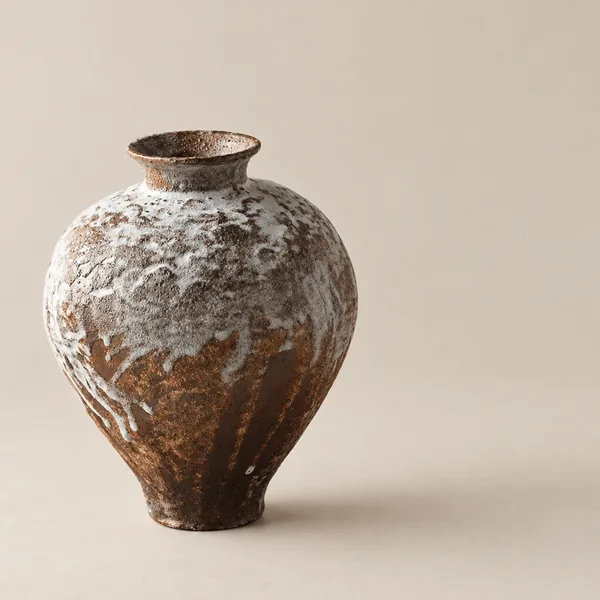
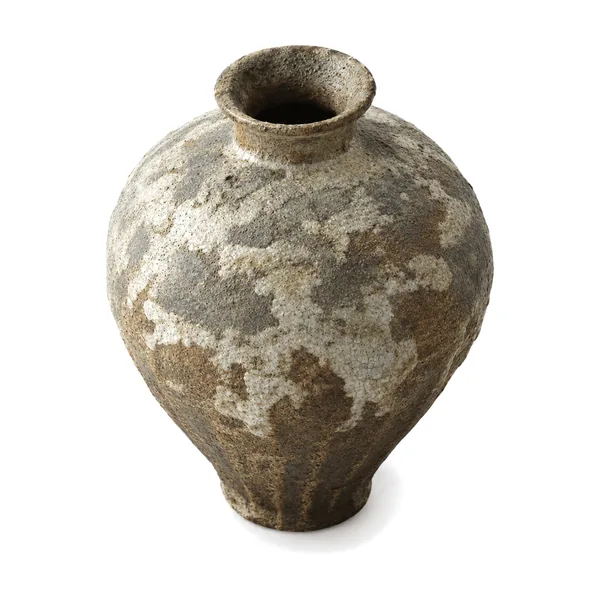
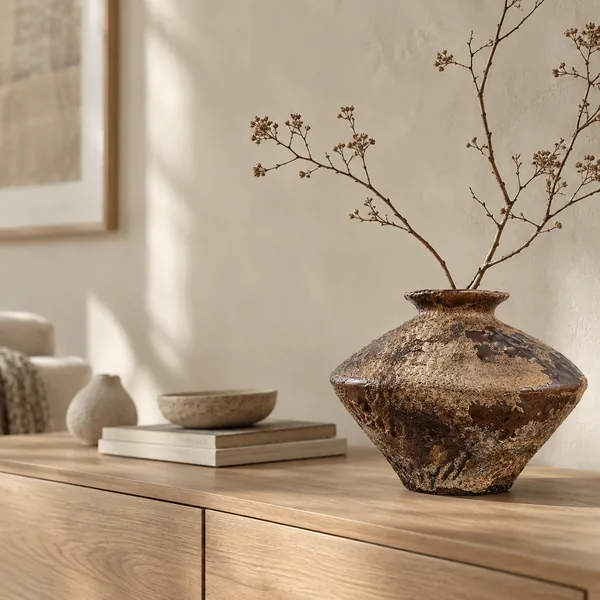
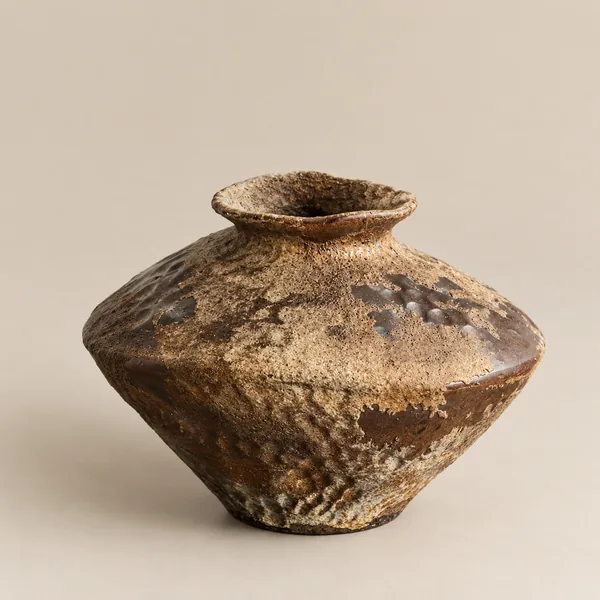
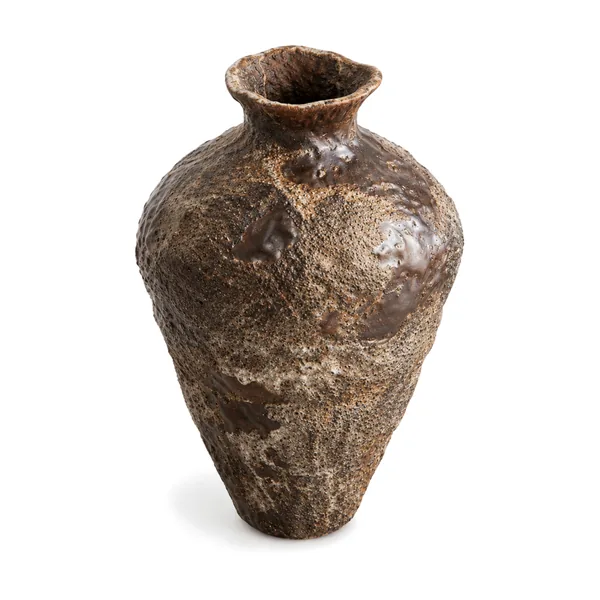
Stille Small Jingdezhen Ceramic Wabi-Sabi Vase
 Save $60.00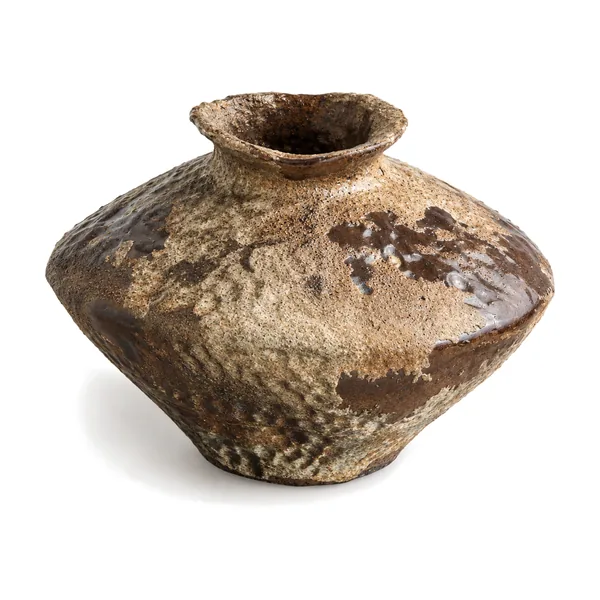
 2 options
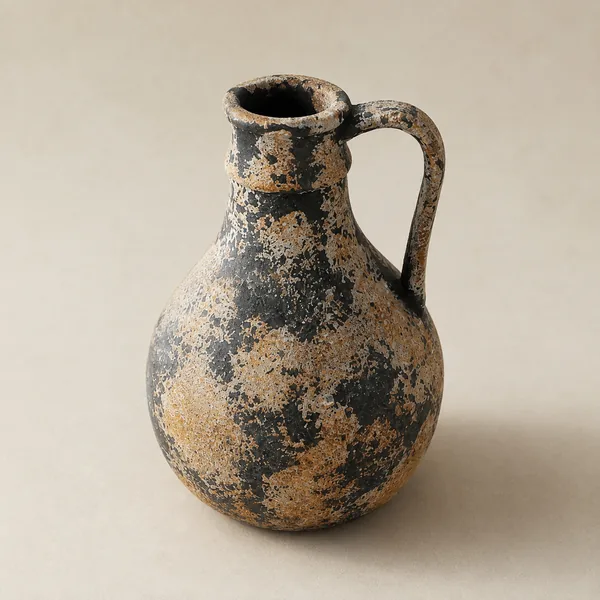
Jorde Handmade Rustic Ceramic Vase Home Decor
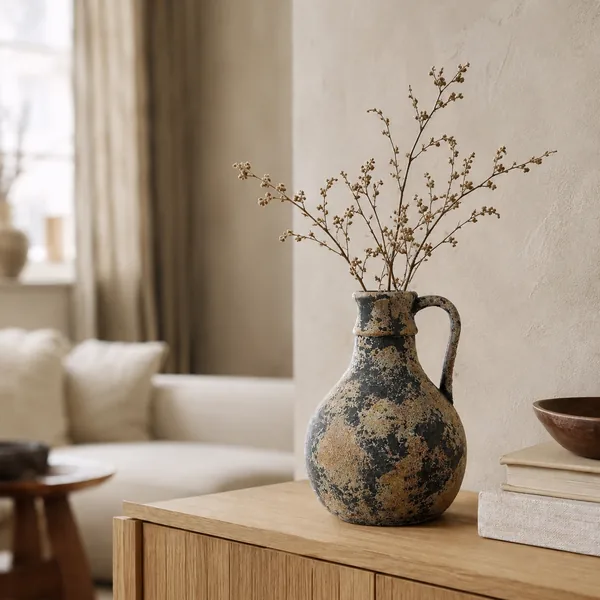
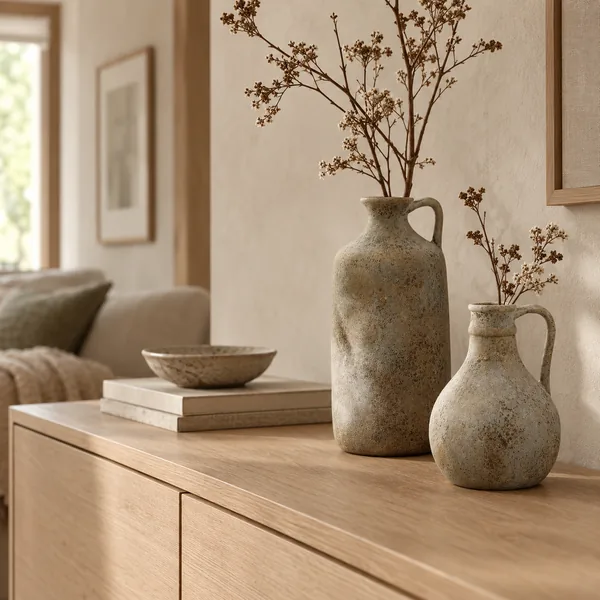
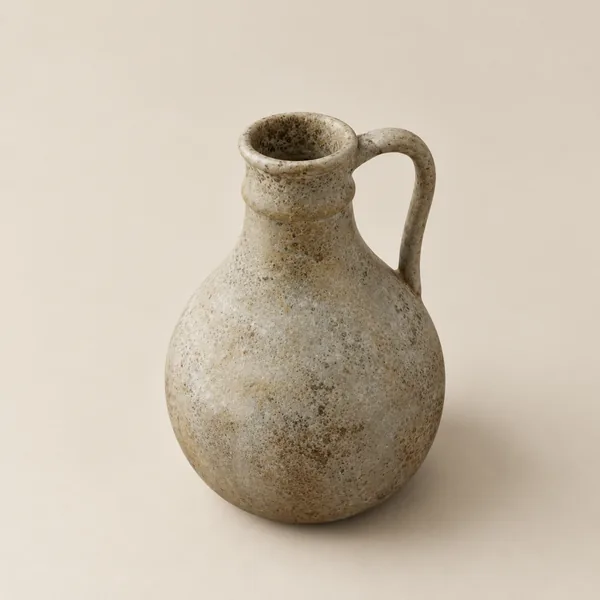
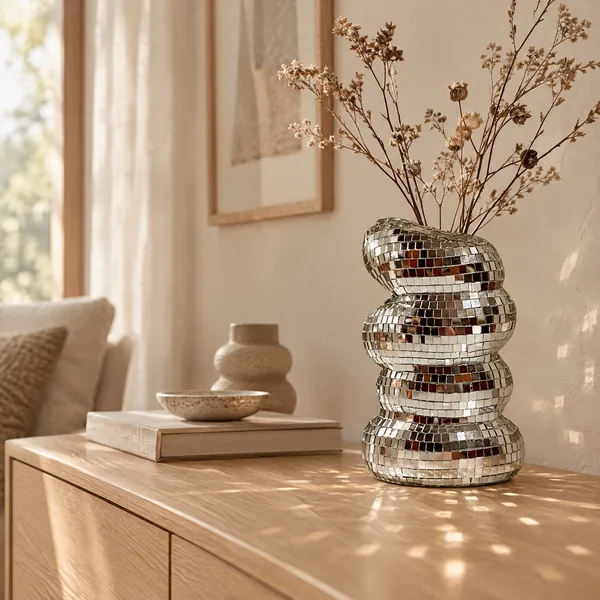
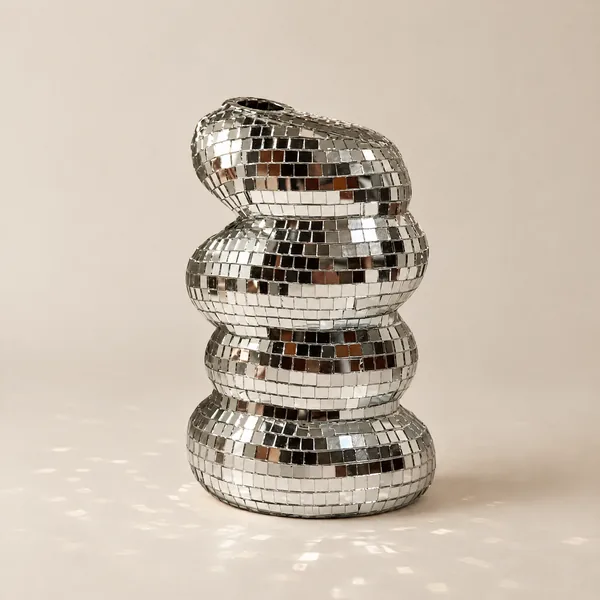
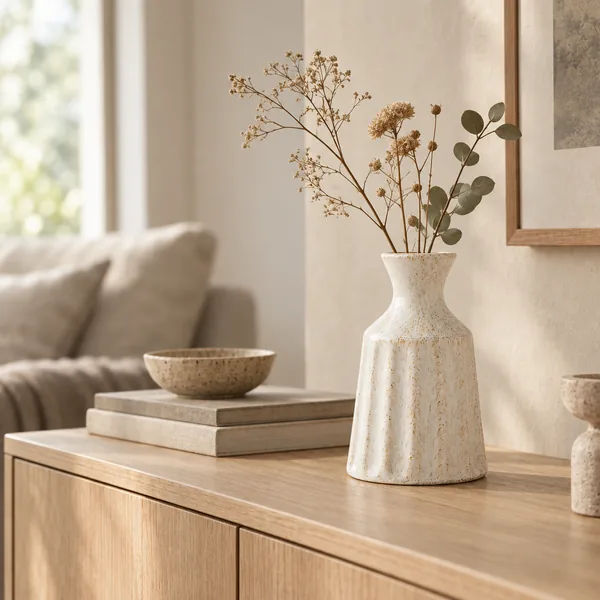
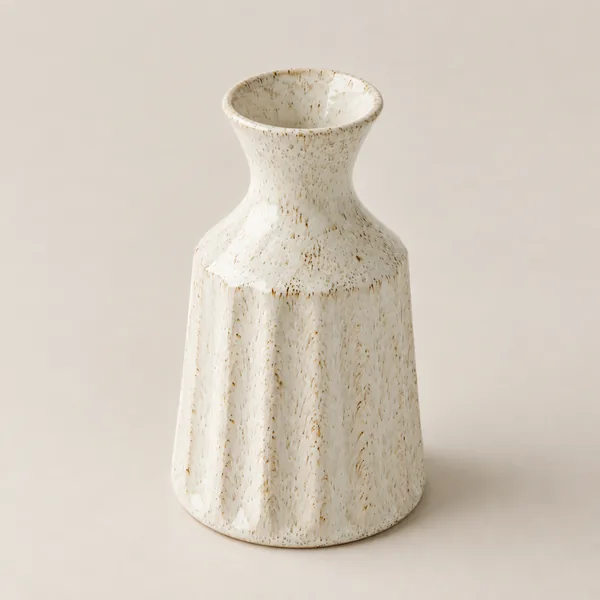
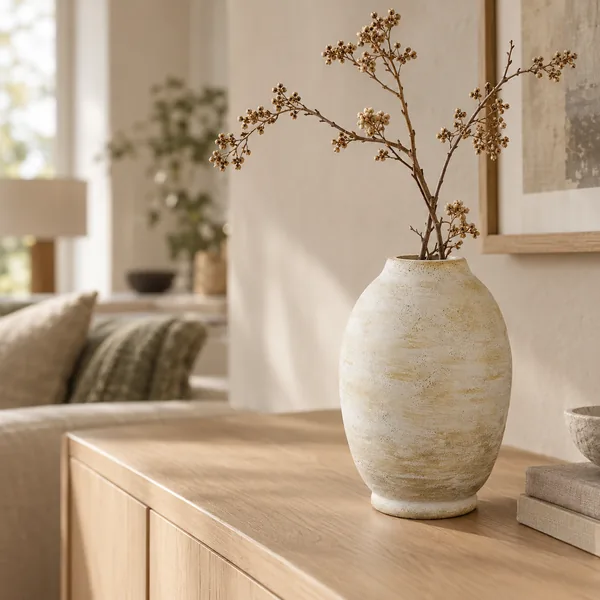
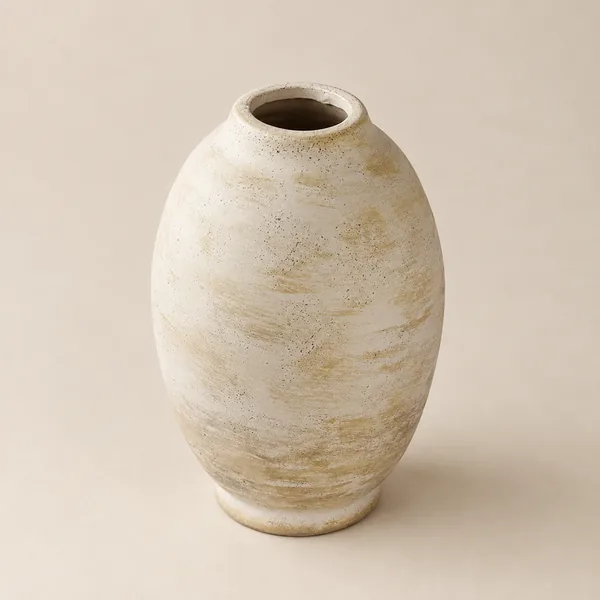
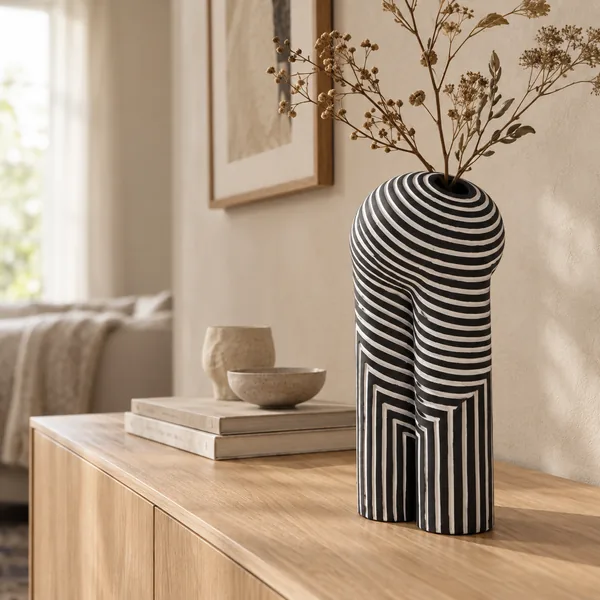
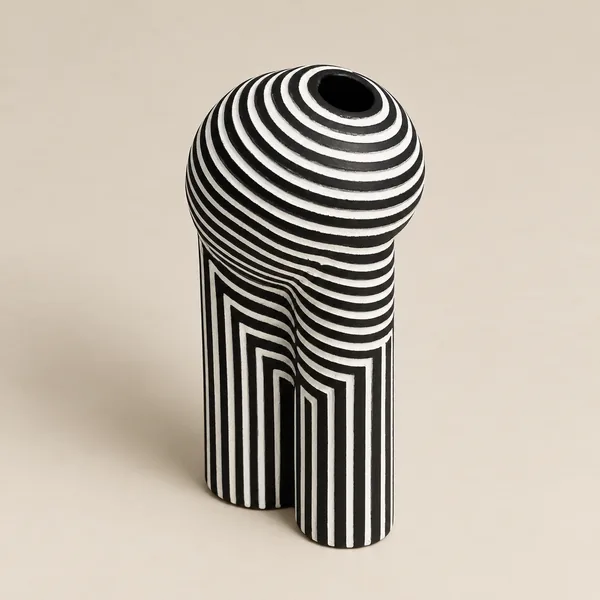
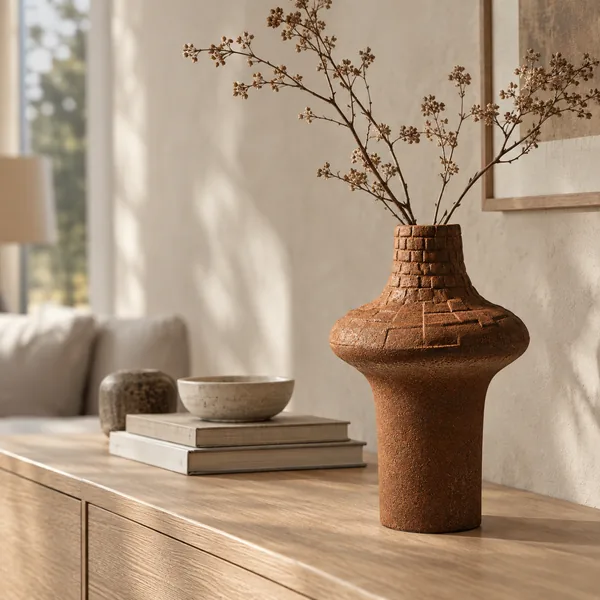
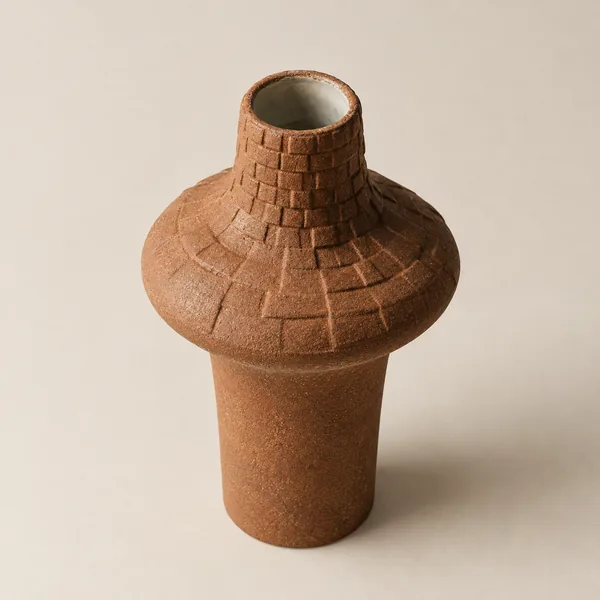
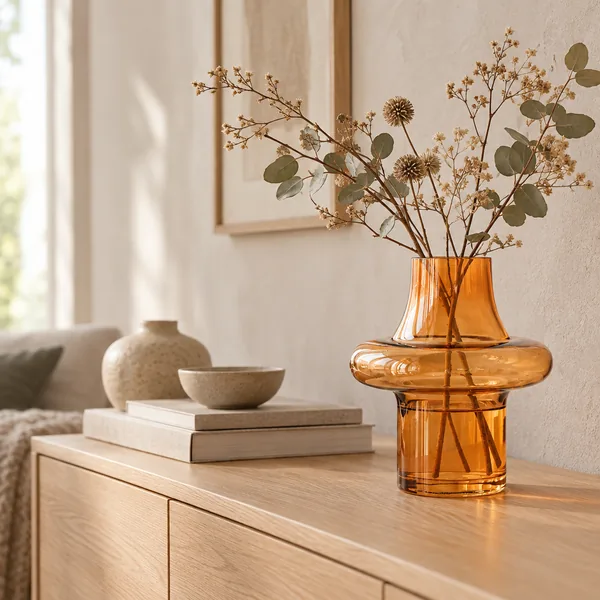
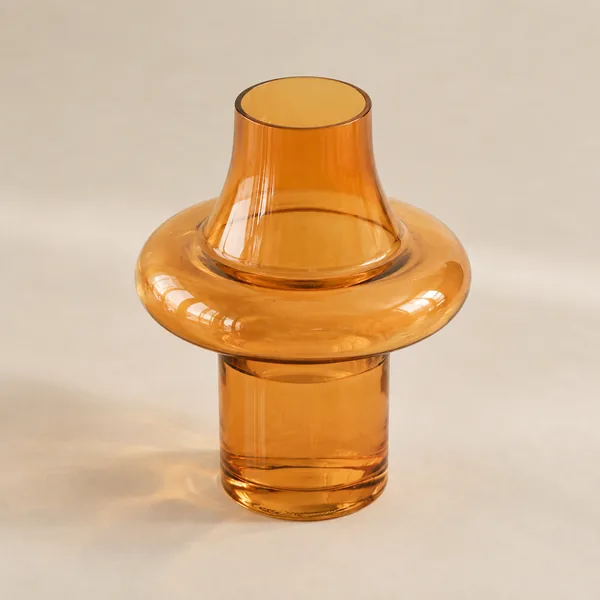
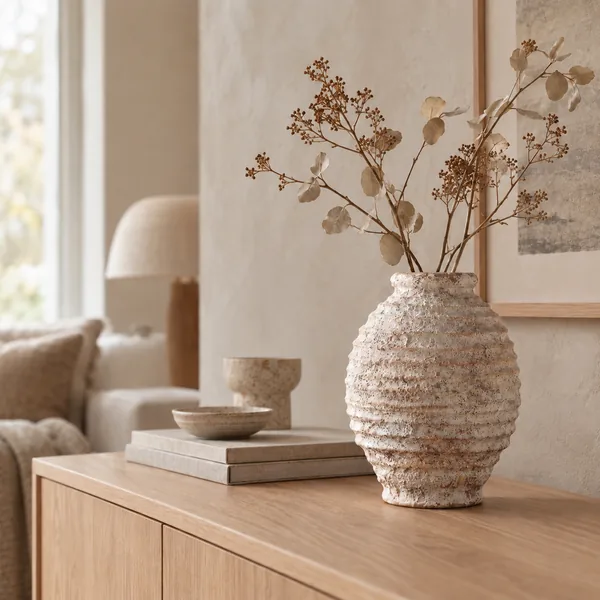
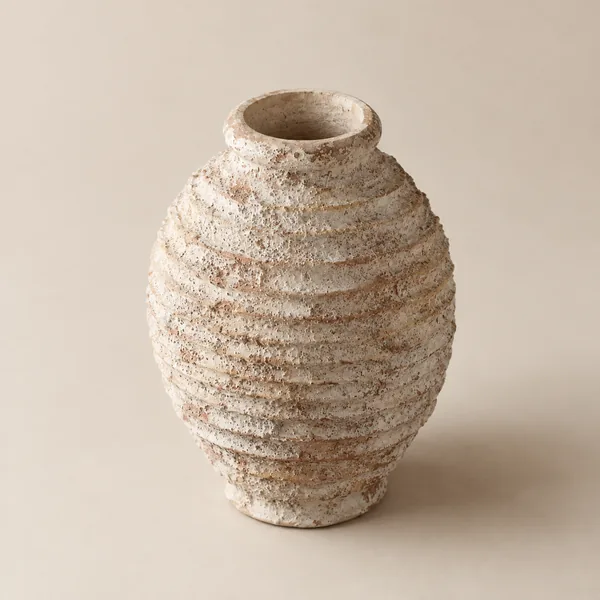
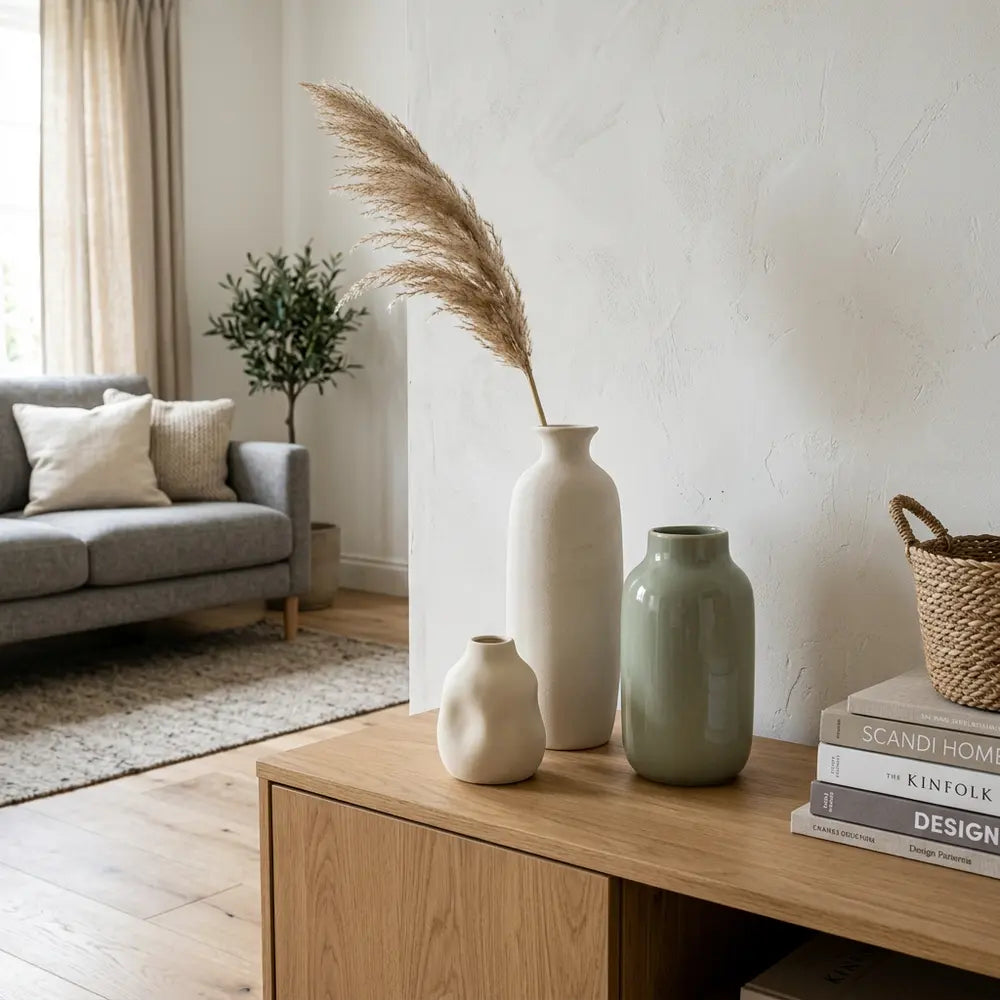
Some objects do more than hold flowers — they hold the feeling of a room. A well-chosen decorative vase brings sculptural presence, quiet texture, and a sense of considered living to any space, whether it sits alone on a shelf or anchors a table centrepiece with dried stems and pampas grass.
At Skonne, our collection of decorative vases is curated with Nordic sensibility at its core — pieces that are beautiful in their simplicity, honest in their materials, and designed to feel at home in the spaces you care most about.
Why a Decorative Vase Is One of the Smartest Styling Investments You Can Make
In Scandinavian interiors, objects earn their place by being both useful and genuinely lovely. A home decorative vase does exactly that — it functions as a vessel for fresh florals or dried arrangements, and when empty, it stands as a sculptural accent in its own right.
Unlike larger furniture investments, a single well-chosen vase can shift the entire mood of a shelf, console table, or windowsill. It introduces material contrast, height variation, and tactile interest without requiring a room overhaul.
This versatility is precisely why decorative vases remain one of the most enduring elements of Nordic home styling. They are low-effort, high-reward — and when chosen with intention, they only get better over time.
Ceramic and Glass Decorative Vases — Choosing Your Material
Material is one of the first decisions to make, and it shapes everything from the vase's visual weight to how it interacts with light in your space.
Ceramic Decorative Vases
Ceramic and stoneware vases are the workhorses of Nordic interior styling. Dense, tactile, and grounded, they bring an earthy quality that pairs beautifully with linen, wood, and woven textures. Their weight gives them presence — a ceramic vase on a coffee table simply looks like it belongs there.
Many ceramic vases in our collection feature artisanal glazes that are intentionally imperfect — slight variations in tone and surface that make each piece subtly unique. This is very much in the spirit of Scandinavian craft: functional objects made with care, where the hand of the maker is still visible.
Ceramics are also excellent watertight vessels for fresh florals. A stoneware vase with a well-fired interior glaze will hold water reliably, making it genuinely dual-purpose — sculpture one week, flower vase the next.
Glass Decorative Vases
Glass decorative vases bring an entirely different quality to a room. Where ceramics absorb and ground, glass reflects and amplifies. A glass vase catches window light and distributes it softly across a surface, adding a sense of airiness to a space.
Clear and frosted glass designs suit minimalist aesthetics particularly well — they allow stems and botanicals to become part of the composition, the vase almost disappearing into the arrangement. Tinted or smoked glass, meanwhile, adds a more contemporary Nordic edge, especially in amber, sage, or deep slate tones.
Glass is generally lighter than stoneware and well-suited to bud vases, narrow-necked vessels, and pieces intended to be grouped together in clusters.
Finding the Right Height and Scale for Your Space
Scale is everything when it comes to decorative vases. A vase that is too small disappears; one that is too large overwhelms. Getting the proportions right is what separates a styled space from a merely furnished one.
Tall Decorative Vases as Statement Pieces
Tall decorative vases — typically above 40cm — function like architectural elements. They work well on the floor beside a fireplace, in an empty corner that needs grounding, or on a wide console table where they can breathe without competing with smaller objects.
For floor placement, tall vases benefit from generous fillings: long dried pampas grass stems, oversized eucalyptus branches, or sculptural dried reeds all complement the scale without looking sparse. A pampas grass vase arrangement in a tall ceramic or terracotta vessel is one of the most enduring images of Nordic living — warm, organic, and deeply unhurried.
Medium and Bud Vases for Shelves and Tables
Bud vases and mid-height vessels (roughly 15–30cm) are the most versatile pieces in any collection. They suit windowsills, bookshelves, bedside tables, and bathroom counters — essentially any surface that benefits from a quiet moment of beauty.
Grouping three bud vases of varying heights but similar tones creates a curated, intentional display without effort. The rule of odd numbers in shelf styling exists for good reason — it creates natural visual rhythm rather than the symmetry that can feel static.
Large Decorative Vases for Centrepiece Displays
Large decorative vases occupy the middle ground between bud vases and floor pieces. At around 30–45cm, they make striking table centrepieces — especially in dining rooms, where a wide-mouthed ceramic filled with loose garden stems or dried botanical arrangements signals warmth and welcome.
On a kitchen island, a large stoneware vase in a neutral tone creates that much-loved sense of effortless Nordic domesticity — beautiful without trying too hard.
Matte Versus Glazed Finishes in Nordic Vase Styling
Finish has a profound effect on how a vase reads in a room. In Nordic interiors, both matte and glazed surfaces have a strong heritage — each suited to slightly different contexts and moods.
Matte Finishes
Matte vases are inherently calm. They absorb light rather than reflecting it, which gives them a soft, almost chalky presence. In a room with a lot of texture — linen cushions, woven throws, raw wood — matte ceramics sit quietly and harmoniously within the palette.
Matte neutral tones such as warm white, sand, ash grey, and terracotta are the backbone of Scandi home decor, and a matte vase in any of these shades will integrate easily without requiring careful colour-matching.
Glazed Finishes
Glazed vases add a layer of visual interest and often bring the craft element to the foreground. Artisanal glazes — particularly those with dip effects, colour gradients, or reactive surfaces — make each piece genuinely individual. No two pieces will look exactly alike, which is part of their appeal.
A high-gloss glazed vase in a deep sage green or dusty blue can act as a subtle colour anchor in a neutral room, introducing personality without disruption. Glazed interiors also tend to make vases more reliably watertight — an important consideration if you intend to use the piece regularly for fresh flowers.
Styling Decorative Vases as Standalone Sculptural Accents
The Nordic approach to styling is grounded in the idea that an object should be worthy of display without needing adornment. A well-made vase needs no flowers to justify its place on a shelf — its form, its texture, and its proportions are enough.
When styling a vase on its own, consider the surfaces around it. A sculptural accent in a textured matte finish looks most considered when placed against a plain wall or between objects of contrasting material — a stack of books, a smooth stone, a single candle. The contrast does the work.
For shelf styling, resist the urge to fill every space. Breathing room around a vase allows its silhouette to register fully. A geometric shape — a faceted cylinder, a rounded amphora form, an angular vessel — becomes sculpture the moment it has space to exist.
Empty vases also reward seasonal rotation. In winter, a matte stoneware vase filled with bare branches or dried seed pods feels entirely different to the same vessel holding fresh tulips in spring. The vase stays; the mood shifts with you.
Modern Decorative Vases in the Nordic Interior Tradition
Contemporary Nordic design has always balanced restraint with warmth. Where stark minimalism can feel cold, the Scandinavian approach brings in natural materials, handmade quality, and an understanding that homes are for living in.
Modern decorative vases in this tradition tend towards clean silhouettes with subtle detail — a slightly irregular rim, a thumbprint texture, a glaze that shifts from warm to cool depending on the light. These are pieces that reward close attention without demanding it from across the room.
The minimalist aesthetic here is never about emptiness — it is about choosing fewer things, but choosing them well. A single beautiful vase on a dining table says more than a cluster of generic accessories. It speaks of confidence, taste, and the quiet pleasure of living with things you genuinely love.
Explore More Decorative Vases by Style and Material
Our decorative vase collection is part of a broader home decor range at Skonne, and there are many ways to continue exploring pieces that complement your space.
- Home Decor: Browse the full home decor collection to discover cushion covers, decorative trays and bowls, wall clocks, and more pieces curated in the Nordic spirit.
Each piece in our decorative vase collection is chosen because it earns its place — honest in material, considered in form, and warm in the way that only genuinely well-made things can be. Whether you are looking for a ceramic decorative vase to anchor a shelf or a slender glass bud vase for a windowsill, the right piece is waiting. Explore the full range of home decor at Skonne to find everything that belongs in your space.
Frequently Asked Questions about Decorative Vases
18 products