
Home Office Lighting
Showing 1 - 10 of 10 products
 Save $40.00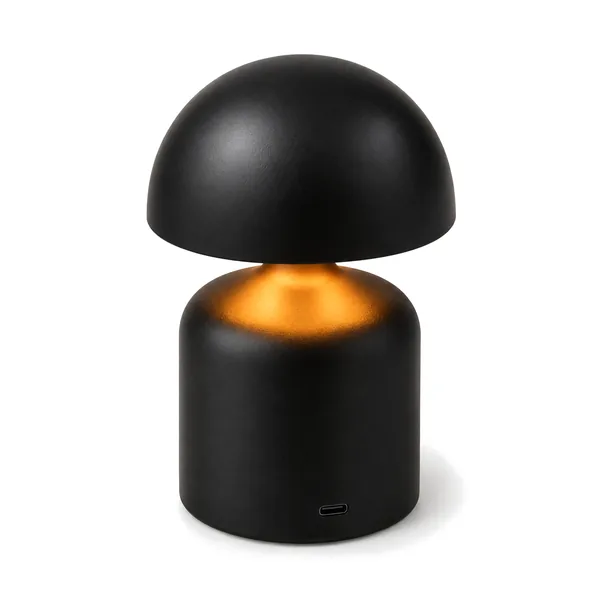
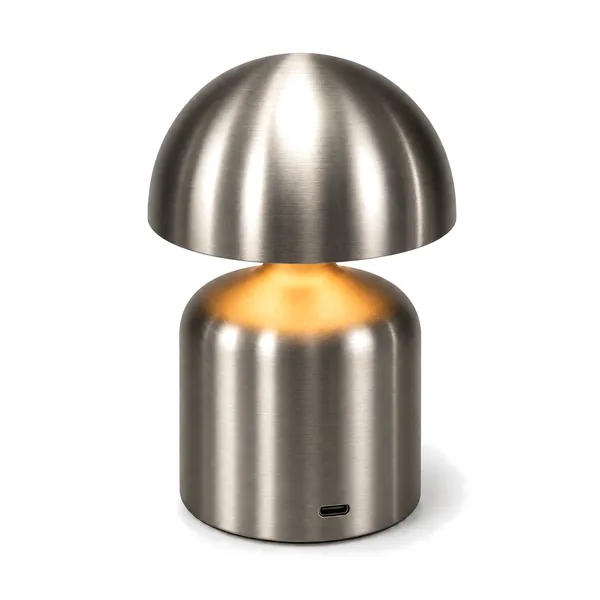
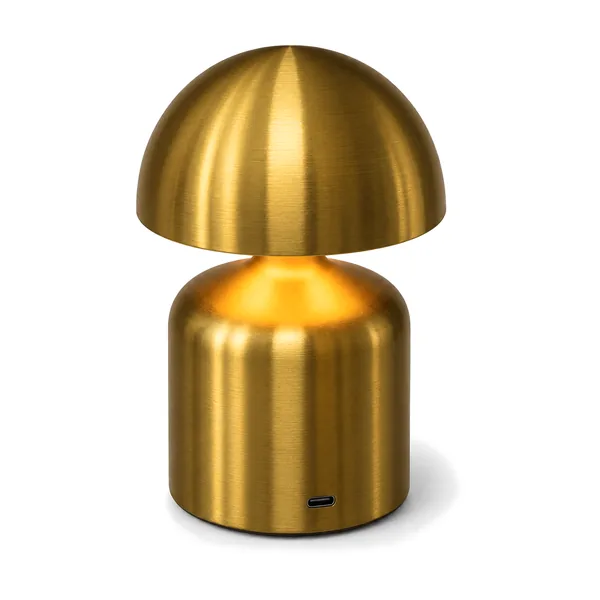 3 options
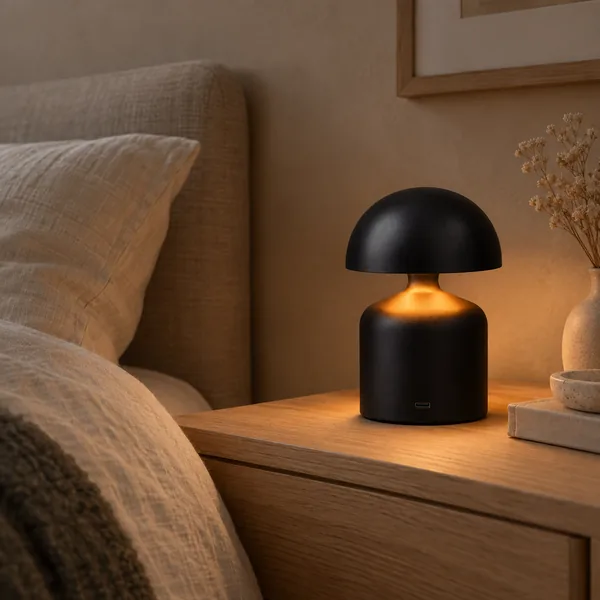
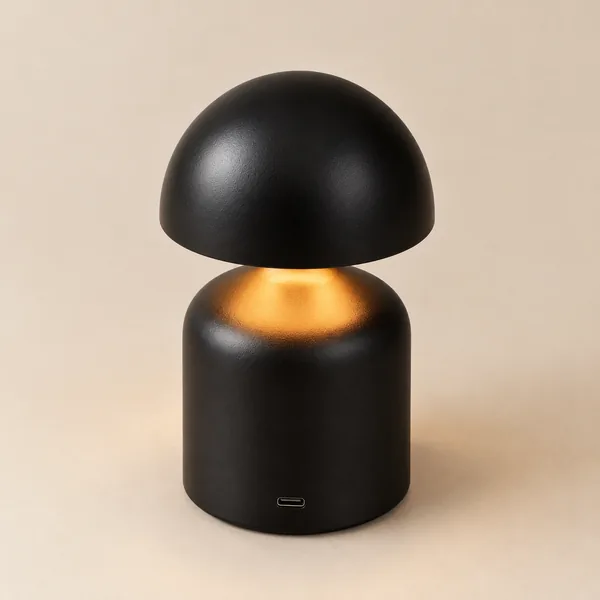
Kveld Cordless Touch Lamp with 3 Color Modes
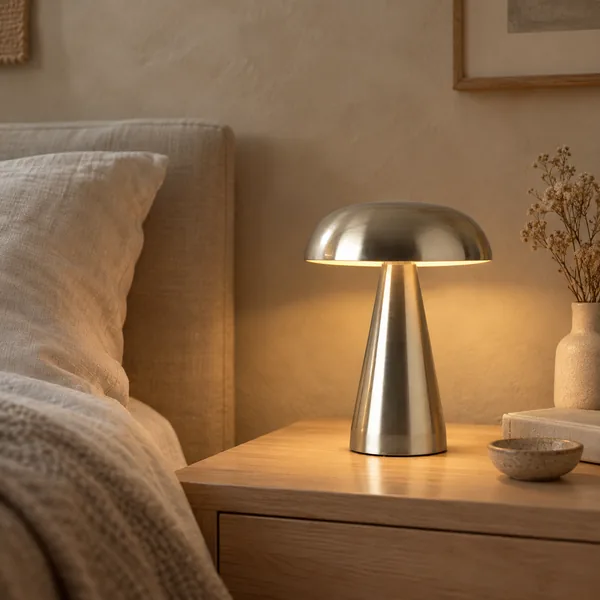
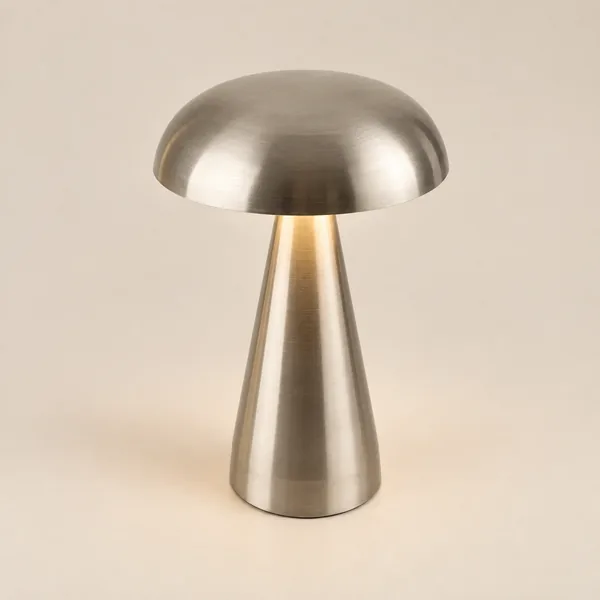 Save $50.00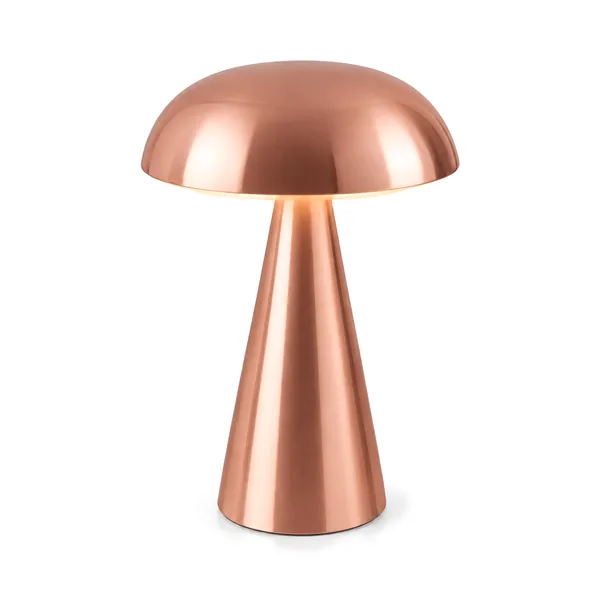
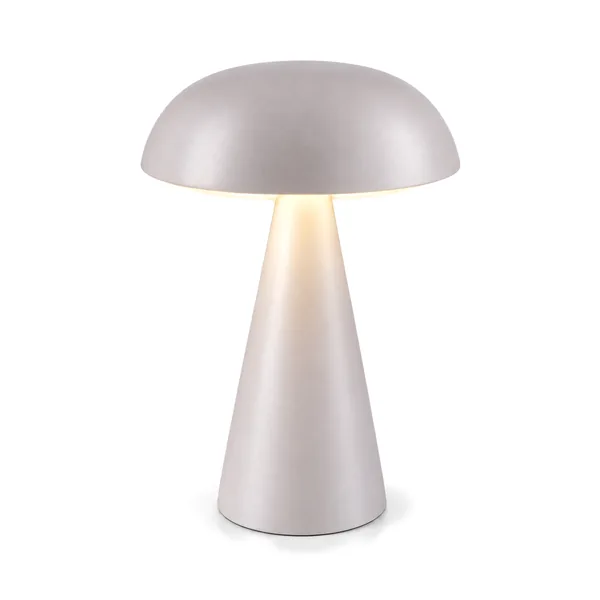
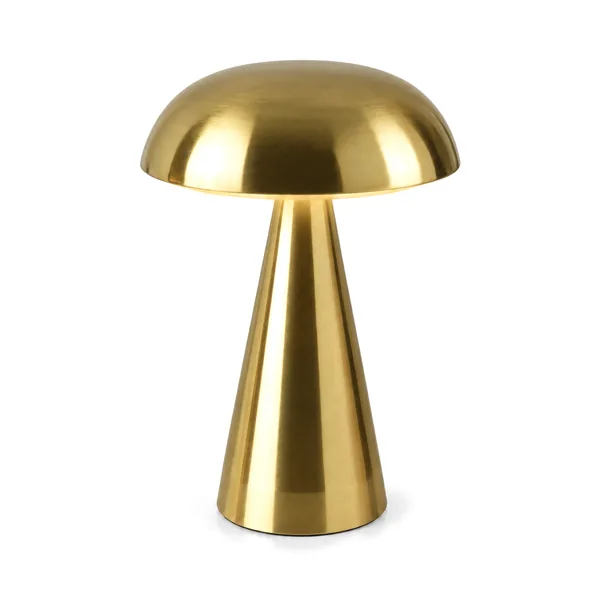
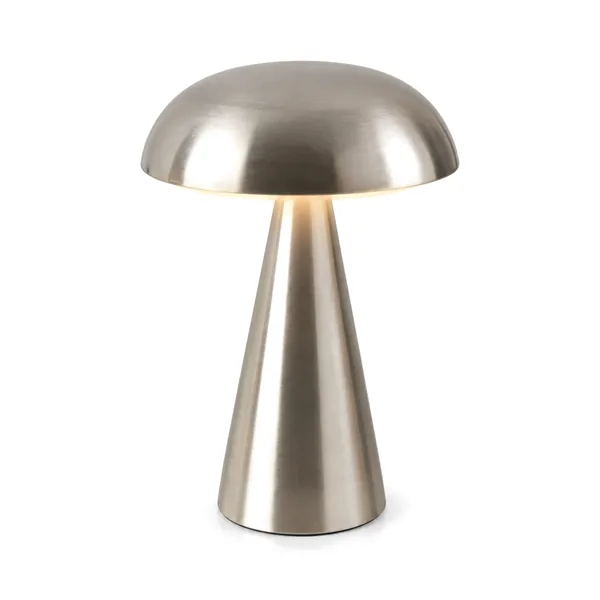 +15 options
Solglo Rechargeable Retro Mushroom Table Lamp
 Save $230.00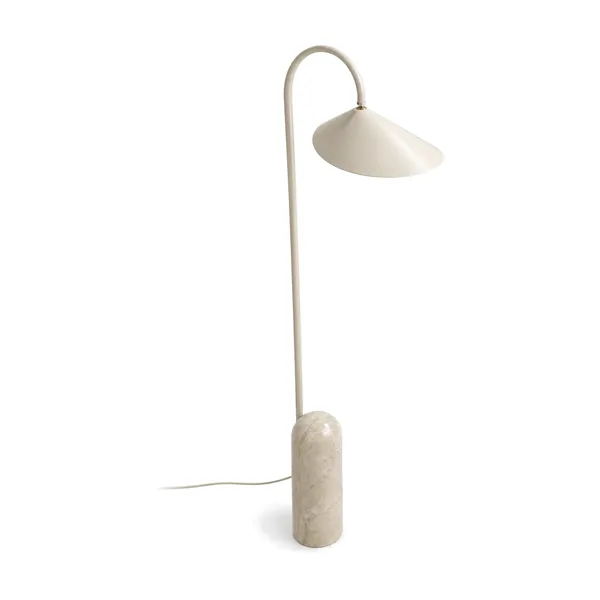
 2 options
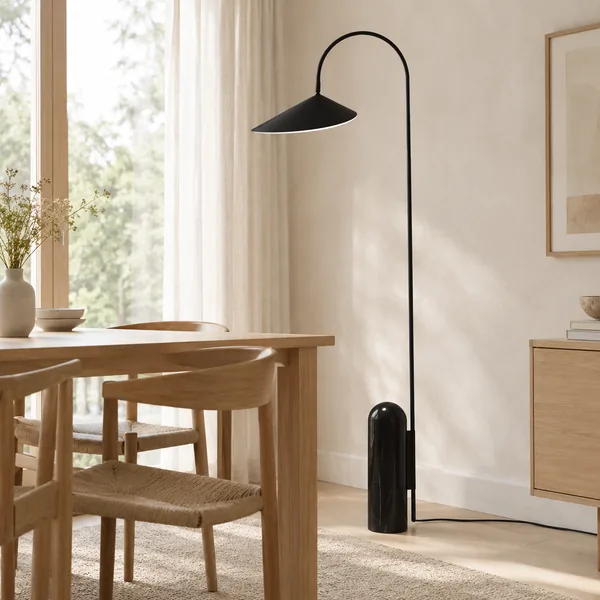
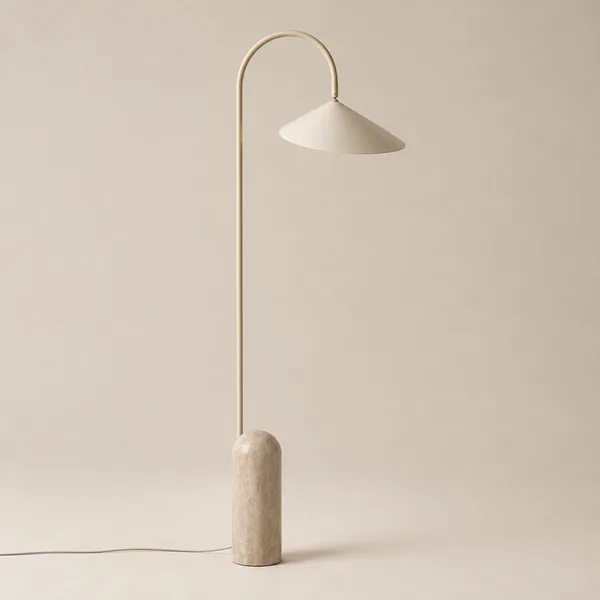
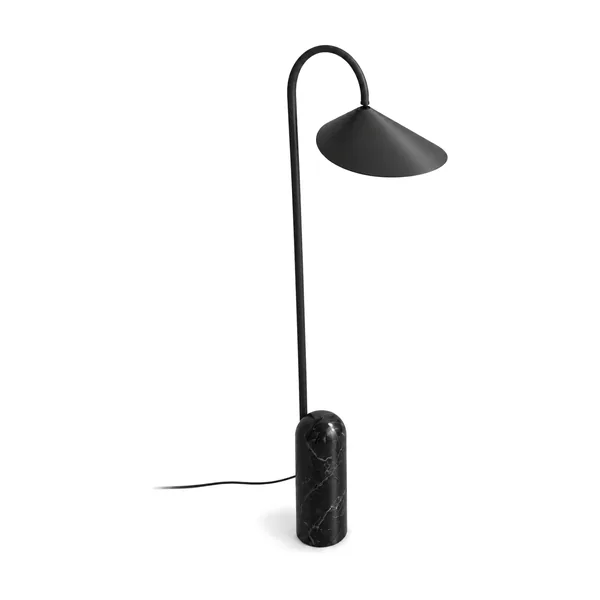
Velbue Marble Base Arc Floor Lamp Danish Design
 Save $210.00
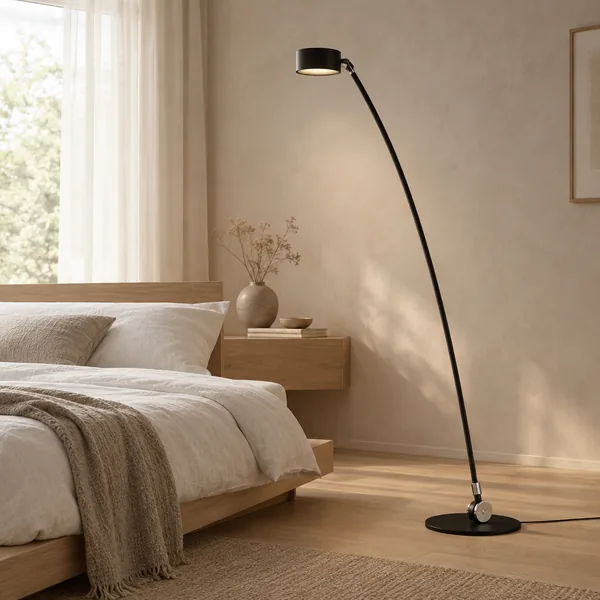
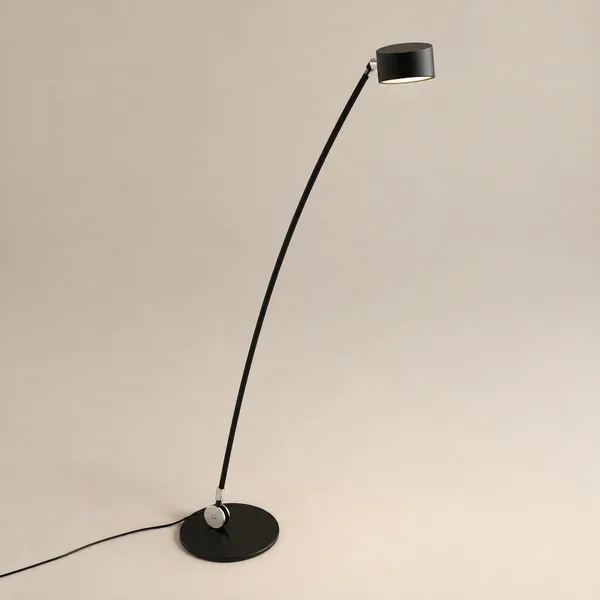
Bøyve Minimalist Arc LED Floor Lamp Matte Black
 Save $170.00
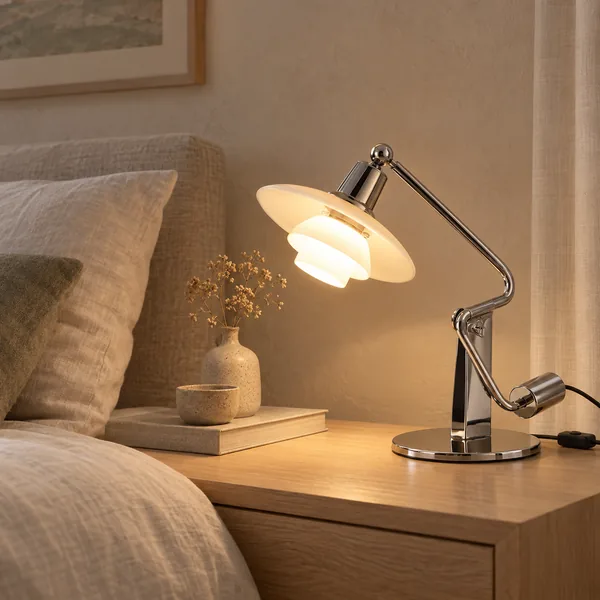
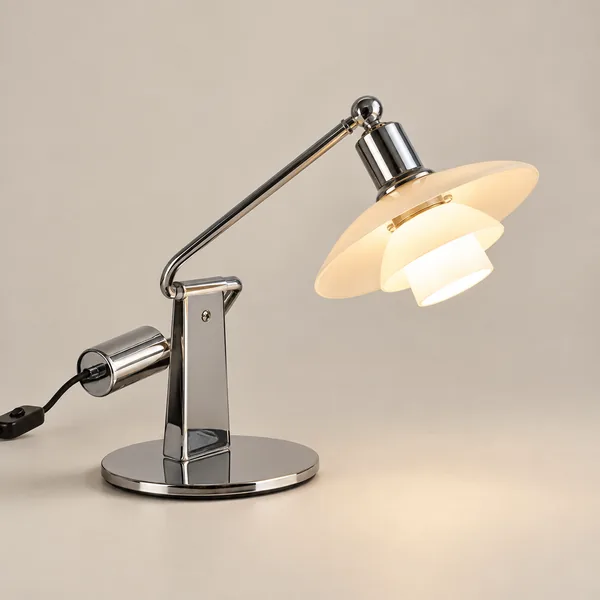
Glödva Vintage Chrome Frosted Glass Table Lamp
 Save $300.00
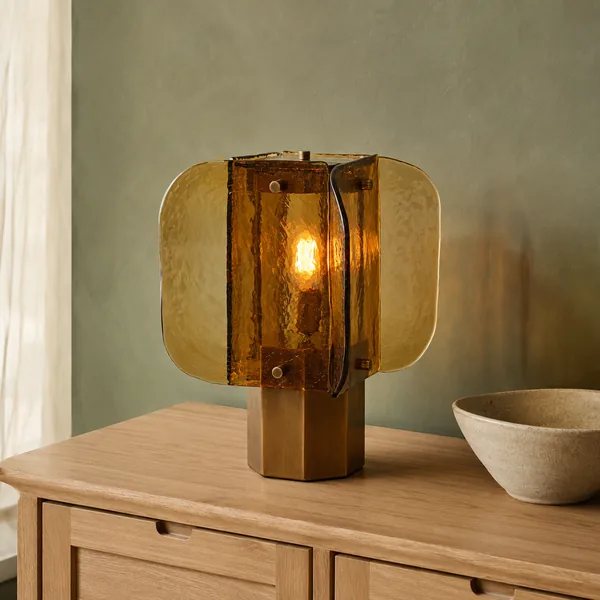
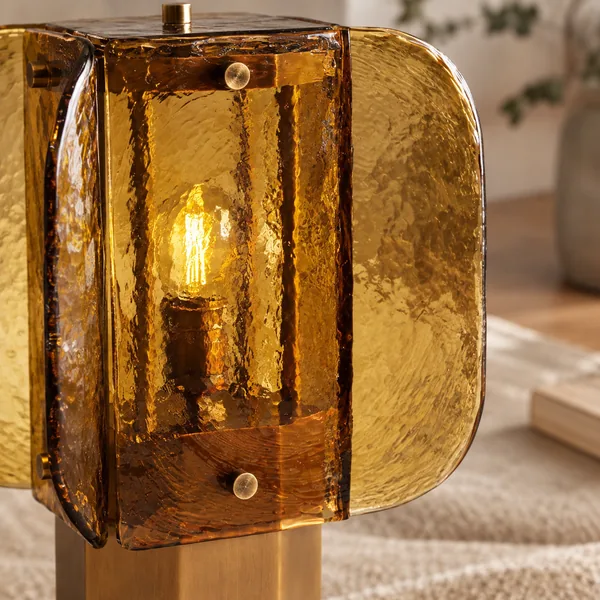
Gloda Amber Antique Glass Desk Lamp Warm Glow
 Save $30.00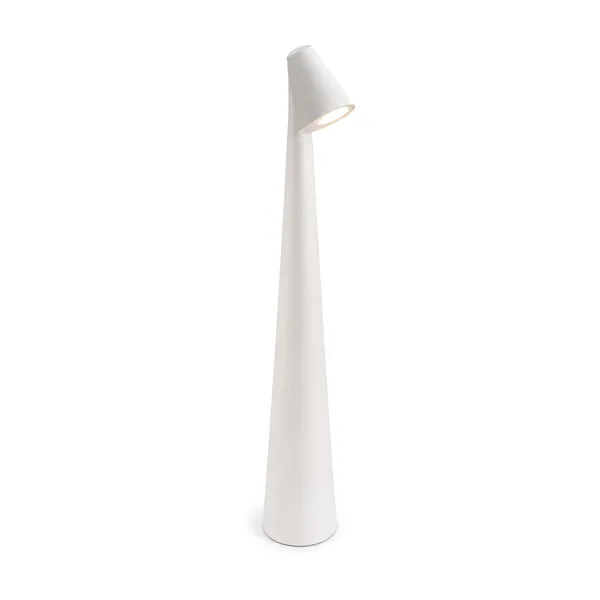
 4 options
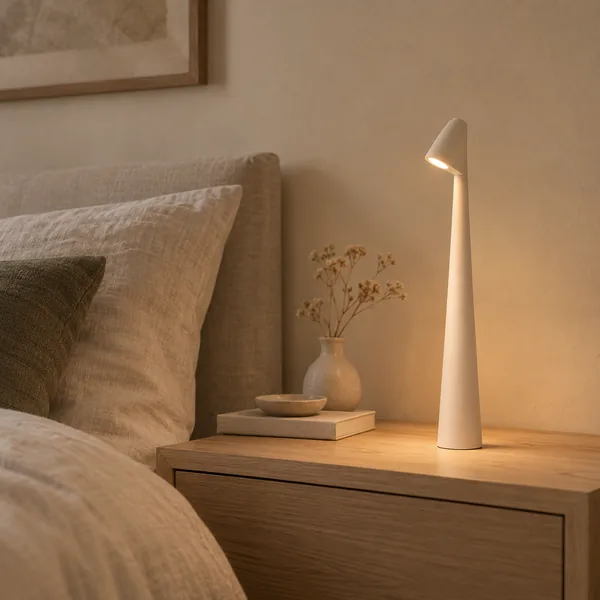
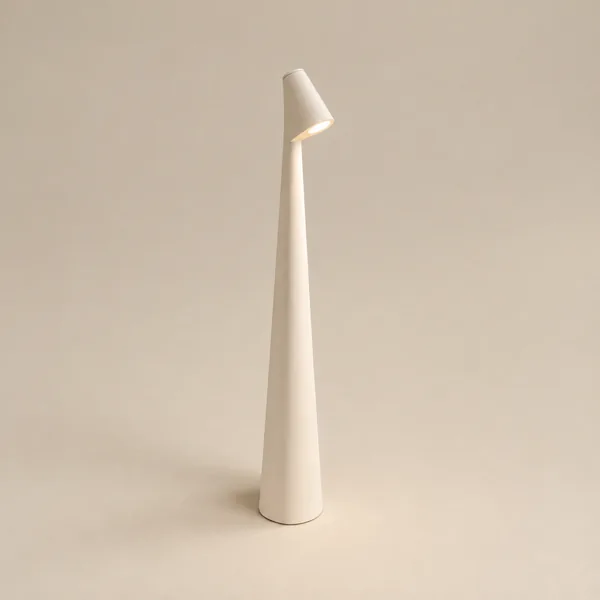
Gloda Rechargeable LED Desk Lamp Touch Dimmer
 Save $60.00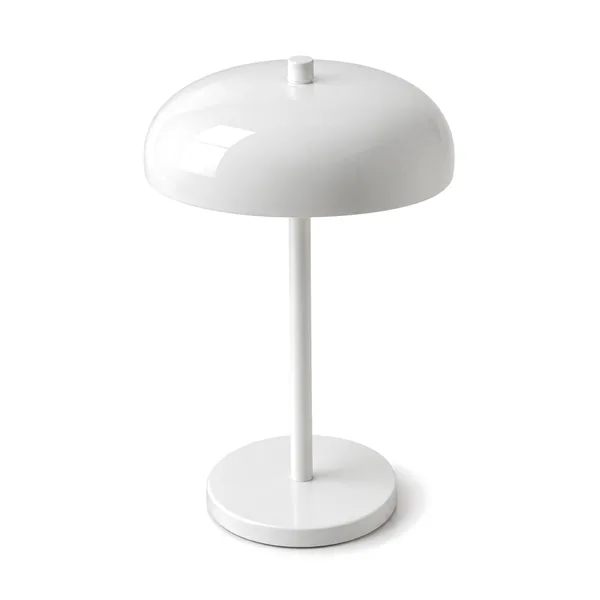
 4 options
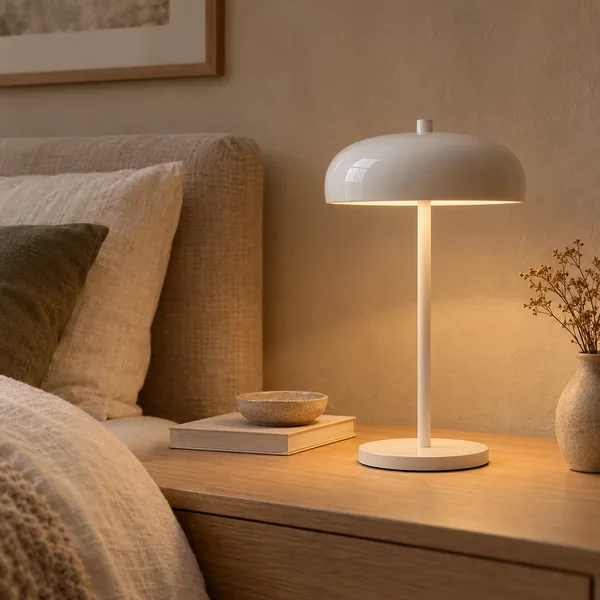
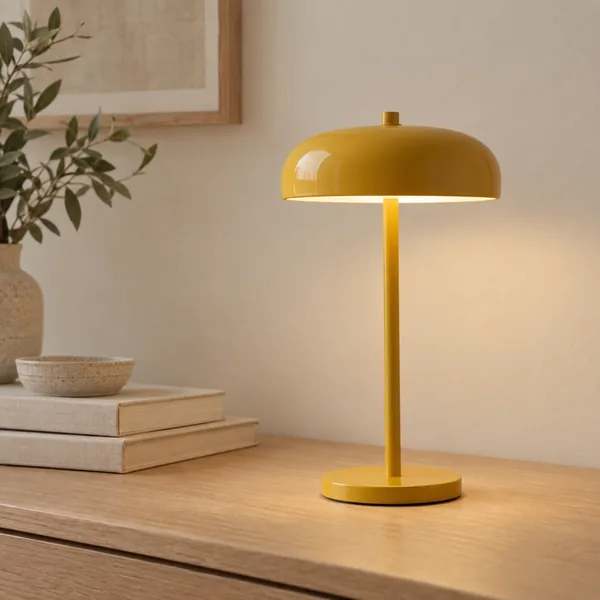
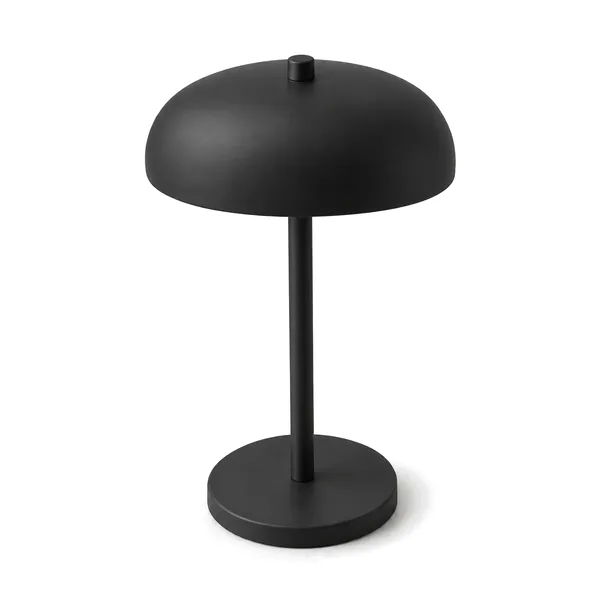
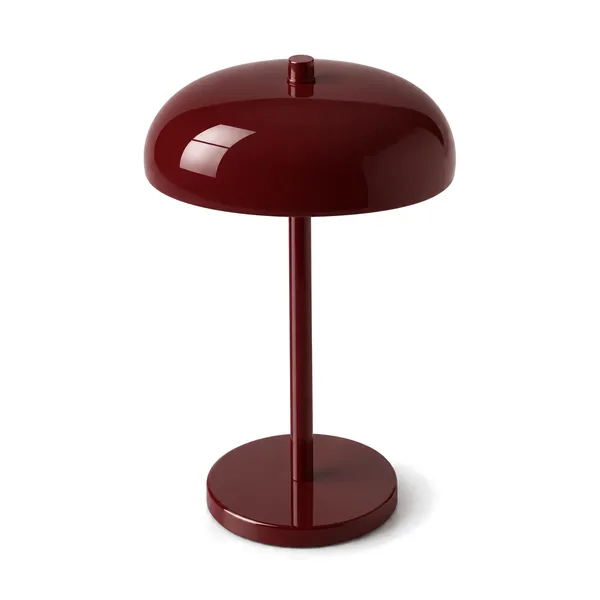
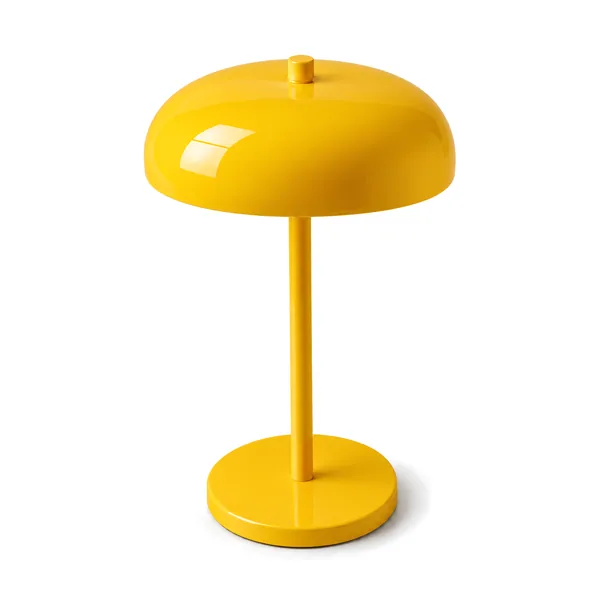
Kvella Rechargeable Dimmable Iron Touch Table Lamp
 Save $130.00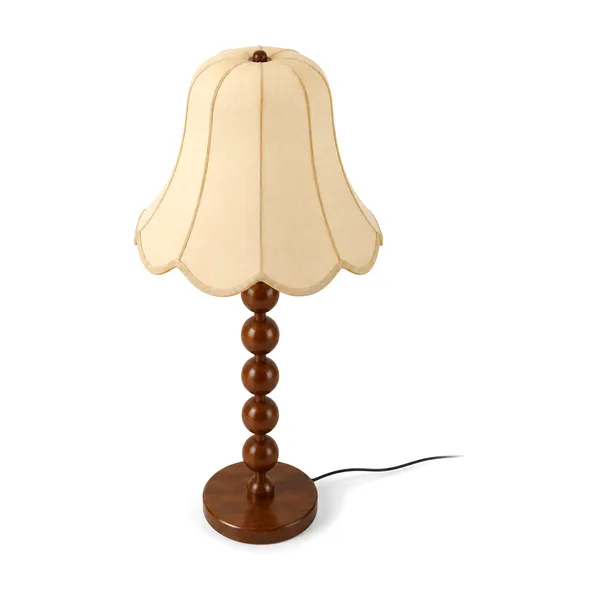
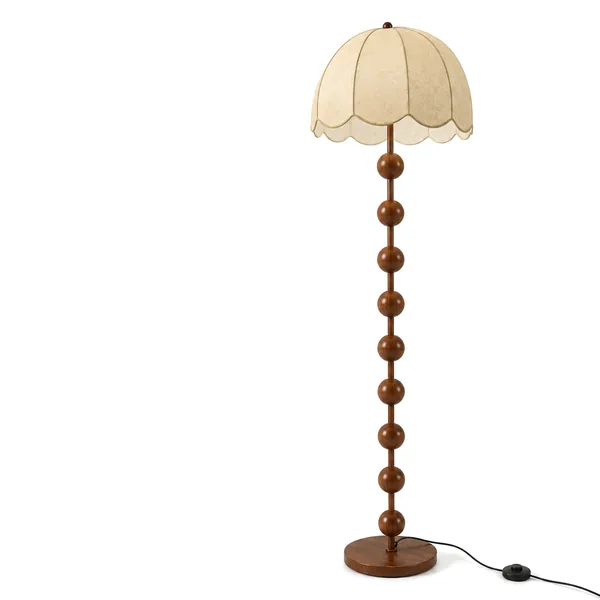 2 options
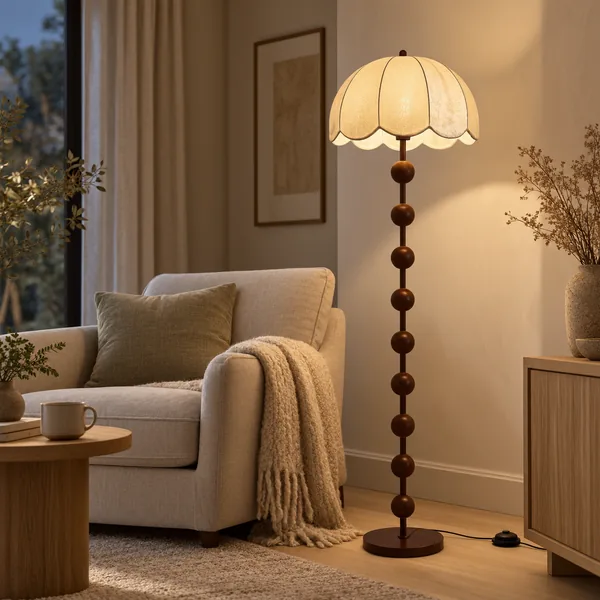
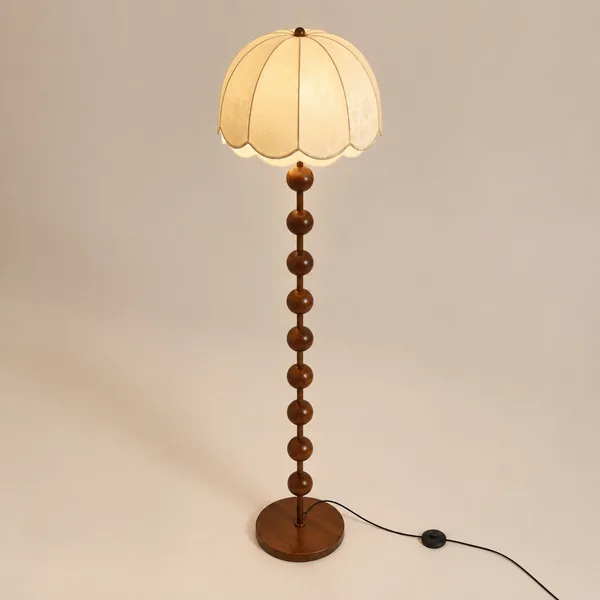
Kveld Scandinavian Mushroom Floor Lamp Walnut
Your home office deserves lighting that works as hard as you do — and looks beautiful doing it. Home office lighting is one of the most impactful upgrades you can make to a work-from-home setup, shaping everything from your focus and energy levels to the quality of your video calls. At Skonne, we bring a Scandinavian curator's eye to every fixture we carry, so you can build a workspace that feels as intentional and warm as the rest of your home.
Whether you're outfitting a dedicated study, a corner desk in the living room, or a full spare-room office, the right combination of desk lamps, ceiling fixtures, and floor lamps transforms how you feel and perform throughout the day.
Why Home Office Lighting Matters More Than You Think
Most people underestimate how deeply lighting influences their workday. Poor illumination leads to eye fatigue, afternoon energy crashes, and a workspace that never quite feels right — no matter how thoughtfully everything else is arranged.
Good home office lighting does three things simultaneously: it supports visual task performance, regulates your mood and alertness, and creates an environment you genuinely want to spend time in. These aren't competing goals. With the right fixtures and a layered approach, you can achieve all three at once.
Nordic design philosophy has always understood this balance. Scandinavian homes are built around light — maximizing it in dark winters, diffusing it thoughtfully in brighter seasons. That same sensibility translates beautifully into the modern home office.
Desk Lamps for Home Office Use That Go Beyond the Basics
A quality desk lamp is the foundation of any well-lit workspace. The best desk lamps for home office environments deliver focused, adjustable task light precisely where you need it — without casting harsh shadows or creating uncomfortable glare on your screen.
Look for swing-arm lamps and architect desk lamp designs when flexibility matters. These styles let you reposition the light source as your work shifts from reading printed documents to typing to sketching. A clamp-on desk light can be an ideal space-saving solution for smaller desks, keeping your surface clear while still delivering directed illumination.
Stepless dimming is one of the most underrated features in a desk lamp. Rather than toggling between a handful of fixed brightness levels, stepless dimming lets you tune your light output precisely to the task at hand and the ambient conditions in the room at that moment. On an overcast afternoon, you need something different than on a bright midday — and your lamp should adapt accordingly.
At Skonne, our desk lamp selection leans into clean Scandinavian lines: matte finishes, architectural silhouettes, and considered proportions that complement rather than compete with your workspace aesthetic.
Home Office Ceiling Lighting That Sets the Mood for the Whole Room
Overhead lighting forms the backbone of your room's ambient layer. Home office ceiling lighting — whether pendant lights, flush mount fixtures, or track lighting — determines the overall brightness and tone of your space before any task lighting is added.
Pendant lights work exceptionally well in home offices with higher ceilings or open-plan spaces, adding a design focal point while casting broad, diffused illumination. A single Nordic-inspired pendant above a central desk creates a sense of dedicated workspace within a larger room — a psychological anchor that helps you shift into "work mode."
Flush mount fixtures are the practical choice for standard ceiling heights, providing even overhead illumination without encroaching on headroom. Modern versions have moved far beyond the dated, flat discs of older designs — contemporary flush mounts in brushed brass, matte black, or natural materials bring genuine design intention to the ceiling plane.
For workspaces where flexibility is paramount, track lighting offers the ability to direct multiple light sources across different areas of the room. This is particularly useful in multi-function spaces where you might need focused light over a desk in one corner and softer illumination near a reading chair or meeting area in another.
Best Lighting for Home Office Environments Means Layering Intelligently
The concept of layered lighting — combining ambient, task, and accent sources — is central to how professional interior designers approach any room. In a home office, this approach is especially powerful because different tasks demand genuinely different qualities of light.
Your ambient layer (ceiling fixtures, floor lamps positioned away from the desk) provides general room illumination and sets the baseline mood. Your task layer (desk lamps, clamp-on lights, under-shelf fixtures) delivers the focused, higher-intensity light you need for close-up work. Together, these two layers prevent the visual fatigue that comes from working in a single, harshly lit environment or, equally problematic, a dimly lit one.
A home office floor lamp plays a particularly versatile role in this layered system. Positioned behind or beside your desk, a tall floor lamp can supplement ambient ceiling light without adding more furniture to your desk surface. Arc floor lamps are especially effective, extending light over a seated position while keeping the base tucked neatly out of the way.
The goal is to eliminate stark contrast between your bright screen and a dark surrounding environment. When the room itself is well and evenly illuminated — through a combination of overhead and supplementary sources — your eyes work far less hard over the course of a full workday.
Color Temperature and the Science of Productive Light
Understanding warm vs cool white light is essential when selecting any fixture for your workspace. Color temperature is measured in Kelvin (K), and the differences between ranges are meaningful for both productivity and comfort.
Light in the natural light spectrum range — approximately 4000K to 5000K — most closely mimics daylight and is associated with alertness, concentration, and sharper visual acuity. This range is generally considered ideal for detail-oriented work and sustained focus tasks.
Warmer light (2700K–3000K) is better suited to winding down, creative brainstorming, or video calls where you want to appear approachable and natural on screen. Many professionals find that transitioning from cooler task light during the morning and afternoon to warmer ambient light in the evening helps maintain their natural circadian rhythm even during long remote work days.
The most flexible setups use fixtures with tunable color temperature — allowing you to shift between cool and warm white throughout the day. Paired with dimming capability, this gives you genuine control over your lighting environment from one morning to the next.
Overhead Lighting for Home Office Spaces and Glare Reduction
One of the most common home office lighting mistakes is installing bright overhead lighting for home office use without considering where that light falls relative to screens and work surfaces. Direct overhead sources positioned in front of or directly above a monitor can create reflected glare that strains your eyes far more than the screen itself.
Diffused lighting — achieved through frosted glass shades, fabric pendants, or indirect bounce-lighting techniques — scatters light more evenly and eliminates the harsh hot spots that cause squinting and tension headaches. This is where Scandinavian design sensibility proves its practical worth: Nordic fixtures have historically prioritized soft, distributed light over raw brightness, because quality of light was always valued over quantity.
Positioning desk lamps to the side of your dominant hand (left if you're right-handed, and vice versa) reduces shadow cast across your work surface. Similarly, placing ambient light sources behind or beside your monitor rather than directly in front of it prevents screen reflections that compromise both comfort and visual clarity.
When considering lumens for productivity, a desk surface typically benefits from around 400–500 lumens of directed task light, while ambient room levels of 200–300 lumens provide comfortable background illumination without creating high-contrast zones.
Home Office Lighting for Video Conferencing and Professional Presence
Remote work has made video quality a professional concern. The lighting in your home office directly determines how you appear on screen — and the difference between a flattering, professional setup and a poorly lit one is immediately apparent to anyone on the other side of the call.
Front-facing light is the most important principle for video conferencing. A desk lamp or small pendant positioned in front of you — between your face and the camera — eliminates the shadowing that occurs when the primary light source is behind or beside you. The goal is even, soft illumination on your face without harsh shadows under your eyes or jaw.
Diffused light sources work better for this purpose than focused beams. A lamp with a fabric or frosted shade, or a wall-bounced light, creates the flattering softness that professional photographers and videographers use deliberately. Warm to neutral color temperatures (3000K–4000K) render skin tones most naturally on camera.
Position your light source at roughly eye level or slightly above, and at a 45-degree angle to your face for the most dimensional, natural-looking result. This simple adjustment can make a significant difference to how you're perceived during professional calls.
Energy-Efficient LED Home Office Lighting for All-Day Use
Modern home office lighting is overwhelmingly LED-powered, and for excellent reason. LED technology has advanced to the point where energy efficiency and light quality are no longer in tension — today's best LED fixtures deliver exceptional color rendering, precise color temperatures, and long lifespans while consuming a fraction of the energy of older incandescent or fluorescent alternatives.
For remote workers logging eight to ten hours daily, energy consumption adds up quickly. An ergonomic workspace built around LED fixtures can reduce lighting energy costs significantly compared to traditional bulbs, with quality LED desk lamps often rated for 25,000 to 50,000 hours of use — meaning years of daily operation before any replacement is needed.
LED light sources also generate far less heat than their predecessors, which matters in a workspace where desk lamps are positioned close to your face and hands for extended periods. Cooler operation means greater comfort and less thermal impact on sensitive materials like paper documents and photography.
At Skonne, our LED-compatible and LED-integrated fixtures are selected with all-day use in mind, delivering reliable, consistent illumination that performs as well on day 1,000 as it does on day one.
Building Your Ideal Home Office Lighting Setup with Skonne
The best lighting for home office environments isn't a single product — it's a considered combination of sources, each playing its role in an overall scheme. Start with your ambient foundation, add task lighting at the desk level, and supplement with floor lamps where additional warmth or fill light is needed.
Think about how the light changes across your workday and design for that variation. A setup that works brilliantly at noon should also feel comfortable at 7pm. Dimmable fixtures and tunable color temperatures give you the flexibility to adapt without rethinking your entire arrangement.
Skonne's home office collection brings this layered approach to life through fixtures that are as beautiful as they are functional — pieces rooted in Scandinavian design tradition that earn their place in your workspace not just as light sources, but as considered elements of a space you're proud to work in.
Frequently Asked Questions about Home Office Lighting
10 products