
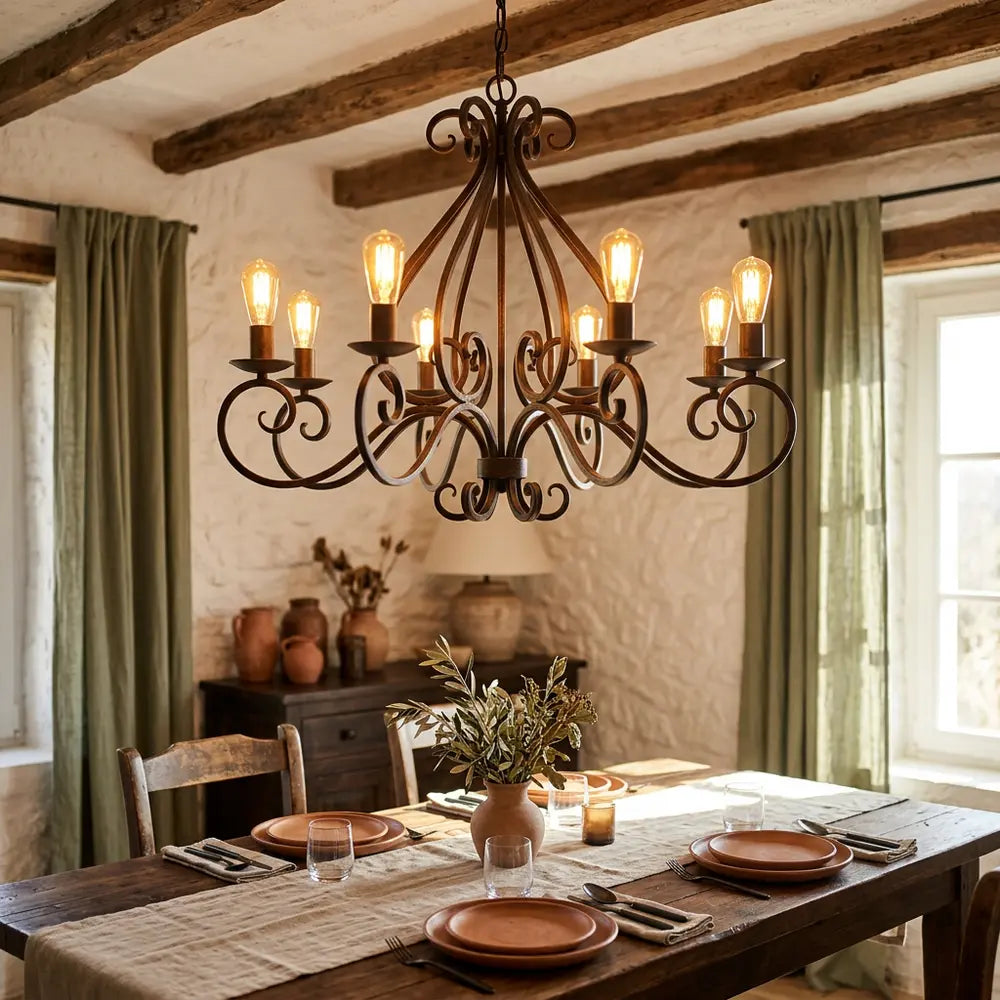
Mediterranean Lighting
Showing 1 - 9 of 9 products
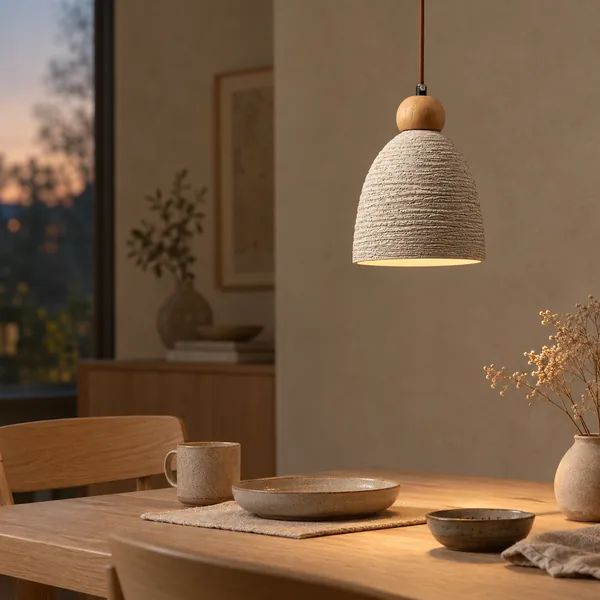
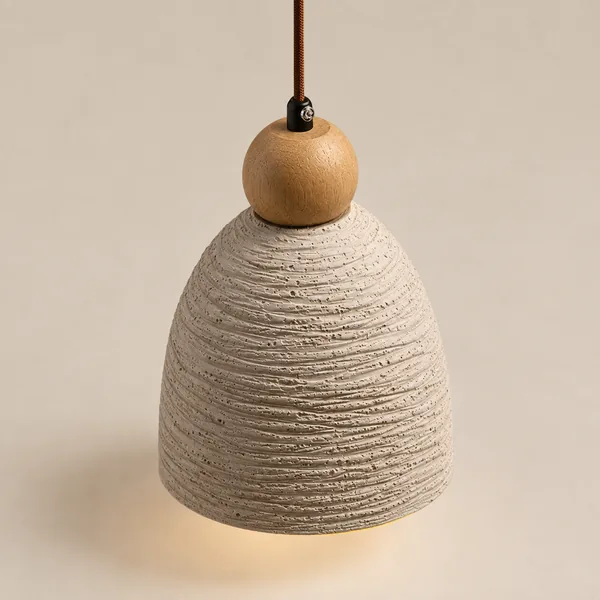 Save $170.00
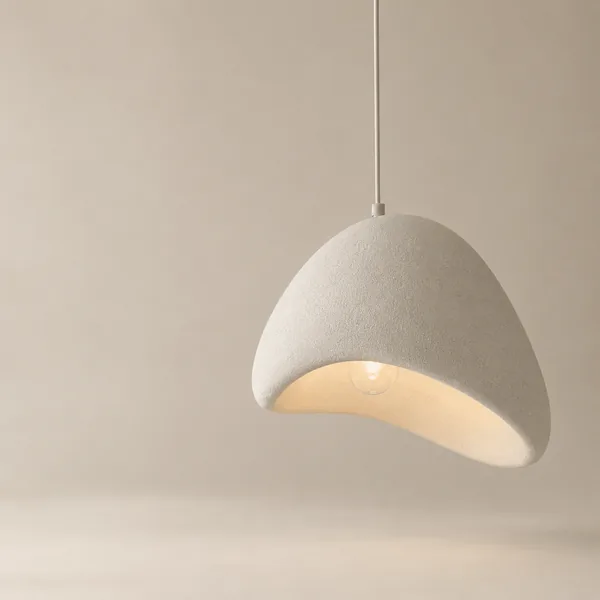
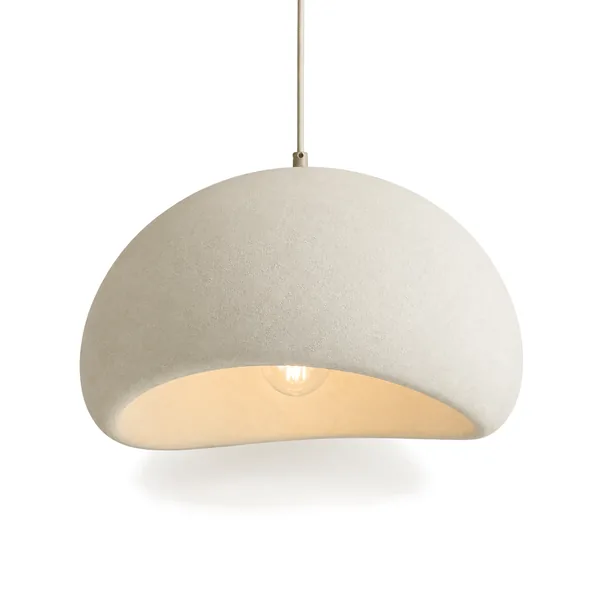
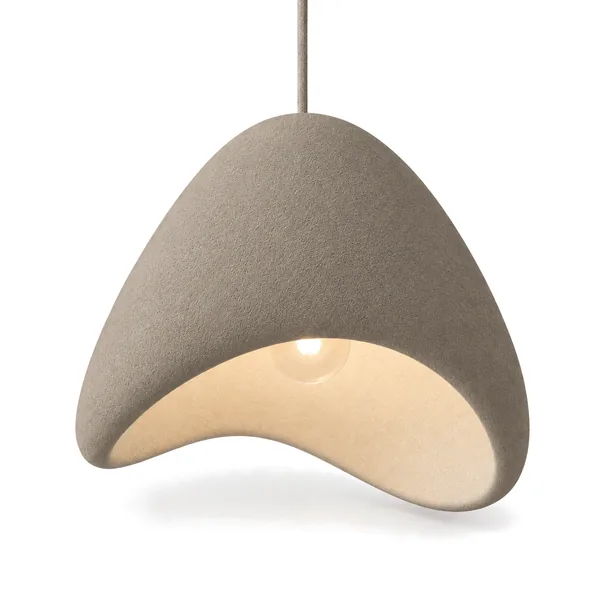
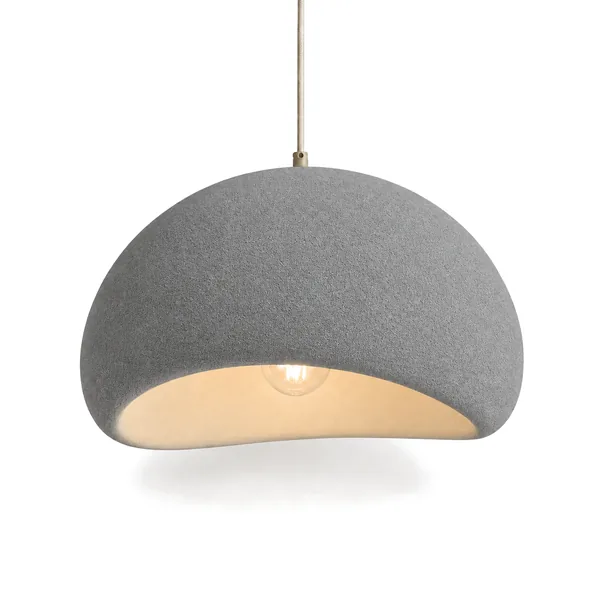
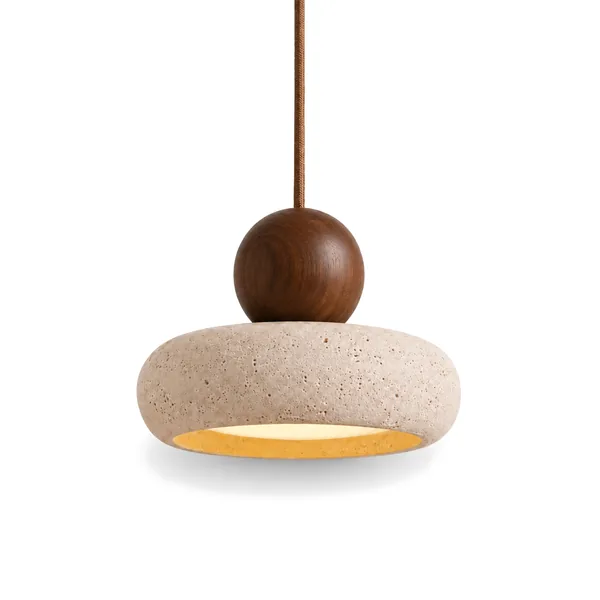
Steina Raw Microcement Industrial Pendant Light
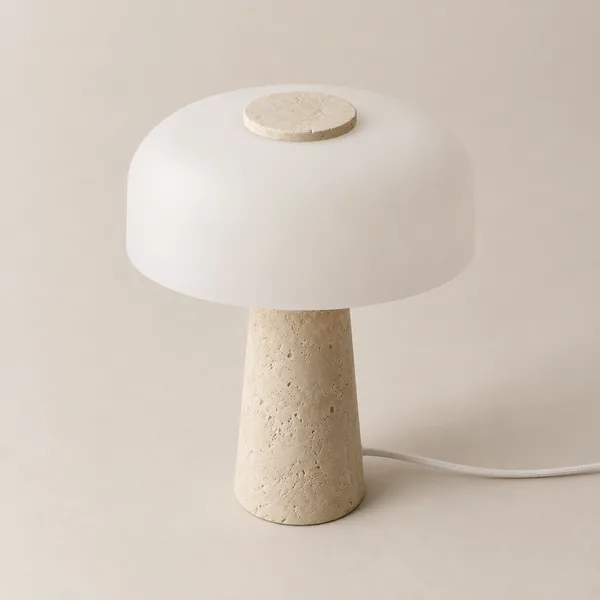
 Save $510.00
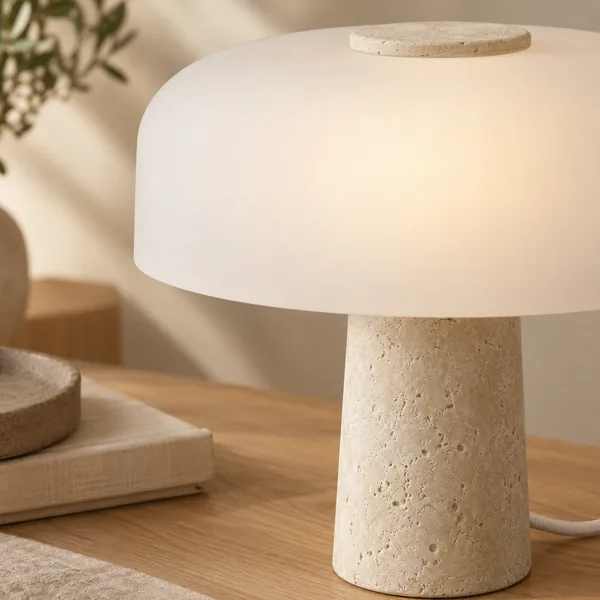
Svalna Frosted Glass Marble Mushroom Table Lamp
 Save $150.00
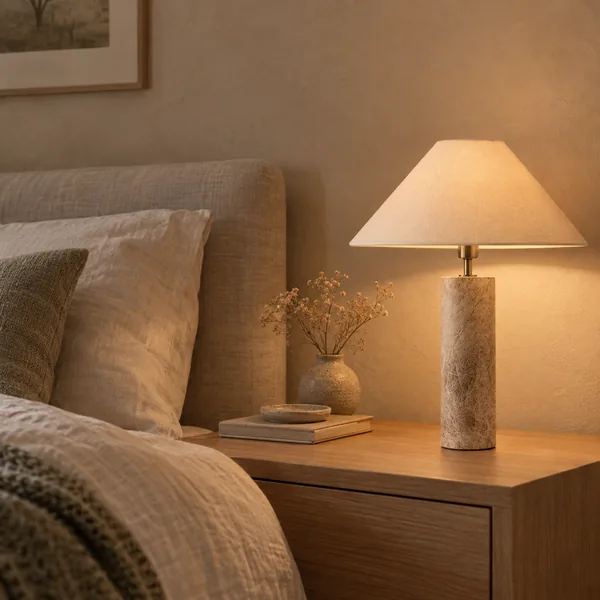
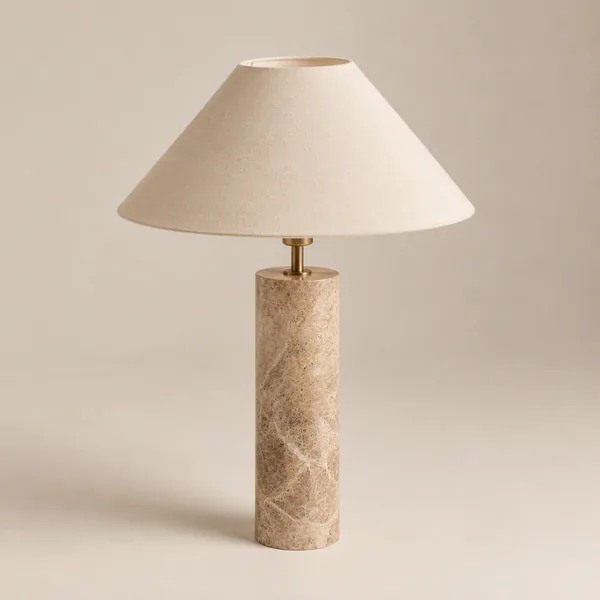
Steiva Natural Marble Table Lamp Nordic Style
 Save $130.00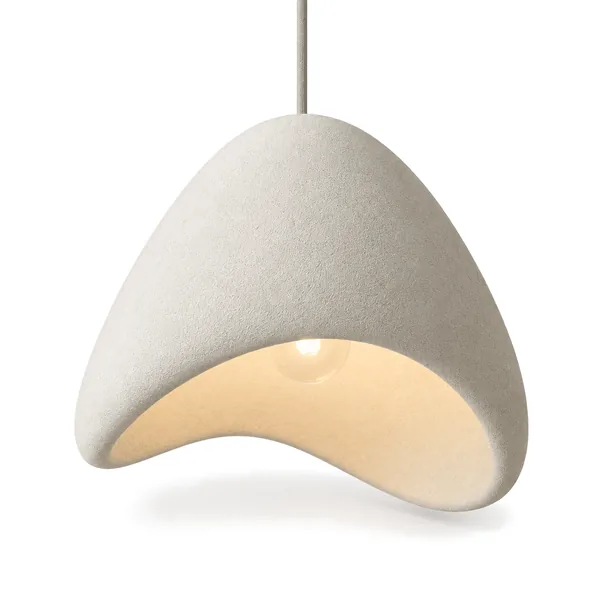
 16 options
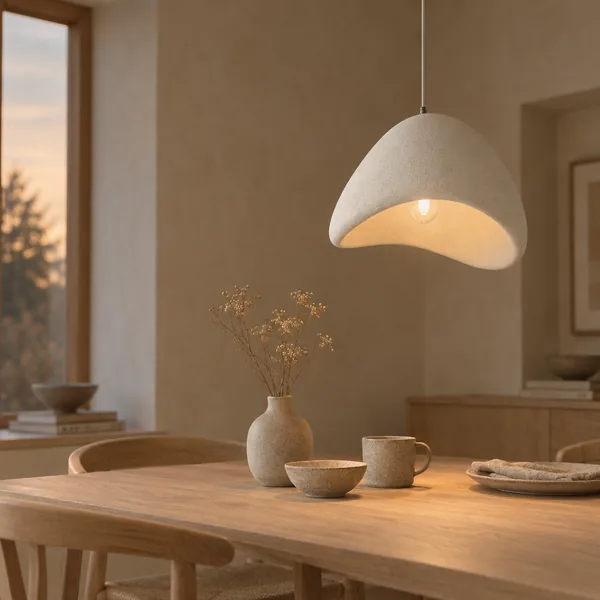
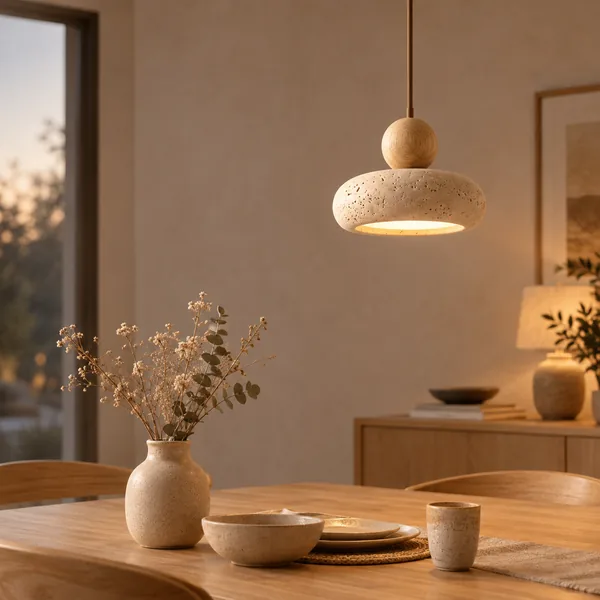
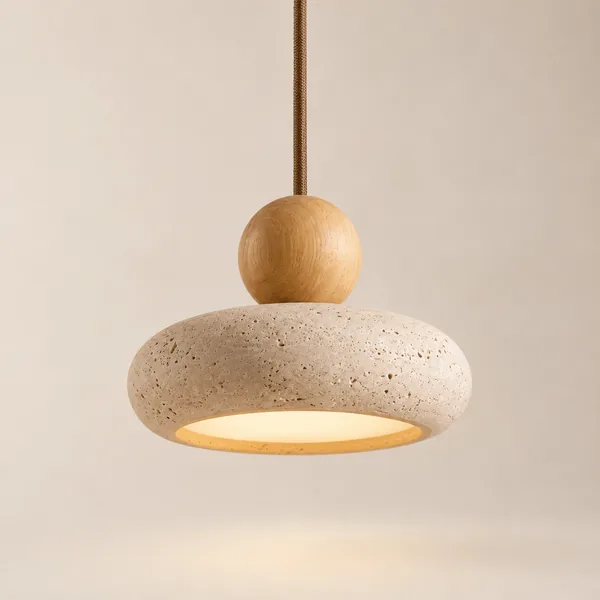
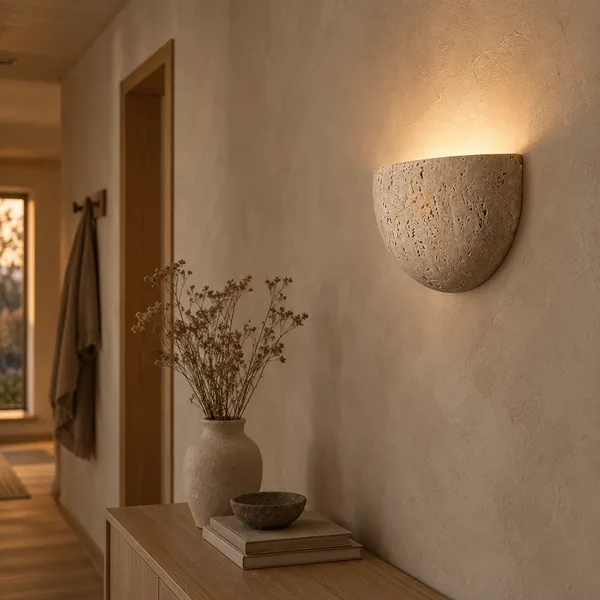
Stena Textured Stone Chandelier Pendant Light
 Save $80.00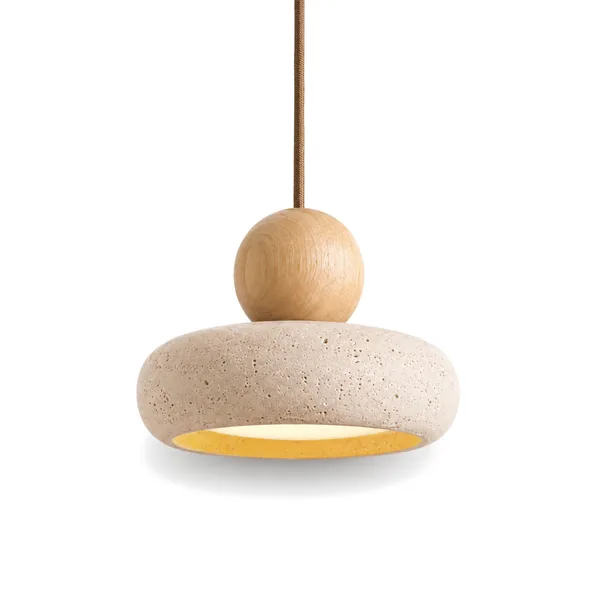
 2 options
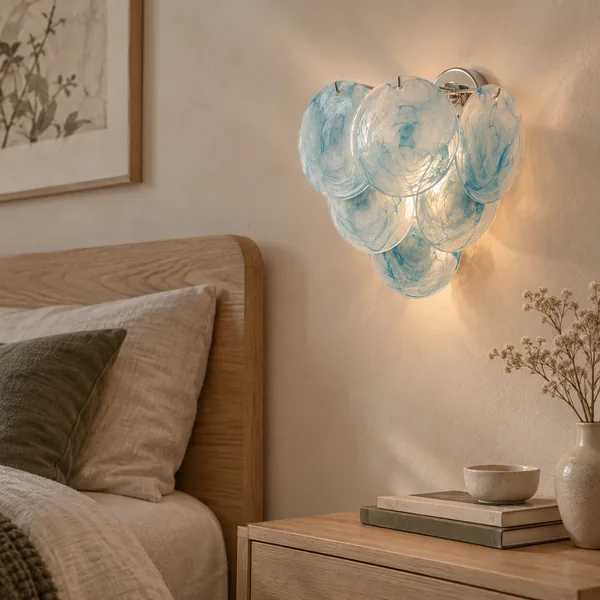
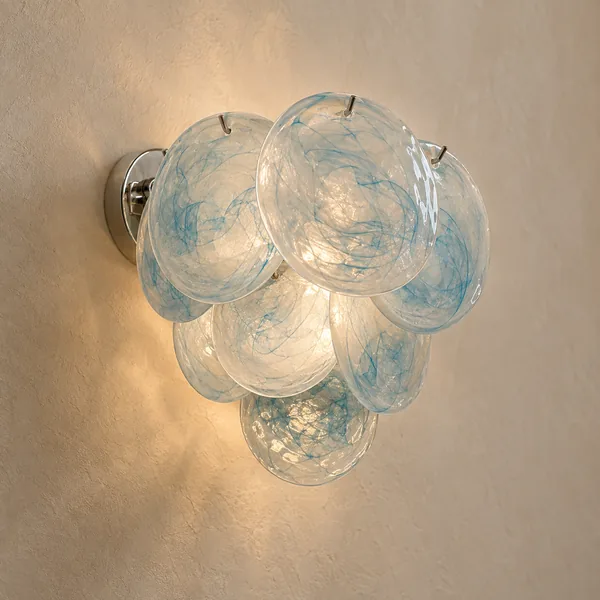
Steinja Natural Agate Stone Ceiling Pendant Light
 Save $110.00
Gløva Vintage Stained Glass Wall Lamp in Chrome
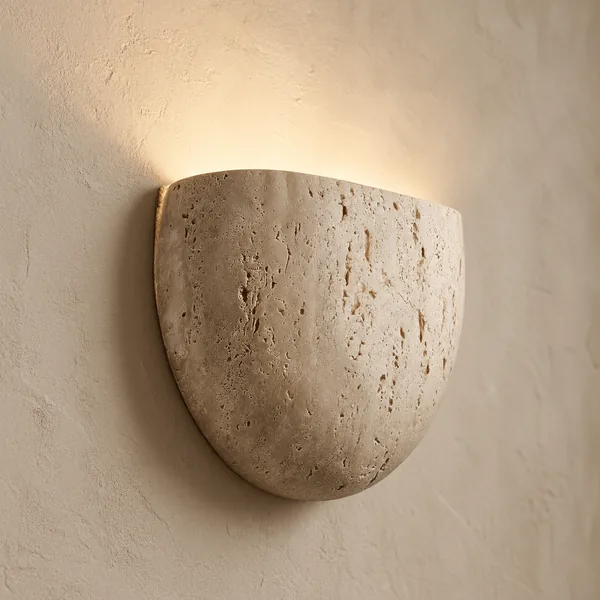
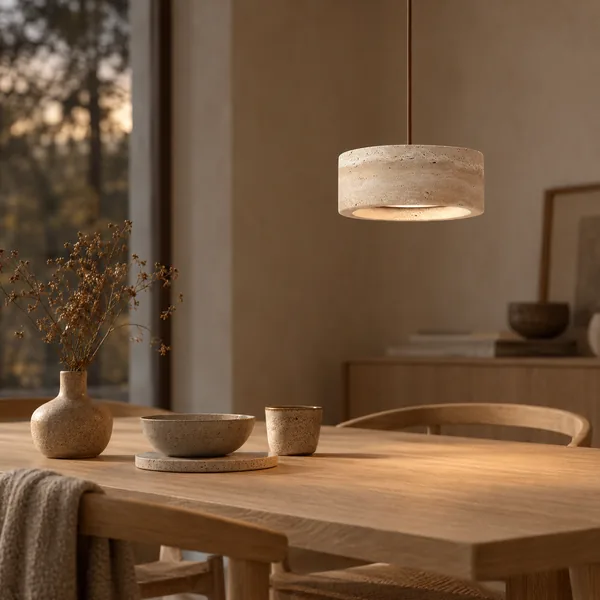
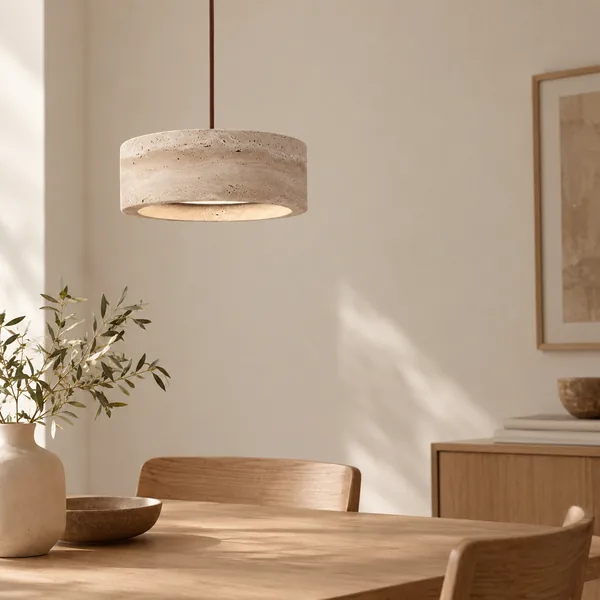
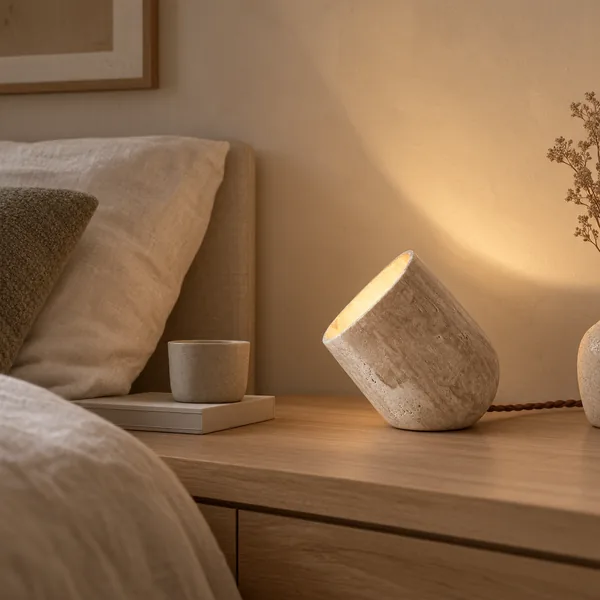
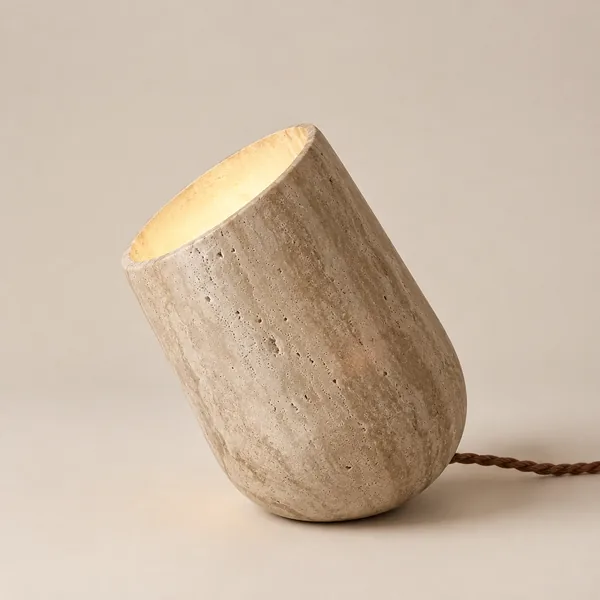
There's something quietly magnetic about Mediterranean lighting — the way warm candlelight flickers through hand-forged iron, the way a bronze pendant seems to carry the weight of sun-drenched coastlines and centuries of craft. At Skonne, we've gathered the finest expressions of this enduring aesthetic into one thoughtfully curated collection.
Whether you're drawn to the rustic grandeur of a wrought iron chandelier or the understated warmth of a coastal lantern, this collection brings the soul of the Mediterranean directly into your home — authentically, beautifully, and without pretension.
What Mediterranean Lighting Brings to Your Home
Mediterranean design has always been rooted in the natural world. Terracotta walls, sun-bleached stone, the warmth of olive groves at dusk — these are the textures and tones that inspire every fixture in this collection.
Mediterranean lighting isn't a trend. It's a tradition. Spanning the coastal regions of Southern Europe — from the whitewashed villages of Greece to the Spanish revival architecture of Andalusia and the Tuscan farmhouses of Italy — this aesthetic has shaped interior design for generations.
What makes it endlessly relevant is its warmth. Every piece carries a warm glow that transforms rooms into something that feels both lived-in and elevated. It's the kind of light that makes you want to linger at the table a little longer.
The Defining Materials of Mediterranean Light Fixtures
At the heart of authentic Mediterranean lighting is material integrity. These are not mass-produced fixtures with a surface-level finish — they are crafted from materials that improve with age and tell a story over time.
Wrought Iron and Hand-Crafted Iron
Wrought iron is the backbone of the Mediterranean aesthetic. Hand-forged into scrollwork, cage frames, and candelabra arms, it brings structural drama alongside artisan soul. Our collection features hand-crafted iron pieces that retain the slight irregularities of human craft — marks that mass production cannot replicate.
Over time, wrought iron develops a depth of character that factory finishes simply cannot fake. These are fixtures designed to be passed down, not replaced.
Oil-Rubbed Bronze and Natural Finishes
Oil-rubbed bronze is one of the most versatile and timeless finishes in the collection. It pairs seamlessly with stone, wood, terracotta tile, and linen — the essential palette of Mediterranean interiors.
Where iron brings structure, bronze brings warmth. Together, they anchor a space with a sense of heritage that feels genuinely rooted rather than decoratively imitated.
Terracotta, Wood, and Earth Tones
Beyond metal, several pieces incorporate natural materials like aged wood, hand-thrown ceramic shades, and earthy textile wraps. These softer elements balance the weight of iron and bronze, lending a tactile richness that resonates deeply with the Mediterranean's sun-soaked aesthetic.
Industrial vs. Rustic Finishes in Mediterranean Lighting
One of the most common questions we hear from customers exploring this style is how to navigate the spectrum between industrial and rustic finishes — and it's a genuinely useful distinction to understand.
Rustic Mediterranean finishes lean into texture and age. Think hammered iron, distressed bronze, hand-applied patinas, and surfaces that seem to have been touched by salt air and warm evenings. These finishes are ideal for homes with stone floors, exposed beams, or organic linen furnishings. They suit Tuscan-inspired interiors, Spanish revival cottages, and relaxed coastal homes equally well.
Industrial Mediterranean finishes are slightly more refined in their construction — cleaner lines, darker matte finishes, geometric cage forms — but still carry that artisan weight. These work beautifully in modern Mediterranean lighting contexts: contemporary open-plan kitchens, loft-style dining rooms, or spaces that mix minimalism with warmth.
The good news is that neither finish is wrong. The best approach is to follow your existing palette. If your home has warm, earthy tones and natural textures, rustic finishes will feel most cohesive. If your interiors lean cleaner and more graphic, an industrial Mediterranean fixture becomes the perfect grounding element — the one piece that adds depth without disrupting the whole.
Mediterranean Chandeliers for Statement Spaces
Few lighting choices define a room as decisively as a chandelier, and Mediterranean chandeliers are among the most impactful in the world of interior design. Designed to command attention without demanding it, they bring drama through material and craft rather than excess scale.
In a dining room, a wrought iron chandelier set over a long wooden table creates an atmosphere of intentional gathering — the kind of space that invites conversation and slow meals. In a foyer, it sets a tone of warmth and welcome before a guest has even crossed the threshold.
Foyer lighting is one of the strongest use cases for Mediterranean chandeliers. The verticality of a grand entryway suits the candelabra-style arms and downward-casting glow of iron chandeliers particularly well — making an immediate, lasting impression.
Our curated selection spans from compact five-arm designs for smaller dining rooms to expansive multi-tiered forms suited to double-height ceilings and great rooms. Each piece is selected for authentic material quality and proportional balance.
Mediterranean Pendant Lights for Kitchens and Islands
Mediterranean pendant lights offer one of the easiest ways to introduce this aesthetic into a home without committing to a full design overhaul. A pair of hand-crafted iron pendants over a kitchen island can shift the entire character of a modern kitchen — adding warmth, texture, and a sense of artisan craftsmanship in one move.
When choosing pendants for a kitchen island, scale matters enormously. As a general guideline, each pendant should be roughly 12–14 inches wide for a standard island, with approximately 24–30 inches of space between each fixture and 30–36 inches of clearance between the bottom of the pendant and the countertop surface.
For lower ceilings or more intimate kitchen layouts, a single wider pendant at the island's center can create a stronger focal point with less visual complexity. For longer islands or open-plan kitchens, a series of three smaller pendants creates rhythm and defines the cooking zone beautifully within the larger space.
Mediterranean Outdoor Lighting for Coastal and Garden Spaces
The Mediterranean has always blurred the line between inside and outside. Terraces, courtyards, olive-shaded pergolas — these are living spaces, not just transitional ones. Our Mediterranean outdoor lighting collection reflects this philosophy completely.
Exterior lanterns in wrought iron or bronze are designed to weather coastal environments with grace. The natural finishes do not fight against the elements — they evolve alongside them, deepening in character with exposure to salt air, humidity, and seasonal change.
Wall-mounted lanterns bring warmth to exterior entryways, garden gates, and courtyard walls. Post-mount lanterns define pathways and create ambient pools of light across outdoor living spaces. Each is designed with the Mediterranean's indoor-outdoor fluidity in mind — pieces that feel equally at home on a covered patio as they do beside a front door.
For coastal homes specifically, bronze and oil-rubbed finishes offer stronger corrosion resistance than chrome or polished nickel alternatives — making them both the more beautiful and the more practical choice for seaside locations.
Bringing Modern Mediterranean Lighting into a Contemporary Home
One of the most exciting design conversations today is how modern Mediterranean lighting intersects with contemporary interiors. The answer, as Skonne has always believed, is that authentic warmth belongs in every kind of home.
In a contemporary setting, the key is restraint in repetition, not in quality. Choose one or two Mediterranean fixtures as deliberate focal points — a chandelier in the dining room, a pair of pendants in the kitchen — and allow them to anchor the space against cleaner-lined furniture and neutral walls.
The contrast between a smooth concrete floor and a hand-forged iron chandelier is not a contradiction. It's a composition. Italian décor traditions have long embraced this tension between the ancient and the modern, and it translates beautifully into the language of contemporary interiors.
If your home already has warm wood tones, stone surfaces, or terracotta accents, Mediterranean lighting will feel like a natural extension. If your palette is cooler or more minimal, a single statement piece in aged bronze becomes the element that gives the entire space its humanity.
Hand-Crafted Textures and the Artisan Difference
In a market flooded with decorative lighting that mimics artisan craft through surface-level printing and machine stamping, genuine hand-crafted textures stand out immediately — and they stand out even more clearly once a fixture is lit and the light begins to play across its surface.
Hand-forged iron catches light differently at every angle. Hand-applied bronze patinas shift in tone depending on the time of day and the quality of light source. Hammered metal shades cast patterned shadows that become as much a part of the room's atmosphere as the fixture itself.
This is the artisan difference — and it's what Skonne curates for deliberately. Every Mediterranean fixture in our collection has been selected for its material authenticity, not just its aesthetic appearance. The rustic charm you see in the product photography is exactly what you'll experience in your home.
Durability You Can Trust in Wrought Iron and Bronze
Investment-worthy lighting should last decades, not seasons. Wrought iron and bronze are among the most durable materials in the history of functional craft — and their use in Mediterranean lighting is no coincidence.
Wrought iron is highly resistant to mechanical stress and, when properly finished or coated, resists rust effectively even in moderately humid environments. For outdoor use, look for pieces with powder-coat or clear lacquer finishes applied over the ironwork — these extend longevity significantly in exposed settings.
Bronze, whether cast or oil-rubbed, is naturally corrosion-resistant and develops a protective patina over time that actually strengthens the surface against further wear. In coastal or high-humidity environments, bronze is frequently the superior choice over iron for exterior applications.
At Skonne, we stand behind every piece in our collection. If you ever have questions about care, maintenance, or the right finish for your specific environment, our team is always available to guide you — because choosing a fixture you'll love for twenty years is a decision worth taking the time to get right.
Mediterranean lighting occupies a rare place in interior design — timeless without being static, warm without being heavy, artisan without being inaccessible. Whether you're furnishing a coastal home, a Tuscan-inspired farmhouse, or a contemporary apartment that simply deserves more soul, this collection offers a fixture for every space and every intention.
Explore the full breadth of styles, scales, and finishes within our lighting collection to discover how Mediterranean design sits alongside the wider world of curated Skonne lighting.
Frequently Asked Questions about Mediterranean Lighting
9 products