
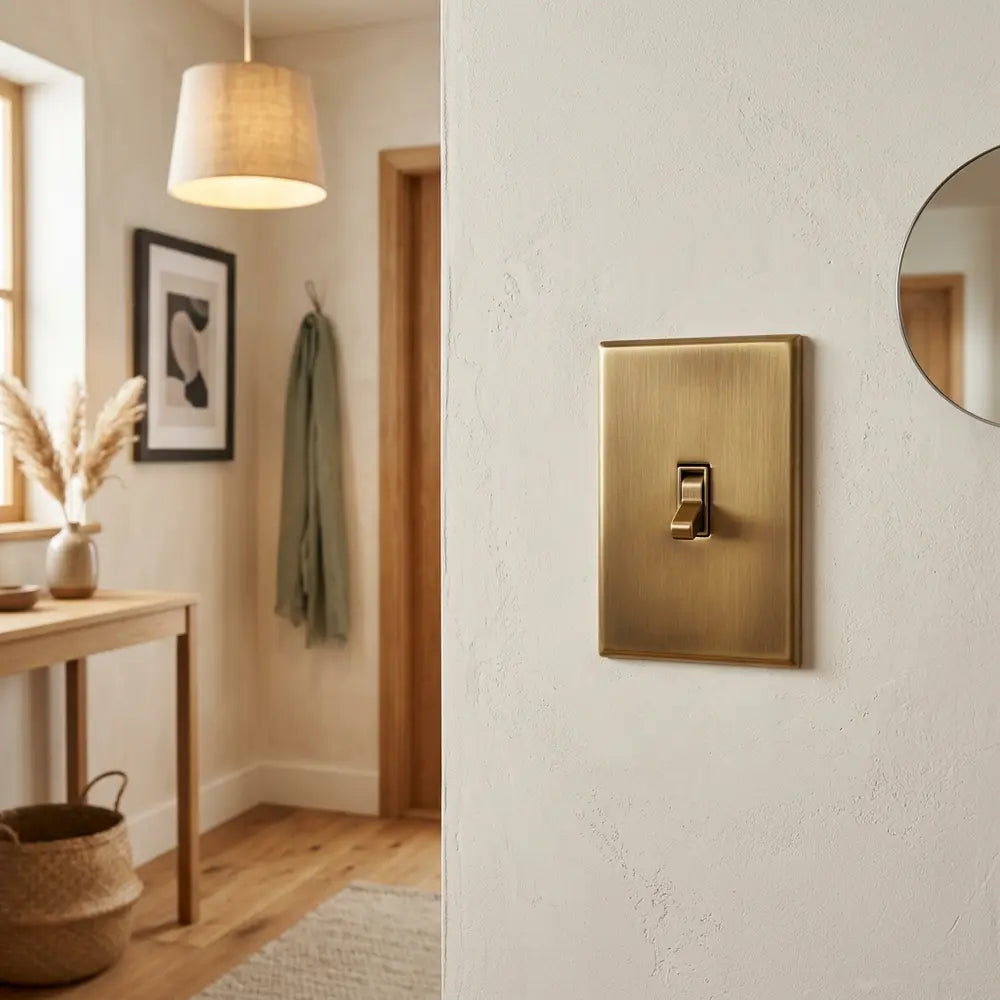
Toggle Switches & Outlets
Showing 1 - 7 of 7 products
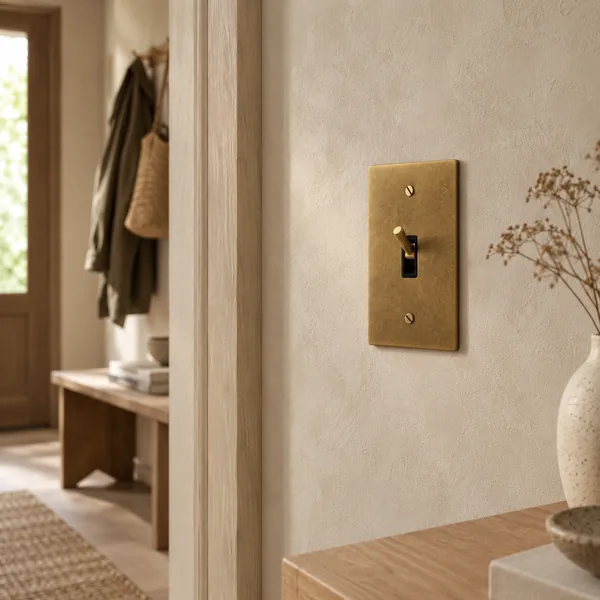
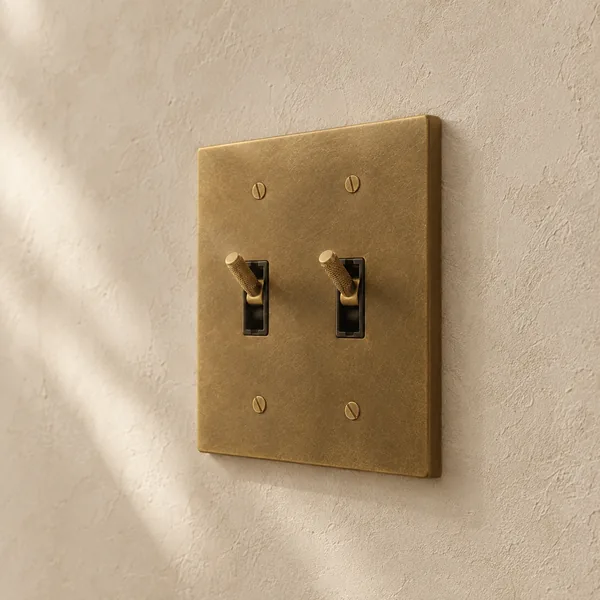 Save $50.00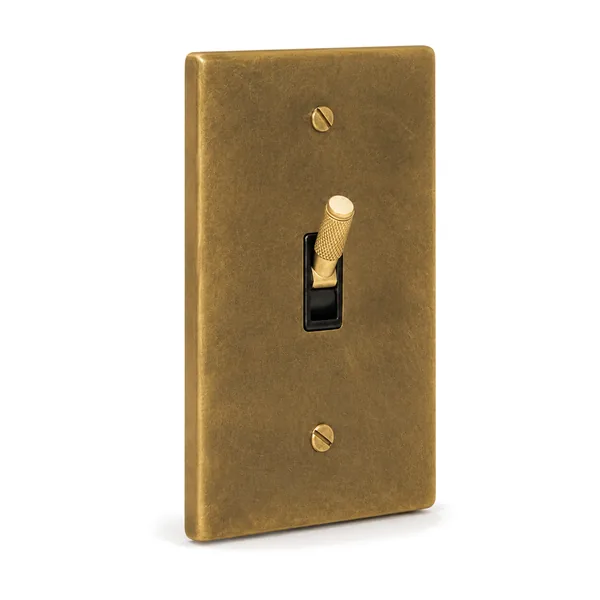
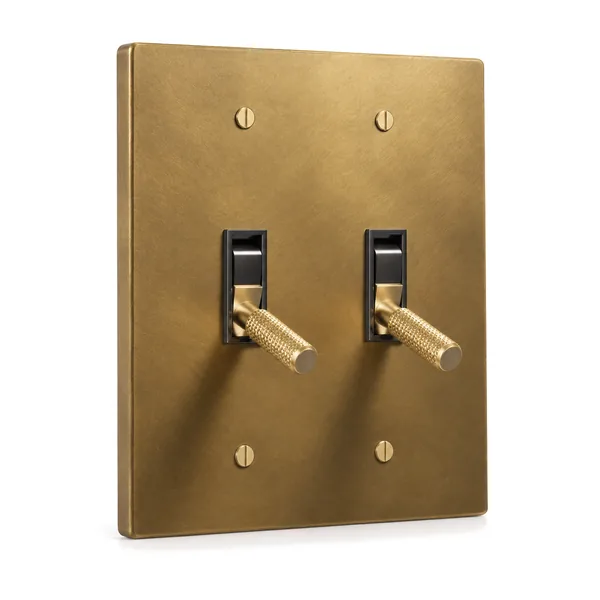
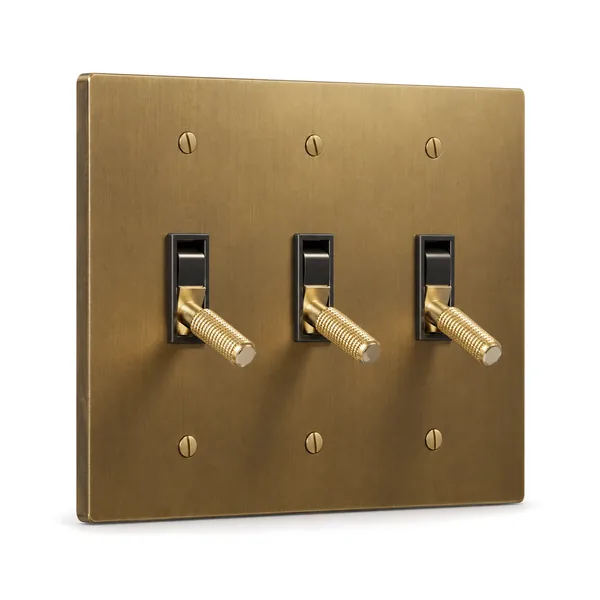 3 options
Knappa UL Certified Brass Toggle Switch Panel
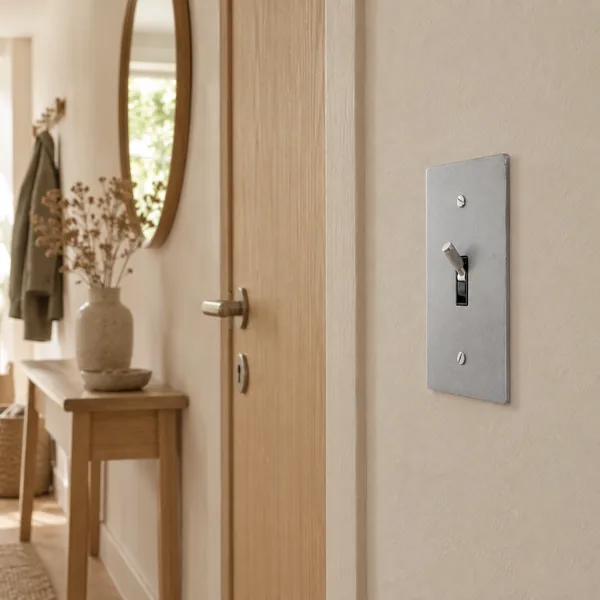
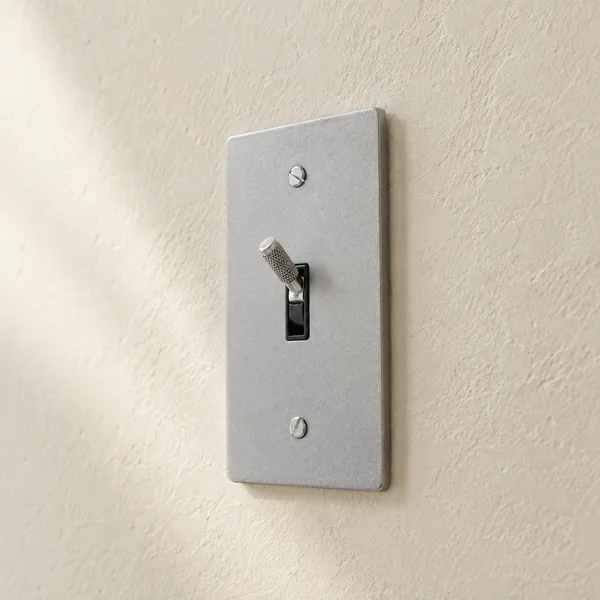 Save $50.00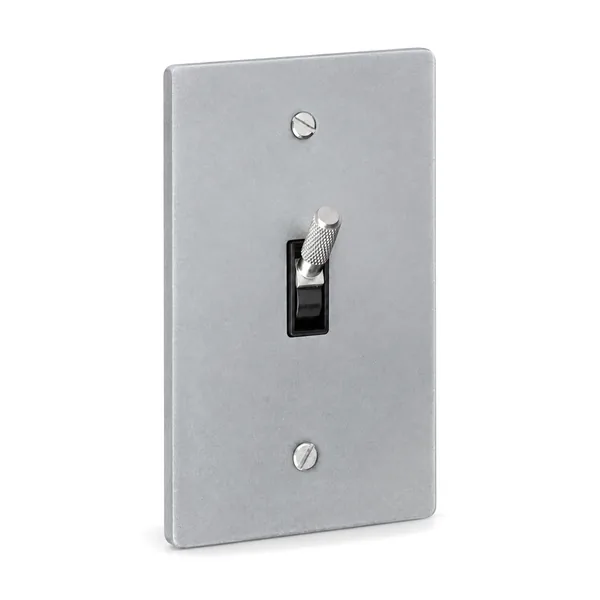
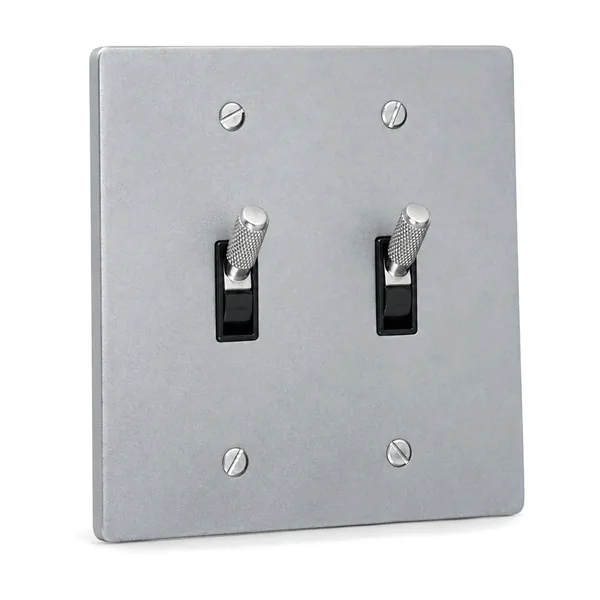
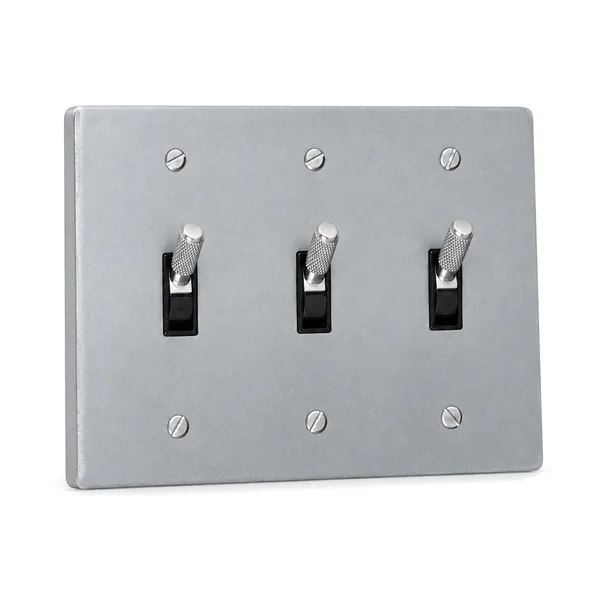 3 options
Lysvakt UL Certified Silver Brass Toggle Switch
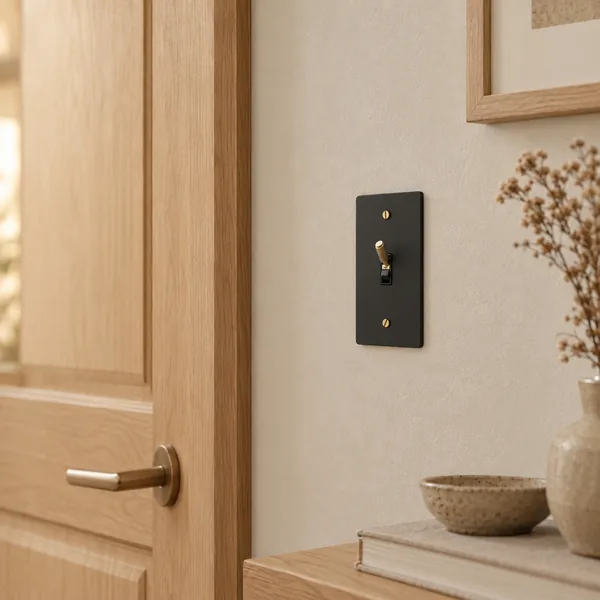
 Save $50.00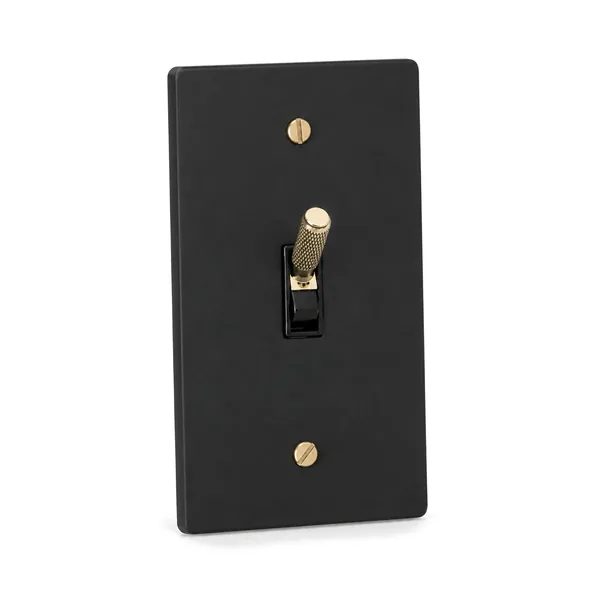
 3 options
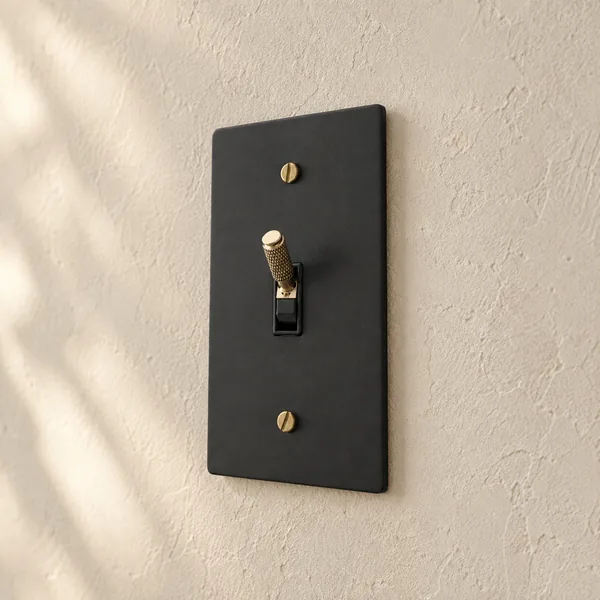
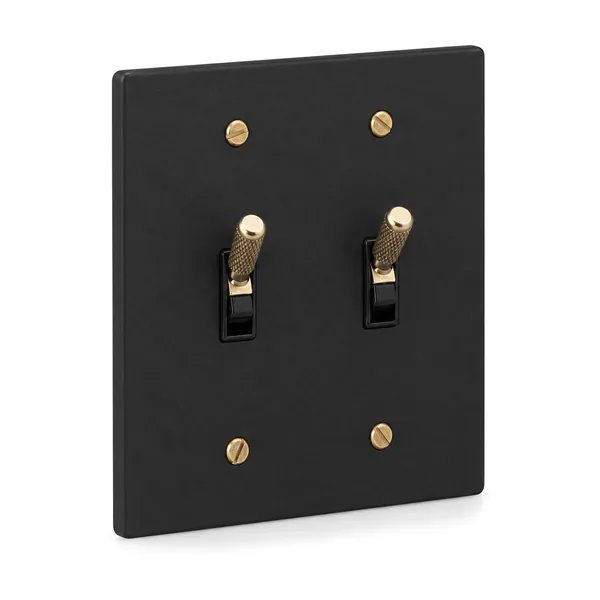
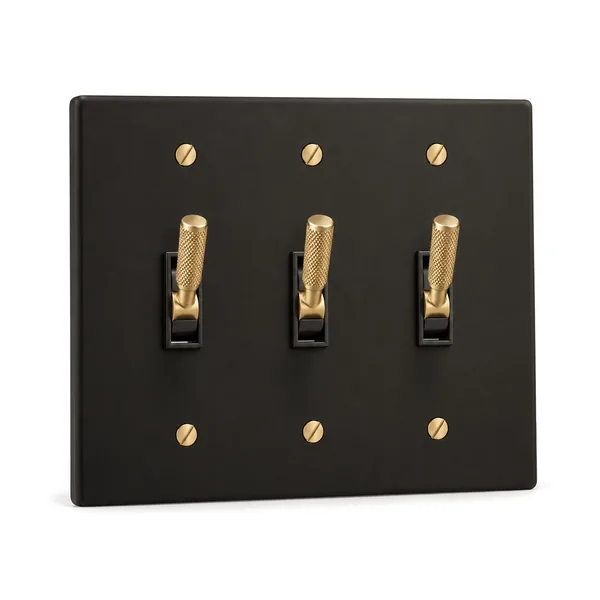
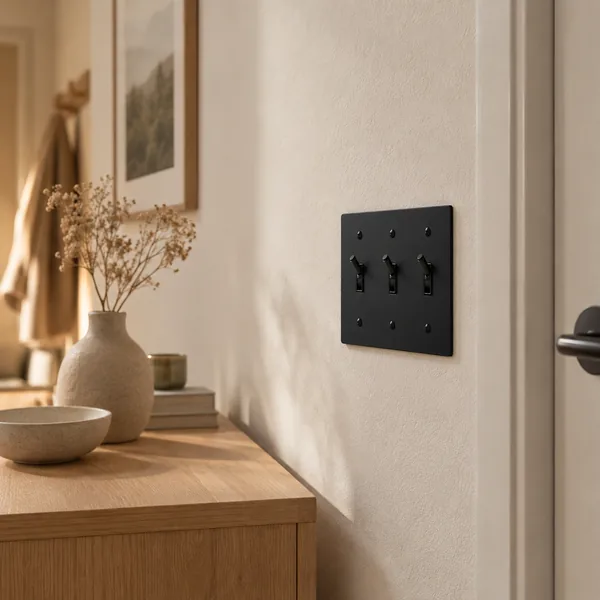
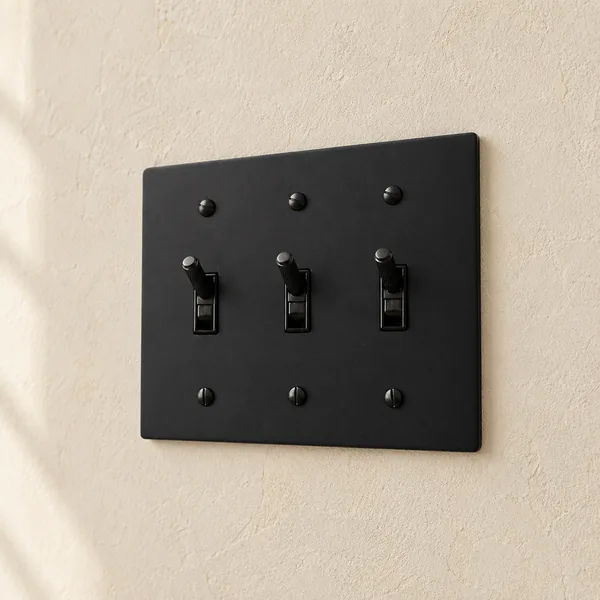
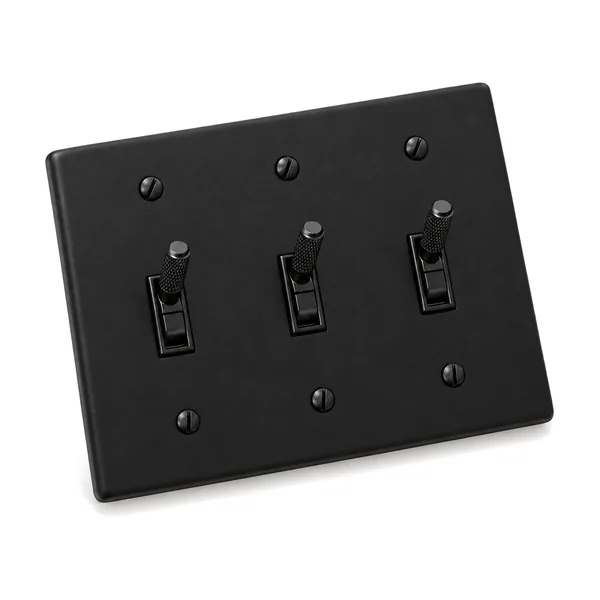
Mörkur Matte Black Brass Toggle Switch Panels
 Save $60.00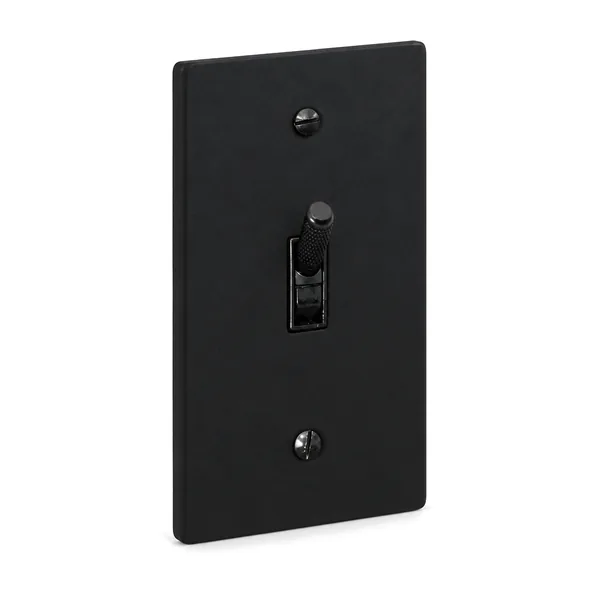
 3 options
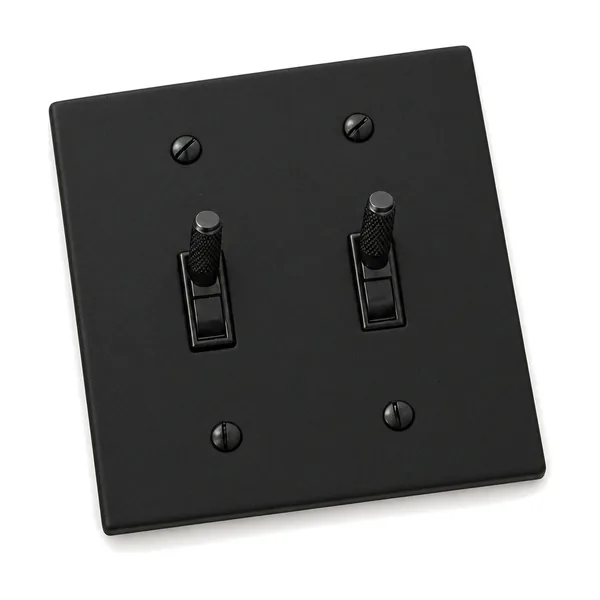
Svarta Solid Brass Matte Black Toggle Switches
 Save $100.00
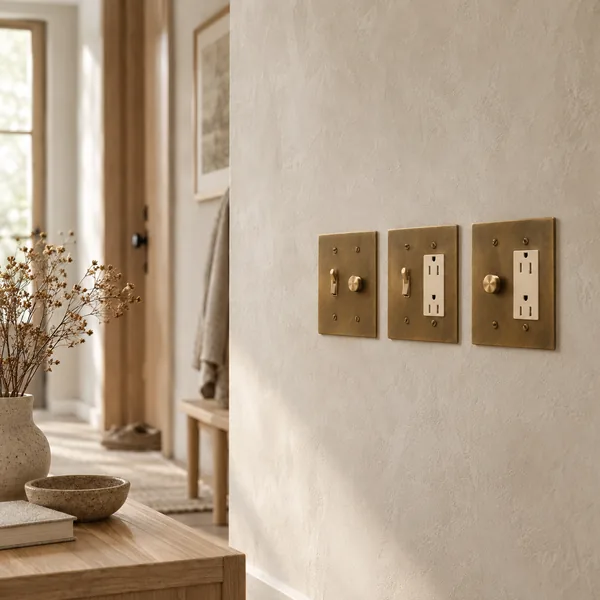
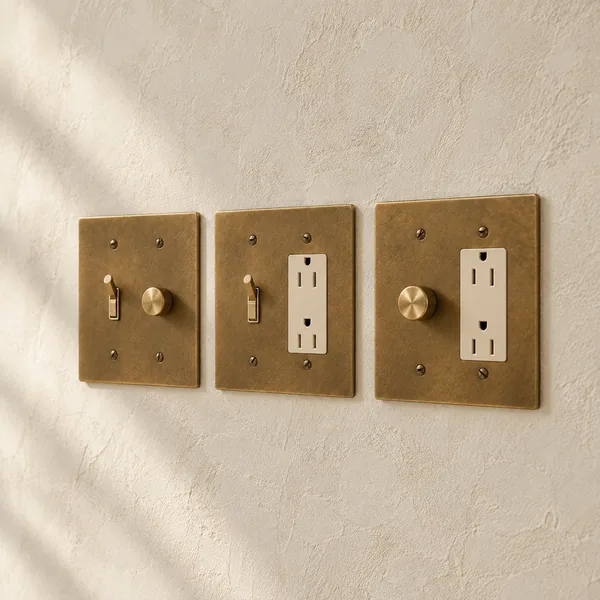
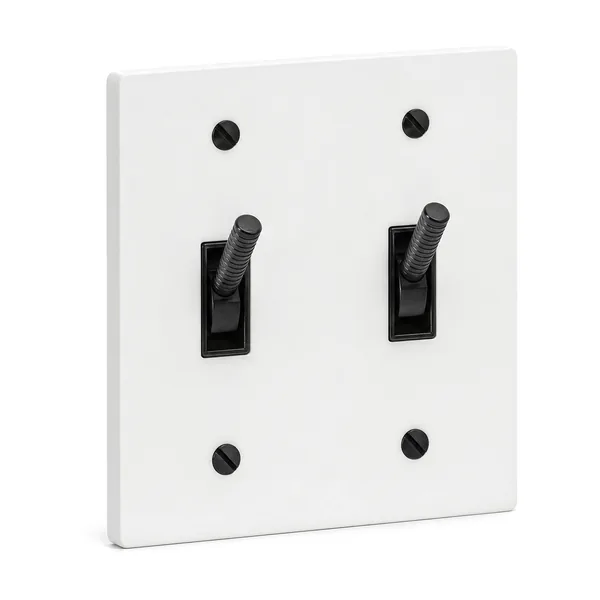
Knappa 2-Gang Brass Toggle and Dimmer Switch
 Save $50.00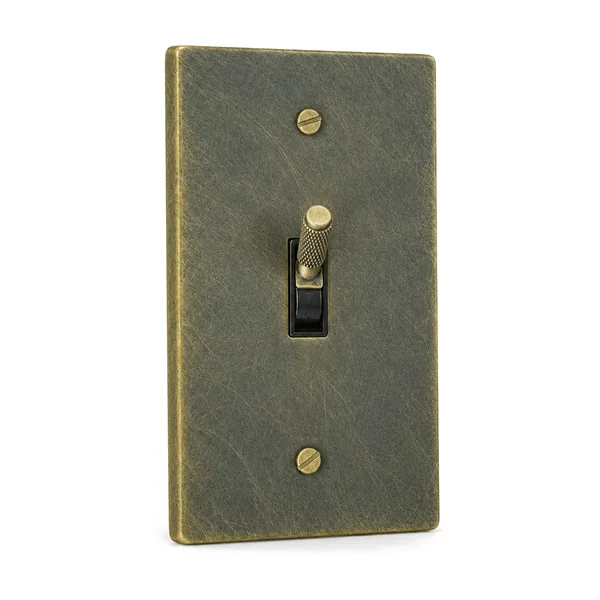
 3 options
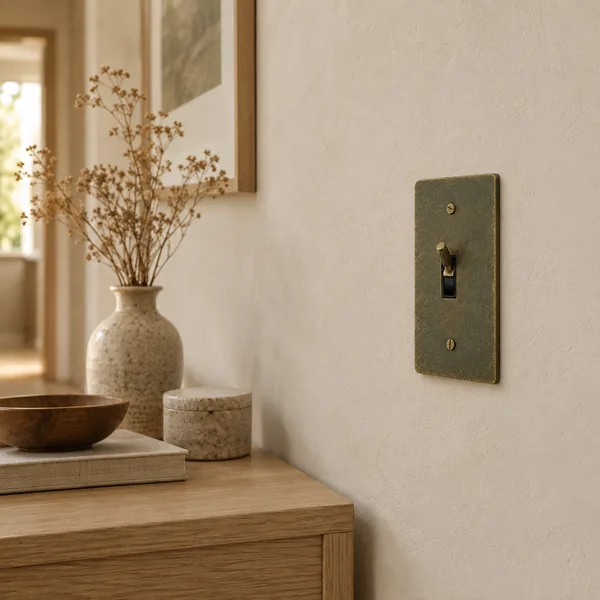
Vrida UL-Certified Bronze Brass Toggle Switch Panel
 Save $70.00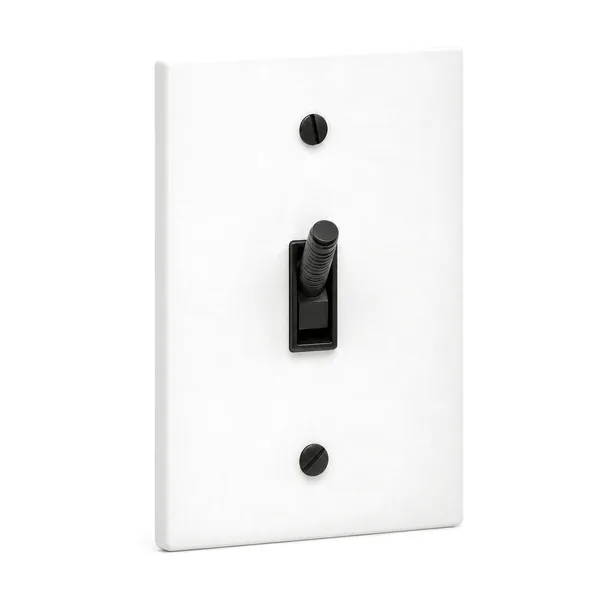
 3 options
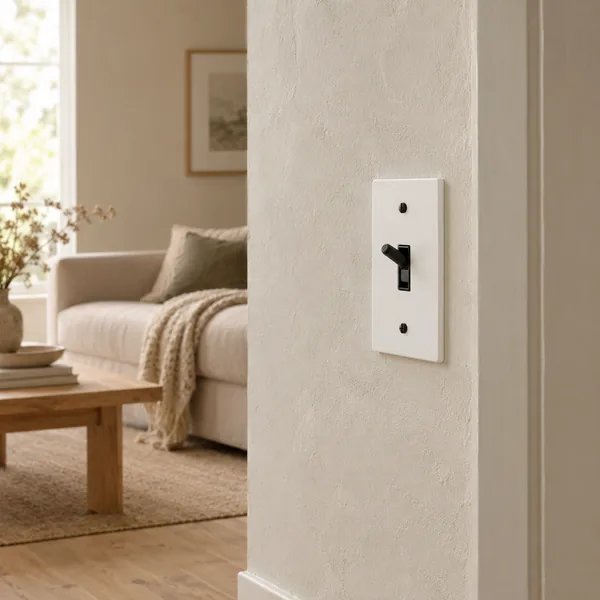
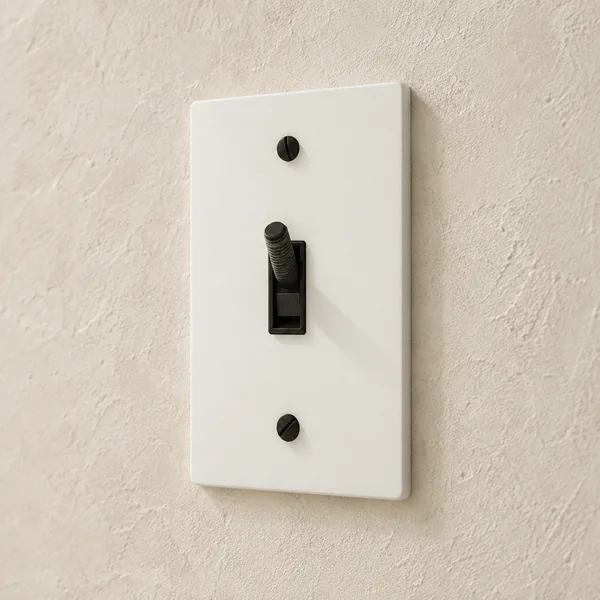
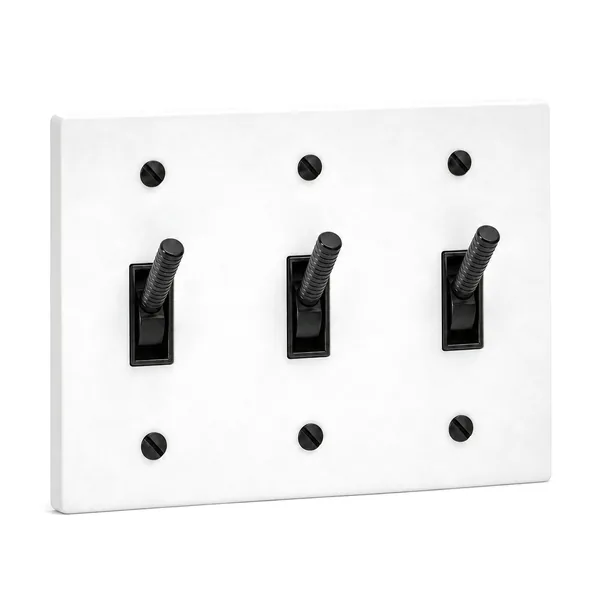
Lysvakt UL Certified White Brass Toggle Switch
There's something quietly satisfying about a toggle light switch — the deliberate click, the tactile feedback, the way it turns a simple functional moment into a small design statement. At Skonne, we've curated a collection of toggle switches and outlets that bring the same intentional craftsmanship to your walls as you'd expect from your lighting fixtures and cabinet hardware. These aren't afterthoughts. They're the finishing detail that ties a room together.
Whether you're renovating a historic home that deserves a brass toggle light switch with genuine character, or designing a sleek modern interior where a matte black finish speaks volumes, this collection has been assembled with real homes — and real design decisions — in mind. Every piece coordinates seamlessly with the broader Skonne hardware family, so your switches, pulls, and light fixtures can finally speak the same visual language.
Why Toggle Switches Belong in a Design-Forward Home
The toggle switch had its moment of glory in mid-century American interiors, and it never really left. What has changed is the quality, finish range, and engineering behind today's best examples. A well-made toggle switch isn't simply a utilitarian device — it's a tactile, visual element that visitors notice, even if they can't articulate why.
Rocker switches dominate builder-grade homes precisely because they're cheap and fast to install at scale. But in a home where you've invested in solid brass cabinet pulls, statement pendant lighting, or a carefully selected tile backsplash, a generic white rocker switch on the wall reads as a missed opportunity. A toggle switch — especially in a finish that echoes your hardware — closes that gap.
The Skonne toggle switch collection prioritizes finish consistency above everything else. We've built this range to complement the same antique brass, brushed gold, and matte black finishes found throughout our hardware and lighting lines. That coherence is the signature of a thoughtfully designed interior, and it's exactly what this collection was built to support.
Finishes That Coordinate with Your Entire Home
Choosing a toggle light switch finish shouldn't feel like a guessing game. Here's how our core finish families translate to wall switches and outlets, and which interiors they suit best.
Brass and Antique Brass Toggle Switches
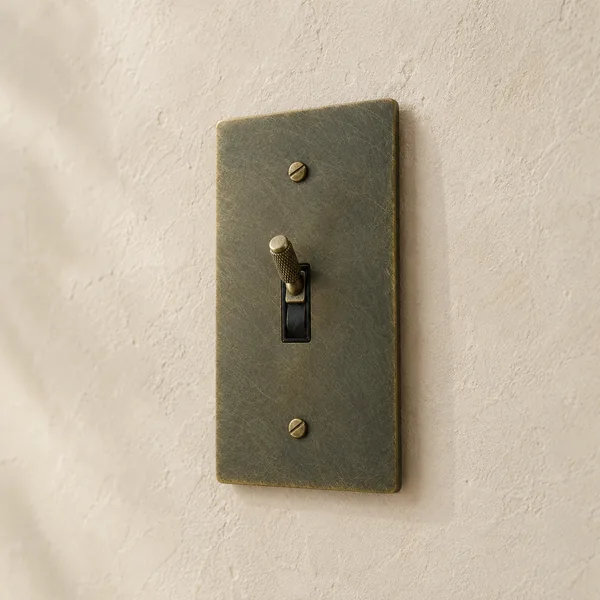
A brass toggle light switch is the natural companion to antique brass cabinet hardware, warm-toned lighting fixtures, and interiors with natural wood, linen, or stone elements. Antique brass carries a lived-in warmth that suits traditional, transitional, and maximalist spaces equally well. It pairs beautifully with aged bronze fixtures and leather accents.
Solid brass construction — not brass plating — means these switches develop a gentle patina over time, adding character rather than wearing thin. If you're working through a kitchen or bathroom renovation and already committed to antique brass hardware, matching your toggle switches is the detail that elevates the whole project from "renovated" to "designed."
Matte Black Toggle Switches
A black toggle light switch is a strong, confident choice for modern farmhouse, industrial loft, and contemporary minimalist interiors. Matte black doesn't compete — it anchors. Against white walls, it reads with graphic clarity. Against dark painted walls, it creates a sophisticated tonal effect that feels intentional rather than accidental.
Matte black also works particularly well in contrast pairings: black switches against white subway tile in a kitchen, or alongside brushed nickel fixtures in a modern bathroom. The key is that the matte finish avoids the harshness that polished black can bring, keeping the overall feel warm rather than cold.
Brushed Gold Toggle Switches
Brushed gold occupies a beautiful middle ground — warmer than polished nickel, more contemporary than antique brass. A brushed gold toggle switch suits transitional interiors that want warmth without committing to a fully traditional aesthetic. It pairs naturally with greige walls, white oak cabinetry, and soft terracotta or sage green accents — the palette of the current Scandinavian-influenced interior design moment.
Understanding Toggle Switch Types for the Right Application
Not every switch controls light the same way. Understanding the functional differences between switch types ensures you order exactly what your circuit requires — and what your room deserves.
Single Pole Toggle Switches
A single pole toggle switch is the most common type in residential settings. It controls a light or fixture from one location only — think a bedroom ceiling light controlled from beside the door. Single pole switches have two brass terminals and one ground, and they're the simplest to install and replace. If you're upgrading switches in a standard room with one control point per fixture, single pole is what you need.
Three Way Toggle Switches
A three way toggle switch is used when a single light or group of lights needs to be controlled from two separate locations — the classic example being a staircase controlled from both the top and bottom landing, or a long hallway with switches at each end. Three-way switches have three terminals (two travelers and one common) and must be paired with a matching three-way switch at the other location. They're slightly more complex to wire but follow a consistent, learnable pattern.
Toggle Dimmer Switches
A toggle dimmer switch combines the iconic toggle aesthetic with full dimming functionality. This is where form and function genuinely converge. You preserve the visual character of a traditional toggle while gaining precise control over light levels — essential for dining rooms, living rooms, and bedrooms where mood lighting matters. Not all dimmers are created equal; ensure your chosen dimmer is compatible with the bulb type you're using, particularly with LEDs.
Multi-Gang Toggle Configurations
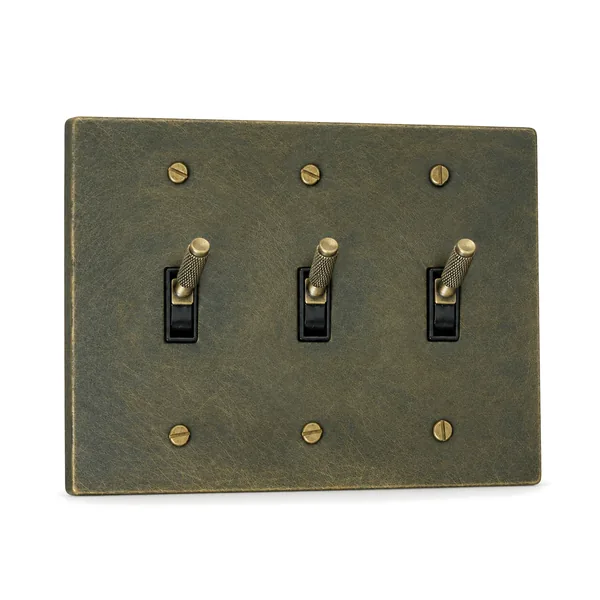
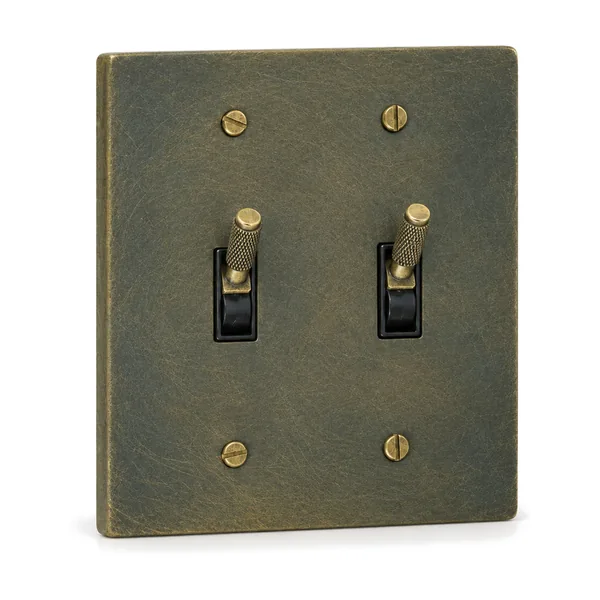
In kitchens, hallways, and entryways, multiple switches often share a single wall plate. A 2 gang toggle configuration — two toggle switches side by side on one plate — keeps the wall clean and avoids the cluttered look of multiple individual boxes. Our collection includes coordinating switch plates and covers in matching finishes, so multi-gang installations look as polished as single installations.
Smart Toggle Switches
A smart toggle light switch integrates with home automation systems while retaining the physical toggle format. For homeowners who want app control, scheduling, or voice assistant compatibility without abandoning the aesthetic of a traditional toggle, smart toggle switches are the answer. They typically require a neutral wire connection, so it's worth confirming your wall box wiring before purchasing.
Toggle Switch Plates and Screwless Design Options
The switch plate — the cover surrounding your toggle switch — is as important as the switch itself. A mismatched cover plate undermines even the most carefully chosen switch finish. Our collection includes toggle switch plates in coordinating finishes, and where available, screwless design covers that create a seamless, uninterrupted surface on the wall.
Screwless plates are particularly valuable in high-visibility locations: an entryway, a feature wall, a powder room where every detail is scrutinized. The absence of visible screws gives the installation a bespoke, intentional quality that standard plates simply can't match.
Pairing Toggle Switches with Your Lighting and Hardware
The real design opportunity in this collection lies in finish coordination across categories. Skonne's range is built so that a brushed gold toggle switch can reference the brushed gold pendant in the room above it, which in turn connects to the brushed gold drawer pulls on the kitchen island. This kind of considered repetition of a single metal tone is the foundation of cohesive interior design.
As you plan your switch selections, consider the dominant hardware finish in each room. In spaces with mixed metals — an increasingly popular approach — anchor one primary finish for functional hardware (switches, outlets, door hardware) and allow lighting and accessories to carry accent metals. Toggle switches, being present in every room, are uniquely positioned as the unifying thread.
Explore the Toggle Switches and Outlets Collection
Within this collection, you'll find everything from entry-level single pole upgrades to statement-worthy brass and gold configurations for a full home renovation. Browse by finish, function, or configuration to find exactly what your project requires.
- Cabinet Hardware: Complete your home improvement vision with cabinet pulls, knobs, and hinges in the same brass, matte black, and brushed gold finishes — ensuring a unified look from your walls to your cabinetry.
Every toggle switch in this collection represents a considered choice — not just a functional requirement, but an opportunity to bring coherence, warmth, and genuine design quality to the most-touched surfaces in your home. For a broader look at what's possible across our full range of home improvement essentials, explore our Home Improvement collection.
Frequently Asked Questions about Toggle Switches and Outlets
7 products