
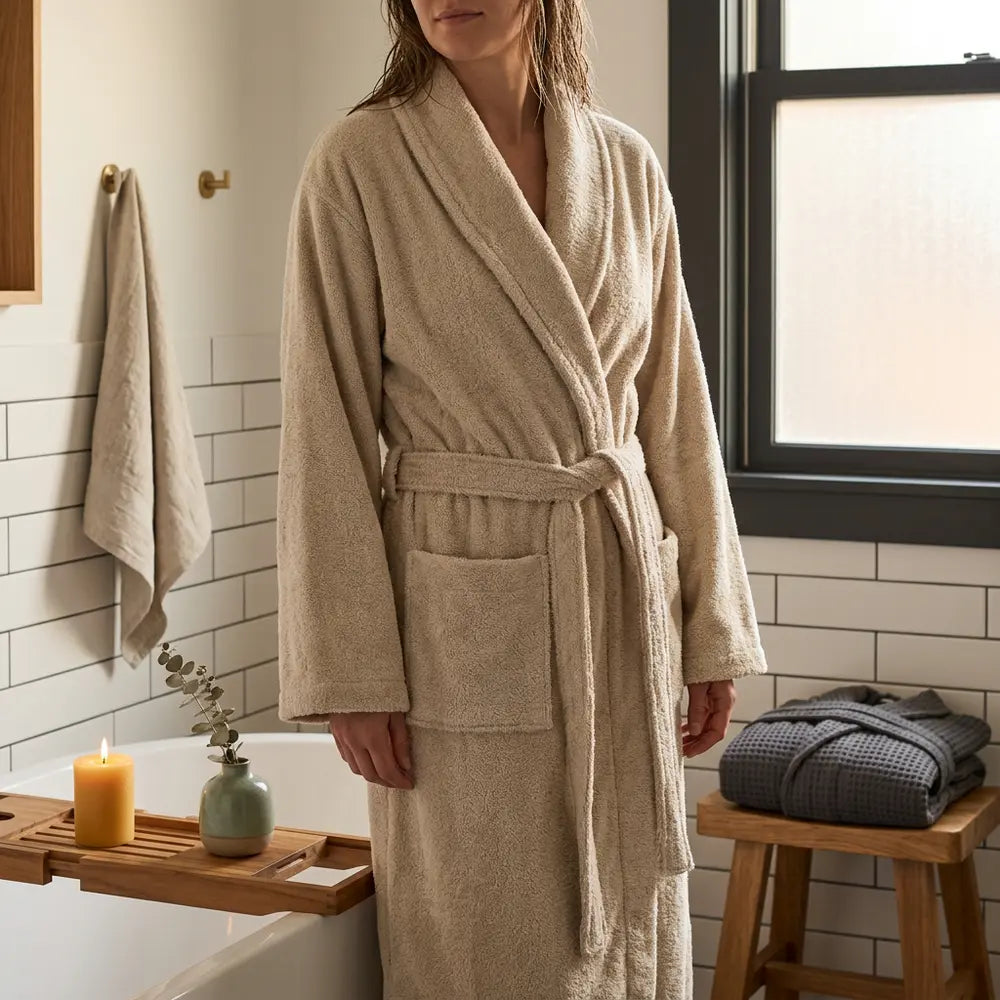
Cotton Bathrobes
Showing 1 - 11 of 11 products
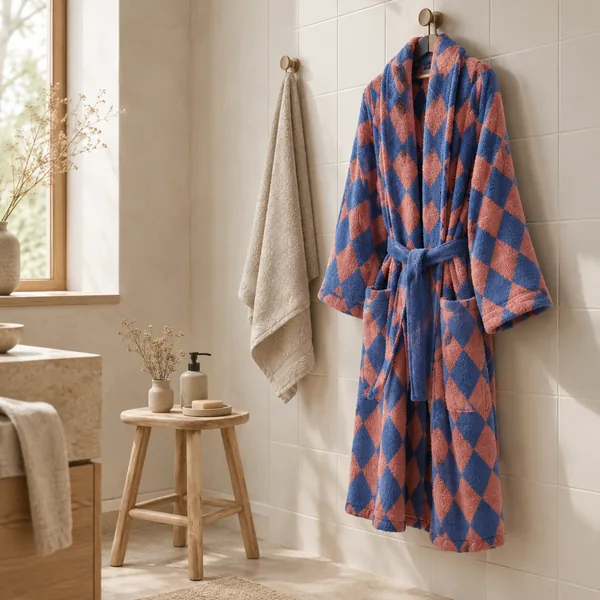
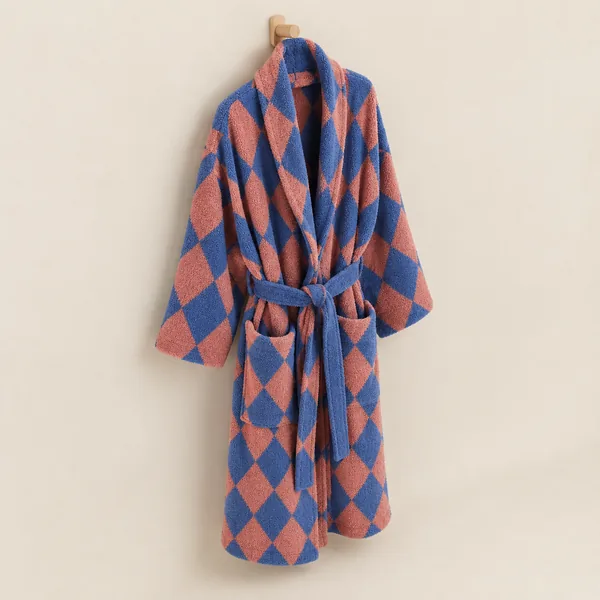 Save $30.00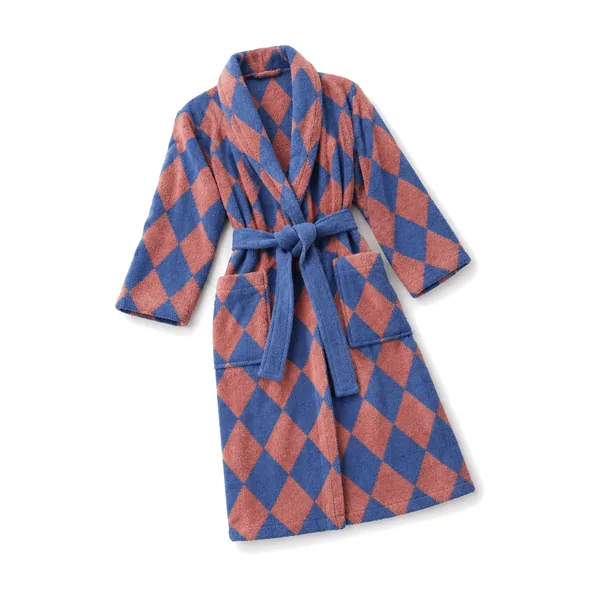
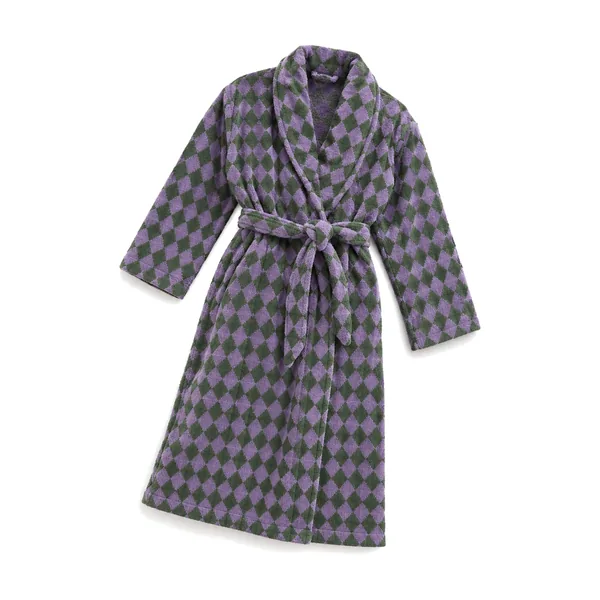 2 options
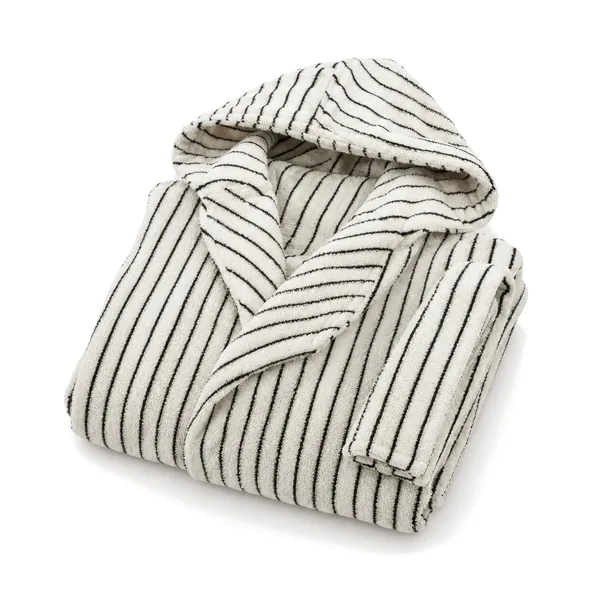
Vevra Luxury Organic Cotton Jacquard Bathrobe
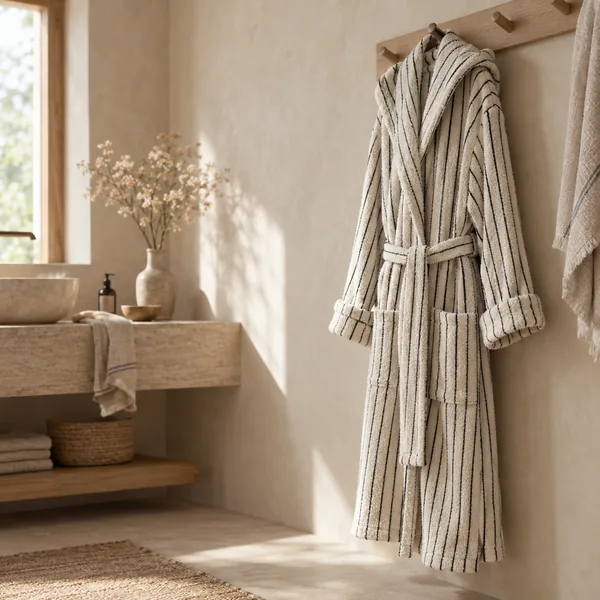
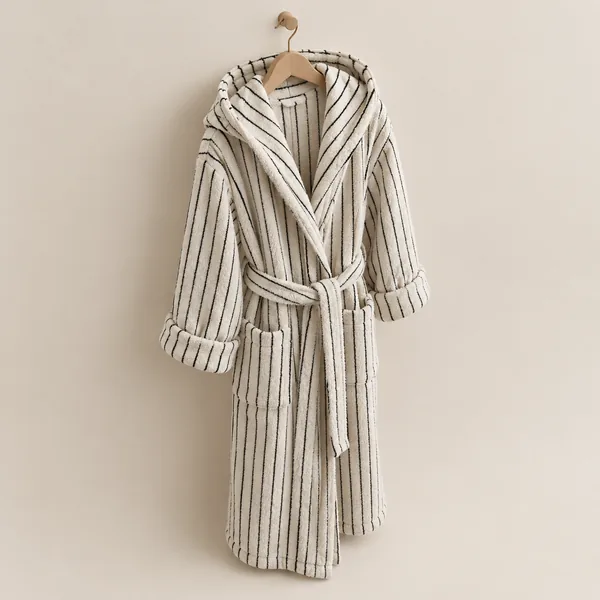 Save $60.00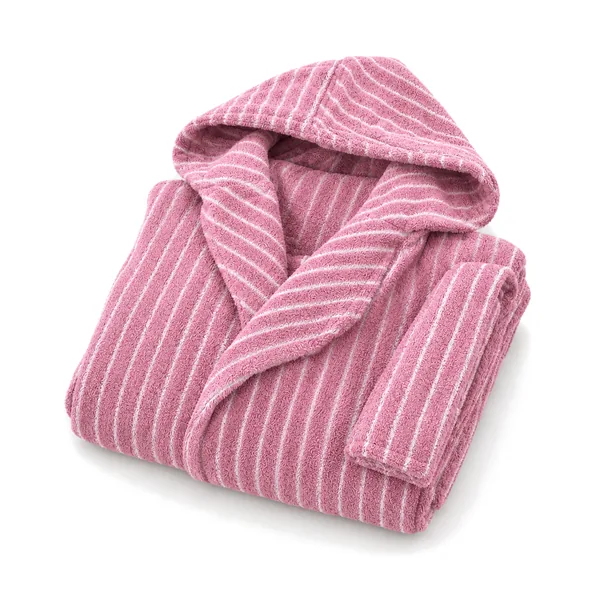
 2 options
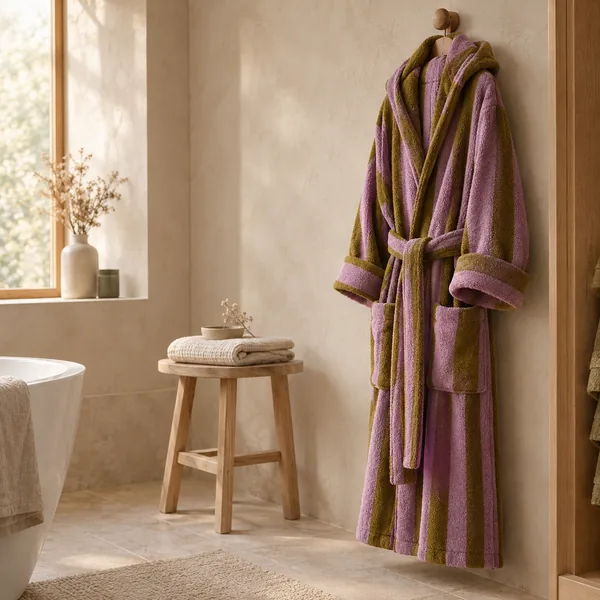
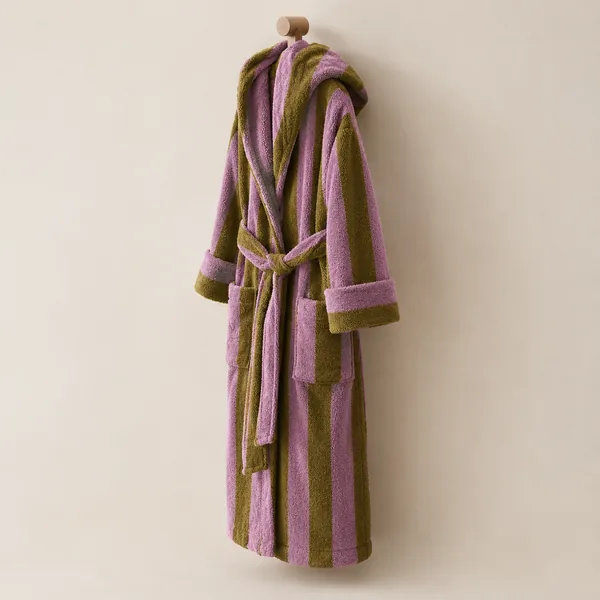
Varme Organic Cotton Jacquard Stripe Bathrobe
 Save $20.00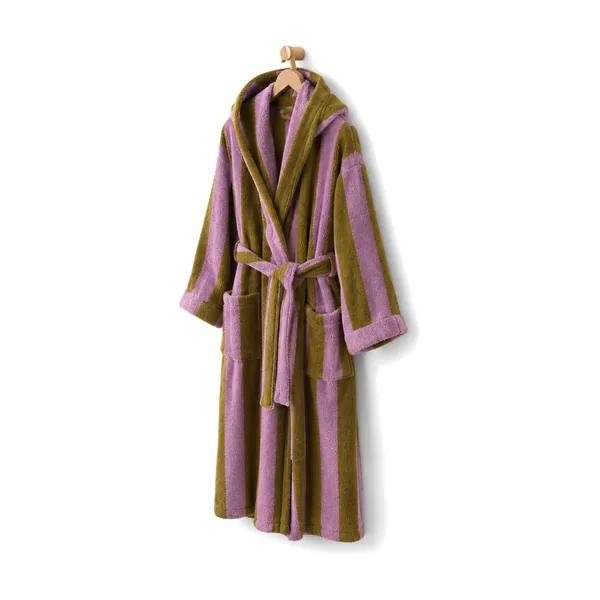
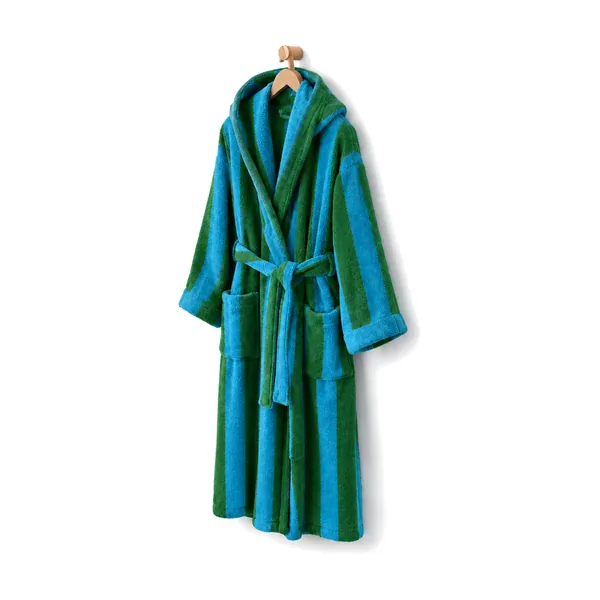 2 options
Randvik 100% Organic Cotton Jacquard Bathrobe
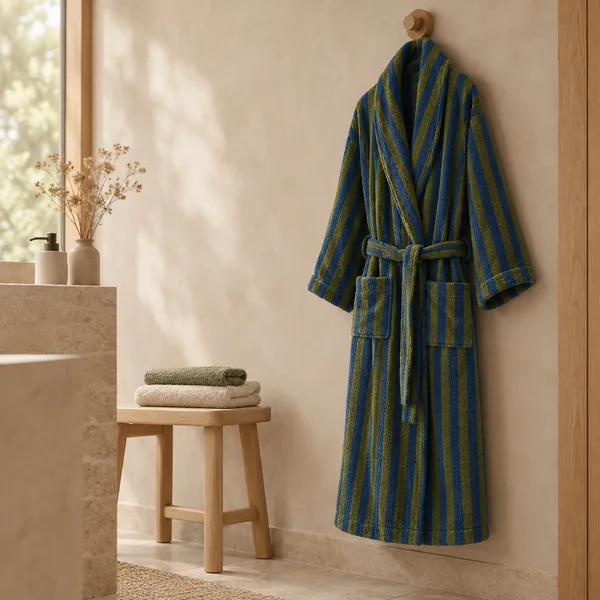
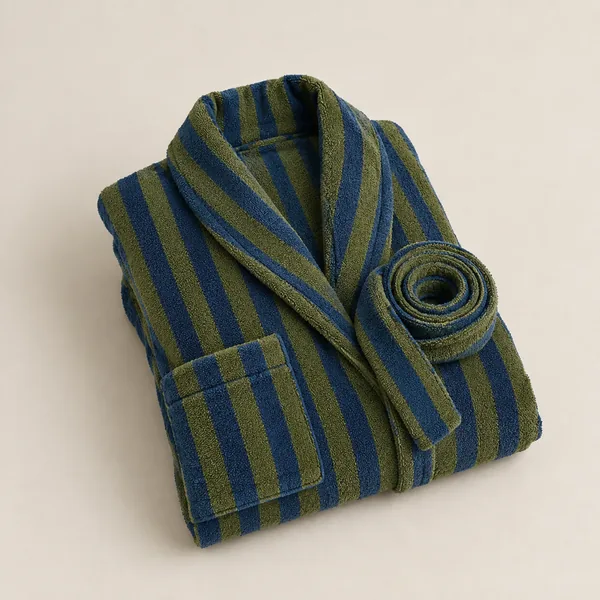
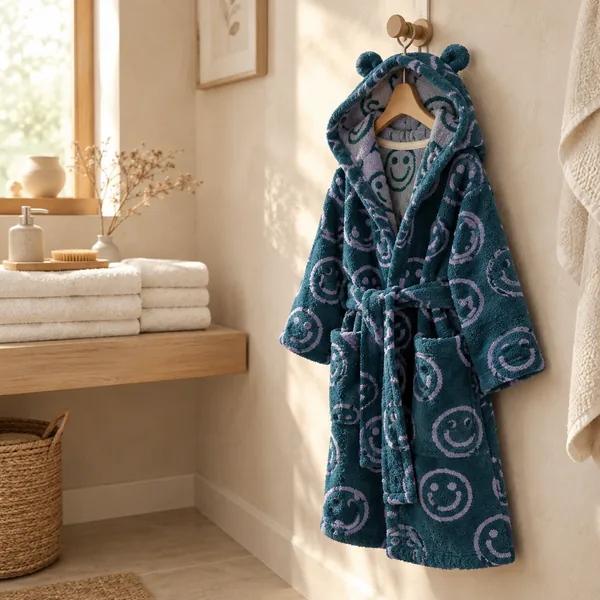
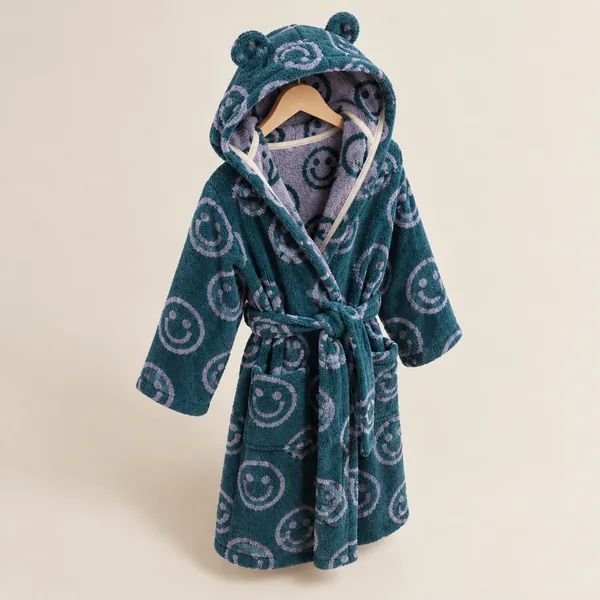
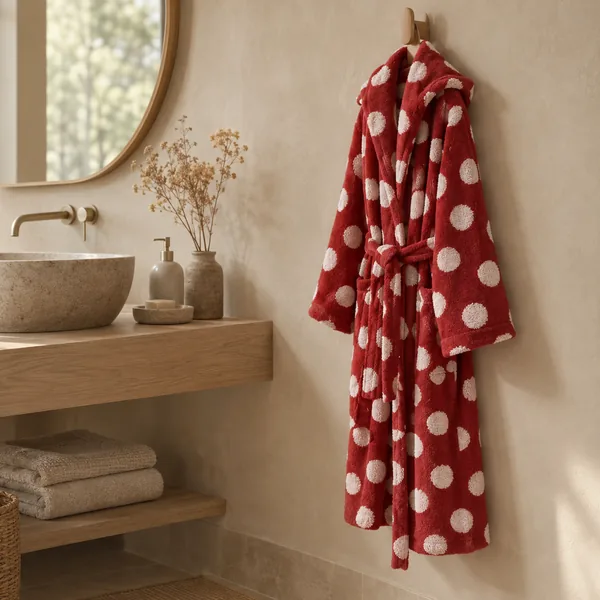
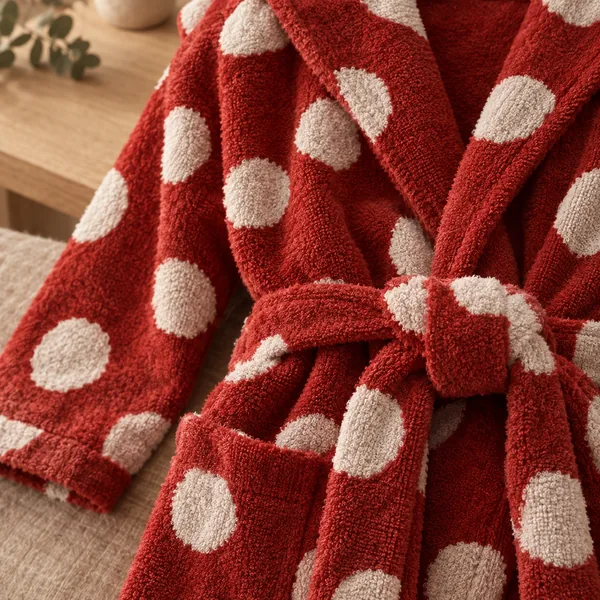
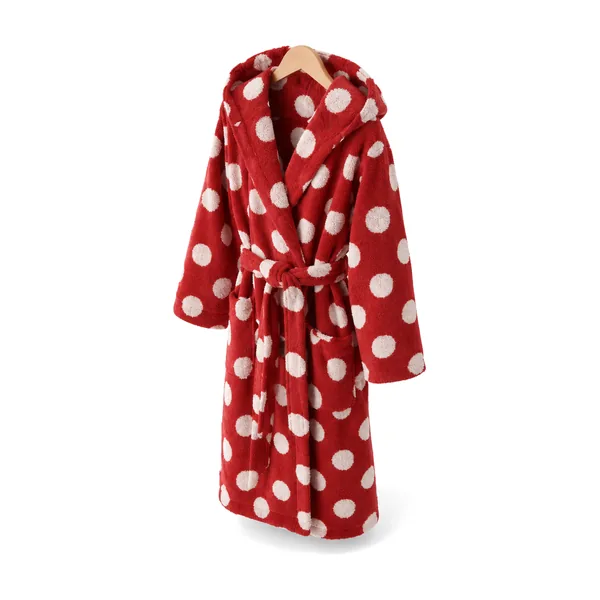
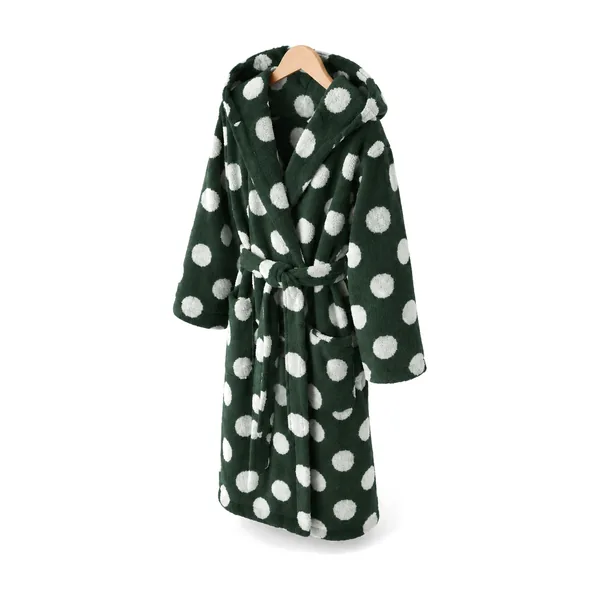
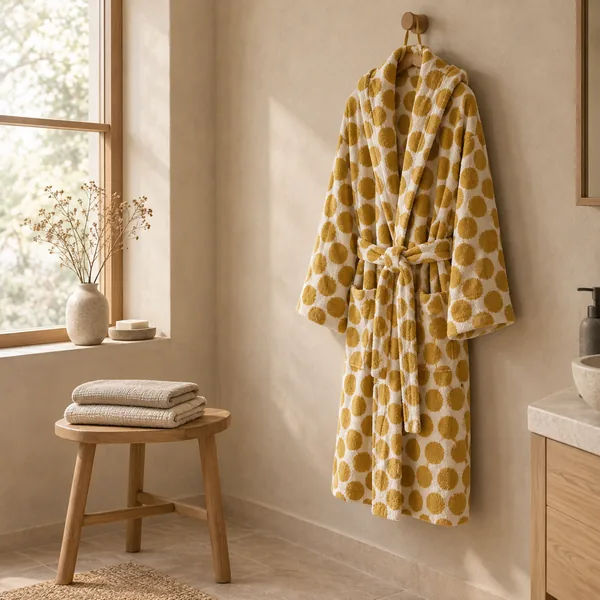
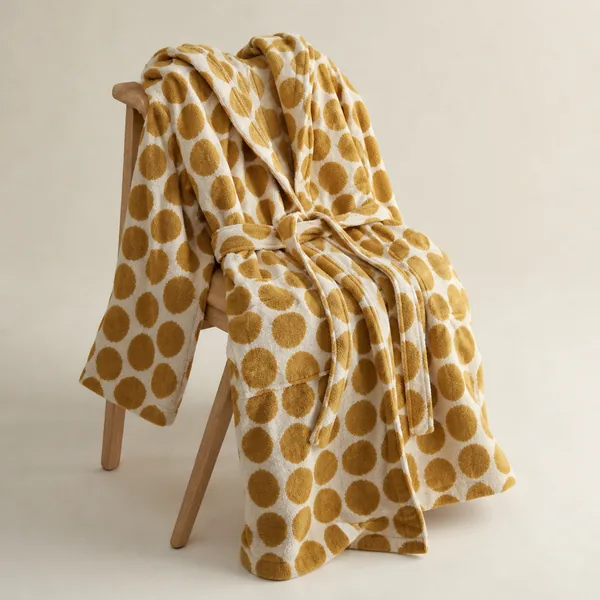
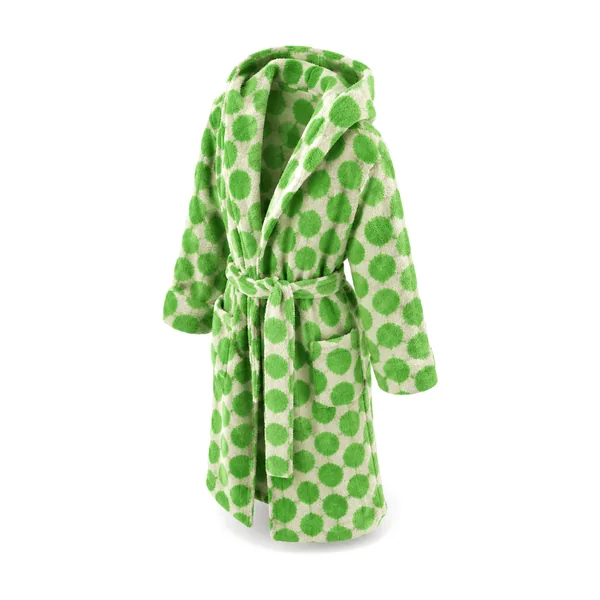
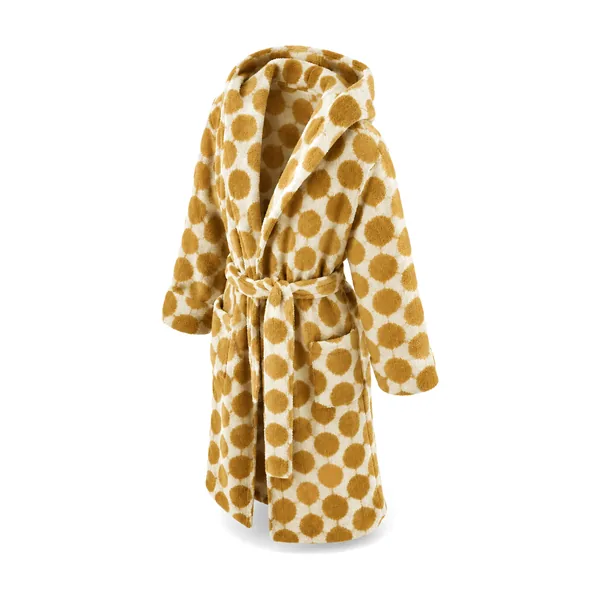
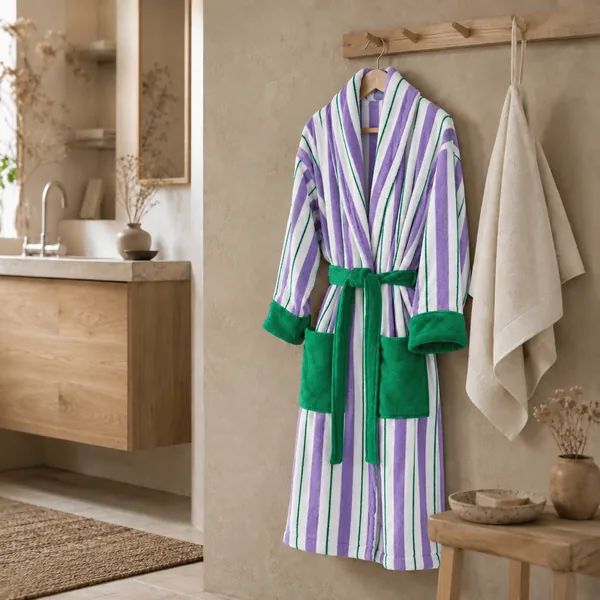
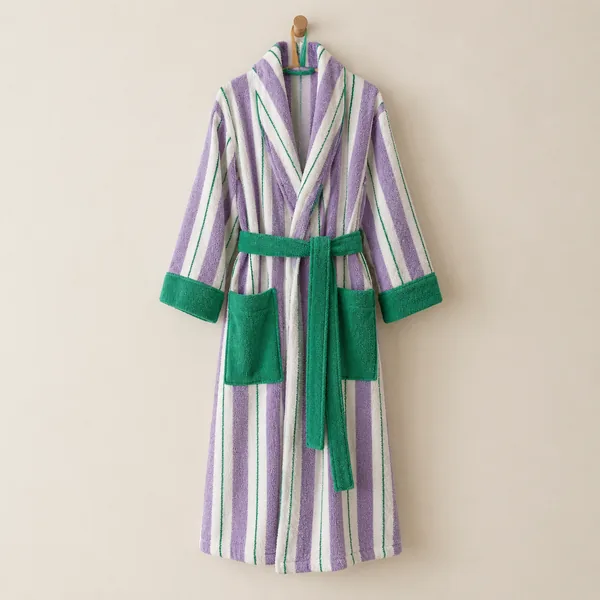
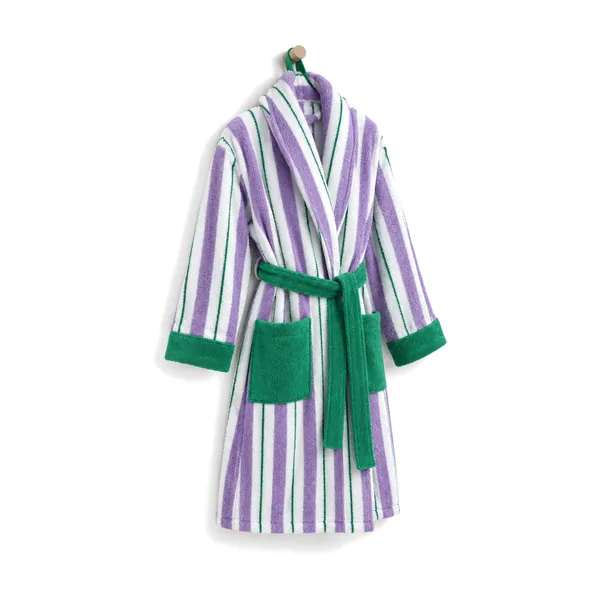
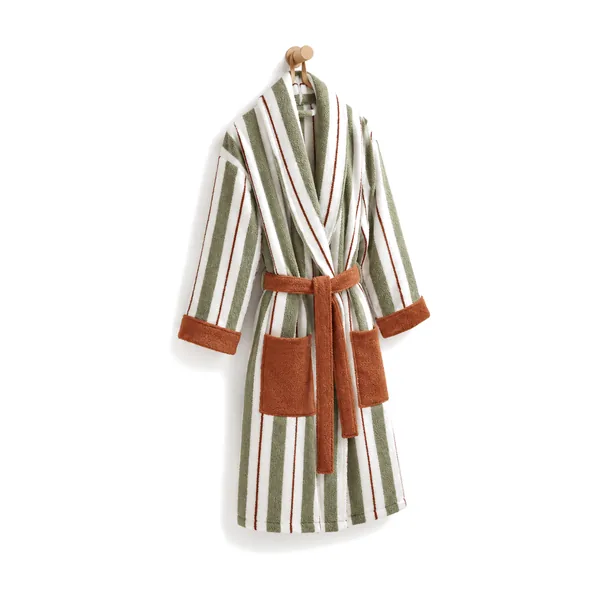
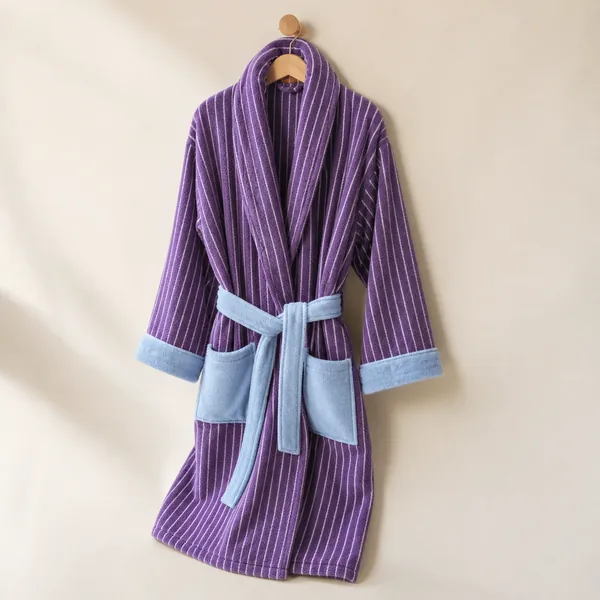
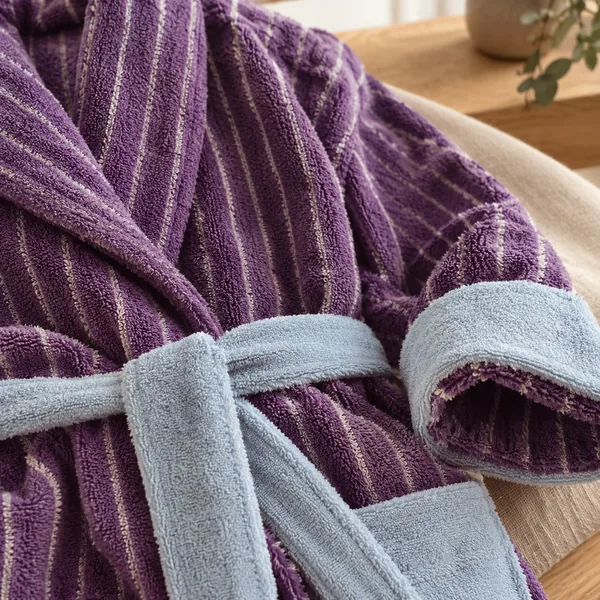
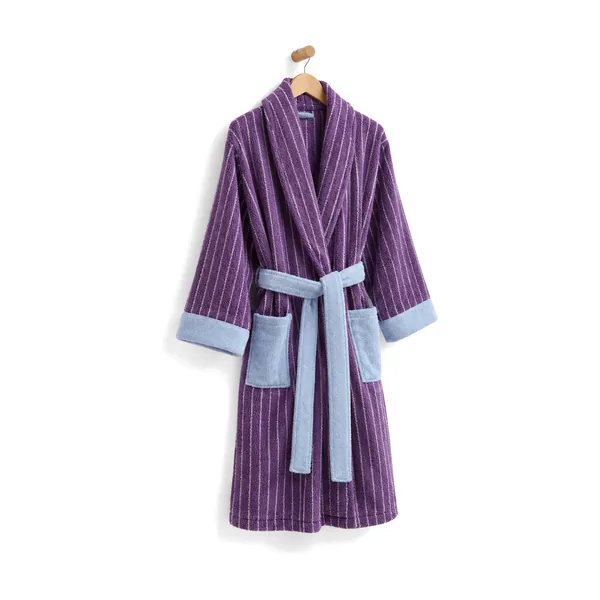
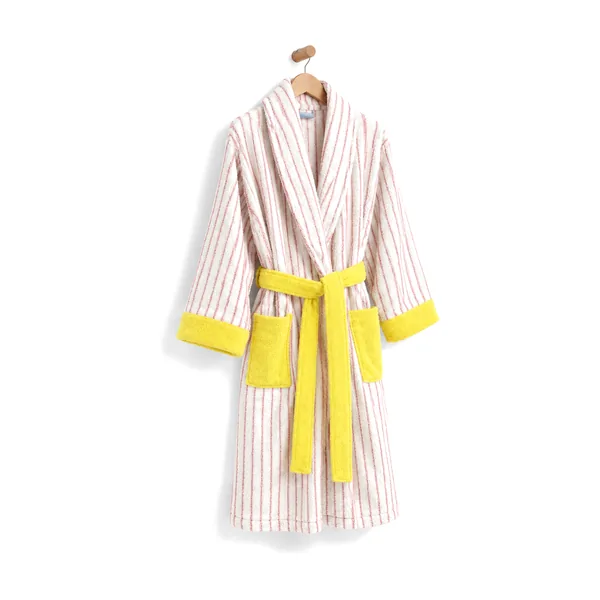
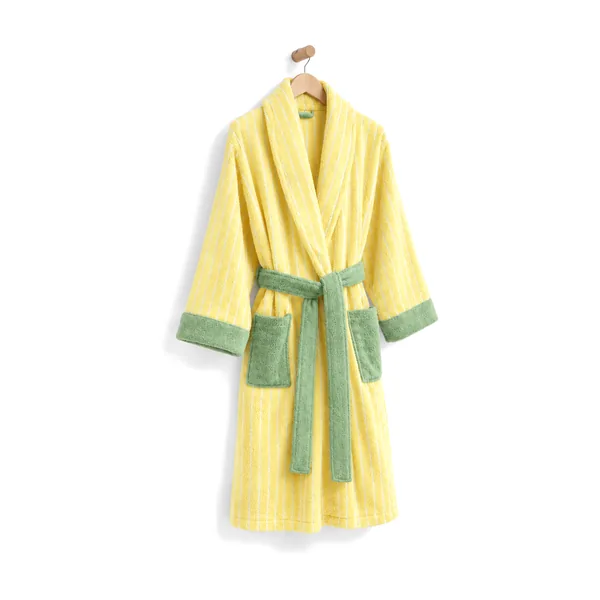
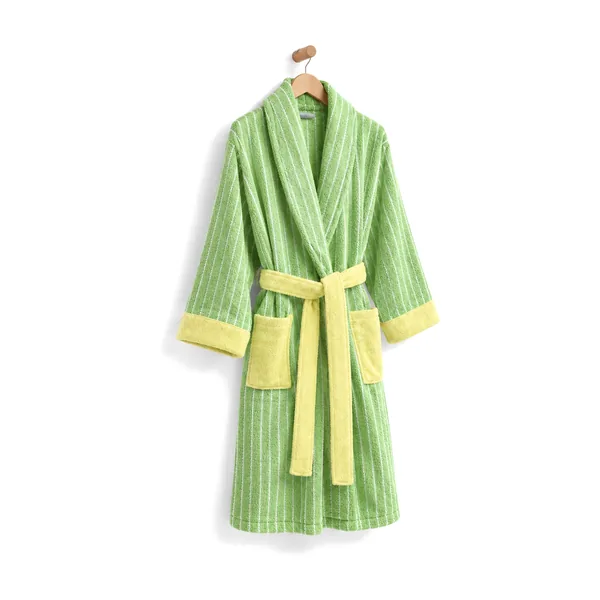
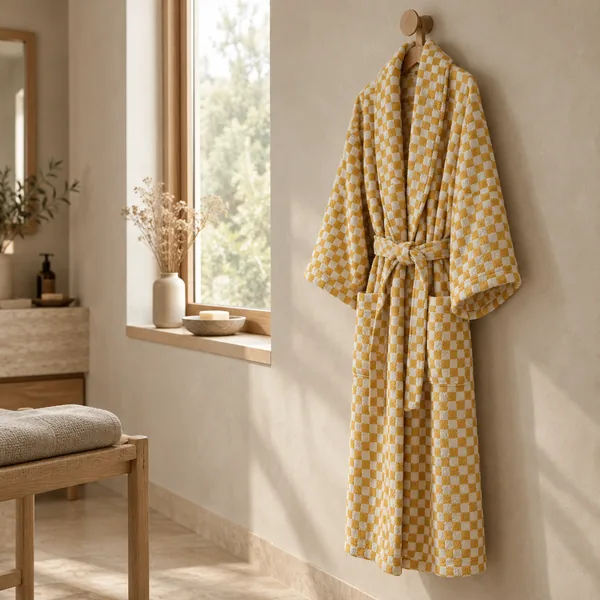
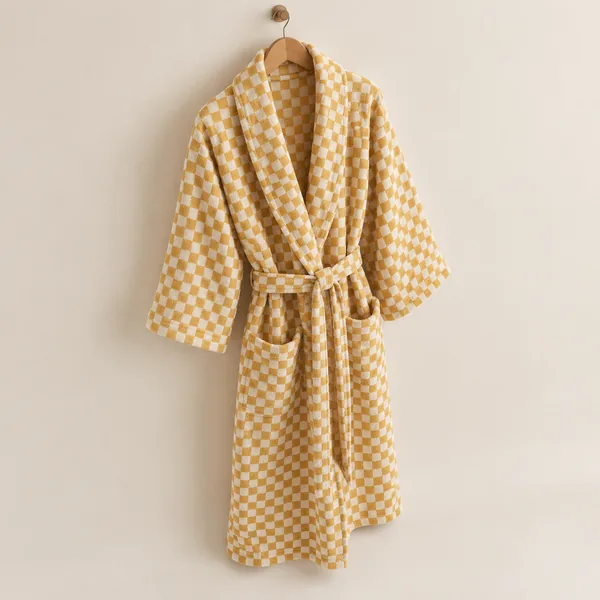
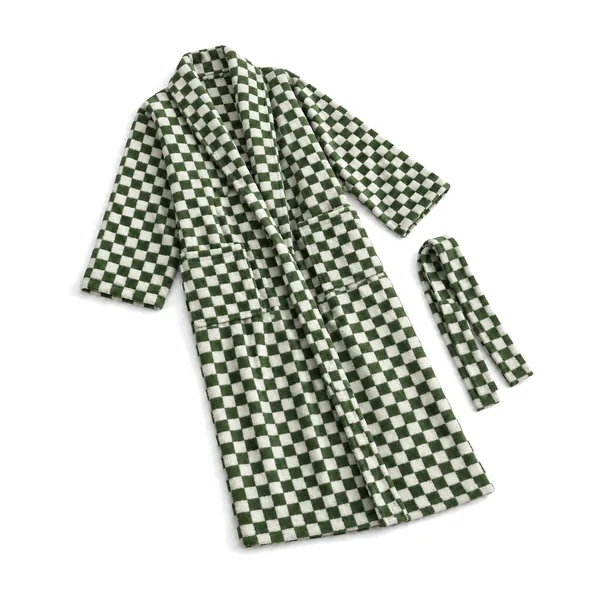
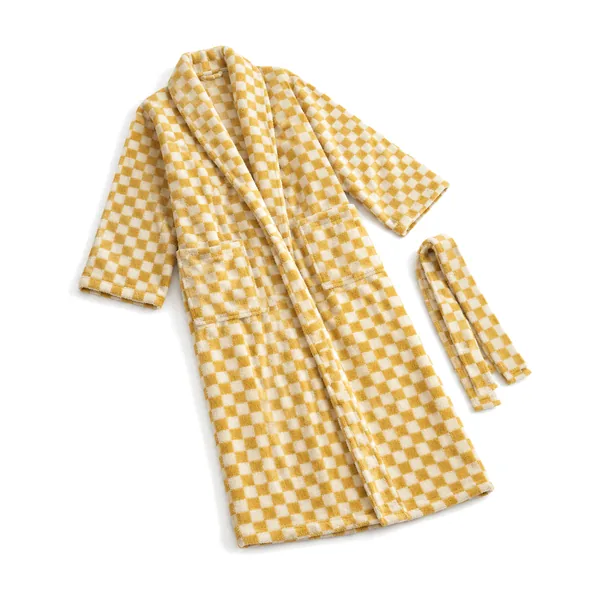
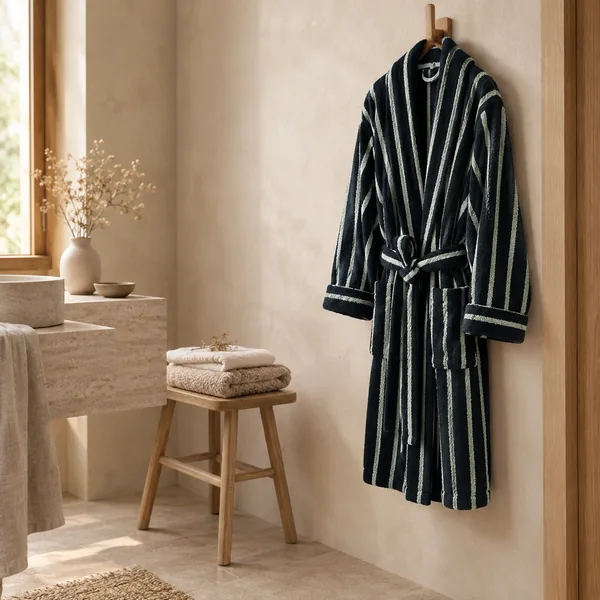
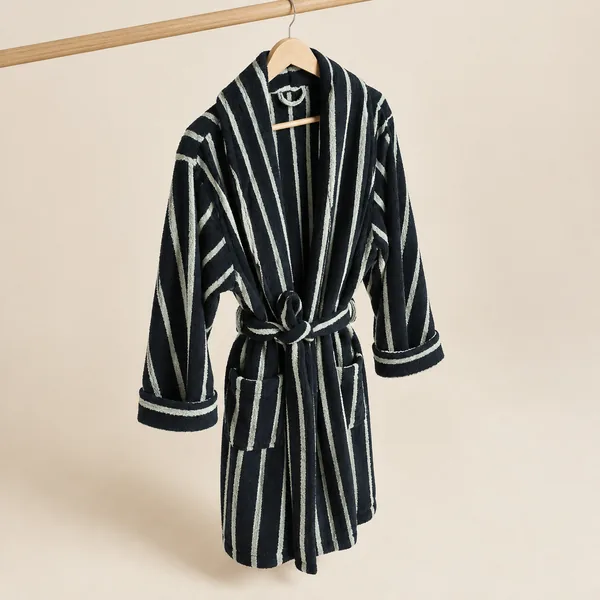
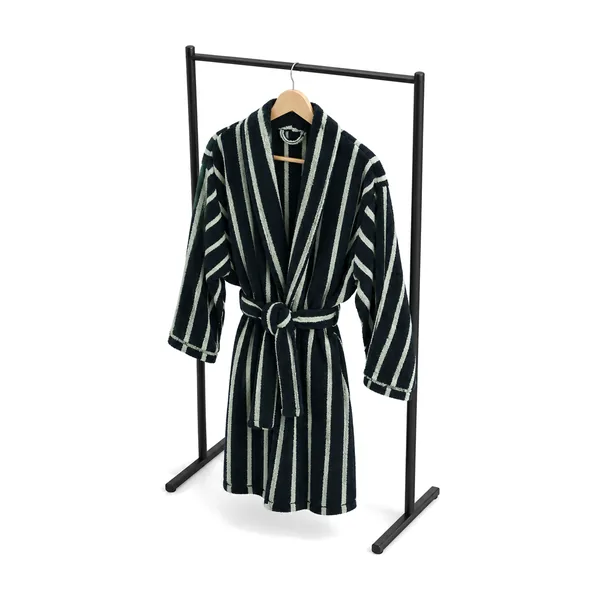
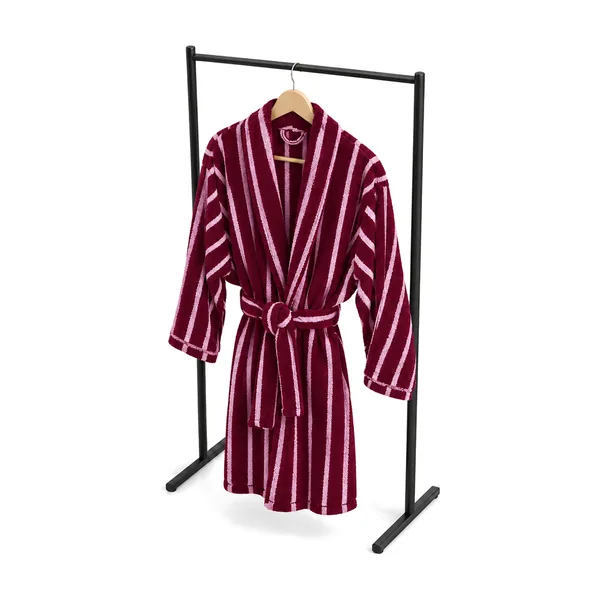
There is something quietly transformative about wrapping yourself in a well-made cotton bathrobe — the kind that feels like a reward rather than an afterthought. At Skonne, we believe the moments just after a bath or before the day begins deserve the same intentional care as the rest of your home. Our collection of cotton bathrobes brings that Nordic spa sensibility directly to your bathroom, combining genuine craftsmanship with the breathable, natural comfort that only cotton can offer.
Whether you are drawn to the plush weight of a terry cloth bathrobe, the airy texture of a waffle weave, or the clean drape of an organic cotton style, this collection is curated to meet you exactly where you are — at every price point, for every preference.
Why Cotton Is the Gold Standard in Bathrobe Fabrics
Cotton has earned its place as the most trusted bathrobe material for good reason. Its natural, hydrophilic fibers draw moisture away from skin efficiently, making it far more absorbent than polyester or microfiber alternatives. After a shower or bath, a cotton robe works with your skin rather than against it.
Beyond absorbency, cotton is a genuinely breathable material. It allows air to circulate freely, regulating body temperature naturally so you stay comfortable whether you're lingering in a warm bathroom or stepping into a cooler bedroom. For people with sensitive skin, hypoallergenic cotton fibers are a considerably gentler choice compared to synthetic blends that can trap heat and irritate.
The longevity of a quality cotton robe also sets it apart. Properly cared for, a well-loomed cotton bathrobe softens beautifully with every wash, improving rather than degrading with use — a quality that synthetic materials simply cannot replicate.
Understanding Cotton Bathrobe Fabric Weights and Absorbency
Not all cotton bathrobes are built the same, and fabric weight plays a central role in how a robe performs and feels. Measured in grams per square meter (GSM), weight directly influences absorbency, warmth, and drying speed.
Heavier robes — typically 500 GSM and above — deliver a spa-quality experience. The dense looping of premium terry cloth traps more moisture and retains warmth longer, making these ideal for colder months or anyone who loves a deeply cocooning feel after a bath.
Mid-weight robes, generally between 300 and 500 GSM, offer a balanced everyday option. They absorb well, dry faster than heavyweight styles, and work across seasons without feeling either stifling or insubstantial.
Lighter options — including many waffle weave and kimono styles — sit below 300 GSM. These are especially suited to warmer climates, summer use, or anyone who finds heavier robes uncomfortably warm. A lightweight cotton robe in waffle weave, for instance, provides just enough coverage and absorbency for a warm-weather morning routine without lingering heat.
Turkish, Egyptian, Pima and Organic Cotton Varieties Explained
Turkish cotton is widely regarded as one of the finest bathrobe materials in the world. Grown in the Aegean region of Turkey, its extra-long fibers produce a softer, stronger, more lustrous yarn than standard cotton. A quality Turkish cotton bathrobe becomes progressively softer with repeated washing — a genuinely investment-worthy quality. The zero-twist loops common in Turkish cotton terry create an especially plush surface that absorbs quickly while remaining lightweight for its warmth.
Egyptian cotton shares a similar long-staple profile, offering exceptional durability and a silky surface texture. It is a premium choice for anyone prioritising a hotel-like feel at home.
Pima cotton, primarily grown in the Americas, is another long-staple variety prized for its smoothness and resistance to pilling — a practical consideration for a garment worn and washed as regularly as a bathrobe.
For those prioritising environmental impact, organic cotton bathrobes — grown without synthetic pesticides or fertilisers — offer a meaningful choice. Certified organic fibers are not only gentler on ecosystems but also tend to be softer against skin, free from the chemical residues that conventional cotton processing can leave behind.
Organic Certifications and What to Look For
When shopping for an organic cotton bathrobe, certification matters. The most rigorous and widely recognised standard is the GOTS certification (Global Organic Textile Standard), which verifies that fibers are organically grown and that the entire production chain — dyeing, finishing, and manufacturing — meets strict environmental and social criteria.
OEKO-TEX Standard 100 is another trustworthy certification to look for. While it does not certify organic farming, it confirms that the finished textile has been tested and found free from harmful substances — a meaningful reassurance for bathrobes worn directly against skin.
At Skonne, we are committed to being transparent about the materials in our collection. If sustainability is central to your purchasing decision, look for these certifications in individual product descriptions, and do not hesitate to reach out with questions about specific items.
Waffle, Terry and Kimono Cotton Bathrobe Styles
The style of weave or cut determines not just how a robe looks, but how it behaves on the body. Understanding the key differences helps you find a style that genuinely fits your lifestyle.
Terry Cloth Bathrobes
Terry cloth is the classic bathrobe construction — loops of cotton woven densely into a thick, absorbent pile. A good terry cloth bathrobe is the definition of post-bath comfort: substantial, warm, and excellent at whisking moisture from skin. This is the style most associated with luxury hotel robes and traditional towelling dressing gowns. It suits anyone who prioritises maximum absorbency and warmth.
Waffle Bathrobes
A waffle bathrobe uses a distinctive honeycomb weave that creates a textured, lightweight fabric with excellent surface area for absorption. Because the weave is more open than terry, waffle robes are notably more breathable and dry considerably faster — both on the body and in the wash. They drape more elegantly than terry, sitting closer to a lounge garment than a towel. For warmer seasons, spa days, or anyone who dislikes the bulk of terry, a waffle weave robe is an ideal choice.
Kimono-Style Cotton Robes
Inspired by traditional Japanese garment silhouettes, kimono-style robes prioritise ease and aesthetic simplicity. Typically cut from lighter-weight cotton, they feature wide sleeves, a clean wrap closure, and a relaxed drape that moves beautifully. While less absorbent than terry, a kimono cotton robe is a refined option for layering, morning routines, or anyone drawn to a more considered, design-forward silhouette.
Cotton Bathrobes for Men and Women
A well-designed cotton bathrobe is genuinely a universal garment, but cut and sizing do matter for comfort and practicality. Our collection includes styles developed for a range of body types, with robes designed to offer generous coverage, comfortable sleeve lengths, and proportionate belt placement.
A quality mens cotton bathrobe typically features a broader shoulder cut, longer body length, and a more substantial belt to accommodate a wider frame. Terry cloth and heavier-weight fabrics tend to be especially popular here, given their durability and warmth after a shower.
Women's styles often include more variety in silhouette — from full-length wrap robes in plush terry to shorter waffle or kimono cuts designed to be as comfortable as they are aesthetically pleasing. Both categories benefit equally from the core advantages of cotton: breathability, softness, and longevity.
The Scandinavian Spa Feeling at Home
In Nordic bathing culture, the robe is not an accessory — it is part of the ritual. The Scandinavian spa feeling is about intentional recovery: taking time between hot and cold, between effort and rest, in a garment that supports that transition with genuine comfort. It is a philosophy of slowing down with quality materials and considered design.
This is the spirit behind Skonne's approach to bathrobes. We look for robes that perform beautifully on the practical level — genuinely absorbent, durable, easy to care for — while also carrying the aesthetic calm of Scandinavian design. Understated colours, clean lines, and materials that feel as good on the first use as on the hundredth.
Bringing that feeling home does not require a spa membership. It requires the right robe.
Durability and Long-Term Care for Cotton Bathrobes
A quality cotton bathrobe is an investment in daily comfort, and proper care ensures it rewards that investment for years. Cotton is inherently durable, but a few simple habits protect softness and shape over time.
Washing in warm rather than hot water preserves the integrity of cotton fibers and prevents unnecessary shrinkage. Tumble drying on a medium heat setting — or line drying in fresh air — restores loft to terry loops and maintains the structure of waffle weave. Avoiding fabric softener is counterintuitive but worthwhile: softeners coat cotton fibers with a waxy residue that gradually reduces absorbency. Instead, a small amount of white vinegar in the rinse cycle naturally softens fibers and strips any built-up residue.
Storing a bathrobe loosely rather than tightly folded also helps terry robes retain their pile. A robe hook near the bathroom is both practical and a small daily luxury in itself.
Explore the Cotton Bathrobes Collection by Style
Our cotton bathrobe collection is organised by fabric and style so you can find exactly the right robe for your needs. Each category offers a focused selection curated for quality, comfort, and that distinctly Nordic sense of considered calm.
- Turkish Cotton Bathrobes: Robes crafted from long-staple Turkish cotton — exceptionally soft, highly absorbent, and designed to improve with every wash.
- Waffle Bathrobes: Lightweight, breathable robes in a textured honeycomb weave — ideal for warmer seasons and spa-inspired morning routines.
- Organic Cotton Bathrobes: Certified organic styles for those prioritising natural fibers, sustainable production, and skin-kind materials free from harmful residues.
- Terry Cloth Bathrobes: Classic dense-pile robes offering maximum absorbency and warmth — the benchmark of traditional spa and hotel comfort brought home.
Every cotton bathrobe in this collection is chosen with the same intention: to bring genuine Scandinavian comfort into your daily routine. Explore the full range of homeware to discover more pieces designed with that same warmth and care.
Frequently Asked Questions about Cotton Bathrobes
11 products