
Art Deco Ceiling Lights: Glamorous, Geometric Overhead Fixtures for Bold, Vintage-Inspired Interiors
Summary›
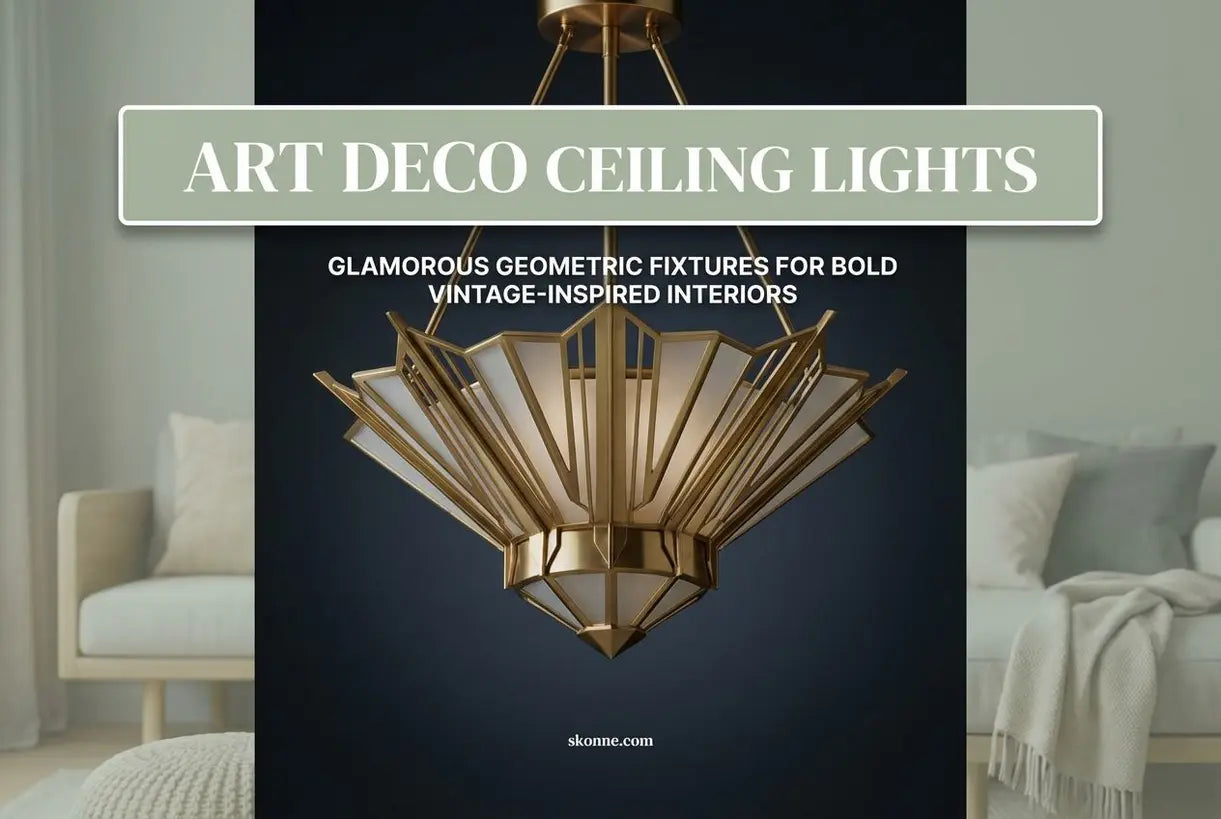
There's something undeniably captivating about walking into a space and feeling immediately transported to an era of unapologetic glamour and refined sophistication. An art deco ceiling light does exactly that—it doesn't merely illuminate a room; it defines its entire character. Born from the roaring 1920s and 1930s, Art Deco design continues to captivate homeowners who crave vintage-inspired sophistication with a bold, modern sensibility.
Whether you're renovating a period home or simply seeking that statement piece to elevate your contemporary space, understanding the hallmarks of this iconic lighting style is essential. In this guide, we'll explore what makes these geometric overhead fixtures so enduringly appealing, which materials and finishes bring out their best, and how to seamlessly integrate them into your curating journey. Along the way, we'll introduce you to thoughtfully crafted pieces that honor this timeless aesthetic while meeting today's standards for quality and sustainable design.
What Defines Art Deco Lighting Style?
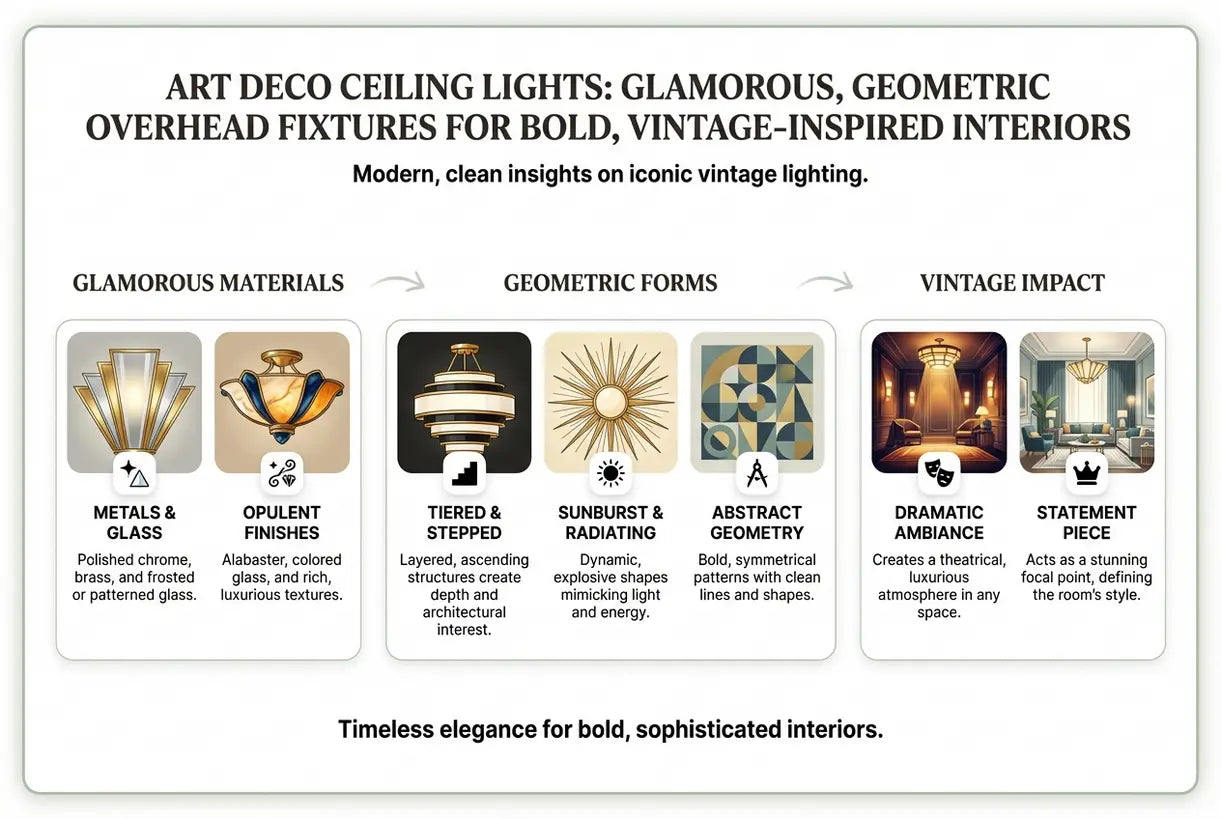
At its core, Art Deco lighting is characterized by bold geometric shapes, symmetrical patterns, and luxurious materials that celebrate craftsmanship. Unlike the flowing organic lines of Art Nouveau that preceded it, Art Deco embraces sharp angles, stepped forms, sunburst motifs, and stylized natural elements transformed into elegant abstraction.
The style emerged during a time of industrial advancement and cultural exuberance, when designers combined handmade artistry with machine-age precision. This marriage of traditional craftsmanship and modern innovation resulted in lighting fixtures that feel both timeless and forward-looking—a quality that makes them remarkably adaptable to contemporary interiors today.
Key characteristics you'll find in authentic art deco ceiling fixtures include:
- Dramatic geometric silhouettes—circles, triangles, chevrons, and fan shapes
- Opulent materials such as brass, chrome, glass, and exotic resins
- Symmetrical designs that create visual balance and harmony
- Rich, layered textures that catch light in unexpected ways
- A sense of verticality and grandeur, even in smaller fixtures
When selecting an art deco ceiling light for your space, look for pieces that honor these foundational elements while offering the warmth and approachability that make a house feel like home. The best fixtures balance dramatic presence with livable elegance—bold enough to command attention, yet refined enough to live with comfortably.
Mounted Ceiling Lights
Shop all Ceiling Lights
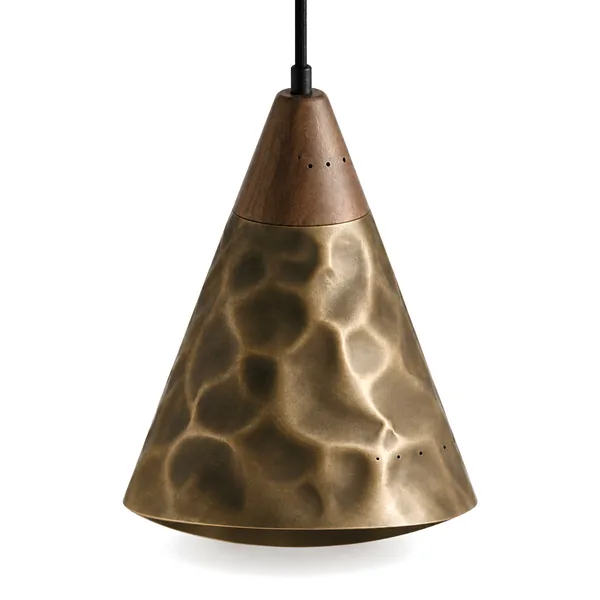
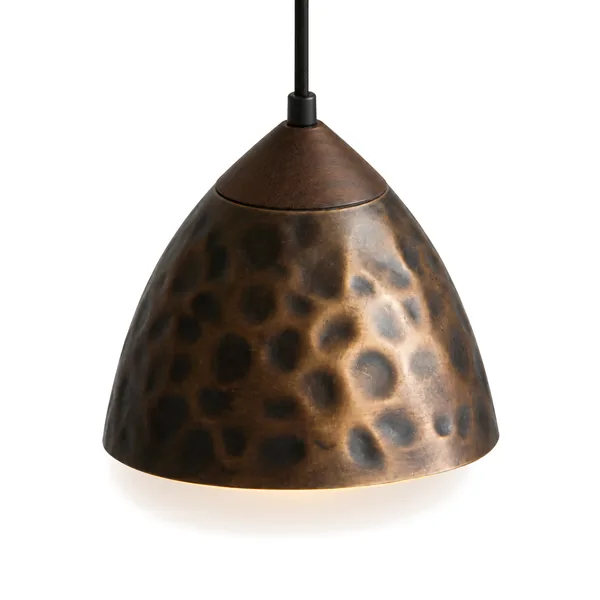
Materials That Define Art Deco Ceiling Fixtures
The allure of vintage inspired lighting lies largely in its materiality. Art Deco designers favored materials that conveyed wealth, permanence, and sophistication—qualities that remain central to the aesthetic today. Understanding these materials helps you make intentional choices when selecting pieces for your curated interior.
Brass and polished metals form the structural backbone of many iconic pieces. These warm-toned finishes catch and reflect light beautifully, creating ambient glow that transforms a room's atmosphere. Chrome and nickel offer cooler alternatives for modern interpretations, while aged or brushed finishes provide a softer, more lived-in character.
Glass elements—whether frosted, clear, stained, or textured—soften the geometric rigor of Art Deco hardware. They diffuse light gently, eliminating harsh shadows while maintaining the style's characteristic drama. For those seeking to explore more options, our Glass Lighting collection offers a curated selection of pieces that celebrate this luminous material in all its forms.
Resin and composite materials have emerged as contemporary alternatives that honor Art Deco aesthetics while offering durability and accessibility. Modern artisans craft these materials to mimic the depth and warmth of traditional substances while meeting contemporary performance standards.
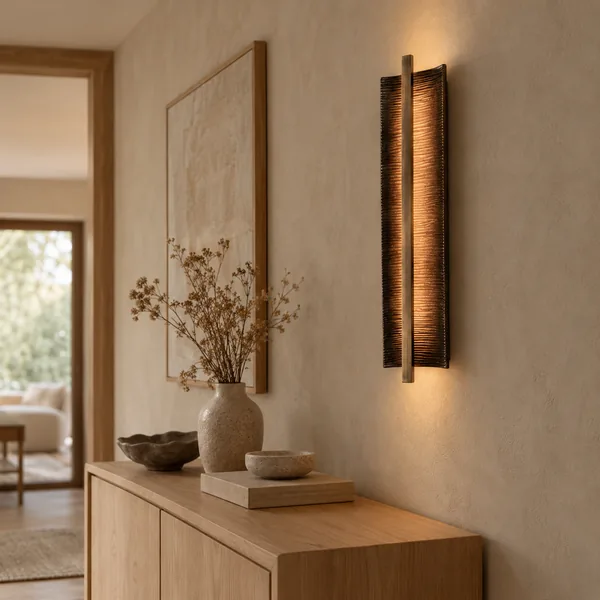 Kveld Art Deco Resin Wall Light Nordic Design$559.00$749.00
The Kveld Art Deco Resin Wall Light Nordic Design exemplifies this thoughtful material approach. While positioned as a wall light, its design vocabulary speaks directly to the Art Deco ceiling tradition—graceful curves rendered in warm resin that transforms any mounted position into a curated gallery moment. The soft LED glow interacts beautifully with the resin surface, creating depth and warmth that honors the era's commitment to atmospheric lighting.
Geometric Patterns and Bold Design Elements
The geometry of Art Deco is where this style truly distinguishes itself. Where other vintage styles might embrace curves or organic forms, Art Deco asserts itself through precise angles, stepped profiles, and symmetrical arrangements that create visual rhythm and intentional sophistication.
Sunburst patterns radiate from central points, creating focal moments that draw the eye upward. Zigzag chevrons add dynamic energy and Art Deco era excitement. Hexagonal and octagonal shapes reference the machine age's precision and mathematical beauty. When arranged in layered tiers or nested configurations, these geometric elements create fixtures of remarkable complexity and visual interest.
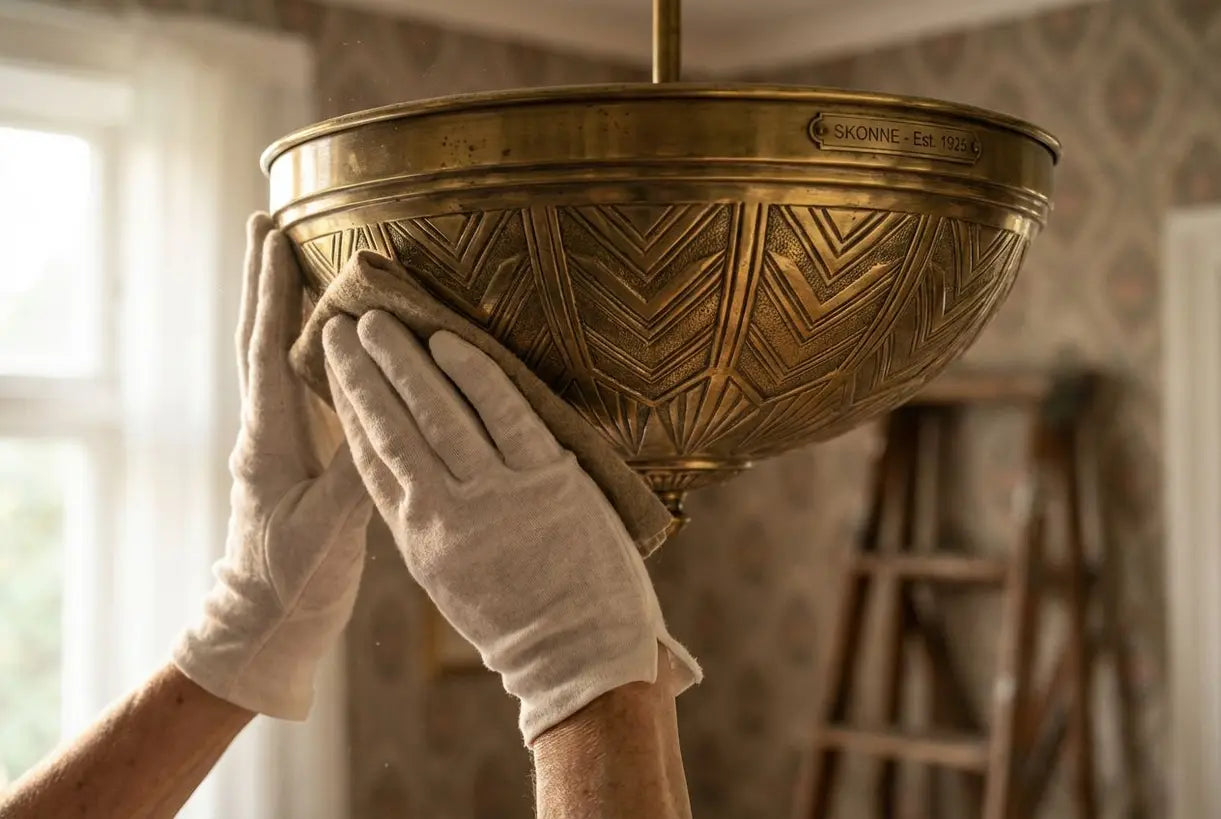
This geometric boldness isn't merely decorative—it's functional. The structured forms of statement ceiling lighting direct illumination precisely where it's needed while creating dramatic shadow patterns that enhance a room's architectural character. Even when unlit, a well-crafted Art Deco fixture serves as sculptural art, anchoring your design scheme with confident presence.
Choosing the Right Size Art Deco Ceiling Fixture
Selecting appropriately scaled lighting ensures your glamorous ceiling lights enhance rather than overwhelm your space. The relationship between fixture dimensions and room proportions is critical—too small, and the piece loses impact; too large, and it dominates disproportionately.
For dining areas, follow the general rule that your fixture's diameter should measure approximately half the width of your table in inches. In living spaces, add the room's length and width in feet, then use that sum as your guidance for fixture diameter in inches. Ceiling height matters significantly: taller ceilings accommodate larger, more dramatic pieces, while standard eight-foot ceilings benefit from flush or semi-flush mounts that maintain clearance.
Consider how your retro ceiling light interacts with furniture placement and traffic patterns. A dramatic piece works beautifully over a dining table or centered in a living area, but may feel intrusive in narrow hallways or small entryways. The goal is creating focal moments that guide the eye and define gathering spaces.
Art Deco-Inspired Pieces for Layered Lighting
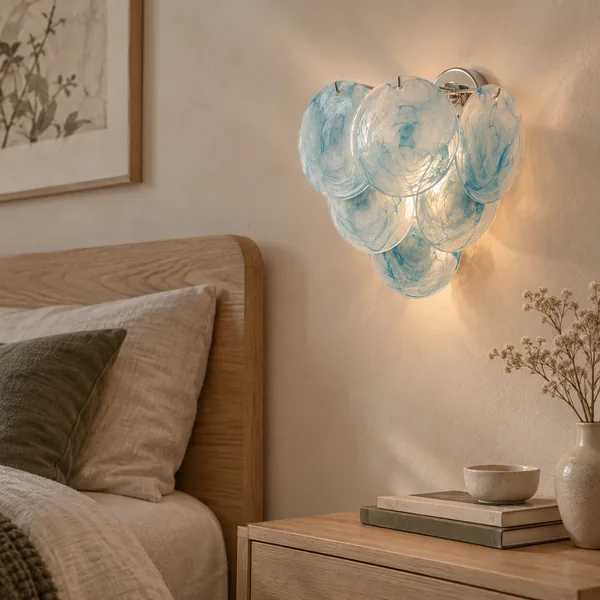 Gløva Vintage Stained Glass Wall Lamp in Chrome$229.00$339.00
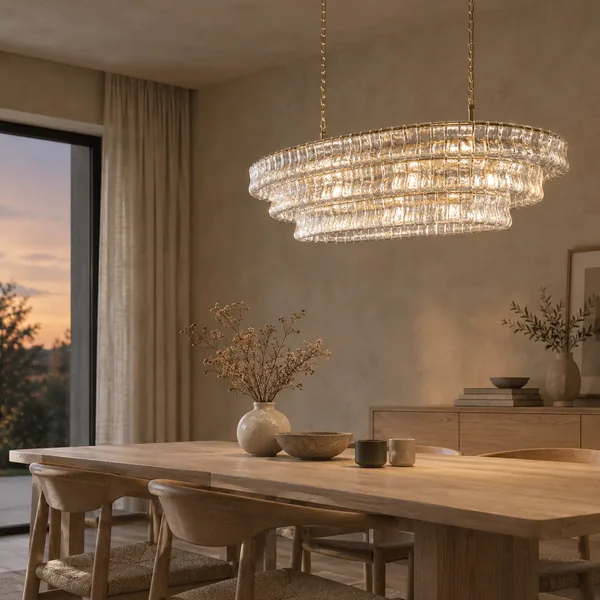 Stjerna Vintage French Clear Glass Chandelier$1,799.00$2,259.00
The Gløva Vintage Stained Glass Wall Lamp in Chrome demonstrates how Art Deco principals transcend fixture type. Its azure stained glass radiates rich atmospheric color reminiscent of the era's love affair with cinema-inspired luxury, while polished chrome accents provide the cool metallic contrast that grounds vintage glamour in contemporary relevance. For those seeking overhead drama, the Stjerna Vintage French Clear Glass Chandelier channels Art Deco elegance through its oval silhouette and rippled glass construction—gold hardware providing warmth that makes vintage feel remarkably fresh.
Color Finishes and Modern Integration
One of Art Deco's greatest strengths is its surprising versatility within contemporary spaces. While authentic period pieces often featured gold, silver, and bronze metallics, today's art deco pendant light options embrace an expanded palette that speaks to modern sensibilities while honoring historical roots.
Warm brass and antique gold remain timeless choices, particularly effective in spaces with wooden elements, rich textiles, or warm paint tones. These finishes complement the hygge-inspired approachability that defines Scandinavian-influenced interiors.
Polished chrome and nickel offer contemporary coolness, pairing beautifully with minimalist spaces, gray palettes, and industrial influences. The reflective quality of these cooler metals amplifies natural light and creates airy, spacious feelings in compact rooms.
Matte black and bronze provide dramatic contrast, anchoring lighter spaces and creating bold visual punctuation against white walls or pale furnishings. These finishes feel particularly current while maintaining Art Deco's inherent drama.
Successfully incorporating bold ceiling fixtures into modern interiors requires thoughtful balance. Consider pairing geometric overhead pieces with soft, textural elements—plush upholstery, natural wood grains, or woven textiles—to prevent the aesthetic from feeling overly rigid or museum-like. The goal is creating dialogue between eras, allowing vintage-inspired pieces to feel discovered rather than staged.
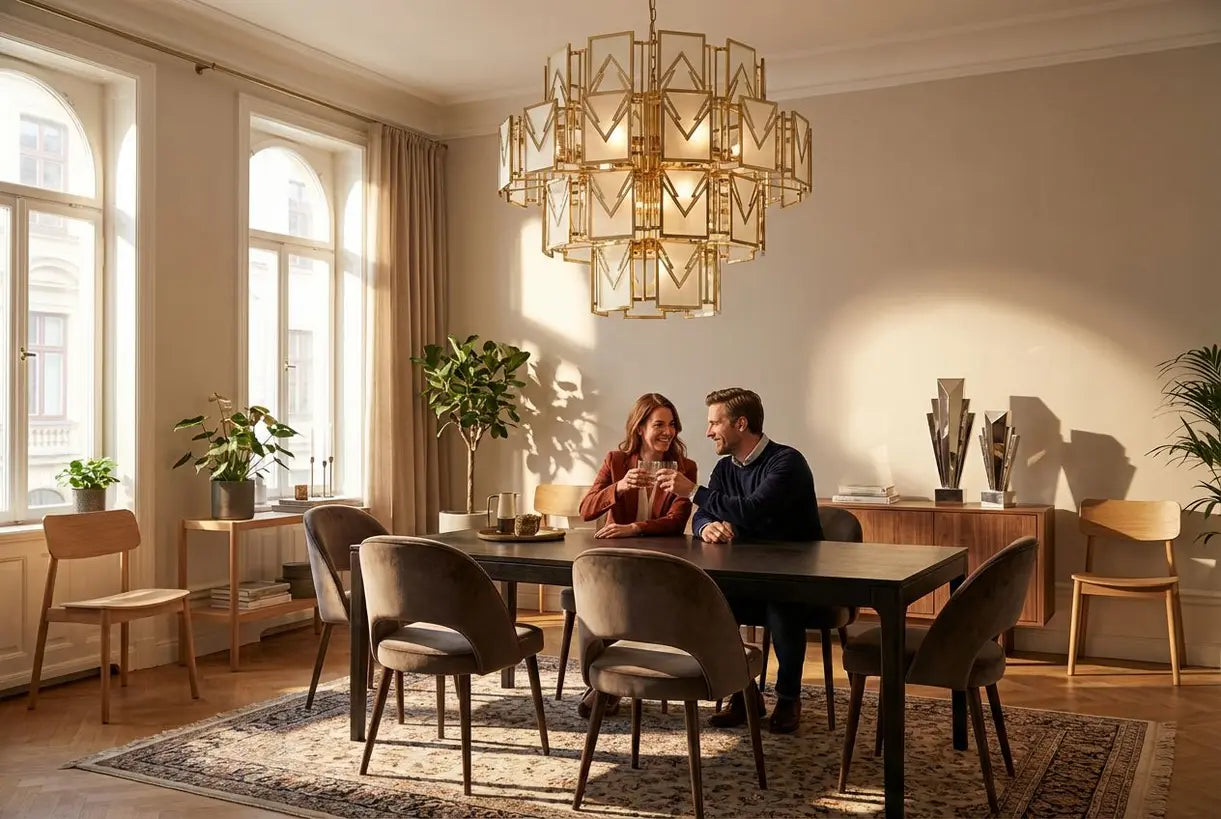
Layer lighting thoughtfully, combining your statement ceiling piece with complementary sources at varying heights. This approach creates dimensional illumination that honors Art Deco's love of theatrical atmosphere while meeting contemporary needs for practical, adjustable lighting. For authoritative perspectives on Art Deco design history and preservation, the Art Deco Society offers excellent resources.
Chandeliers
Shop all Chandeliers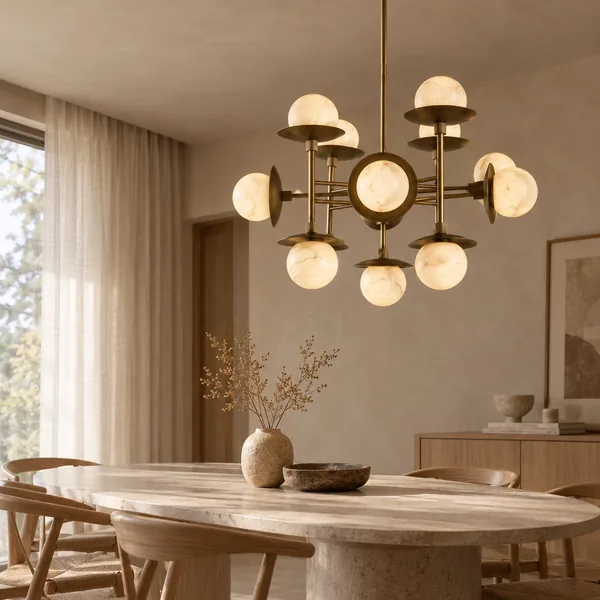
Conclusion: Elevating Your Space with Intentional Lighting
An art deco ceiling light represents more than a functional necessity—it's a declaration of personal style and design confidence. By understanding the geometric principles, material qualities, and proportional considerations that define this iconic aesthetic, you're equipped to select pieces that transform ordinary rooms into curated, character-rich environments.
The enduring appeal of Art Deco lies in its unapologetic celebration of beauty and craftsmanship. These fixtures remind us that our surroundings matter, that the objects we live with should bring daily pleasure, and that vintage inspiration need not feel dated or inaccessible.
At Skonne, we believe exceptional lighting should feel both elevated and approachable. Our curated collection honors Art Deco's glamorous heritage while meeting the quality standards and practical needs of contemporary living. Whether you're drawn to the warm resin finishes of the Kveld, the stained glass artistry of the Gløva, or the timeless elegance of the Stjerna, you'll find pieces designed to bring hygge warmth and intentional sophistication to your space.
Begin your lighting transformation today—explore our vintage-inspired collection and discover how the right overhead fixture can redefine your entire interior narrative.
Related Article
Drop Ceiling Light Fixtures: Best Overhead Lighting for Suspended Grid CeilingsDiscover the best drop ceiling light fixtures for suspended grid ceilings. Our guide covers overhead lighting solutions for basements, offices & commercial spaces.