
Art Deco Home Decor: Glamorous, Geometric Style for a Bold, Vintage-Inspired Interior
Summary›
There's something undeniably captivating about the home decor art deco movement. Born in the roaring 1920s and refined through the 1930s, this design philosophy combines geometric precision with unapologetic glamour, creating spaces that feel both timeless and boldly contemporary. For today's homeowner seeking character and sophistication, Art Deco offers a curated path toward interiors that tell a story.
Whether you're drawn to the sharp angles of geometric home decor or the warm glow of metallic accents, embracing this vintage-inspired aesthetic doesn't require a complete renovation. In this guide, we'll explore how to weave Art Deco interior design principles into your space with intention—creating that coveted hygge feeling through elevated, sculptural pieces that transform ordinary rooms into extraordinary sanctuaries.
What Defines Art Deco Home Decor?
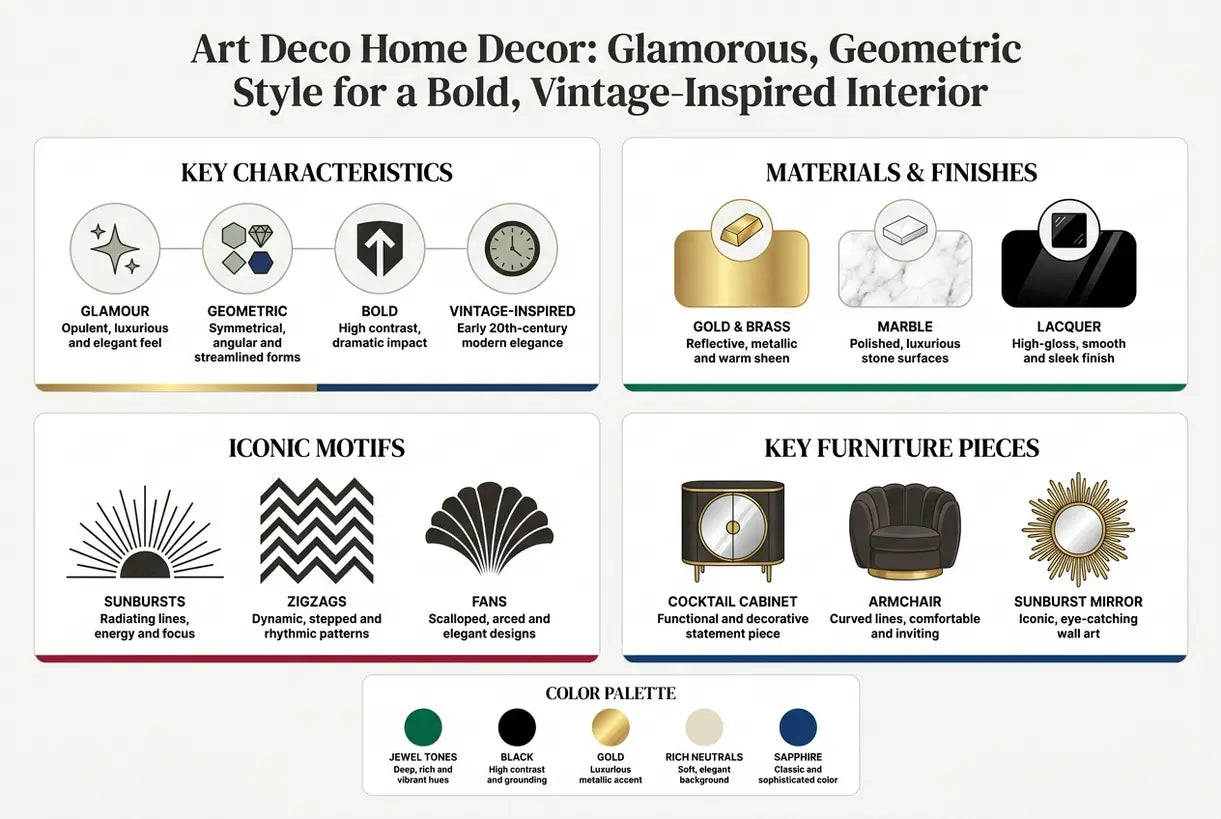
The Art Deco trend in home decor emerged from the desire to celebrate modernity, luxury, and craftsmanship after World War I. Unlike the organic, flowing lines of Art Nouveau that preceded it, Art Deco embraced symmetry, bold geometry, and rich materials. Think sunburst mirrors, stepped forms, chevron patterns, and the lavish use of chrome, brass, and lacquered finishes.
At its core, 1920s home decor and 1930s home decor shared common DNA: a love for the exotic, the theatrical, and the meticulously crafted. This wasn't minimalism—it was maximalism with purpose. Every piece served as functional art, from geometric light fixtures to sculptural vases that commanded attention.
The Five Pillars of Art Deco Style
To successfully incorporate this aesthetic into your home, understand these foundational elements:
- Geometric Patterns: Zigzags, chevrons, sunbursts, and stepped forms appear in textiles, wall art, and architectural details
- Luxurious Materials: Chrome, polished brass, lacquer, velvet, and exotic woods create tactile richness
- Bold Color Palettes: Jewel tones—emerald green, sapphire blue, ruby red—paired with black, cream, and metallics
- Symmetrical Arrangements: Balanced, mirror-image compositions that create visual harmony
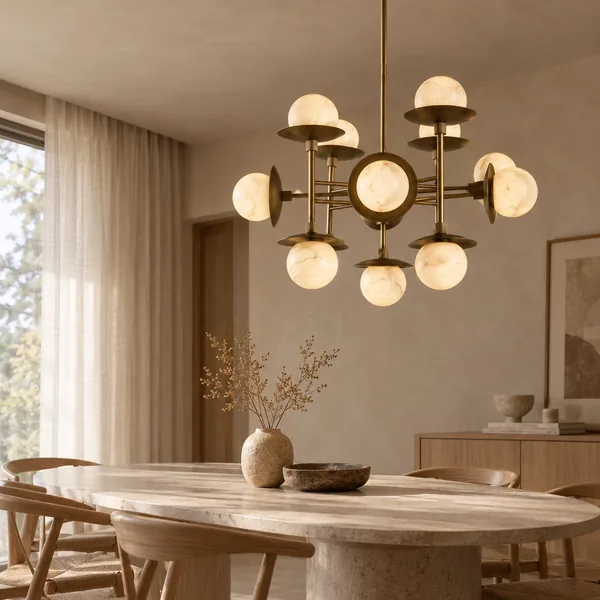
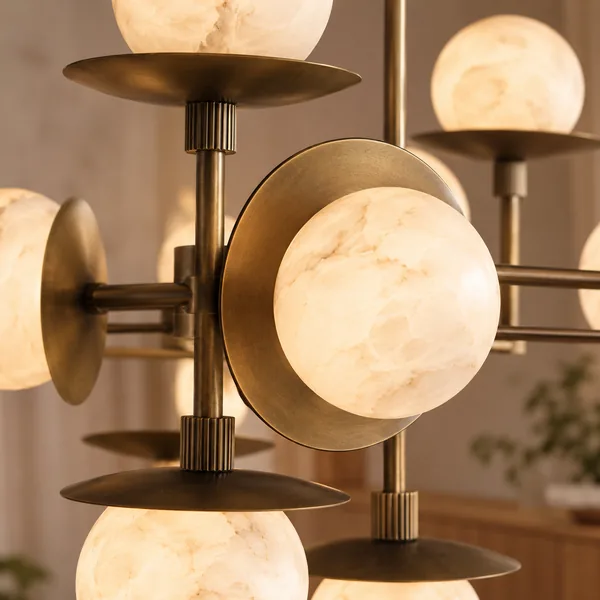
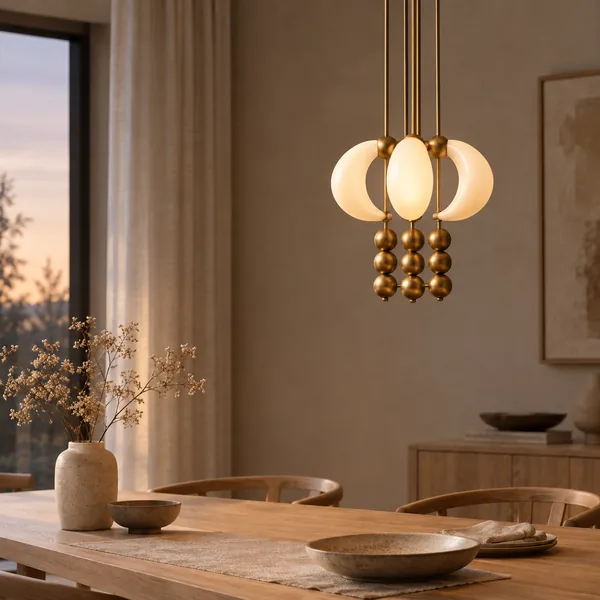
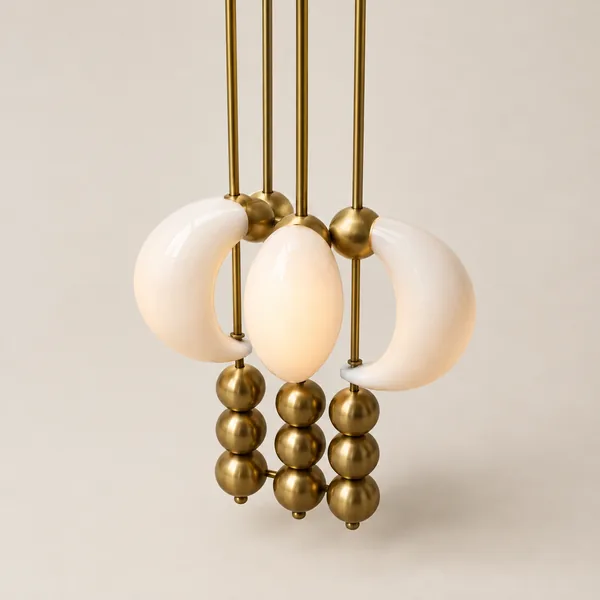
- Statement Lighting: Sculptural fixtures that serve as room anchors, not mere illumination
Chandeliers
Shop all Chandeliers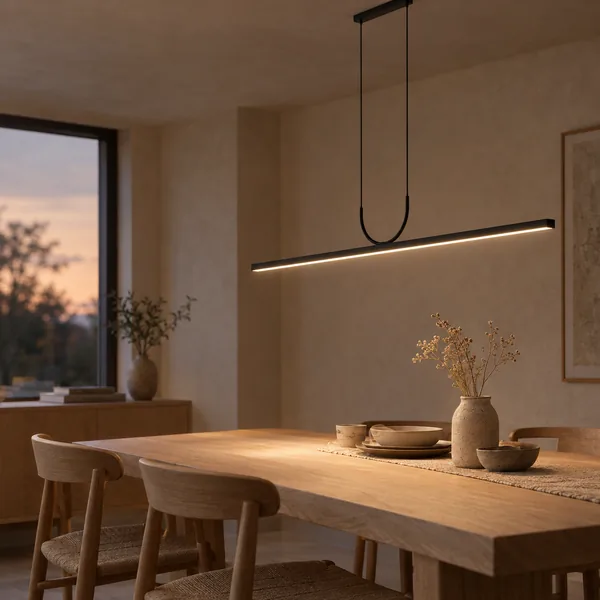
The Art of Geometric Expression in Modern Spaces
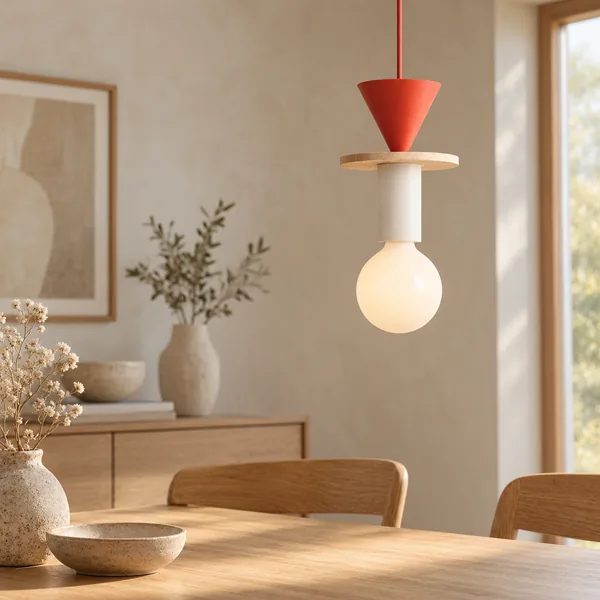
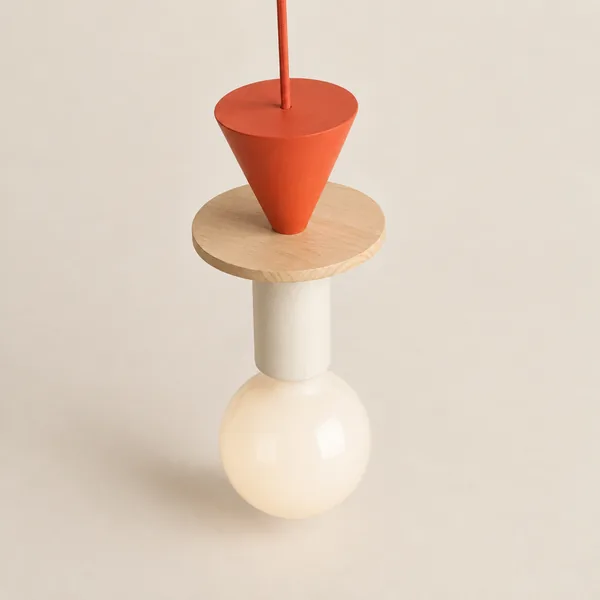
When we talk about geometric home decor in the Art Deco context, we're referring to more than simple shapes. These patterns carry the optimism of the Machine Age—the belief that precision and beauty could coexist. Today, incorporating these elements means selecting pieces that feel architectural and intentional.
The Kveld Art Deco Resin Wall Light Nordic Design exemplifies this philosophy perfectly. Its gracefully curved resin form introduces sculptural elegance while the warm LED ambient lighting casts atmospheric shadows that transform your walls into gallery-worthy displays. Unlike harsh overhead lighting, this sconce creates intimacy—that essential hygge quality—while maintaining the bold aesthetic that defines Art Deco interiors.
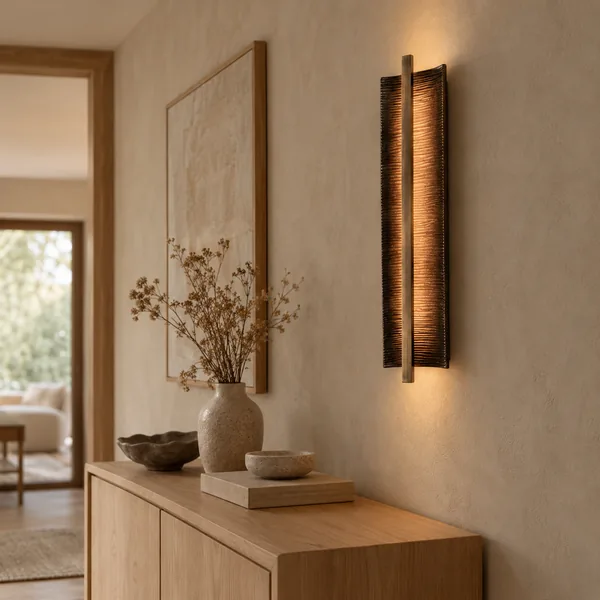 Kveld Art Deco Resin Wall Light Nordic Design$559.00$749.00
How to Incorporate Art Deco into a Modern Home
The question isn't whether Art Deco belongs in contemporary spaces—it's how to balance its inherent drama with modern sensibilities. The key lies in strategic restraint and thoughtful curation.
Start by identifying your "hero pieces"—those one or two items that will anchor the room's aesthetic. Perhaps it's an ornate mirror above the fireplace, a sculptural floor lamp in the reading nook, or a geometric clock that draws the eye upward. From there, build layers of texture and subtle pattern that reference the era without overwhelming the space.
For those looking to explore more options, our Decorative Vases collection offers a curated selection of sculptural vessels that capture that essential Art Deco spirit—think stepped forms, geometric silhouettes, and metallic glazes that catch the light beautifully.
Mixing Metallics with Intention
One of Art Deco's most distinctive characteristics is its unabashed use of metallic home accents. Chrome, brass, and gold weren't competitors—they were collaborators. In modern applications, this means embracing mixed metals rather than insisting on matchy-matchy finishes.
The Gløva Vintage Stained Glass Wall Lamp in Chrome demonstrates this beautifully. The polished chrome metal finish provides that quintessential Art Deco glamour, while the azure stained glass adds a whisper of vintage craftsmanship that feels both nostalgic and fresh. Placed strategically, such pieces become conversation starters—functional art that honors the past while illuminating your present.
Creating Balance: The Rules of Decorative Harmony
When working with bold aesthetics like Art Deco, understanding foundational decorating principles helps maintain visual equilibrium. You may encounter references to the 70/30 rule, the 3-5-7 rule, and the 3-4-5 rule in your research. Let's clarify what these mean and how they apply to retro-inspired interiors.
Understanding the 70/30 Rule in Decorating
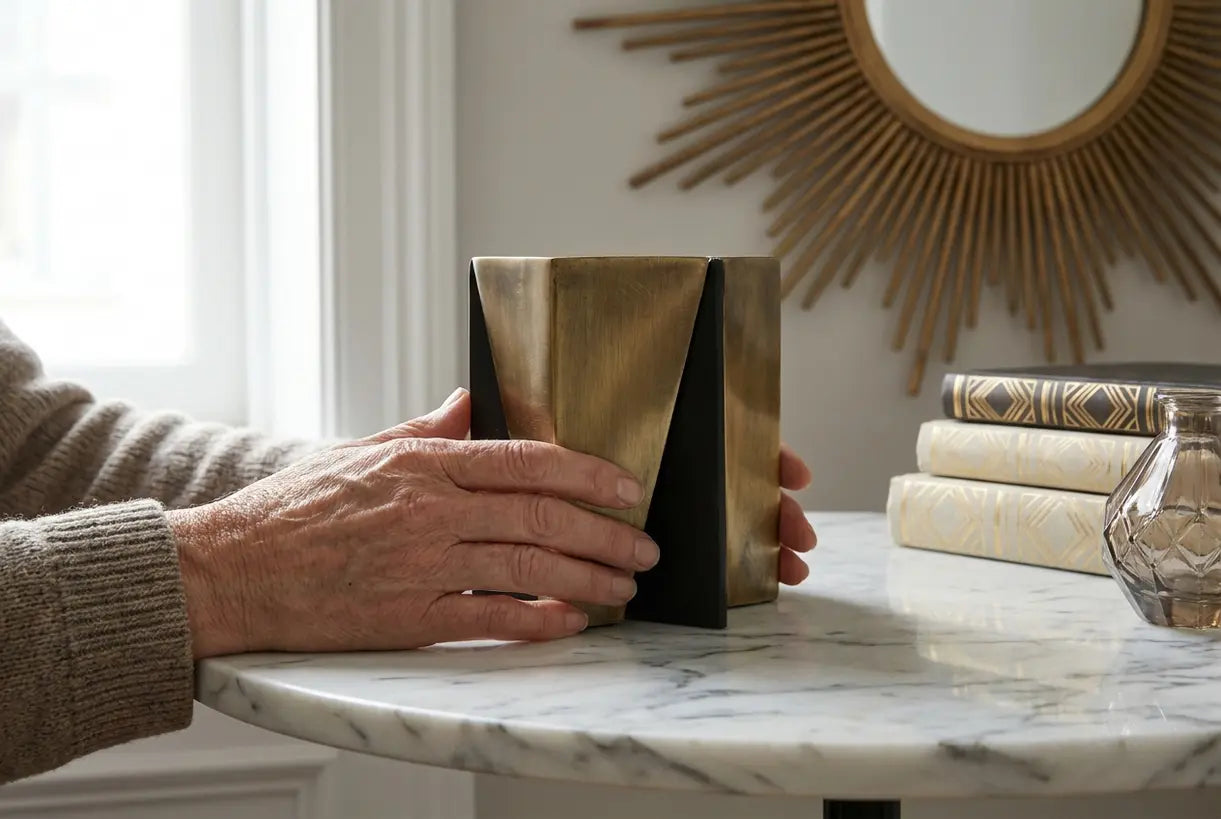
The 70/30 rule suggests dividing your room's visual weight between dominant and accent elements. Seventy percent of the space should feature your primary style—the foundational aesthetic—while thirty percent introduces contrast or complementary influences.
In an Art Deco context, this might mean 70% of your room embraces clean, modern Scandinavian bones (neutral walls, simple furniture silhouettes) while 30% incorporates your Art Deco statements: perhaps that geometric wall clock, a velvet accent chair, and a chrome floor lamp. This approach prevents the space from feeling like a museum exhibit while honoring the drama of the era.
The 3-5-7 Rule and Visual Rhythm
The 3-5-7 rule in decorating suggests that odd numbers create more dynamic, visually interesting arrangements than even numbers. Group accessories in threes, fives, or sevens to establish rhythm and movement.
For Art Deco styling specifically, this might translate to three graduated vases on a console table, five framed geometric prints arranged asymmetrically, or seven decorative objects on a bookshelf. The irregularity prevents static, overly formal arrangements—preserving that curated, collected feeling that makes interiors feel personal rather than staged.
Statement Pieces for Art Deco-Inspired Spaces
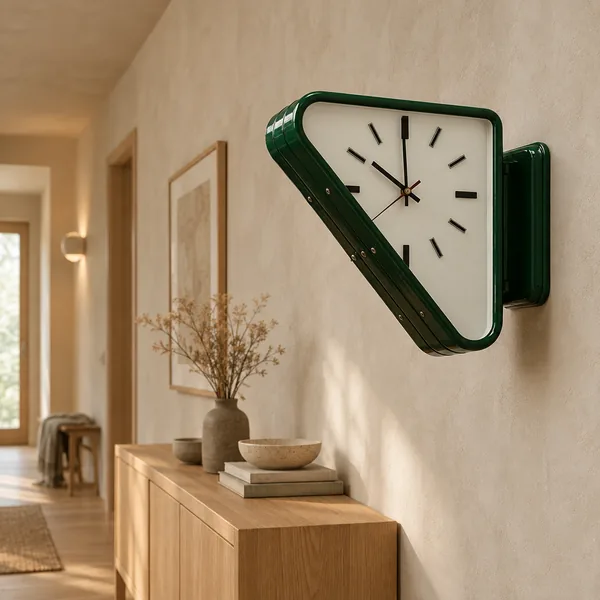 Tvilling Dual-Sided Geometric Metal Wall Clock$269.00$379.00
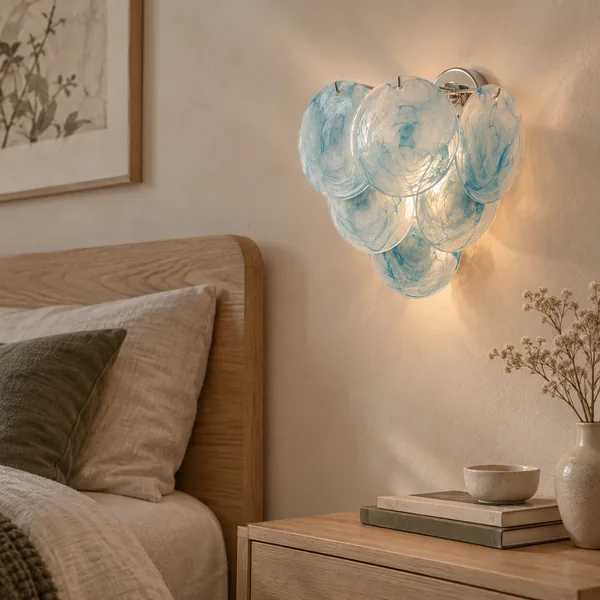 Gløva Vintage Stained Glass Wall Lamp in Chrome$229.00$339.00
The 3-4-5 Rule for Proportion and Placement
Less commonly discussed but equally valuable, the 3-4-5 rule derives from the Pythagorean theorem and helps ensure proper proportion when arranging furniture or hanging artwork. It reminds us that visually pleasing arrangements often follow mathematical relationships.
In practice, this might mean ensuring your Tvilling Dual-Sided Geometric Metal Wall Clock hangs at a height where its geometric presence relates harmoniously to surrounding furniture. The clock's clean angles and Art Deco-inspired symmetry become more impactful when positioned with intentional spacing—allowing it to anchor the wall with Nordic confidence while contributing to that glamorous vintage atmosphere you're cultivating.
[p collection-slider-2]Room-by-Room Art Deco Decorating Ideas
To help you visualize how these principles translate into real spaces, let's explore specific applications room by room.
Art Deco Living Room Ideas
The living room offers the perfect canvas for bold interior design statements. Start with your lighting—the jewelry of any space. A sculptural pendant or dramatic wall sconces establish the room's personality immediately. Complement these with a coffee table featuring stepped or curved edges, and add throw pillows with zigzag or fan patterns in velvet or silk.
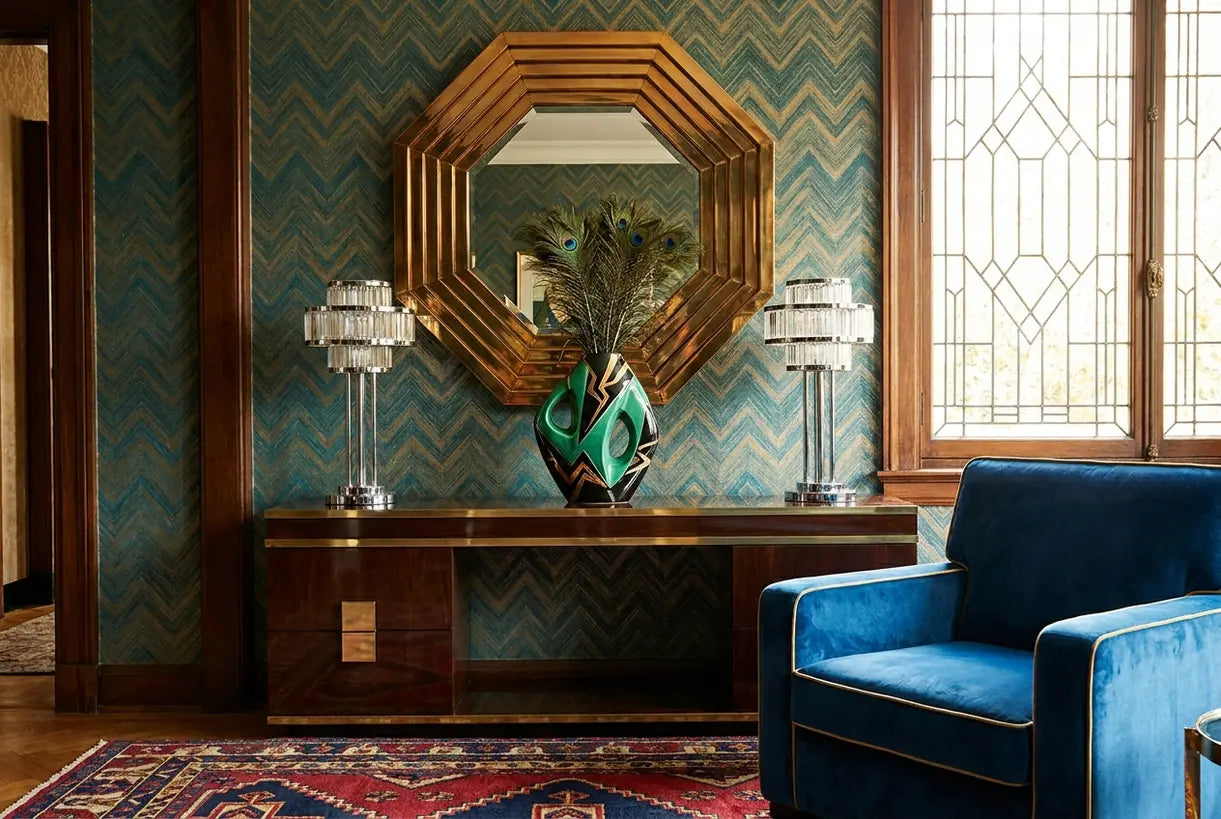
Art Deco Wall Decor Strategies
Walls in Art Deco spaces aren't merely boundaries—they're opportunities. Consider sunburst mirrors (the quintessential Deco motif), geometric metal wall art, or panel molding that creates subtle architectural interest. When selecting art deco wall decor, prioritize pieces with strong silhouettes and metallic elements that catch and reflect light throughout the day.
Bedrooms and Private Spaces
In bedrooms, soften the bold geometry with luxurious textures. Channel tufted headboards, lacquered nightstands, and lamps with frosted glass shades create intimacy while maintaining the aesthetic. The goal is glamorous sophistication that still invites rest—that delicate balance between drama and tranquility.
Embracing Vintage Art Deco Home Decor Today
The resurgence of vintage art deco home decor speaks to our collective desire for spaces with soul and history. In an era of mass production and disposable furniture, the Art Deco philosophy—celebrating craftsmanship, quality materials, and thoughtful design—feels increasingly relevant.
You don't need to live in a 1920s penthouse to embrace this style. A single statement piece, like the Kveld Art Deco Resin Wall Light casting warm shadows across your evening reading nook, or the Gløva Vintage Stained Glass Wall Lamp gracing your entryway, can transform the energy of an entire room. These carefully chosen elements honor the past while serving your present lifestyle.
Remember that Scandinavian design principles and Art Deco aesthetics share common ground: both value quality over quantity, purposeful beauty, and the belief that our surroundings profoundly affect our wellbeing. By blending these philosophies—Skonne's Nordic heart with Art Deco's glamorous spirit—you create spaces that feel both curated and livable.
Curating Your Art Deco Journey
As you begin (or continue) your exploration of home decor art deco, approach the process with patience and intention. Start with one room, perhaps one corner. Identify the feeling you want to create—is it the sophisticated glamour of a 1930s cocktail lounge, or the optimistic modernism of the 1920s Machine Age?
From there, select pieces that resonate emotionally while serving functional purposes. The Tvilling Dual-Sided Geometric Metal Wall Clock doesn't just tell time; it structures your wall visually. The sculptural vases in our collection don't merely hold flowers; they introduce geometry and material richness to your surfaces.
At Skonne, we believe in the transformative power of light and form. Whether you're drawn to the warm embrace of ambient wall lighting or the bold confidence of geometric statement pieces, we're here to help you curate spaces that feel authentically yours—spaces where vintage glamour meets modern living, where every piece tells a story, and where you feel truly at home.
Related Article
1970s Home Decor: Groovy, Retro Style Ideas & How to Bring the 70s BackDiscover how to bring 70s home decor into your modern space with groovy retro style ideas, bold earth tones, and vintage-inspired pieces that feel fresh today.