
Recessed Lighting in the Bathroom: Layout, Placement & Everything You Need to Know
Summary›
- Why Recessed Lighting Works in Bathrooms
- The Spacing Formula: Planning Your Layout
- Small Bathroom Recessed Lighting: Strategic Placement
- Vanity Illumination: Beyond Overhead Fixtures
- Wet-Rated Fixtures: Shower and Tub Safety
- 4 Inch vs 6 Inch: Choosing Your Fixture Size
- Creating Warmth: The Scandinavian Approach
- Conclusion: Illuminating with Intention
When designing a bathroom that balances functionality with the cozy elegance of Scandinavian hygge, choosing the right illumination strategy makes all the difference. Recessed lighting in bathroom spaces has become the go-to solution for homeowners seeking clean sightlines, even illumination, and a clutter-free aesthetic that lets architectural details shine.
Whether you're renovating a compact powder room or transforming a spa-inspired master bath, understanding proper layout, spacing, and fixture selection ensures your lighting performs beautifully. In this comprehensive guide, we'll explore everything you need to know about bathroom recessed lighting placement—from the essential spacing formula to vanity positioning and wet-rated requirements—while sharing how thoughtful fixtures can elevate your space.
Why Recessed Lighting Works in Bathrooms
Recessed fixtures, often called pot lights or can lighting, offer distinct advantages for bathroom spaces. Unlike surface-mounted fixtures, they sit flush with the ceiling, creating an open, airy feel—particularly valuable in rooms where vertical space feels limited.
The versatility of recessed lighting allows you to target specific zones: the shower enclosure, vanity mirror, or general circulation paths. When combined with sconces or statement pieces, these fixtures create the layered lighting design essential for both task performance and ambient comfort.
- Space maximization: No protruding fixtures to interrupt clean ceiling lines
- Even distribution: Eliminates harsh shadows and dark corners
- Modern aesthetic: Aligns with minimalist Scandinavian design principles
- Dimmable options: Perfect for transitioning from energizing morning routines to relaxing evening baths
The Spacing Formula: Planning Your Layout
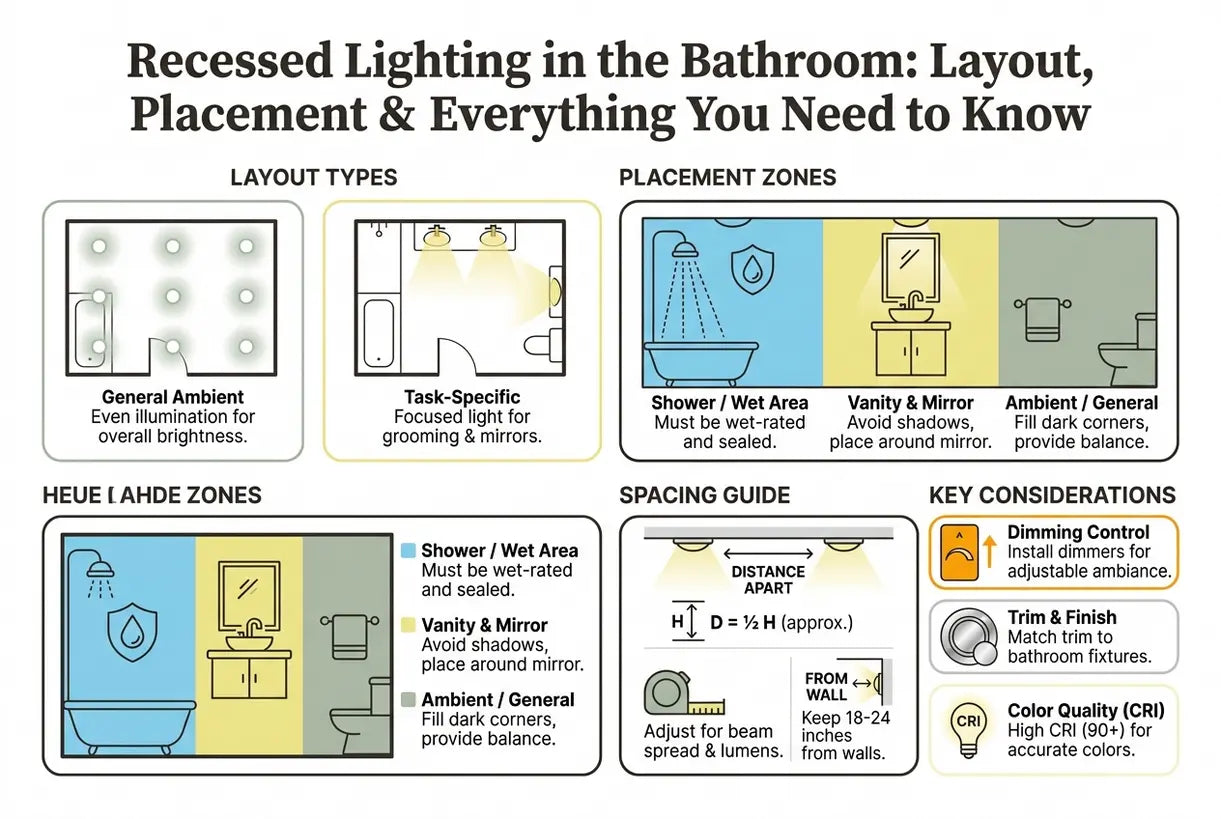
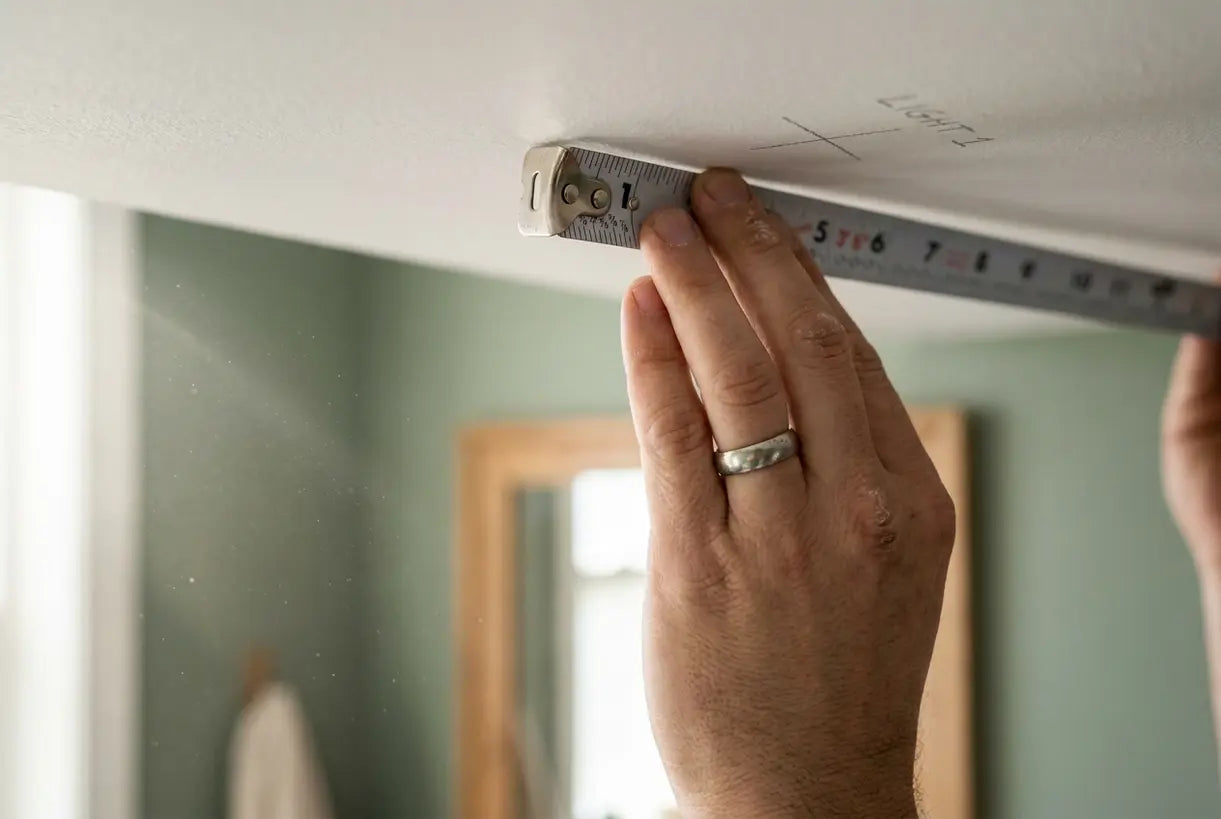
Before cutting any ceiling holes, establishing your bathroom recessed lighting layout is essential. The general rule for spacing recessed lights is elegantly simple: divide your ceiling height by two. This gives you the distance between each fixture in feet.
Quick Spacing Formula: Ceiling Height (in feet) ÷ 2 = Spacing Between Lights (in feet)
For an 8-foot ceiling, fixtures should be approximately 4 feet apart. For a 10-foot ceiling, 5 feet apart. This formula ensures overlapping light pools that eliminate harsh contrast zones while avoiding over-illumination.
However, bathrooms require additional considerations. Place fixtures approximately 3 feet from walls to prevent harsh wall-washing effects, and keep them at least 2-3 feet from the room's center if installing a central ambient fixture. For those who prefer visual guidance, this expert tutorial demonstrates the spacing principle perfectly:
Small Bathroom Recessed Lighting: Strategic Placement
In compact bathrooms, every square inch matters. The question of where should recessed lights be placed in a small bathroom requires careful zoning. Rather than spreading fixtures evenly, concentrate on functional areas:
- Vanity zone: Position one fixture centered above the mirror, or two fixtures flanking it if the vanity exceeds 36 inches
- Shower area: One wet-rated fixture centered in the enclosure
- Entry/transition zone: One fixture near the doorway for safe navigation
Small bathrooms often benefit from slightly smaller 4-inch fixtures that feel proportional to the space. Avoid placing lights directly above where you'll stand at the mirror—this creates unflattering overhead shadows. Instead, offset vanity lighting slightly forward.
Bathroom Lighting & Accessories
Shop all Bathroom




Vanity Illumination: Beyond Overhead Fixtures
While recessed lighting for bathroom vanity areas provides essential ambient illumination, relying solely on overhead fixtures often creates shadows that make grooming tasks frustrating. The solution? Layered lighting that combines ceiling fixtures with wall-mounted sconces or sculptural alternatives.
Consider the Kupa Cream Sculptural Flush Mount Ceiling Light as an elegant alternative to traditional recessed downlights. This sculptural flush-mount piece brings Nordic warmth through its organic, flowing form while providing the same space-saving benefits as recessed options. Available in multiple sizes with tricolor LED functionality, it bathes bathroom ceilings in soft, adjustable light that's perfectly suited to the Scandinavian aesthetic.
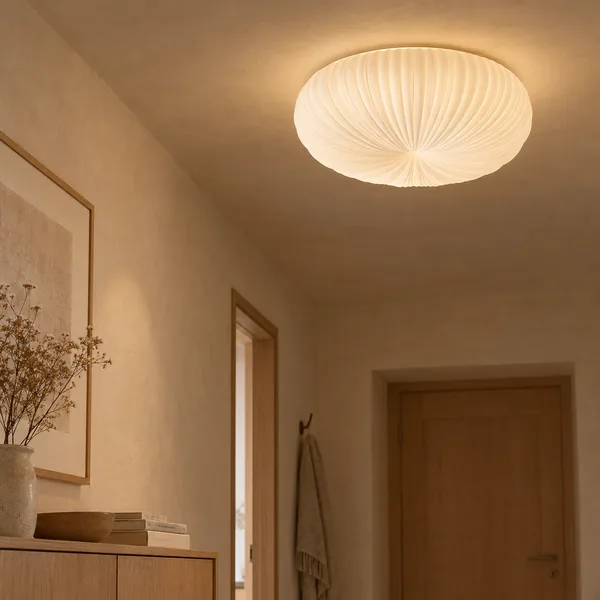 Kupa Cream Sculptural Flush Mount Ceiling Light$295.00$389.00
For those looking to explore more options that complement recessed layouts, our Flush-Mount Wall Lights collection offers a curated selection of pieces that bring intentional design to every surface.
Wet-Rated Fixtures: Shower and Tub Safety
Not all recessed fixtures belong in every bathroom zone. Areas exposed to direct water spray—shower enclosures and tub alcoves—require wet-rated bathroom lights specifically designed to withstand moisture infiltration.
Look for fixtures with an IP65 rating or higher for shower installations. These sealed units prevent water from entering the electrical housing while providing the bright, even illumination necessary for safe bathing. Position shower lights centrally, approximately 6-12 inches from the back wall, to illuminate the space without creating glare when standing.
When planning your bathroom recessed lighting layout, always verify that fixtures intended for damp or wet locations carry appropriate UL or ETL listings. This isn't merely a code requirement—it's essential for long-term safety and fixture longevity.
Elevate Your Bathroom with Scandinavian Wall Sconces
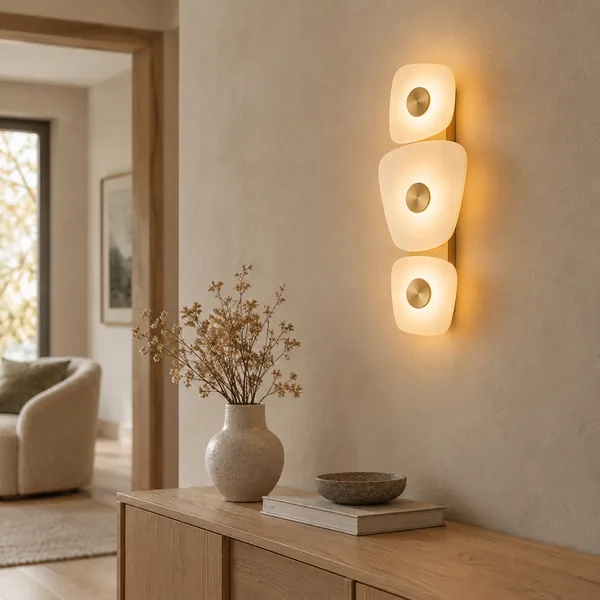 Steinglo Marble and Brass Trio LED Wall Sconce$619.00$899.00
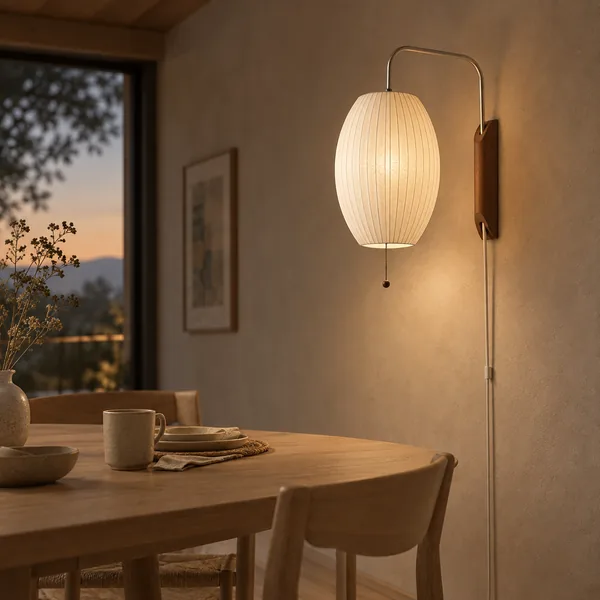 Solvei Minimalist Silk Wall Lamp for Bedroom$297.00$399.00
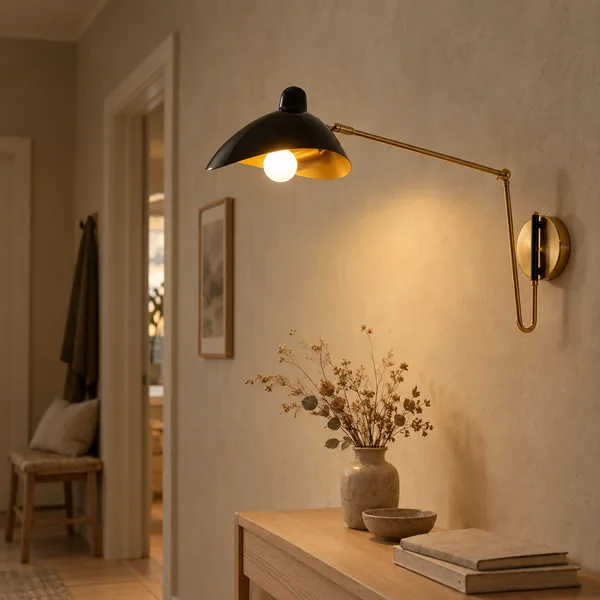
Layer in the Steinglo Marble and Brass Trio LED Wall Sconce beside your vanity to create sculptural warmth that complements overhead recessed illumination. The natural marble and brass pairing brings organic Nordic elegance while providing the side-lighting that eliminates facial shadows during grooming routines.
For bedside reading nooks or seating areas within larger bathroom suites, the Solvei Minimalist Silk Wall Lamp offers ambient sophistication through its silk shade and natural wood accents—perfect for transitioning from daytime energy to evening relaxation.
Mounted Ceiling Lights
Shop all Ceiling Lights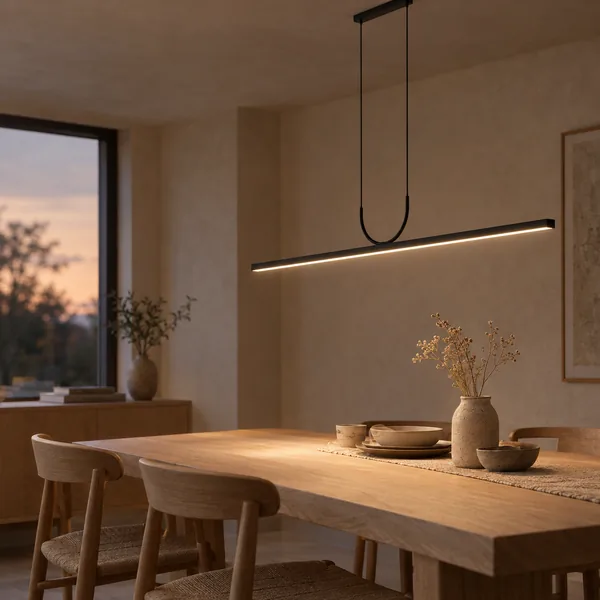
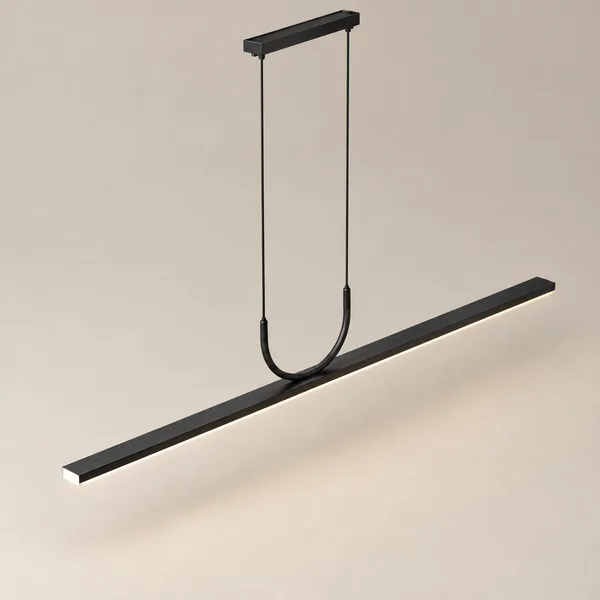
4 Inch vs 6 Inch: Choosing Your Fixture Size
One of the most common questions in bathroom lighting design concerns fixture diameter. Are 4 inch or 6 inch recessed lights better for bathrooms? The answer depends on your specific application:
| Feature | 4-Inch Fixtures | 6-Inch Fixtures |
|---|---|---|
| Best for | Small bathrooms, targeted accent lighting | General ambient illumination, larger spaces |
| Brightness | 600-800 lumens typical | 900-1,200 lumens typical |
| Aesthetic | Minimal, subtle presence | More visible architectural element |
| Spacing | Requires more fixtures for even coverage | Wider spacing possible (cost-effective) |
For most residential bathrooms, a combination approach works beautifully: 6-inch fixtures for general ambient light and 4-inch fixtures for targeted task areas like shower enclosures or water closets. In very compact powder rooms under 40 square feet, 4-inch fixtures exclusively often provide the most proportional look.
Creating Warmth: The Scandinavian Approach
While technical placement ensures proper illumination, the quality of light determines how your bathroom feels. What is the current trend in bathroom lighting? Beyond mere functionality, homeowners increasingly seek the warm, intentional atmosphere that Scandinavian design celebrates.
Color temperature significantly impacts mood. For bathrooms, 2700K-3000K (warm white) creates the inviting glow associated with Nordic interiors, while 3500K-4000K (cool white) better supports detailed grooming tasks. Consider installing dimmable fixtures or separate circuits that allow you to transition from energizing morning light to soothing evening ambiance.
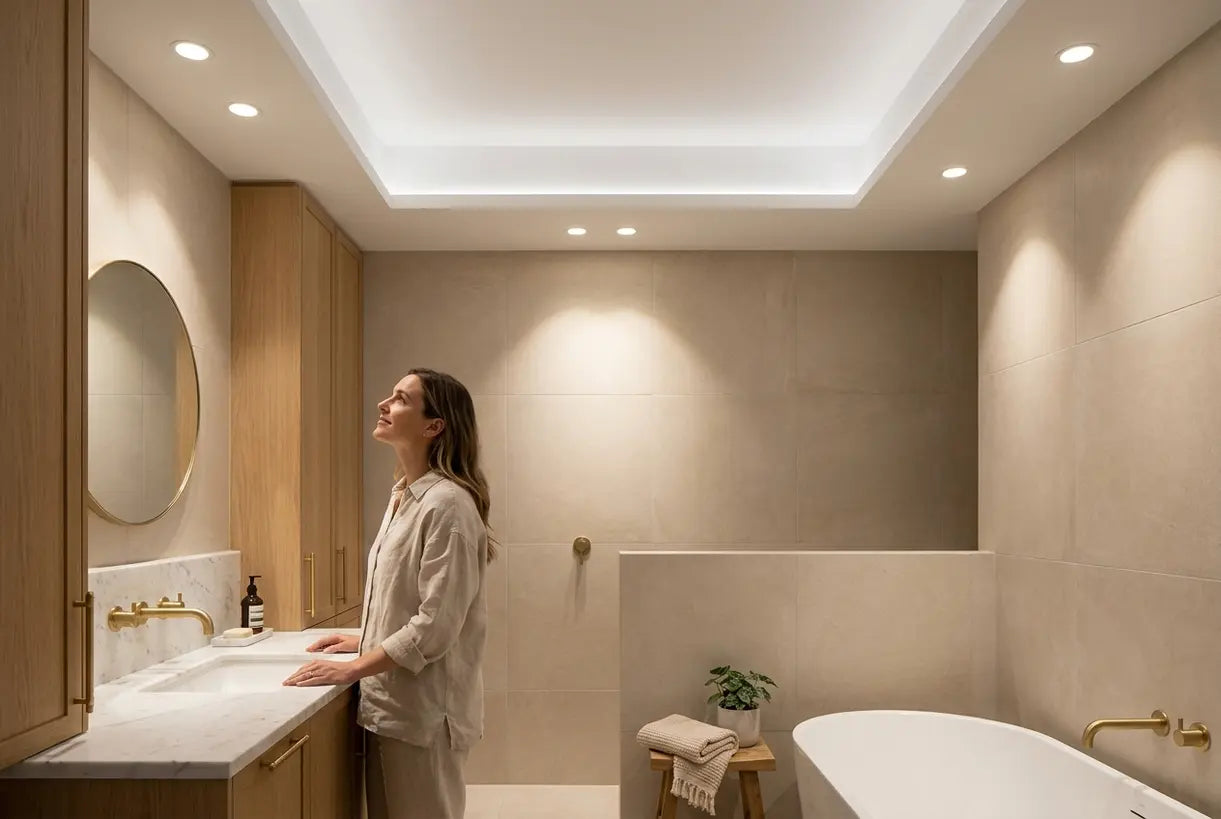
At Skonne, we believe bathroom lighting should nurture both body and spirit. By combining thoughtful recessed layouts with sculptural accent pieces—flush mounts that double as art, sconces that cast golden warmth, fixtures that embody the hygge philosophy—you create spaces that welcome you at every hour.
Learn more about layering bathroom fixtures effectively in this guide from the U.S. Department of Energy, which explores energy-efficient lighting strategies for every room.
Conclusion: Illuminating with Intention
Mastering recessed lighting in bathroom spaces requires balancing technical precision with design intuition. The spacing formula provides your foundation, but thoughtful placement—positioning fixtures for flattering vanity illumination, selecting wet-rated options for shower safety, choosing sizes proportional to your space—elevates functionality into experience.
Remember that recessed fixtures represent just one layer of a complete bathroom lighting design. By combining ceiling illumination with wall sconces like the Steinglo or sculptural flush mounts like the Kupa, you create the dimensional lighting that transforms daily routines into moments of calm intention.
Whether you're planning a complete renovation or simply upgrading existing fixtures, approach your bathroom lighting with the Scandinavian values of simplicity, warmth, and purposeful design. The result will be a space that doesn't just look beautiful—it feels like home.
Related Article
Bathroom Lighting: The Complete Guide to Fixtures, Styles & How to Illuminate Every SpaceDiscover how to choose and layer bathroom fixtures and lighting to create a functional, spa-like retreat in any home.