
Bedroom Lighting: The Complete Guide to Illuminating Your Sleep Space
Summary›
- Why Bedroom Lighting Deserves Your Attention
- The Three Essential Layers of Bedroom Lighting
- The Problem with "The Big Light"
- Choosing Fixtures for Each Lighting Layer
- Layering in Action: A Visual Guide
- Task Lighting Done Right
- The Role of Dimmers and Smart Controls
- The 5'7" Lighting Rule
- Pairing Statement Fixtures with Functional Design
- Adapting to Your Design Aesthetic
- Creating Your Illuminated Sanctuary
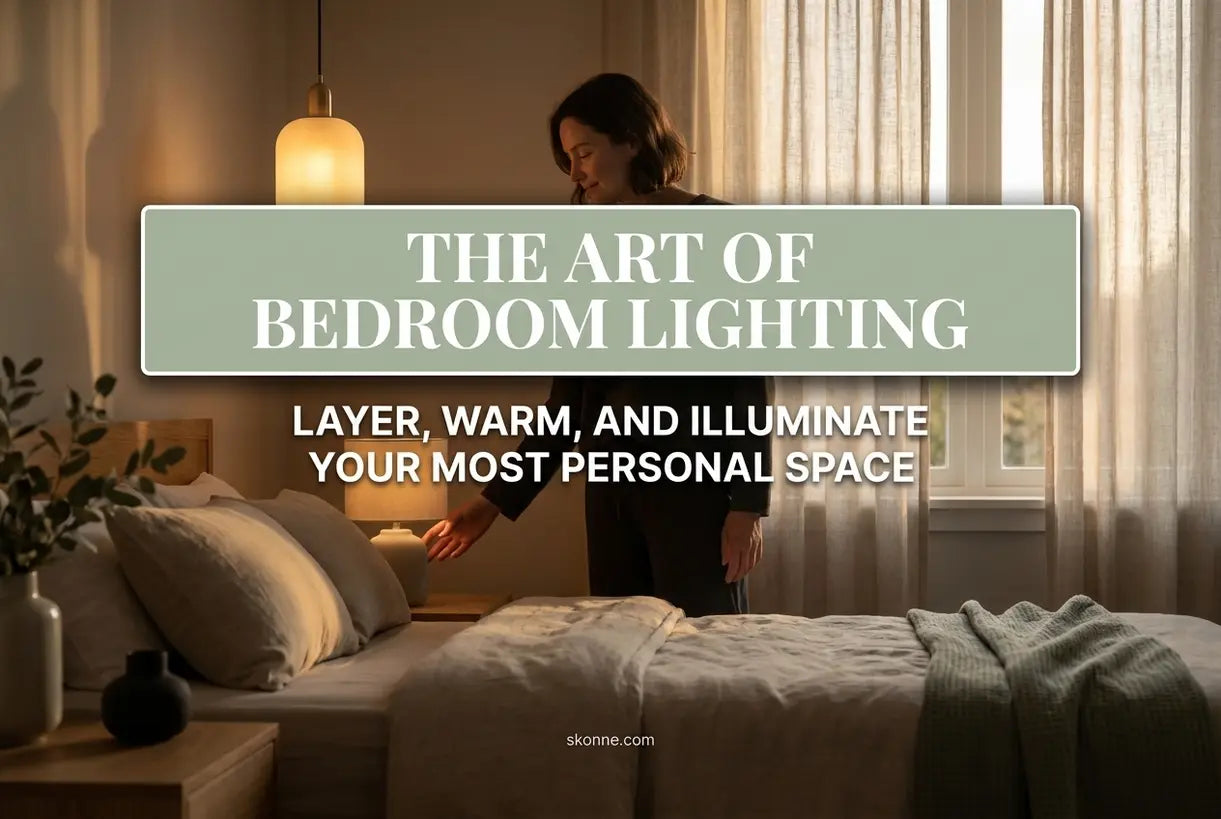
There's a quiet revolution happening in bedrooms across America, and it starts with the flip of a switch—or rather, the decision not to flip it. Generation Z has coined a term for that single, harsh ceiling fixture that blasts you awake in the middle of the night: "the big light." And they want nothing to do with it.
This cultural shift reflects a deeper truth about how we experience our most personal spaces. Bedroom lighting isn't just about visibility—it's about creating a sanctuary where your nervous system can actually unwind. The right illumination transforms a mere sleeping area into a curated retreat that honors the Scandinavian principle of hygge: that warm, contented feeling of being exactly where you should be.
In this comprehensive guide, we'll explore how to design a layered bedroom lighting scheme that supports your circadian rhythm, enhances your decor, and finally puts "the big light" to rest for good.
Why Bedroom Lighting Deserves Your Attention
Your bedroom lighting affects more than aesthetics—it influences your sleep quality, morning energy, and overall wellbeing. Harsh, cool-toned illumination suppresses melatonin production, making it harder to drift off naturally. Conversely, a thoughtfully designed bedroom lighting layout plan with warm tones helps signal to your brain that it's time to wind down.
The modern approach to ambient bedroom lighting treats your ceiling, walls, and surfaces as collaborators rather than independent zones. When these elements work together, they create depth, eliminate harsh shadows, and provide flexibility for everything from reading in bed to navigating midnight trips to the bathroom.
The Three Essential Layers of Bedroom Lighting
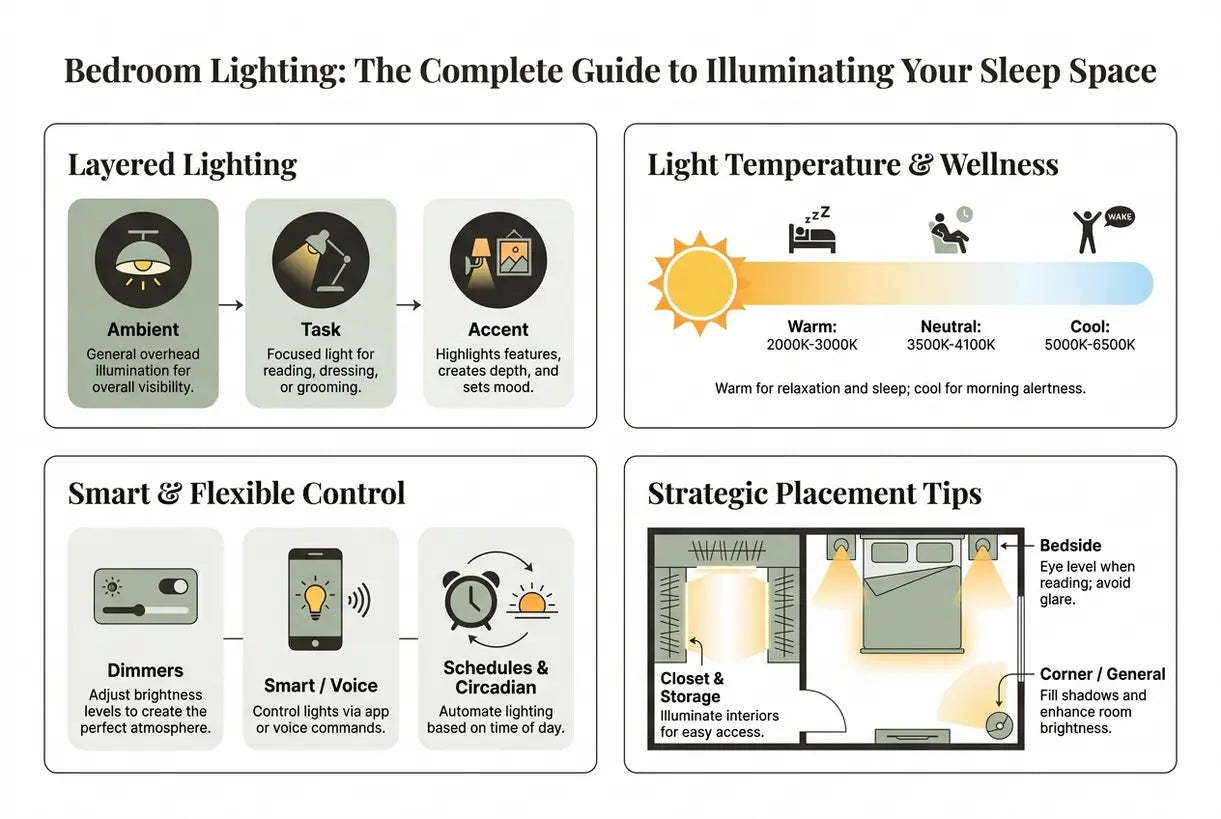
Every well-lit bedroom shares one characteristic: it uses three distinct types of illumination working in harmony. Understanding this principle is the foundation of effective bedroom lighting design.
Ambient Lighting: The Foundation
Ambient light provides overall illumination and sets the baseline atmosphere. Rather than relying on a single overhead fixture—which creates uneven brightness and harsh shadows—consider a combination of ceiling fixtures that cast light upward and outward. Pendants with diffused shades, semi-flush mounts, or even wall-washing sconces can distribute light more evenly across the room.
Task Lighting: Purposeful Brightness
Task lighting focuses illumination where you need it most: beside the bed for reading, at a vanity for grooming, or near a closet for dressing. The key is positioning these sources to eliminate glare and provide adequate brightness without disturbing a partner. Adjustable arms, dimmable controls, and warm color temperatures make task lighting both functional and comfortable.
Accent Lighting: The Mood Setter
Accent lights add depth and dimension while highlighting architectural features, artwork, or decorative elements. These might include picture lights, LED strips behind headboards, or small table lamps on dressers. Accent lighting operates at the lowest brightness level of the three layers, creating pools of warmth that make a room feel intimate and complete.
The Problem with "The Big Light"
The viral rejection of overhead lighting isn't just a Gen Z quirk—it's a response to genuinely poor design. A single, central ceiling fixture creates a "landing strip" effect where the middle of the room is uncomfortably bright while corners remain shadowy. This uneven distribution feels institutional rather than restful.
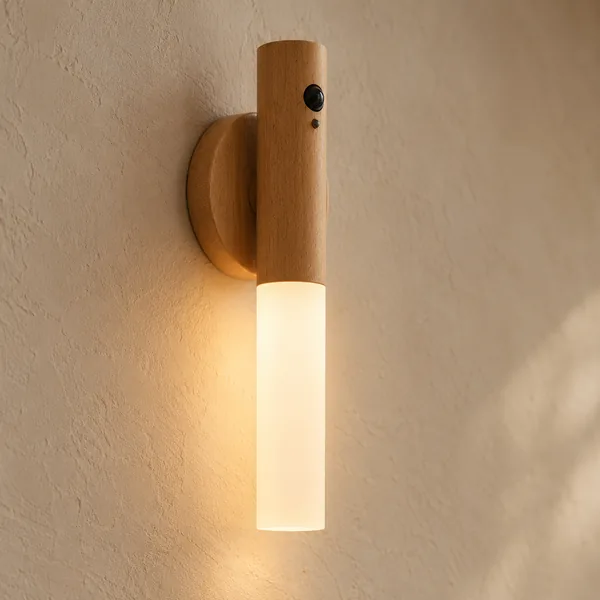
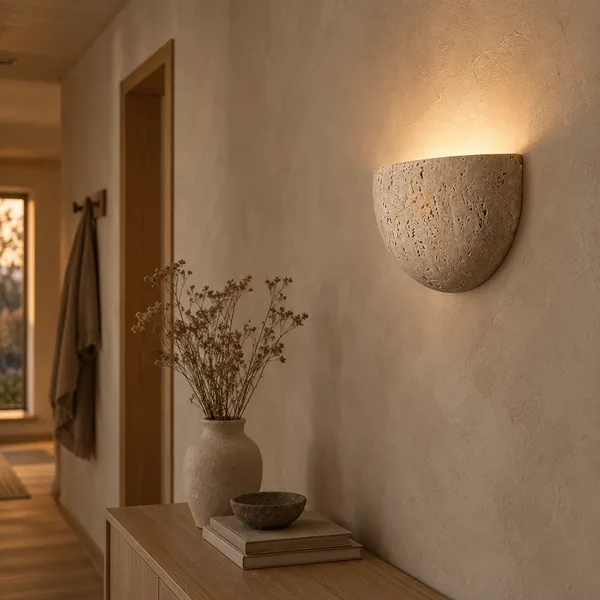
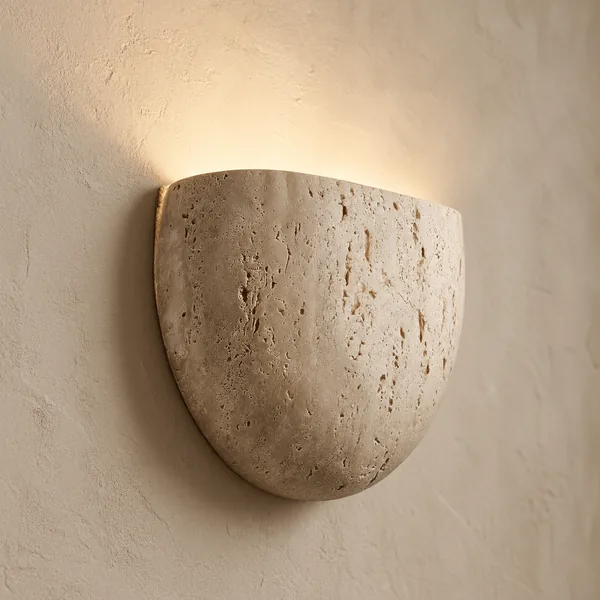
Wall sconces have emerged as the preferred alternative, offering flexible positioning that eliminates the need for harsh overhead illumination while freeing up valuable nightstand space. The Lysring Circular LED Wall Light embodies this philosophy perfectly—its Wabi-Sabi inspired circular form casts a soft halo of warmth that replaces harsh overhead lighting with gentle ambient glow. Mounted at eye level when seated, it provides comfortable illumination for reading while contributing to the room's overall atmosphere.
Bedroom Lighting & Decor
Shop all Bedroom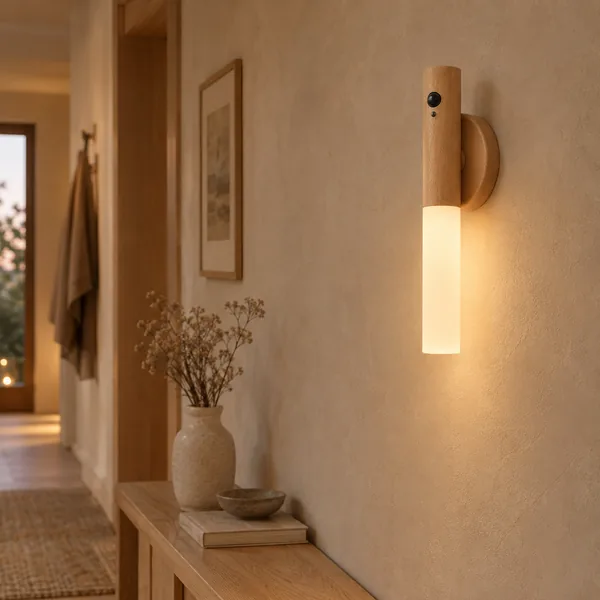
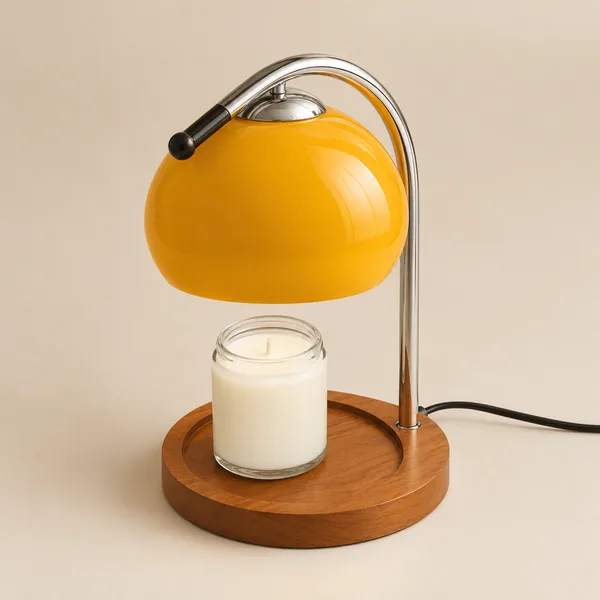 Save $60.00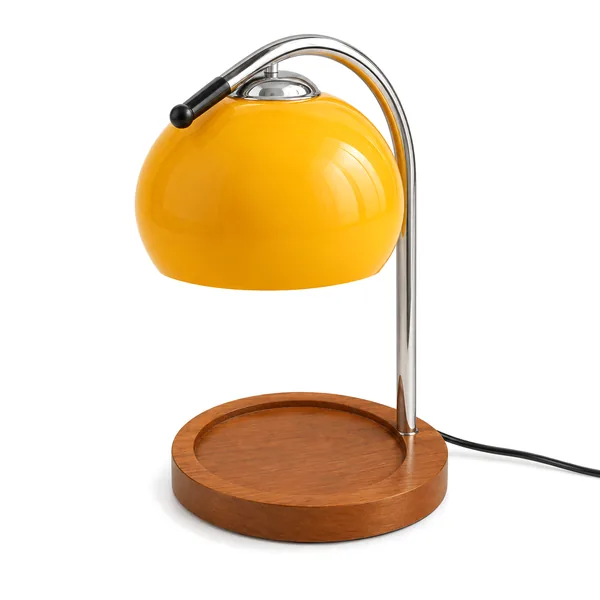
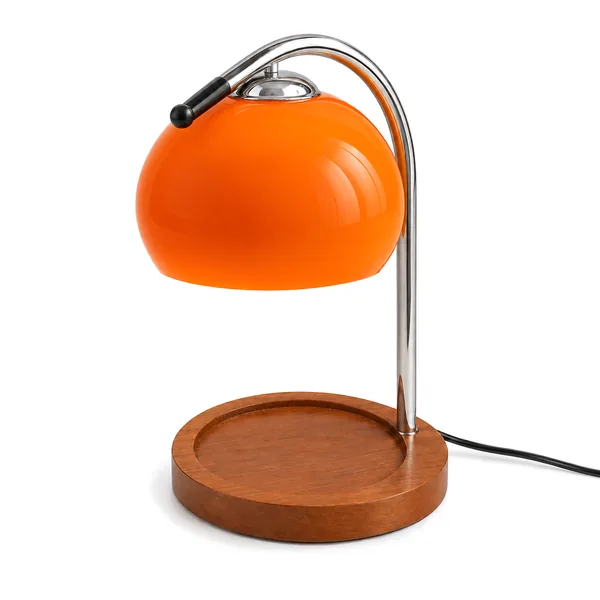
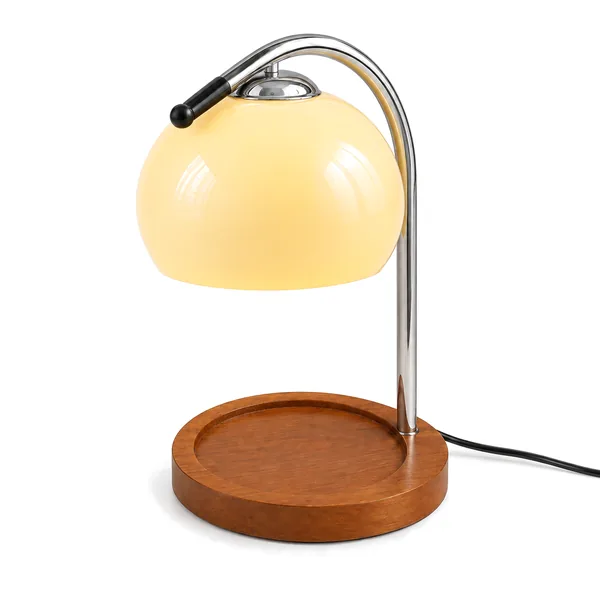 3 options
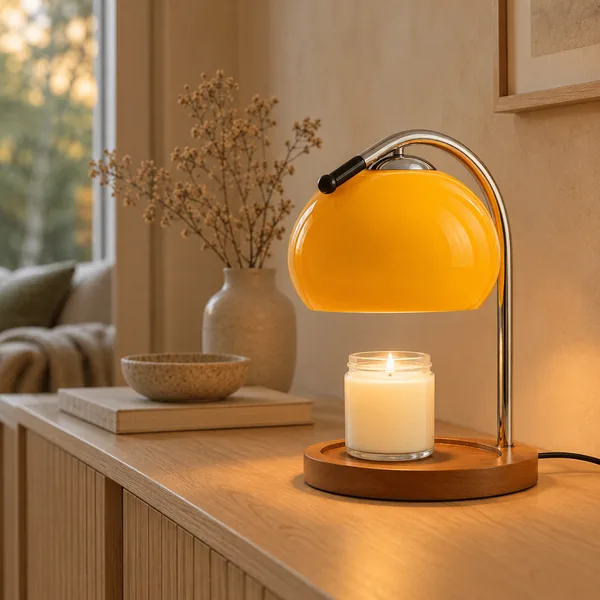
Solvarm Stained Glass Candle Warmer Table Lamp
 Save $120.00
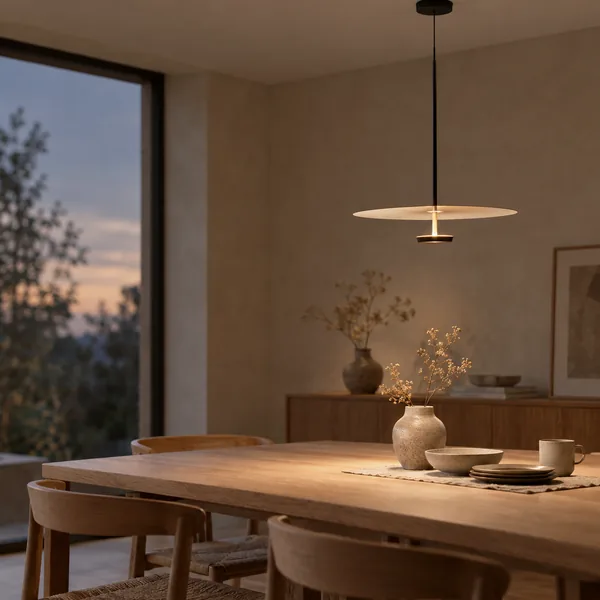
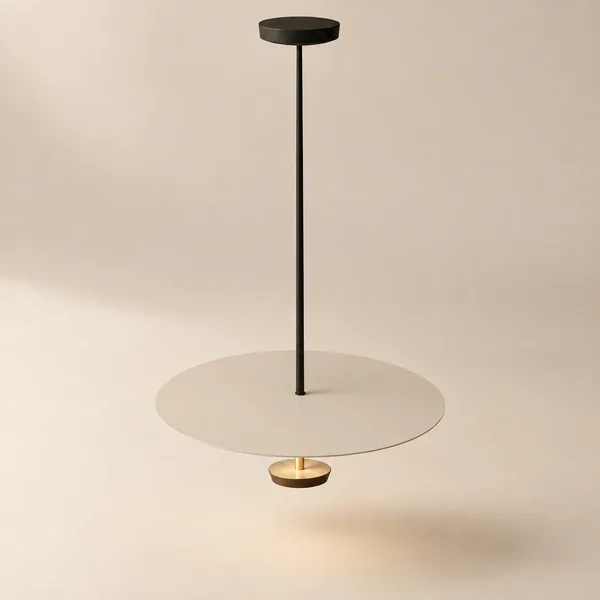
Skiva Nordic Saucer Ceiling Pendant Light LED
Choosing Fixtures for Each Lighting Layer
Not all fixtures are created equal when it comes to bedroom lighting ideas. The Scandinavian approach favors materials that soften and diffuse light—ribbed glass, woven fibers, and opaque ceramics—rather than exposed bulbs that create glare.
For ambient illumination, consider statement pieces that double as art. A pendant with an organic, sculptural form can anchor the room while providing the foundation layer of light you need. The Driva Sculptural Cloud Pendant Light exemplifies this dual purpose—its hand-blown glass silhouette fills your bedroom with ethereal, diffused brightness that feels like natural daylight filtered through clouds.
The Warmth Factor: Color Temperature Explained
One of the most critical yet overlooked aspects of best bedroom lighting is color temperature, measured in Kelvin (K). For restful spaces, the ideal range falls between 2700K and 3000K—warm white that mimics sunset and candlelight.
Color Temperature Quick Guide:
- 2700K–3000K (Warm White): Ideal for bedrooms; promotes relaxation and melatonin production
- 4000K (Cool White): Better suited for bathrooms and kitchens where alertness matters
- 5000K+ (Daylight): Too stimulating for evening use; can disrupt sleep cycles
Avoid anything above 3500K in your sleeping space—it may look crisp in the showroom, but it will feel clinical and energizing when you're trying to unwind.
Layering in Action: A Visual Guide
Understanding theory is one thing—seeing it applied is another. This video demonstrates how professional designers approach lighting tips for bedroom spaces, showing real-world examples of layered illumination that you can adapt to your own home.
Task Lighting Done Right
When it comes to nighttime reading or evening journaling, your light source should be close enough to provide adequate brightness without disturbing a sleeping partner. The golden rule: position your task light so the bottom of the shade sits roughly level with your eyes when you're sitting up in bed.
This is where bedside lamps shine—literally. A warm bedroom lighting source with a diffused shade prevents harsh beams from cutting across the room. The Shiro Rice Paper Table Lamp offers an exquisite solution—its handcrafted rice paper shade casts a warm, diffused glow ideal for bedside reading while creating that calm bedroom atmosphere essential for rest. The Nordic minimalist form complements any Scandinavian-inspired space without overwhelming your nightstand.
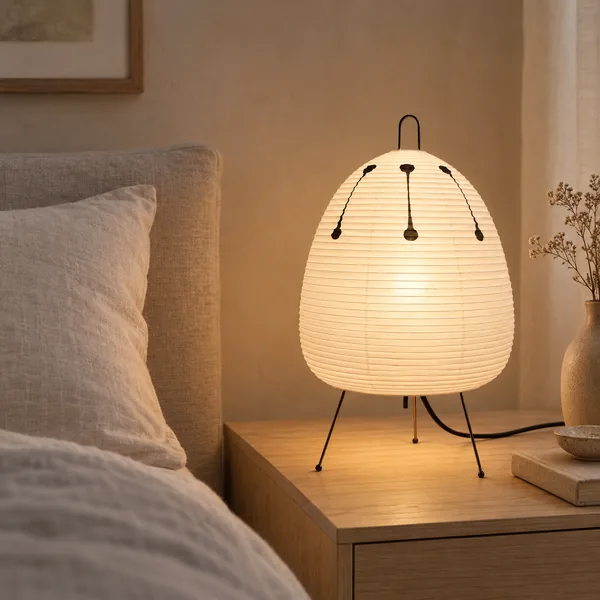 Shiro Rice Paper Table Lamp Nordic Minimalist$119.00$199.00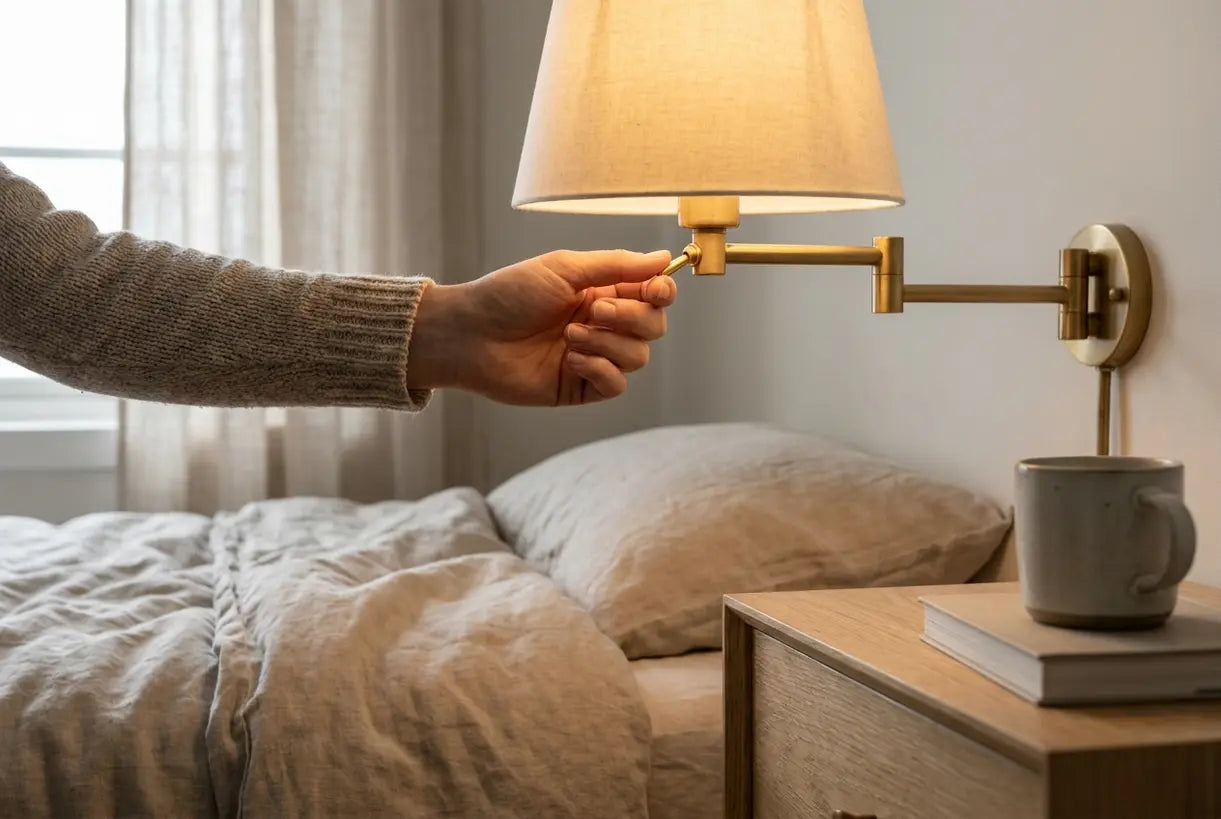
The Role of Dimmers and Smart Controls
Even the most carefully selected fixtures fall short without proper control. Dimmers are non-negotiable for luxury bedroom lighting—they allow you to adjust brightness throughout the day, from energizing morning light to subdued evening ambiance.
Smart lighting systems take this further, enabling you to program scenes that automatically shift color temperature as bedtime approaches. Imagine your lights gradually warming from 3000K at dinner to 2700K by 9 PM, then dimming to 10% brightness for middle-of-the-night navigation. This biological approach to lighting design supports your natural circadian rhythms rather than fighting against them.
Pendant Lights
Shop all Pendant Lights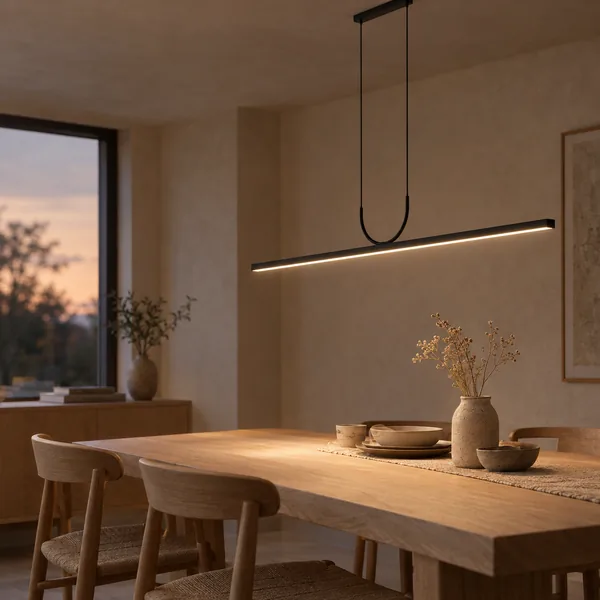
 Save $140.00
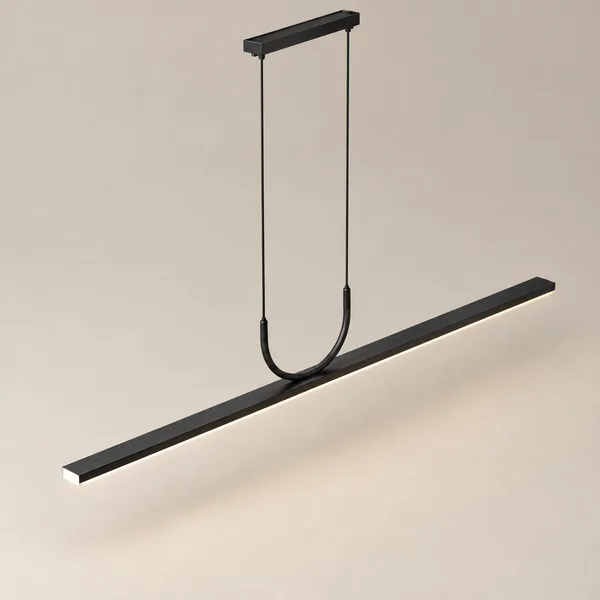
Linné Minimalist Linear Black LED Pendant Light
 Save $60.00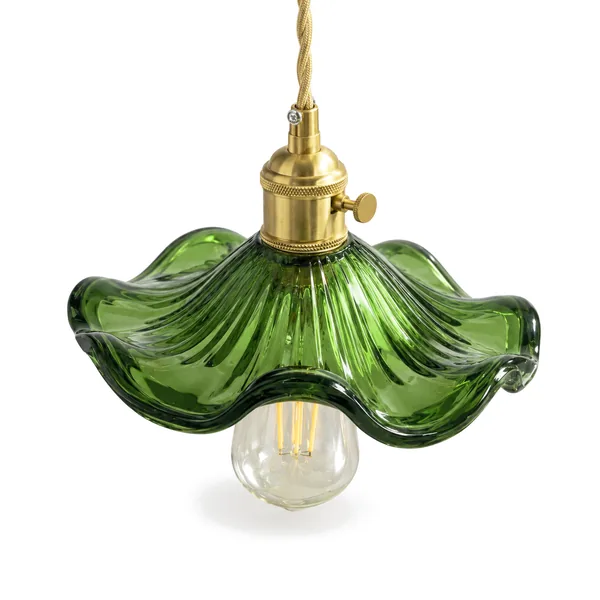
 3 options
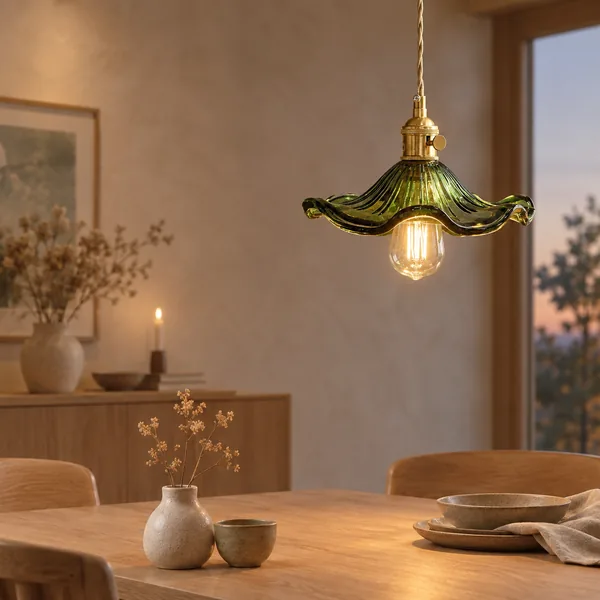
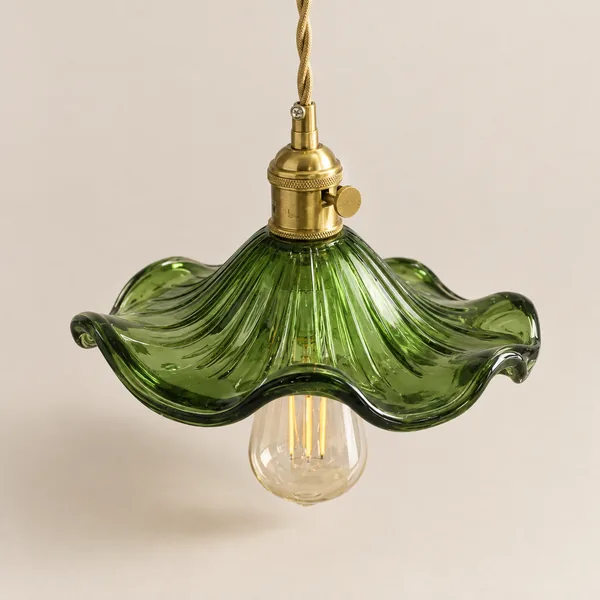
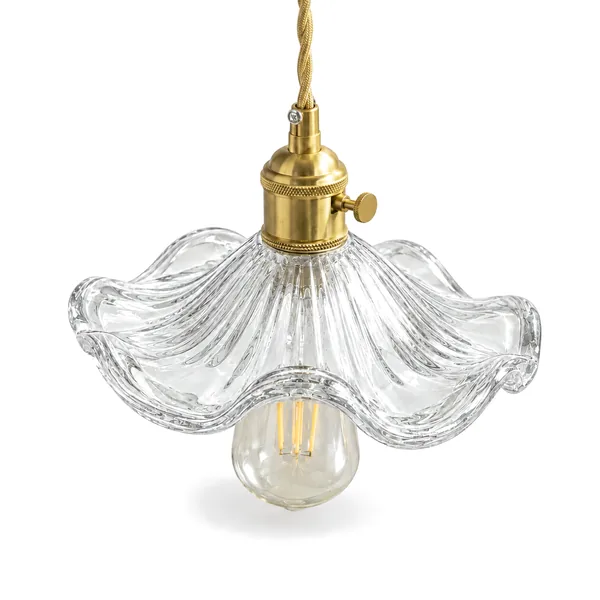
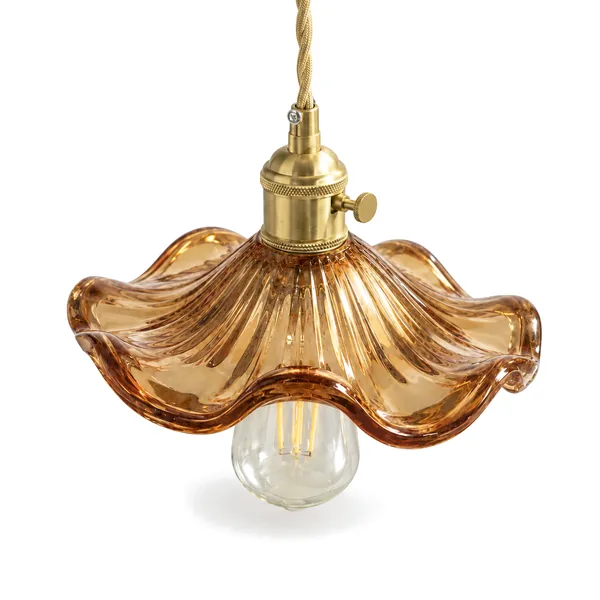
Glora Nordic Glass Pendant Light with Copper
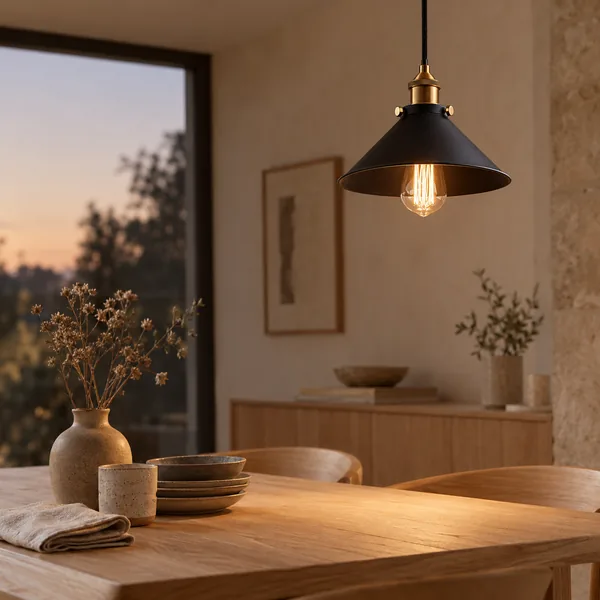
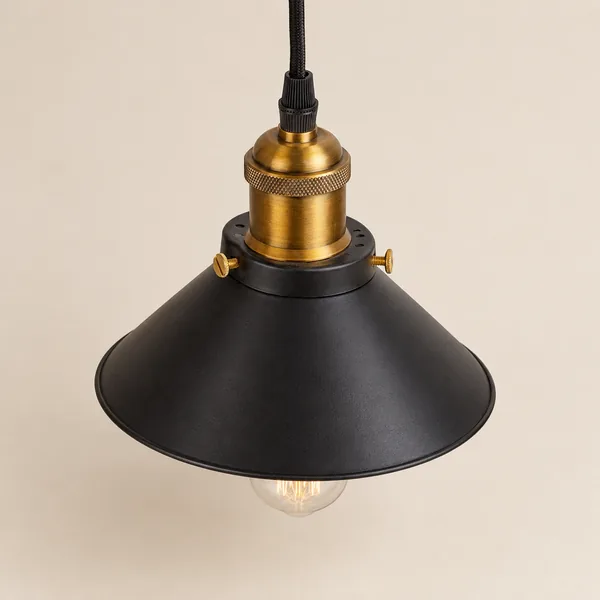
Save $120.00Skiva Nordic Saucer Ceiling Pendant Light LED
The 5'7" Lighting Rule
Interior designers often reference the 5'7" lighting rule when placing ambient fixtures. The concept is simple: position your primary light sources approximately 5 feet 7 inches from the floor. This height—roughly eye level for the average person—ensures light spreads evenly throughout the space without creating glare or harsh shadows.
For wall sconces, this translates to mounting the center of the fixture at roughly this height. For pendant lights over nightstands, adjust so the bottom of the shade hovers around the 5' mark, keeping it high enough to avoid head bumps while low enough to create intimacy.
Pairing Statement Fixtures with Functional Design
The best bedroom lighting inspiration comes from combining practical needs with aesthetic desires. A sculptural pendant can serve as both your primary ambient source and your room's artistic focal point. Similarly, wall sconces can eliminate the need for side tables while adding architectural interest to blank walls.
Statement Fixtures for Layered Illumination
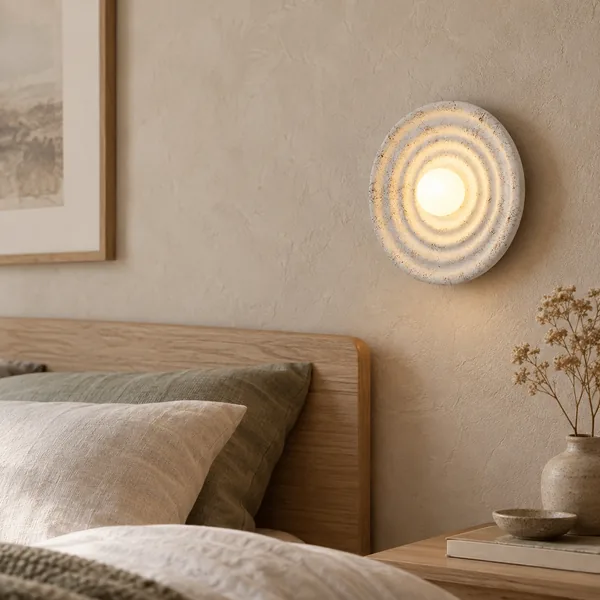 Lysring Circular LED Wall Light Wabi-Sabi Style$169.00$229.00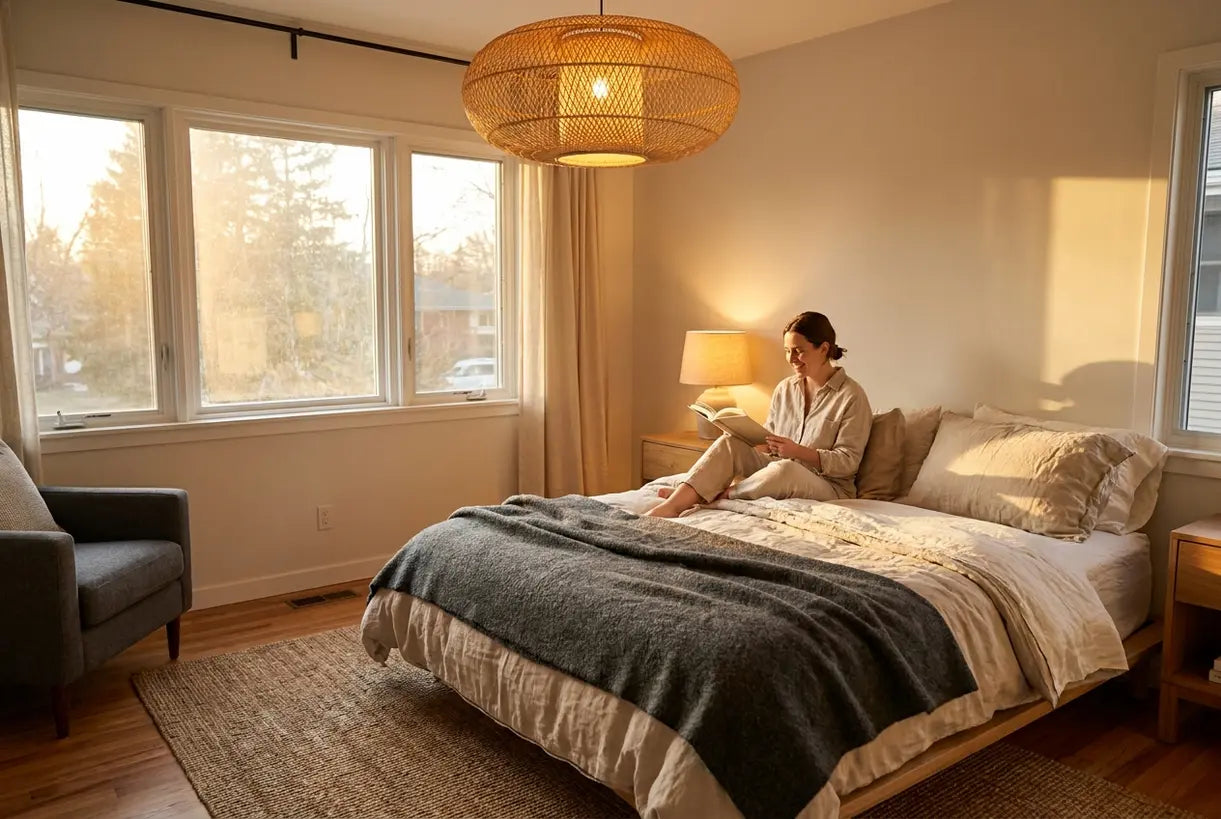
Adapting to Your Design Aesthetic
Whether your style leans toward vintage bedroom lighting, coastal bedroom lighting, or modern minimalism, the principles of layering remain constant. What changes are the materials and silhouettes you select.
For those drawn to organic textures, rice paper and rattan offer beautiful light diffusion. Prefer something more refined? Opal glass and brushed brass create timeless elegance. The key is consistency—select fixtures that share a common design language, whether that's through similar finishes, complementary shapes, or unified material palettes.
If you're exploring bedside options, our Table Lamps collection offers a curated selection of Scandinavian-inspired designs that provide that perfect warm glow for reading and relaxation.
Creating Your Illuminated Sanctuary
The journey from harsh overhead lighting to a thoughtfully layered scheme doesn't require a complete renovation—just intentional choices about where light sources live and how they interact. Start by identifying which layer is missing in your current setup. Do you rely solely on a ceiling fixture? Add task lamps. Do your bedside lights blast the whole room? Install dimmers or consider wall sconces with focused beams.
Remember that bedroom lighting ideas lamps are just one component of a holistic approach. By combining ambient, task, and accent sources at warm color temperatures, you create a space that adapts to your needs throughout the day—from energizing mornings to restful nights.
At Skonne, we believe lighting should feel as intentional as every other design choice in your home. Our curated collection of Scandinavian-inspired fixtures is designed to help you build that layered, restful glow that makes your bedroom truly feel like a retreat.
Related Article
Plug-In Lighting for the Living Room: No-Hardwire Solutions for Renters & Easy InstallsDiscover easy plug-in lighting solutions for your living room that require no hardwiring. Perfect for renters seeking Scandinavian style without the commitment.