
Blue Glass Flower Vases: Cobalt, Navy & Teal Designs for Cool, Calming Interiors
Summary›
- Understanding the Blue Spectrum: Cobalt, Navy & Teal
- The Scandinavian Love for Blue Glass
- DIY Styling Techniques for Maximum Impact
- Curator's Pick: Premium Blue Glass Excellence
- Styling Your Blue Glass Vase in Home Décor
- Perfect Floral Pairings for Blue Vessels
- Creating Visual Harmony: Mixed Material Collections
- Designing Your Scandinavian Shelfscape
- The Timeless Appeal of Blue Glass
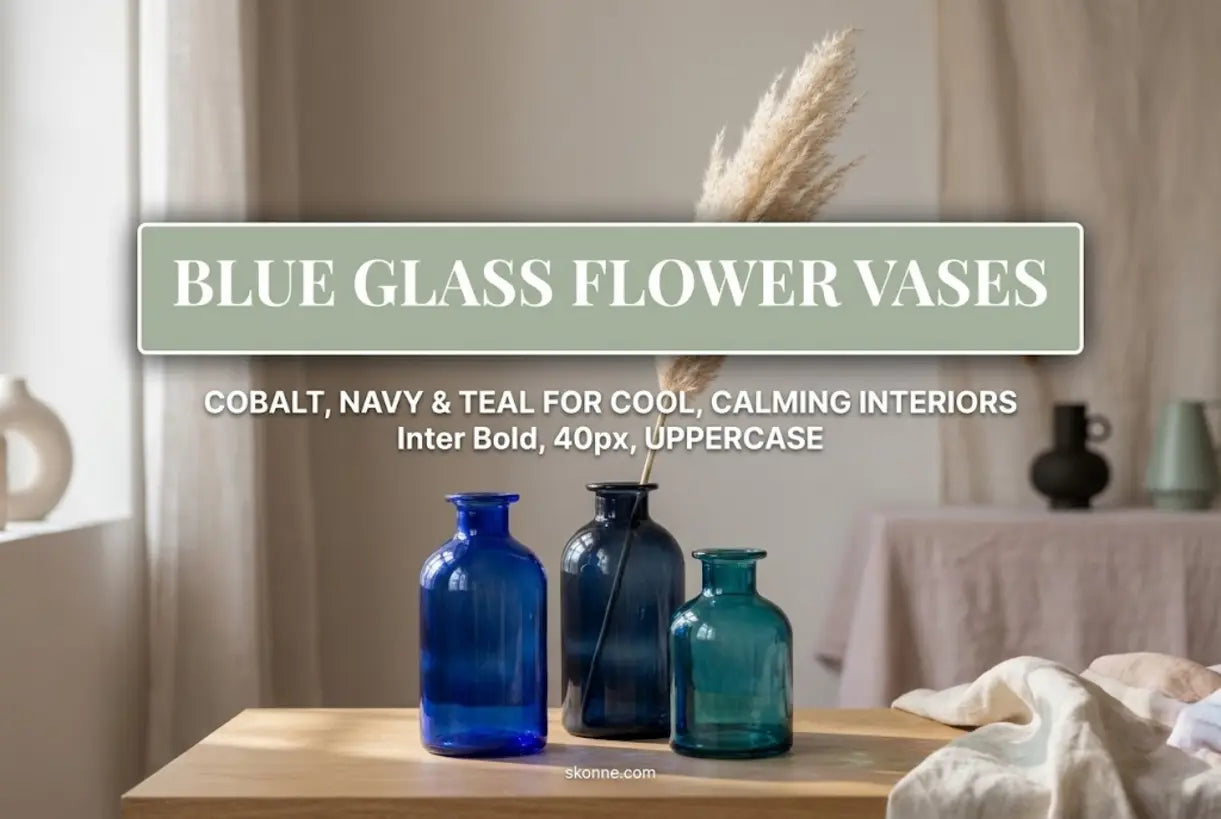
Stepping into a room with thoughtfully curated blues instantly lowers your heart rate. There's something inherently tranquil about blue glass flower vases—they capture light like the ocean on a Scandinavian summer evening and scatter calm throughout your space. Whether you're styling a compact city apartment or a spacious suburban home, the right blue glass flower vase bridges the gap between functional décor and emotional sanctuary.
For homeowners and design enthusiasts aged 28-45 seeking that elusive hygge feeling, understanding the nuances between cobalt, navy, and teal becomes essential. Each shade tells a different story: cobalt speaks of artistic tradition and confident focal points, navy offers sophisticated grounding and timeless elegance, while teal brings refreshing coastal energy. In this guide, we'll explore how these blue glass treasures create cool, calming interiors while revealing exactly which flowers, placements, and companion pieces elevate them from simple vessels to design statements.
Understanding the Blue Spectrum: Cobalt, Navy & Teal
Not all blue glass flower vases are created equal. The specific hue you choose dramatically alters the mood and visual weight of your space. Understanding these distinctions helps you make intentional selections that complement rather than compete with your existing décor.
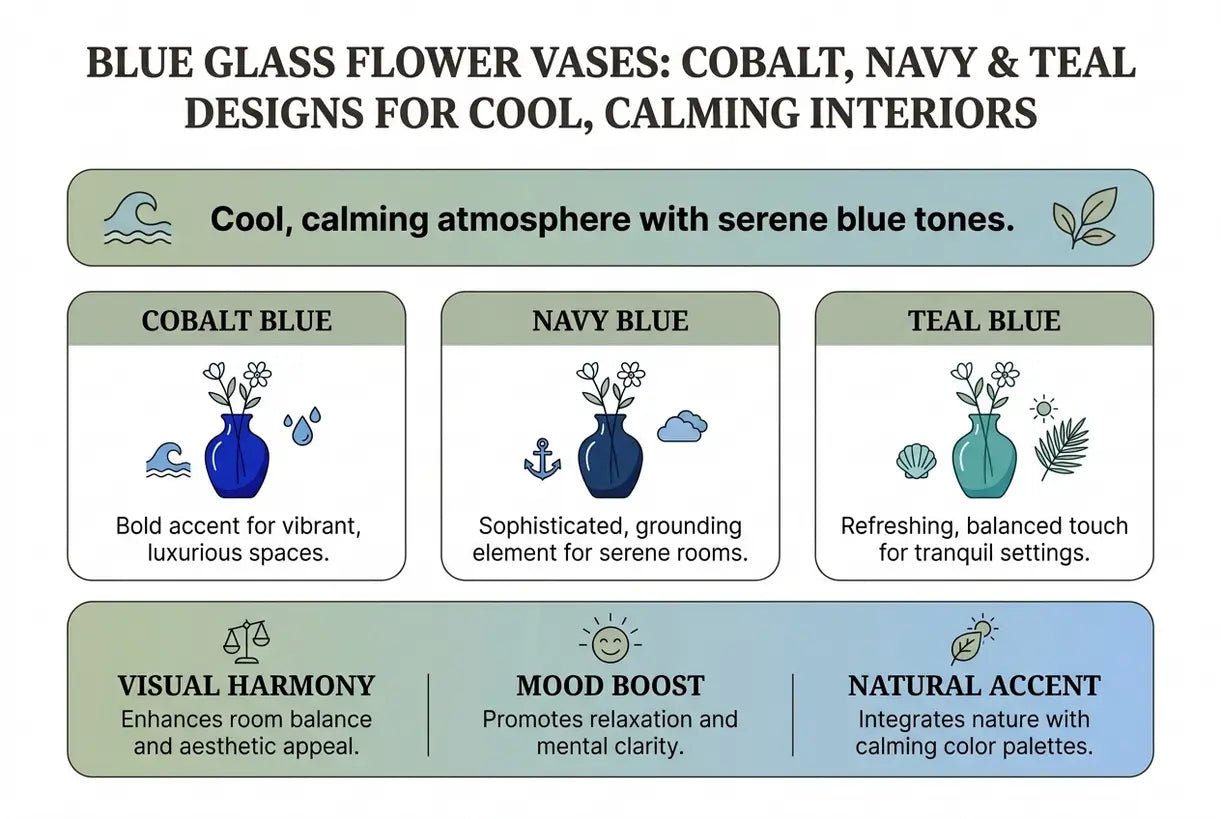
Cobalt blue vases deliver the highest saturation and visual impact. Made by adding cobalt oxide to glass during the melting process, these pieces have historically signified wealth and artistry. In modern interiors, a cobalt blue vase functions as an exclamation point—best used when you want to draw the eye and anchor a room's color story. They pair exceptionally well with warm woods and brass accents, creating that coveted tension between cool and warm tones essential to layered Scandinavian design.
Navy blue glass vases offer depth without overwhelming brightness. Sophisticated and grounding, navy pieces read as near-neutral in many lighting conditions, allowing them to integrate seamlessly into minimalist and maximalist spaces alike. These darker vessels excel at concealing water and stems while providing a moody backdrop for white or blush floral arrangements. For evening ambiance, navy glass absorbs and softens artificial light, preventing harsh reflections.
Teal flower vases occupy the refreshing middle ground between blue and green. Reminiscent of Nordic fjords and sea glass, teal brings organic vitality to interiors. This shade works particularly well in spaces with abundant natural light, where it can shift between appearing more green or more blue throughout the day. Teal glass vases offer the most versatility for seasonal transitioning—equally at home with spring's fresh growth or autumn's dried grasses.
The Scandinavian Love for Blue Glass
Scandinavian design philosophy centers on creating harmony between nature and the built environment. Blue glass flower vases achieve this balance by referencing the sky and water while serving practical functions. The region's long winters taught designers to maximize light reflection—glass vessels capture and redirect precious daylight deeper into rooms than opaque objects can.
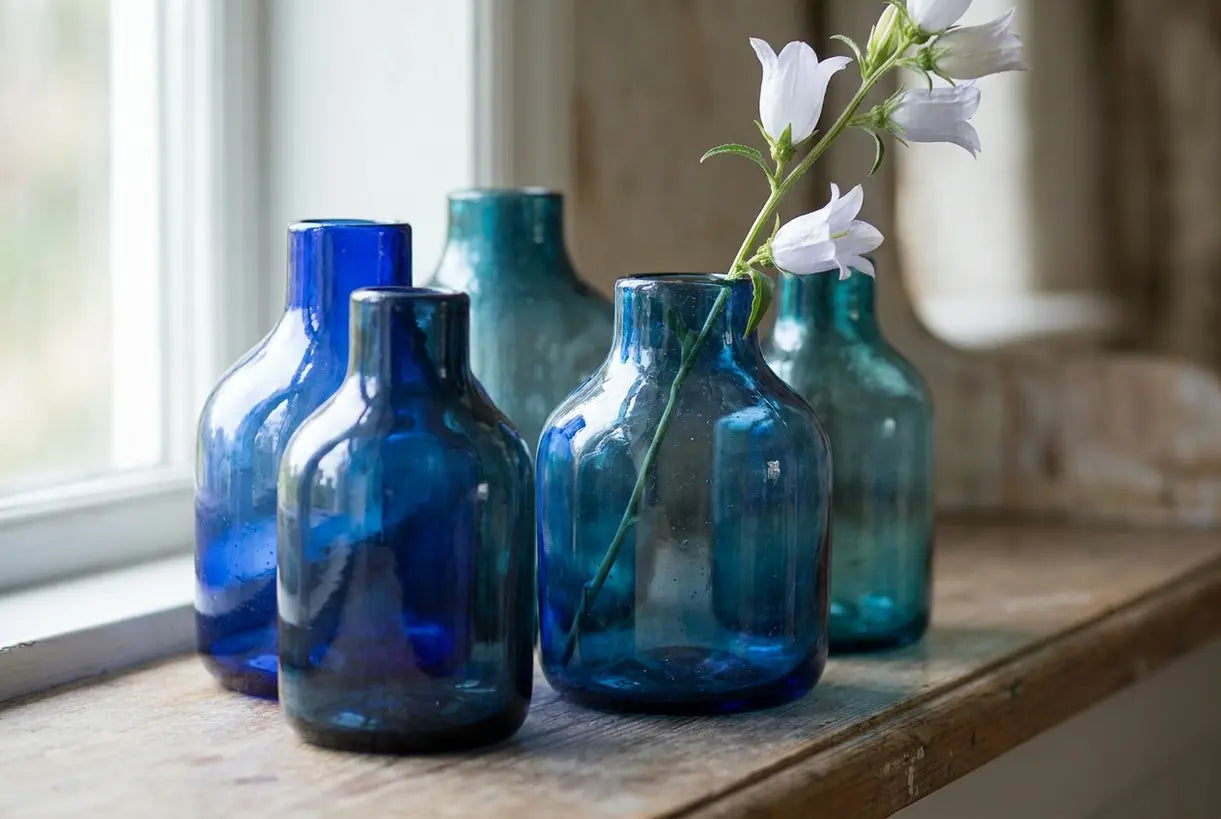
Quality matters tremendously in this context. Hand-blown vessels often contain slight variations in thickness and color density that create living, breathing light effects. Machine-made glass, while perfectly uniform, lacks this organic quality that makes Scandinavian spaces feel curated rather than staged. When selecting your piece, examine how light passes through—the best blue glass creates subtle color gradients and soft focus effects on surrounding walls.
DIY Styling Techniques for Maximum Impact
Seeing professional styling in action often sparks the best ideas for your own space. This video demonstrates how to transform simple glass vessels into high-end design features using techniques that work beautifully with blue glass aesthetics:
While the video focuses on accessible DIY approaches, the principles of grouping odd numbers, varying heights, and considering negative space translate perfectly to premium collections. The key takeaway: your blue vase doesn't exist in isolation but as part of a larger composition involving surface texture, surrounding objects, and lighting conditions.
Decorative Vases
Shop all Decorative Vases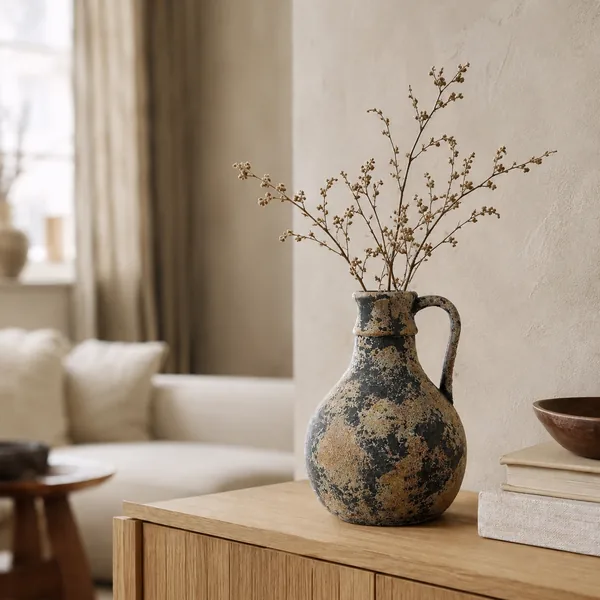
 Save $40.00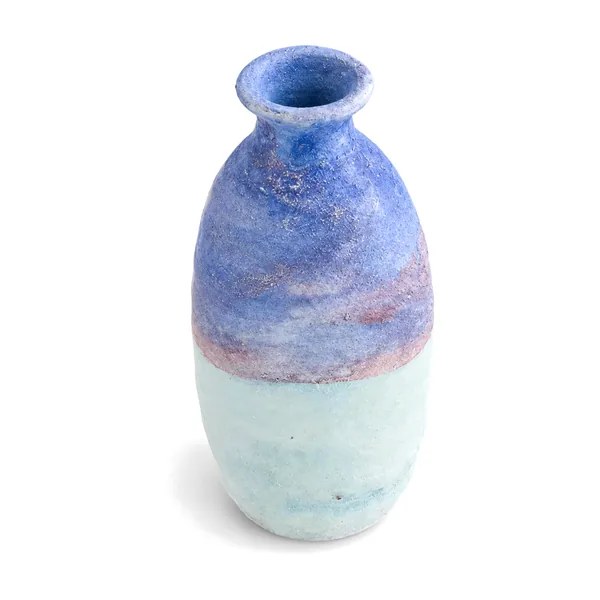
 4 options
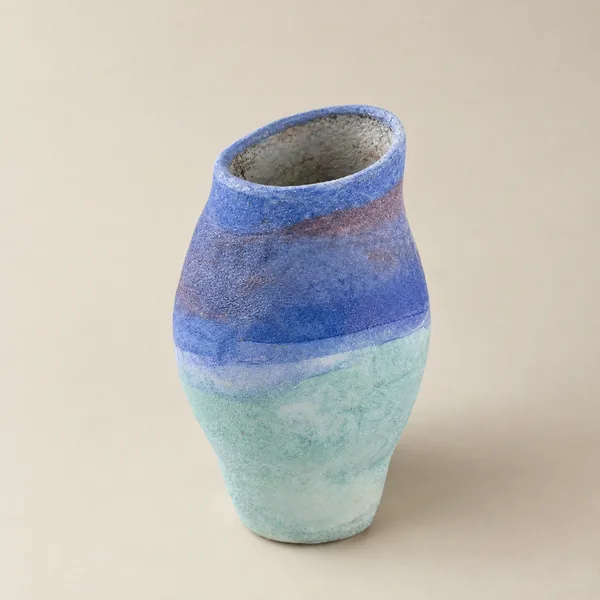
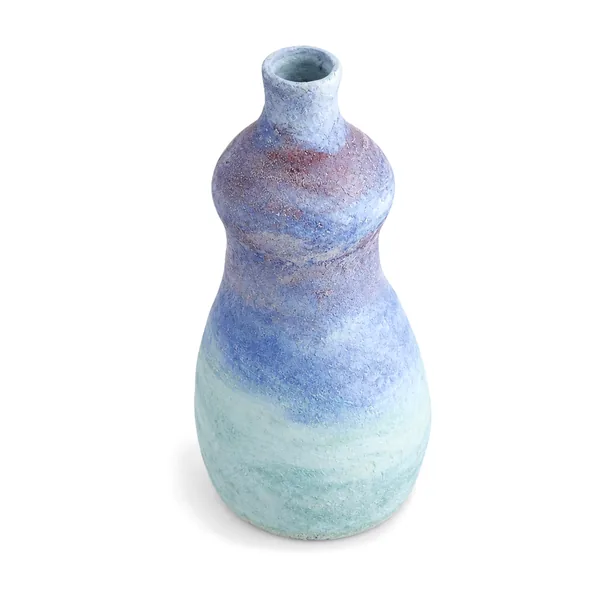
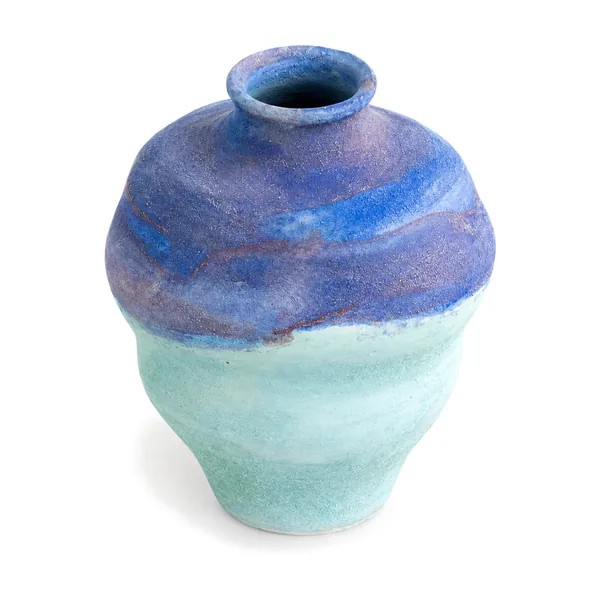
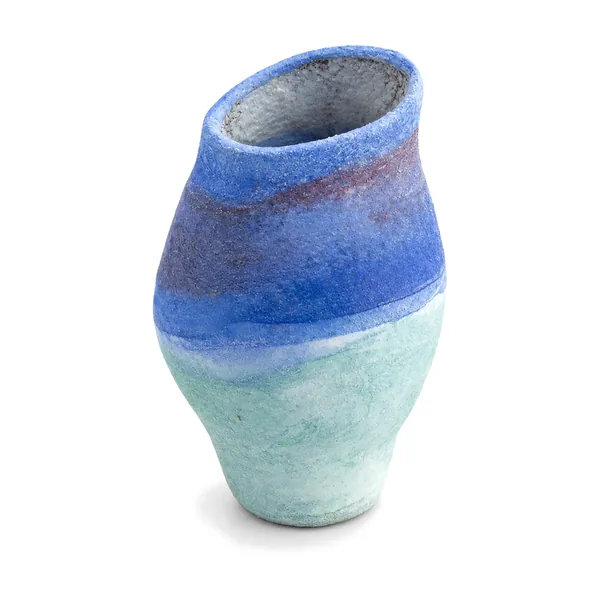
Dyvna Blue Gradient Ceramic Vase for Home Decor
Curator's Pick: Premium Blue Glass Excellence
When investing in a piece you'll view daily, borosilicate glass offers exceptional clarity and durability. Unlike standard soda-lime glass, borosilicate resists thermal shock and maintains perfect transparency over years of use. The Vårka Borosilicate Round Glass Vase for Flowers represents the pinnacle of this craft—available in both Small Blue and Large Blue variants to suit different spatial needs.
This piece solves the common frustration of finding blue glass that's vivid yet refined. The round silhouette references traditional Nordic forms while the borosilicate construction ensures your vase remains crystal-clear without clouding from water mineral deposits. Its minimalist profile allows the color itself to become the art, making it equally striking with a single statement bloom or a wild organic arrangement.
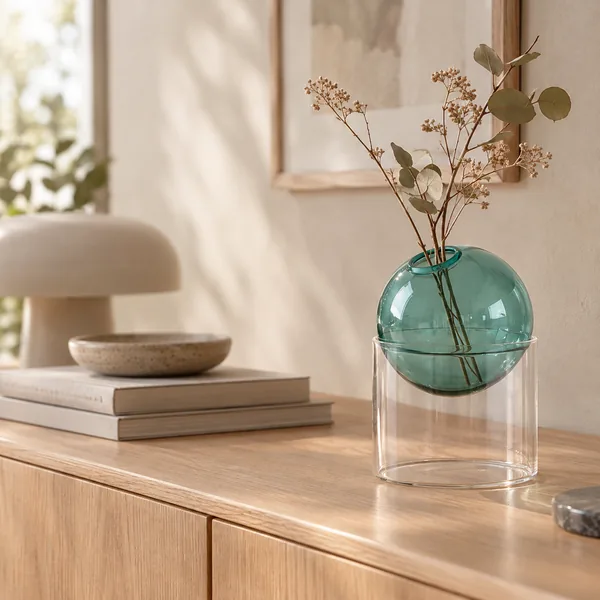 Vårka Borosilicate Round Glass Vase for Flowers$38.00$59.00
The Vårka's generous opening accommodates fuller bouquets while the stable weighted base prevents tipping—even with top-heavy arrangements. For those new to blue glass, this vessel serves as the perfect introduction piece that works on entry consoles, dining tables, or bedroom dressers with equal sophistication.
Styling Your Blue Glass Vase in Home Décor
Placement strategy transforms a beautiful object into a transformative design element. Blue glass flower vases command attention through their color saturation, so positioning requires thoughtful consideration of sightlines and surrounding palettes.
For Scandinavian-inspired spaces, try these proven approaches:
- Kitchen counters: Group a teal vase with cutting boards, linen tea towels, and ceramic bowls for an organized yet organic vignette. The glass introduces necessary shine to matte material palettes.
- Console tables: Anchor a navy vase between a table lamp and stack of design books. The darkness of navy absorbs shadows, preventing the area from feeling cluttered.
- Bathroom shelving: Cobalt pieces bring spa-like serenity to bathroom storage. The bold color reads as intentional against white tile and chrome fixtures.
- Bedroom nightstands: A small blue glass vase with a single dried stem becomes a contemplative focal point for morning and evening routines without overwhelming the restful atmosphere.
Surface selection matters as much as placement. Oak and walnut woods warm up cool blue tones, while marble and concrete create sophisticated monochromatic relationships. For those looking to explore more options, our Decorative Trays & Bowls collection offers a curated selection of complementary pieces to anchor your blue glass vases and organize supporting objects into cohesive displays.
Perfect Floral Pairings for Blue Vessels
The interplay between flower color and blue glass creates distinct emotional effects. Understanding complementary and analogous color relationships helps you curate arrangements that feel intentional rather than accidental.
White flowers offer classic contrast against all blue shades. Hydrangeas, roses, and ranunculus appear to glow when placed in cobalt or navy vessels. This combination feels fresh and coastal—perfect for dining tables and kitchen islands where you want clean, appetizing energy.
Dried botanicals introduce texture and tonality. Pampas grass, bunny tails, and dried lavender soften the boldness of blue glass while extending the lifespan of your arrangement. The juxtaposition of organic, muted tones against vivid glass captures the Scandinavian appreciation for wabi-sabi imperfection.
Eucalyptus and greenery bridge the gap between teal vases and natural environments. Silver dollar eucalyptus reflects light similarly to glass, creating visual harmony. For navy vases, try deeper green varieties like seeded eucalyptus to maintain tonal depth.
Seasonal branches—cherry blossoms in spring, olive branches in summer, turning leaves in autumn—create changing sculptures throughout the year. The transparency of glass allows you to appreciate the architectural quality of branches without visual obstruction.
Creating Visual Harmony: Mixed Material Collections
While a single blue glass flower vase makes a statement, pairing different materials creates sophisticated depth. Consider introducing ceramic and contrasting glass pieces to prevent your display from feeling flat or monotonous.
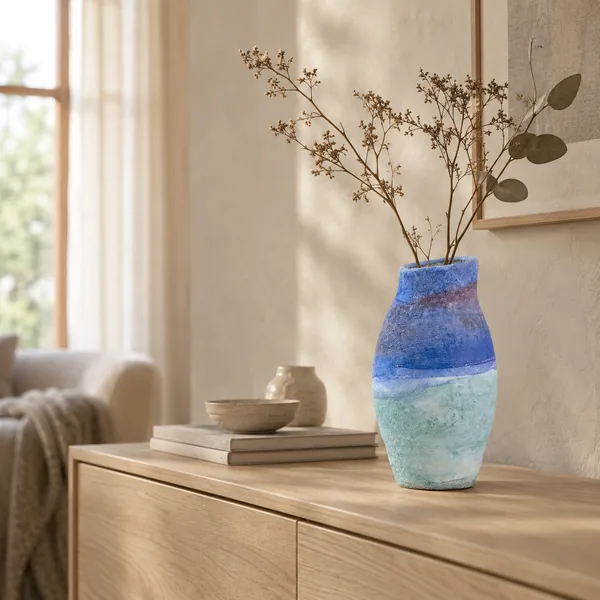
The Dyvna Blue Gradient Ceramic Vase offers a compelling textural counterpoint to smooth glass. Its flowing gradient glaze moves from soft sky blue to deep ocean, echoing the way light filters through Nordic coastal waters. The ceramic material absorbs light rather than refracting it, providing visual rest when placed alongside reflective glass surfaces.
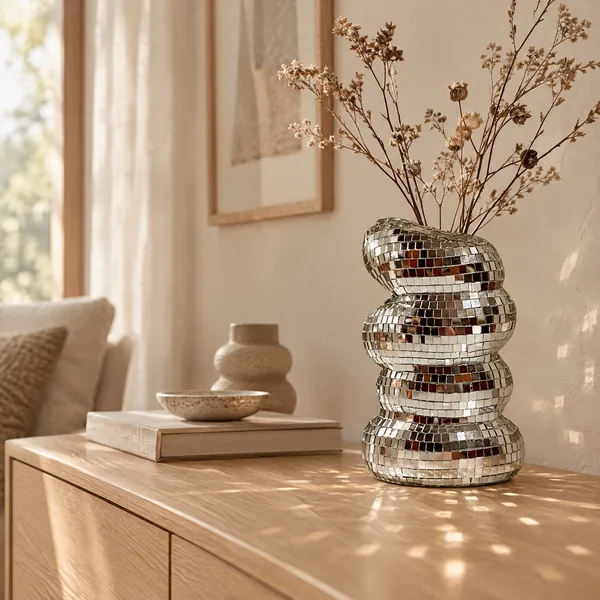
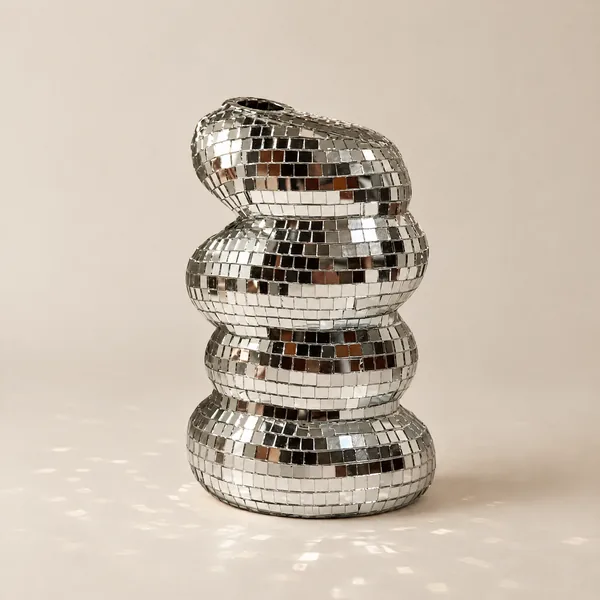
For sophisticated contrast that makes blue tones appear even more vivid, introduce warm amber glass. The Glovik Amber Geometric Glass Sculptural Vase creates the color tension that interior designers covet—the cool serenity of blue against honeyed warmth generates visual energy without chaos. Placed together, these pieces demonstrate how thoughtful contrast elevates individual items into a curated collection.
Curated Vases for Layered Displays
Dyvna Blue Gradient Ceramic Vase for Home Decor$129.00$169.00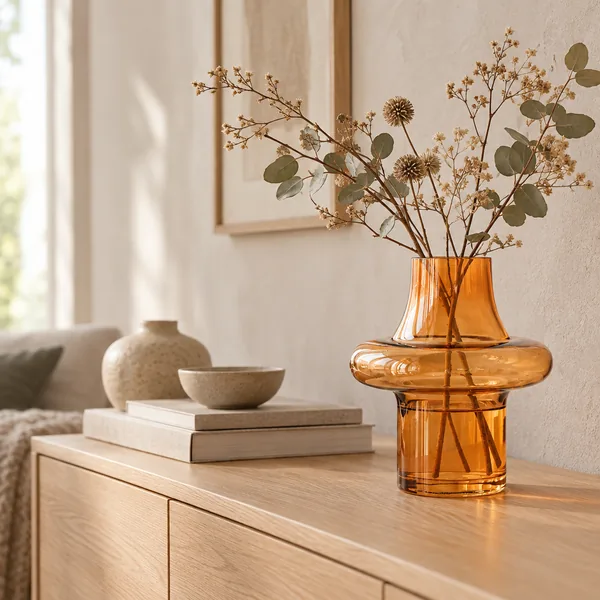 Glovik Amber Geometric Glass Sculptural Vase$89.00
These sculptural companions work beautifully when arranged in asymmetrical groupings—the organic curves of the Dyvna contrasting with the Glovik's geometric precision while your blue glass vase bridges both worlds through color and transparency.
Designing Your Scandinavian Shelfscape
Swedish and Danish interiors often feature open shelving that requires thoughtful curation. Blue glass flower vases excel in these displays because they add color without visual heaviness. The transparency allows wall colors and backing materials to show through, maintaining spatial openness.
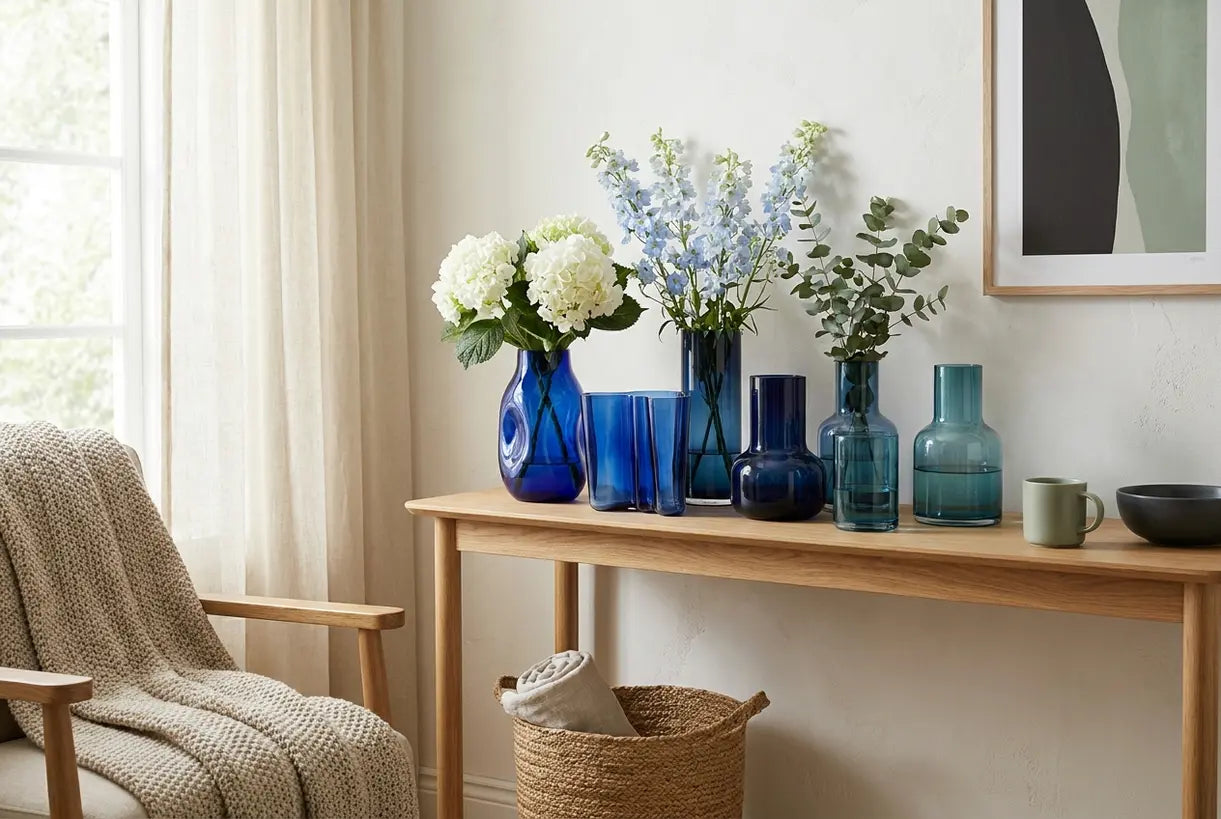
Successful shelf styling follows the rule of thirds: divide your shelf mentally into three vertical sections and place your tallest item (often your vase) in one outer third rather than center. This creates asymmetrical balance that feels more organic and less staged. Layer smaller objects in front—perhaps a small ceramic bowl or stack of books—while leaving breathing room between groupings.
Lighting considerations profoundly affect how your blue glass appears. Natural northern light (the gold standard in Nordic design) brings out the truest color in glass. If your space relies on artificial lighting, position blue vases where they catch both ambient and focused light. Avoid placing them directly under harsh downlights that create unflattering hot spots; instead, aim for side illumination that reveals the glass's dimensional qualities.
Consider the rhythm of repetition when using multiple blue pieces. Varying shades of blue (cobalt, navy, and teal together) create depth while maintaining cohesion. Alternatively, repeating the same shade in different shapes unifies a collection acquired over time. The key is intentionality—each piece should earn its place through either contrast or harmony with its neighbors.
Home Decor
Shop all Home Decor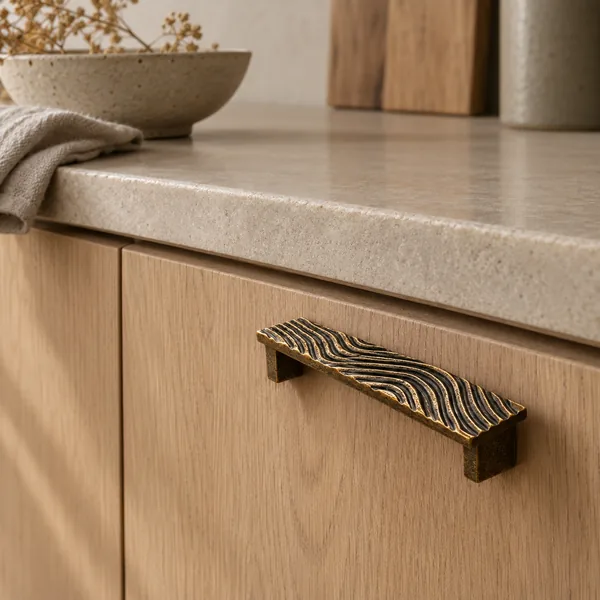
 Save $44.50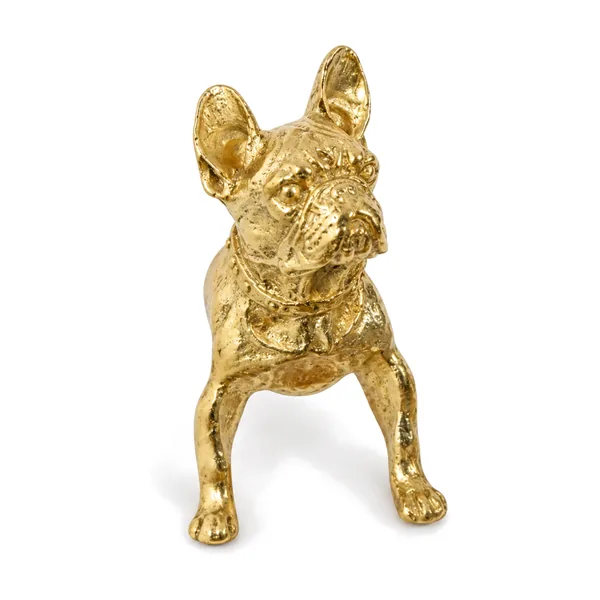
 2 options
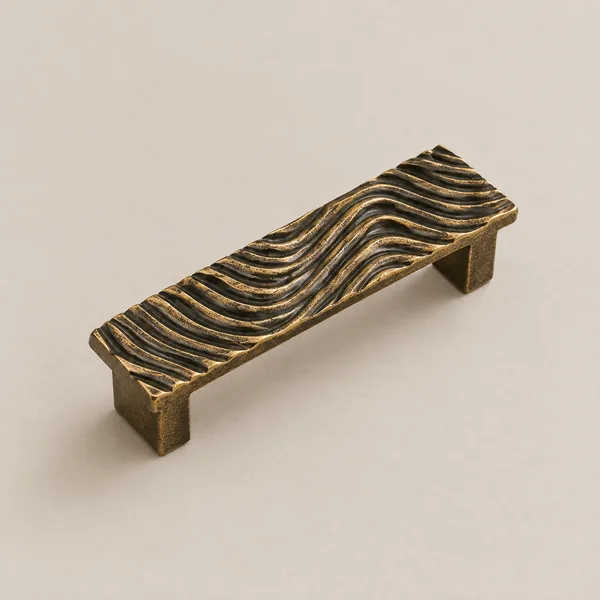
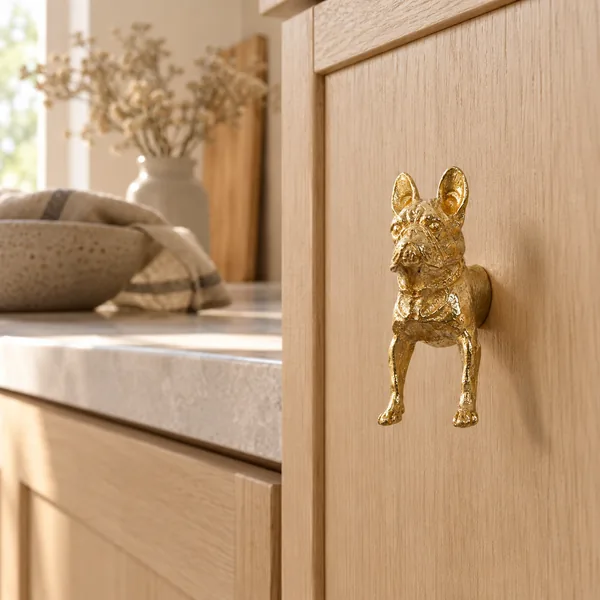
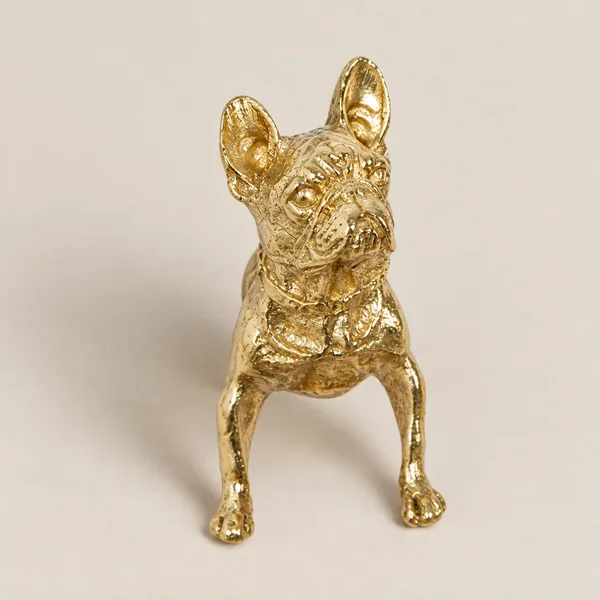
Tassa Polished Brass Dog Cabinet Pull Handle
 Save $110.00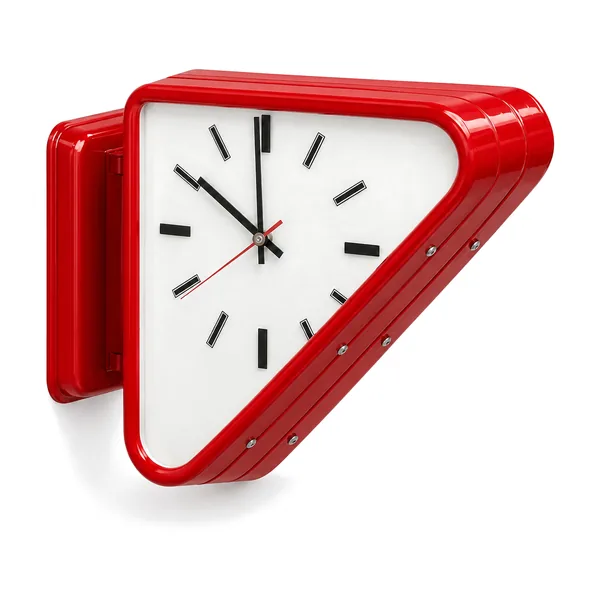
 +15 options
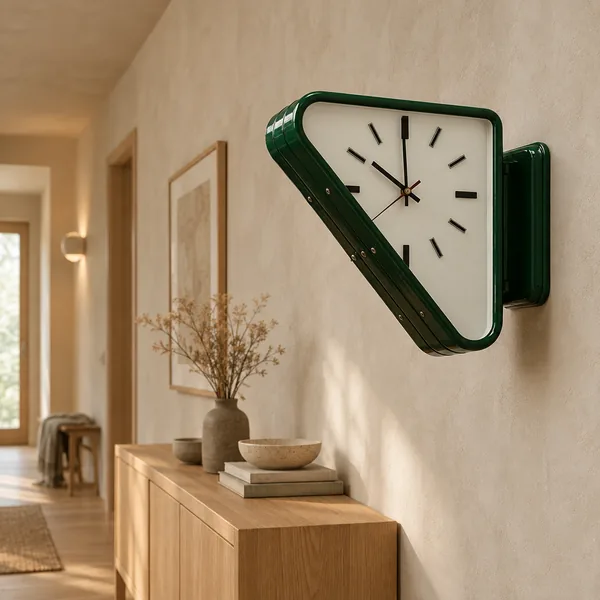
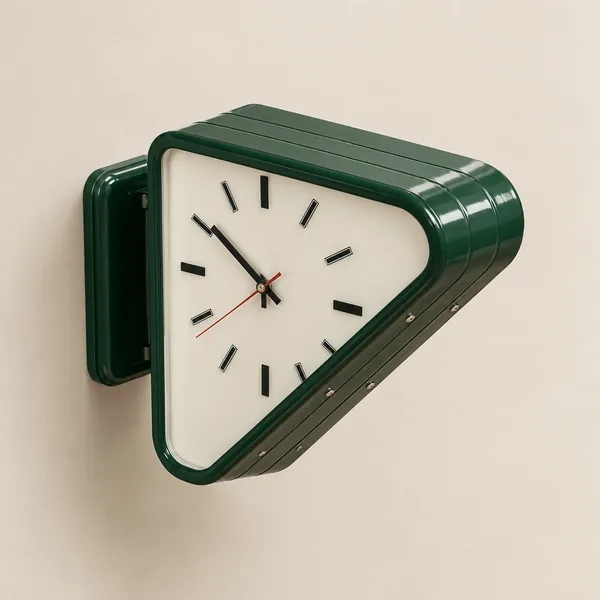
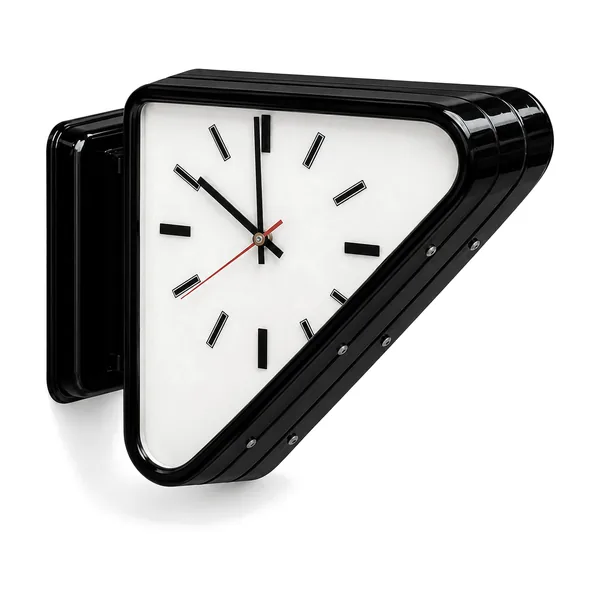
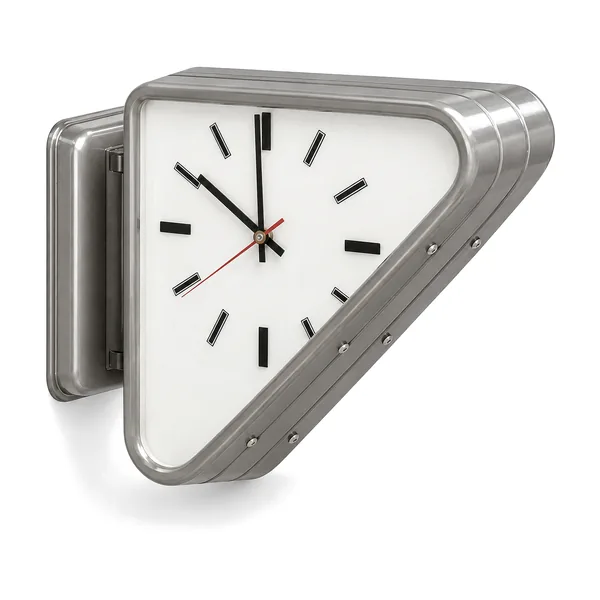
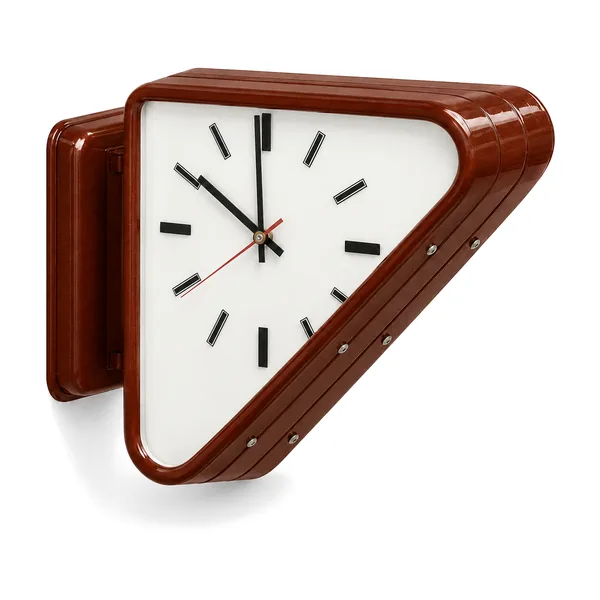
Tvilling Dual-Sided Geometric Metal Wall Clock
The Timeless Appeal of Blue Glass
Blue glass flower vases transcend design trends because they connect to fundamental human responses to color and light. In a world that often feels chaotic and overstimulated, these pieces offer daily moments of calm contemplation. Whether you select a bold cobalt statement piece, a sophisticated navy vessel, or a refreshing teal arrangement, you're investing in more than décor—you're curating the atmosphere of your sanctuary.
At Skonne, we believe that the objects we surround ourselves with should serve both practical and emotional purposes. Our curated collection of blue glass flower vases reflects our commitment to Scandinavian principles: quality materials, thoughtful proportions, and that essential hygge feeling of intentional comfort. As you style your space, remember that the best interiors evolve slowly, with each piece telling part of your unique story. Let your blue glass vase be both a beautiful object and a vessel for the flowers, light, and moments that make your house feel like home.
Related Article
Copper Flower Vases: Rich, Warm Metallic Designs for Modern & Industrial InteriorsDiscover how copper flower vases bring rich warmth and industrial elegance to modern interiors, from hammered artisan pieces to sleek sculptural designs.