
Brushed Nickel Dining Room Lighting: Cool, Understated Metallic Fixtures for Modern Dining Spaces
Summary›
- Why Brushed Nickel Works for Modern Dining Spaces
- Finding Your Fixture: Pendant, Chandelier, or Something Else?
- The Dimension That Often Gets Overlooked: Wall Lighting
- Mastering the Rules of Dining Room Lighting
- Sizing Your Chandelier or Pendant Correctly
- What Colors Complement Brushed Nickel Best?
- Contemporary Trends: Are Traditional Chandeliers Outdated?
- Curated Solutions for Your Modern Dining Space
- Brushed Nickel vs. Satin Nickel: Understanding the Distinction
- Creating Your Perfect Dining Room Atmosphere
The dining room holds a special place in the home—it's where conversations last long after the meal has ended, where memories are made over shared dishes, and where the right lighting can transform an ordinary evening into something magical. If you're searching for fixtures that balance contemporary sophistication with timeless appeal, brushed nickel dining room lighting might just be your perfect match.
Secondary only to the kitchen in its importance as a gathering space, the dining room deserves intentional illumination that creates warmth while maintaining a clean, elevated aesthetic. Brushed nickel finishes offer that coveted middle ground: warm enough to feel inviting, cool enough to feel fresh and modern. In this guide, we'll explore how to select, style, and position these versatile metallic fixtures to elevate your dining space—whether you're furnishing your first apartment or refreshing a beloved family home.
Why Brushed Nickel Works for Modern Dining Spaces
There's a reason interior designers consistently reach for brushed nickel when curating contemporary dining rooms. Unlike polished chrome, which can read as cold or industrial, brushed nickel has a soft, satin-like sheen that diffuses light beautifully. This finish lives comfortably alongside natural wood grains, linen textiles, and the clean lines that define Scandinavian design aesthetic.
The understated nature of brushed nickel means it won't compete with your dining table or artwork, yet it provides enough visual interest to anchor the room. Whether your style leans minimalist and modern or transitional and cozy, this metallic finish adapts effortlessly to your vision.
Finding Your Fixture: Pendant, Chandelier, or Something Else?
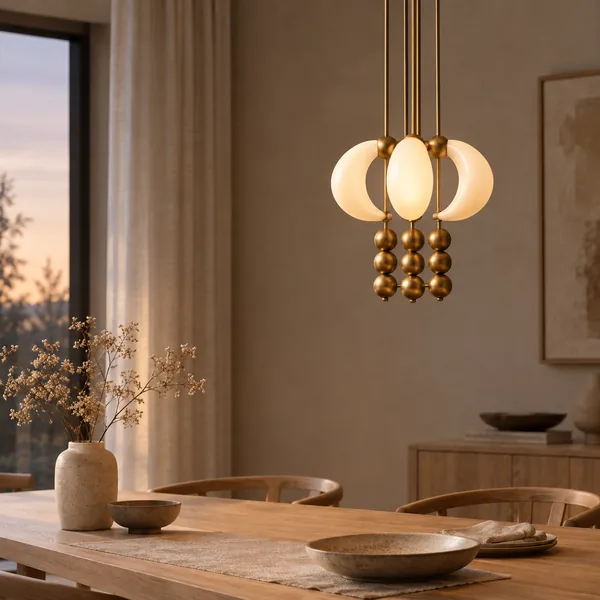
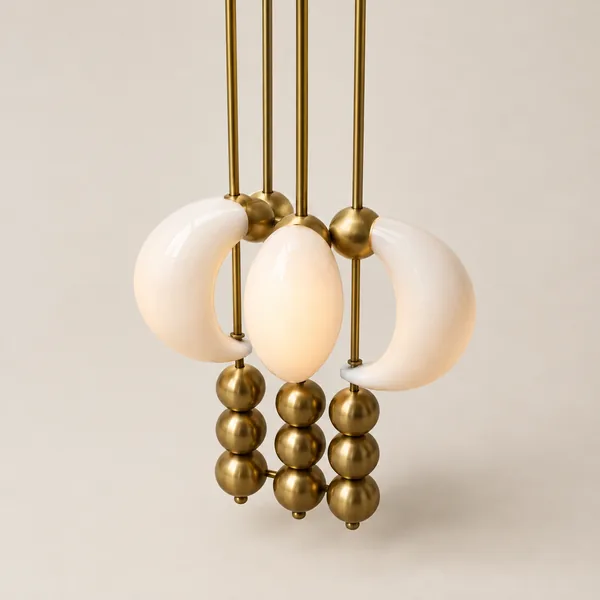
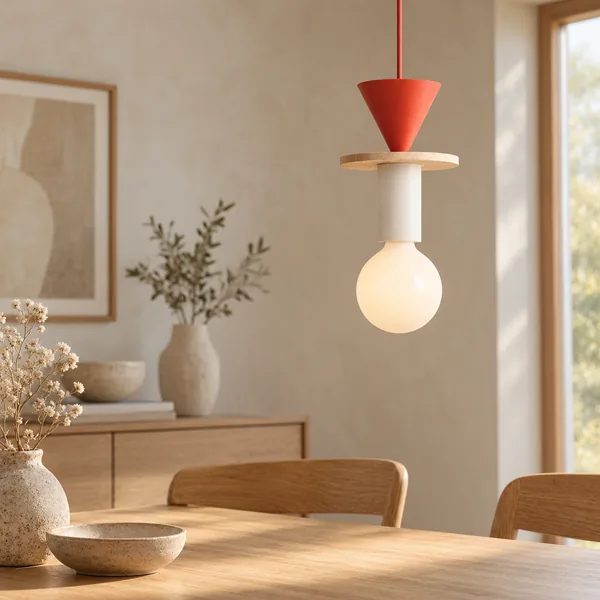
When exploring Pendants & Chandeliers, you'll encounter three primary fixture categories for dining rooms: linear pendants, single pendants, and chandeliers. Each brings a distinct personality to your space.
Linear pendants work beautifully over rectangular dining tables, extending the length of the surface and providing even illumination. Single statement pendants create focused pools of light ideal for round tables or intimate breakfast nooks. Chandeliers remain the classic choice, offering both ambient light and architectural presence.
The key is considering your ceiling height and table dimensions. Lower ceilings benefit from flush or semi-flush mounts, while generously proportioned dining rooms can accommodate dramatic statement pieces without overwhelming the space.
Dining Room Lighting
Shop all Dining Room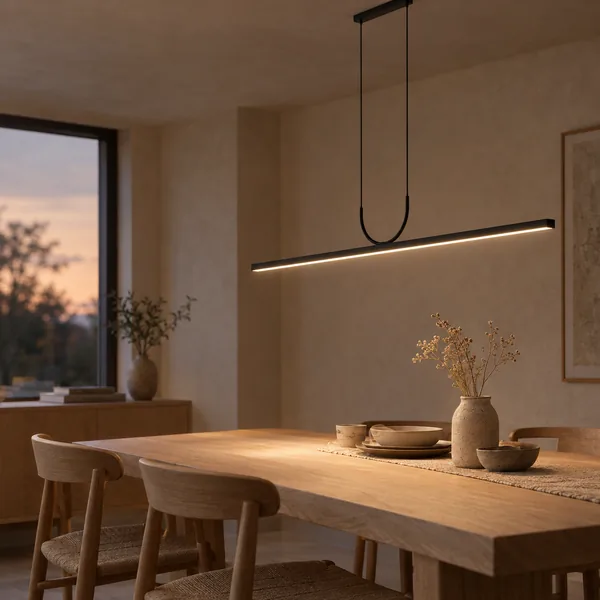
 Save $140.00
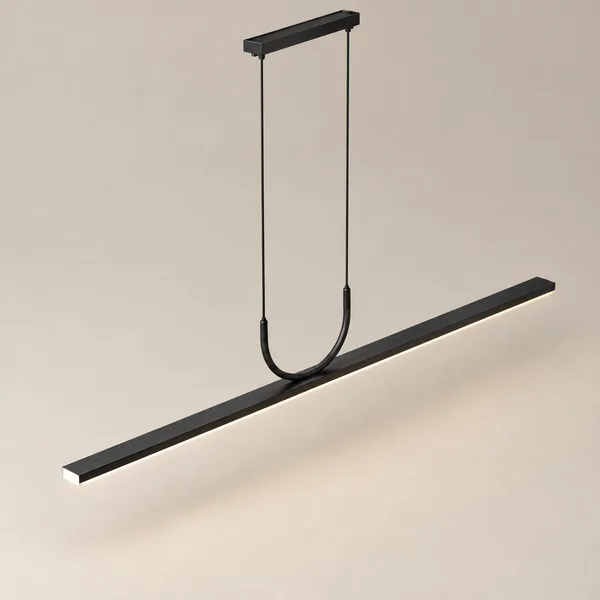
Linné Minimalist Linear Black LED Pendant Light
 Save $60.00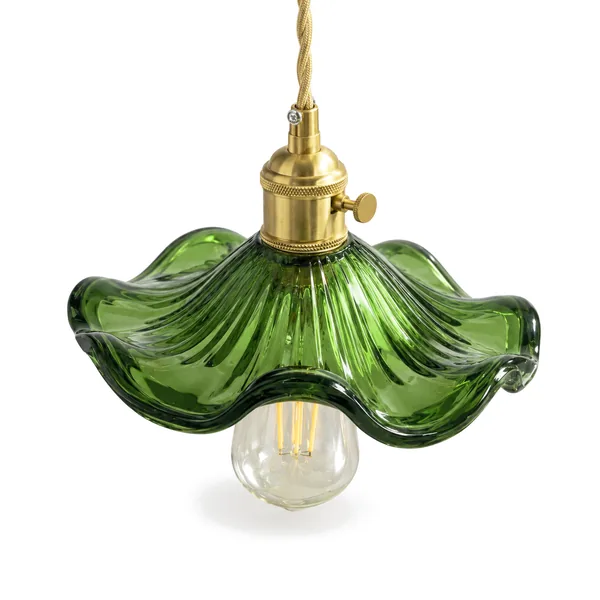
 3 options
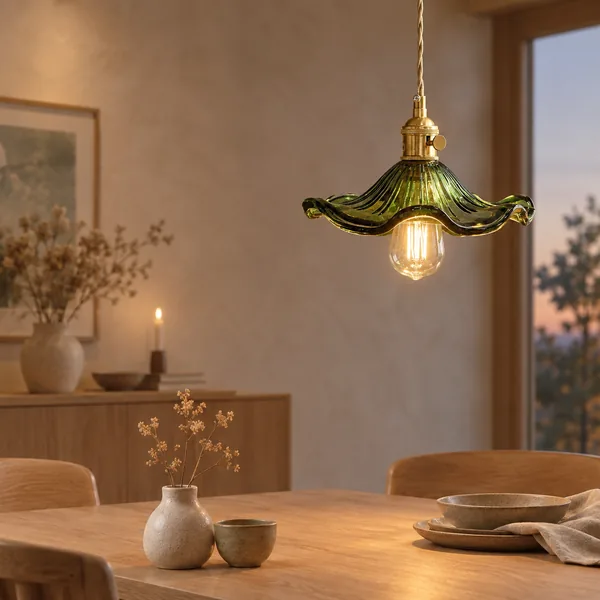
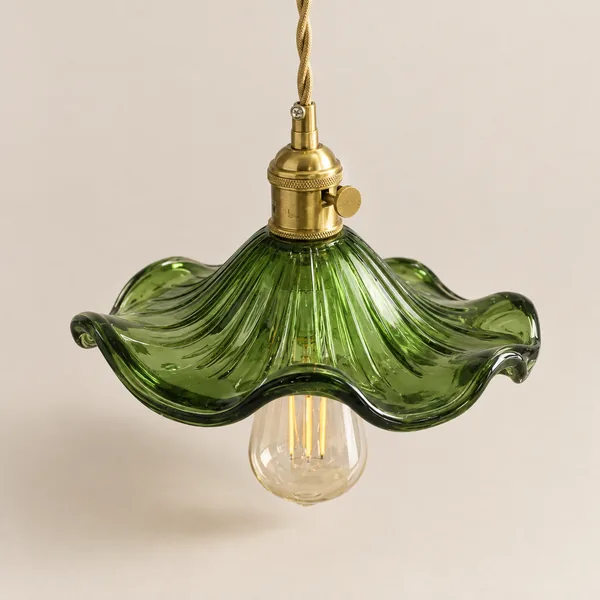
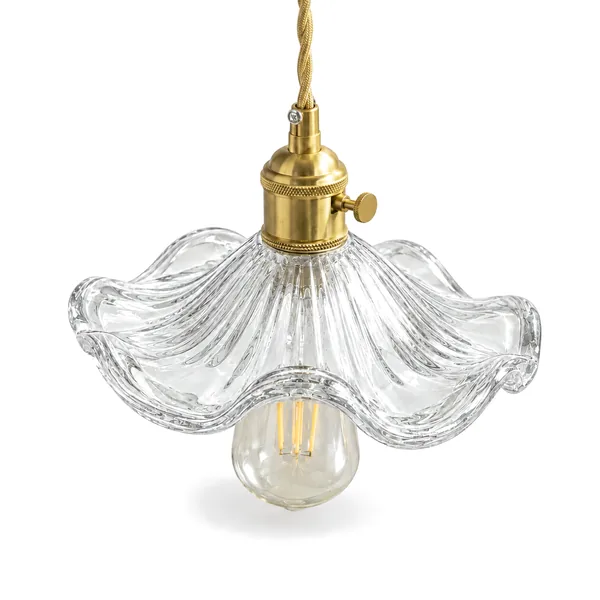
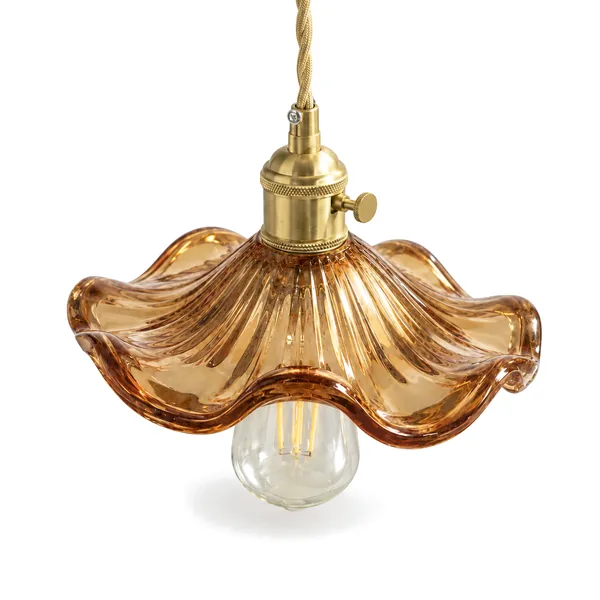
Glora Nordic Glass Pendant Light with Copper
 Save $120.00
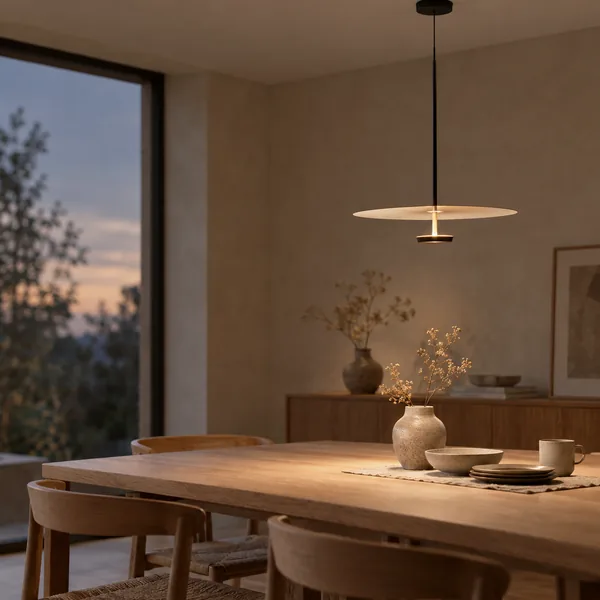
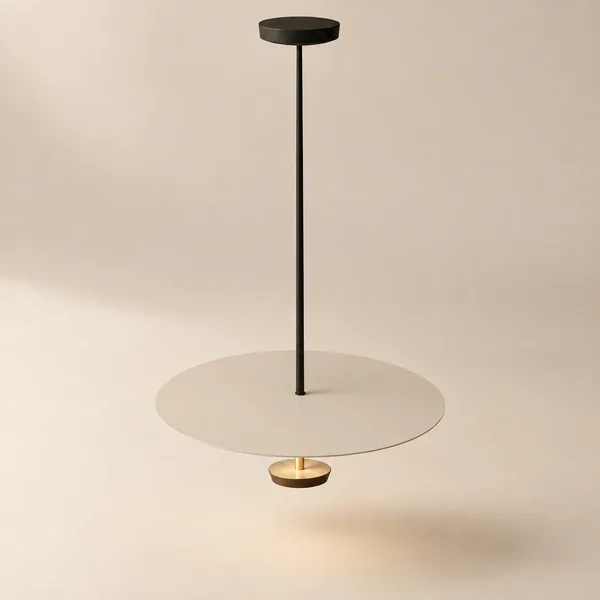
Skiva Nordic Saucer Ceiling Pendant Light LED
The Dimension That Often Gets Overlooked: Wall Lighting
While overhead fixtures receive much of the attention, complementary wall lighting truly completes a dining room's layered illumination strategy. Wall sconces—particularly those in matching brushed nickel finishes—add depth and dimension that ceiling fixtures alone cannot achieve.
The Trekule Glass Globe 3-Light Vanity Wall Light offers a sophisticated solution for dining rooms with artwork to highlight or architectural features worth accentuating. Its brushed nickel finish harmonizes with overhead fixtures while casting soft, diffused light through three elegant glass globes.
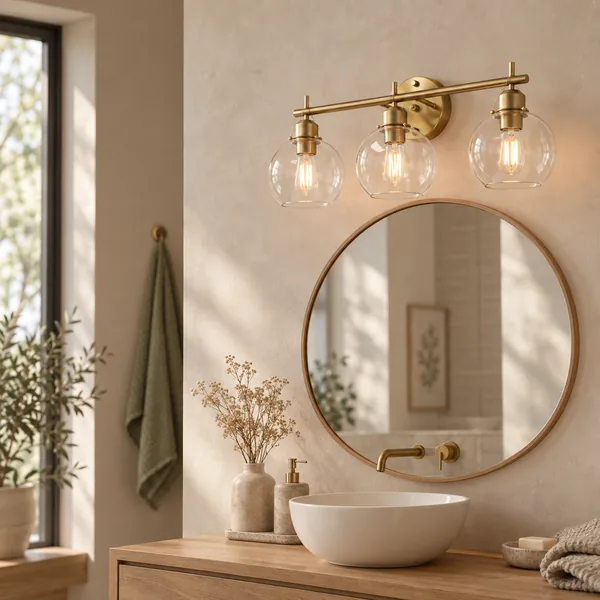 Trekule Glass Globe 3-Light Vanity Wall Light$129.00$189.00
Positioned strategically on opposite walls or flanking a sideboard, wall sconces create atmospheric pools of light that make your dining room feel both intimate and expansive. They also solve the practical problem of illuminating darker corners where overhead light simply doesn't reach.
Mastering the Rules of Dining Room Lighting
Perhaps the most common question when selecting lighting is: what are the actual guidelines? While interior design rules are meant to be interpreted rather than followed rigidly, these measurements provide an excellent starting point.
For ceiling-mounted fixtures, the general rule suggests hanging your light source 30-36 inches above the dining table surface in rooms with standard eight-foot ceilings. Add approximately three inches for every additional foot of ceiling height. This positioning ensures the fixture illuminates your table beautifully without obstructing sight lines across the table.
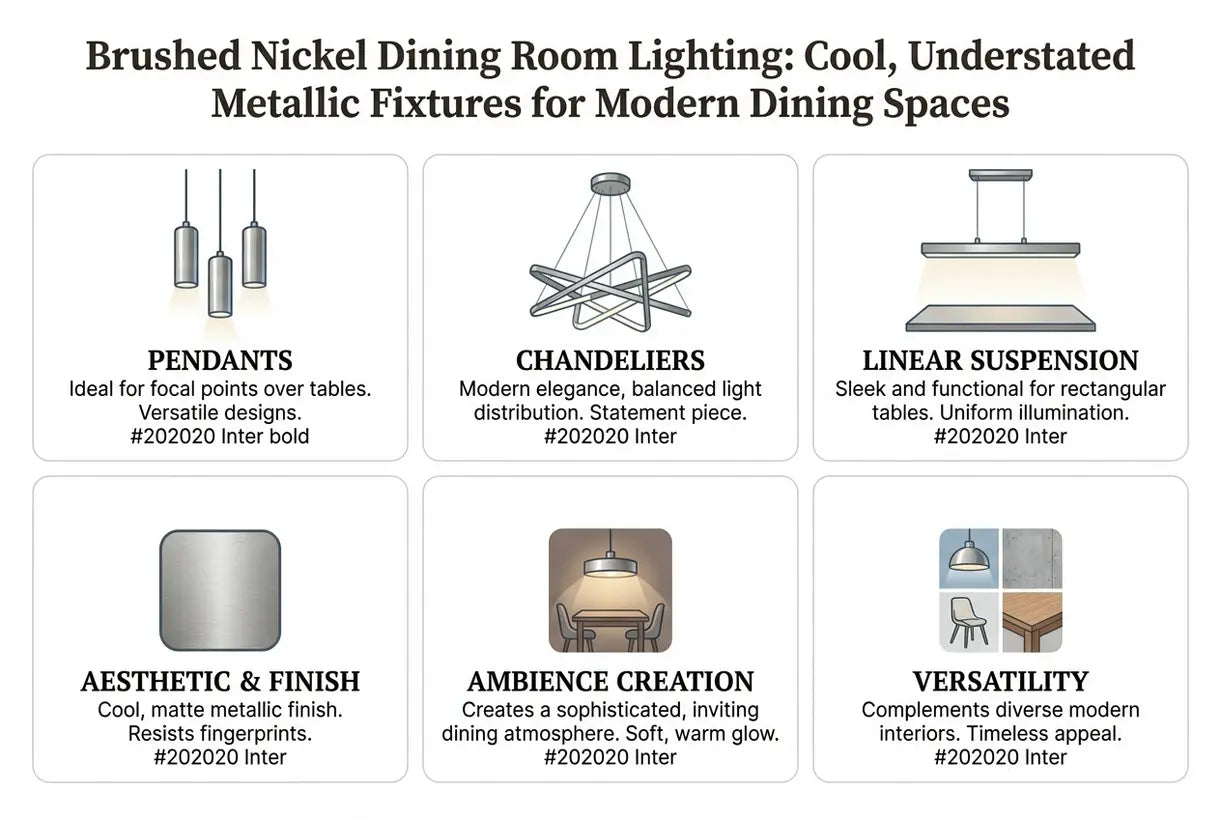
Sizing Your Chandelier or Pendant Correctly
The practical question of diameter matters significantly. A fixture that's too small gets lost; one that's too large overwhelms. The general formula works as follows: add your room's length and width in feet, then use that sum as your ideal fixture diameter in inches. A twelve-by-sixteen-foot dining room, for example, calls for a fixture approximately twenty-eight inches in diameter.
When selecting for a specific dining table, aim for a fixture that's roughly one-half to two-thirds the width of your table. This proportion creates visual harmony while leaving adequate room for place settings and centerpiece arrangements.
What Colors Complement Brushed Nickel Best?
Brushed nickel's true gift is its chameleon-like versatility. For a classic Scandinavian look, pair it with soft grays, warm whites, and natural oak. The metallic picks up subtle undertones in all of these colors, creating cohesion without monotony.
Rich navy blues and deep forest greens create striking contrast against brushed nickel's cool undertones, while blush pinks and warm terracottas offer an unexpected, contemporary pairing. The finish also reads beautifully against dark charcoals and matte blacks, bringing visual warmth to otherwise moody palettes.
Wood tones—whether light ash, medium walnut, or dark espresso—feel harmoniously balanced when accompanied by brushed nickel fixtures. The organic texture of wood prevents the metal from feeling cold, while the metal provides necessary contrast and definition.
Contemporary Trends: Are Traditional Chandeliers Outdated?
The reductive notion that all chandeliers are outdated misses the mark. What feels dated are overly ornate, crystal-laden traditional fixtures—the kind with heavy ornamentation and excessive scrollwork. Modern chandeliers embrace cleaner lines, simpler silhouettes, and thoughtful materiality over ostentatious decoration.
Today's brushed nickel chandeliers trend toward geometric forms, globe clusters, and linear designs that feel architectural rather than decorative. The Better Homes & Gardens lighting trends report confirms that metallic finishes with satin sheens are experiencing a renaissance in contemporary dining spaces.
Mixed materials—brushed nickel paired with wood, glass, or fabric—represent the cutting edge of dining room design. These combinations feel curated and intentional rather than matchy-matchy.
Chandeliers
Shop all Chandeliers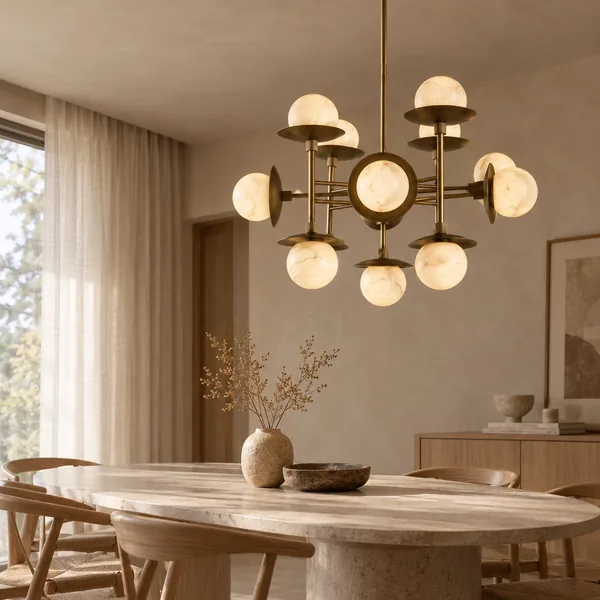
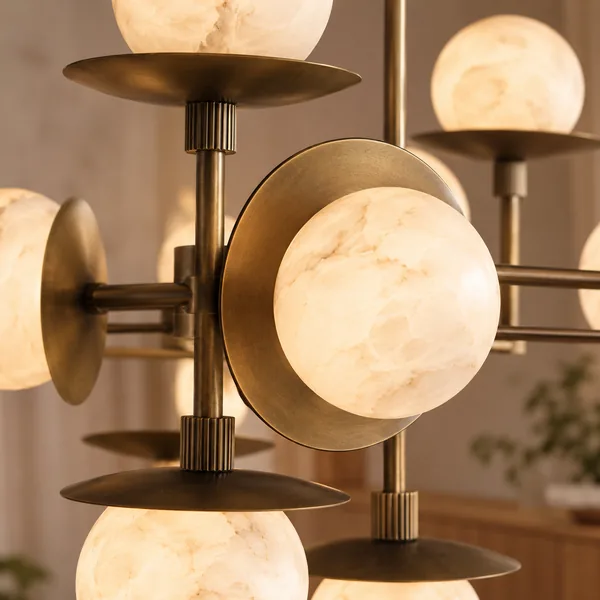

Curated Solutions for Your Modern Dining Space
Finding the perfect blend of form and function requires thoughtful curation. The fixtures you select should reflect your personal aesthetic while serving the practical needs of your dining rituals.
Elevated Overhead Lighting for Modern Dining
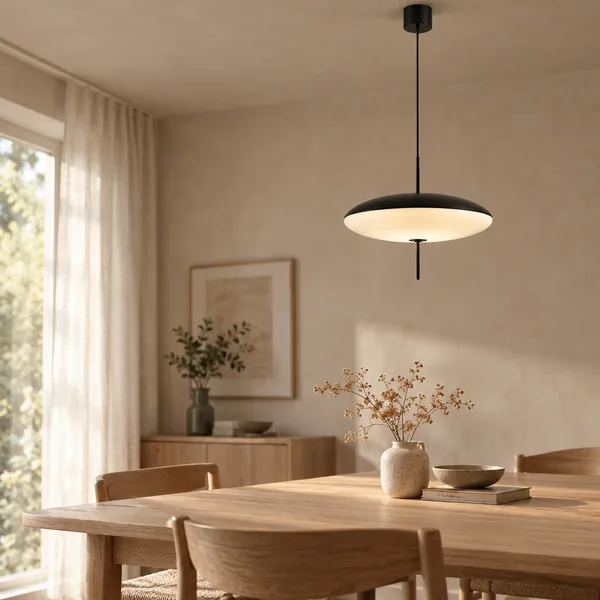 Skiva Saucer Nordic LED Pendant Ceiling Light$179.00$219.00
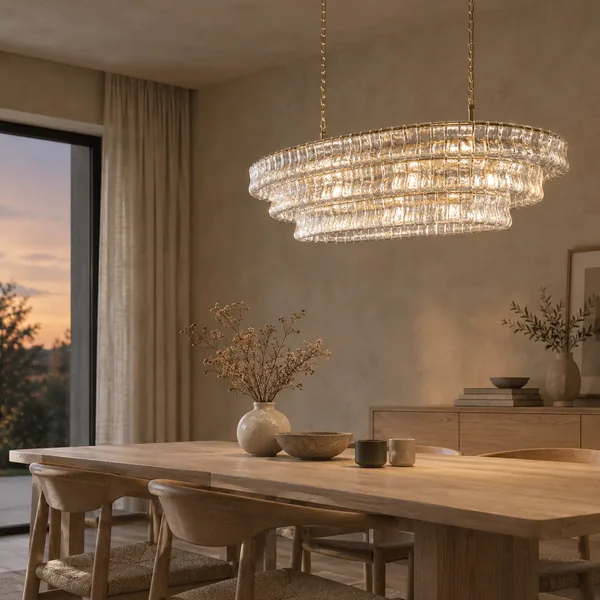 Stjerna Vintage French Clear Glass Chandelier$1,799.00$2,259.00
The Skiva Saucer Nordic LED Pendant Ceiling Light exemplifies Scandinavian restraint, its sleek silhouette floating above dining tables with quiet confidence. Meanwhile, the Stjerna Vintage French Clear Glass Chandelier offers a refined take on classical elegance, its clear glass layers creating luminous diffusion that flatters both food and faces.
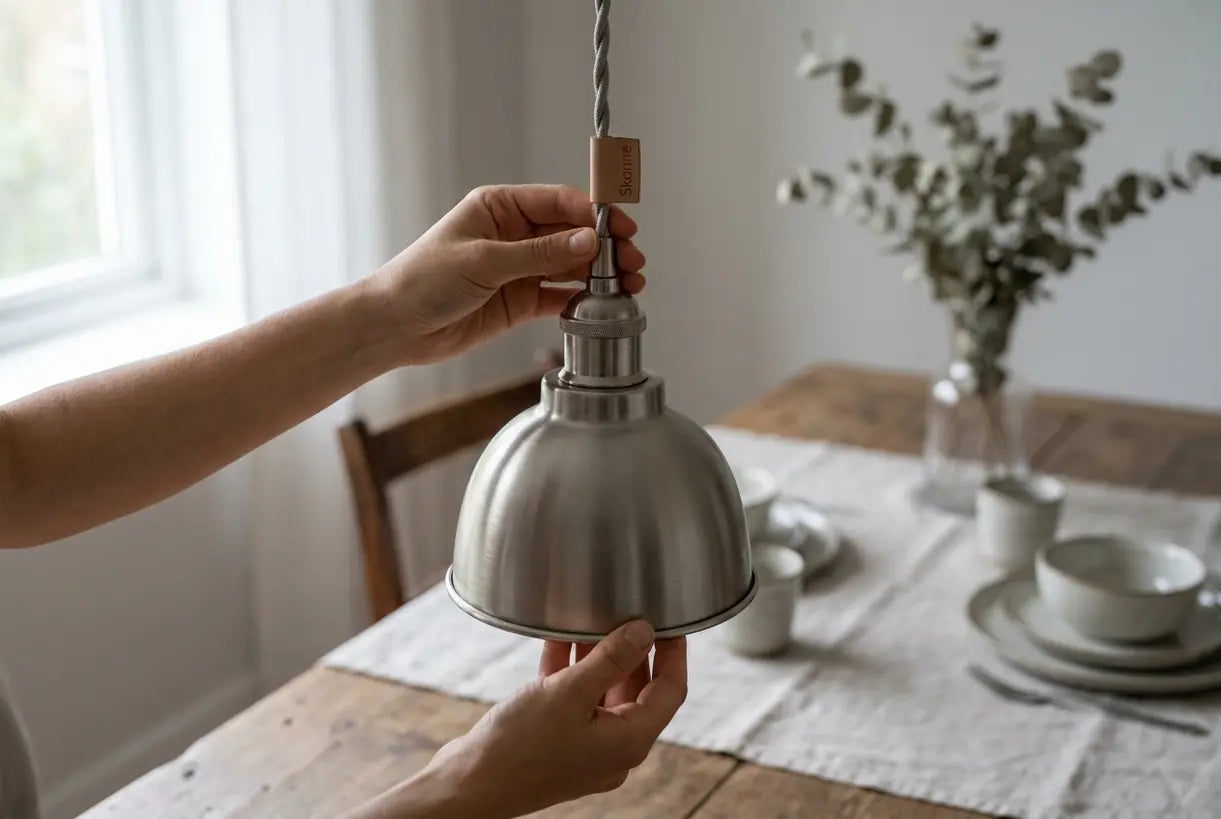
Installation day marks an opportunity to fine-tune the positioning of your fixtures. Enlist a helper to hold your pendant or chandelier at various heights while you survey from table level. Trust your eye here—these measurements provide guidance, but your specific room proportions and ceiling height may call for adjustments.
Brushed Nickel vs. Satin Nickel: Understanding the Distinction
While often used interchangeably in casual conversation, brushed nickel and satin nickel do carry subtle differences. Brushed nickel results from literally brushing the metal surface with a wire brush, creating visible though fine texture. Satin nickel typically undergoes an electrolysis process that produces a slightly smoother surface with more uniform appearance.
For dining rooms, either finish works beautifully. The key is consistency—once you choose one, stick with it throughout your space to maintain visual coherence. The finish should also coordinate with other metals in the room, such as cabinet hardware or chair legs.

Creating Your Perfect Dining Room Atmosphere
The magic of dining room lighting lies not just in the fixtures themselves, but in how they work together to create atmosphere. Start with your overhead piece as the anchor, then layer in wall sconces or buffet lamps for ambient depth. Consider dimmer switches a non-negotiable investment—they transform harsh overhead light into golden-hour glow at the turn of a dial.
As you embark on your lighting journey, remember that the best dining rooms feel collected rather than decorated. Choose fixtures that resonate with your aesthetic, that you'll enjoy living with for years, and that will illuminate countless shared meals and meaningful conversations.
At Skonne, we believe that thoughtful lighting transforms houses into homes—spaces where hygge isn't just a design concept, but a lived experience. Our curated collection of brushed nickel dining room lighting, from sleek pendants to elegant chandeliers, offers pieces designed to be loved for generations.
Related Article
Dining Room Track Lighting: Best Styles, Layouts & Ideas for a Flexible Dining SpaceExplore dining room track lighting styles, layouts, and ideas to create a flexible, well-lit dining space perfect for any occasion.