
Dining Room Ceiling Light Fixtures: How to Choose the Perfect Overhead Light for Your Table
Summary›
- Why Your Choice of Dining Room Ceiling Light Matters
- Understanding Your Space: Ceiling Height & Room Dimensions
- The Golden Rules: How to Size Your Dining Room Ceiling Light
- Finding the Perfect Height: Hanging Guidelines
- Style Guide: Choosing Fixtures That Complement Your Home
- High Ceilings vs. Standard Ceilings: Adapting Your Selection
- The Art of Adjustment: Fine-Tuning Your Installation
- Layering Light: Beyond the Overhead Fixture
- The Scandinavian Approach to Dining Room Lighting
- Creating Your Perfect Dining Atmosphere
The ceiling light for dining room spaces does more than illuminate your meals—it shapes how you experience every gathering, intimate dinner, and quiet morning coffee. For homeowners and design enthusiasts aged 28-45 who understand that lighting transforms a house into a home, selecting the perfect overhead fixture is an intentional choice that balances aesthetics with functionality.
Whether you're renovating your dining space or simply ready to replace that builder-grade flush mount, understanding how to choose dining room ceiling light fixtures requires attention to proportion, placement, and your personal design vision. In this guide, we'll explore the principles that Scandinavian designers have used for decades to create warm, intentional dining environments—plus practical rules for sizing and hanging that ensure your investment looks as beautiful as it performs.
By the end of this article, you'll know exactly how to measure, select, and position the ideal overhead light for your table, with curated solutions that reflect your aesthetic values.
Why Your Choice of Dining Room Ceiling Light Matters
The dining room occupies a unique place in our homes. It's where we gather for meaningful conversations, celebrate milestones, and create daily rituals. Unlike other rooms where we might pass through quickly, the dining space invites us to sit, stay, and connect.
This is precisely why your overhead dining lighting choice carries such weight. A poorly sized fixture can make a spacious room feel cramped or an intimate space feel cavernous. Harsh, undimmable lighting creates an institutional feeling that undermines the hygge atmosphere you're trying to cultivate. Conversely, the right ceiling light becomes a sculptural centerpiece that anchors your design while bathing your table in flattering, warm illumination.
Understanding Your Space: Ceiling Height & Room Dimensions
Before browsing any catalog of dining room light fixtures, begin with measurement. Two critical dimensions determine your viable options: ceiling height and room scale.
Standard ceiling height (8-9 feet) works beautifully with a variety of fixtures, from semi-flush mounts to moderate pendant drops. High ceilings (10+ feet) demand larger-scale fixtures, longer suspension rods, or tiered chandeliers to maintain proper visual proportion. Low ceilings (under 8 feet) require careful selection of flush or semi-flush mounts that provide ambient light without overwhelming the space.
Room dimensions matter equally. A grand chandelier might look stunning in isolation but overwhelm a compact dining nook. Similarly, a small pendant can disappear in a spacious open-concept dining area. The relationship between your fixture and the room creates visual harmony—or discord.
The Golden Rules: How to Size Your Dining Room Ceiling Light
Here's where we address one of the most common questions: how wide should your fixture actually be? The design world follows a simple, time-tested formula.
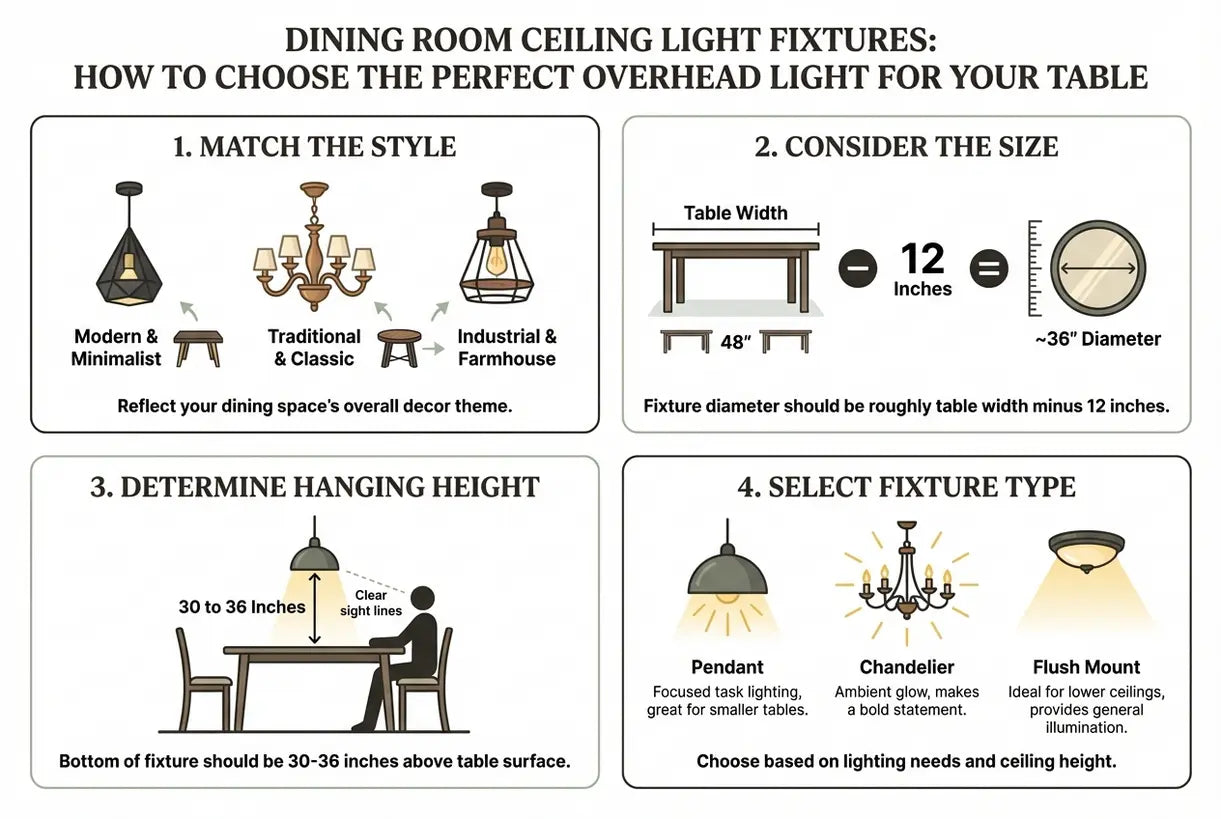
The 1/2 to 2/3 Rule: Your ceiling light fixture should measure approximately one-half to two-thirds the width of your dining table. For a 72-inch table, this means a fixture between 36 and 48 inches in diameter.
This proportion creates visual balance—the fixture feels substantial enough to anchor the table without extending beyond its edges (which creates issues with people bumping heads or the light feeling disproportionately large).
When selecting among modern dining room lights, keep this proportion in mind even for linear or rectangular fixtures. A linear pendant over a rectangular table should follow the same width guideline while extending roughly 1/3 to 1/2 the table's length.
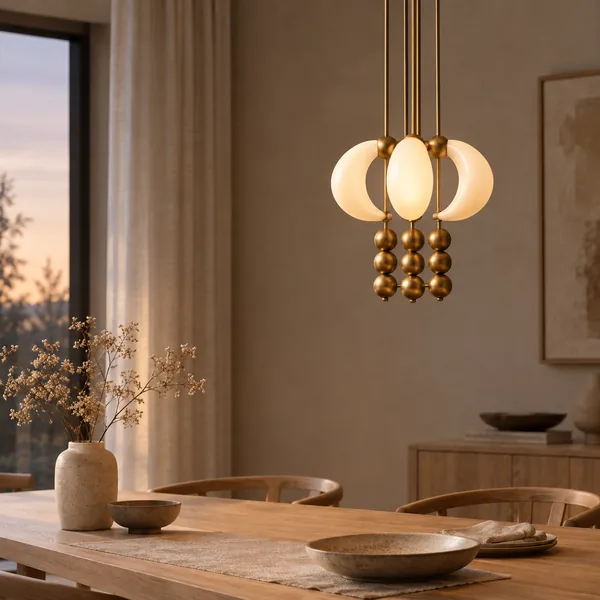
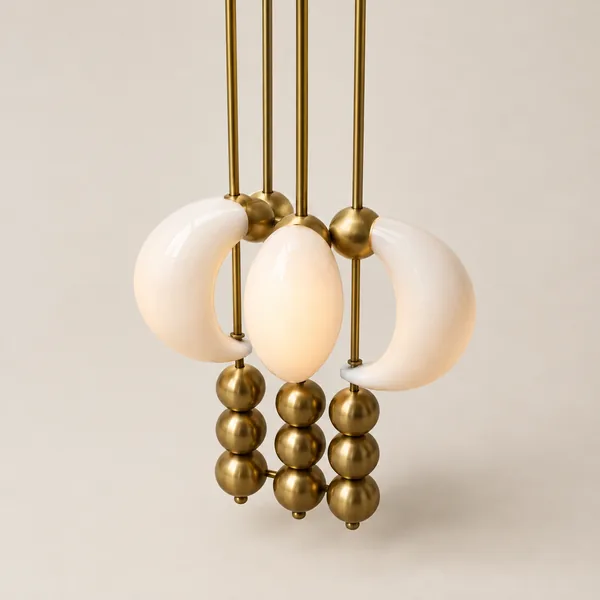
Chandeliers
Shop all Chandeliers

Finding the Perfect Height: Hanging Guidelines
The distance between your light fixture and the table surface dramatically impacts both function and aesthetics. Hang the fixture too high, and it fails to create intimacy; too low, and it becomes an obstacle.
The Standard Height Rule: Position the bottom of your ceiling light fixture 30 to 36 inches above the table surface in rooms with 8-foot ceilings. For every additional foot of ceiling height, add approximately 3 inches to this measurement. In a 10-foot ceiling room, aim for 36-42 inches above the table.
Consider your table's function as well. Formal dining rooms where guests typically sit down immediately can accommodate slightly lower hanging heights (closer to 30 inches). Casual family dining spaces where people frequently stand around the table may benefit from higher placement (closer to 36 inches).
Style Guide: Choosing Fixtures That Complement Your Home
Once you've determined the practical dimensions, the enjoyable work of aesthetic curation begins. The best ceiling light for dining room spaces is one that harmonizes with your existing architecture and furniture while expressing your personal style.
For Scandinavian-inspired interiors, look for fixtures that embrace clean lines, natural materials, and restrained elegance. Nordic pendant lights often feature matte finishes, clear glass, and organic shapes that feel both contemporary and timeless. The goal is intentional simplicity—every element serves a purpose.
For those exploring versatile lighting solutions that suit various dining configurations, our Linear Pendant Lights collection offers elongated designs particularly well-suited to rectangular tables and modern dining spaces.
When evaluating materials, consider how the fixture interacts with your light bulbs. Clear glass shades create sparkle and distribute light broadly, while opaque or frosted options diffuse light for a softer glow. Metal finishes should coordinate with your hardware, furniture legs, and other metal elements in the space.
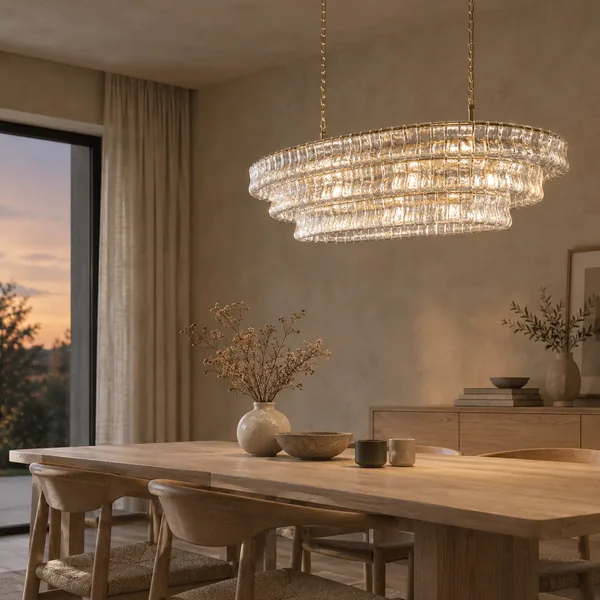 Stjerna Vintage French Clear Glass Chandelier$1,799.00$2,259.00
High Ceilings vs. Standard Ceilings: Adapting Your Selection
Ceiling height dramatically impacts which dining room ceiling light fixtures will work in your space. Understanding these distinctions prevents costly mistakes and ensures your investment creates the intended impact.
For standard 8-9 foot ceilings: Semi-flush mounts, moderately sized chandeliers, and pendants with limited drop work best. Look for fixtures between 20-30 inches in diameter for average dining tables. The Stjerna Vintage French Clear Glass Chandelier exemplifies how elegant lighting can work within standard height constraints while providing that sought-after Scandinavian aesthetic.
For high ceilings (10+ feet): You have the luxury of drama. Multi-tier chandeliers, substantial single pendants with extended downrods, and larger-scale fixtures become appropriate. The additional vertical space means you need more substantial pieces to fill the visual volume and draw the eye upward.
For very high or vaulted ceilings: Consider fixtures with adjustable suspension systems or consult an electrician about custom rod lengths. The fixture should hang at the appropriate height above the table while maintaining a relationship with the ceiling itself—avoid "floating" fixtures that feel disconnected from the architecture.
The Art of Adjustment: Fine-Tuning Your Installation
Even with careful planning, the final test happens when you're seated at the table, looking up at your new fixture. This is why most quality hanging lights for dining tables include adjustable cables or chains.

After installation, live with your fixture for a few days. Observe how the light falls during different meal times, how it looks when you're seated versus standing, and whether it creates any glare. Small adjustments—even an inch or two—can transform the experience.
For dining room chandeliers and pendants with fixed rods, ensure you confirm the final height before the electrician secures everything permanently. The flexibility to adjust ensures you achieve that perfect balance between function and aesthetics.
Curated Lighting Solutions for Every Dining Style
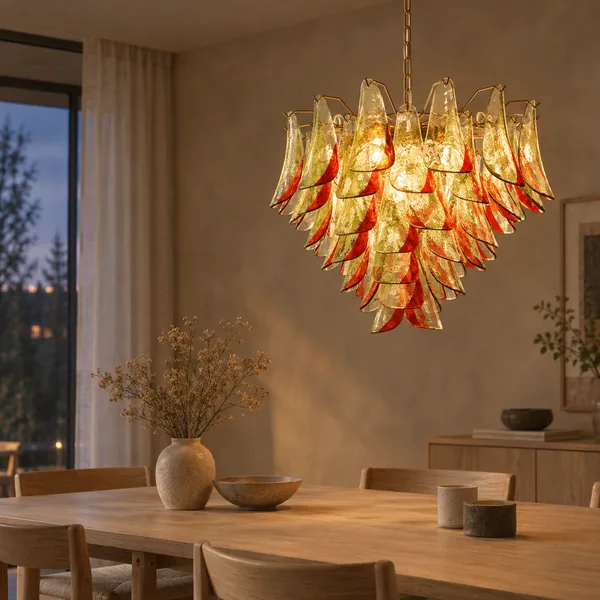 Klarglod Dimmable Nordic K9 Crystal Chandelier$889.00$1,279.00
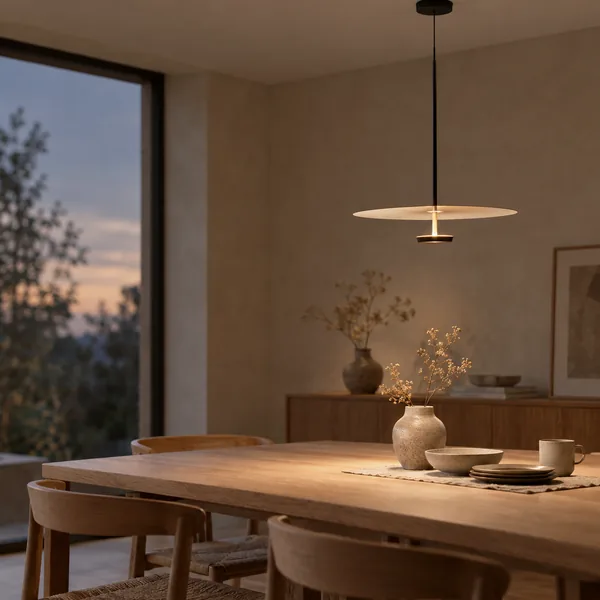
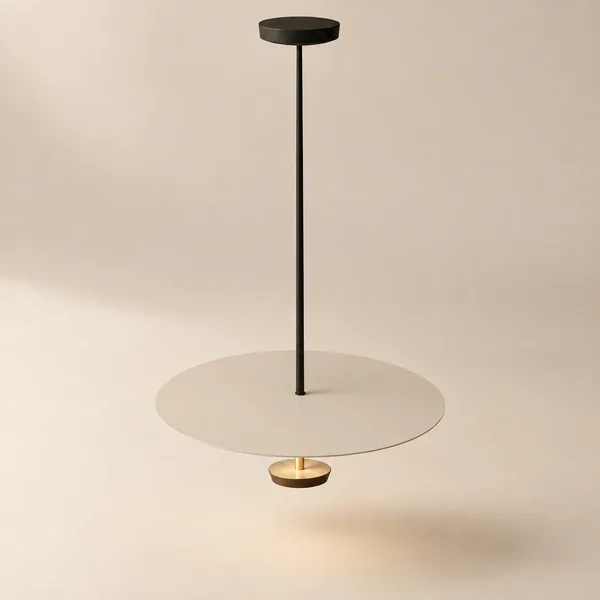
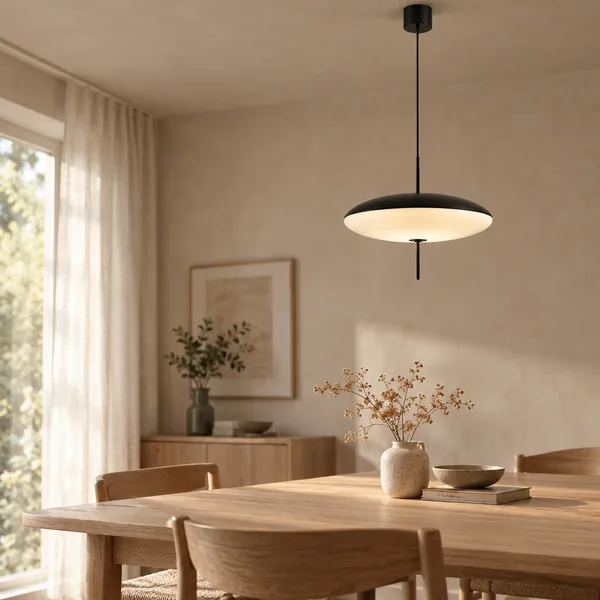 Skiva Saucer Nordic LED Pendant Ceiling Light$179.00$219.00
Layering Light: Beyond the Overhead Fixture
A conversation worth having—particularly relevant to younger homeowners who've grown up hearing that "overhead lighting is harsh"—concerns the role of ambient, task, and accent lighting in dining spaces.
The criticism of overhead lighting often stems from relying on a single, undimmable fixture. When your dining room ceiling light is your only light source, and it's blazing at full brightness during an intimate dinner, of course the experience disappoints. This is why we emphasize dimmable fixtures and layered lighting strategies.
The ideal dining room lighting scheme includes:
- Your ceiling fixture as the primary ambient layer
- Supplementary sources such as wall sconces, buffet lamps, or candlelight for mood adjustment
- Dimmable controls that let you shift from bright task lighting (setting up a buffet) to warm ambient glow (dinner conversation)
The Klarglod Dimmable Nordic K9 Crystal Chandelier exemplifies this approach beautifully—its dimmable LED system transforms a functional fixture into a mood-setting centerpiece. Suddenly, your overhead light becomes adaptable to every dining occasion.
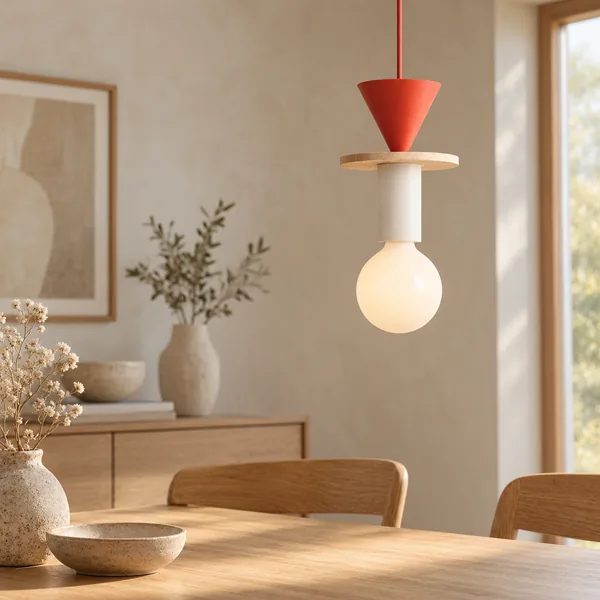
Pendant Lights
Shop all Pendant Lights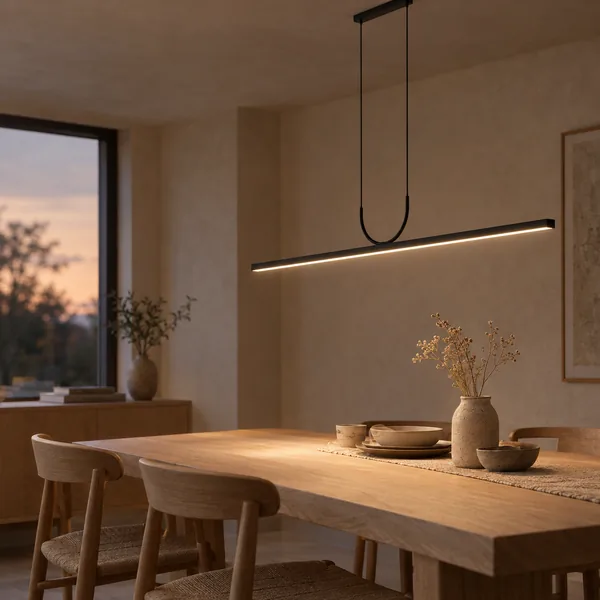
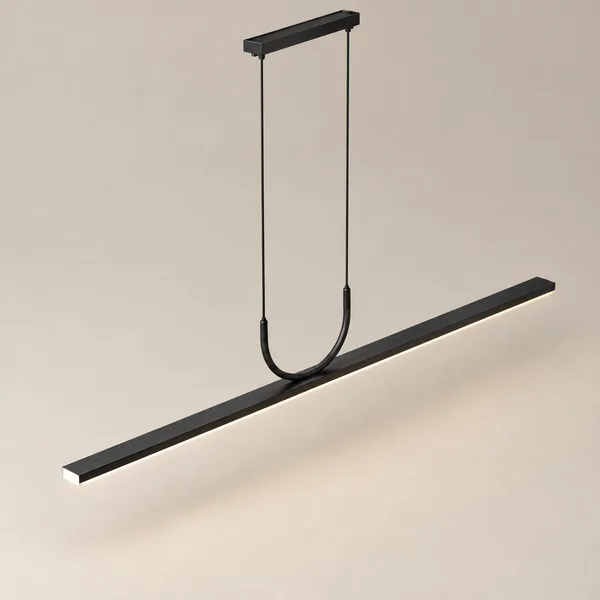 Save $140.00
Linné Minimalist Linear Black LED Pendant Light
 Save $60.00
 3 options
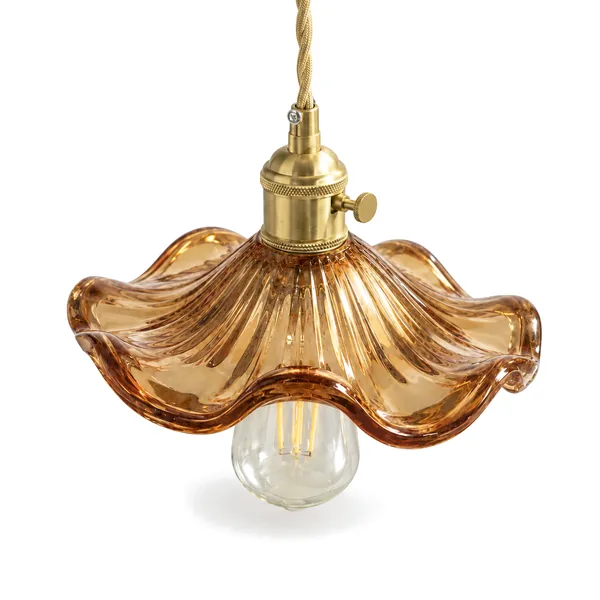
Glora Nordic Glass Pendant Light with Copper
 Save $120.00
Skiva Nordic Saucer Ceiling Pendant Light LED
The Scandinavian Approach to Dining Room Lighting
Scandinavian design philosophy approaches dining room lighting with particular intentionality. In Nordic countries, where winter darkness arrives early and stays late, lighting isn't merely functional—it's essential to wellbeing.
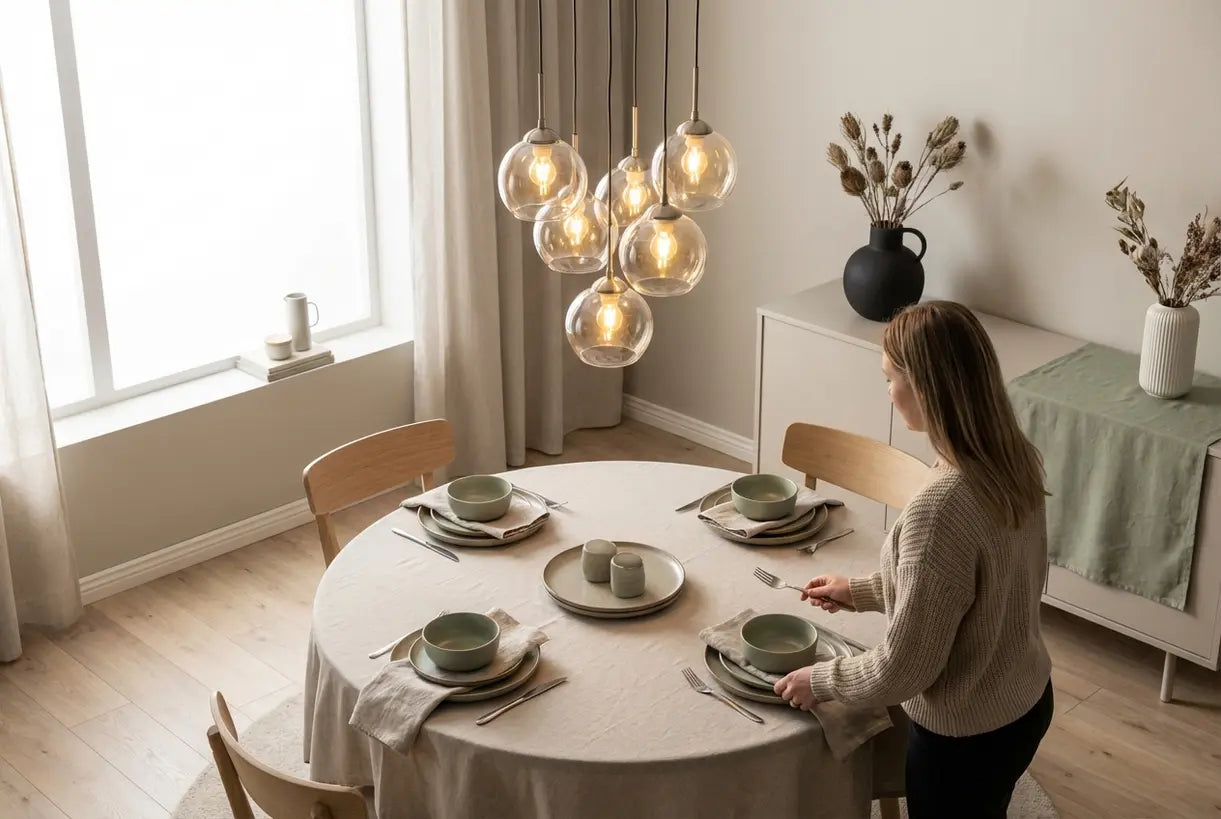
This heritage explains why Scandinavian dining room lighting emphasizes warmth, adjustability, and natural materials. The goal is creating a "living glow" that flatters faces and food while establishing an atmosphere of cozy contentment—what Danes call hygge.
When selecting contemporary dining lighting with Scandinavian sensibilities, look for these characteristics:
- Warm color temperatures (2700K-3000K) rather than cool white
- Natural materials like glass, brass, and linen
- Clean, uncluttered silhouettes that prioritize form and function equally
- Soft, diffused light rather than exposed, harsh bulbs
- Dimmable options for controlling evening ambiance
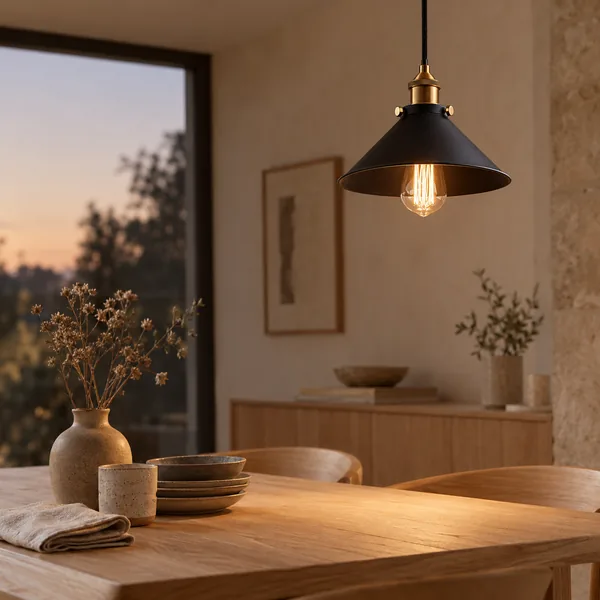
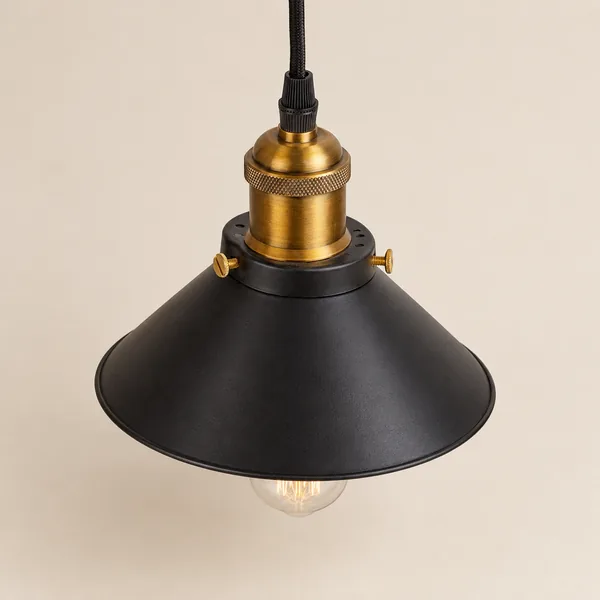
The Skiva Saucer Nordic LED Pendant Ceiling Light embodies these principles perfectly—its understated matte black finish and soft, even glow demonstrate how restraint and intentionality create sophisticated dining environments.
Creating Your Perfect Dining Atmosphere
Selecting the ideal ceiling light for dining room spaces is both an art and a science. By understanding the practical rules—one-half to two-thirds of your table width, 30-36 inches above the surface, appropriate scale for your ceiling height—you establish a foundation for success. By layering in your aesthetic preferences and lighting needs, you create a space that truly feels like home.
At Skonne, we curate lighting that honors both Scandinavian design heritage and contemporary living needs. Each fixture in our collection is selected for its ability to transform everyday dining into meaningful experience—because the right light doesn't just illuminate your table, it elevates your moments.
Explore our thoughtfully selected dining room ceiling light fixtures and discover how intentional lighting design can transform your space into the warm, welcoming gathering place you've been envisioning.
Related Article
Plug-In Ceiling Lights: No-Wire, Battery & Wireless Overhead Fixtures for Any RoomTransform your space with plug-in ceiling lights - no electrician or hardwiring needed. Our guide covers pendant lights, battery fixtures, and wireless options perfect for renters and DIY enthusiasts seeking Scandinavian style overhead illumination.