
Dark Scandinavian Interior Design: Moody, Dramatic & Deeply Nordic
Summary›
Imagine stepping into a space that feels both dramatic and deeply comforting—where charcoal walls absorb the afternoon light while warm brass accents catch the evening glow. This is the essence of dark Scandinavian interior design, a sophisticated evolution of Nordic aesthetics that trades the traditional all-white palette for moody, atmospheric depth. Whether you're drawn to the cinematic appeal of nordic noir or simply seeking a more intimate alternative to bright minimalism, this guide will walk you through creating spaces that are bold, warm, and unmistakably Scandinavian.
At Skonne, we believe that great lighting transforms these moody spaces from merely dark to deeply inviting. As you explore the principles below, you'll discover how the right fixtures can balance shadow and warmth to achieve that perfect hygge atmosphere—even within the deepest charcoal interiors.
What Is Dark Scandinavian Interior Design?
Dark Scandinavian interior design—often called nordic noir or moody Scandinavian style—represents a dramatic shift from the bright, airy spaces traditionally associated with Nordic aesthetics. While classic Scandinavian design emphasizes white walls, abundant natural light, and pale wood tones, this darker variant embraces charcoal, deep forest greens, inky blues, and rich browns to create intimate, cocooning environments.
The style maintains the core Scandinavian values of functionality, natural materials, and connection to nature while exploring the emotional depth that darker palettes provide. Rather than feeling heavy or oppressive, well-executed dark nordic design feels like a warm embrace—think of it as the visual equivalent of wrapping yourself in a thick wool blanket on a stormy evening.
The Psychology of Moody Nordic Spaces
There's a reason moody scandinavian style has captured the imagination of design enthusiasts worldwide. Psychologically, darker interiors create a sense of sanctuary and retreat from the overstimulated outside world. The reduced visual noise allows the mind to settle, making these spaces particularly suited for bedrooms, reading nooks, and intimate dining areas.
Moreover, dark walls have a unique way of making spaces feel larger rather than smaller. By blurring the boundaries of a room, charcoal and deep navy tones create an expansive, infinite quality—particularly effective in the long, dark winters of Scandinavia where daylight is precious. The darkness becomes a canvas for light, whether from flickering candles, warm pendant fixtures, or the occasional shaft of winter sun.
Key Elements of Dark Scandinavian Design
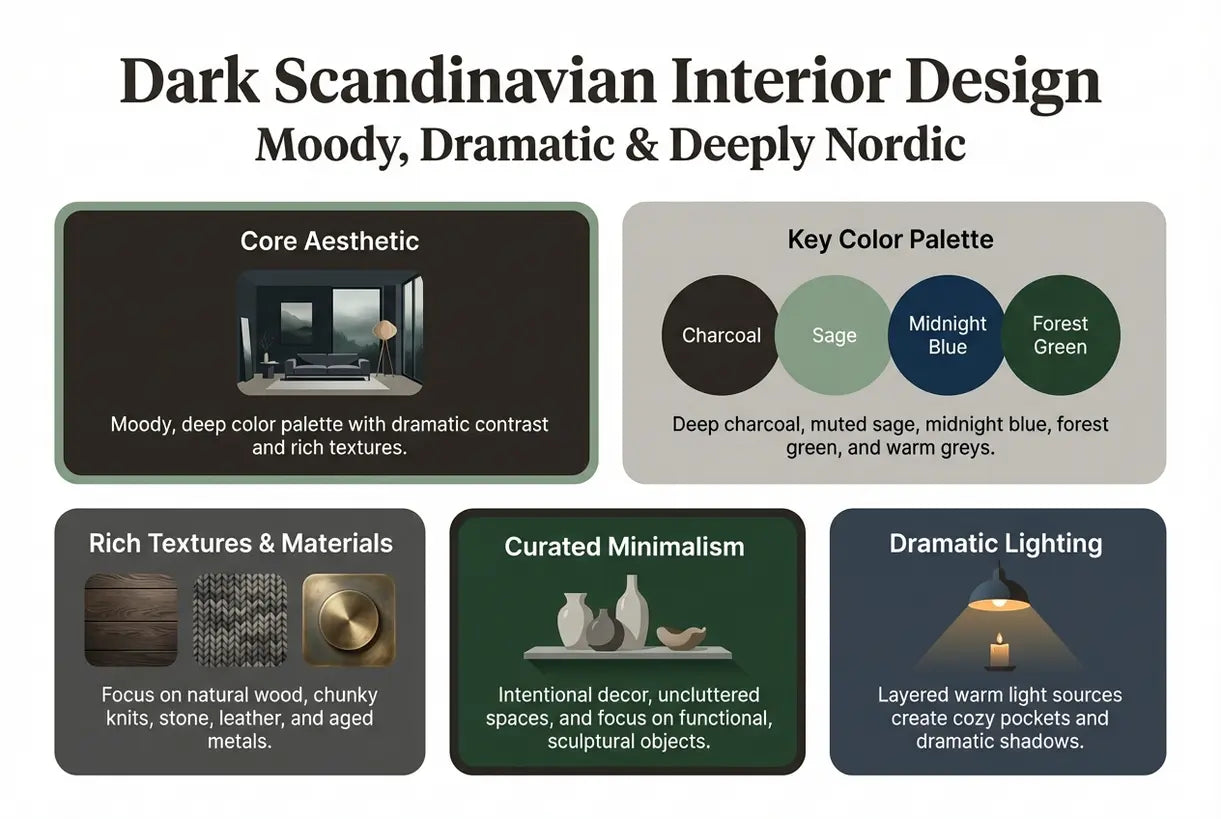
The Color Palette: Beyond Black and White
While dark scandinavian interior design embraces deep tones, the palette extends far beyond pure black. Successful nordic noir spaces layer:
- Charcoal and Graphite: Softer than pure black, these grays provide depth while maintaining warmth
- Deep Forest Greens: Connecting interiors to the Nordic landscape, particularly effective in north-facing rooms
- Inky Blues: Creating the feeling of twilight or deep water, perfect for bedrooms and studies
- Warm Browns and Taupes: Grounding the palette and preventing it from feeling cold
The key is balancing these dark tones with strategic moments of lightness—cream textiles, pale wood furniture, or metallic accents that catch and reflect available light.
Natural Materials and Textural Contrast
Texture becomes crucial in dark nordic design because darker colors can flatten visual depth. Successful spaces combine:
- Light Oak and Ash: Pale wood furniture and flooring provide essential contrast against dark walls
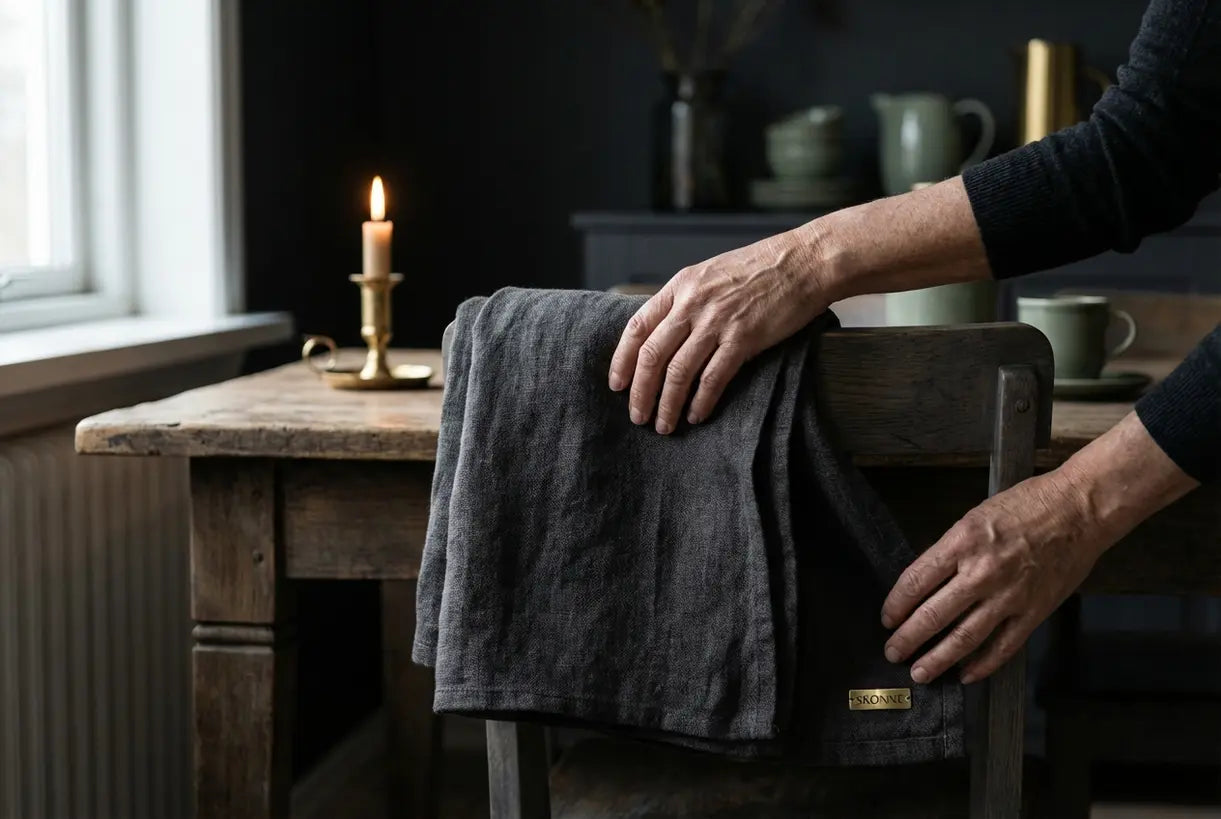
- Wool and Linen: Natural textiles in oatmeal, cream, or soft gray add softness and acoustic dampening
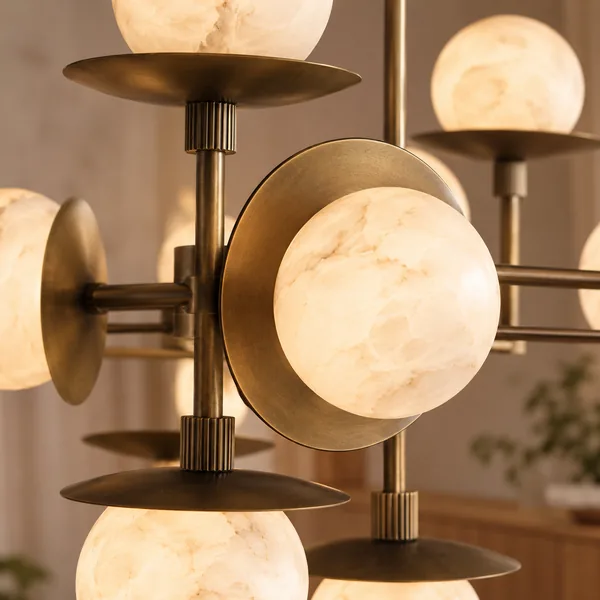
- Brass and Copper: Warm metals introduce reflective surfaces that glow against dark backgrounds
- Stone and Ceramic: Matte black or terracotta ceramics add earthy, grounding elements
This textural layering prevents dark spaces from feeling flat or one-dimensional, creating instead a rich, tactile environment that invites touch and exploration.
Strategic Lighting Design
In dark scandinavian interior design, lighting isn't merely functional—it's the lifeblood of the space. Without adequate lighting, dark rooms can feel oppressive; with thoughtful illumination, they become magical. The key is layered lighting: combining ambient, task, and accent sources to create depth and warmth.
For those looking to explore more options, our Living Room Lighting collection offers a curated selection of fixtures designed to complement moody Nordic aesthetics.
Consider these lighting strategies for dark Nordic spaces:
- Low-Level Ambient Light: Rather than flooding the ceiling with bright overhead light, use pendant lights at varying heights to create pools of warm illumination
- Candlelight and Fire: The Danes burn more candles per capita than any other nation—embrace this tradition with quality taper candles and sculptural holders
- Accent Lighting: Use directional light to highlight textural elements—grazing light across a rough plaster wall or illuminating a piece of ceramic art
- Dimmer Controls: Essential for adjusting mood throughout the day, from functional brightness for work to intimate glow for evening
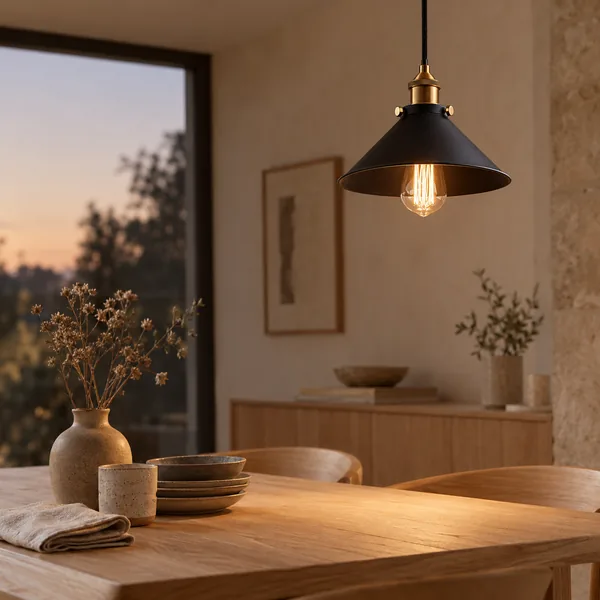
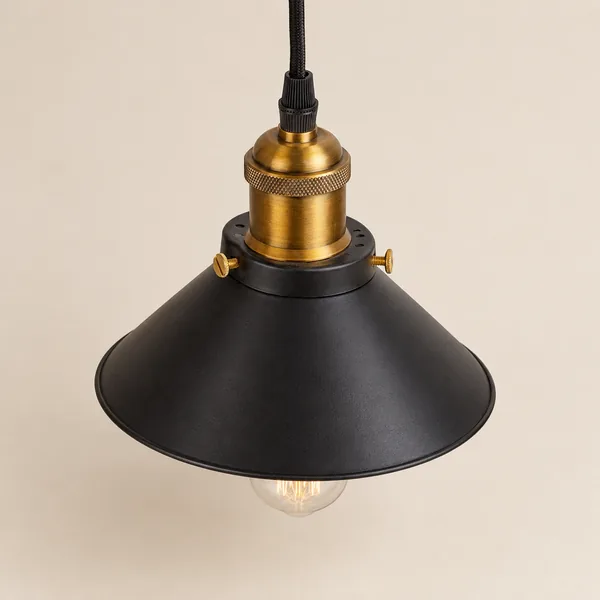
Pendant Lights
Shop all Pendant Lights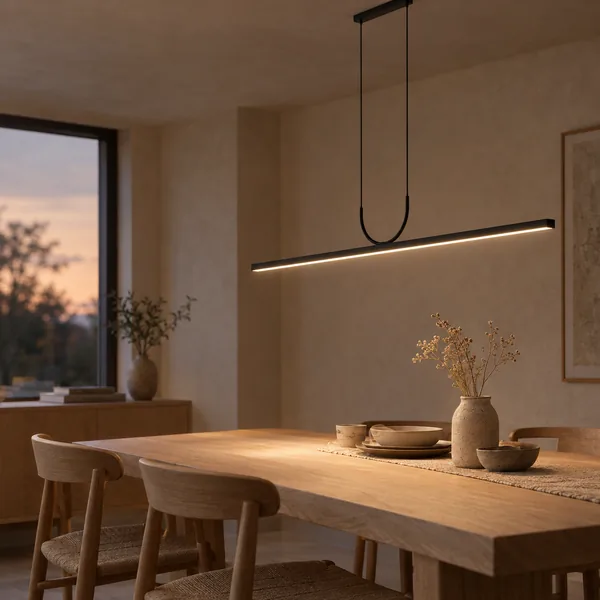
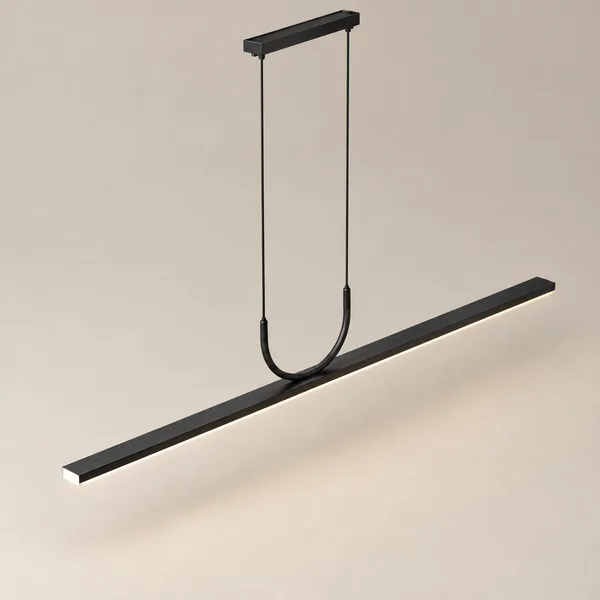 Save $140.00
Linné Minimalist Linear Black LED Pendant Light
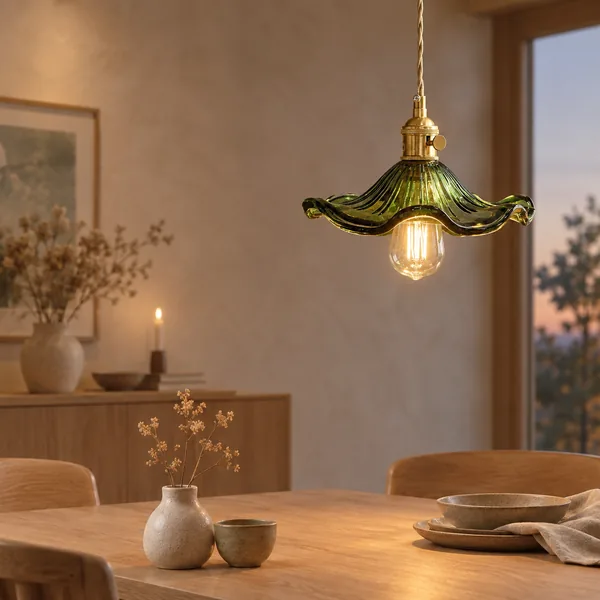
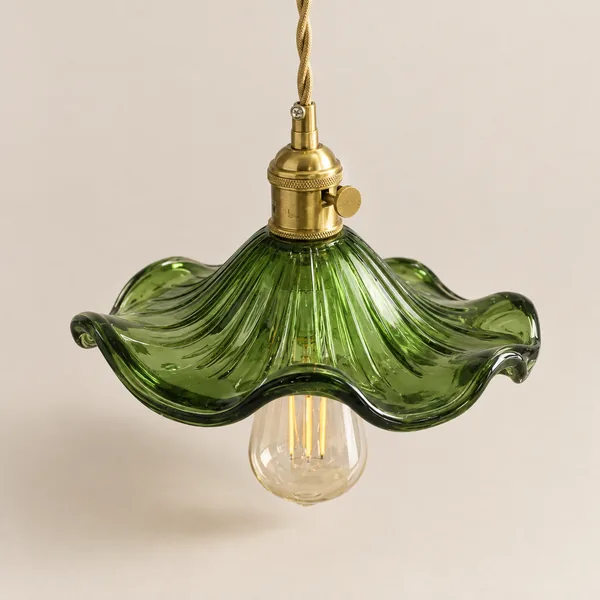 Save $60.00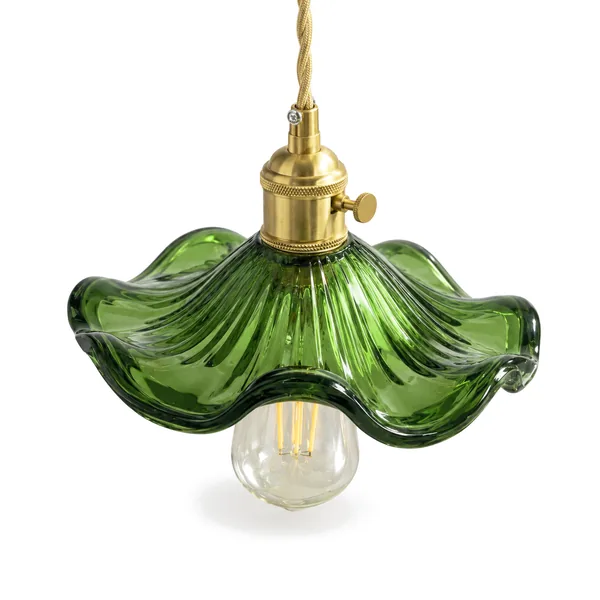
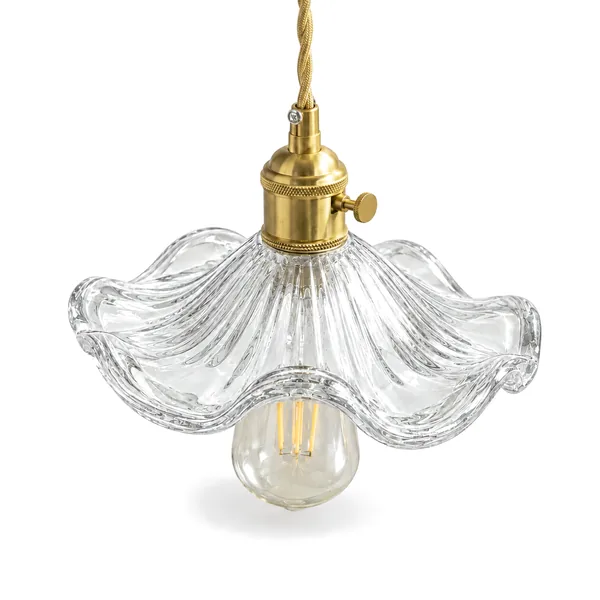
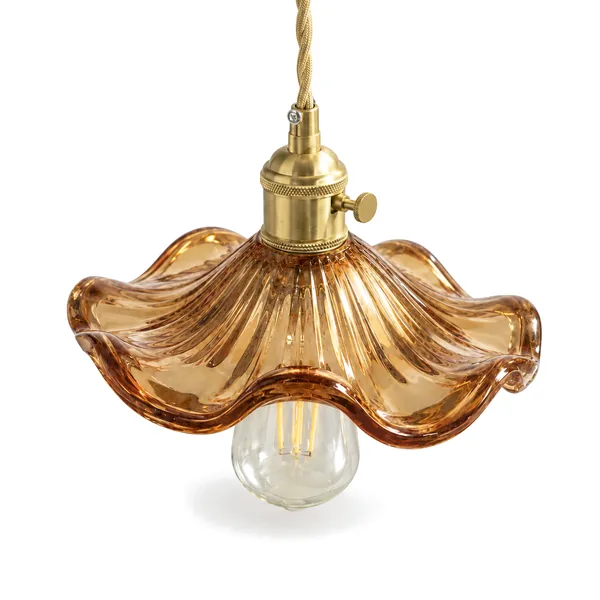 3 options
Glora Nordic Glass Pendant Light with Copper
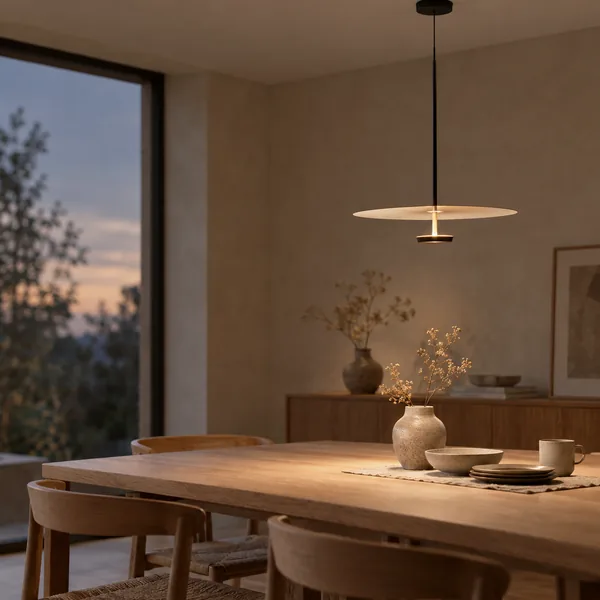
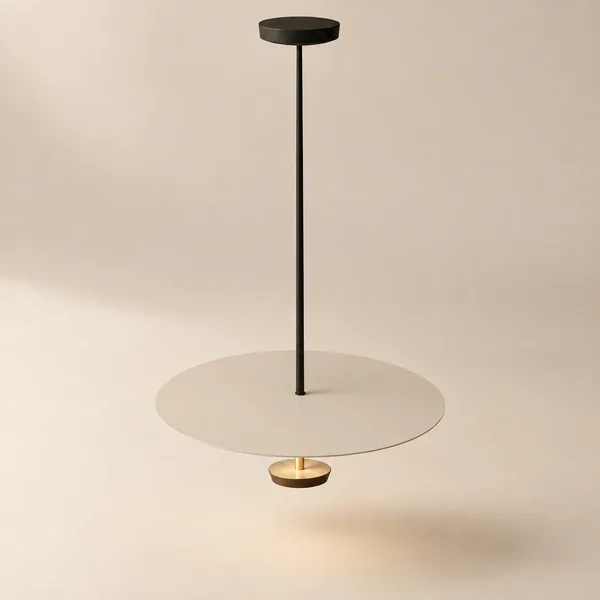 Save $120.00
Skiva Nordic Saucer Ceiling Pendant Light LED
Room-by-Room Applications
The Moody Scandinavian Living Room
The living room is where dark scandinavian interior design truly shines—literally and figuratively. As the primary gathering space, it benefits from the intimate, cocooning effect of dark walls while requiring careful lighting to maintain versatility.
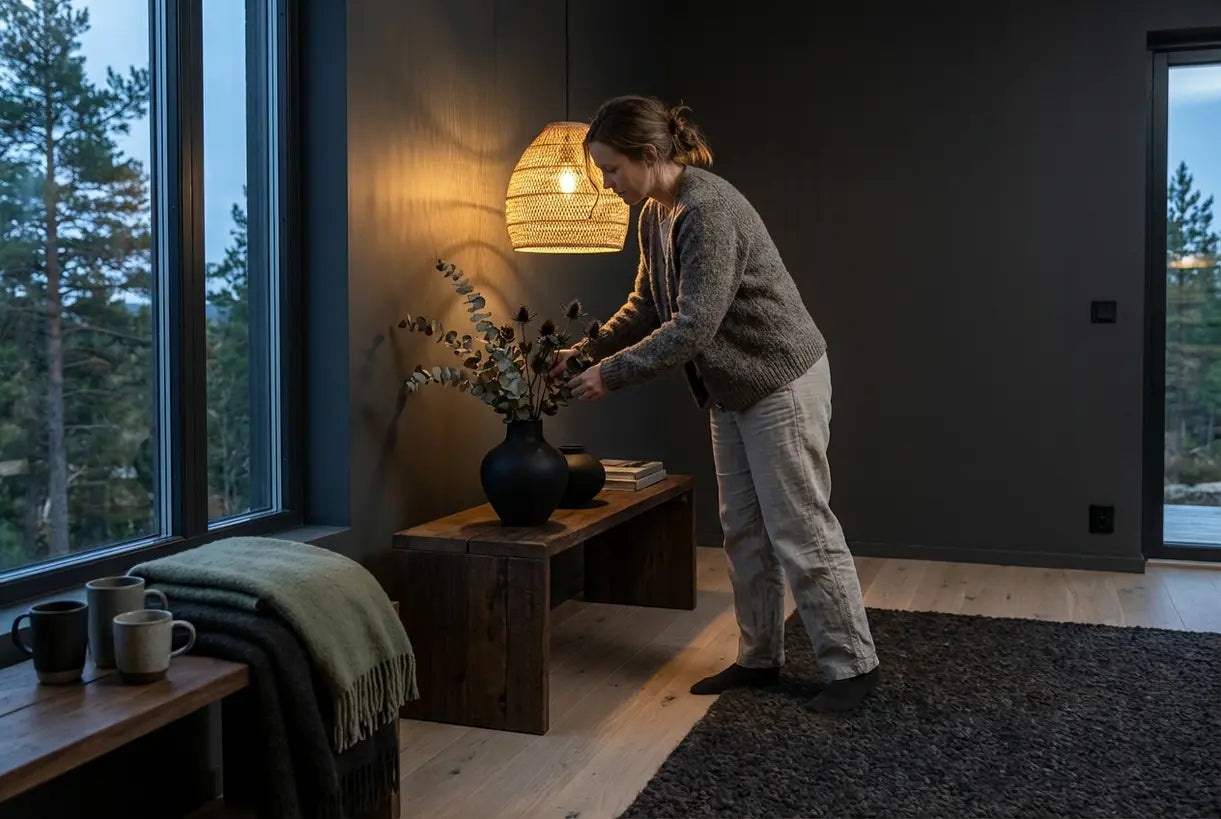
Start with a deep charcoal or forest green on the walls—colors that recede visually and make the room feel expansive. Pair with a light oak or ash floor to provide essential contrast and prevent the space from feeling heavy. Furniture should be low-profile and streamlined—think mid-century inspired sofas in oatmeal wool or charcoal velvet.
Lighting is crucial here. A statement chandelier provides ambient light while serving as a sculptural focal point. Layer in floor lamps with warm bulbs for reading nooks, and don't underestimate the power of candlelight on the coffee table for evening ambiance.
Intimate Bedroom Retreats
Bedrooms naturally lend themselves to dark scandinavian interior design—the enveloping darkness promotes better sleep and creates an immediate sense of retreat. Inky blues, deep aubergines, or charcoal grays on the walls create a womb-like environment that signals to the brain it's time to rest.
Keep bedding light—cream linen or soft gray cotton provides contrast against dark walls while maintaining the Scandinavian love of natural textiles. Add a sheepskin throw at the foot of the bed or draped over a reading chair for textural warmth. Lighting should be soft and indirect—wall sconces with warm bulbs or pendant lights with dimmer switches allow for adjustment from reading light to romantic glow.
Productive Dark Scandinavian Offices
While it might seem counterintuitive to paint a home office dark, dark scandinavian interior design can actually enhance focus and productivity. Dark walls recede visually, minimizing distractions and creating a "cocoon" effect that helps concentration. Deep forest green or charcoal provides a sophisticated backdrop for video calls while reducing eye strain compared to bright white walls.
Balance is key—ensure plenty of task lighting for work surfaces, and incorporate natural wood desks and shelving to add warmth. Plants thrive against dark backgrounds, adding the biophilic element essential to true Scandinavian design. Consider a statement pendant light above the desk to define the workspace and provide ambient warmth.
Balancing Darkness with Hygge Warmth
A common misconception about dark scandinavian interior design is that it sacrifices the comfort and warmth associated with Scandinavian living. In reality, the style simply shifts the source of warmth from bright colors to tactile experiences and ambient lighting. This brings us to an important distinction: what is the difference between scandi and hygge?
Scandi (Scandinavian design) refers to the visual aesthetic—clean lines, natural materials, functional forms, and a specific color palette. Hygge, on the other hand, is the Danish concept of coziness, contentment, and well-being. While traditional Scandinavian design often uses bright spaces to combat winter darkness, dark scandinavian interior design achieves hygge through enveloping warmth, candlelight, and rich textures. The style proves that coziness doesn't require brightness—it requires intentionality.
To maintain hygge in dark spaces, focus on:
- Layered textiles: Sheepskins, chunky knits, and heavy linen add physical warmth and visual softness
- Fire and candlelight: The flickering warmth of flames becomes even more magical against dark walls
- Natural elements: Wood grain, stone textures, and living plants connect the space to nature
- Personal artifacts: Dark walls make art, books, and collected objects stand out with museum-like presence
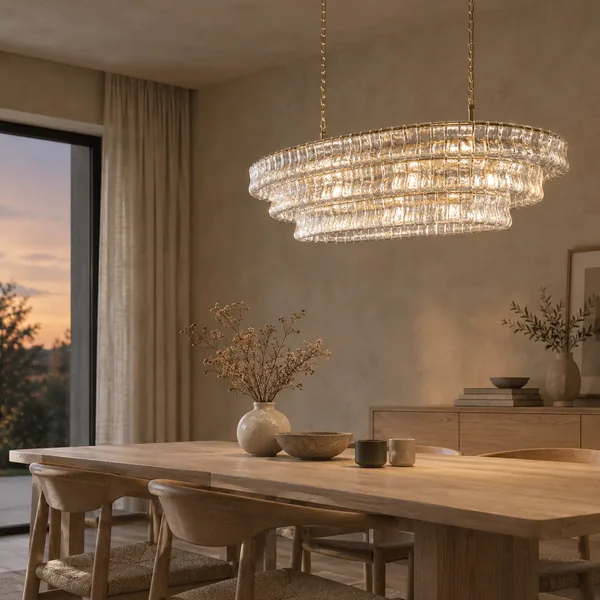 Stjerna Vintage French Clear Glass Chandelier$1,799.00$2,259.00
Design Rules for Moody Spaces
While dark scandinavian interior design embraces drama, it still follows fundamental principles of visual balance. One useful framework is the 3-5-7 rule in interior design, which suggests that compositions work best when they feature elements in odd numbers—three, five, or seven. In dark Nordic spaces, this might translate to:
- Three primary materials: Perhaps oak wood, brass metal, and linen textile
- Five light sources: Overhead pendant, floor lamp, table lamp, wall sconce, and candles
- Seven accent colors: Within a dark palette, varying shades of charcoal, cream, cognac, forest green, rust, brass, and black
Beyond the 3-5-7 rule, dark Scandinavian spaces benefit from the 60-30-10 color distribution: 60% dominant dark neutral (walls), 30% secondary natural material (wood flooring), and 10% accent metal or color (brass lighting, cognac leather).
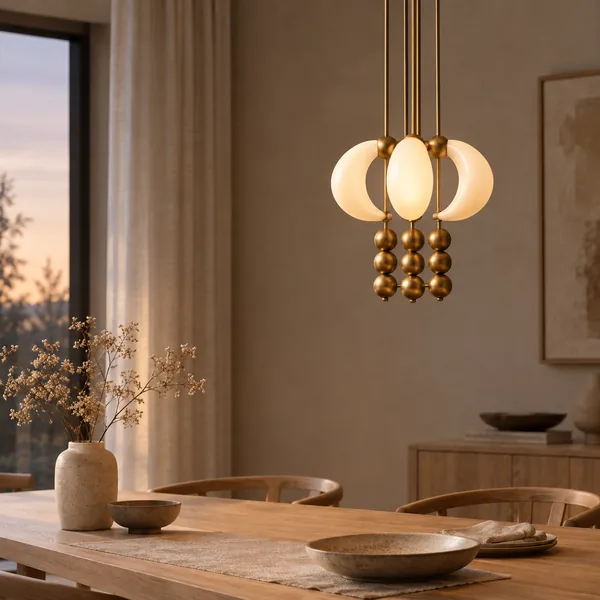
Scale and proportion also become critical in dark rooms. Large-scale furniture often works better than small pieces, which can get visually lost against dark walls. Similarly, lighting fixtures should make a statement—delicate, small lights disappear in moody spaces, while substantial pendants and chandeliers anchor the room.
Chandeliers
Shop all Chandeliers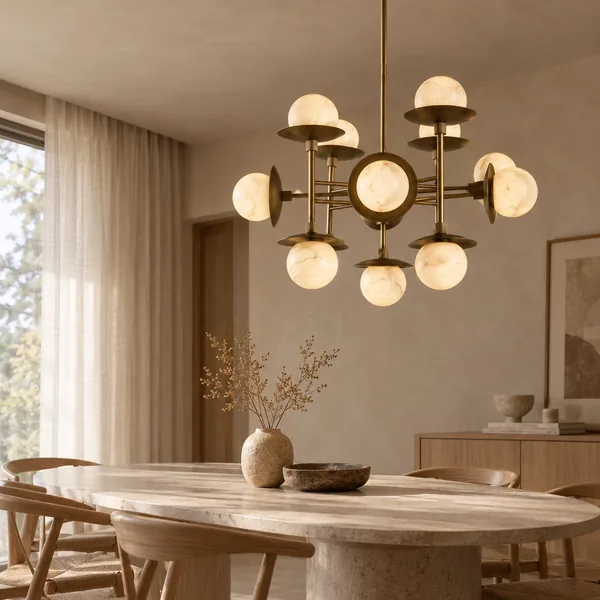
Common Mistakes to Avoid
Transitioning to dark scandinavian interior design requires intentionality. Avoid these common pitfalls:
Insufficient Lighting: The most frequent error is underestimating how much light dark rooms require. Without adequate layered lighting, spaces feel cave-like rather than cozy. Invest in quality fixtures with warm bulbs (2700K-3000K) and multiple light sources.
Flat Color Application: Painting every surface dark creates a monotonous box. Instead, use dark walls with light floors, or dark lower cabinets with light uppers. Create contrast through material variation, not just color.
Ignoring Texture: Dark colors can look flat and uninspiring without textural variety. Incorporate rough plaster, nubby textiles, live wood grain, and metallic sheens to catch light and create visual interest.
Forgetting Scale: Small, delicate furniture gets lost against dark walls. Choose substantial pieces with strong silhouettes that can hold their own in a moody environment.
Lighting Solutions for Dark Nordic Spaces
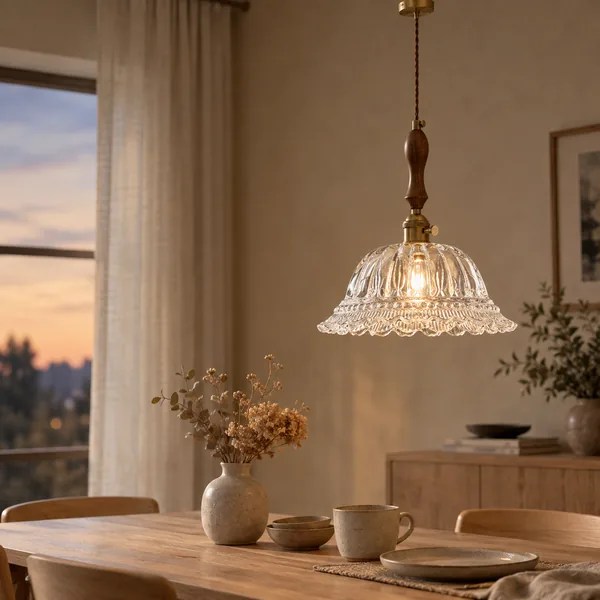 Gloda Walnut Brass French Style Pendant Light$169.00$229.00
Conclusion: Embracing the Dark Side of Nordic Design
Dark Scandinavian interior design offers a sophisticated alternative to bright minimalism, proving that Nordic style isn't limited to white walls and pale woods. By embracing charcoal, deep greens, and inky blues while maintaining the core Scandinavian values of natural materials, functional beauty, and hygge comfort, you create spaces that feel both dramatic and deeply nurturing.
The key to success lies in balance: dark walls require thoughtful lighting, textural variety, and strategic moments of lightness to prevent heaviness. When executed well, these moody spaces become sanctuaries—places where the outside world fades away and the simple pleasures of home take center stage.
At Skonne, we curate lighting collections specifically designed to bring warmth and dimension to these atmospheric spaces. From statement chandeliers that anchor dining rooms to sculptural pendants that cast ethereal glows, our pieces are engineered to transform darkness into drama. Explore our collections and discover how the right illumination can elevate your moody Nordic sanctuary from beautiful to breathtaking.
Related Article
Scandinavian Cabin Design: Cozy Nordic Retreats & Hygge InteriorsA practical guide to selecting pendant lights for your kitchen, covering height, spacing, sizing, and style choices plus product picks.