
Dining Room Lighting: The Complete Guide to Illuminating Your Dining Space
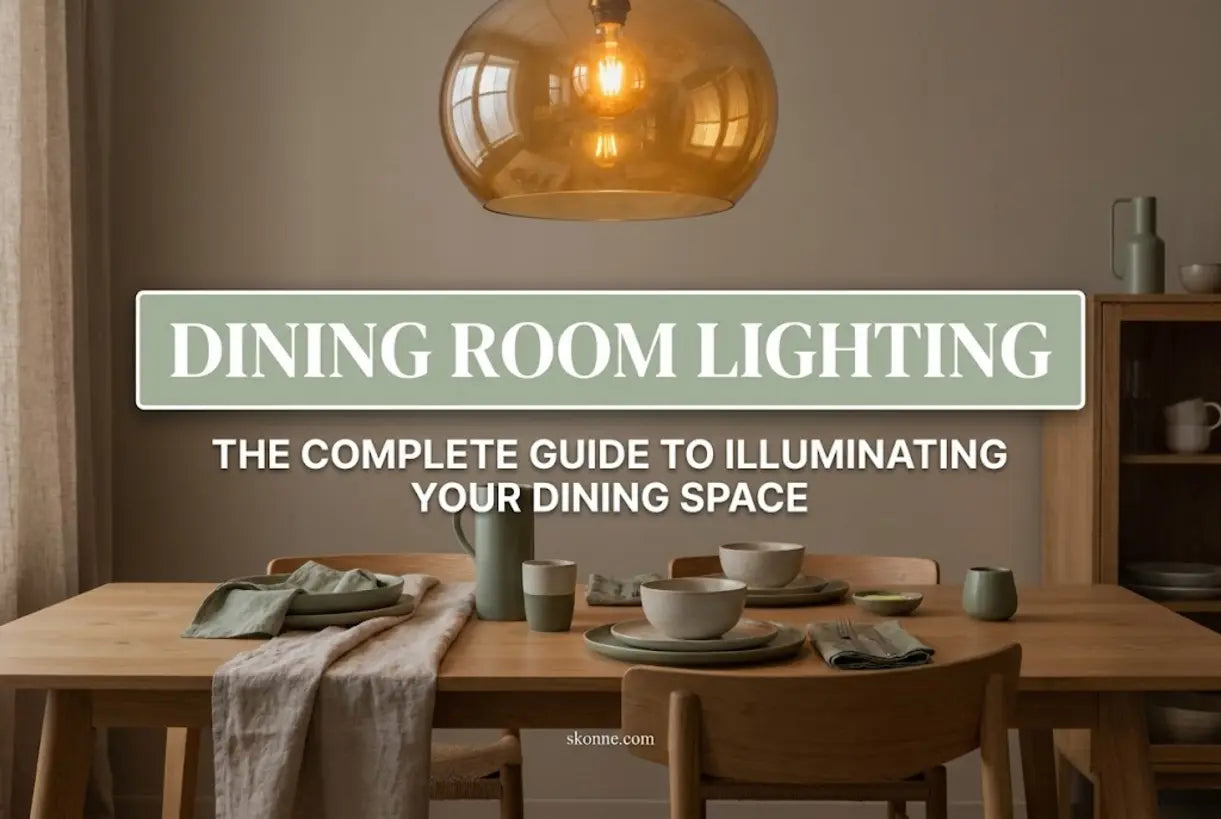
Summary›
The perfect dining space isn't just about the table you gather around or the chairs you settle into. It's about the atmosphere—the warm glow that makes Sunday dinners linger and casual breakfasts feel special. Dining room lighting shapes these moments, transforming an ordinary space into the heart of your home where memories are made.Whether you're renovating a formal dining room or refreshing your eat-in kitchen, finding the right illumination requires understanding both the art and science of light. From choosing the best lighting for dining room gatherings to mastering the subtle techniques of layered illumination, this guide will walk you through everything you need to create the perfect ambiance. And yes—the fixtures you choose matter, and we'll show you why Skonne's Scandinavian-inspired collection offers solutions designed for both beauty and intention.
The Art of Dining Room Lighting
The role of dining room lighting extends far beyond basic visibility. It sets the mood, defines the space, and acts as a sculptural element that anchors your design. When guests enter your dining area, the lighting is often the first thing that draws their eye—and creates that initial impression of warmth and welcome.Consider how different types of light affect your experience. Warm, dimmable fixtures encourage leisurely conversation and relaxed dining. Bright, cool light might feel appropriate for a breakfast nook but disrupts the intimate atmosphere most desire for evening meals. This is why understanding the interplay between ambient dining room light, task illumination, and accent lighting creates such a powerful effect.The Scandinavian design philosophy that guides Skonne's curation emphasizes this balance. Nordic homes are masters of hygge—that cozy, content feeling that comes from intentional surroundings. Their approach to dining lighting typically combines sculptural statement pieces with softer, diffuse light sources that eliminate harsh shadows and create inviting glow.Types of Dining Room Lighting Solutions
Before selecting fixtures, understand the categories of dining room lighting ideas available to you:Chandeliers: The Statement Makers
Chandeliers remain the classic choice for dining room illumination. They create a focal point, draw the eye upward to enhance ceiling height, and distribute light evenly across the table surface. Modern dining room lighting trends favor sculptural chandeliers that double as art pieces—not just light sources.For rectangular tables or elongated dining spaces, Linear Pendant Lights offer an excellent alternative to traditional circular chandeliers, providing even light distribution without overwhelming the space.Pendant Lights: Versatile and Modern
Dining room pendant lights offer incredible flexibility. A single oversized pendant can serve as a striking centerpiece, while clusters of smaller pendants create visual interest and customizable illumination. Pendants work beautifully in contemporary spaces and can be suspended at varying heights for artistic effect.Wall Sconces: The Layering Essential
Often overlooked, wall sconces contribute significantly to layered lighting dining room design. They add warmth to the perimeter, eliminate dark corners, and provide gentle ambient light when overhead fixtures are dimmed. Sconces also free up table space while adding architectural character.Flush and Semi-Flush Mounts
For dining rooms with lower ceilings, flush and semi-flush mounts provide functional light without sacrificing headroom. Modern designs in this category have evolved dramatically, with many offering the sculptural presence of pendant lighting in a ceiling-hugging profile.Dining Room Lighting
Shop all Dining Room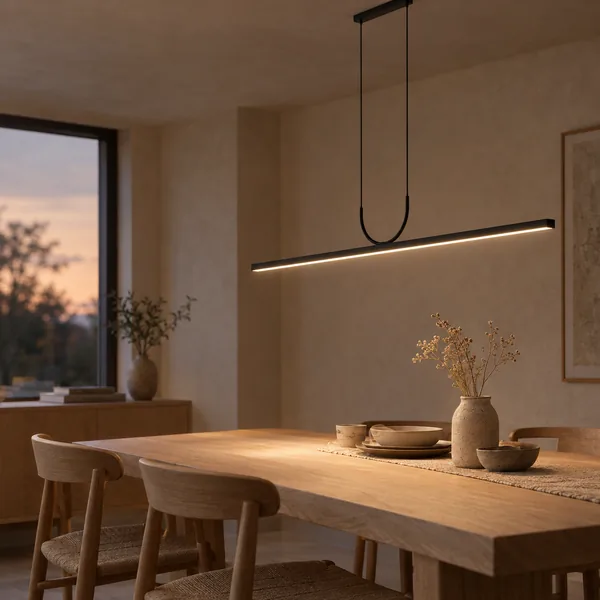
 Save $140.00
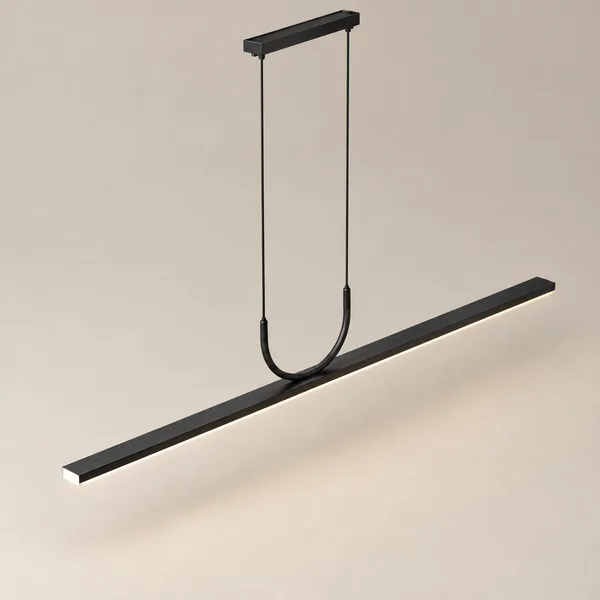
Linné Minimalist Linear Black LED Pendant Light
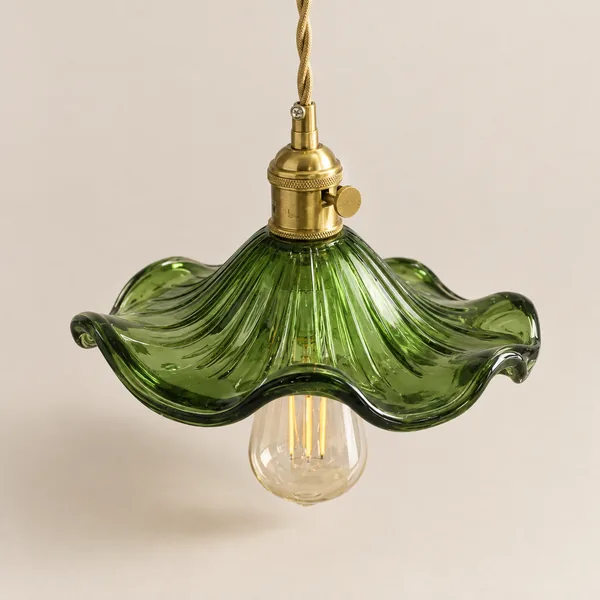 Save $60.00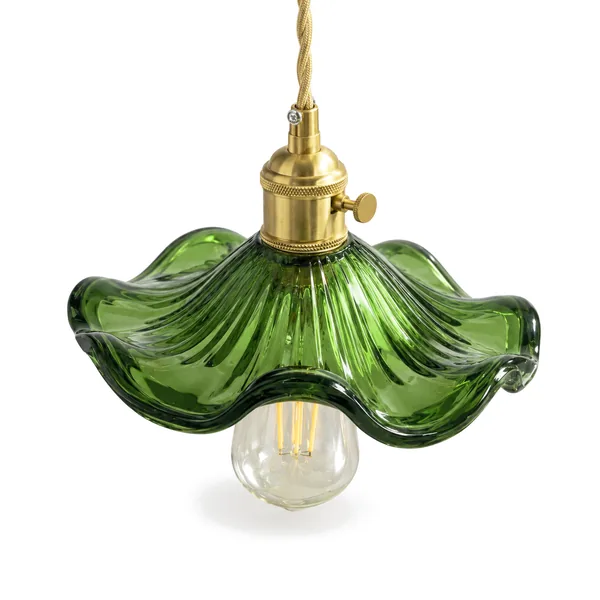
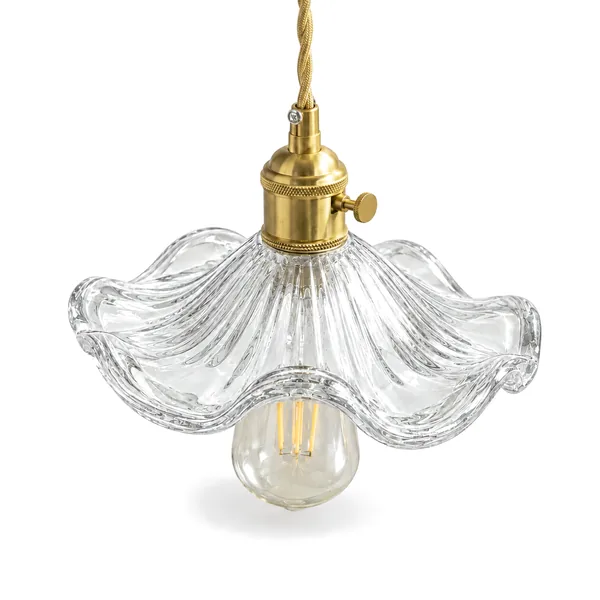
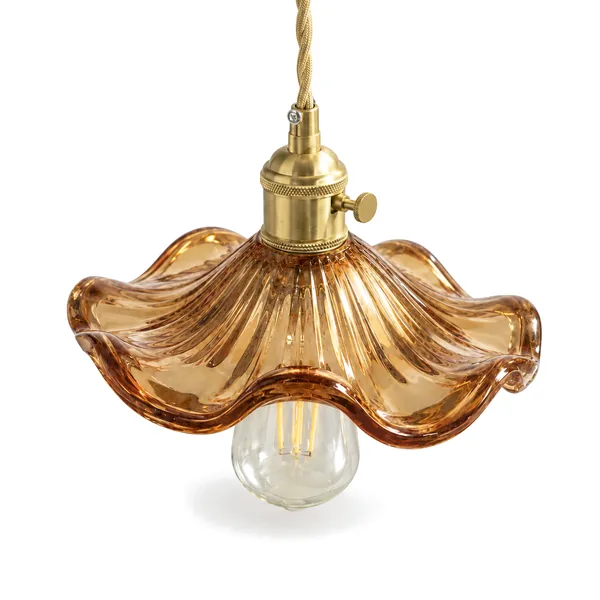 3 options
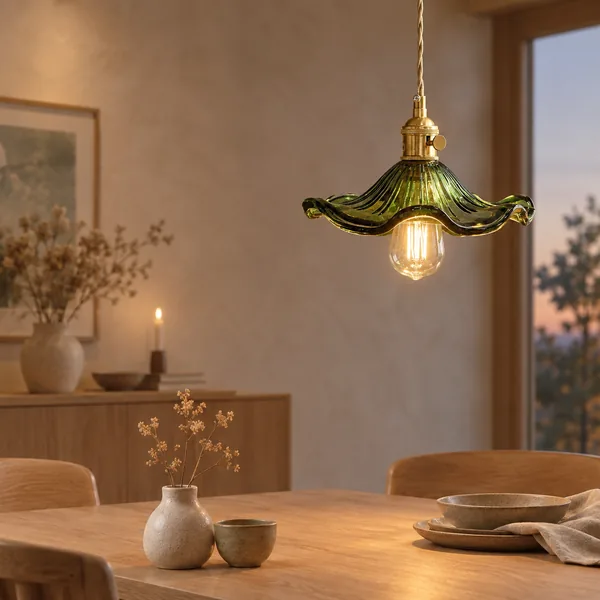
Glora Nordic Glass Pendant Light with Copper
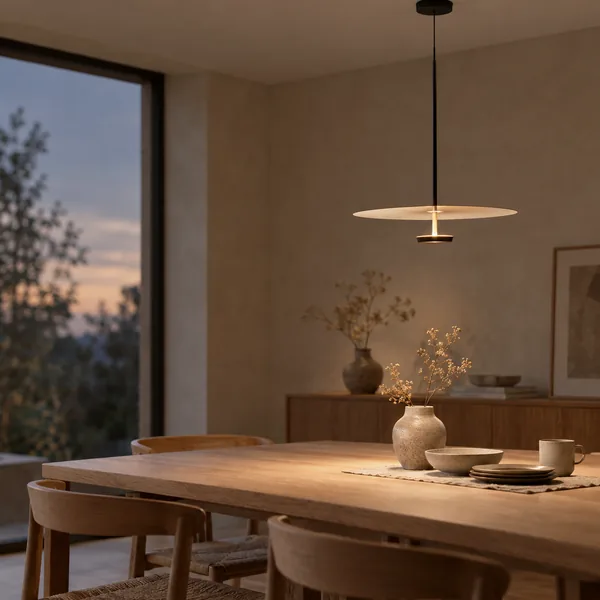
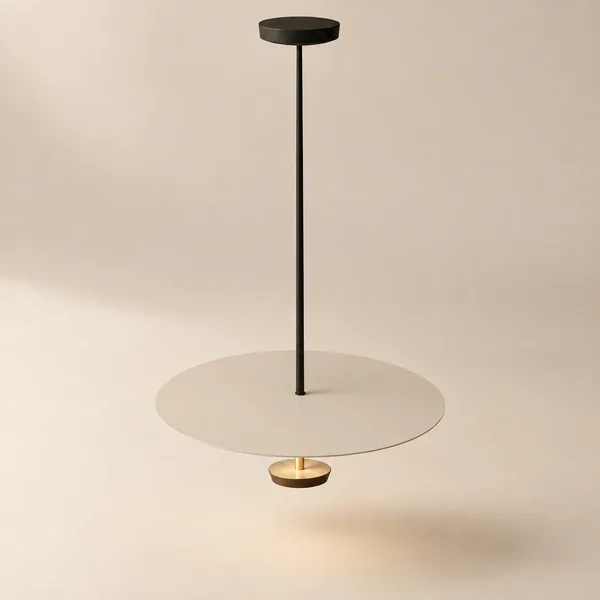 Save $120.00
Skiva Nordic Saucer Ceiling Pendant Light LED
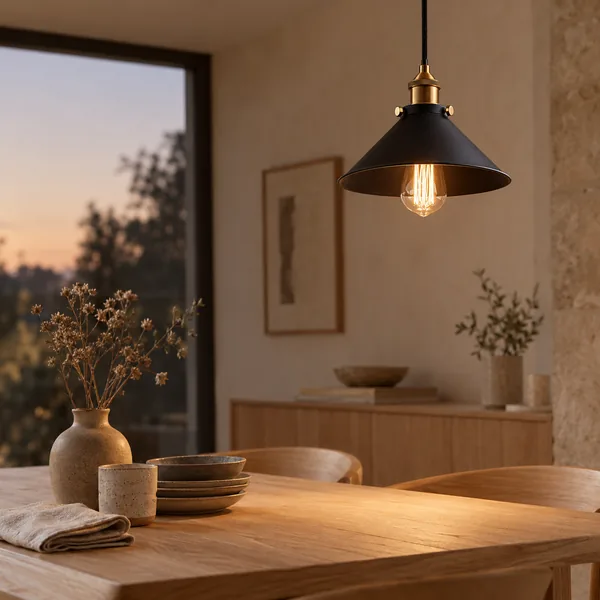
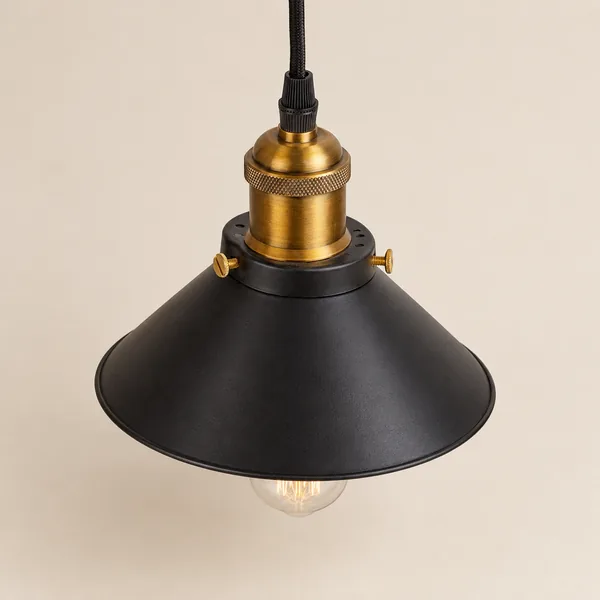
When choosing your primary fixture, consider the emotional response you want to evoke. The Stjerna Vintage French Clear Glass Chandelier exemplifies how a single piece can transform a dining room into a sophisticated gathering space. Its rippled clear glass and elegant gold hardware create that coveted vintage-inspired aesthetic while casting beautiful, refracted light across your table.
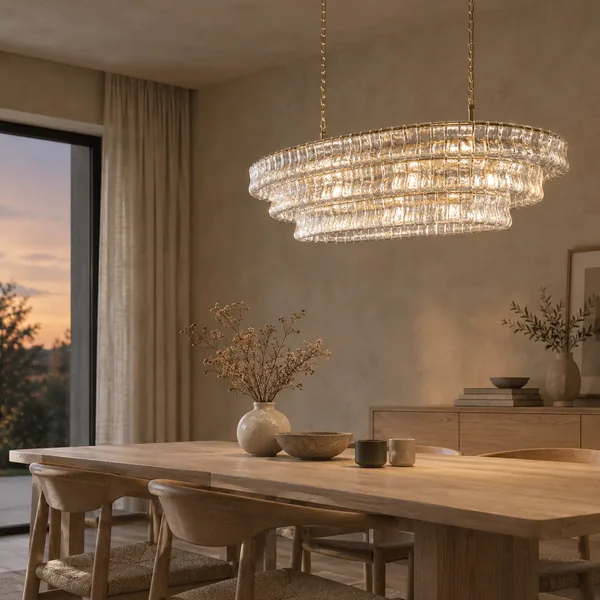 Stjerna Vintage French Clear Glass Chandelier$1,799.00$2,259.00
Expert Guidelines for Sizing and Placement
Getting the proportions right ensures your dining room lighting enhances rather than overwhelms the space. Here are the professional rules that interior designers follow:The Sizing Formula
For chandeliers and pendants over dining tables, measure your table's width and select a fixture that's approximately 1/2 to 2/3 of that width. This creates visual balance—large enough to make a statement, small enough to avoid overwhelming the setting.For round tables, follow the same proportional rule based on table diameter. For rectangular tables longer than six feet, consider two smaller pendants or a linear chandelier to provide even light distribution.Hanging Height Matters
The 30-36 inch rule is your golden standard. Position the bottom of your fixture 30 to 36 inches above the table surface. This provides adequate task lighting for dining while maintaining clear sightlines across the table for conversation.For rooms with ceilings higher than nine feet, add approximately three inches of hanging length per additional foot of ceiling height. This adjustment maintains proper proportions and ensures the fixture remains visually connected to the dining area below.Electrical Considerations
If you don't have a junction box centered over your table, consult an electrician about relocating it. Off-center fixtures disrupt the visual harmony of your dining space and can feel like a design mistake rather than an intentional choice.
The Power of Layered Lighting
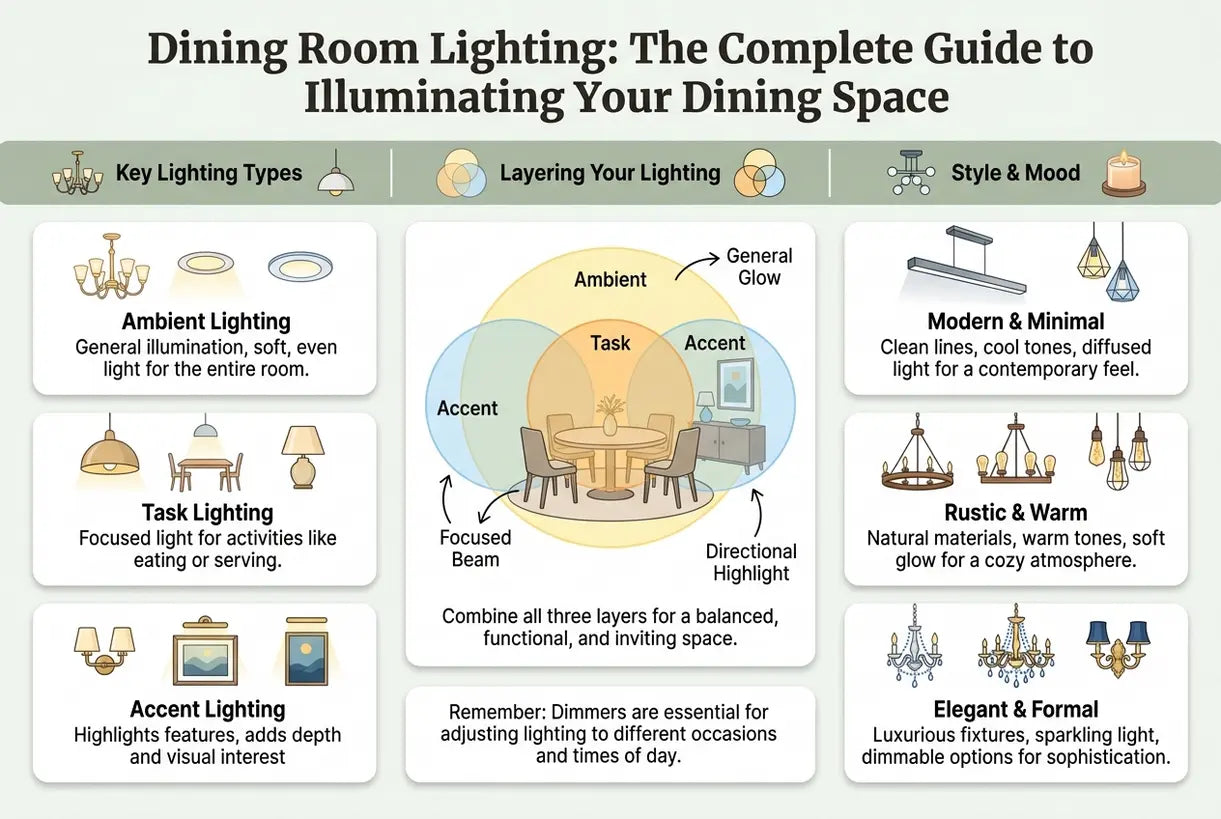
The most sophisticated dining rooms don't rely on a single light source. Instead, they employ layered lighting dining room techniques that create depth, eliminate harsh shadows, and provide flexibility for different occasions.Layer One: Ambient Light
Your primary fixture—whether chandelier, pendant, or flush mount—provides general ambient light. This layer ensures safe movement and establishes the room's baseline brightness. Dimmable fixtures are essential here, allowing you to transition from bright family breakfasts to intimate dinner parties.Layer Two: Task Lighting
While dining doesn't require the precise task lighting of reading or food preparation, layers that illuminate serving areas, sideboards, or buffet spaces prove invaluable. Consider picture lights above artwork or directed spotlights on architectural features.Layer Three: Accent and Decorative Light
This layer adds personality and warmth. Wall sconces, floor lamps in corners, and even candles on the table itself contribute to accent lighting. These sources create that magical glow that makes dining rooms feel special and inviting.For those seeking a pendant that epitomizes organic elegance, the Driva Sculptural Cloud Pendant Light in Glass offers ethereal beauty that works beautifully as both ambient centerpiece and sculptural accent. Meanwhile, completing your layered scheme with thoughtfully placed wall fixtures like the Eldorm Handcrafted Wabi-Sabi Iron Wall Sconce adds warmth and character that overhead lighting alone cannot achieve.Scandinavian Lighting Solutions for Layered Dining Design
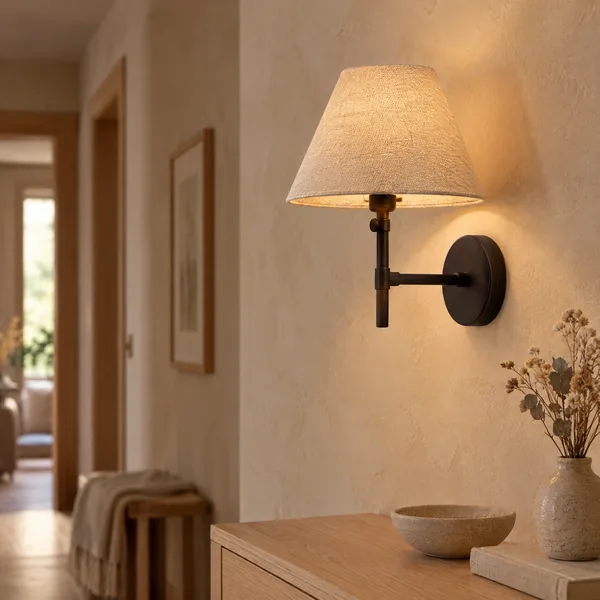 Eldorm Handcrafted Wabi-Sabi Iron Wall Sconce$199.00$259.00
Scandinavian Design Trends in Dining Lighting
Scandinavian dining lighting continues to influence global design trends, and for good reason. The Nordic approach prioritizes functionality without sacrificing beauty—a philosophy that resonates perfectly with modern homeowners seeking longevity in their investments.Natural Materials and Organic Shapes
Current trends favor fixtures that incorporate natural elements—handcrafted glass, warm brass finishes, and organic silhouettes that reference natural forms. These pieces feel timeless rather than trendy, aging gracefully as your design evolves.Mixed Material Combinations
Brass paired with glass, matte black iron with natural wood accents, and polished chrome with linen shades all create visual interest through material contrast. This layering of textures adds sophistication while maintaining the clean aesthetic Scandinavian design is known for.Warm LED Technology
Modern LED technology has finally mastered warm color temperatures that rival traditional incandescent bulbs. Look for LEDs rated 2700K to 3000K for dining applications—this "soft white" range mimics candlelight and creates the flattering, inviting glow perfect for dining spaces.Chandeliers
Shop all Chandeliers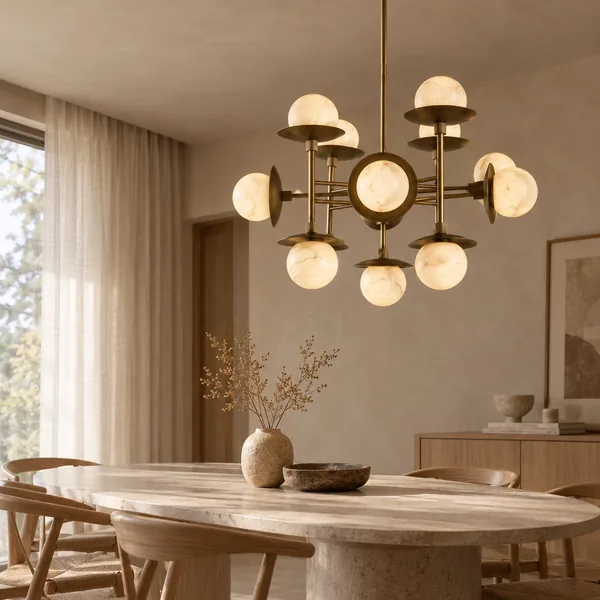
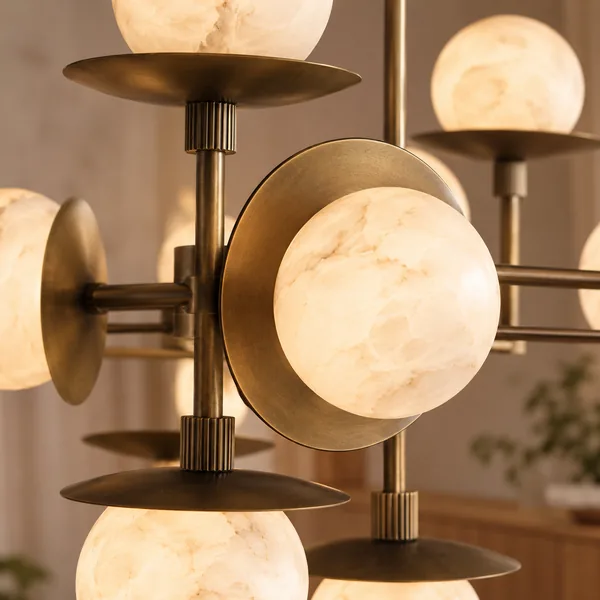
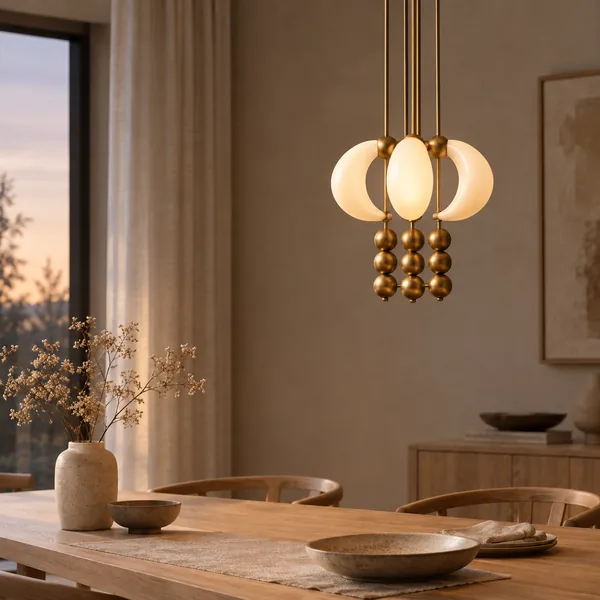
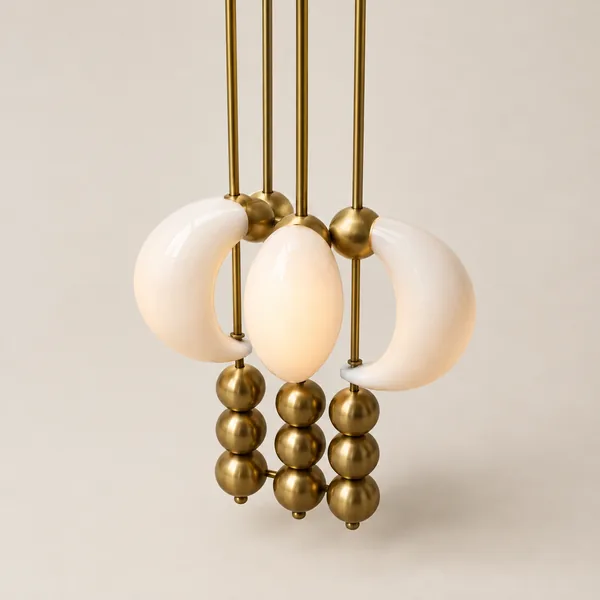
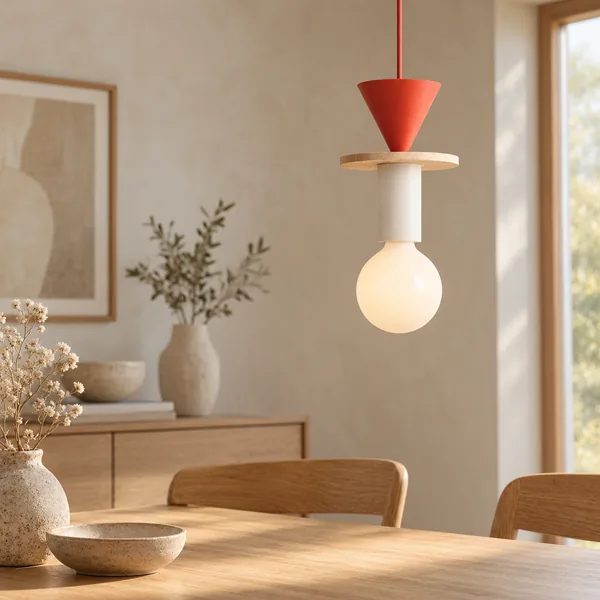

When curating your space, remember that scandinavian dining lighting is ultimately about creating that feeling of hygge—the Danish concept of cozy contentment. Every fixture should contribute to an environment where people feel comfortable lingering over good food and better conversation.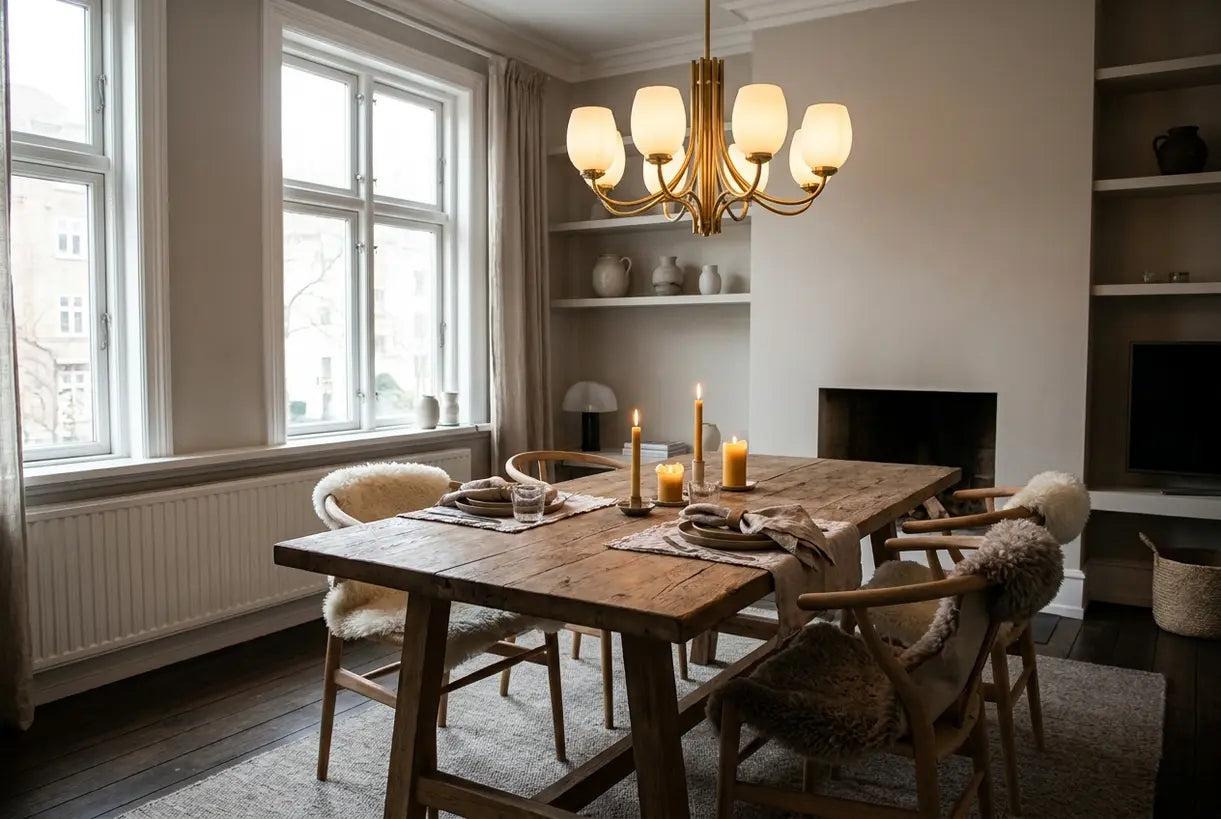
Installation and Technical Considerations
Understanding the technical aspects of dining room lighting installation helps you make informed decisions and avoid common pitfalls that plague many homeowners.Dimmer Switches Are Non-Negotiable
If you take only one technical recommendation, make it this: install dimmer switches for all dining room lighting. The ability to adjust brightness transforms your space from functional to magical. LED-compatible dimmers are widely available and essential for modern fixtures.Can Lighting and Architectural Integration
Recessed can lights provide supplementary illumination but should never serve as your primary dining light source—they create unflattering downward shadows and lack the visual presence that defines a dining space. Use them sparingly for accent purposes only.Professional vs. DIY Installation
While swapping existing fixtures for new ones can be a manageable DIY project, new installations requiring electrical work should always involve a licensed electrician. Safety considerations, code compliance, and warranty protection all demand professional expertise for new wiring or circuits.Avoiding Common Mistakes
The most frequent errors in dining lighting include selecting fixtures that are too small for the space, hanging them too high above the table, ignoring the importance of dimming capability, and failing to consider how the fixture looks when unlit. Your lighting should be beautiful 24 hours a day—not just when illuminated.Conclusion: Illuminating Your Perfect Dining Space
Creating exceptional dining room lighting requires balancing practical considerations with aesthetic vision. From understanding the best lighting for dining room applications to mastering the principles of scale, placement, and layering, you now have the knowledge to transform your space into something truly special.The fixtures you choose serve as both functional tools and design statements, anchoring your dining area while creating the atmospheric conditions for memorable gatherings. As you consider your options, remember that quality matters—well-crafted fixtures become the heirlooms that illuminate your family's most important moments for years to come.At Skonne, we curate lighting solutions that honor the Scandinavian principles of hygge—intentional, beautiful, and warm. Whether you're drawn to the timeless elegance of vintage-inspired chandeliers, the organic beauty of sculptural pendants, or the subtle warmth of artisan wall sconces, our collection offers the pieces that transform houses into homes. Explore our full range of dining room lighting and discover fixtures designed not just to illuminate your space, but to enhance the life lived within it.Related Article
Frequently asked questions
The best dining room lighting combines a central statement fixture—such as a chandelier or pendant light—paired with dimmer capability and supplemental wall sconces for layered ambiance. Look for fixtures that provide warm, soft light (2700K-3000K) to create an inviting atmosphere. The fixture should be 1/2 to 2/3 the width of your table and hang 30-36 inches above the surface for optimal illumination and visual balance.
The most common mistakes include choosing fixtures that are too small for the space (breaking the 1/2 to 2/3 width rule), hanging lights too high above the table (should be 30-36 inches), neglecting dimmer switches (essential for mood control), relying solely on recessed can lights (creates harsh shadows), and failing to consider how fixtures look when unlit. Another frequent error is placing the fixture off-center relative to the table, which disrupts visual harmony.
Popular dining room lighting options include chandeliers (traditional statement pieces), pendant lights (versatile and modern), linear suspensions (perfect for rectangular tables), wall sconces (for layered ambient light), and semi-flush mounts (ideal for lower ceilings). Many contemporary dining rooms combine multiple types—such as a central chandelier with flanking sconces—to create depth and flexibility. The choice depends on your ceiling height, table shape, and desired aesthetic.
Alternatives to traditional chandeliers include oversized single pendants, clustered groupings of smaller pendants, linear suspension lights for rectangular tables, drum shade pendants for contemporary spaces, and sculptural glass or organic-shaped fixtures that double as art pieces. For lower ceilings, consider oversized flush or semi-flush mounts that provide presence without hanging too low. Wall-mounted swing arm lamps or perimeter sconces with a flush ceiling fixture also work well in modern spaces.
For existing fixtures, DIY replacement typically involves turning off power at the breaker, removing the old fixture, connecting matching wires (black to black, white to white, ground to ground), and mounting the new fixture according to manufacturer instructions. For new installations requiring new junction boxes or wiring, hire a licensed electrician to ensure code compliance and safety. Always verify your box can support the fixture's weight, and ensure the fixture is centered over the dining table—not the room itself.