
Floor Lamps with Glass Shades: Frosted, Milk Glass, Marble & Material Designs
Summary›
A floor lamp with glass shade does more than illuminate a room—it creates atmosphere, defines spatial boundaries, and introduces sculptural artistry into your daily life. Whether you're cultivating a cozy reading nook or anchoring an open-concept living area, the materiality of your lamp determines both the quality of light and the emotional resonance of your space. From the ethereal diffusion of frosted glass to the substantial elegance of marble bases, understanding these materials empowers you to make intentional choices that align with Scandinavian design principles: warmth, functionality, and understated beauty.
At Skonne, we curate lighting that embodies hygge—that unpushable sense of contentment that emerges when textures, light, and space harmonize. This guide explores the distinctive characteristics of glass and stone floor lamps, offering clarity on everything from vintage milk glass to modern sculptural designs, ensuring your next lamp becomes a cherished element of your home for years to come.
Understanding Glass Shade Materials and Light Quality
Not all glass is created equal. The manufacturing process, opacity level, and surface texture of a glass shade standing lamp fundamentally alter how light disperses throughout your room. When selecting your fixture, consider how different glass types filter illumination and contribute to your desired ambiance.
Frosted Glass: Soft Ambient Diffusion
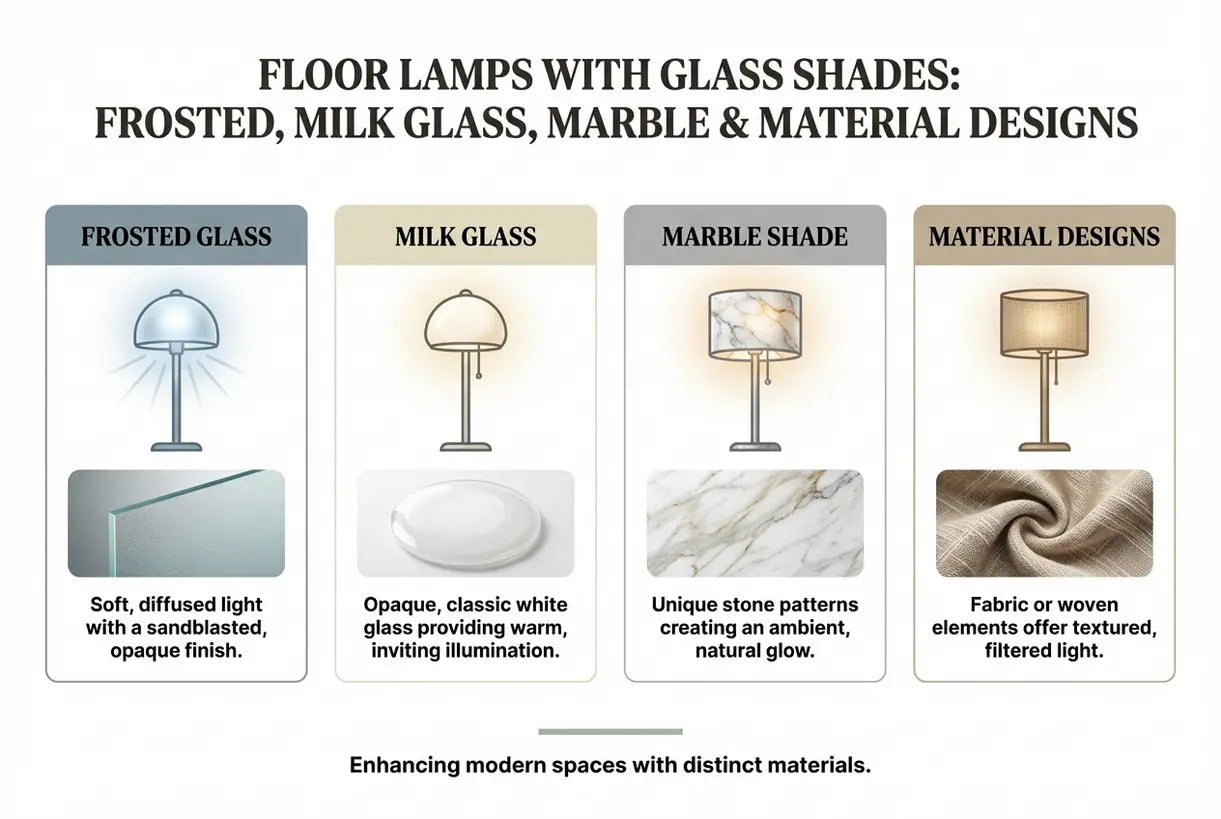
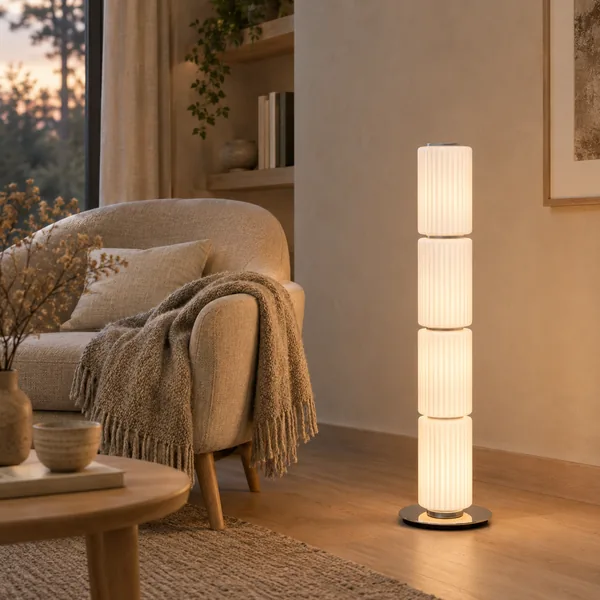
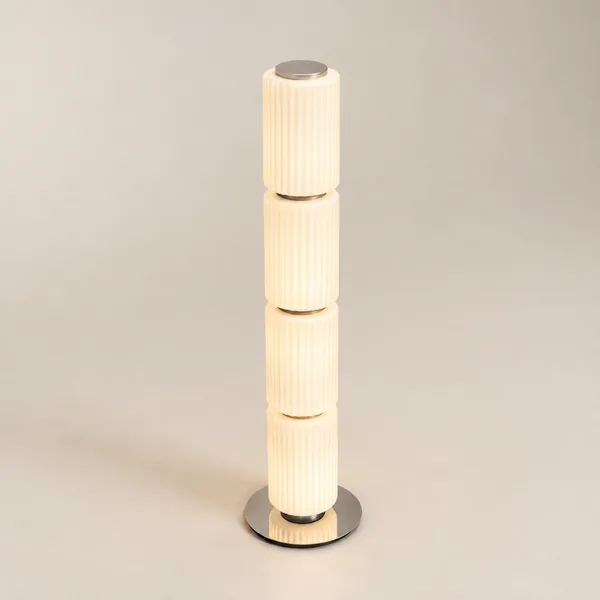
Frosted glass floor lamp designs utilize acid-etching or sandblasting techniques to create a satin-like surface that transforms harsh bulb glare into gentle, ambient pools of light. This translucent finish obscures the light source while maximizing diffusion—ideal for spaces where you want illumination without visual clutter. In Scandinavian-inspired interiors, frosted glass complements natural wood tones and neutral textiles, creating layers of soft luminosity that feel both modern and timeless.
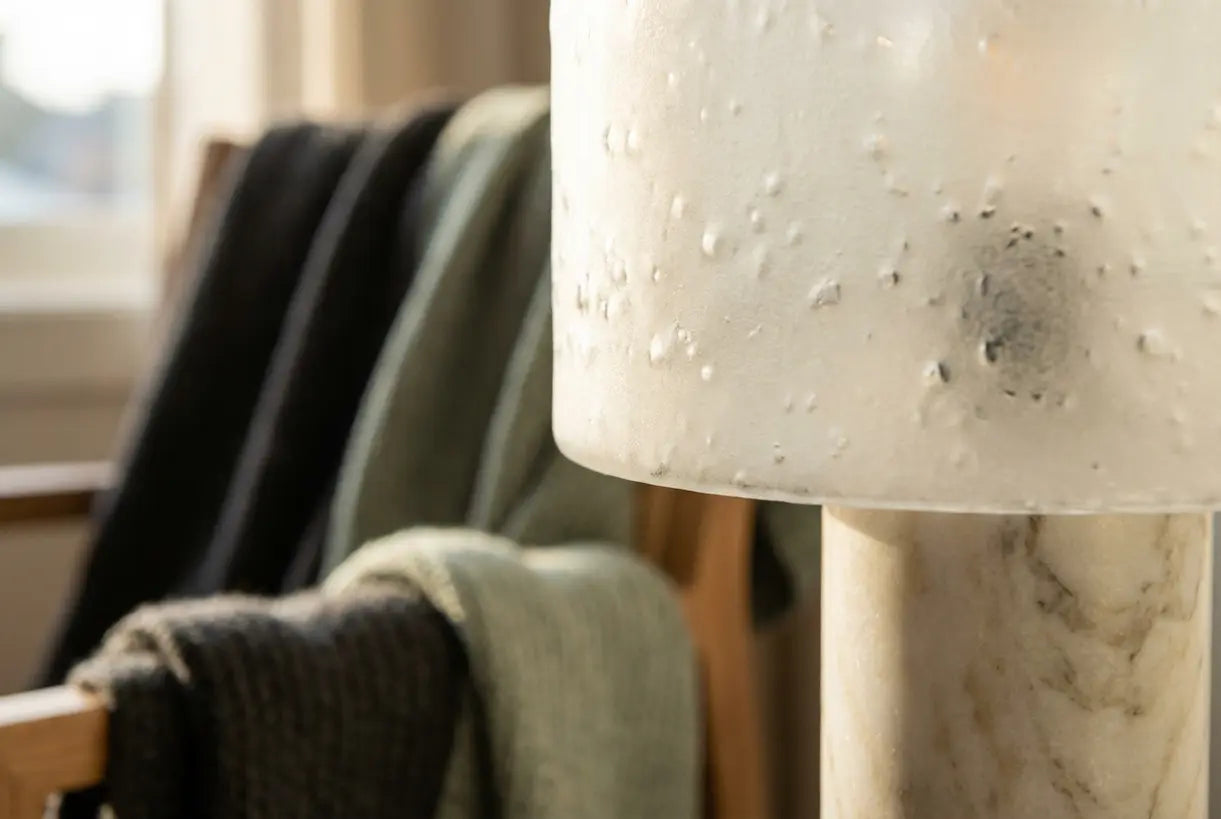
The textural quality of frosted glass also conceals dust and fingerprints better than transparent alternatives, making it practical for high-traffic living areas. When illuminated, these shades emit a moonlight-quality glow that reduces eye strain while maintaining sufficient brightness for conversation and relaxation.
Milk Glass: Vintage Charm and Opalescent Beauty
Milk glass floor lamp options carry distinct nostalgic weight. Originally developed in 16th-century Venice and later popularized during the American mid-century modern movement, milk glass features an opaque, creamy white appearance created by adding tin oxide or bone ash during the glassblowing process. Unlike frosted glass, which is translucent, milk glass is fully opaque until illuminated, at which point it glows with warm, ivory-toned light.
This material has experienced resurgence among design enthusiasts who appreciate its vintage glass floor lamp aesthetic. The opaque quality directs light upward and downward rather than through the sides, creating dramatic pools of illumination that define specific zones within open floor plans. For those seeking authentic character with functional artistry, milk glass offers historical resonance alongside contemporary relevance.
Alabaster: Nature's Translucent Stone
Alabaster represents the pinnacle of natural luxury in lighting design. This fine-grained, translucent gypsum stone features subtle, organic veining that creates unique patterns in every piece. An alabaster floor lamp filters light through stone rather than glass, producing exceptionally warm, golden illumination that mimics candlelight. Because alabaster is significantly softer than marble, artisans can carve intricate details while maintaining thin walls that allow light penetration.
The material's natural variation means no two lamps are identical—a quality highly valued in curated, intentional interiors. Alabaster works particularly well in spaces where you want to introduce natural elements and tactile luxury without overwhelming minimal design schemes.
Floor Lamps
Shop all Floor Lamps
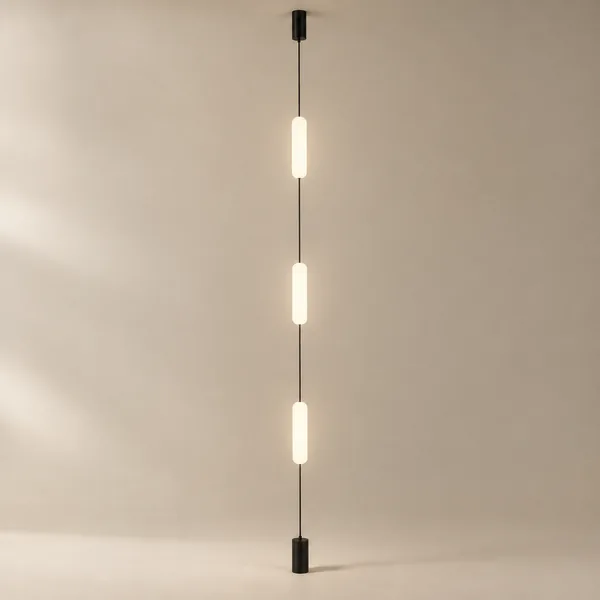
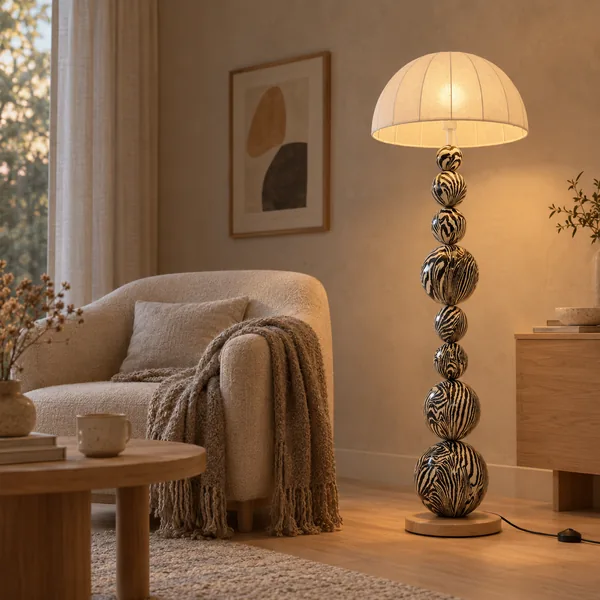
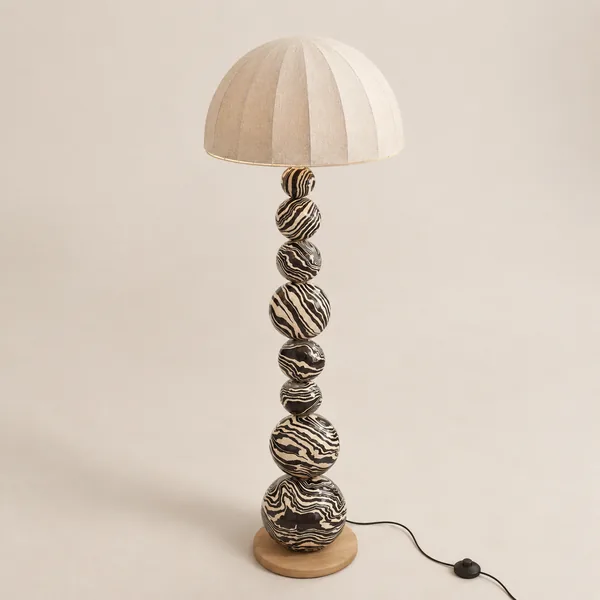
The Timeless Appeal of Marble and Stone Base Lamps
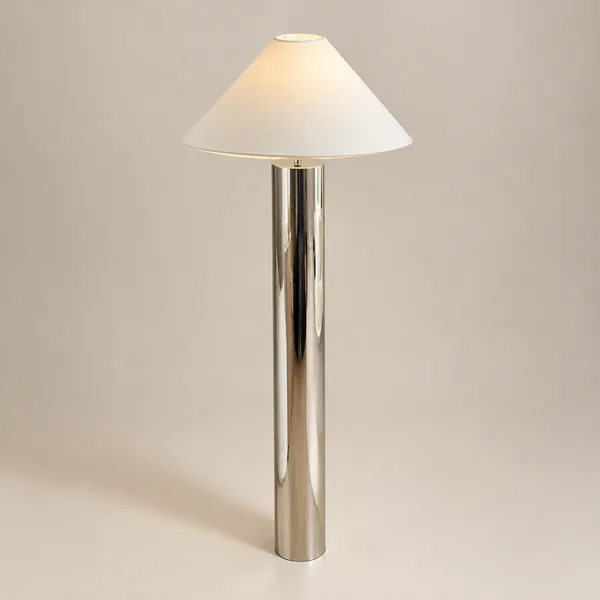
While glass shades control light emission, the base material of your floor lamp anchors the piece physically and aesthetically. Marble and stone bases introduce weight, stability, and geological artistry that ground airy contemporary spaces. For those drawn to the organic elegance of stone, our Marble Lighting collection offers a curated selection of pieces that celebrate natural materiality.
A marble floor lamp transcends trends through the inherent uniqueness of its veining patterns. Carrara marble offers subtle grey striations against white backgrounds, while calacatta varieties feature more dramatic, thick veining in gold and grey tones. These variations ensure your lamp functions as both lighting and sculptural art object. The thermal properties of stone also contribute to lamp stability, preventing tipping while providing a cool-to-the-touch surface even after hours of use.
Scandinavian design philosophy emphasizes honest materials—showing the natural character of substances rather than disguising them. Marble bases embody this principle, celebrating millions of years of geological formation through polished surfaces that interact dynamically with ambient light.
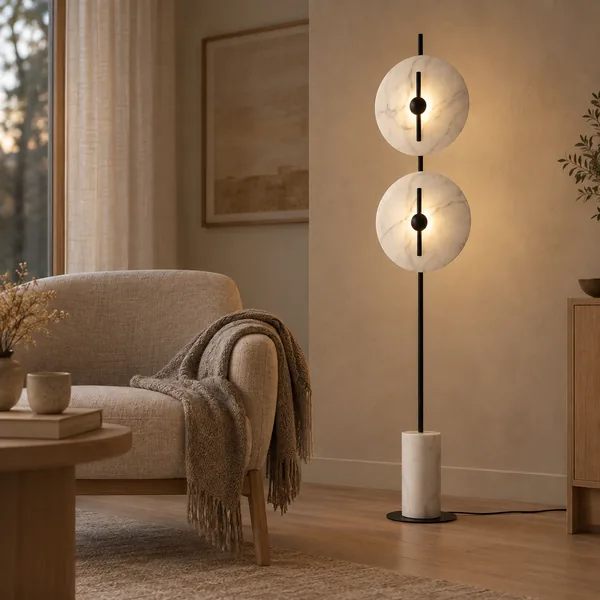 Stava Sculptural Marble Base Floor Lamp 67 in$569.00$799.00
The Stava Sculptural Marble Base Floor Lamp exemplifies this material honesty. At 67 inches, the sculptural marble base floor lamp commands attention through its substantial polished base featuring unique natural veining—no two pieces share identical patterns. The dual resin shades temper the stone's visual weight, casting warm 3000K illumination that transforms the marble's crystalline structure into a subtle glow after dark. This piece works exceptionally well beside low-profile sofas or as a statement piece in minimalist entryways where its geological artistry welcomes guests.
Modern Sculptural Glass and Arc Designs
Contemporary lighting design has evolved beyond traditional drum and bell shapes into organic, sculptural forms that function as standalone art pieces. Modern glass floor lamp designs often feature hand-blown or molded glass elements that challenge conventional silhouettes while maintaining the material's light-diffusing properties.
These artistic interpretations range from clustered bubble formations to fluid, asymmetrical shapes that reference natural phenomena like water droplets or ice formations. The transparency of clear glass allows these sculptural elements to occupy visual space without creating physical obstruction—ideal for smaller apartments or open-concept layouts where sightlines matter.
Sculptural Lighting Statements
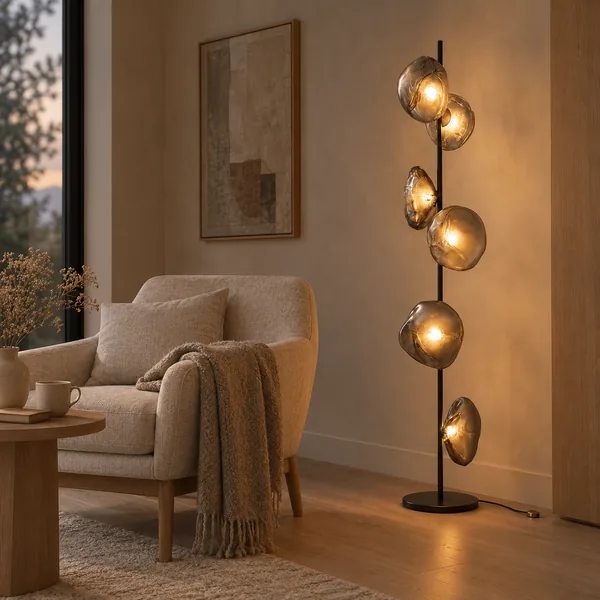 Glovar Sculptural Glass Floor Lamp for Living Room$999.00$1,399.00
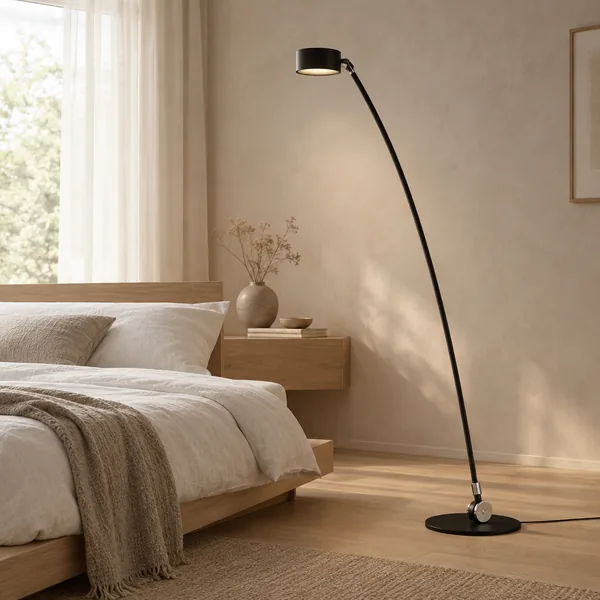 Bøyve Minimalist Arc LED Floor Lamp Matte Black$459.00$669.00
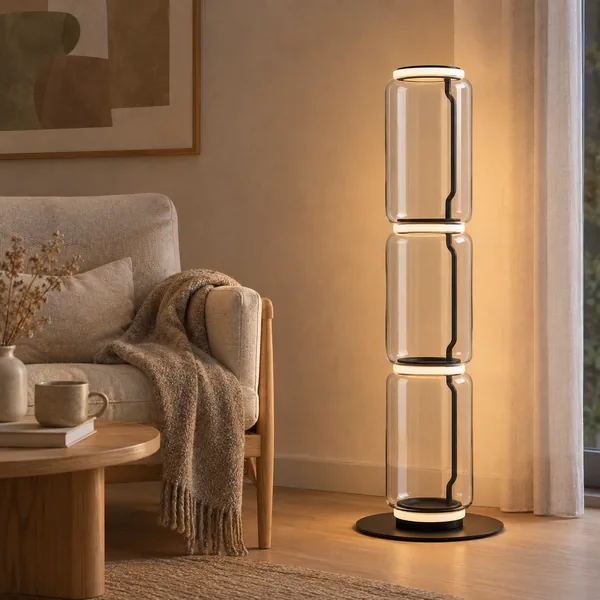
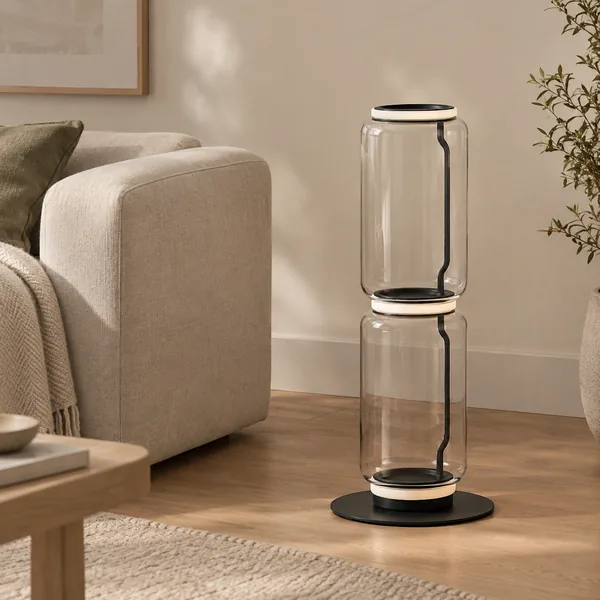
The Glovar Sculptural Glass Floor Lamp embraces this artistic philosophy through organically formed toughened glass shades that appear to float within their metal frameworks. Available in smoky grey or transparent finishes with gold or black metal details, this piece diffuses warm LED illumination through its irregular contours, casting dynamic shadows that shift throughout the day. It's a conversation piece that refuses to fade into the background.
For spaces requiring adjustable overhead lighting without hardwired installation, arc floor lamps provide architectural presence. The Bøyve Minimalist Arc LED Floor Lamp offers remarkable versatility through its tricolor dimming system (3000K/4000K/6000K) and five height configurations spanning 63 to 102 inches. The matte black metal finish and clean lines honor Scandinavian functionalism while the adjustable color temperature allows you to shift from energizing daylight-mimicking illumination to cozy evening warmth as your daily rhythms change.
Glass Lighting
Shop all Glass Lighting
Styling Your Glass Floor Lamp in Living Spaces
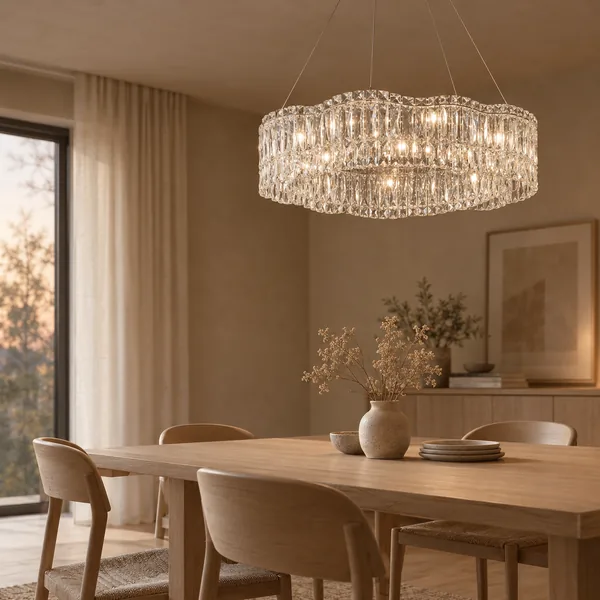
Placement significantly impacts how your floor lamp with glass shade performs within your interior ecosystem. Consider the lamp's primary function—ambient lighting, task illumination for reading, or accent lighting highlighting architectural features—when determining location.
Scale proportion matters enormously. In rooms with ceilings exceeding nine feet, taller lamps (65+ inches) prevent the fixture from appearing dwarfed by vertical space. Conversely, standard 8-foot ceilings pair well with lamps between 58 and 64 inches. Always position reading lamps beside seating rather than behind it, ensuring the light source sits roughly 40-45 inches from the floor to eye level when seated—this prevents glare while providing adequate illumination for text.
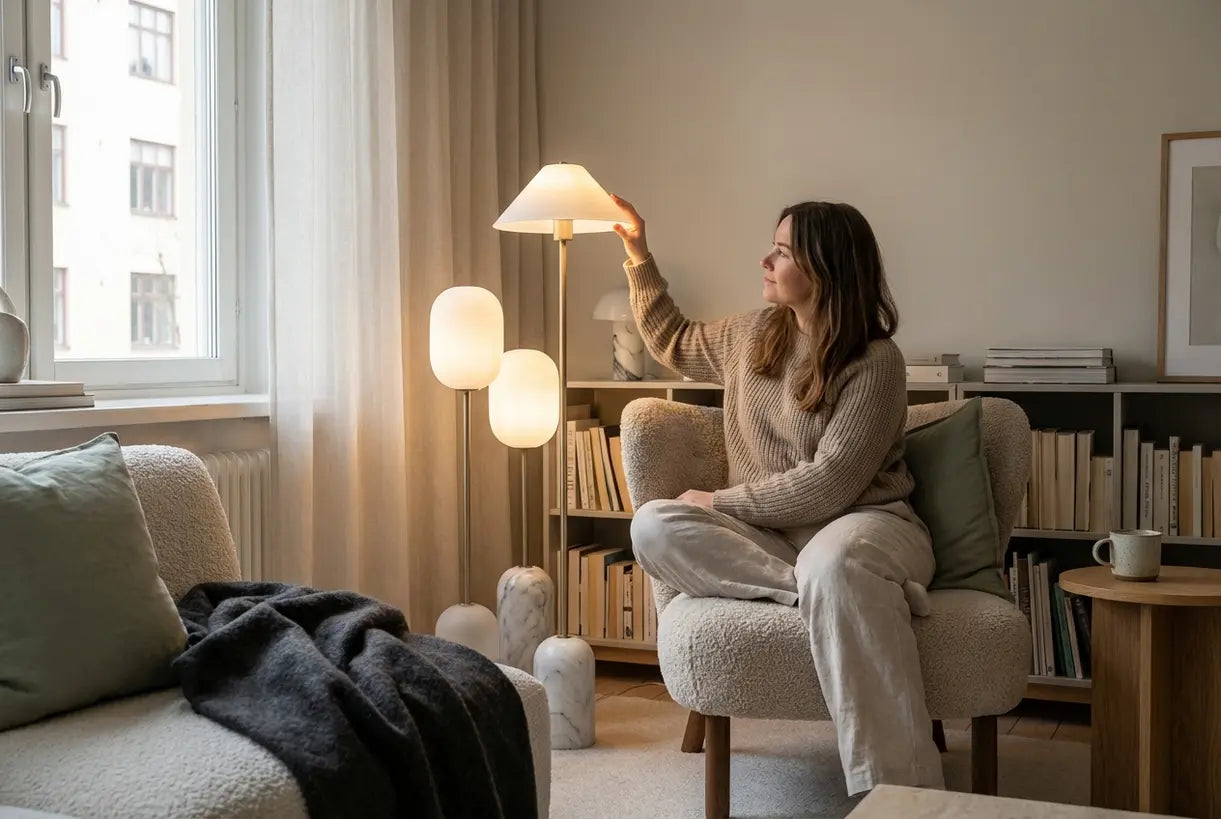
Material coordination creates cohesion without rigidity. A stone base floor lamp positioned near natural wood furniture or wool textiles emphasizes organic material consistency. Glass lamps adjacent to metal coffee tables or ceramic accessories create complementary textural contrast. For comprehensive guidance on integrating lighting into cohesive room designs, Architectural Digest offers expert insights on lighting placement principles that complement our Scandinavian approach.
Design Tip: When pairing multiple floor lamps in open-concept spaces, vary the heights and materials while maintaining consistent color temperatures. This creates visual interest while ensuring harmonious light quality across the entire area.Caring for Your Glass and Stone Investment
Preserving the beauty of premium materials requires specific maintenance approaches. For glass shades, weekly dusting with microfiber cloths prevents buildup. When deeper cleaning becomes necessary, avoid ammonia-based cleaners that can etch or cloud glass over time. Instead, use a solution of mild dish soap and lukewarm water, applying with a soft lint-free cloth and drying immediately to prevent water spots.
Marble and alabaster bases demand different care. These natural stones are porous and vulnerable to acidic substances. Clean marble using pH-neutral stone cleaner or simple distilled water, never vinegar or lemon-based products. Blot spills immediately rather than wiping to prevent spreading. With proper care, these materials develop a desirable patina that enhances their character without diminishing their elegance.
Maintenance Note: LED bulbs generate minimal heat compared to incandescent alternatives, reducing thermal stress on glass shades and preventing discoloration of milk glass and alabaster materials over time.Conclusion: Illuminating with Intention
Selecting the perfect floor lamp with glass shade involves balancing aesthetic preferences with functional requirements and material appreciation. Whether you're drawn to the vintage romance of milk glass, the contemporary softness of frosted finishes, or the geological artistry of marble bases, your choice contributes to the narrative of your home. Each material—alabaster, marble, frosted glass, or transparent sculptural elements—offers distinct interactions with light that shape how you experience your space.
At Skonne, we curate floor lamps that honor Scandinavian design principles while embracing diverse material expressions. Our collection balances accessible elegance with investment-worthy craftsmanship, ensuring you find lighting that not only illuminates but inspires. When you're ready to transform your living space with thoughtful, intentional illumination, explore our full range of Scandinavian-inspired designs—where every piece is selected to help you cultivate that essential sense of hygge that turns houses into sanctuaries.
Related Article
Green Floor Lamps: Sage, Emerald & Forest Green Designs for Nature-Inspired InteriorsExplore sage, emerald, and forest green floor lamps to bring biophilic beauty into your home. Nature-inspired lighting for calm, grounded interiors.