
Glass Home Decoration: How to Style Glass Decorative Objects for a Luminous, Elegant Interior
Summary›
- The Scandinavian Philosophy of Glass in Home Decor
- Where to Use Glass Home Decoration: Room-by-Room Guide
- Creating a Luminous Interior with Glass
- Color Pairing Strategies for Glass Decorative Objects
- Mixing Glass with Other Materials in Decor
- Styling Techniques for Glass Decorative Objects
- Conclusion: Curating Your Luminous Interior
There's something almost magical about the way glass transforms a room. In Scandinavian design philosophy, glass home decoration isn't merely about adding shiny objects—it's about capturing light, creating depth, and inviting a sense of airy serenity into your living spaces. Whether you're drawn to the warm glow of amber glass or the crystalline clarity of borosilicate, styling glass decorative objects requires both intention and artistry.
In this guide, we'll explore how to curate luminous, elegant interiors using glass décor styling techniques rooted in Nordic sensibilities. You'll discover which rooms benefit most from translucent accents, how to pair colors with glass objects, and the secrets to layering different materials for a cohesive, elevated look. Along the way, we'll introduce you to thoughtfully designed pieces that embody the Scandinavian commitment to beauty and function.
The Scandinavian Philosophy of Glass in Home Decor
Scandinavian design has long celebrated glass as a medium that bridges the gap between nature and interior space. In Nordic countries, where winter darkness lingers and summer light is precious, glass becomes a tool for maximizing every ray of sunshine that filters through your windows. The region's glassmaking heritage—from Finnish iittala to Swedish Orrefors—emphasizes clean lines, organic forms, and the interplay between transparency and color.
When we talk about luminous interior design, we're really discussing how light moves through your home. Glass decorative objects act as prisms, reflecting and refracting illumination in ways that make spaces feel larger, warmer, and more inviting. Unlike opaque décor that absorbs light, glass invites it to dance.
The key to successful glass styling ideas lies in restraint. Scandinavian interiors rarely overwhelm with clutter; instead, they feature intentionally chosen pieces that serve as focal points. A single sculptural vase on a mantle can speak more eloquently than a crowded shelf of knick-knacks.
Where to Use Glass Home Decoration: Room-by-Room Guide
Understanding where glass shines brightest helps you make strategic styling decisions. Not every room calls for the same approach, and different spaces benefit from varying types of glass decorative objects.
Living Rooms: The Heart of Glass Display
The living room typically offers the most opportunities for glass home decoration. Coffee tables welcome clustered arrangements of varying heights—think a trio of glass vases in complementary shapes, or a statement candle holder anchoring a stack of design books. Console tables behind sofas provide perfect platforms for taller pieces that draw the eye upward without blocking sight lines.
Bedrooms: Subtle and Serene
In bedrooms, glass works best when it contributes to a restful atmosphere. Bedside tables adorned with petite glass vessels—perhaps holding a single dried stem or a flickering candle—add refinement without visual weight. Consider translucent pieces in muted tones like soft amber or smoky gray that complement rather than compete with your sanctuary's calm energy.
Dining Rooms: Elevated Entertaining
Here, glass fulfills both decorative and functional roles. A centerpiece of sculptural glass objects creates immediate sophistication for dinner parties, while glass candle holders cast enchanting glows across the table. The reflective quality of glass enhances the convivial atmosphere that makes gatherings memorable.
Entryways: First Impressions
Entry consoles benefit enormously from glass accents that catch natural light streaming through front doors or adjacent windows. These pieces set the tone for your entire home, signaling to guests that thoughtful design awaits within.
Decorative Vases
Shop all Decorative Vases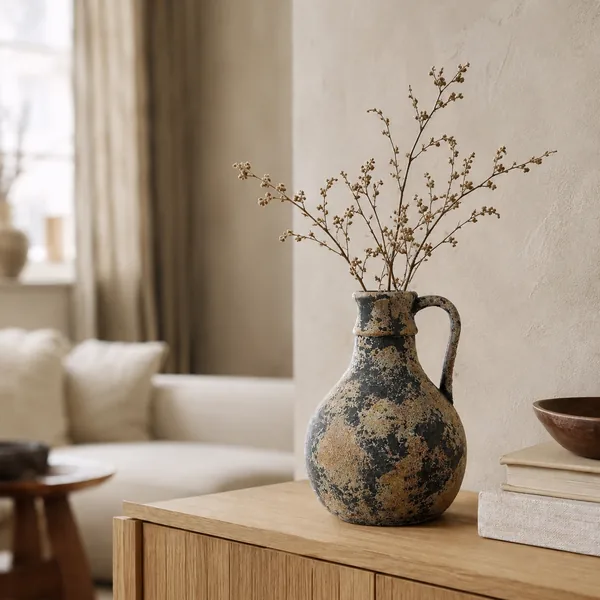
 Save $40.00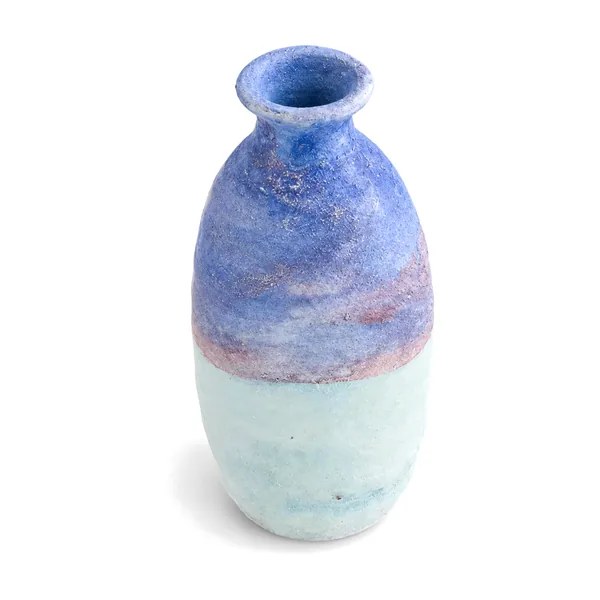
 4 options
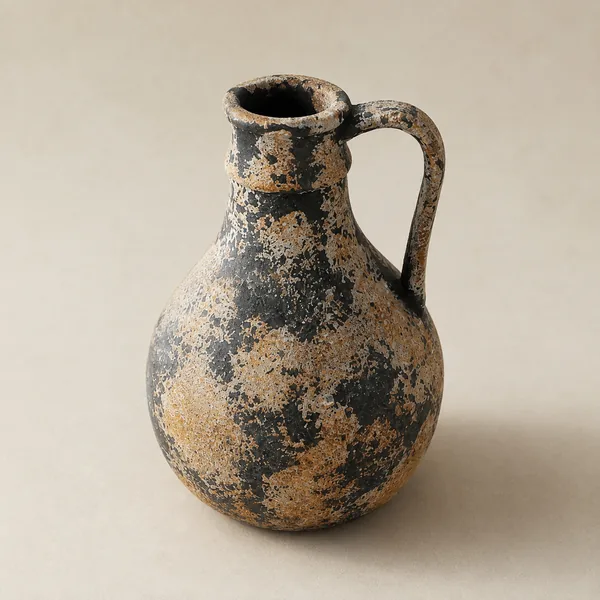
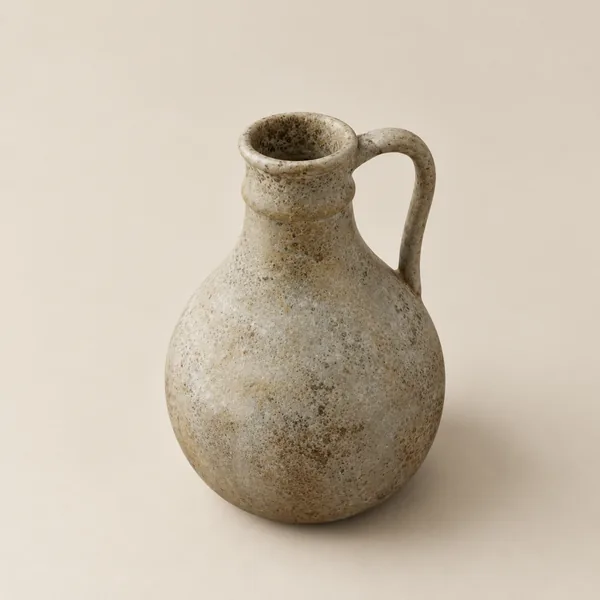
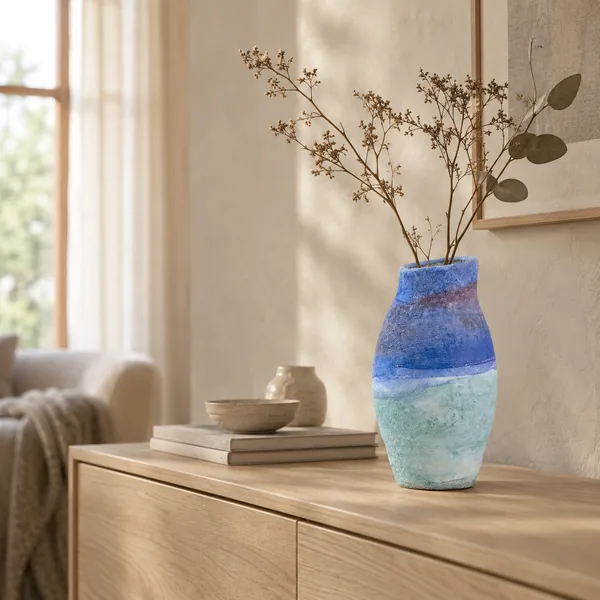
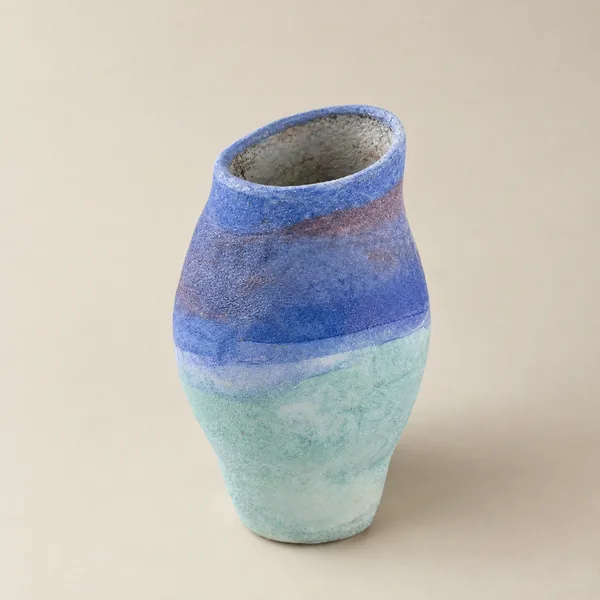
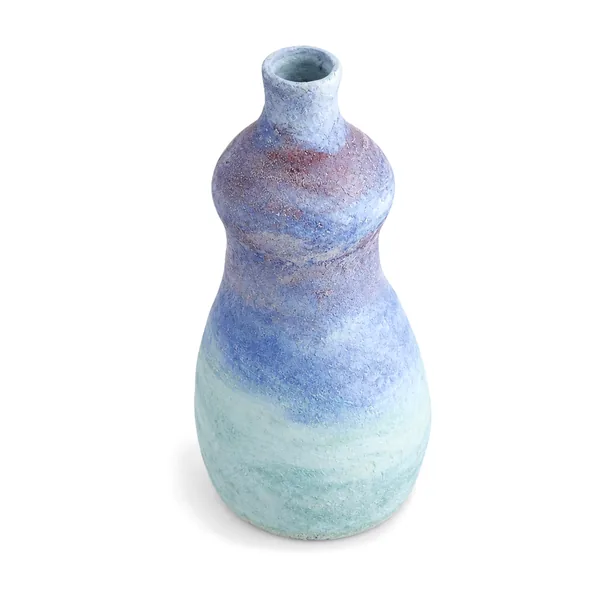
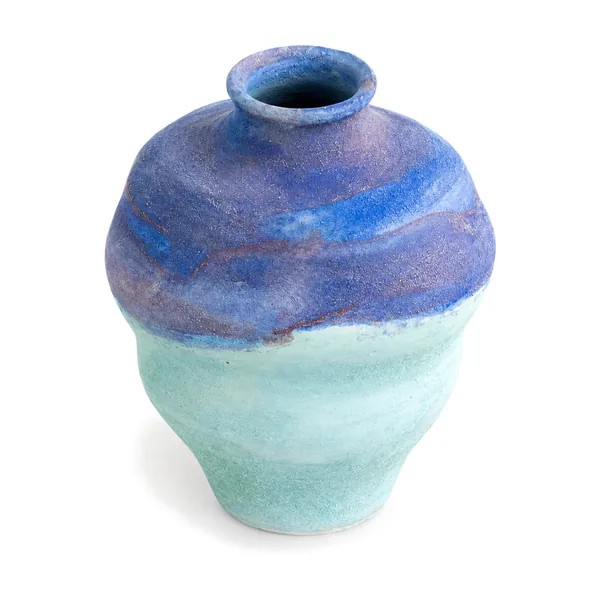
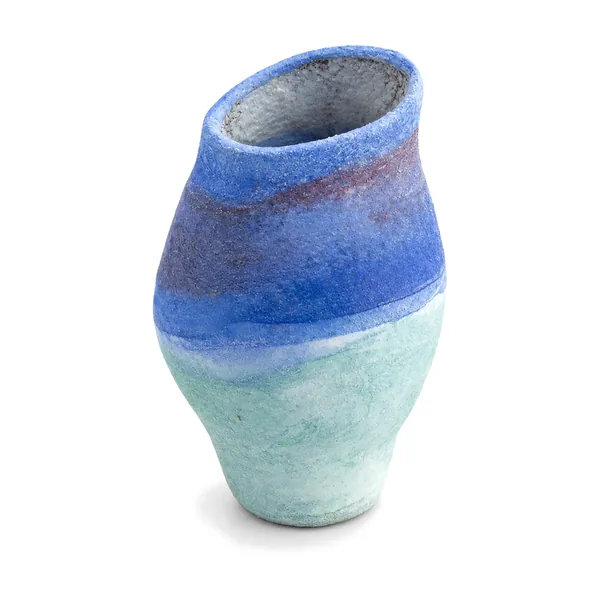
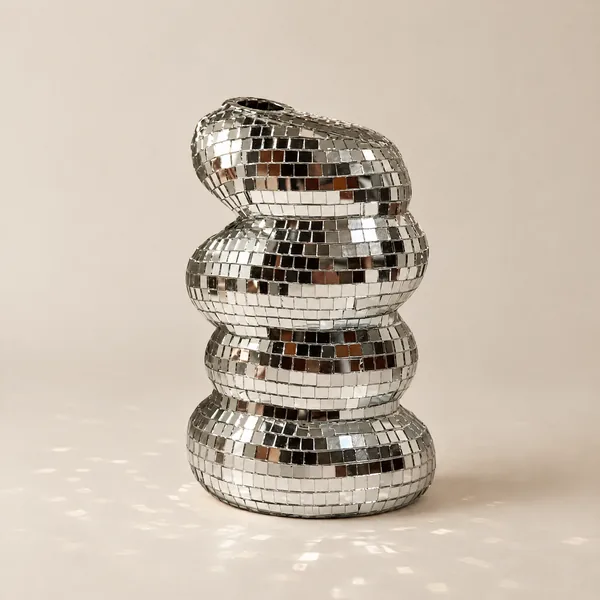
Dyvna Blue Gradient Ceramic Vase for Home Decor
Creating a Luminous Interior with Glass
The signature of Scandinavian-inspired spaces is their unmistakable luminosity—that quality of being filled with soft, diffused light that flatters both the room and its occupants. Achieving this effect through glass styling ideas requires understanding how different types of glass interact with light sources.

Clear glass offers the purest light transmission, making it ideal for areas where you want to maximize brightness. Place clear glass decorative objects near windows to amplify natural light, or position them where they'll catch and scatter lamp glow in the evening. The Glovik Amber Geometric Glass Sculptural Vase demonstrates this principle beautifully—its transparent structure allows light to pass through while its amber tint warms the illumination, creating an inviting golden aura.
Colored and stained glass introduce another dimension entirely. These pieces transform light itself, casting subtle hues across walls and surfaces. Positioned near light sources, they become functional art that changes throughout the day as sunlight shifts. For those seeking to explore more options, our Glass Pendant Lights collection offers a curated selection of luminous fixtures that bring this transformative quality overhead.
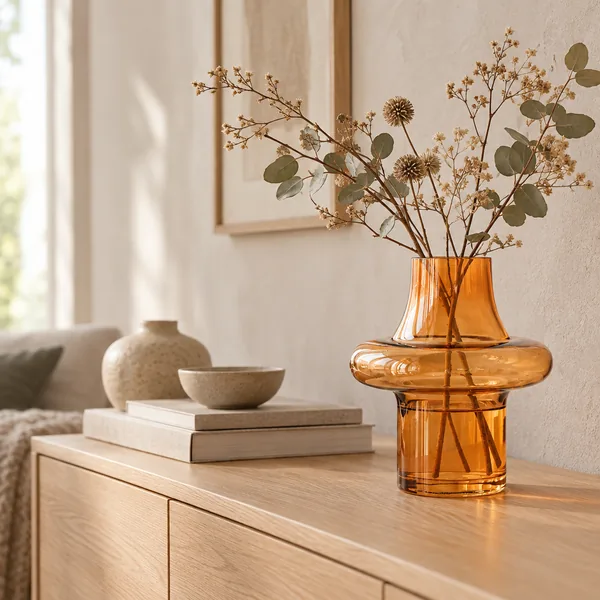 Glovik Amber Geometric Glass Sculptural Vase$89.00
The Art of Layering Light
Creating truly luminous interiors involves layering multiple light sources at varying heights. Glass objects excel at this because they don't create harsh shadows or visual barriers. Consider this approach:
- Overhead: Glass pendant lights or chandeliers provide ambient illumination
- Eye level: Table lamps with glass bases or shades add task lighting while remaining visually light
- Low and intimate: Glass candle holders and small accent lamps create pools of warmth
The video above demonstrates creative approaches to glass displays that you can adapt to Scandinavian sensibilities. Notice how cloches and glass covers protect delicate arrangements while adding height and visual interest—techniques that translate beautifully to Nordic-style curation.
Color Pairing Strategies for Glass Decorative Objects
One of the most common questions in glass home decoration concerns which colors complement glass best. The answer depends significantly on the glass itself—whether it's crystal clear, subtly tinted, or boldly colored.
Working with Clear Glass
Clear glass is wonderfully versatile, pairing harmoniously with virtually any color palette. In Scandinavian interiors, it particularly shines alongside soft neutrals: warm whites, gentle grays, and natural beiges. These pairings emphasize the glass's purity while maintaining the serene atmosphere central to Nordic design.
Amber and Warm Tones
Amber glass has experienced a renaissance in contemporary interiors, and for good reason. This warm, honeyed hue introduces coziness without heaviness, making it perfect for creating that coveted hygge feeling. Amber pairs exquisitely with:
- Natural wood tones (oak, walnut, birch)
- Deep forest greens
- Clay and terracotta accents
- Cream and ivory textiles
The Vårka Borosilicate Round Glass Vase offers Nordic simplicity in multiple color ways, allowing you to select the perfect tone for your existing palette. Available in five colors, these vases demonstrate how intentional color selection elevates glass from mere container to design statement.
Smoked and Gray Glass
For more dramatic interiors, smoked glass provides sophistication with an edge. These pieces work beautifully in monochromatic schemes or as counterpoints to brighter accent colors. Consider placing gray-tinted glass against white walls for striking contrast, or nestled among charcoal textiles for tonal depth.
Vibrant Stained Glass Accents
When incorporating colored or stained glass, treat these pieces as artwork. Their hues should either complement your dominant color scheme or serve as intentional accent colors that appear elsewhere in the room—perhaps in textiles, artwork, or smaller accessories.
Curated Glass Pieces for Luminous Spaces
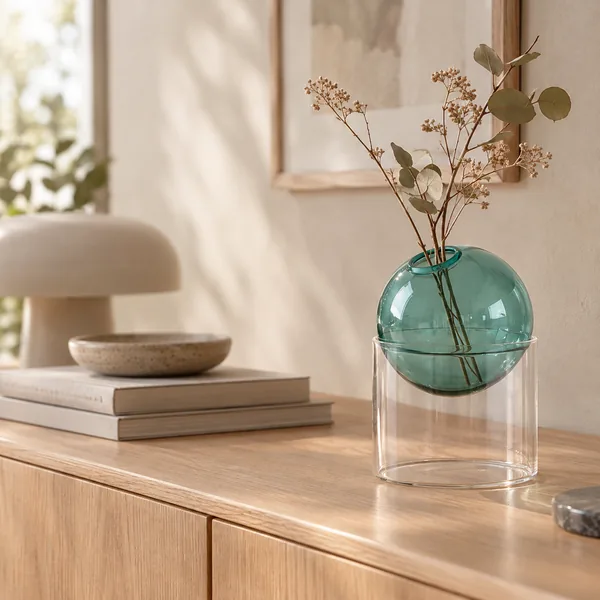 Vårka Borosilicate Round Glass Vase for Flowers$38.00$59.00
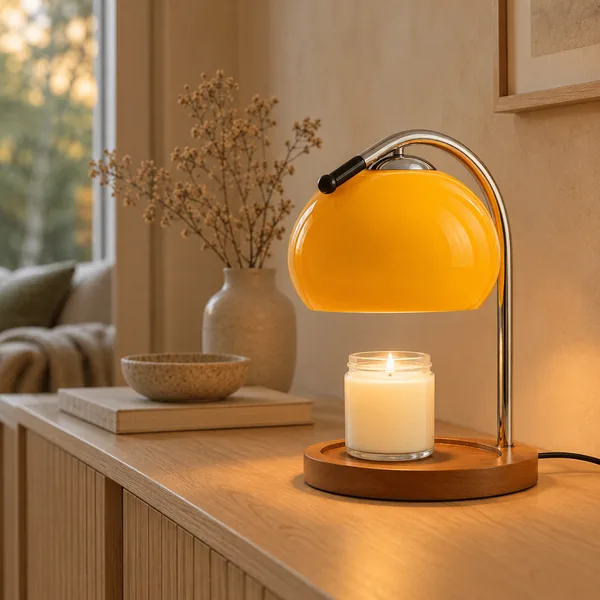 Solvarm Stained Glass Candle Warmer Table Lamp$139.00$199.00
Mixing Glass with Other Materials in Decor
The most sophisticated interiors don't rely on a single material—they orchestrate a dialogue between textures and finishes. Glass home decoration truly shines when placed in conversation with other natural materials common in Scandinavian design.
Glass and Natural Wood
This pairing represents the essence of Nordic aesthetics: the warmth and earthiness of wood balanced by glass's cool transparency. A glass vase atop a raw oak console. A cluster of glass candle holders arranged on a live-edge coffee table. These combinations feel both curated and organic, sophisticated yet approachable.
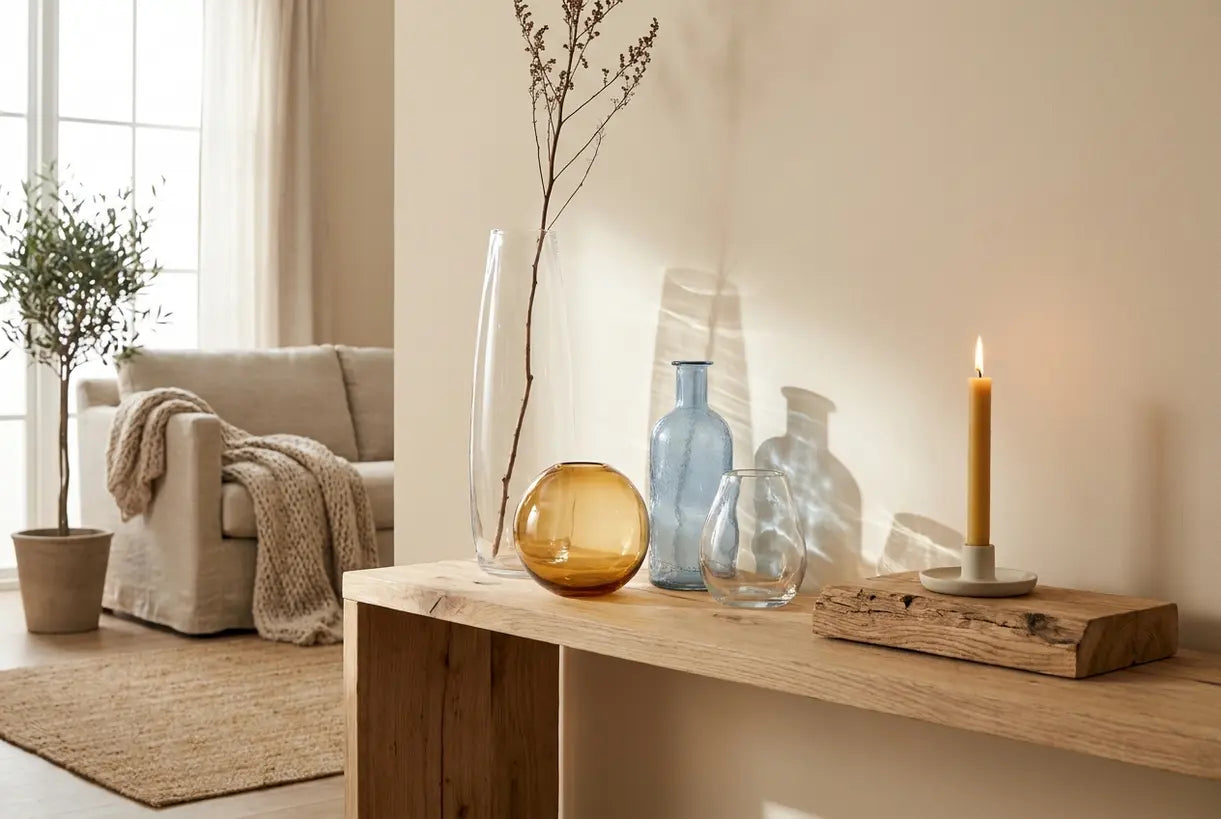
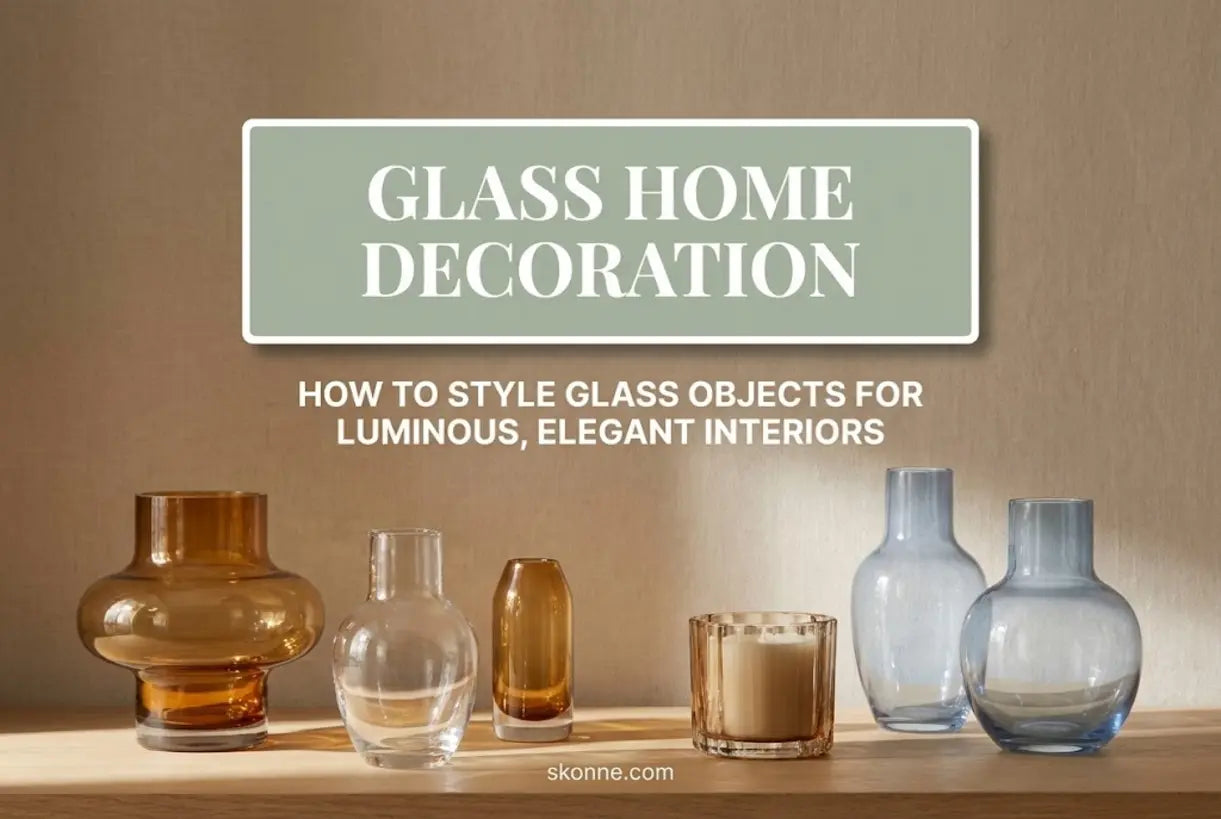
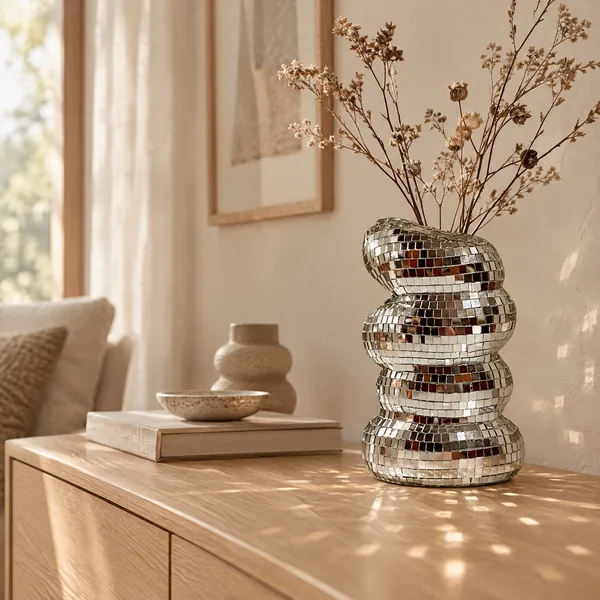
Notice in the image above how glass objects of varying heights create visual rhythm against the neutral backdrop. This technique—layering pieces of different scales—prevents displays from feeling flat or monotonous.
Glass and Textiles
The juxtaposition of hard, smooth glass against soft, plush textiles creates compelling tactile contrast. Position glass objects on woven trays, or place them near wool throws and linen cushions. The Solvarm Stained Glass Candle Warmer Table Lamp exemplifies this beautifully—its handcrafted glass glows warmly against any soft textile backdrop, transforming functional art into a cozy sanctuary element.
Glass and Ceramics
While both materials originate from earth, glass and ceramic offer opposing qualities that complement each other. Ceramic's opacity and often matte surface provide visual rest next to glass's sparkle. When styling shelves or tabletops, alternate between glass vessels and ceramic pieces to create balanced, gallery-worthy displays.
Glass and Metal
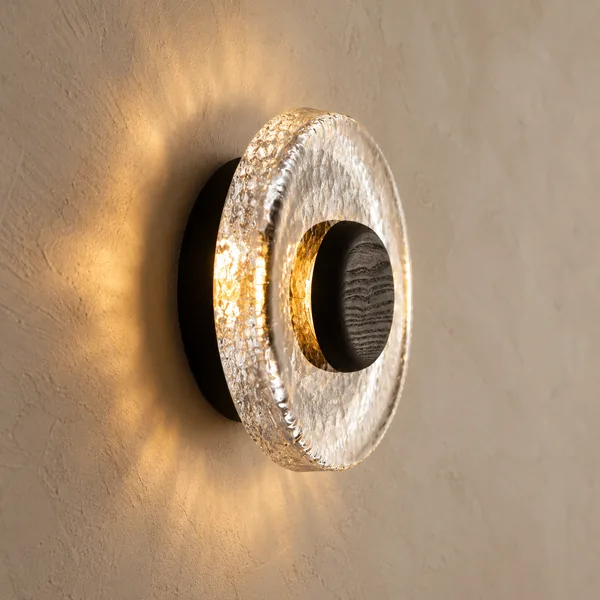
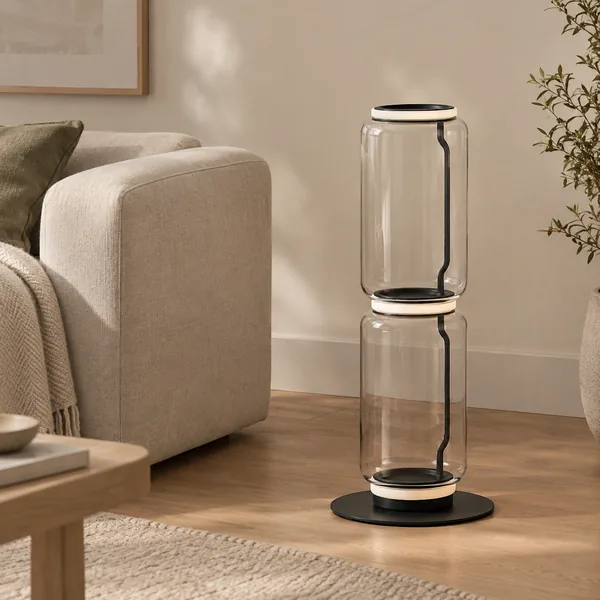
Metallic finishes—particularly brushed brass and matte black—provide striking frames for glass objects. Whether it's a metal base on a glass table lamp or brass accents on a candle holder, these pairings add refinement and weight that ground the ethereal quality of glass.
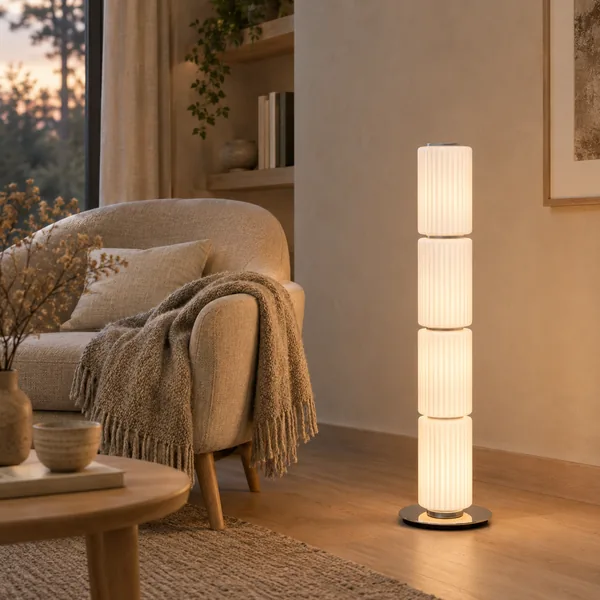
Glass Lighting
Shop all Glass Lighting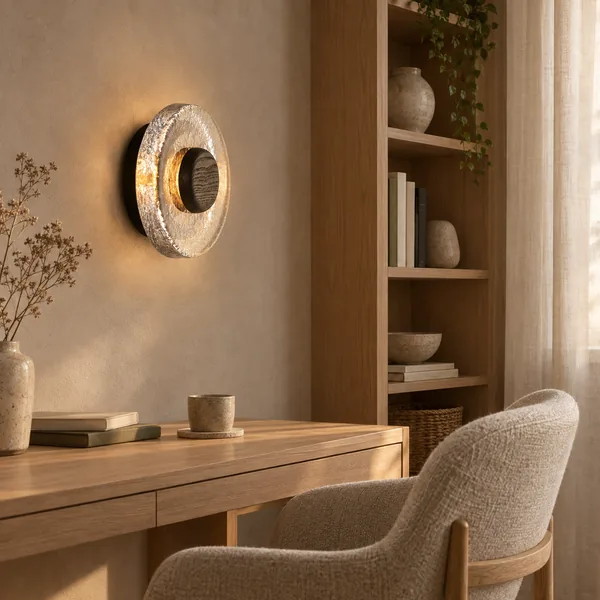
Styling Techniques for Glass Decorative Objects
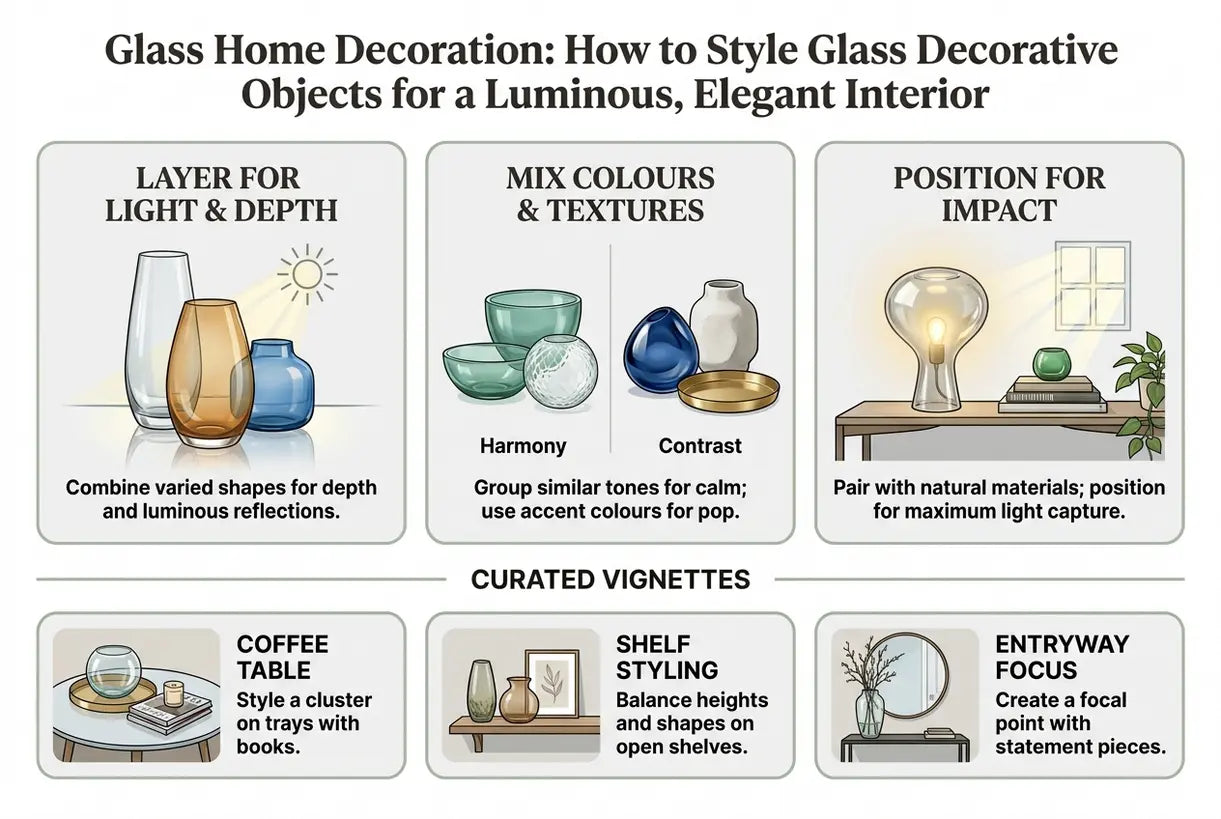
Mastering the practical techniques of glass decor styling elevates your home from simply decorated to expertly curated. These principles guide professional stylists and can transform your own approach to glass home decoration.
The Rule of Odds
Visual harmony often favors groupings of three, five, or seven objects rather than even numbers. When arranging glass vases or candle holders, create asymmetrical clusters that guide the eye naturally across the display. Place your tallest piece slightly off-center, with medium and small pieces arranged around it at varying distances.
Varying Heights and Scales
A successful arrangement includes objects of significantly different heights. This variation creates movement and prevents the dreaded "flat line" effect where everything sits at the same level. Raise smaller pieces on stacked books or wooden blocks if needed to achieve this dimensional interest.
Negative Space as a Design Element
In Scandinavian design, what you don't include matters as much as what you do. Resist the urge to fill every surface. A single, beautifully crafted glass piece on an empty shelf makes a bolder statement than crowded collections. This intentionality creates breathing room that allows each object to be truly seen and appreciated.
Seasonal Refreshing
One of glass's greatest virtues is its adaptability. The same amber vase that holds dried pampas grass in autumn can display fresh cherry blossoms in spring or evergreen sprigs in winter. This chameleonic quality makes glass decorative objects wise investments that evolve with your home throughout the year.
Conclusion: Curating Your Luminous Interior
Glass home decoration offers an unparalleled opportunity to shape how light moves through your living spaces. By understanding where to place glass objects, how to pair colors thoughtfully, and the art of mixing materials, you create interiors that feel both elevated and deeply personal.
The Scandinavian approach reminds us that refinement comes from restraint—that a carefully chosen collection of translucent pieces can transform a room more effectively than overwhelming accumulation. Whether you're drawn to the warm embrace of amber glass, the crystalline purity of borosilicate, or the painterly quality of stained glass, your selections should reflect your personal aesthetic while honoring the principles of luminous, intentional design.
At Skonne, we curate glass decorative objects that embody these Nordic values: pieces that capture light beautifully, complement diverse interiors, and bring that distinctive Scandinavian sense of hygge into your home. Each item in our collection is selected not merely for its appearance, but for its ability to contribute to spaces that feel both serene and alive.
As you style your own luminous interior, remember that the goal isn't perfection—it's creating an environment where you feel genuinely at home, surrounded by objects that spark joy every time the light catches them just so.
Related Article
Christmas Home Decoration Ideas: Simple, Beautiful Ways to Deck Your Home for the HolidaysCreate a cozy holiday atmosphere with these simple Christmas decoration ideas. From warm Nordic lighting to natural elements, transform your home beautifully.