
Gothic Home Decor: Dark, Dramatic & Moody Ideas for a Statement Interior
Summary›
- What is Gothic Home Decor?
- The Essential Elements of Gothic Interior Design
- Victorian Gothic Home Decor
- Modern Gothic Style
- How to Make Your Room Look Gothic
- Lighting Strategies for Moody Room Ideas
- How Do You Decorate a Gothic Living Room?
- Balancing Dark Elements with Livability
- Conclusion: Embracing the Dark Side with Intention
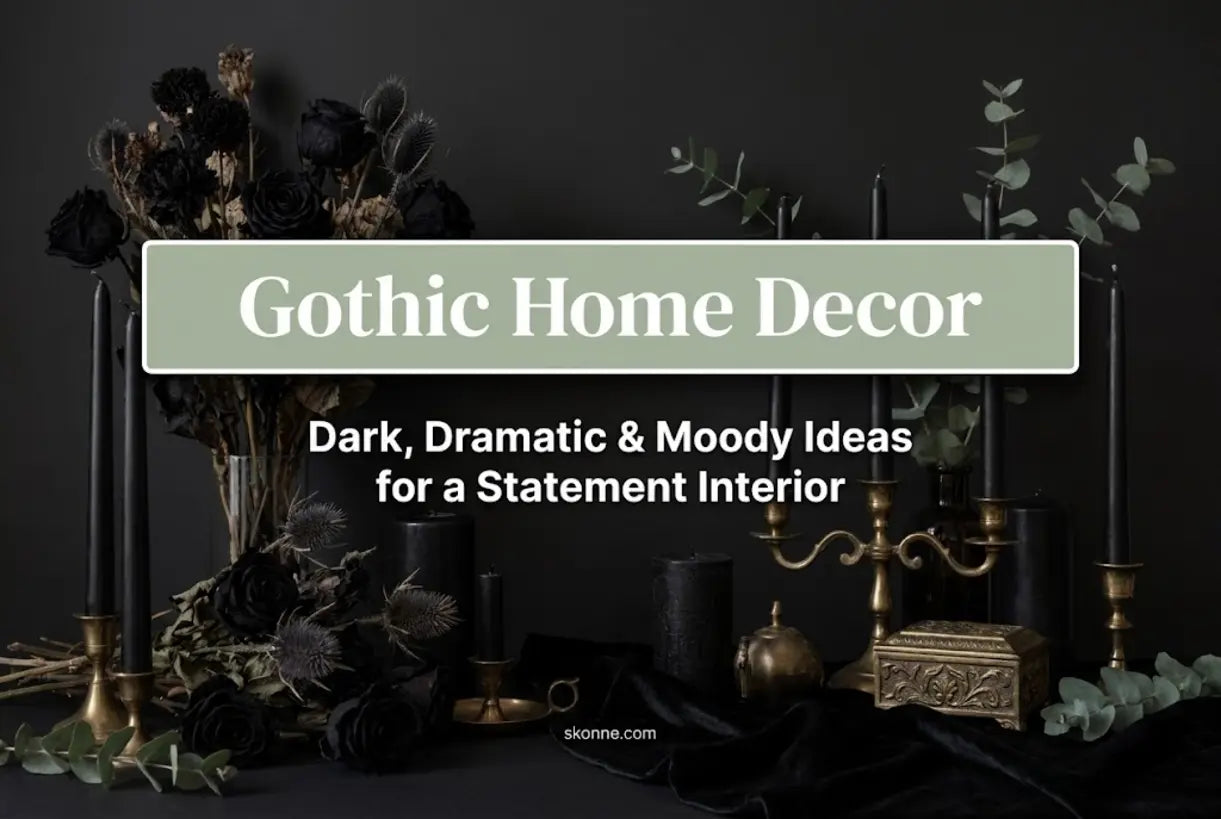
There's something undeniably captivating about walking into a space that feels both dramatic and intimate. Gothic home decor has transcended its medieval origins to become one of today's most sought-after interior design movements, blending dark romance with sophisticated elegance. Whether you're drawn to Victorian gothic home decor with its ornate details or prefer the pared-back approach of modern gothic design, creating a moody interior is about mastering the art of contrast.
At Skonne, we believe that achieving the perfect gothic aesthetic isn't just about painting walls black—it's about understanding how light, texture, and carefully curated pieces work together to create atmosphere. This guide will explore how to transform your space into a dark, dramatic sanctuary while maintaining the warmth and intentionality that makes a house feel like home.
What is Gothic Home Decor?
Gothic home decor draws inspiration from medieval architecture, Victorian opulence, and romantic literature to create spaces that feel mysterious, dramatic, and deeply personal. Unlike the gloomy connotations sometimes associated with the term, today's gothic style interiors are about creating depth, richness, and an atmospheric quality that welcomes you in.
The movement has evolved significantly from its 12th-century roots. While original gothic design featured pointed arches and stone carvings, contemporary interpretations focus on the emotional resonance of dark palettes, luxurious textures, and statement lighting. This evolution has given rise to various substyles, from the ornate elegance of Victorian gothic to the clean lines of modern minimalism infused with gothic sensibilities.
What unifies all gothic aesthetics is an emphasis on moody interior design principles. These spaces prioritize ambiance over brightness, intimacy over openness, and character over convention. The result is a home that feels like a personal retreat—somewhere to escape the chaos of the outside world.
The Essential Elements of Gothic Interior Design
Creating a successful gothic space requires understanding the foundational elements that define this aesthetic. Every choice should contribute to an overall sense of drama while maintaining livability.
Color Palettes That Define the Style
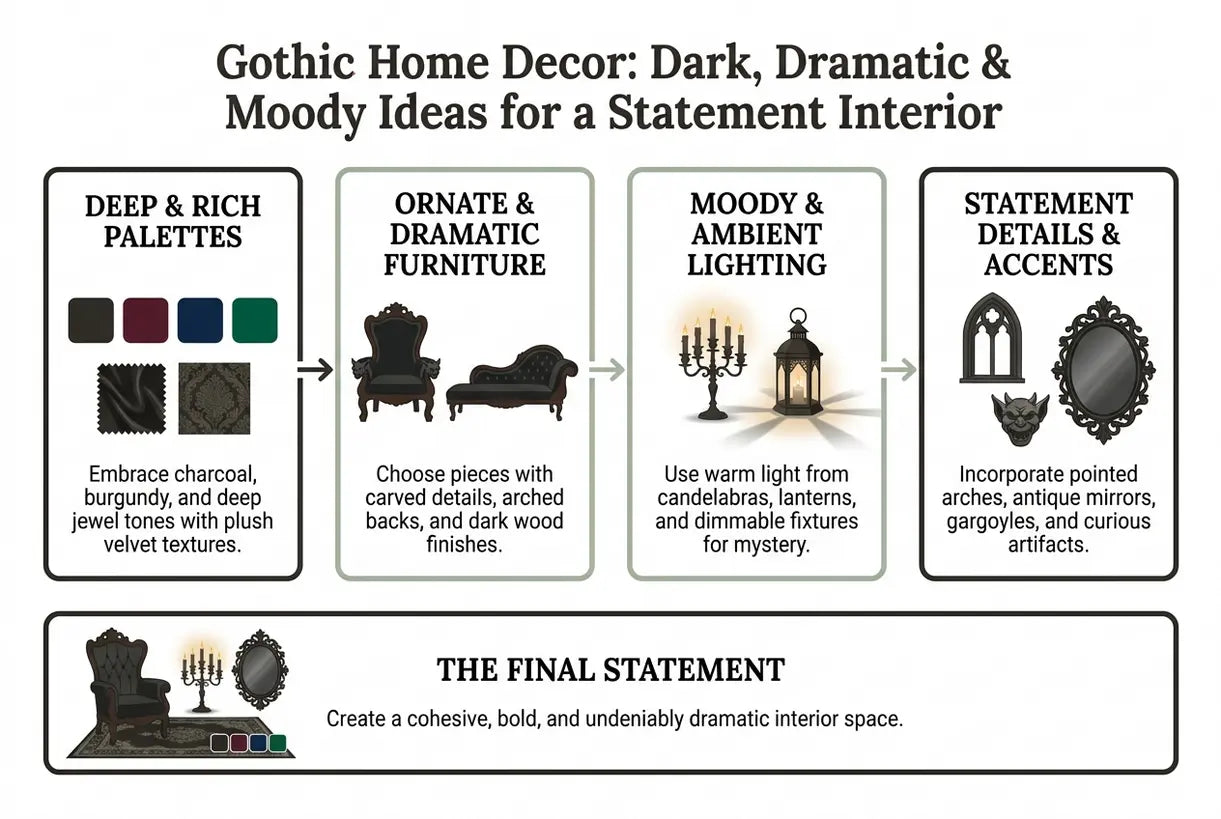
Dark dramatic decor begins with color. The gothic palette extends far beyond basic black to include deep jewel tones like emerald green, sapphire blue, ruby red, and amethyst purple. These rich hues create the depth that gothic spaces are known for.
Neutral tones also play a crucial role. Charcoal greys, warm taupes, and ivory accents provide balance and prevent spaces from feeling overwhelming. Metallics—particularly antique brass, oil-rubbed bronze, and aged gold—add warmth and reflectivity to dark rooms.
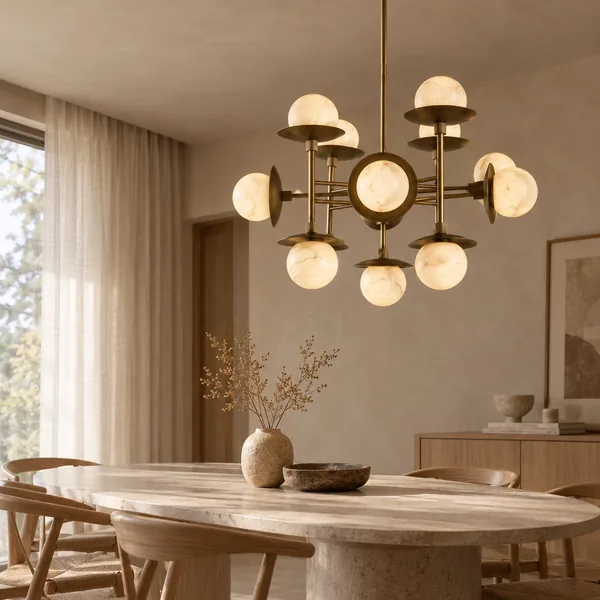
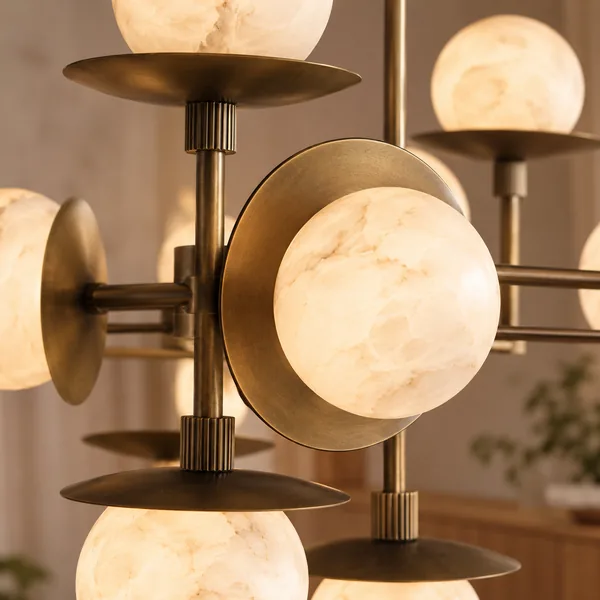
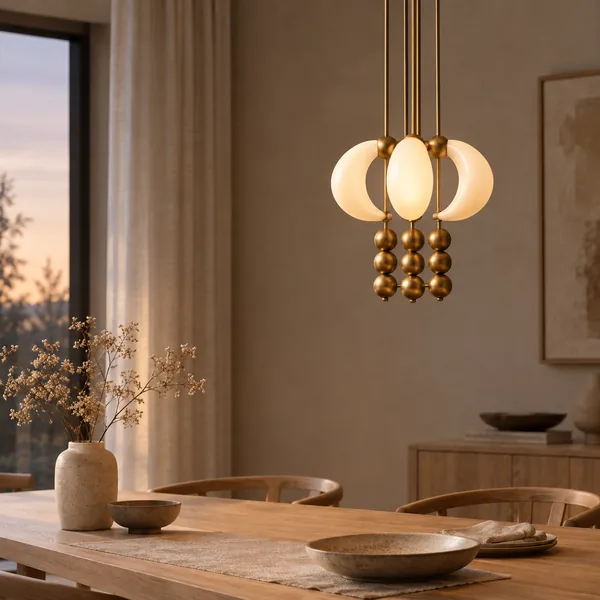
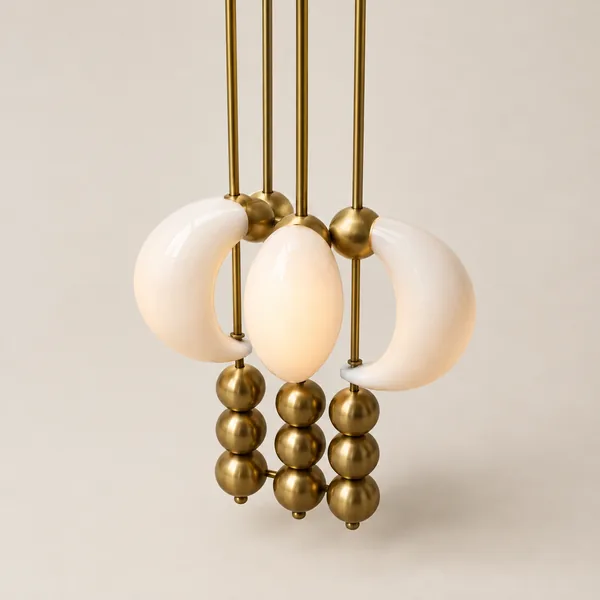
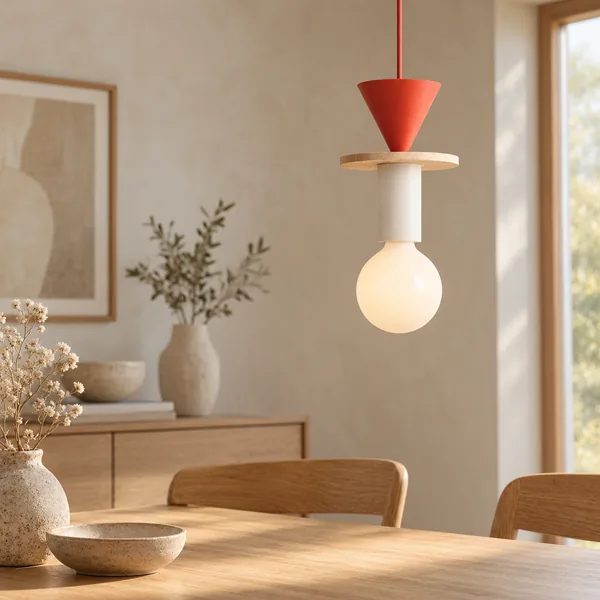
Chandeliers
Shop all Chandeliers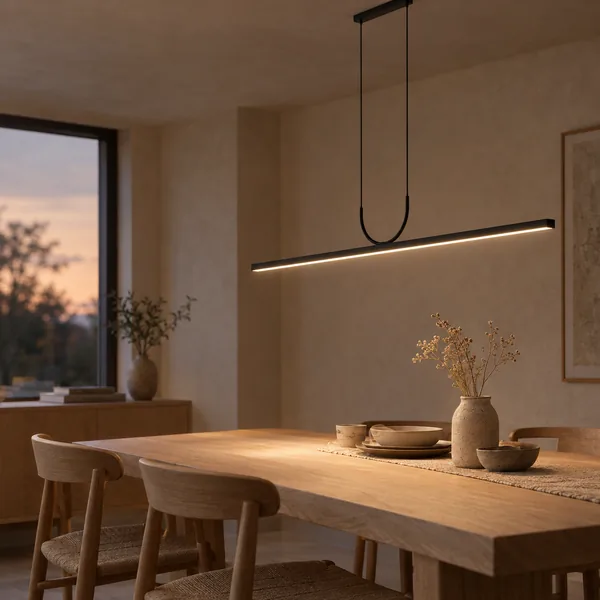

Textures and Materials
Texture is where gothic interiors truly come alive. Velvet, brocade, leather, and heavy linen create tactile richness that invites touch. Natural materials like aged wood, wrought iron, and stone ground the aesthetic in authenticity.
Architectural elements matter too. Coffered ceilings, wainscoting, and decorative trim work add the structural interest that gothic spaces crave. Even in modern homes without historical architecture, these details can be introduced through molding, paneling, and strategic millwork.
Victorian Gothic Home Decor
The Victorian era represents gothic design at its most opulent. This style embraces ornamentation, pattern, and a sense of theatricality that transforms rooms into immersive experiences. Heavy drapery, intricate wallpaper featuring damask or botanical motifs, and furniture with carved details define this approach.
Lighting in Victorian gothic spaces serves as both illumination and art. Stained glass elements, ornate chandeliers, and candle-style fixtures create the layered lighting essential for achieving that romantic, moody glow. The Ravglo Handcrafted Amber Stained Glass Chandelier exemplifies this philosophy—its honeyed amber glass casts dramatic shadows while providing the warm, inviting light that prevents dark spaces from feeling cold.
Modern Gothic Style
For those who love the moody atmosphere but prefer cleaner lines, modern gothic design offers the perfect compromise. This approach strips away Victorian excess while preserving the emotional depth and drama that make gothic interiors compelling.
Modern gothic spaces often feature minimalist furniture silhouettes in dark tones, monochromatic color schemes, and sculptural lighting that serves as functional art. The key is restraint—every piece must earn its place through form and material quality.
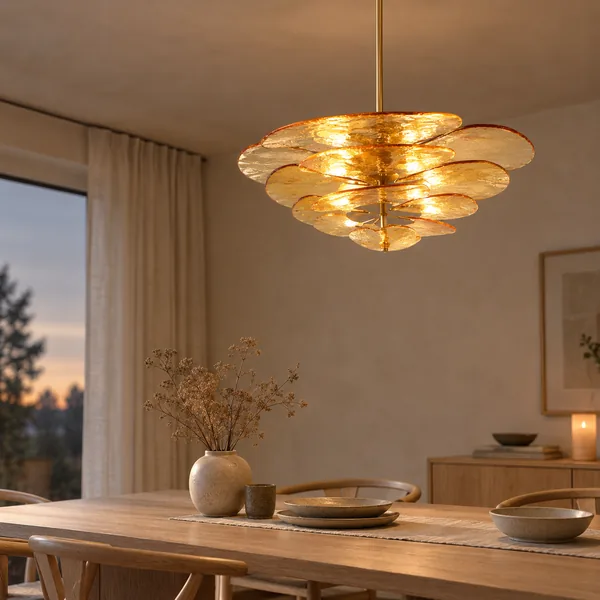 Ravglo Handcrafted Amber Stained Glass Chandelier$899.00$1,389.00
The Ravglo chandelier bridges both Victorian and modern sensibilities. Its handcrafted amber stained glass brings warmth to any gothic interior, while its refined silhouette works beautifully in contemporary spaces. The honeyed glow it creates is essential for maintaining that moody ambiance without sacrificing livability.
How to Make Your Room Look Gothic
Transforming an existing space into a gothic retreat requires strategic planning and thoughtful execution. Start with the largest surfaces—walls and floors—then layer in the details that bring the aesthetic to life.
Wall treatments set the foundation. Deep paint colors or moody wallpaper create immediate impact. For those hesitant to commit fully, try an accent wall or wainscoting painted in charcoal or navy. These "gateway" gothic elements let you test the aesthetic before diving deeper.
Flooring should ground the space. Dark hardwoods, stone tiles, or even black wall-to-wall carpet create the base upon which to build. Area rugs in Persian patterns or solid deep tones add softness and define seating areas.
Lighting is perhaps the most transformative element in any gothic room. The right fixtures don't just illuminate—they sculpt the atmosphere. For those exploring gothic lighting options, our Flush-Mount Wall Lights collection offers elegant solutions that work beautifully in moody interiors while maintaining a clean, intentional aesthetic.
Decorative Accents That Matter
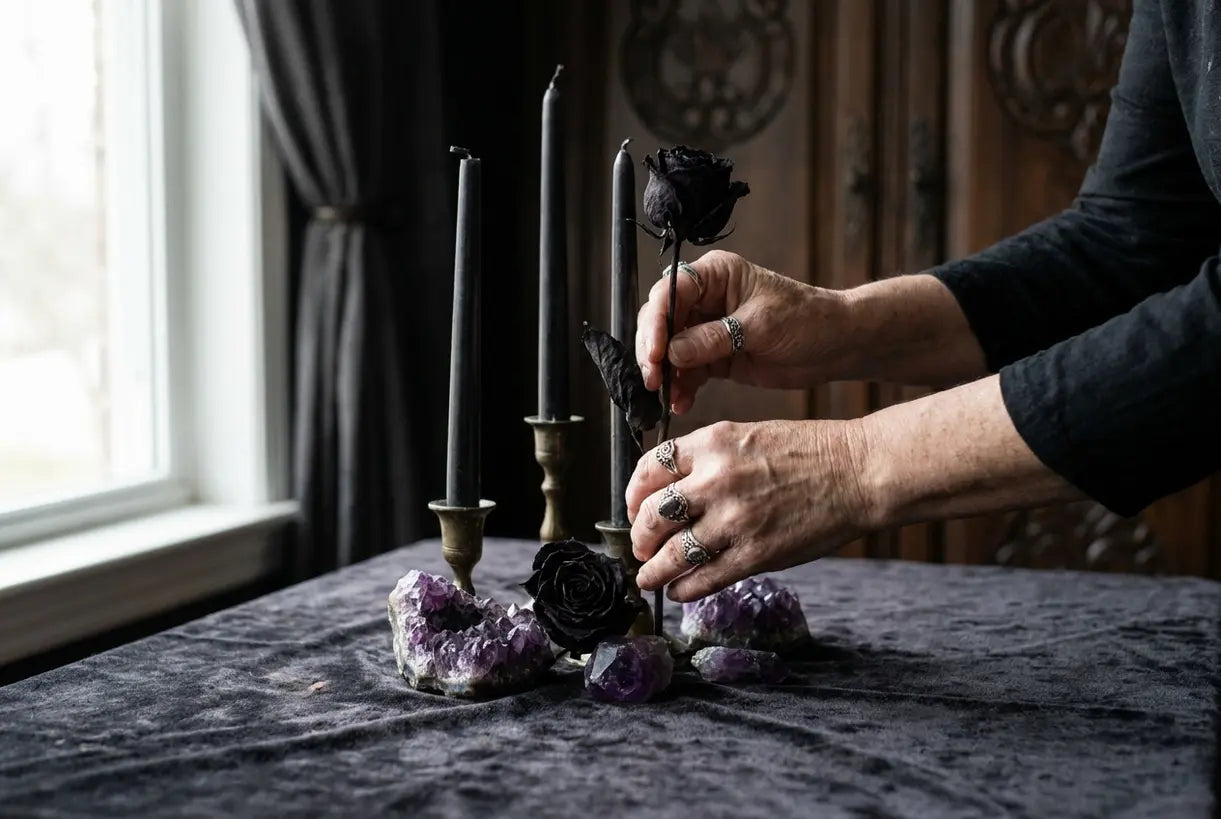
The finishing touches bring authenticity to gothic spaces. Think antique mirrors with ornate frames, candelabras and taper candles, vintage books stacked as sculptural elements, and botanical elements like dried flowers or branches. These details tell a story and prevent the space from feeling like a stage set.
Lighting Strategies for Moody Room Ideas
Lighting design is where gothic interiors succeed or fail. The goal is never darkness—it's controlled illumination that creates shadow and mystery while remaining functional.
Layered lighting is essential. Start with ambient light from overhead fixtures, add task lighting for specific activities, then finish with accent lighting—candles, wall sconces, and picture lights—to create depth and drama.
The temperature of your light matters enormously. Warm bulbs (2700K-3000K) prevent dark spaces from feeling cold or clinical. Dimmer switches are non-negotiable—they allow you to adjust the atmosphere based on time of day and activity.
Create a Dynamic Gothic Lighting Scheme
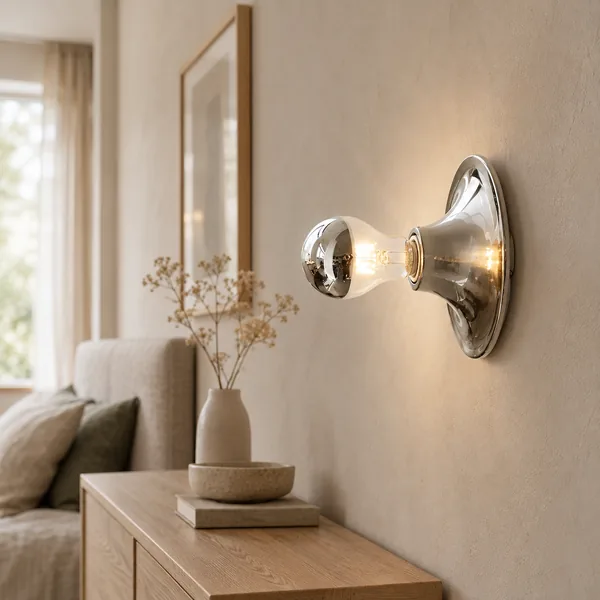 Glødvar Retro Iron Wall Sconce Nordic Design$89.00$129.00
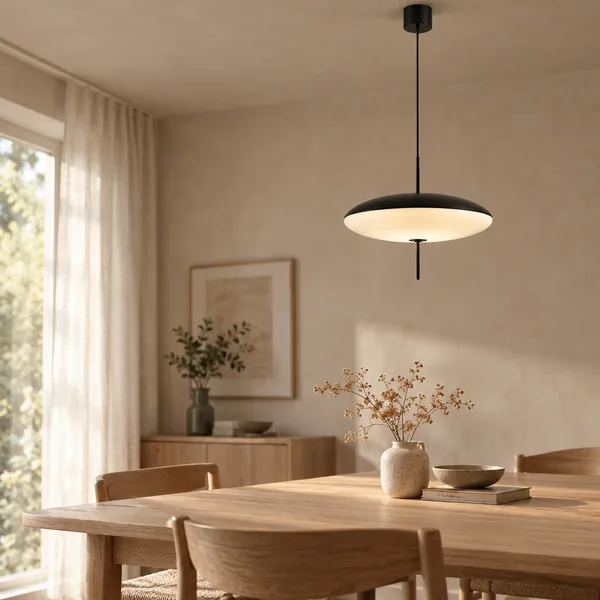 Skiva Saucer Nordic LED Pendant Ceiling Light$179.00$219.00
The Glødvar Retro Iron Wall Sconce available in matte black, brings industrial gothic charm to hallways and reading nooks at an accessible price point. Its vintage-inspired design complements both Victorian and modern gothic aesthetics.
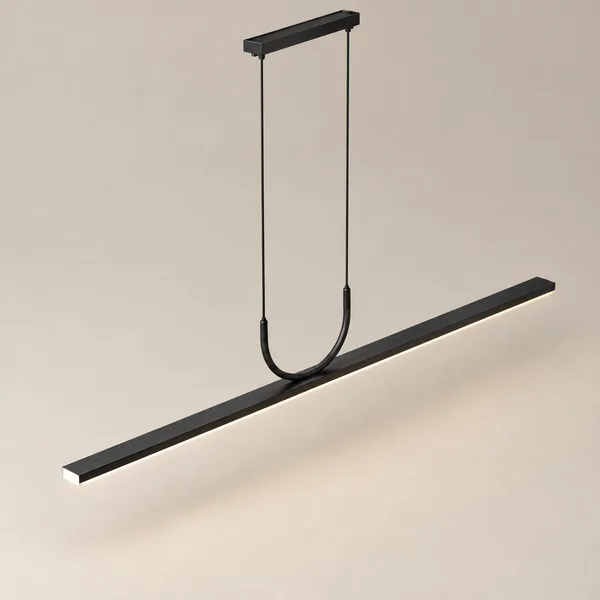
For a more contemporary take, the Skiva Saucer Nordic LED Pendant features a dramatic matte black finish and flying saucer silhouette. This fixture delivers bold, sculptural presence essential for statement gothic interiors while maintaining the clean lines modern design enthusiasts crave.
Glass Pendant Lights
Shop all Glass Pendant Lights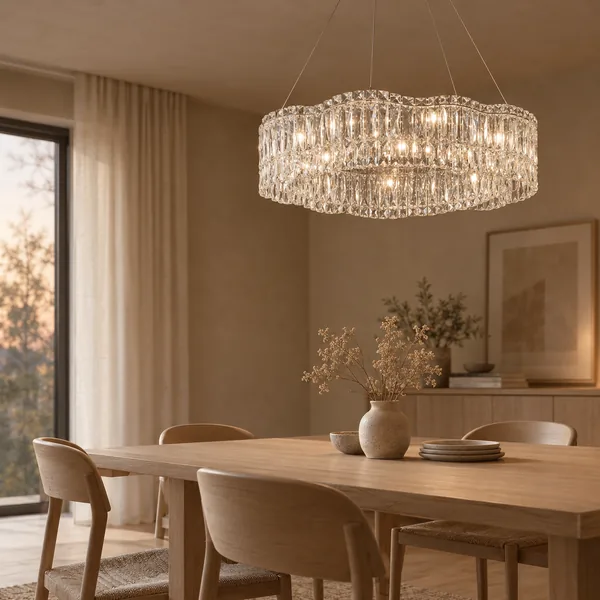
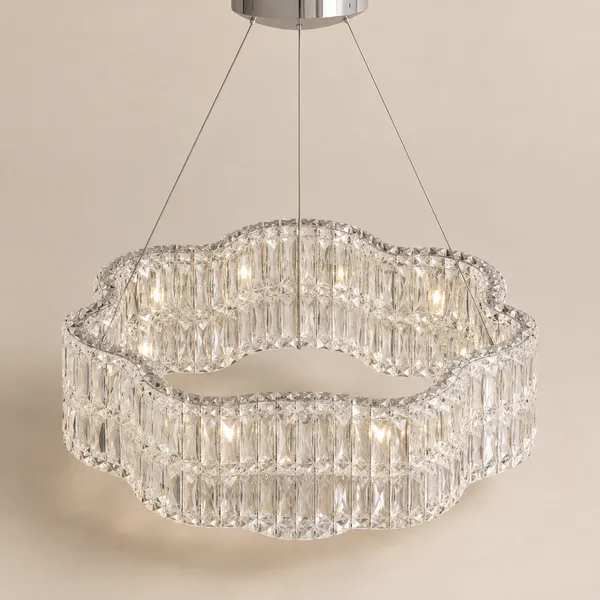 Save $200.00
Halvring K9 Crystal Halo LED Chandelier Light
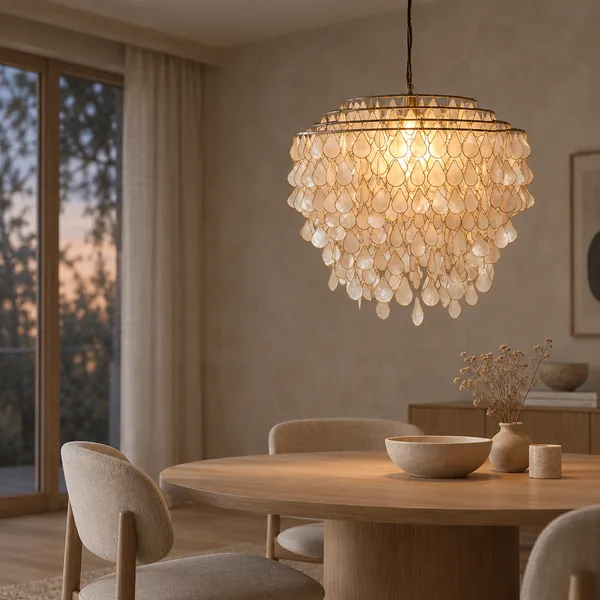
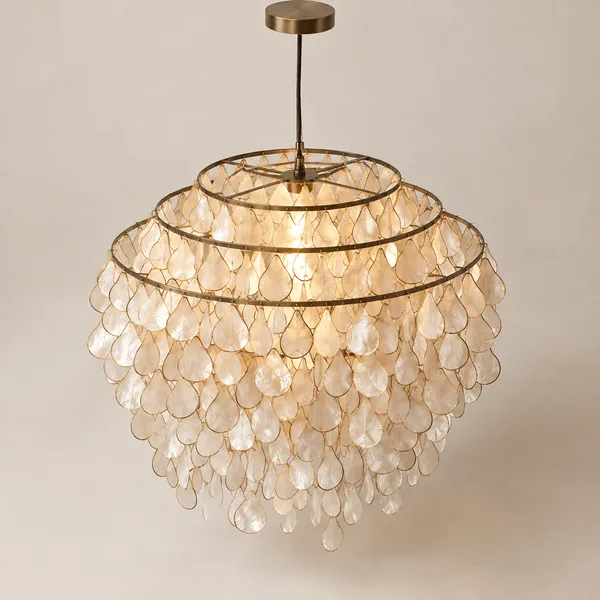 Save $370.00
Skjelva Nordic Retro Shell Pendant Chandelier
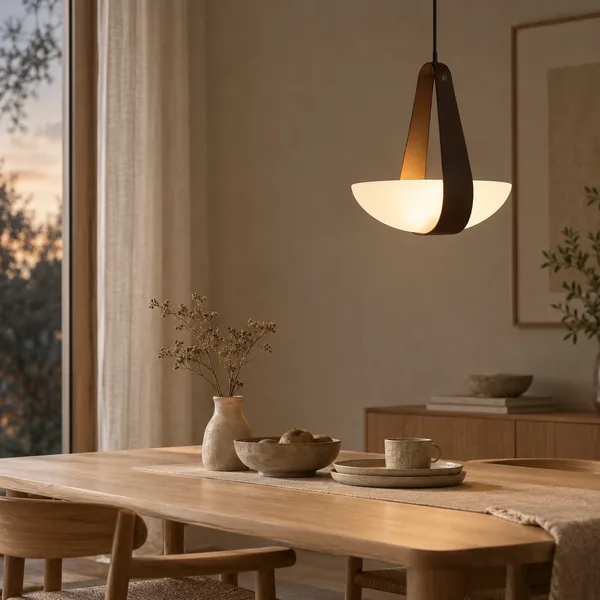
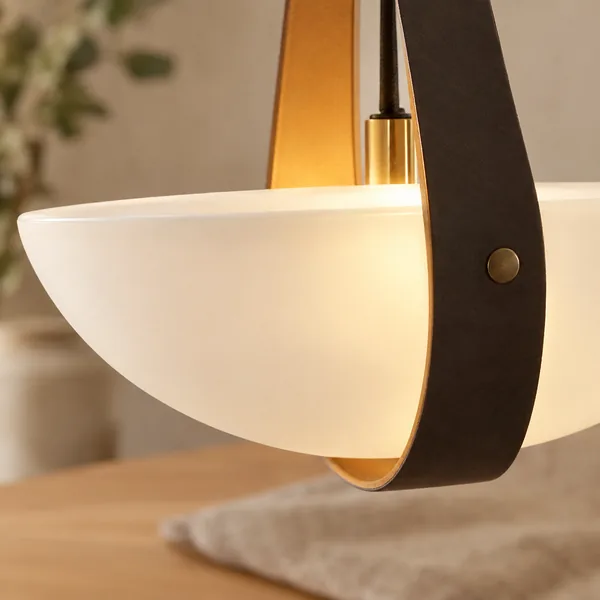
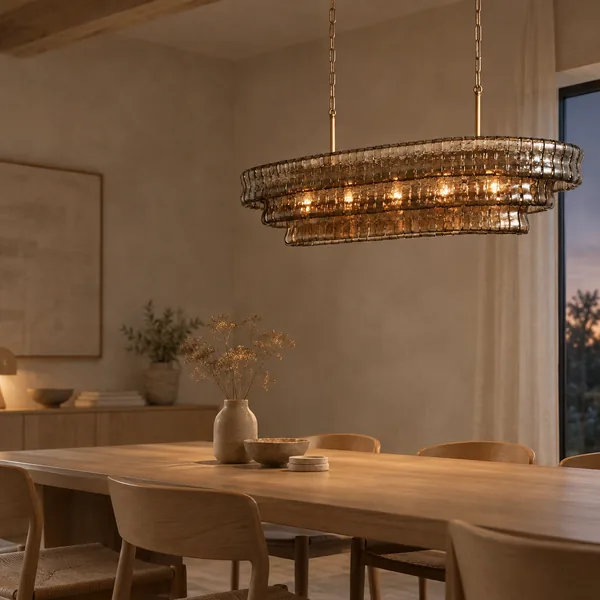
 Save $460.00
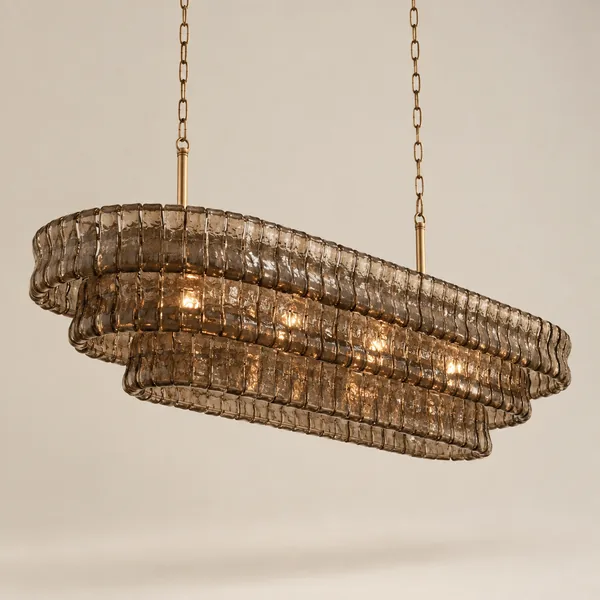
Dimma Smoky Gray Glass Chandelier Dining Room
How Do You Decorate a Gothic Living Room?
The living room is often the heart of the home, and creating a gothic living space requires balancing drama with comfort. This is where you'll entertain guests, unwind after work, and spend lazy weekends—so the aesthetic must feel livable, not intimidating.
Start with a statement piece. A velvet sofa in deep emerald or charcoal anchors the room and sets the tone. Surround it with dark wood side tables, a substantial coffee table, and layered textiles—throw blankets, floor cushions, and heavy curtains that pool elegantly on the floor.
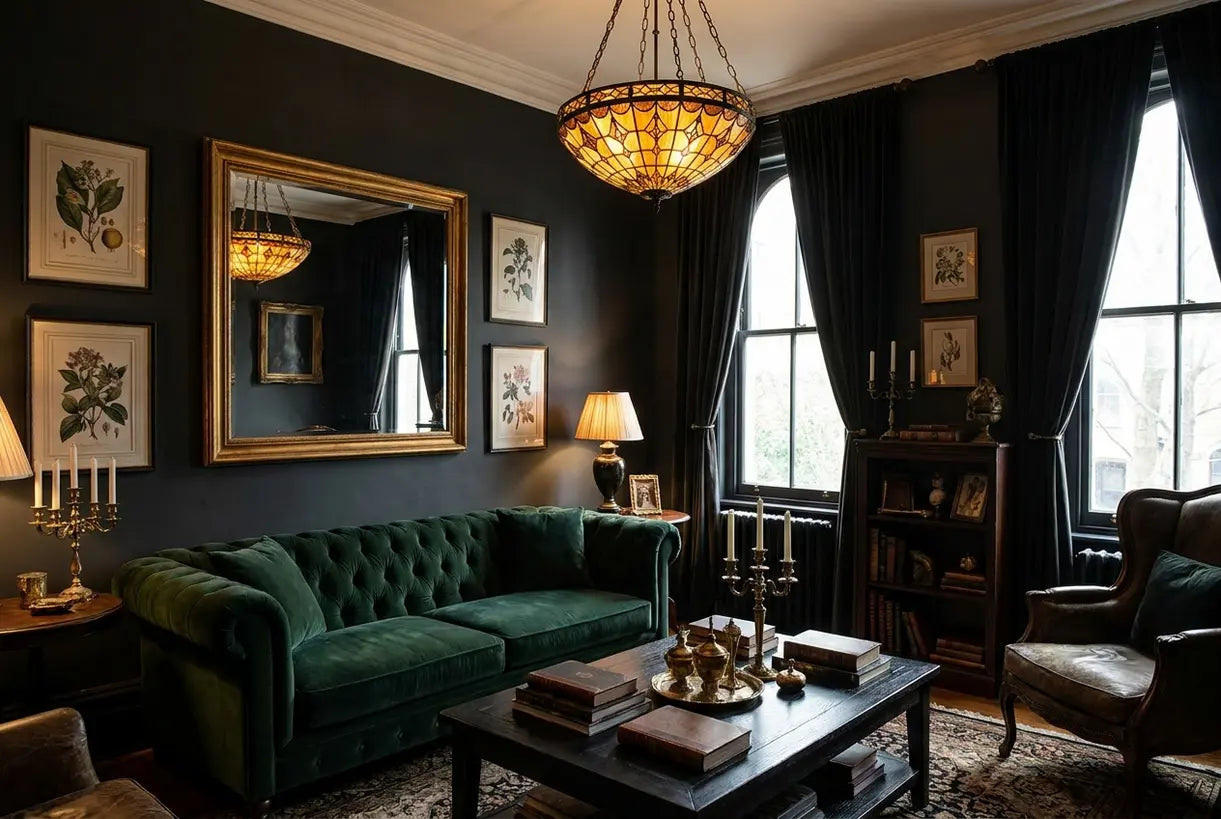
Wall decor should feel curated rather than cluttered. A gallery wall of vintage portraits, botanical prints, or dark photography adds personality. Mirrors with ornate frames amplify light and create the illusion of space—crucial in rooms with dark walls. Plants bring life to gothic spaces; think dramatic varieties like fiddle leaf figs, snake plants, or trailing pothos.
The key to successful gothic living room design is ensuring the space remains inviting. Soft lighting, comfortable seating with pillows and throws, and personal touches like books and collected objects prevent the room from feeling more like a museum than a home.
Balancing Dark Elements with Livability
The most common concern about gothic home decor is whether it will feel depressing or overwhelming. The secret to avoiding this lies in balance and intentionality.
Natural light is your ally. Maximize window space with sheer panels that filter light while maintaining privacy. In darker rooms, reflective surfaces—mirrors, glass, metallics—bounce existing light around the space.
Plants are essential. Greenery provides the contrast that keeps dark rooms from feeling heavy. Choose varieties that thrive in lower light conditions, or supplement with grow lights hidden among your fixtures.
Finally, don't be afraid to edit. Gothic interiors should feel curated, not crowded. Each piece should contribute to the overall atmosphere. When in doubt, embrace negative space—the voids between objects are as important as the objects themselves in creating drama.
Conclusion: Embracing the Dark Side with Intention
Gothic home decor offers something rare in our bright, busy world: the opportunity to create spaces that feel like genuine sanctuaries. By embracing deep colors, rich textures, and dramatic lighting, you can craft an interior that tells your story and reflects your unique personality.
At Skonne, we understand that lighting is the bridge between vision and reality. Our curated collection of chandeliers, sconces, and pendants—including pieces like the Ravglo Handcrafted Amber Stained Glass Chandelier, Glødvar Retro Iron Wall Sconce, and Skiva Saucer Nordic LED Pendant—provides the atmospheric foundation your gothic space needs. Whether you're drawn to Victorian opulence or modern minimalism, the right lighting transforms dark decor from gloomy to breathtaking.
Remember, gothic design isn't about following rules—it's about creating emotion. Start with the elements that speak to you, build your palette thoughtfully, and let your home become the dramatic, moody retreat you've always imagined.
Related Article
Rustic Home Decor: Warm, Natural & Country-Inspired Ideas for a Cozy InteriorTransform your space with rustic home decor ideas. Discover warm, natural elements and country-inspired designs for cozy, inviting interiors.