
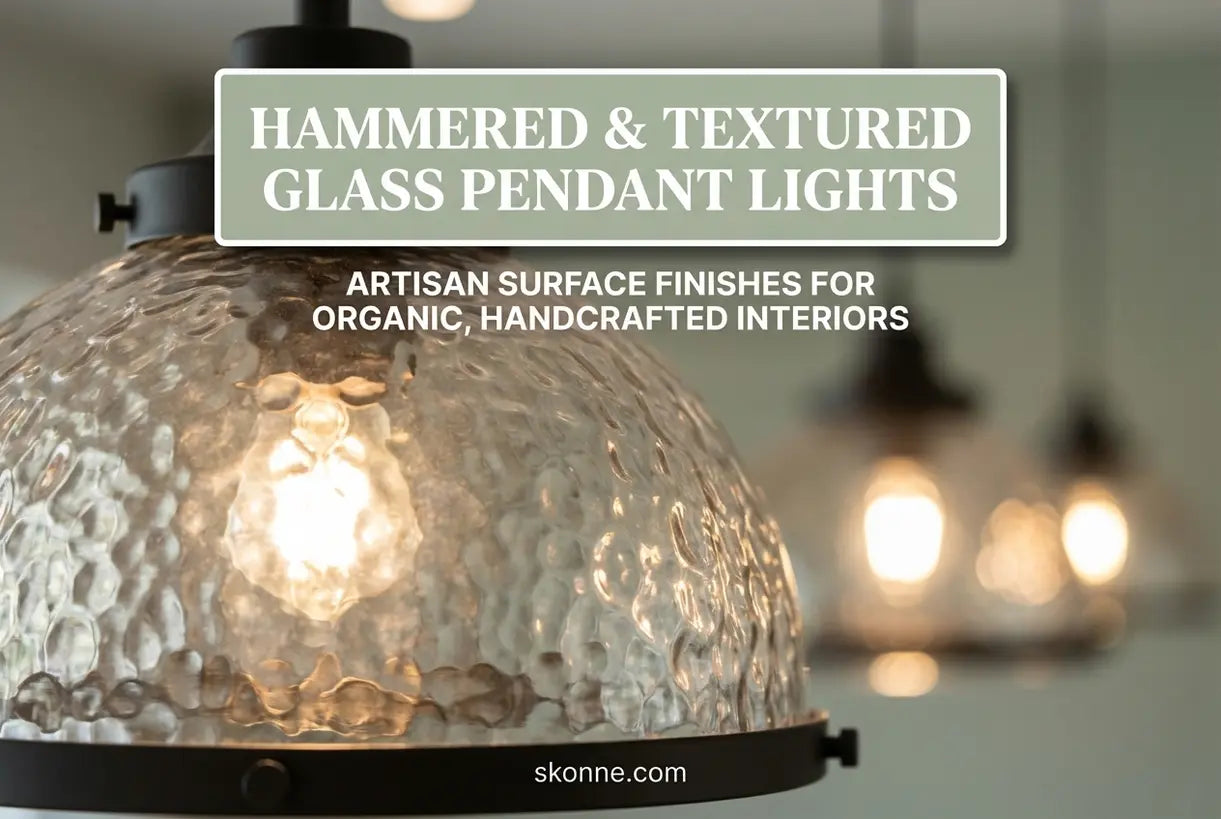
Hammered & Textured Glass Pendant Lights: Artisan Surface Finishes for Organic, Handcrafted Interiors
Summary›
- The Artisan Renaissance in Glass Lighting
- Understanding Textured Glass Terminology
- Types of Artisan Surface Finishes
- How Hammered Glass Diffuses Light
- Trending Styles and Applications
- Clear Glass Versus Textured: Making the Choice
- Curating Handcrafted Lighting for Organic Interiors
- Design Tips for Organic Interiors
- Creating Your Handcrafted Haven
The shift toward intentional, slow living has transformed how we approach interior design. Rather than cookie-cutter solutions, today's homeowners seek pieces that tell a story—lighting that carries the mark of human hands and the warmth of artisan craftsmanship. Enter the hammered glass pendant light: a sculptural element that transforms mere illumination into an immersive sensory experience. With surfaces that catch, refract, and soften light into dancing organic patterns, these fixtures represent a return to the imperfectly perfect beauty of handcrafted glass.
As you consider refreshing your space, understanding the nuances of textured glass finishes will empower you to select pieces that resonate with your personal aesthetic. Whether you're drawn to Scandinavian minimalism, organic modernism, or coastal tranquility, the right artisan glass pendant becomes the defining statement piece—one that creates that coveted hygge atmosphere through luminous, textured warmth.
The Artisan Renaissance in Glass Lighting
In an era of mass production, there's profound appeal in objects that bear the unmistakable signature of their maker. Artisan glass lighting has experienced a remarkable renaissance, with homeowners and interior designers alike gravitating toward surfaces that celebrate the organic irregularities of handcraft.
Traditional smooth glass, while elegant, often creates harsh reflections and impersonal uniformity. Textured glass pendant lights, by contrast, introduce visual depth and tactile interest. Each variation in the surface—whether hammered, crackled, etched, or dimpled—catches light differently, creating an ever-changing interplay of shadow and luminosity throughout the day. This dynamic quality transforms your lighting from a static utility into a living element of your interior design.
For those seeking handcrafted pendant lights, the Scandinavian design philosophy offers particular resonance. The Nordic appreciation for natural materials, honest construction, and wabi-sabi beauty aligns perfectly with the imperfect surfaces of artisan glass. Our curated collection embraces this tradition, bringing together pieces where no two are exactly alike.
Understanding Textured Glass Terminology
Before diving into specific finishes, let's clarify some essential vocabulary. The glass part of a pendant light is typically referred to as the shade or diffuser. In artisan lighting, however, these terms take on greater significance—the shade isn't merely functional; it's the sculptural heart of the fixture.
Additional terminology you'll encounter includes:
- Luminaire: The complete lighting fixture including the shade, socket, and mounting hardware
- Canopy: The ceiling-mounted plate that conceals electrical connections
- Diffuser: Any material that disperses light to reduce glare
- Hand-blown glass: Glass shaped by a glassblower using traditional techniques
- Mouth-blown glass: A specific technique where the artisan blows air through a pipe to inflate molten glass
Understanding these terms helps you evaluate the authenticity and craftsmanship of potential fixtures, ensuring you invest in pieces that truly deliver on their artisan promises.
Types of Artisan Surface Finishes
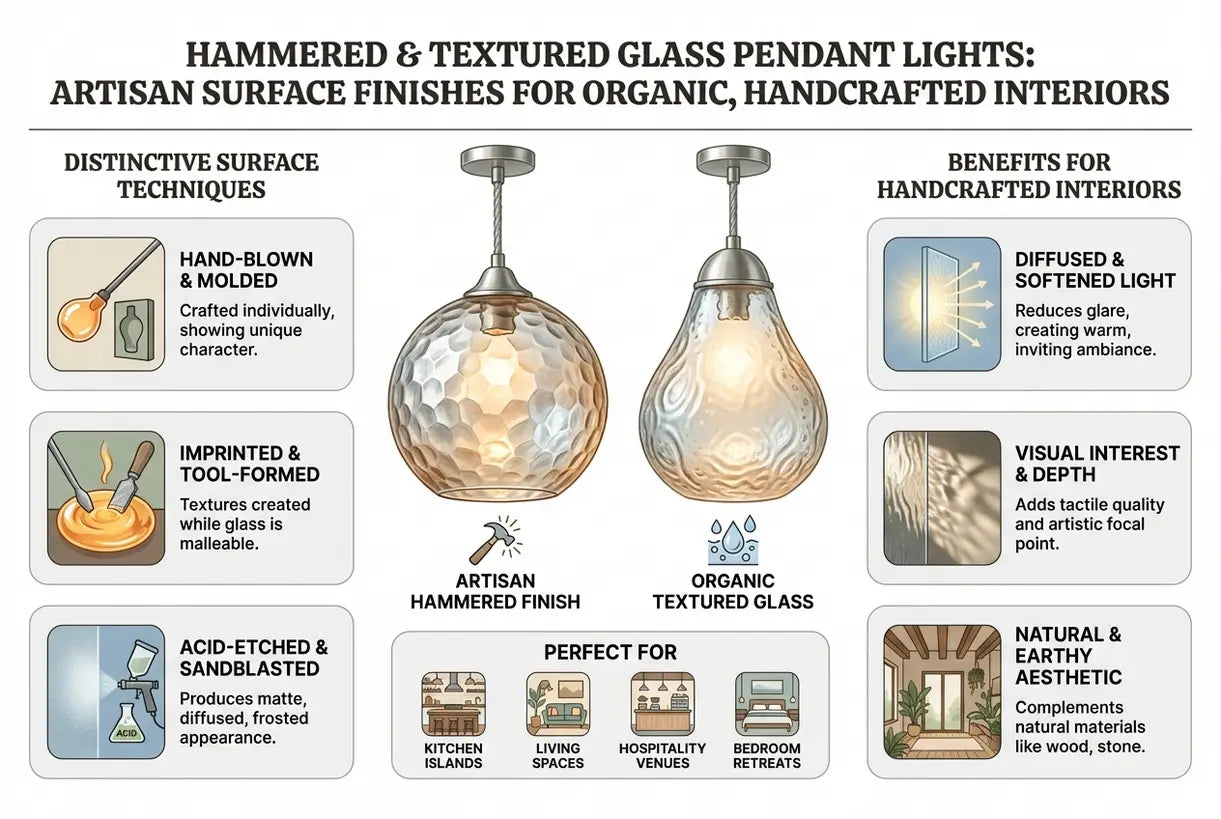
Not all textured glass is created equal. Each finishing technique produces distinct visual and luminous effects:
Hammered Glass
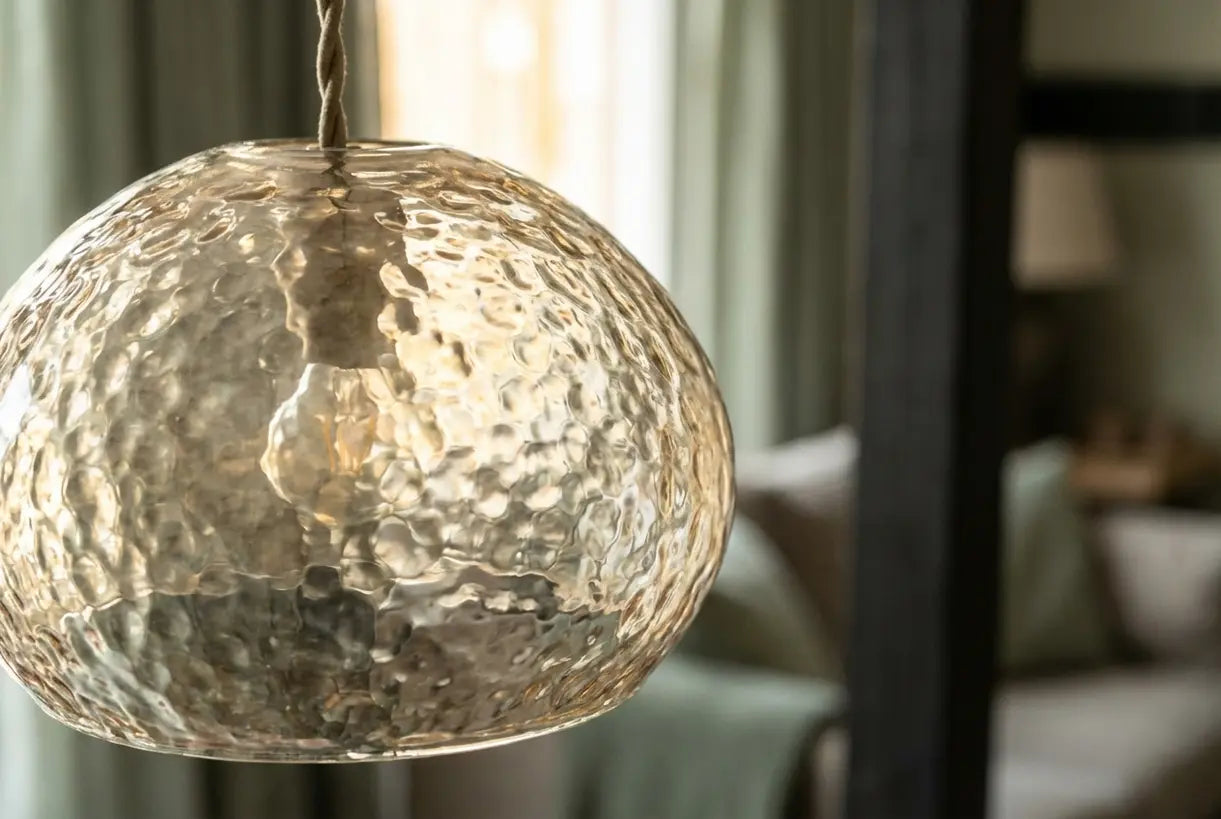
Created by striking the molten or cooled glass surface with specialized tools, hammered glass features a series of concave depressions that create a honeycomb-like texture. This finish produces the most dramatic light refraction, casting intricate patterns across walls and ceilings.
Crackled Glass
By rapidly cooling heated glass or using controlled thermal shock, artisans create a network of fine surface cracks. Crackled glass pendant lights offer vintage appeal with their aged, weathered appearance while maintaining structural integrity.
Etched Glass
Using acid or abrasives to roughen the surface, etched glass pendant lights offer a subtler texture. The resulting satin finish diffuses light beautifully without the pronounced shadow play of deeper textures—ideal for serene, minimalist spaces.
Dimpled and Diamond Glass
These geometric patterns create regular, rhythmic textures that bridge artisan handcraft and contemporary design. Diamond glass pendant lights particularly suit modern interiors, bringing prismatic light effects that feel both organic and architectural.
For those exploring more options, our Glass Lighting collection offers a curated selection spanning all these techniques and more.
How Hammered Glass Diffuses Light
A common question among prospective buyers concerns the functional performance of textured glass lighting. How do hammered glass pendant lights diffuse light? The answer lies in physics and artistry working in harmony.
Each depression in a hammered glass surface acts as an individual lens, refracting light in multiple directions rather than allowing it to pass straight through. This multidirectional diffusion accomplishes several desirable effects:
- Elimination of harsh hotspots: Light spreads evenly, reducing glare and creating comfortable ambient illumination
- Pattern projection: When positioned above surfaces, hammered pendants cast decorative light patterns that transform ordinary walls into dynamic artworks
- Softened shadows: The textured surface breaks up shadow edges, creating gentler transitions between light and dark
- Warm color enhancement: The micro-thickness variations in hand-hammered glass create subtle amber shifts that enhance warmth
The result is lighting that feels both functional and deeply atmospheric—perfect for creating intimate dining experiences or relaxing evening ambiance.
Glass Pendant Lights
Shop all Glass Pendant Lights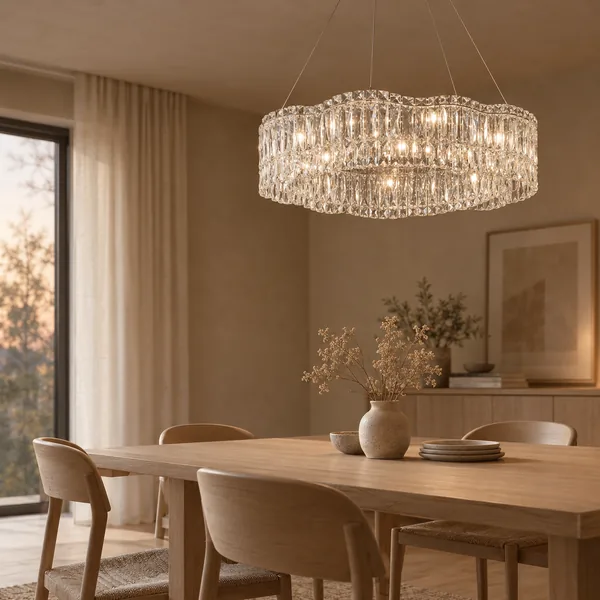
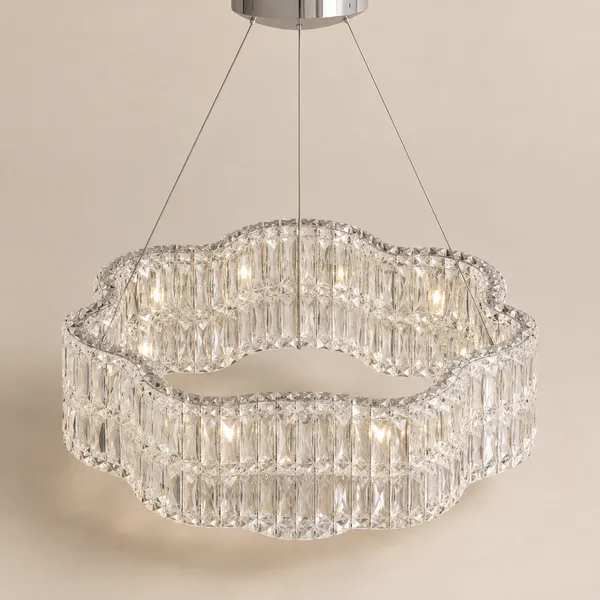 Save $200.00
Halvring K9 Crystal Halo LED Chandelier Light
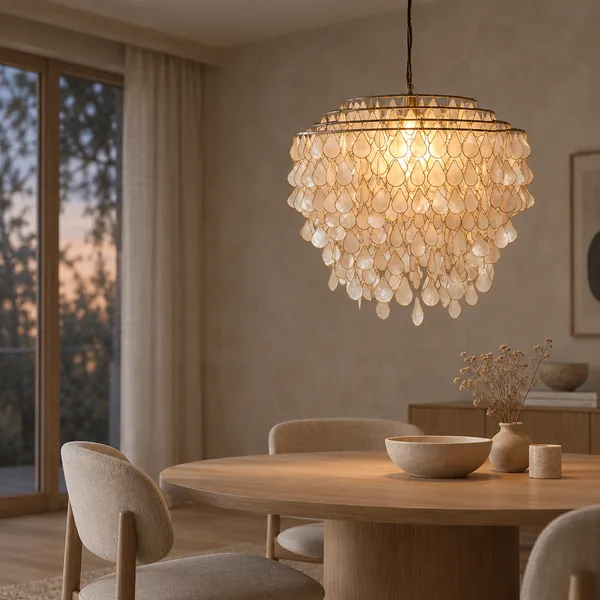
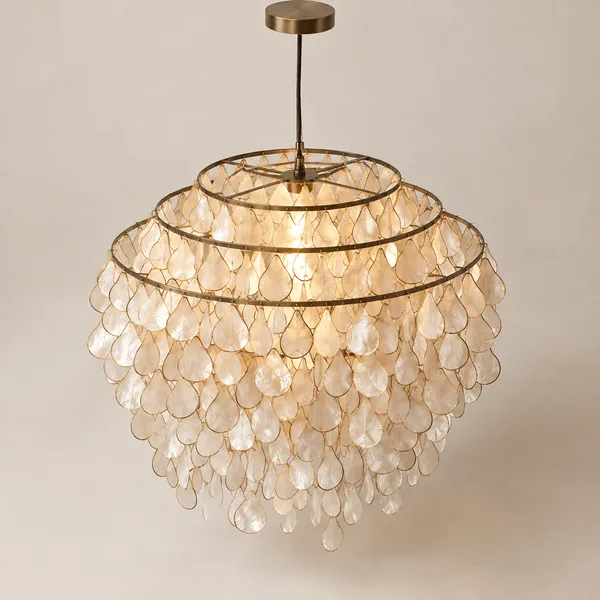 Save $370.00
Skjelva Nordic Retro Shell Pendant Chandelier
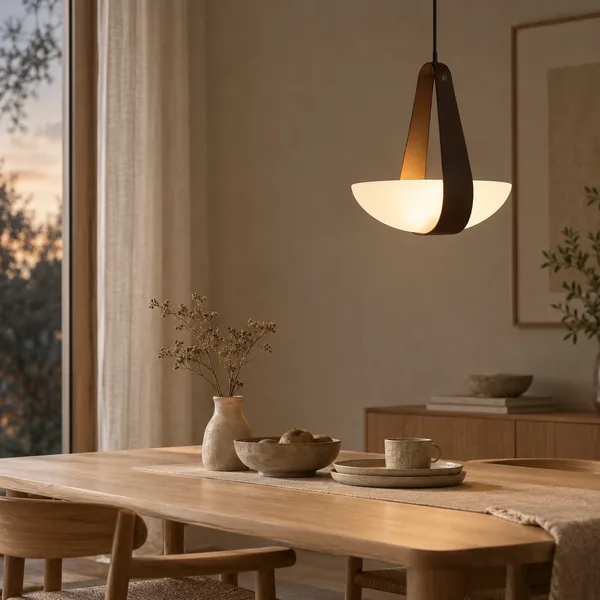
 Save $460.00
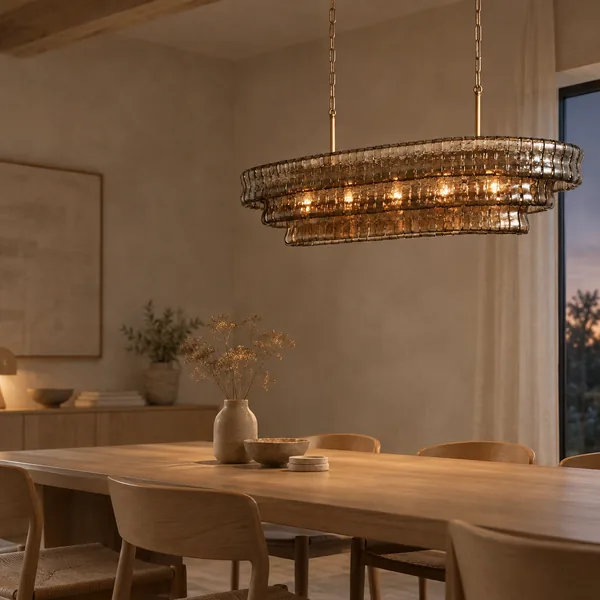
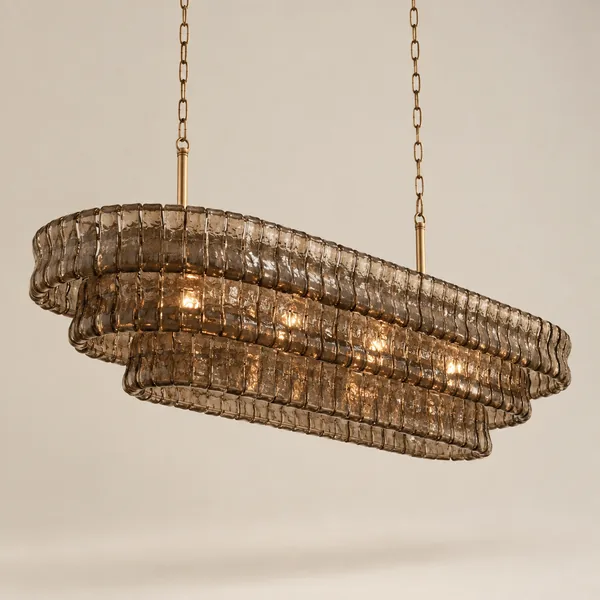
Dimma Smoky Gray Glass Chandelier Dining Room
Trending Styles and Applications
When considering what style of pendant lighting is trending, the answer increasingly points toward organic textures and artisan surfaces. While sleek, industrial minimalism dominated the past decade, current preferences favor warmth, tactility, and evidence of human craftsmanship.
Modern textured glass pendant designs seamlessly bridge aesthetic categories:
- Organic Modernism: Clean lines paired with imperfect, hand-finished materials
- Coastal Contemporary: Seeded and hammered glass evoking ocean waves and sea glass treasures
- Warm Scandinavian: Textured diffusers in amber and smoke tones creating hygge ambiance
- Modern Farmhouse: Vintage-inspired hammered glass bringing character to rustic spaces
Arists and designers like Golden Lighting have pioneered techniques that honor traditional glassmaking while serving contemporary sensibilities.
Pendant Lights Over Kitchen Islands
A persistent question in home design circles: Are pendant lights over kitchen islands going out of style? The definitive answer is no—though the nature of these fixtures continues evolving. Linear bars and single oversized pendants have largely replaced the ubiquitous three-small-pendants arrangement of the early 2000s.
Today's kitchen island lighting emphasizes:
- Scale and proportion: Larger individual fixtures that command attention
- Textural interest: Surfaces that add depth to the surrounding hard surfaces
- Warm materials: Bronze, brass, and hand-finished glass that soften the often clinical kitchen environment
- Layered illumination: Pendant lights working in conjunction with under-cabinet and recessed lighting
For kitchen applications, textured glass offers the additional benefit of concealing bulb brightness, creating comfortable task lighting without harsh glare.
Clear Glass Versus Textured: Making the Choice
Design enthusiasts often ask: Are clear glass pendant lights in style? The answer depends entirely on the desired atmosphere. Clear glass remains relevant, particularly in spaces where showcasing the bulb filament or maximizing light output takes priority.
However, textured glass has gained significant ground for several compelling reasons:
Design Insight: While clear glass shows everything—including dust accumulation and the technical aspects of the bulb—textured glass conceals these practical concerns while adding artistic value. It's a choice that prioritizes both beauty and livability.
That said, the most current trend isn't necessarily choosing between clear and textured, but rather selecting pieces where the glass itself becomes sculptural art. Whether achieved through texture, color, or form, the glass shade commands attention as the focal point rather than merely serving as a functional housing.
Pendant Lights
Shop all Pendant Lights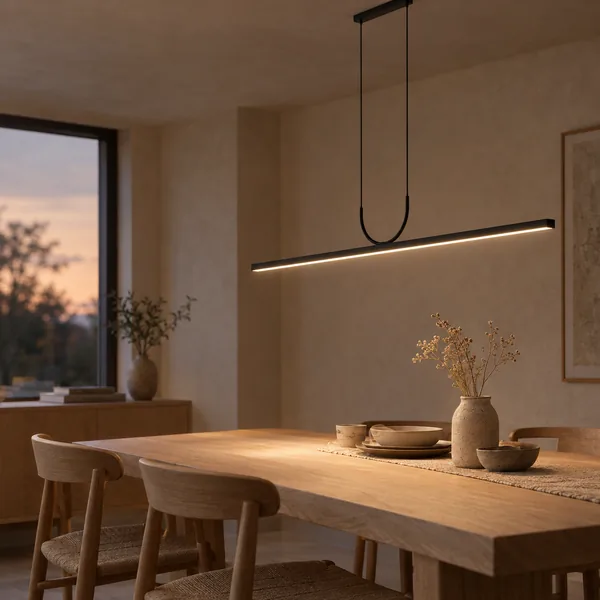
 Save $140.00
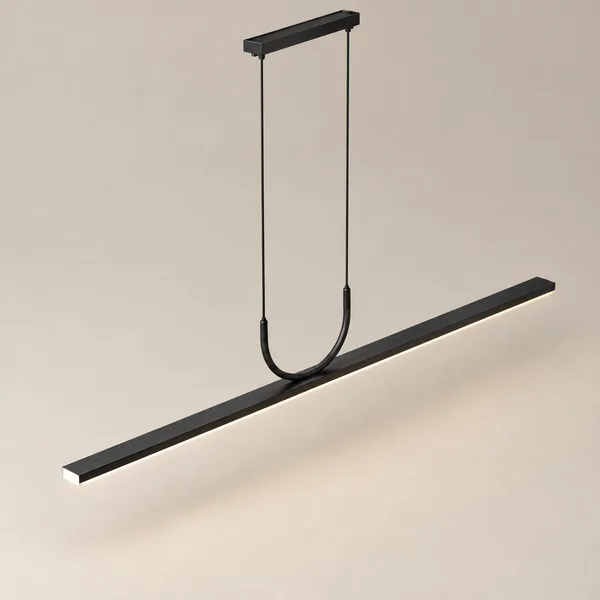
Linné Minimalist Linear Black LED Pendant Light
 Save $60.00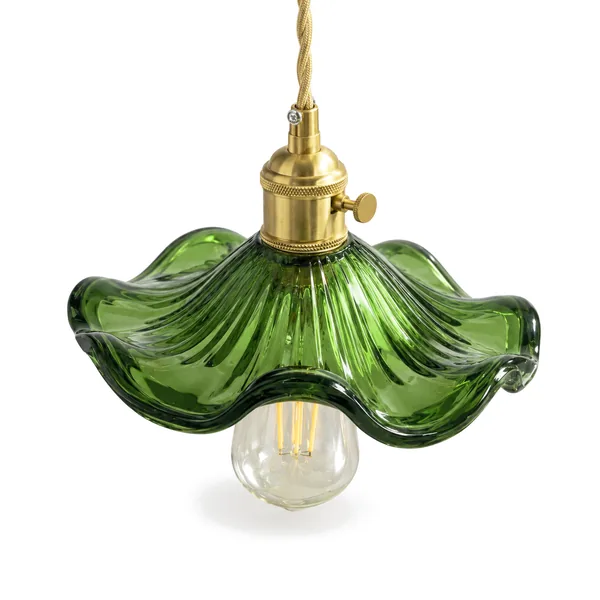
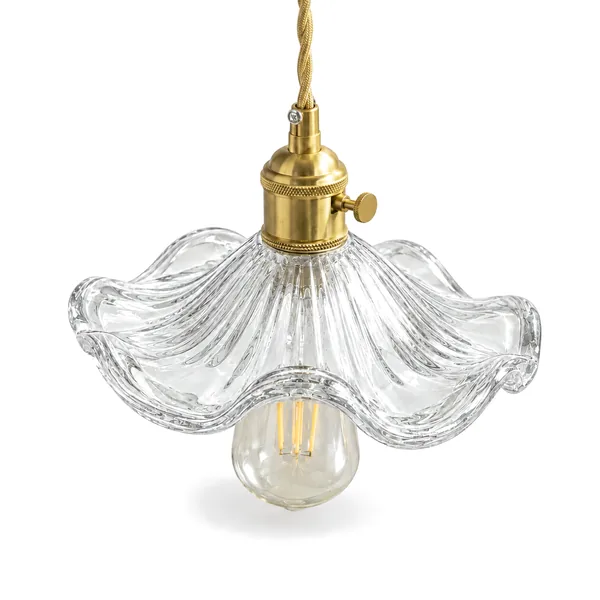
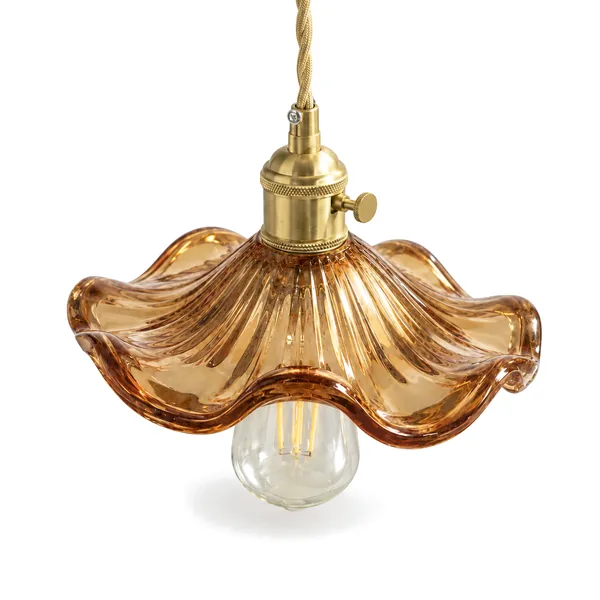 3 options
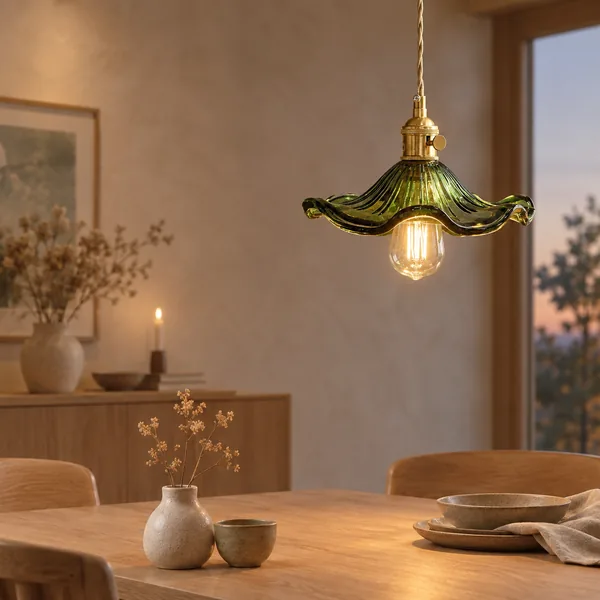
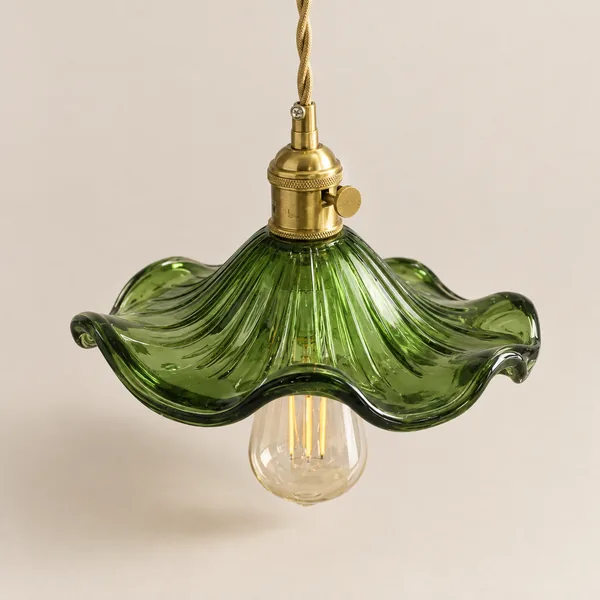
Glora Nordic Glass Pendant Light with Copper
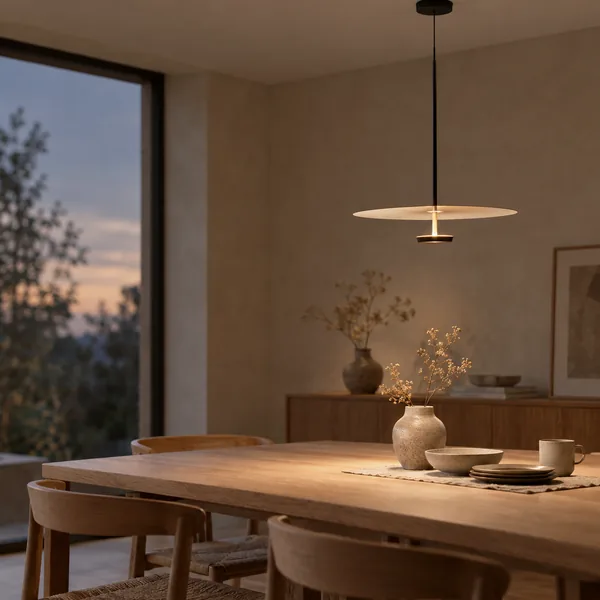
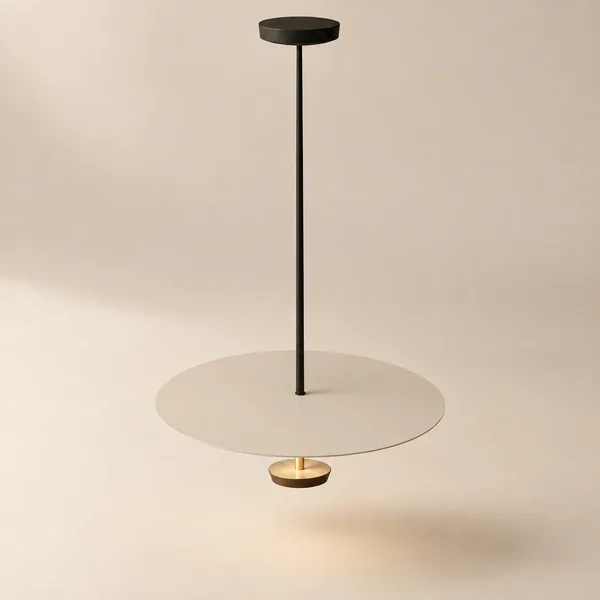 Save $120.00
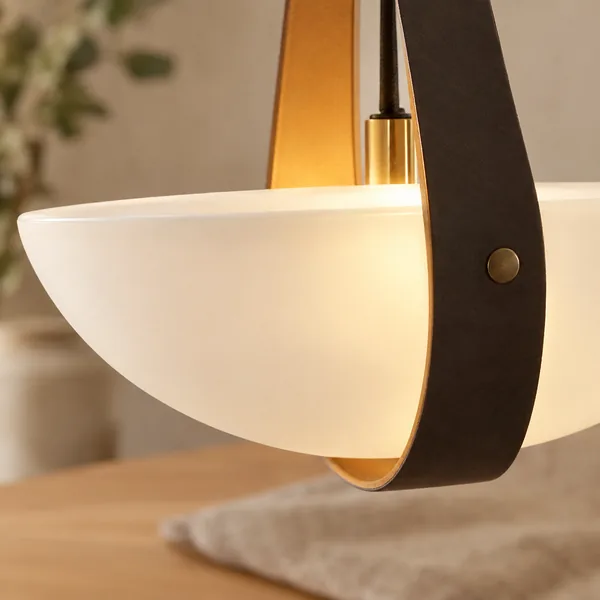
Skiva Nordic Saucer Ceiling Pendant Light LED
Curating Handcrafted Lighting for Organic Interiors
The Scandinavian approach to lighting emphasizes scalable investment—investing in pieces that grow with your space and withstand stylistic shifts. When selecting hammered and textured glass pendants, consider these curated pieces that exemplify artisan excellence:
Handcrafted Glass Pendants for Organic Spaces
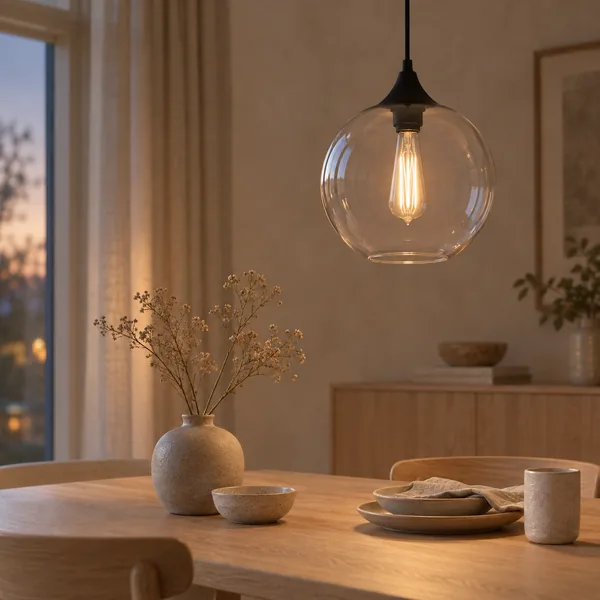 Glora Artisan Mouth-Blown Glass Pendant Light$149.00$219.00
These pieces share common DNA: mouth-blown artisan glass, intentional variation from piece to piece, and a commitment to organic design principles that honor material and process.
Design Tips for Organic Interiors
When integrating hammered and textured glass pendants into your space, consider these guiding principles:
Height and Spacing
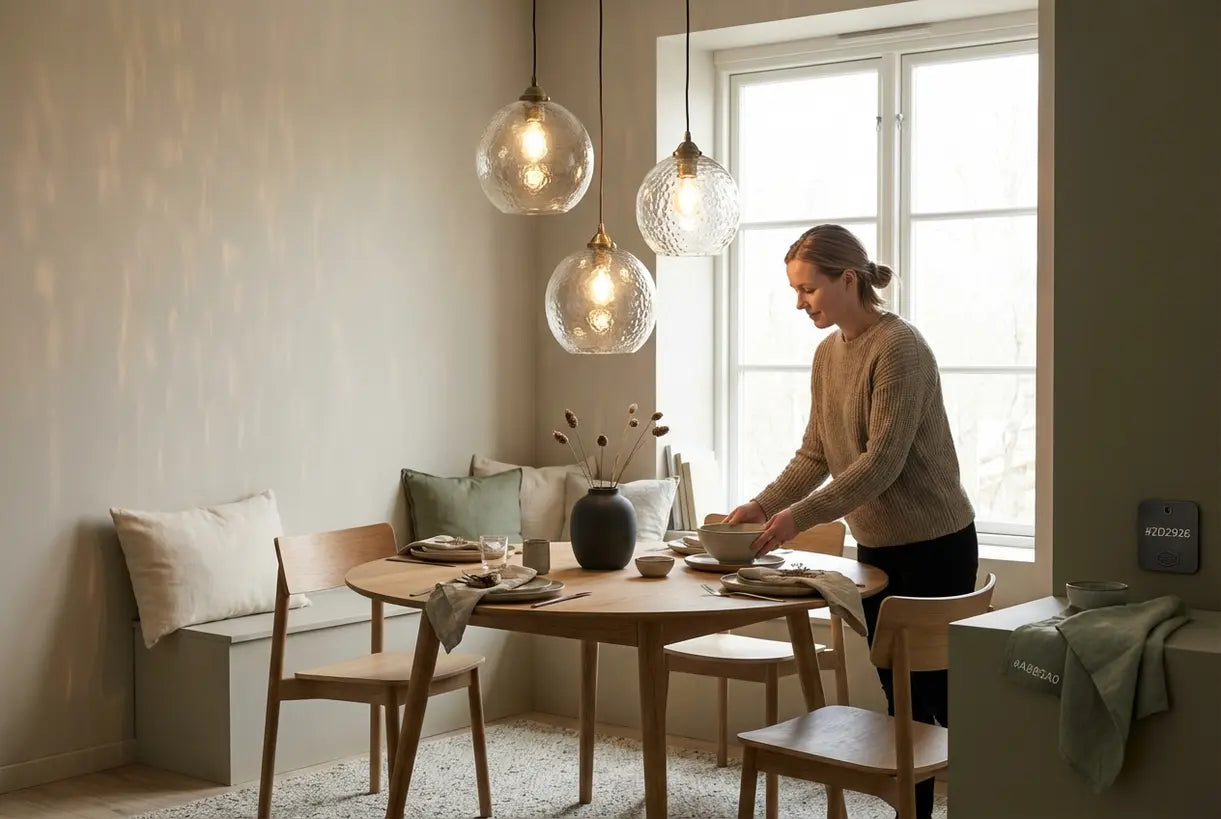
For kitchen islands, hang pendants 28-34 inches above the surface, or 4-6 inches above eye level when standing. Over dining tables, position 30-36 inches above the table surface to create intimacy without obstructing sightlines.
Grouping Strategies
Odd numbers (3 or 5) typically create more visually pleasing arrangements than even pairs. When mixing textures, maintain consistency in color temperature—warm ambers play beautifully together, as do cool clears and grays.
Complementary Elements
Textured glass pendants pair exceptionally well with natural materials: unlacquered brass, weathered oak, linen textiles. The organic lighting design philosophy extends throughout your entire material palette, creating cohesive spaces that feel cultivated over time.
Layered Lighting
Remember that pendant lights serve as decorative ambient lighting—not sole illumination sources. Layer with sconces, floor lamps, and accent lighting to create flexible scenes for different activities and moods.
Creating Your Handcrafted Haven
Embracing hammered and textured glass pendant lights means embracing a philosophy: that our homes should contain objects of meaning, beauty, and evidence of human care. These aren't merely functional fixtures but sculptural anchors that transform ordinary moments into aesthetic experiences.
As you curate your space, prioritize pieces that resonate emotionally—those that catch your eye across the room and draw you into their luminous depths. The right hammered glass pendant doesn't just illuminate; it reveals the poetry of light itself, dancing through handcrafted surfaces that no machine could replicate.
At Skonne, we believe in the transformative power of thoughtful lighting. Our collection of artisan glass pendants honors Scandinavian design traditions while embracing contemporary needs for sustainable, meaningful objects. Each piece represents an investment not just in illumination, but in the daily experience of intentional, beautiful living.
Related Article
Teardrop Glass Pendant Lights: Elegant Drop-Shaped Fixtures for Dining Rooms & EntrywaysElegant teardrop glass pendant lights add timeless sophistication to dining rooms and entryways. Discover drop-shaped fixtures that transform your space with warm, inviting illumination.