
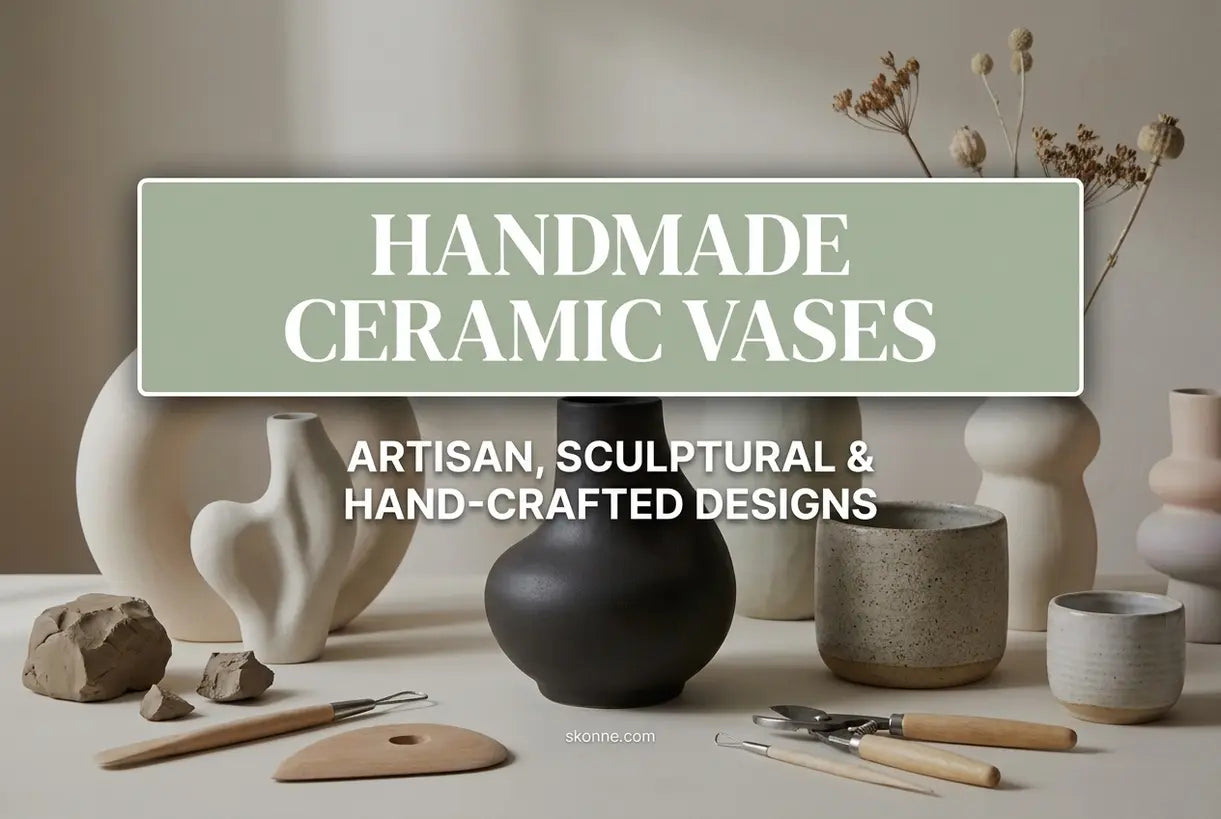
Handmade Ceramic Vases: Artisan, Sculptural & Hand-Crafted Designs
Summary›
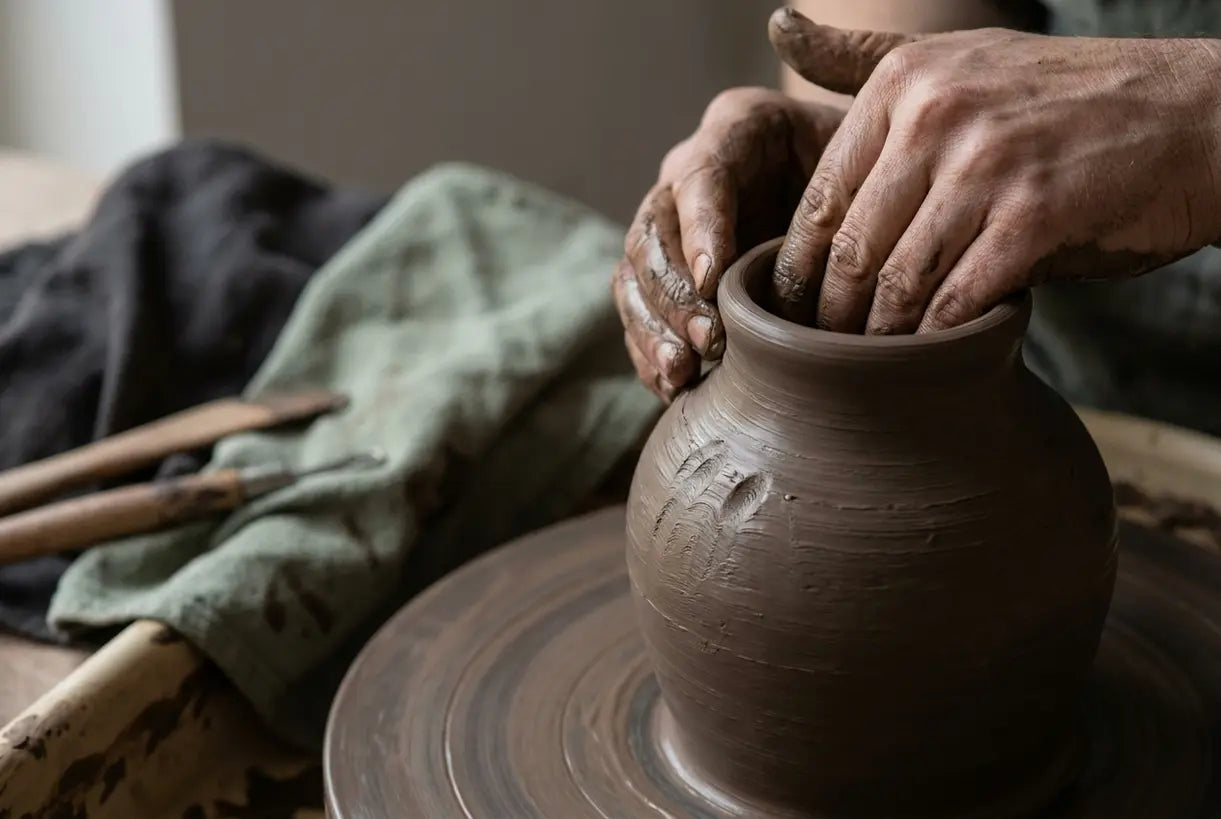
There's a quiet magic in holding something shaped entirely by human hands. In an age of factory-perfect uniformity, the handmade ceramic vase stands as a testament to intentionality, warmth, and the beauty of imperfection. These sculptural vessels carry stories within their clay walls—the rhythm of the potter's wheel, the deliberate press of fingertips, the patient hours between forming and firing.
Whether you're drawn to ceramic abstract vase silhouettes that double as modern art, or ceramic hand painted vase designs that bring watercolor dreams to life, understanding the world of artisan pottery opens new dimensions for your home. This guide explores everything from authentication techniques to styling ideas, helping you find pieces that resonate with your Scandinavian-inspired living space. For those looking to explore more options, our New Arrivals collection offers a curated selection of the most distinctive pieces recently discovered.
The Soul of Handmade Ceramics
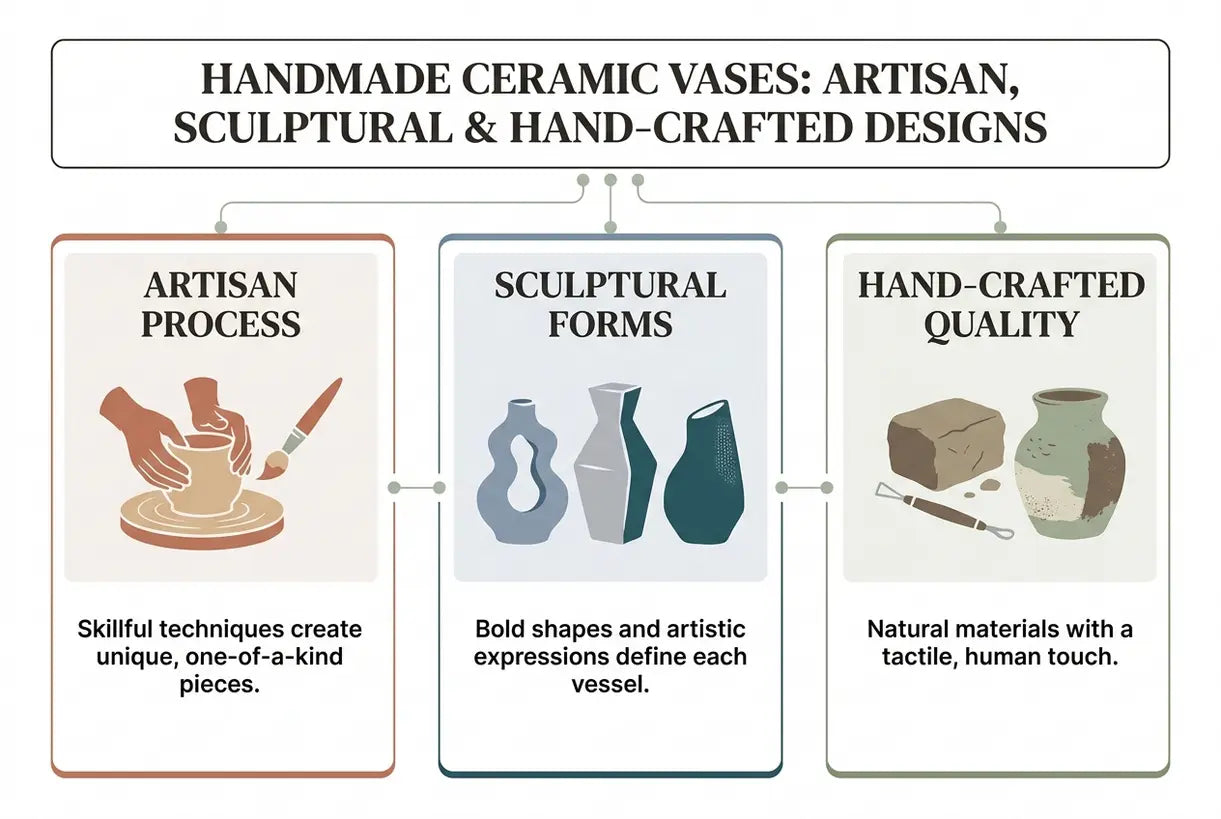
What separates a handmade ceramic vase from its mass-produced counterparts isn't just technique—it's presence. Each piece carries subtle fingerprints of its creation: the slight asymmetry that makes it unique, the glaze variations that catch light differently across every surface, the organic texture that invites touch.
Artisan ceramic vase makers work with intention rather than automation. They select clay bodies carefully, shape with purpose, and often leave deliberate marks that celebrate the object's hand-crafted nature. These variations aren't flaws; they're signatures of authenticity. When you place a sculptural ceramic vase on your mantel, you're not just displaying decor—you're honoring centuries of ceramic tradition while supporting contemporary makers who continue these techniques.
Recognizing True Craftsmanship
Knowing how to tell if a ceramic is handmade empowers you as a collector. Look for these hallmarks of authentic craftsmanship:
- Weight distribution: Hand-formed pieces often have slight irregularities in thickness
- Glaze interaction: Depth and variation rather than flat, uniform color
- Base marks: Subtle wheel marks or finger impressions on the underside
- Foot rings: Slightly uneven hand-trimmed bases versus machine-perfect edges
- Maker's stamps: Authentic signatures or studio marks
Machine-made vessels replicate these details poorly. The soul of a hand crafted pottery vase lies in these quiet irregularities—evidence that human hands guided its creation.
Decorative Vases
Shop all Decorative Vases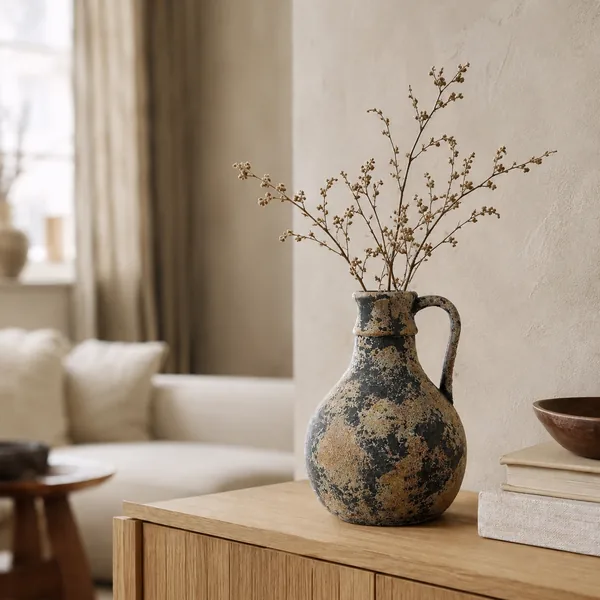
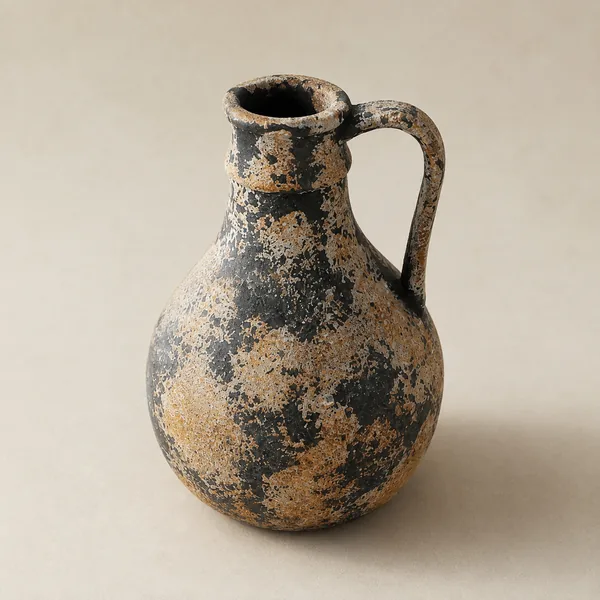
 Save $40.00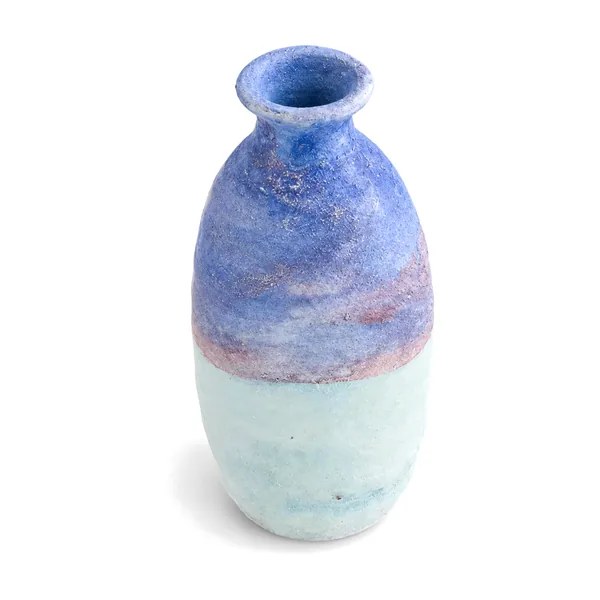
 4 options
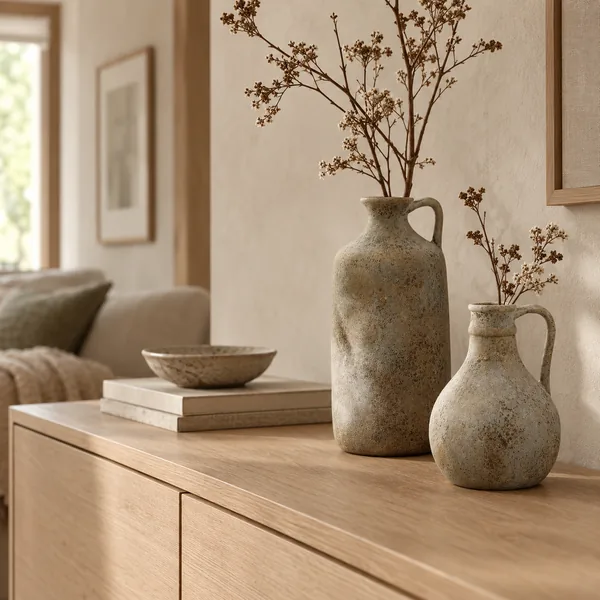
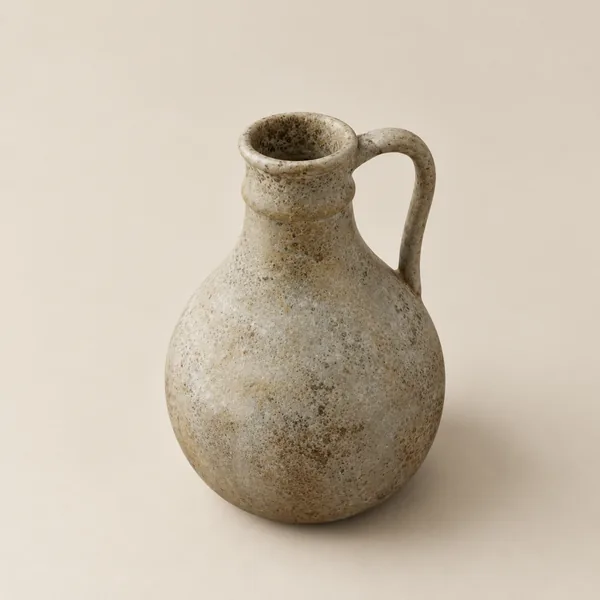
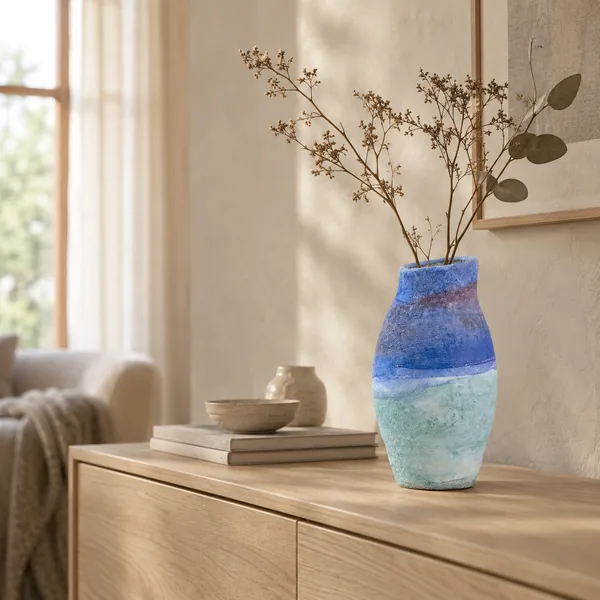
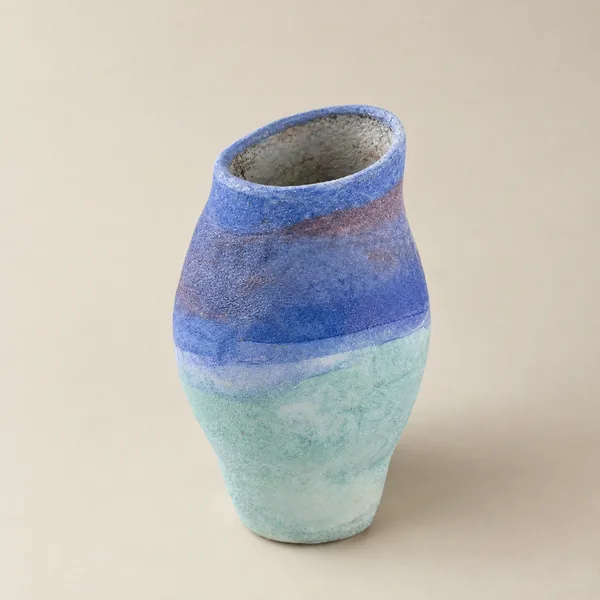
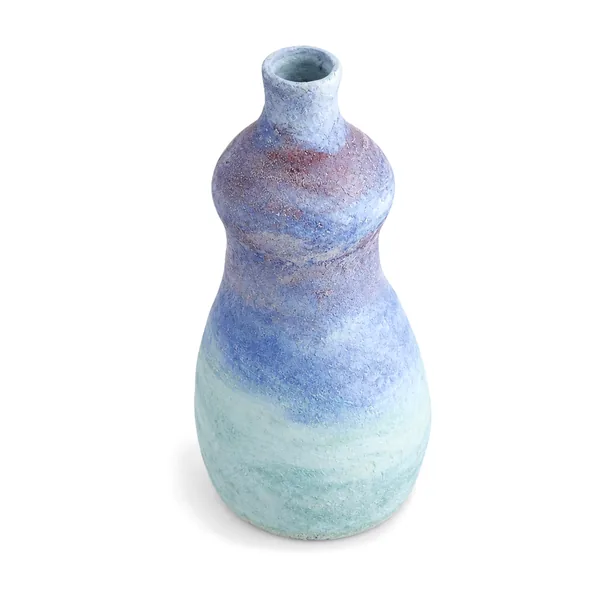
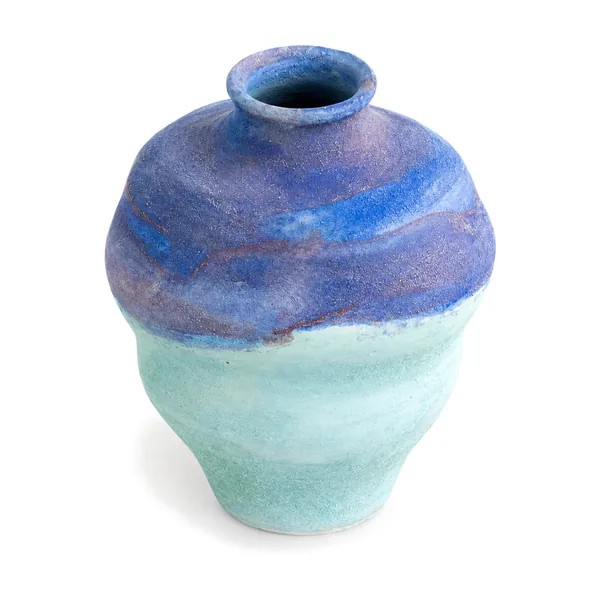
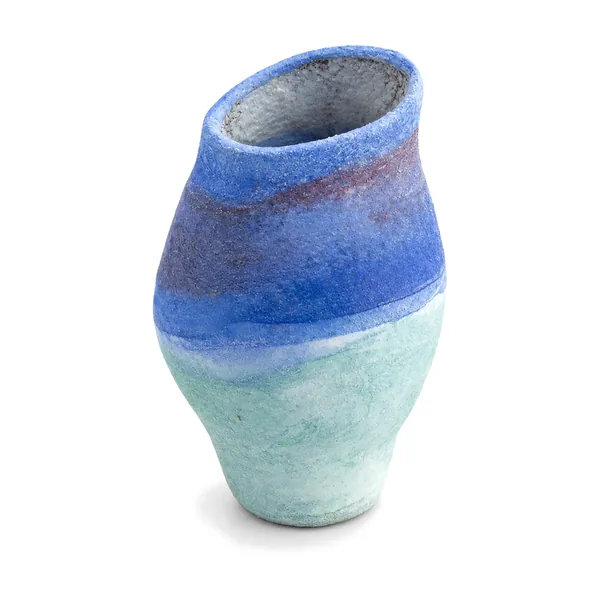
Dyvna Blue Gradient Ceramic Vase for Home Decor
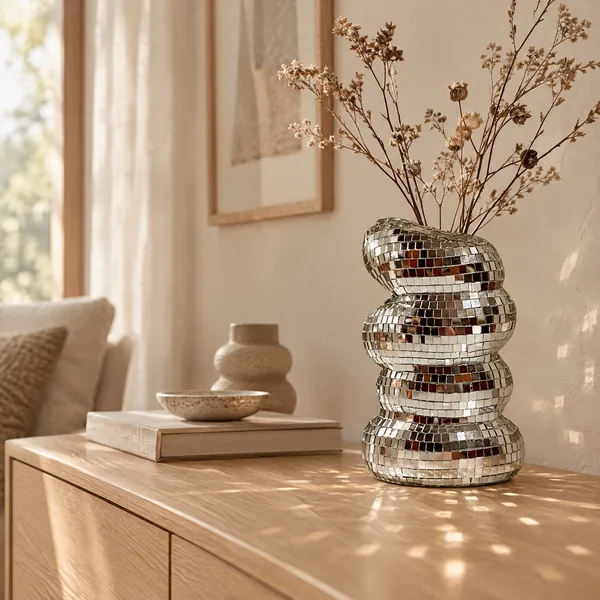
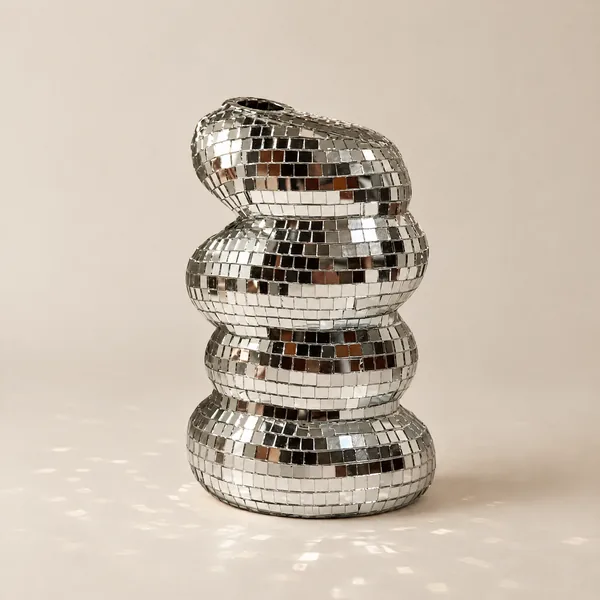
Design Language: From Organic to Abstract
The world of artisan vases spans an extraordinary range of aesthetic expressions. Understanding these styles helps you build a collection that speaks to your personal taste while maintaining that curated, Nordic-inspired sensibility.
Sculptural and Organic Forms
Sculptural ceramic vase designs blur the line between functional vessel and art object. These pieces embrace asymmetry, dramatic silhouettes, and forms that seem to grow rather than be constructed. A sculptural pottery vessel might feature undulating walls, unexpected openings, or celestial-inspired curves that demand attention as standalone sculptures.
Scandinavian design particularly embraces this ethos—Danish and Swedish ceramicists have long celebrated organic ceramic vessel forms that echo natural landscapes. Think smooth river stones, weathered driftwood textures, or the soft curves of Nordic coastlines translated into clay. These pieces work beautifully in minimalist interiors where their sculptural presence becomes the focal point.
Hand-Painted and Decorative Styles
For those drawn to color and pattern, ceramic hand painted vase designs offer endless personality. From muted earth tones that reference Nordic nature to bold contemporary abstracts, hand-painting allows artists to tell visual stories on ceramic canvases.
The best pieces balance color with restraint—that distinctly Scandinavian talent for featuring art without overwhelming a space. Look for vessels that use negative space thoughtfully, letting the hand-thrown form remain visible beneath the decorative layer.
The Beauty of Ceramic Vase Handles
Ceramic vase handles represent both functional engineering and aesthetic statement. Artisan-made handles show evidence of their attachment—subtle marks where clay was joined, slight variations in thickness that hint at hand-building rather than mold-casting. These details elevate a simple vessel into something extraordinary, transforming it into a functional sculpture worthy of display.
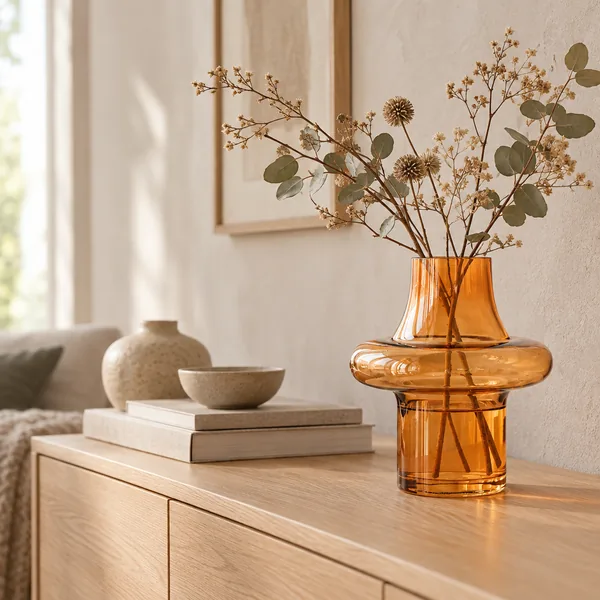 Glovik Amber Geometric Glass Sculptural Vase$89.00
Displaying Your Ceramic Collection
How you present sculptural vases matters as much as the pieces themselves. Nordic design philosophy emphasizes intentional placement—each object should have breathing room and purpose rather than competing in cluttered arrangements.
Creating Visual Rhythm
When styling multiple handmade ceramics, consider creating visual dialogue between pieces. A tall handmade pottery centerpiece commands attention on a dining table, while smaller vessels grouped in threes create pleasing asymmetry on a shelf. Varying heights, textures, and glaze colors keeps the eye moving while maintaining cohesion.
Remember that negative space is your ally. Allow each piece its moment to be appreciated fully. This is where the hygge philosophy shines—creating environments where beauty can be contemplated and enjoyed slowly.
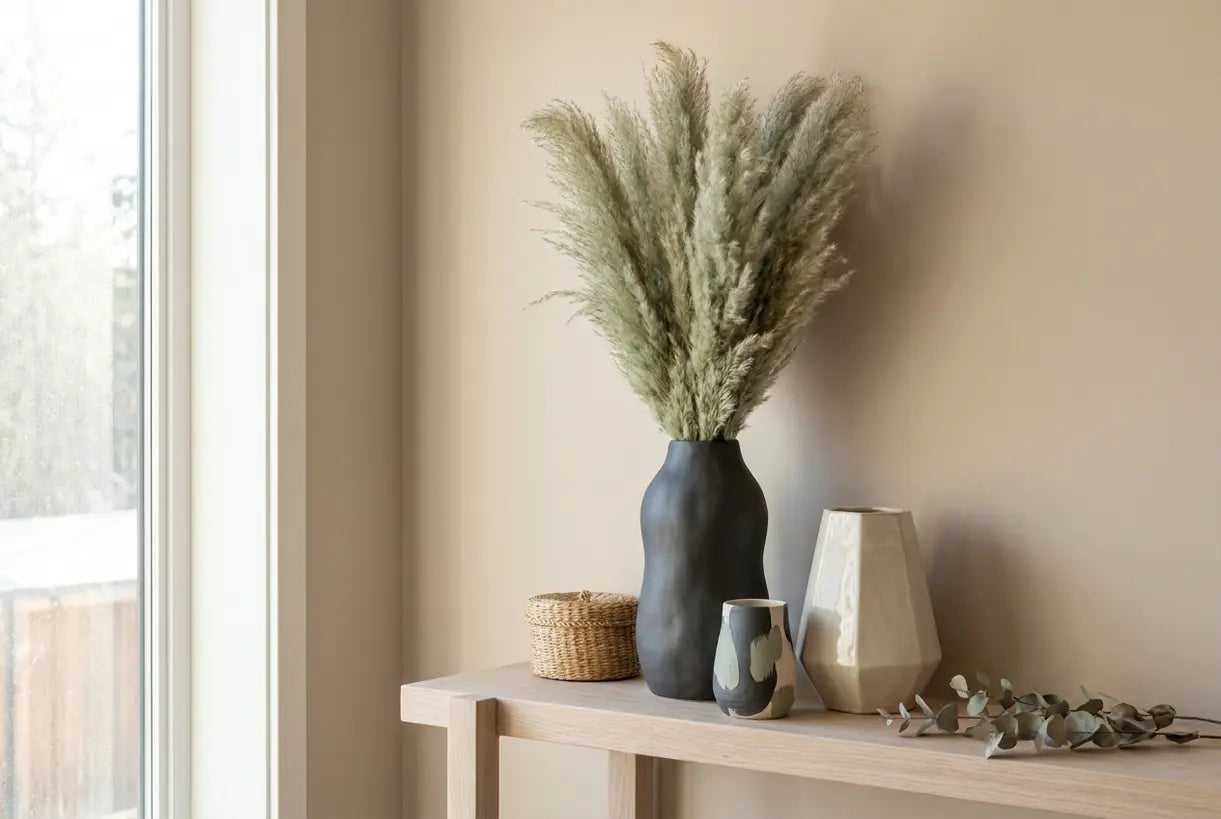
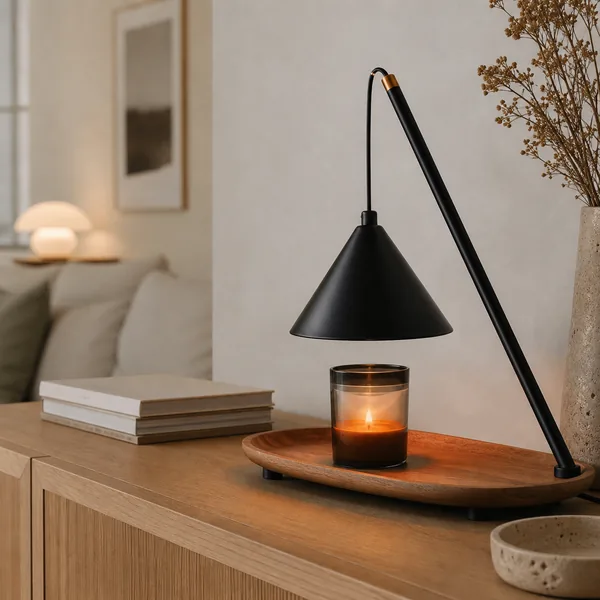
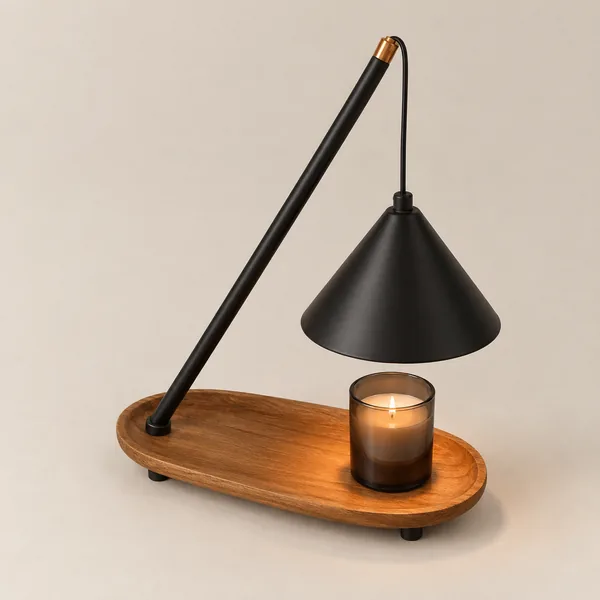
Illuminate and Elevate Your Ceramics
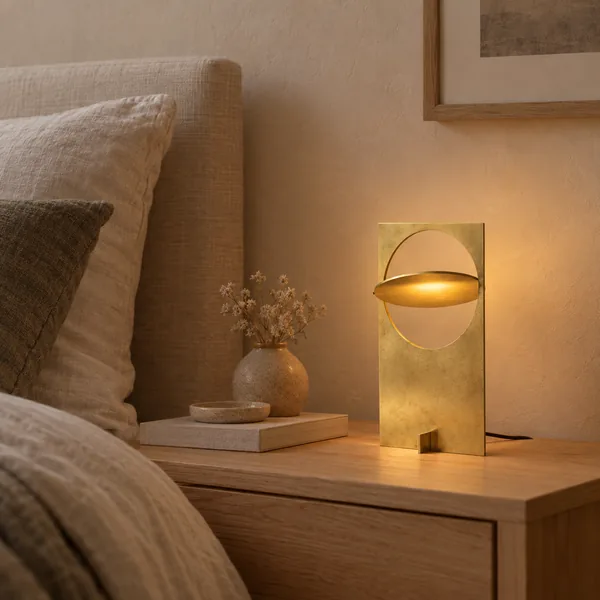 Solglod Modern Gold Sunset Sculptural Table Lamp$399.00$579.00
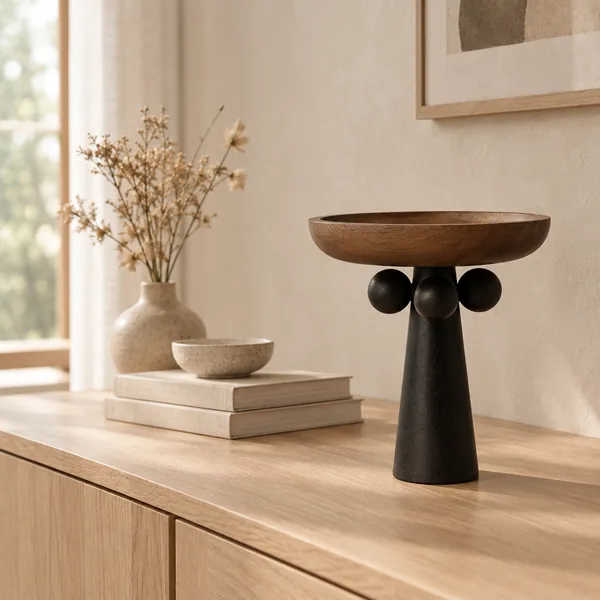 Dreva Sculptural Wooden Pedestal Display Tray$99.00$139.00
Practical Considerations for Living with Ceramics
One common question for collectors: can you put real flowers and water in a ceramic vase? The answer depends entirely on the piece's construction. High-fired stoneware with proper glazing handles water beautifully. Unfired or low-fired earthenware may absorb moisture, potentially damaging both vase and surface beneath. Always check with the maker about intended use—many artists create vessels specifically as sculptural pieces meant for dried botanicals only.
When using fresh flowers, place a smaller glass container inside the ceramic vessel to protect it if you're uncertain about water compatibility. This preserves the artistry while enjoying seasonal blooms.
Home Decor
Shop all Home Decor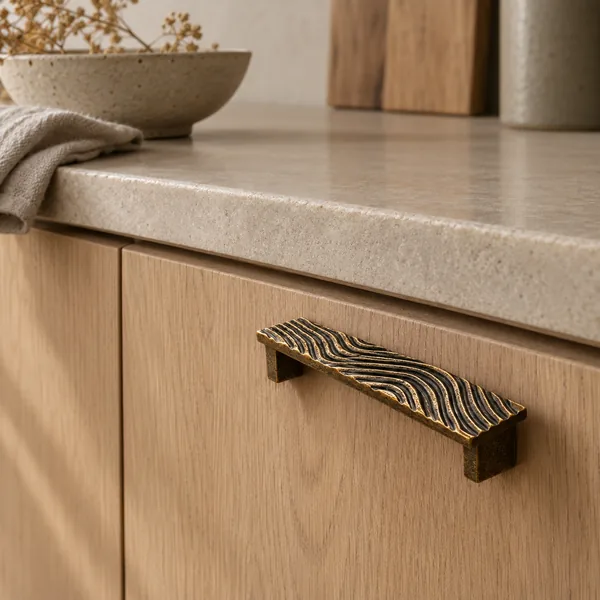
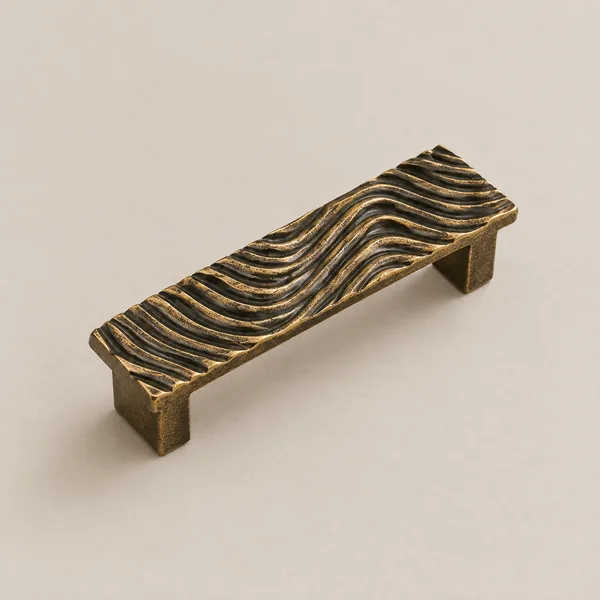

 Save $44.50
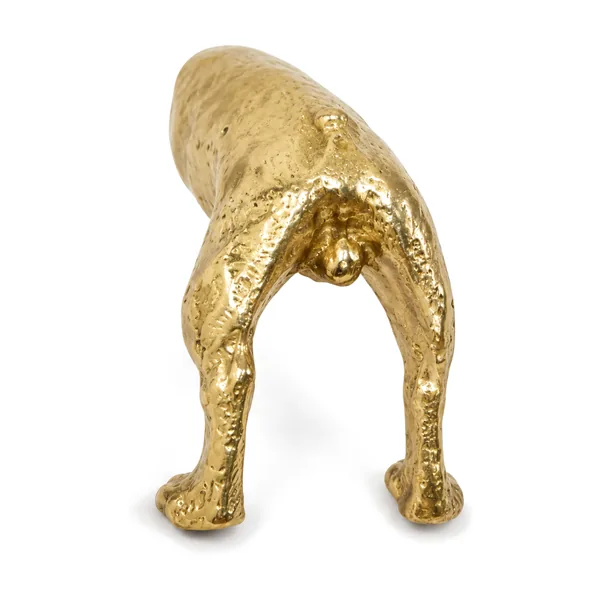 2 options
Tassa Polished Brass Dog Cabinet Pull Handle
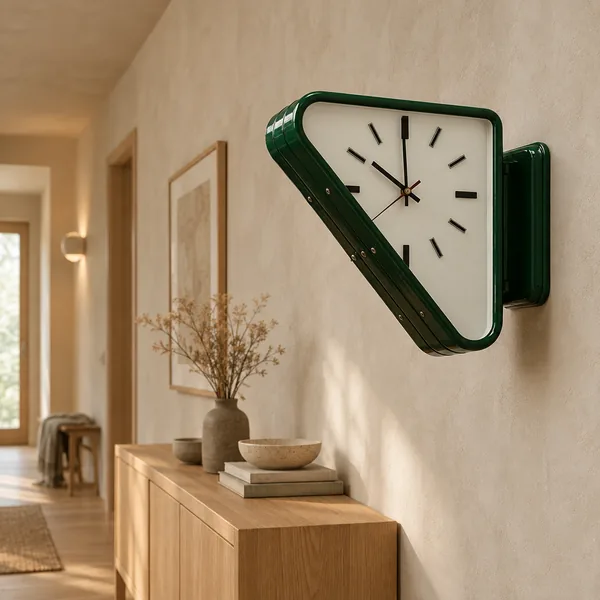
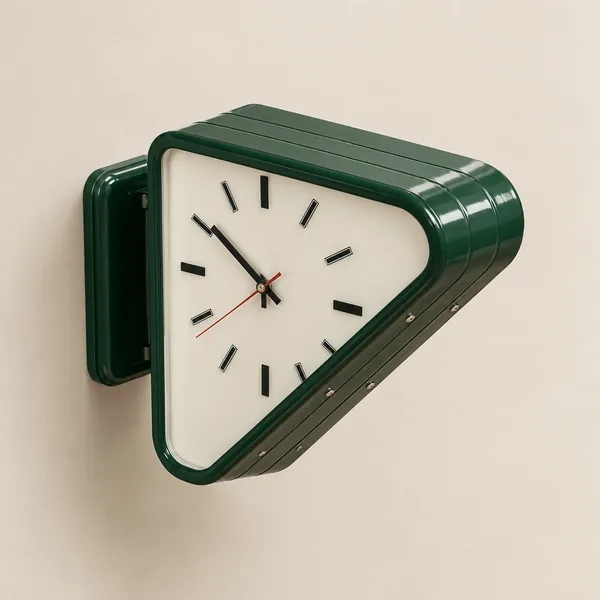 Save $110.00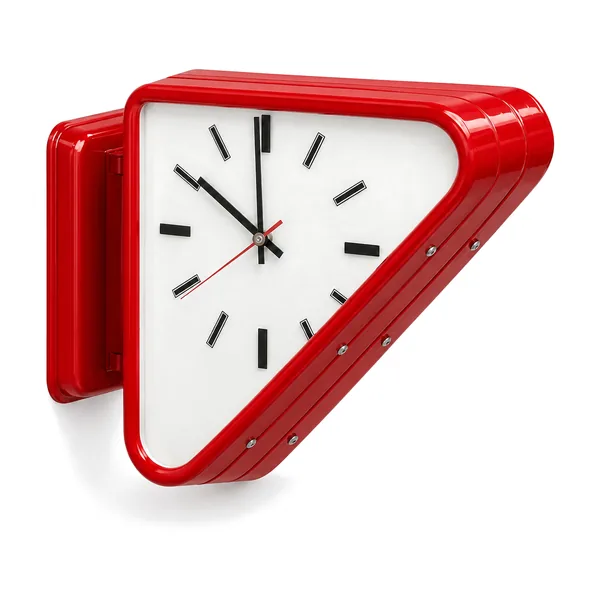
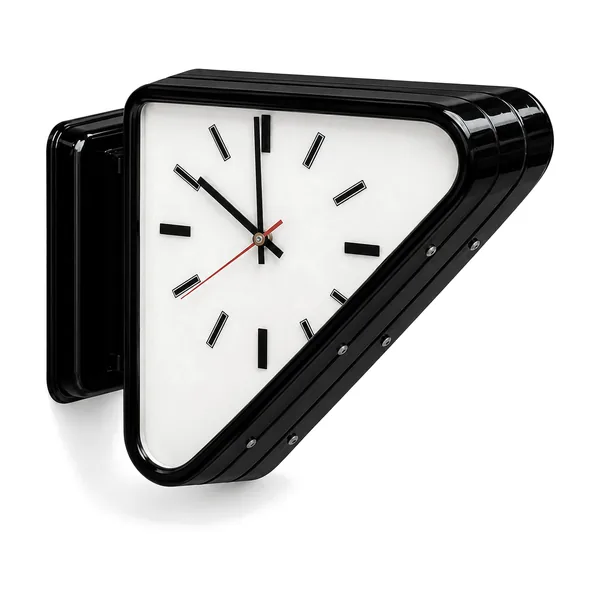
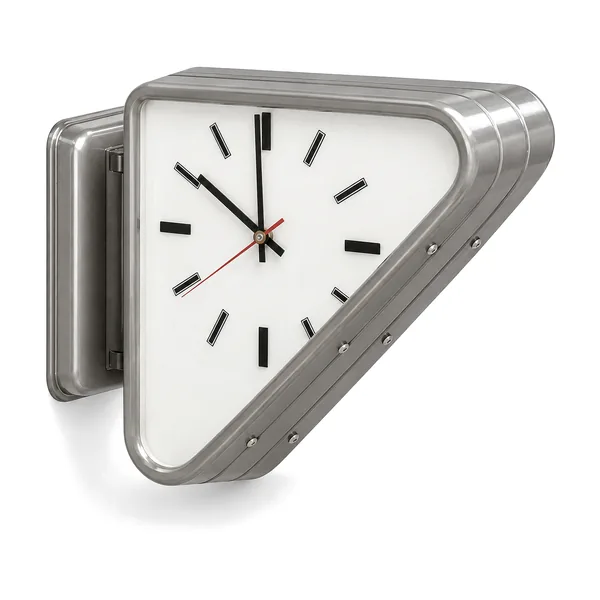
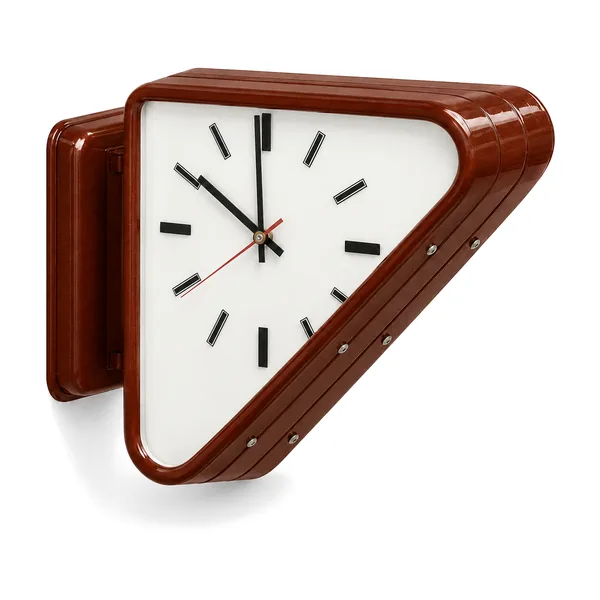 +15 options
Tvilling Dual-Sided Geometric Metal Wall Clock
Valuing and Investing in Artisan Ceramics
Understanding how to tell if a ceramic vase is valuable helps you build a meaningful collection. Value in handmade ceramics comes from multiple sources:
- Artist reputation: Established makers or those with gallery representation command higher prices
- Technique complexity: Celadon glazes, crystalline formations, or intricate hand-building require exceptional skill
- Markings and provenance: Studio stamps, edition numbers, and documentation increase collectibility
- Rarity: Limited production or one-of-a-kind pieces hold value differently than widely available lines
Ceramic vs. Porcelain: Understanding the Difference
The question of which is better, a ceramic or porcelain vase depends entirely on your needs and aesthetic preferences. Porcelain represents a subset of ceramic known for its fine, white clay body fired at extremely high temperatures. It transmits light slightly and feels delicate despite its strength.
General ceramics use various clay types offering different textures, colors, and characteristics. Many collectors prefer stoneware or earthenware for their organic warmth and willingness to show the maker's hand. Porcelain lends itself to precise, refined forms; broader ceramics embrace earthier expressions. Neither is objectively superior—they simply serve different design languages.
The key to collecting is authenticity. Learn the rhythm of authentic making—the subtle variations, the evidence of hand working clay, the depth of properly applied glaze. These details distinguish mass production from true craftsmanship.
The Making of Masterpieces
There's something deeply grounding in witnessing how handmade ceramics come to life. Understanding the ancient processes behind these vessels deepens appreciation for the pieces we bring into our homes.
The following video reveals the mesmerizing transformation from raw earth to finished art—a process unchanged for millennia in villages where pottery remains a way of life:
Research from institutions like the Smithsonian's ceramic collections documents how these ancient techniques continue influencing contemporary makers worldwide. The vocabulary of form—pinching, coiling, wheel-throwing, glazing—transcends culture and era.
What Makes Handmade Ceramic Vase Pieces Truly Unique
What makes a handmade ceramic vase unique goes beyond technique. Each piece captures a moment in time—the artist's state of mind, the atmospheric conditions during firing, the slight variations in glaze chemistry that produce unexpected but beautiful results. No two handmade pieces are ever truly identical, even when following the same pattern.
This uniqueness aligns perfectly with Scandinavian design values that prioritize authentic materials, visible craftsmanship, and objects that age gracefully. A handmade ceramic vessel develops patina and character over years of living alongside you—something mass production simply cannot replicate.
Conclusion: Living with Intentional Beauty
Collecting handmade ceramics is ultimately an act of curating stories—yours and those of the makers who shape clay into meaning. These sculptural vessels bring Nordic warmth to modern living, offering daily reminders that beauty can be functional and functionality can be beautiful.
At Skonne, we believe your home should be a sanctuary of intentional objects that speak to your aesthetic while honoring traditional craft. Whether you're selecting your first artisan piece or expanding an established collection, understanding authentication, value, and care empowers you to choose pieces that will bring joy for generations.
The right handmade ceramic vase doesn't just decorate your space—it becomes part of your home's story. Each time you pass that sculptural vessel on your credenza or arrange dried blooms in that abstract form, you're participating in a tradition centuries deep. That connection between maker, object, and home is the heart of Scandinavian-inspired living.
Related Article
Black Ceramic Vases: Bold, Dramatic Designs for Modern & Moody InteriorsExplore bold black ceramic vase designs perfect for modern interiors. Discover styling tips and dramatic accent pieces to elevate your home decor.