
High Ceiling Chandeliers: How to Choose & Hang a Fixture in Tall, Grand Spaces
Summary›
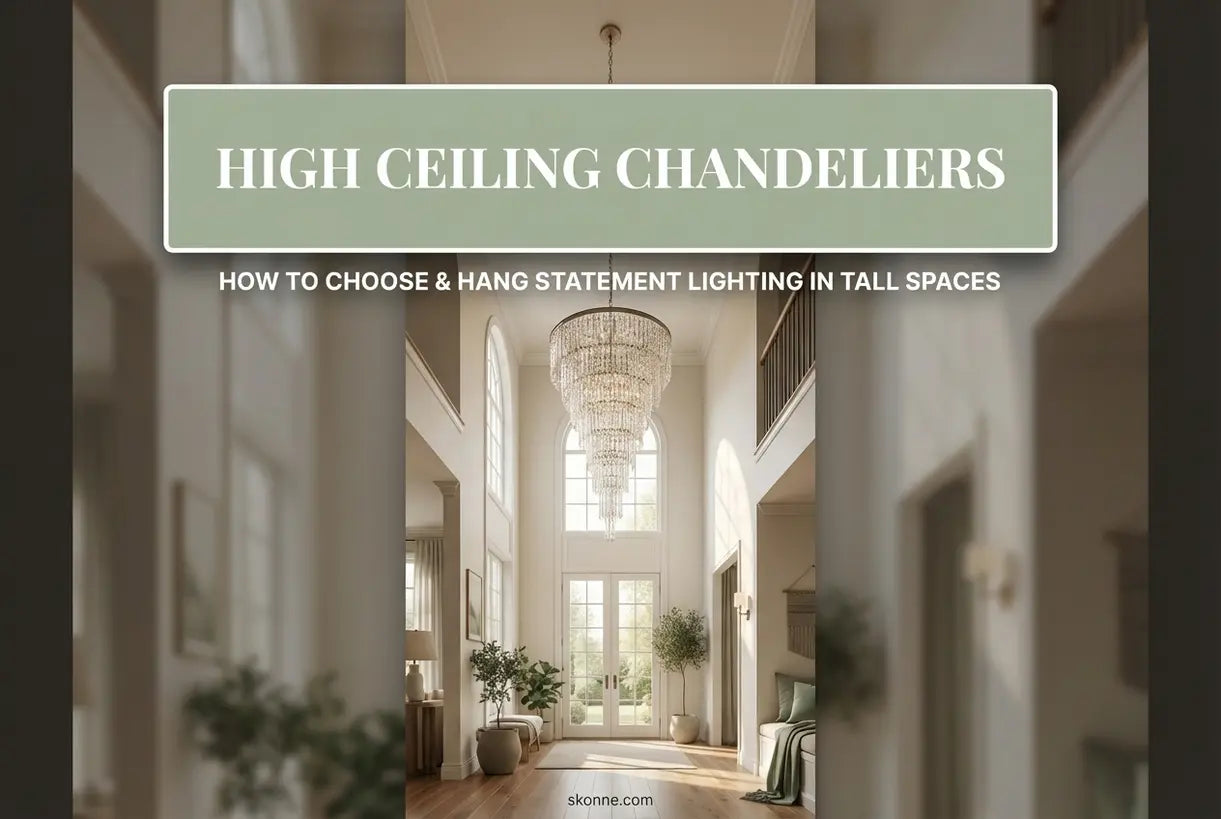
Walking into a home with soaring ceilings can be breathtaking—until you notice how the space feels cavernous, cold, and unfinished. That dramatic two-story foyer or vaulted great room deserves lighting that honors its scale, yet many homeowners struggle to find the right solution. A carefully chosen high ceiling chandelier transforms these vertical spaces from overwhelming into inviting, creating a warm focal point that draws the eye upward and fills the room with intentional ambiance.
Whether you're renovating a modern loft, designing a new build with cathedral ceilings, or simply refreshing an entry hall that feels lost in its own height, selecting and installing the right fixture requires more than picking something pretty from a catalog. You need to understand sizing formulas, hanging heights, and structural requirements. This guide walks you through everything—from calculating dimensions to safe installation—while introducing you to fixtures designed specifically for grand, tall spaces. By the end, you'll feel confident creating that coveted Scandinavian sense of hygge, even in the most vertical of rooms.
Why Tall Spaces Need Purposeful Lighting
Rooms with elevated ceilings present a unique design challenge. Without proper illumination, the overhead expanse becomes a void that makes furniture feel dwarfed and conversations echo. The right high ceiling light fixture solves this by occupying vertical space deliberately, creating visual weight where it's needed most.
Consider how natural light behaves in these spaces. Tall windows may flood the floor with brightness, but they often leave upper corners in shadow. A well-positioned statement chandelier tall rooms can address this imbalance, casting both direct and ambient illumination that softens the entire environment. The fixture becomes an architectural element in itself, guiding guests through your home with visual warmth.
From cathedral ceiling chandelier installations in rustic great rooms to sleek vaulted ceiling chandelier designs in contemporary spaces, the principle remains consistent: your lighting should embrace the height rather than fight it. This means thinking vertically—cascading forms, multi-tier arrangements, and substantial proportions that read beautifully from both ground level and upper vantage points.
Sizing Your Chandelier: The Formula That Actually Works
The standard chandelier sizing formula offers a starting point: add your room's length and width (in feet), and the sum equals the ideal chandelier diameter (in inches). A 12-by-16-foot room would call for a 28-inch fixture. But for tall spaces, this basic calculation needs adjustment.
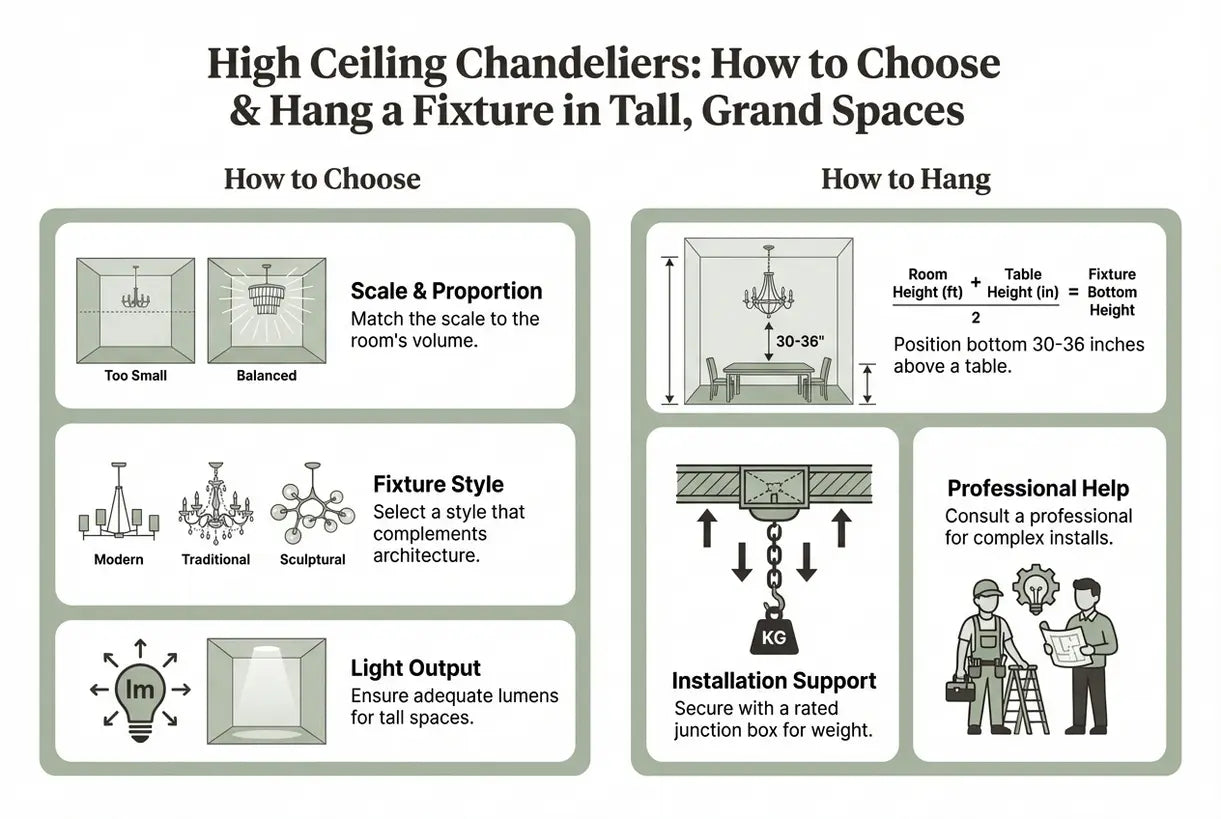
For ceilings above 10 feet, scale up by 2-3 inches per additional foot of height. This ensures your large foyer chandelier or dining statement piece doesn't disappear into the vertical expanse. Rooms with 16-foot ceilings should consider fixtures 36-40 inches in diameter, while spaces approaching 20 feet demand even more substantial proportions.
The question what size chandelier for a 20 foot ceiling comes up frequently in our consultations. For spaces this grand, consider pieces 48 inches or larger in diameter, or explore cascading designs that extend 60+ inches vertically. The Stjerna Vintage French Clear Glass Chandelier demonstrates this principle beautifully—its rippled glass layers create substantial visual presence, while its adjustable chain accommodates ceilings up to 20 feet with elegant ease.
Ceiling height to fixture height ratios:
- 10-12 foot ceilings: 20-24 inch diameter, single-tier design
- 14-16 foot ceilings: 30-36 inch diameter, 2-3 tier or extended form
- 18-20+ foot ceilings: 42+ inch diameter, multi-tier or cascading installation
Chandeliers
Shop all Chandeliers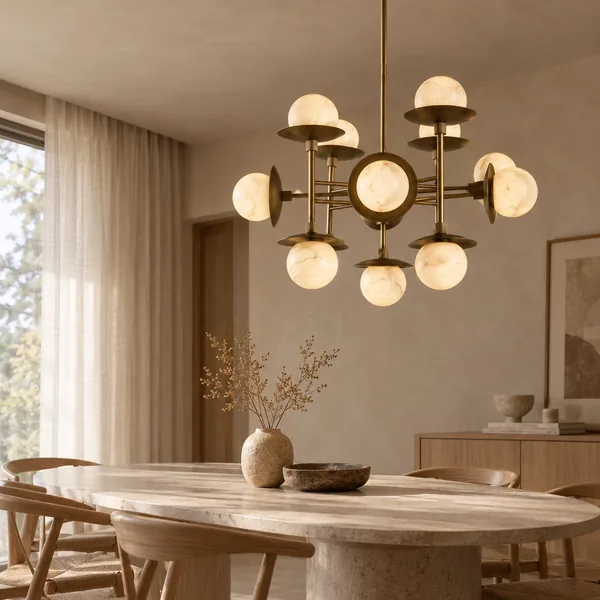

Hanging Height: Where Position Transforms Presence
The standard rule suggests hanging chandeliers 7 feet above finished floors in standard rooms. But for two story foyer chandelier installations and great room fixtures, this guidance requires thoughtful adaptation. In double-height entryways, maintain at least 7-8 feet of clearance above the floor, while positioning the fixture low enough to be appreciated from the main level.
For staircases, hang your fixture so the bottom sits level with or slightly above the second-floor landing railing—typically 8-9 feet above the main floor. This creates visibility from both levels while maintaining safe passage. In dining rooms with tall ceilings, position the fixture 30-36 inches above the table surface, regardless of ceiling height, to maintain intimacy during meals.
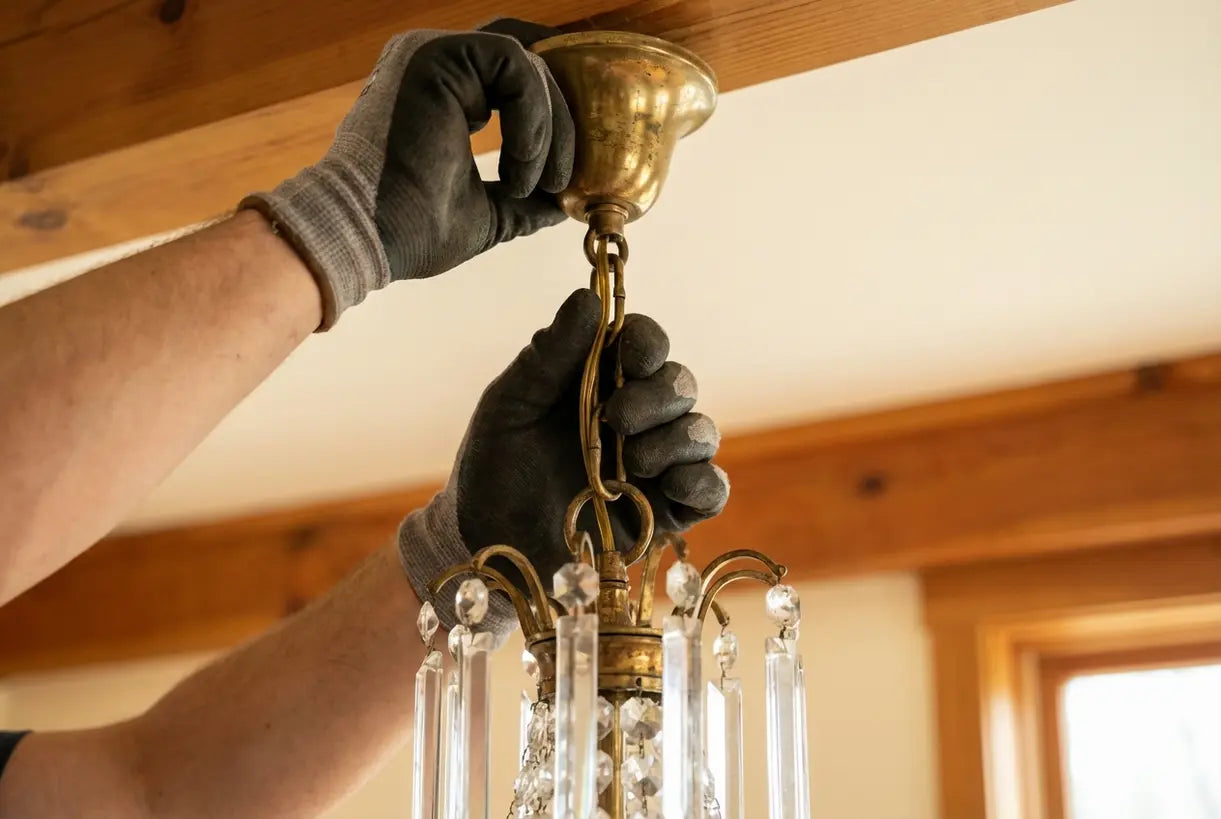
Chain and cord length become critical factors in these calculations. Many quality fixtures offer 6-10 feet of adjustable chain, but extra-tall installations may require additional matching chain from the manufacturer or custom fabrication. Always verify your ceiling box and support structure can handle the weight—heavy crystal or marble fixtures may require reinforced junction boxes or independent ceiling supports.
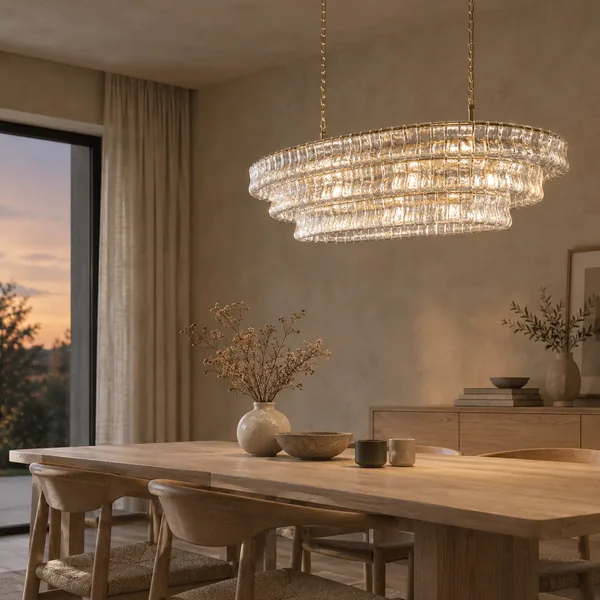 Stjerna Vintage French Clear Glass Chandelier$1,799.00$2,259.00
Installation Considerations for Tall Ceilings
Installing a tall ceiling chandelier involves more than connecting wires. The physics of weight, the geometry of reach, and the logistics of working at height all demand careful planning. For ceilings above 12 feet, professional installation becomes strongly recommended—even experienced DIY enthusiasts benefit from specialized equipment like scaffolding and lift systems.
Electrical requirements vary by fixture. Many grand chandeliers require dedicated 20-amp circuits rather than standard 15-amp household wiring. If your space wasn't originally designed for statement lighting, consult an electrician about upgrading ceiling boxes, adding support blocking between joists, and ensuring adequate power delivery. The investment in proper infrastructure protects both your fixture and your home.
Safety considerations extend beyond electrical work. Heavy fixtures require ceiling boxes rated for their weight—many high-end chandeliers weigh 50-150 pounds or more. If your ceiling framing can't support this load directly, independent support systems that transfer weight to structural members become necessary. Never compromise on these fundamentals; a falling chandelier represents serious danger to people and property.
For existing homes without ceiling boxes in the right location, professional installers can fish wires through finished ceilings, install proper support, and patch surfaces afterward. While this adds cost, it opens possibilities that transform your space. This Old House offers detailed guidance on chandelier hanging techniques that complements the professional expertise you'll want for complex installations.
Pendant Lights
Shop all Pendant Lights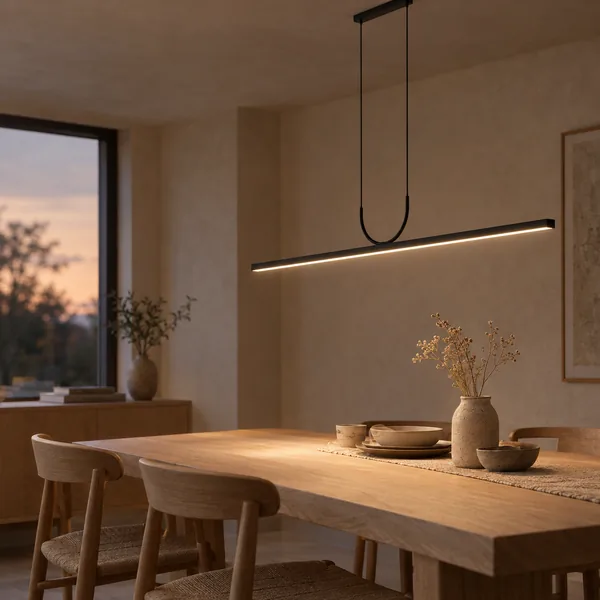
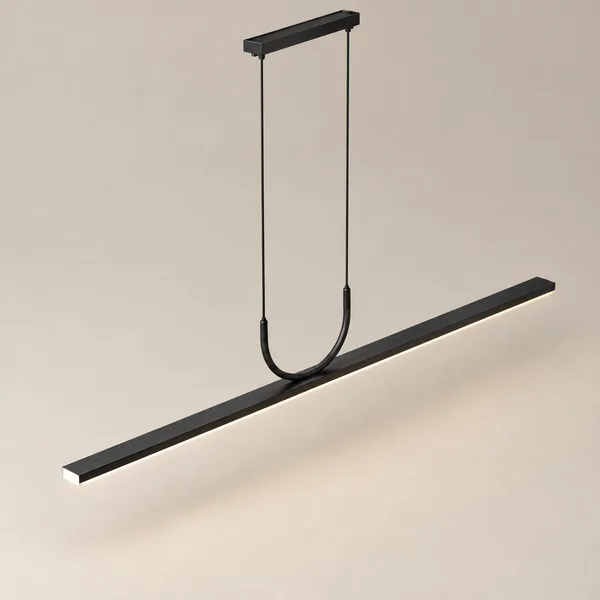 Save $140.00
Linné Minimalist Linear Black LED Pendant Light
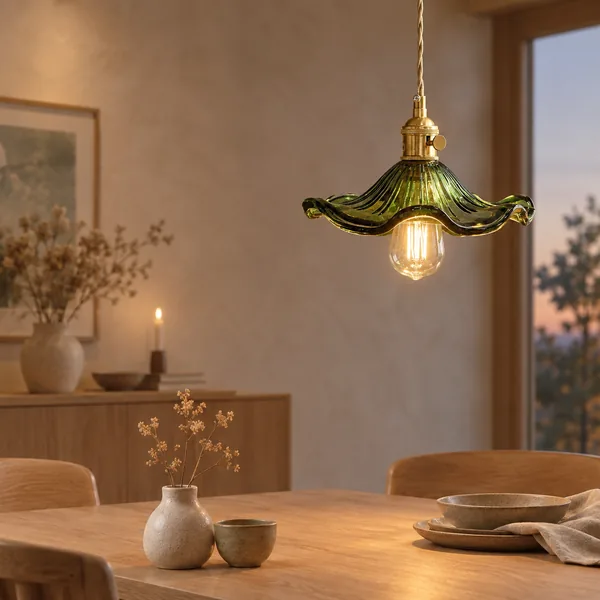
 Save $60.00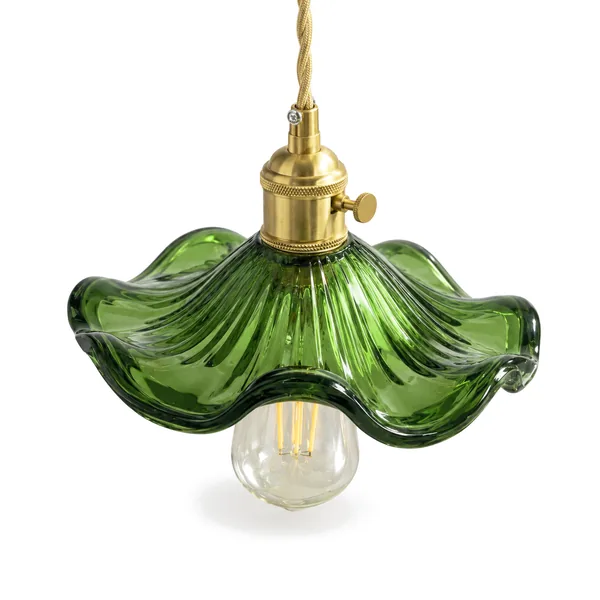
 3 options
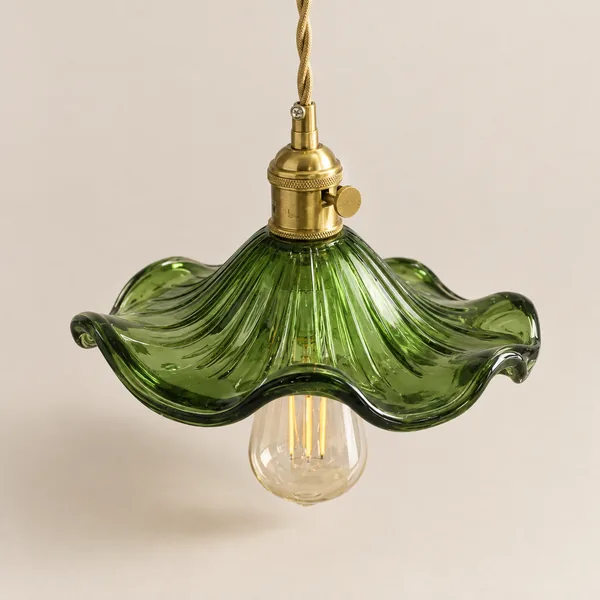
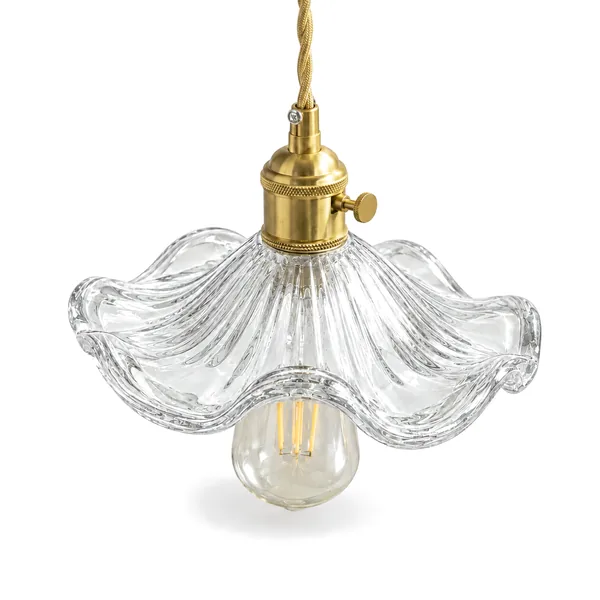
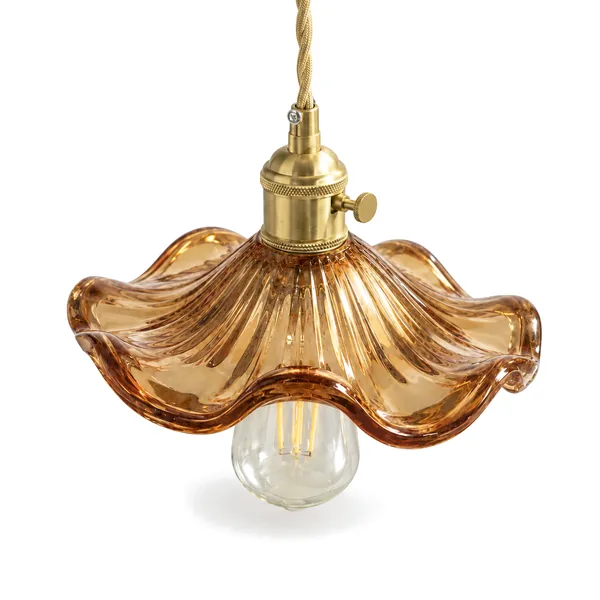
Glora Nordic Glass Pendant Light with Copper
 Save $120.00
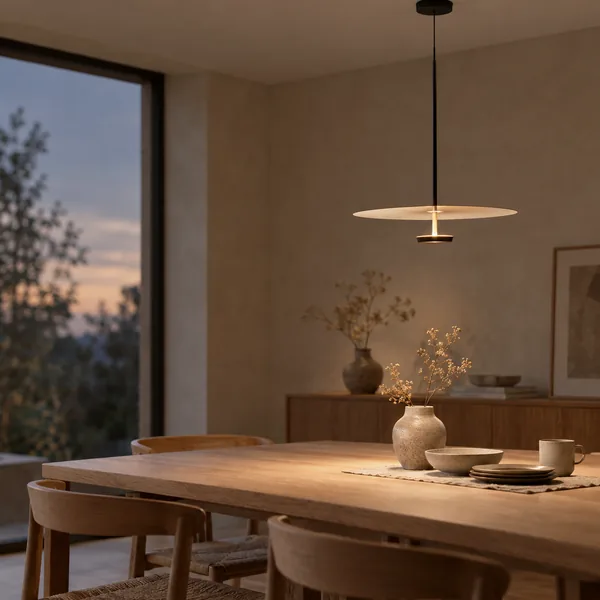
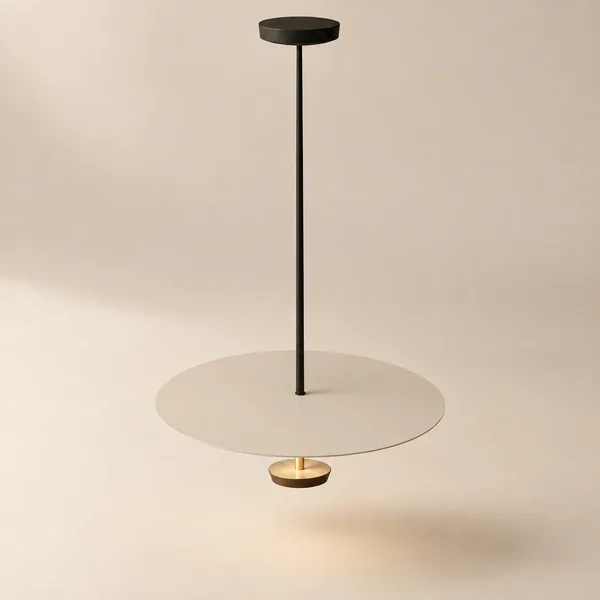
Skiva Nordic Saucer Ceiling Pendant Light LED
Styles That Embrace Vertical Space
Not every chandelier suits tall rooms. Low-profile flush mounts disappear into cathedral ceilings, while compact traditional designs feel lost in double-height foyers. Successful cascading chandelier high ceiling installations favor forms that exploit vertical space rather than fighting it.
Cascading and multi-drop designs create drama through length and repetition. These fixtures feature multiple light sources suspended at varying heights, drawing the eye through the entire vertical plane. They're particularly effective in stairwells and entryways where viewers experience the piece from multiple angles and elevations.
For those seeking cohesive dining illumination, our Dining Room Lighting collection offers curated pieces designed to work beautifully in rooms of various scales. Scandinavian-inspired designs often favor clean lines and natural materials—alabaster, glass, and brushed metals—that read elegantly against expansive ceiling planes without overwhelming the space.
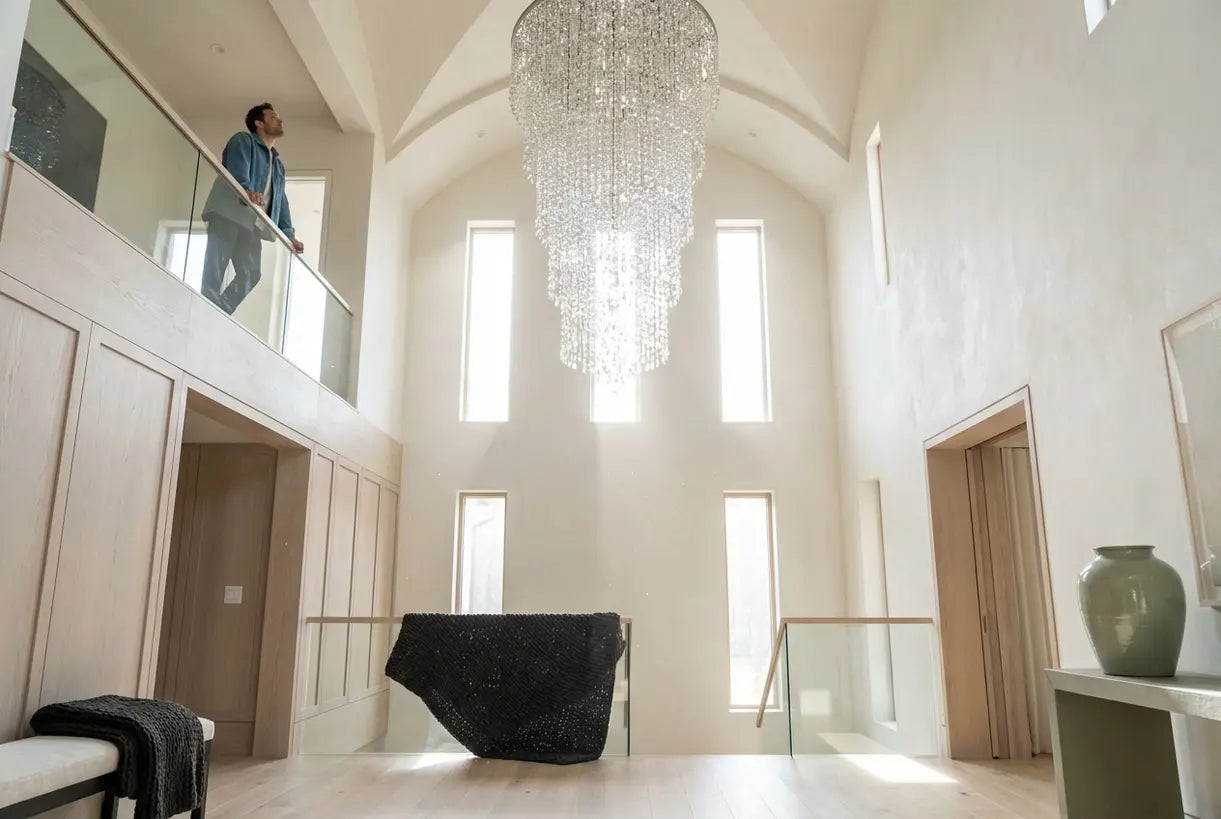
Linear and elongated fixtures suit vaulted ceilings with pronounced slopes, following the architectural line while providing even illumination. Multi-tier traditional chandeliers remain timeless for formal foyers and dining rooms, their stacked crystal or glass elements catching light at every level. Modern interpretations of these classics use unexpected materials—acrylic, woven fibers, or sculptural metalwork—to bring contemporary relevance to grand spaces.
Key Style Considerations: Match your chandelier's visual weight to your room's proportions. Minimalist spaces benefit from airy, sculptural pieces that occupy space without heaviness. Traditional or maximalist interiors can support more substantial, ornate fixtures. Always consider sightlines from upper floors and adjacent rooms.
Statement Pieces for Tall Spaces
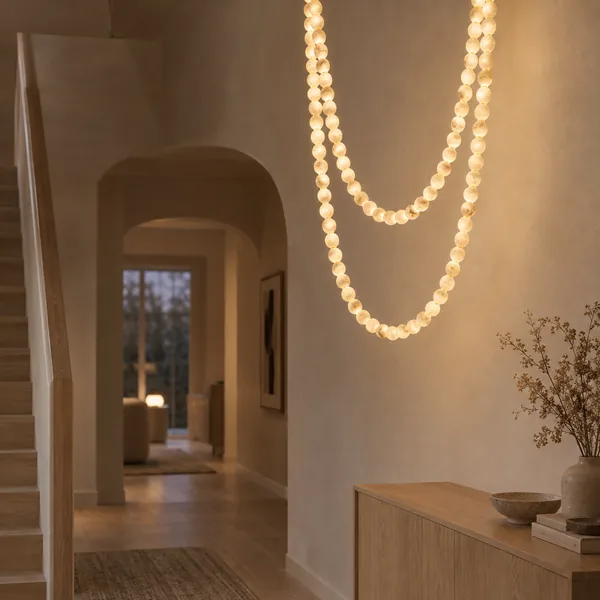 Alvsten Alabaster Marble Cascading Pendant Light$899.00$1,289.00
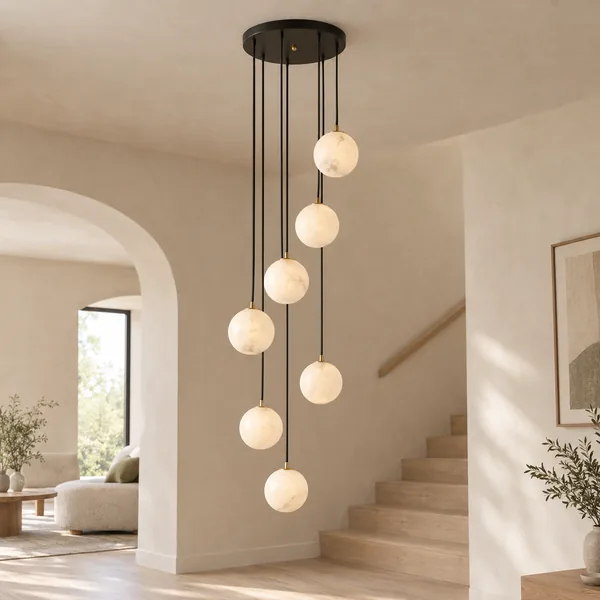 Stigna Acrylic Sphere Modern Stair Chandelier$299.00$469.00
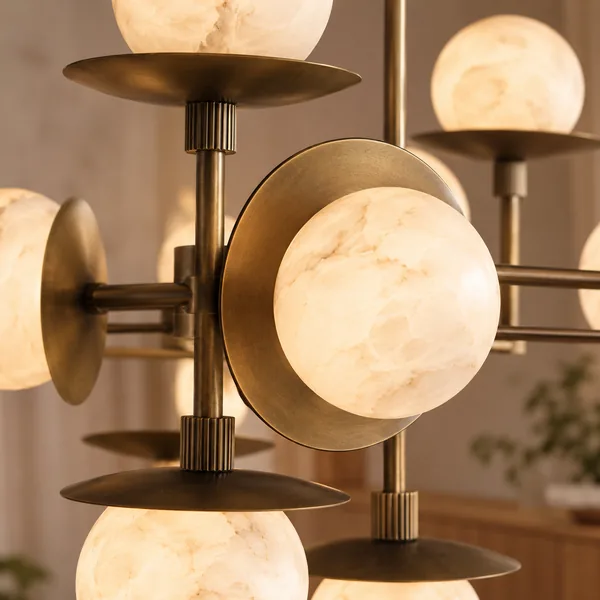
The Alvsten Alabaster Marble Cascading Pendant Light exemplifies how natural materials can elevate tall spaces. Its veined alabaster globes emit a warm, diffused glow that softens cavernous rooms, while customizable configurations from 16 to 123 lights allow precise scaling for any ceiling height. For sweeping staircases, the Stigna Acrylic Sphere Modern Stair Chandelier creates visual rhythm through glowing spheres suspended at staggered heights—configurable from 3 to 18 heads to match your vertical architecture.
Maintaining Your High Ceiling Investment
Understanding how to clean a high ceiling chandelier matters as much as selecting the right piece. Dust accumulates quickly on upper fixtures, dimming their brilliance and affecting air quality below. Establish a maintenance schedule based on your environment—every 3-6 months for most homes, more frequently in dusty or coastal areas.
For moderately tall ceilings (12-16 feet), telescoping cleaning tools with microfiber covers allow safe dusting from the ground. Never spray cleaning solution directly onto fixtures; instead, dampen your cloth and work carefully around bulbs and wiring. Turn off power at the breaker before any maintenance, and allow bulbs to cool completely.
Ceilings above 16 feet typically require professional cleaning services equipped with proper ladders, lifts, and safety harnesses. These specialists bring expertise in handling delicate crystal, alabaster, and specialty finishes without damage. The cost—typically $200-500 depending on fixture complexity—protects your investment and ensures safe, thorough cleaning.
Between deep cleanings, consider fixtures with accessible designs. Open frameworks and removable elements simplify maintenance, while sealed designs or those with upward-facing shades collect less visible dust. When selecting your high ceiling chandelier, factor long-term care into your decision alongside aesthetics and scale.
Creating Warmth in Grand Spaces
Transforming a tall, imposing room into a welcoming gathering space requires intention. The right high ceiling chandelier serves as both functional lighting and sculptural art, anchoring your design vision while honoring the architectural drama above. By understanding sizing formulas, hanging heights, installation requirements, and maintenance needs, you approach this decision with confidence.
At Skonne, we curate lighting that balances Scandinavian simplicity with the presence required for grand rooms. Every piece in our collection—from cascading alabaster to vintage-inspired glass—offers the adjustability, quality, and design integrity that tall spaces demand. Whether you're illuminating a two-story foyer, a vaulted great room, or a dramatic staircase, you'll find fixtures engineered for beauty at height.
Your vertical space deserves lighting that rises to the occasion. With the knowledge from this guide and carefully selected fixtures designed for these exact challenges, you can create the warm, intentional atmosphere that defines truly thoughtful interiors.
Related Article
Brass Chandeliers: Warm, Timeless Fixtures for Classic & Transitional InteriorsDiscover how brass chandeliers bring timeless warmth and elegance to classic and transitional interiors with our complete style guide.