
Master Bedroom Home Decor: How to Style a Restful, Beautiful Sleep Space
Summary›
Understanding the Foundation of Restful Bedroom Design
Before selecting paint swatches or browsing for furniture, it's essential to establish the foundational principles that guide successful bedroom design. Scandinavian interiors — known for their emphasis on hygge (the Danish concept of cozy contentment) — offer an ideal framework for creating master bedrooms that feel both serene and sophisticated.
The Scandinavian approach prioritizes human-centered design: every element serves a purpose while contributing to an overall sense of wellbeing. This means choosing pieces that aren't merely decorative but actively enhance your daily routines. Natural materials like wood, linen, and stone ground the space, while a carefully edited selection of furnishings prevents visual clutter that can disrupt relaxation.
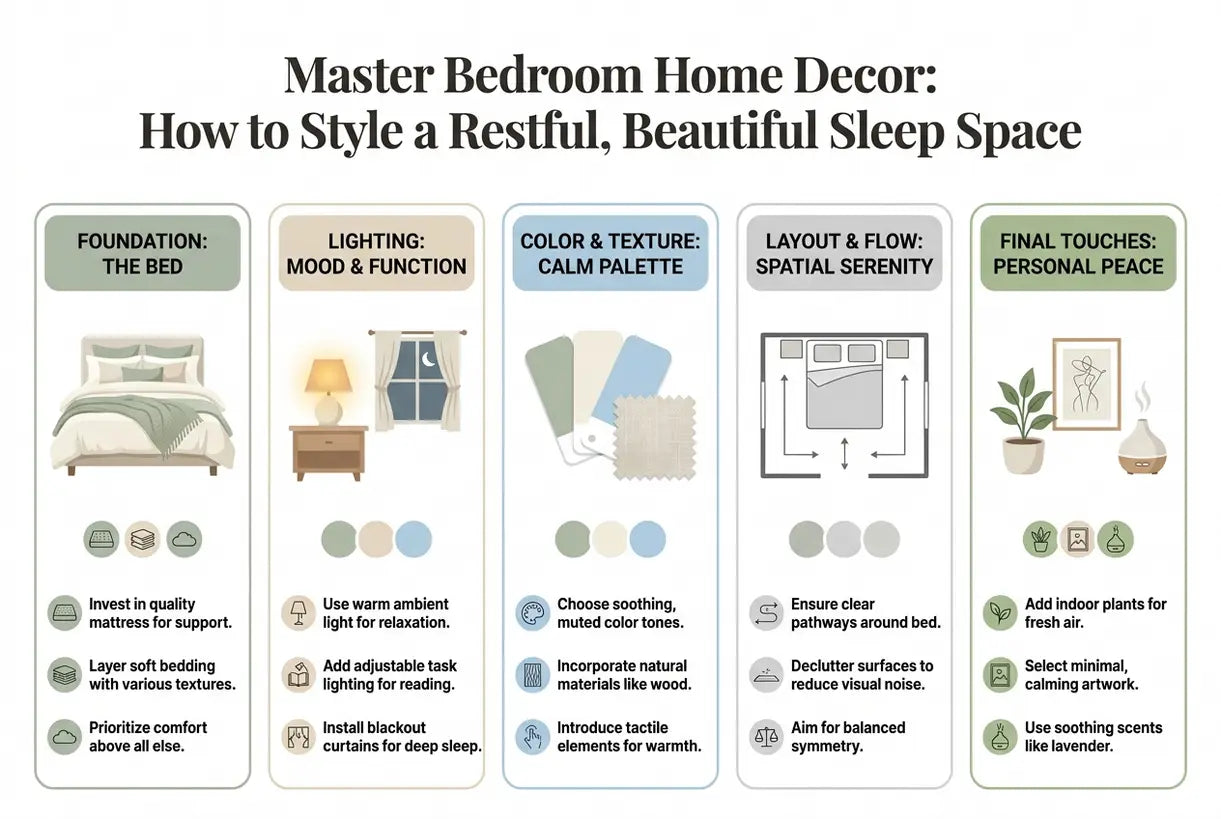
Consider the flow of your room. The bed should anchor the space without dominating it, leaving enough circulation area to move comfortably. Nightstands positioned within easy reach provide functionality without crowding. Thoughtful placement creates rhythm and breathing room — essential ingredients for a truly restful environment.
Color Psychology for Sleep-Friendly Spaces
The colors surrounding you significantly impact your ability to unwind. Research consistently shows that certain hues promote relaxation, while others can stimulate alertness. When approaching master bedroom decorating ideas, your color palette serves as the emotional backdrop for the entire space.
Soft neutrals — warm whites, gentle grays, and natural beiges — create the most versatile foundation. These tones reflect light beautifully and pair seamlessly with accent colors. For those seeking subtle color, muted blues and sage greens evoke natural serenity. These shades mimic the calming presence of sky and foliage, biologically signaling to our brains that we're in a safe, restful environment.
Pro Tip: Test paint samples at different times of day. Natural morning light reads differently than evening lamplight, and you'll want to ensure your chosen shade maintains its soothing quality around the clock.
Deeper accent colors — indigo, charcoal, or forest green — work beautifully as feature wall options or through textiles like throws and cushions. The key is balance: bold colors should complement rather than compete with your primary restful palette. Layering tones within the same color family creates visual depth while maintaining cohesion.
The Art of Layered Lighting in Master Bedrooms
Lighting ranks among the most crucial yet often overlooked aspects of bedroom design. A single overhead fixture rarely creates the adaptable ambiance needed for a space that serves multiple functions — from morning preparation to evening wind-down. The solution lies in strategic layered lighting: combining ambient, task, and accent sources for complete control over your environment's mood.
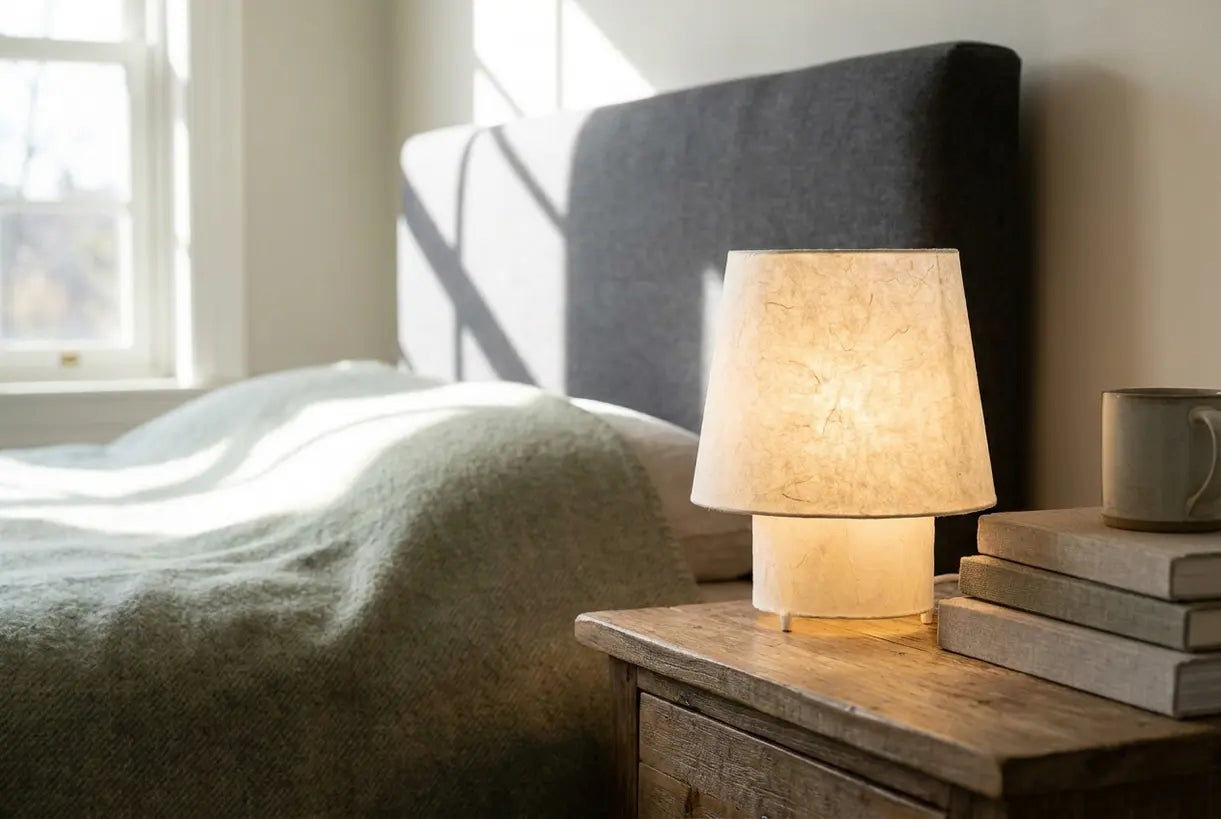
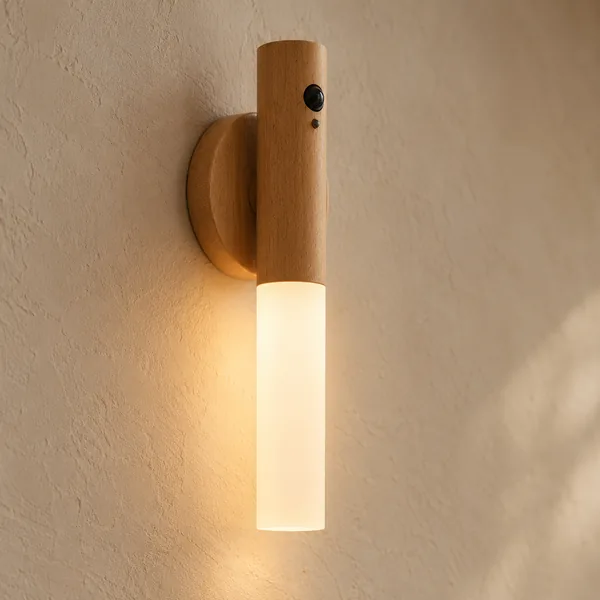
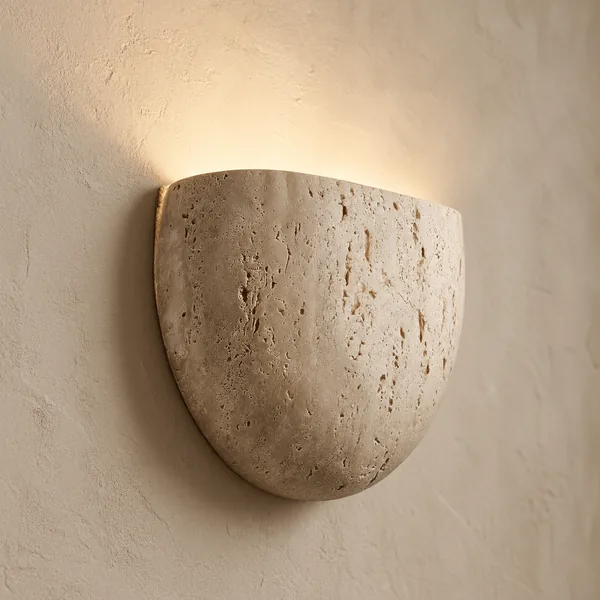
Ambient lighting provides overall illumination, typically through ceiling fixtures or recessed lights set to dimmable settings. Task lighting — bedside lamps or Adjustable Wall Lights — offers focused brightness for reading without disturbing a partner. Accent lighting highlights architectural features or artwork, adding depth and visual interest.
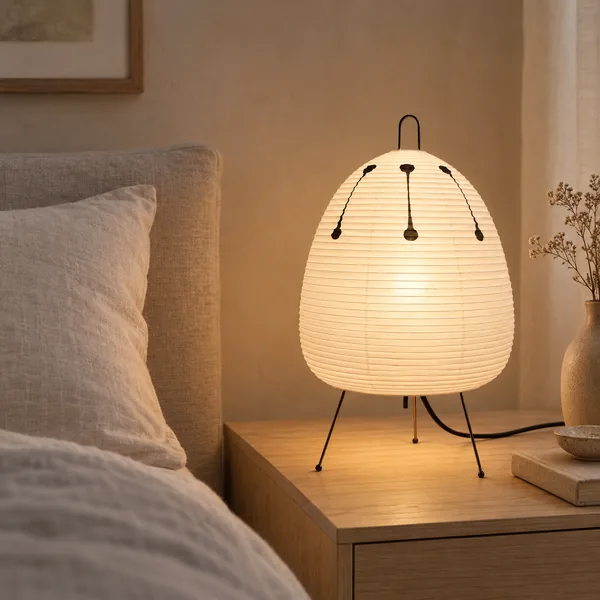 Shiro Rice Paper Table Lamp Nordic Minimalist$119.00$199.00
The Shiro Rice Paper Table Lamp Nordic Minimalist exemplifies the perfect bedside companion. Its rice paper shade diffuses light into a gentle glow that enhances evening relaxation rather than jarring the senses. Positioned on a nightstand, it provides adequate illumination for nighttime reading while maintaining the soft, warm atmosphere essential for scandinavian bedroom decor.
Consider the color temperature of your bulbs. Warmer tones (2700K-3000K) promote melatonin production and signal to your body that it's time to prepare for sleep. Avoid cool white or daylight bulbs in bedrooms, as these mimic natural morning light and can disrupt your circadian rhythm.
Creating Coziness Through Texture and Materials
True comfort extends beyond visual aesthetics to tactile experience. The most inviting master bedrooms incorporate varied textures that beg to be touched — plush blankets, woven throws, smooth ceramics, and natural wood grains. This textural layering transforms a room from merely pretty to genuinely welcoming.
Start with your bedding as the foundation. High-quality linen or cotton in weights appropriate to your climate creates that coveted hotel-bed feeling. Layer in a chunky knit throw at the foot of the bed for visual weight and practical warmth. Bedside rugs — even small sheepskins beside the bed — provide softness underfoot on chilly mornings.
Bedroom Lighting & Decor
Shop all Bedroom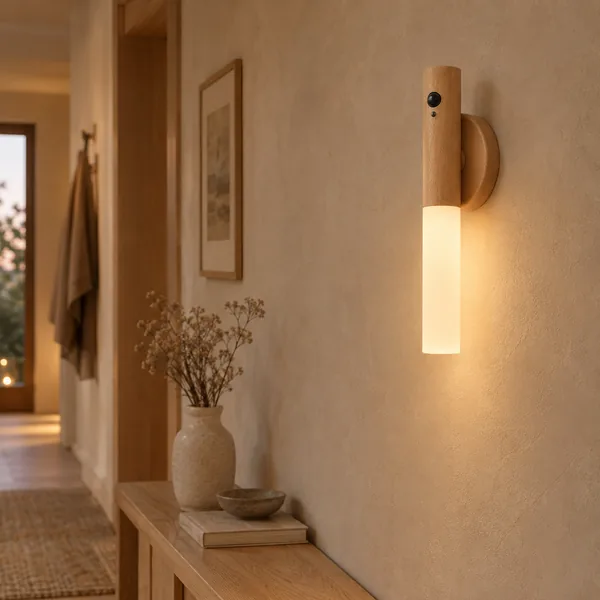
 Save $60.00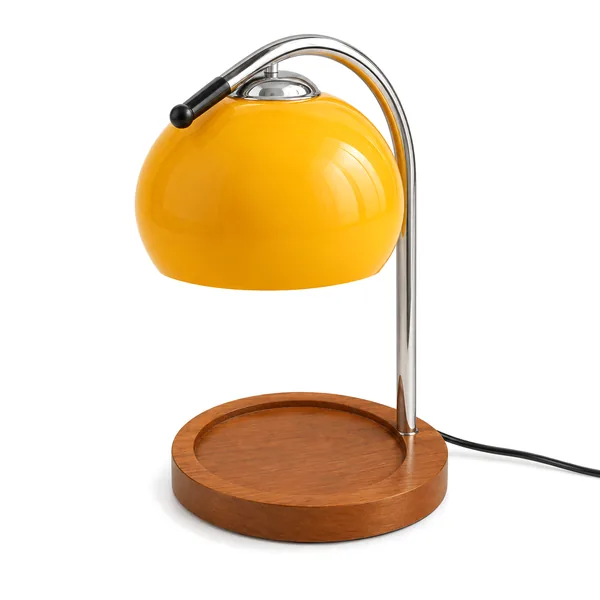
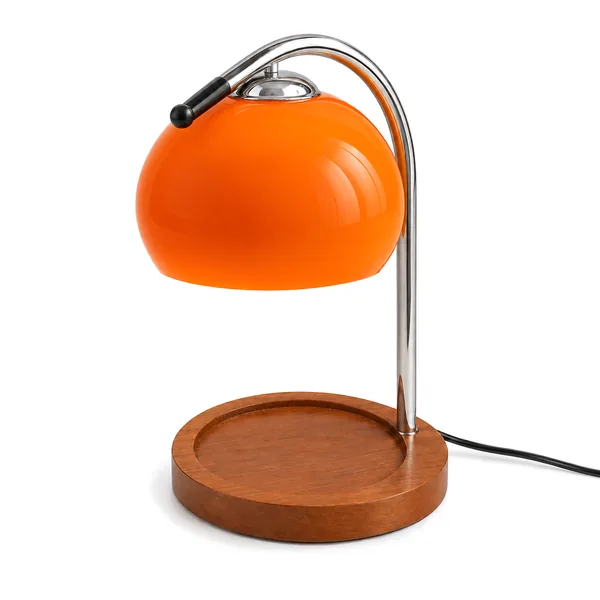
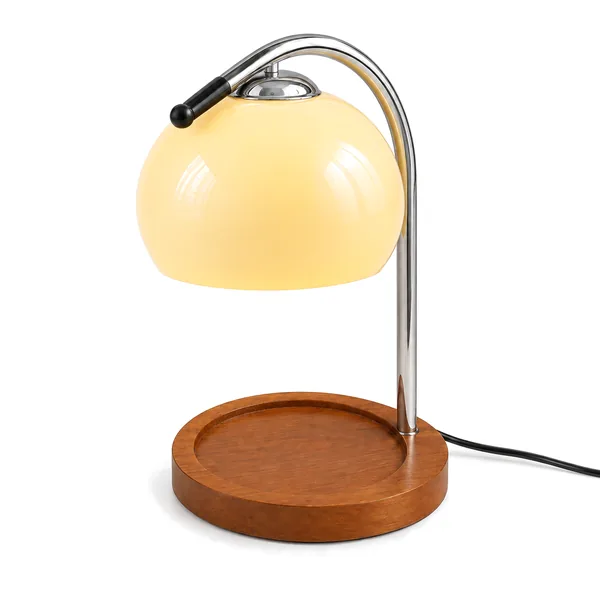 3 options
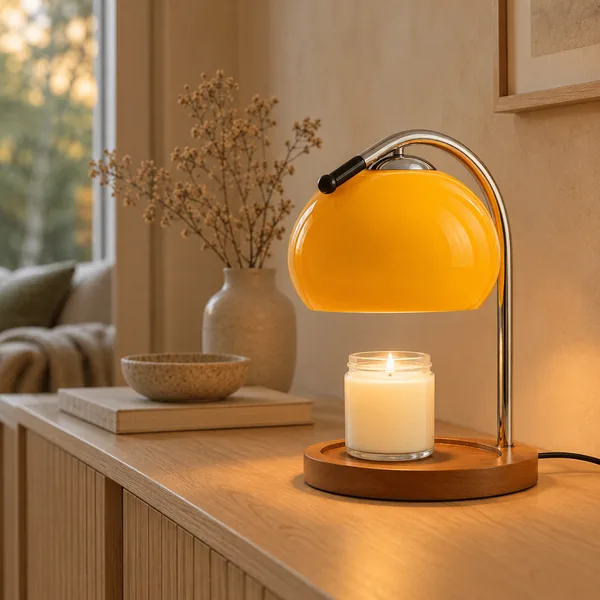
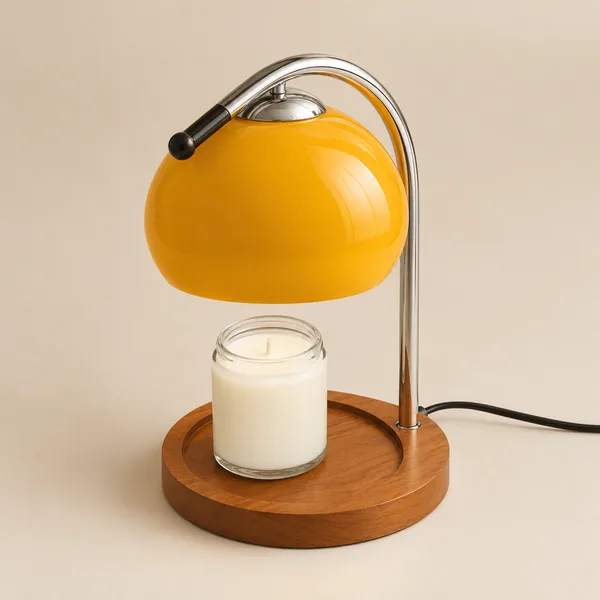
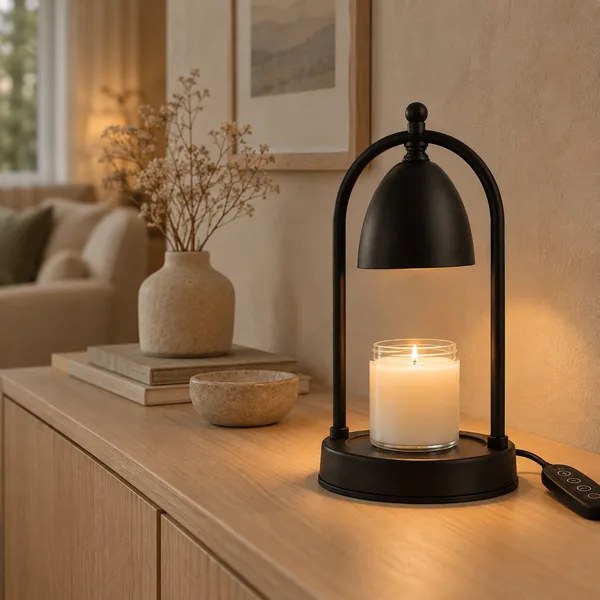
Solvarm Stained Glass Candle Warmer Table Lamp
 Save $120.00
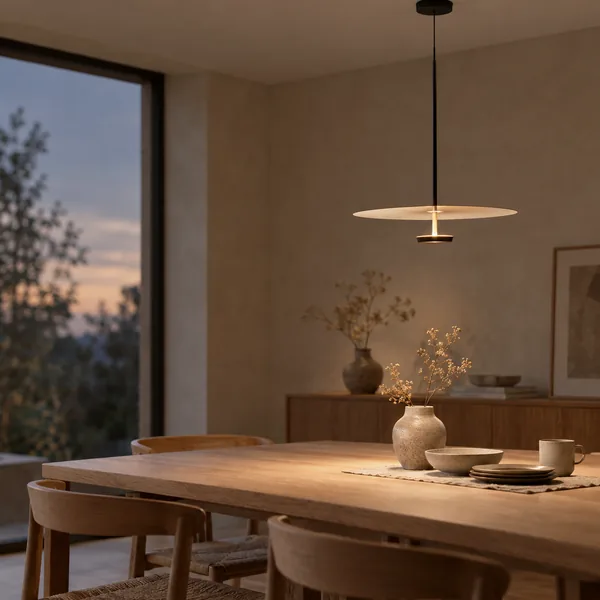
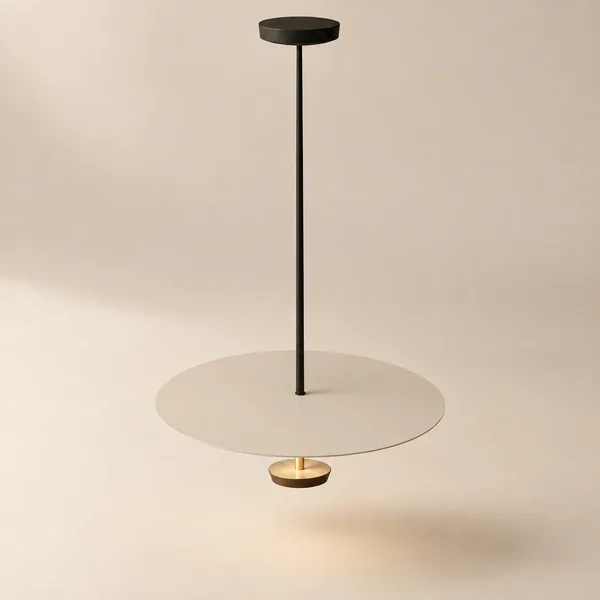
Skiva Nordic Saucer Ceiling Pendant Light LED
Natural materials carry inherent warmth that synthetic alternatives struggle to replicate. Oak, walnut, or birch furniture pieces bring organic character and improve with age. Stone, copper, and ceramic accessories ground the space and add artisanal personality. Even small touches — a wooden bowl for jewelry, a ceramic vase with dried grasses — contribute to that curated, collected-over-time feeling.
Window treatments deserve equal attention. Blackout curtains or lined shades ensure quality sleep by blocking early morning light, while sheer layers provide privacy without sacrificing natural illumination during the day. The combination offers flexibility based on your needs and the time.
Budget-Friendly Styling Strategies
Creating a beautiful master bedroom doesn't require unlimited resources. In fact, some of the most striking spaces emerge from intentional restraint and strategic investment. The key is understanding where to splurge and where to save, allocating your budget toward pieces that provide maximum impact.
Lighting represents one area where investment pays dividends. Quality fixtures not only look better but typically offer superior light quality and longevity. Rather than purchasing multiple inexpensive lamps that you'll replace in a year, consider fewer, better pieces that anchor your design vision. Wall sconces offer excellent value, providing sophisticated illumination without consuming valuable nightstand real estate.
Textiles offer accessible entry points for refreshment. Swapping pillow covers, introducing a new throw, or changing duvet covers seasonally transforms your space without major investment. Thrift stores and flea markets can yield unique accessories — vintage ceramics, interesting books, or one-of-a-kind small furnishings — that add personality at minimal cost.
Elevate Your Bedroom with Curated Lighting
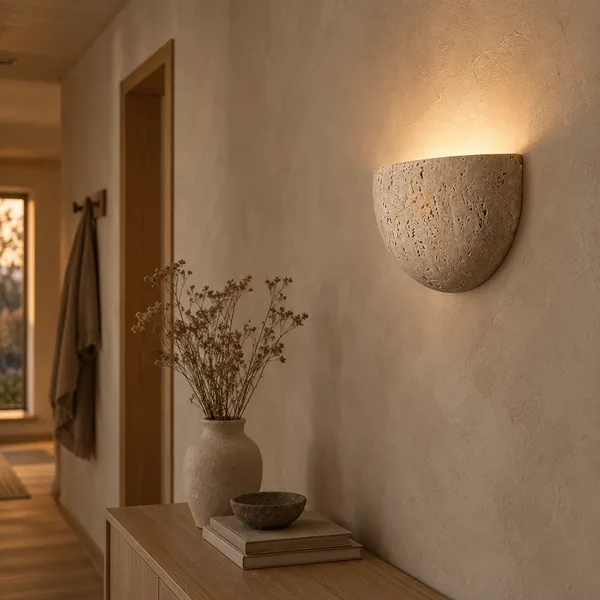
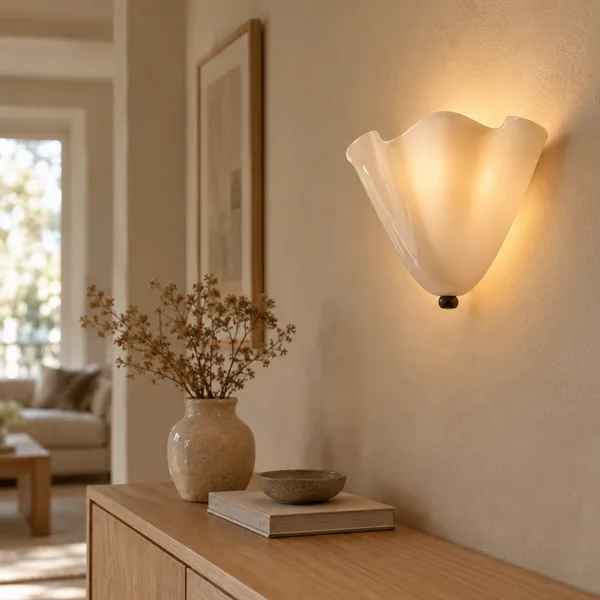 Glodsten Handcrafted Glass Stone LED Wall Light$259.00$319.00
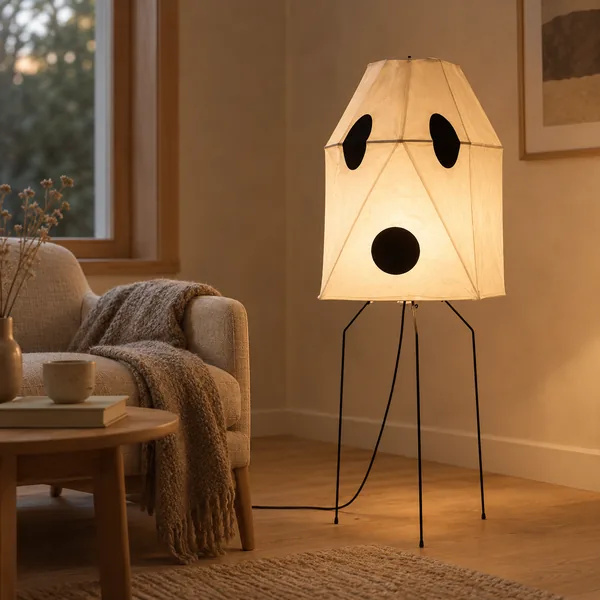 Stillvei Wabi-Sabi Rice Paper Floor Lamp 57in$389.00$529.00
The Glodsten Handcrafted Glass Stone LED Wall Light demonstrates how singular pieces can elevate an entire room. Its artisanal glass construction creates beautiful light diffusion while serving as sculptural wall art. Similarly, a statement floor lamp like the Stillvei Wabi-Sabi Rice Paper Floor Lamp provides both functional illumination and vertical interest, grounding a reading nook or corner without requiring additional furniture.
Current Trends in Master Bedroom Design
While timeless principles form the foundation of good design, current trends offer fresh inspiration for those seeking contemporary relevance. Today's most compelling bedroom aesthetics blend minimalist bedroom design with warm, lived-in elements — spaces that feel curated rather than decorated.
The Wabi-Sabi influence continues gaining traction, celebrating imperfection and the beauty of natural aging. This philosophy welcomes handcrafted pieces with organic irregularities, materials that patina over time, and a general embrace of "perfectly imperfect" aesthetics. Rather than hiding wear, this approach honors it as evidence of a life well-lived.
Biophilic design — incorporating natural elements indoors — extends beyond simple houseplants (though greenery remains essential). Natural wood grains left visible, stone accents, and organic textiles reinforce our connection to the outdoors. Research consistently demonstrates that exposure to natural elements reduces stress and promotes wellbeing, making this trend as functional as it is beautiful.
Lighting
Shop all Lighting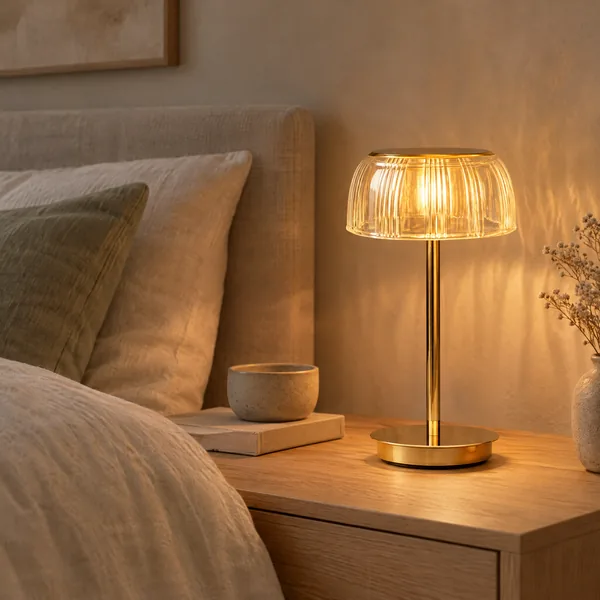
 Save $30.00
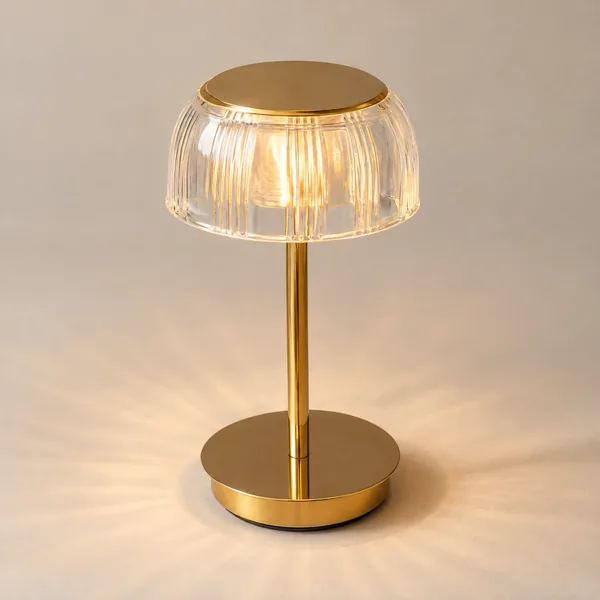
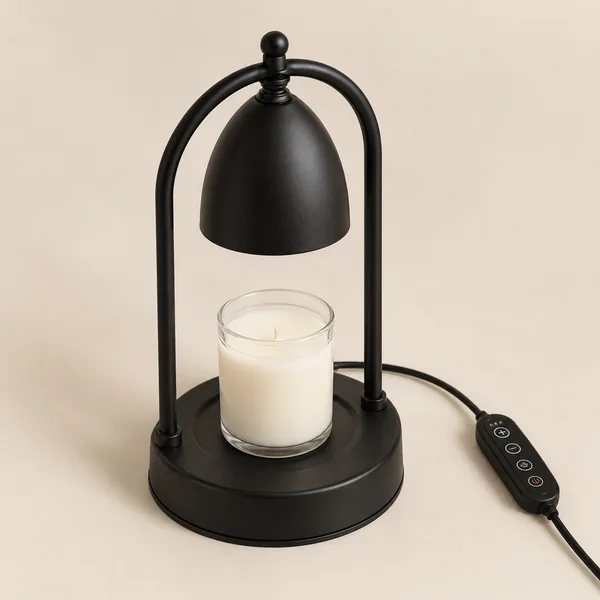
Kvalla Jellyfish LED Rechargeable Table Lamp
 Save $140.00
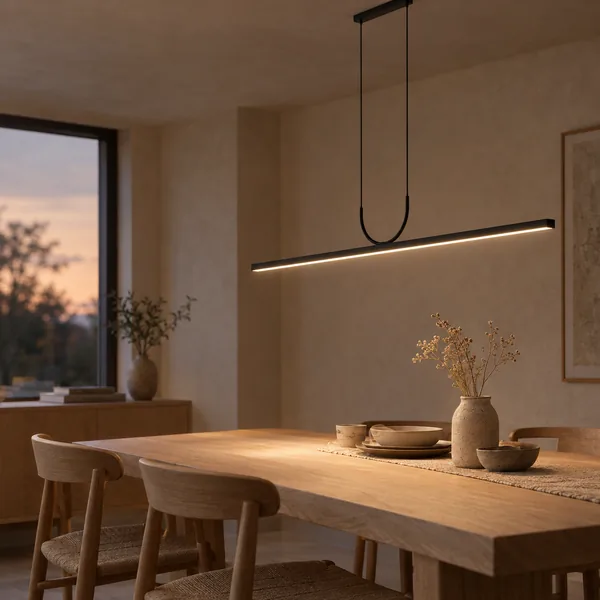
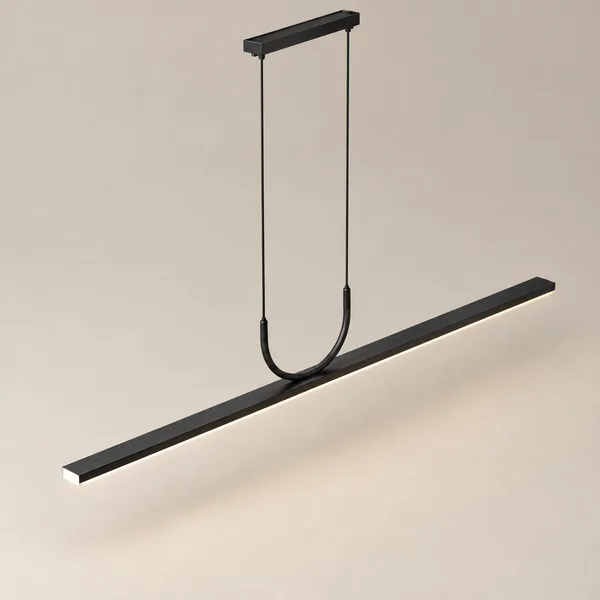
Linné Minimalist Linear Black LED Pendant Light
 Save $60.00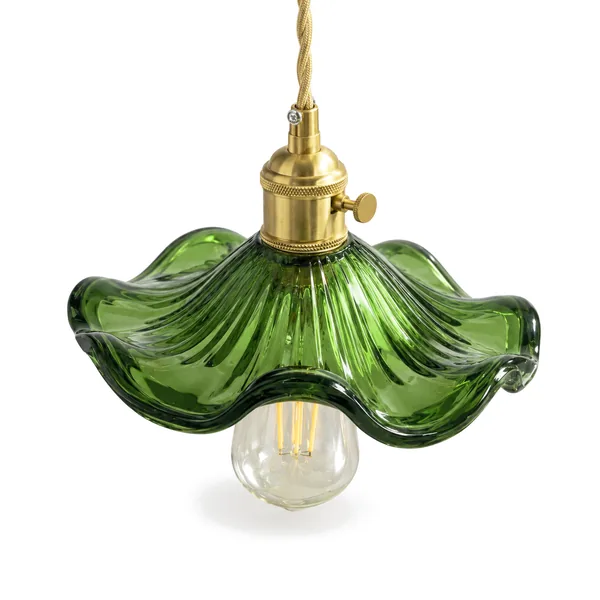
 3 options
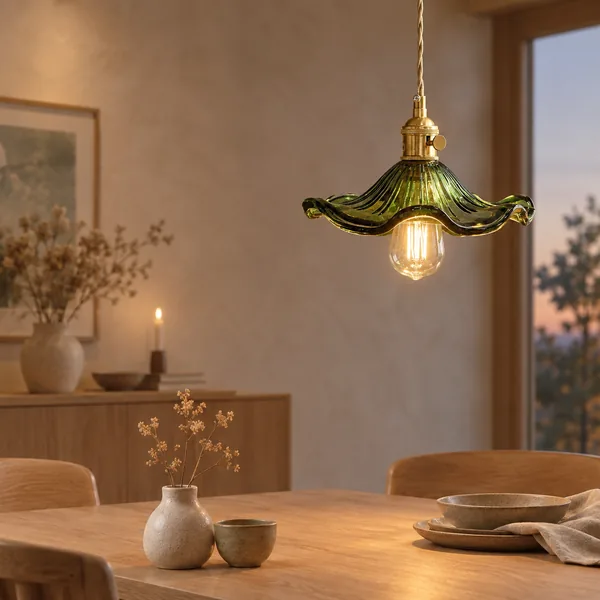
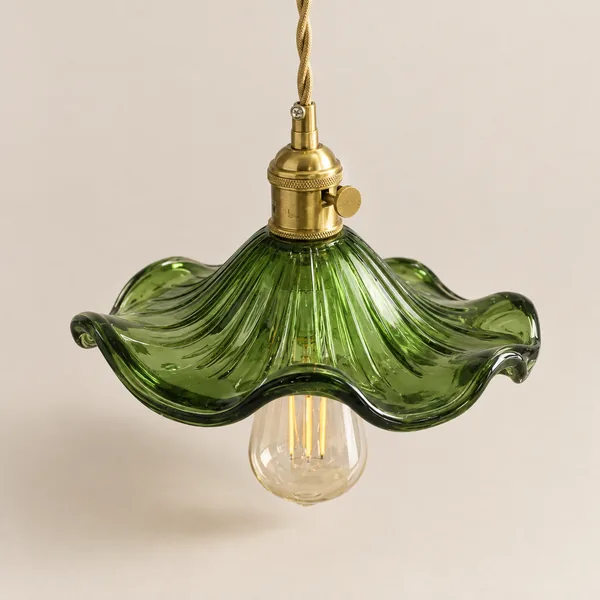
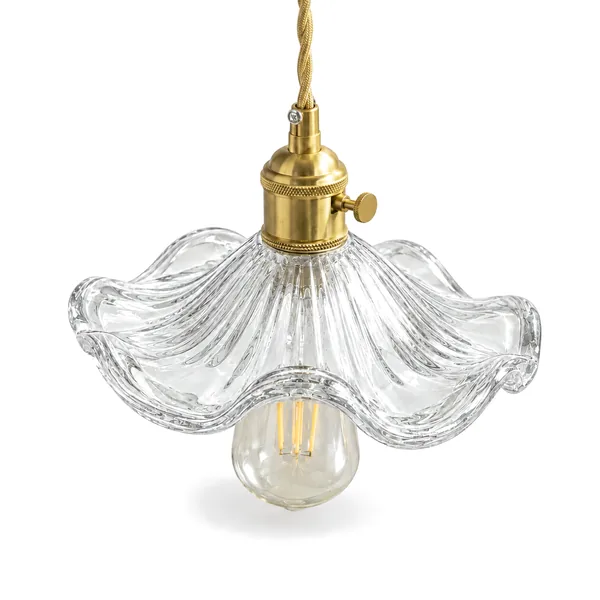
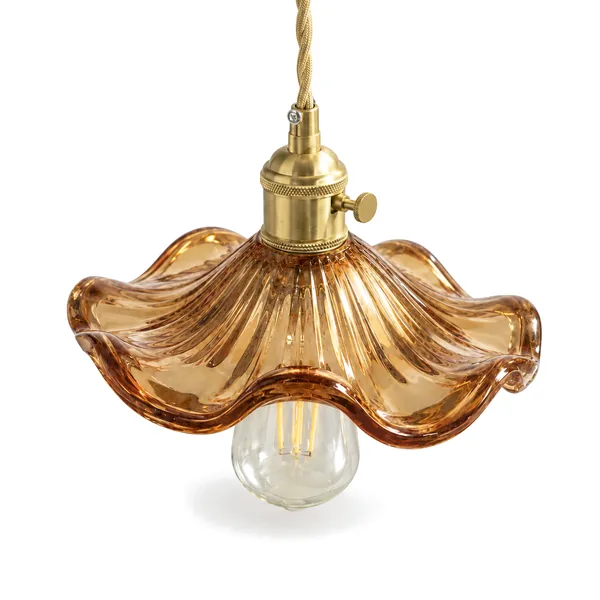
Glora Nordic Glass Pendant Light with Copper
Multi-functional spaces reflect how we actually live. Reading corners with comfortable seating, small workspaces that can be concealed when not in use, and storage solutions that maintain visual calm all respond to contemporary needs. The goal isn't to eliminate function but to integrate it seamlessly into a cohesive aesthetic.
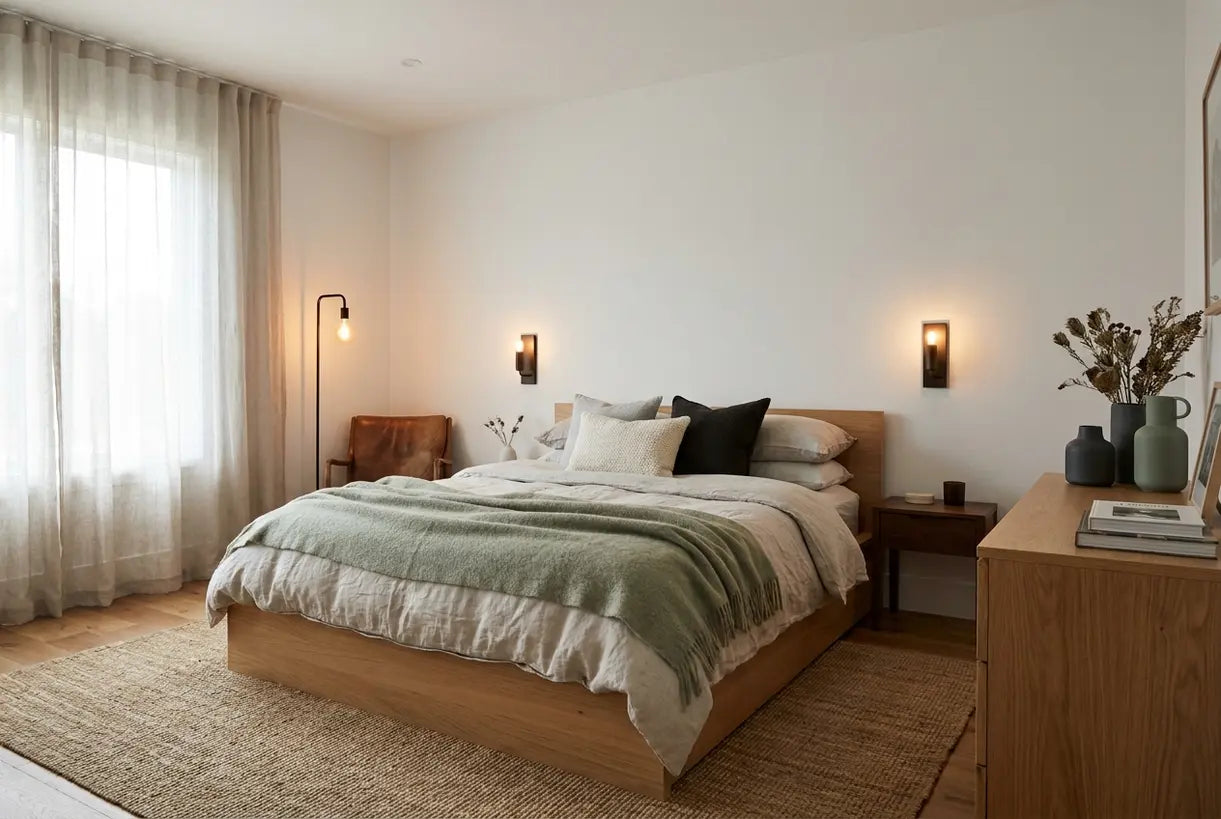
For more design inspiration and expert guidance on bedroom styling techniques, visit Architectural Digest's bedroom design collection, which showcases how interior designers approach sleep space creation across various styles and budgets.
Bringing It All Together
Creating your ideal master bedroom is a journey rather than a destination. The most successful spaces evolve gradually as you discover what truly supports your rest and rejuvenation. Start with the foundations — color palette, lighting structure, and key furniture pieces — then layer in personality through textiles, accessories, and meaningful objects.
Remember that Nordic bedroom inspiration teaches us that less, thoughtfully chosen, often delivers more impact than abundance. Each piece should earn its place through either beauty, function, or ideally both. This intentional approach not only creates more visually cohesive spaces but often proves more economical long-term.
At Skonne, we curate modern home decor bedroom lighting and accessories rooted in Scandinavian design principles — pieces that bring warmth, character, and intentionality to your most personal space. From table lamps that cast the perfect evening glow to wall sconces that free up precious nightstand space, our collection supports your vision of a truly restful retreat.
Related Article
Coastal Home Decor: Breezy, Beach-Inspired Ideas for a Relaxed InteriorTransform your home with breezy coastal home decor. Discover beach-inspired ideas, natural materials, and Scandinavian lighting for a relaxed interior that feels like a seaside retreat.