
Home Decoration Shelves: How to Style, Arrange & Decorate Your Shelves
Summary›
Empty shelves hold more potential than you might imagine. With the right approach to home decoration shelves, you can transform bare walls into sophisticated showcases that reflect your personal style while maintaining the serene, intentional aesthetic of Scandinavian design. Whether you're working with floating shelves in your living room, built-in bookcases in your study, or decorative shelves for the wall in your kitchen, mastering shelf styling elevates your entire space.
At Skonne, we believe that shelf styling isn't about overwhelming surfaces with objects—it's about curating moments of beauty that draw the eye and create a sense of hygge throughout your home. In this guide, you'll discover professional techniques for arranging home decoration shelves that feel both elevated and effortlessly welcoming.
The Foundation: Understanding Shelf Styling Principles
Before placing a single object on your shelves, it's essential to understand the core principles that professional interior designers use. These fundamentals will guide every decision you make, ensuring your home decoration shelves feel balanced, intentional, and visually compelling.
What Is the Rule of Three in Shelf Styling?
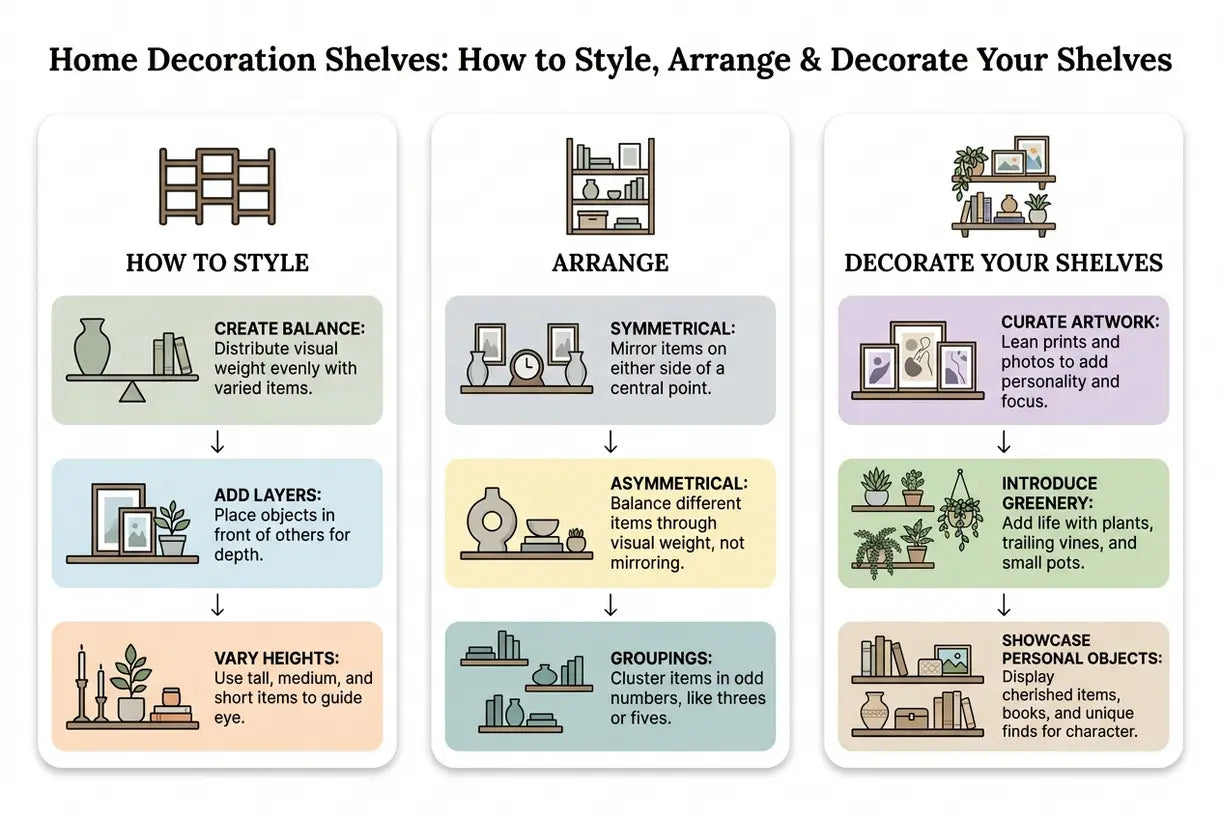
One of the most powerful tools in shelf styling is the rule of three. This design principle states that objects arranged in odd numbers—particularly groups of three—are more visually interesting and memorable than pairs or even-numbered groupings. The asymmetry creates movement and avoids the static, matchy-matchy feeling that can make shelves look flat.
To apply this rule to your home decoration shelves:
- Group similar items in threes, varying their heights and textures
- Combine different categories—like a vase, a stack of books, and a small plant
- Create triangular arrangements where your tallest item anchors one corner and smaller pieces balance the opposite side
When selecting items for your shelf vignettes, consider exploring our Decorative Vases collection, which offers pieces perfect for creating those essential three-part arrangements.
How to Style Shelves Like a Designer
Professional designers approach shelf styling with a methodical eye for balance, scale, and visual weight. Here's how you can replicate their expertise on your own home decoration shelves.
Step 1: Start with a Clean Slate
Remove everything from your shelves and examine the architecture of the space itself. Shelf styling begins with the negative space—the empty areas between objects that allow each piece to breathe. Scandinavian design particularly values this breathing room, so resist the urge to fill every inch.
Step 2: Layer Your Heights
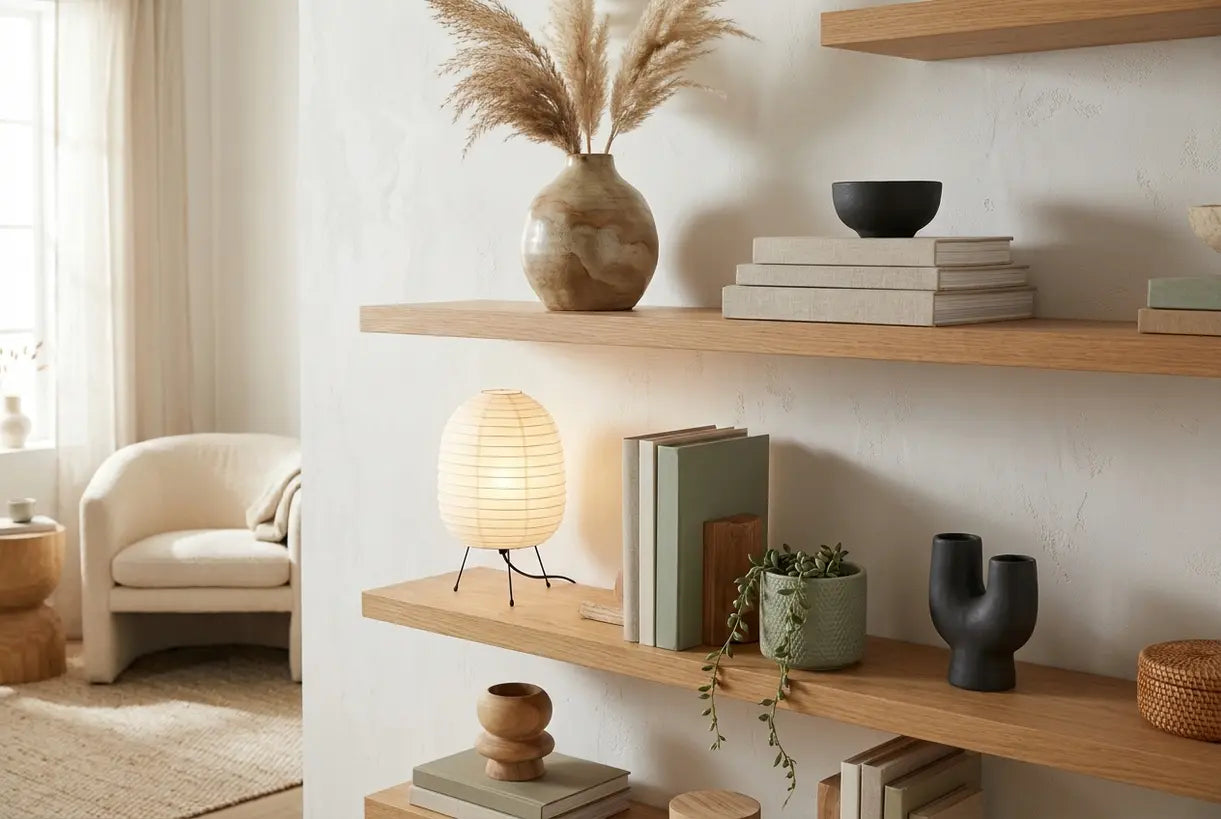
Visual interest depends on variation. For each shelf or styled section, aim for three distinct heights: tall, medium, and low. This creates the triangular formations that guide the eye naturally. When styling decorative shelves in living rooms, for example, you might place a tall ceramic vase, a medium-sized stack of books, and a low candle holder as one cohesive grouping.
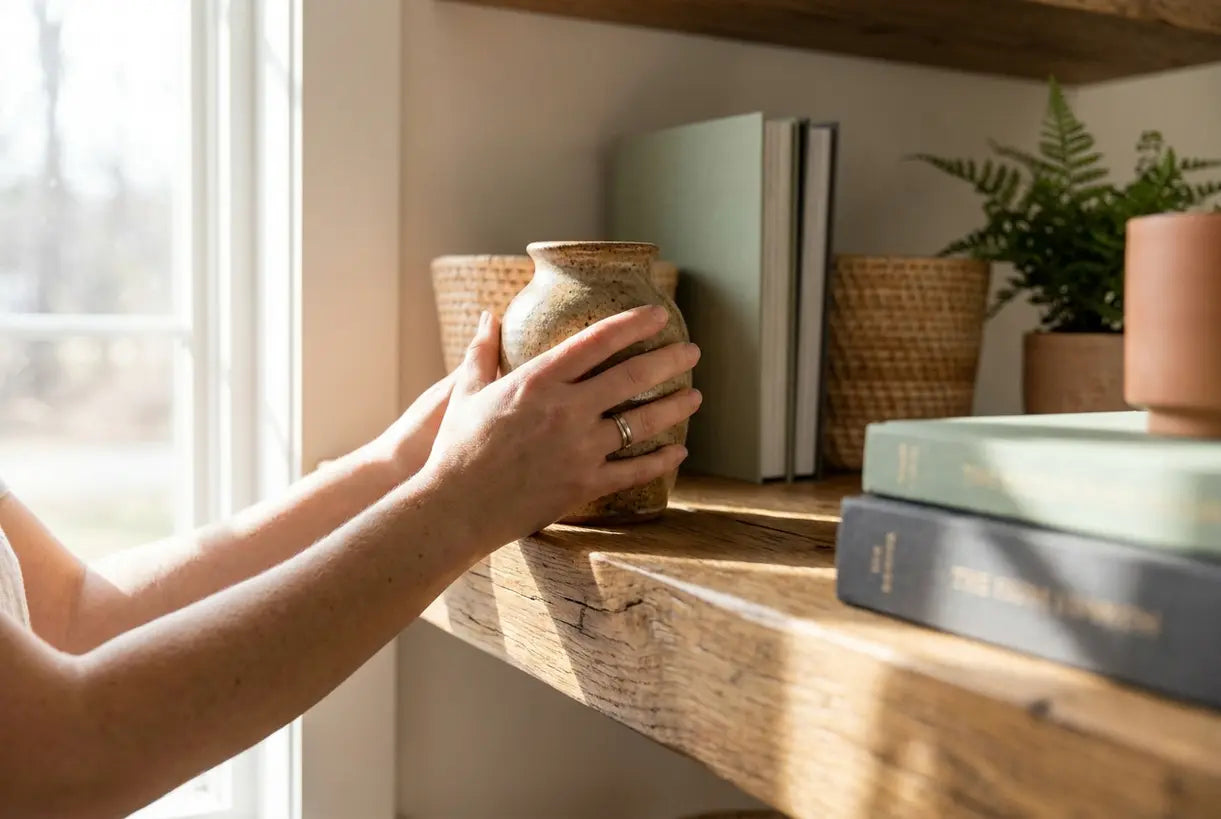
Consider anchoring your shelf display with the Stille Small Jingdezhen Ceramic Wabi-Sabi Vase. Its handcrafted artistry and organic texture create an ideal styling anchor that embodies Scandinavian wabi-sabi principles.
Step 3: Balance Visual Weight
Visual weight isn't about physical heaviness—it's about how much attention an object demands. A large white ceramic vessel might weigh less physically than a small dark sculpture, but visually it's lighter. Balance heavy-looking objects on one side of your shelf with clusters of lighter-feeling items on the other.
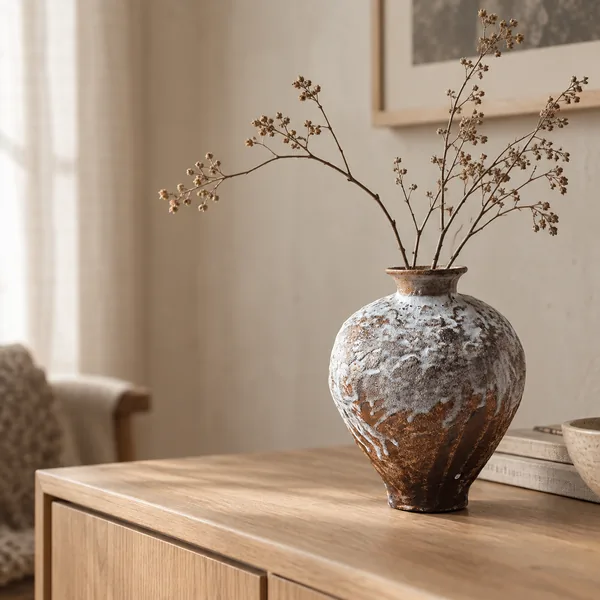 Stille Small Jingdezhen Ceramic Wabi-Sabi Vase$129.00$189.00
Home Decor
Shop all Home Decor
 Save $44.50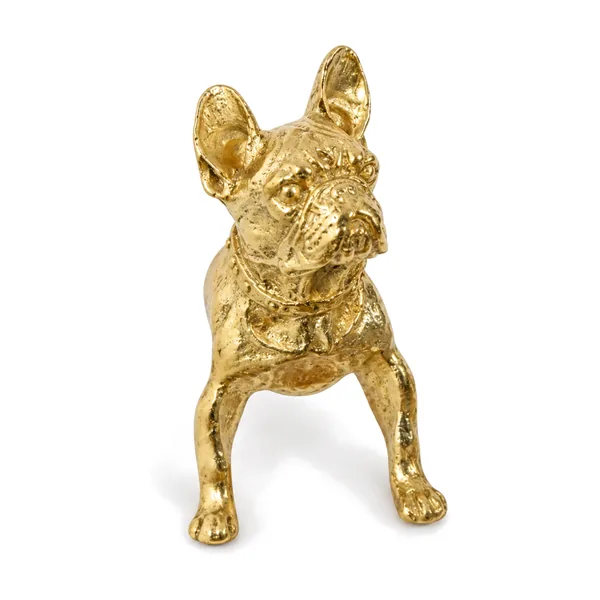
 2 options
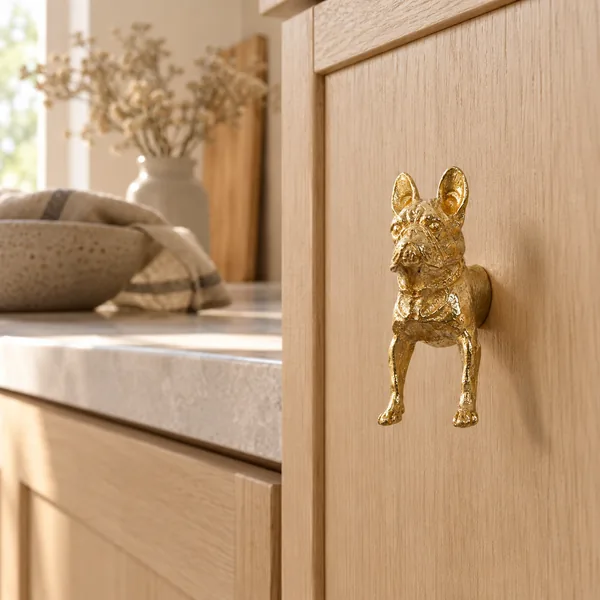
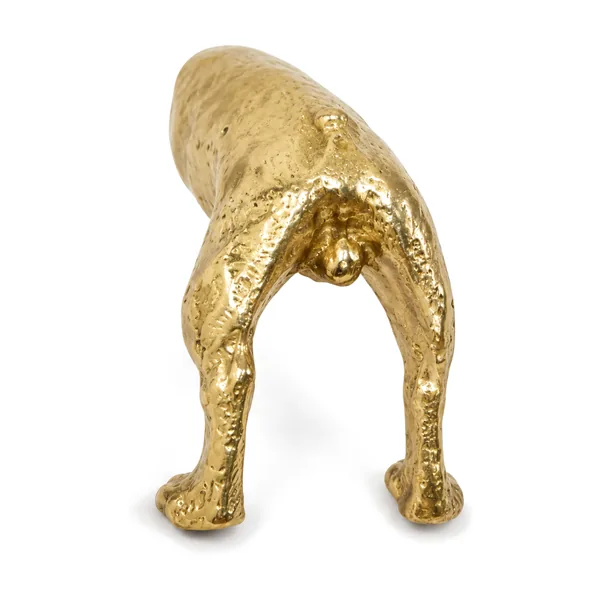
Tassa Polished Brass Dog Cabinet Pull Handle
 Save $110.00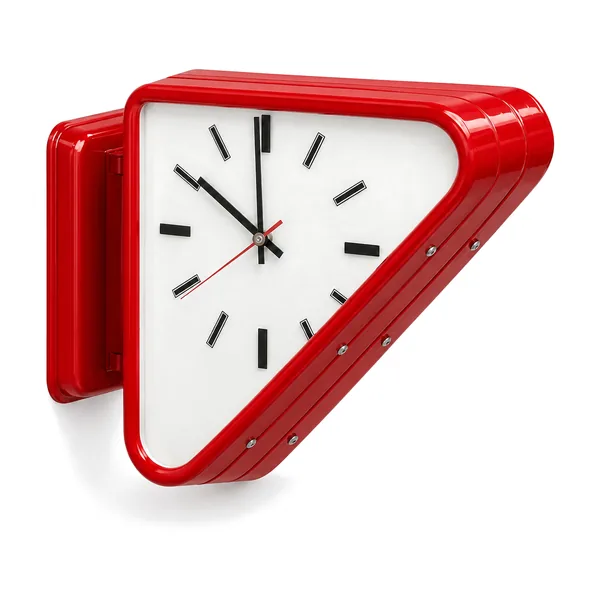
 +15 options
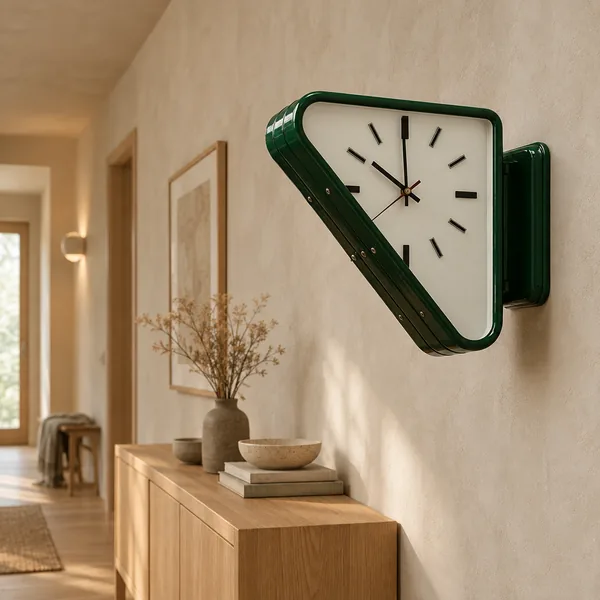
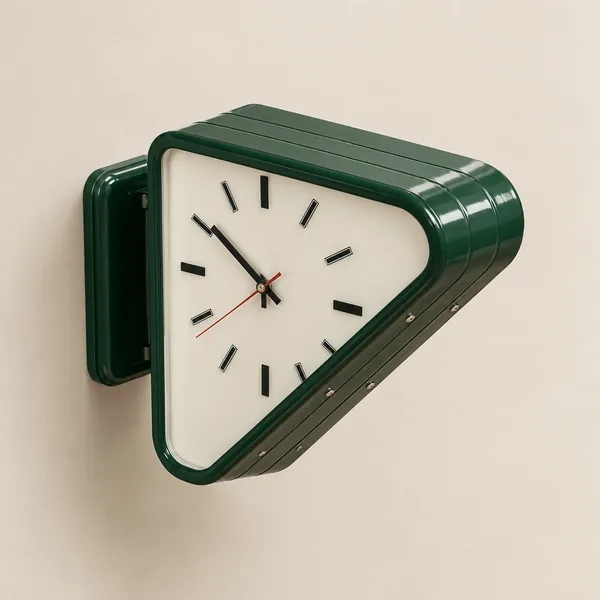
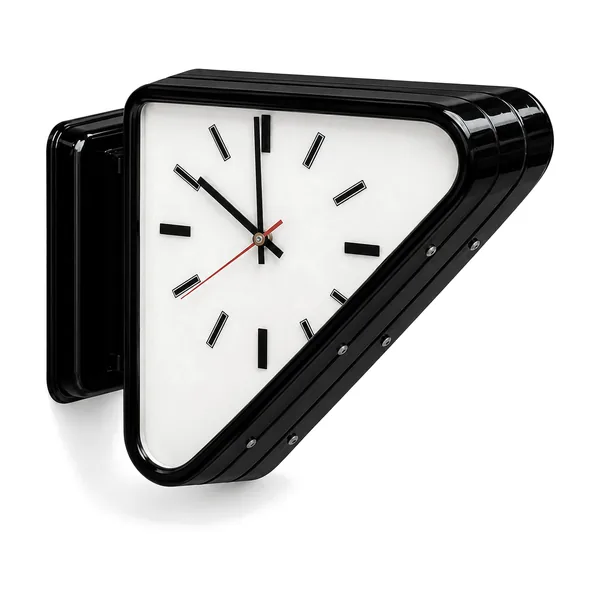
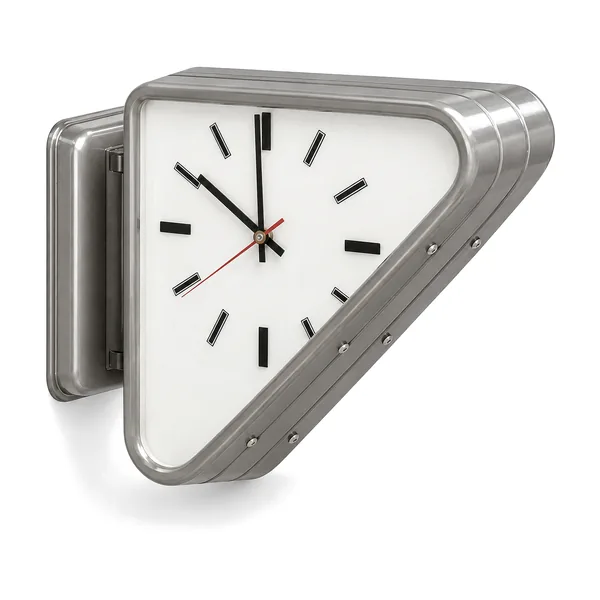
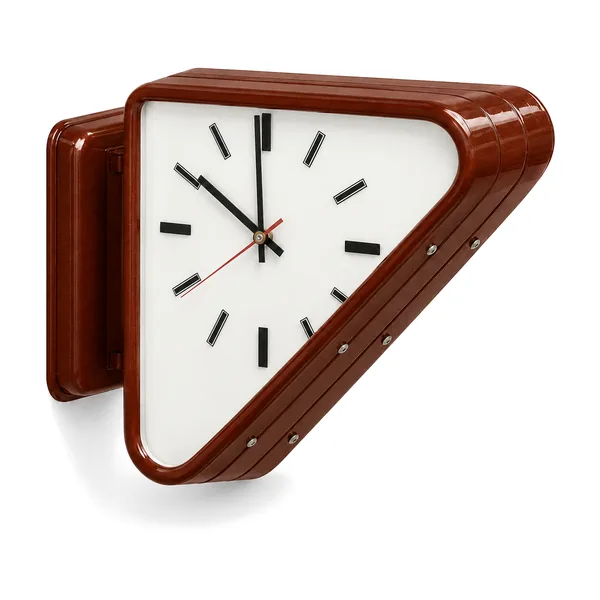
Tvilling Dual-Sided Geometric Metal Wall Clock
What Items Should You Put on Decorative Shelves?
The secret to stunning home decoration shelves lies in choosing objects that tell a cohesive story. Rather than randomly placing items you already own, curate a selection that shares common threads—whether that's material, color palette, or stylistic era.
Essential Categories for Shelf Styling
Professional stylists rely on a core collection of object types that work beautifully together:
- Vertical elements: Vases, candlesticks, and sculptural objects that draw the eye upward
- Horizontal layers: Books, boxes, and trays that anchor compositions and provide platforms for smaller items
- Organic touches: Plants, botanicals, and natural materials that bring life to hard surfaces
- Personal treasures: Travel mementos, family heirlooms, or art pieces that infuse personality
Incorporating Light into Shelf Displays
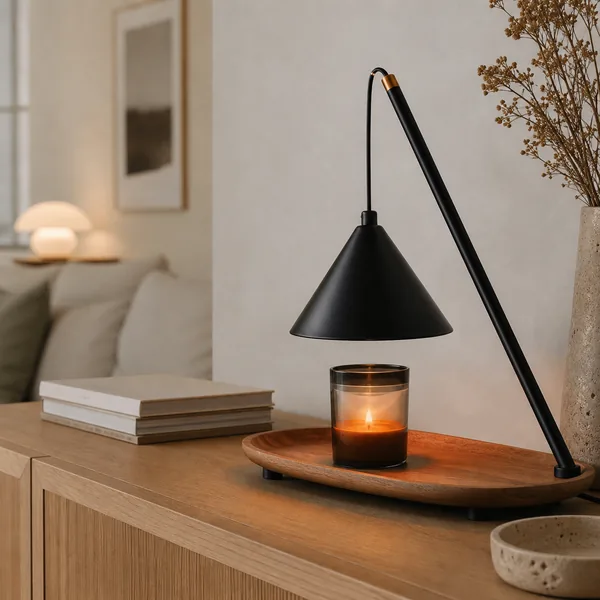
One often-overlooked element in shelf styling is lighting. The right lamp doesn't just illuminate your objects—it becomes an art piece itself. Consider adding a Shiro Rice Paper Table Lamp Nordic Minimalist to your floating home decoration shelves. Its warm, diffused light and clean Scandinavian design elevate any vignette while creating that coveted hygge atmosphere.
How Do You Arrange Objects on Shelves?
Now that you've gathered your objects, it's time to place them with purpose. The best shelf styling ideas follow a structured approach that ensures harmony across the entire display.
The Pyramid Method
Think of each styled section as a pyramid. Place your tallest item slightly off-center, then arrange medium-height pieces around it, and finally position your lowest objects in the foreground. This creates depth and prevents your home decoration shelves from looking like a flat lineup of items.
Mix Textures and Materials
Scandinavian shelf styling thrives on textural contrast. Pair smooth ceramics with rough wood, matte surfaces with metallic accents, and soft textiles with hard glass. This interplay of materials adds sophistication without requiring more objects.
Perfect Pairings for Your Shelf Styling
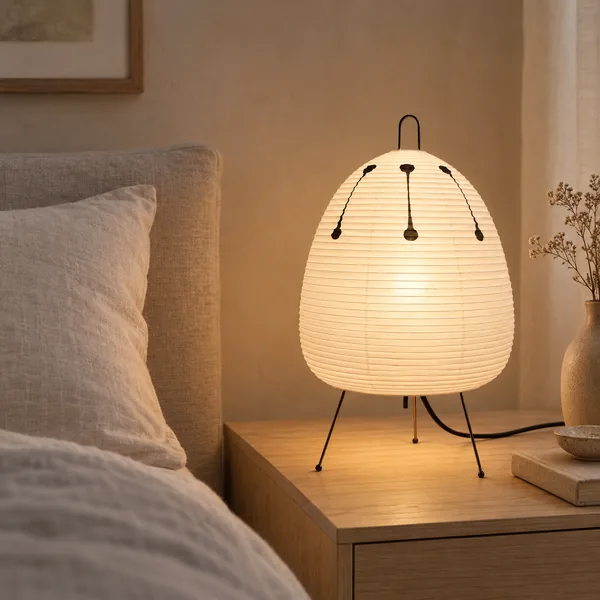 Shiro Rice Paper Table Lamp Nordic Minimalist$119.00$199.00
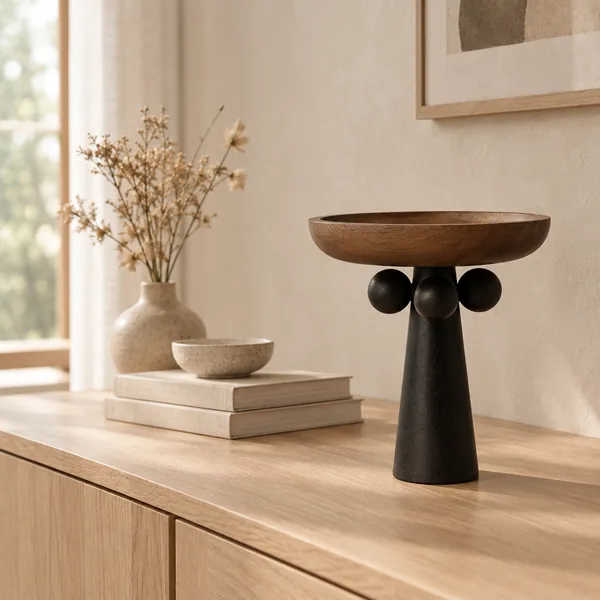 Dreva Sculptural Wooden Pedestal Display Tray$99.00$139.00
How to Make Your Shelves Look Expensive
Luxury isn't about price tags—it's about curation. These techniques will give your home decoration shelves the refined, collected-over-time appearance of professionally styled interiors.
Embrace Intentional Gaps
Less truly is more. Expensive-looking shelves always include negative space—deliberate empty areas that allow each piece to command attention. As a guideline, aim to have about 40% of your shelf surface remain open, especially on floating home decoration shelves where visual breathing room is essential.
Create Elevated Moments
Use risers, small pedestals, or stacked books to give certain objects a platform. This simple technique adds dimension and importance to key pieces. The Dreva Sculptural Wooden Pedestal Display Tray is purpose-built for this application, creating stunning shelf vignettes while elevating candles, perfumes, or small decorative objects.
Edit Ruthlessly
Step back from your shelves and identify which objects aren't pulling their weight. Remove everything that doesn't contribute to your overall composition or color story. Expensive-looking displays are cohesive displays—every item should earn its place through beauty, meaning, or textural contribution.
Lighting
Shop all Lighting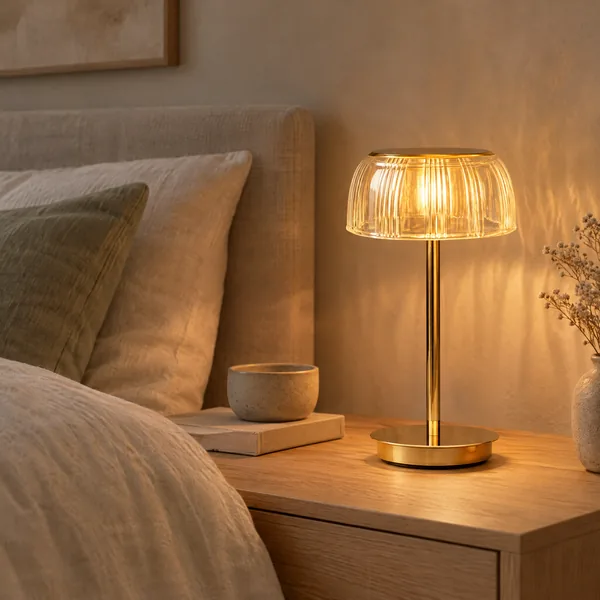
 Save $30.00
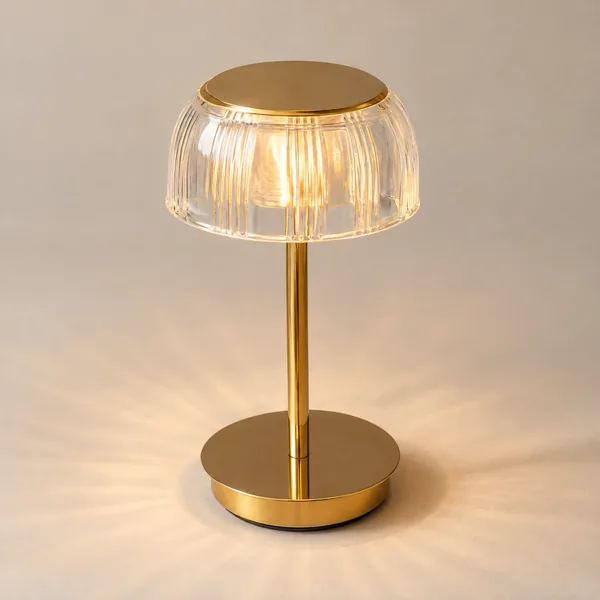
Kvalla Jellyfish LED Rechargeable Table Lamp
 Save $140.00
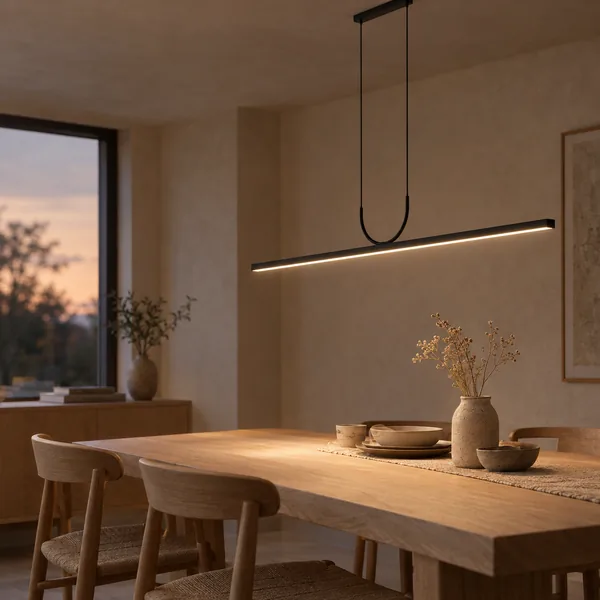
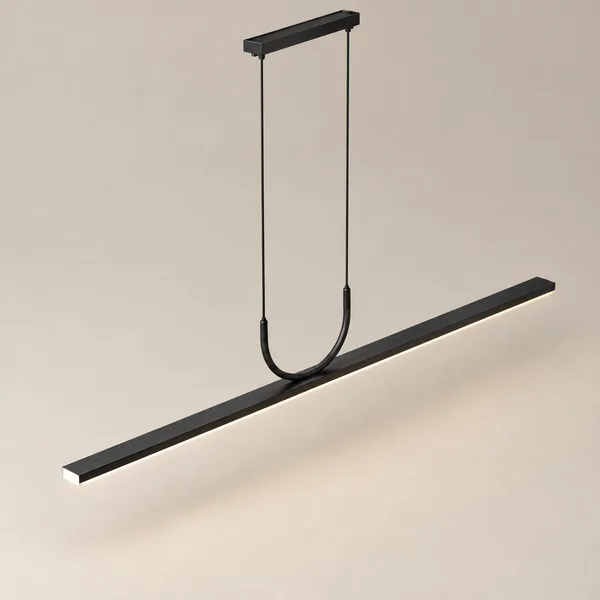
Linné Minimalist Linear Black LED Pendant Light
 Save $60.00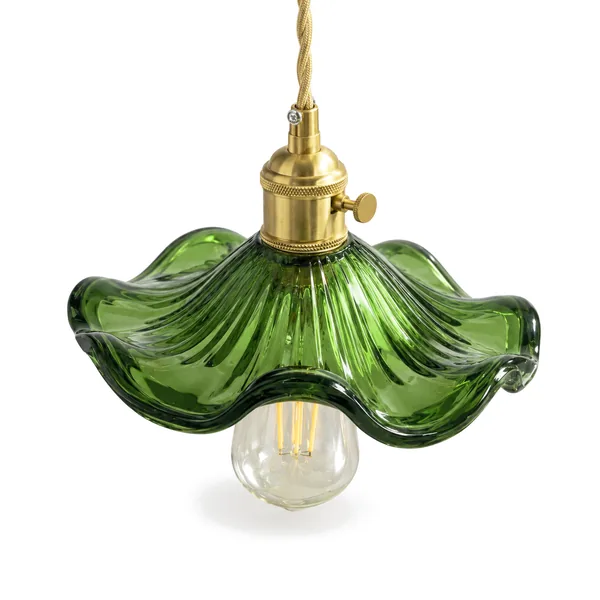
 3 options
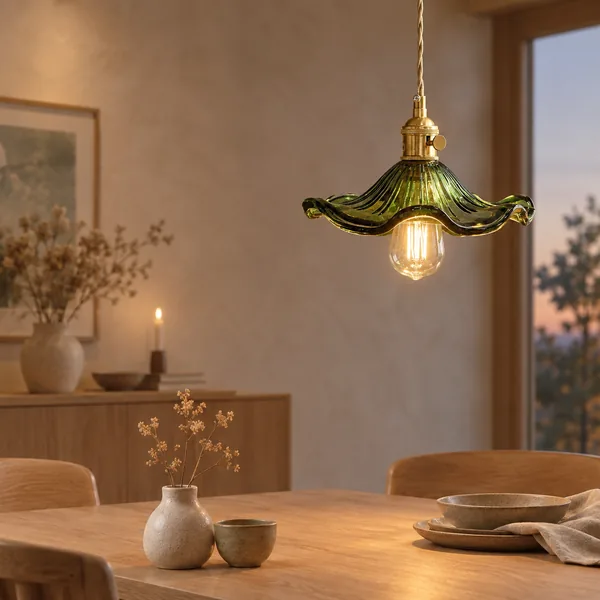
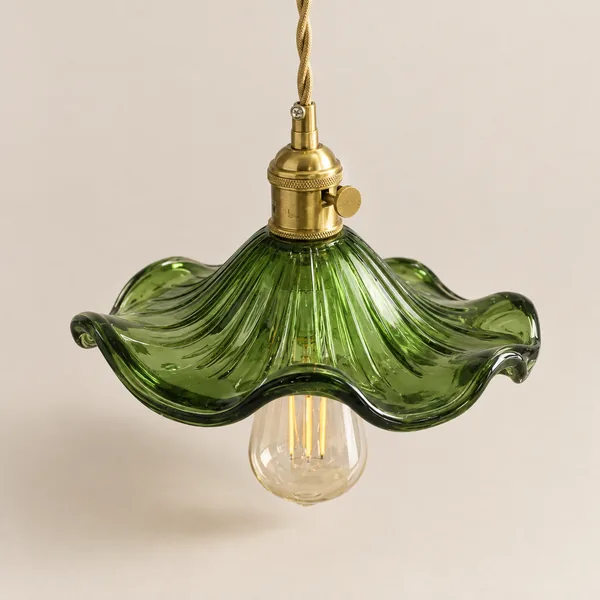
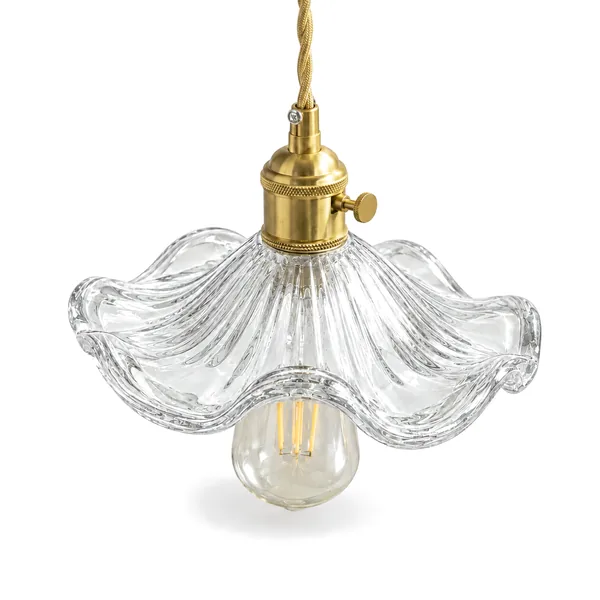
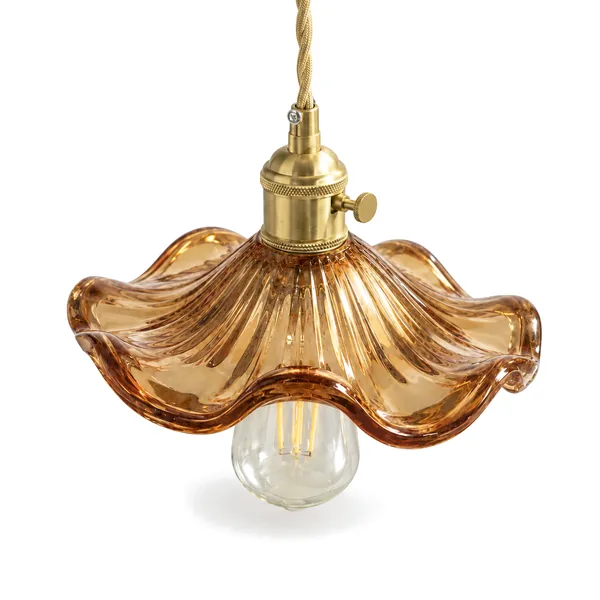
Glora Nordic Glass Pendant Light with Copper
Room-Specific Shelf Styling Tips
Different spaces call for different approaches. Here's how to adapt your home decoration shelves styling for key rooms in your home.
Decorative Shelves for the Living Room
Living room shelves serve as the heart of your home's style. Focus on creating a lived-in feeling with books, personal photographs in simple frames, and objects that spark conversation. Balance asymmetry with intention—if your shelves are built-ins, vary the heights of your groupings across different sections while maintaining some continuity in your color palette.
Kitchen Home Decoration Shelves
Open shelving in kitchens demands both beauty and practicality. Display your most attractive everyday items—ceramic bowls, wooden cutting boards, glass canisters—while keeping essentials within reach. The key is elevating utilitarian objects through thoughtful arrangement and spacing.
Bookshelves Decoration
When styling traditional bookshelves, resist the urge to line every spine to the front edge. Instead, stack some books horizontally to create platforms for smaller objects, and push some rows toward the back while others come forward. This layering technique transforms bookshelves decoration from storage into art.
Create Your Perfect Shelf Display
Mastering home decoration shelves is both an art and a skill. By understanding the rule of three, balancing visual weight, curating your object collection, and leaving intentional breathing room, you'll create shelf displays that feel sophisticated yet welcoming—the essence of Scandinavian design.
The right pieces make all the difference. Skonne's collection of Scandinavian-inspired vases, lamps, and decorative objects provides the perfect foundation for styling shelves that elevate your entire space. Explore our curated selection and begin transforming your shelves today.
Related Article
Orange Home Decoration: How to Style Your Home with Bold, Warm Orange TonesA practical guide to selecting pendant lights for your kitchen: determine size, height, number, and style so your lighting is both beautiful and functional.