
How to Change, Install & Remove a Ceiling Light Fixture: A Complete DIY Guide
Summary›
- Safety First: Essential Precautions Before You Begin
- Gather Your Tools and Materials
- Step-by-Step: How to Remove Your Old Ceiling Light
- Installing Your New Ceiling Light Fixture
- Visual Guide: Watch the Process in Action
- Choosing the Right Fixture for Your Space
- Common Installation Mistakes to Avoid
- When to Call a Professional Electrician
- Transform Your Space with Confidence
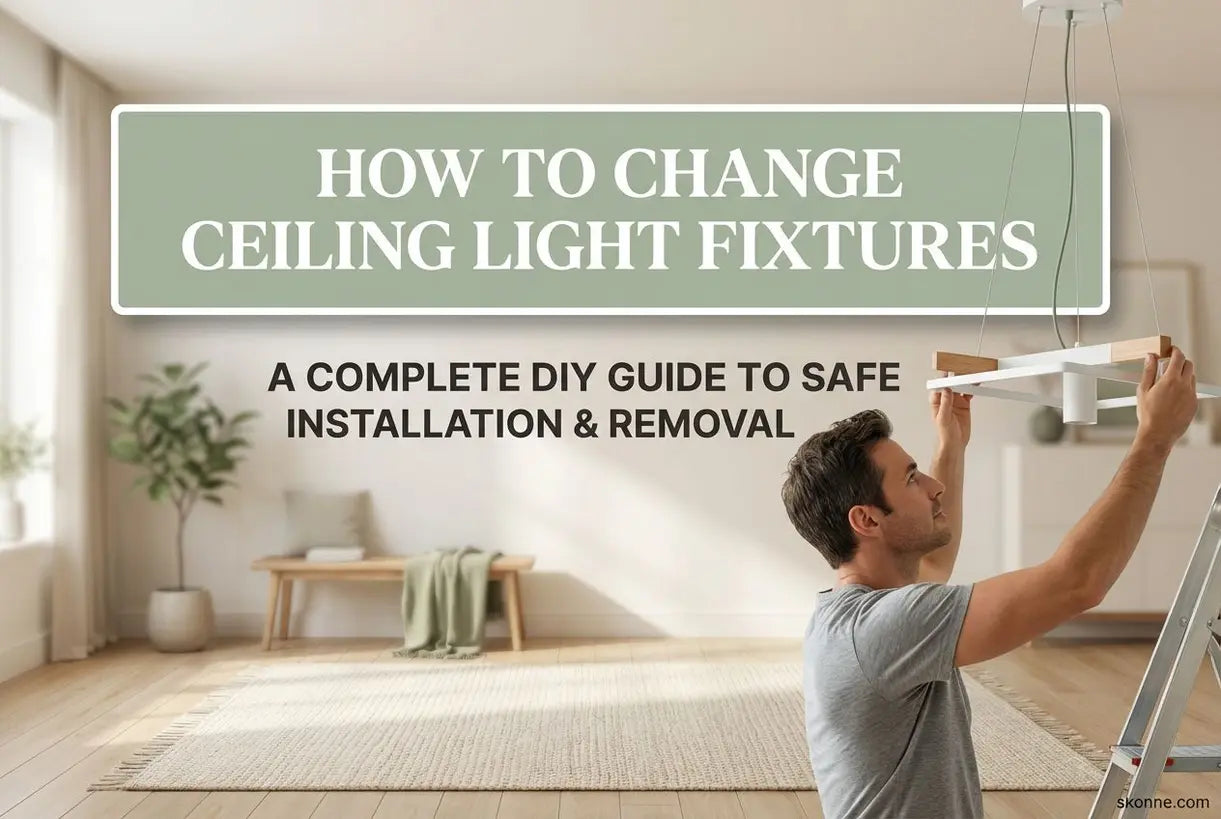
There's something deeply satisfying about transforming a room with a single lighting update. Whether you're swapping out a dated flush mount for something more sculptural or finally hanging that statement pendant you've been eyeing, learning how to change a ceiling light opens up a world of design possibilities. The best part? With the right guidance and a bit of confidence, this is one home improvement project most homeowners can tackle safely and successfully.
In this comprehensive guide, we'll walk you through everything you need to know about how to replace ceiling light fixtures—from safely removing your old fixture to wiring and mounting your new Scandinavian-inspired piece. By the end, you'll have the knowledge and tools to illuminate your space beautifully, all while ensuring every connection is secure and up to code.
Safety First: Essential Precautions Before You Begin
Before you reach for your screwdriver, let's talk about the non-negotiable safety steps that will protect you and your home. Working with electrical fixtures demands respect for the process.
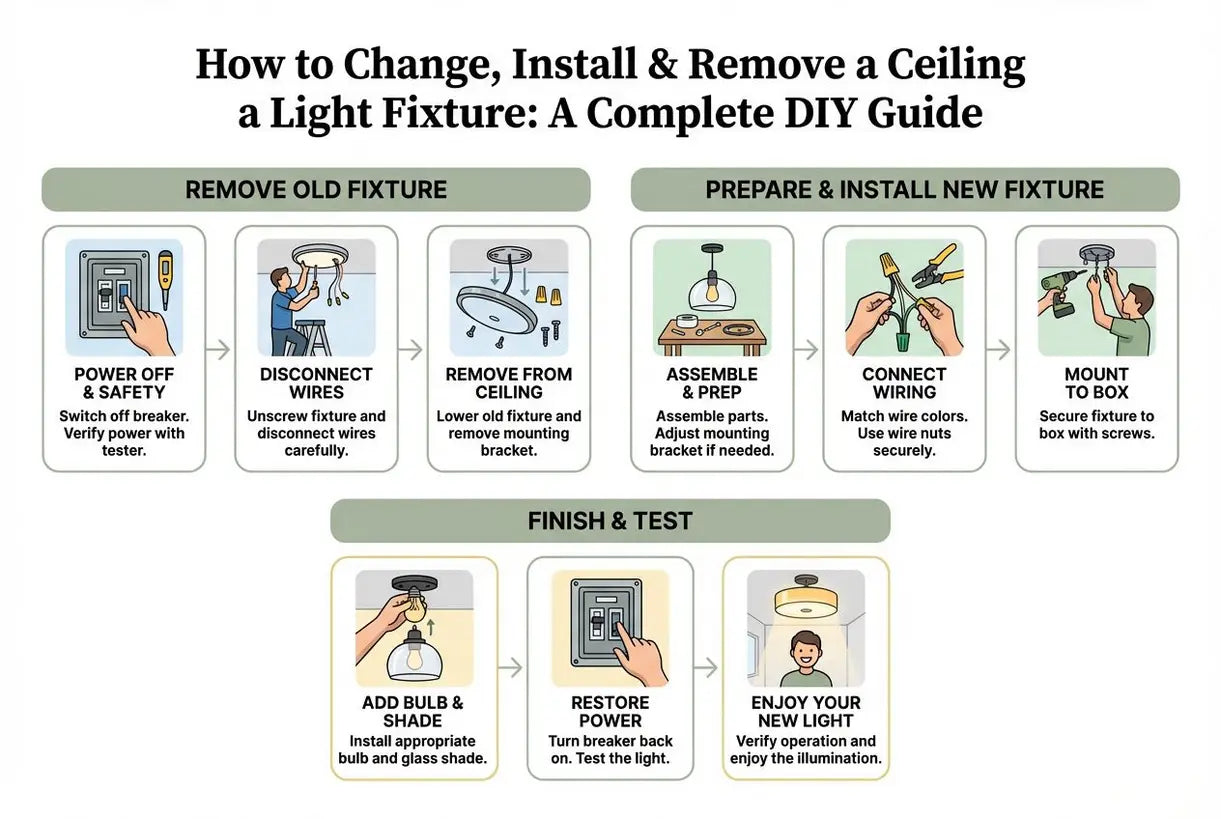
Turn off the power at the circuit breaker—not just the wall switch. This is the golden rule of electrical work. Locate your breaker panel and switch off the circuit controlling your ceiling light. If you're unsure which breaker controls the fixture, turn off the main power switch to be absolutely certain.
Once the power is off, use a non-contact voltage tester to confirm there's no electricity flowing to the fixture. Hold the tester against the wires and the metal junction box—if it lights up or beeps, power is still present. Never proceed until you get a clear "all clear" signal.
Work during daylight hours or with a battery-powered work light so you can see clearly. Wear rubber-soled shoes and avoid standing on damp surfaces. Having a partner nearby is also wise—they can steady the ladder and hand you tools as needed.
Gather Your Tools and Materials
Having everything within reach makes the job smoother and safer. Here's what you'll need:
- Voltage tester (non-contact variety)
- Screwdrivers—both flathead and Phillips
- Wire strippers if you need to trim or expose fresh wire
- Wire nuts (usually included with new fixtures)
- Electrical tape
- Step ladder tall enough for comfortable ceiling access
- Mounting hardware (typically included with your new fixture)
- Flashlight or work light
Most ceiling light mounting bracket systems include the necessary screws and anchors, but check your specific fixture's requirements before starting.
Step-by-Step: How to Remove Your Old Ceiling Light
Removing an existing fixture is usually straightforward, but take your time—rushing leads to damaged ceilings and frustration.
Step 1: Remove the Fixture Hardware
Begin by removing any decorative elements like glass shades, bulbs, or decorative nuts. Set these aside carefully if you plan to donate or sell the old fixture. Most fixtures have a decorative cap or base that unscrews to reveal the mounting bracket beneath.
Step 2: Disconnect the Wiring
Once you can see the wires, you'll typically find three connections: black (hot), white (neutral), and bare copper or green (ground). Unscrew the wire nuts connecting these wires, gently pulling the wires apart. If the connections are taped, carefully remove the tape first.
Step 3: Remove the Mounting Bracket
With the wiring disconnected, unscrew the mounting bracket from the ceiling light junction box. The box itself should remain in the ceiling—it's part of your home's electrical infrastructure. Support the fixture weight with one hand while removing the final screws to prevent it from dropping.
Installing Your New Ceiling Light Fixture
Now comes the exciting part—bringing your new fixture to life. The installation process is essentially removal in reverse, with special attention to secure connections.
Mounted Ceiling Lights
Shop all Ceiling Lights



Mounting the New Bracket
Position your new ceiling light mounting bracket against the junction box, aligning the screw holes. Most modern fixtures come with universal brackets that accommodate various box configurations. Secure the bracket firmly—the fixture's weight will hang from this connection, so tight screws are essential.
Connecting the Wires
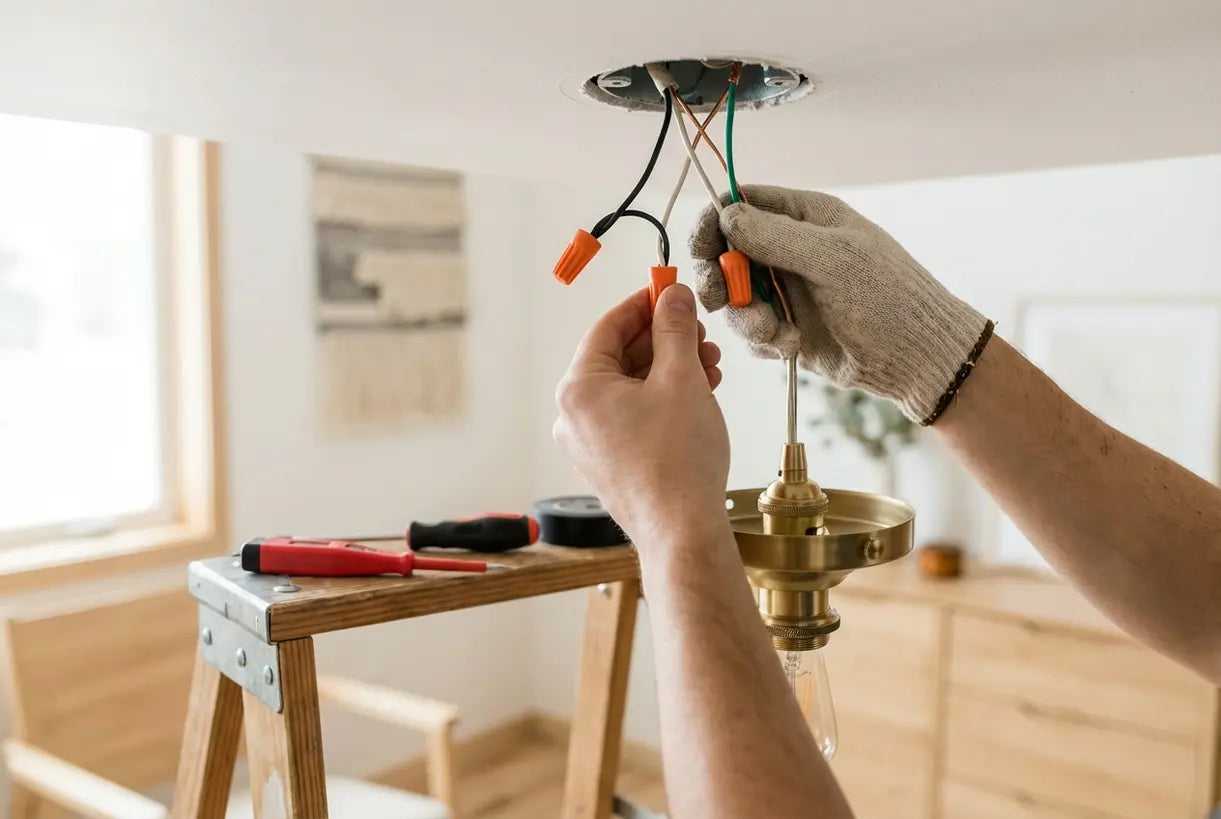
Proper wiring a ceiling light fixture follows a simple color-coded system. Connect black to black (hot), white to white (neutral), and ground to ground (bare copper or green). Twist the wires together clockwise, then screw on the wire nut until it's tight. Give each connection a gentle tug to ensure it's secure.
Wrap electrical tape around the base of each wire nut and the connected wires for extra security. This prevents the nuts from loosening over time due to vibration or temperature changes.
Attaching the Fixture
Carefully tuck the connected wires into the junction box, ensuring no bare wire is exposed. Align your fixture with the mounting bracket and secure it according to the manufacturer's instructions—this might involve decorative nuts, screws, or a twist-lock mechanism.
Install your bulbs (checking wattage limits), attach any shades or decorative elements, and restore power at the breaker. Turn on the switch and bask in the glow of your handiwork.
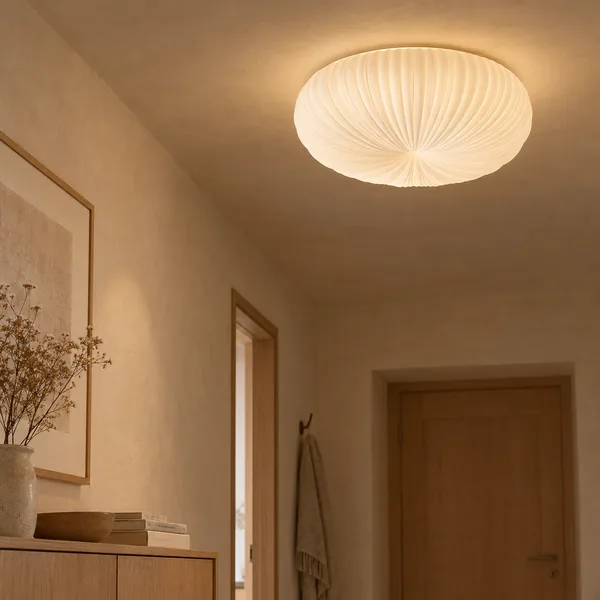 Kupa Cream Sculptural Flush Mount Ceiling Light$295.00$389.00
Visual Guide: Watch the Process in Action
Sometimes seeing the process unfold makes all the difference. This step-by-step video demonstration shows exactly how to complete a fixture swap in under ten minutes:
Choosing the Right Fixture for Your Space
While the technical installation remains similar across fixture types, selecting a light that complements your room requires thoughtful consideration. The right fixture balances aesthetics, scale, and functionality.
For low ceilings (8 feet or less), flush mounts and semi-flush mounts keep the profile streamlined while delivering beautiful ambient light. Higher ceilings can accommodate dramatic pendant lights and Chandeliers that draw the eye upward and create visual interest.
Consider your room's dimensions when selecting size. A fixture that's too small gets lost; one that's too large overwhelms. For dining areas, the fixture width should be approximately half the table width. In entryways, add the room's length and width in feet—the sum equals the ideal fixture diameter in inches.
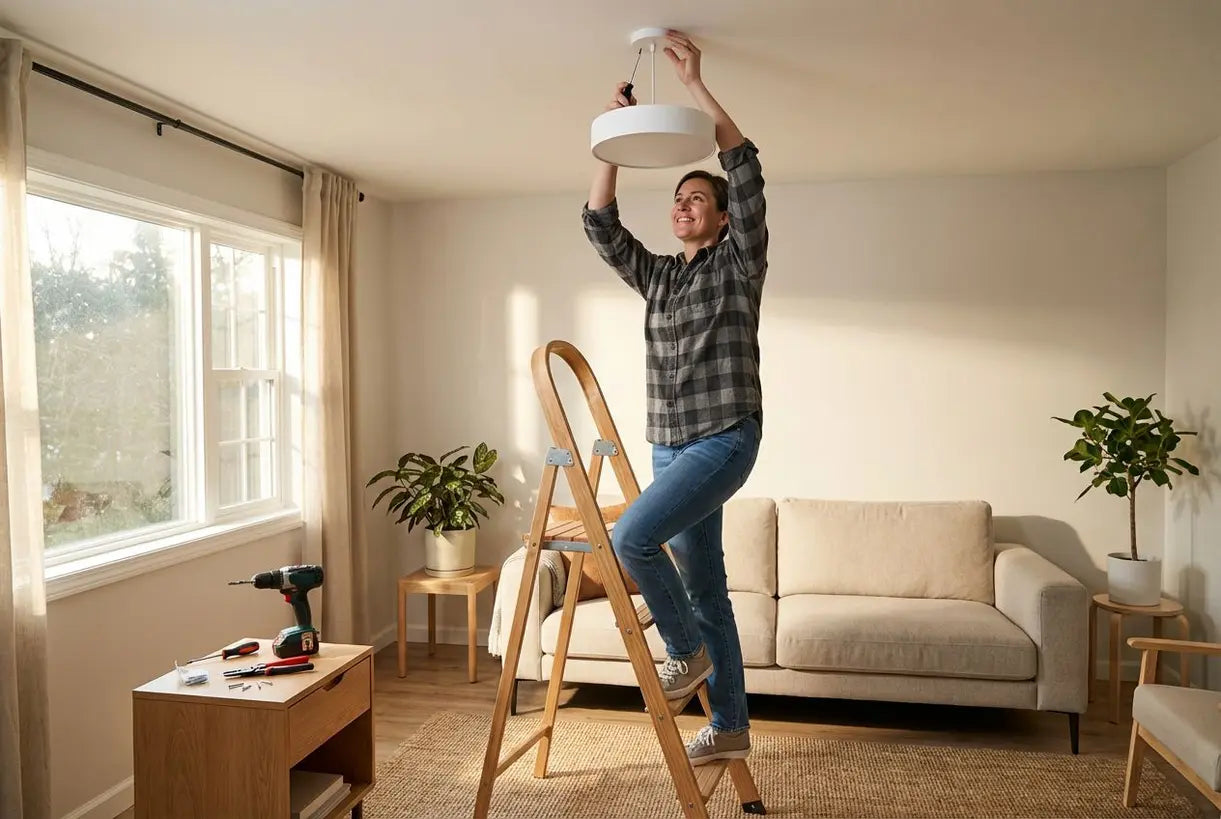
Scandinavian design emphasizes clean lines, natural materials, and warm, diffused light. Look for fixtures in muted tones, organic shapes, and quality materials like frosted glass, brushed metals, and textured fabrics that create that coveted hygge atmosphere.
Common Installation Mistakes to Avoid
Even experienced DIYers encounter hiccups. Here are the most common pitfalls and how to sidestep them:
- Overloading the junction box—cramming too many wires into a small space can damage connections. If your box feels crowded, consider installing a larger ceiling light junction box.
- Ignoring weight limits—standard boxes support up to 50 pounds. Heavier fixtures like large Chandeliers require additional support systems.
- Poor wire connections—loose wires cause flickering and potential fire hazards. Always twist wires clockwise and use appropriately sized wire nuts.
- Forgetting the ground wire—never skip grounding. It's your protection against electrical shock.
- Installing incompatible dimmers—if using LED bulbs, ensure your dimmer switch is LED-compatible to prevent buzzing or flickering.
Elevate Your Ceiling with Scandinavian Design
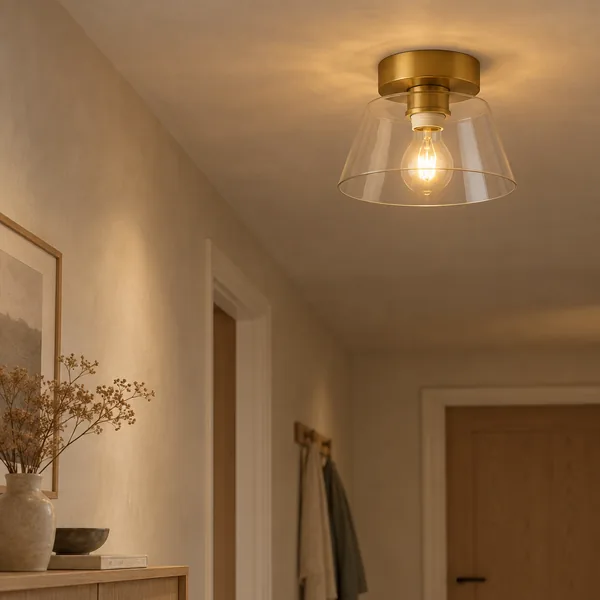 Klara Nordic Glass Ceiling Light for Interiors$109.00$169.00
Pendant Lights
Shop all Pendant Lights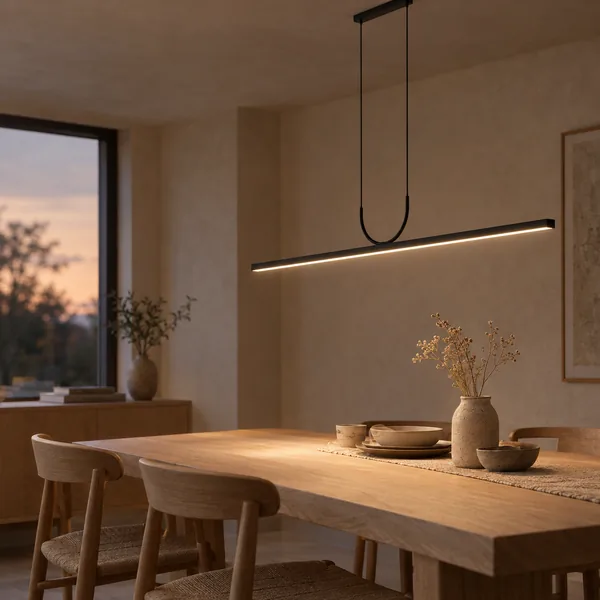
 Save $140.00
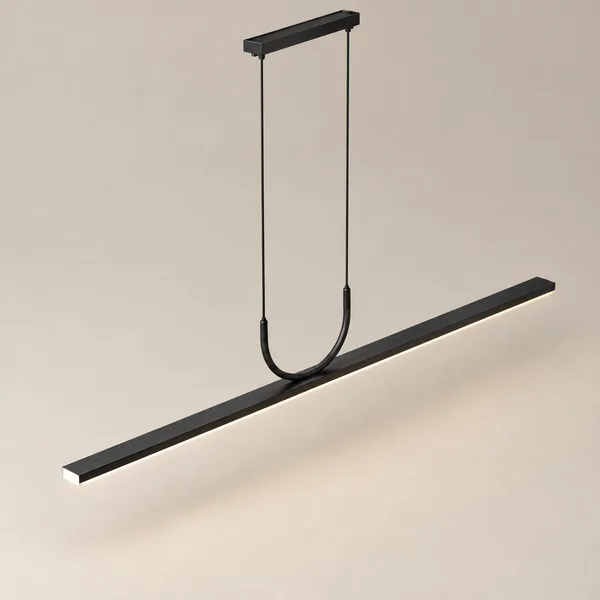
Linné Minimalist Linear Black LED Pendant Light

 Save $60.00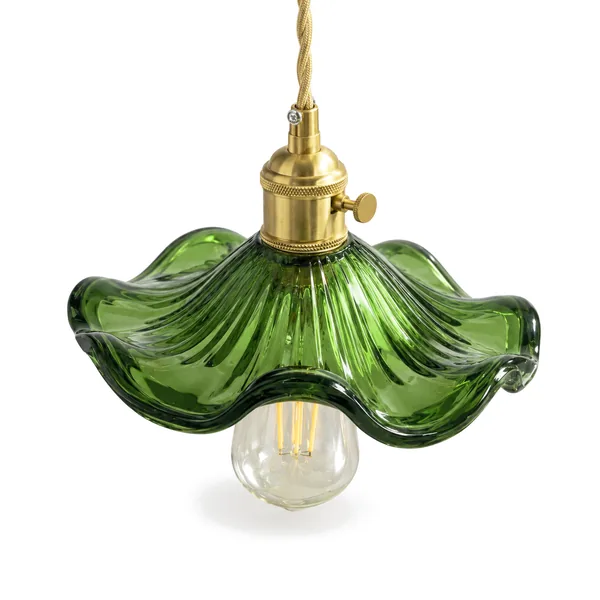
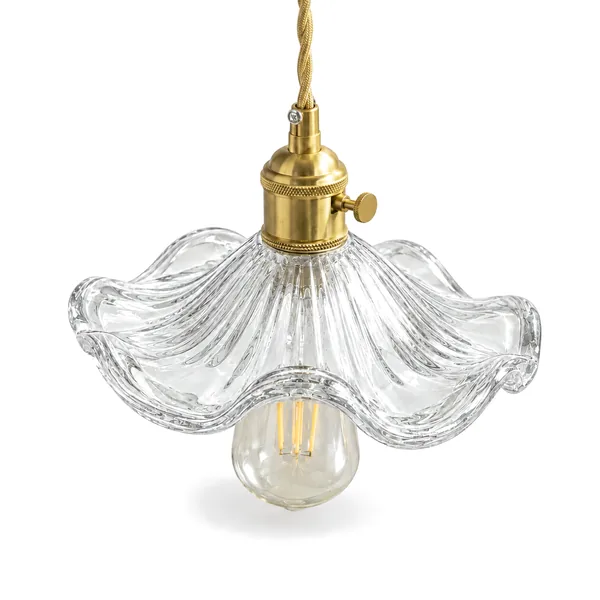
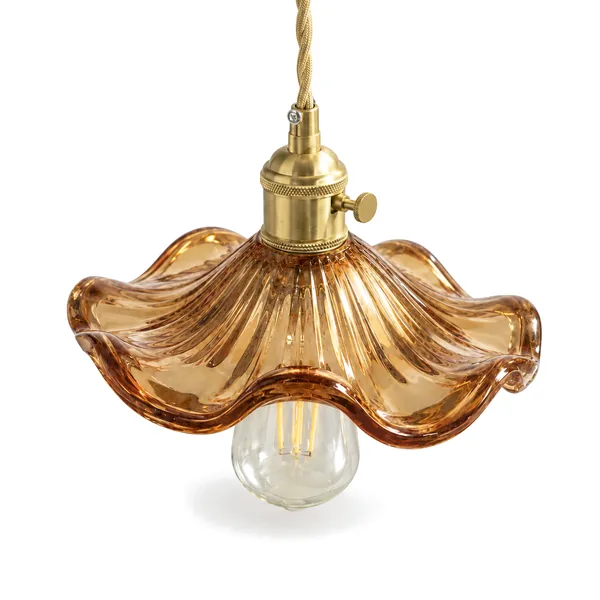 3 options
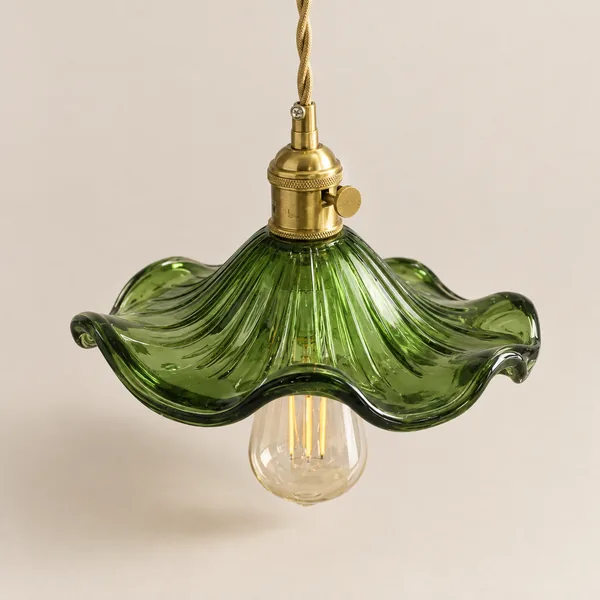
Glora Nordic Glass Pendant Light with Copper

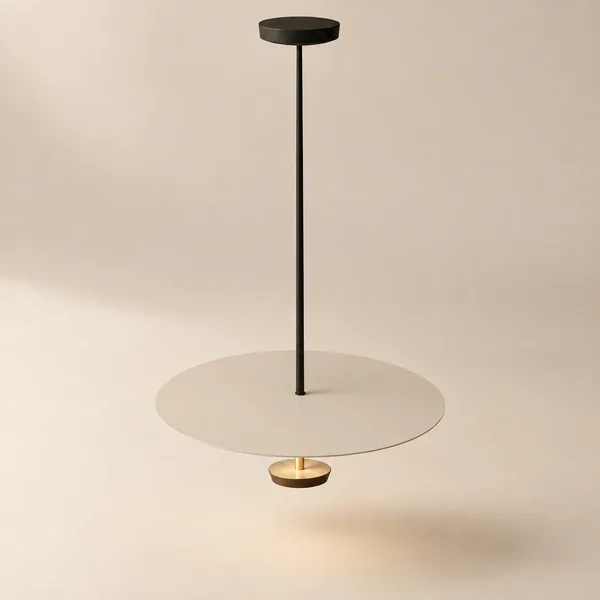 Save $120.00
Skiva Nordic Saucer Ceiling Pendant Light LED

When to Call a Professional Electrician
While learning how to install a ceiling light fixture is empowering, some situations warrant professional expertise:
- Your home has aluminum wiring (common in homes built 1965-1973)
- The junction box needs replacement or there's no box present
- You need new electrical wiring run to the ceiling location
- The fixture weighs more than 50 pounds
- You encounter unexpected wiring configurations (more than three wires, multiple circuits)
- You're installing ceiling fans, which require special ceiling fan-rated boxes
A licensed electrician brings expertise that ensures code compliance and long-term safety. The investment in professional installation protects your home and provides peace of mind.
Transform Your Space with Confidence
Learning how to change ceiling light fixtures empowers you to evolve your home's aesthetic whenever inspiration strikes. With careful attention to safety, the right tools, and quality fixtures designed to inspire, you can achieve professional-looking results that transform how you experience your spaces.
Whether you're drawn to the organic sculptural forms of the Kupa Cream Sculptural Flush Mount Ceiling Light, the ethereal presence of the Driva Sculptural Cloud Pendant Light, or the timeless elegance of the Klara Nordic Glass Ceiling Light, Skonne curates pieces that make installation day feel like the beginning of something beautiful.
Your ceiling is a canvas waiting for illumination. Approach your next lighting project with confidence, and let your Scandinavian-inspired sanctuary shine.
Related Article
Kitchen Ceiling Light Fixtures: Best Overhead Lighting for Every Kitchen StyleDiscover the best kitchen ceiling light fixtures for every style. From modern flush mounts to statement chandeliers, find the perfect overhead lighting.