
How to Choose and Style Pendant Lights: A Complete Guide
Summary›
- Understanding Pendant Light Sizing: The Foundation of Good Design
- Placement and Hanging Heights: Getting the Details Right
- How Many Pendant Lights Should You Use?
- Style Selection: Finding Your Aesthetic Voice
- Pendant Lights for Compact Spaces
- Selecting the Right Bulb for Your Pendant
- Conclusion: Illuminating Your Home with Intention
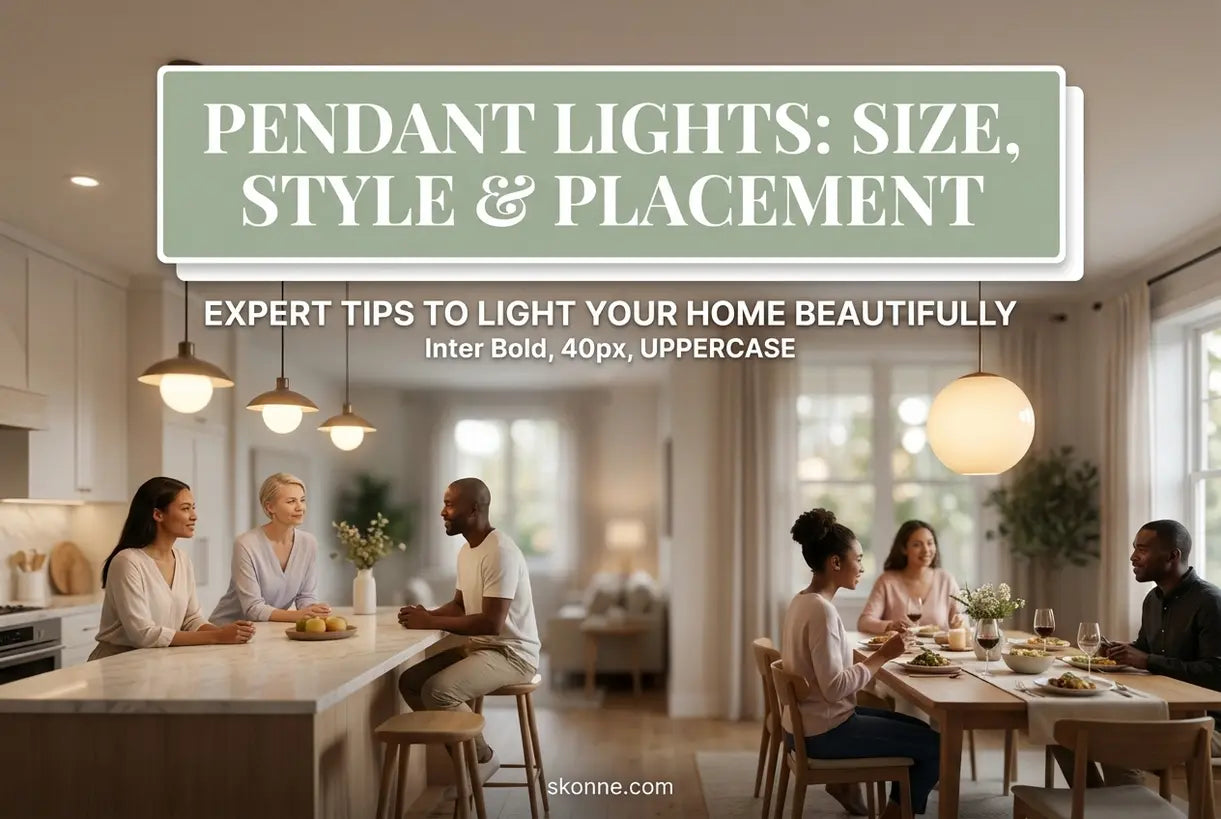
Pendant lights have become the jewelry of interior design—suspended sculptures that illuminate while defining the character of a room. Whether you're renovating your kitchen, refreshing your dining area, or looking to convert recessed light to pendant fixtures for a more dynamic look, selecting the right pendant lighting requires thoughtful consideration of scale, placement, and style. At Skonne, we believe lighting should do more than brighten a space; it should create atmosphere, anchor your design vision, and bring that sense of hygge—the Scandinavian art of coziness—into your daily life.
In this comprehensive guide, we'll walk you through everything you need to know about pendant lights, from calculating the perfect size for your kitchen island to selecting bulb types that flatter your space. By the end, you'll have the confidence to choose fixtures that transform your home into a curated sanctuary of warmth and intention.
Understanding Pendant Light Sizing: The Foundation of Good Design
Before falling in love with a specific style, it's essential to determine the appropriate scale for your space. A pendant that's too small will look lost and provide insufficient illumination, while one that's too large can overwhelm the room and disrupt visual flow. The key is finding that intentional balance where the fixture complements its surroundings while making a statement.
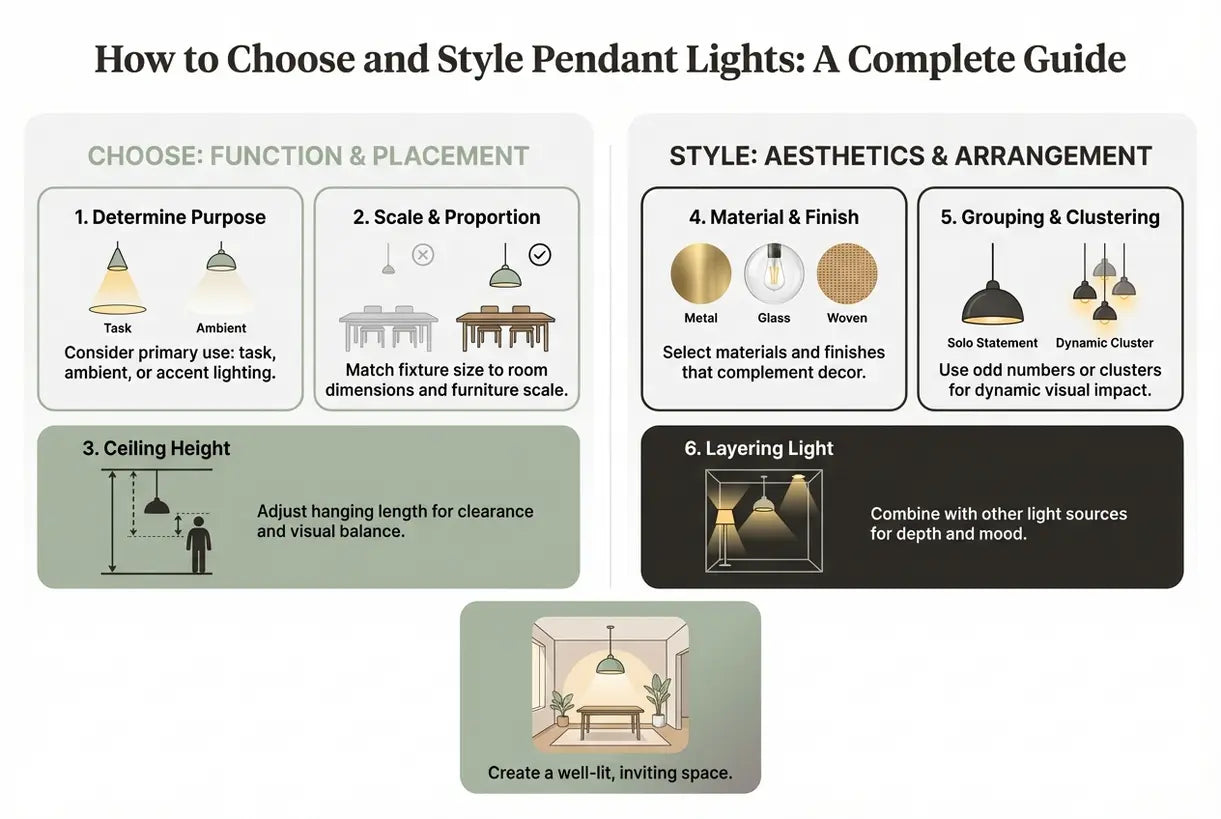
For kitchen islands, a widely accepted formula suggests selecting pendants with a diameter of 2.5 to 3 inches for every foot of island length. If your island measures 6 feet long, look for pendants between 15 and 18 inches in diameter. This proportion ensures adequate task lighting while maintaining visual harmony. Remember that this calculation refers to the overall diameter of each individual pendant, not the combined width of multiple fixtures.
When lighting a dining table, the pendant should span approximately one-half to two-thirds of the table's width. For rectangular tables, consider the length as well—linear suspensions or multiple pendants often work better than a single large fixture. The goal is to create an intimate pool of light that encompasses the dining surface without casting harsh shadows or leaving dark corners where guests might sit.
Placement and Hanging Heights: Getting the Details Right
Once you've determined the appropriate size, the next consideration is height. The vertical placement of your pendant lights dramatically affects both functionality and aesthetics. Hang them too high, and they lose their intimacy; too low, and they become obstructions rather than enhancements.
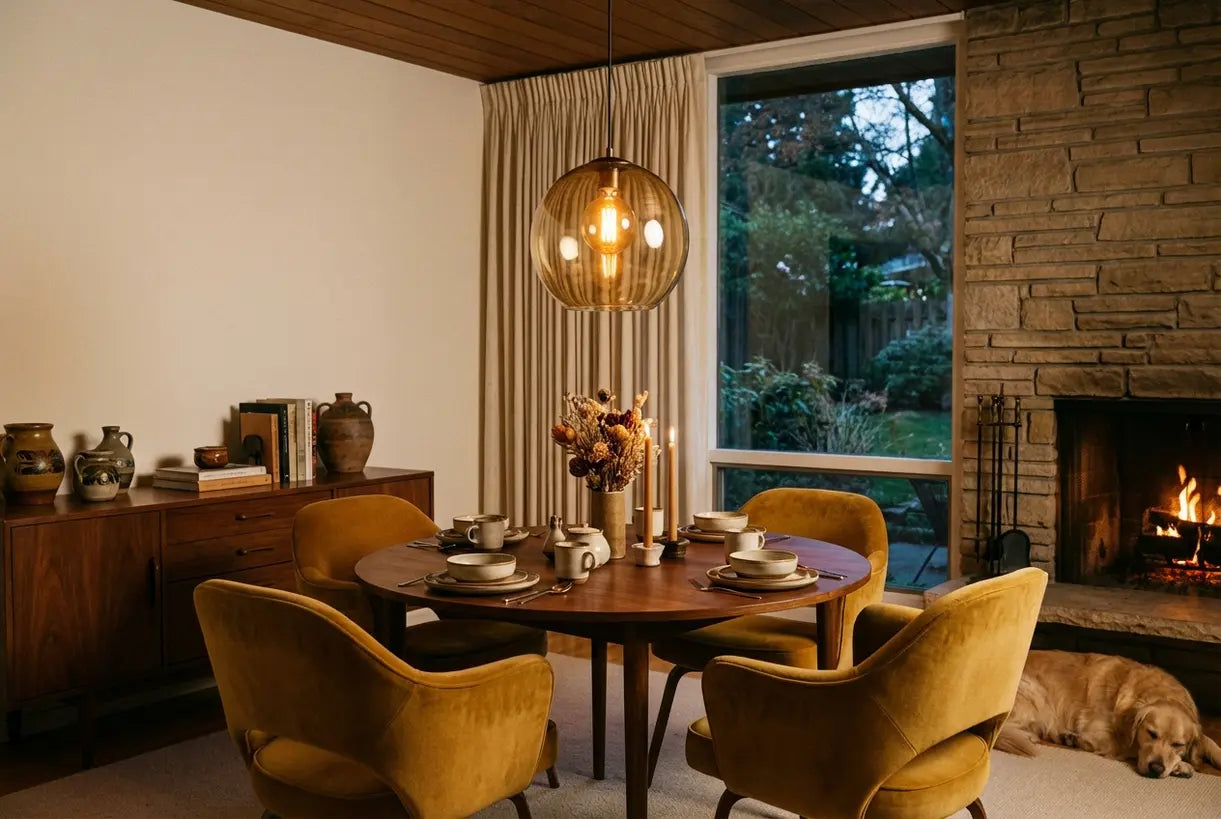
Above dining tables, the standard recommendation is to suspend pendants 28 to 34 inches from the tabletop surface. This height creates a warm, inviting glow that flatters faces and food while allowing clear sightlines across the table. If you have high ceilings (10 feet or more), you might add 3 inches to this measurement for every additional foot of ceiling height. For those with open floor plans, this placement helps define the dining area as a distinct zone within the larger space.
Kitchen islands require slightly different considerations. Here, pendants should hang 30 to 36 inches above the countertop. This elevation provides task lighting for food preparation while ensuring the fixtures don't interfere with daily activities or sightlines across the kitchen. If you're particularly tall or have family members who are, consider hanging them at the higher end of this range to prevent accidental bumps.
How Many Pendant Lights Should You Use?
The number of pendants depends on both the size of your island or table and the diameter of your chosen fixtures. For kitchen islands, a common approach is to space pendants approximately 24 to 30 inches apart from center to center. This spacing creates even illumination without overcrowding the visual field.
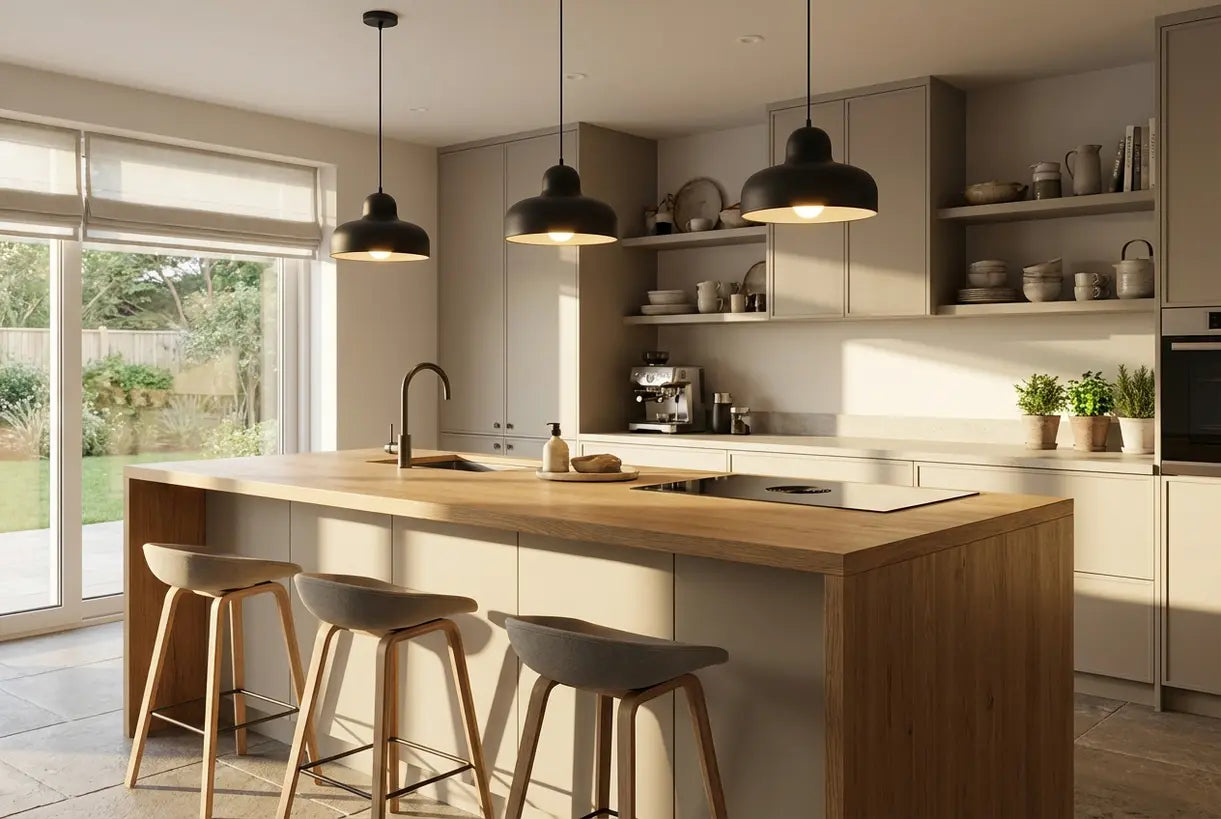
For a standard 6-foot island, two medium-sized pendants typically suffice. Longer islands—8 feet or more—often benefit from three pendants or a linear multi-light fixture. When in doubt, fewer larger pendants usually create more impact than numerous small ones. The Pendant Lights collection at Skonne offers various configurations to suit different spatial requirements.
If you're working with a dining table rather than an island, the rule shifts slightly. A single statement pendant works beautifully above round tables or compact rectangular tables up to 6 feet long. For longer tables, consider two pendants spaced evenly, or three for tables exceeding 8 feet. The key is ensuring that every seat receives adequate light without creating a runway effect of too many fixtures in a row.
Style Selection: Finding Your Aesthetic Voice
The style of pendant light you choose should harmonize with your existing décor while reflecting your personal taste. For modern living rooms and open-concept spaces, clean lines and minimalist forms often work best. Think matte black metal fixtures, geometric shapes, and unadorned glass globes that provide illumination without visual clutter.
Scandinavian-inspired spaces benefit from natural materials and soft, diffused light. Look for pendants that incorporate wood elements, textured glass, or organic shapes. These fixtures complement the neutral palettes and natural textures characteristic of Nordic design while contributing to that essential sense of warmth and comfort.
Industrial and contemporary settings can handle more dramatic pieces—oversized domes, cage pendants, or fixtures with exposed Edison bulbs. These add character and edge while still fulfilling their practical lighting role. The key is ensuring that the fixture's materiality speaks to other elements in the room, whether that's through matching metals or complementary textures.
Pendant Lights for Compact Spaces
A common misconception is that pendant lights require grand, open spaces. In reality, when chosen thoughtfully, they can actually enhance small rooms by drawing the eye upward and creating the illusion of height. The trick lies in selecting appropriately scaled fixtures and positioning them strategically.
For small kitchens or cozy dining nooks, consider mini pendants—fixtures under 10 inches in diameter. These provide focused task lighting without overwhelming limited square footage. Alternatively, transparent or translucent glass pendants allow light to pass through, maintaining an open, airy feel while still delivering illumination.
In tight spaces, consider the "jewel box" approach: one spectacular pendant that serves as the room's focal point. This draws attention away from the room's dimensions and toward your curated design choice. Wall-mounted sconces paired with a central pendant can also distribute light more effectively in compact areas than relying solely on overhead fixtures.
Curated Pendant Solutions for Every Space
Selecting the Right Bulb for Your Pendant
The bulb you choose is just as important as the fixture itself. Modern LED pendant bulbs offer energy efficiency and longevity, making them ideal for fixtures that see daily use. Look for bulbs with a high color rendering index (CRI) of 90 or above, which ensures that colors appear true and natural under the light—a particularly important consideration for kitchen islands where food preparation occurs.
Color temperature significantly impacts the mood of your space. For dining areas and living rooms, warm white (2700K to 3000K) creates that cozy, inviting atmosphere central to Scandinavian design principles. Kitchen task lighting benefits from slightly cooler temperatures (3000K to 4000K), which enhance visibility and alertness during food preparation.
Dimmer compatibility is another crucial consideration. The ability to adjust light levels allows your pendants to transition from functional task lighting during meal prep to ambient illumination during dinner parties. Ensure both your fixture and bulbs are dimmable, and invest in a quality dimmer switch to prevent flickering or buzzing at lower light levels.
Conclusion: Illuminating Your Home with Intention
Choosing the right pendant lights is an exercise in balancing practical needs with aesthetic desires. By understanding the principles of sizing, placement, and style selection, you can transform any room from merely functional to truly inspired. Whether you're illuminating a spacious kitchen island or adding warmth to a compact dining nook, the perfect pendant awaits.
At Skonne, we curate lighting solutions that honor the Scandinavian principles of simplicity, functionality, and beauty. Each piece in our collection is selected to bring that sense of intentional living into your home—creating spaces that feel both elevated and approachable, sophisticated and warm. Explore our pendant light collection today and discover how the right illumination can redefine your daily experience.
Related Article
Pendant Light Hardware, Cords & Parts: Everything You Need to Hang & CustomizeA practical guide to selecting and positioning bathroom wall sconces, with style tips and recommended fixtures for every bathroom type.