
Industrial Chandeliers: Raw, Factory-Inspired Fixtures for Loft & Urban Interiors
Summary›
- What Defines Industrial Style Chandeliers?
- Key Elements of Factory-Inspired Lighting Design
- Choosing the Right Industrial Chandelier for Your Space
- Installation and Height Considerations for Lofts
- Bulb Selection: Creating Authentic Ambiance
- Industrial Chandeliers by Room
- Styling Tips: Balancing Raw and Refined
- Conclusion
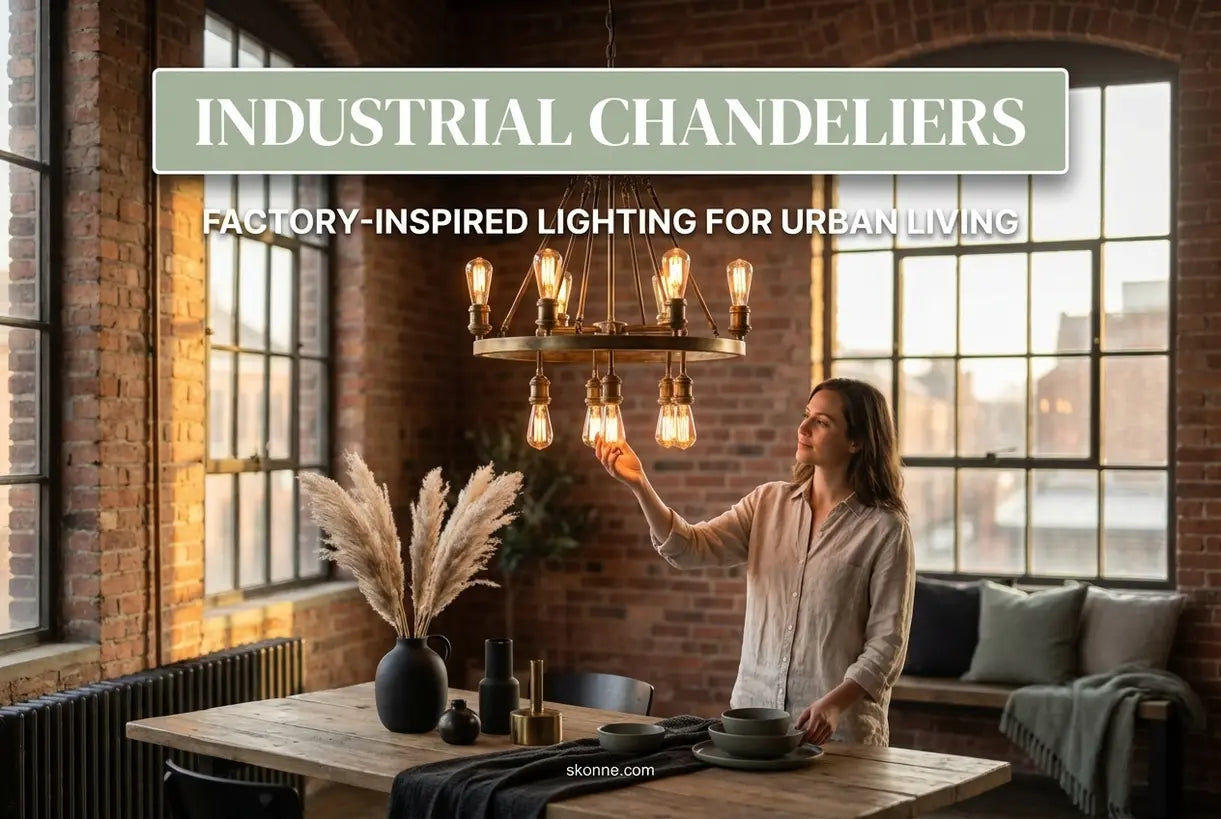
The resurgence of factory-inspired aesthetics in residential spaces has positioned the industrial chandelier as a defining element of contemporary loft design. More than mere illumination, these fixtures channel the raw authenticity of converted warehouses and urban studios, bringing structured metal frameworks and exposed filaments into intentional living spaces. For design enthusiasts aged 28-45 curating elevated environments with Scandinavian sensibilities, understanding how to integrate industrial lighting creates that coveted balance between rugged heritage and refined comfort.
Whether you're renovating a downtown loft or infusing suburban interiors with urban edge, factory-inspired fixtures offer versatile solutions that transcend traditional décor boundaries. The appeal lies not in perfection, but in the honest celebration of materials—weathered brass, matte black iron, and reclaimed wood composites that tell stories of craftsmanship. As we explore the foundational elements of industrial lighting design, you'll discover how to select pieces that anchor your space while maintaining the warm, curated atmosphere essential to modern sanctuary-building.
What Defines Industrial Style Chandeliers?
At their core, industrial chandeliers emerge from functional necessity rather than decorative excess. Originating in 19th-century manufacturing facilities where robust illumination was paramount, these fixtures prioritized durability and light distribution over ornate detailing. Today's interpretations honor that heritage through cage frameworks, pulley systems, and Edison bulb configurations that expose rather than conceal the mechanics of lighting.
The loft lighting movement has democratized what was once purely utilitarian, transforming factory remnants into sculptural centerpieces. Key identifiers include metal dominance—often wrought iron, steel, or aged brass—combined with geometric silhouettes that reference agricultural and mechanical origins. Unlike traditional crystal chandeliers, industrial variants embrace asymmetry and patina, celebrating the passage of time through oxidized finishes and hand-forged textures.
Urban chandelier design in this category specifically addresses scale challenges inherent to converted industrial spaces. High ceilings common in lofts demand vertical presence without visual heaviness, achieved through open frameworks and suspended elements that draw the eye upward while maintaining airiness. The result is architectural lighting that commands attention without overwhelming surrounding décor.
Key Elements of Factory-Inspired Lighting Design
Authentic industrial chandelier selection requires understanding material vocabulary. Raw metals—particularly blackened steel, antique brass, and copper—provide the foundational aesthetic, often combined with wood accents that soften the mechanical edge. Reclaimed barn wood, visible grain patterns, and live edges introduce organic warmth that prevents spaces from feeling cold or impersonal.
The exposed bulb lighting element stands as perhaps the most recognizable characteristic, with Edison filaments creating amber glows that flatter skin tones and establish intimate atmospheres despite lofty proportions. Cage configurations—ranging from simple wire globes to complex geometric prisons—protect filaments while adding dimensional interest. These wireframe designs cast intricate shadows across exposed brick and concrete, multiplying the fixture's visual impact through projected patterns.
Linear and cluster arrangements offer alternatives to traditional radial designs, accommodating rectangular dining surfaces and kitchen islands with tailored precision. The versatility of vintage industrial chandelier styles allows for customization through chain length and canopy configurations, ensuring proper clearance above seating areas while maximizing that sought-after warehouse ambiance.
Choosing the Right Industrial Chandelier for Your Space
Scale considerations determine success when integrating factory-inspired fixtures. For standard 8-foot ceilings, semi-flush mounts and shorter suspensions prevent headroom conflicts while maintaining aesthetic integrity. However, the true strength of industrial chandelier design emerges in spaces with 10-foot-plus clearances, where extended downrods and chain systems create dramatic vertical emphasis.
When sizing fixtures for dining applications, the conventional wisdom suggests measuring your table's width and selecting a chandelier with a diameter approximately one-half to two-thirds that dimension. For open-concept living areas, consider the fixture's visual weight relative to furniture groupings—a heavy black metal chandelier demands substantial surrounding pieces to achieve equilibrium, while airier cage designs integrate more flexibly with varied furnishings.
Finish selection significantly impacts spatial perception. Matte black cage chandelier options recede visually, allowing architectural features to remain dominant, while polished brass or copper variants become focal points that command design attention. Consider your existing hardware—window frames, door hinges, and railings—when selecting metal tones to ensure cohesion throughout open floor plans.
Chandeliers
Shop all Chandeliers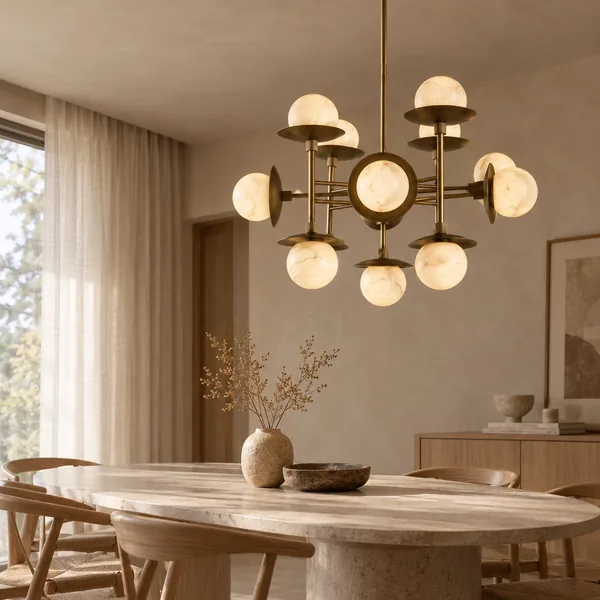
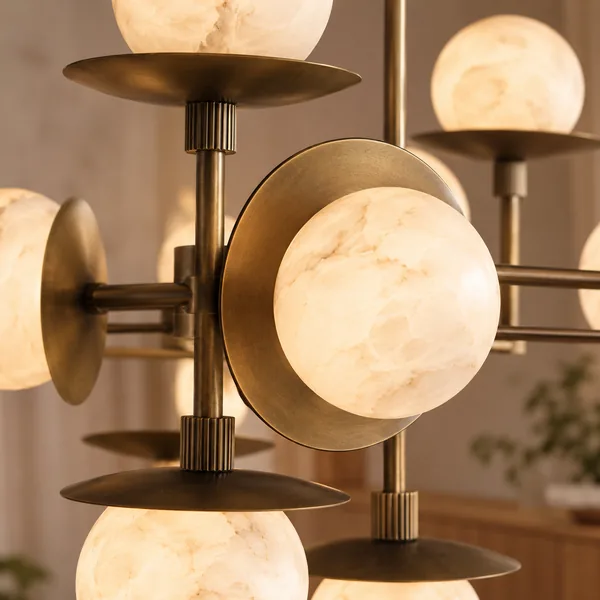
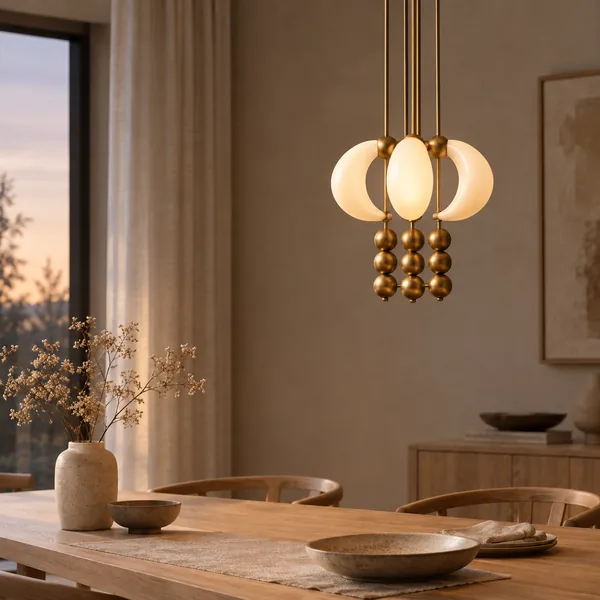
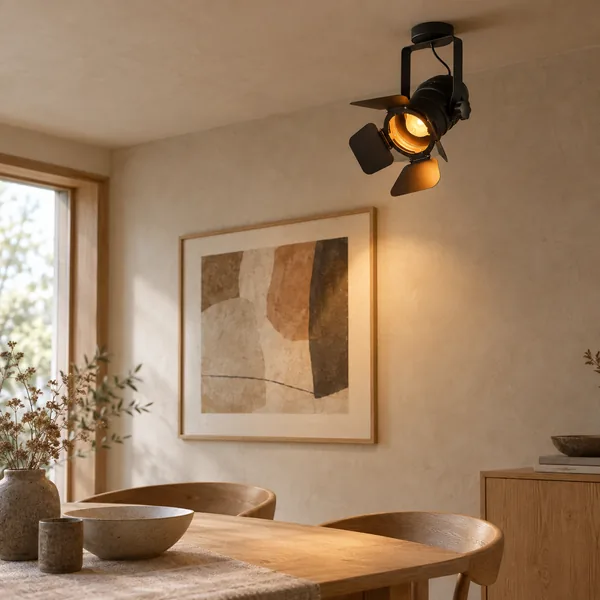 Skena Iron Barn Door Vintage Ceiling Spotlight$99.00$149.00
Installation and Height Considerations for Lofts
High ceiling challenges require strategic planning for modern industrial lighting installations. Standard chain lengths rarely suffice in converted warehouses or new-build lofts with 14-foot-plus ceilings. Extension kits and custom downrods become essential tools, allowing suspension of 36 inches or more while maintaining electrical safety and visual proportion.
Chain and downrod options offer more than functional necessity—they provide styling opportunities. Heavy-duty iron chains reinforce the factory aesthetic, creating visual connections between ceiling canopies and fixture bodies. For spaces requiring adjustable solutions, pulley systems and telescoping rods allow height modifications based on task needs or seasonal entertaining requirements.
When installing above dining surfaces, maintain 30-36 inches clearance between the fixture's lowest point and tabletop height to ensure conversation-friendly sightlines. In living areas with circulation paths, allow 7 feet minimum from floor to fixture bottom to prevent head contact. These measurements ensure your urban chandelier design enhances rather than impedes daily functionality.
Bulb Selection: Creating Authentic Ambiance
Edison bulbs remain synonymous with industrial chandelier applications, their visible filaments creating nostalgic warmth that LED alternatives struggle to replicate. When selecting bulbs, consider the color temperature spectrum: warm whites (2700K-3000K) produce golden tones ideal for residential dining and living spaces, while cooler temperatures (4000K+) suit task-oriented areas like kitchen prep zones.
Warm versus cool tones significantly impact spatial perception. Amber-tinted glass bulbs enhance the factory inspired lighting aesthetic, casting pools of intimate illumination that contract beautifully against raw concrete and exposed ductwork. Clear glass variants offer brighter, more utilitarian output suitable for spaces requiring functional clarity alongside atmospheric character.
Dimmability proves essential for versatile ambiance control. Not all Edison-style bulbs offer dimming capabilities, so verify compatibility with your existing switches during selection. The ability to adjust intensity transforms dining experiences from bright family breakfasts to subdued dinner parties, extending your fixture's utility across daily rhythms and special occasions.
Pendant Lights
Shop all Pendant Lights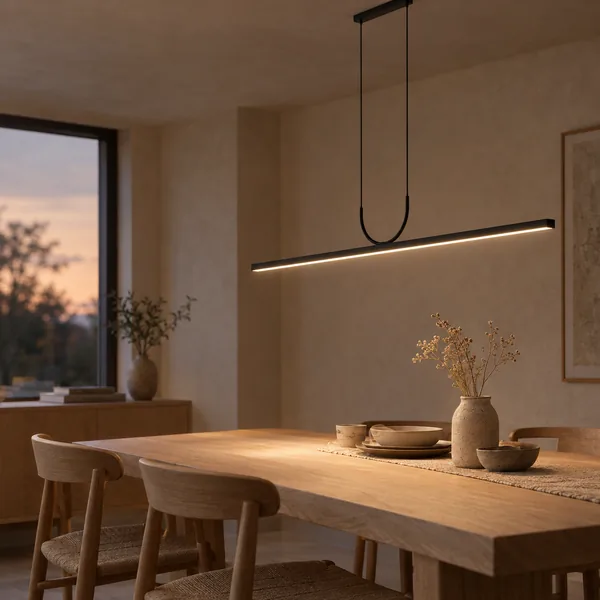
 Save $140.00
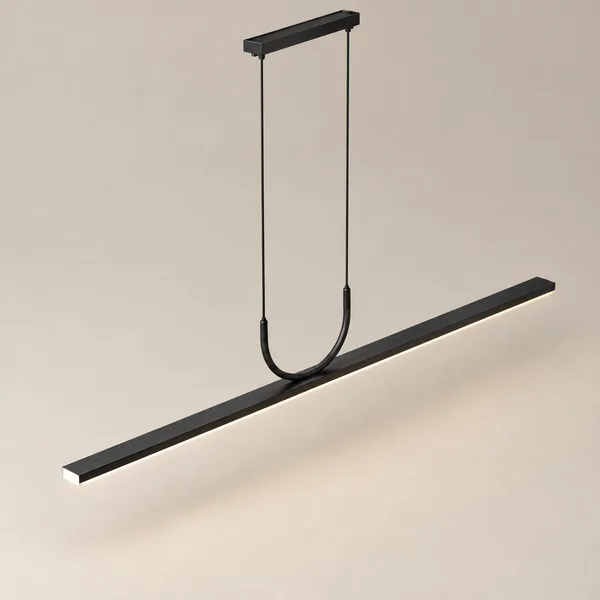
Linné Minimalist Linear Black LED Pendant Light
 Save $60.00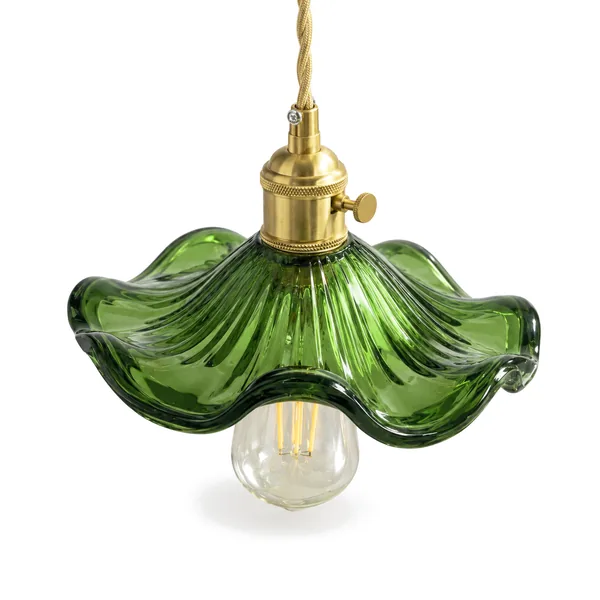
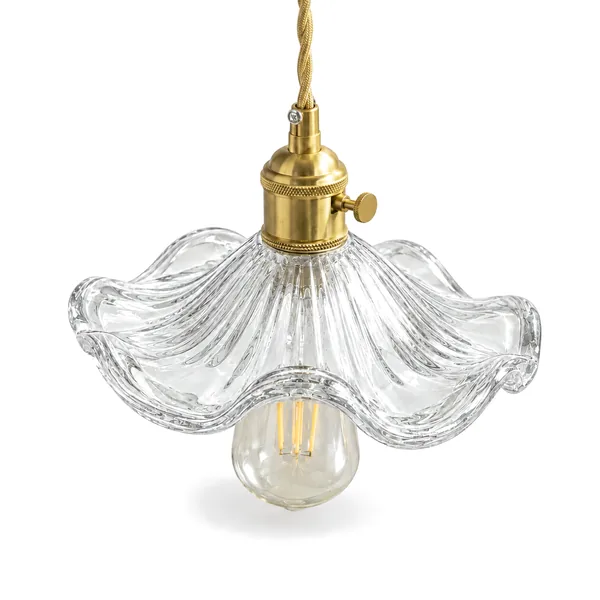
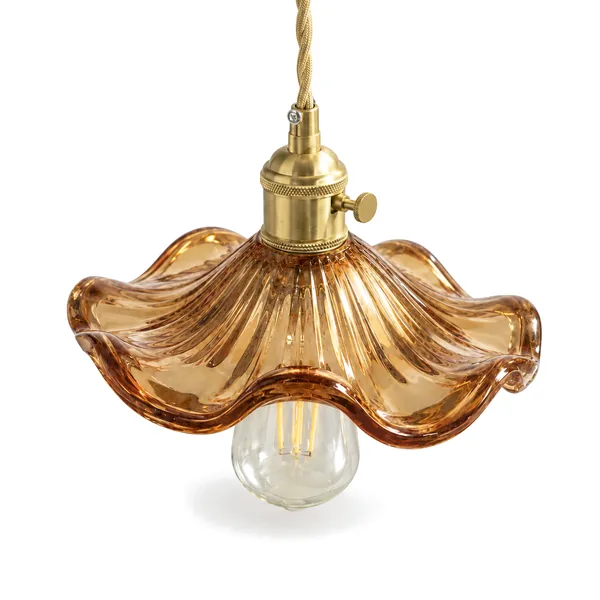 3 options
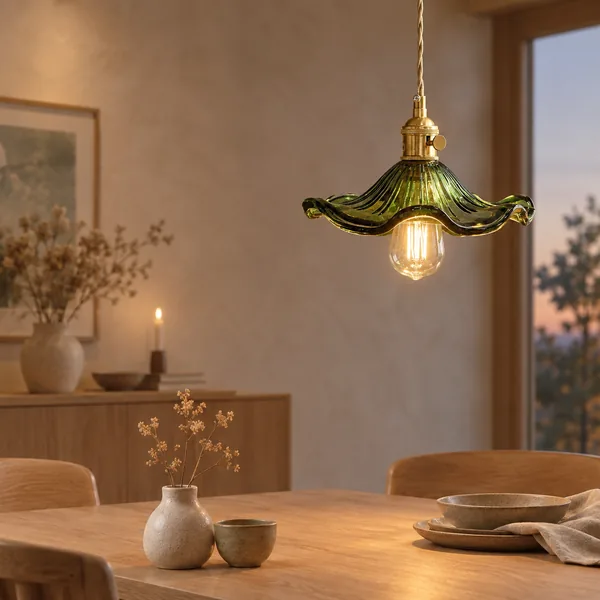
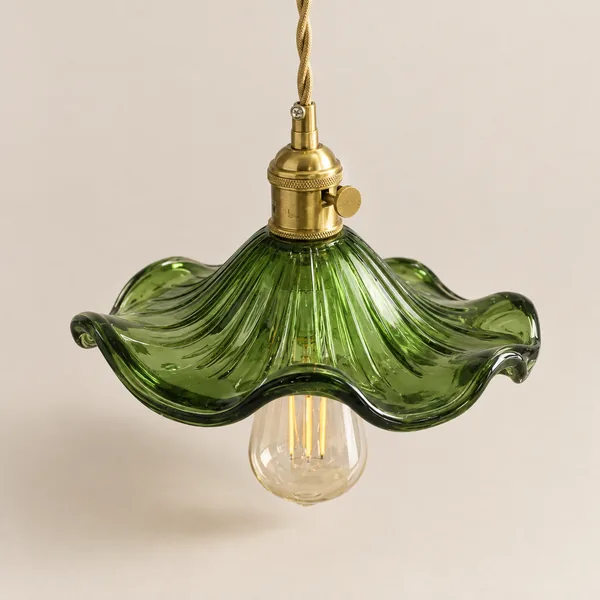
Glora Nordic Glass Pendant Light with Copper
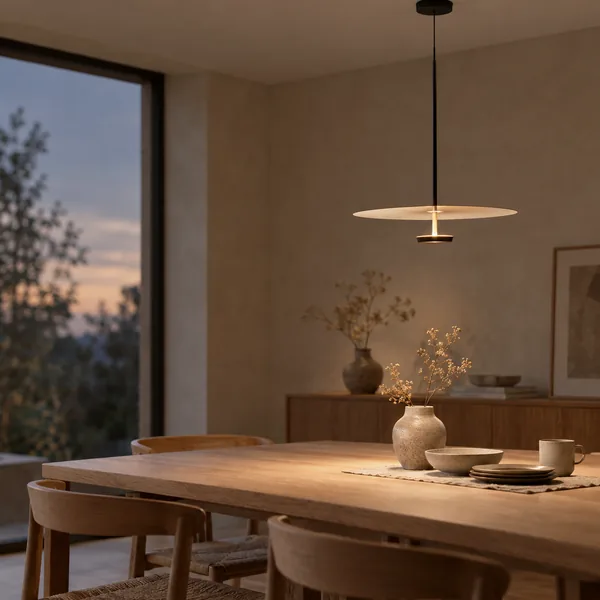
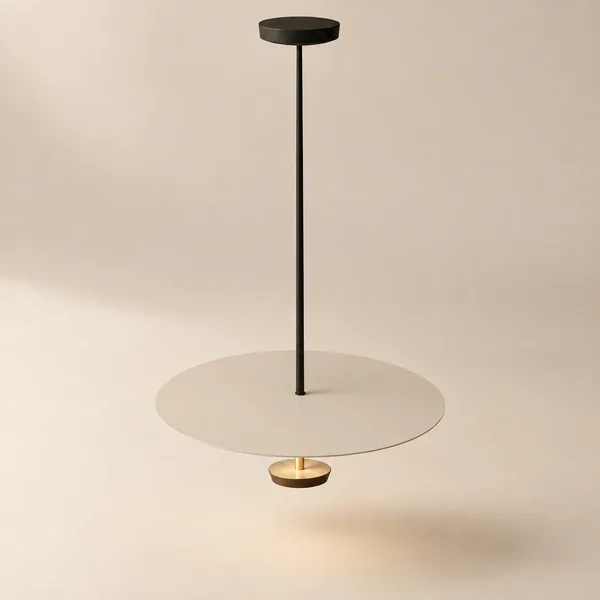 Save $120.00
Skiva Nordic Saucer Ceiling Pendant Light LED
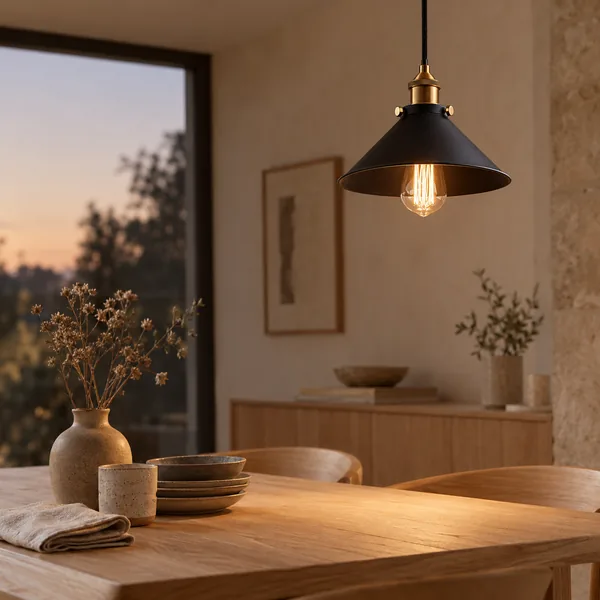
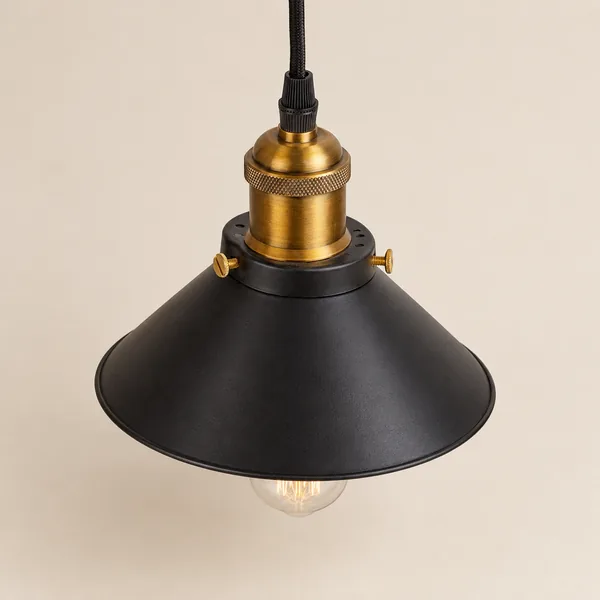
Curated Industrial Pendants
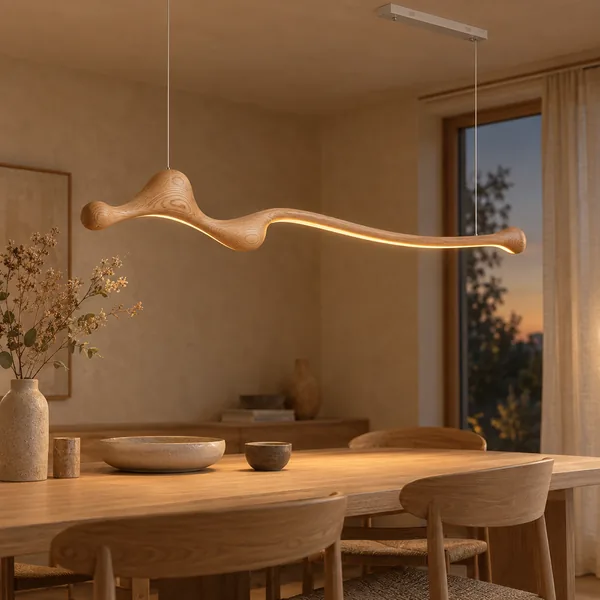 Skoglyn Dimmable Ash Wood Linear Pendant Light$1,119.00$1,409.00
For those exploring ceiling-mounted alternatives that preserve clean sightlines in loft spaces with lower clearances, our Mounted Ceiling Lights collection offers sophisticated solutions that maintain industrial character while accommodating dimensional constraints. These fixtures provide the raw metal finishes and exposed bulb aesthetics of suspended designs without the vertical space requirements.
Industrial Chandeliers by Room
Dining room applications particularly suit the black metal chandelier category, where rectangular linear suspensions align with table geometry and create intimate pools of light for shared meals. When paired with reclaimed wood surfaces and leather seating, these fixtures establish the quintessential loft dining experience—refined yet approachable, elevated yet comfortable.
Living room focal points benefit from larger-scale cluster configurations that draw the eye upward and anchor seating arrangements. In open-concept layouts, industrial chandeliers help define functional zones without visual barriers, their vertical lines creating implied boundaries between dining, lounging, and circulation areas. The key lies in selecting pieces with sufficient presence to hold their own against high ceilings and expansive window walls.
bedroom and entryway applications allow for more experimental interpretations of urban chandelier design. Smaller cage pendants or single-bulb variants introduce industrial vocabulary without overwhelming intimate proportions. These transitional moments— arrival and rest—benefit from the warm filament glow that creates immediate emotional settling upon entering or retiring.
Styling Tips: Balancing Raw and Refined
Mixing industrial elements with soft furnishings prevents spaces from feeling cold or institutional. Sheer linen drapery, wool throws, and natural fiber rugs introduce hygge sensibilities that counterbalance metal rigidity. The interplay between hard and soft textures creates visual tension that keeps rooms engaging—rough-hewn tables beneath elegant pendants, velvet upholstery against exposed brick.
Color palette considerations should emphasize neutral foundations—warm whites, greys, and taupes allow metallic finishes to function as jewelry within the space. Pops of cognac leather, deep navy, or forest green add sophistication without competing with architectural lighting. The goal is creating "urban loft" atmospheres that feel curated over time rather than designed overnight.
Accessories complete the narrative: vintage books, ceramic vessels, and living plants soften the mechanical edge while reinforcing the intentional, collected aesthetic. Remember that industrial chandelier selections serve as anchor pieces around which other elements rotate—choose fixtures with sufficient character to carry the design story, then build complementary layers that enhance rather than compete with their presence.
Conclusion
The enduring appeal of factory-inspired lighting lies in its versatility across design vocabularies—from raw warehouses to refined urban residences. By understanding scale considerations, material relationships, and bulb selection strategies, you transform utilitarian origins into sophisticated ambiance. The industrial chandelier becomes more than illumination; it serves as sculptural artifact connecting contemporary living to industrial heritage.
At Skonne, we curate collections that honor these principles while embracing the warmth and intentionality of Scandinavian design philosophy. Each piece in our selection balances authentic industrial character with livable elegance, ensuring your loft or urban interior achieves that coveted equilibrium between edge and comfort. Explore our curated assemblies to discover fixtures that elevate your space with honest materials and timeless factory-inspired aesthetics.
Related Article
Victorian Chandeliers: Ornate, Antique-Inspired Fixtures for Period-Style InteriorsExplore Victorian chandelier designs and learn how ornate antique fixtures can transform period-style interiors with timeless elegance and sophisticated ambiance.