
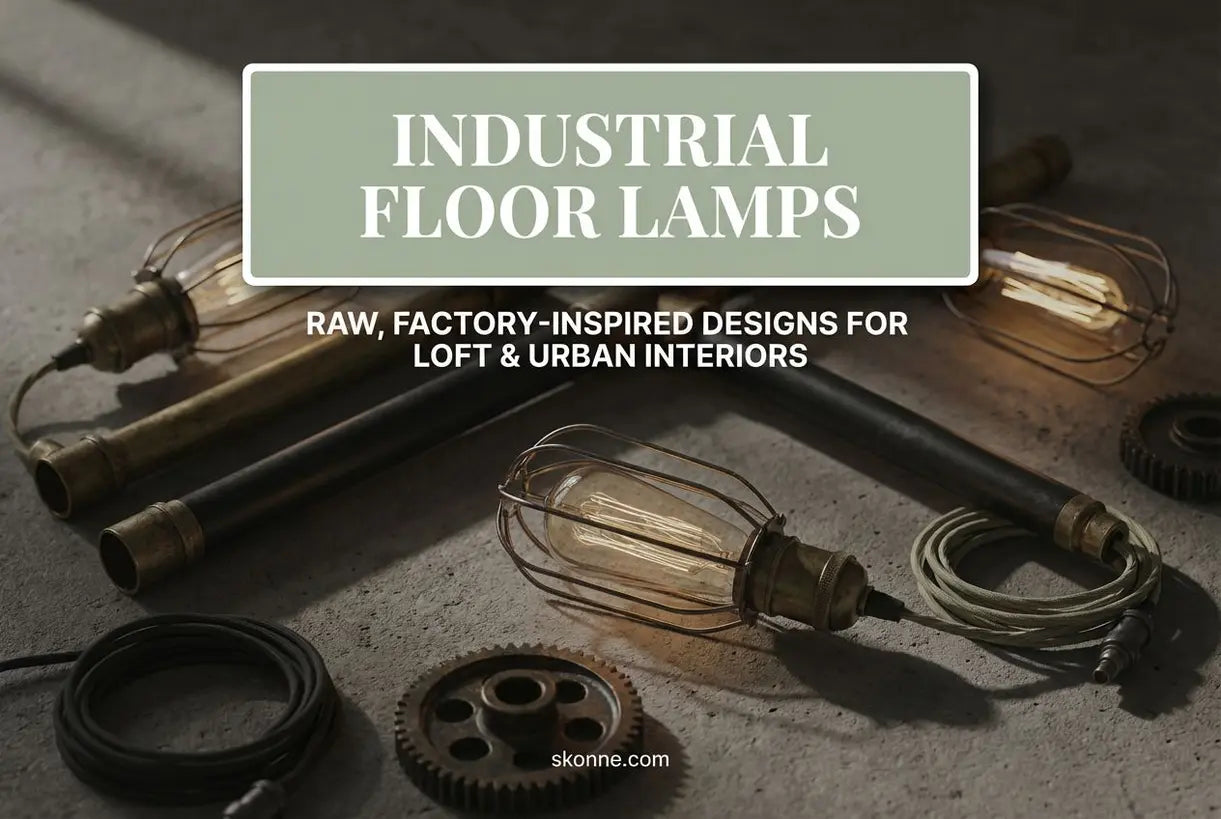
Industrial Floor Lamps: Raw, Factory-Inspired Designs for Loft & Urban Interiors
Summary›
- What Defines Industrial Floor Lamp Style?
- Key Materials and Design Elements
- How to Choose the Right Industrial Floor Lamp for Your Space
- Interior Styles That Pair Best with Industrial Floor Lamps
- Are Edison Bulbs Necessary for Industrial Floor Lamps?
- Where Should I Place an Industrial Floor Lamp in a Loft?
- Caring for Your Industrial Floor Lamp Investment
- Conclusion: Embracing Industrial Lighting with Warm Intention
Walking into a space that tells a story of craftsmanship and authenticity begins with the right lighting. The industrial floor lamp has emerged as a cornerstone of loft and urban residential design, paying homage to factory-era aesthetics while delivering the functional illumination modern life demands. Whether you're curating a converted warehouse space or simply want to infuse an element of raw sophistication into your city apartment, understanding how to select and style these statement pieces transforms your interior from ordinary to intentionally designed.
At Skonne, we believe lighting should evoke a sense of hygge — that warm, inviting feeling even within edgy industrial frameworks. This guide explores everything you need to know about selecting vintage-inspired and factory-style lighting that balances the raw with the refined. You'll discover how to choose materials that age beautifully, placement strategies for maximum impact, and styling approaches that honor the industrial heritage without overwhelming your space.
What Defines Industrial Floor Lamp Style?
The industrial floor lamp aesthetic draws directly from 19th and early 20th-century factory floors, workshops, and industrial spaces. These environments prioritized function over form, resulting in lighting fixtures built from durable materials with exposed hardware, visible wiring, and utilitarian designs that prioritized illumination over decoration.
Several defining characteristics set these lamps apart from other styles:
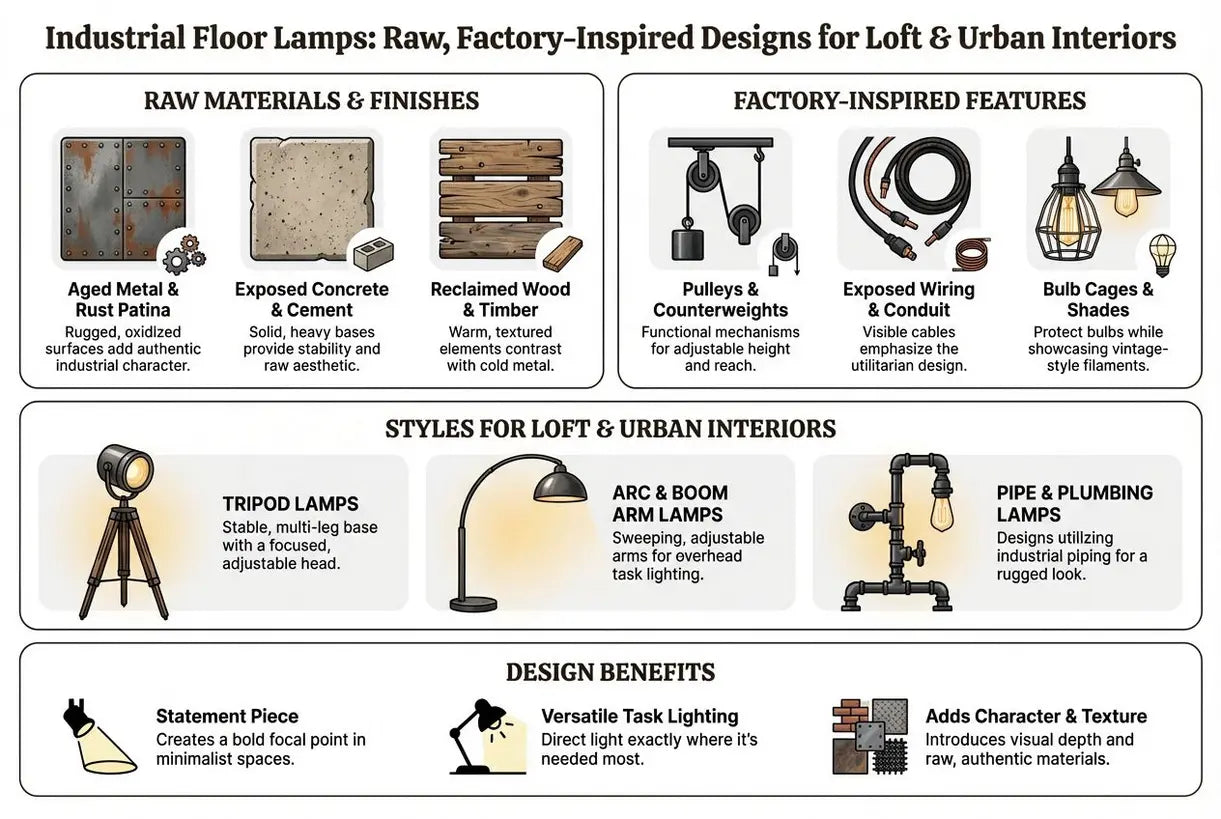
- Raw materials: Unfinished or lightly finished metals like iron, brass, and copper celebrate material authenticity
- Exposed components: Visible springs, joints, pulleys, and mechanical elements become design features rather than hidden mechanics
- Warm, directional lighting: Often achieved through Edison bulbs or filament bulbs that cast amber-toned ambient glow
- Adjustable functionality: Many designs feature extendable arms, tilting heads, or pulley systems for task flexibility
- Weighted bases: Substantive footing provides stability while anchoring the visual weight of the design
Unlike purely decorative lighting, the industrial style embraces the philosophy that utility itself can be beautiful. A vintage industrial floor lamp doesn't hide its construction—it celebrates it. This transparency creates trust-worthy design that feels both historical and timeless.
Key Materials and Design Elements
Understanding material choices helps you distinguish authentic industrial character from superficial styling. When evaluating options, look for these material combinations:
The Metal Palette
Iron and steel form the backbone of most quality industrial floor lamps. These metals offer excellent durability and develop rich patinas over time. Pure iron tends toward a darker, matte finish, while steel components often feature brushed or powder-coated surfaces. Brass and copper accents introduce warmth and visual contrast, particularly effective in darker loft spaces that need metallic highlights.
Unlike mass-produced lamps that mimic industrial style with paint coatings, authentic pieces use actual metal construction. This weight difference is immediately apparent when you interact with the piece—quality industrial lighting feels substantial and grounded.
Wood and Mixed Materials
Factory-inspired lighting increasingly incorporates wood elements, from tripod bases to integrated shelving. These combinations soften the potentially harsh industrial aesthetic while maintaining the utilitarian spirit. Rough-hewn, reclaimed, or oiled wood finishes pair particularly well with iron frames.
The integration of organic materials alongside metal creates visual tension that sophisticated interiors leverage effectively. This approach honors industrial heritage while acknowledging that living spaces require warmth and approachability.
Floor Lamps
Shop all Floor Lamps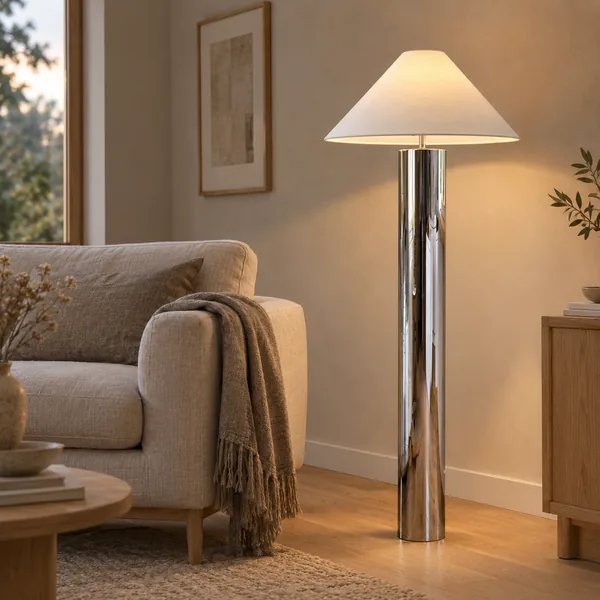
How to Choose the Right Industrial Floor Lamp for Your Space
Selecting the perfect industrial floor lamp involves more than aesthetic preference—spatial relationships, lighting needs, and existing decor all influence the ideal choice. Consider these factors before purchasing:
Scale and Proportion
Loft interiors with high ceilings accommodate taller floor lamps, often standing 65 to 72 inches. These vertical elements draw the eye upward and help fill the spacious volume typical of converted industrial buildings. For apartments with standard 8 or 9-foot ceilings, more compact designs ranging from 55 to 62 inches prevent overwhelming the space.
Width also matters significantly. Many factory-inspired lighting pieces feature outstretched arms or tripod bases requiring several square feet of floor space. Measure your intended location carefully, ensuring adequate clearance for foot traffic.
Light Output and Functionality
Determine whether your industrial floor lamp serves ambient, task, or accent lighting purposes. Adjustable-arm designs excel as reading lights beside lounge chairs. Cage-shade configurations cast dramatic shadow patterns on walls and ceilings, functioning as accent elements. Uplight positions that bounce illumination off ceilings create soft ambient distributions.
Dimmer compatibility offers valuable flexibility, transitioning from bright task lighting during work hours to subdued evening ambiance. When shopping, verify that your chosen lamp supports dimmable bulbs if this functionality matters to your lifestyle.
One challenge with stark industrial interiors is avoiding cold, inhospitable atmospheres. The Stille Japanese Wabi-Sabi Solid Wood Floor Lamp addresses this concern beautifully—its solid wood construction and organic natural finish introduce warmth to spaces that might otherwise feel too mechanical. Available in both table and floor heights, this artisanal piece demonstrates how natural materials can temper industrial edge while maintaining design integrity.
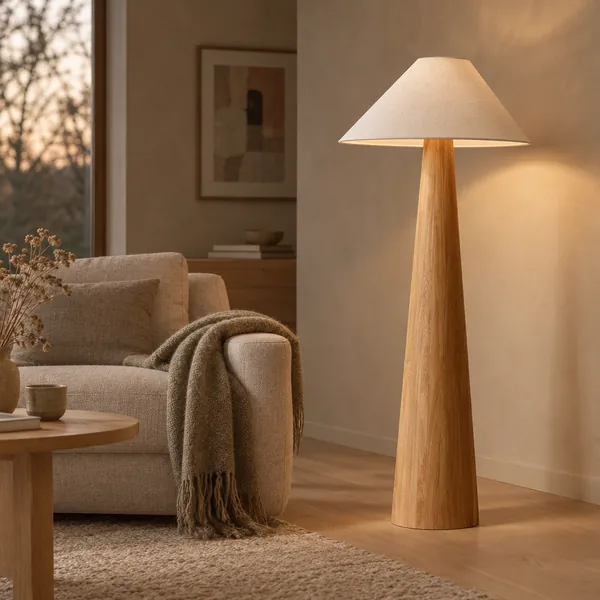 Stille Japanese Wabi-Sabi Solid Wood Floor Lamp$399.00$699.00
Interior Styles That Pair Best with Industrial Floor Lamps
While inherently industrial in origin, these floor lamps demonstrate remarkable versatility across multiple design aesthetics. Their architectural quality helps anchor diverse styles with a sense of permanence and intention.
Loft and Urban Industrial
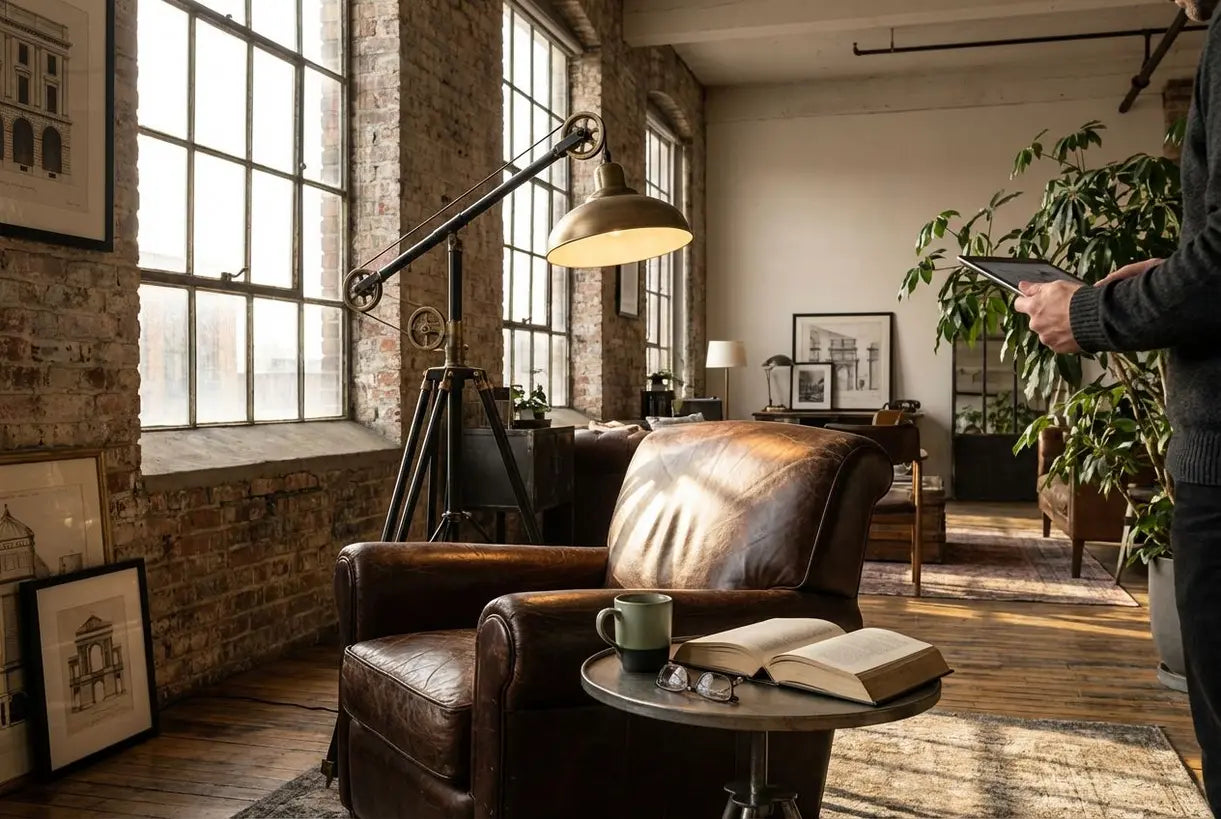
The most natural pairing exists in actual loft conversions and urban apartments with exposed brick, concrete floors, and large factory windows. Here, vintage industrial floor lamps feel native to the architecture. Multiple lamps can define different functional zones within open floor plans—one beside a leather sofa creates a reading nook while another illuminates a standing desk area.
Modern Farmhouse and Rustic Industrial
The warmth of farmhouse interiors actually complements industrial lighting surprisingly well. Iron and wood combinations bridge these two worlds, particularly in black metal finishes with brass accents. This fusion creates spaces that feel curated rather than decorated, blending rural comfort with urban sophistication.
Scandinavian and Minimalist Interiors
At first glance, industrial and Nordic design might seem contradictory—but both prioritize honesty in materials and clean functionality. When curated thoughtfully, an industrial floor lamp introduces textural contrast to minimalist spaces that risk feeling sterile. For those looking to explore more options, our Pendant Lights collection offers a curated selection of overhead lighting that pairs beautifully with floor lamp arrangements.
The key distinction lies in execution: Scandinavian-informed industrial styling emphasizes restraint, cleaner lines, and intentional material warmth rather than maximalist factory reproduction.
Are Edison Bulbs Necessary for Industrial Floor Lamps?
The amber glow of classic Edison bulbs has become synonymous with factory-inspired lighting, but they're not mandatory for achieving authentic industrial character. Understanding your options helps you balance aesthetics with practicality:
The Case for Edison and Filament Bulbs
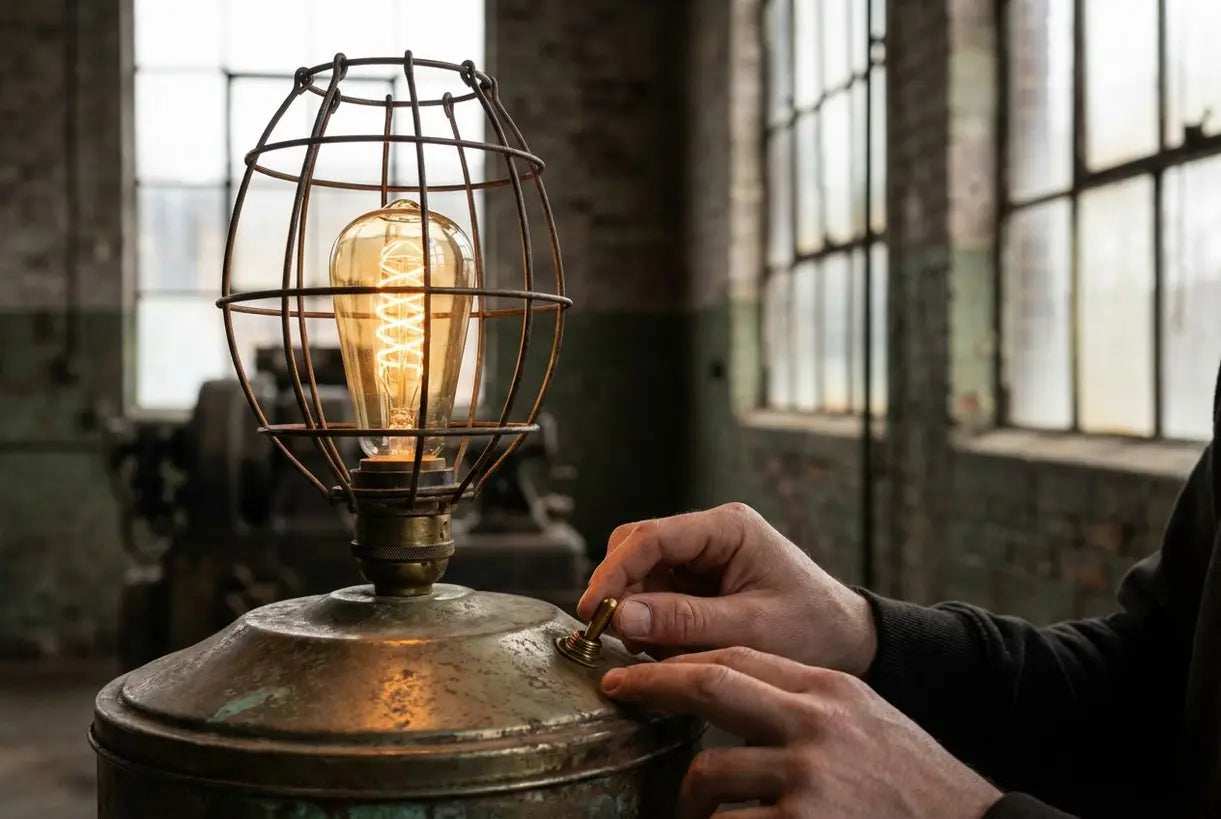
Traditional Edison bulbs with visible filaments provide the warm color temperature (typically 2200K-2700K) that defines vintage industrial ambiance. Their exposed filaments create visual interest even when unlit, functioning as design elements within cage or open-frame shades. For purely atmospheric lighting, these bulbs remain unmatched.
Modern LED Alternatives
Contemporary LED technology now replicates the filament aesthetic with dramatically superior energy efficiency and lifespan. LED Edison-style bulbs consume approximately 85% less energy while lasting 15-20 times longer than traditional incandescents. Many quality LEDs also offer dimmable functionality and even smart home integration.
For task-oriented industrial floor lamp applications, consider bulbs with higher lumen output and slightly cooler color temperatures (3000K) that provide better visibility without sacrificing the warm industrial feel entirely.
Pairing table and floor lamps creates cohesive lighting schemes throughout living spaces. The Mysa Minimalist Velvet Fabric Shade Lamp brings textural sophistication through its brushed alloy and iron frame combined with a fabric shade that diffuses light beautifully. The Stavlys Bauhaus Chrome Globe Floor to Ceiling Lamp offers dramatic vertical presence without drilling—its tension-based chrome construction and luminous acrylic globe make it statement-worthy for modern lofts.
Complete Your Lighting Scheme
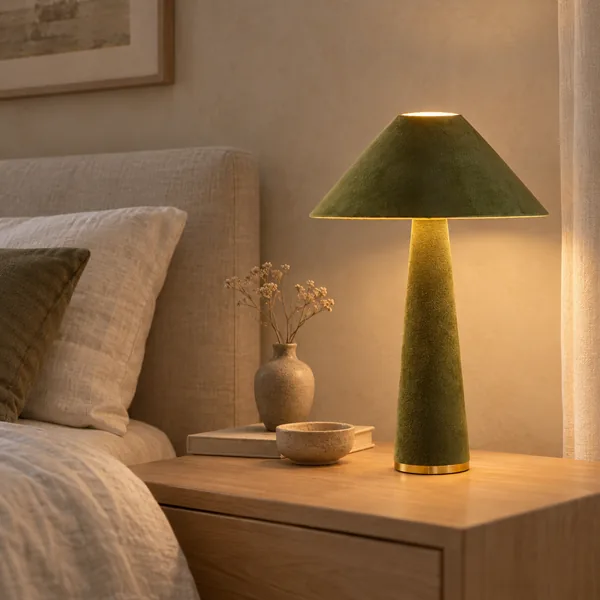 Mysa Minimalist Velvet Fabric Shade Table Lamp$659.00$1,019.00
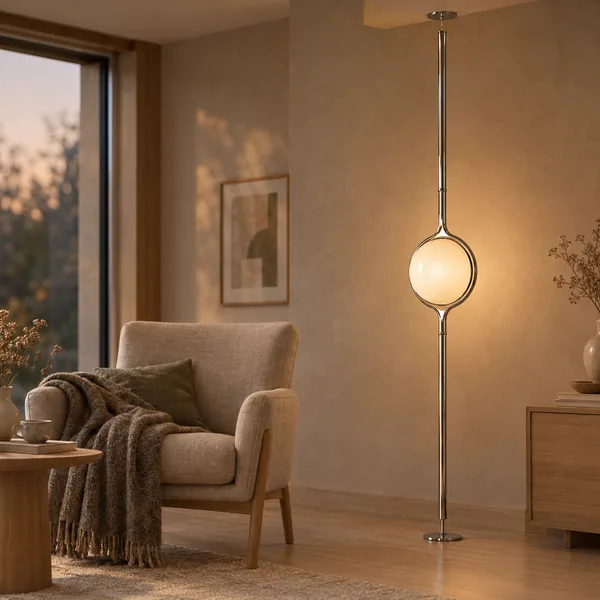 Stavlys Bauhaus Chrome Globe Floor to Ceiling Lamp$499.00$659.00
Where Should I Place an Industrial Floor Lamp in a Loft?
Placement strategy dramatically impacts how effectively your industrial floor lamp serves both functional and aesthetic purposes. Consider these positioning approaches for loft and urban interiors:
Creating Defined Zones
Open floor plans benefit from lighting that establishes distinct functional areas without physical barriers. Position your industrial floor lamp beside a lounge chair to separate a casual seating zone from dining or workspace areas. The vertical presence draws psychological boundaries while maintaining visual flow.
Beside Furniture Groupings
Placing lamps directly adjacent to sofas, armchairs, or beds provides practical reading light. In these positions, adjustable-arm designs prove particularly valuable—the ability to extend the light source over seating adjusts to different activities and user preferences. Ensure approximately 42-48 inches between the lamp base and seating edge for comfortable access.
Architectural Feature Enhancement
Use industrial floor lamps to highlight specific architectural elements: exposed brick walls, steel support columns, or reclaimed wood features. Uplight configurations that wash walls with illumination emphasize texture and material variation, adding dimension to spaces that might otherwise feel flat.
Living Room Lighting
Shop all Living Room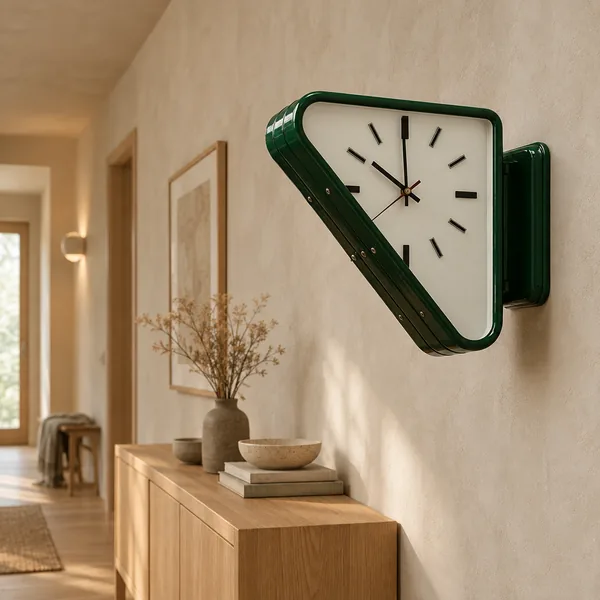
 Save $110.00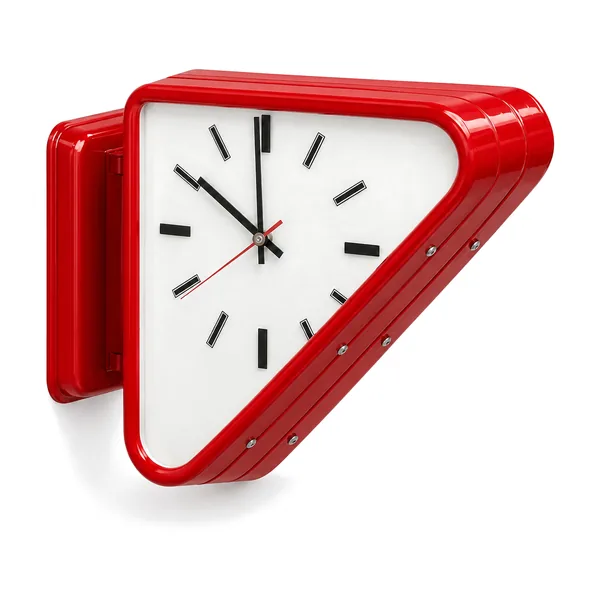
 +15 options
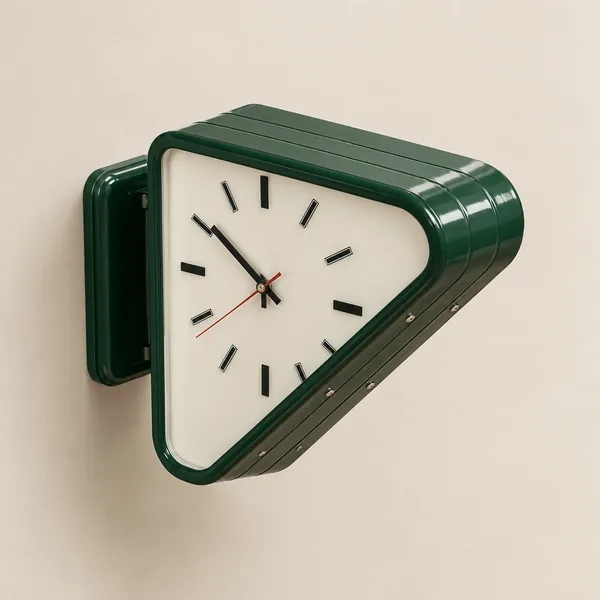
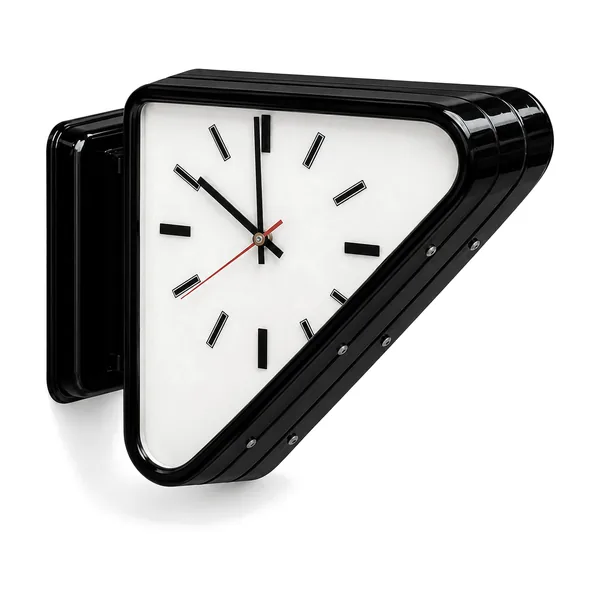
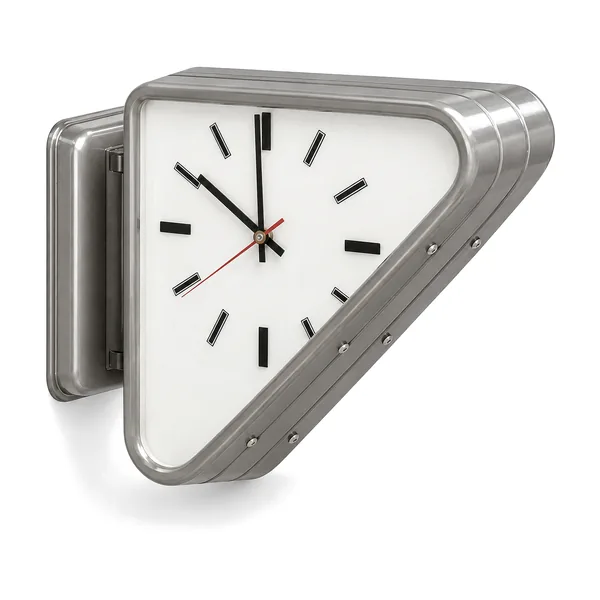
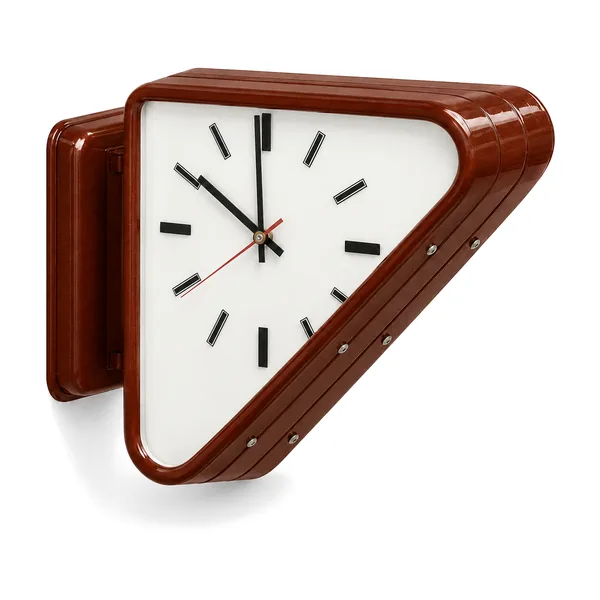
Tvilling Dual-Sided Geometric Metal Wall Clock
 Save $70.00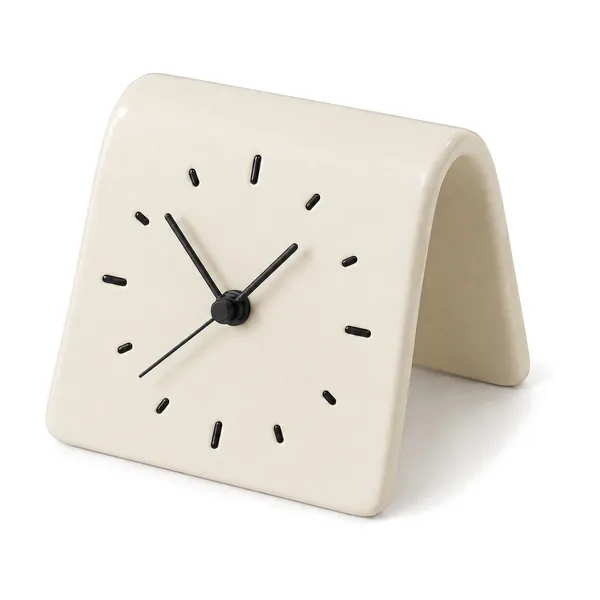
 +37 options
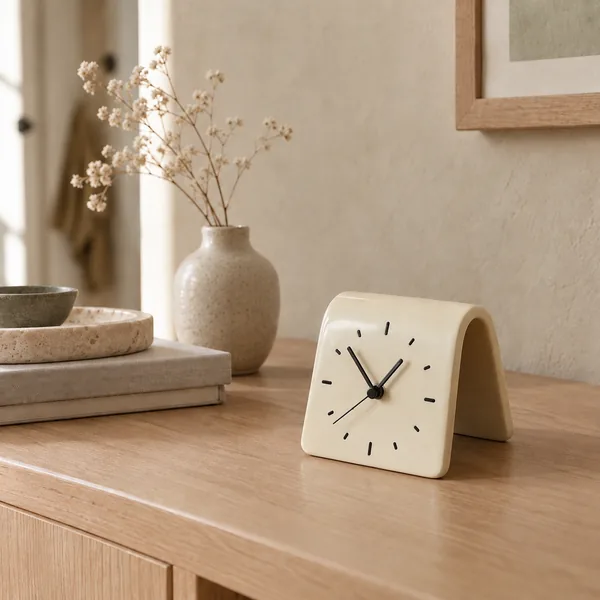
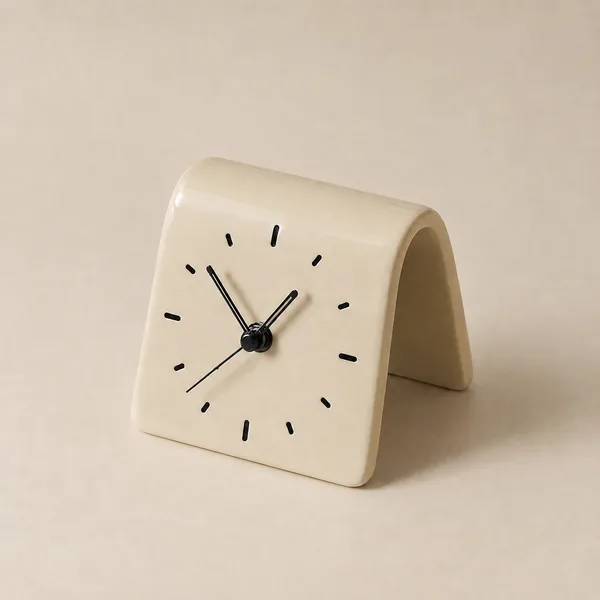
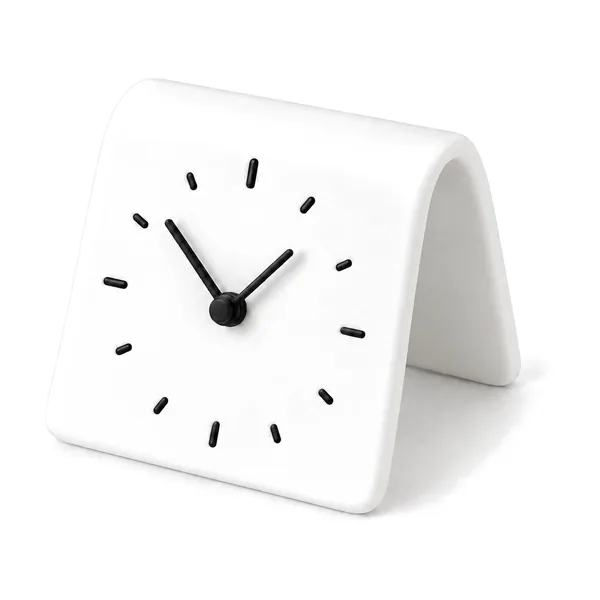
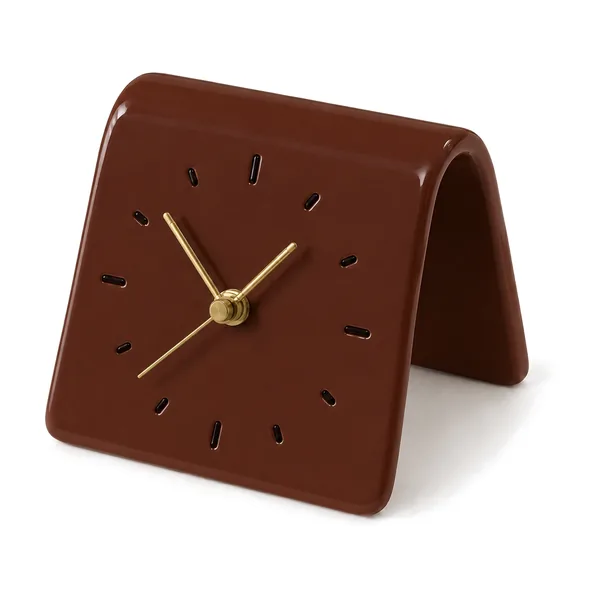
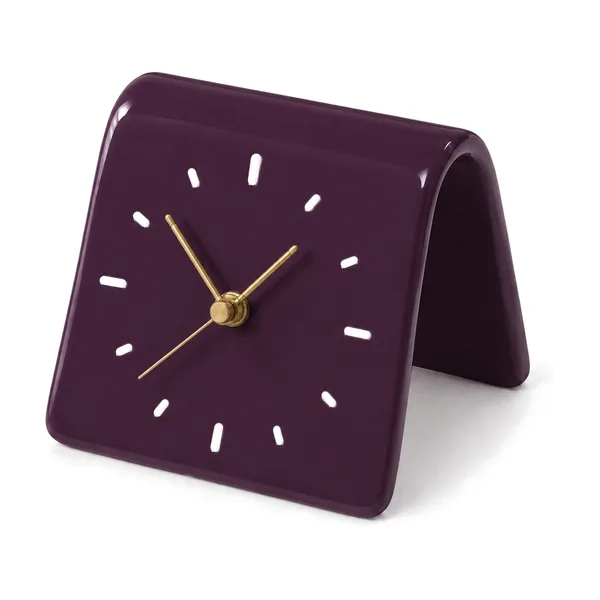
Tilje Silent Ceramic Desk Clock for Modern Homes

Corner Solutions
Loft spaces often struggle with corners that feel underutilized or disconnected. A well-placed iron floor lamp transforms these transitional spaces into intentional design moments. Pair with a small side table and single accent chair to create inviting micro-spaces within larger floor plans.
Pro Tip: Position your industrial floor lamp near reflective surfaces like large mirrors or polished concrete floors to maximize light distribution throughout the space. This technique effectively doubles visual brightness without additional electricity consumption.
Caring for Your Industrial Floor Lamp Investment
Quality industrial lighting represents a long-term investment in your space. Proper maintenance extends both lifespan and appearance:
- Metal care: Dust iron and steel frames regularly with microfiber cloths. For brass or copper elements developing unwanted patina, specialized metal cleaners restore original luster—though many prefer the aged aesthetic.
- Wood components: Occasional application of appropriate wood oil preserves natural finishes and prevents drying or cracking, particularly important in climates with significant humidity variation.
- Electrical maintenance: Periodically inspect cords and connections, especially in vintage or vintage-inspired pieces. Exposed wiring, while aesthetically honest, requires vigilance for safety.
- Bulb replacement: Consider stocking spare bulbs that match your chosen color temperature and style, ensuring consistency when replacements become necessary.
Conclusion: Embracing Industrial Lighting with Warm Intention
The industrial floor lamp offers more than illumination—it introduces character, history, and material authenticity to modern living spaces. Whether you're outfitting an authentic loft conversion or bringing urban edge to suburban interiors, these factory-inspired pieces ground your design with permanence and purpose.
Success lies in balancing industrial edge with livable warmth. Raw metal and exposed mechanics require complementary softness—whether through natural wood elements, warm Edison glow, or intentional spatial arrangement. The most compelling industrial interiors feel curated rather than themed, honoring the utilitarian heritage while serving contemporary life.
At Skonne, our approach to industrial and factory-inspired lighting reflects our Scandinavian foundation: we value honest materials, functional beauty, and the hygge that transforms houses into homes. From artisanal wood pieces that soften metal frameworks to precisely engineered tension lamps that maximize visual impact without structural modification, each selection represents our commitment to quality craftsmanship.
Ready to discover how industrial lighting can transform your space? Explore our curated collection and let these timeless pieces illuminate your next design chapter.
Related Article
Corner Floor Lamps: Slim, Space-Saving Designs for Tight Spots & Small RoomsTransform tight corners into stylish focal points with slim corner floor lamps. Discover space-saving designs perfect for small rooms and apartments.