
Interior Design Moodboard: How to Create One & Use It to Plan Your Space
Summary›
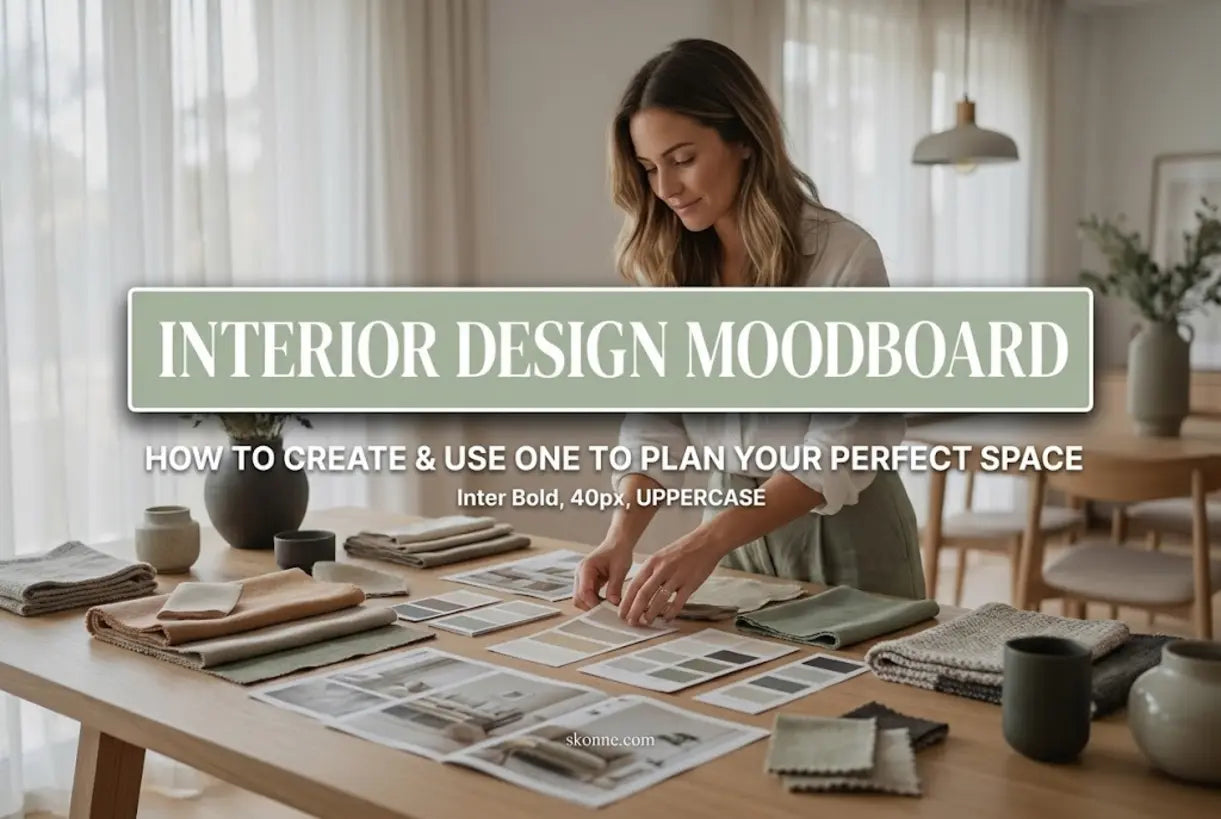
Starting a room makeover can feel overwhelming when you're staring at blank walls and endless possibilities. An interior design moodboard serves as your visual compass, transforming scattered ideas into a cohesive design direction. Whether you're refreshing a single corner or reimagining your entire living space, this essential planning tool helps you visualize how colors, textures, and lighting will harmonize before you make a single purchase.
For those drawn to Scandinavian aesthetics, the process becomes even more intentional. The Nordic design philosophy values restraint, natural materials, and that elusive quality of hygge—the cozy contentment that comes from a well-curated space. In this guide, we'll walk you through creating a moodboard that captures your vision and ensures every piece you select, from statement pendants to handcrafted ceramics, contributes to your desired atmosphere.
What Is an Interior Design Moodboard?
An interior design moodboard is a visual planning tool that collects images, textures, color swatches, and product references in one place. Think of it as your design's north star—a reference point that keeps you aligned with your aesthetic goals as you navigate furniture showrooms, fabric stores, and online shops.
Traditionally created on large foam boards with physical samples, moodboards have evolved into both physical and digital formats. Interior designers have relied on these visual collages for decades to communicate concepts to clients. Today, homeowners and renters alike use them to bridge the gap between inspiration and execution, ensuring their spaces reflect personal style rather than random accumulation.
Why Create a Moodboard for Your Space
Design visualization eliminates costly mistakes. When you see all your choices together before buying, you catch mismatched undertones or competing focal points early. That brass chandelier might look stunning in isolation, but against your chosen paint color, it could clash disastrously.
Beyond avoiding errors, moodboarding helps you identify gaps in your design scheme. You might discover your room needs more texture to balance sleek furniture, or that your color palette lacks the warmth necessary for a welcoming atmosphere. By curating your home design planning visually first, you develop confidence in your decisions and create a roadmap that keeps the project on track.
For Scandinavian-inspired spaces specifically, moodboards help maintain the delicate balance between minimalism and warmth. The style demands intentionality—every object should earn its place through function or beauty, ideally both.
What to Include in Your Moodboard
A comprehensive moodboard captures the full sensory experience of your future room. Consider including these elements:
- Color palette: Primary wall colors, accent hues, and neutral foundations
- Materials and textures: Wood grains, stone surfaces, fabric swatches, and metal finishes
- Lighting: Overhead fixtures, task lighting, and ambient sources
- Key furniture: Statement pieces that anchor the room
- Decorative objects: Vases, textiles, and accessories that add personality
- Inspiration images: Room photos that capture the feeling you want to create
When planning Scandinavian or Japandi interiors, pay special attention to lighting. These styles rely heavily on layered illumination to create warmth during long winter months. For those looking to explore more options, our Japandi Lighting offers a curated selection of fixtures that blend Japanese craftsmanship with Nordic simplicity.
Pendant Lights
Shop all Pendant Lights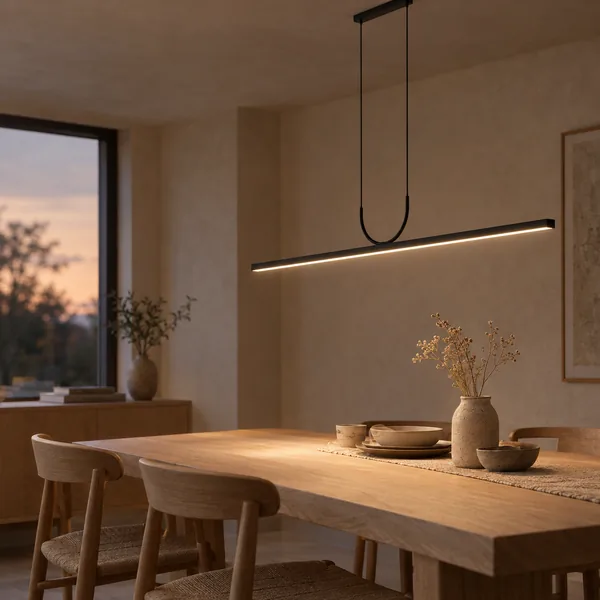
 Save $140.00
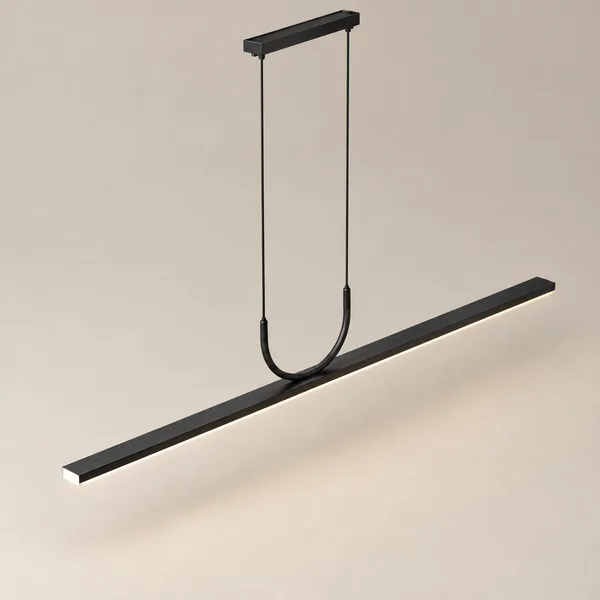
Linné Minimalist Linear Black LED Pendant Light
 Save $60.00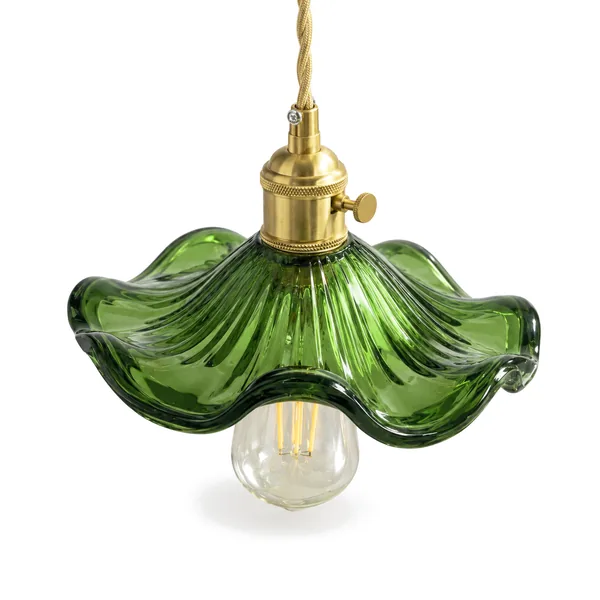
 3 options
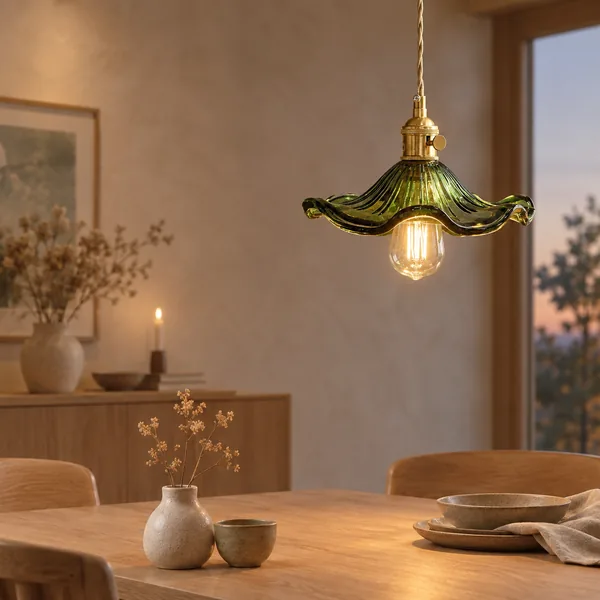
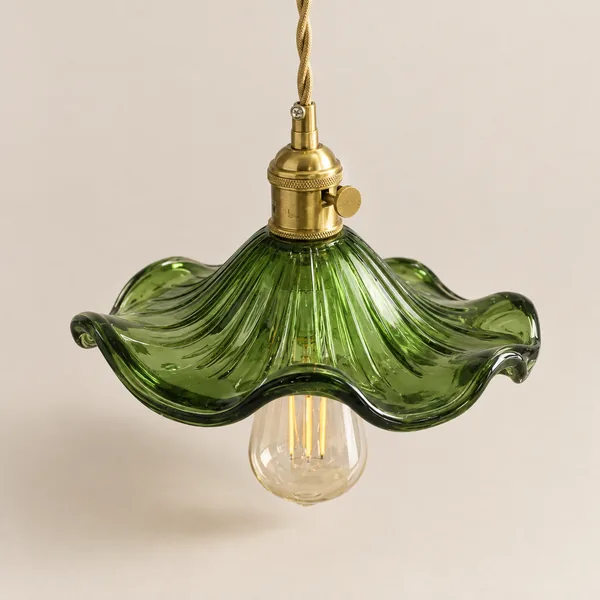
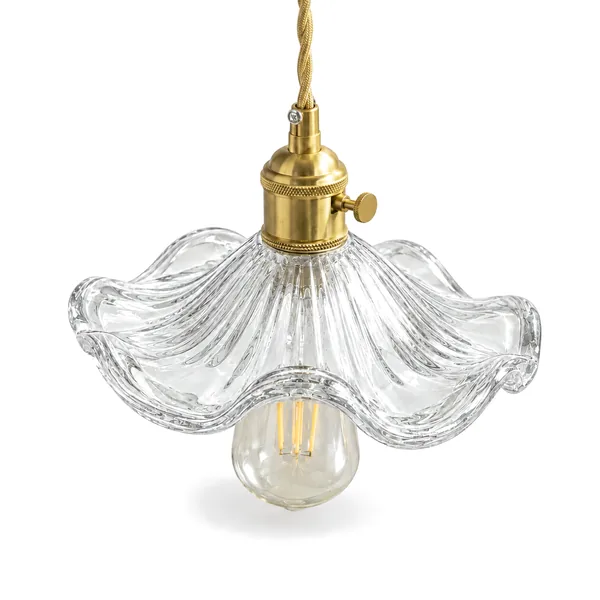
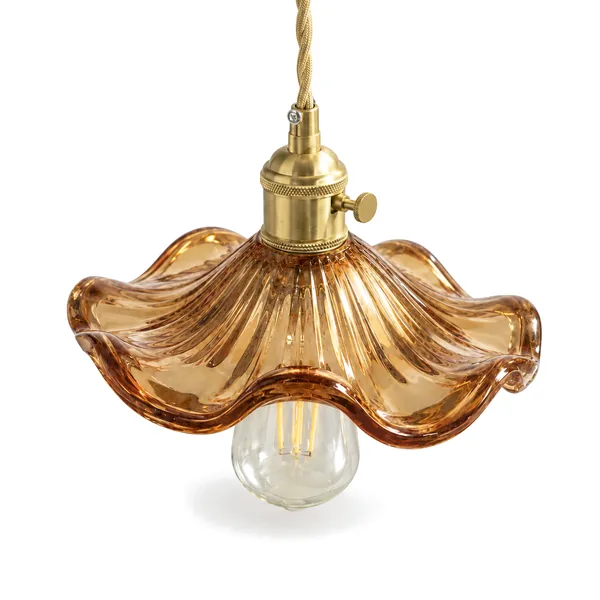
Glora Nordic Glass Pendant Light with Copper
 Save $120.00
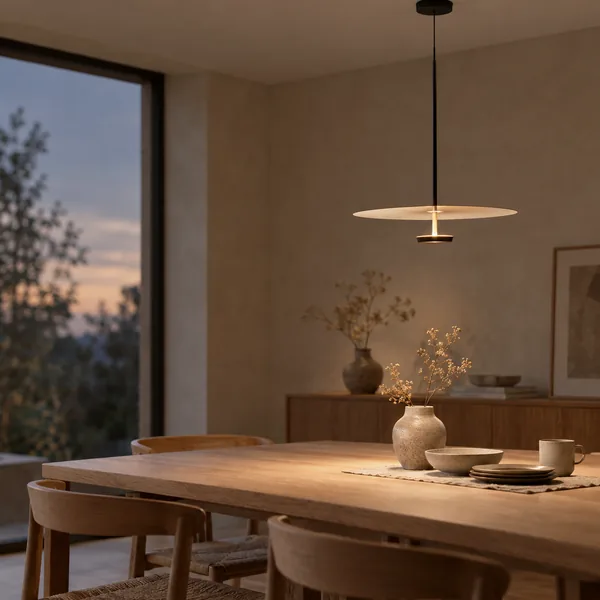
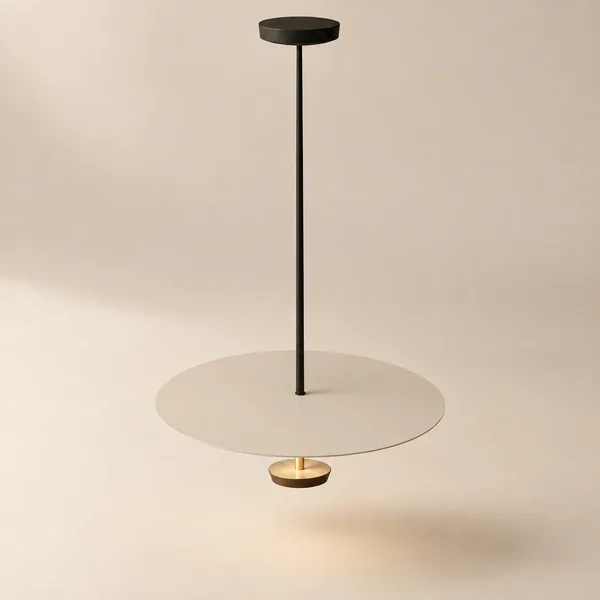
Skiva Nordic Saucer Ceiling Pendant Light LED
The Moodboard Creation Process
Creating your first moodboard doesn't require professional software or expensive materials. Start by gathering your inspiration—save images from design blogs, take photos of textures that catch your eye, and collect paint chips from your local hardware store.
For digital mood board tutorial enthusiasts, tools like Canva offer intuitive drag-and-drop interfaces perfect for beginners. Watch this step-by-step tutorial to master the technical process:
The key is arranging your selections so you can see relationships between elements. Group similar tones together, contrast rough textures with smooth surfaces, and ensure your scale references make sense. This interior design moodboard will become your reference document throughout the entire decorating process.
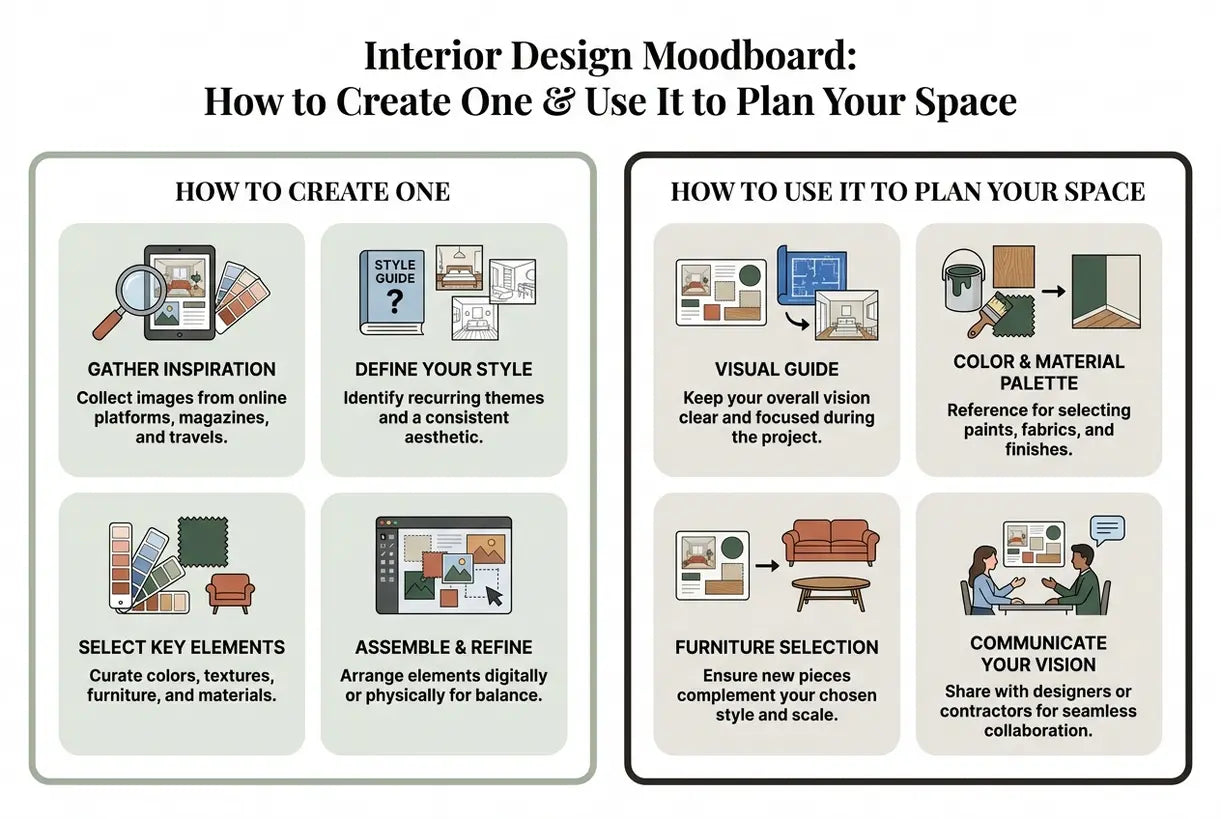
Remember that your moodboard is a living document. As you source actual products, replace your placeholder images with specific items. This transition from aspirational to actionable is where the magic happens.
Selecting Statement Pieces
Every room needs an anchor—a piece that draws the eye and sets the tone for the entire space. In Scandinavian design, this often takes the form of sculptural lighting that doubles as art. When adding these hero pieces to your moodboard, consider scale carefully. A fixture that's too small gets lost; one that's too large overwhelms.
Once you've established your statement piece, build outward. Choose secondary elements that complement rather than compete. The goal is visual harmony, with each layer supporting the overall composition.
Layering Textures and Lighting
Scandinavian interiors succeed through textural contrast. While the color palette often stays muted—whites, soft grays, natural wood tones—the interest comes from combining materials. Think nubby wool throws against smooth leather, or rough ceramic beside gleaming glass.
Lighting deserves particular attention in your moodboard planning. The right fixtures don't just illuminate; they create atmosphere. Consider how different light temperatures affect your chosen colors and how the shadow patterns cast by sculptural pendants add dimension to your space.
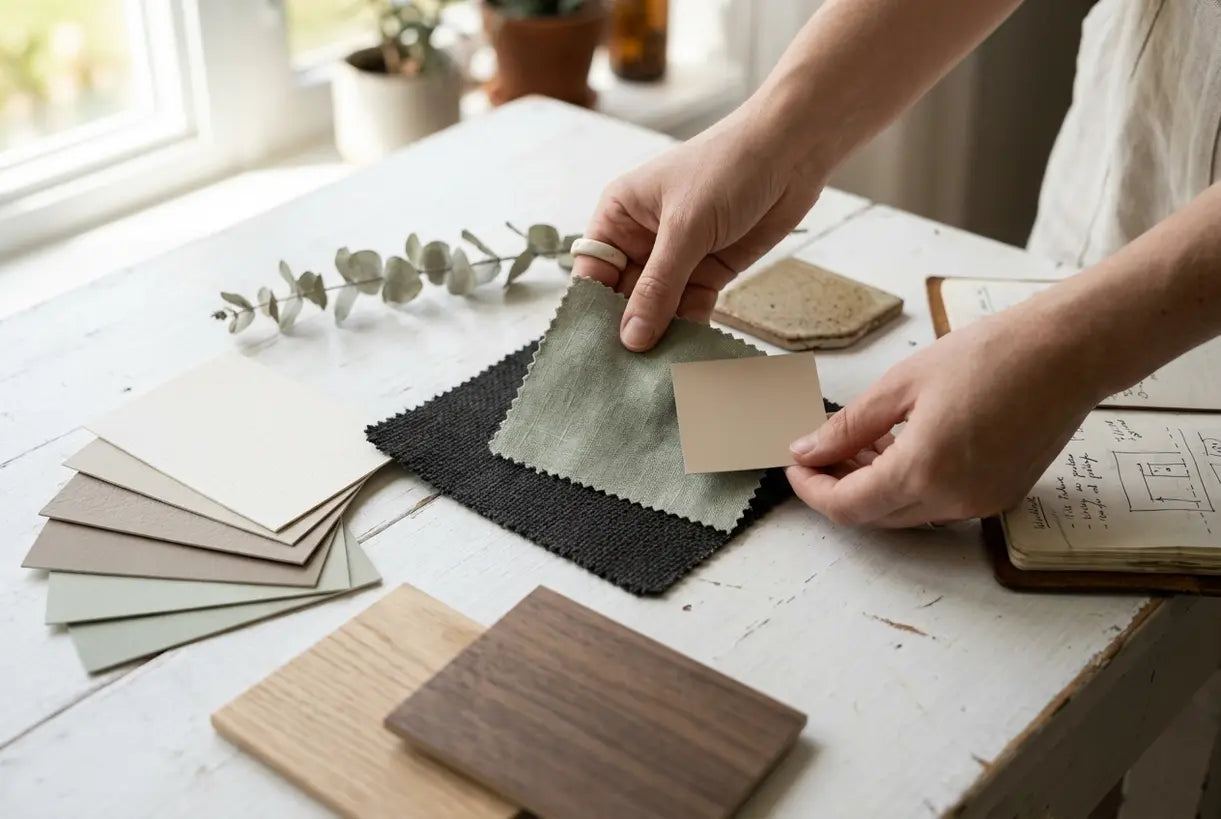
When collecting fabric samples and material swatches, remember that digital screens can't convey true texture. Whenever possible, order physical samples to touch and manipulate. This tactile process informs your digital moodboard and ensures your final selections feel as good as they look.
Curating Accessories
Accessories breathe life into Scandinavian spaces, preventing minimalist interiors from feeling sterile. The key is choosing fewer, better pieces—objects with organic shapes, natural materials, and artisanal qualities that invite touch and contemplation.
On your moodboard, place accessories where they naturally belong. A table lamp should appear near the seating area it will illuminate; vases look best adjacent to the surfaces that will display them. This contextual placement helps you visualize how the room will actually function.
As you refine your selections, look for pieces that tell a story. Handcrafted items with slight imperfections add soul to your space, creating that sought-after hygge feeling that makes a house feel like home.
Essential Accents for Your Design
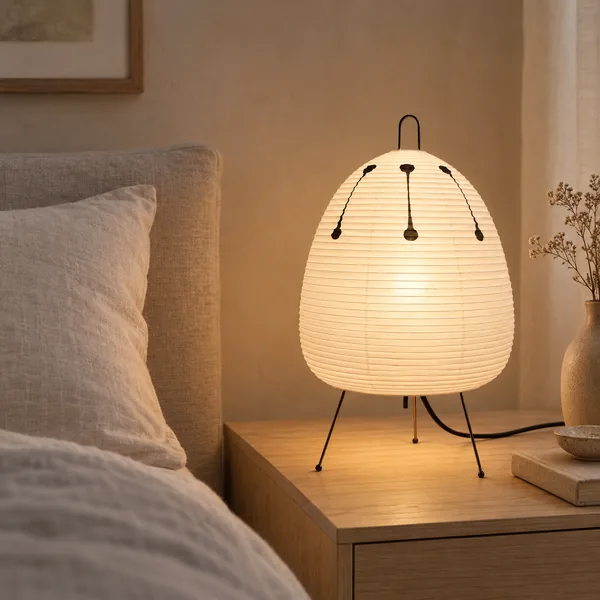 Shiro Rice Paper Table Lamp Nordic Minimalist$119.00$199.00
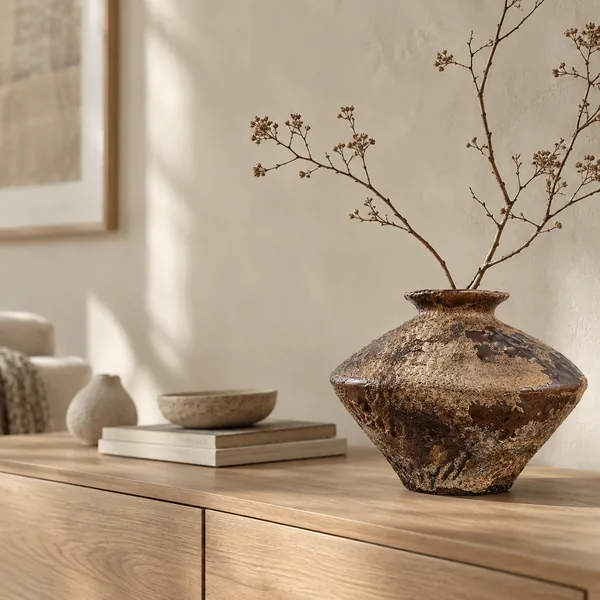 Jorde Handmade Rustic Ceramic Vase Home Decor$129.00$189.00
The interplay between these elements creates a cohesive narrative. A rice paper lamp casts a different quality of light than one made of ceramic