
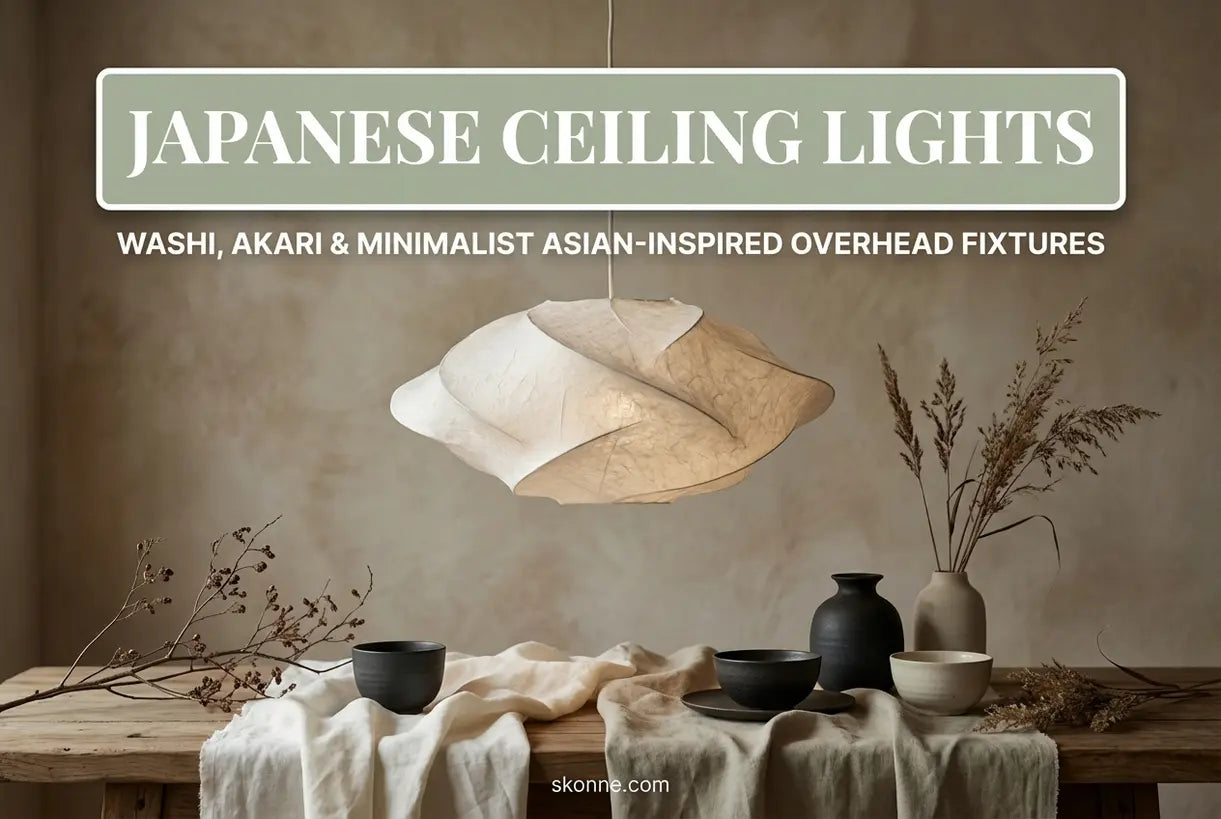
Japanese Ceiling Lights: Washi, Akari & Minimalist Asian-Inspired Overhead Fixtures
Summary›
- Understanding Japanese Ceiling Light Design Philosophy
- Types of Japanese Ceiling Lights
- The Art of Washi Paper in Ceiling Lighting
- Akari and Sculptural Japanese Lighting
- Integrating Japanese Lighting into Modern Interiors
- Choosing the Right Japanese Ceiling Light for Your Space
- Conclusion: Bringing Japanese Lighting Philosophy Home
There's something quietly transformative about the way japanese ceiling light designs illuminate a space. Unlike harsh overhead fixtures that dominate Western interiors, traditional Japanese lighting embraces softness, organic materials, and an intentional restraint that creates sanctuary-like atmospheres in any room. Whether you're drawn to the delicate glow of washi paper lanterns, the sculptural poetry of Akari designs, or the clean lines of minimalist japanese pendant light fixtures, these overhead solutions offer more than illumination—they bring philosophy into your home.
In this guide, we'll explore the rich heritage behind Japanese lighting aesthetics, from ancient craftsmanship techniques to contemporary interpretations. You'll discover how these fixtures balance functionality with artistic expression, why they're experiencing a renaissance in Japandi interiors, and how to select the perfect piece for your space. Along the way, we'll showcase curated selections that honor these timeless traditions while meeting modern standards of quality and sustainability.
Understanding Japanese Ceiling Light Design Philosophy
The Roots of Japanese Lighting Aesthetics
The concept of ma—the meaningful space between objects—informs every aspect of Japanese design, including lighting. Traditional Japanese interiors were built around natural light, with shoji screens filtering sunshine during the day and paper lanterns providing gentle illumination after dusk. This respect for luminosity created a lighting culture that prioritizes ambiance over intensity and warmth over visibility.
Historically, japanese overhead fixtures served dual purposes: practical illumination and spiritual significance. Light represented purity, clarity, and the divine. This cultural weight meant that every fixture was crafted with intention, often incorporating natural materials like rice paper, bamboo, and wood that would age gracefully and connect inhabitants to the natural world.
Wabi-Sabi and Minimalism in Overhead Fixtures
Central to understanding japan ceiling light aesthetics is the concept of wabi-sabi—the appreciation of imperfection, impermanence, and incomplete beauty. Unlike mass-produced lighting that seeks uniformity, authentic Japanese fixtures celebrate subtle variations in texture, the organic irregularities of hand-processed materials, and the gentle patina that develops over time.
This philosophy naturally aligns with contemporary minimalist movements. A japanese minimalist lighting piece doesn't compete for attention; it creates atmosphere while maintaining visual quietude. The result is spaces that feel curated yet lived-in, sophisticated yet approachable—exactly the balance that modern homeowners seek.
Types of Japanese Ceiling Lights
Washi Paper Lights: Craftsmanship Meets Function
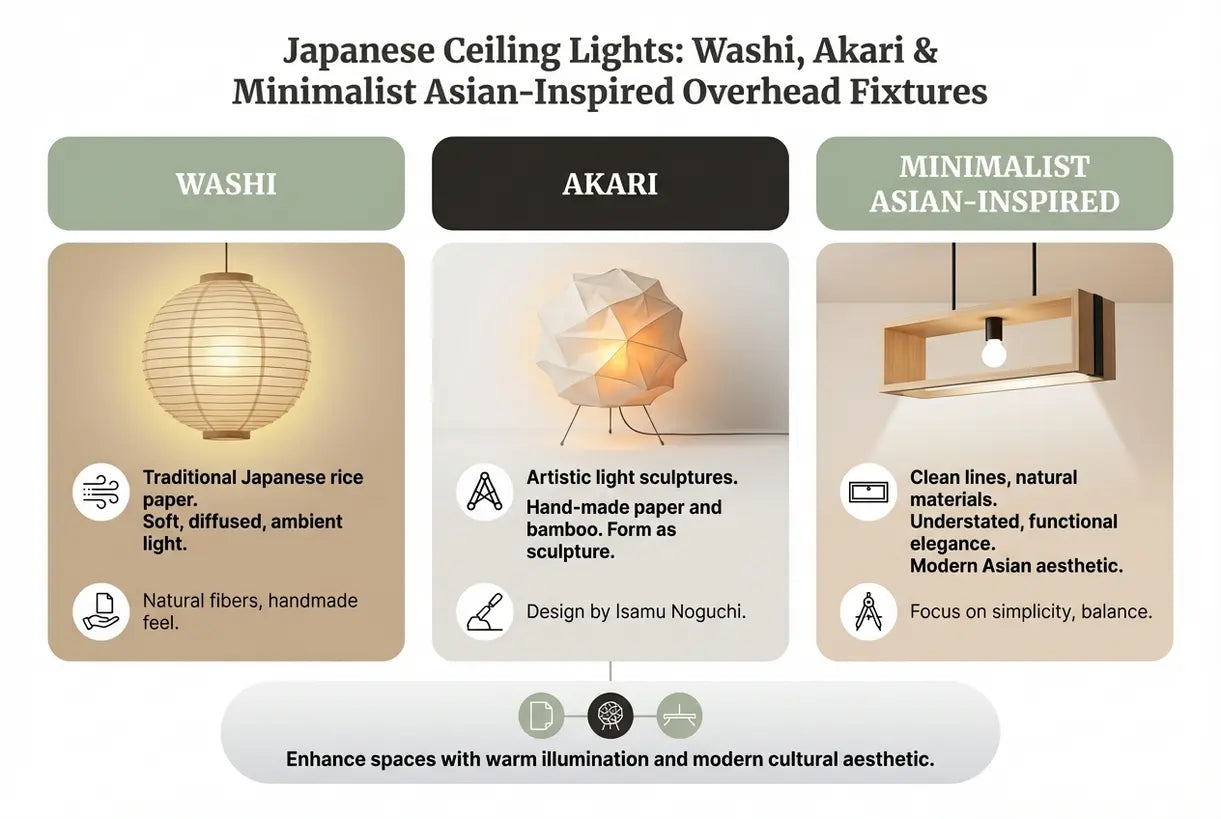
At the heart of traditional Japanese lighting sits washi—handmade paper crafted from mulberry bark, rice straw, or hemp fibers. Washi paper lights diffuse illumination into a soft, cloud-like glow that eliminates harsh shadows and creates an immediate sense of calm. The fibrous texture of authentic washi creates subtle variations in light transmission, making each fixture unique.
Contemporary washi lighting maintains these traditional benefits while incorporating modern safety standards and LED compatibility. When selecting a washi paper light, look for thickness indicators and certification marks that ensure the fixture can handle contemporary electrical requirements without compromising its organic character.
Akari Light Sculptures: Isamu Noguchi's Legacy
Perhaps no single designer has done more to popularize Japanese ceiling lights globally than Isamu Noguchi. His Akari light sculptures, first created in 1951, elevated humble paper lanterns into museum-worthy art pieces. The term "Akari" itself combines the Japanese words for light and brightness—fitting for fixtures that seem to glow from within rather than merely transmit illumination.
True Akari style pendants feature distinctive shapes ranging from simple cylinders to complex geometric forms, all built around bamboo ribbing wrapped in washi paper. The sculptural quality of these fixtures means they function as room centerpieces while maintaining the gentle luminosity that defines Japanese lighting traditions.
Modern Minimalist Japanese Pendants
Contemporary designers have reimagined Japanese principles for modern sensibilities. Today's minimalist japanese lamps often blend traditional materials with new technologies—incorporating LED strips within wooden frames, using sustainable composites that mimic washi's light-diffusing properties, or creating modular systems that adapt to various ceiling heights.
These evolutions maintain the core Japanese values of simplicity, natural materials, and thoughtful design while offering the reliability and efficiency that contemporary living demands. The result is lighting that honors heritage without feeling like a museum piece.
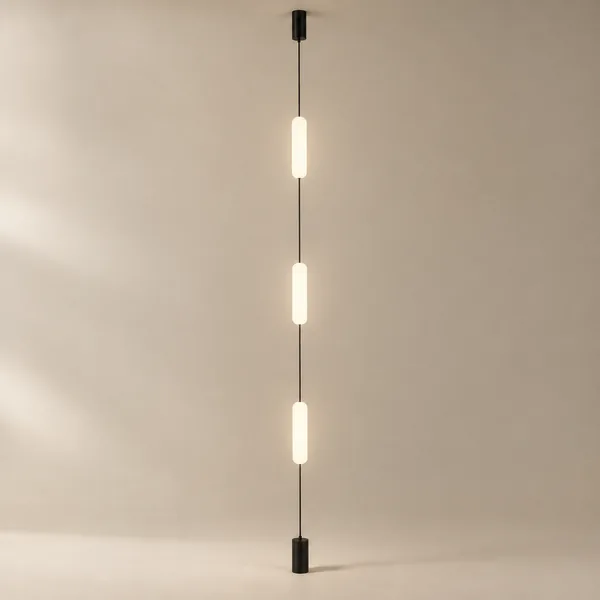
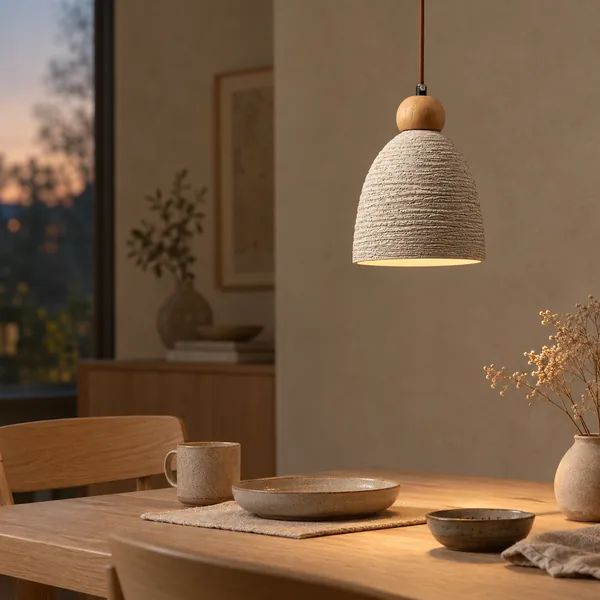
Mounted Ceiling Lights
Shop all Ceiling Lights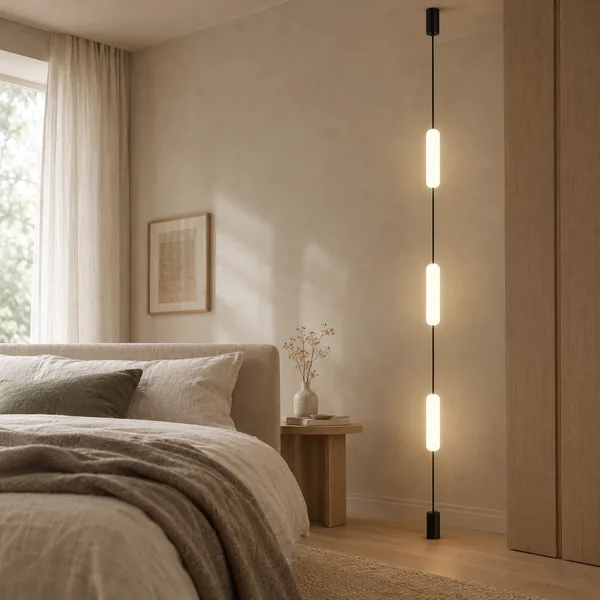
The Art of Washi Paper in Ceiling Lighting
Creating authentic washi paper for lighting requires skills passed down through generations. The process begins with harvesting kozo (mulberry) bark in winter, when the fibers are at their strongest. Artisans soak, steam, and hand-beat the fibers until they achieve the characteristic strength yet delicacy that makes washi ideal for lighting applications.
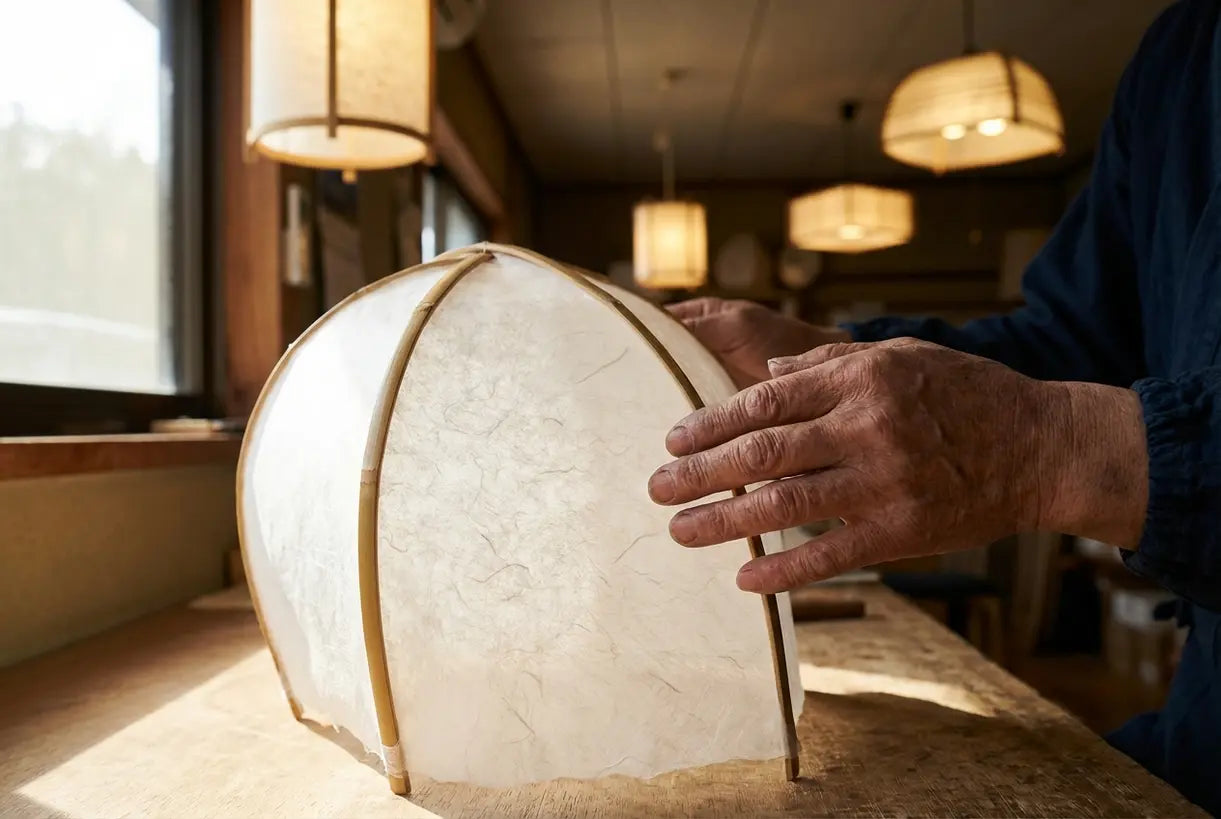
The resulting paper is surprisingly durable despite its ethereal appearance. Unlike regular paper that yellows and becomes brittle, quality washi actually improves with age, developing a warm ivory patina that enhances the quality of light passing through it. This longevity makes washi lighting not just an aesthetic choice but a sustainable one—investing in a well-crafted washi pendant means decades of beautiful illumination.
Key Benefits of Washi Paper Lighting: Exceptional light diffusion that reduces eye strain, natural temperature regulation (washi doesn't trap heat like synthetic materials), biodegradable and sustainable sourcing, unique texture that creates visual interest even when unlit, and compatibility with dimmer switches for adjustable ambiance.
The Japanese Washi Paper Association certifies authentic handmade paper, ensuring that traditional techniques continue to thrive while meeting modern quality standards.
Akari and Sculptural Japanese Lighting
The Akari light sculpture represents the perfect marriage of art and utility. Noguchi envisioned these pieces as living objects—light in physical form—rather than mere functional fixtures. Each Akari piece begins with a bamboo framework shaped by skilled artisans, then wrapped in handmade washi paper that transforms harsh electric light into something that mimics the sun's warmth.
What distinguishes authentic akari lamp designs from imitations is the attention to structural integrity. The bamboo ribbing creates both the distinctive silhouette and the internal tension that keeps the paper drum taut. Quality reproductions maintain these construction methods, ensuring that the fixture retains its shape and luminosity for years of daily use.
The video above captures the meticulous craftsmanship behind these iconic pieces. Watching the artisan hand-stretch washi over bamboo frames illustrates why mass-produced alternatives fail to capture the soul of authentic Akari lighting. Each crease, each subtle tension in the paper, contributes to the final quality of illumination.
Integrating Japanese Lighting into Modern Interiors
The Rise of Japandi Style
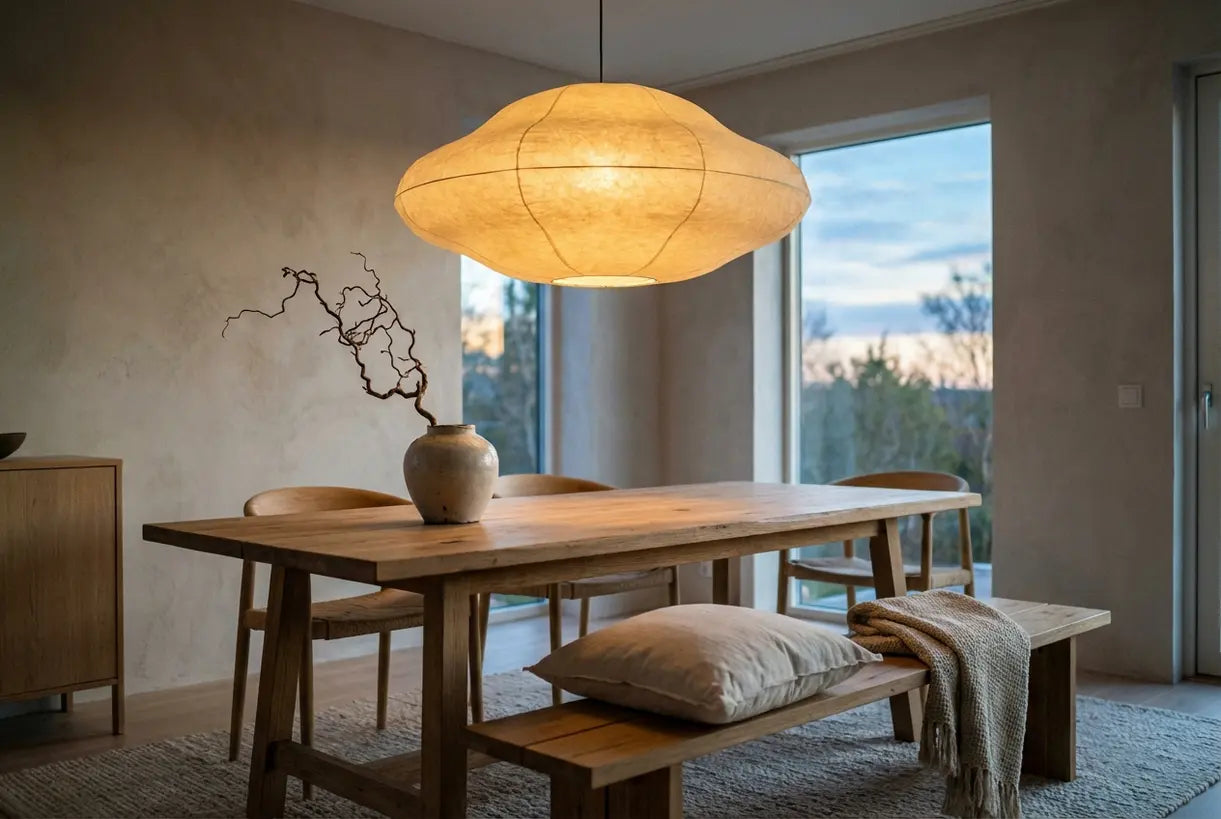
Japanese ceiling lights have found renewed relevance through the Japandi movement—a design philosophy that merges Japanese wabi-sabi principles with Scandinavian hygge concepts. This fusion celebrates natural materials, clean lines, and the creation of spaces that nurture wellbeing. A japanese pendant light becomes the natural centerpiece in Japandi interiors, providing the warmth that balances Nordic minimalism's cooler tendencies.
Room-by-Room Applications
Dining Rooms: Japanese lighting excels in dining spaces where the goal is creating intimate gathering atmospheres. A cluster of three small washi pendants over a dining table provides task lighting while maintaining conversation-friendly ambiance. The diffused illumination flatters both food and faces, making every meal feel special.
Bedrooms: The soft, shadow-eliminating quality of japanese lantern light designs makes them ideal for bedrooms. Unlike directional downlights that create harsh shadows, washi and paper lanterns distribute light evenly throughout the space, promoting relaxation and better sleep preparation.
Living Areas: Statement Akari pieces function as sculptural art in living rooms while providing the ambient lighting base layer. Complement these with lower-level table and floor lamps to create depth and visual interest through varied light sources.
For those looking to explore more options, our Chandeliers collection offers a curated selection of overhead fixtures that blend Japanese-inspired aesthetics with elevated design sensibilities.
Elevated Japanese-Inspired Lighting Selections
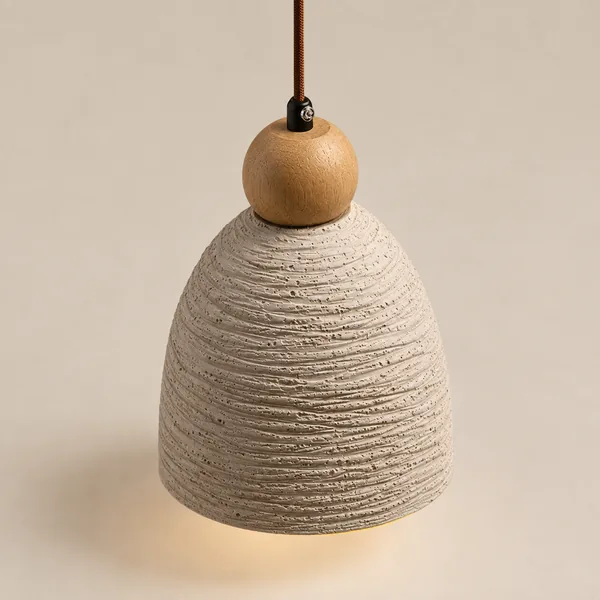
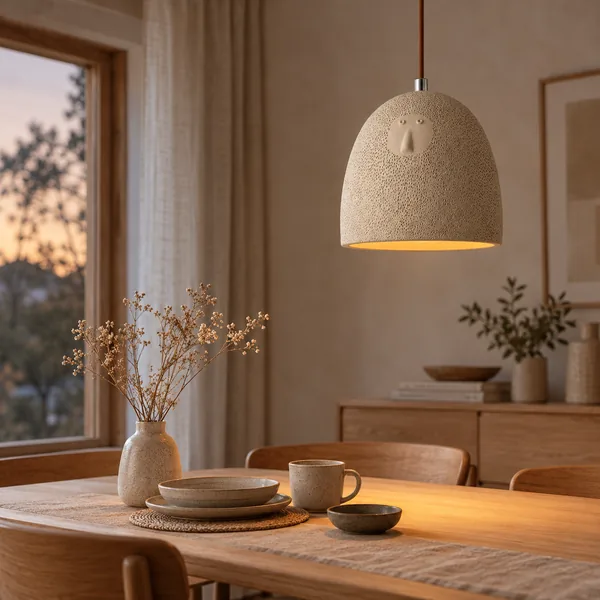 Glöra Japanese Wabi-Sabi Resin Pendant Light$199.00$269.00
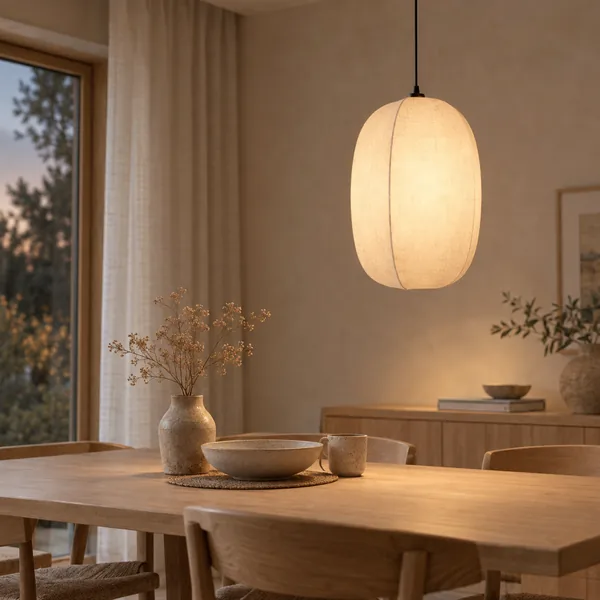 Driva Linen Lantern Pendant Light Warm Ambiance$189.00$299.00
Choosing the Right Japanese Ceiling Light for Your Space
Size and Scale Considerations
Selecting appropriately scaled japan ceiling light fixtures requires different thinking than Western lighting selection. Japanese design philosophy suggests that fixtures should relate to the human experience of the space rather than merely filling physical volume. A general guideline: in rooms with 8-foot ceilings, pendant bottom should hang approximately 30-36 inches above dining tables or kitchen islands.
For living rooms and bedrooms where ambient lighting is the goal, consider the fixture's diameter in relation to the room's dimensions. A helpful formula: room length (in feet) plus room width (in feet) equals the ideal fixture diameter (in inches). However, Japanese aesthetics often favor slightly smaller fixtures clustered in groups rather than single large statement pieces.
Material Selection Guide
| Material | Light Quality | Best For | Maintenance |
|---|---|---|---|
| Traditional Washi | Warm, diffused glow | Dining rooms, bedrooms | Dust gently; replace if torn |
| Linen Fabric | Soft, even illumination | Living spaces, entryways | Vacuum with brush attachment |
| Rice Paper Composite | Bright but gentle | Kitchens, offices | Wipe with damp cloth |
| Wood/Resin Hybrids | Directional ambient | Modern minimalist spaces | Dust regularly |
Ambiance and Style Matching
The color temperature of your bulbs significantly impacts how japanese minimalist lighting appears in your space. For authentic atmosphere, select bulbs in the 2700K-3000K range—this warm white mimics incandescent glow and enhances the amber tones in natural paper and wood materials. Avoid cool white (4000K+) bulbs, which create harshness that contradicts Japanese lighting philosophy.
Dimmability is essential for japanese overhead fixtures. The ability to adjust brightness transforms a fixture from functional task lighting during meal preparation to ambient evening illumination for relaxation. Ensure your selected fixture is compatible with quality dimmer switches.
Pendant Lights
Shop all Pendant Lights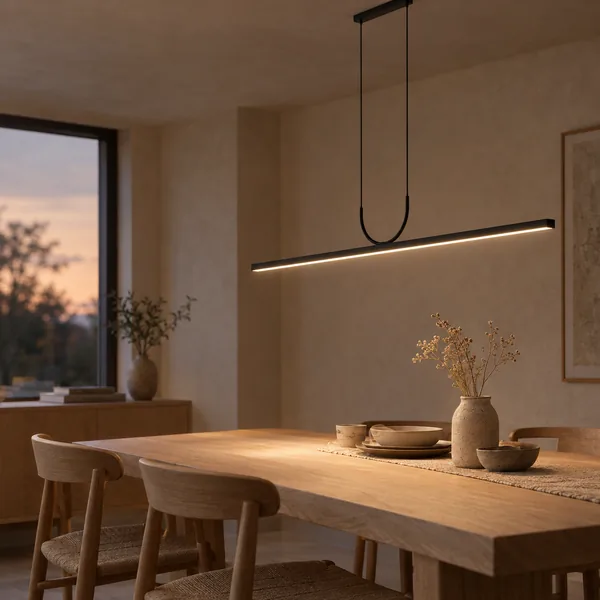
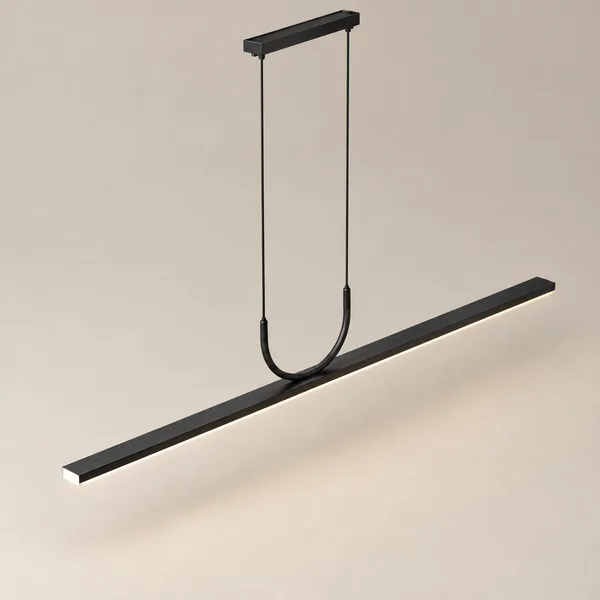 Save $140.00
Linné Minimalist Linear Black LED Pendant Light
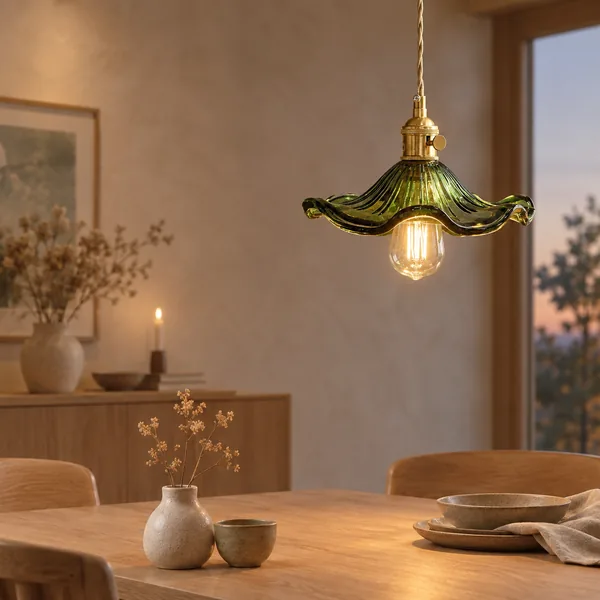
 Save $60.00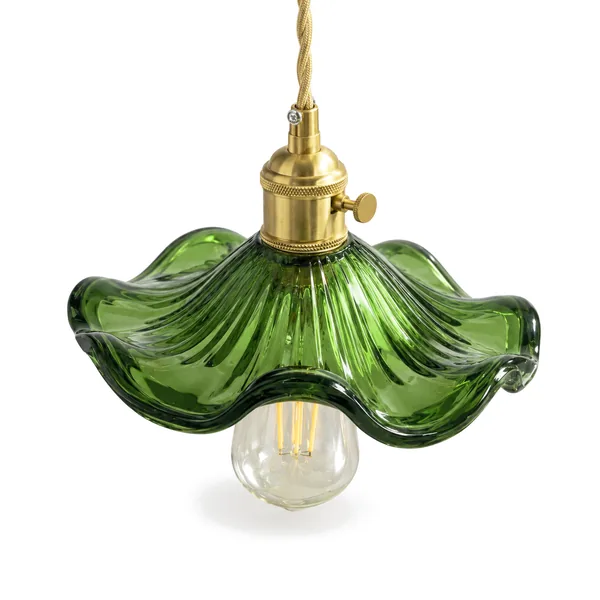
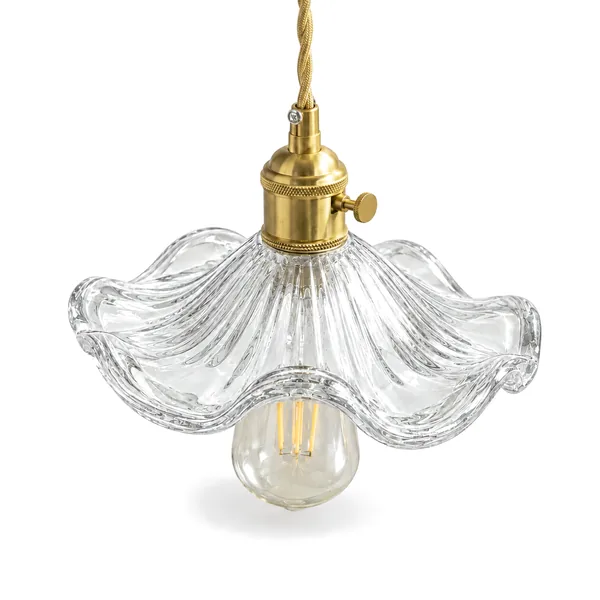
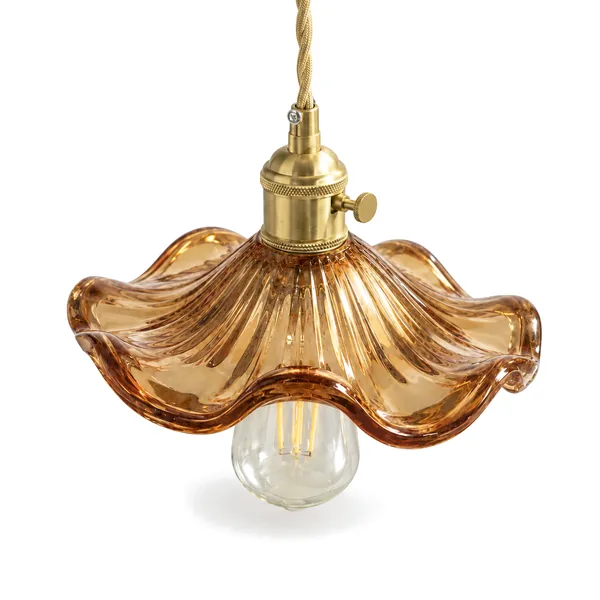 3 options
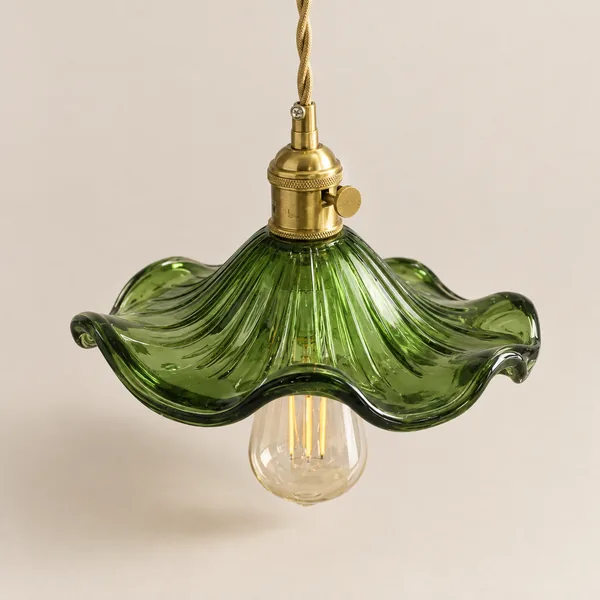
Glora Nordic Glass Pendant Light with Copper
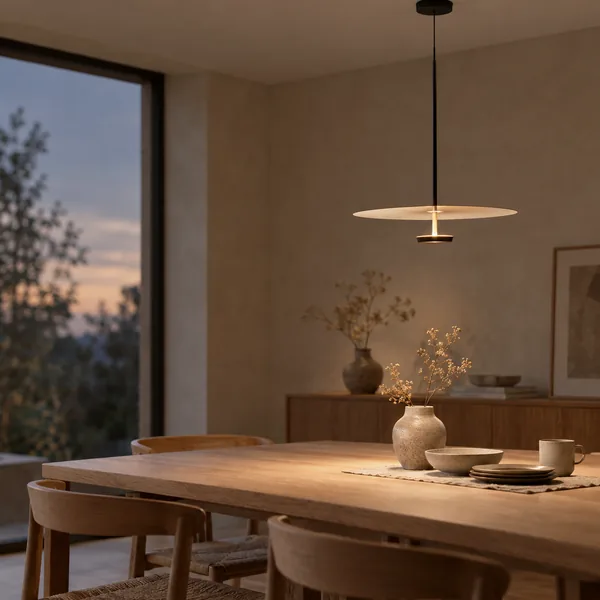
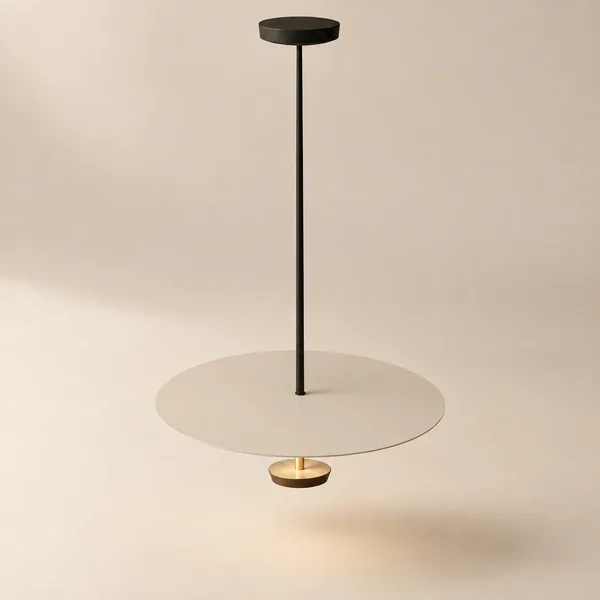 Save $120.00
Skiva Nordic Saucer Ceiling Pendant Light LED
Conclusion: Bringing Japanese Lighting Philosophy Home
Japanese ceiling lights offer more than aesthetic appeal—they introduce a philosophy of intentional living into your home. By choosing fixtures that prioritize natural materials, gentle illumination, and timeless design, you create spaces that nurture rather than merely impress. The washi lighting tradition reminds us that the best design serves human needs while respecting the materials and craftsmanship that bring it to life.
Whether you're drawn to authentic Akari sculptures, contemporary interpretations of japanese pendant light designs, or the organic warmth of linen lanterns, the key is selecting pieces that resonate with how you want to live. Quality japanese minimalist lighting transforms ordinary moments—morning coffee, evening conversations, quiet reading—into experiences defined by warmth and intention.
At Skonne, we curate lighting collections that honor these traditions while meeting the demands of contemporary life. Our selections combine authentic materials, thoughtful craftsmanship, and the understated elegance that defines both Japanese and Scandinavian design sensibilities. Explore our collections to find the perfect overhead fixture that brings the serenity of Japanese lighting philosophy into your space.
Related Article
Serge Mouille & Iconic Designer Ceiling Lights: Investment Overhead Fixtures Worth KnowingDiscover why Serge Mouille ceiling lights and designer overhead fixtures remain iconic investment pieces that transform interiors through sculptural form and timeless sophistication.