
Japandi Design: Where Japanese Minimalism Meets Scandinavian Warmth
Summary›
- What is Japanese Scandinavian Design?
- The Origins of Japandi Aesthetics
- The Core Principles of Japandi Design
- The 7 Rules of Japandi Home Style
- Japandi vs. Scandinavian: Understanding the Difference
- How to Start with Japanese Scandinavian Interior Design
- Curating Your Japandi Sanctuary
- Conclusion: Finding Your Japandi Balance
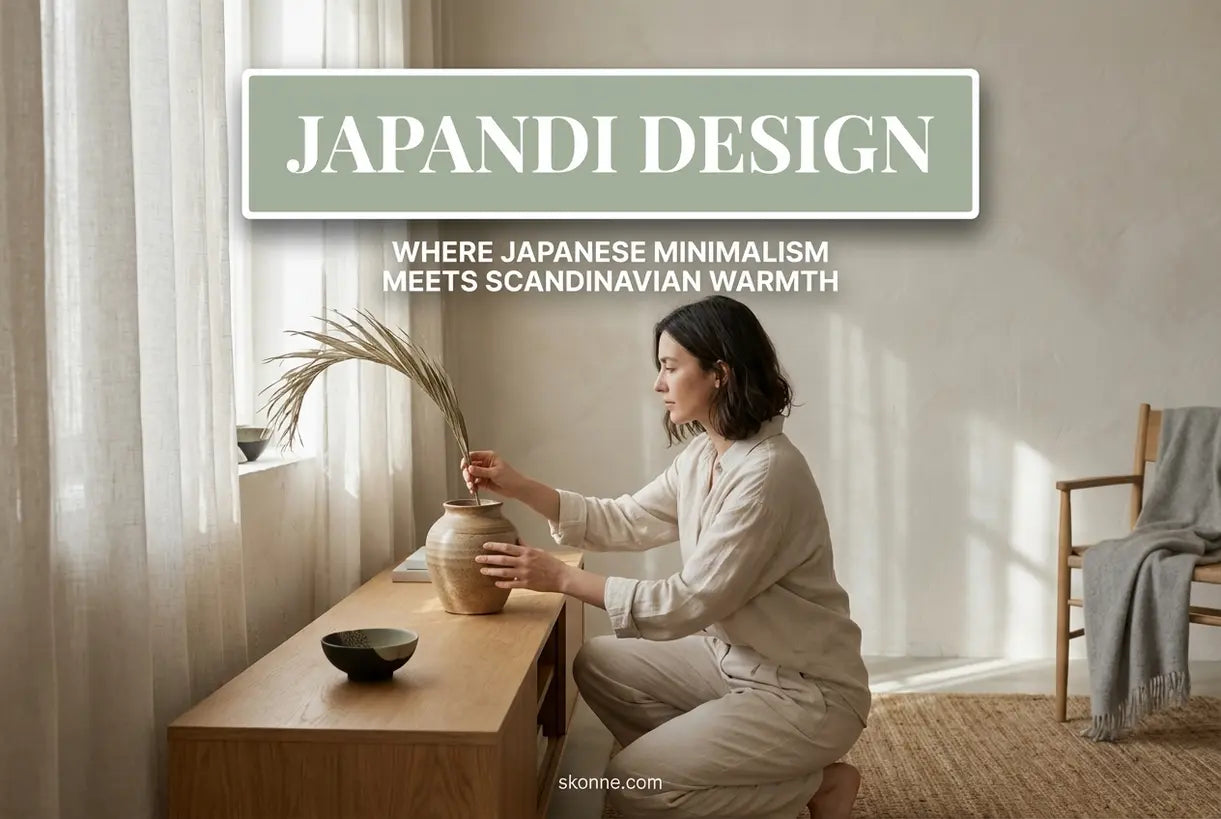
Picture a living space where every element has been chosen with purpose. Where clean lines meet organic warmth, and where silence feels as intentional as the objects that fill your room. This is the essence of japanese scandinavian design—a harmonious fusion that has captured the hearts of design enthusiasts worldwide.
At Skonne, we believe that great design should feel like coming home. Japandi design embodies this philosophy perfectly, blending the mindful minimalism of Japan with the cozy functionality of Scandinavian interiors. As you explore this guide, you'll discover how to transform your space into a sanctuary that honors both traditions—and the thoughtfully curated pieces that bring this aesthetic to life.
What is Japanese Scandinavian Design?
Japandi (also called japanese scandinavian interior design) is more than a trend—it's a philosophical marriage of two cultures that share surprisingly similar values. Both Japanese and Scandinavian design traditions emphasize simplicity, craftsmanship, and a deep respect for nature. What makes Japandi unique is how these traditions amplify each other.
The Japanese influence brings concepts like wabi-sabi—the acceptance of imperfection and transience—while Scandinavian design contributes hygge, the Danish art of cozy contentment. Together, they create spaces that feel simultaneously serene and welcoming, minimalist yet lived-in.
The Origins of Japandi Aesthetics
The convergence of these design traditions isn't coincidental. Post-World War II, both Japan and Scandinavia developed design philosophies rooted in democratic ideals—beautiful, functional pieces accessible to everyday people. Both cultures draw from limited natural resources, leading to an emphasis on quality over quantity and materials that age gracefully.
In recent years, japandi interior design has exploded in popularity as homeowners seek alternatives to sterile minimalism. The pandemic deepened our desire for spaces that nurture well-being without sacrificing the clean, uncluttered aesthetics we crave. Japandi answers this need perfectly.
The Core Principles of Japandi Design
Understanding japanese scandinavian design requires embracing several foundational principles:
- Intentional Simplicity: Every object earns its place through function or meaning
- Natural Materiality: Wood, stone, linen, and clay dominate the palette
- Neutral Color Schemes: Think warm greys, soft beiges, and muted earth tones
- Craftsmanship Appreciation: Handcrafted items with visible human touch
- Connection to Nature: Organic shapes, natural light, and living elements
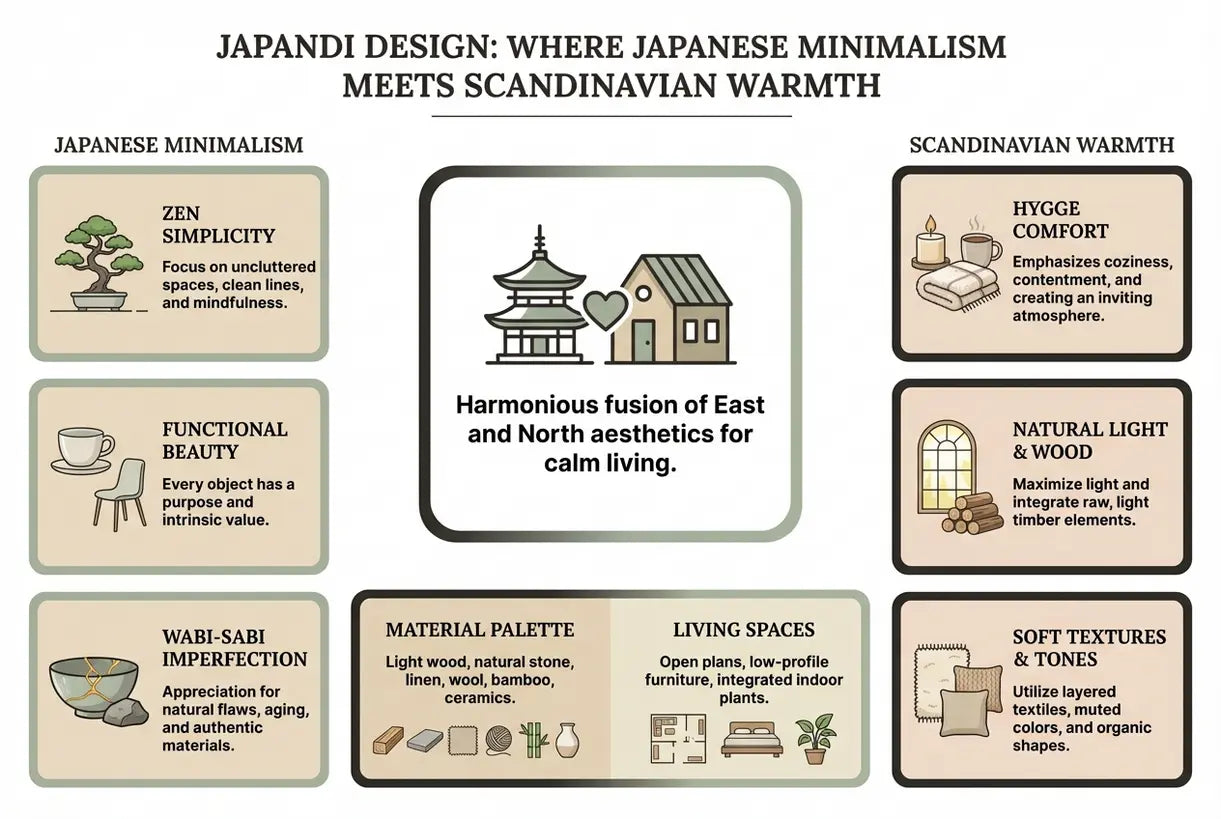
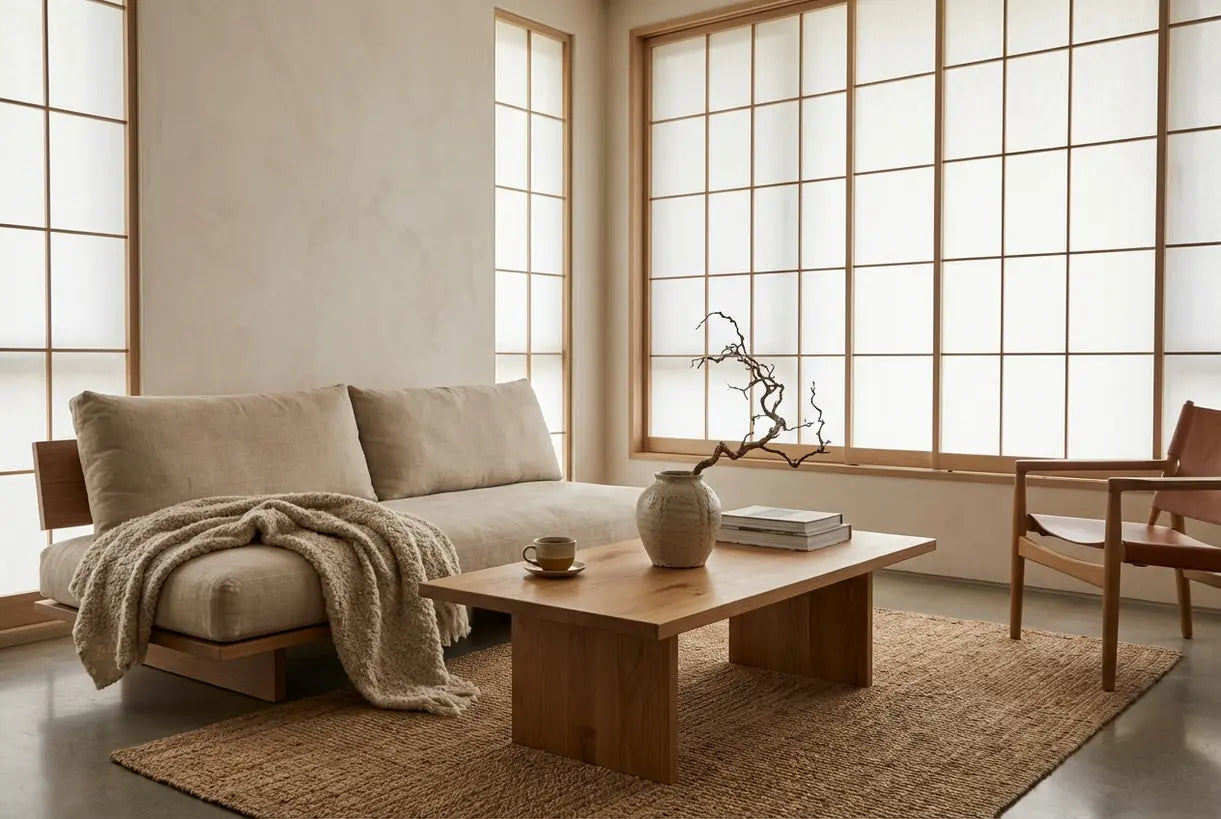
These principles work together to create spaces that breathe. Unlike stark minimalism that can feel cold, japandi japanese scandinavian house aesthetics encourage warmth through texture and material rather than visual clutter.
Japandi Lighting
Shop all Japandi Lighting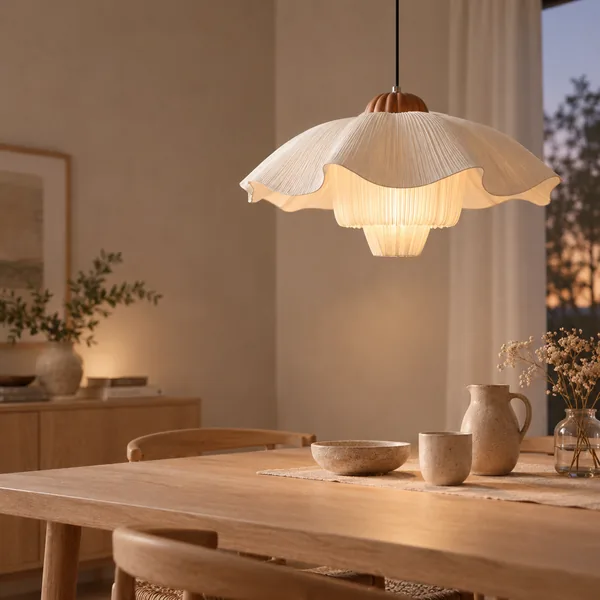
 Save $80.00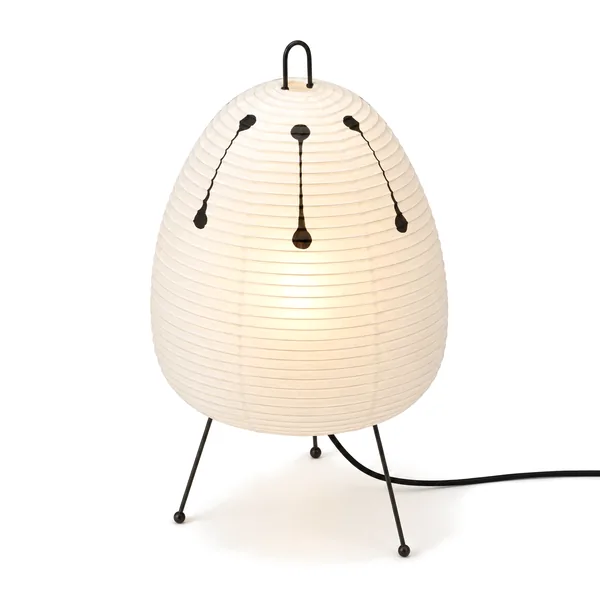
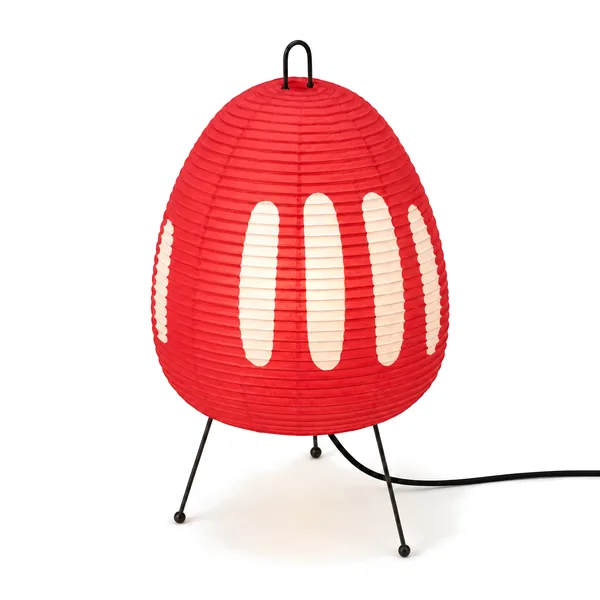
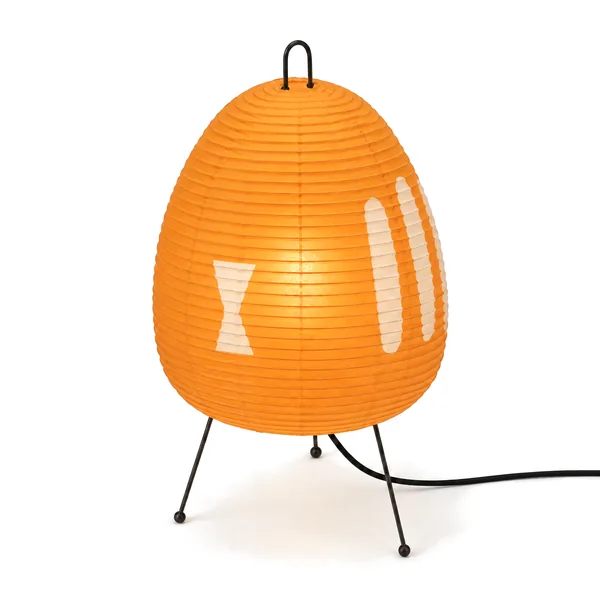 +37 options
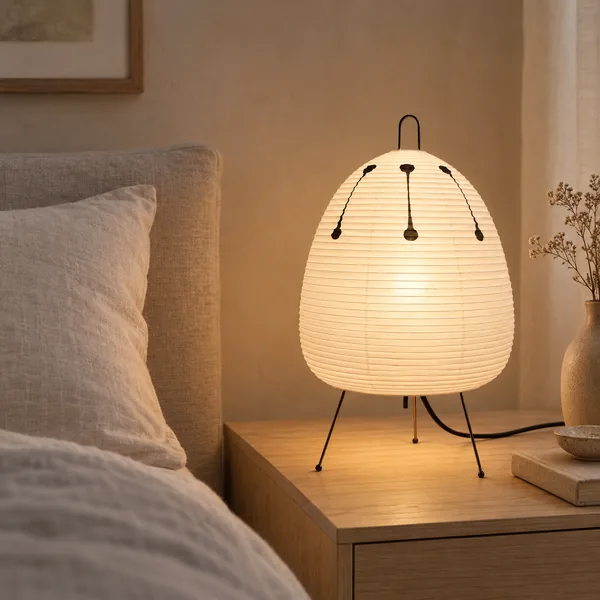
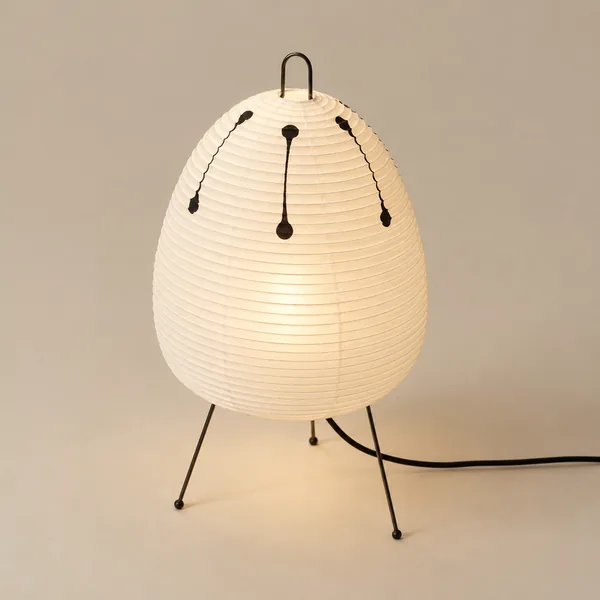
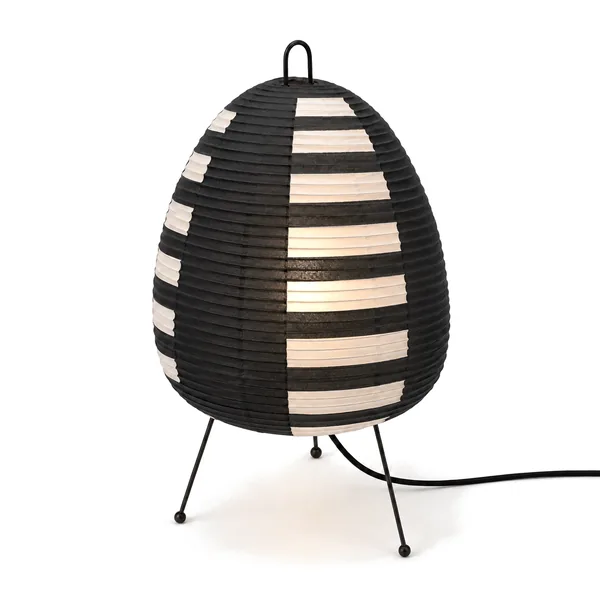
Shiro Rice Paper Table Lamp Nordic Minimalist
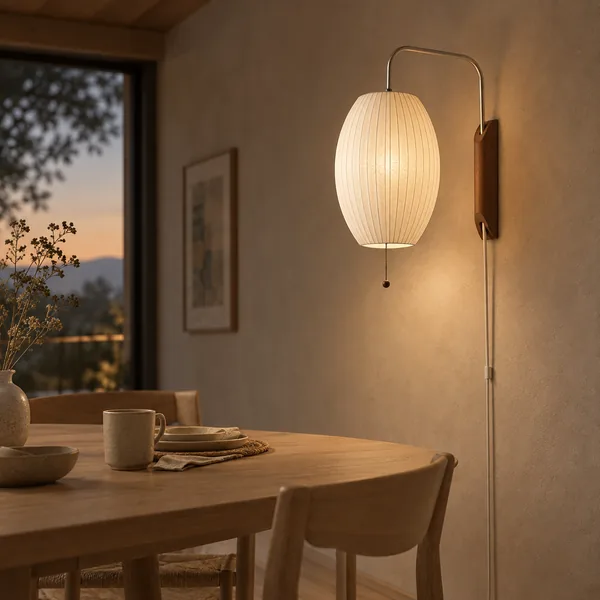
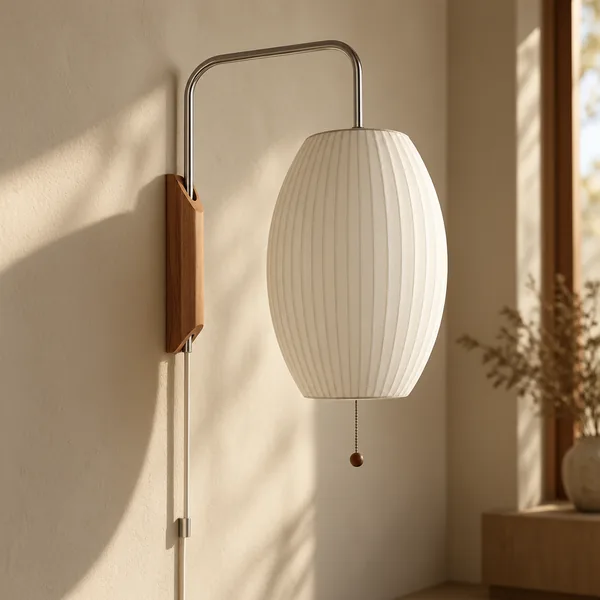 Save $102.00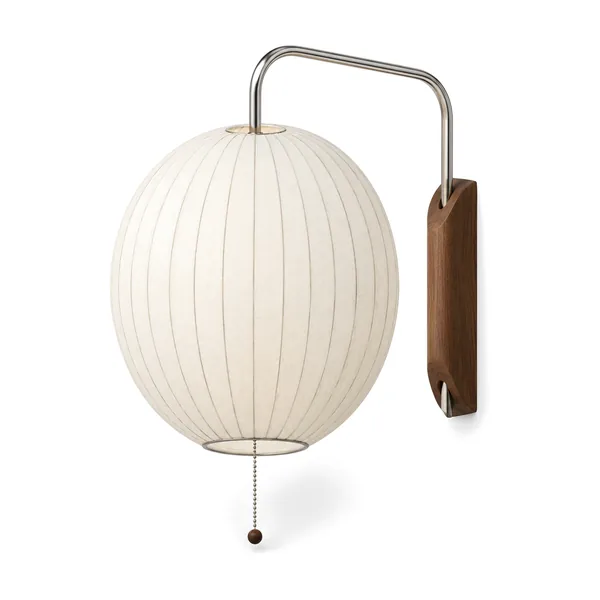
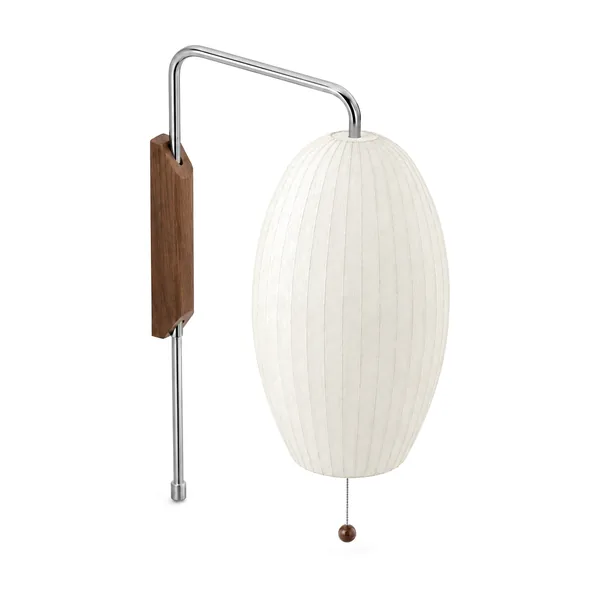
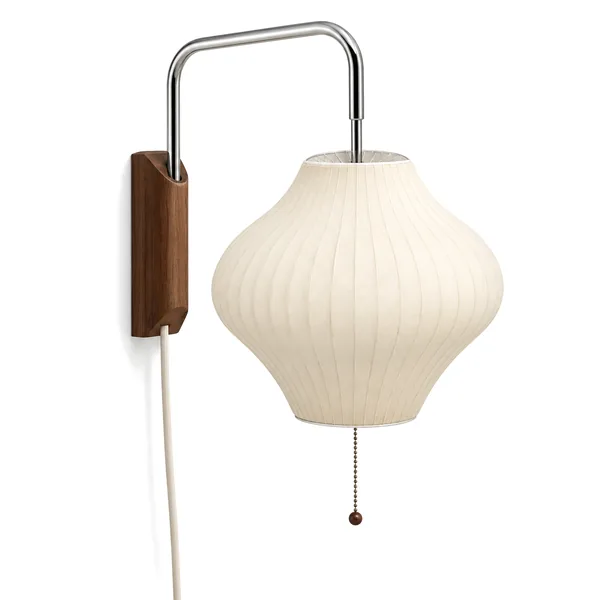
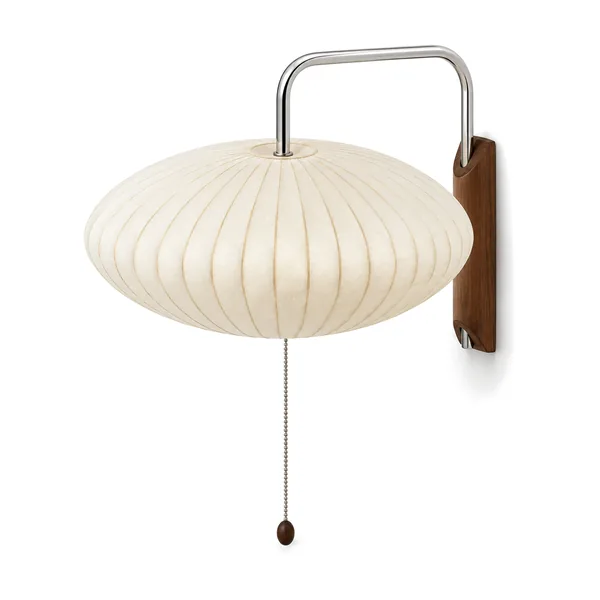 4 options
Solvei Minimalist Silk Wall Lamp for Bedroom
 Save $290.00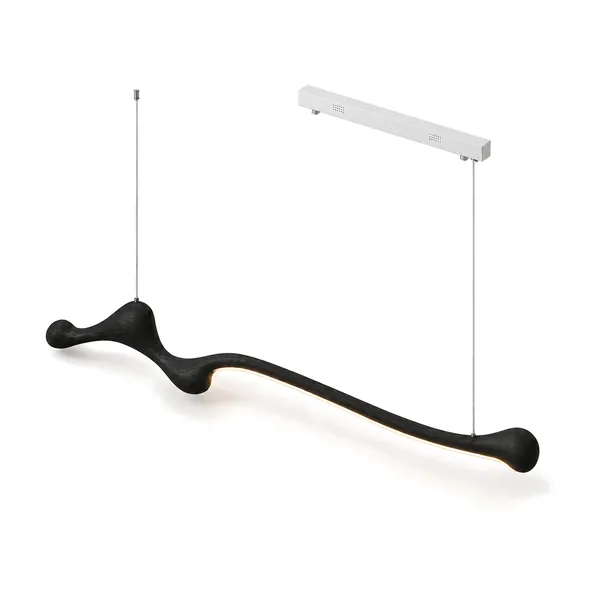
 3 options
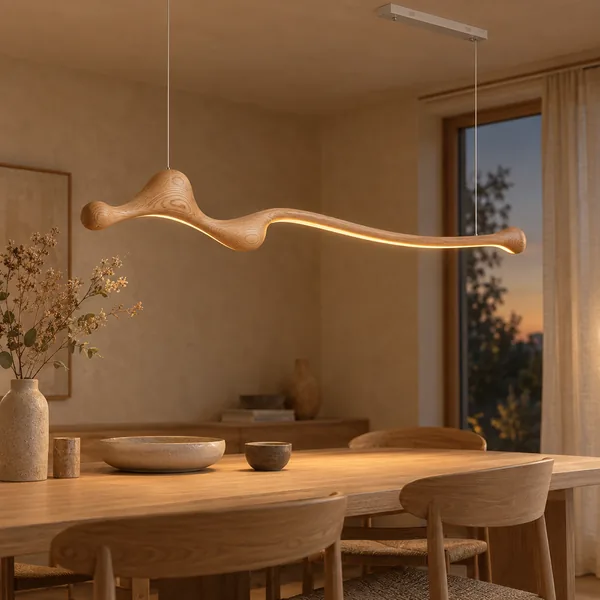
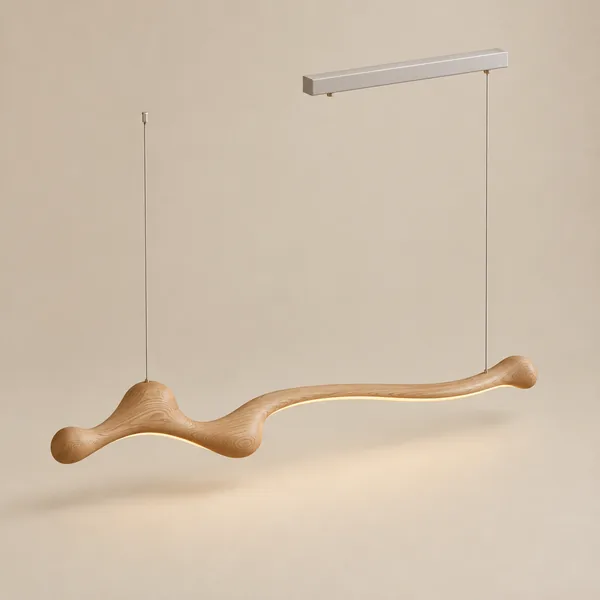
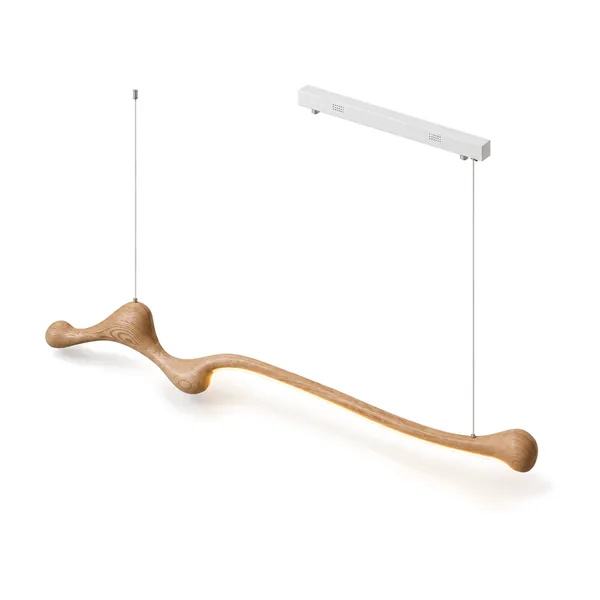
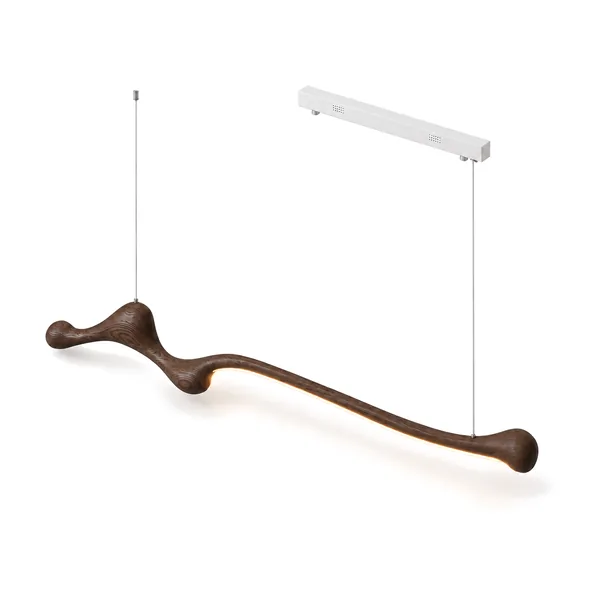
Skoglyn Dimmable Ash Wood Linear Pendant Light
The 7 Rules of Japandi Home Style
When researching what are the 7 rules of Japandi home style, we find a framework that guides both novices and experienced designers:
- Embrace Negative Space: Allow rooms to have breathing room. Empty walls and surfaces aren't unfinished—they're intentional.
- Choose Quality Over Quantity: Invest in fewer, better pieces that will last generations rather than trendy items.
- Prioritize Natural Materials: Wood, stone, ceramics, and organic textiles should dominate your selections.
- Master the Art of Lighting: Layer natural light with warm, diffused artificial sources. The right lighting transforms a space.
- Incorporate Organic Shapes: Balance clean Scandinavian lines with the imperfect, asymmetrical forms found in Japanese aesthetics.
- Practice Wabi-Sabi: Celebrate the beauty of worn textures, handmade irregularities, and the passage of time.
- Create Functional Zones: Every space should serve a purpose while maintaining visual calm and flow.
Pro Tip: Start with lighting. The way light enters and fills your space sets the foundation for all other Japandi elements. Consider how your windows, fixtures, and bulb temperatures work together.
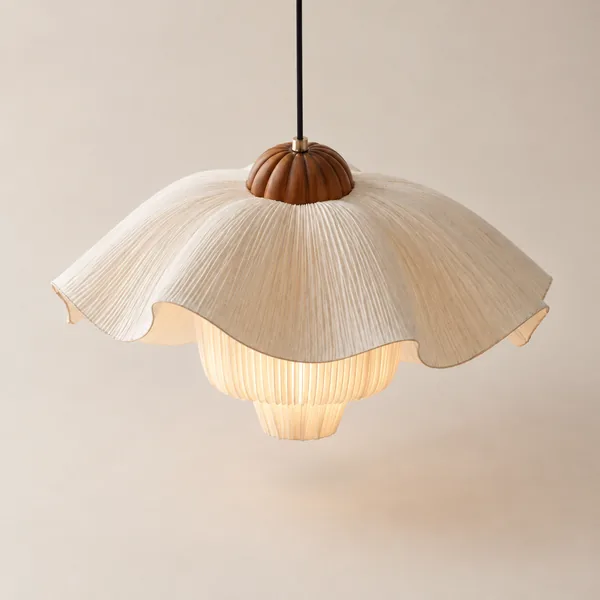
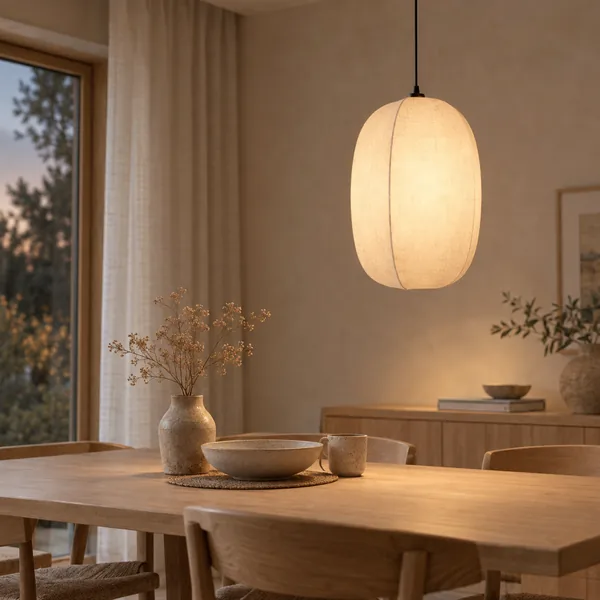 Driva Linen Lantern Pendant Light Warm Ambiance$189.00$299.00
Japandi vs. Scandinavian: Understanding the Difference
A common question emerges when exploring this aesthetic: what's the difference between scandi and Japandi? While both share Nordic roots, Japandi introduces distinct Japanese elements that transform the feel of a space.
Traditional scandinavian design emphasizes bright whites, pale woods, and abundant natural light to combat long, dark winters. It's functional but can sometimes feel cold or clinical. Japandi warms this foundation with Japanese influences: richer wood tones, tactile textiles, handcrafted ceramics, and a deeper appreciation for imperfection.
The japandi vs scandinavian design comparison reveals that Japandi occupies a middle ground—maintaining the functionality and clean lines Scandi is known for while introducing the soulful, imperfect warmth of traditional japanese interior design. Your kitchen might feature sleek Scandinavian cabinetry paired with handmade Japanese pottery. Your living room might combine a minimalist Nordic sofa with an imperfect wabi-sabi coffee table.
How to Start with Japanese Scandinavian Interior Design
Beginning your Japandi journey doesn't require a complete home overhaul. Start with these practical steps:
Audit Your Existing Space: Remove items that don't serve a functional or emotional purpose. This isn't about minimalism for its own sake—it's about creating room for pieces that matter.
Invest in Statement Lighting: Lighting can single-handedly transform a room's atmosphere. For those looking to explore more options, our Bedroom Lighting & Decor offers a curated selection of pieces that embody the Japandi philosophy of warm, intentional illumination.
Layer Textures: Combine smooth ceramics with rough linen, polished wood with matte stone. Texture adds depth without adding clutter.
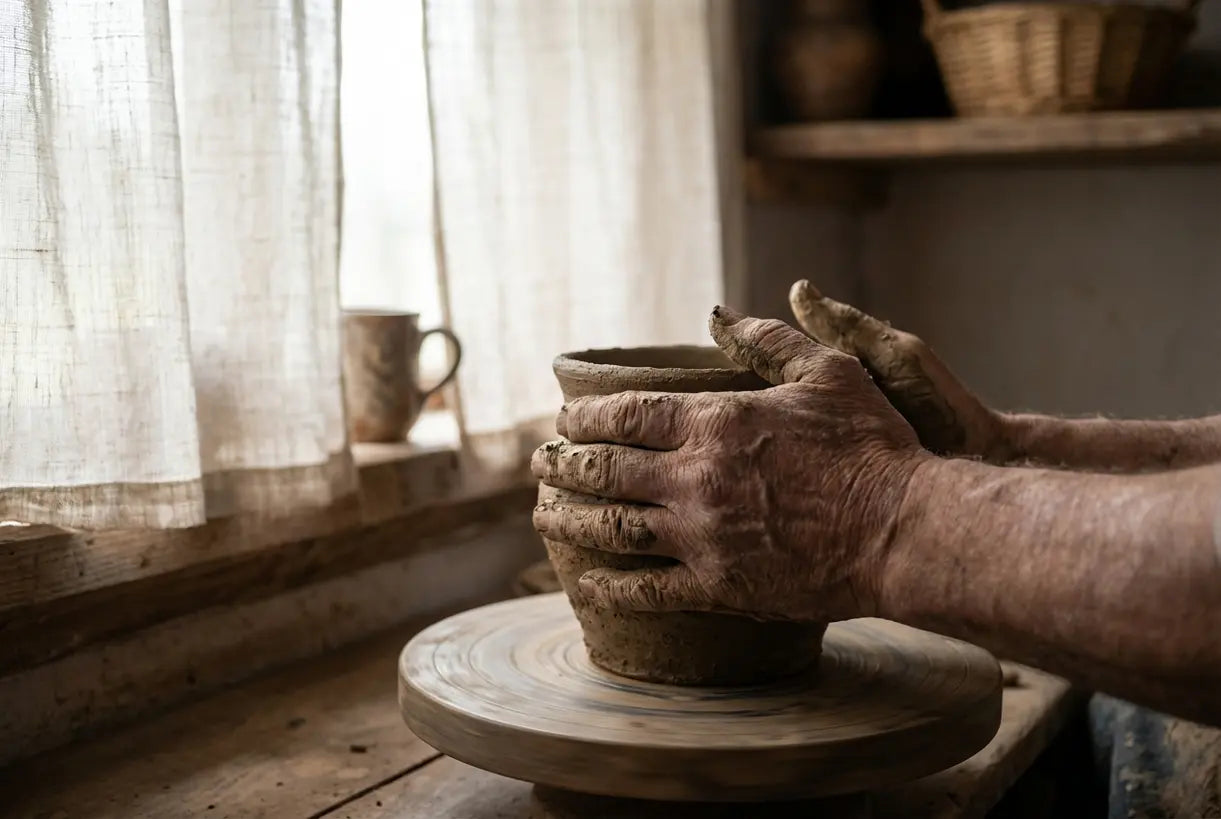
Choose Handcrafted Pieces: Seek out items that show the maker's hand—the slight irregularity of a thrown ceramic vase, the organic edge of a live wood table.
Bring Nature Indoors: Dried botanicals, pampas grass, or a single carefully chosen branch bring life to Japandi spaces without the maintenance demands of full gardens.
The japanese scandinavian kitchen deserves special attention as the heart of the home. Consider replacing upper cabinets with open shelving to display your curated collection of ceramics and cookware. A single pendant light in organic materials can become the room's focal point.
Scandinavian Lighting
Shop all Scandinavian Lighting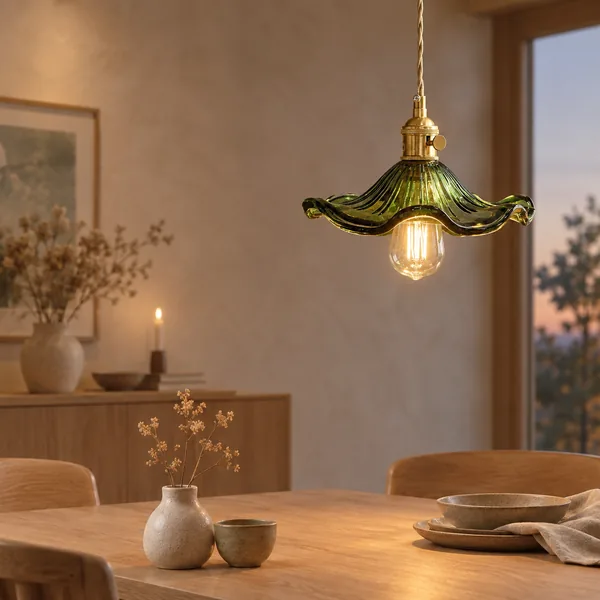
 Save $60.00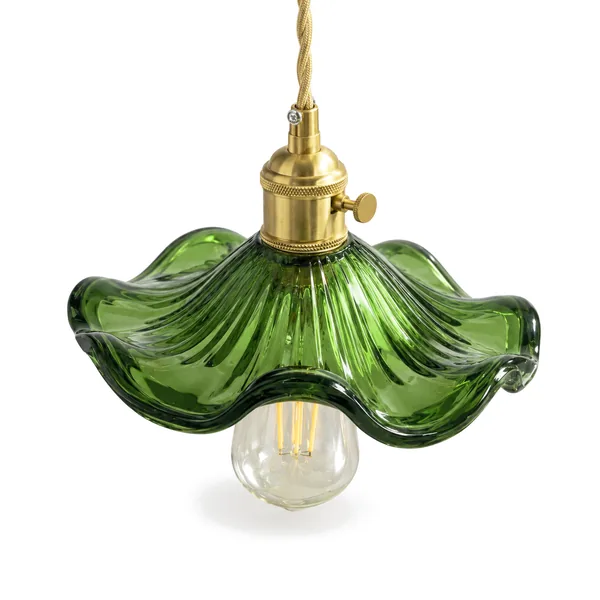
 3 options
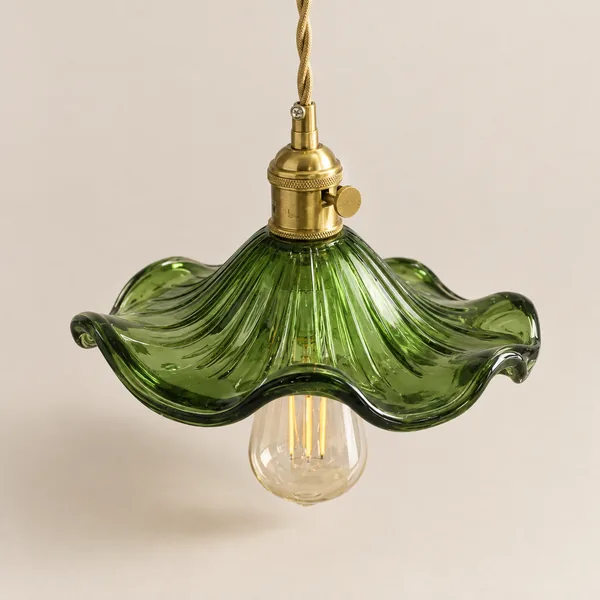
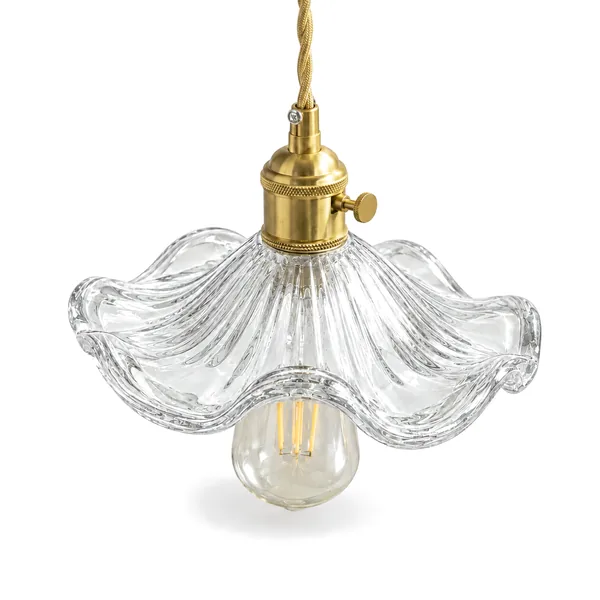
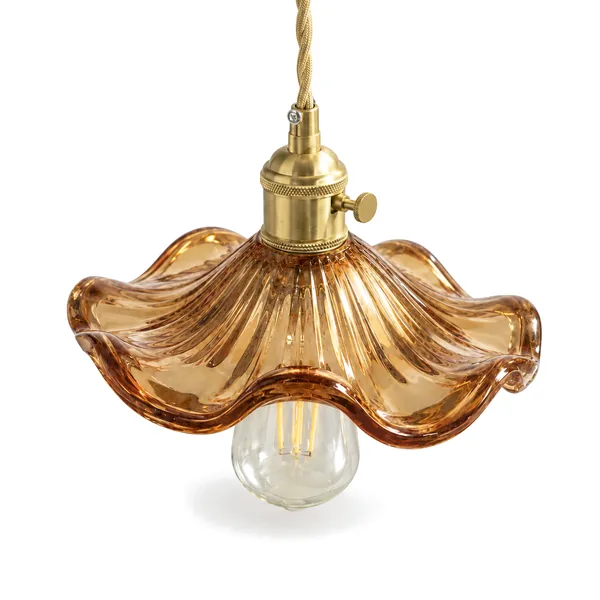
Glora Nordic Glass Pendant Light with Copper
 Save $150.00
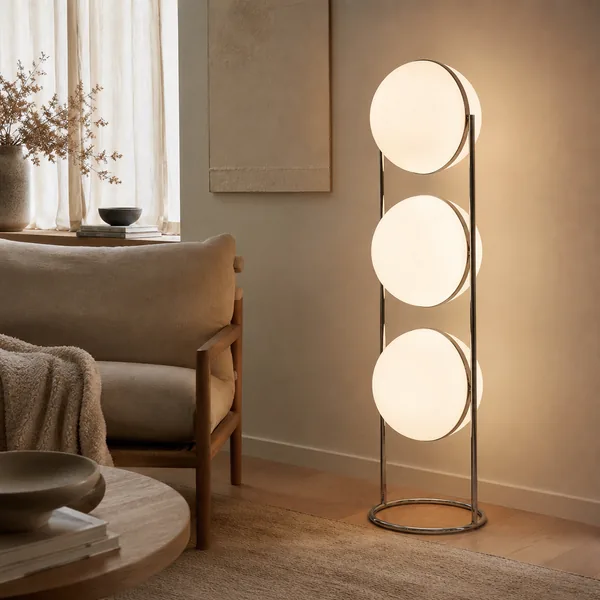
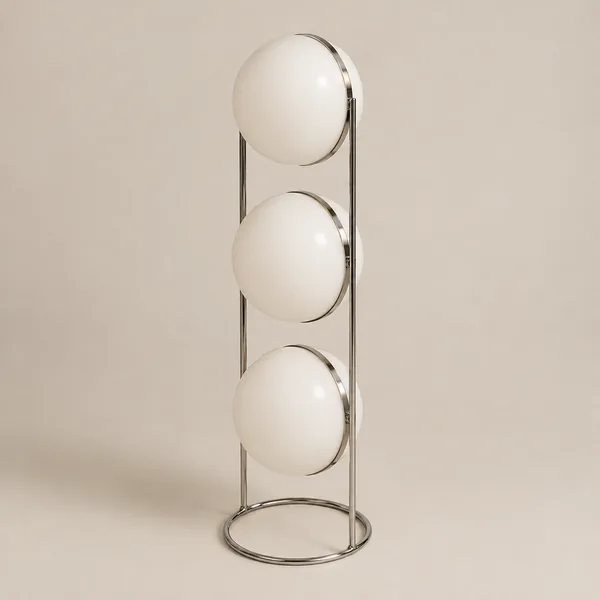
Kulglod Bauhaus Chrome Acrylic Globe Floor Lamp
 Save $230.00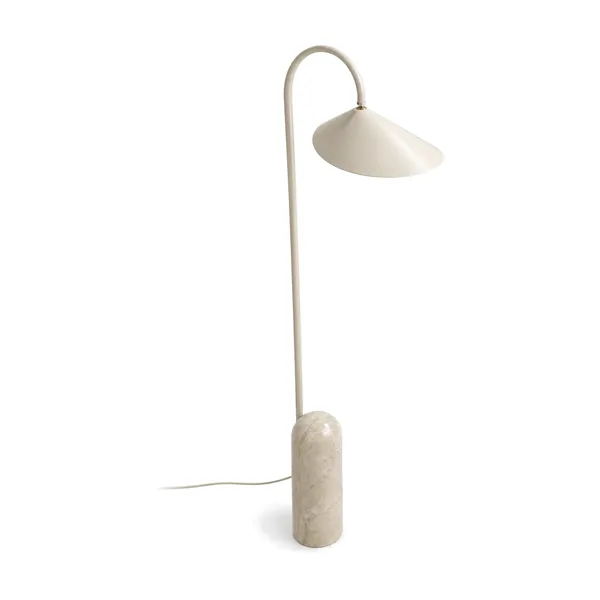
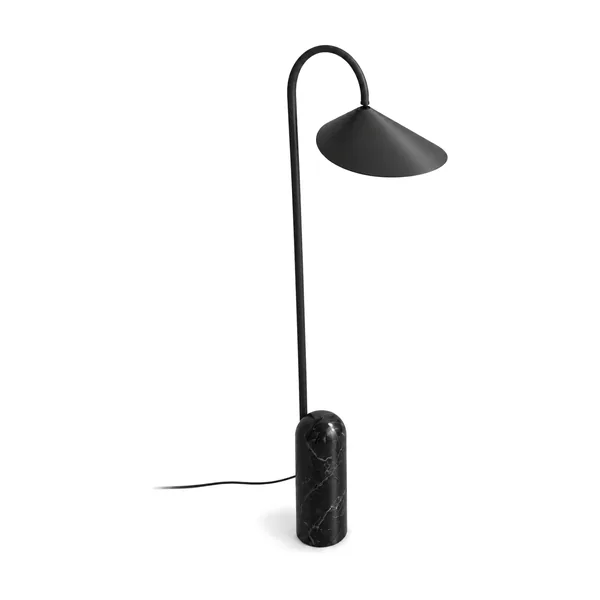 2 options
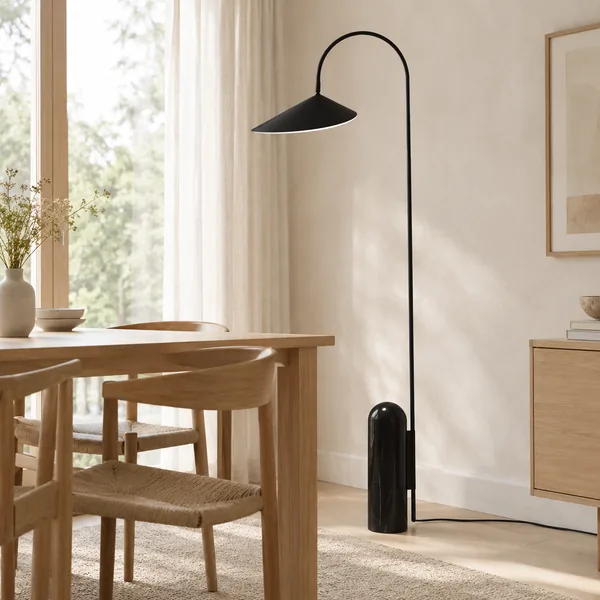
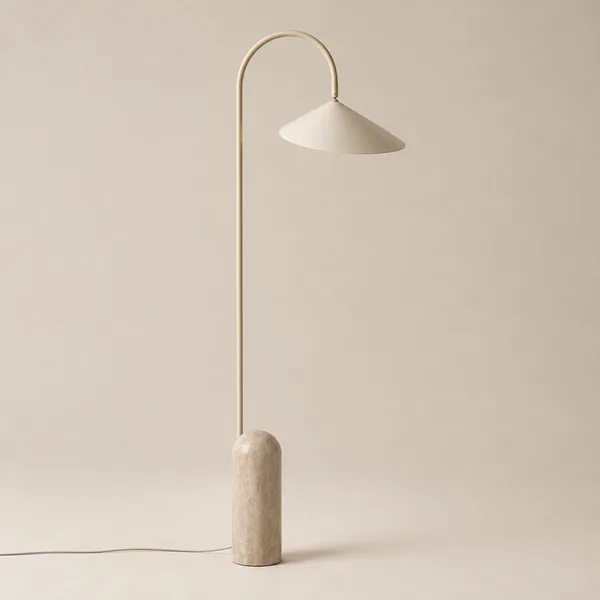
Velbue Marble Base Arc Floor Lamp Danish Design
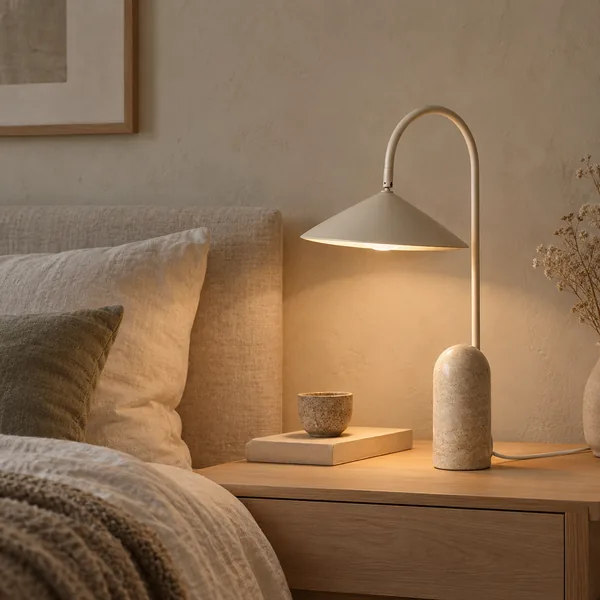
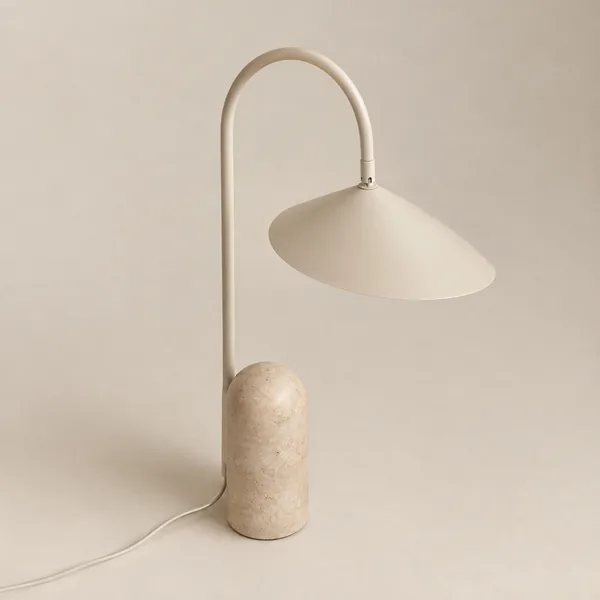 Save $210.00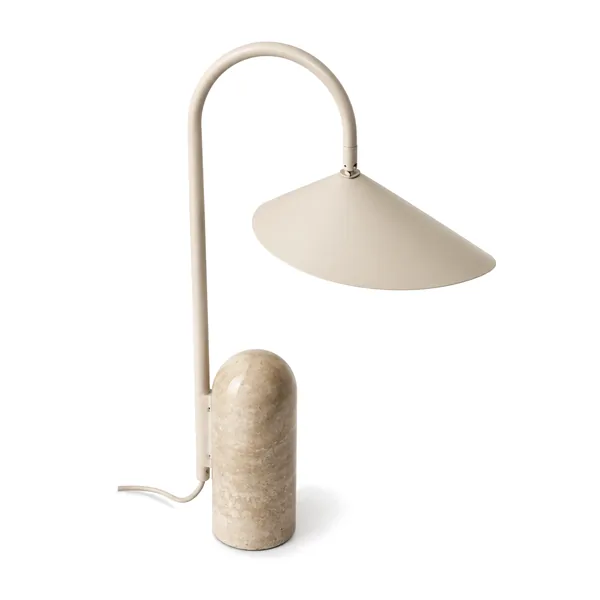
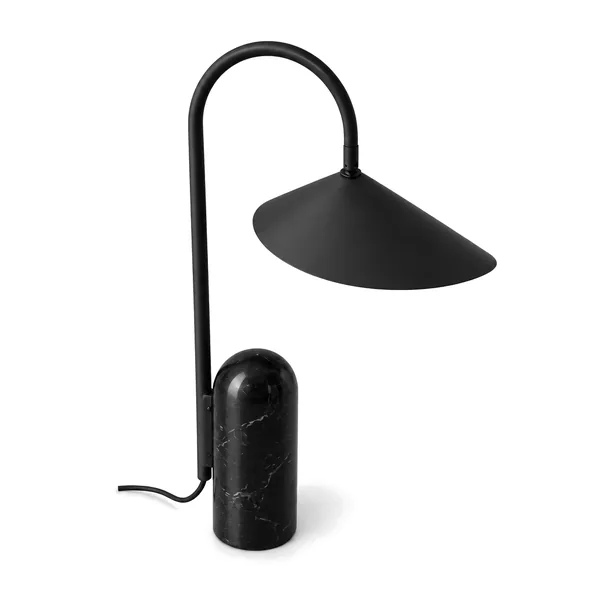 2 options
Solvei Danish Minimalist Arc Table Lamp Marble
Curating Your Japandi Sanctuary
The beauty of japanese scandinavian interior design lies in its adaptability. Whether you're furnishing a small apartment or a spacious home, these principles scale beautifully. The key is intentionality—each piece you bring into your space should serve your life and reflect your values.
Consider how even small accessories contribute to the overall feeling of your space. A handcrafted vase can hold seasonal branches one month and stand alone as sculpture the next. A carefully chosen lamp can create pockets of warm light that invite relaxation and conversation.
Essential Japandi Pieces for Your Home
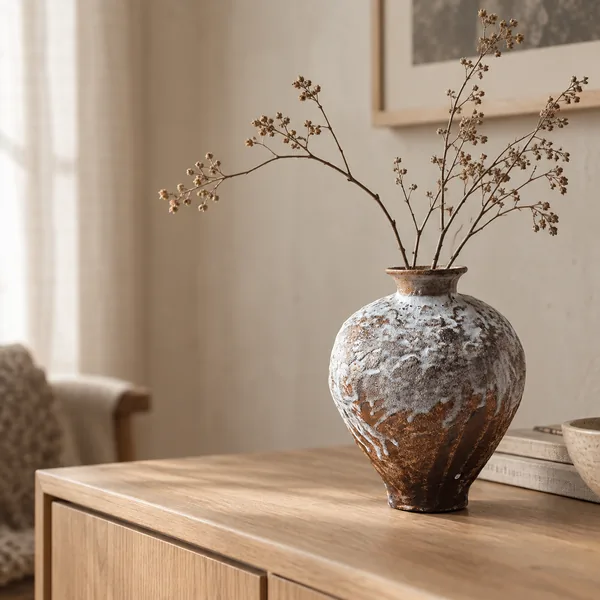 Stille Small Jingdezhen Ceramic Wabi-Sabi Vase$129.00$189.00
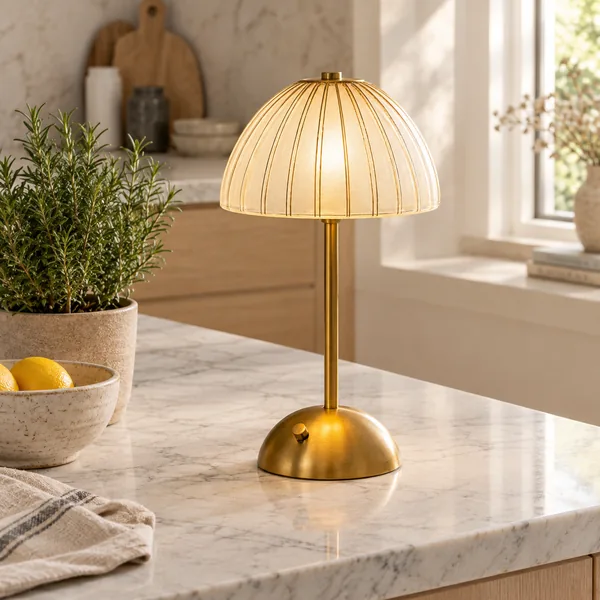 Lysglass Dimmable Cordless Crystal Table Lamp$58.00$119.00
Sources like Apartment Therapy and architectural publications consistently emphasize that the most successful Japandi spaces feel collected over time rather than purchased at once. This aligns perfectly with the philosophy of wabi-sabi—embracing the journey and the patina that develops as we live with beautiful, well-made things.
Conclusion: Finding Your Japandi Balance
Japanese scandinavian design offers something increasingly rare in our fast-paced world: permission to slow down, to choose carefully, and to create spaces that nurture rather than demand. The fusion of japandi isn't about achieving perfection—it's about creating harmony between clean aesthetics and lived-in warmth.
As you begin or continue your Japandi journey, remember that the best spaces evolve with their inhabitants. Start with the principles that resonate most deeply with you. Perhaps that's embracing negative space, or perhaps it's investing in that one handcrafted piece that speaks to your soul.
At Skonne, we curate lighting and home decor that honors these traditions—pieces designed not just to fill a room, but to transform it into a sanctuary. From lanterns that cast gentle, diffused light to ceramics that celebrate the human hand, our collection supports your vision of intentional, beautiful living.
Ready to transform your space? Explore our complete collection of japanese scandinavian design pieces and begin curating your own Japandi sanctuary today.
Related Article
Scandinavian Bedroom Design: Calm, Minimal & Deeply Restful SpacesCreate a serene sanctuary with Scandinavian bedroom design principles. Discover minimalist tips, warm hygge lighting, and restful spaces that embrace calm.