
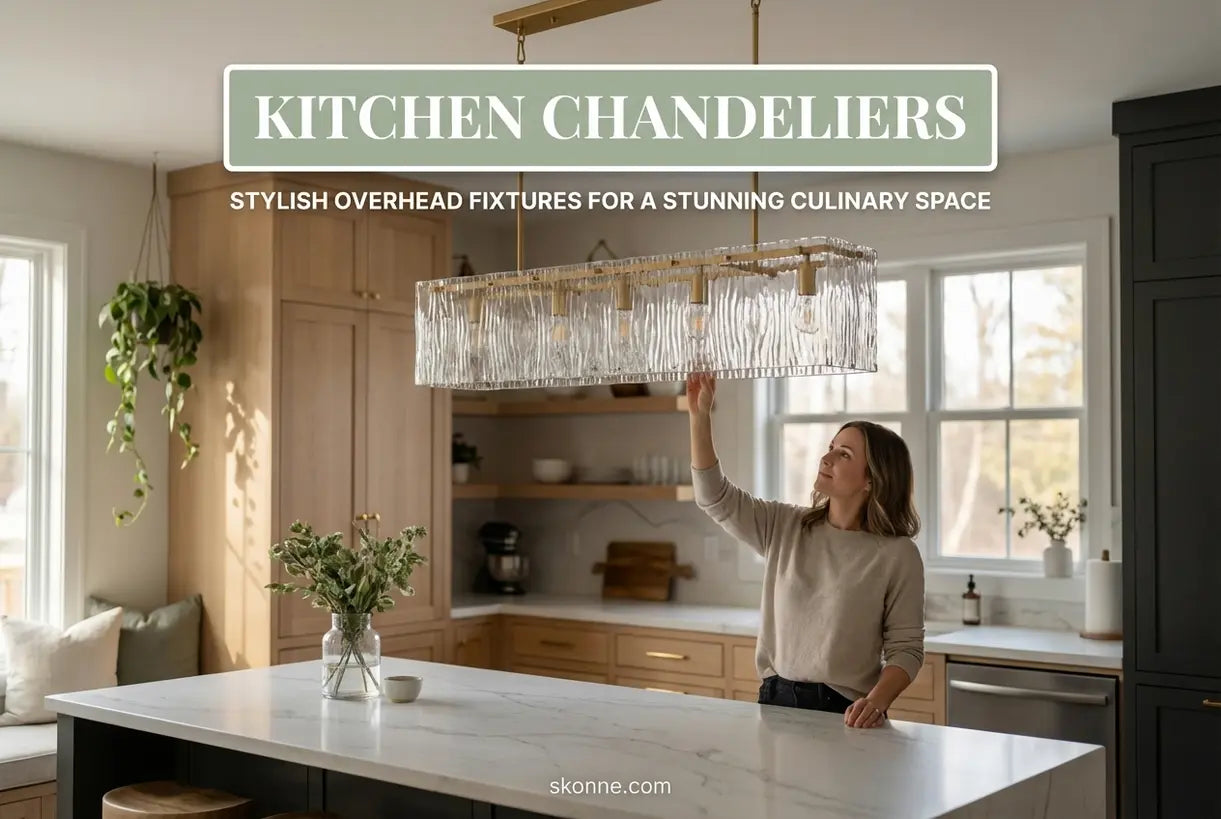
Kitchen Chandeliers: Stylish Overhead Fixtures for a Stunning Culinary Space
Summary›
Lighting has the power to transform any room from functional to extraordinary, and nowhere is this more evident than in the heart of your home. A thoughtfully chosen kitchen chandelier does more than illuminate your culinary workspace—it creates an atmosphere, defines your design aesthetic, and serves as the crowning jewel that ties your entire kitchen together. Whether you're renovating a compact galley kitchen or designing a sprawling open-concept culinary haven, understanding how to select, size, and style the perfect overhead fixture will elevate your daily cooking rituals into moments of genuine delight.
In this comprehensive guide, we'll explore everything you need to know about kitchen chandelier lighting, from sizing guidelines and placement rules to the latest Scandinavian-inspired trends that are reshaping modern culinary spaces. You'll discover how to balance ambient illumination with striking design, ensuring your kitchen becomes both a functional workspace and a stunning showcase of your personal style.
Do People Put Chandeliers in Kitchens?
Absolutely. Once reserved exclusively for formal dining rooms and grand entryways, chandeliers have found their rightful place in contemporary kitchens. Today's homeowners recognize that the kitchen serves as the true gathering place of the home—a space where morning coffee rituals blend seamlessly into evening dinner parties. Installing a Mounted Ceiling Lights collection piece or a statement chandelier overhead brings warmth, sophistication, and vertical interest to spaces that might otherwise feel utilitarian.
The shift toward open-concept living has accelerated this trend, as kitchens now flow visually into living and dining areas. A carefully selected chandelier helps define the kitchen zone while maintaining cohesive design language throughout your home. From compact contemporary kitchen chandeliers above small breakfast nooks to dramatic installations over expansive islands, these fixtures prove that practical spaces deserve beautiful lighting.
What Are the Different Types of Kitchen Chandeliers?
Understanding the variety of chandelier styles available helps you narrow down options that complement your kitchen's architecture and your personal aesthetic. The market offers several distinct categories, each bringing unique character to culinary spaces.
Crystal and Glass Chandeliers remain perennial favorites for those seeking timeless elegance. These fixtures refract light beautifully, creating dancing patterns across countertops and cabinets. The Stjerna Vintage French Clear Glass Chandelier exemplifies this category with its Nordic-inspired oval design, offering adjustable chain length to accommodate various ceiling heights while casting a sophisticated glow over kitchen islands.
Linear and Island-Specific Fixtures have gained tremendous popularity as kitchen islands become larger and more central to home design. These elongated chandeliers feature multiple lights arranged in a row, providing even illumination across lengthy workspaces. They're particularly effective for task lighting while maintaining decorative appeal.
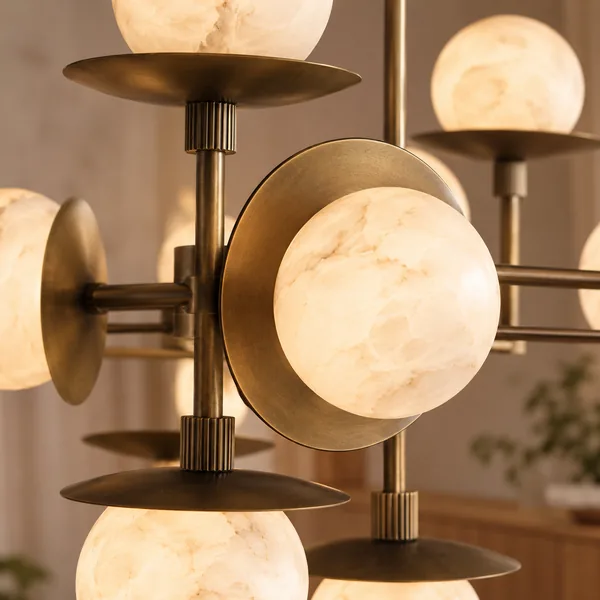
Sputnik and Sculptural Designs embrace mid-century modern and atomic-age aesthetics, featuring radiating arms that create starburst effects. These statement pieces work beautifully in kitchens with clean lines and minimal ornamentation, adding artistic flair without overwhelming the space. For those drawn to this style, our collection of retro-inspired fixtures offers authentic Scandinavian interpretations of this classic design.
Lantern and Cage Styles bring architectural interest with their enclosed frameworks, often mixing metal and glass for a transitional look that bridges traditional and contemporary kitchens. These fixtures work particularly well in farmhouse or industrial-inspired spaces.
Chandeliers
Shop all Chandeliers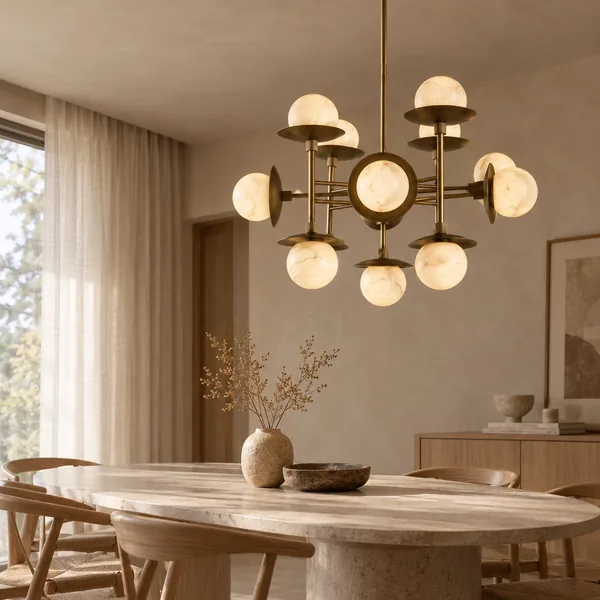
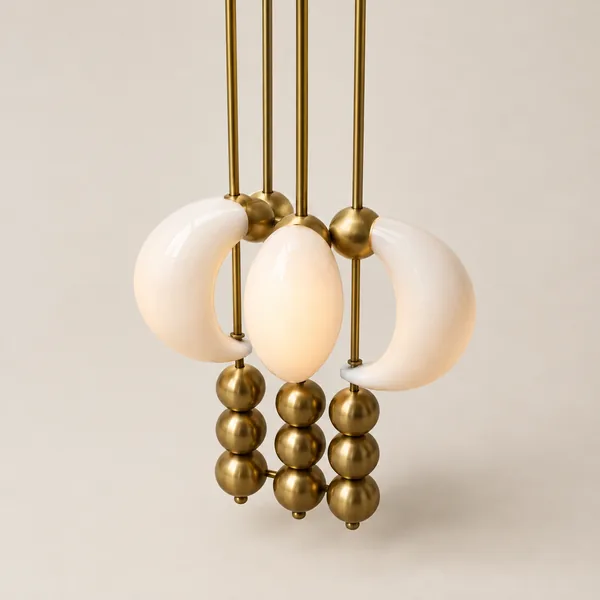
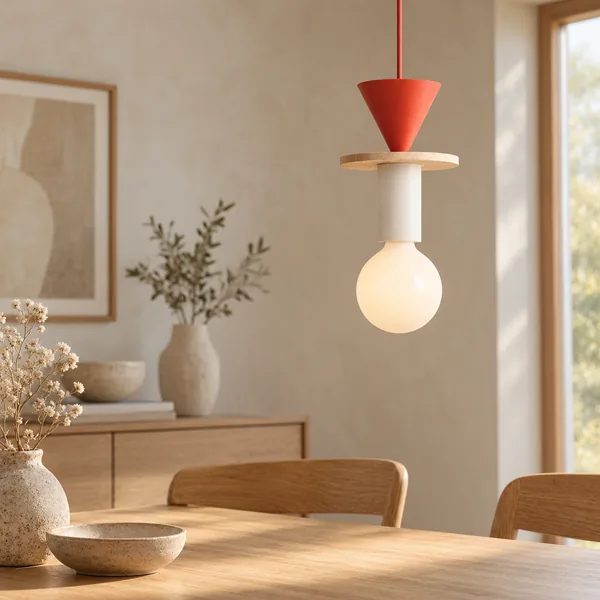
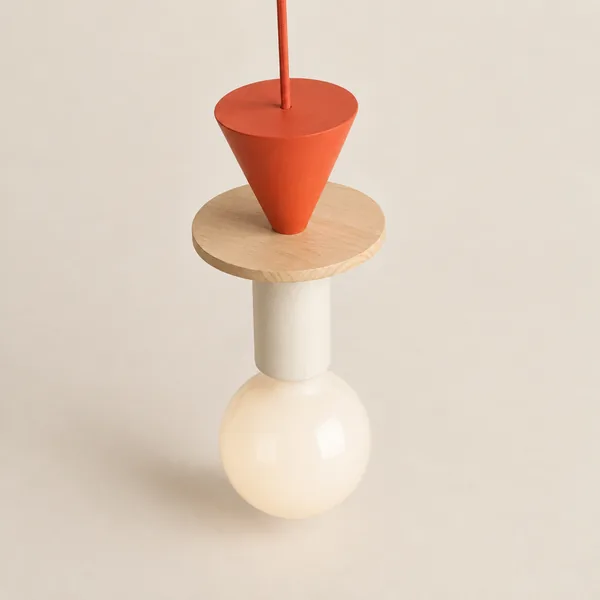
How to Choose the Right Kitchen Chandelier
Selecting the perfect modern kitchen chandelier requires balancing practical considerations with aesthetic preferences. The right fixture should provide adequate illumination for food preparation while complementing your cabinetry, hardware, and overall design scheme. Begin by assessing your kitchen's specific needs: Is the chandelier primarily for ambient lighting over a seating area, or does it need to provide task lighting for food prep? Will it hang over a table, an island, or in the center of the room?
Sizing Guidelines for Perfect Proportions
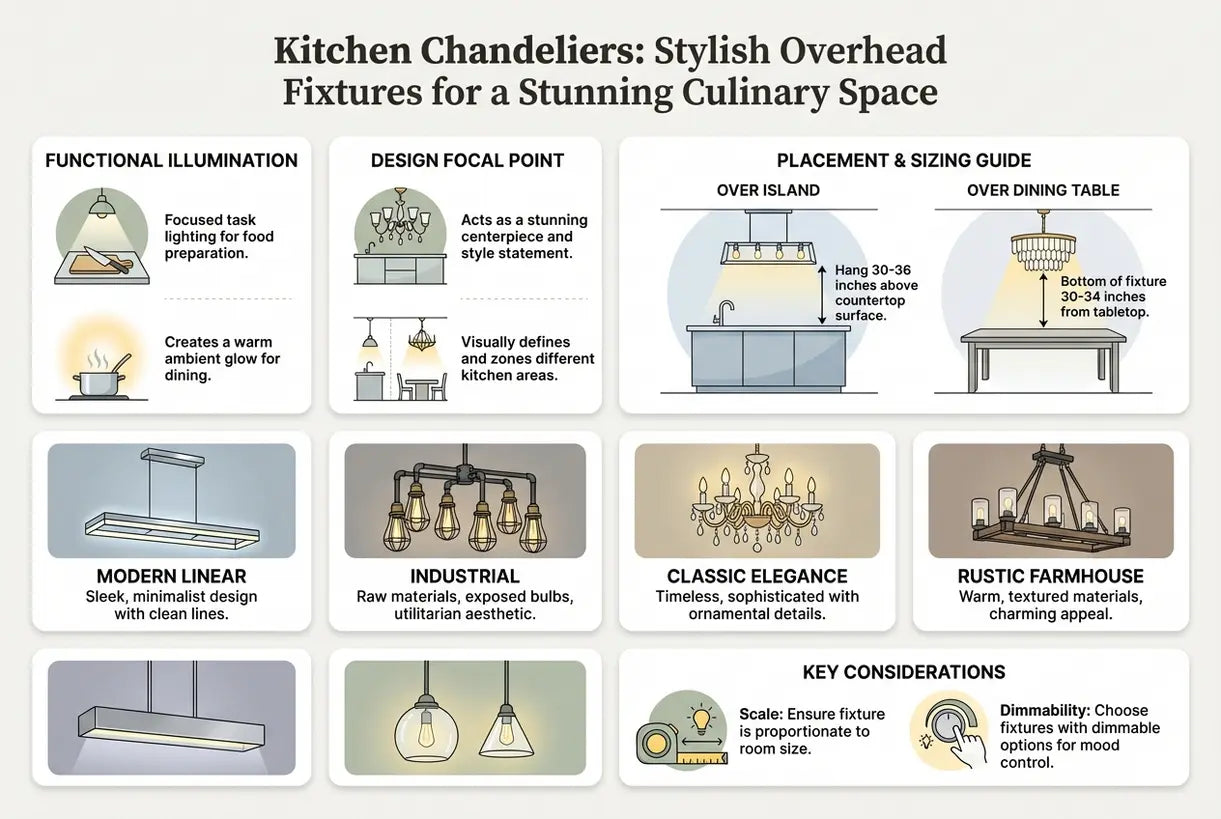
Getting the scale right is perhaps the most critical aspect of chandelier selection. A fixture that's too small disappears visually, while one that's too large overwhelms the space and creates harsh lighting. For chandeliers hung over dining tables or kitchen islands, follow the half to two-thirds rule: select a fixture measuring approximately one-half to two-thirds the width of your surface.
For example, if your kitchen island measures 72 inches long, look for linear chandeliers between 36 and 48 inches in width. For circular chandeliers over square or round tables, add the room's length and width in feet, then convert that number to inches for the ideal diameter. A 12-by-14-foot kitchen calls for a chandelier roughly 26 inches in diameter. For odd-shaped rooms or open-concept spaces, add 12 inches to accommodate the expanded visual field.
Placement Height Rules
Proper hanging height ensures your chandelier provides effective illumination without obstructing sightlines or creating glare. The standard guideline recommends hanging chandeliers 30 to 36 inches above surfaces—whether that's your kitchen island countertop or dining table. This height provides adequate headroom while keeping the light source close enough for intimate ambiance and effective task lighting.
For ceilings higher than nine feet, add three inches of hanging height for each additional foot of ceiling height. In rooms where traffic flows beneath the fixture (such as entryways adjacent to kitchens), ensure at least seven feet of clearance from the floor to the bottom of the chandelier. Always consider the fixture's visual weight; heavier, more substantial chandeliers can hang slightly higher than delicate, airy designs.
Style Selection Based on Kitchen Aesthetic
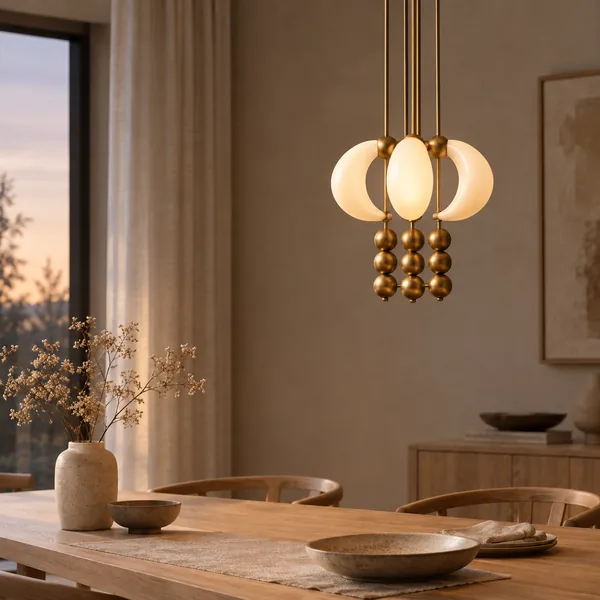
Your chandelier should feel like a natural extension of your kitchen's design language rather than an afterthought. In Scandinavian-inspired kitchens featuring light woods, white cabinetry, and minimal ornamentation, choose fixtures with clean lines, natural materials, and matte finishes. Aged brass, matte black, and oil-rubbed bronze finishes currently dominate trending designs, offering warmth without the high polish of traditional chrome or nickel.
For farmhouse or cottage-style kitchens, consider lantern-style fixtures or chandeliers featuring wood elements and seeded glass. Contemporary and modern kitchens benefit from geometric shapes, linear designs, and mixed materials like concrete paired with metal. Industrial spaces welcome exposed bulbs, cage frameworks, and raw metal finishes that echo utilitarian heritage.
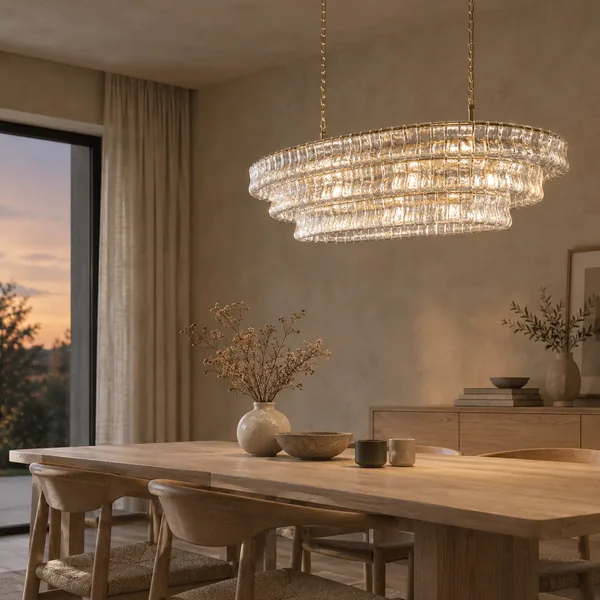 Stjerna Vintage French Clear Glass Chandelier$1,799.00$2,259.00
What Are the Latest Trends in Kitchen Chandeliers?
Today's kitchen lighting trends reflect broader shifts toward organic materials, sustainable craftsmanship, and personalized expression. Mixed materials dominate current designs, with artisans combining wood, metal, and glass in unexpected ways. Think oak accents paired with aged brass, or blackened steel frameworks holding handblown glass globes. These combinations add textural richness that complements the clean surfaces typical of modern kitchens.
Matte black and aged brass finishes have overtaken polished chrome as the metals of choice, offering warmth and sophistication that ages beautifully. These finishes work particularly well in Scandinavian-inspired spaces where understated elegance takes precedence over flashy ornamentation. Linear and elongated fixtures continue trending upward as kitchen islands expand and serve multiple functions—from food prep to homework stations to cocktail bars.
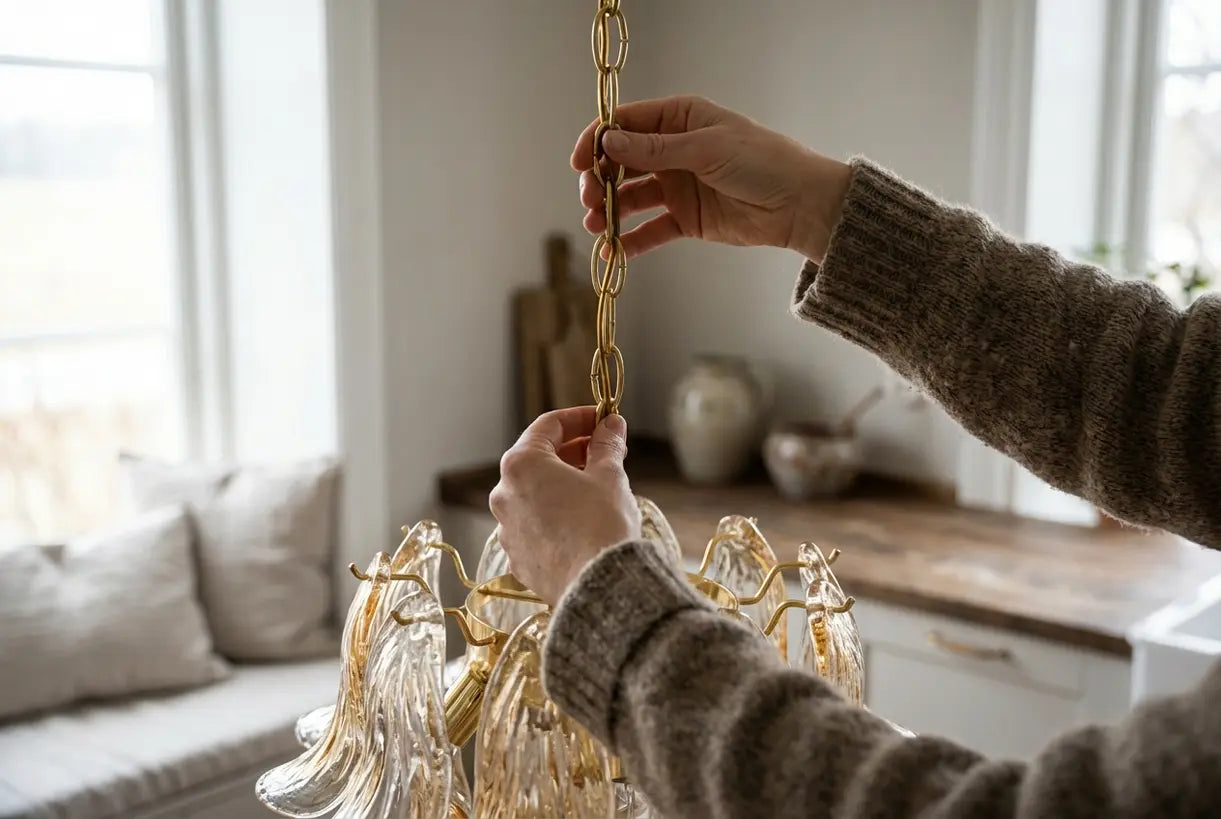
Sculptural, Sputnik-inspired designs bring artistic presence to minimalist kitchens, functioning as both light sources and conversation pieces. These starburst fixtures reference mid-century atomic age aesthetics while feeling thoroughly contemporary. Additionally, LED integration has advanced significantly, with designers creating fixtures that house modern, energy-efficient lighting within traditionally styled frames. This marriage of old-world craftsmanship and new technology offers the best of both worlds—timeless beauty with contemporary efficiency.
Pendant Lights
Shop all Pendant Lights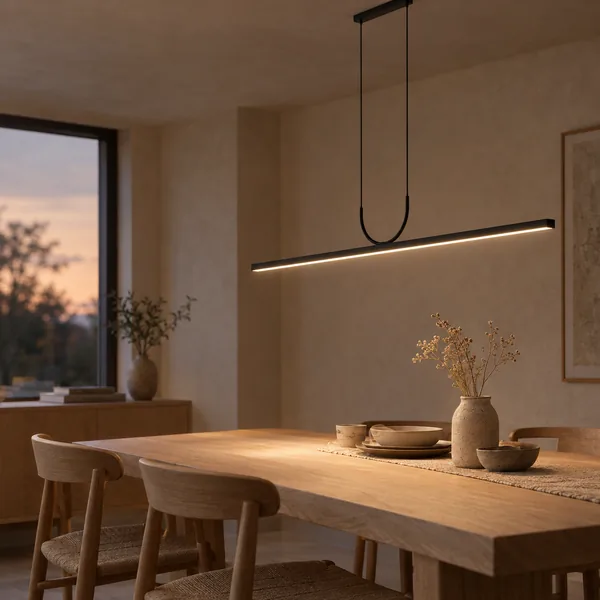
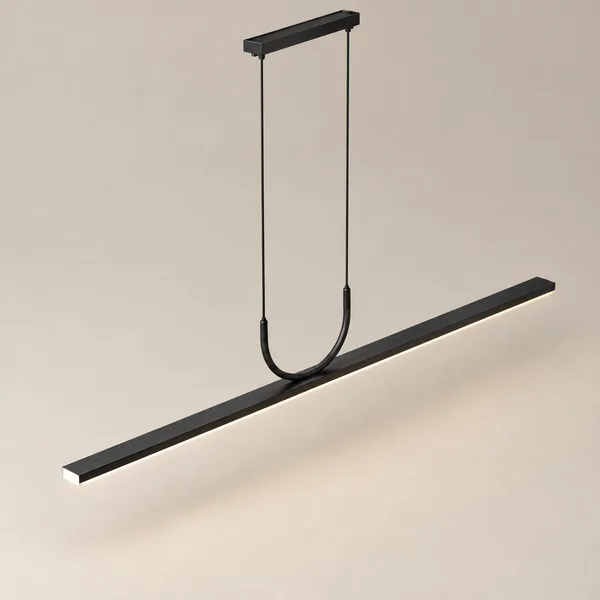 Save $140.00
Linné Minimalist Linear Black LED Pendant Light
 Save $60.00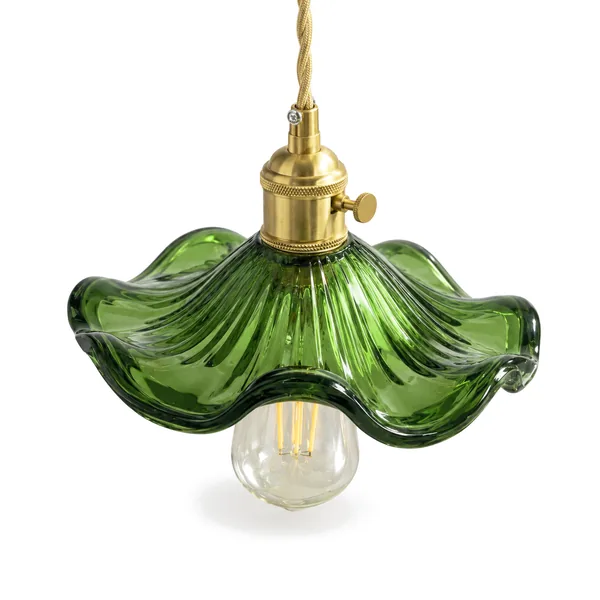
 3 options
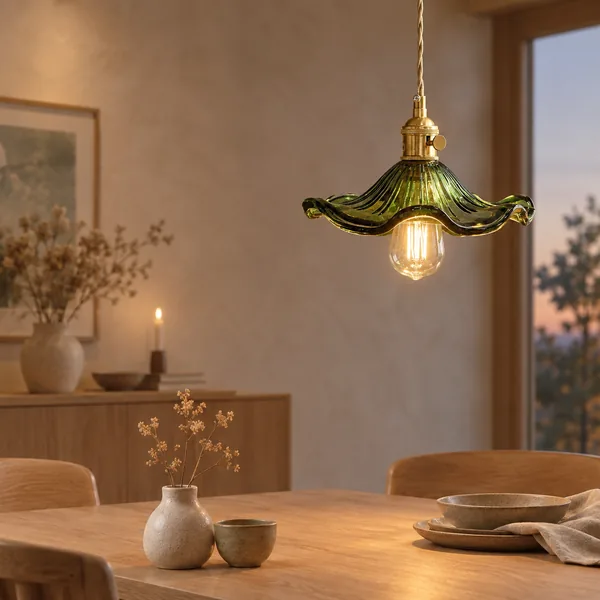
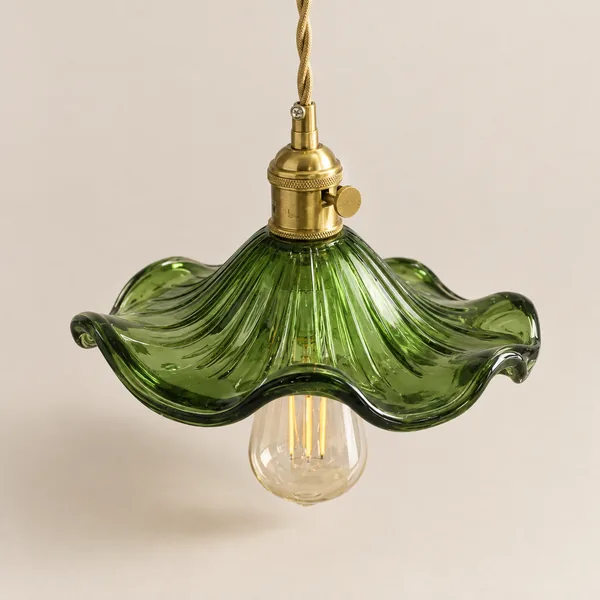
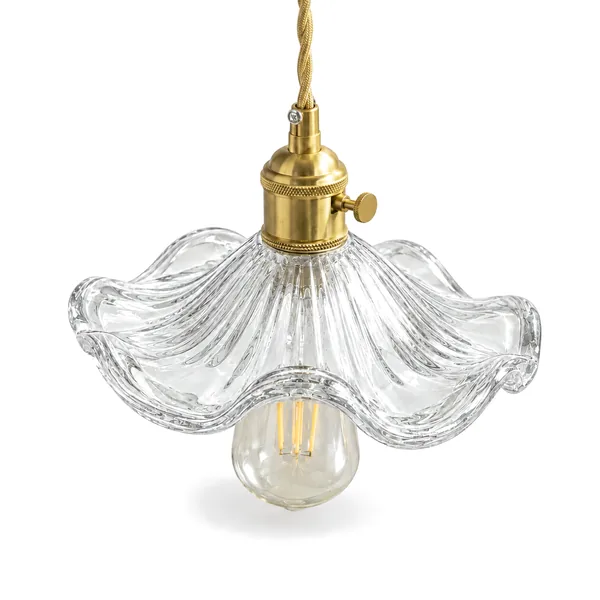
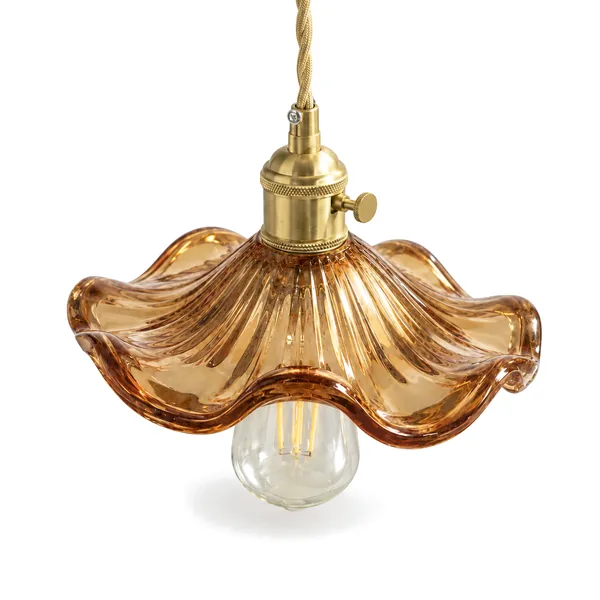
Glora Nordic Glass Pendant Light with Copper
 Save $120.00
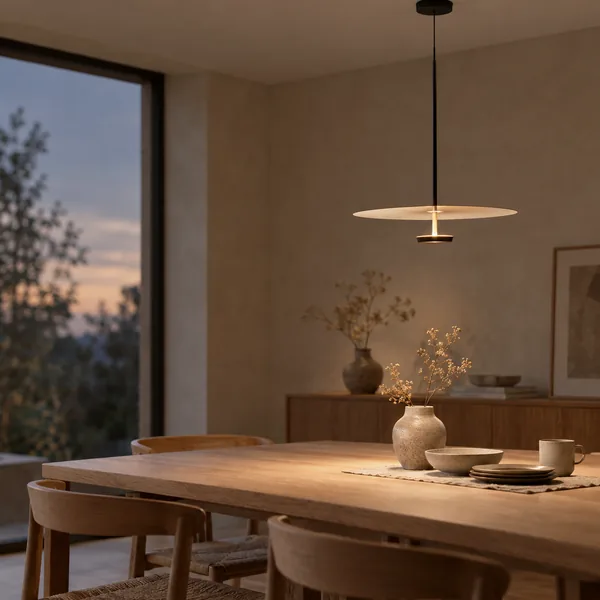
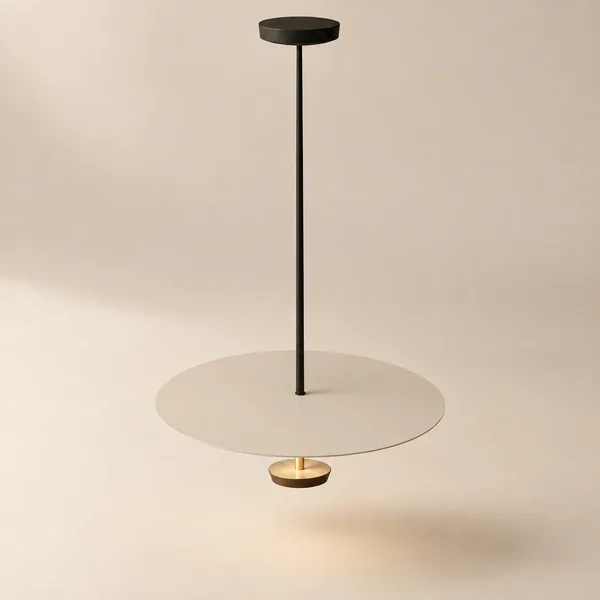
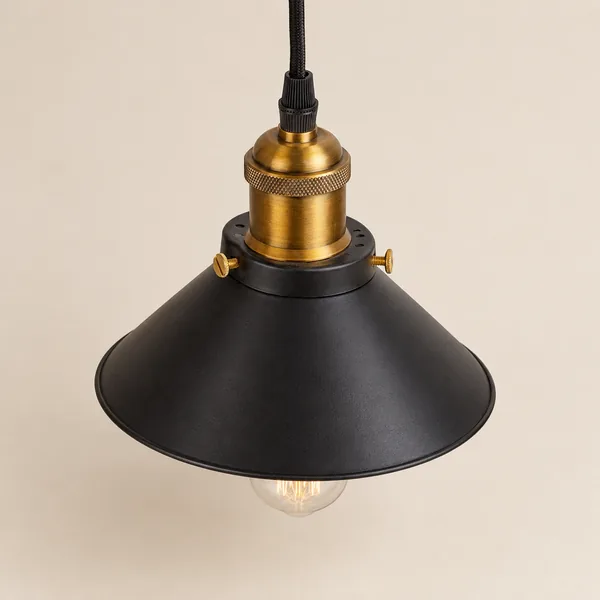
Skiva Nordic Saucer Ceiling Pendant Light LED
Kitchen Island Chandelier Ideas
The kitchen island represents prime real estate for statement lighting, serving as the visual anchor of your culinary space. When selecting a kitchen island chandelier, consider the island's primary functions. If you primarily use the space for food preparation and casual dining, linear chandeliers with multiple downlights provide excellent task illumination while maintaining streamlined aesthetics.
For islands that double as entertaining spaces or homework stations, consider fixtures with dimmable capabilities that transition from bright task lighting to ambient glow. The scale should feel substantial enough to anchor the island visually—when in doubt, size up rather than down. Multiple smaller pendants can substitute for a single large chandelier in exceptionally long islands, spaced approximately 24 to 30 inches apart for balanced illumination.
Stunning Island Lighting Solutions
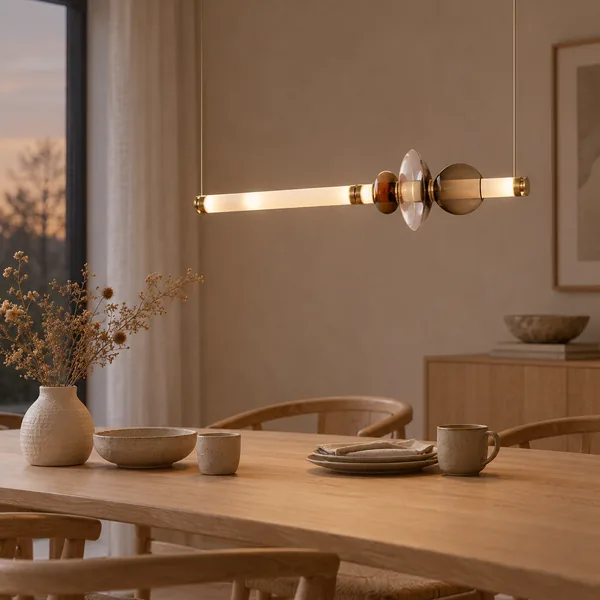 Glodstav Glass Bar Chandelier for Dining Room$499.00$719.00
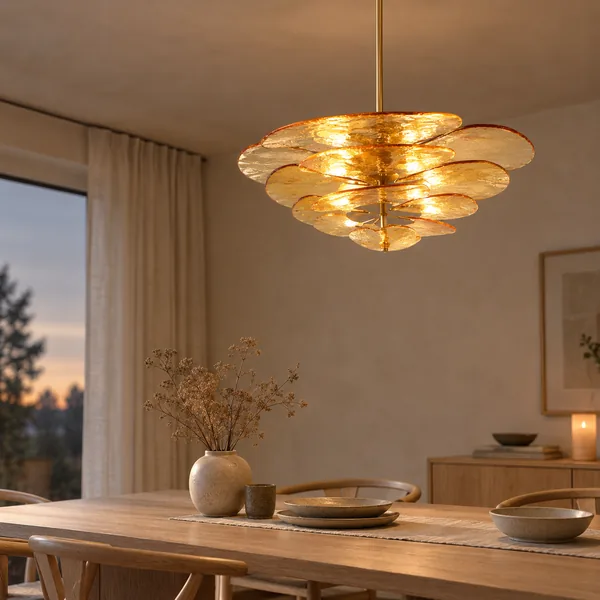 Ravglo Handcrafted Amber Stained Glass Chandelier$899.00$1,389.00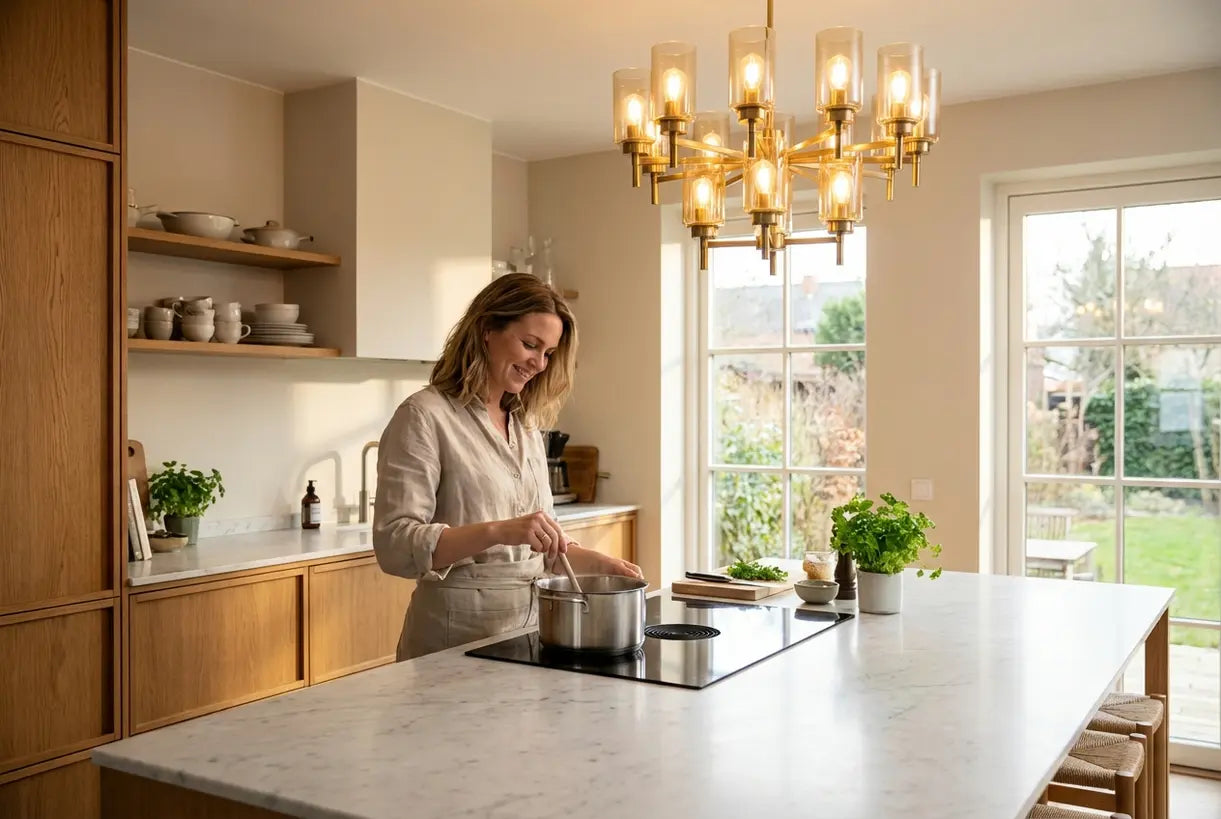
How to Maintain a Kitchen Chandelier
Kitchen environments present unique challenges for lighting maintenance, with grease, steam, and airborne cooking particles potentially dulling your fixture's sparkle. Regular maintenance ensures your chandelier continues casting beautiful light while preserving its finish and structural integrity. Establish a cleaning routine based on your cooking habits—avid home chefs should clean fixtures monthly, while occasional cooks can maintain quarterly schedules.
Begin by turning off the fixture and allowing bulbs to cool completely. For glass and crystal elements, use a solution of warm water and mild dish soap applied with a soft microfiber cloth. Avoid spraying cleaning solution directly onto the fixture; instead, dampen the cloth and gently wipe each element. For metal frames, use cleaners appropriate to the specific finish—brass requires different care than matte black powder coating. Always dry components thoroughly to prevent water spots and potential corrosion.
Replace burnt-out bulbs promptly to prevent uneven illumination that strains the electrical system. When selecting replacement bulbs, maintain consistent color temperatures throughout the kitchen—mixing warm 2700K bulbs with cool 4000K bulbs creates jarring, unflattering light. Consider upgrading to dimmable LED bulbs that offer energy efficiency alongside customizable ambiance, perfect for transitioning from bright cooking light to intimate dinner party glow.
Conclusion
Transforming your kitchen with the perfect chandelier requires thoughtful consideration of scale, style, and functionality, but the results deliver daily rewards. The right fixture elevates mundane cooking tasks into inspired culinary experiences, creates welcoming gathering spaces for family and friends, and expresses your unique design sensibility. By following sizing guidelines, selecting finishes that complement your existing décor, and choosing designs that balance beauty with practicality, you'll create a kitchen that serves as the true heart of your home.
At Skonne, we curate Scandinavian-inspired lighting that brings warmth, intention, and elevated design to every culinary space. From handcrafted glass chandeliers that cast honeyed glows to sleek linear fixtures perfect for modern islands, our collection offers carefully selected pieces that transform houses into homes. Explore our complete range of kitchen lighting solutions and discover how the perfect chandelier can illuminate not just your countertops, but your daily moments of connection and creativity.
Related Article
Sputnik Chandeliers: Mid-Century Starburst Fixtures for Bold, Retro InteriorsExplore Sputnik chandeliers - iconic mid-century starburst fixtures that transform any room with bold retro elegance and timeless atomic-age design.