
LED Ceiling Light Flickering & Troubleshooting: Causes, Fixes & When to Replace
Summary›
- Why Is My LED Ceiling Light Flickering? Understanding the Root Causes
- How to Fix a Flickering LED Ceiling Light: Step-by-Step Troubleshooting
- Dimmer Compatibility Issues: The Hidden Culprit
- Can a Flickering LED Light Cause a Fire? Safety Considerations
- When Should I Replace a Flickering LED Light? Repair vs. Replacement
- Preventing Future Flickering: Best Practices for LED Installation
- Conclusion: From Frustration to Perfect Illumination
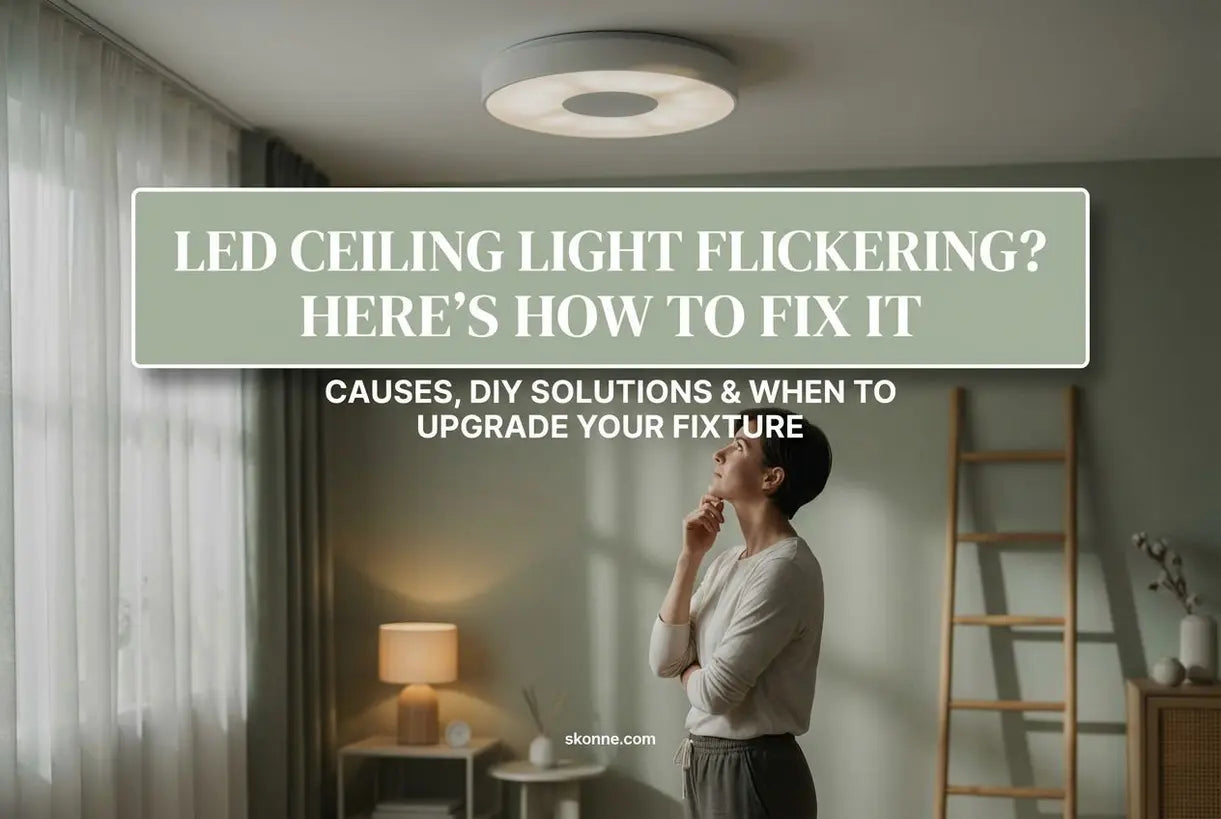
There's nothing quite as frustrating as settling into your living room for a cozy evening, only to be interrupted by the persistent, rhythmic pulse of a LED ceiling light flickering above you. That strobe-like effect doesn't just ruin the ambiance you've carefully curated—it's a signal that something in your lighting system needs attention. Whether you're dealing with a brand-new fixture or an older installation that's suddenly developed a personality, understanding the root causes of flickering can save you from unnecessary headaches and potentially costly electrician visits.
In this comprehensive guide, we'll walk you through everything you need to know about diagnosing and resolving flickering ceiling light issues. From simple DIY fixes you can tackle this weekend to knowing when it's time to upgrade to a quality fixture that won't let you down, we've got you covered. Along the way, we'll share insights into why some LED lights develop these issues and how choosing the right products from the start can prevent them entirely.
Why Is My LED Ceiling Light Flickering? Understanding the Root Causes
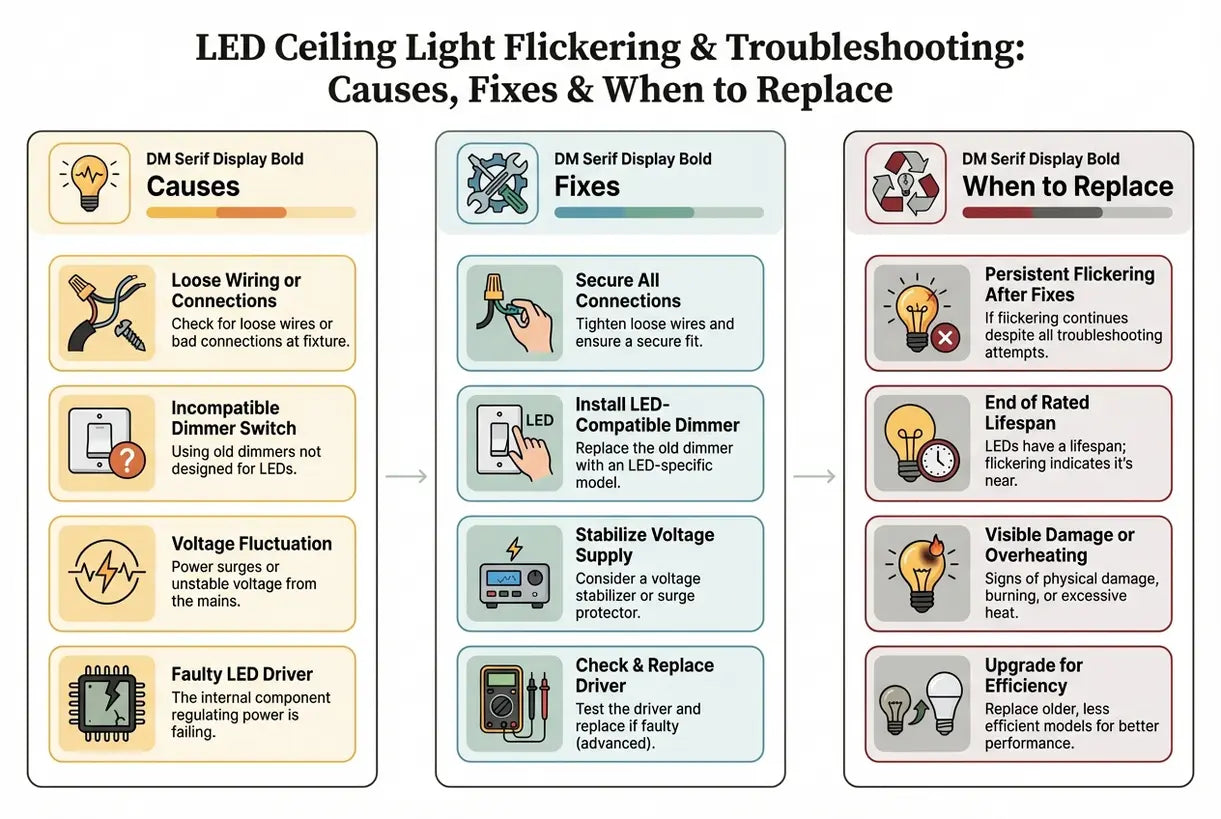
Before you can fix a problem, you need to understand what's causing it. LED light flickering typically stems from a handful of common culprits, and identifying which one affects your fixture is the first step toward a resolution.
Incompatible Dimmer Switches
One of the most frequent causes of blinking LED lights is a mismatch between your LED bulb and the dimmer switch controlling it. Traditional dimmers were designed for incandescent bulbs, which work by reducing voltage to dim the light. LEDs, however, require a specific type of dimmer—often called a "trailing edge" or ELV dimmer—that's compatible with low-wattage LED technology. If you've recently switched to LEDs but kept your old dimmer, this is likely your culprit.
Loose or Faulty Wiring Connections
Over time, the connections within your ceiling fixture can loosen due to thermal expansion and contraction, vibrations, or simple wear and tear. Loose wiring creates intermittent contact, leading to the sporadic flickering you might notice when walking upstairs or during windy weather. This is particularly common in older homes where wiring may have degraded or was never properly secured during the initial installation.
LED Driver Problems
Every LED fixture contains a driver—the component that converts your home's AC power to the DC power LEDs need to function. When drivers begin to fail or are undersized for the LED load, they can't maintain consistent power delivery. This results in the pulsing or strobing effect that drives homeowners crazy. LED driver problems are especially common in budget fixtures where manufacturers have cut corners on component quality.
Voltage Fluctuations and Ghost Currents
Sometimes the issue isn't with your fixture at all, but with your home's electrical supply. High-draw appliances like air conditioners or refrigerators kicking on can cause brief voltage drops that manifest as momentary flickering. Additionally, "ghost currents" from phantom voltage in three-way switches or smart switches can cause LEDs to glow or flicker even when turned off—a phenomenon that puzzles many homeowners.
Mounted Ceiling Lights
Shop all Ceiling Lights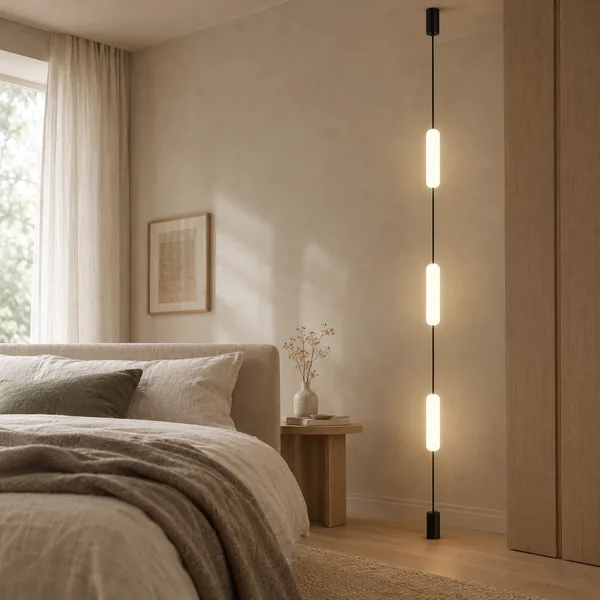



How to Fix a Flickering LED Ceiling Light: Step-by-Step Troubleshooting
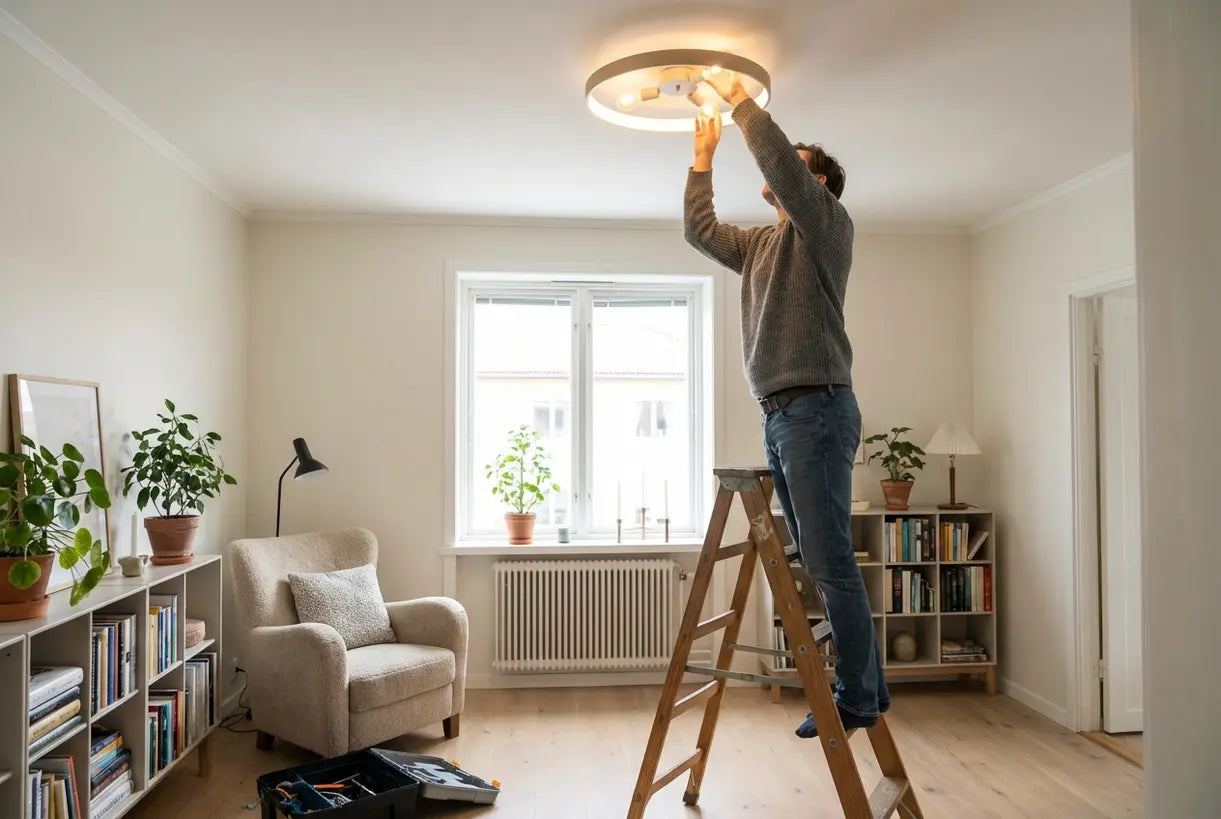
Once you've identified potential causes, it's time to roll up your sleeves and start troubleshooting. Here's a systematic approach to ceiling fixture repair that will help you isolate and resolve the issue.
Step 1: Check and Tighten All Connections
Safety first—always turn off the power at the circuit breaker before working on any electrical fixture. Remove the fixture cover and carefully examine all wire connections. Look for loose wire nuts, corroded terminals, or wires that have pulled free from their connectors. Tighten any loose connections and ensure all wire nuts are properly sized and secured. Pay special attention to ground connections, as these can sometimes cause intermittent issues if loose.
Step 2: Test Without the Dimmer
If your fixture is connected to a dimmer switch, bypass it temporarily by connecting the fixture directly to the line voltage (or replacing the dimmer with a standard switch for testing). If the flickering stops, you've found your problem. Replace the incompatible dimmer with an LED-compatible model—look for switches specifically labeled for LED use with a wide dimming range.
Step 3: Inspect the LED Driver
For integrated LED fixtures, the driver is often accessible and replaceable. Look for a small black box with input and output wires. If the driver feels unusually hot, shows signs of burnout, or is making a buzzing sound, it's likely failing. Some drivers can be replaced individually, which is more economical than replacing the entire fixture—though this depends on the design and age of your light.
Step 4: Evaluate Voltage Stability
If flickering coincides with other high-draw appliances running, consider having an electrician evaluate your home's electrical load and panel capacity. Installing dedicated circuits for major appliances or upgrading your service panel may be necessary for older homes. Voltage testers can help you identify whether your fixtures are receiving consistent voltage within the acceptable range (typically 110-120V in the United States).
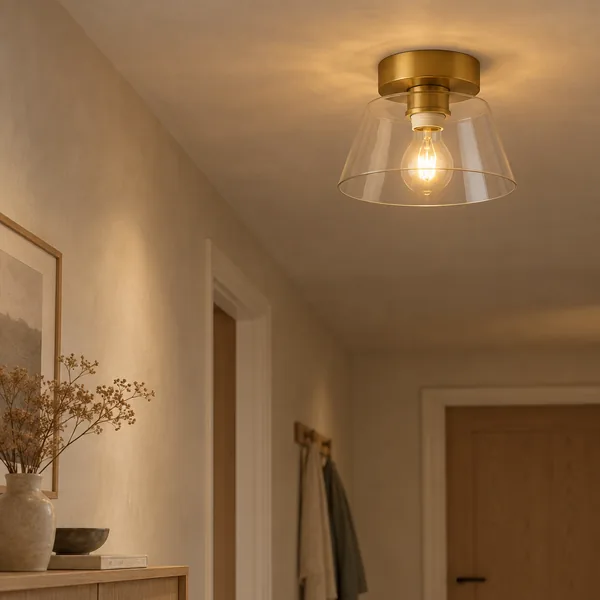 Klara Nordic Glass Ceiling Light for Interiors$109.00$169.00
Dimmer Compatibility Issues: The Hidden Culprit
The transition from incandescent to LED lighting has left many homeowners with mismatched systems. Understanding dimmer compatibility issues can save you significant frustration and ensure your lighting performs as intended.
Understanding Leading Edge vs. Trailing Edge Dimmers
Traditional leading-edge dimmers work by cutting the front of the AC voltage wave, which was fine for the resistive load of incandescent bulbs but problematic for LEDs. Trailing-edge dimmers cut the back of the wave and are designed for the capacitive load of electronic drivers. Using a leading-edge dimmer with LEDs can cause flickering at low levels, failure to turn off completely, or premature bulb failure.
Minimum Load Requirements
Many dimmers have minimum load requirements, often around 40-60 watts. Since LEDs consume significantly less power than incandescents, you might not be meeting this minimum. For example, four 10-watt LED bulbs total only 40 watts—potentially below your dimmer's threshold. Solutions include using more bulbs, adding a "dummy load" resistor, or upgrading to an LED-specific dimmer with a lower minimum load (some handle as little as 10 watts).
For those looking to explore more options, our Pendant Lights collection offers a curated selection of dimmer-compatible fixtures designed for seamless integration into modern homes.
Can a Flickering LED Light Cause a Fire? Safety Considerations
A question that naturally arises when dealing with electrical issues is whether there's a fire risk. While LED ceiling light flickering itself is unlikely to start a fire, the underlying causes can potentially create hazardous conditions.
When Flickering Signals Danger
If your flickering is accompanied by buzzing sounds, burning smells, or visible sparks, this indicates a serious electrical problem that requires immediate attention. Loose connections can generate heat, and overheated wiring is a known fire hazard. Similarly, failing drivers that overheat or melting plastic components should be addressed immediately. While LEDs run cooler than incandescent bulbs, the drivers and wiring connections can still reach dangerous temperatures if malfunctioning.
The Importance of Quality Components
Many flickering issues stem from substandard products. Cheap LED bulbs and fixtures often use inferior drivers and components that fail prematurely. Investing in quality Scandinavian-inspired lighting from trusted retailers ensures you're getting products that have been tested for safety and longevity. Quality fixtures like the Klara Nordic Glass Ceiling Light are built with LED compatibility and longevity in mind.
Upgrade Options: Premium Ceiling Lights Without the Flicker
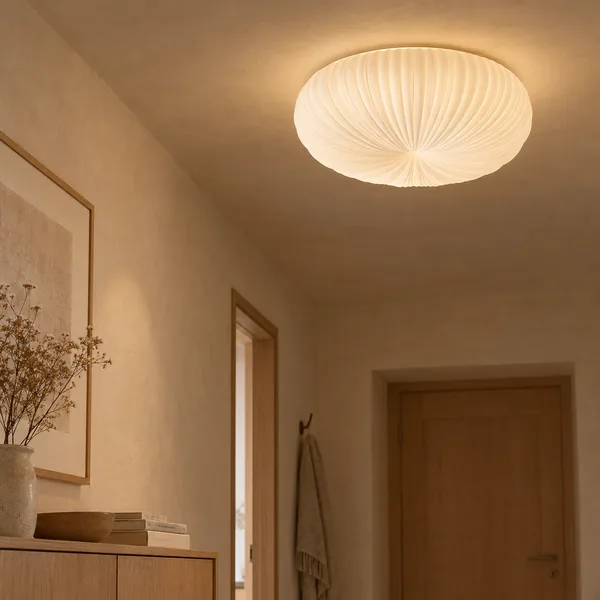 Kupa Cream Sculptural Flush Mount Ceiling Light$295.00$389.00
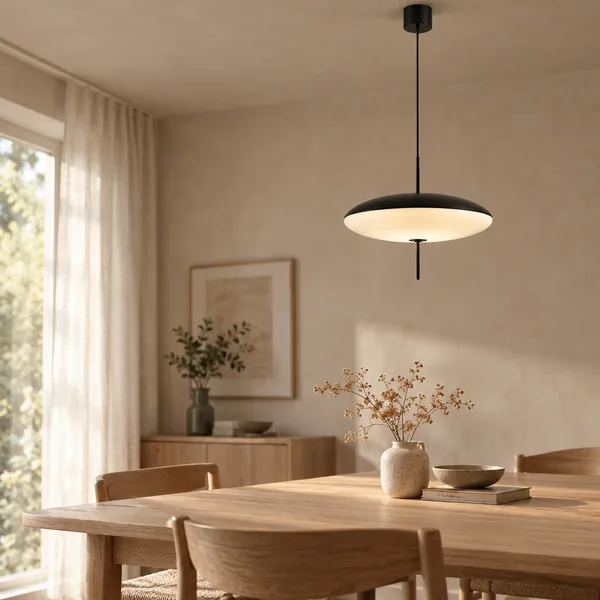 Skiva Saucer Nordic LED Pendant Ceiling Light$179.00$219.00
When Should I Replace a Flickering LED Light? Repair vs. Replacement
There's a point where LED ceiling light repair becomes more trouble and expense than it's worth. Knowing when to cut your losses and invest in a new fixture can save you time and provide better long-term value.
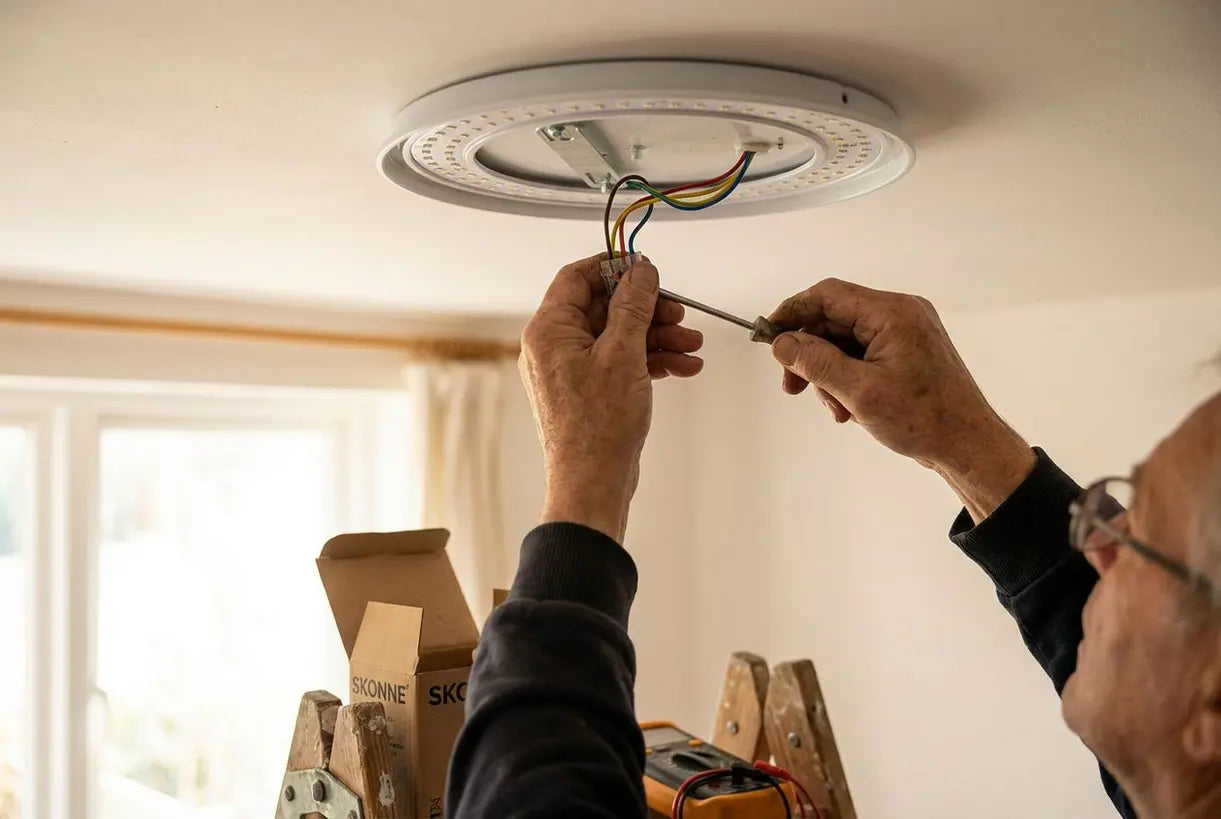
Signs It's Time to Replace
Consider replacement if your fixture is more than 5-7 years old, shows visible damage, or has required multiple repairs. Integrated LED fixtures where the driver is sealed and non-replaceable should be replaced rather than repaired. Similarly, if you discover that your flickering stems from fundamental design flaws or incompatibility with your home's electrical system, upgrading to a modern, compatible fixture is the wiser choice.
The Benefits of Upgrading
Newer LED fixtures offer significant advantages over older models. Modern integrated LEDs eliminate the bulb-and-socket compatibility issues that plague retrofit situations. Quality fixtures feature better drivers, superior heat management, and consistent dimming performance across their lifespan. The Skiva Saucer Nordic LED Pendant Ceiling Light exemplifies this approach—its integrated lighting system eliminates the compatibility issues that cause flickering while delivering the soft, even illumination that makes a space feel truly welcoming.
Lighting
Shop all Lighting
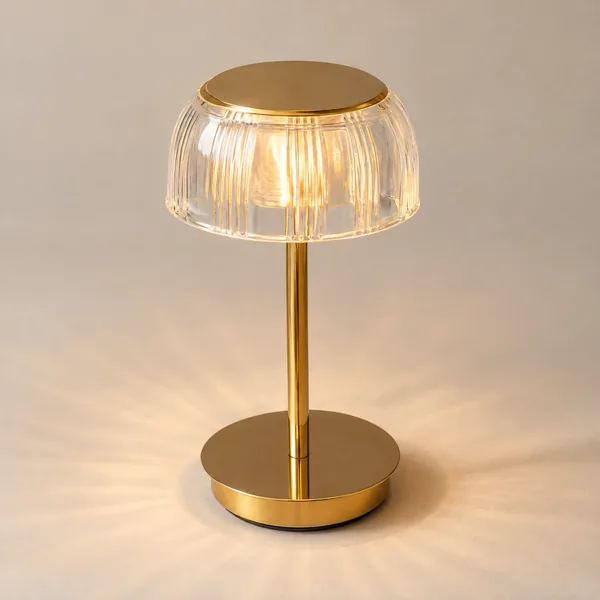 Save $30.00
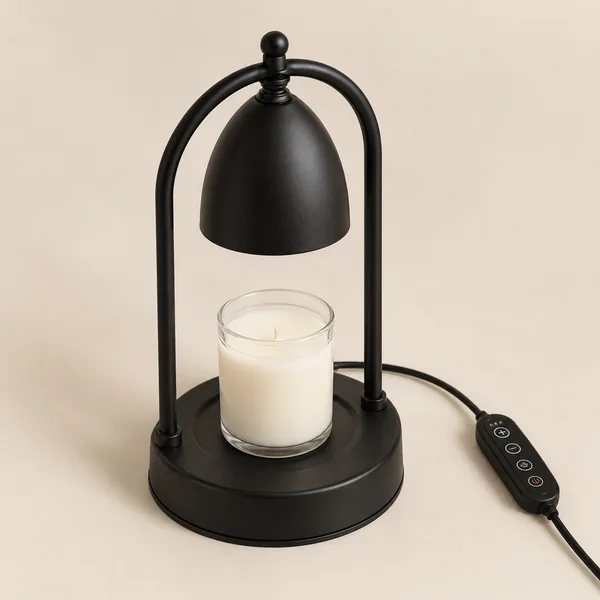
Kvalla Jellyfish LED Rechargeable Table Lamp
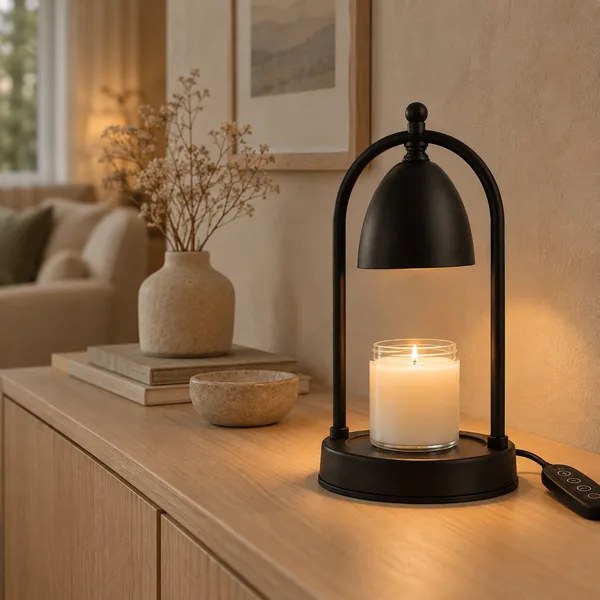
 Save $140.00
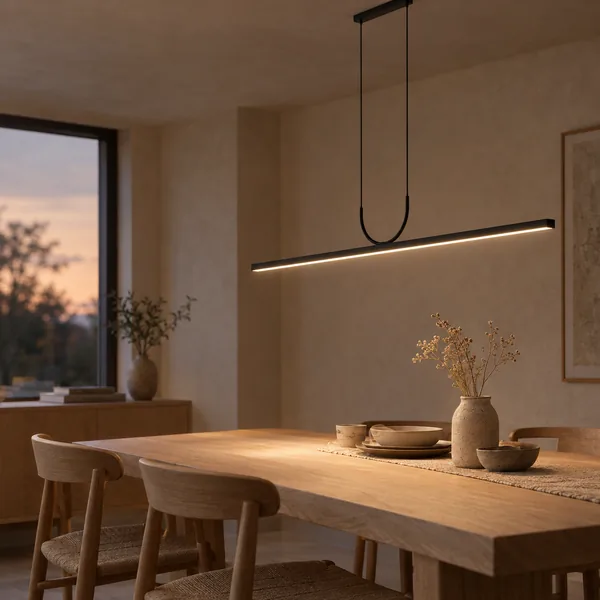
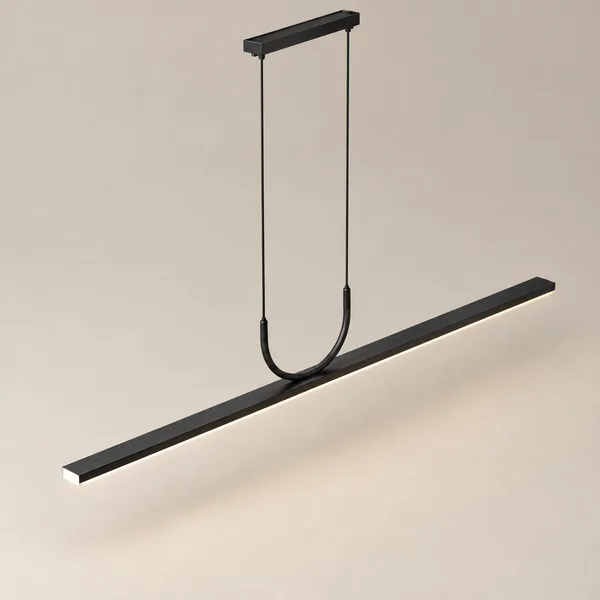
Linné Minimalist Linear Black LED Pendant Light
 Save $60.00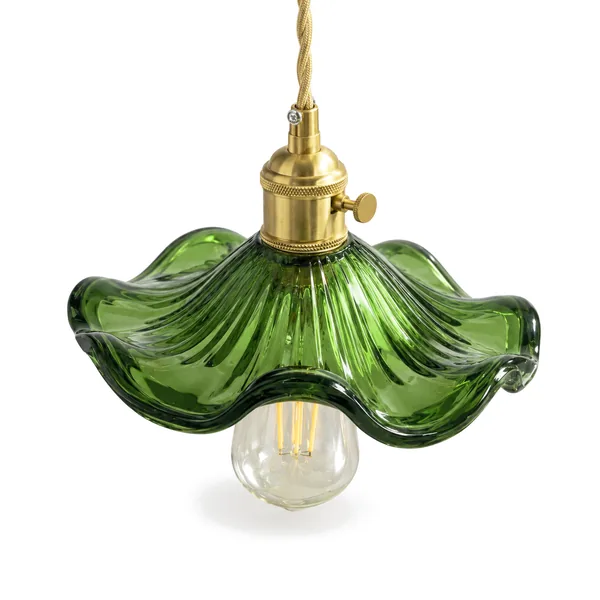
 3 options
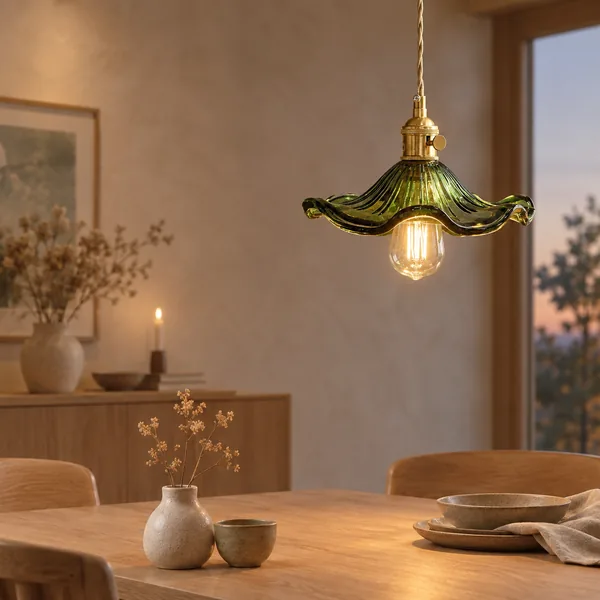
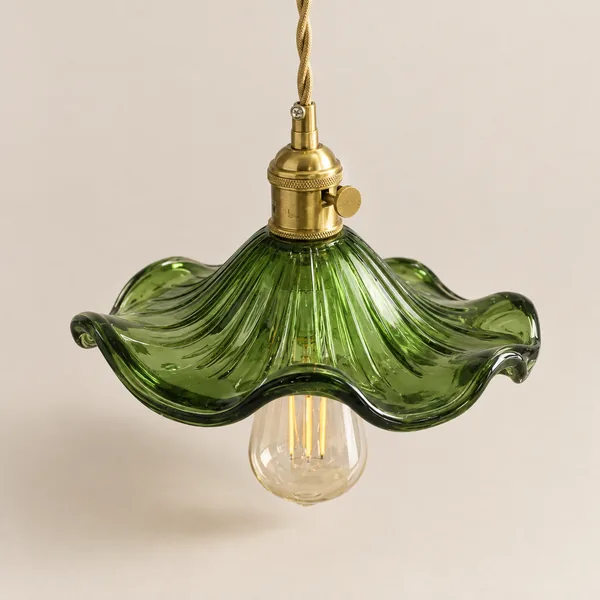
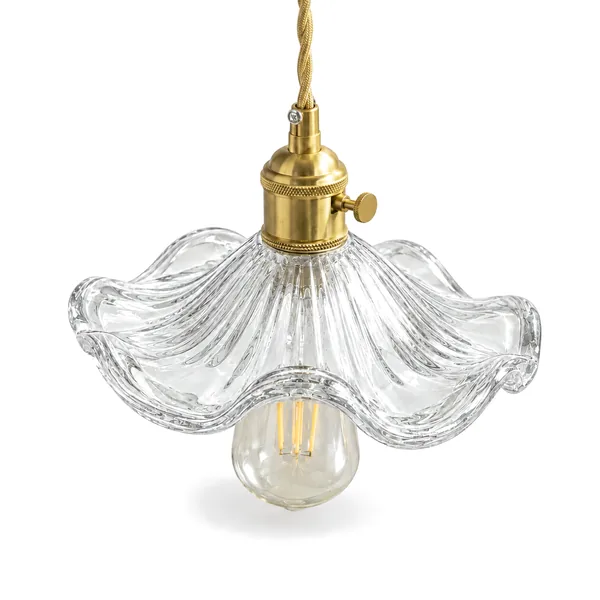
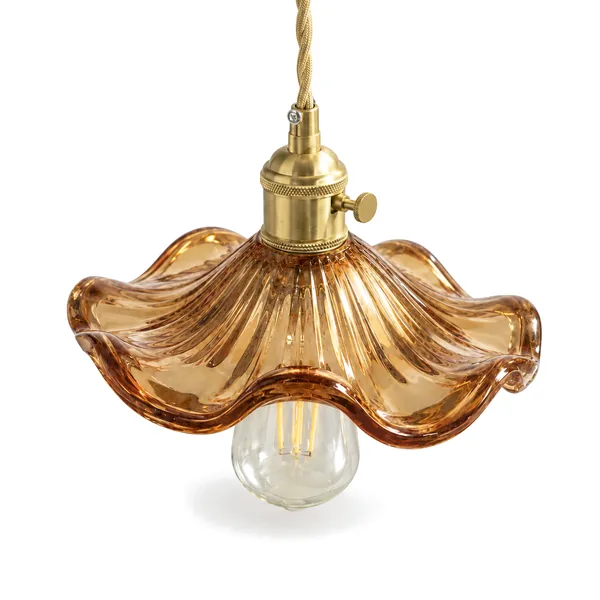
Glora Nordic Glass Pendant Light with Copper
Preventing Future Flickering: Best Practices for LED Installation
Whether you're troubleshooting an existing fixture or planning a new installation, following best practices can prevent ceiling light problems from developing in the first place.
Choose Compatible Components
Always verify that your dimmers are listed as LED-compatible and check wattage ratings to ensure your total LED load meets minimum requirements. Buy bulbs and fixtures from reputable manufacturers who provide detailed compatibility information.
Professional Installation Considerations
For new installations or significant upgrades, consider hiring a licensed electrician. Proper wire sizing, secure connections, and correct driver specifications are crucial for long-term reliability. An electrician can also evaluate whether your home's electrical system needs updates to support modern LED lighting loads.
Pro Tip: When upgrading multiple fixtures, consider switching to integrated LED ceiling lights that eliminate the variables of bulb-to-fixture compatibility. These modern solutions offer consistent performance and often come with extended warranties.
Conclusion: From Frustration to Perfect Illumination
Dealing with a LED ceiling light flickering can test your patience, but with the right approach, most issues are diagnosable and fixable. By understanding the common causes—from incompatible dimmers to loose connections and failing drivers—you can systematically work through solutions and restore the steady, calming light your home deserves.
However, there's an important truth to consider: sometimes the best fix isn't a repair at all, but an upgrade to quality fixtures designed for modern living. At Skonne, we believe lighting should enhance your space without demanding constant attention. That's why our curated collection of Scandinavian-inspired ceiling lights features integrated LED designs that eliminate the compatibility headaches and driver failures that cause flickering.
When you choose fixtures like the Kupa Cream Sculptural Flush Mount Ceiling Light or the Klara Nordic Glass Ceiling Light, you're investing in lighting that's been engineered for longevity and consistency. No strobing, no dimming issues, no weekend troubleshooting—just beautiful, warm illumination that transforms your space into the sanctuary you've always wanted.
Ready to leave flickering frustrations behind? Explore our collection of thoughtfully designed ceiling lights and discover the difference that quality craftsmanship makes.
Related Article
Integrated LED Ceiling Lights: What They Are, How They Work & Whether to Buy OneDiscover what integrated LED ceiling lights are, how they work, and whether they're the right choice for your home. Learn about energy efficiency, longevity, and design options.