
Master Bedroom Lighting Ideas: Layered, Elegant Designs for a Restful Retreat
Summary›
- Understanding the Three Layers of Bedroom Lighting Design
- The 5-7 Lighting Rule: Why More Sources Create Better Ambiance
- Choosing the Right Color Temperature for Restful Sleep
- Scandinavian Bedroom Lighting: Minimalism Meets Warmth
- Video Inspiration: Designer Lighting Secrets
- Bedside Lighting Solutions: Sconces vs. Pendants
- Common Master Bedroom Lighting Mistakes to Avoid
- Practical Steps for Layering Your Bedroom Lighting
- Conclusion: Creating Your Restful Retreat
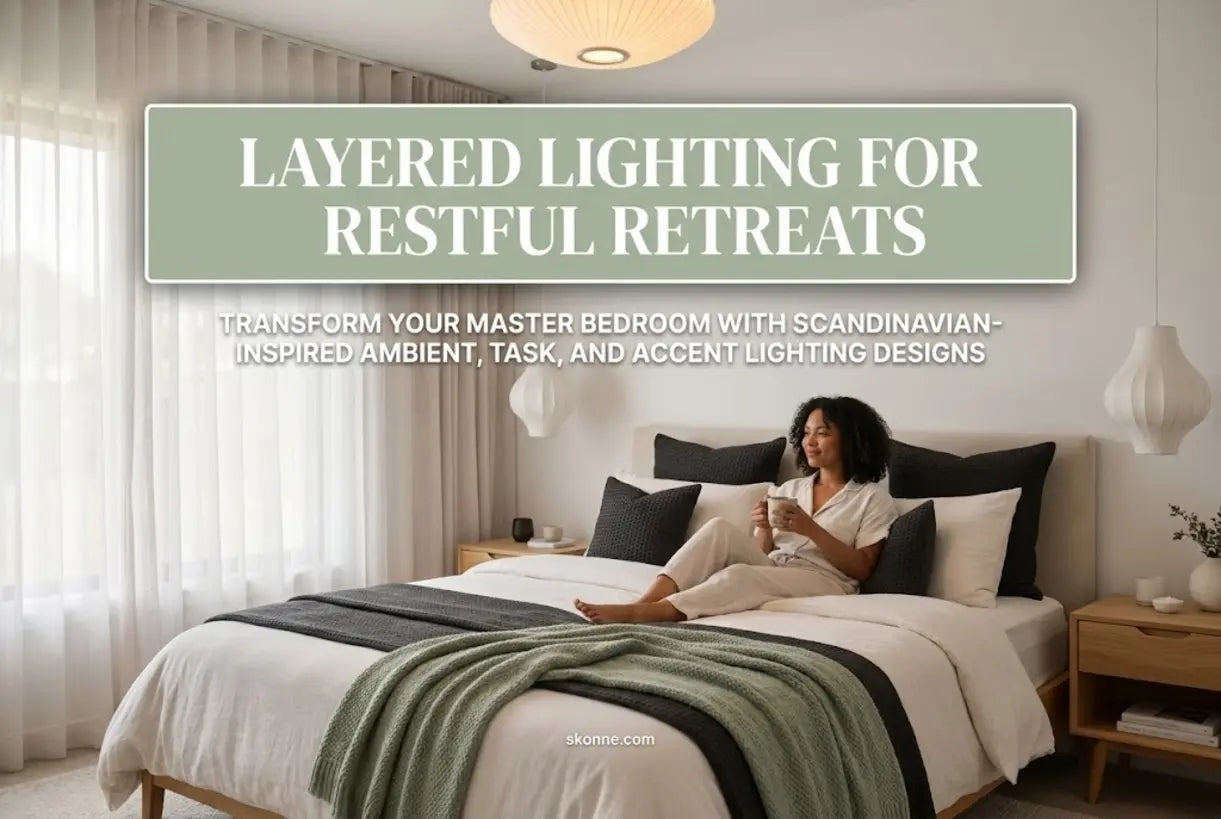
Your master bedroom should feel like a sanctuary—a space where the day's stress melts away and restorative sleep begins. Yet too often, bedrooms suffer from harsh overhead fixtures or dim corners that create more tension than tranquility. The right master bedroom lighting ideas transform your space from merely functional to truly restorative, creating layers of illumination that adapt to your mood and daily rituals.
At Skonne, we believe lighting is the invisible architecture of Scandinavian hygge—that warm, intentional feeling of comfort. Whether you're renovating your primary suite or refreshing your current setup, this guide explores how layered elegance can turn your bedroom into the restful retreat you deserve. Along the way, we'll introduce curated pieces from our Nordic collection that solve common lighting challenges while elevating your aesthetic.
Understanding the Three Layers of Bedroom Lighting Design
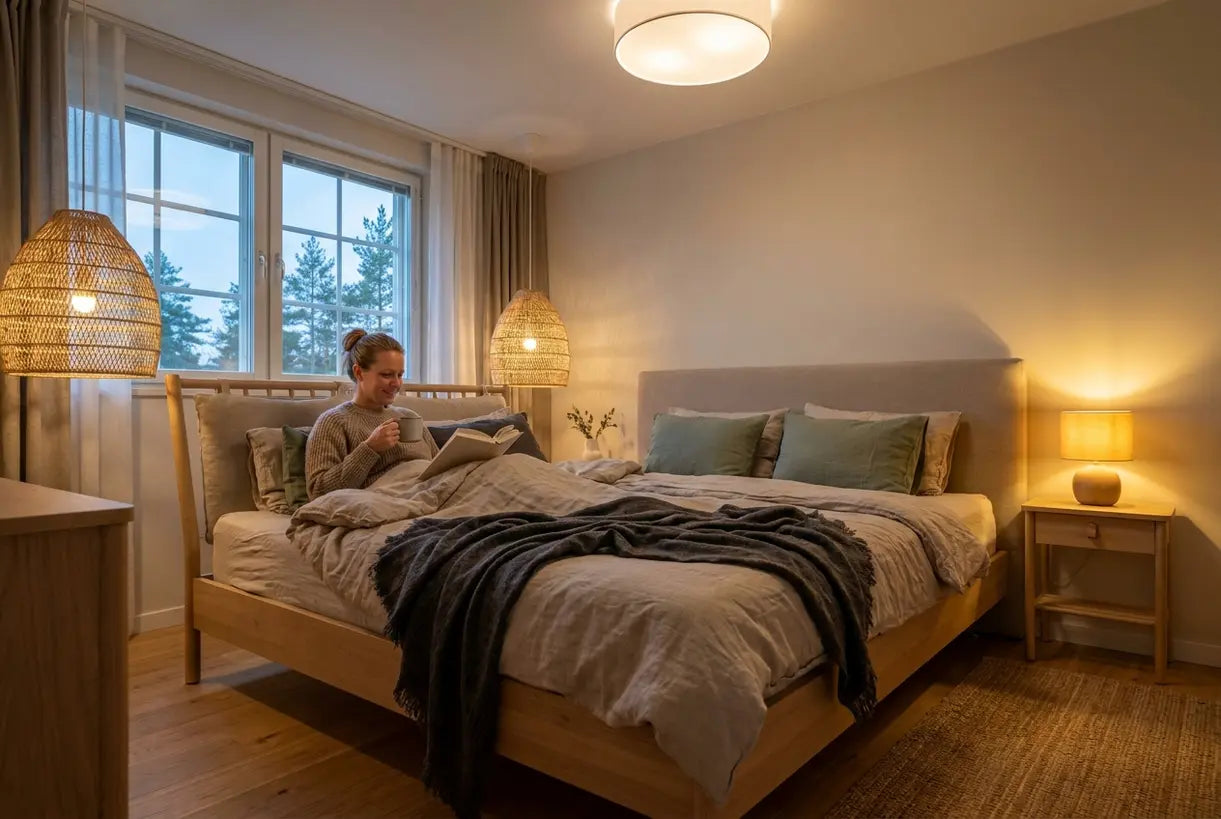
Professional interior designers approach master bedroom lighting through the lens of three distinct layers: ambient, task, and accent lighting. Each serves a unique purpose, and together they create the dimensional, flexible illumination that transforms a basic room into a sophisticated retreat.
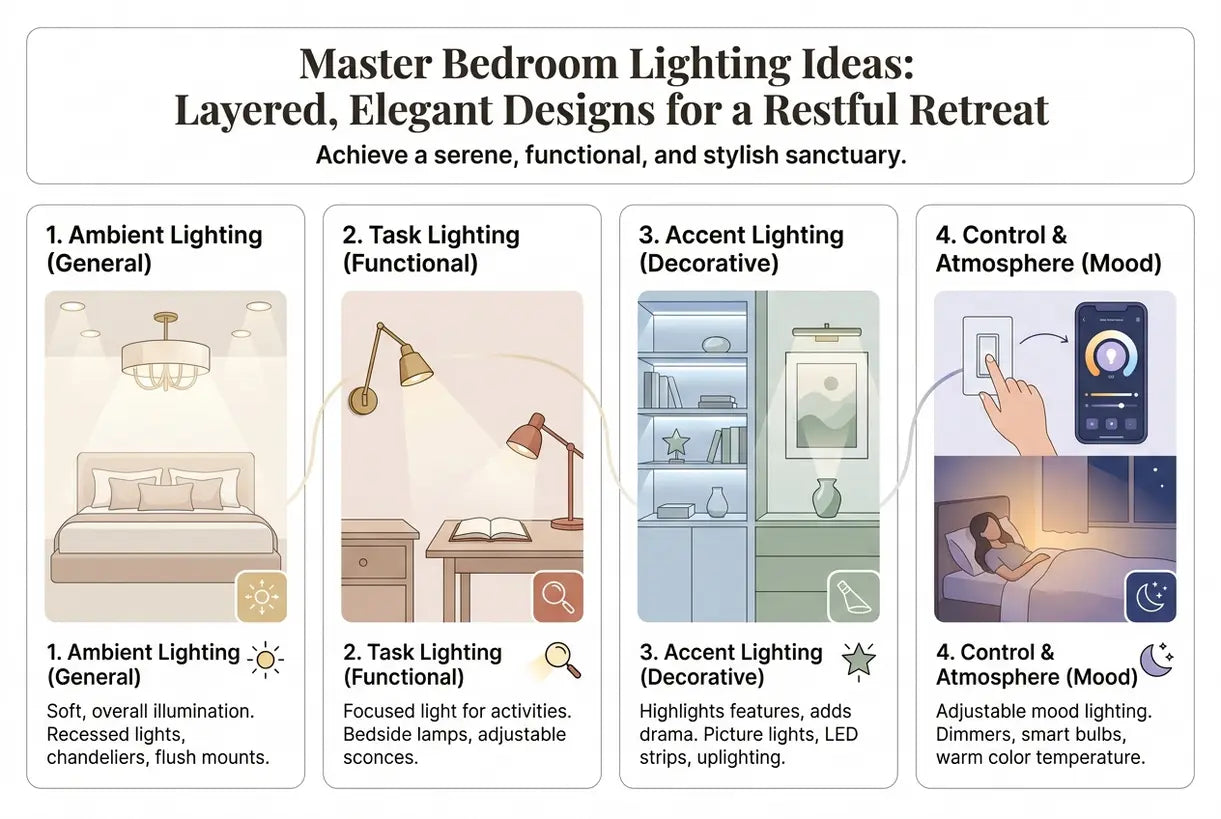
Ambient lighting forms your foundation—the soft, overall illumination that mimics natural daylight. In Scandinavian design, this often comes from ceiling fixtures that diffuse light broadly rather than casting harsh beams from a single source. Mounted Ceiling Lights provide an excellent starting point for establishing this foundational layer, especially when paired with dimmer switches for evening wind-down.
Task lighting targets specific activities like reading in bed, selecting outfits, or applying skincare. The key is positioning these fixtures to eliminate shadows while remaining gentle on the eyes. Wall-mounted sconces and adjustable pendants have become increasingly popular because they free up valuable nightstand real estate.
Accent lighting adds the final layer of sophistication—subtle illumination that highlights architectural features, artwork, or creates decorative shadows. Think LED strip lighting behind headboards, picture lights, or the warm glow of candle-style fixtures that invite intimacy.
Pro Tip: The most successful Scandinavian bedrooms rarely rely on a single overhead fixture. Instead, they distribute light across multiple sources at varying heights to eliminate harsh shadows and create that coveted warm, enveloping glow.
The 5-7 Lighting Rule: Why More Sources Create Better Ambiance
You may have encountered the emerging 5-7 lighting rule while researching modern bedroom design. This guideline suggests incorporating five to seven distinct light sources in your master bedroom for optimal flexibility and atmosphere. But why does quantity matter when quality should suffice?
The answer lies in controllability and versatility. A bedroom with only one or two fixtures forces you to choose between bright, clinical light and complete darkness—neither conducive to a relaxing evening routine. When you have multiple sources, you can activate only those needed for your current activity, creating a customized environment that follows your circadian rhythm.
Here's how the 5-7 sources might break down in a Scandinavian-inspired master suite:
- Ceiling fixture: Primary ambient source (pendant or semi-flush mount)
- Bedside lighting (left): Task lighting for reading
- Bedside lighting (right): Task lighting for reading
- Accent source 1: LED strips or picture lights
- Accent source 2: Floor lamp or wall sconce near dressing area
- Optional 6-7: Table lamp on dresser, vanity lighting, or decorative candlelight
Each source should be individually controlled, allowing you to transition from bright morning preparation to intimate evening ambiance with simple adjustments.
Bedroom Lighting & Decor
Shop all Bedroom
 Save $60.00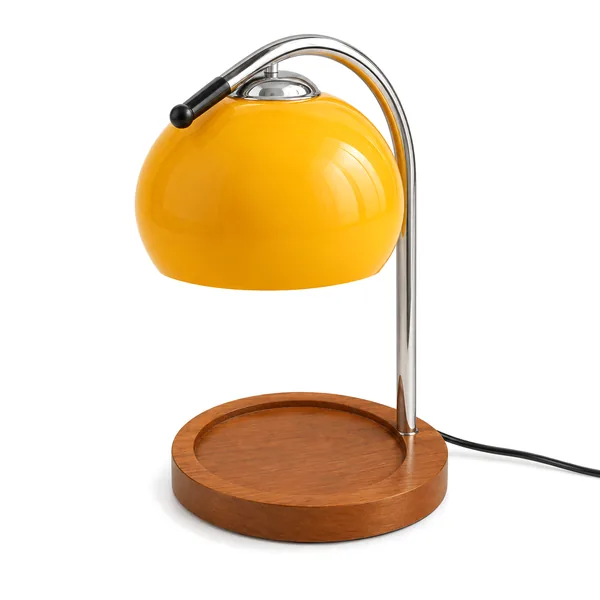
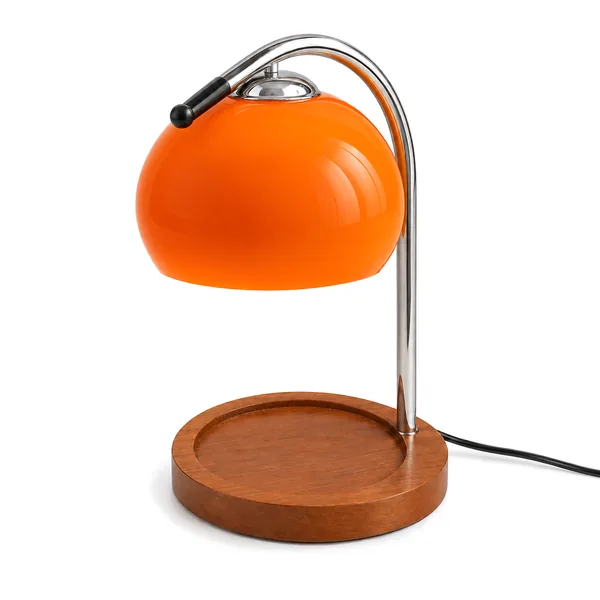
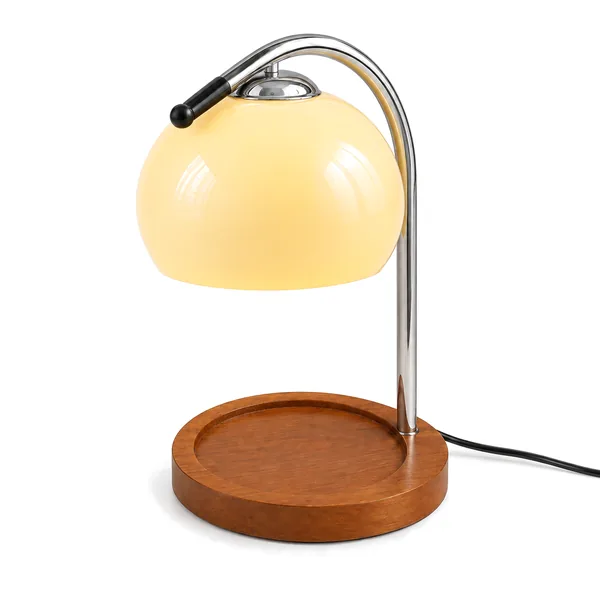 3 options
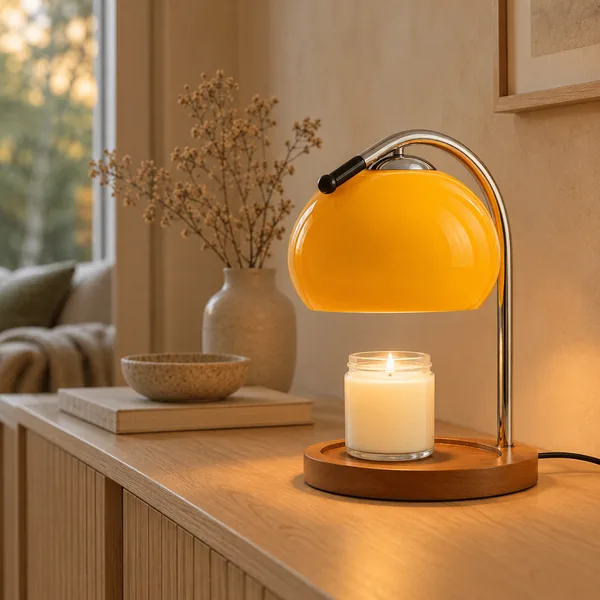
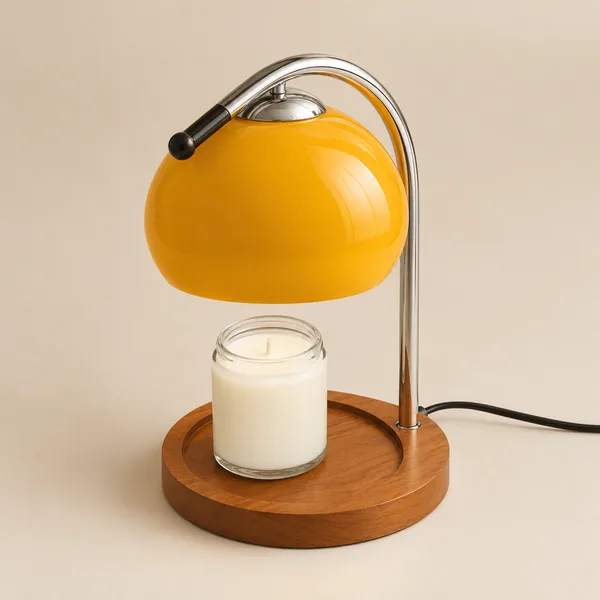
Solvarm Stained Glass Candle Warmer Table Lamp
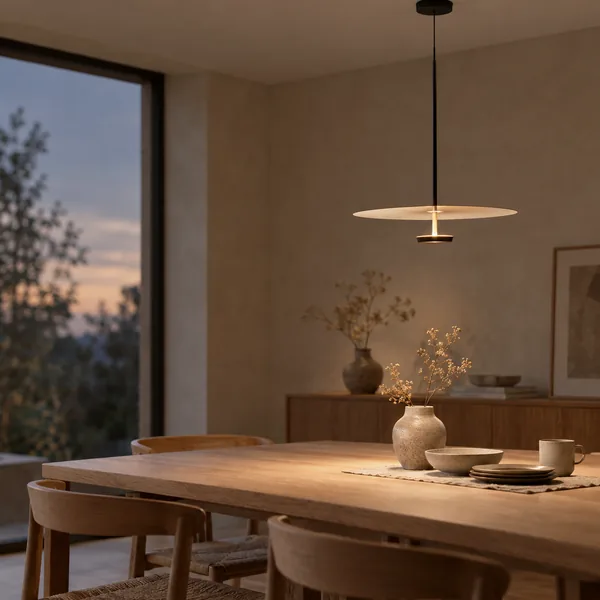
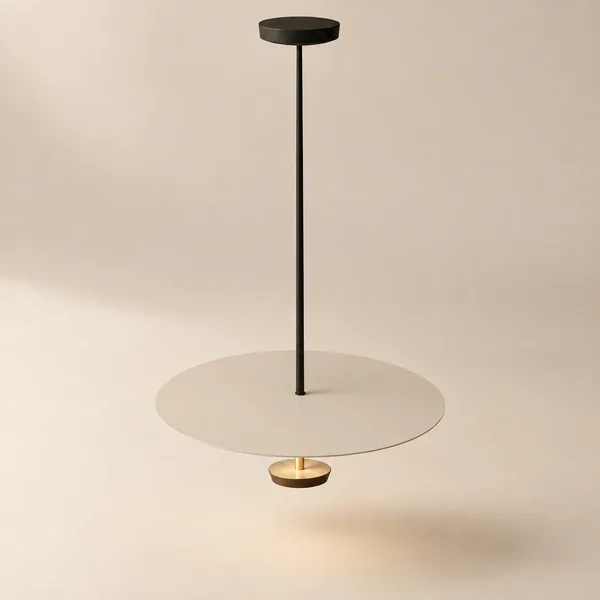 Save $120.00
Skiva Nordic Saucer Ceiling Pendant Light LED
Choosing the Right Color Temperature for Restful Sleep
One of the most overlooked aspects of bedroom lighting design is color temperature, measured in Kelvin (K). The spectrum ranges from warm, candle-like yellows (2700K) to cool, energizing blues (5000K+). For master bedrooms, designers consistently recommend warm white bedroom lighting between 2700K and 3000K.
This range mimics sunset hues, signaling to your brain that it's time to produce melatonin—the hormone essential for quality sleep. Cooler temperatures (4000K and above) suppress melatonin production and are better reserved for bathrooms or home offices where alertness is desired.
When selecting LED bulbs for your Scandinavian bedroom fixtures, look for "soft white" or "warm white" labels, and verify the Kelvin rating on the packaging. Many modern bulbs now offer tunable white technology, allowing you to shift from energizing daylight during morning routines to relaxing warmth as bedtime approaches.
Scandinavian Bedroom Lighting: Minimalism Meets Warmth
Scandinavian bedroom lighting occupies a unique space in interior design. Unlike stark minimalism that can feel cold, Nordic lighting embraces the Danish concept of hygge—creating cozy, contented atmospheres through intentional design choices.
The hallmark of this style is the balance between clean, sculptural forms and warm, diffused illumination. Materials matter deeply: frosted glass, natural paper, woven textiles, and matte metals all soften light naturally, eliminating harsh glare. You'll rarely find exposed bulbs or shiny chrome finishes in authentic Scandinavian bedrooms. Instead, look for:
- Organic, rounded shapes inspired by nature
- Handcrafted textures that cast gentle shadows
- Neutral color palettes—whites, creams, soft grays, and natural wood tones
- Adjustable fixtures that allow personalization
- Energy-efficient LED technology hidden within beautiful forms
When selecting bedside pendant lights or minimalist bedroom fixtures, prioritize those that diffuse light through quality materials. The Driva Sculptural Cloud Pendant Light in Glass exemplifies this philosophy with its handcrafted cloud glass that transforms harsh bulb light into an ethereal, moon-like glow. Suspended beside your bed, it creates the perfect reading ambiance while serving as sculptural art during daylight hours.
Video Inspiration: Designer Lighting Secrets
Sometimes seeing professional techniques in action clarifies concepts better than words alone. This design expert guide demonstrates how to layer lighting effectively throughout your home, with specific principles that apply beautifully to master bedrooms:
Bedside Lighting Solutions: Sconces vs. Pendants
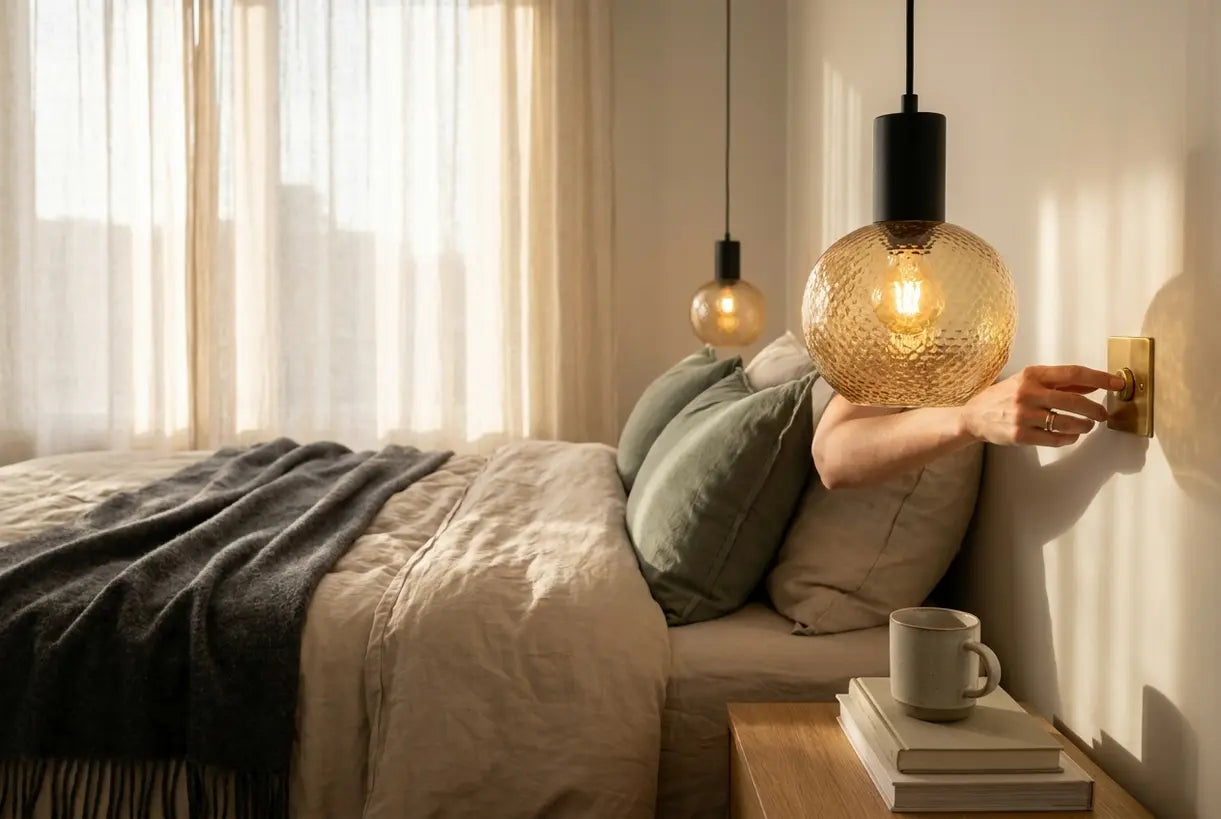
The bedside area presents unique lighting challenges. Traditional table lamps consume valuable nightstand space needed for books, phones, or that essential glass of water. Modern bedside pendant lights offer an elegant solution, hanging gracefully from the ceiling to provide focused task lighting without cluttering horizontal surfaces.
Alternatively, wall-mounted sconces with swing-arm functionality deliver similar space-saving benefits while adding architectural interest. When positioned at shoulder height while sitting in bed, they direct light downward onto your reading material without casting shadows or disturbing a sleeping partner.
For those drawn to the artisanal quality of wabi-sabi bedroom lighting, the Eldorm Handcrafted Wabi-Sabi Iron Wall Sconce offers rustic iron construction paired with a soft fabric shade. This piece exemplifies scandinavian bedroom lighting principles—functionality meets natural aesthetics—while the wall-mounted design preserves your nightstand for personal items.
For ceiling installations, the Kvara Nordic Washi Paper Ceiling Pendant Light brings Japandi influences to your retreat. The washi paper diffuser creates exceptionally warm, gentle illumination that works beautifully as either ambient ceiling light or bedside pendant, depending on your room's configuration and scale.
Curated Bedside Lighting Solutions
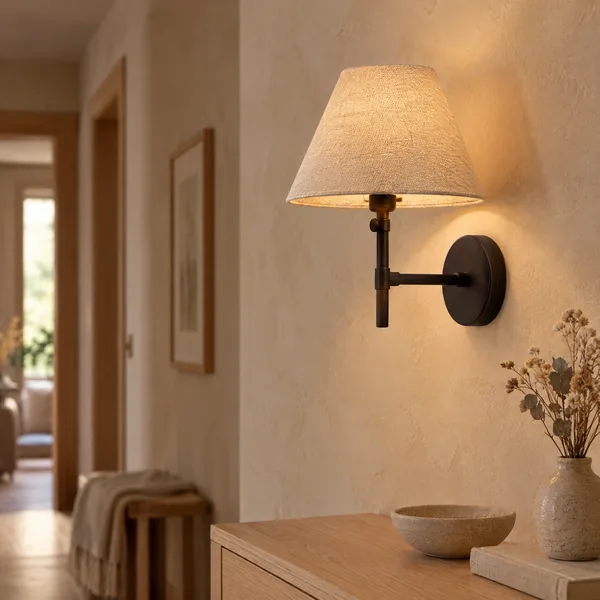 Eldorm Handcrafted Wabi-Sabi Iron Wall Sconce$199.00$259.00
Common Master Bedroom Lighting Mistakes to Avoid
Even well-intentioned lighting schemes can fail when fundamental principles are overlooked. Understanding common mistakes with bedroom lighting helps you sidestep frustrations and create a truly functional sanctuary.
Relying Solely on Overhead Fixtures
The most pervasive error is depending exclusively on a single ceiling fixture. Overhead lighting creates harsh shadows, particularly around the eye sockets, making bedtime reading uncomfortable and flattering neither your décor nor your complexion. Layer multiple sources at varying heights instead.
Installing Fixtures at the Wrong Height
Bedside pendant lights should hang approximately 18-24 inches above nightstand height when positioned over tables, or 40-48 inches from the floor when suspended beside the bed. Wall sconces should be mounted roughly 60-66 inches from the floor to align with eye level when seated.
Ignoring Dimmer Capabilities
Even the most beautiful fixtures fail without dimmer switches. Your lighting needs at 6:00 AM differ dramatically from 10:00 PM. Dimmers allow seamless transitions between tasks and create that essential hygge atmosphere.
Choosing Cool Color Temperatures
As mentioned earlier, daylight-balanced bulbs (4000K+) have no place in master bedrooms. They disrupt sleep patterns and create clinical atmospheres antithetical to relaxation. Always select warm white options.
Pendant Lights
Shop all Pendant Lights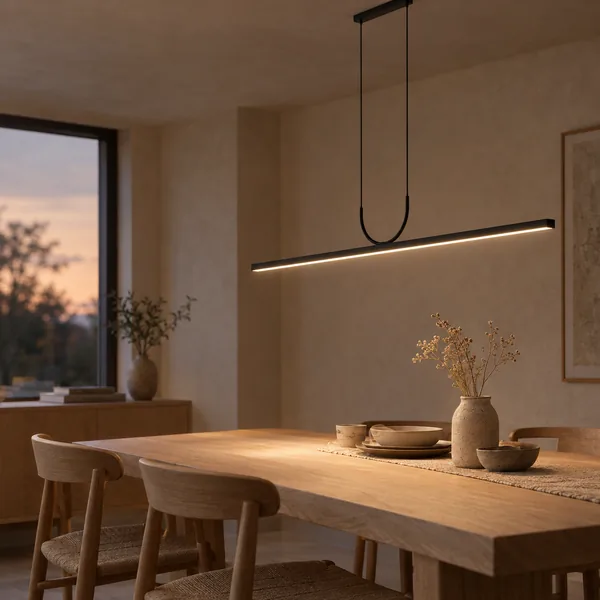
 Save $140.00
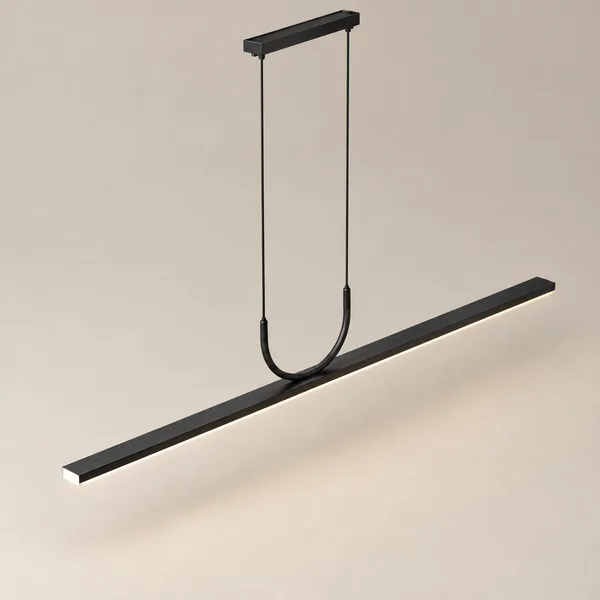
Linné Minimalist Linear Black LED Pendant Light
 Save $60.00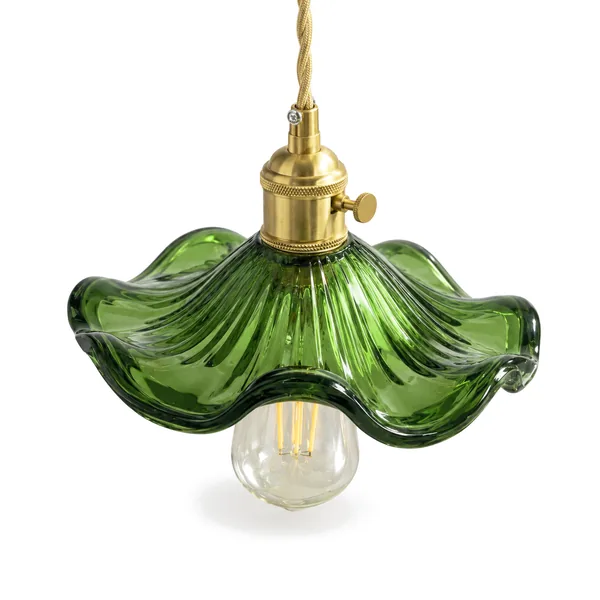
 3 options
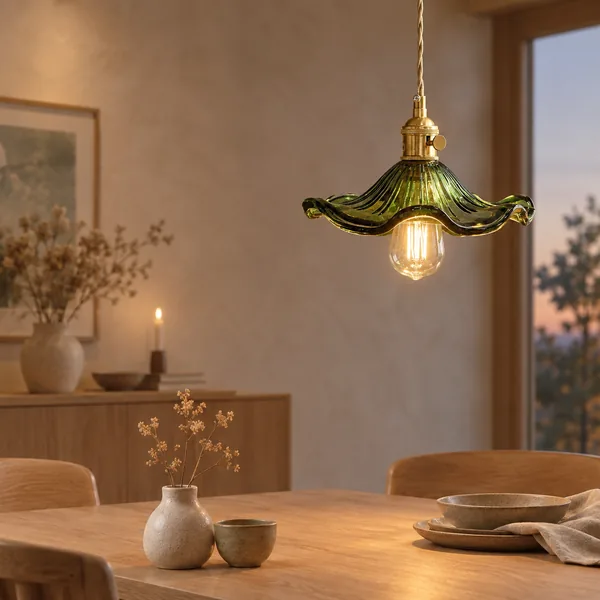
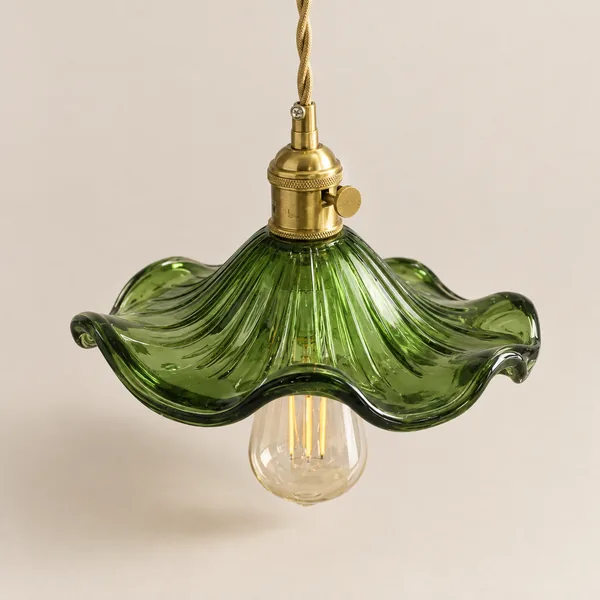
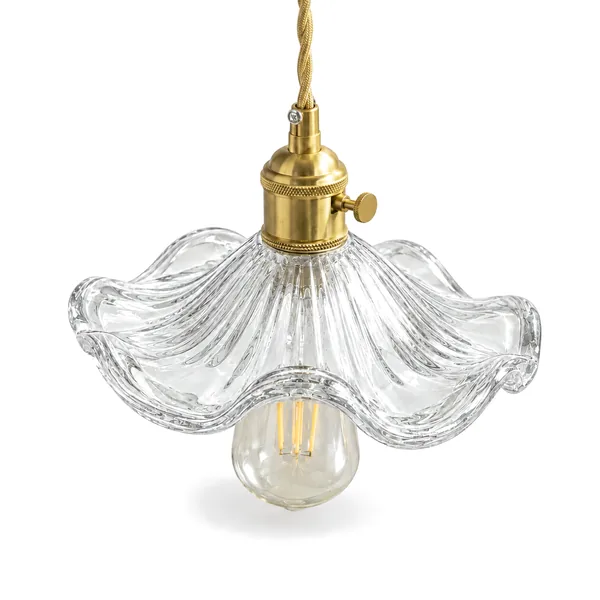
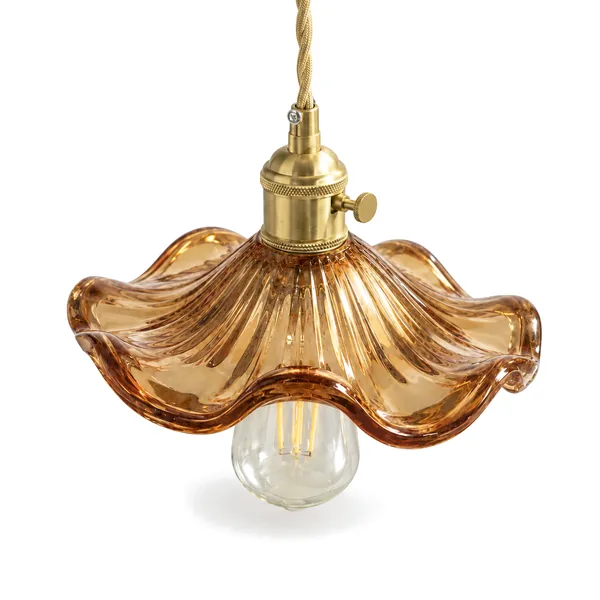
Glora Nordic Glass Pendant Light with Copper
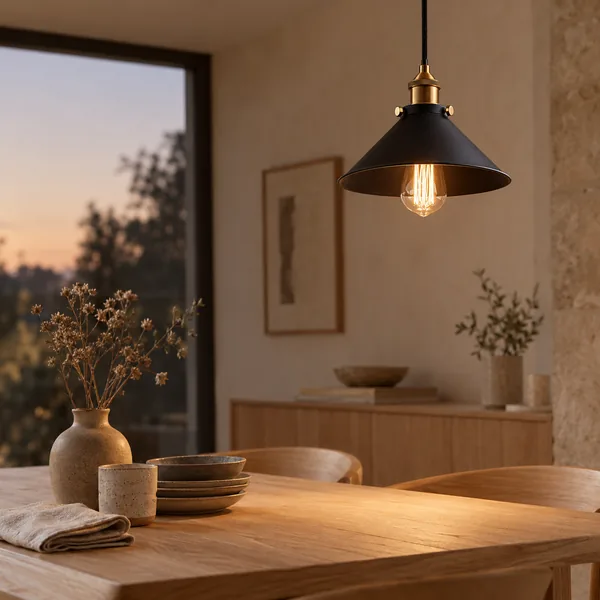
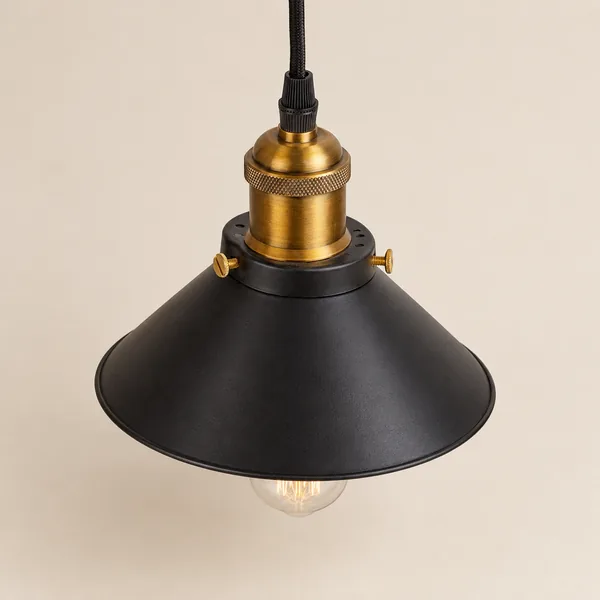
Save $120.00Skiva Nordic Saucer Ceiling Pendant Light LED
Practical Steps for Layering Your Bedroom Lighting
Implementing professional layer lighting bedroom techniques requires thoughtful planning but yields dramatic results. Here is a practical framework for building your layered scheme:
- Assess your current situation: Identify which layers are missing. Most bedrooms have ambient lighting but lack sufficient task or accent sources.
- Map your activities: Where do you read? Do you apply makeup in the bedroom? Is there artwork to highlight? Understanding usage patterns determines fixture placement.
- Select your anchor pieces first: Choose statement ceiling fixtures and bedside lighting that establish your aesthetic while providing primary illumination.
- Add dimmers to existing fixtures: This affordable upgrade instantly improves flexibility.
- Layer in accent lighting: Consider LED strips behind headboards, picture lights, or secondary sconces to add depth and interest.
- Test and adjust: Live with your lighting for a week, noting where shadows fall or where additional warmth is needed. Refine accordingly.
Remember: The goal of ambient task accent lighting isn't uniformity—it's creating zones of appropriate illumination that work together harmoniously. Your ceiling fixture provides general visibility, bedside lights enable focused activities, and accent sources add emotional warmth.
Conclusion: Creating Your Restful Retreat
Master bedroom lighting transcends mere functionality—it shapes how you begin and end each day. By embracing the layered approach outlined here, incorporating warm color temperatures, and selecting fixtures that embody Scandinavian principles of beauty and utility, you create more than an illuminated room. You craft an environment that actively supports rest, romance, and rejuvenation.
At Skonne, we curate lighting collections specifically designed for these intimate, everyday moments. From ethereal glass pendants that float like clouds beside your bed to handcrafted iron sconces that bring organic warmth to your walls, each piece balances the minimalist precision of Nordic design with the emotional comfort of hygge.
Whether you're beginning a complete renovation or simply seeking that perfect bedside fixture to complete your layered scheme, explore our thoughtfully selected lighting collections. Your restful retreat awaits—let's illuminate it beautifully.
Related Article
Small Bedroom Lighting Ideas: Best Fixtures & Tips to Brighten a Compact SpaceDiscover smart small bedroom lighting ideas using wall sconces, pendants and layered illumination to maximize space and create a cozy retreat.