
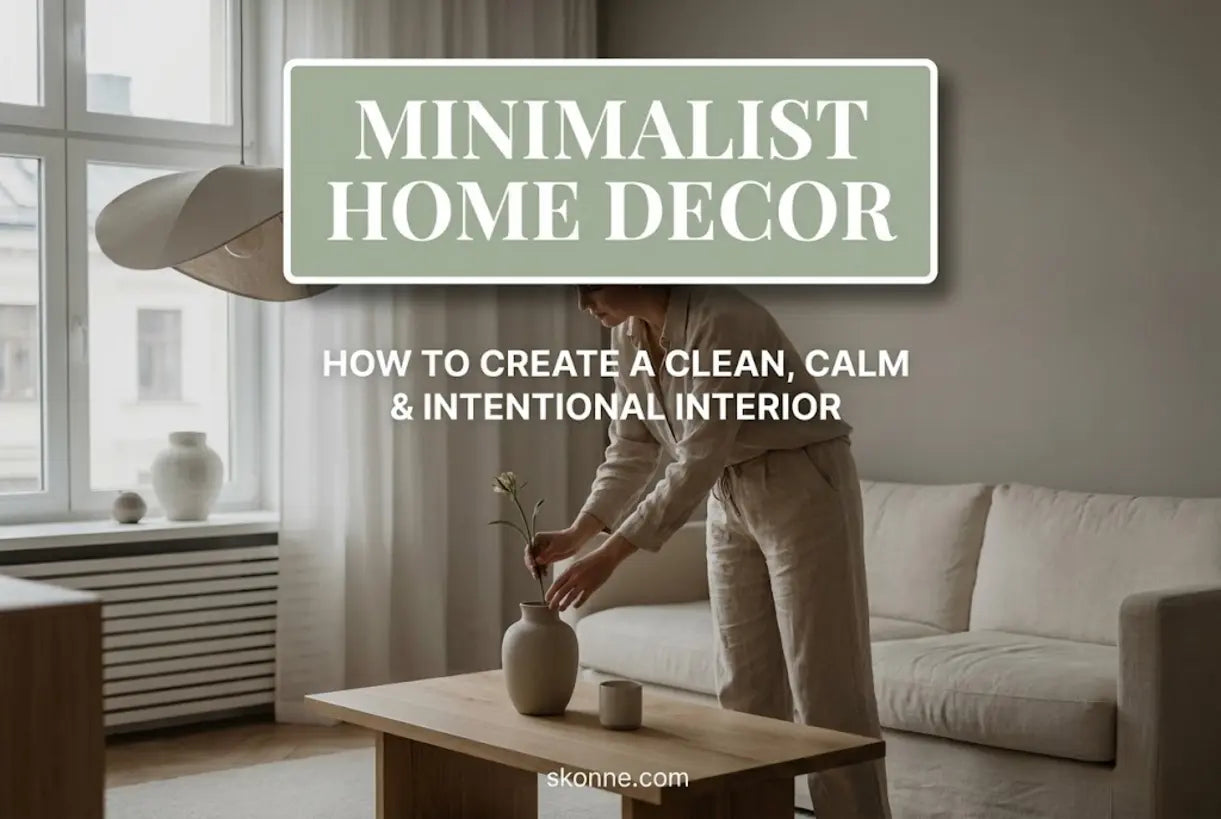
Minimalist Home Decor: How to Create a Clean, Calm & Intentional Interior
Summary›
- What Is Minimalist Home Decor Style?
- The Key Elements of Mindful Minimalism
- Statement Lighting as Your Anchor
- How Do I Make My House Look Minimalist?
- Common Mistakes in Minimalist Home Decor
- Scandinavian Design Principles in Action
- Curating Light and Texture
- The Rules of Minimalist Home Decor
- Embracing Biophilic Elements
- Living Intentionally Through Design
- Your Path to Clean, Calm Living
There's a reason minimalist home decor continues to captivate design enthusiasts year after year. In a world that often feels overwhelming, our homes have become sanctuaries—spaces where we seek refuge from the noise and chaos of daily life. But minimalism isn't about stripping your space bare until it feels sterile or cold. The most beautiful minimalist interiors are those that feel intentional, warm, and deeply personal.
If you've ever wondered how to create a clean, calm home that still feels inviting, you're not alone. Many people are drawn to the idea of simple home decor but worry about creating spaces that feel "sad" or impersonal. The good news? When done thoughtfully, minimalist interior design creates environments that breathe—spaces that nurture rather than constrain. At Skonne, we believe that uncluttered spaces and warmth aren't mutually exclusive. In fact, they're the foundation of true Scandinavian-inspired living.
What Is Minimalist Home Decor Style?
At its core, minimalist home decor is about intentionality. It's the practice of curating your space to include only what serves a purpose—whether functional or emotional—while eliminating excess visual noise. But modern minimalism has evolved far beyond the stark white boxes of the 1990s. Today's interpretation embraces warm minimalism, a philosophy that celebrates quality over quantity, natural materials, and the beauty of negative space without sacrificing comfort or personality.
Unlike the cold, gallery-like spaces some associate with the term, contemporary minimalist home decor draws heavily from Scandinavian minimalism and biophilic design home decor principles. It recognizes that our spaces should support our wellbeing, incorporating natural light, organic textures, and elements that connect us to the natural world. The result? Interiors that feel serene yet deeply livable—spaces that calm the mind while wrapping the body in comfort.
Scandinavian Lighting
Shop all Scandinavian Lighting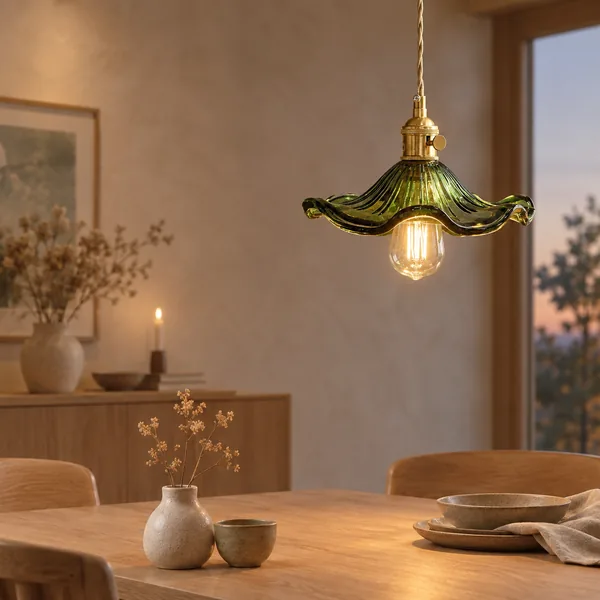
 Save $60.00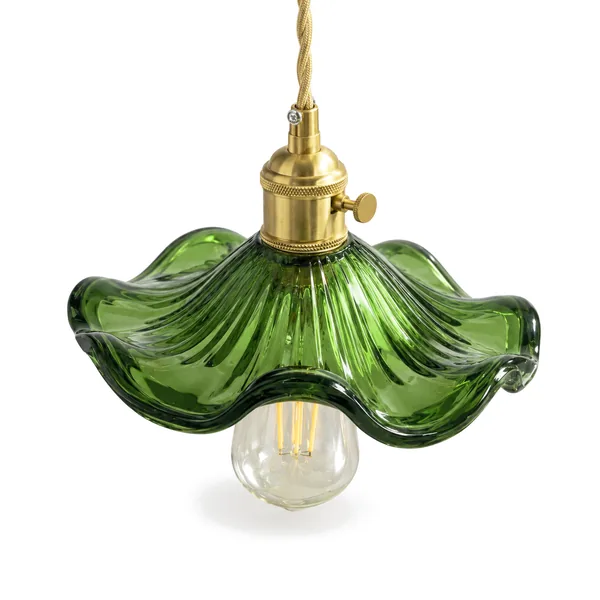
 3 options
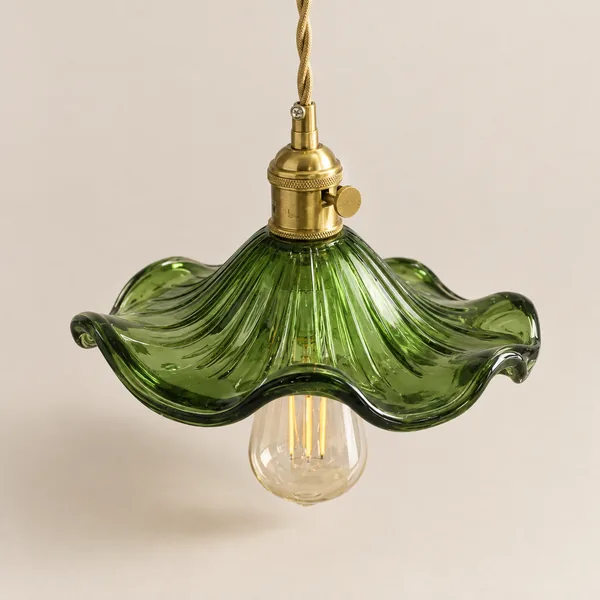
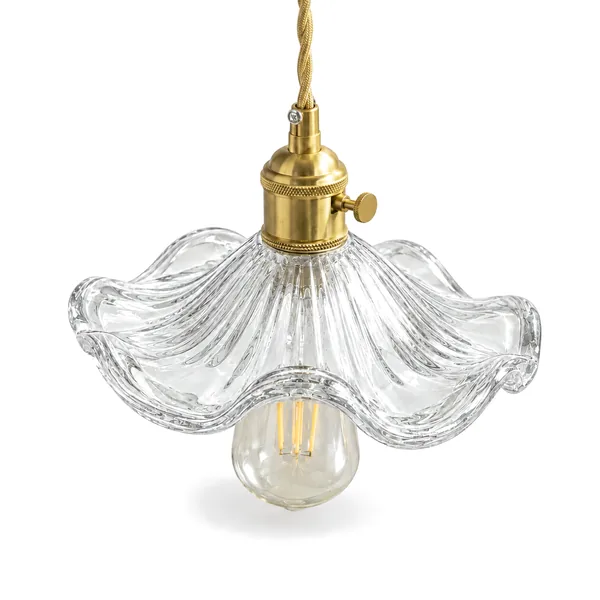
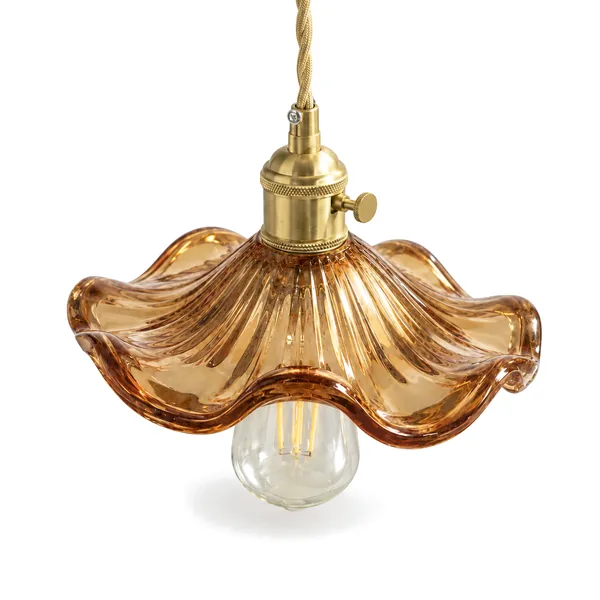
Glora Nordic Glass Pendant Light with Copper
 Save $150.00
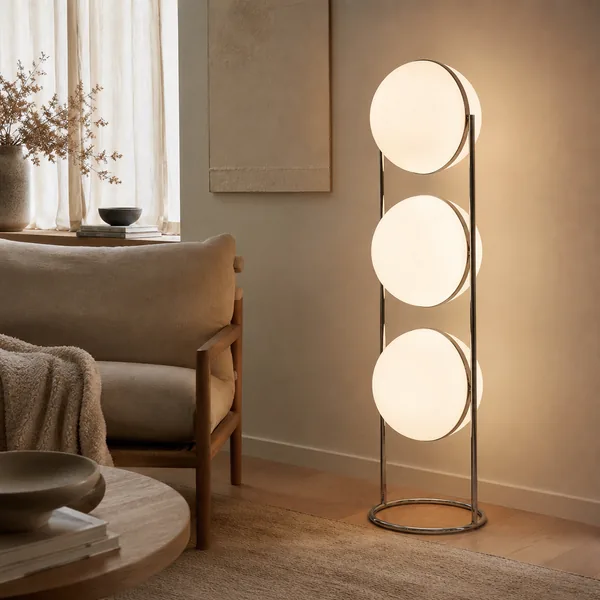
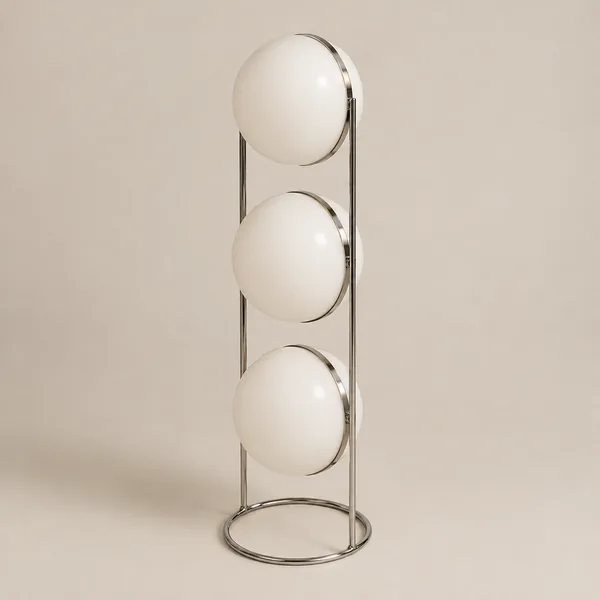
Kulglod Bauhaus Chrome Acrylic Globe Floor Lamp
 Save $230.00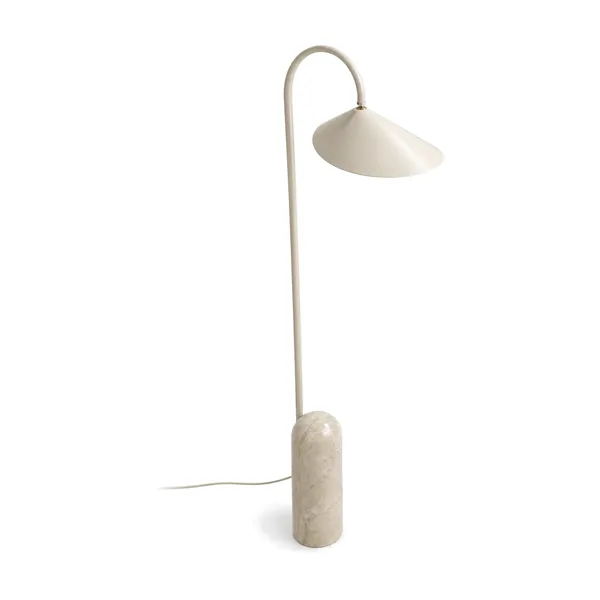
 2 options
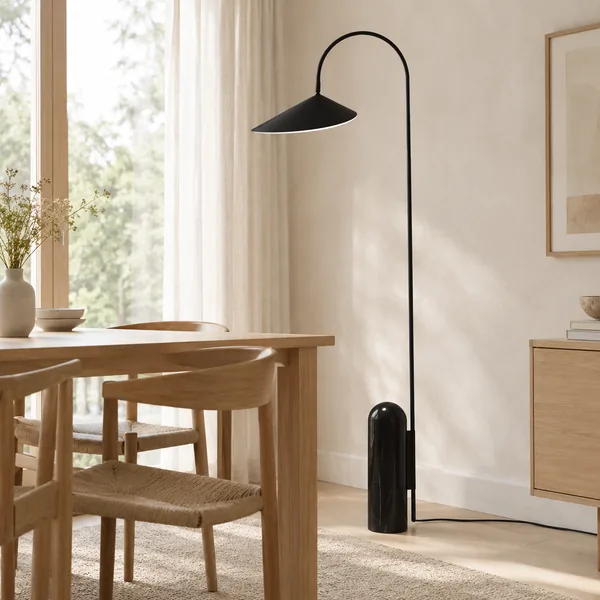
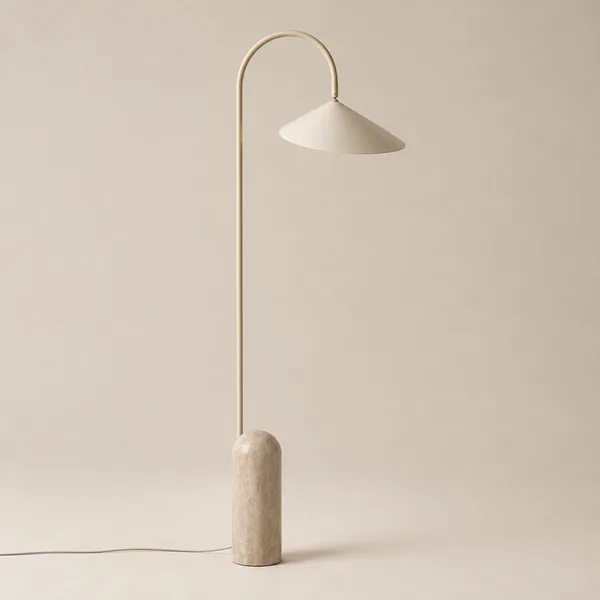
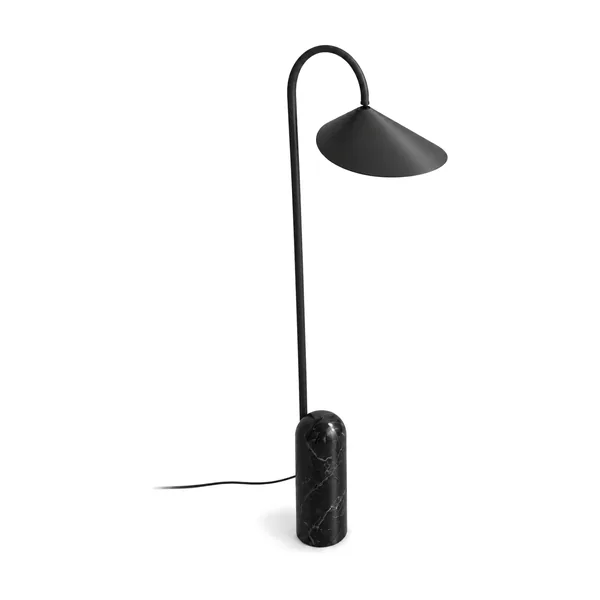
Velbue Marble Base Arc Floor Lamp Danish Design
 Save $210.00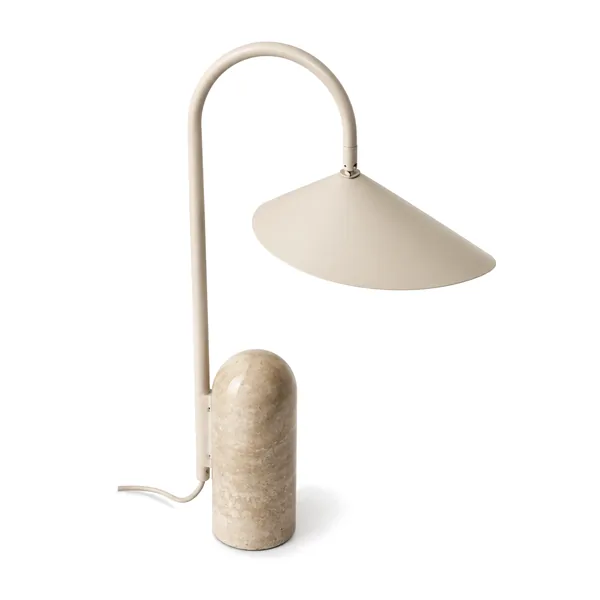
 2 options
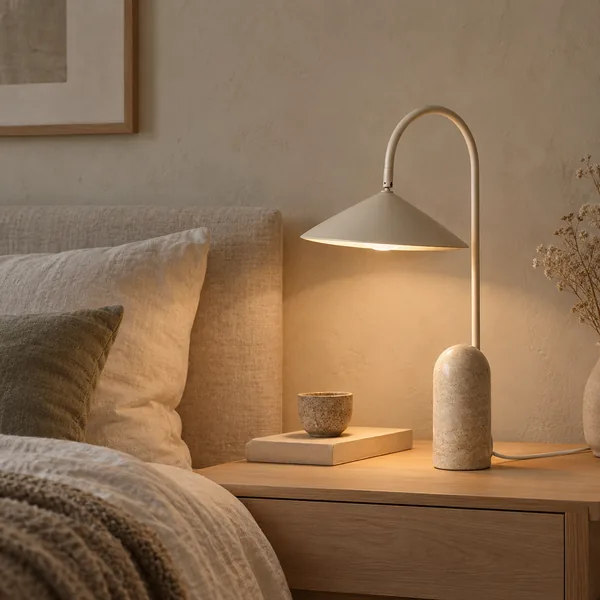
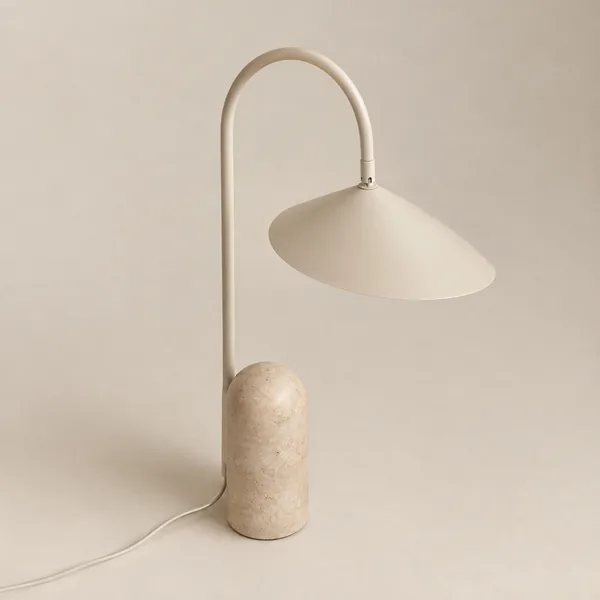
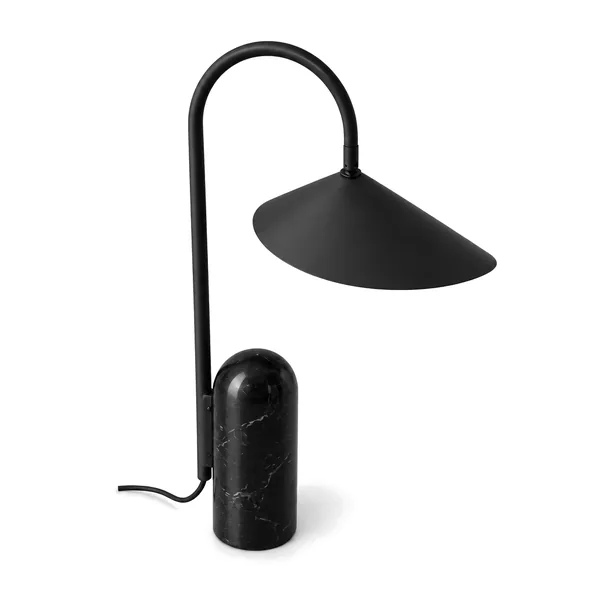
Solvei Danish Minimalist Arc Table Lamp Marble
The Key Elements of Mindful Minimalism
Creating a successful minimalist interior isn't about following rigid rules—it's about understanding the principles that make these spaces feel harmonious. Here are the foundational elements that distinguish thoughtful minimalism from simply having less stuff:
- Neutral home decor palettes that create visual serenity while allowing texture and form to take center stage
- Quality-over-quantity curation—investing in fewer, better pieces that will stand the test of time
- Natural textures like linen, raw wood, stone, and clay that add warmth and organic variation
- Layered lighting that replaces harsh overhead sources with ambient, task, and accent illumination
- Intentional negative space that allows the eye to rest and the mind to breathe
The interplay between these elements creates what we call "considered spaces"—environments where every object earns its place through beauty, function, or meaning. For those looking to explore more options, our Decorative Vases offers a curated selection of pieces that bring organic texture to minimalist shelves without overwhelming the space.
Statement Lighting as Your Anchor
One of the most transformative elements in any minimalist space is lighting. Rather than relying on a single harsh overhead fixture, sophisticated clean home styling employs layered illumination to create atmosphere and depth. A sculptural pendant can serve as both functional light source and artistic focal point—proving that minimalist design need never feel boring.
The Driva Sculptural Cloud Pendant Light in Glass exemplifies this philosophy perfectly. Its handcrafted organic silhouette adds visual interest while the smoky gray, clear, or amber glass finishes cast a warm, ambient glow that transforms dining and living spaces into intimate gathering places. Unlike utilitarian fixtures that fade into the background, a pendant like this becomes a conversation piece—proving that minimalist design can have personality.
How Do I Make My House Look Minimalist?
Transitioning to a minimalist aesthetic doesn't require a complete home overhaul overnight. Instead, approach it as a gradual process of intentional decorating—making conscious choices about what enters and stays in your space.
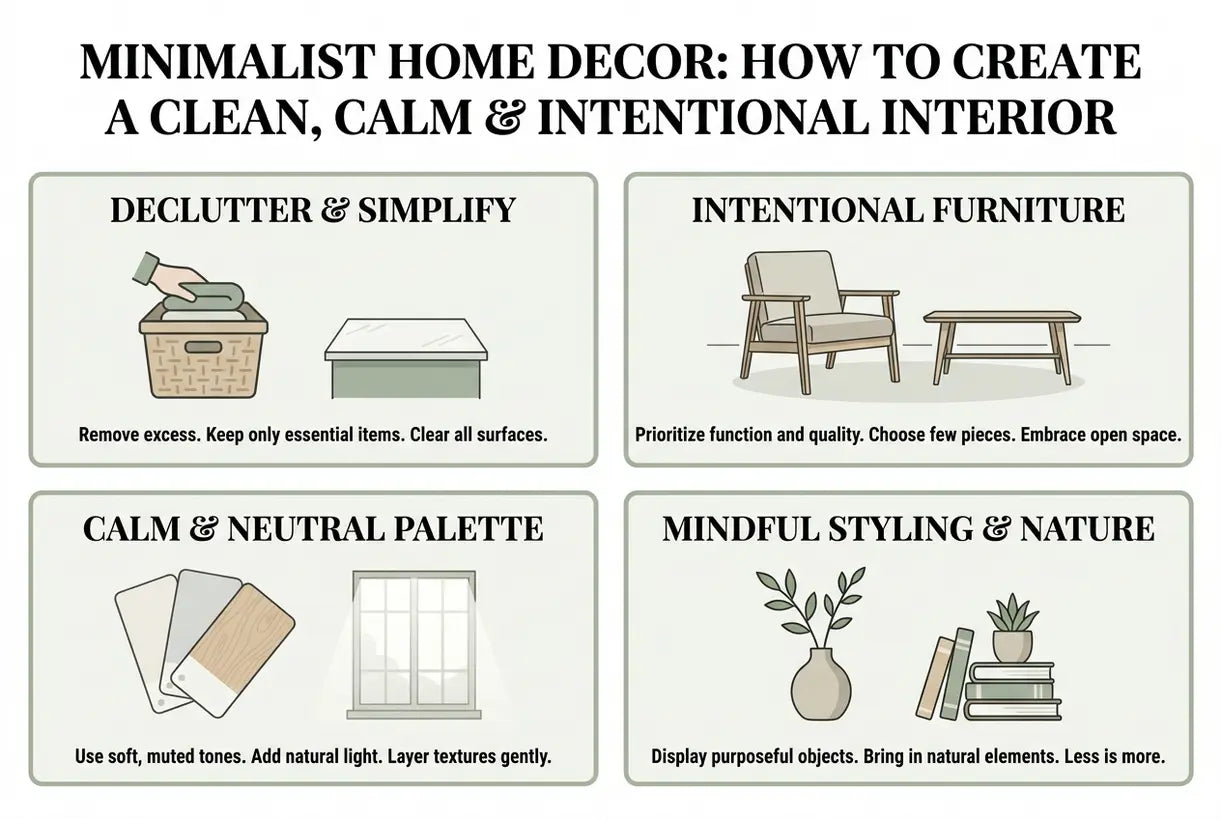
Begin by editing ruthlessly. Walk through your home with fresh eyes and identify items that don't serve a clear purpose or spark genuine joy. This isn't about minimalism for minimalism's sake—it's about creating room for what truly matters. Pay special attention to surfaces; clear countertops, tables, and shelves instantly create a sense of breathing room.
Remember: Minimalism is personal. A family of four's "minimal" will look different from a solo dweller's—and both are valid. The goal is alignment between your space and your values, not an arbitrary number of possessions.Next, focus on your color foundation. Neutral home decor doesn't mean white walls everywhere (though it certainly can). Warm taupes, soft greys, creamy oats, and earthy tones create the same sense of visual calm while feeling more approachable than stark white. These backdrops allow your carefully chosen pieces—a sculptural vase, a textural throw, a beautiful light fixture—to truly shine.
Common Mistakes in Minimalist Home Decor
Even with the best intentions, it's easy to stumble when embracing simple home decor. Understanding these common pitfalls can help you avoid the "sterile showhome" trap:
- Choosing cold over calm: White walls, chrome fixtures, and glossy surfaces can feel clinical. Balance them with warm woods, soft textiles, and organic shapes.
- Forgetting about texture: A room of smooth, flat surfaces feels flat—even in varied colors. Layer in texture through ceramics, woven materials, and natural fibers.
- Ignoring lighting layers: Overhead lighting alone creates harsh shadows and an unwelcoming atmosphere. Always incorporate ambient and accent lighting.
- Removing all personality: Minimalism isn't about living in a hotel room. Display a few meaningful objects, books you love, or art that resonates—just do so with intention and space around each piece.
The key distinction between successful minimalist home decor and unsuccessful attempts often comes down to one word: warmth. A space can be uncluttered while still feeling loved, lived-in, and authentically yours.
Scandinavian Design Principles in Action
To truly understand how warm minimalism comes together, it helps to see the principles applied in real spaces. Scandinavian design has mastered the art of "hygge"—creating cozy contentment through atmosphere—and their approach to minimalism offers valuable lessons for anyone seeking serene interiors.
Notice how the spaces in the video above use modern minimalist principles without sacrificing comfort. Natural materials, thoughtful lighting placement, and strategic empty space work together to create rooms that feel curated by a thoughtful hand rather than assembled from a catalog.
Curating Light and Texture
The magic of minimalist home decor often happens in the details—the subtle interplay between light and shadow, the organic imperfections of handcrafted objects, the way a well-placed fixture creates a pool of warmth in an otherwise restrained room.
Elevate Your Minimalist Space
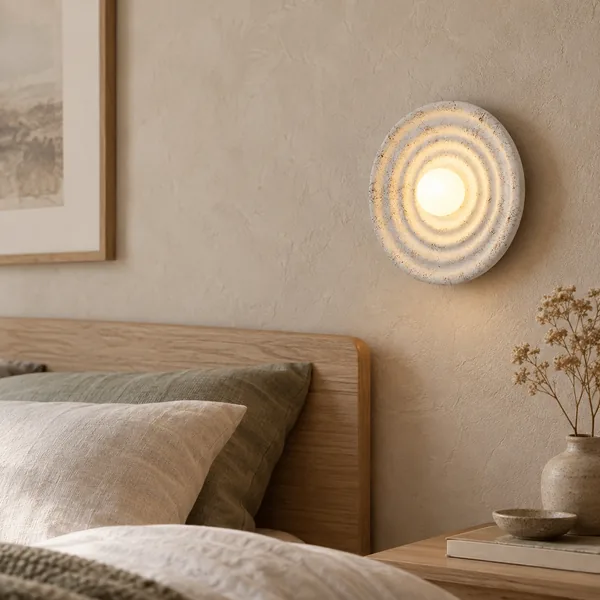 Lysring Circular LED Wall Light Wabi-Sabi Style$169.00$229.00
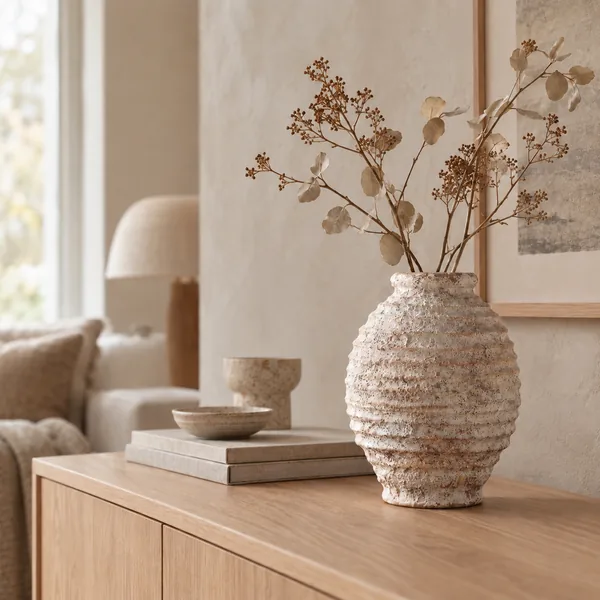 Stille Rustic Handmade Ceramic Vase Earth Tone$99.00$169.00
The Lysring Circular LED Wall Light demonstrates how minimalist lighting can transform a space. Rather than harsh overhead illumination, this circular sconce casts a soft, halo-like glow that turns ordinary walls into ambient features. It's perfect for hallways, bedrooms, or any space where you want to replace clinical brightness with considered atmosphere.
Similarly, the Stille Rustic Handmade Ceramic Vase Earth Tone shows that minimalist accessories need not be boring. Its hand-poured reactive glaze and organic earth tones add visual interest to shelves and surfaces while honoring minimalist principles. Unlike mass-produced decorative objects, this piece brings the warmth of human craft into your space—reminding us that restraint and richness can coexist beautifully.
Glass Pendant Lights
Shop all Glass Pendant Lights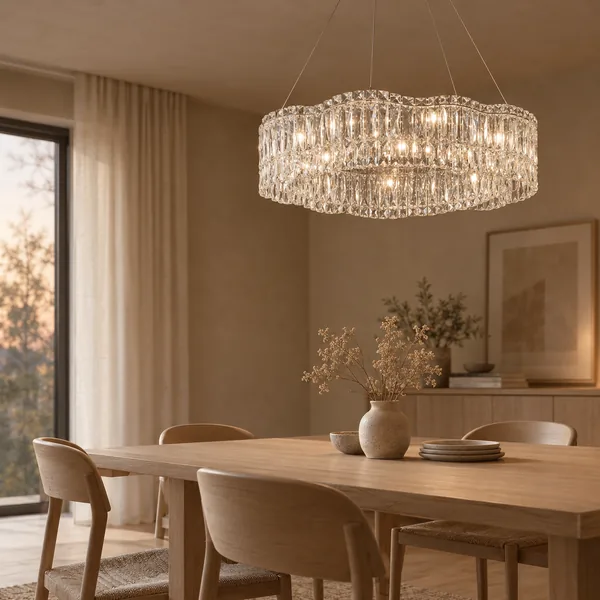
 Save $200.00
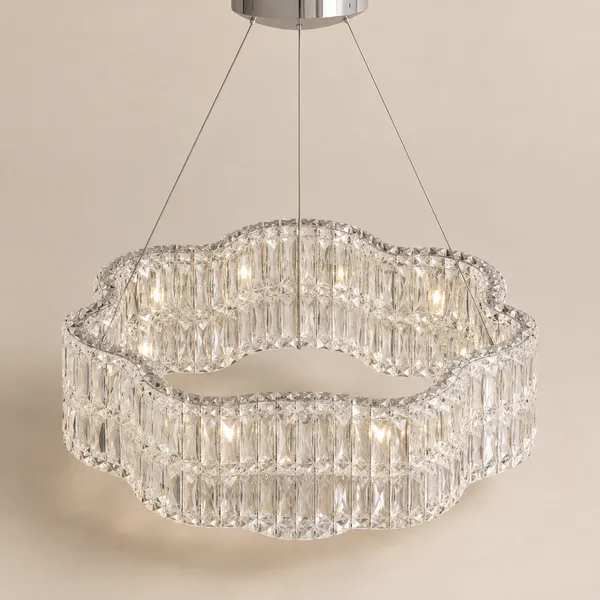
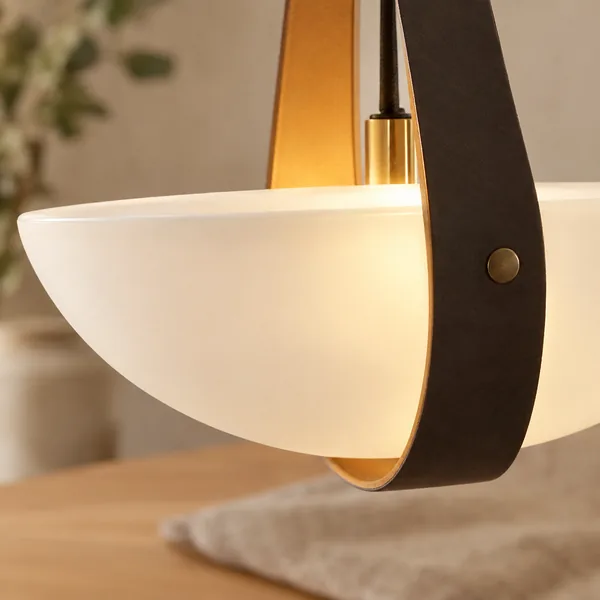
Halvring K9 Crystal Halo LED Chandelier Light
 Save $370.00
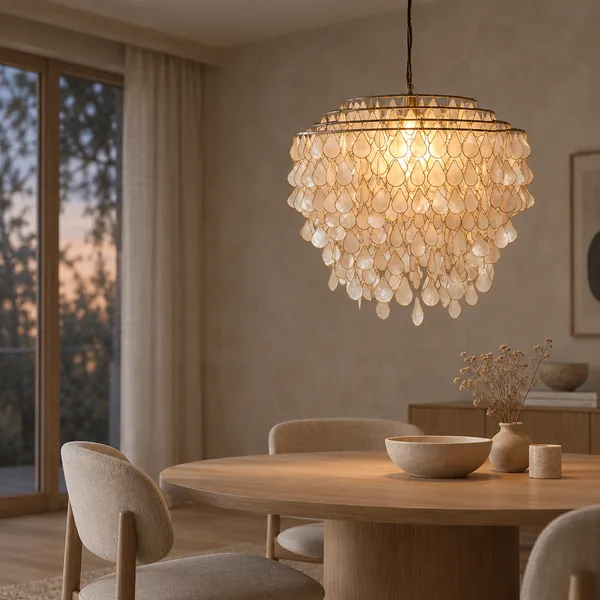
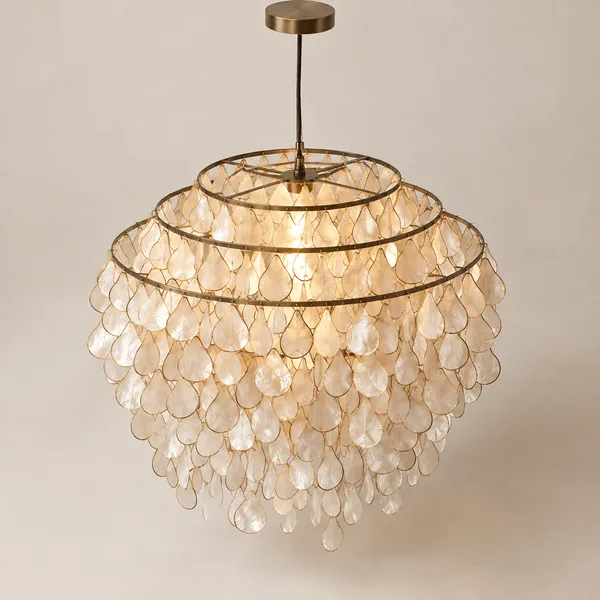
Skjelva Nordic Retro Shell Pendant Chandelier
 Save $460.00
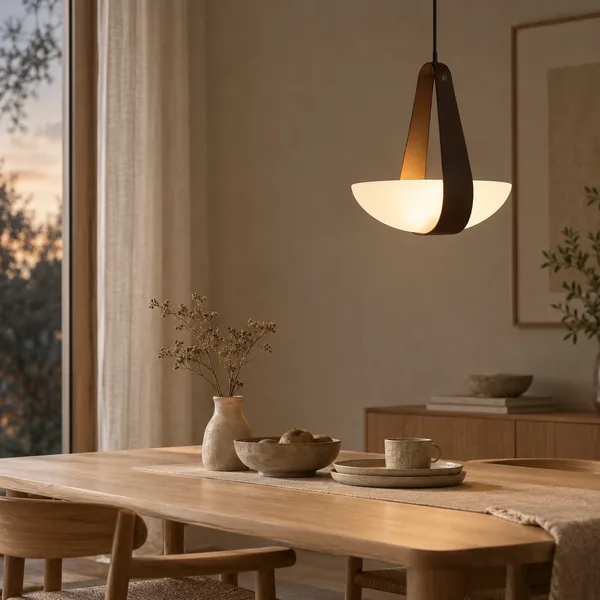
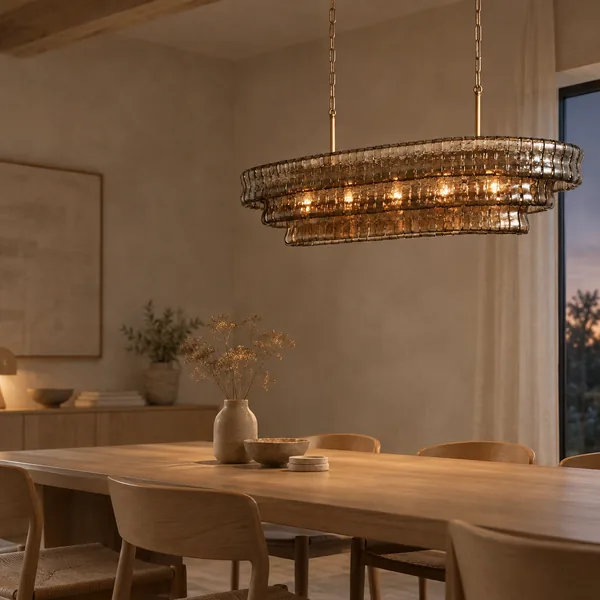
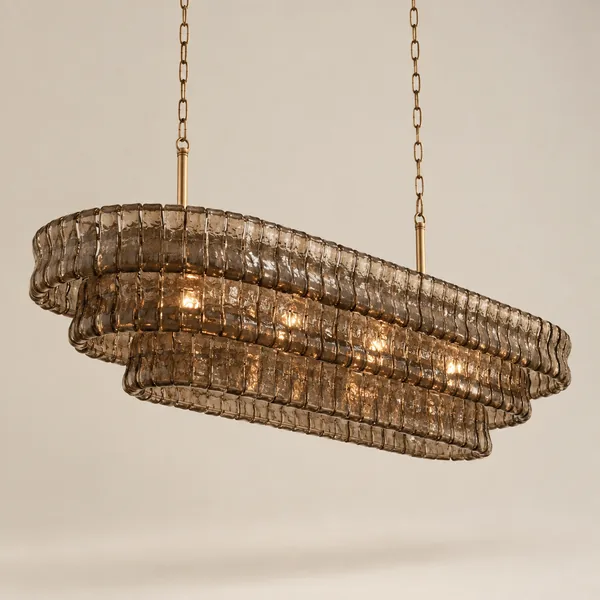
Dimma Smoky Gray Glass Chandelier Dining Room
The Rules of Minimalist Home Decor
While minimalism encourages personal interpretation, certain principles guide successful execution. Think of these not as restrictive rules but as guardrails that keep your space feeling intentional:
One in, one out: When acquiring something new, let something old go. This prevents the slow creep of clutter that eventually overwhelms minimalist spaces.
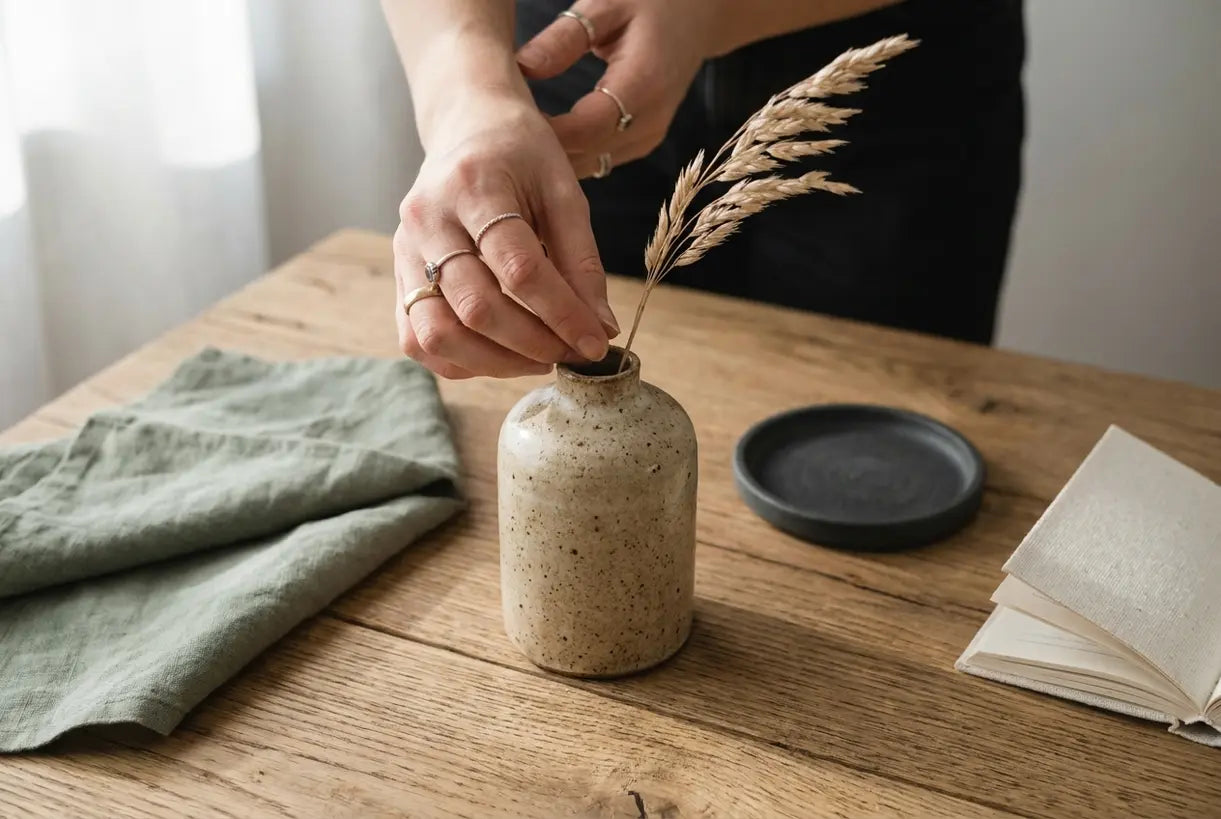
Quality over quantity: Invest in fewer, better pieces. A single handcrafted ceramic vase brings more value than three mass-produced alternatives. For those looking to explore more options, our Decorative Vases offers a curated selection of pieces that bring organic texture to minimalist shelves without overwhelming the space.
Negative space is sacred: Don't fill every shelf, every wall, or every corner. The empty spaces between objects are as important as the objects themselves—they give the eye room to rest and the mind space to breathe.
Every item must earn its place: If it doesn't serve a function, spark joy, or add meaningful beauty, reconsider its presence. This applies to furniture, decor, and even lighting—each element should justify its existence in your space.
Embracing Biophilic Elements
The most sophisticated minimalist interiors today incorporate biophilic design home decor—elements that connect us to the natural world. This might mean maximizing natural light, incorporating living plants, using materials in their organic state, or selecting colors that echo earth, stone, and sky.
Biophilic minimalism recognizes that humans aren't meant to exist in sterile boxes. A single branch in a handmade vase, a wool throw in its natural undyed color, or pendant light in amber glass that mimics the setting sun—these touches ground minimalist spaces in something timeless and essential.
Design Tip: When working with neutral home decor, use plants as your "color." The green of living foliage becomes more impactful against a restrained palette, and the organic shapes of leaves and branches soften minimalist geometry.Consider how natural materials age and change over time. A ceramic vase develops patina, wood furniture gains character, linen softens with washing. These evolutions honor the Japanese concept of wabi-sabi—the beauty of imperfection and impermanence—and keep minimalist spaces from feeling static or staged.
Living Intentionally Through Design
Ultimately, minimalist home decor isn't an aesthetic choice alone—it's a lifestyle philosophy that extends beyond your walls. When we curate our spaces deliberately, we often find ourselves curating our time, our commitments, and our priorities with similar intention.
The goal isn't perfection; it's alignment. Your home should support the life you want to live, not the life you think you should showcase. Uncluttered spaces reduce mental load. Simple home decor eliminates decision fatigue. Intentional decorating ensures that what surrounds you reflects what matters to you.
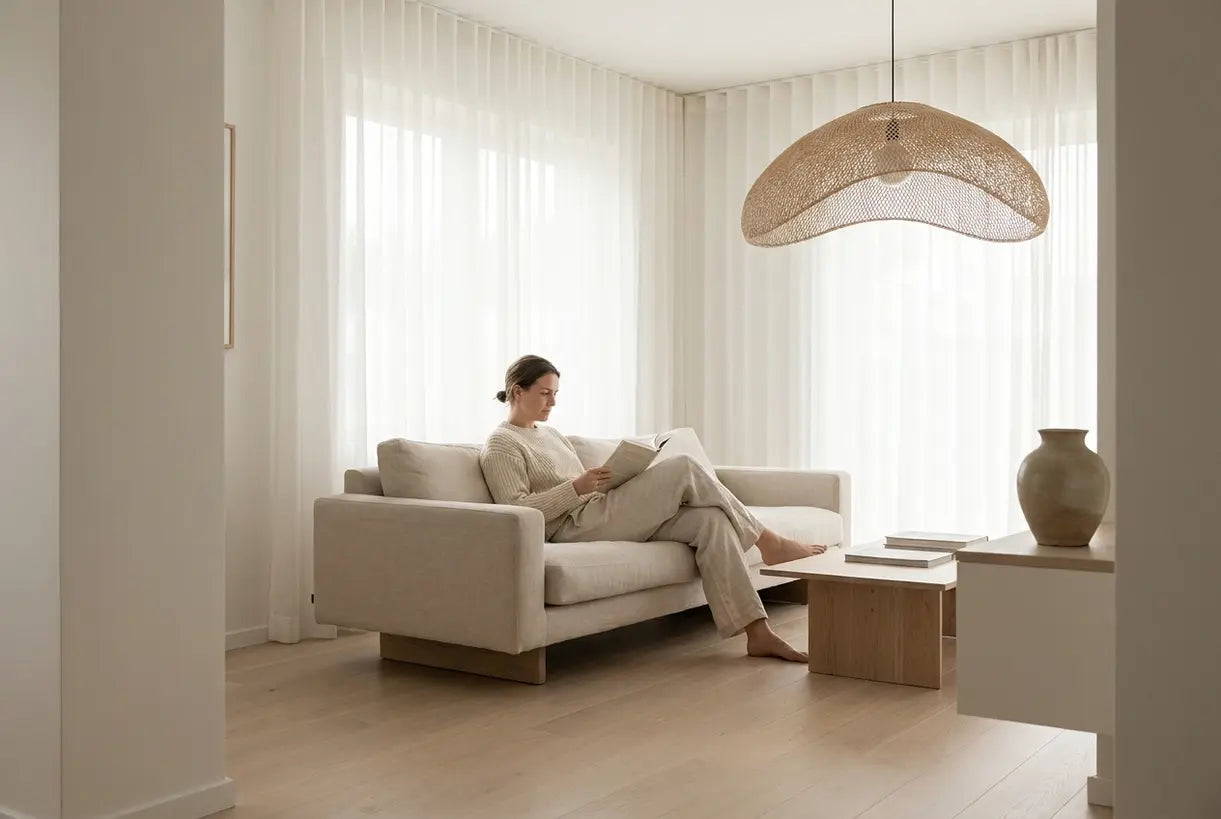
At Skonne, we design for this philosophy. Our Scandinavian-inspired pieces are created to serve as anchors in intentional spaces—objects that earn their place through beauty, quality, and purpose. Whether it's ambient lighting that transforms evening routines or handcrafted vessels that elevate everyday moments, we believe the right pieces don't fill space; they define it.
Your Path to Clean, Calm Living
Embracing minimalist home decor is a journey, not a destination. Start small—clear one surface, invest in one quality piece, replace one harsh light with something softer. Over time, these choices compound into spaces that feel distinctly, authentically yours while honoring the principles of clean, calm design.
The beauty of modern minimalism lies in its flexibility. Your minimalist home need not look like anyone else's. It's simply a space where every element has been chosen with care, where visual noise has been reduced to allow what matters to shine, and where calm isn't just an aesthetic but a felt experience.
As you curate your space, remember that minimalism at its best isn't about having less for the sake of less—it's about making room for more. More peace. More intention. More of what makes you feel truly at home.
Related Article
Farmhouse Home Decor Ideas: Charming Country-Inspired Style for Every RoomDiscover charming farmhouse home decor ideas to create cozy, country-inspired style in every room of your home.