
Minimalist Lighting: How to Illuminate Your Home with Less
Summary›
- What Is Minimalist Lighting and How Does It Work?
- The Core Principles of Minimalist Lighting Design
- Choosing Minimalist Lighting for Different Rooms
- The Best Minimalist Lighting Fixtures for Small Spaces
- Creating a Minimalist Lighting Scheme on a Budget
- Minimalist Lighting vs. Traditional Approaches
- The Psychology of Minimalist Illumination
- Implementing Your Minimalist Lighting Plan
- Conclusion: The Lightness of Less
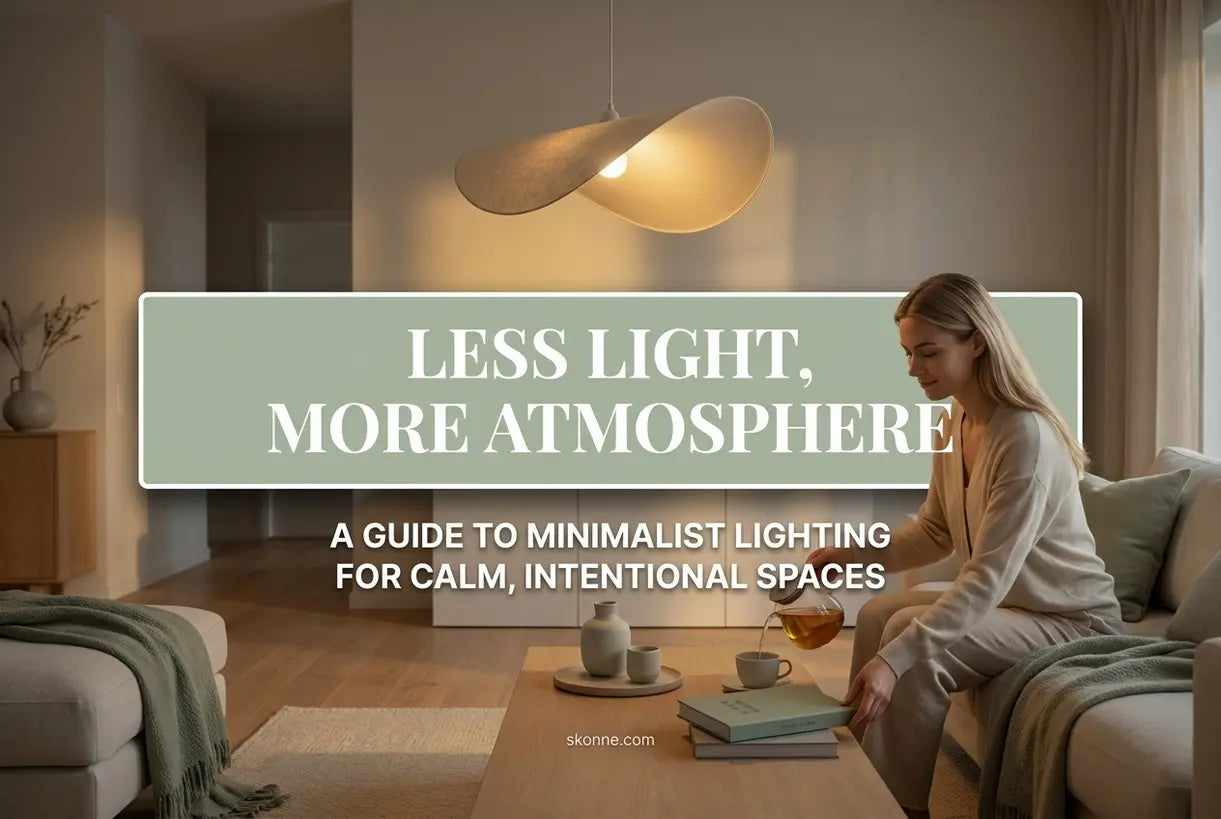
In a world overflowing with visual noise, there's something profoundly calming about returning to basics. Minimalist lighting isn't about deprivation—it's about intention. It's the art of choosing fewer, better fixtures that serve your space with purpose and elegance. Whether you're designing a sanctuary in a studio apartment or curating a serene family home, understanding how to illuminate with less can transform not just your rooms, but your daily experience of them.
Throughout this guide, we'll explore the principles behind modern minimalist lighting fixtures and how they create spaces that feel both expansive and intimate. You'll discover room-specific strategies, budget-friendly approaches, and the subtle distinctions that elevate minimalist design from stark to sublime.
What Is Minimalist Lighting and How Does It Work?
At its core, minimalist lighting embraces the philosophy that less truly is more. Unlike traditional lighting schemes that layer multiple fixtures, decorative elements, and competing light sources, minimalist lighting focuses on clean lines, purposeful placement, and quality craftsmanship.
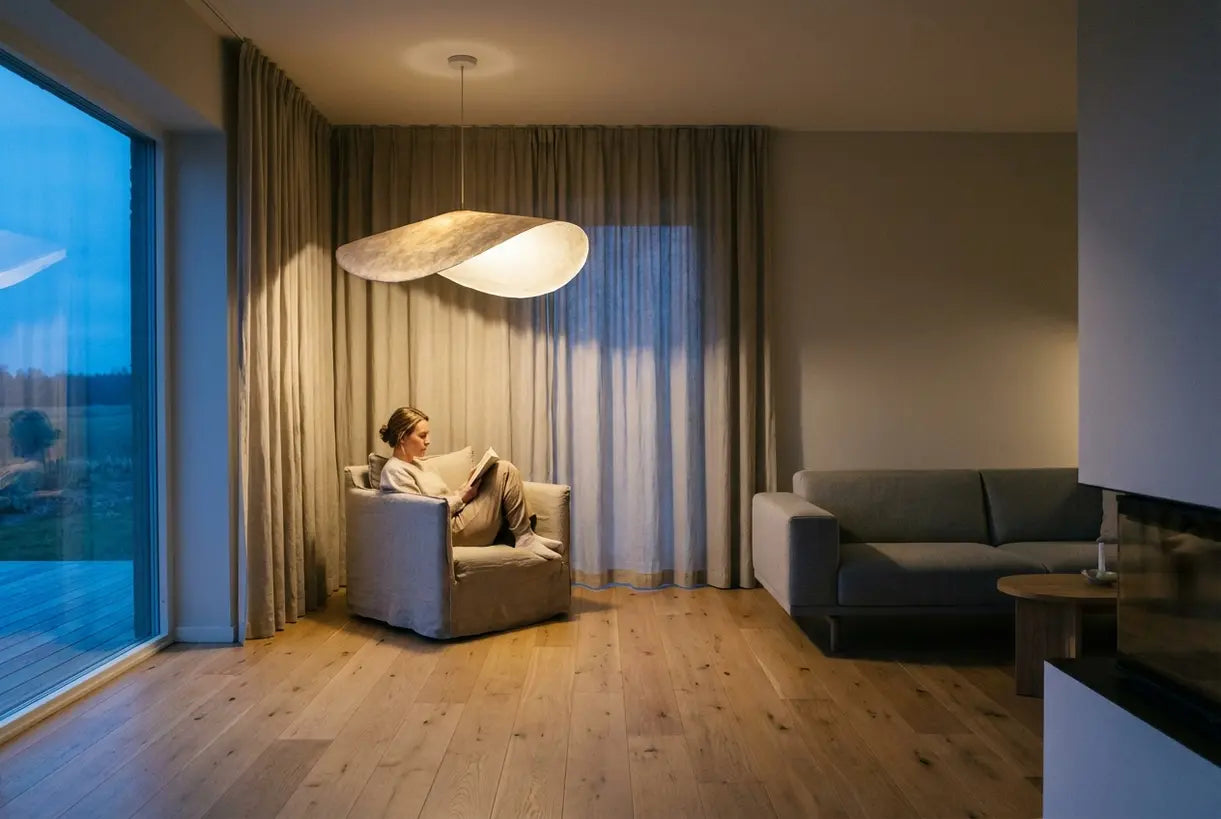
The magic of this approach lies in its versatility. A single minimalist pendant light can anchor a dining room with sculptural presence while casting the perfect glow for evening meals. Wall sconces become artistic statements that free up surface space and create subtle ambient pools of light. Floor lamps transform corners into reading nooks without visual clutter.
The key principle? Every fixture earns its place. Rather than filling a room with light, you're sculpting with it—using carefully chosen sources to define zones, highlight architectural features, and create the warm, inviting atmosphere that Scandinavian design celebrates.
The Core Principles of Minimalist Lighting Design
Creating a successful minimalist lighting scheme requires understanding three foundational concepts that distinguish it from conventional approaches:
Quality Over Quantity
In minimalist spaces, each fixture must perform exceptionally. Instead of five mediocre lamps, invest in one or two pieces crafted from premium materials—solid wood, hand-blown glass, or brushed metals—that will age beautifully and maintain their presence for years.
Clean Lines and Simple Forms
Simple lighting design favors geometric purity over ornamentation. Think circular silhouettes, linear suspensions, and organic shapes that draw the eye without overwhelming it. These forms integrate seamlessly into contemporary interiors while maintaining timeless appeal.
Intentional Layering
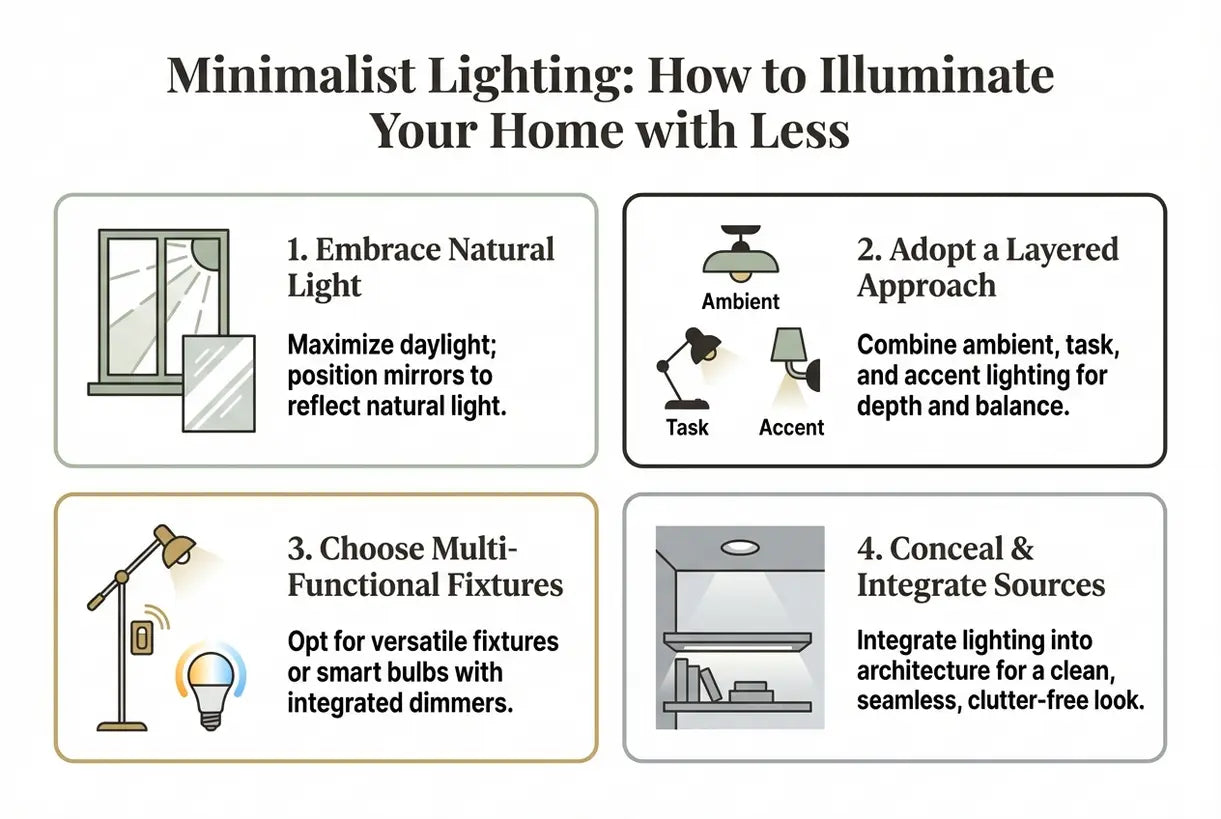
Even minimal spaces benefit from layered lighting—just with restraint. A well-designed room typically combines one statement piece (ambient), task lighting where needed, and subtle accent illumination. The difference lies in how thoughtfully these layers interact, creating depth without density.
Pendant Lights
Shop all Pendant Lights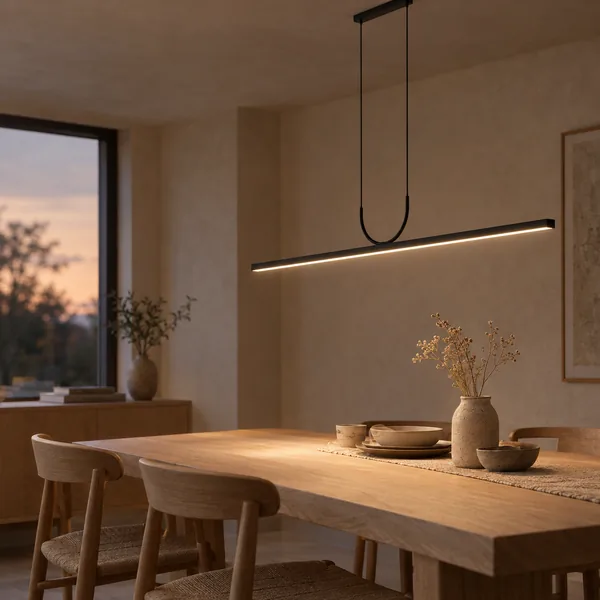
 Save $140.00
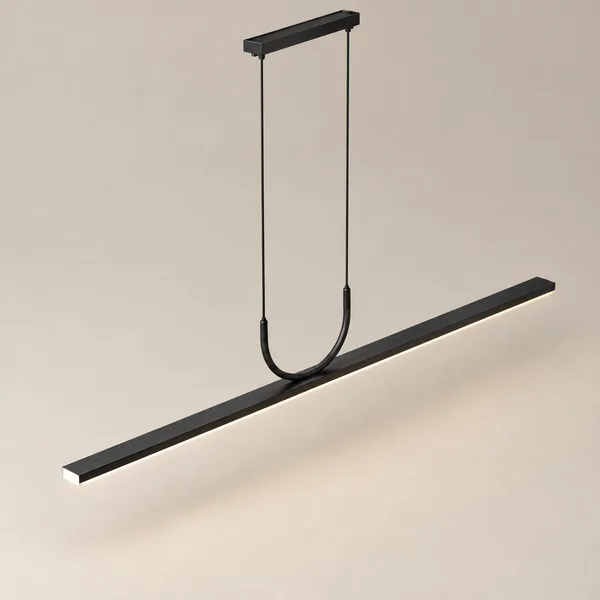
Linné Minimalist Linear Black LED Pendant Light
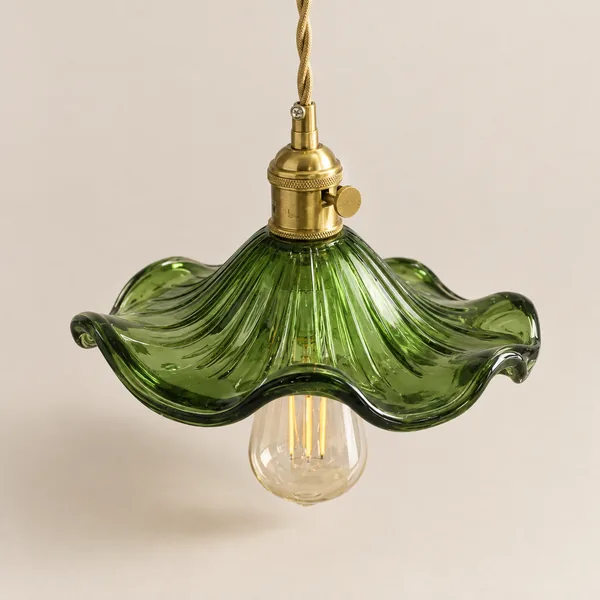 Save $60.00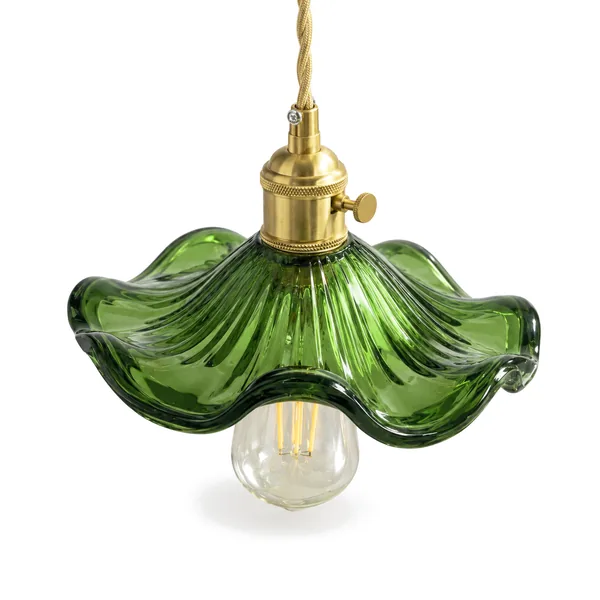
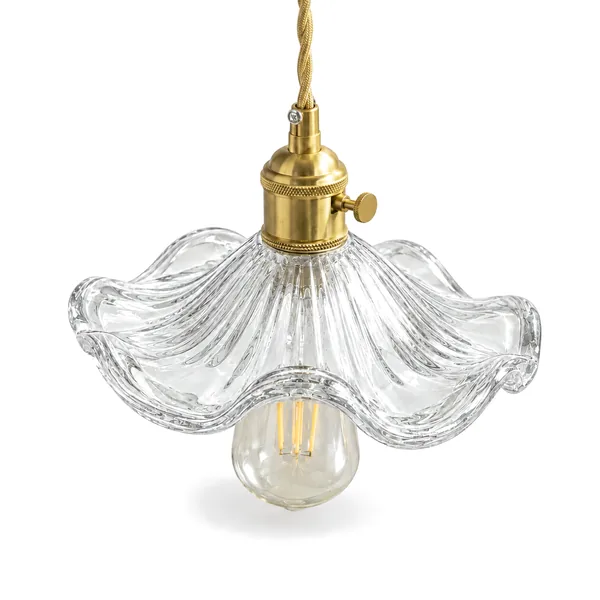
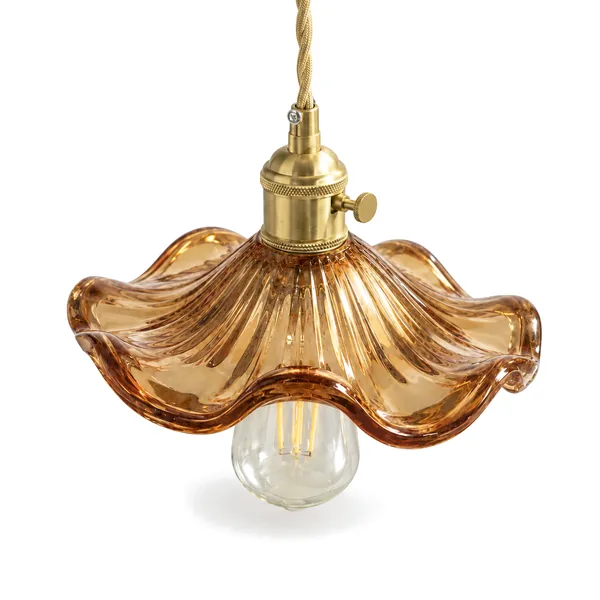 3 options
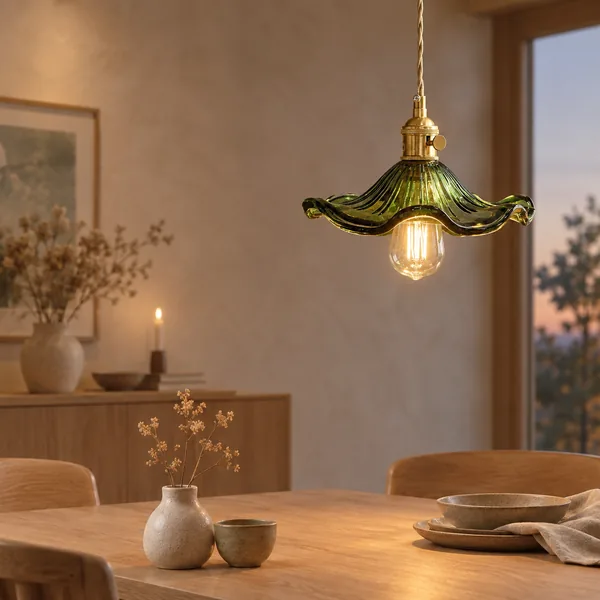
Glora Nordic Glass Pendant Light with Copper
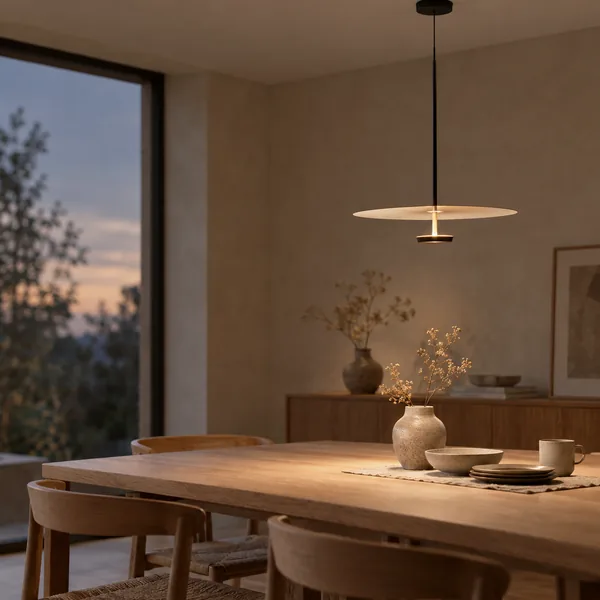
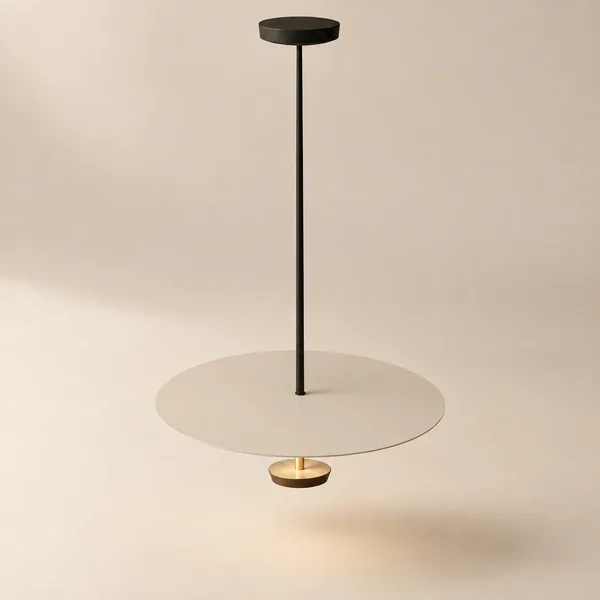 Save $120.00
Skiva Nordic Saucer Ceiling Pendant Light LED
Choosing Minimalist Lighting for Different Rooms
Every space presents unique lighting challenges, and understanding how to address them with minimalist solutions ensures your home feels cohesive and functional.
Living Room: The Heart of Ambient Light
The living room demands versatility—bright light for gatherings, soft glow for relaxation. A sculptural pendant or cluster of minimalist ceiling lights establishes the primary ambient layer. Supplement with a carefully positioned floor lamp for reading corners, ensuring it complements rather than competes with your main fixture.
Bedroom: Quiet and Contemplative
Sleep spaces call for warmth and subtlety. Wall sconces flanking the bed eliminate the need for bedside tables and create symmetrical calm. Consider dimmable options that transition from evening reading to pre-sleep tranquility. The goal is understated home lighting that soothes rather than stimulates.
Bathroom: Functional Elegance
For those looking to explore more options, our Bathroom Lighting & Accessories collection offers a curated selection of fixtures that balance practical task lighting with spa-like serenity. Vanity lighting should eliminate shadows for grooming while maintaining the clean aesthetic that defines minimalist bathroom lighting.
Kitchen and Dining: Task and Atmosphere
These spaces require the most careful balance. Island pendants must provide adequate workspace illumination while serving as design focal points. Dining areas benefit from dimmable statement pieces that create intimacy during meals. Consider how your fixtures look both illuminated and at rest—they're sculptural elements even when switched off.
The Best Minimalist Lighting Fixtures for Small Spaces
Compact living demands strategic thinking. When square footage is limited, every design choice must work harder—including your lighting selections.
Vertical solutions become essential. Wall-mounted fixtures and sconces eliminate the floor and surface space consumed by lamps and stands. Consider how a well-placed wall sconce can replace a bedside table lamp or how a slender floor lamp tucked into a corner provides reading light without obstruction.
Multifunctional pieces offer particular value. Look for fixtures with adjustable arms, dimmable capabilities, or convertible mounting options that adapt as your needs evolve. The minimalist floor lamps in our collection demonstrate how sculptural form can serve practical purposes without dominating limited space.
Reflective surfaces amplify minimalist lighting beautifully. A single pendant above a mirrored console or glossy dining table doubles its luminous impact, creating the illusion of greater light volume without additional fixtures.
Creating a Minimalist Lighting Scheme on a Budget
Thoughtful design doesn't require unlimited resources. Achieving minimal ambient lighting on a budget focuses on strategic investment and creative problem-solving.
Start with your statement piece—the fixture that will define your primary living space. Allocate the largest portion of your budget here, as this piece sets the tone for your entire home. Supplement with simpler, more affordable options for secondary spaces like hallways and utility areas.
Consider the power of paint and placement. A white or light-colored ceiling reflects illumination more effectively, allowing you to use lower-wattage bulbs or fewer fixtures while maintaining brightness. Positioning lights near walls creates bounced illumination that feels more expansive than direct downward lighting.
Prioritize energy-efficient LED options. While the initial investment may be slightly higher, the longevity and reduced energy costs of quality LED fixtures align perfectly with minimalist values—less waste, less maintenance, lasting quality.
Lamps
Shop all Lamps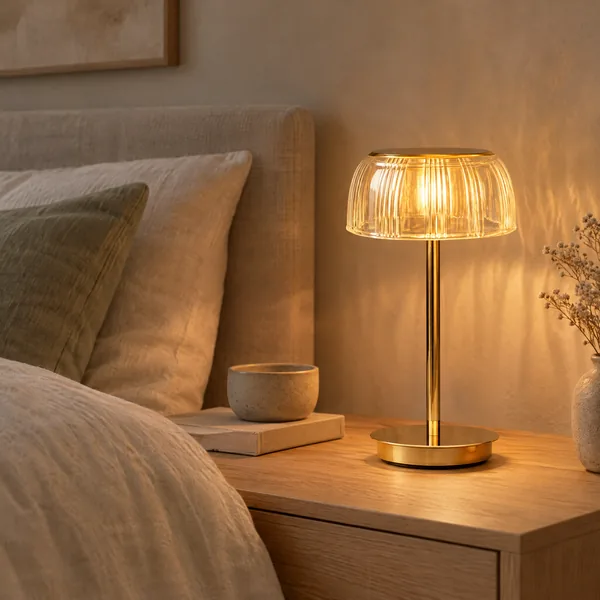
 Save $30.00
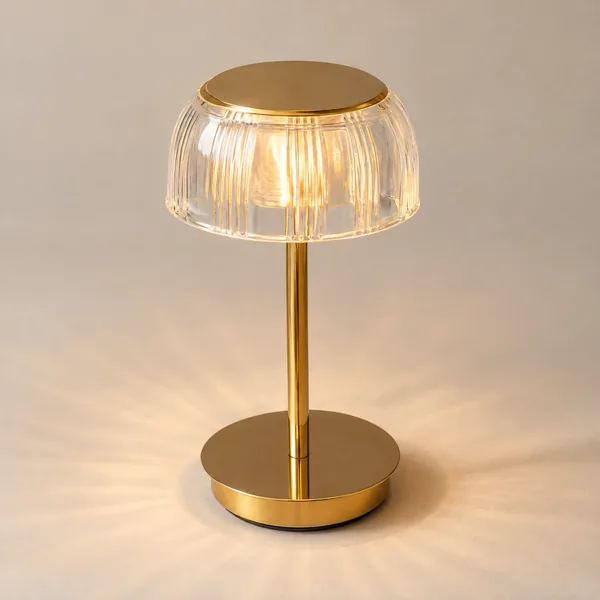
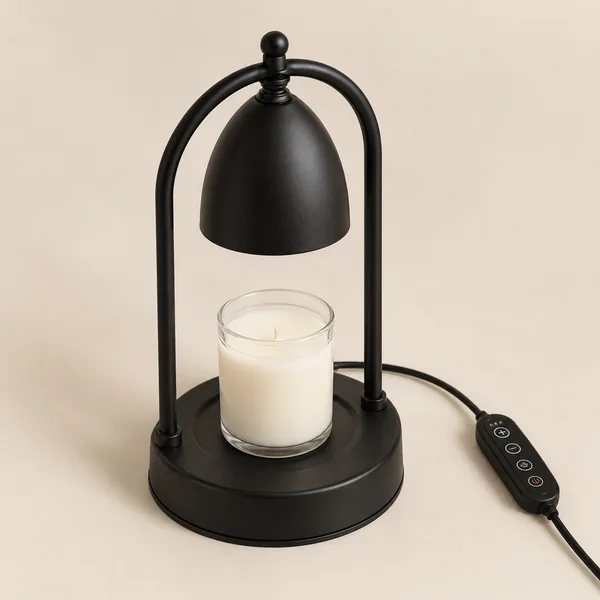
Kvalla Jellyfish LED Rechargeable Table Lamp
 Save $140.00
Linné Minimalist Linear Black LED Pendant Light
Save $60.003 optionsGlora Nordic Glass Pendant Light with Copper
Minimalist Lighting vs. Traditional Approaches
Understanding the distinctions between Nordic minimalist design and conventional lighting helps clarify why this approach resonates so deeply with contemporary homeowners.
| Aspect | Minimalist Lighting | Traditional Lighting |
|---|---|---|
| Fixture Count | Fewer, carefully selected pieces | Multiple layered sources |
| Design Focus | Clean form, material quality | Ornamentation, decorative detail |
| Visual Impact | Sculptural, integrated | Statement-making, distinct |
| Light Quality | Warm, diffuse, ambient | Bright, direct, varied |
| Spatial Effect | Expands perceived space | Defines and divides areas |
The Scandinavian lighting tradition particularly emphasizes this distinction. Rather than elaborate crystal chandeliers or ornate sconces, Nordic design favors the quiet confidence of natural materials and pure geometry. The result is illumination that supports daily life without demanding attention.
The Psychology of Minimalist Illumination
Beyond aesthetics, minimalist lighting profoundly affects how we feel in our spaces. Research in environmental psychology confirms that cluttered visual environments elevate cortisol levels, while clean, intentionally designed spaces promote calm and focus.
By reducing the number of light sources and choosing fixtures with warm color temperatures (2700K-3000K), you create an atmosphere that signals safety and relaxation to your nervous system. This is the essence of hygge—that Danish concept of cozy contentment that Skonne celebrates in every collection.
Implementing Your Minimalist Lighting Plan
Transitioning to a minimalist lighting scheme doesn't require a complete overhaul overnight. Start by auditing your current fixtures: which ones do you actually use? Which create visual clutter? Which could be replaced with more intentional alternatives?
Consider the natural light your spaces receive. The most successful minimalist lighting designs work with daylight rather than against it, using artificial sources to extend and enhance what nature provides. Position fixtures to complement window placement, and choose materials that interact beautifully with both natural and artificial illumination.
Don't overlook the importance of dimmers and smart controls. These tools allow a single fixture to serve multiple purposes—bright task lighting when cooking, soft ambient glow when entertaining, gentle night light when winding down. This adaptability is central to the minimalist philosophy of doing more with less.
Featured Minimalist Lighting Solutions
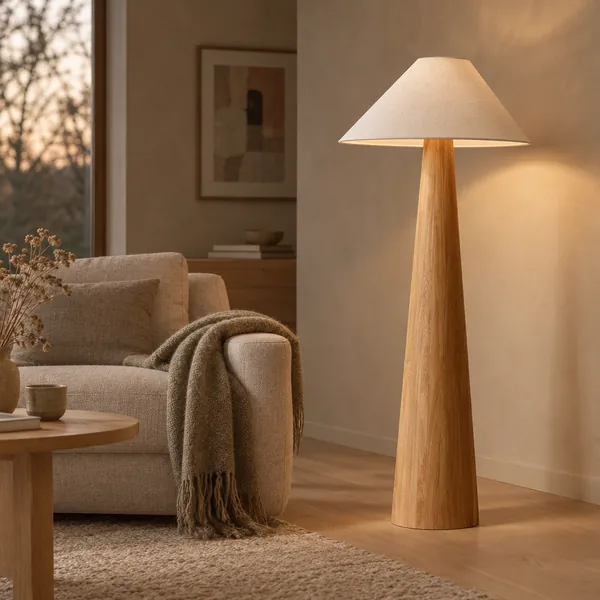 Stille Japanese Wabi-Sabi Solid Wood Floor Lamp$399.00$699.00
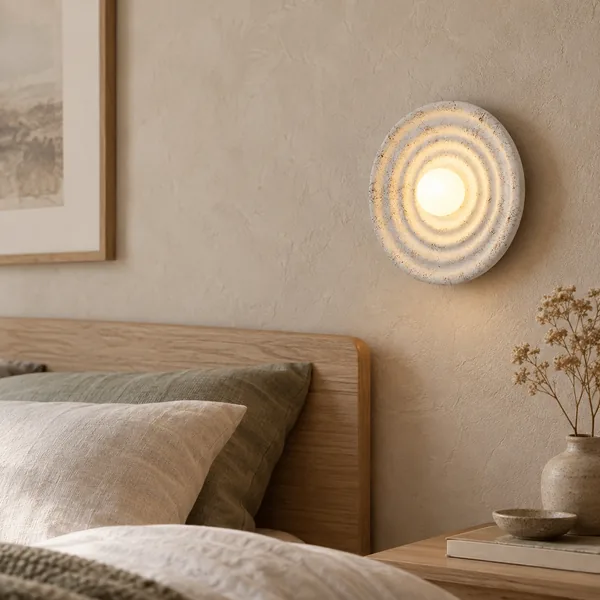 Lysring Circular LED Wall Light Wabi-Sabi Style$169.00$229.00
Conclusion: The Lightness of Less
Embracing minimalist lighting transforms more than your interior design—it shifts your relationship with your home. By choosing quality over quantity, intention over accumulation, and calm over clutter, you create spaces that truly support the life you want to live.
The journey toward clean line lighting fixtures and purposeful illumination is deeply personal. It requires understanding your daily rhythms, honoring your aesthetic preferences, and investing in pieces that will serve you for years to come.
At Skonne, we curate collections that embody these principles—fixtures crafted with integrity, designed with restraint, and destined to become the quiet centerpieces of homes that value both beauty and meaning. Explore our selections and discover how illuminating with less can reveal so much more.
Related Article
Hygge Decor: How to Create a Cozy, Warm & Intentional HomeLearn how to bring Danish hygge into your home with warm lighting, natural textures, and intentional design choices that create a cozy sanctuary.