
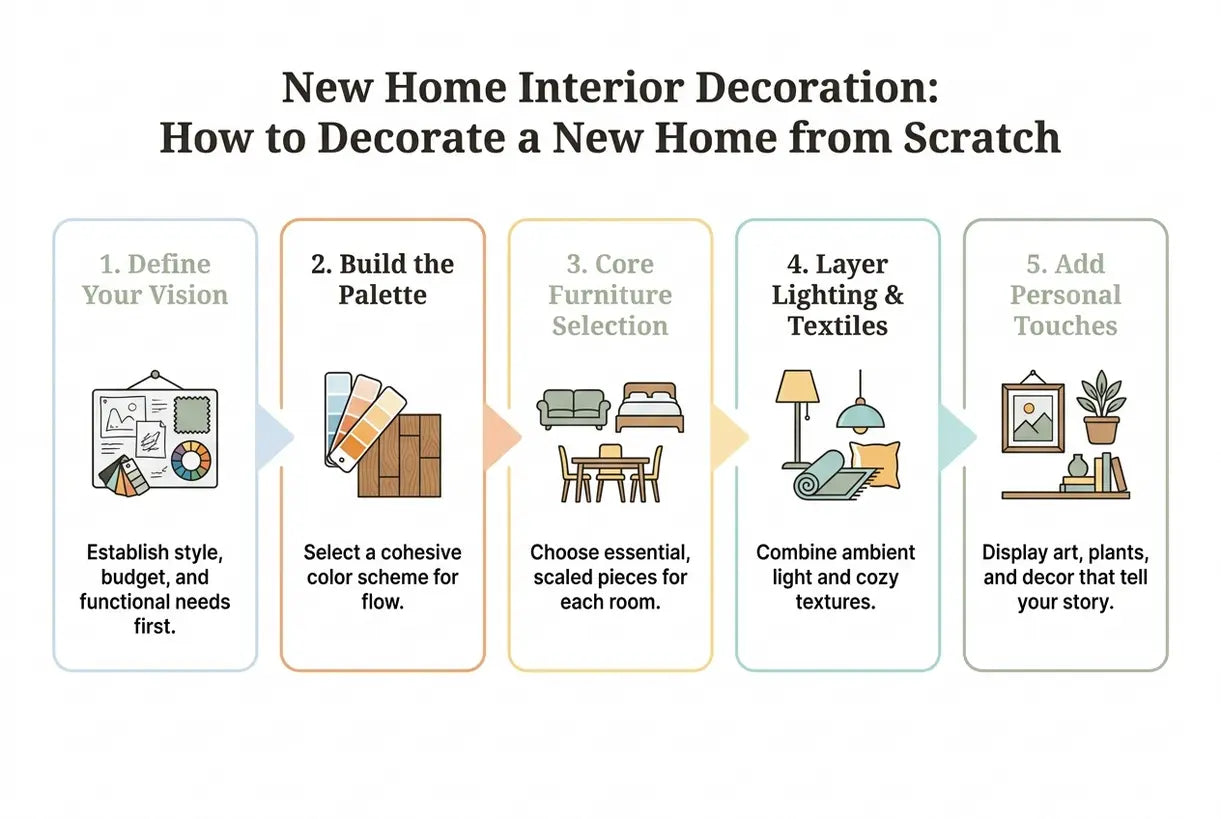
New Home Interior Decoration: How to Decorate a New Home from Scratch
Summary›
Walking into your new home for the first time—with empty rooms, fresh paint, and endless possibilities—fills you with both excitement and a creeping sense of uncertainty. Where do you begin? How do you transform blank walls into a cohesive sanctuary that truly feels like yours? New home interior decoration is an intentional journey, not a single-day sprint. This guide will walk you through the foundational principles, current design movements, and practical strategies to help you approach decorating with clarity and confidence. As you discover the rhythms of your new space, you will find that a curated approach—grounded in quality pieces that complement your lifestyle—makes all the difference between a house and a hygge-filled home.
Where to Begin Your Decorating Journey
Before selecting a single throw pillow or hanging your first frame, pause and connect with your space. Notice the natural light patterns throughout the day, identify the architectural features worth highlighting, and understand how you actually live in each room. This intentional observation becomes your compass for every subsequent decision.
Understanding the 3-5-7 Rule
One of the most effective frameworks for beginners is the 3-5-7 rule. This guideline suggests arranging items in groups of three, five, or seven rather than even numbers. Why? Odd groupings create visual tension and movement that draw the eye naturally across a space. A shelf display featuring three ceramic vases of varying heights feels curated and dynamic, whereas two matching pieces can appear static or overly formal. This rule applies beautifully to coffee table styling, gallery walls, and mantle arrangements.
The Living Room 2/3 Rule
When tackling larger furniture arrangements, the 2/3 rule for a living room provides essential guidance. Your area rug should occupy approximately two-thirds of the floor space, leaving a consistent border of exposed flooring that frames the seating area elegantly. Similarly, artwork hung above a sofa should span roughly two-thirds of the furniture's width. These proportions create visual harmony and prevent pieces from feeling either cramped or floating aimlessly in oversized voids.
Current Interior Design Trends That Speak to New Homeowners
Staying informed about design movements helps you make choices that feel contemporary yet timeless. Right now, several aesthetic directions dominate the conversations around new home interior decoration, each offering distinct emotional responses and practical benefits.
One of the most prominent movements combines Scandinavian minimalism with Japanese sensibility—a style known as Japandi. This fusion celebrates warm neutrals, natural materials, and functional beauty while maintaining the simplicity that makes small spaces feel expansive. Biophilic design, which incorporates organic textures and living elements, continues to gain momentum as homeowners seek deeper connections with nature within their interiors.
For those looking to explore more options, our Living Room Lighting collection offers a curated selection of pieces that capture these contemporary aesthetics while providing the illumination essential to every well-designed space.
Lighting as Your Foundation
The single most transformative element in any new home interior decoration project is lighting. Harsh overhead fixtures can make even the most beautifully furnished room feel clinical and unwelcoming. The solution lies in selecting statement lighting that provides both functional illumination and sculptural beauty.
The Driva Sculptural Cloud Pendant Light in Glass addresses this challenge elegantly. Its handcrafted cloud glass construction diffuses light into an ethereal ambient glow, instantly transforming dining areas, living rooms, or bedrooms into inviting spaces. Unlike standard fixtures that merely brighten a room, this pendant serves as a floating piece of art that anchors your Scandinavian-inspired aesthetic while providing the layered lighting essential for creating that coveted hygge atmosphere.
Home Decor
Shop all Home Decor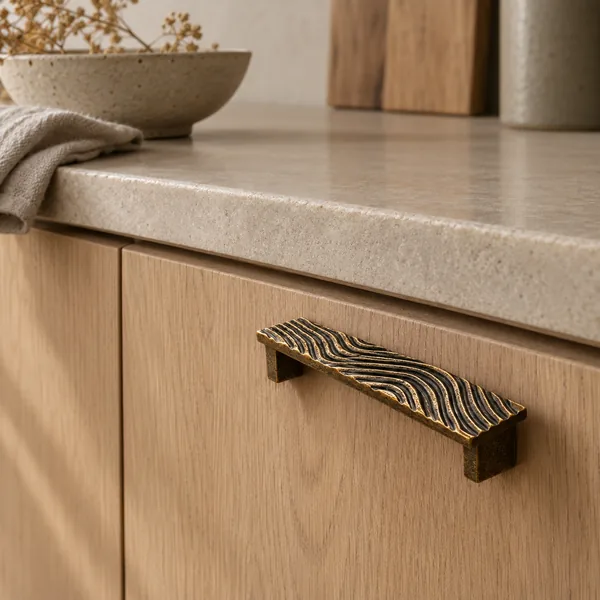
 Save $44.50
 2 options
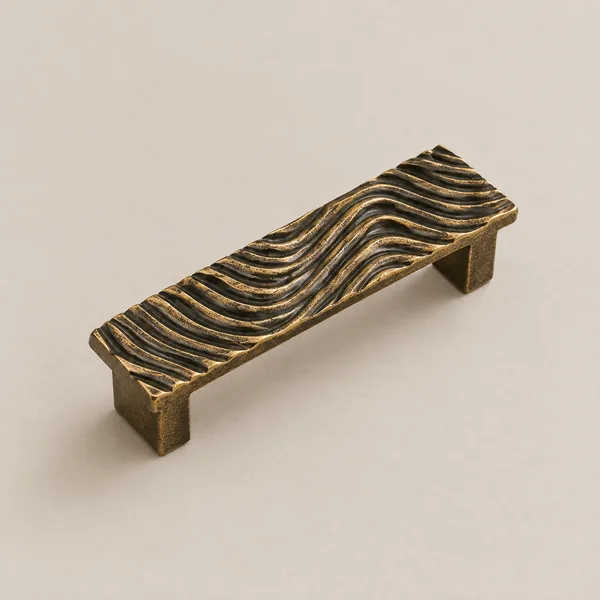
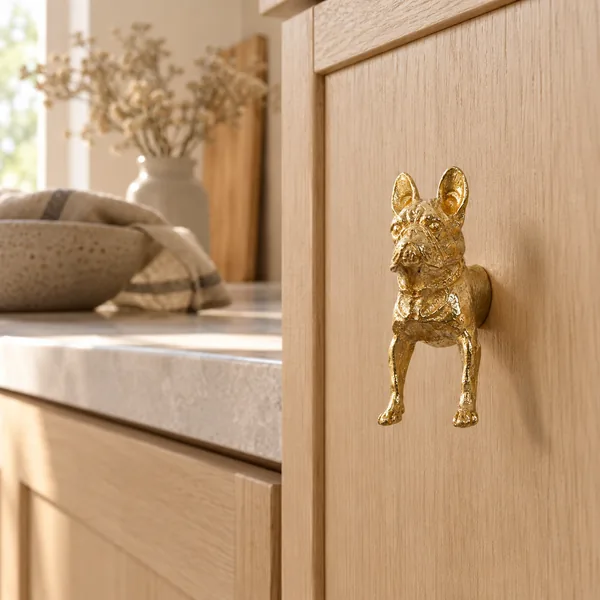
Tassa Polished Brass Dog Cabinet Pull Handle
 Save $110.00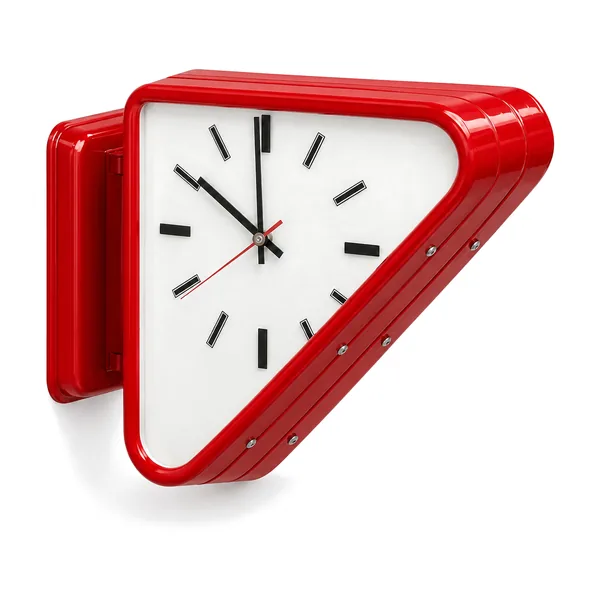
 +15 options
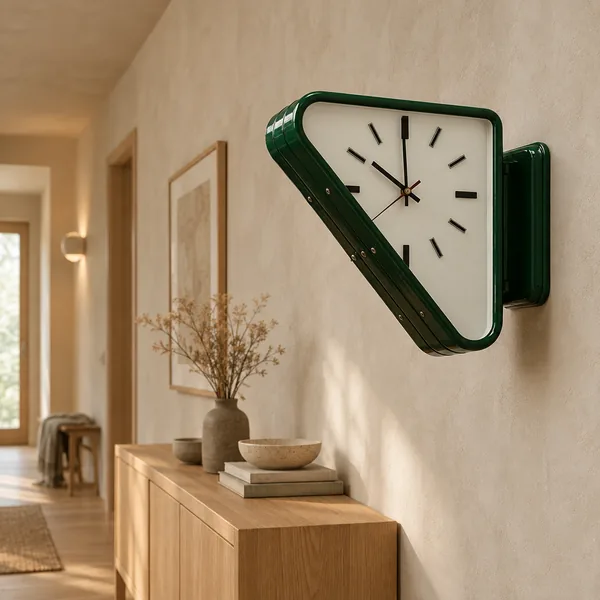
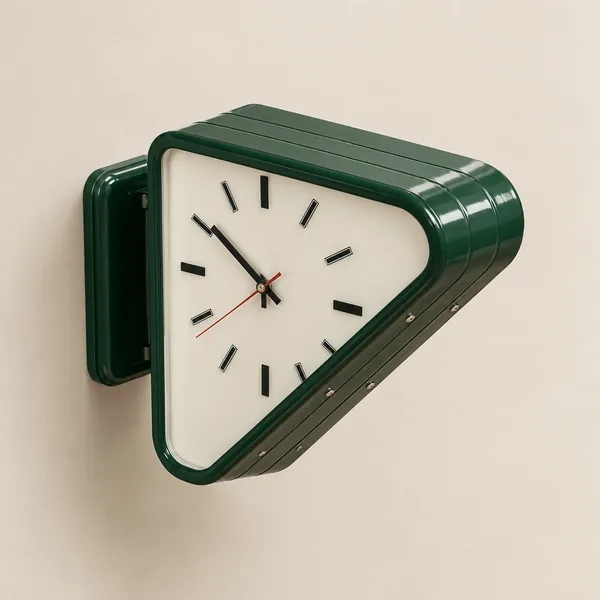
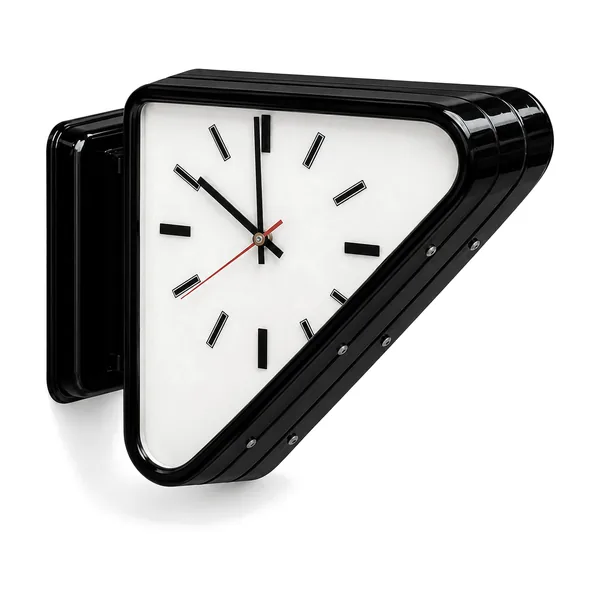
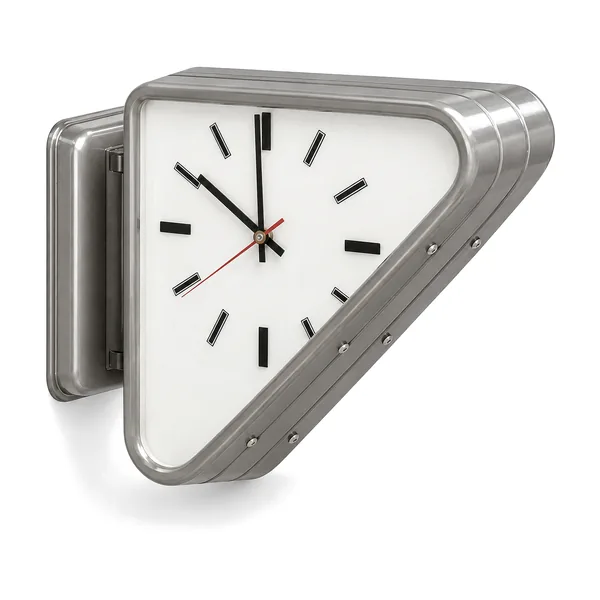
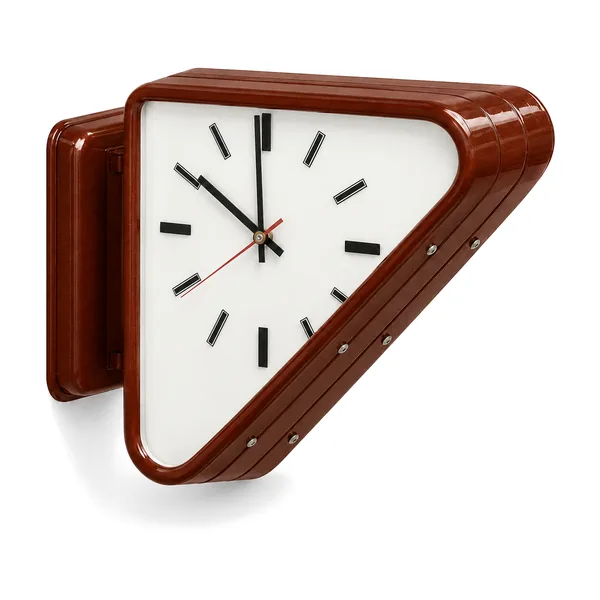
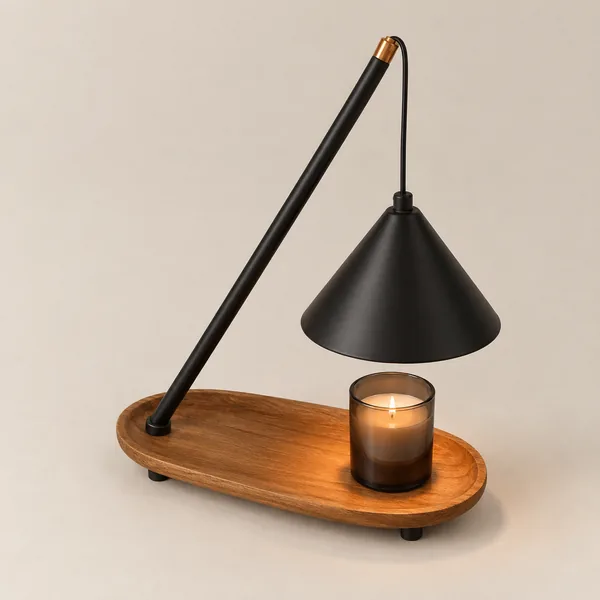
Tvilling Dual-Sided Geometric Metal Wall Clock
Layering Decorative Elements with Intention
Once your lighting foundation is established, the next phase involves layering decorative objects that tell your personal story. Successful styling balances texture, scale, and negative space—leaving breathing room between objects prevents visual clutter and allows individual pieces to command proper attention.
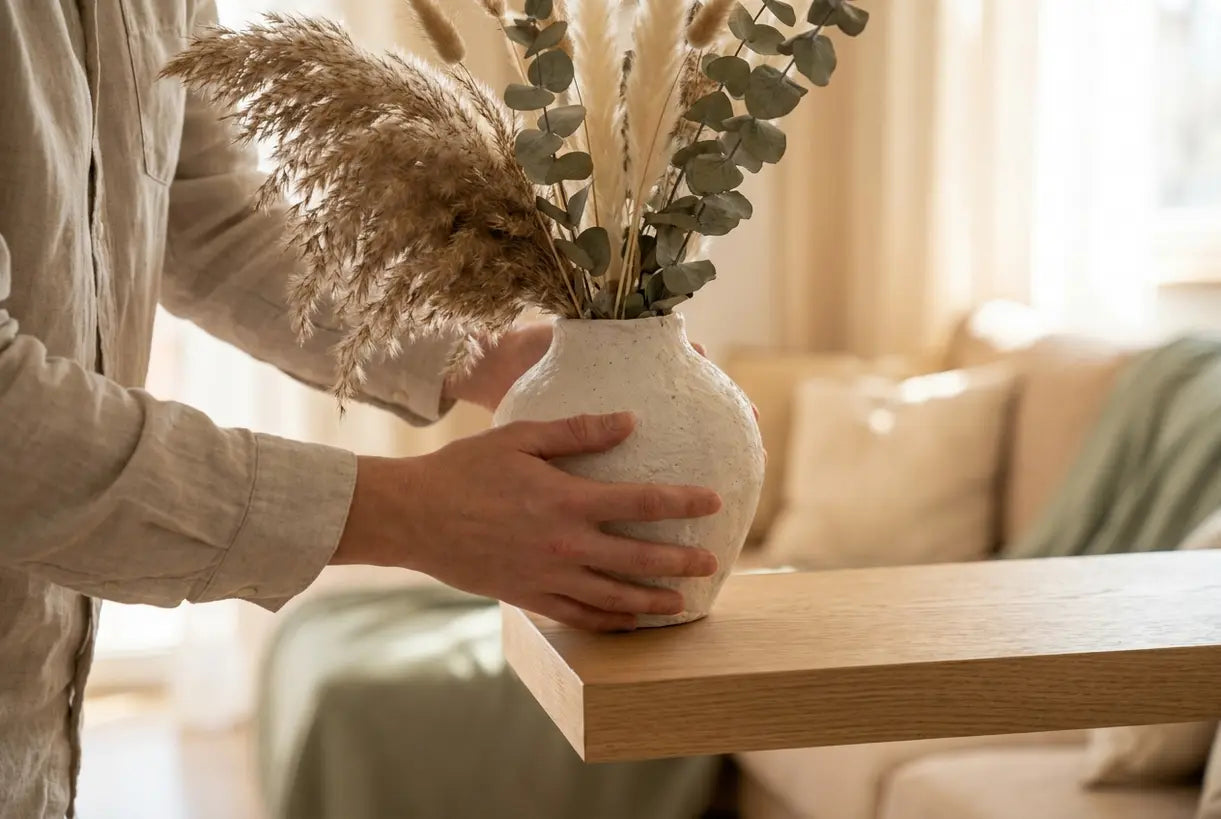
Consider the rhythm of repetition and contrast. A smooth ceramic surface gains depth when paired with organic textures like woven grasses or raw wood. The key is selecting pieces that feel connected through material quality or design philosophy rather than matching sets that appear generic. According to interior design theory, this approach creates visual interest while maintaining cohesion.
Curated Pieces That Complete Your Vision
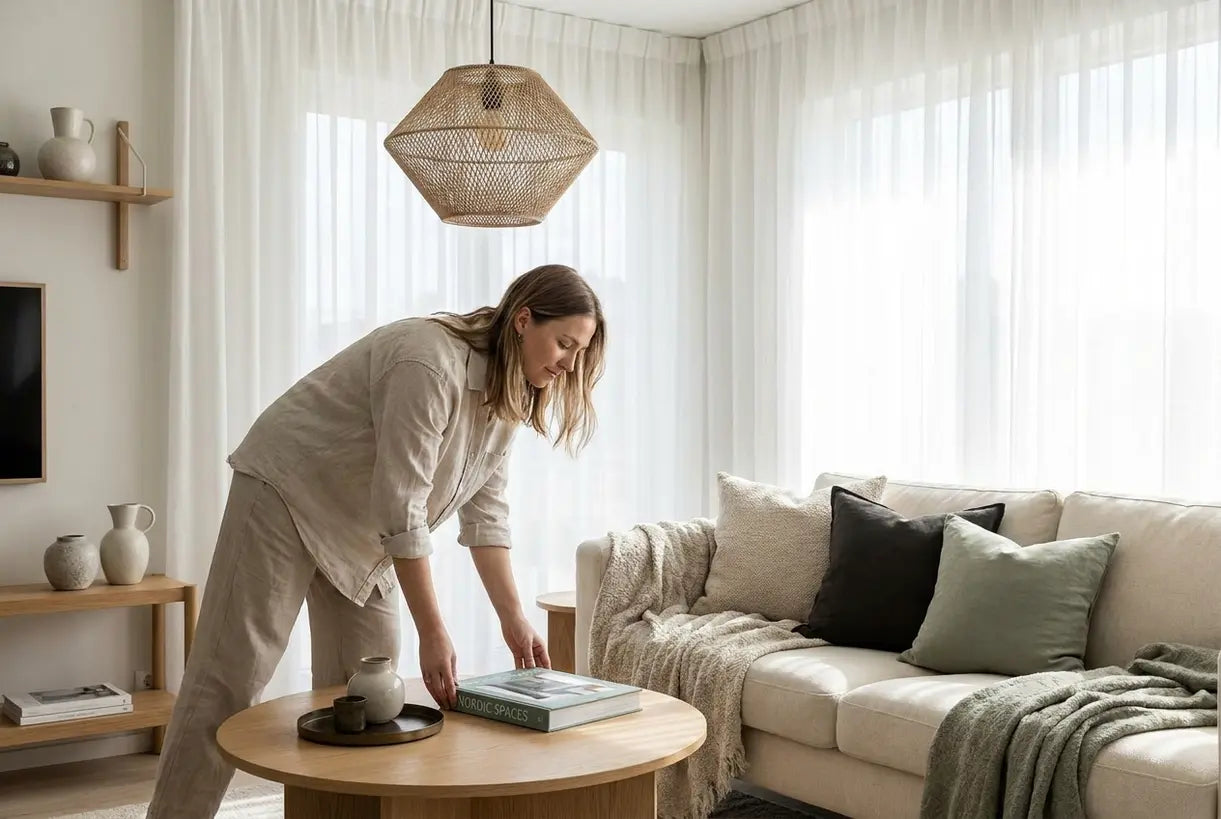
The finishing touches in any new home determine whether a space feels thoughtfully assembled or merely furnished. These pieces solve specific aesthetic challenges: creating cozy reading nooks, adding vertical interest to empty corners, or introducing organic warmth that balances modern architecture.
The Kveld Scandinavian Mushroom Floor Lamp Walnut exemplifies this principle. Its warm mushroom-shaped silhouette and rich walnut base introduce instant Nordic coziness to living areas and bedrooms. For surface styling, the Jorde Handmade Rustic Ceramic Vase Home Decor brings artisan quality through its organic texture and reactive glaze—each piece unique, each surface worthy of lingering attention. Together, these elements demonstrate how purposeful accessory selection elevates a room from functional to extraordinary.
Essential Lighting & Decor for Your New Home
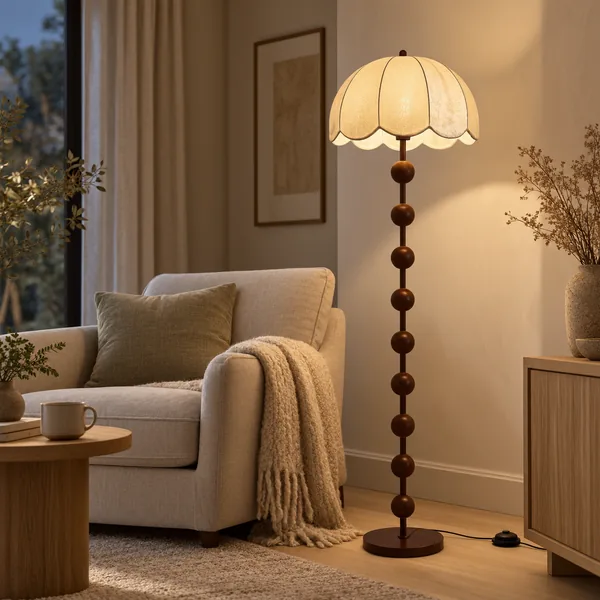 Kveld Scandinavian Mushroom Floor Lamp Walnut$219.00$349.00
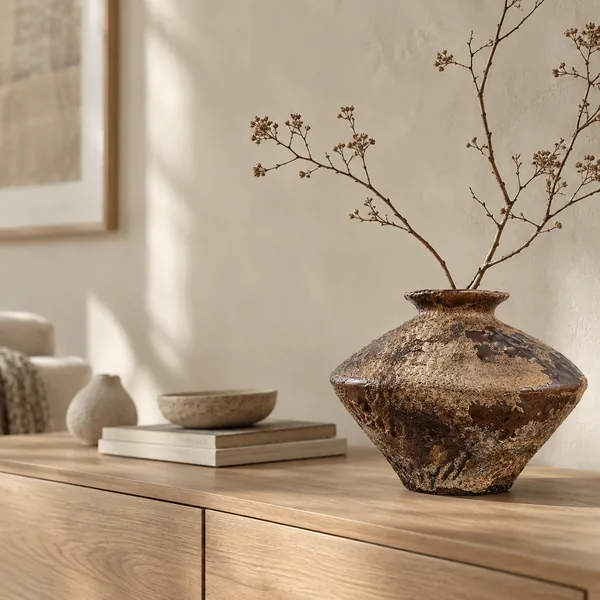 Jorde Handmade Rustic Ceramic Vase Home Decor$129.00$189.00
Lighting
Shop all Lighting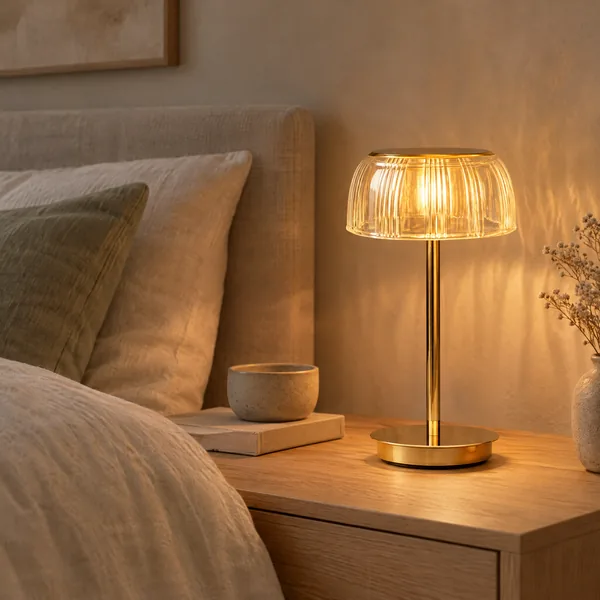
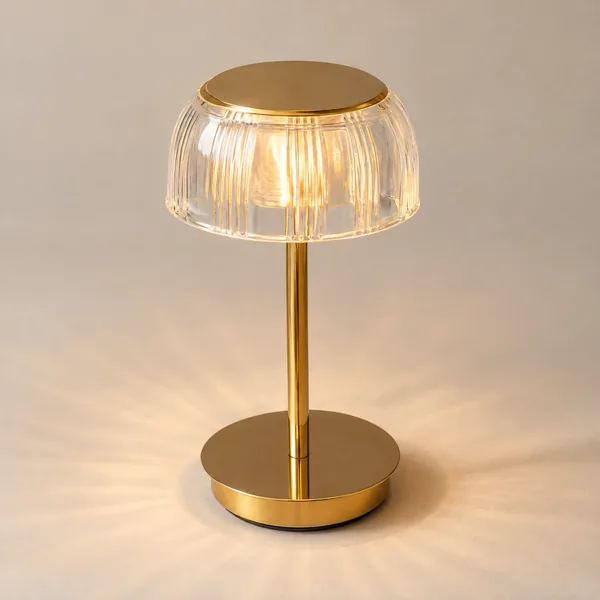 Save $30.00
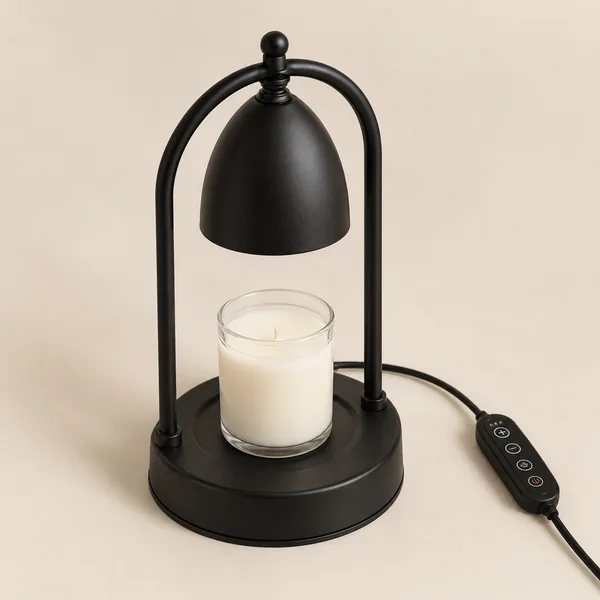
Kvalla Jellyfish LED Rechargeable Table Lamp
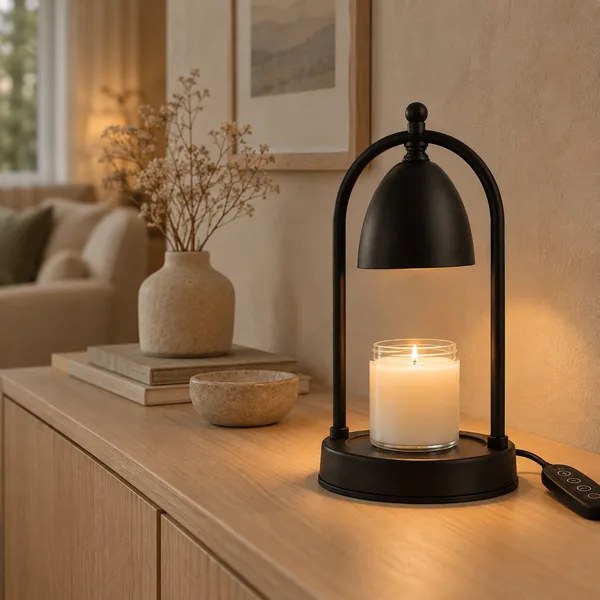
 Save $140.00
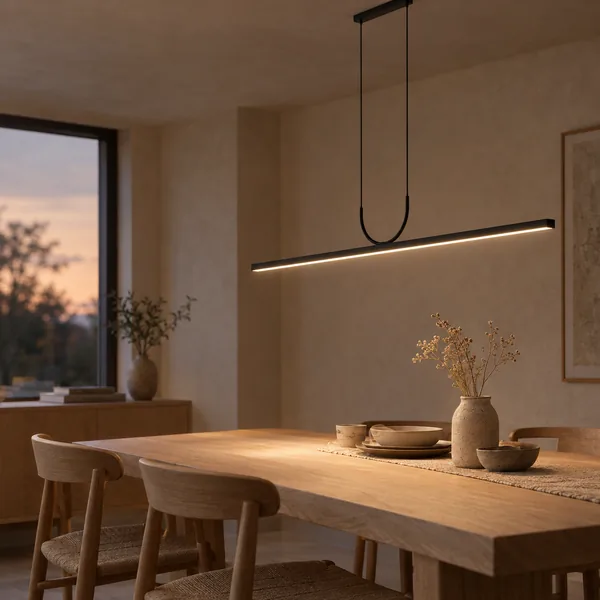
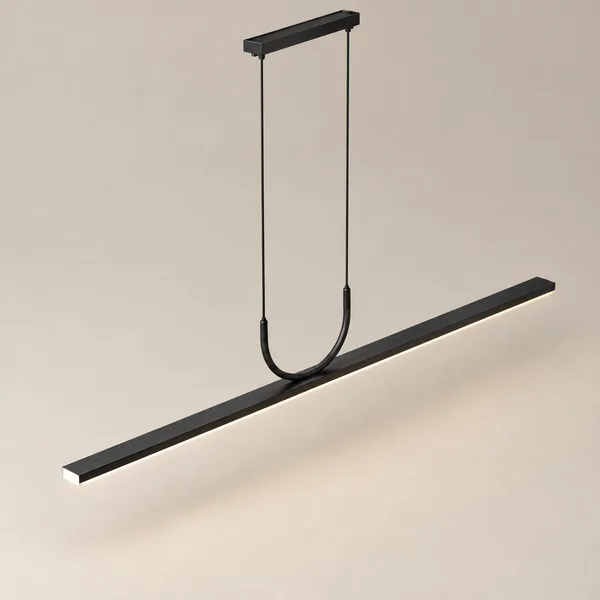
Linné Minimalist Linear Black LED Pendant Light
 Save $60.00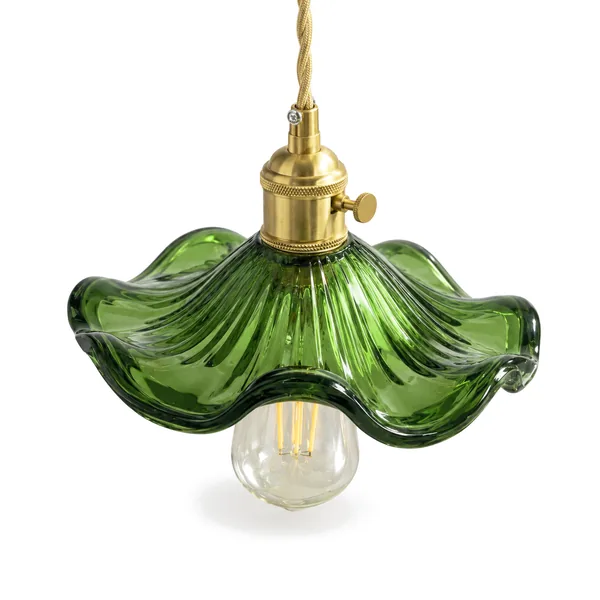
 3 options
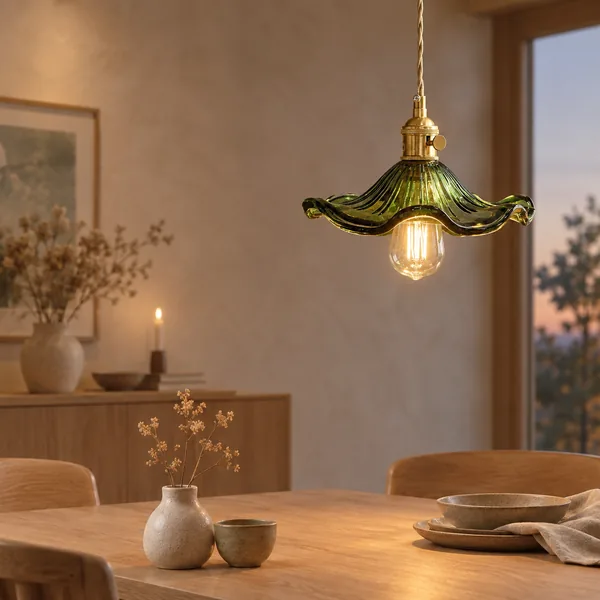
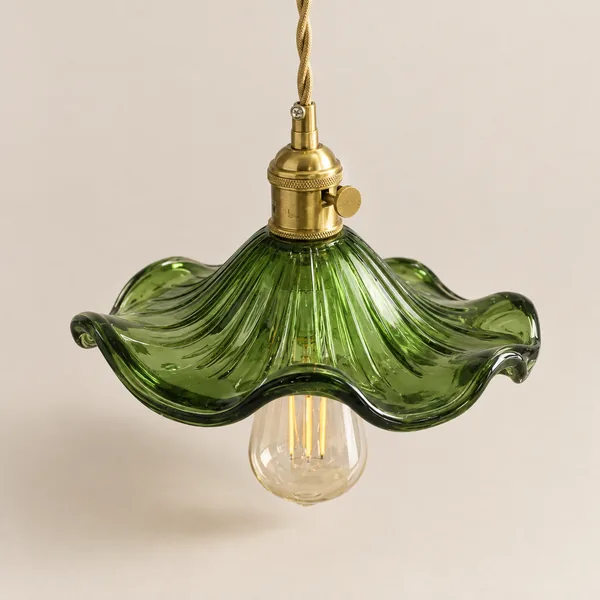
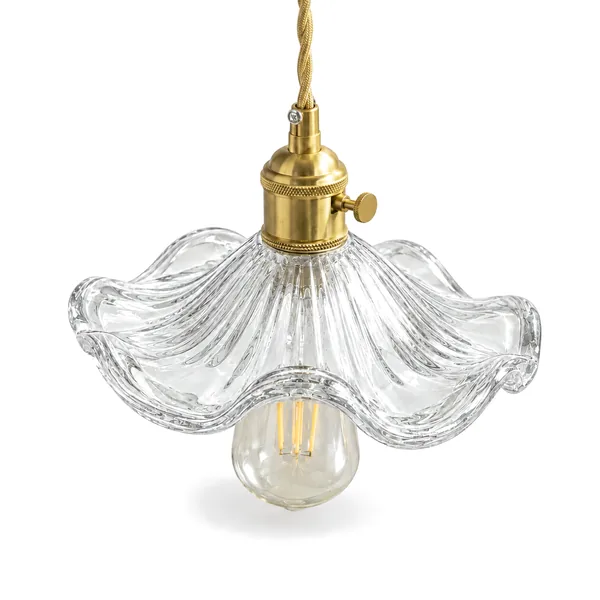
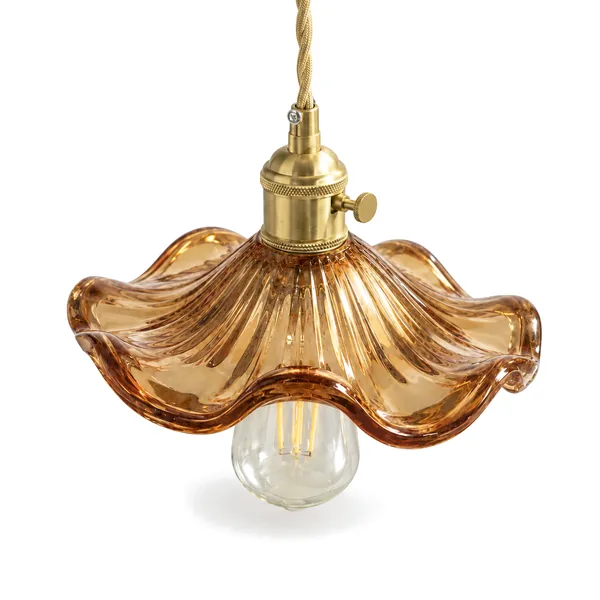
Glora Nordic Glass Pendant Light with Copper
Making It Personal on Any Budget
Stylish home decoration need not deplete your savings in a single weekend. A strategic approach prioritizes investments in foundational pieces like quality lighting and area rugs while layering in accessories over time. Start with the spaces where you spend the most waking hours, then expand outward as budget allows. Remember that negative space is a design element too—resist the urge to fill every corner immediately.
Insider tip: When working within budget constraints, prioritize lighting first, textiles second, and decorative objects third. Quality illumination transforms how you experience space more dramatically than any other single investment.
Embracing the Journey of New Home Interior Decoration
Creating a home that genuinely reflects your personality and supports your lifestyle is not a destination but an evolution. The principles outlined here—proportional arrangement, current Scandinavian and Japandi influences, layered lighting, and intentional accessorizing—provide the framework. The joy comes from the gradual process of discovery, from those quiet moments when afternoon light hits your cloud pendant just so, or when you notice how that handmade ceramic vase catches morning shadows.
At Skonne, we believe new home interior decoration should feel approachable yet elevated, simple yet deeply personal. Our curation of Scandinavian-inspired lighting and decor exists to support your vision—not replace it. As you stand in your new space and imagine the possibilities ahead, remember that the most beautiful homes are built slowly, thoughtfully, and with pieces that resonate meaningfully with those who inhabit them.
Related Article