
Outdoor Tree Lighting Ideas: How to Beautifully Illuminate Garden Trees at Night
Summary›
- Understanding the Art of Outdoor Tree Lighting
- Uplighting: The Foundation of Dramatic Tree Illumination
- String Lights: Wrapping Trees in Warmth
- Downlighting and Moonlighting: The Subtle Approach
- Solar-Powered Solutions for Sustainable Garden Lighting
- Curating a Cohesive Lighting Plan
- Seasonal Considerations and Year-Round Beauty
- Installation Best Practices for Longevity
- Conclusion: Creating Your Perfect Night Garden
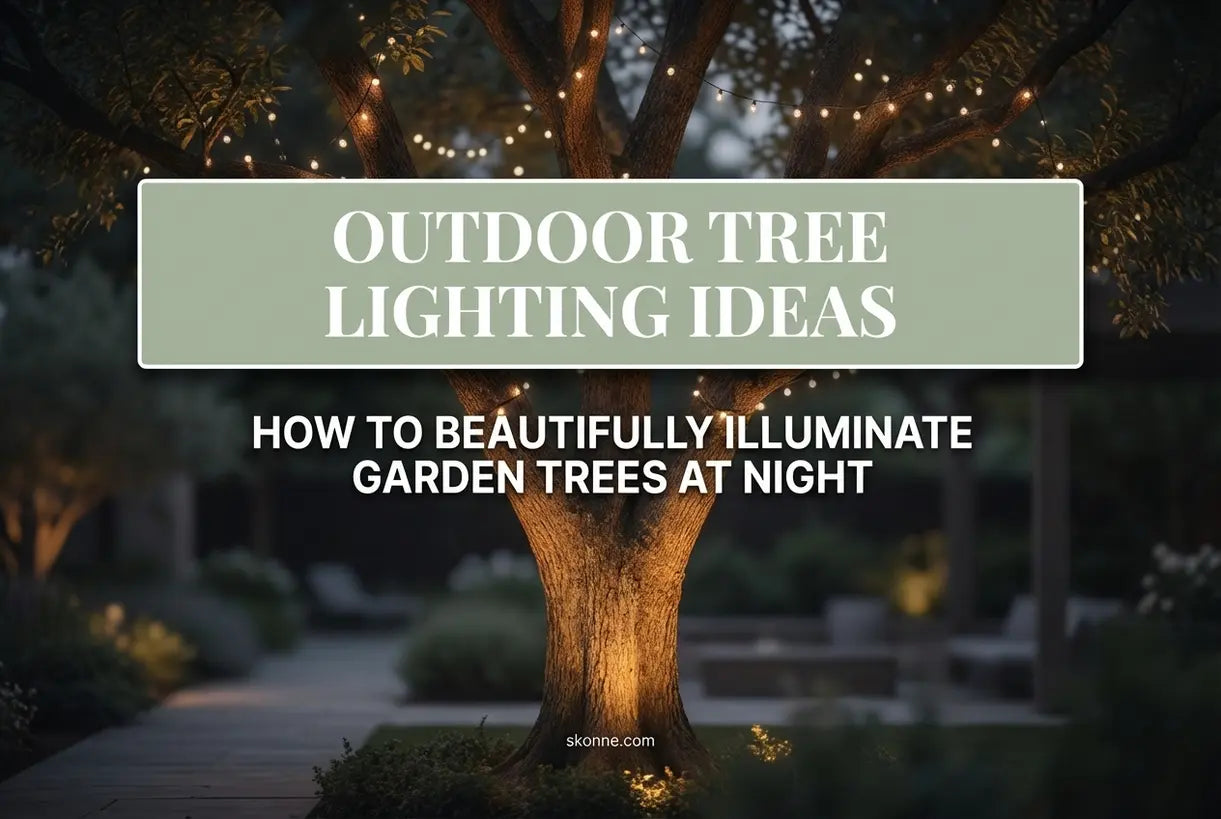
There's something undeniably magical about a garden that comes alive after sunset. The way light plays through branches, creates shadows on walls, and transforms familiar spaces into enchanted retreats speaks to our innate desire for connection with nature. Outdoor tree lighting isn't just about visibility—it's about creating atmosphere, extending your living space, and honoring the natural sculptures that grace your property.
For those drawn to Scandinavian design principles, the approach to illuminating garden trees should feel intentional yet understated. It embraces warmth over harshness, subtlety over spectacle. In this guide, we'll explore how to beautifully illuminate garden trees at night, from practical techniques to creative concepts that reflect the hygge aesthetic of cozy Nordic evenings.
Understanding the Art of Outdoor Tree Lighting
Before diving into specific techniques, it's essential to understand why tree lighting matters. Beyond aesthetics, properly illuminated trees create depth and dimension in your landscape, enhance property value, improve safety along pathways, and provide year-round visual interest even when trees are bare.
The key lies in working with nature rather than against it. Scandinavian design philosophy emphasizes harmony with the environment, meaning your lighting choices should complement—not overpower—the organic forms of your trees. Consider the species, bark texture, and natural growth patterns when planning your illumination strategy.
Whether you're working with stately oaks, delicate birches, or ornamental cherries, each tree offers unique opportunities for creative lighting. For those looking to explore more options in outdoor illumination, our Adjustable Wall Lights can provide complementary accent lighting that works beautifully alongside tree-focused designs.
Uplighting: The Foundation of Dramatic Tree Illumination
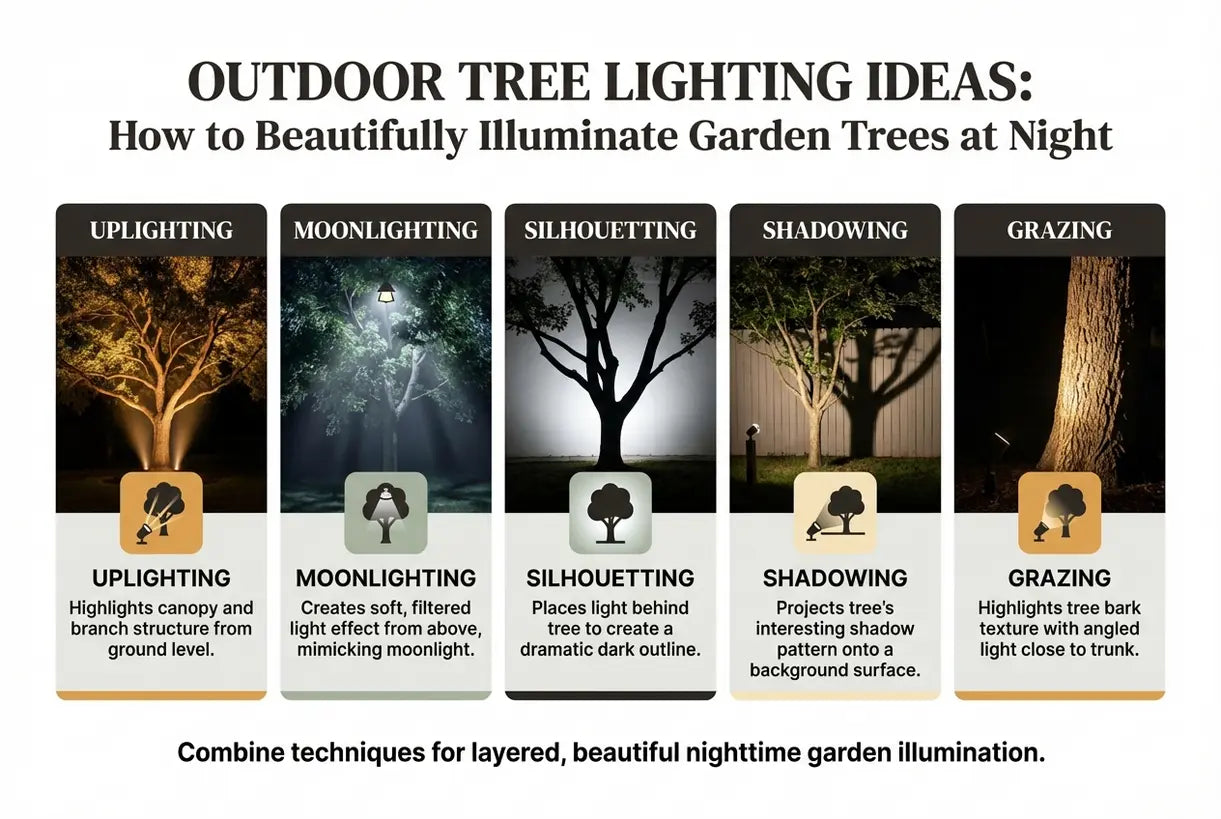
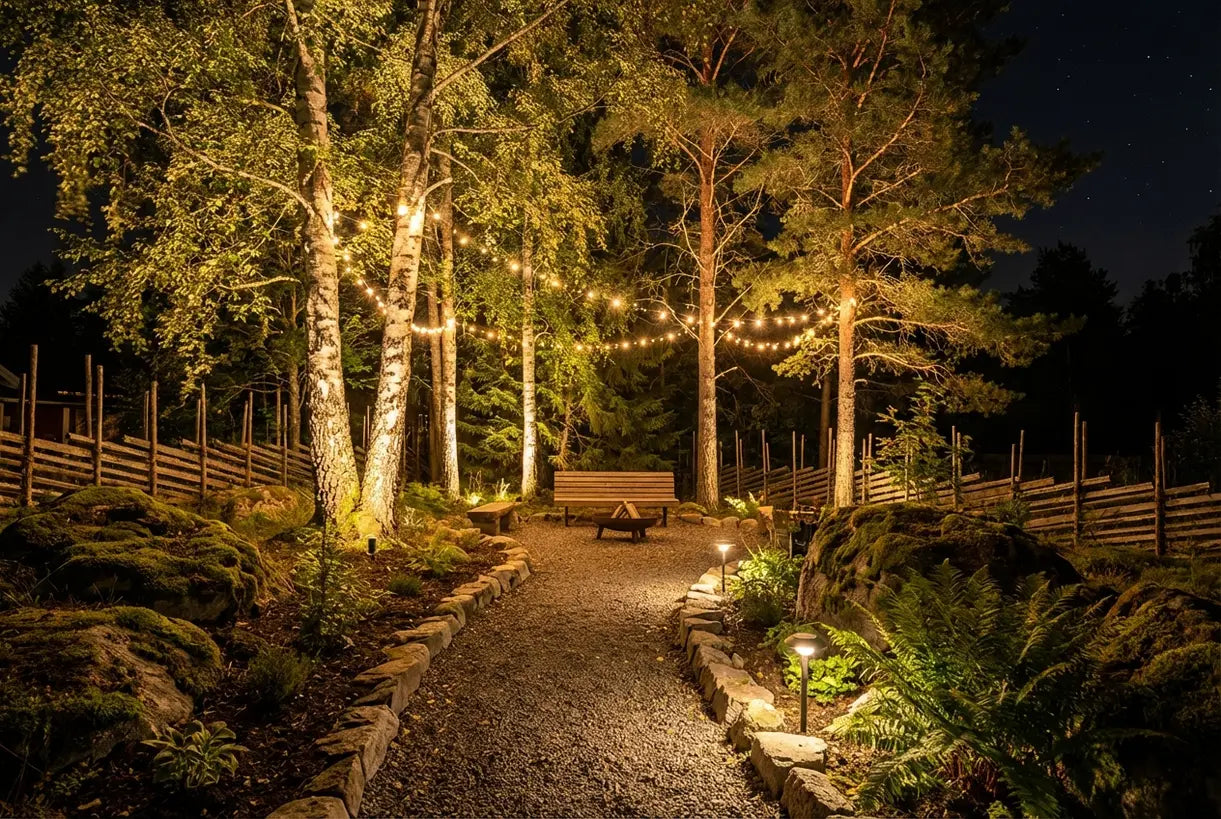
Uplighting trees remains the most dramatic and sculptural approach to garden illumination. By positioning lights at the base of the trunk and angling them upward, you create striking shadows, emphasize bark texture, and transform the canopy into a glowing ceiling that seems to capture starlight.
Choosing the Right Uplighting Positions
Placement is everything when uplighting trees. For specimens with interesting bark—like birch, madrone, or pine—position lights close to the trunk to highlight character. For spreading canopies, place fixtures 2-3 feet from the trunk base, angled upward to capture the full majesty of the branches.
Oak and maple trees benefit from multiple fixtures positioned around the base, eliminating harsh shadows and creating even illumination. For conical evergreens like spruce or fir, a single powerful uplight often suffices to create a Christmas-tree effect year-round.
Technical Considerations for Uplighting
When selecting fixtures for uplighting, consider:
- Bulb temperature: Warm white (2700K-3000K) creates the most flattering natural glow
- Beam spread: Narrow beams (15-30 degrees) for tall trees, wider spreads (60+ degrees) for broad canopies
- Fixture material: Look for solid brass or copper that develops a natural patina over time
- Power source: Consider solar options for easier installation and eco-conscious design
Uplighting works particularly well for entrance trees, specimen plantings, and any tree you want to establish as a focal point in your nighttime garden. The goal is to create layers of light that draw the eye naturally through the landscape.
Outdoor Lighting
Shop all Outdoor Lighting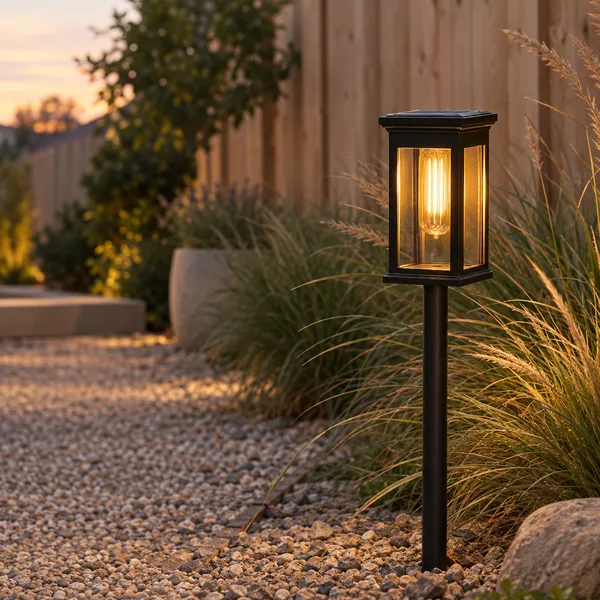
 Save $30.00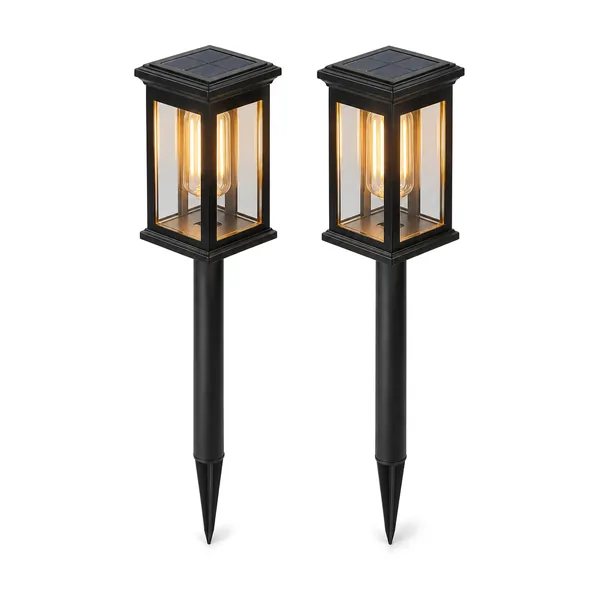
 3 options
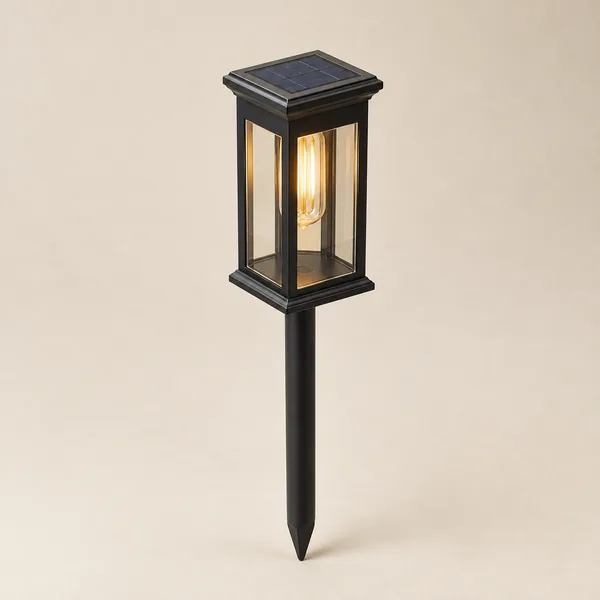
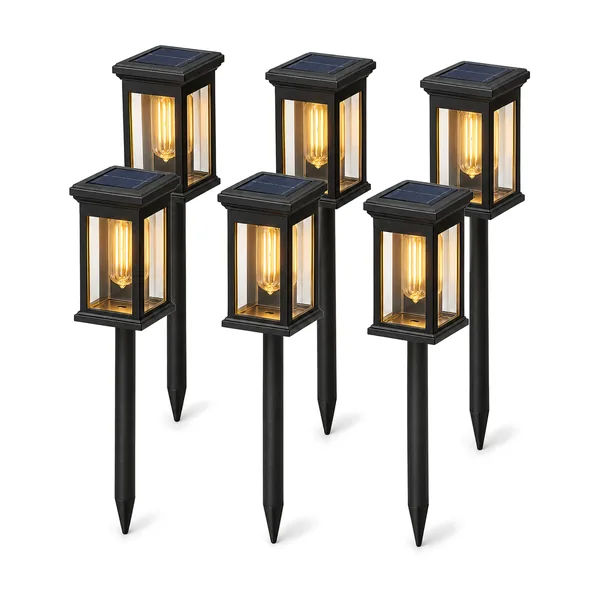
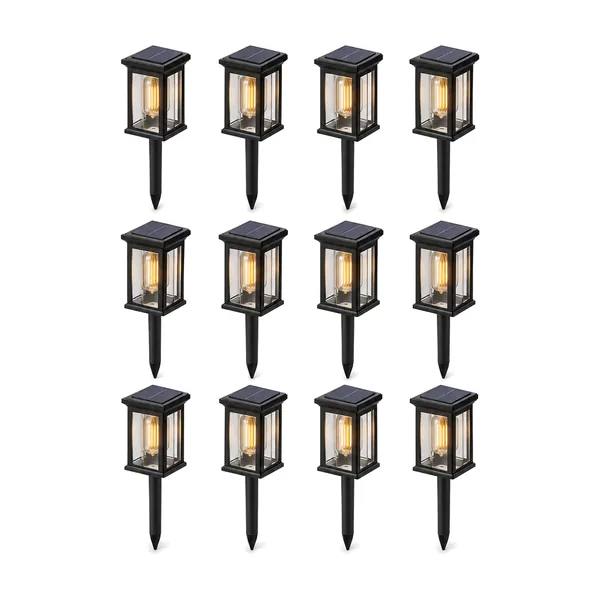
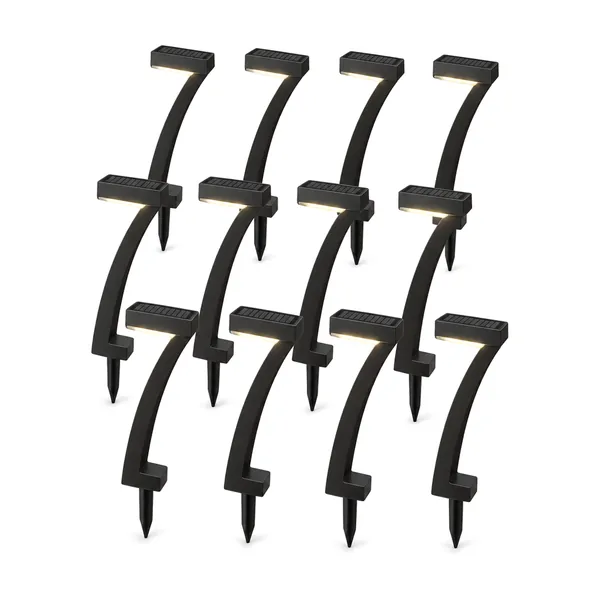
Solsti Solar Garden Path Lights 2700K Warm White
 Save $40.00
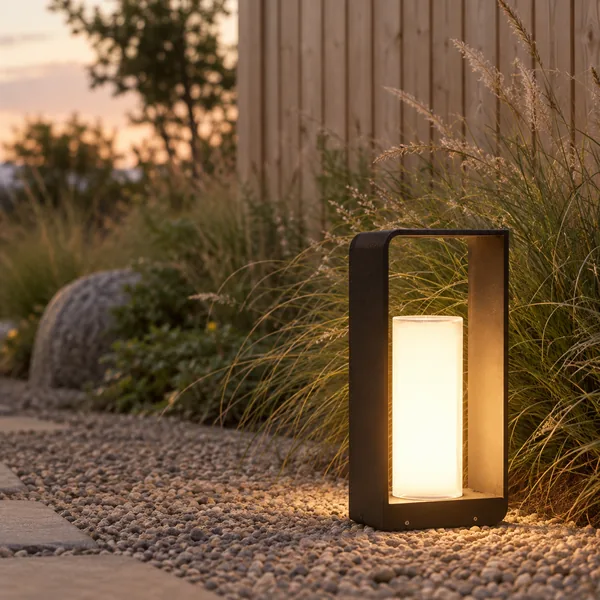
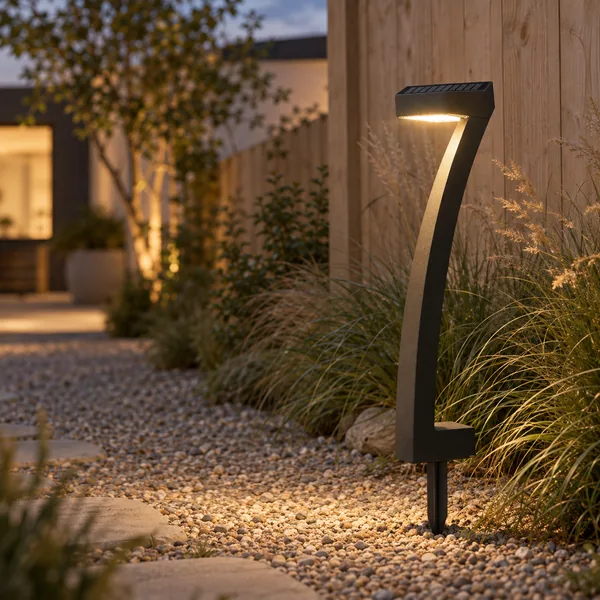
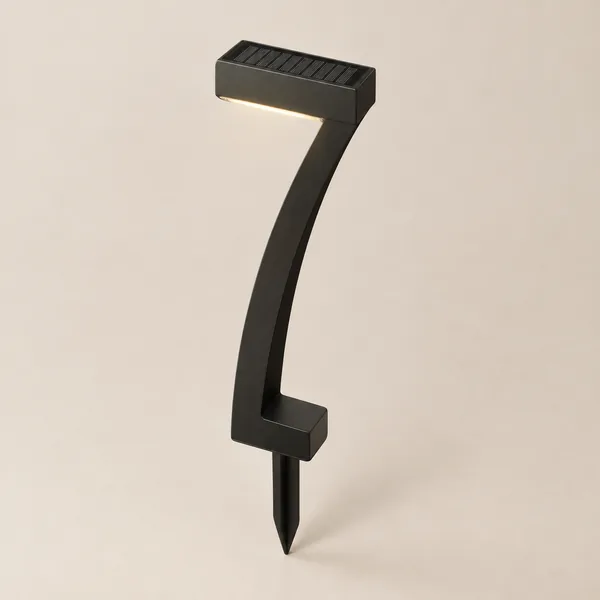
Kvelda Solar LED Garden Lawn Lamp Waterproof
 Save $30.00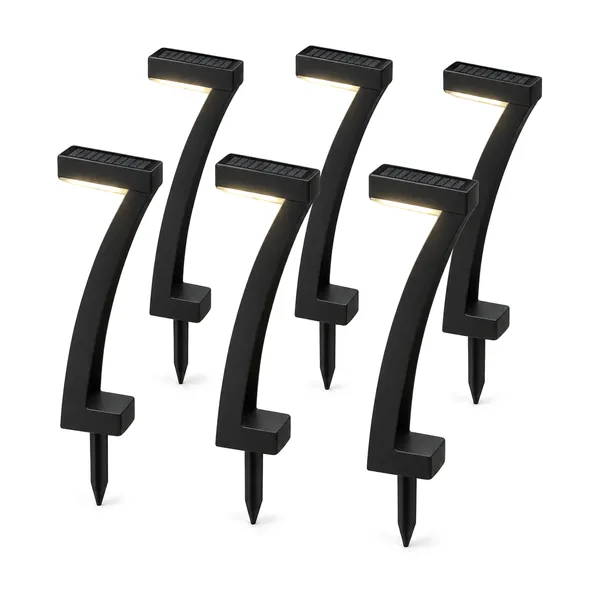
 2 options
Solsti Solar Outdoor Path Lights 2700K Warm White
String Lights: Wrapping Trees in Warmth
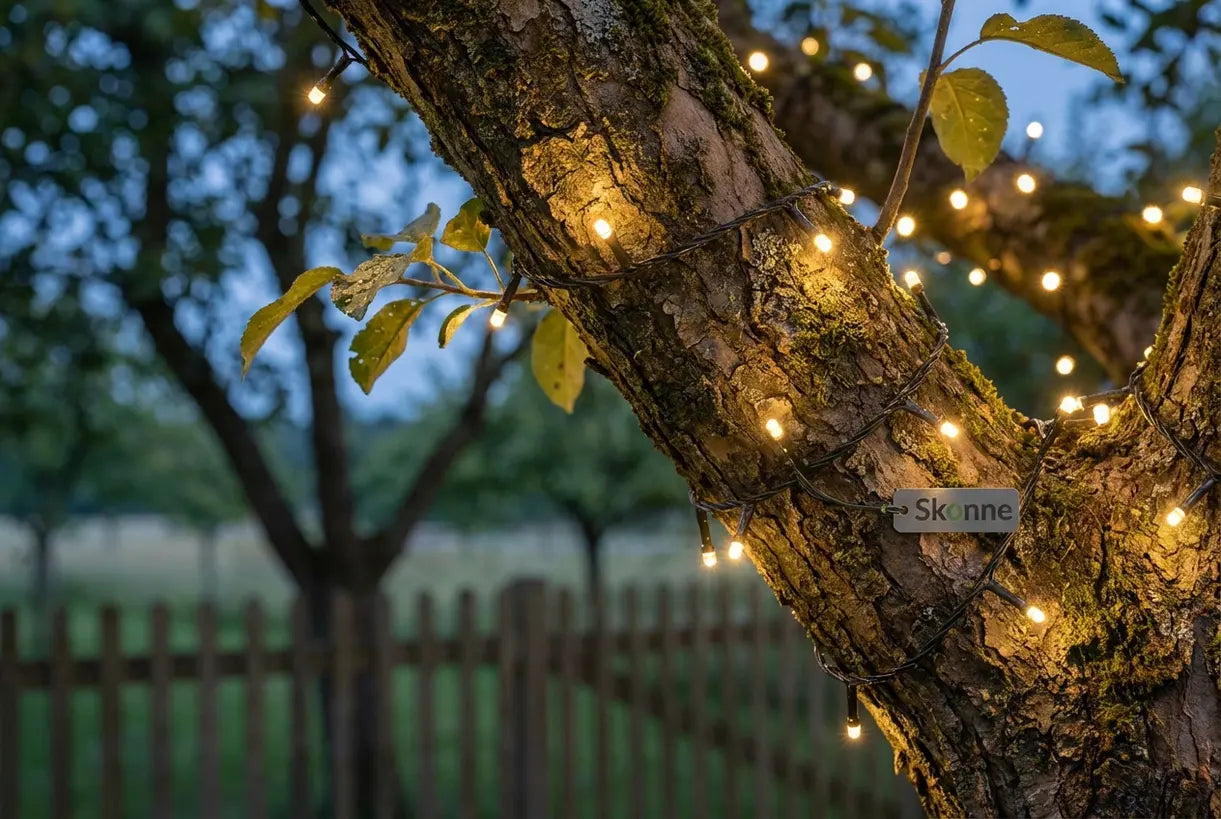
Few things capture the essence of Scandinavian outdoor living quite like garden string lights woven thoughtfully through tree branches. This approach prioritizes intimacy and atmosphere over architectural precision, creating spaces that invite lingering conversations and quiet moments.
How to Wrap Trees with String Lights
The process requires patience but yields beautiful results:
- Start at the base, securing the plug end near the trunk or power source
- Wrap around the trunk first, securing with tree-safe clips every 2-3 feet
- Move to lower branches, weaving lights in and out to create depth
- Follow the natural architecture—avoid disrupting the tree's silhouette
- Don't overlight; leaving some branches in shadow creates dimension
Consider using "draping" rather than "wrapping" for mature trees with high canopies by suspending lights from lower branches. This technique mimics natural Spanish moss or hanging vines while providing ambient overhead lighting.
The Best String Light Styles for Trees
For a cohesive Scandinavian aesthetic, choose warm white LEDs with subtle filament-style bulbs. Avoid multicolored options unless specifically planning holiday displays. Solar-powered string lights offer the easiest installation, though plug-in options provide consistent brightness for larger trees.
Copper wire lights provide the most flexibility for intricate wrapping, while heavier globe styles create more substantial presence for large specimen trees. Consider the scale of your tree when selecting bulb size—delicate bistro lights suit ornamental cherries, while substantial globes complement mature oaks.
Downlighting and Moonlighting: The Subtle Approach
Downlighting for trees (also called moonlighting) creates the illusion of natural moonlight filtering through branches. By mounting fixtures high in the tree canopy and angling them downward, you cast gentle pools of light that feel organic and uncontrived.
This technique requires access to upper branches, either through professional installation or careful DIY use of tree-friendly mounting hardware. The effect, however, is unmatched for creating natural-looking nighttime landscapes. The dappled shadow patterns mirror those cast by a full moon, creating spaces that feel simultaneously mysterious and welcoming.
Position downlights to illuminate seating areas, pathways, or lawns beneath the canopy. The interplay of light and shadow adds texture and interest while providing functional illumination for outdoor activities. For dining areas under trees, moonlighting offers ambient illumination that doesn't compete with candlelight or accent lighting on tables.
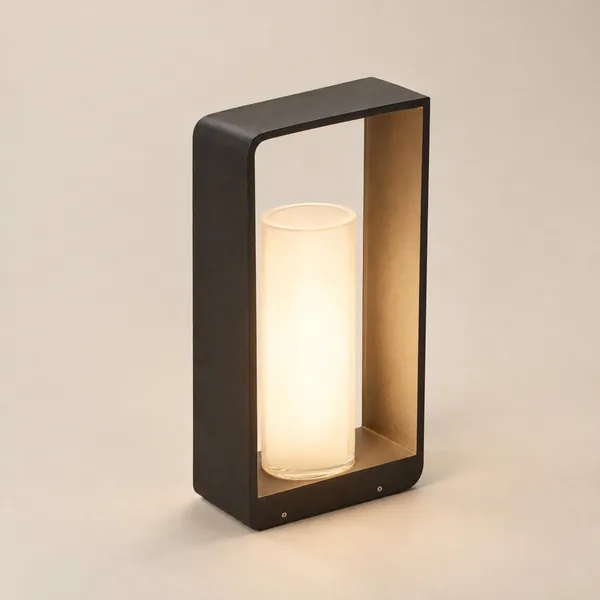
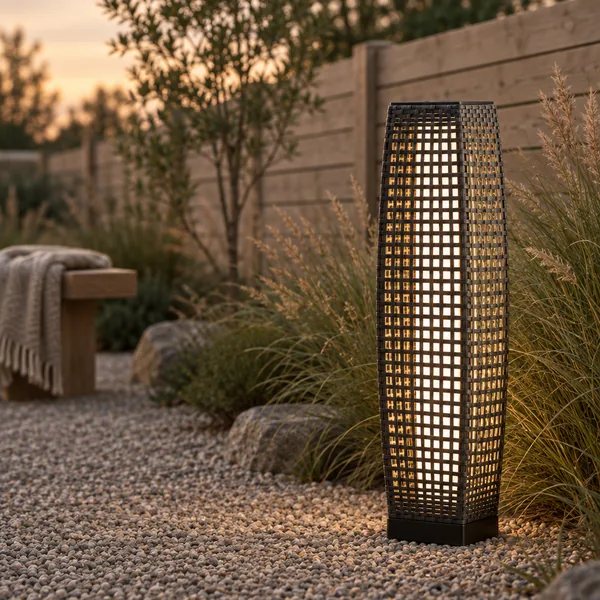 Solvik Art Deco Solar Outdoor Patio Floor Lamp$99.00$179.00
The Solvik Art Deco Solar Outdoor Patio Floor Lamp exemplifies how ground-level lighting can complement tree lighting schemes. By positioning this solar-powered floor lamp near tree groupings, you create vertical layers of illumination that extend from ground to canopy. Its Nordic-inspired design adds sculptural interest even during daylight hours.
Solar-Powered Solutions for Sustainable Garden Lighting
The Scandinavian commitment to environmental consciousness makes solar tree lights a natural choice for eco-minded homeowners. Modern solar technology has evolved far beyond the dim, unreliable products of early generations. Contemporary solar fixtures provide consistent warm light for 8-12 hours on a single charge.
Advantages of Solar Tree Lighting
Solar lighting eliminates the need for trenching, wiring, and proximity to electrical sources. This flexibility allows you to illuminate trees in remote corners of your property without expensive infrastructure. Additionally, solar fixtures can be easily repositioned as your landscape evolves or as you experiment with different lighting configurations.
For optimal performance, position solar panels where they'll receive at least 6 hours of direct sunlight daily. While this requires some strategic planning regarding tree placement relative to the sun's path, most garden trees receive adequate exposure during summer months when outdoor lighting matters most.
Strategic Placement for Maximum Impact
When integrating solar lighting into your landscape, consider creating vignettes. Group solar accent lights with solar-powered path lighting and tree illumination to establish cohesive zones within your garden. This approach prevents the "spotty" appearance that can result from random solar light placement.
Curating a Cohesive Lighting Plan
The most successful outdoor tree lighting doesn't exist in isolation. Think of your garden as a series of rooms, each requiring different levels and types of illumination. Landscape lighting works best when it incorporates multiple layers: uplighting for drama, string lights for intimacy, and subtle path lighting for safety.
Balancing Light Levels
Avoid the common mistake of overlighting. In the darkness, even small amounts of light appear more intense than they would during daylight. Begin with fewer fixtures than you think necessary, adding incrementally until you've achieved the desired effect. The goal is to create pools of warmth punctuated by shadow, not to eliminate darkness entirely.
Consider the view from inside your home as well. Trees visible from windows should offer pleasing nightscapes that extend your interior living space visually. A beautifully illuminated birch outside a bedroom window creates a living artwork that changes with the seasons.
Complement Your Tree Lighting with Solar Solutions
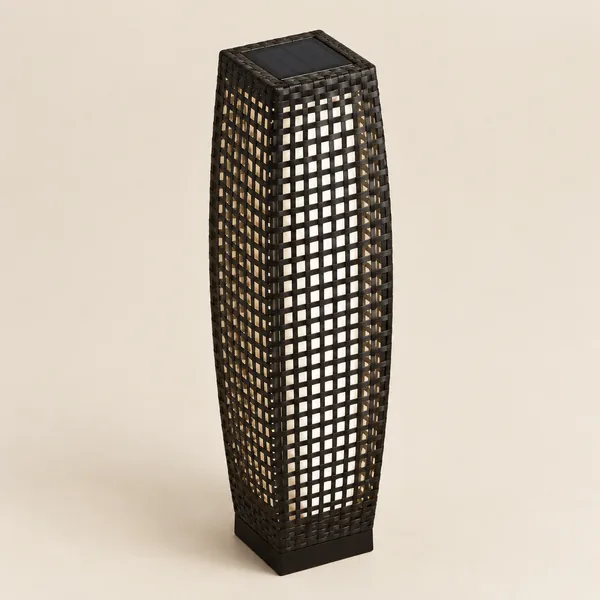
Solsti Solar Outdoor Path Lights 2700K Warm White$119.00$149.00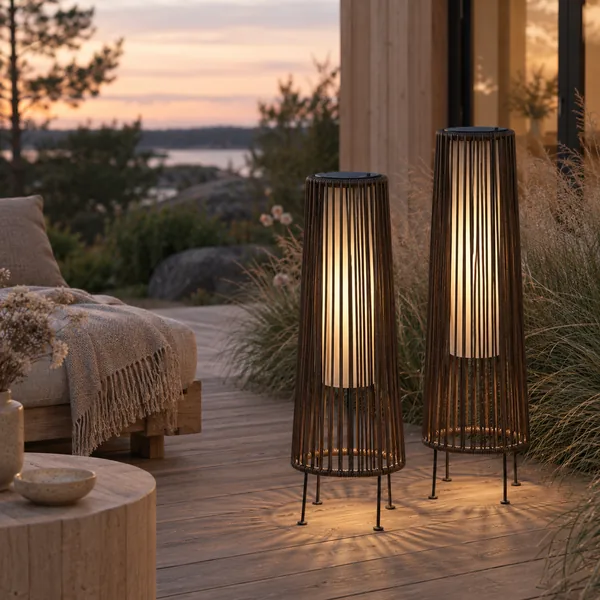 Solkorg Solar Wicker Outdoor Garden Light Set$229.00$279.00
Integrating Path and Ground Lighting
The transition zones between your illuminated trees require consideration as well. The Solsti Solar Outdoor Path Lights provide warm 2700K illumination that bridges the gaps between statement trees, creating continuous visual flow through your landscape. These Scandinavian-inspired fixtures maintain the warm, intentional aesthetic that characterizes Nordic outdoor design.
Similarly, the Solkorg Solar Wicker Outdoor Garden Light Set introduces textural interest that complements natural bark and foliage. The organic woven material connects the built environment to the garden setting, making these lights feel like natural extensions of the landscape rather than technological intrusions.
Pendant Lights
Shop all Pendant Lights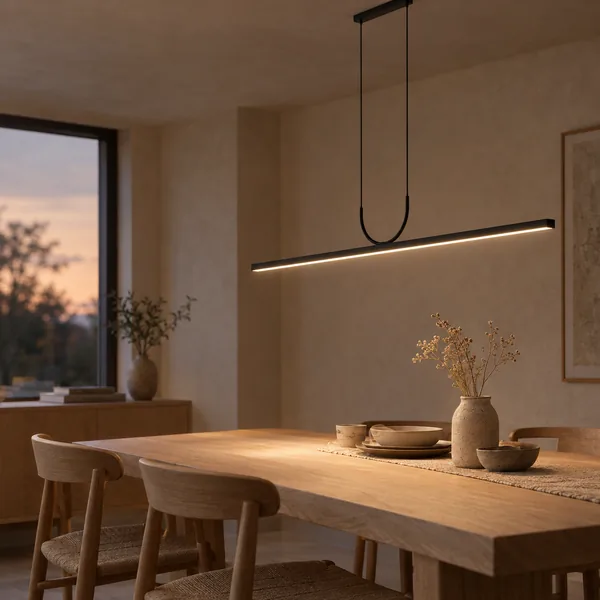
 Save $140.00
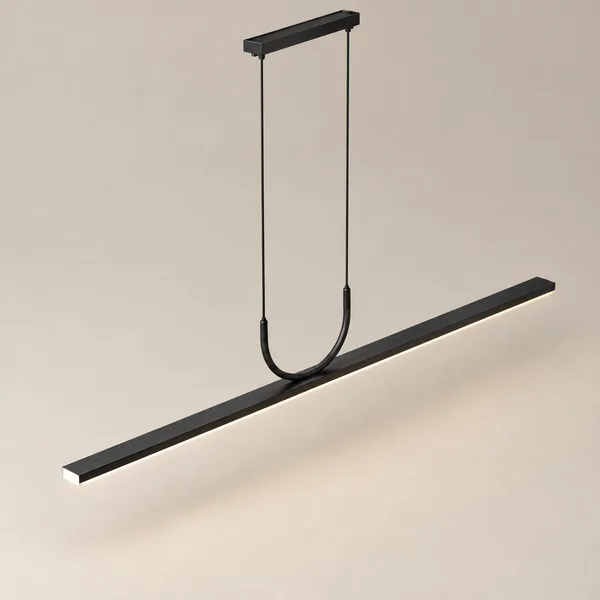
Linné Minimalist Linear Black LED Pendant Light
 Save $60.00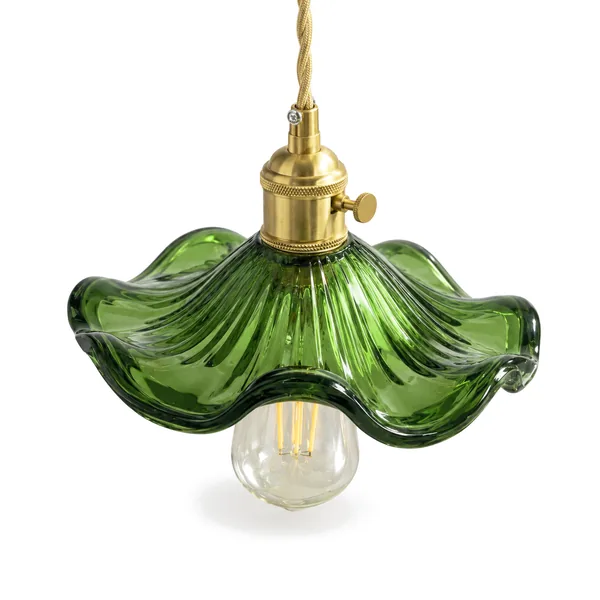
 3 options
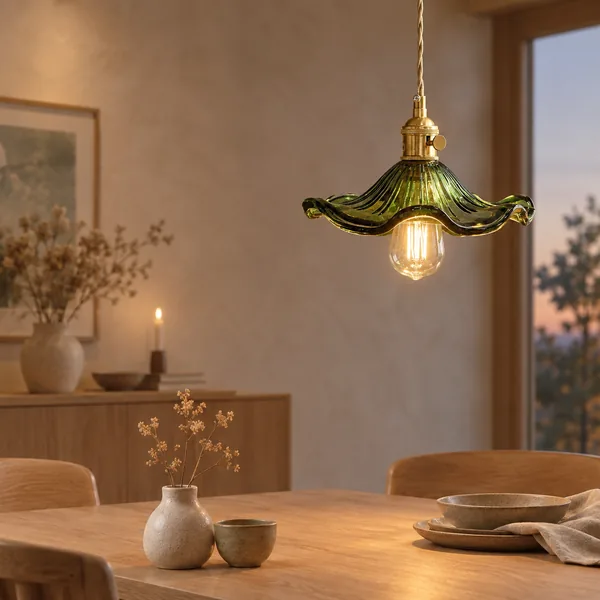
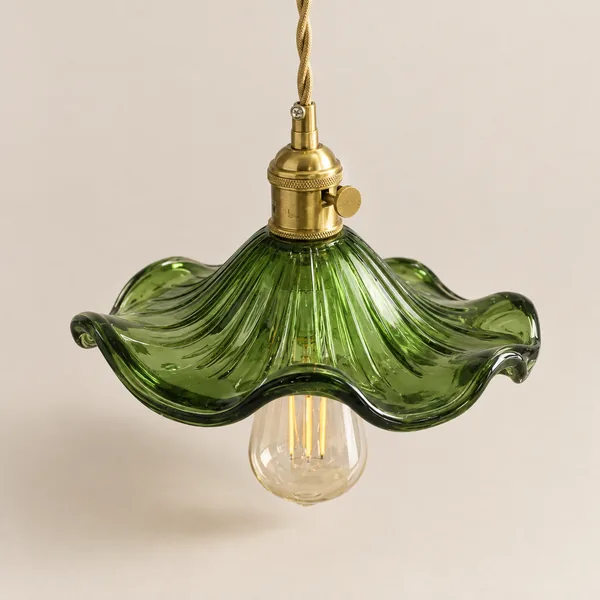
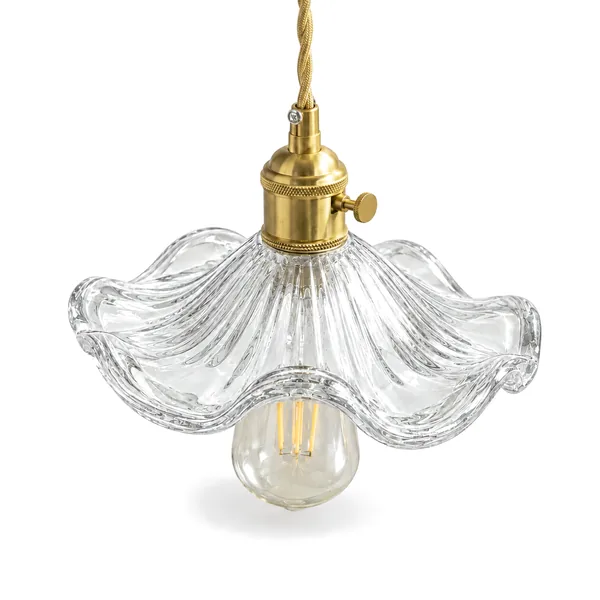
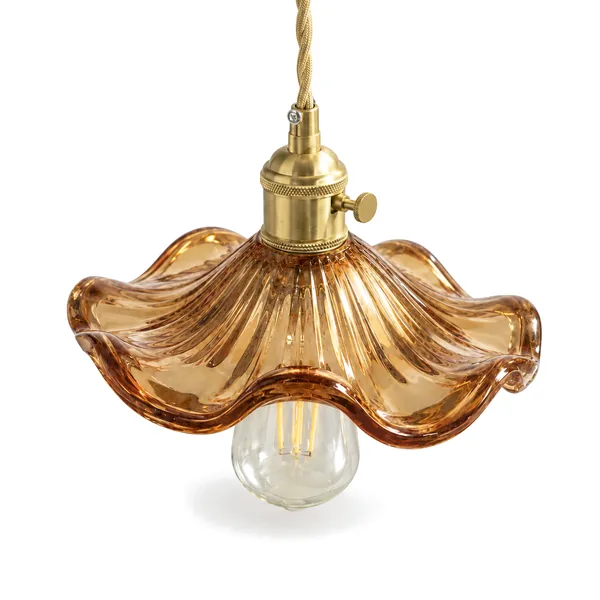
Glora Nordic Glass Pendant Light with Copper
 Save $120.00
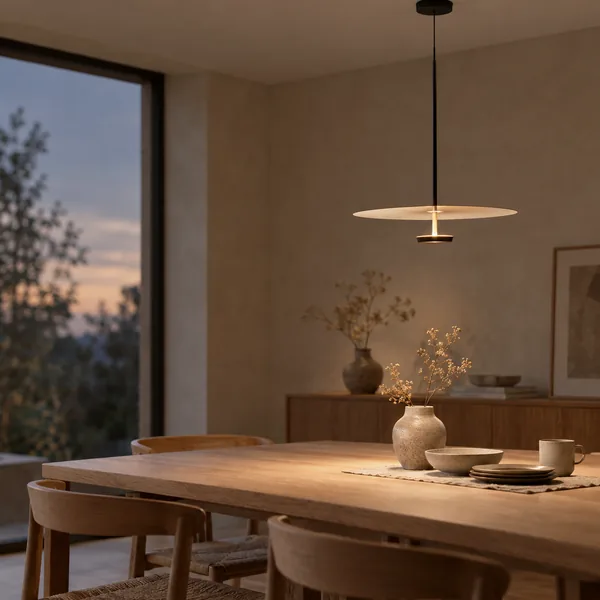
Skiva Nordic Saucer Ceiling Pendant Light LED
Seasonal Considerations and Year-Round Beauty
While many homeowners think of tree lighting primarily for holiday decoration, professional landscape lighting provides year-round benefits. In spring, flowering trees become magical when gently illuminated, with light catching petals and creating soft glow. Summer brings full canopies that block harsh sunlight by day and provide perfect screens for projected light by night.
Fall presents unique opportunities as leaves change color—uplighting enhances the golden and amber tones that define the season. Even winter has its charms, with bare branches creating intricate shadow patterns against walls and snow reflecting light in unexpected ways.
Holiday Integration
Rather than treating holiday lighting as a separate system, consider how seasonal decorations can enhance your year-round landscape lighting. String lights that wrap trunks for holiday displays can remain in place (unlit or on timers) for everyday use. Permanent uplighting can be supplemented with additional color-changing fixtures during December, then returned to warm white for the rest of the year.
Installation Best Practices for Longevity
Quality outdoor lighting represents an investment in your property. Protect that investment by following installation best practices:
- Use fixtures rated for outdoor use with appropriate IP ratings (IP65 or higher)
- Position transformers and control boxes in accessible but protected locations
- Allow for drainage in fixture housings to prevent moisture damage
- Use weather-resistant connections and junction boxes
- Consider lightning protection for extensive electronic installations
For tree-mounted fixtures, use specialized mounting hardware that accommodates tree growth without damaging bark. Copper and brass staples designed specifically for landscape lighting provide secure attachment points that expand as trees mature.
Pro Tip: Test your lighting design with temporary clip lights before committing to permanent installation. This allows you to experiment with positioning and intensity without damaging trees or wasting resources on poorly planned placement.
Conclusion: Creating Your Perfect Night Garden
The art of outdoor tree lighting transforms gardens from spaces we use during daylight hours into extensions of our homes that welcome us morning and night. By combining uplighting techniques, string light installations, and sustainable solar options, you create a landscape that honors both aesthetic principles and environmental responsibility.
At Skonne, we believe that exceptional outdoor lighting should feel as intentional and warm as the interiors we so carefully curate. Our collection of Scandinavian-inspired outdoor lighting—from the sculptural Solvik floor lamp to the organic Solkorg wicker lights—provides the foundation for garden designs that embrace the hygge lifestyle well beyond your walls.
Whether you're illuminating a single specimen tree or reimagining your entire landscape, remember that the best lighting design enhances what nature has already provided. It guides the eye, creates atmosphere, and extends the warmth of home into the wild beauty of your garden.
Ready to transform your outdoor space? Explore our curated collection of outdoor lighting solutions and begin your journey toward the perfect night garden.
Related Article
Craftsman & Mission Style Outdoor Lighting: Timeless Fixtures for Arts & Crafts HomesDiscover timeless craftsman style outdoor lighting that honors Arts & Crafts tradition. Quality fixtures for porches, entryways and gardens.