
Pendant Light vs Chandelier: What's the Difference & Which Should You Choose?
Summary›
Standing in the lighting aisle of your favorite home store, you've likely found yourself staring at rows of hanging fixtures wondering the same thing: Is this a pendant light or a chandelier? Does it even matter? The truth is, while these terms are often used interchangeably in casual conversation, understanding the distinction between a pendant light chandelier setup can make the difference between a room that feels thoughtfully designed and one that feels slightly off.
For homeowners and design enthusiasts embracing the Scandinavian aesthetic, selecting the right fixture isn't just about illumination—it's about creating that coveted hygge atmosphere where every element serves both function and beauty. In this guide, we'll explore the key differences between pendant lights and chandeliers, when to choose one over the other, and how to make decisions that elevate your space with intention and warmth.
What Is a Pendant Light?
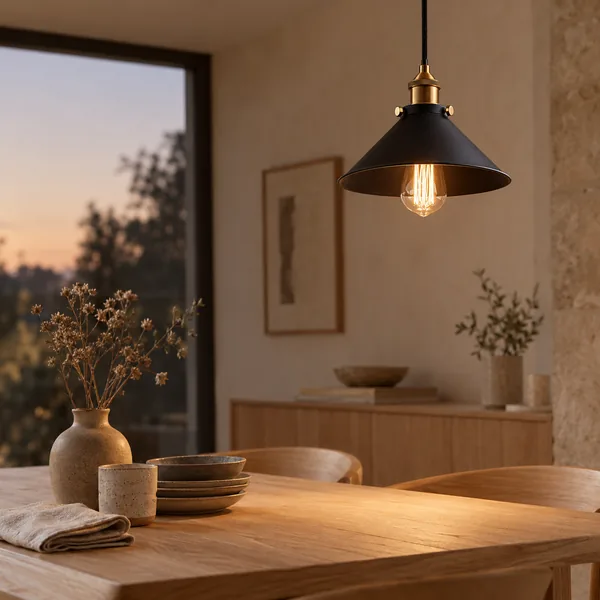
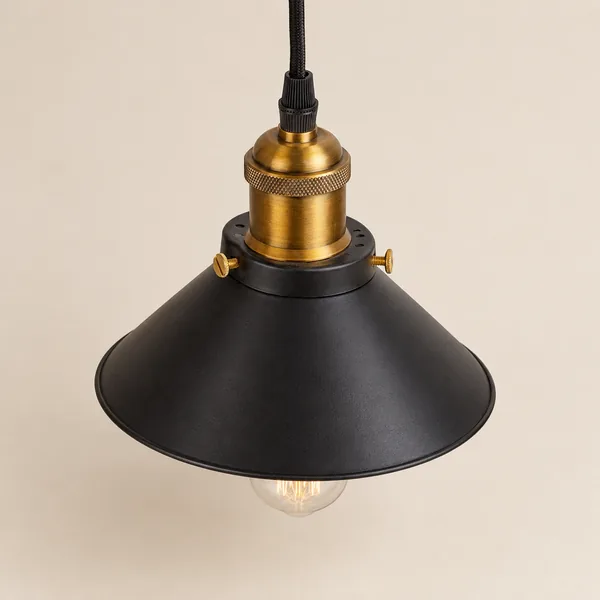
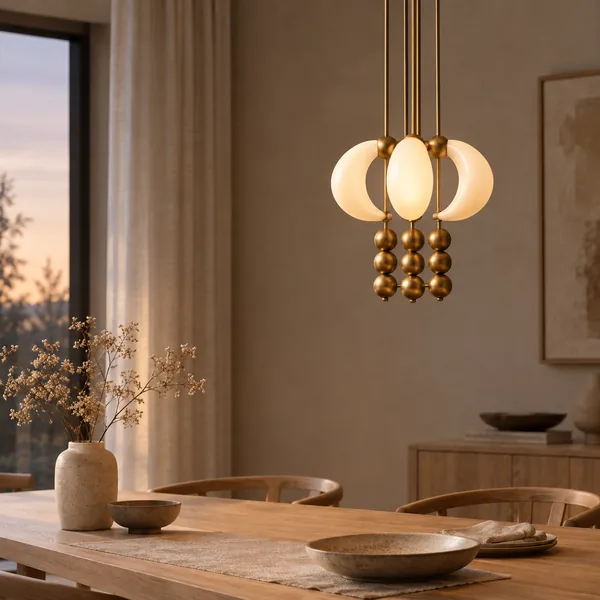
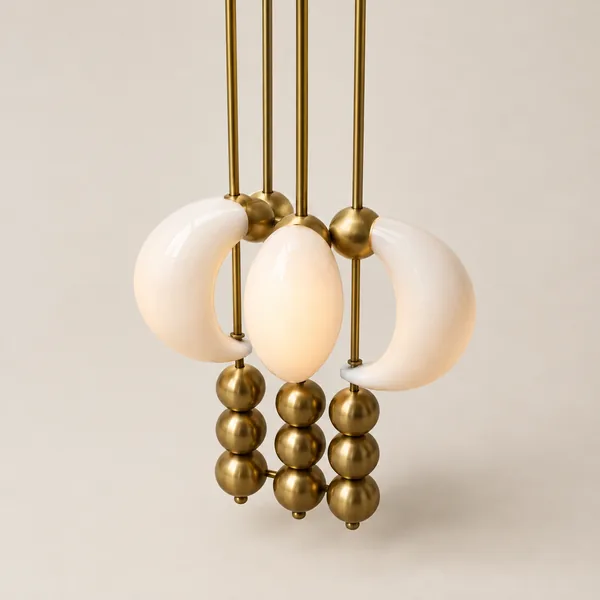
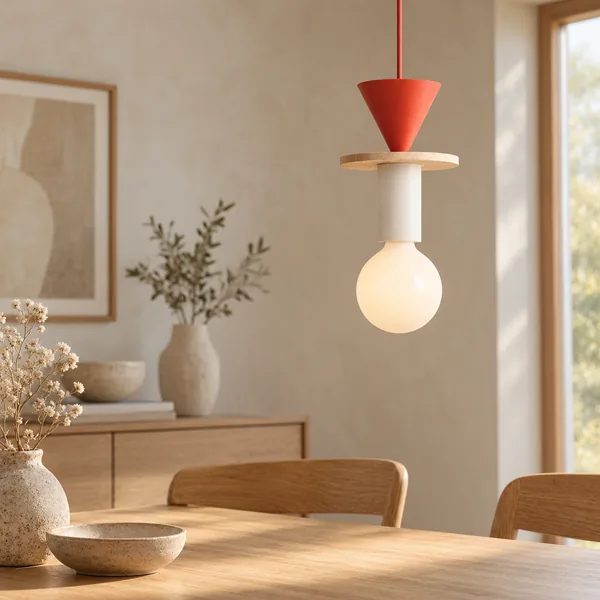
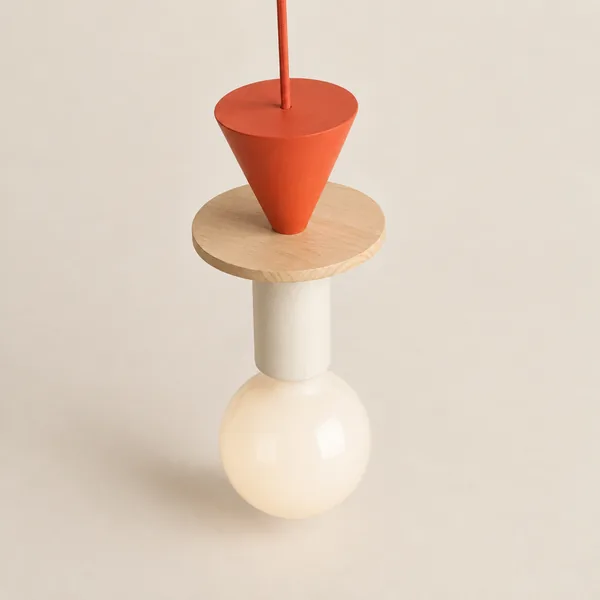
A pendant light is a single light fixture that hangs from the ceiling, typically suspended by a cord, chain, or rod. The defining characteristic is its singular nature—whether featuring one bulb or a small, contained cluster, pendants function as individual lighting elements rather than multi-light systems.
The versatility of pendant lighting makes it a favorite among interior designers and homeowners alike. These fixtures work beautifully in:
- Kitchen islands, where multiple pendants create rhythm and task lighting
- Bedside tables, offering focused reading light without consuming surface space
- Entryways and hallways, providing welcoming illumination
- Dining nooks, where a single statement pendant can define the space
Scandinavian-inspired pendant lights often feature natural materials like glass, wood, and metal in minimalist designs that celebrate craftsmanship. Their smaller scale allows them to integrate seamlessly into contemporary interiors without overwhelming the architecture.
What Is a Chandelier?
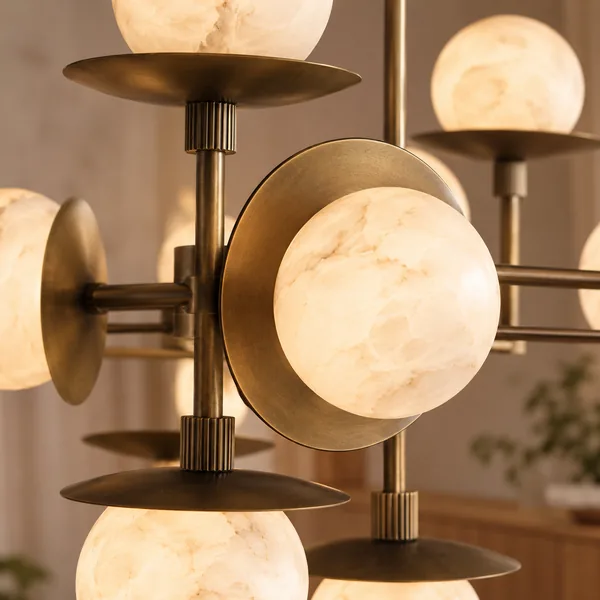
Chandeliers are multi-light fixtures designed to serve as the centerpiece of a room. Unlike pendants, which typically hang as singular elements, chandeliers feature multiple arms or branches extending from a central body, each holding its own light source. This branching structure creates both broader illumination and a more dramatic visual presence.
Historically associated with grand formal dining rooms, today's chandeliers have evolved considerably. Modern interpretations range from sprawling organic forms to geometric minimalist designs, making them suitable for spaces beyond the traditional dining room:
- Open-concept living areas where they anchor the seating arrangement
- Master bedrooms seeking a touch of luxury
- Entryways and foyers, creating an immediate impression
- Even bathrooms, where mini-chandeliers add unexpected elegance
The key distinction lies in their role: while pendant lights blend into a room's lighting scheme, chandeliers command attention as statement pieces.
Key Differences Between Pendant Lights and Chandeliers
Understanding the difference between pendant and chandelier fixtures comes down to several structural and functional factors. Here's a clear breakdown to help you identify what you're looking at:
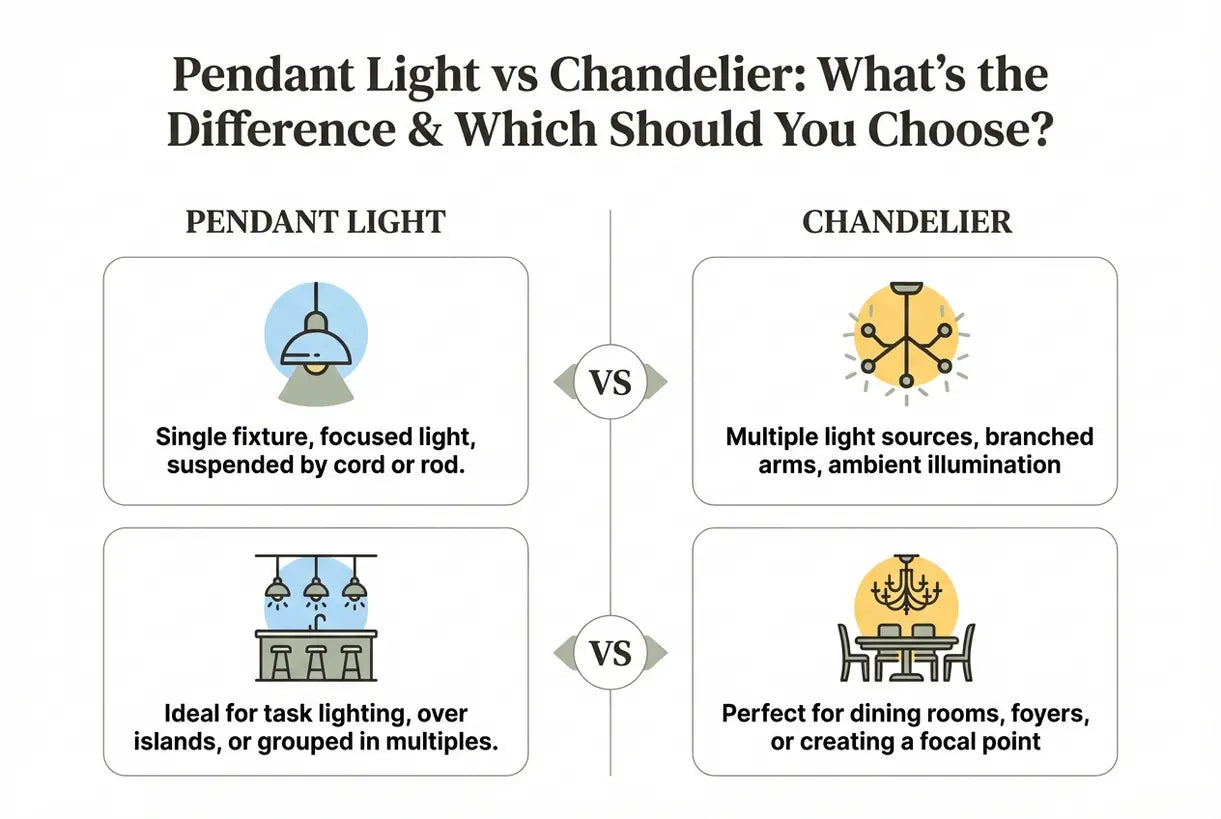
| Feature | Pendant Light | Chandelier |
|---|---|---|
| Light Sources | Single bulb or small cluster | Multiple bulbs on branching arms |
| Visual Weight | Light, airy, understated | Substantial, commanding presence |
| Primary Function | Task or accent lighting | Ambient lighting + statement piece |
| Best Used | In multiples or for focused areas | As a single focal point |
| Ceiling Height | Works at various heights | Requires adequate ceiling height |
When choosing pendant or chandelier fixtures for your home, consider not just the room's dimensions but how you want the light to function within your daily life. Pendants excel at creating intimate zones of illumination—perfect for meal prep at the kitchen island or reading in your favorite chair. Chandeliers, conversely, establish the mood for entire spaces, casting a warm, encompassing glow that invites gathering and connection.
Choosing the Right Fixture for Your Space
The most common question we hear at Skonne isn't just about definitions—it's about application. Where should you use each type of fixture to achieve that effortless Scandinavian aesthetic?
Kitchen Islands and Task Areas
Kitchen pendant lighting reigns supreme over islands and peninsulas. The focused downward light provides excellent task illumination for food preparation and casual dining. For standard 6-8 foot islands, two to three pendants spaced evenly create visual rhythm while ensuring no dark spots.
If you have a particularly large kitchen with a substantial island (10+ feet), consider whether a linear chandelier might better suit the scale. These elongated fixtures offer the multi-light benefits of traditional chandeliers while respecting the horizontal nature of island spaces.
Dining Rooms and Gathering Spaces
The dining room chandelier has been a classic pairing for generations, and for good reason. A well-chosen chandelier suspended above the table creates an immediate sense of occasion, transforming everyday meals into experiences. The rule of thumb: your chandelier should be approximately 12 inches narrower than your table's width and hung 30-36 inches above the surface.
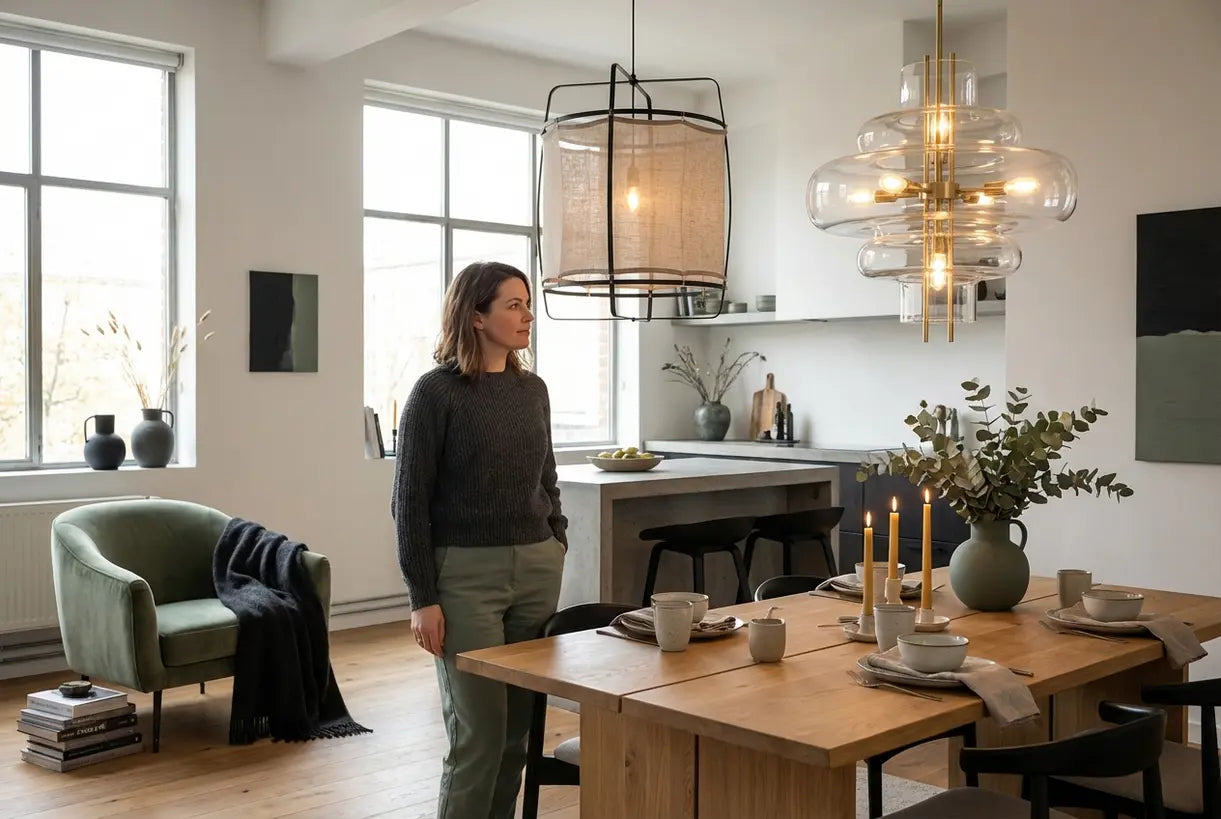
That said, modern dining rooms—especially those embracing open-concept living—can benefit from thoughtfully placed pendant lights. A single oversized pendant or a cluster of smaller fixtures can create equally striking results with a more contemporary sensibility.
Pendant Lights
Shop all Pendant Lights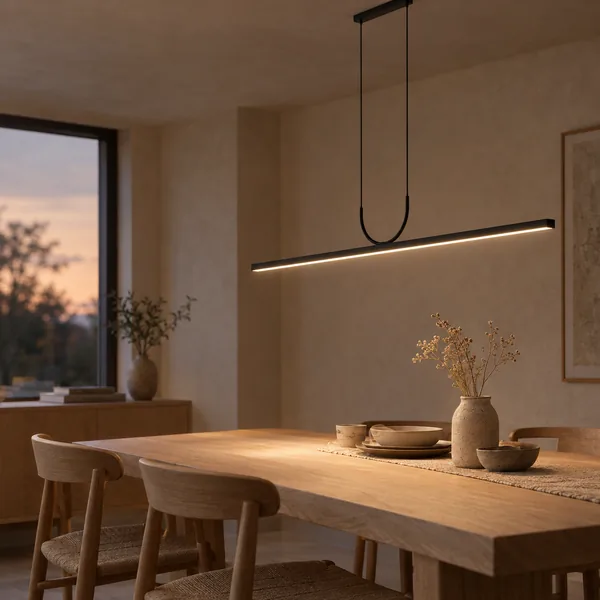
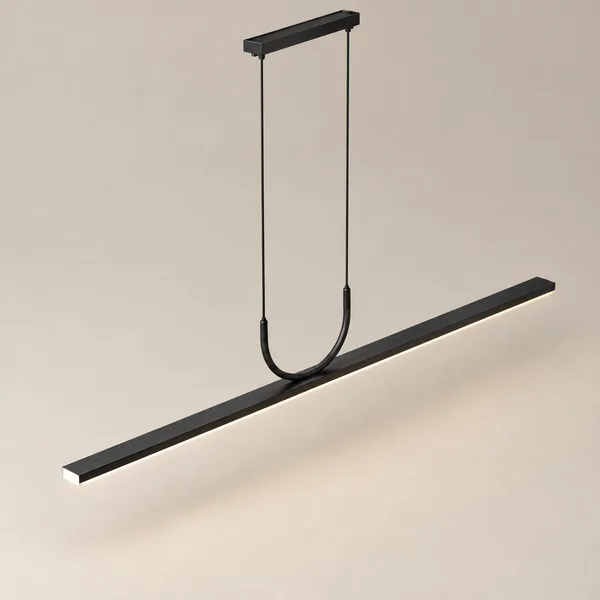 Save $140.00
Linné Minimalist Linear Black LED Pendant Light
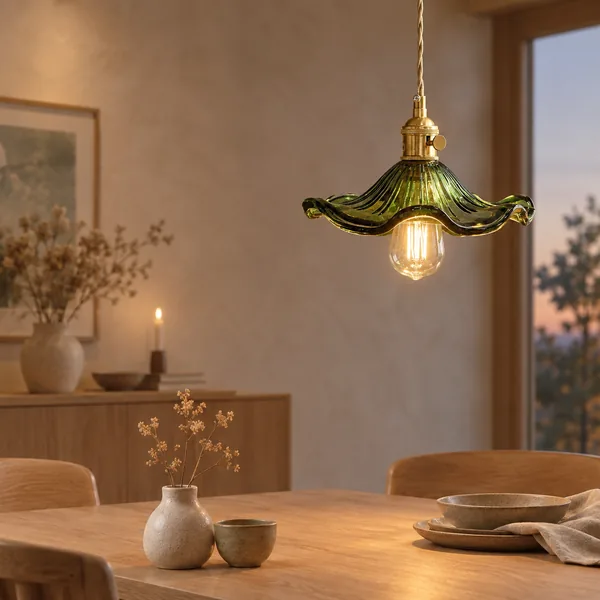
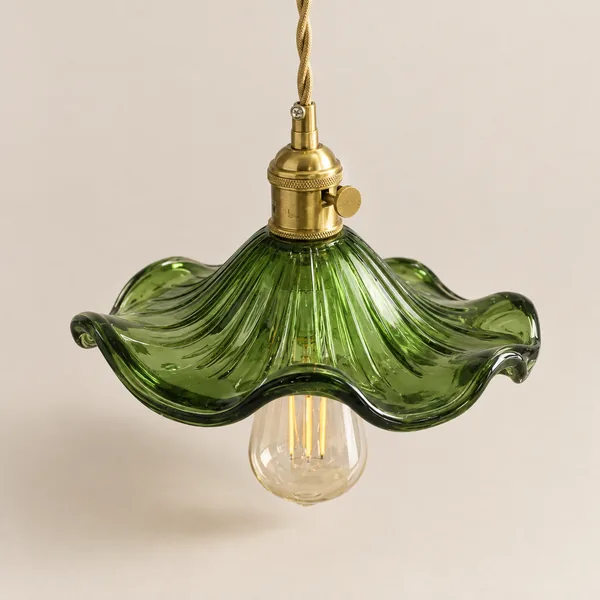 Save $60.00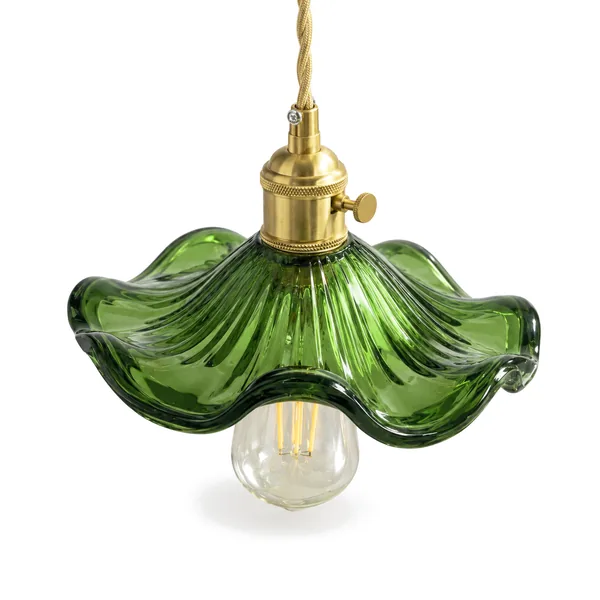
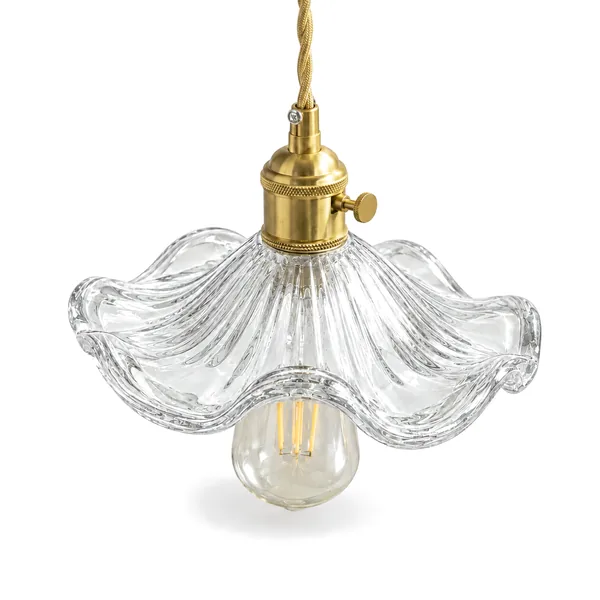
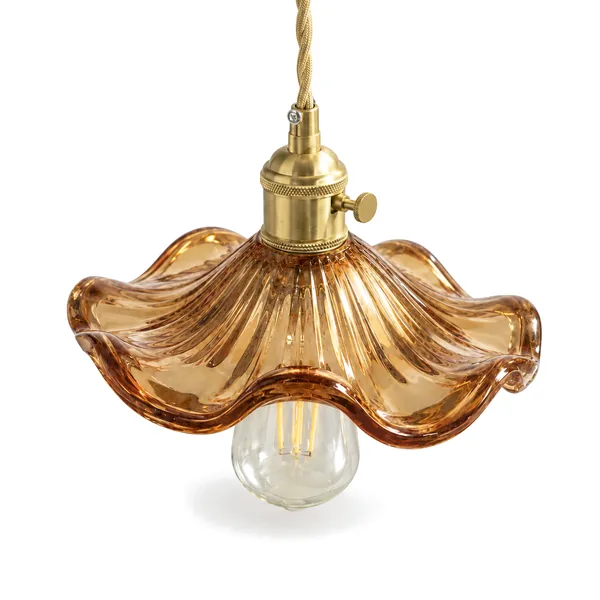 3 options
Glora Nordic Glass Pendant Light with Copper
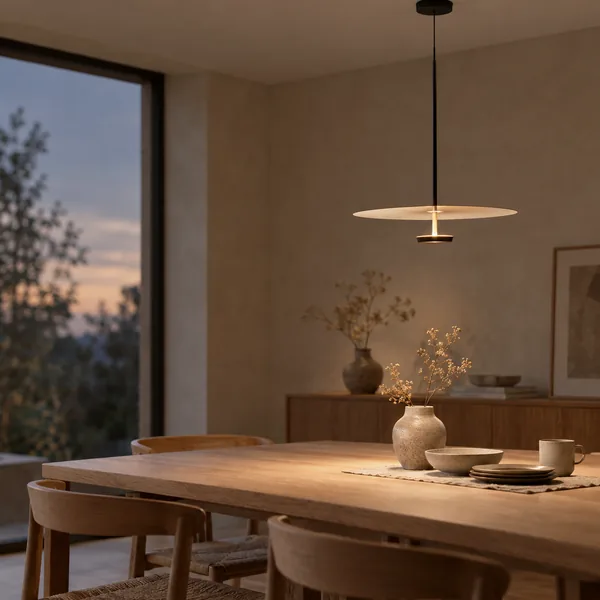
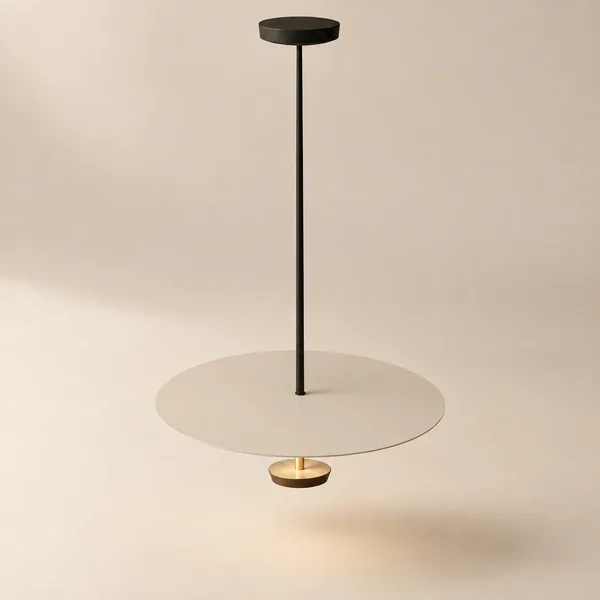 Save $120.00
Skiva Nordic Saucer Ceiling Pendant Light LED
Entryways and Transitional Spaces
Entryways offer flexibility for either fixture type. A dramatic chandelier creates an unforgettable first impression, while a sculptural pendant can achieve sophistication with slightly less visual weight. The deciding factor is often ceiling height: standard 8-foot ceilings favor pendants, while soaring foyers beg for chandeliers that draw the eye upward.
Style and Aesthetic Considerations
Beyond functional differences, pendant lights and chandeliers carry distinct aesthetic personalities. Understanding these nuances helps you select fixtures that align with your design vision.
Modern pendant lights often embody the Scandinavian principle of lagom—not too much, not too little, just right. They celebrate materiality and form in restrained ways. Glass pendants diffuse light beautifully, creating that soft, ambient glow central to hygge living. Metal pendants in brushed brass or matte black offer industrial sophistication. Fabric and paper shades bring warmth and texture.
Chandeliers, meanwhile, offer an opportunity to introduce artistry and drama. A carefully chosen chandelier becomes the jewelry of your room—the piece that elevates everything around it. In Scandinavian design, this doesn't mean crystal and gold (unless that's your preference). Rather, look for fixtures that blend organic forms with clean lines, natural materials with modern engineering.
For those looking to explore more options, our Pendants & Chandeliers collection offers a curated selection of Scandinavian-inspired pieces designed to bring warmth and intention to any space.
The Driva Sculptural Cloud Pendant Light in Glass exemplifies how a single pendant can transform a space through texture and light diffusion. Its handcrafted cloud glass construction creates an ethereal, ambient glow that embodies Scandinavian design principles—functional beauty that invites you to pause and appreciate the moment.
Sizing, Scale, and Installation Insights
Getting the scale right is perhaps the most challenging aspect of selecting hanging light fixtures. A fixture that's too small disappears; one that's too large overwhelms. Here are practical guidelines for both pendant lights and chandeliers.
Sizing Pendants
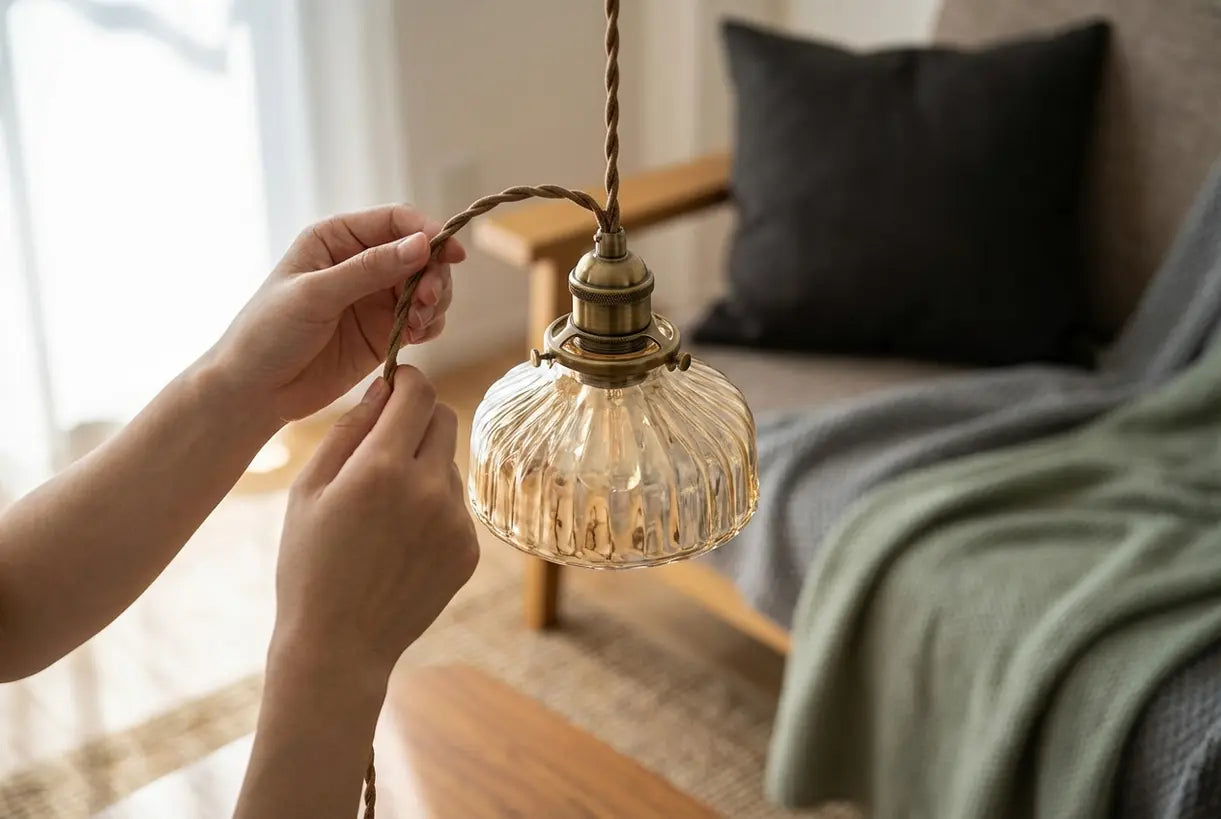
For kitchen islands, choose pendants with diameters between 10-15 inches. Space them 24-30 inches apart, measuring from the center of each fixture. The bottom of the pendant should hang 30-36 inches above your countertop—high enough to avoid head bumps during food prep, low enough to create intimate pools of light.
In dining areas or bedrooms, consider the visual weight of your pendant. A delicate glass fixture can hang lower without feeling intrusive, while a substantial metal shade needs more breathing room.
Sizing Chandeliers
The classic formula for chandeliers: add your room's length and width in feet, then convert to inches. A 12x14 foot dining room calls for a chandelier approximately 26 inches in diameter. Over dining tables, ensure 30-36 inches of clearance above the surface. In entryways, maintain at least 7 feet of clearance from the floor to the bottom of the fixture.
Adjustable cords and chains offer flexibility, allowing you to fine-tune the height during installation. Many Nordic pendant lighting options feature adjustable mechanisms that accommodate various ceiling heights and personal preferences.
Our Scandinavian Lighting Recommendations
At Skonne, we believe lighting should do more than illuminate—it should inspire. Our curated collection of Scandinavian-inspired fixtures reflects the Nordic commitment to craftsmanship, sustainability, and timeless design. Whether you're drawn to the understated elegance of pendant lights or the statement-making presence of chandeliers, each piece in our collection is selected to bring warmth and intention to your home.
Consider how different fixtures might serve different purposes within your space. A glass pendant light over your breakfast nook creates a gentle morning ritual. A sculptural chandelier in your dining room transforms dinner parties into celebrations. The key is choosing pieces that resonate with how you actually live.
Featured Scandinavian Lighting
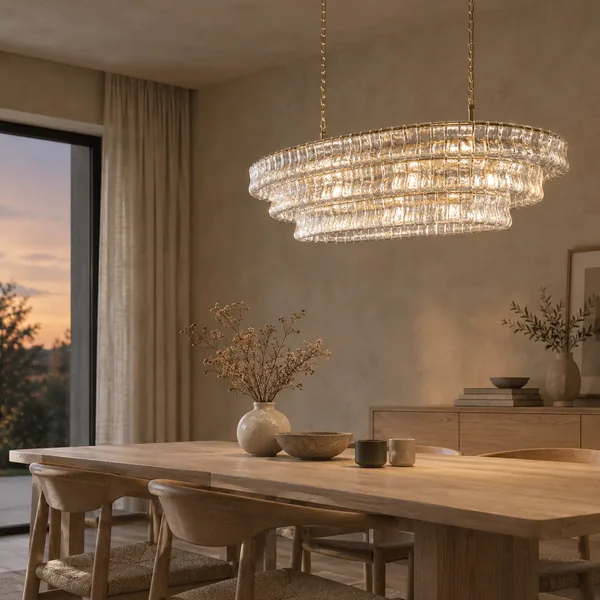 Stjerna Vintage French Clear Glass Chandelier$1,799.00$2,259.00
The Stjerna Vintage French Clear Glass Chandelier demonstrates how a chandelier can serve as both functional lighting and artistic centerpiece. Its elongated oval form and rippled glass layers catch and scatter light in mesmerizing patterns, while the gold hardware adds warmth that complements Scandinavian interiors beautifully.
For those seeking versatile pendant solutions, the Kolna Hand-Blown Glass Cylinder Pendant Light offers adjustable heights and refined architectural presence. Whether hung singly over a bedside table or clustered in threes above a dining surface, it brings that essential Scandinavian quality of thoughtful simplicity to any setting.
Chandeliers
Shop all Chandeliers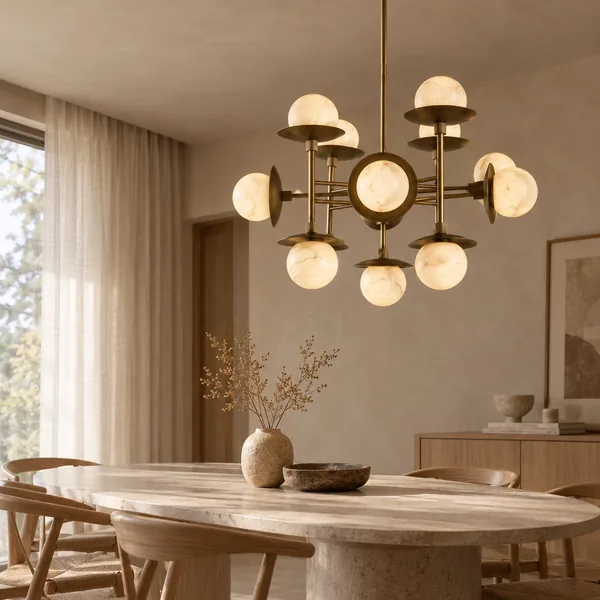
Making Your Decision
Ultimately, the choice between pendant lights and chandeliers comes down to your specific space, needs, and aesthetic preferences. There's no universal right answer—only the solution that feels right for your home.
Ask yourself these questions as you decide:
- What's the ceiling height? Lower ceilings often favor pendants; higher ceilings can accommodate dramatic chandeliers.
- What's the room's purpose? Task-oriented spaces (kitchens, offices) benefit from pendant flexibility; gathering spaces (dining rooms, living areas) often call for chandelier presence.
- What's your personal style? Do you prefer quiet sophistication or statement-making drama? Both can be achieved through either fixture type with the right design.
- What's your lighting needs? Consider whether you need focused task lighting, ambient illumination, or both.
Remember that Scandinavian design embraces balance. You might choose a chandelier for your dining room while using pendants in the adjacent kitchen. Or perhaps a cluster of pendants creates the impact you want without the formality of a traditional chandelier. Trust your instincts and the way each option makes you feel in your space.
Conclusion
Understanding the pendant light vs chandelier distinction empowers you to make lighting decisions with confidence. While pendants offer versatility, focused illumination, and understated elegance, chandeliers provide statement presence and ambient radiance. Both can serve your home beautifully when chosen thoughtfully.
At Skonne, we're committed to helping you create spaces that feel both beautiful and livable. Our collection of Scandinavian-inspired lighting—from the ethereal Driva Cloud Pendant to the sophisticated Stjerna Chandelier—reflects our belief that the right light transforms not just rooms, but moments.
Whether you're renovating an entire home or simply updating a single fixture, we invite you to explore our lighting collections and discover pieces that speak to your vision of home. Because when the light is just right, everything else falls into place.
Related Article
Blue Pendant Lights: Cool, Calming Color Fixtures for Bedrooms & Living RoomsExplore calming blue pendant light designs for bedrooms and living rooms. From navy glass to modern coastal styles, discover fixtures that create serenity at home.