
Recessed Lighting in the Bedroom: Layout, Spacing & Everything You Need to Know
Summary›
- Should You Put Recessed Lighting in a Bedroom?
- Understanding Recessed Lighting Layout for Bedrooms
- Size Matters: 4-Inch vs 6-Inch Recessed Lights
- How Many Recessed Lights Do You Need?
- Common Mistakes to Avoid with Bedroom Recessed Lighting
- Layering Your Bedroom Lighting: The Scandinavian Approach
- Modern Bedroom Lighting Trends and Gen Z Preferences
- Bringing It All Together: Your Perfect Bedroom Lighting Plan
Creating the perfect bedroom ambiance starts with understanding how recessed lighting in bedroom spaces can transform your sanctuary from purely functional to deeply restorative. Whether you're renovating your master suite or refreshing a guest room, the strategic placement of can lights offers a sleek, modern alternative to traditional ceiling fixtures while maintaining that coveted Scandinavian sense of calm and intentionality.
In this comprehensive guide, we'll explore everything you need to know about recessed lighting layout, spacing guidelines, and design principles that align with contemporary interior trends. You'll learn how to calculate the optimal number of fixtures, choose between different sizes, and avoid common pitfalls that can leave your bedroom feeling more clinical than cozy. Along the way, we'll show you how thoughtfully curated lighting layers—including sculptural sconces and ambient bedside lamps—can elevate your space into a true hygge haven.
Should You Put Recessed Lighting in a Bedroom?
The short answer is yes—when executed properly, recessed lighting can be an excellent choice for bedrooms. Unlike surface-mounted fixtures that dominate your ceiling visually, recessed lights (also called can lights or pot lights) create a clean, streamlined aesthetic that aligns perfectly with minimalist and Scandinavian design principles. They provide even, shadow-free illumination that eliminates dark corners while maintaining an unobtrusive presence.
However, the key word here is properly. Many homeowners make the mistake of treating recessed lighting as their bedroom's sole light source, which can result in that dreaded "operating room" effect—harsh, flat illumination that feels anything but restful. The secret lies in understanding recessed lighting as one component of a layered lighting strategy rather than a standalone solution.
For primary bedrooms, recessed lighting works beautifully as ambient foundation lighting. In smaller guest rooms or spaces with low ceilings, it can provide essential illumination without the visual weight of hanging fixtures. The trick is balancing these ceiling lights with warmer, more intimate light sources at eye level and below.
Understanding Recessed Lighting Layout for Bedrooms
Before you start cutting holes in your ceiling, developing a thoughtful layout plan is essential. The placement of your fixtures will determine not just how well the room is lit, but how the space feels when you're winding down for the evening or getting ready for the day ahead.
The General Rule of Spacing
The industry standard for bedroom recessed lighting spacing follows a simple formula: divide your ceiling height by two to determine the distance between fixtures. For an 8-foot ceiling, this means placing lights approximately 4 feet apart. For 9-foot ceilings, aim for 4.5 feet between lights.
However, bedrooms have unique considerations that differ from kitchens or living spaces. Because bedrooms serve multiple functions—sleeping, reading, dressing—you'll want to ensure even coverage while avoiding placement directly above the bed, where bright ceiling light can be jarring when you're lying down.
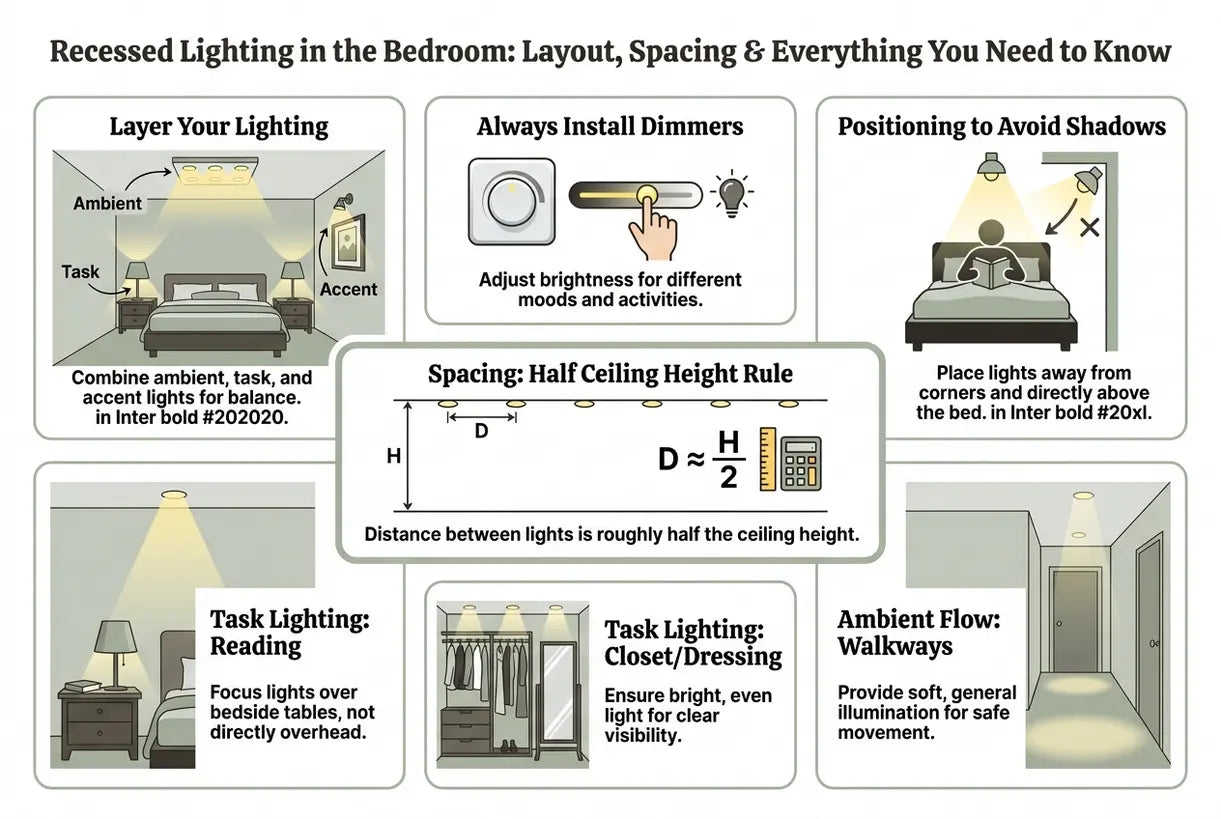
Position your recessed lights in a grid pattern that illuminates walking paths and dressing areas while keeping the area directly above your bed slightly dimmer. This creates a more restful focal point while ensuring you have adequate light for practical tasks. For those interested in exploring more options, our Adjustable Wall Lights offer a curated selection that pairs beautifully with recessed ceiling fixtures.
Size Matters: 4-Inch vs 6-Inch Recessed Lights
One of the most common questions homeowners ask is whether to choose 4-inch or 6-inch fixtures. The answer depends on your bedroom's size, ceiling height, and the overall aesthetic you're aiming to achieve.
4-inch recessed lights have become increasingly popular in modern bedroom design. Their smaller profile creates a more contemporary look and allows for greater precision in placement. They're ideal for smaller bedrooms (under 150 square feet) or spaces where you want discrete, architectural lighting. Many homeowners appreciate that 4-inch fixtures feel less industrial and more refined.
6-inch recessed lights, on the other hand, distribute light over a broader area. If you have a spacious master bedroom with high ceilings (9 feet or above), 6-inch fixtures may be more efficient, requiring fewer total lights to achieve the same illumination level. They also work well in bedrooms that double as multi-functional spaces—perhaps with a reading nook or desk area that requires brighter task lighting.
For most contemporary bedrooms, a hybrid approach works beautifully: use 4-inch lights for general ambient lighting and supplement with targeted fixtures for specific tasks. This strategy also allows you to incorporate beautiful accent pieces that add personality to your space.
Bedroom Lighting & Decor
Shop all Bedroom
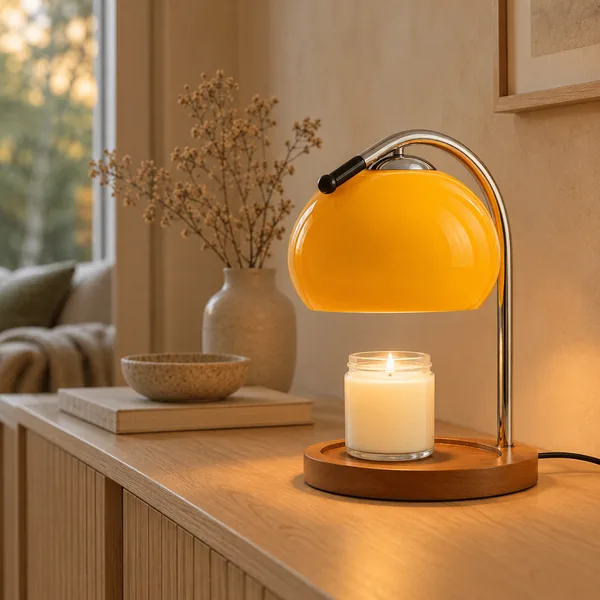
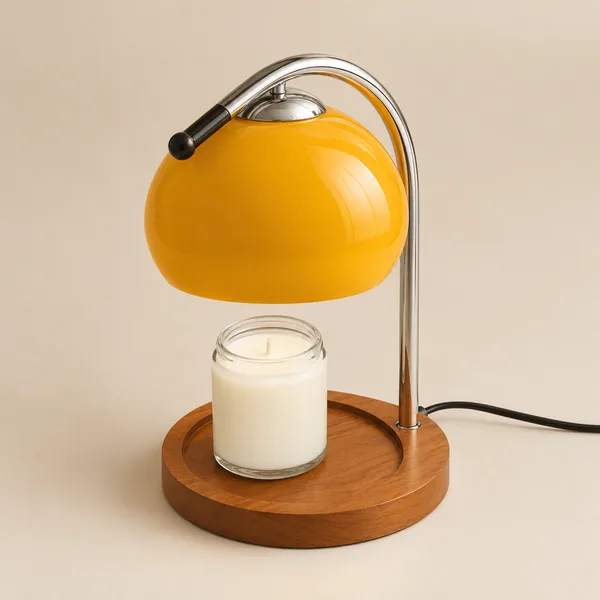 Save $60.00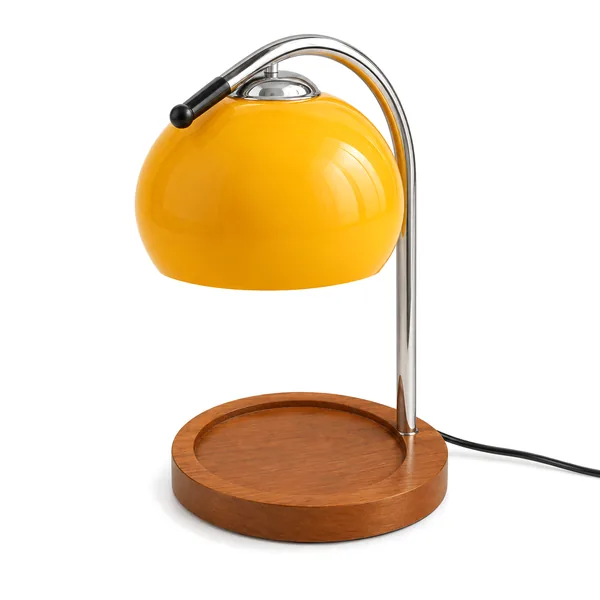
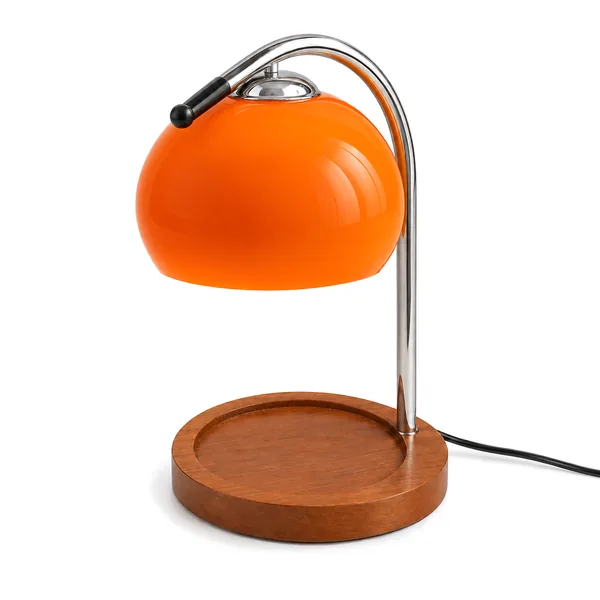
 3 options
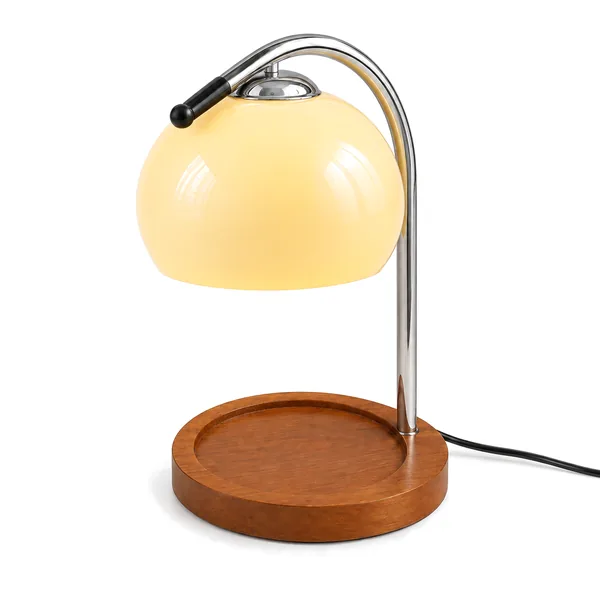
Solvarm Stained Glass Candle Warmer Table Lamp
 Save $120.00
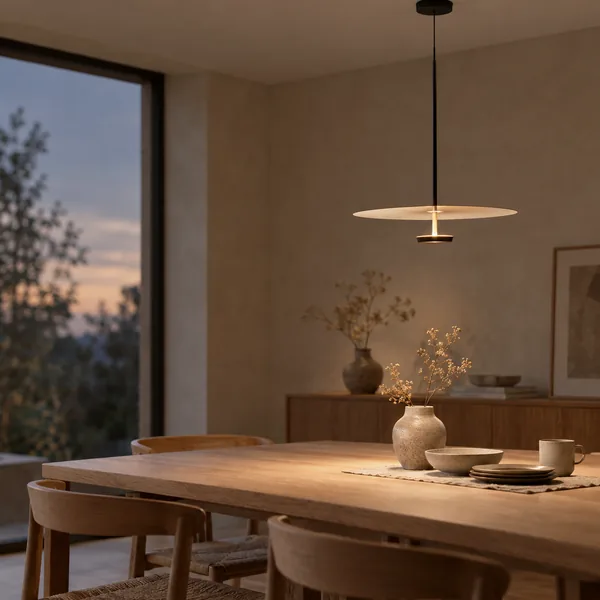
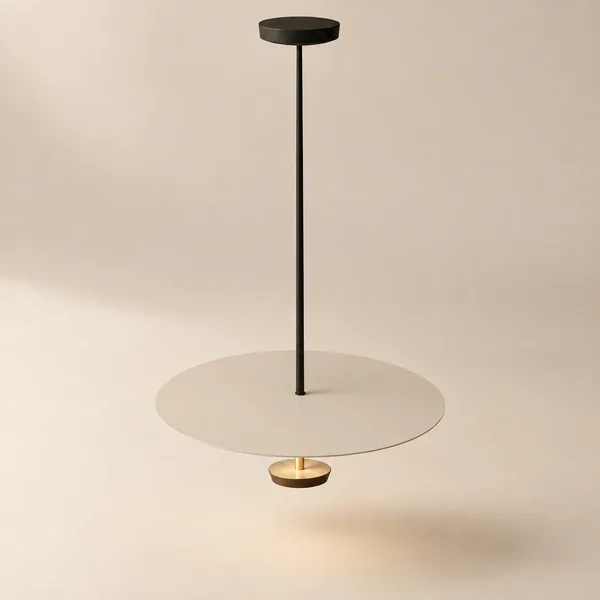
Skiva Nordic Saucer Ceiling Pendant Light LED
How Many Recessed Lights Do You Need?
Calculating the optimal number of fixtures requires a bit of math, but the investment in planning pays dividends in the final result. Start by determining your bedroom's square footage and your desired illumination level.
Bedrooms typically require 10-20 foot-candles (a measurement of light intensity) for comfortable ambient lighting. To calculate your needs:
- Multiply your room's square footage by the desired foot-candles (15 is a safe middle ground for bedrooms)
- Divide that number by the lumen output of your chosen fixtures
- The result is your approximate fixture count
For example, a 12x14 foot bedroom (168 square feet) needing 15 foot-candles requires approximately 2,520 total lumens. If you're using 600-lumen LED recessed lights, you'd need about 4-5 fixtures for basic ambient lighting. We recommend adding one or two additional lights for a more luxurious, evenly lit feel.
Remember that these calculations provide a starting point. Factors like wall color, natural light availability, and personal preference all influence the final number. Dark walls absorb more light, requiring additional fixtures, while light Scandinavian tones reflect illumination more efficiently.
Common Mistakes to Avoid with Bedroom Recessed Lighting
Even the most well-intentioned lighting plans can go awry. Understanding where others have stumbled helps ensure your bedroom lighting creates the serene atmosphere you're seeking.
Over-lighting is perhaps the most frequent error. More fixtures don't necessarily mean better lighting—they often create harsh, shadowless illumination that feels clinical rather than cozy. Start with fewer lights than you think you need, and add dimmer switches to every fixture for maximum control.
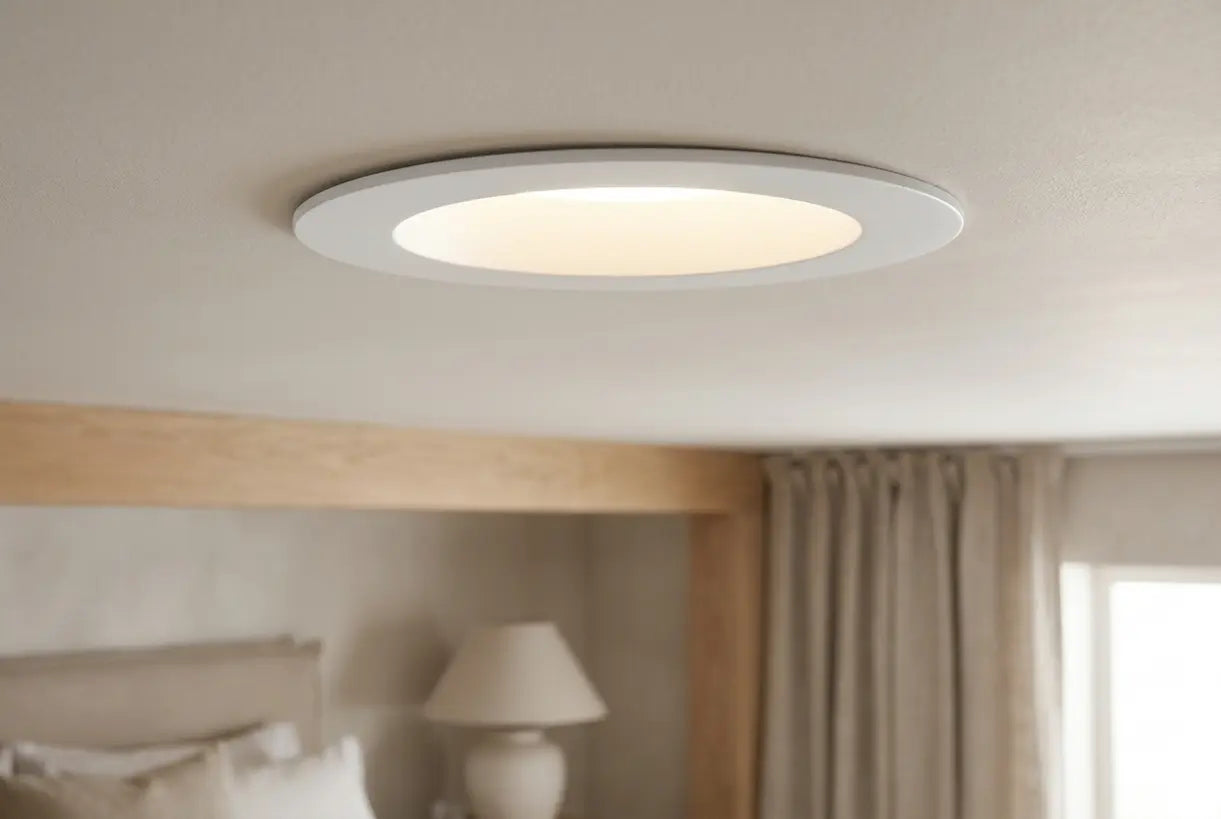
Ignoring color temperature is another critical oversight. For bedrooms, warm white (2700K-3000K) creates a calming atmosphere, while cool white (4000K+) can feel energizing—great for kitchens, but potentially disruptive in sleep spaces. Always choose dimmable LEDs that maintain their warm color even at low settings.
Placing fixtures too close to walls creates distracting "wall washing" effects and harsh shadows. Maintain at least 2-3 feet of clearance from walls to ensure smooth, even light distribution.
Layering Your Bedroom Lighting: The Scandinavian Approach
True bedroom comfort emerges from lighting layers that serve different purposes throughout the day. The Scandinavian concept of hygge—that feeling of cozy contentment—relies heavily on lighting that can shift from bright and functional to soft and atmospheric.
Recessed lighting provides your foundation layer: consistent, shadow-free ambient illumination that allows you to navigate the room safely. But ambient light alone rarely creates the intimate atmosphere bedrooms demand. This is where intentional accent and task lighting become essential.
Consider the areas where you actually spend time in your bedroom: the bedside for reading, the dresser for getting ready, perhaps a favorite chair. Each of these zones benefits from dedicated lighting that can operate independently of your ceiling fixtures.
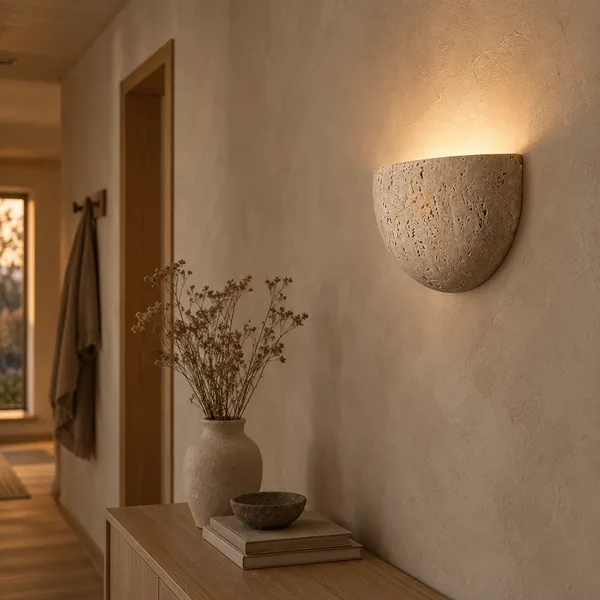
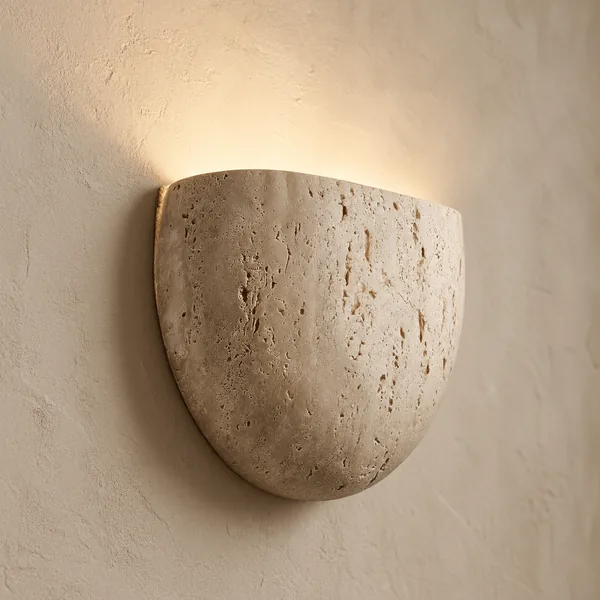
The Steinglo Marble and Brass Trio LED Wall Sconce exemplifies how sculptural wall lighting can transform a recessed-lit bedroom. Mounted beside your headboard, it provides warm, directional reading light while adding textural interest through its natural marble and brass construction. Unlike overhead lighting that projects downward, sconces cast light at eye level—far more flattering and exponentially more relaxing.
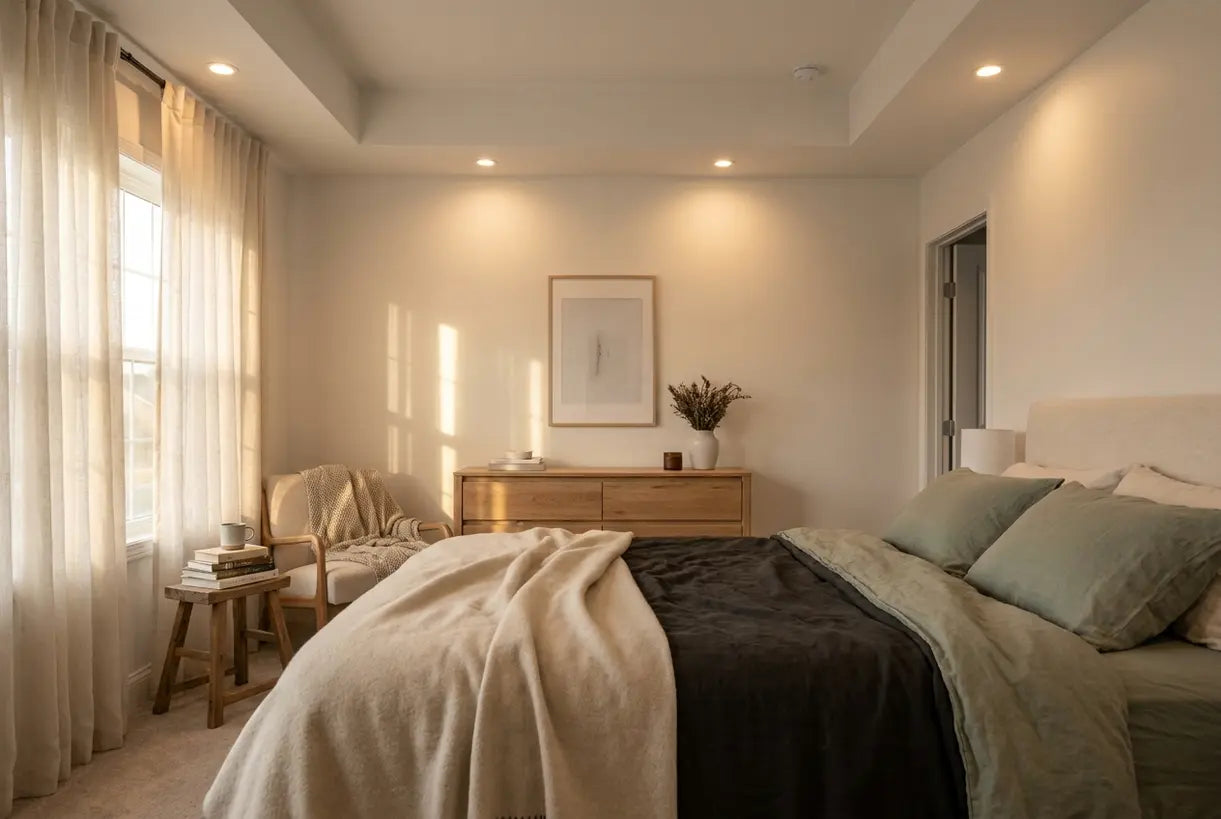
Similarly, bedside table lamps offer portability and intimacy that recessed fixtures simply cannot match. The ability to switch on a single warm light before bed, leaving ceiling lights dark, supports your body's natural circadian rhythms and signals that it's time to wind down.
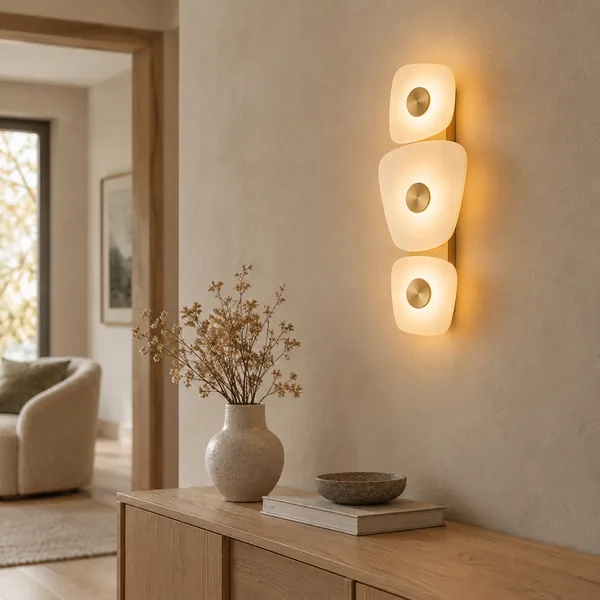 Steinglo Marble and Brass Trio LED Wall Sconce$619.00$899.00
When recessed ceiling lights work in harmony with wall sconces and table lamps, you create a lighting ecosystem with infinite mood possibilities. Morning routines benefit from full illumination, while evening hours call for the gentle glow of accent pieces alone.
Complete Your Layered Lighting Scheme
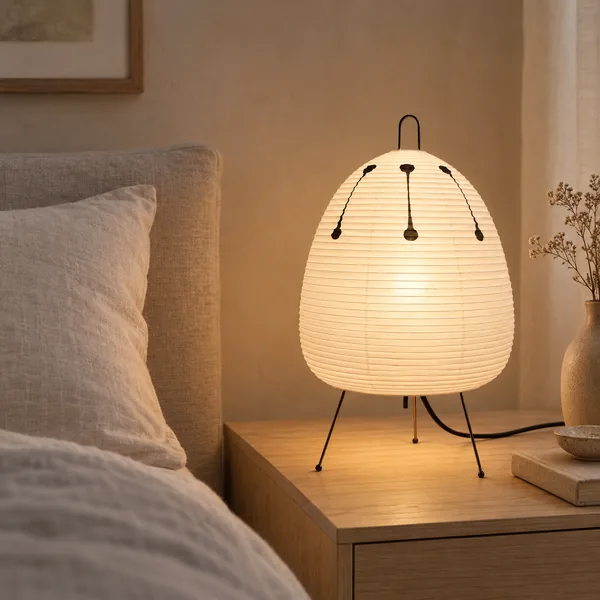 Shiro Rice Paper Table Lamp Nordic Minimalist$119.00$199.00
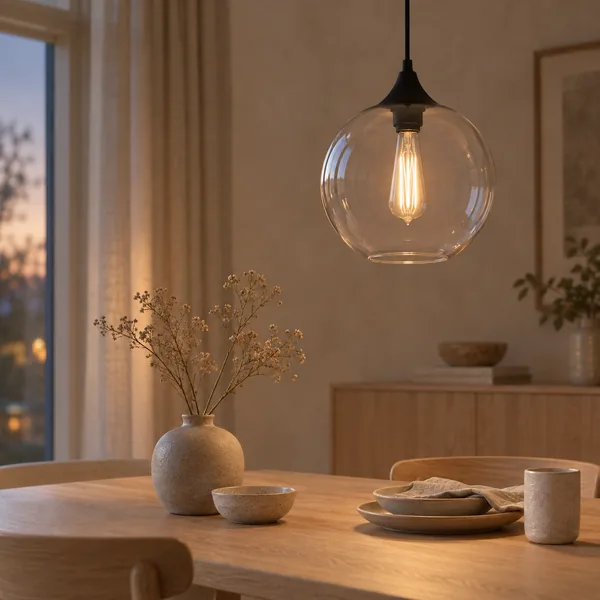 Glora Artisan Mouth-Blown Glass Pendant Light$149.00$219.00
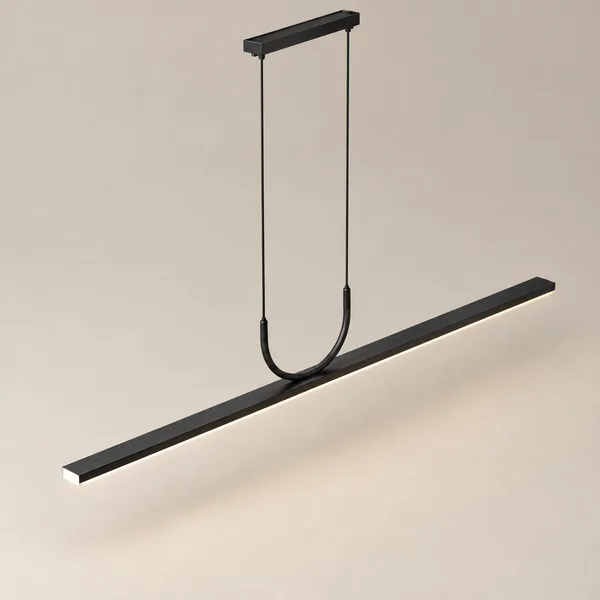
Mounted Ceiling Lights
Shop all Ceiling Lights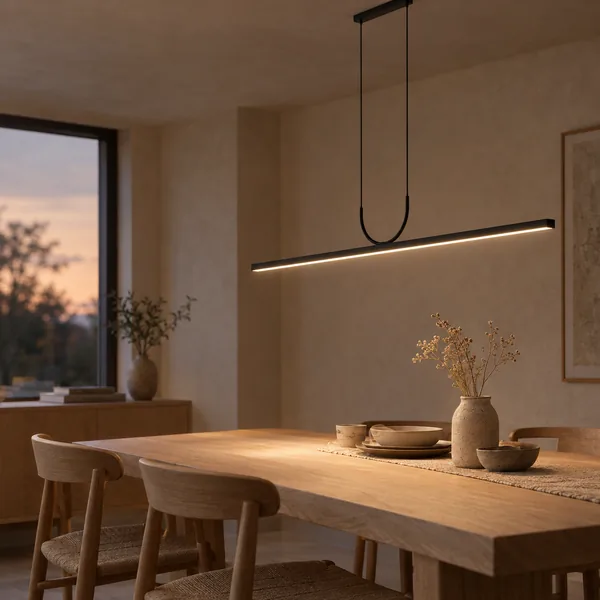
Modern Bedroom Lighting Trends and Gen Z Preferences
You may have encountered the phrase "Gen Z hates overhead lighting" circulating on social media—and there's genuine design wisdom behind this sentiment. Younger generations increasingly reject the single-ceiling-fixture approach that dominated twentieth-century homes, instead embracing layered, indirect lighting that creates atmosphere over mere visibility.
This shift reflects broader movements toward wellness-focused design. Harsh overhead lighting can trigger stress responses and disrupt natural sleep patterns. In contrast, varied light sources at different heights create visual interest while supporting your body's need to transition gradually from day to night.
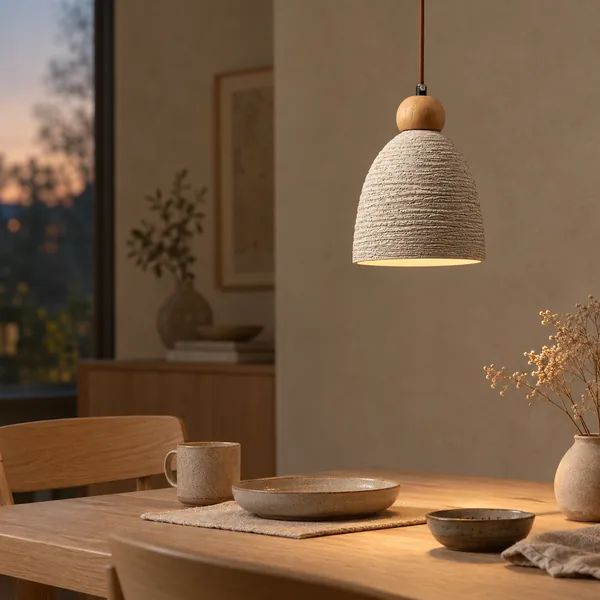
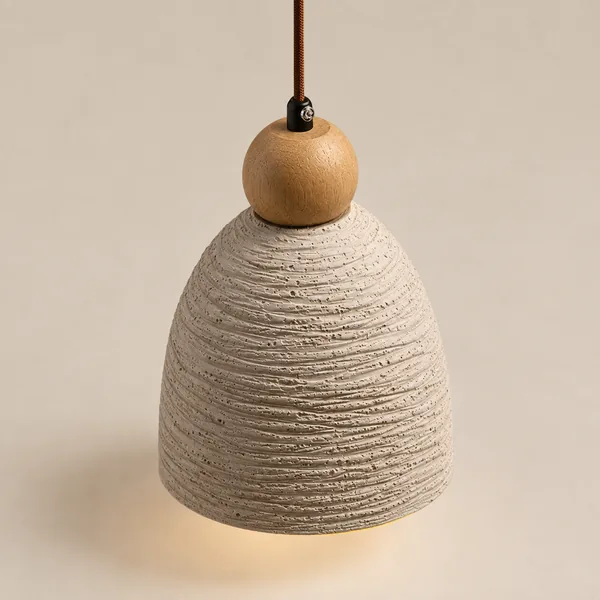
The modern bedroom embraces what lighting designers call "sculptural glow"—fixtures that are beautiful objects in their own right while providing gentle, diffused illumination. The Glora Artisan Mouth-Blown Glass Pendant Light demonstrates this principle elegantly, offering handcrafted artistry that softens and humanizes the clean lines of recessed ceiling lighting.
Smart home integration represents another significant trend. Modern recessed lighting systems often include app-controlled dimming, color temperature adjustment, and scheduling capabilities. Imagine your bedroom lights gradually brightening to simulate sunrise, or automatically dimming to candlelight warmth as bedtime approaches.
Bringing It All Together: Your Perfect Bedroom Lighting Plan
Creating exceptional recessed lighting in bedroom spaces requires balancing technical precision with emotional intuition. Start with quality recessed fixtures spaced appropriately for your ceiling height, ensuring even ambient coverage without over-illuminating. Choose 4-inch fixtures for contemporary refinement or 6-inch options for larger spaces needing more powerful output.
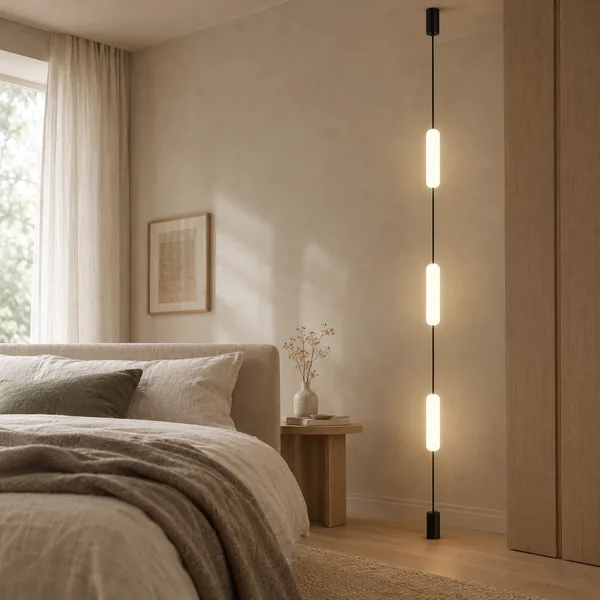
But don't stop at the ceiling. The most inviting bedrooms layer recessed foundation lighting with intentional accent pieces—wall sconces that cast warm pools of light beside the bed, table lamps that offer portable comfort, and perhaps a sculptural pendant that draws the eye upward.
At Skonne, we believe lighting should do more than illuminate; it should transform. Our curated collection of Scandinavian-inspired fixtures—from minimalist LED sconces to artisan glass pendants—provides the perfect companions to your recessed lighting system. Each piece is selected not just for its beauty, but for its ability to create that elusive feeling of hygge: the comfort of being exactly where you belong.
Whether you're planning a complete bedroom renovation or simply upgrading your current lighting, remember that the best spaces offer options. Dimmers, multiple circuits, and varied fixture types ensure your bedroom can shift seamlessly from productive morning energy to peaceful evening retreat.
Related Article
Modern Bedroom Lighting: Sleek, Contemporary Ideas for a Stylish Sleep SpaceDiscover modern bedroom lighting ideas that transform your sleep space into a stylish retreat with sleek fixtures and Scandinavian-inspired designs.