
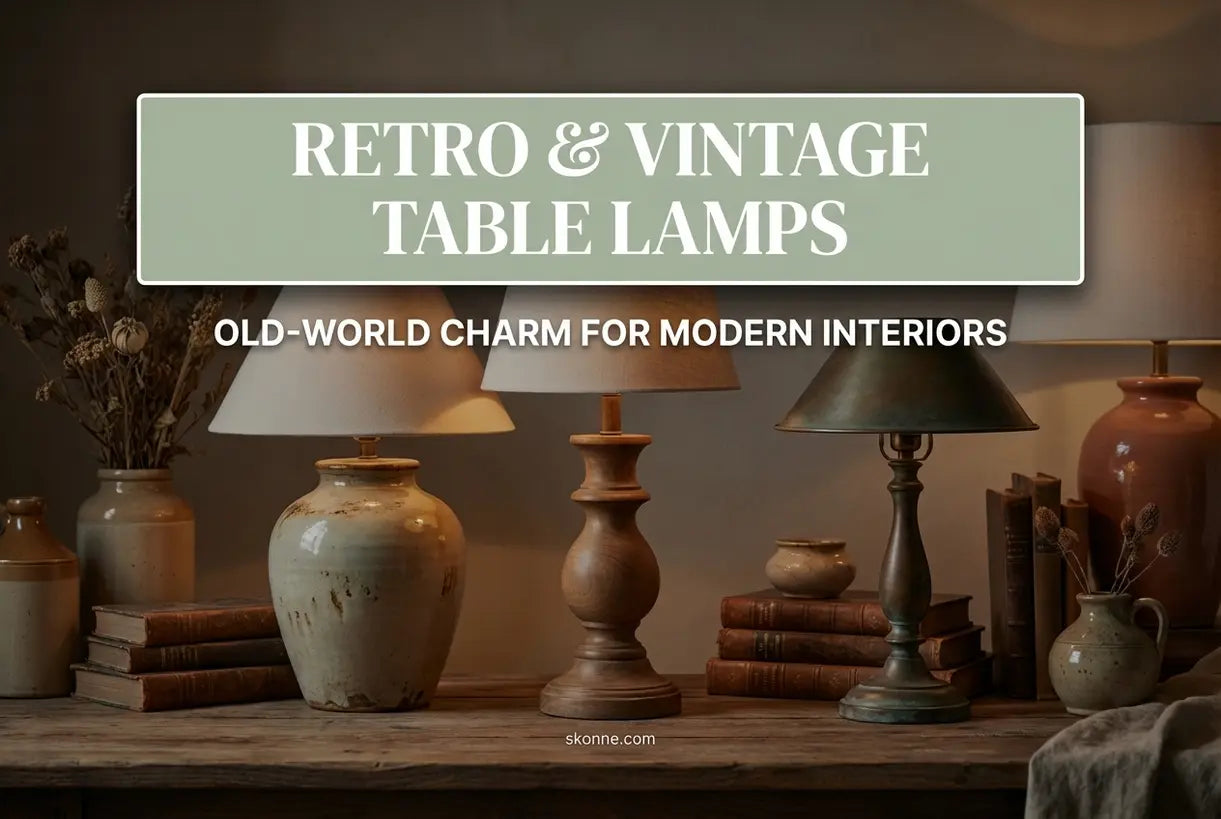
Retro & Vintage Table Lamps: Old-World Charm for Modern Interiors
Summary›
There's something undeniably captivating about the warm, lived-in glow of a retro table lamp. In an age of mass-produced uniformity, these pieces offer a portal to slower, more intentional craftsmanship—an antidote to the sterile and the predictable. Whether you're curating a cozy reading nook or seeking that perfect finishing touch for your Scandinavian-inspired living room, vintage lighting brings soul to modern spaces in ways that new fixtures simply cannot replicate.
For homeowners and design enthusiasts aged 28-45, the appeal of retro table lamps extends beyond mere nostalgia. These versatile pieces bridge decades of design history with contemporary functionality, offering the hygge feeling that transforms a house into a home. Throughout this guide, we'll explore how to identify authentic vintage styles, choose the perfect size for your space, and seamlessly integrate these timeless pieces into your modern interior—while introducing you to thoughtfully crafted options that honor the past without the uncertainty of flea market hunting.
What Makes a Table Lamp Retro or Vintage?
Understanding the distinction between "retro," "vintage," and "antique" helps you make informed decisions when shopping for lighting. Generally, vintage items are those that are at least 20 years old but less than 100 years old, while antique pieces exceed the century mark. Retro, on the other hand, refers to newer items designed to emulate styles from past decades—particularly the 1950s through the 1970s.
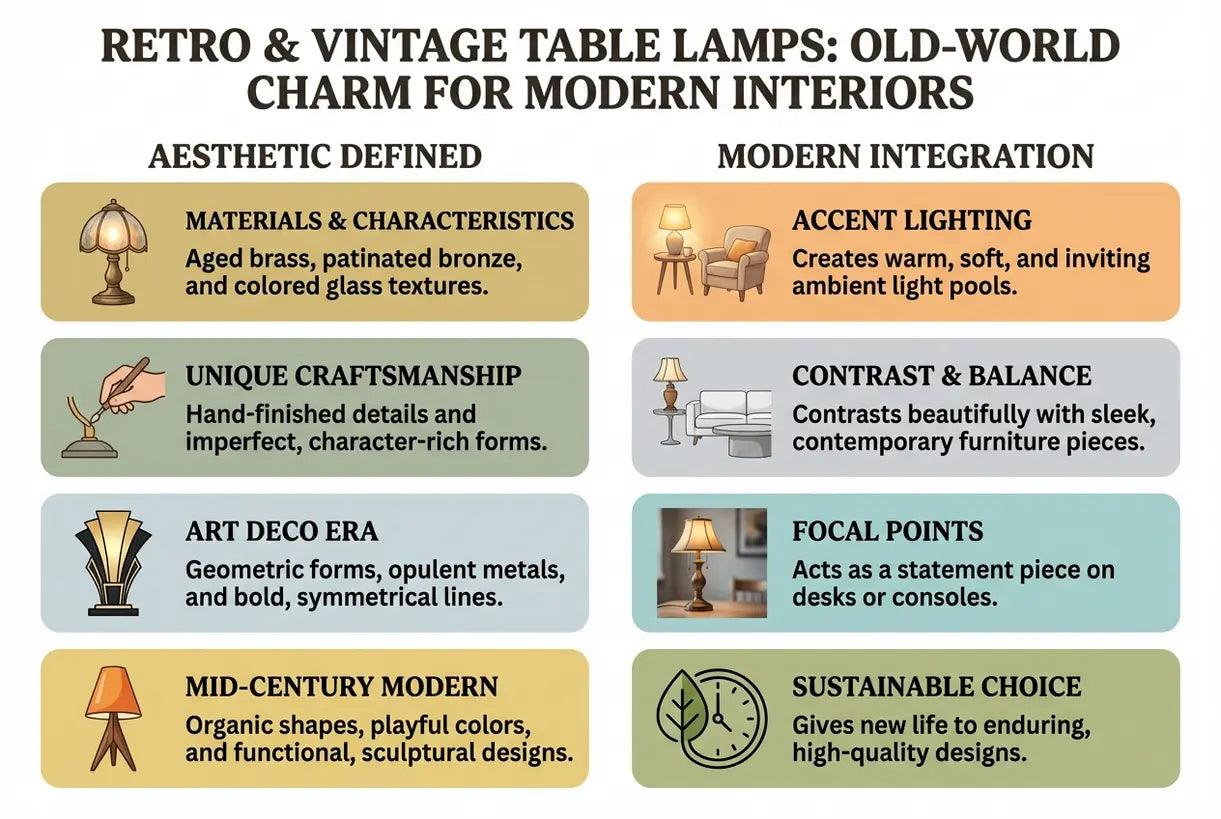
The hallmark of authentic vintage table lamps lies in their materials and construction. Look for hand-finished ceramics, turned wood bases, patinated brass, and hand-blown glass shades. These elements tell stories of artisanal processes that prioritized quality over quantity. The imperfections—slight variations in glaze, organic textures, and the gentle wear of time—are precisely what give vintage lamps their irreplaceable character.
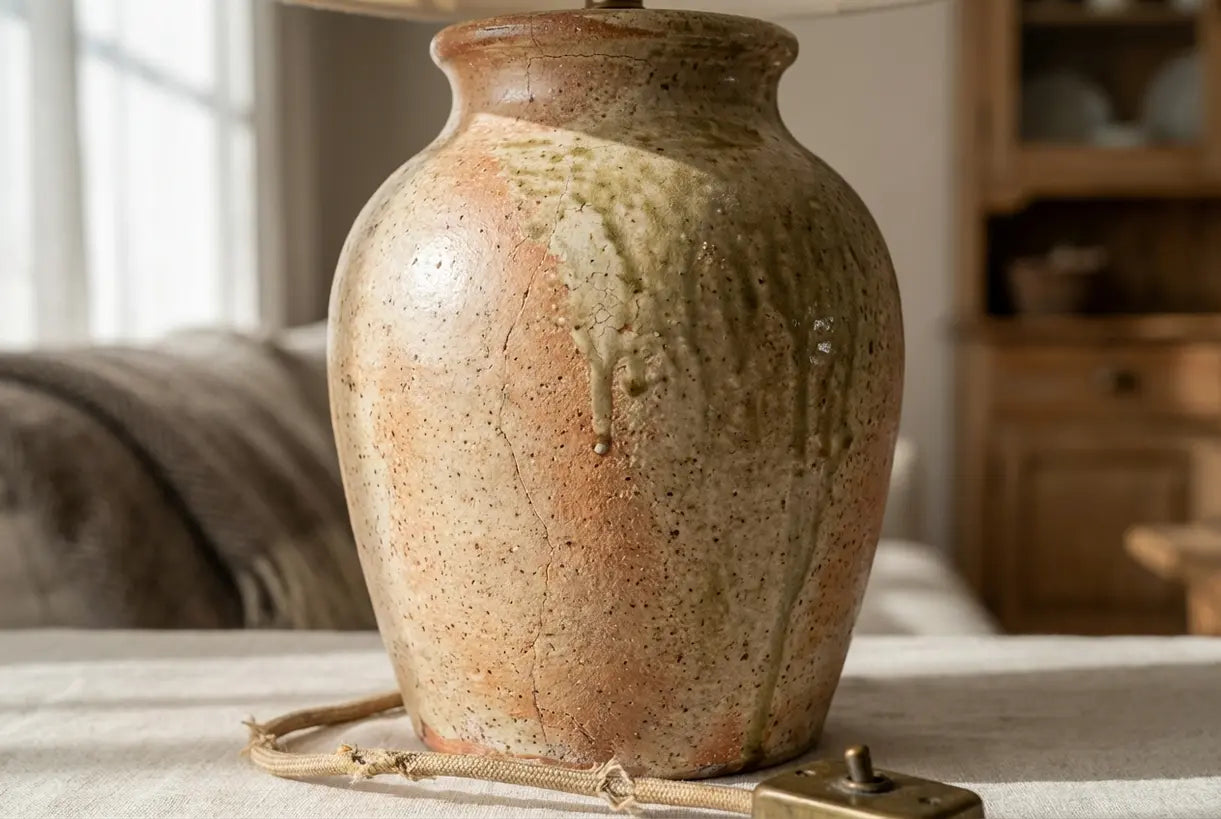
Today, many contemporary designers are reviving these craft traditions through modern interpretations. Our Lamps collection features pieces that channel this vintage spirit through handwoven natural materials and organic forms, offering the aesthetic appeal of retro lighting with contemporary reliability and safety standards.
The color palettes of vintage eras also define these pieces. Mid-century modern lamps often feature atomic-age colors like turquoise, mustard yellow, and burnt orange, while 1960s designs lean into earthy tones and psychedelic patterns. Art Deco influences from the 1940s bring geometric shapes and luxurious materials like marble and brass. Understanding these style periods helps you curate a collection that feels cohesive rather than cluttered.
Table Lamps
Shop all Table Lamps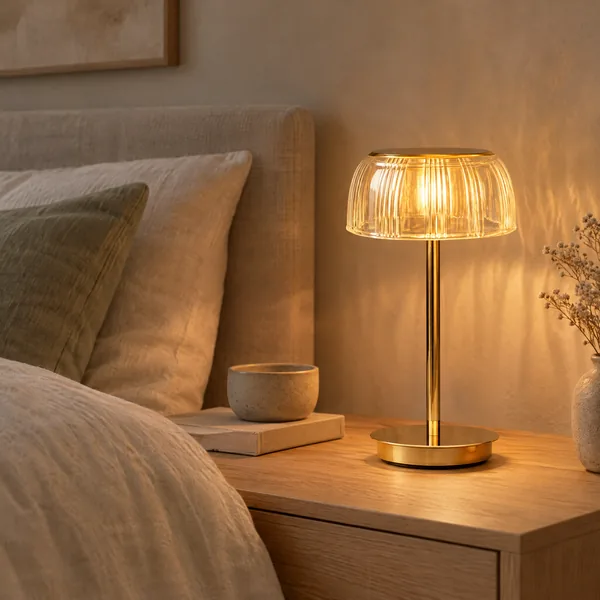
 Save $30.00
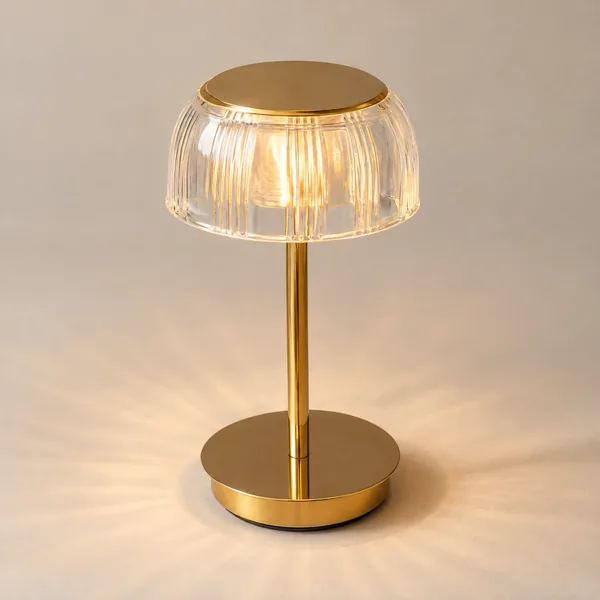
Kvalla Jellyfish LED Rechargeable Table Lamp
 Save $60.00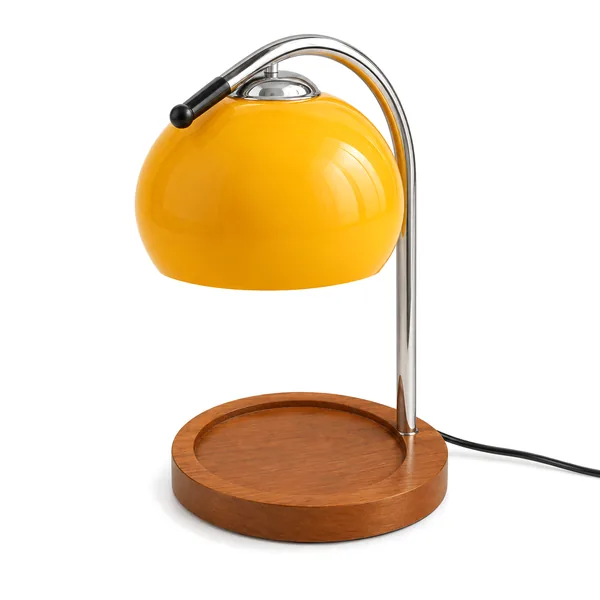
 3 options
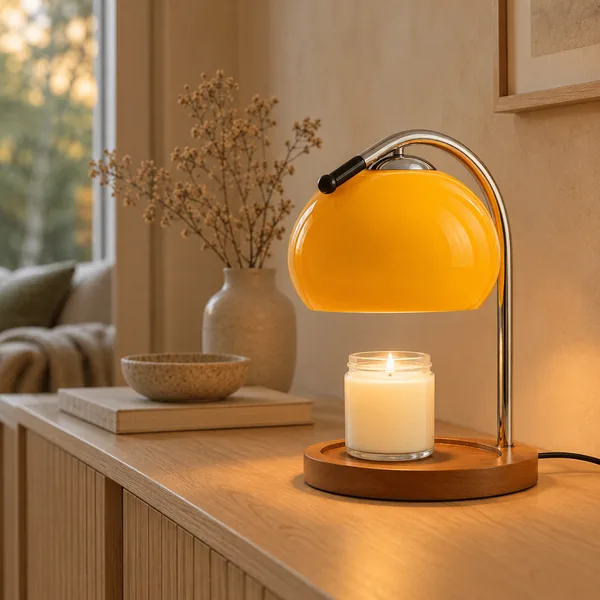
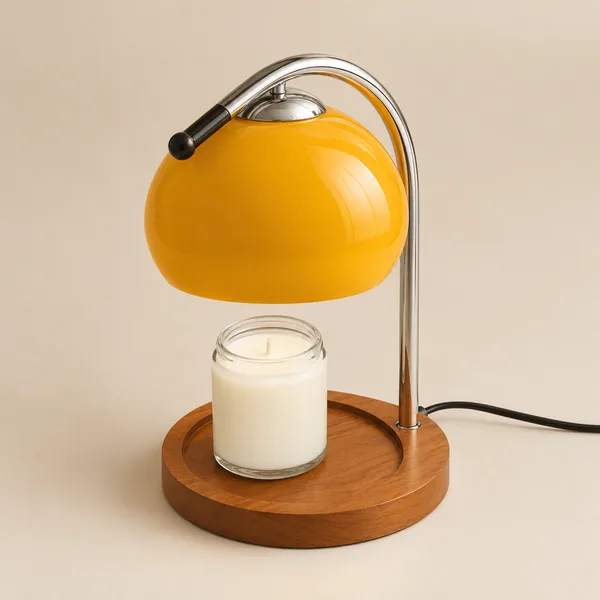
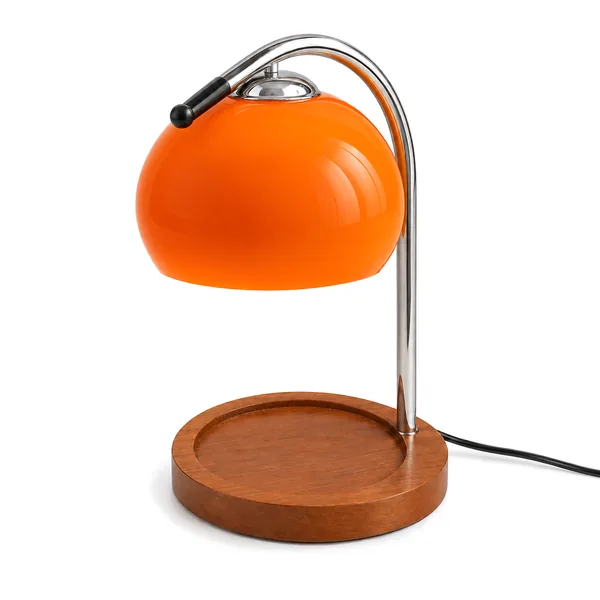
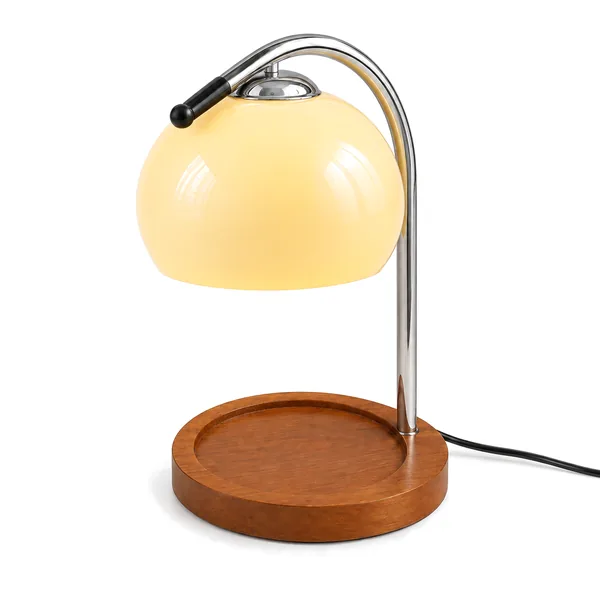
Solvarm Stained Glass Candle Warmer Table Lamp
 Save $220.00
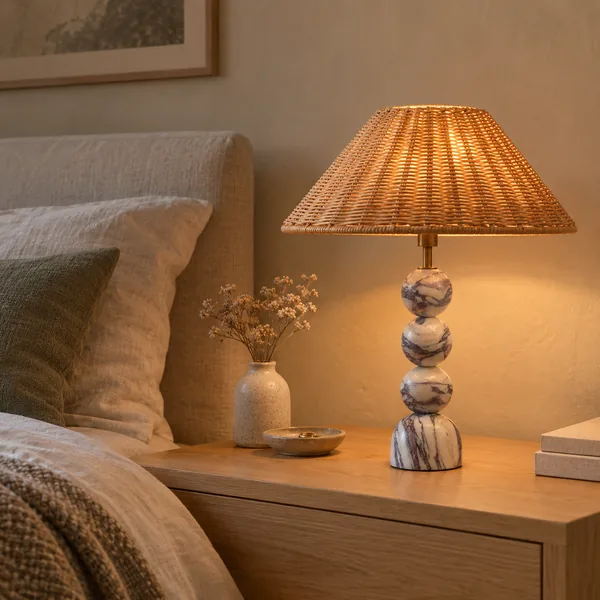
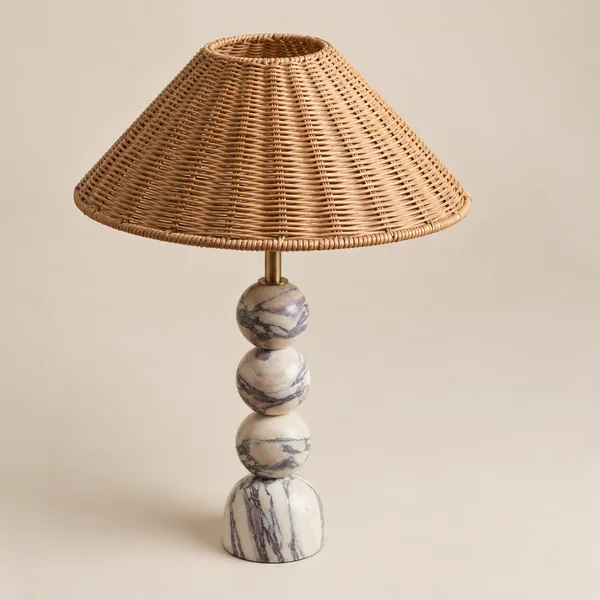
Stenglo Nordic Marble Table Lamp Rattan Shade
How to Choose the Right Size Retro Table Lamp for Your Space
Proportion is everything when selecting lighting. A lamp that's too small gets lost on a substantial sideboard, while an oversized fixture can overwhelm a delicate nightstand. The general rule for table lamp sizing is that the total height should be between 24 to 34 inches when measured from the tabletop to the top of the finial.
Consider the surface where your lamp will live. For bedside tables, aim for lamps where the bottom of the shade sits at eye level when you're sitting up in bed—typically 24-27 inches total height. Living room end tables can accommodate slightly taller pieces, while desk lamps should cast light downward without creating glare on screens or work surfaces.
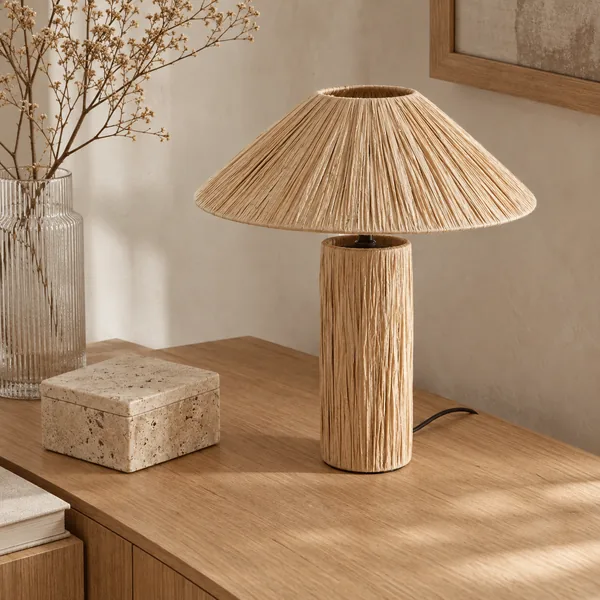 Fletta Handwoven Raffia Wabi-Sabi Table Lamp$289.00$379.00
The Fletta Handwoven Raffia Wabi-Sabi Table Lamp exemplifies this versatility perfectly. Its organic proportions work beautifully on compact nightstands or as accent lighting on console tables, bringing that coveted soft, diffused light that defines the hygge aesthetic. The natural raffia texture adds warmth without visual heaviness, making it ideal for smaller spaces that still crave character.
Shade width is equally important. A good guideline is that the lampshade should be approximately two-thirds the height of the base, and the width should not extend beyond the table's edge by more than an inch on either side. For vintage pieces, don't be afraid to replace original shades if they've yellowed or deteriorated—just ensure the proportions remain harmonious and the new shade complements the base's era and style.
Pro Tip: When placing a retro table lamp in your space, consider the "rule of three"—the combined height of your lamp and any objects placed beside it should roughly equal the height of your headboard or the back of your sofa. This creates visual balance and prevents the lamp from feeling too dominant or insignificant.
The Most Popular Vintage Table Lamp Styles
Certain design movements have proven timeless, continuing to influence lighting design decades after their inception. Understanding these styles helps you make intentional choices that complement your existing décor while adding that coveted vintage character.
Mid-Century Modern remains the most sought-after vintage aesthetic, characterized by clean lines, organic curves, and a fusion of natural and man-made materials. Think teak bases with brass fittings, ceramic vessels in atomic colors, and fiberglass shades with geometric patterns. These pieces work exceptionally well in Scandinavian-inspired homes, bridging the gap between Nordic simplicity and retro warmth.
Nature-Inspired Vintage Lighting Options
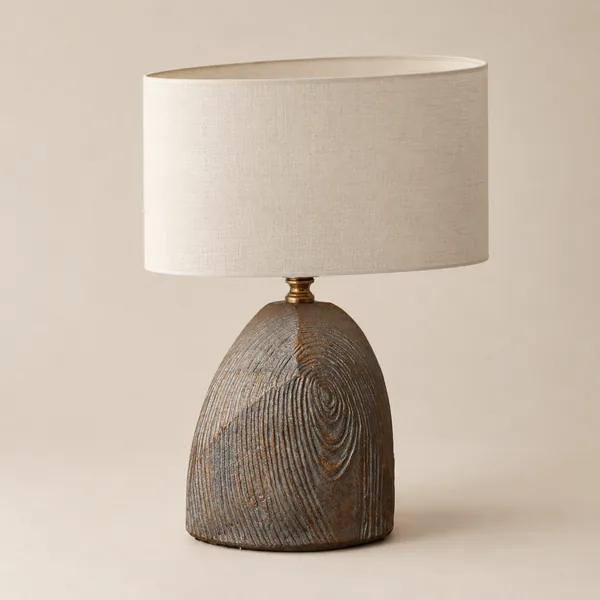 Skogvar Vintage Resin Tree Stump LED Table Lamp$449.00$649.00
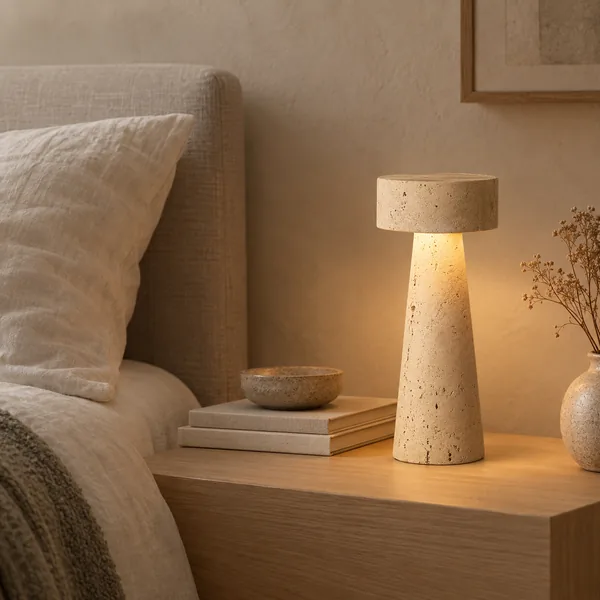 Stilla Wabi-Sabi Handcrafted Stone Table Lamp$389.00$479.00
The Skogvar Vintage Resin Tree Stump LED Table Lamp captures the essence of this organic mid-century aesthetic. Its sculptural form mimics the natural beauty of reclaimed wood, complete with the textural details that vintage collectors prize. Unlike authentic vintage wood pieces that may have deteriorated over decades, this modern interpretation offers the visual warmth of nature with contemporary LED efficiency and durability.
For those drawn to Art Deco glamour, look for geometric bases, stepped forms, and luxurious materials like marble, alabaster, and polished metals. These pieces add sophistication to bedrooms and living spaces, particularly when paired with contemporary furniture in neutral tones.
The Wabi-Sabi aesthetic, while rooted in Japanese philosophy rather than Western vintage movements, shares a kinship with the handmade quality of retro lighting. Embracing imperfection and the beauty of natural materials, this style has seen renewed interest among design-conscious homeowners seeking authenticity over mass production. The Stilla Wabi-Sabi Handcrafted Stone Table Lamp embodies this philosophy, offering a grounding presence that feels simultaneously ancient and contemporary.
Can Retro Table Lamps Work in Modern Interiors?
The short answer is an emphatic yes—when done thoughtfully. The key to successfully integrating vintage lighting into contemporary spaces lies in creating intentional contrast rather than competing styles. A single statement retro lamp can anchor a minimalist room, while multiple vintage pieces require more careful curation to avoid the "antique shop" aesthetic.
In Scandinavian-inspired interiors, retro table lamps serve as warmth-giving counterpoints to cool, clean-lined furniture. The organic textures and aged patinas of vintage pieces introduce the hygge feeling that's central to Nordic design philosophy. Consider placing a textured ceramic lamp on a sleek white nightstand, or pairing a brass mid-century piece with a modern linen sofa.
Color coordination is essential for cohesion. If your modern space features a neutral palette with black, white, and natural wood tones, vintage lamps in warm brass, cognac leather, or earthy ceramics will complement rather than clash. For homes with bolder color schemes, look for retro pieces that pick up accent colors in your textiles or artwork.
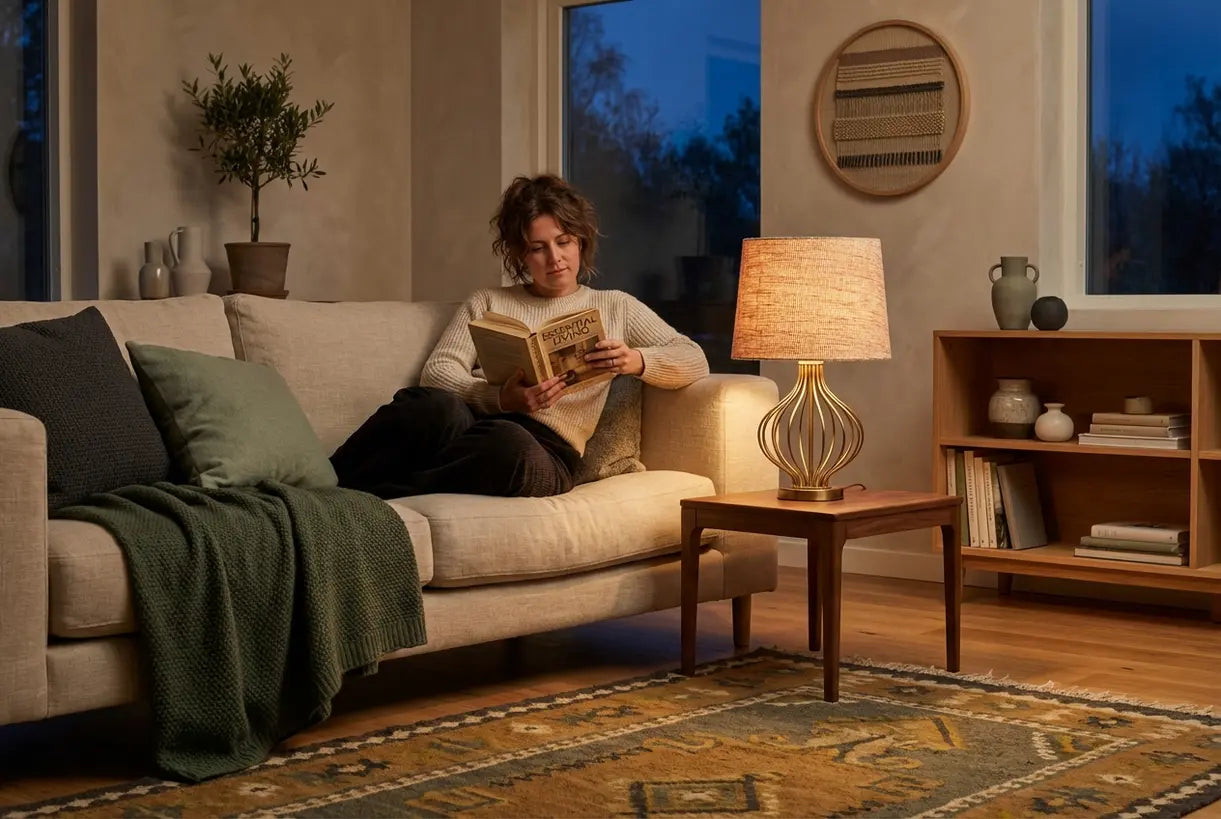
Layering lighting is another strategy for blending old and new. Use your retro table lamp as ambient or accent lighting, supplementing it with modern recessed fixtures or contemporary pendant lights. This approach provides the flexibility to set different moods while allowing your vintage piece to shine as a sculptural element, even when unlit.
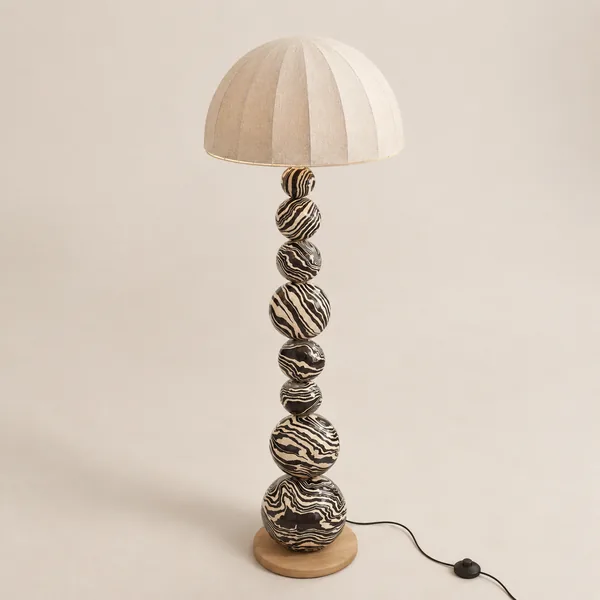
Floor Lamps
Shop all Floor Lamps
Choosing the Right Bulb for Your Vintage Table Lamps
The bulb you choose dramatically affects both the functionality and aesthetic of your retro lighting. Vintage lamps were designed for the incandescent bulbs of their era, which produced a warm, yellow-toned light that enhanced the cozy atmosphere these pieces create.
Modern LED technology now offers "warm white" options (2700K-3000K color temperature) that replicate this vintage glow while using a fraction of the energy. For authentic vintage lamps, check the socket type and wattage limitations—older fixtures may not be rated for high-wattage modern bulbs, and antique wiring may require professional evaluation for safety.
Consider these factors when selecting bulbs for your retro table lamp:
- Color Temperature: 2700K creates the warm, candle-like glow associated with vintage lighting. Avoid cool white (4000K+) bulbs, which feel clinical and clash with the nostalgic character of retro pieces.
- Bulb Shape: Edison-style filament bulbs add visible interest and enhance the vintage aesthetic, particularly in lamps with clear or semi-transparent shades.
- Dimming Capability: Installing dimmer switches allows you to adjust the intensity for different times of day, maximizing the versatility of your accent lighting.
- Energy Efficiency: LED Edison bulbs offer the look of vintage filaments with modern efficiency, though some purists prefer the authentic warmth of actual incandescents for special occasions.
For more information about energy-efficient lighting options and how they integrate with vintage design, consult the U.S. Department of Energy's lighting guide. This resource provides detailed information about LED technology and its environmental benefits without compromising on the ambiance you want to achieve.
Conclusion: Timeless Lighting for Intentional Living
Retro table lamps offer something increasingly rare in our fast-paced, disposable culture: a connection to craftsmanship, history, and the kind of slow, intentional beauty that deepens over time. Whether you're drawn to the atomic optimism of mid-century modern designs, the organic warmth of wabi-sabi aesthetics, or the glamorous geometry of Art Deco, these pieces bring soul to modern interiors in ways that feel both nostalgic and utterly current.
At Skonne, we believe that lighting should do more than illuminate—it should inspire. Our curated collection of table lamps honors the design traditions of the past while meeting the quality and safety standards of the present. From the handwoven texture of the Fletta to the sculptural presence of the Stilla and the natural charm of the Skogvar, each piece offers a bridge between vintage character and contemporary living.
As you curate your space, remember that the best interiors tell stories. A thoughtfully chosen retro table lamp doesn't just light a room—it creates a mood, sparks conversation, and transforms everyday moments into experiences worth savoring. Explore our complete Lamps collection to discover the piece that speaks to your unique sense of style and brings that coveted hygge feeling home.
Related Article
End Tables with Built-In Lamps: Side Table & Lamp Combos for Smart, Space-Saving StyleDiscover stylish end tables with built-in lamps that save space while adding Scandinavian warmth to your living room or bedroom.