
Small Flower Vase Arrangements: How to Style Compact Vases for Beautiful Displays
Summary›
- Why Small Vase Arrangements Matter
- Choosing the Right Vase Shape for Your Space
- Flower Selection Guide for Compact Displays
- The Art of Arrangement: Techniques That Work
- Room-by-Room Styling Strategies
- Beyond Fresh Flowers: Creative Alternatives
- Seasonal Inspiration and Care Tips
- Your Path to Beautiful Compact Arrangements
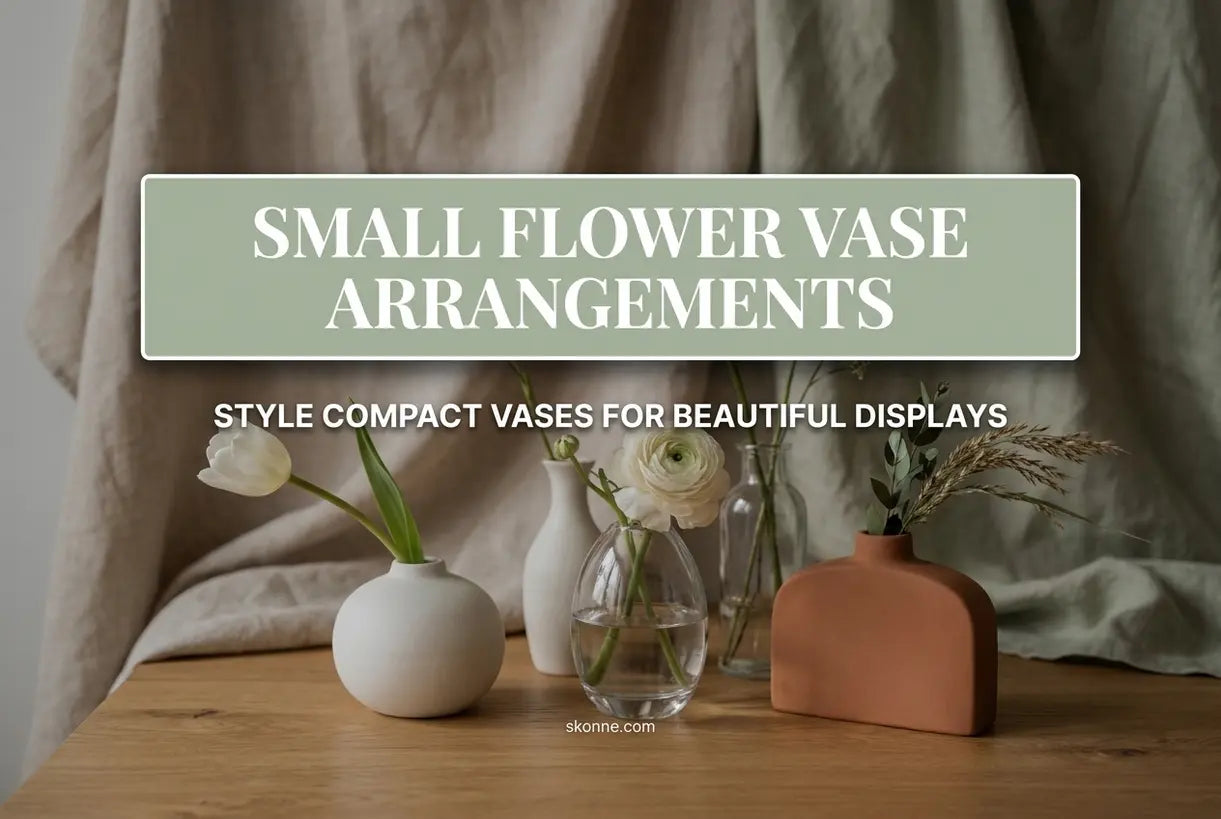
There's a quiet magic in small flower vase arrangements that transforms ordinary moments into something intentional and beautiful. Whether you're adding a touch of life to your morning coffee table or creating an intimate centerpiece for a dinner with friends, compact vase styling offers a way to bring nature indoors without overwhelming your space. For those drawn to Scandinavian design principles, these petite displays embody the very essence of hygge—that warm, contented feeling of being present in a thoughtfully curated environment.
In this guide, you'll discover how to select the perfect blooms, master arrangement techniques suited for smaller vessels, and create simple small vase flower arrangements that feel effortless yet refined. As we explore these concepts together, we'll also introduce you to the thoughtfully designed pieces from Skonne that make achieving these looks not just possible, but genuinely enjoyable.
Why Small Vase Arrangements Matter
Small vase flower displays have earned their place in contemporary interiors for more than just their compact footprint. They invite a slower, more deliberate approach to decorating—one bloom, one moment at a time. In Scandinavian homes, where every object is chosen with intention, these arrangements serve as gentle reminders to appreciate life's simple pleasures.
The appeal extends to practical considerations as well. Mini flower arrangements require fewer flowers, making them both economical and sustainable. They're perfect for urban dwellers with limited space, and they allow for frequent refreshing as seasons change or moods shift. A single stem in the right vessel can speak volumes more than an overwhelming bouquet.
Choosing the Right Vase Shape for Your Space
The relationship between vase shape and floral arrangement is fundamental. Each silhouette creates a different visual language, and understanding these distinctions will elevate your tabletop floral styling from amateur to artful.
Round and Bud Vases
Round vases with narrow openings are the quintessential choice for single stem arrangements. Their spherical form creates a beautiful counterpoint to vertical stems, and the restricted opening naturally supports the flower without additional mechanics. These vessels excel at showcasing statement blooms—a full peony, an architectural orchid, or a delicate anemone.
The Vårka Borosilicate Round Glass Vase for Flowers exemplifies this form perfectly. Available in five soothing colors, it brings Nordic minimalism to any surface while the durable borosilicate glass ensures your vessel remains as enduring as your styling choices.
Ceramic and Wabi-Sabi Styles
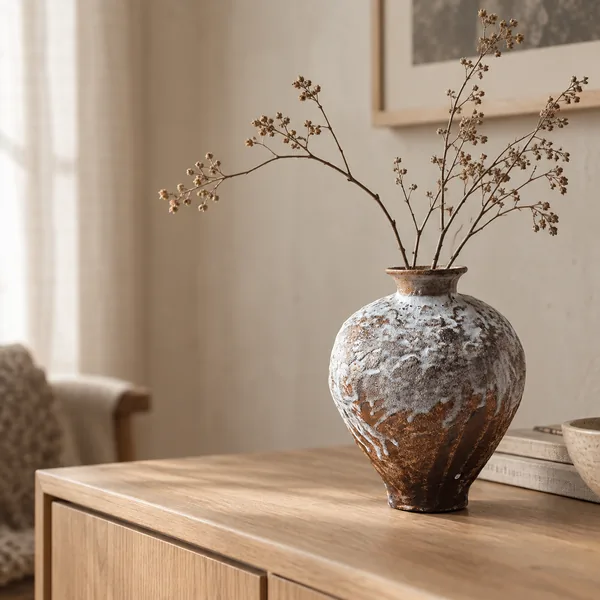
Handcrafted ceramic vases embrace the Japanese philosophy of wabi-sabi—finding beauty in imperfection. These pieces carry the mark of their maker, with subtle variations in glaze and texture that make each one unique. Their slightly wider openings accommodate small clusters of flowers while maintaining an intimate scale.
Flat and Wide Vases
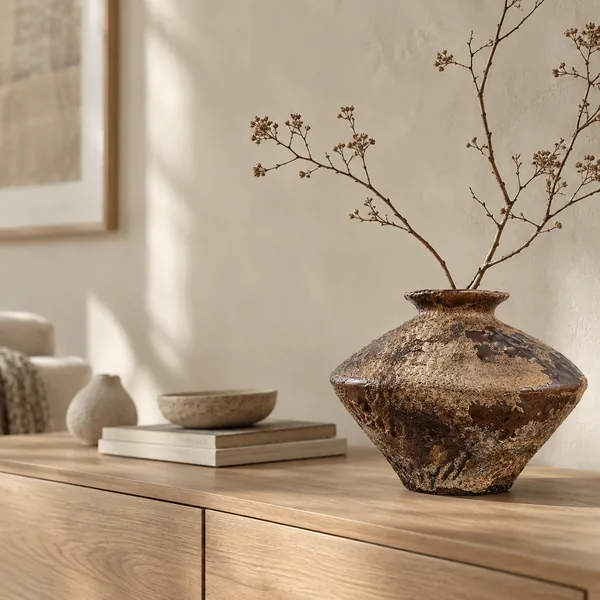
Low, wide vessels create a different kind of drama. Perfect for tablescapes where conversation should flow unobstructed, these vases excel at holding multiple stems in a floating, horizontal arrangement. They're ideal for blossoms with interesting branch structures or for creating a meadow-like effect with shorter blooms.
For those exploring the full range of forms, our Premium Picks collection offers curated selections that honor these Scandinavian design traditions while providing versatile options for every arrangement style.
Decorative Vases
Shop all Decorative Vases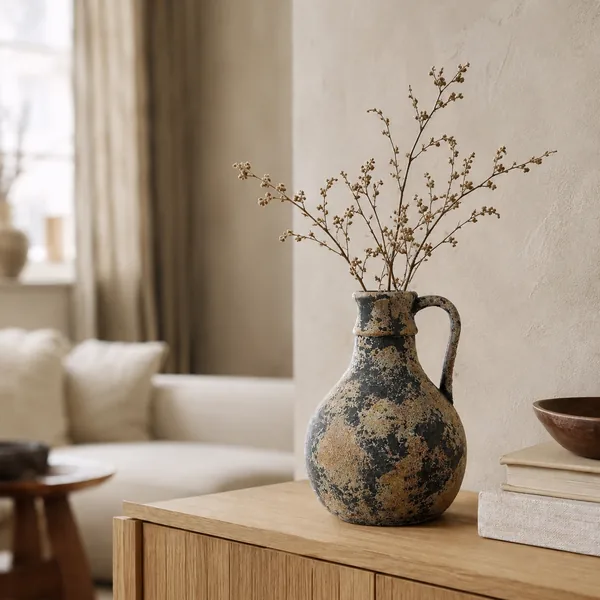
 Save $40.00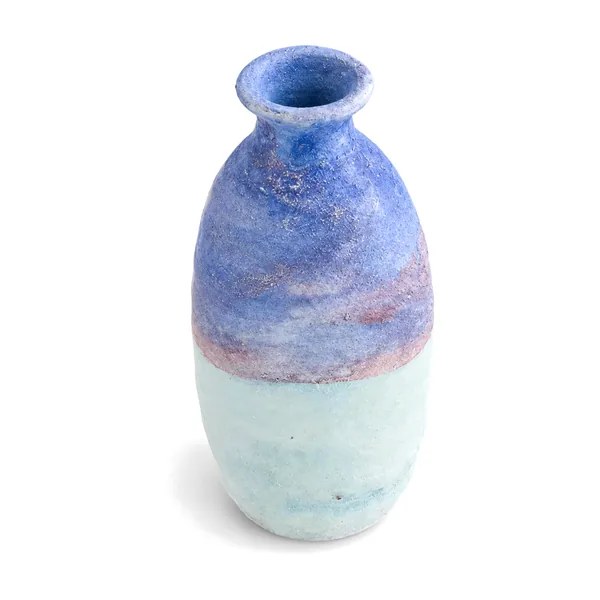
 4 options
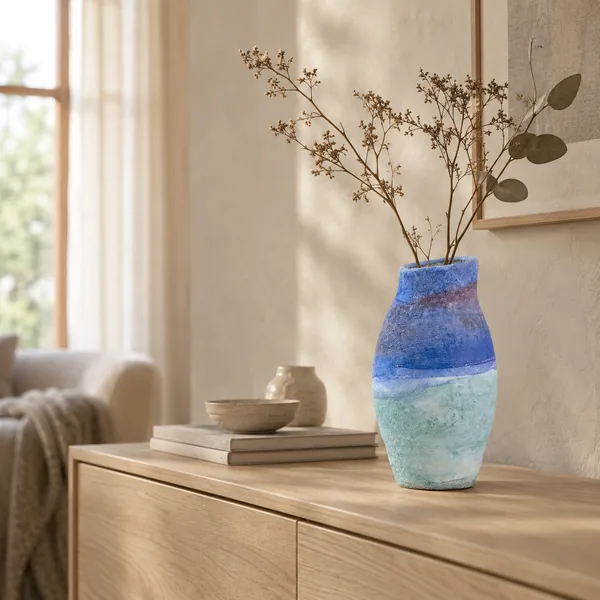
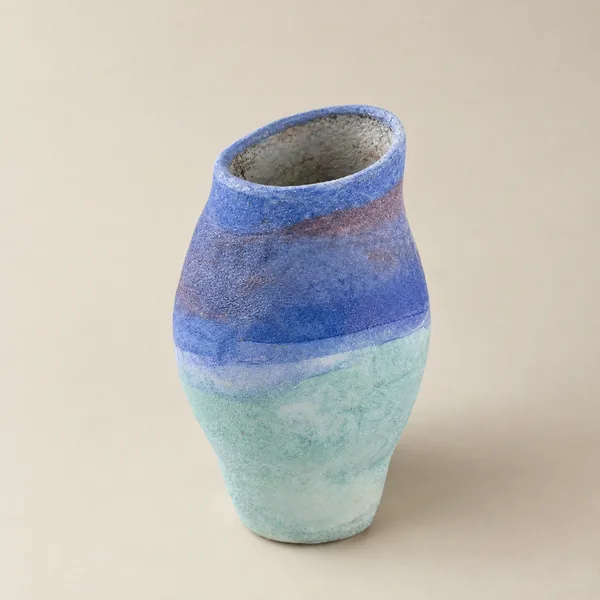
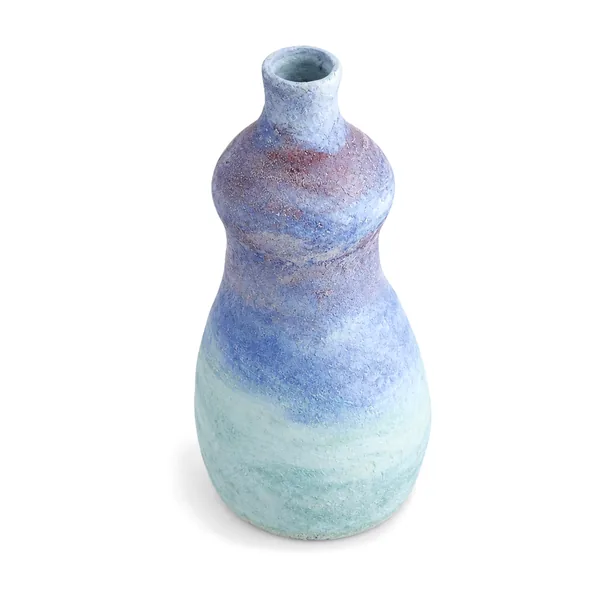
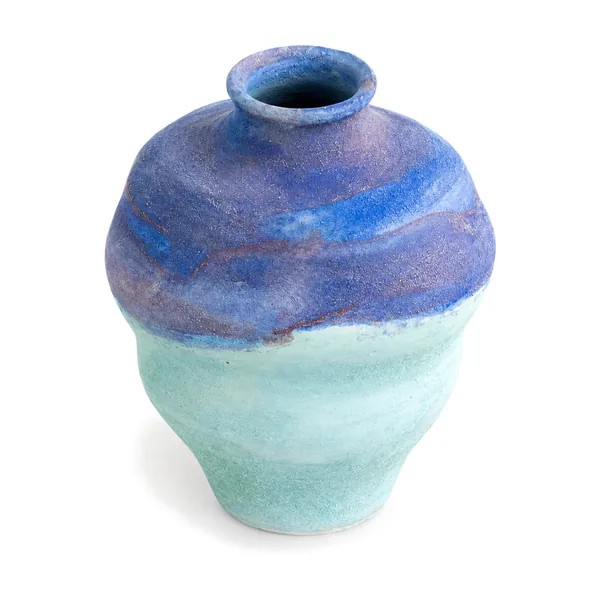
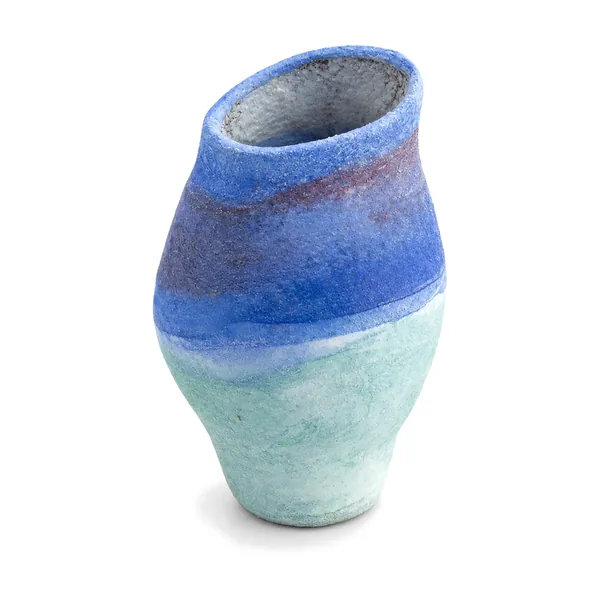
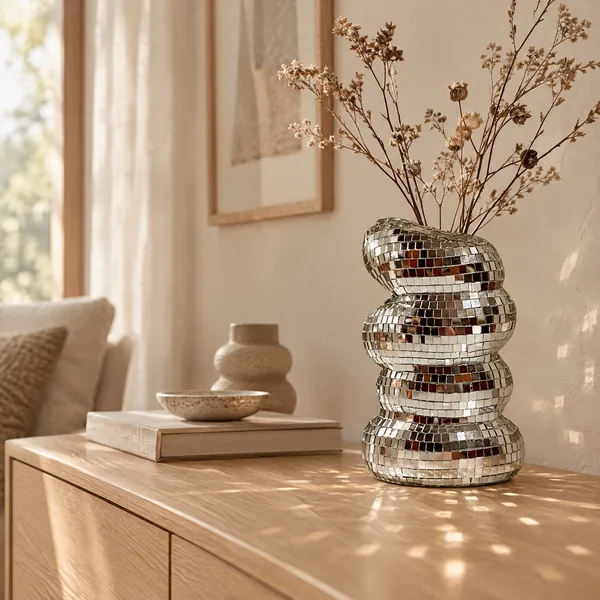
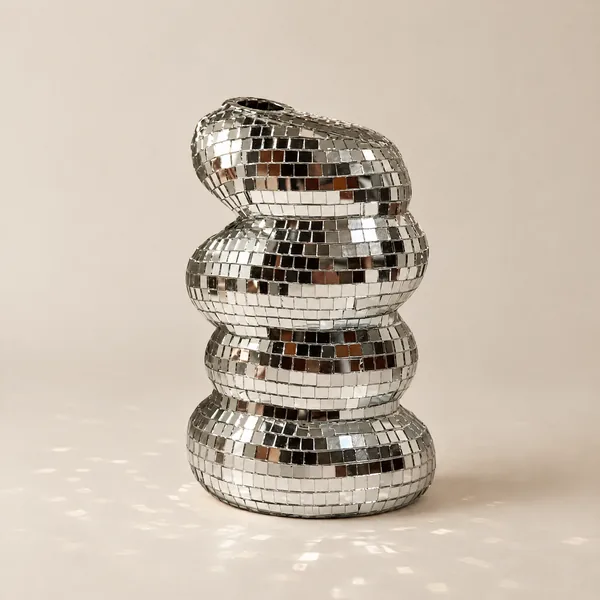
Dyvna Blue Gradient Ceramic Vase for Home Decor
Flower Selection Guide for Compact Displays
Not every flower translates beautifully to small vessels. The key is selecting blooms with structural integrity and complementary proportions to your chosen vase.
Best Flowers for Round and Narrow Vases
- Ranunculus: Their layer upon layer of delicate petals create a full look in a compact form
- Anemones: The dark centers provide visual weight that anchors an arrangement
- Tulips: Their graceful curves continue to move and grow even after cutting
- Peonies: When slightly opened, they fill a round vase completely
- Sweet peas: Delicate and fragrant, perfect for creating height
Ideal Blooms for Wider Openings
- Wildflowers: Mixed varieties create charming, informal displays
- Daisies and chamomile: Their simple forms work beautifully in groups
- Lavender stems: Add fragrance and vertical interest
- Craspedia: Their spherical shape echoes round vessels perfectly
The Art of Arrangement: Techniques That Work
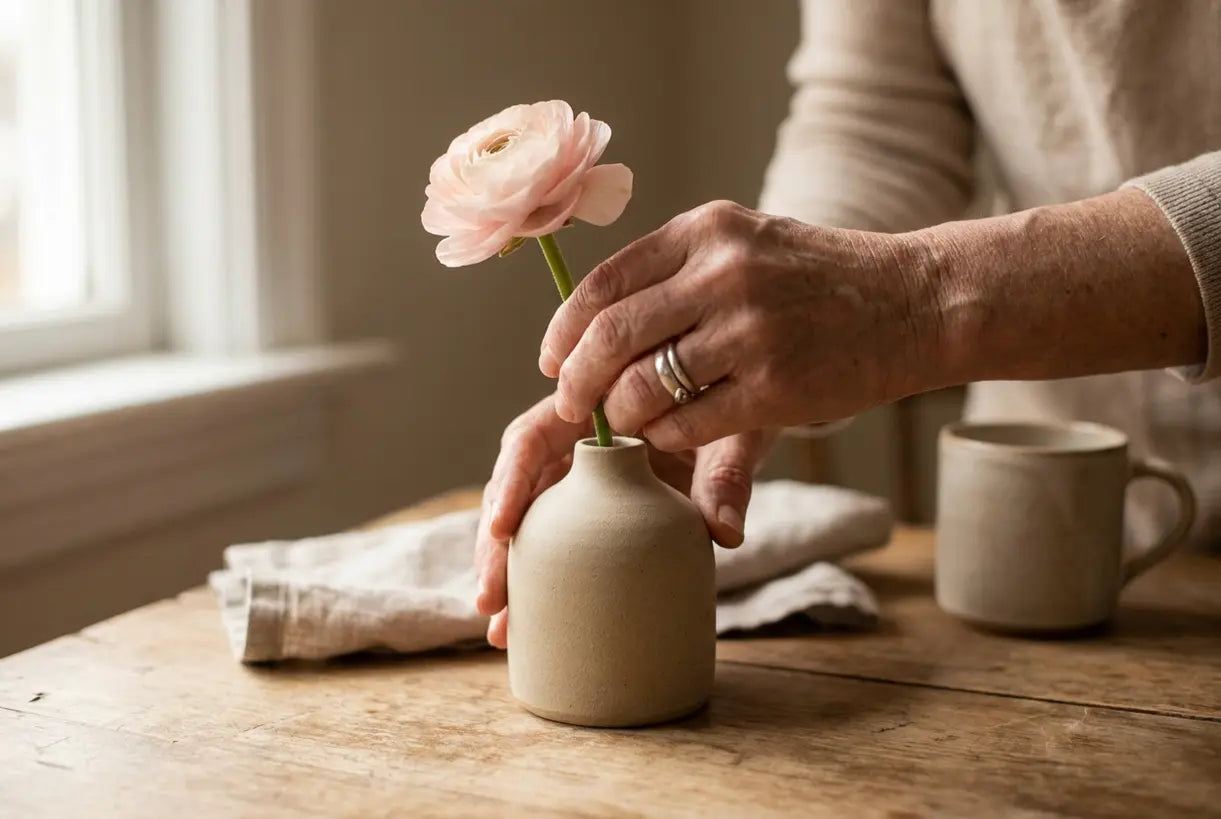
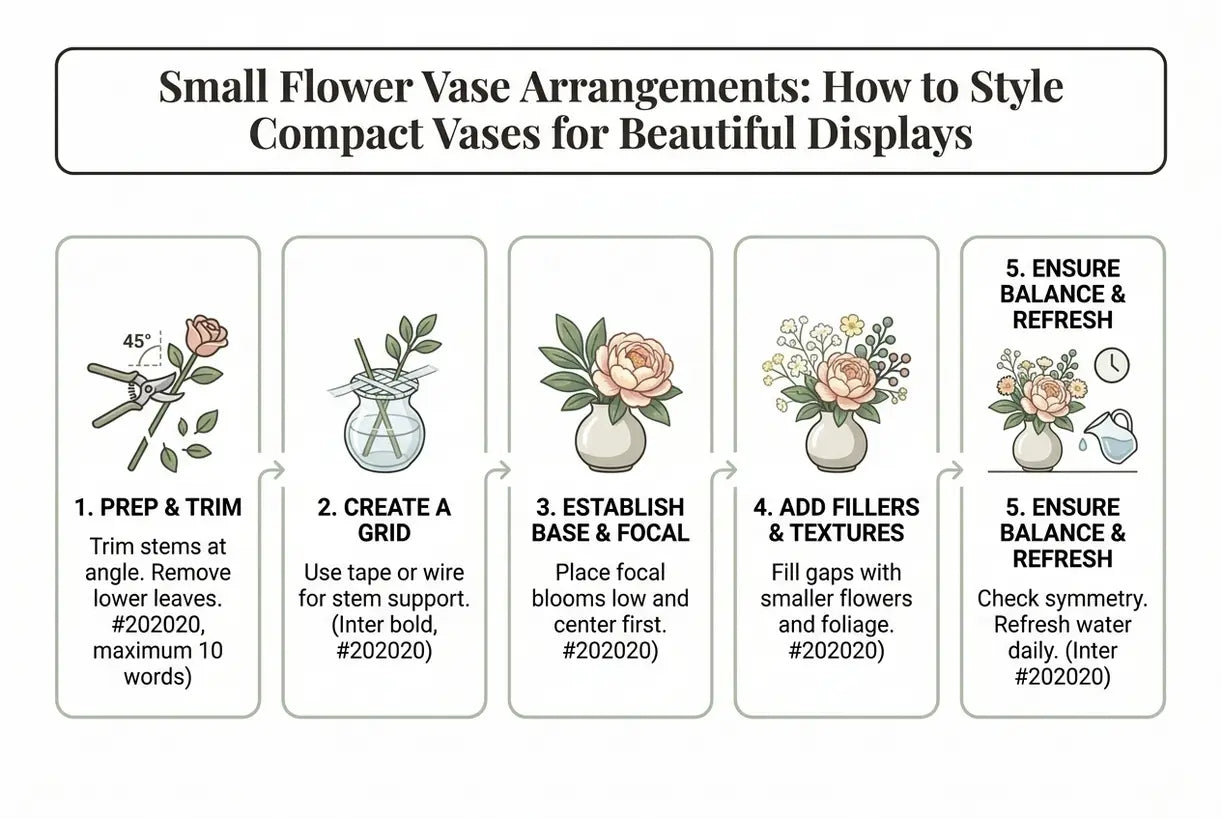
Creating beautiful small flower vase arrangements requires understanding a few fundamental principles. One of the most referenced guidelines in floral design is the 3:5:8 rule for flowers. This golden ratio approach suggests arranging elements in groups of odd numbers—3, 5, or 8 stems—to create visual balance and natural rhythm. For small vases, you'll typically work with 3 or 5 stems maximum.
How to Arrange Flowers in a Short Vase
Short vases present unique challenges and opportunities. The limited height means you must think horizontally as much as vertically. Start by stripping any leaves that would fall below the waterline—this keeps the water cleaner and prevents bacterial growth. Cut stems at an angle to maximize water absorption, and experiment with varying heights to create depth.
Single Stem Technique
The single stem approach is perhaps the most Scandinavian of all. Select one exceptional bloom and let it command the space. This technique requires confidence in restraint and an appreciation for negative space. The result is often more impactful than a crowded arrangement.
For visual learners wanting to see these techniques demonstrated, this comprehensive tutorial on bud vase fundamentals provides excellent guidance:
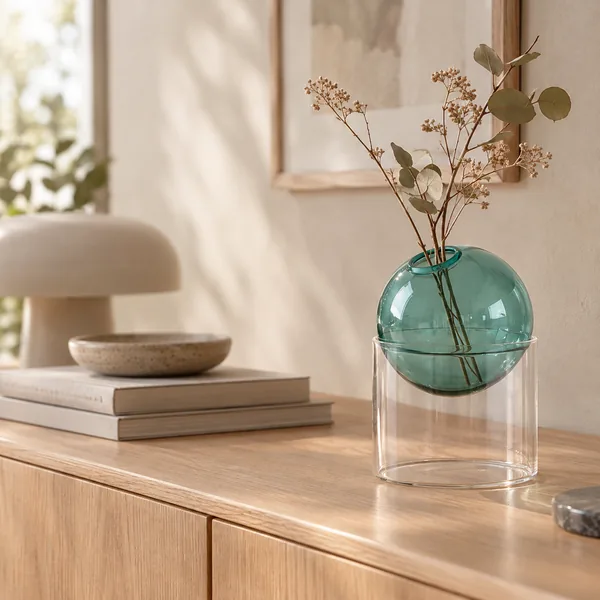 Vårka Borosilicate Round Glass Vase for Flowers$38.00$59.00
Room-by-Room Styling Strategies
The placement of your compact floral displays significantly impacts their effect. Consider the viewing angle, lighting conditions, and the surrounding decor when positioning your arrangements.
Entryway and Foyer
First impressions matter. A small vase on a console table sets the tone for your entire home. Choose something low and welcoming that won't obstruct views but still catches the eye. A single statement bloom or a trio of small vases with complementary flowers creates an inviting atmosphere.
Bedside Tables
Morning flowers should feel gentle and restorative. Opt for soothing colors and light fragrances. The Stille Small Jingdezhen Ceramic Wabi-Sabi Vase is perfectly proportioned for bedside tables, its 5.9-inch diameter and organic form bringing a sense of calm to your waking moments.
Kitchen and Dining Areas
These spaces can handle more frequent rotation—edible flowers, herbs, and seasonal farmers market finds keep the display fresh and connected to your cooking. For dining tables, maintain low profiles to preserve sightlines across the table.
Workspace and Home Office
Desk flower vases serve as visual rests for tired eyes. Small arrangements in muted tones create a sense of order without distraction. Consider succulents or dried botanicals for longevity in spaces where maintenance time is limited.
Explore Our Handcrafted Vase Collection
 Stille Small Jingdezhen Ceramic Wabi-Sabi Vase$129.00$189.00
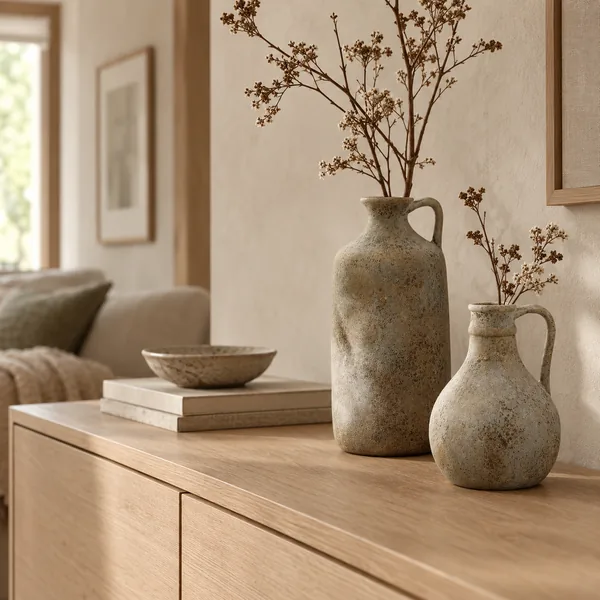
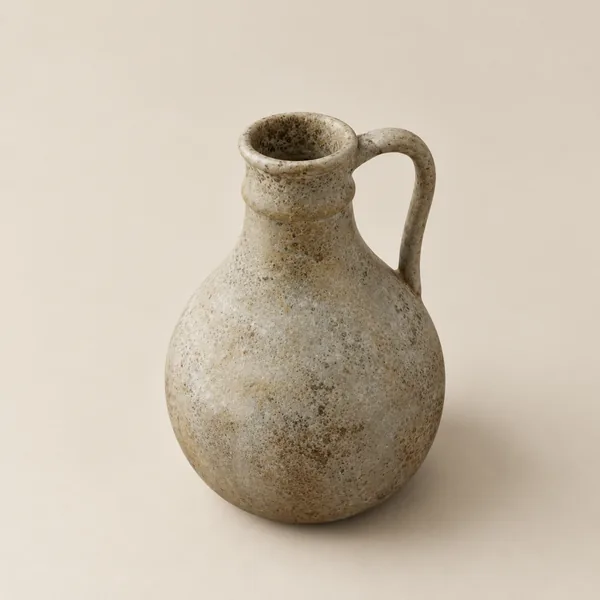
 Jorde Handmade Rustic Ceramic Vase Home Decor$129.00$189.00
Beyond Fresh Flowers: Creative Alternatives
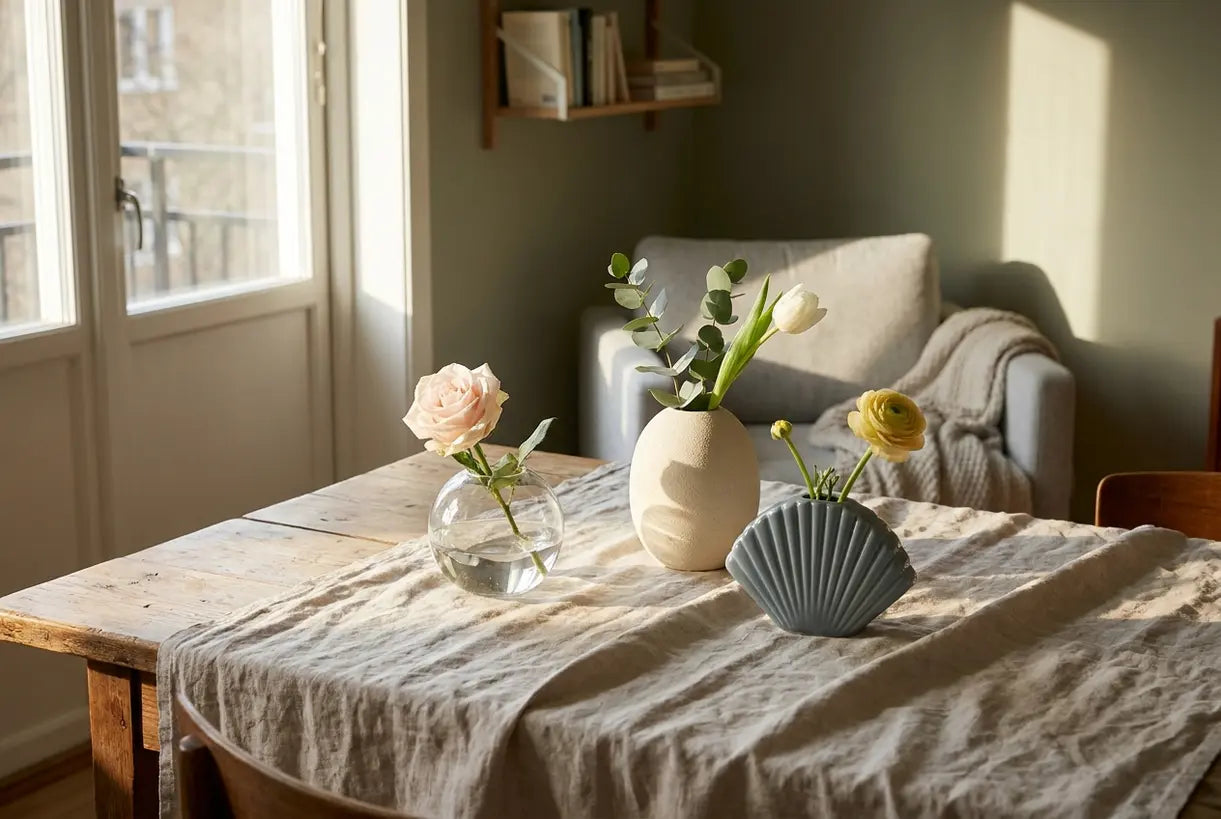
What can I put in a very small vase? The answer extends far beyond fresh-cut flowers. Dried botanicals, grasses, and seed pods offer lasting beauty and textural interest. Branches with interesting silhouettes—forsythia in early spring, bare dogwood in winter—create sculptural moments that require no water changes.
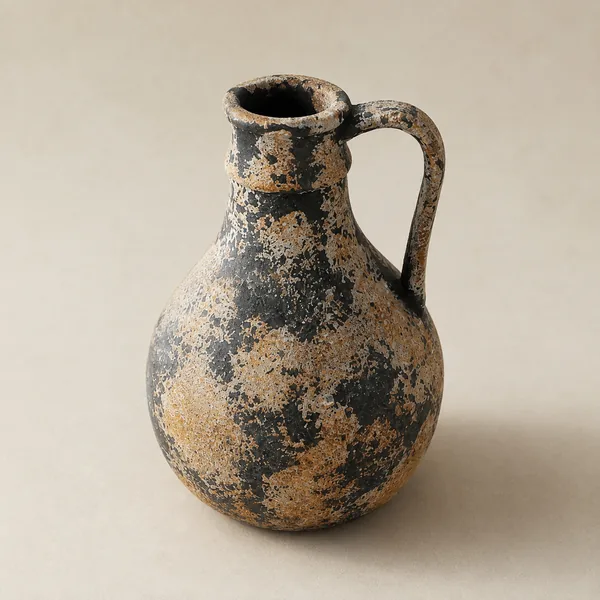
For those seeking farmhouse elegance, the Jorde Handmade Rustic Ceramic Vase Home Decor in the Terra variant offers a wider opening ideal for flat vase arrangements. Its 7.8 x 6.6 inch dimensions accommodate fuller displays while the rustic finish complements both fresh and dried botanicals beautifully.
Other creative options include:
- Dried pampas grass: Tall, airy, and on-trend for modern interiors
- Seed pods and pods: Banksia, lotus, and eucalyptus caps offer sculptural forms
- Paper flowers: A sustainable alternative that lasts indefinitely
- Foraged branches: Connect your arrangement to the specific season and region
- Feathers: Unexpected and textural, especially effective in ceramic vessels
Home Decor
Shop all Home Decor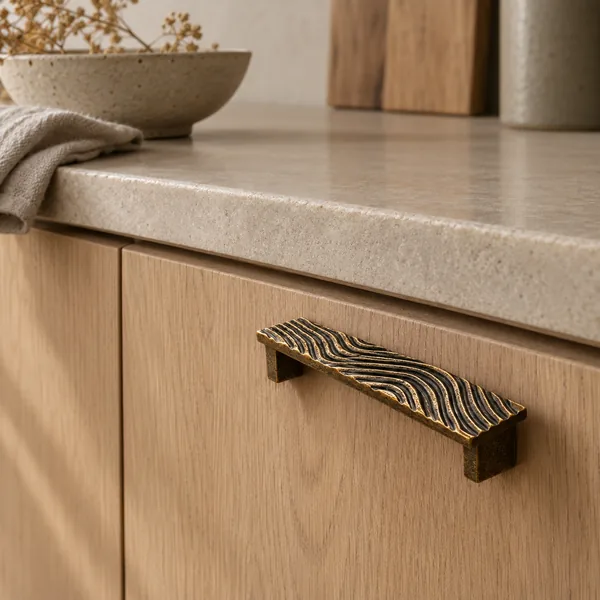
 Save $44.50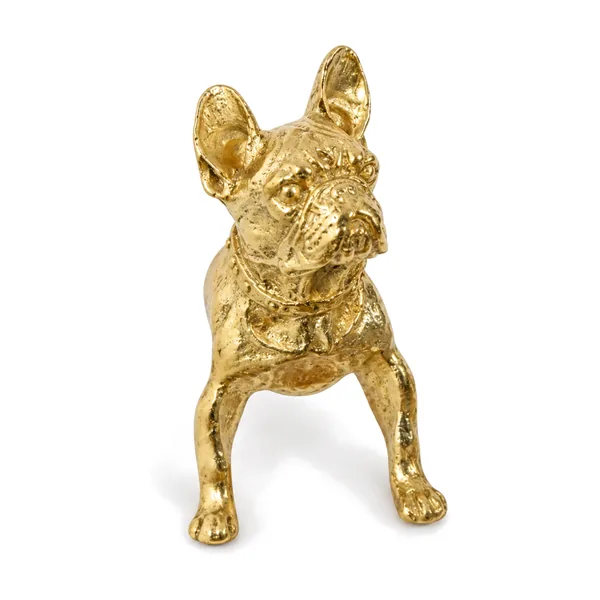
 2 options
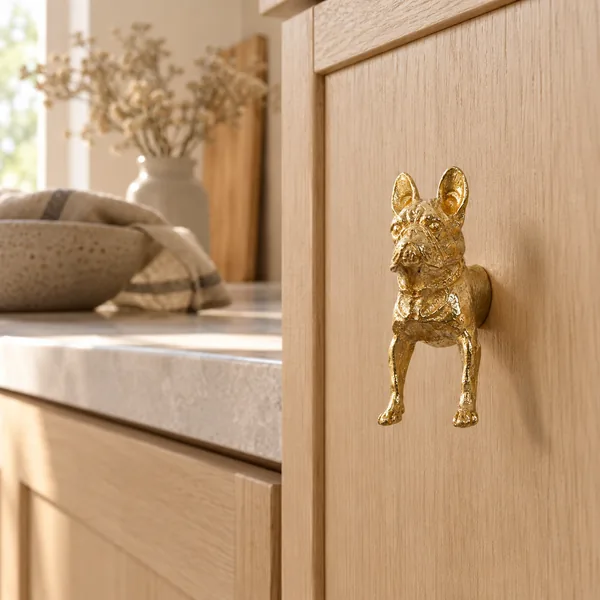
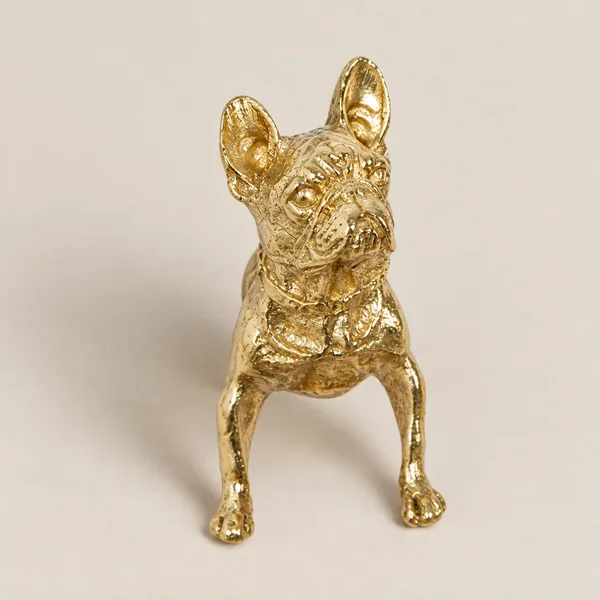
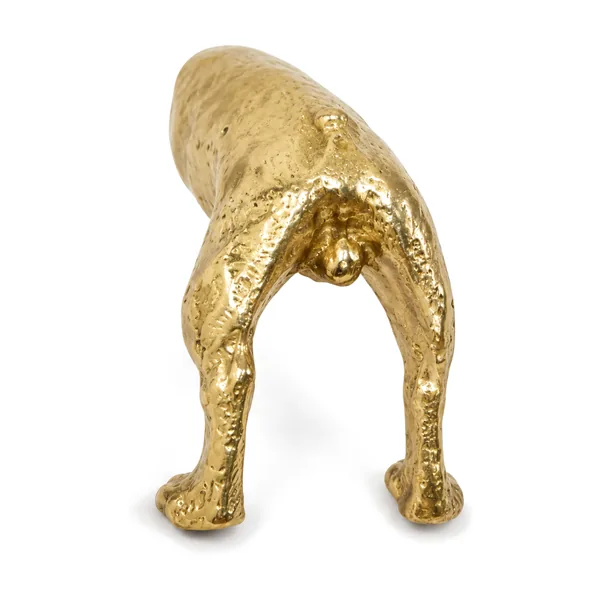
Tassa Polished Brass Dog Cabinet Pull Handle
 Save $110.00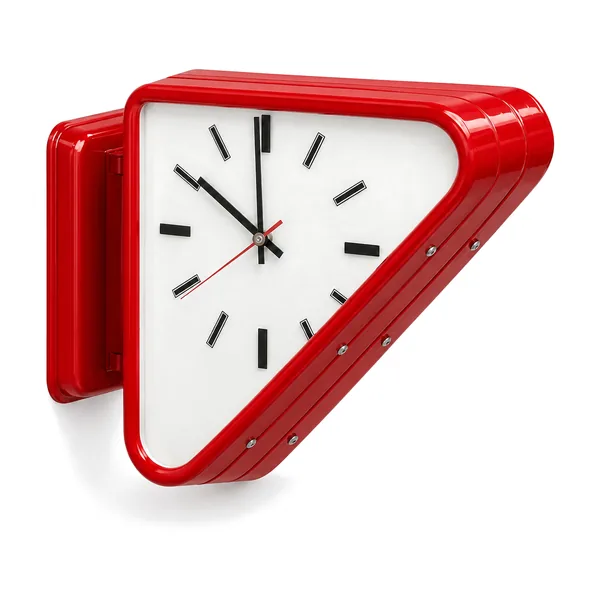
 +15 options
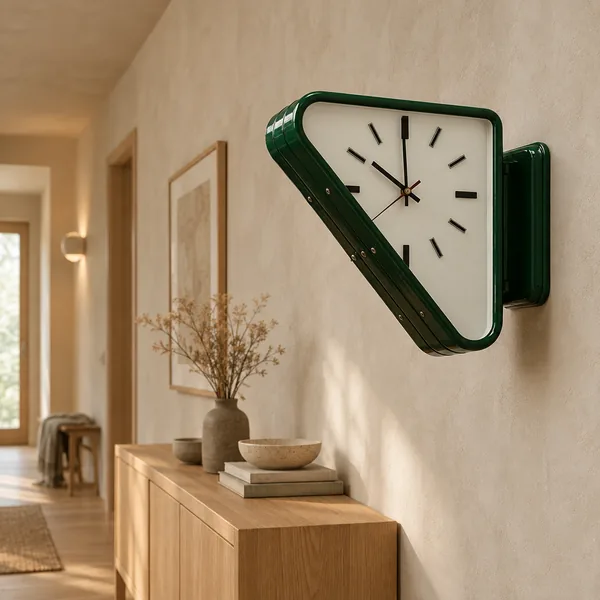
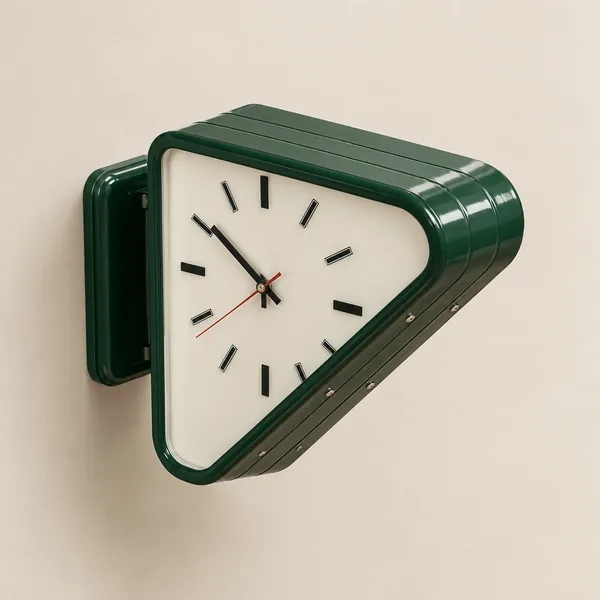
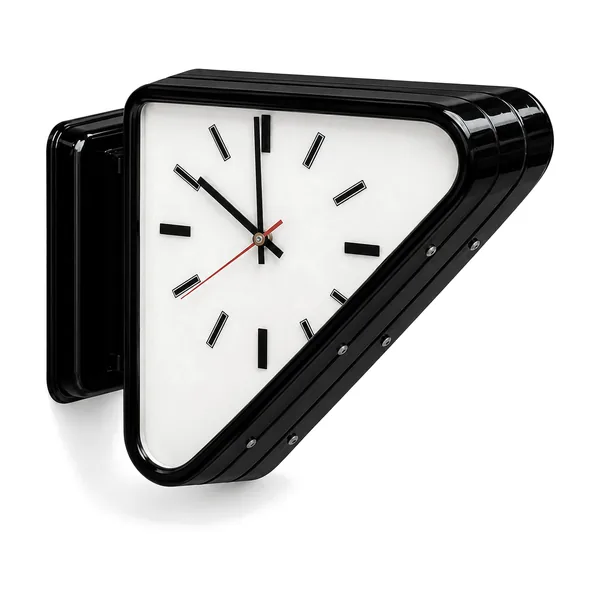
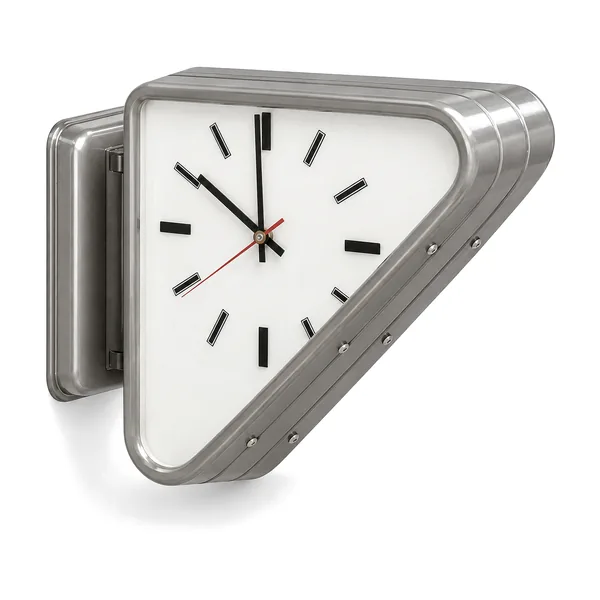
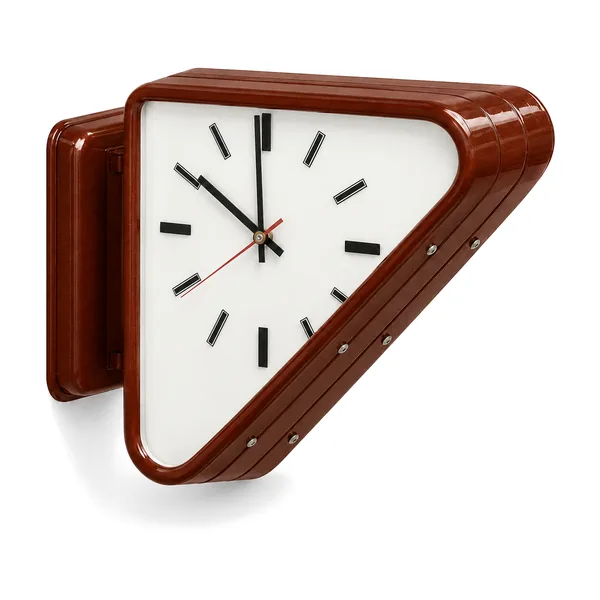
Tvilling Dual-Sided Geometric Metal Wall Clock
Seasonal Inspiration and Care Tips
Small arrangements shine when they reflect the season. Spring calls for delicate bulbs and flowering branches. Summer brings bright blooms and lush greenery. Autumn offers dried grasses and seed heads. Winter invites evergreens, berries, and the sculptural beauty of bare branches.
Pro Tip: Change the water every two days and trim stems slightly with each refresh. Small arrangements benefit from more frequent maintenance because the water volume is limited.Your Path to Beautiful Compact Arrangements
Mastering small flower vase arrangements is ultimately about embracing restraint and intention. Start with one beautiful vessel—perhaps the Vårka Borosilicate Round Glass Vase for Flowers or the artisanal Stille Small Jingdezhen Ceramic Wabi-Sabi Vase—and a single stem that speaks to you. Arrange it with care, place it where you'll see it often, and let it remind you to slow down and appreciate the present moment.
At Skonne, we believe that beautifully designed objects should enhance your daily rituals, not complicate them. Our collection of Scandinavian-inspired vases, from miniature flower vases to petite floral centerpieces, has been curated to help you create those moments of hygge that make a house feel like home. Each piece represents our commitment to intentional design, quality craftsmanship, and the quiet joy of surrounding yourself with things you truly love.
Whether you're styling your first apartment or refreshing a space you've lived in for years, the right vase paired with the right bloom can transform an ordinary Tuesday into something worth remembering.
Related Article
Tall Vase Flower Arrangements: How to Style Large Vases for Stunning Floral DisplaysDiscover expert tips for creating stunning tall vase flower arrangements. Learn styling techniques to transform large vases into beautiful focal points.