
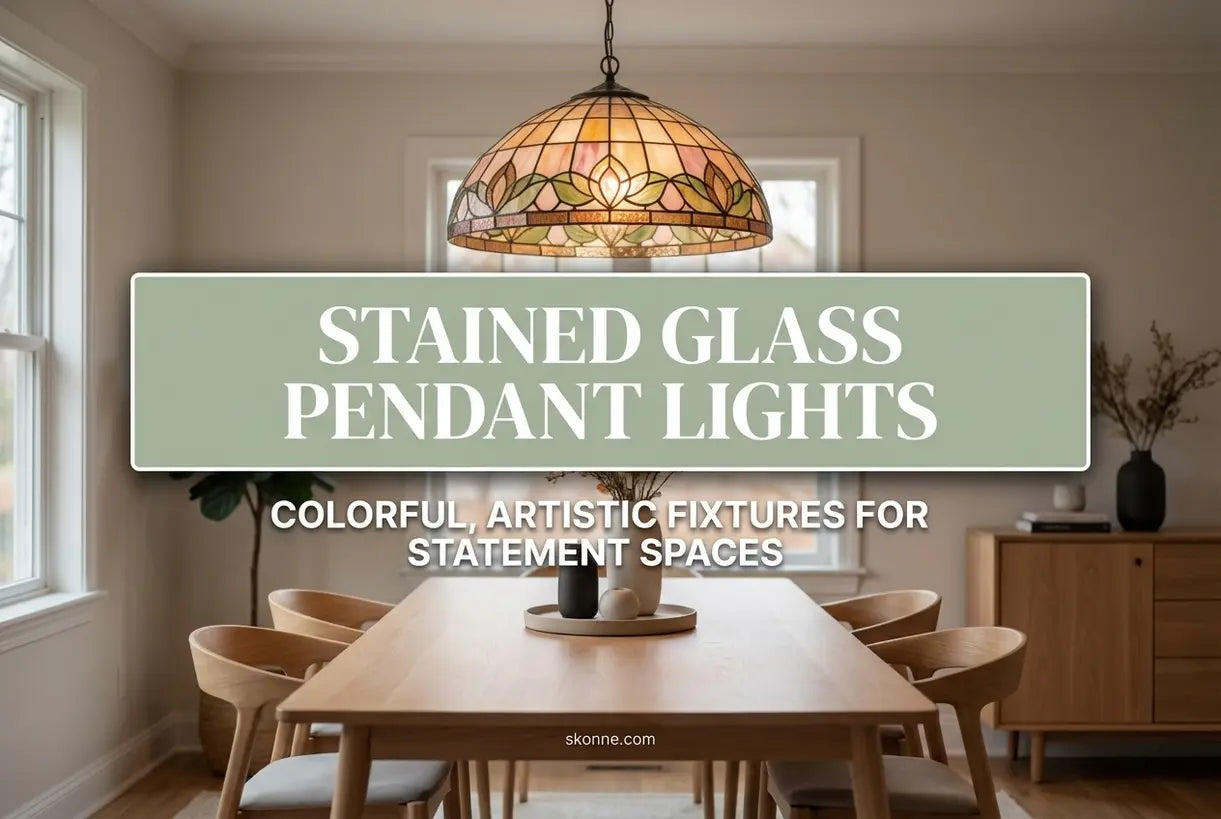
Stained Glass Pendant Lights: Colorful, Artistic Fixtures for Statement Spaces
Summary›
- The Artistry Behind Stained Glass Pendant Lights
- Where Stained Glass Pendant Lighting Creates Maximum Impact
- From Tiffany to Contemporary: Style Variations
- Hanging Height and Placement Guidelines
- Caring for Your Stained Glass Investment
- LED Compatibility and Energy Efficiency
- Creating Statement Spaces with Intention
There's something undeniably magical about the way light dances through colored glass. When the afternoon sun catches a stained glass pendant light, your entire space transforms into a canvas of shifting amber, emerald, and sapphire hues. These aren't just light fixtures—they're functional art pieces that tell a story of craftsmanship while creating the warm, intentional atmosphere that makes a house feel like home.
For homeowners aged 28-45 seeking to elevate their Scandinavian-inspired interiors, stained glass pendant lights offer the perfect bridge between traditional artistry and contemporary design. Whether you're drawn to the vintage charm of Tiffany-style shades or prefer the clean lines of modern mosaic designs, this guide will walk you through everything you need to know to choose, hang, and care for these statement-making fixtures.
The Artistry Behind Stained Glass Pendant Lights
Every stained glass hanging lamp begins as a vision—a sketch that gets translated into carefully selected pieces of hand-cut glass. Artisans have used variations of copper foil and leaded glass techniques for centuries, and today's craftspeople honor these traditions while adapting them for modern homes.
The process begins with selecting colored glass sheets based on their translucency and how they'll interact with light. Each piece is hand-cut, wrapped in copper foil, and soldered into intricate patterns. The result isn't just a light source; it's a handcrafted glass chandelier that casts shadows and colors that change throughout the day, creating an ever-evolving mood in your space.
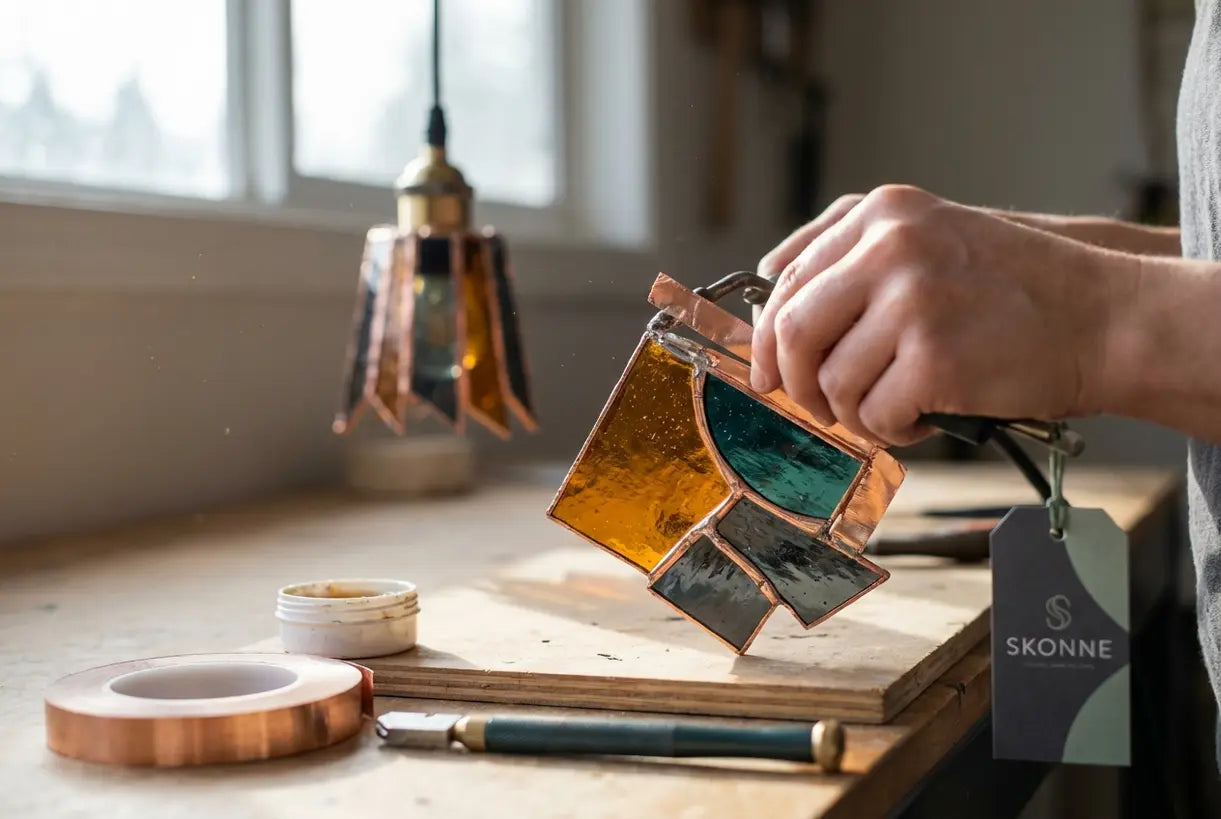
When selecting your fixture, look for signs of genuine craftsmanship: even solder lines, smooth glass edges, and glass pieces that fit together seamlessly. The best pieces feel substantial without being heavy, allowing you to enjoy their beauty without worrying about structural strain.
Where Stained Glass Pendant Lighting Creates Maximum Impact
One of the most common questions we hear is: what rooms work best for stained glass pendant lighting? The truth is, these versatile fixtures can enhance nearly any space—though they particularly shine in areas where you want to create visual drama combined with functional illumination.
Dining Rooms: The Heart of the Home
Above a dining table, a stained glass pendant light becomes the natural gathering point of evening conversations. The downward-focused light creates an intimate pool of illumination while the colored glass panels cast warm reflections across faces and surfaces. For dining spaces, consider a fixture with 18-24 inches of width to properly anchor your table without overwhelming it.
Kitchen Islands: Where Function Meets Art
Colorful pendant lighting brings unexpected personality to kitchen prep areas. When hung in clusters of two or three above an island, these fixtures transform utilitarian spaces into something that feels curated and intentional. Choose patterns that complement your backsplash or cabinet hardware for a cohesive look.
Entryways: Making a Memorable First Impression
A grand foyer or entryway deserves something special. A statement stained glass fixture welcomes guests with warmth while demonstrating your attention to design details. In these spaces, don't be afraid to go larger than you might initially think—grand entryways can accommodate substantial fixtures that might feel overwhelming elsewhere.
Glass Pendant Lights
Shop all Glass Pendant Lights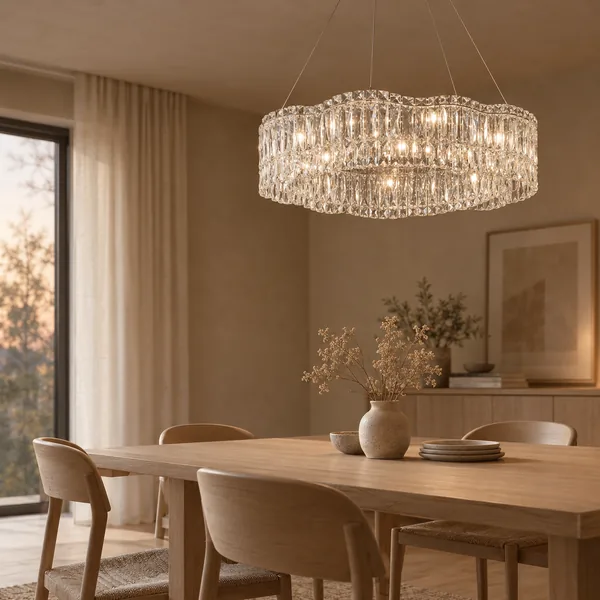
 Save $200.00
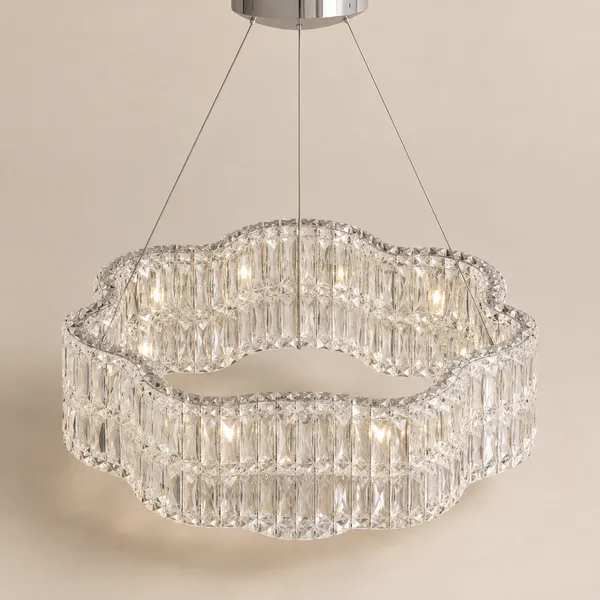
Halvring K9 Crystal Halo LED Chandelier Light
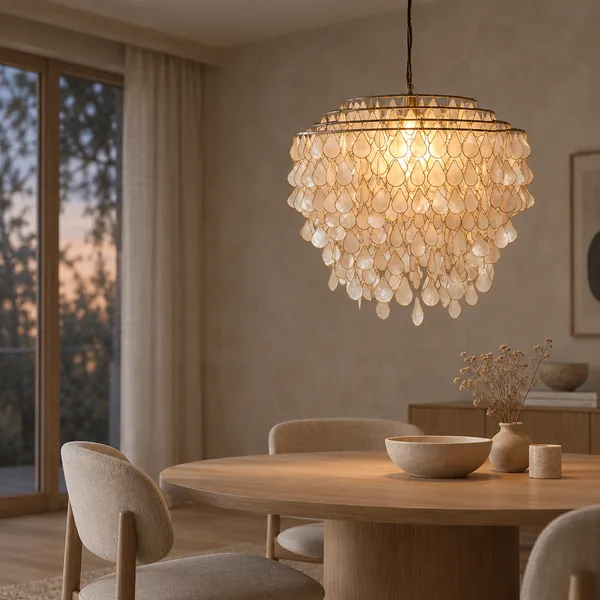
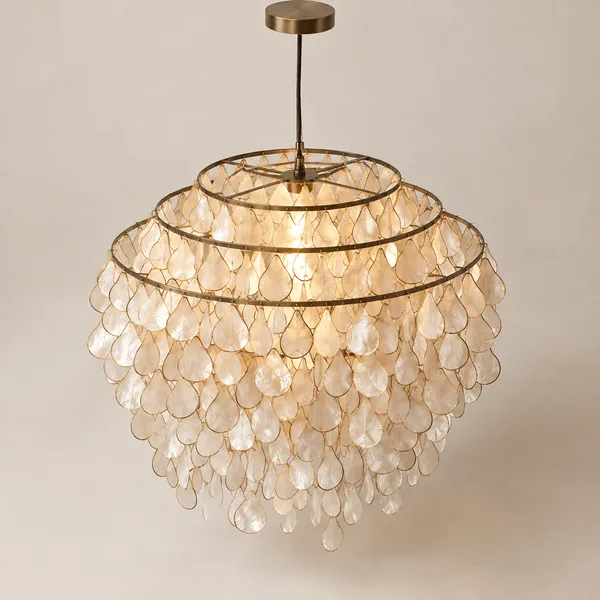 Save $370.00
Skjelva Nordic Retro Shell Pendant Chandelier
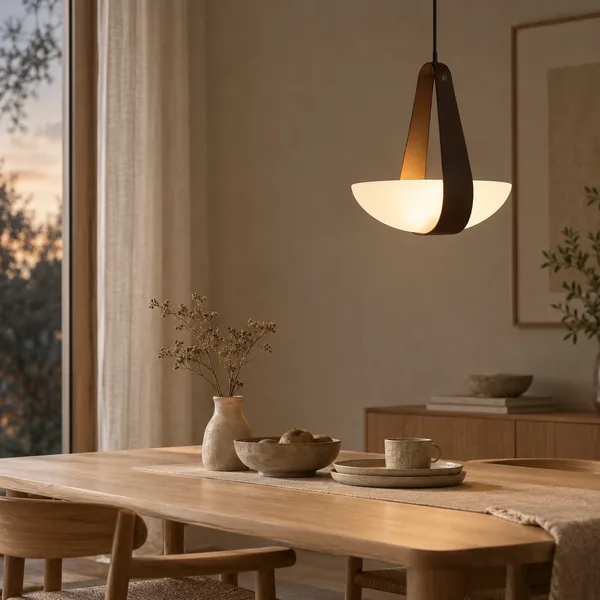
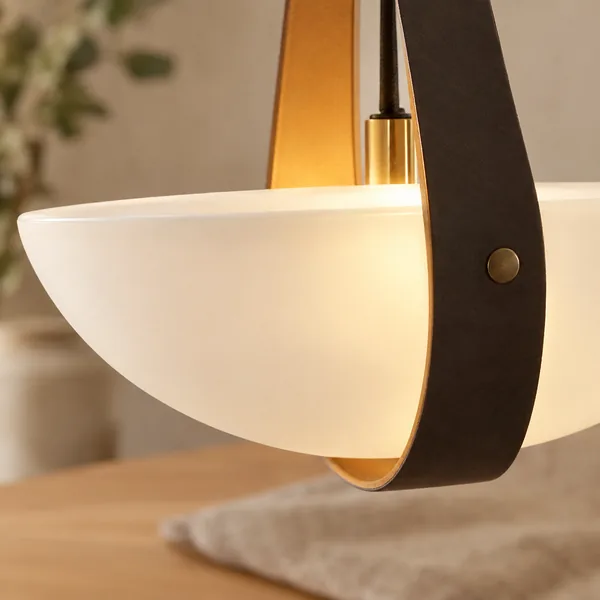
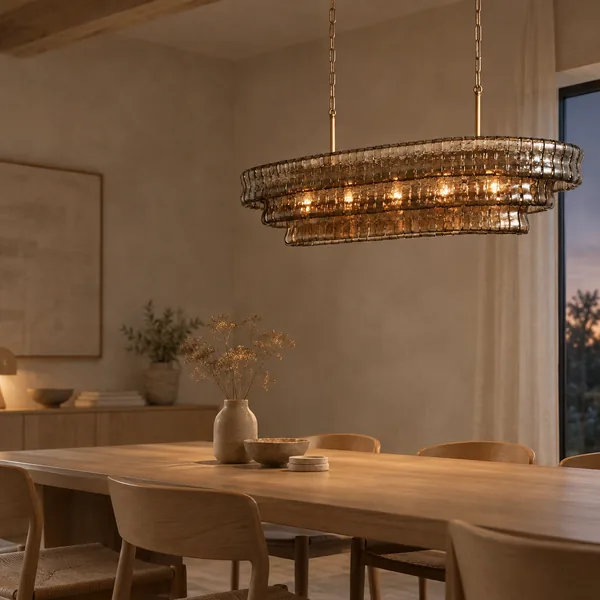
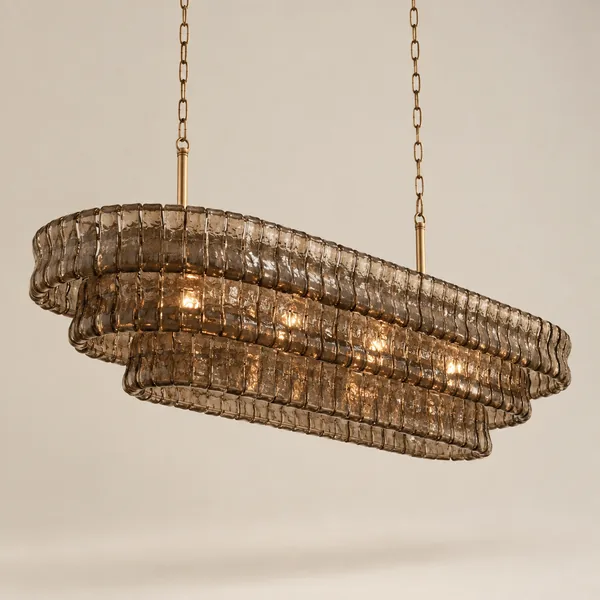 Save $460.00
Dimma Smoky Gray Glass Chandelier Dining Room
From Tiffany to Contemporary: Style Variations
Tiffany pendant lighting represents the gold standard of stained glass artistry, named after Louis Comfort Tiffany who popularized the copper foil technique in the late 1800s. Authentic Tiffany-style pieces feature nature-inspired motifs—dragonflies, peonies, wisteria—crafted from hundreds of individual glass pieces. These fixtures bring vintage elegance and a sense of history to traditional homes.
But what about those who prefer cleaner, more contemporary aesthetics? Modern mosaic pendant light designs reinterpret the stained glass tradition through geometric patterns, abstract color blocks, and minimalist silhouettes. These pieces honor the craftsmanship of glasswork while speaking to today's Scandinavian-inspired interiors with their restrained palettes and refined lines.
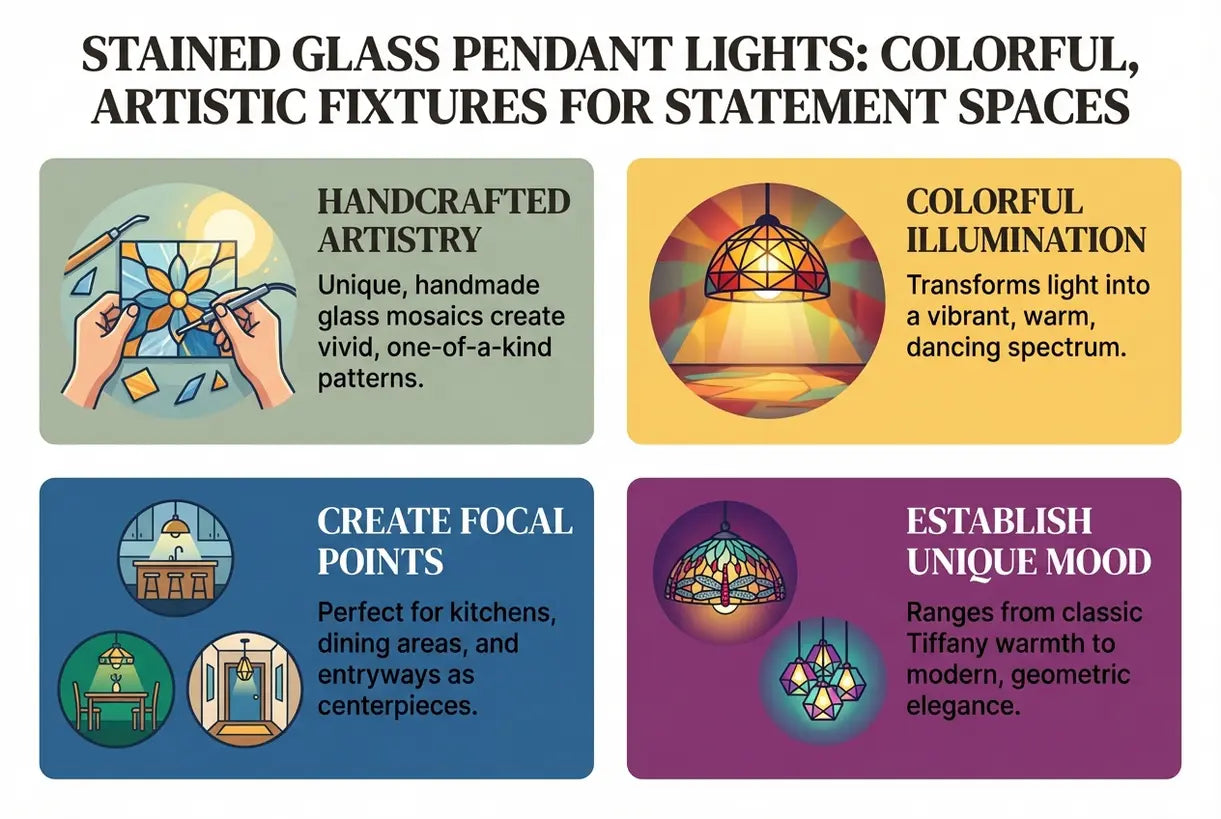
Whether you lean toward the romantic curves of a Tiffany style pendant light or the architectural precision of contemporary designs, both styles share something essential: they transform ordinary light into something extraordinary. Your choice ultimately depends on whether you want your fixture to whisper history or speak boldly about modern design sensibilities.
Discovering the perfect piece requires exploring options that match your unique vision. For those looking to explore more options, our Pendant Lights collection offers a curated selection of artisan pieces designed to elevate any room.
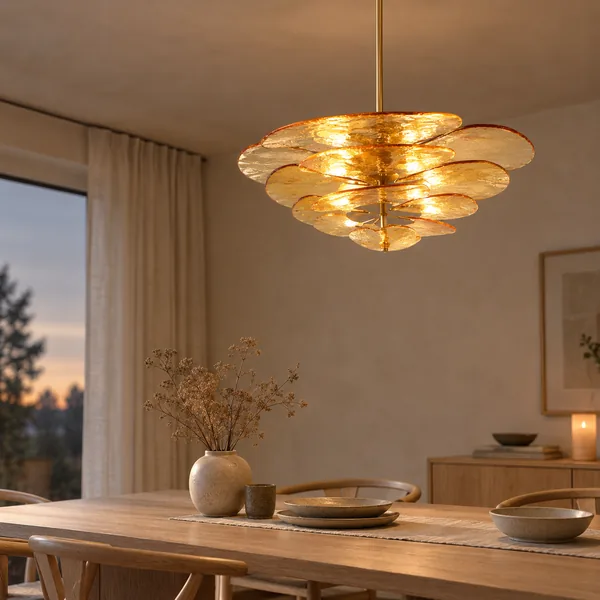 Ravglo Handcrafted Amber Stained Glass Chandelier$899.00$1,389.00
Hanging Height and Placement Guidelines
Getting the height right makes the difference between a fixture that enhances your space and one that creates headaches—literally. The general rule for hanging any pendant is to position the bottom of the fixture 30-36 inches above a surface like a dining table or kitchen island. This provides adequate clearance while keeping the light source close enough to create that coveted intimate glow.
For entryways with high ceilings, the calculation changes slightly. In these spaces, hang your artistic glass pendant fixture so the bottom sits approximately 7 feet above the finished floor. This ensures clearance for even your tallest guests while allowing the piece to be appreciated from below.
Pro Tip: In rooms with standard 8-foot ceilings, opt for semi-flush or close-to-ceiling stained glass designs rather than hanging pendants. This preserves headroom while still bringing colorful artistry into your space.
When hanging multiple pendants in a row—such as over a long kitchen island—space them 24-30 inches apart on center. This creates visual rhythm without the fixtures feeling crowded or sparse.
Caring for Your Stained Glass Investment
Quality stained glass pieces are remarkably durable, but they do appreciate thoughtful maintenance. Dust accumulation can dull the brilliance of colored glass, so regular gentle cleaning keeps your fixture looking its best.
For routine maintenance, use a soft microfiber cloth to dust the exterior of your stained glass pendant light shades every few weeks. When deeper cleaning is needed, slightly dampen the cloth with water and mild dish soap—avoid harsh chemical cleaners that can damage solder lines or cloud the glass finish.
Always ensure the fixture is completely cool and turned off before cleaning. For intricate designs with many crevices, a soft-bristled paintbrush can reach areas cloths miss. Take care never to apply pressure to individual glass pieces, as this can stress the solder joints over time.
Chandeliers
Shop all Chandeliers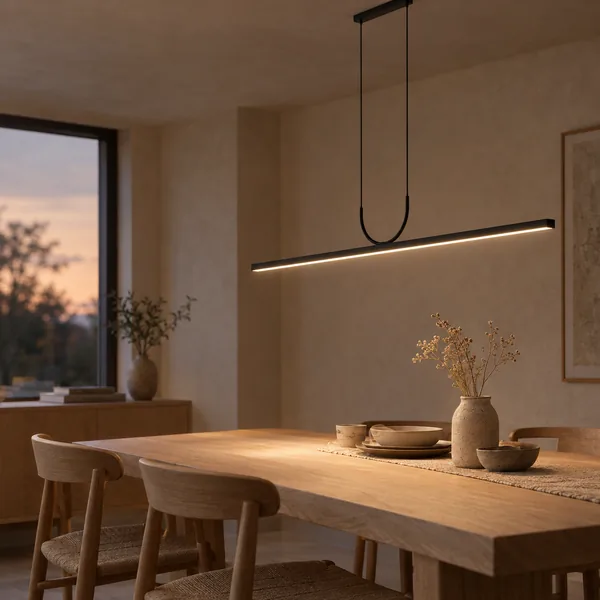
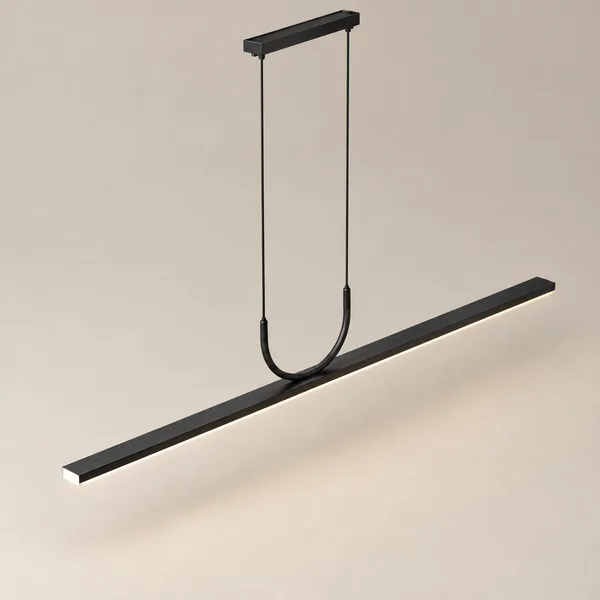
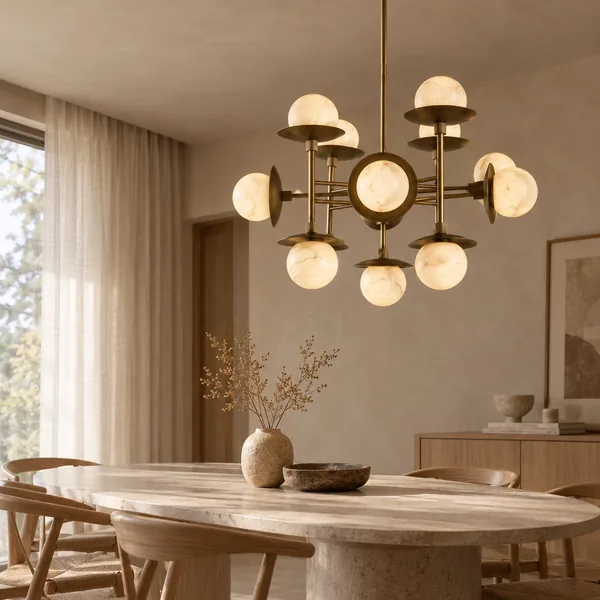
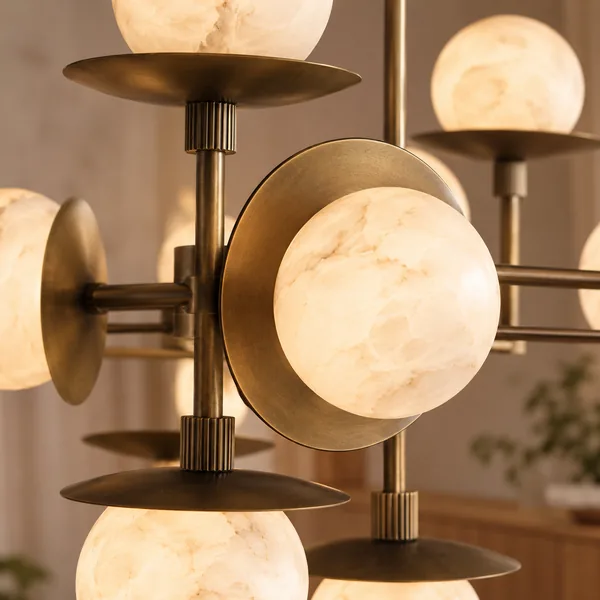
LED Compatibility and Energy Efficiency
A common concern for homeowners considering decorative lighting is whether these artistic pieces can embrace modern efficiency without sacrificing their warm, inviting glow. The good news: stained glass pendant lights are fully compatible with LED technology.
Modern LED bulbs produce warm color temperatures (2700K-3000K) that beautifully complement the amber, gold, and earth tones common in stained glass. Unlike harsh fluorescents, quality LEDs enhance rather than distort the colors filtering through your fixture's glass panels.
When selecting LED bulbs for your vintage stained glass light, look for dimmable options rated for enclosed fixtures if your pendant has limited ventilation. This gives you control over brightness levels for different times of day and occasions while ensuring safe operation.
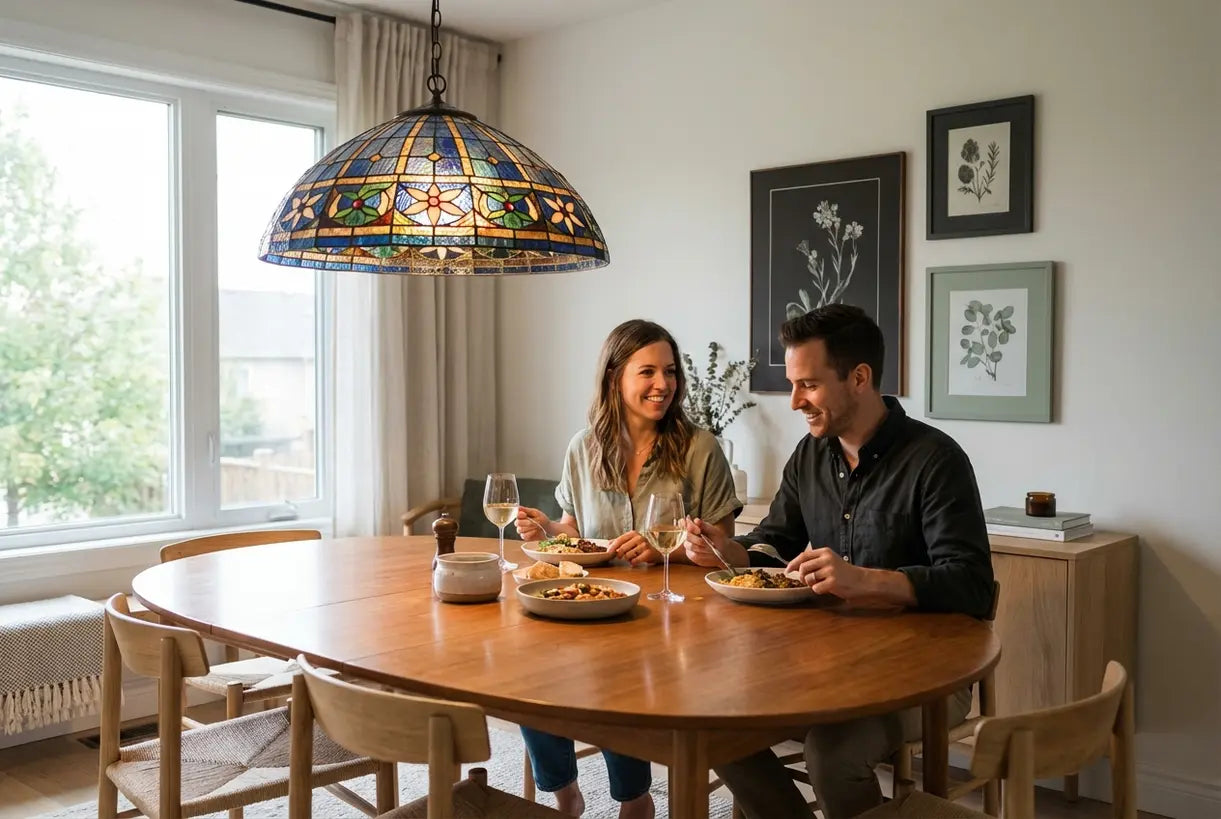
Beyond bulb selection, the design of stained glass fixtures themselves contributes to efficiency. The colored glass naturally filters and softens light, reducing glare while creating a sense of warmth that allows you to use lower wattages than you might with clear glass alternatives. It's sustainable design that doesn't sacrifice an ounce of beauty.
Complete Your Stained Glass Lighting Story
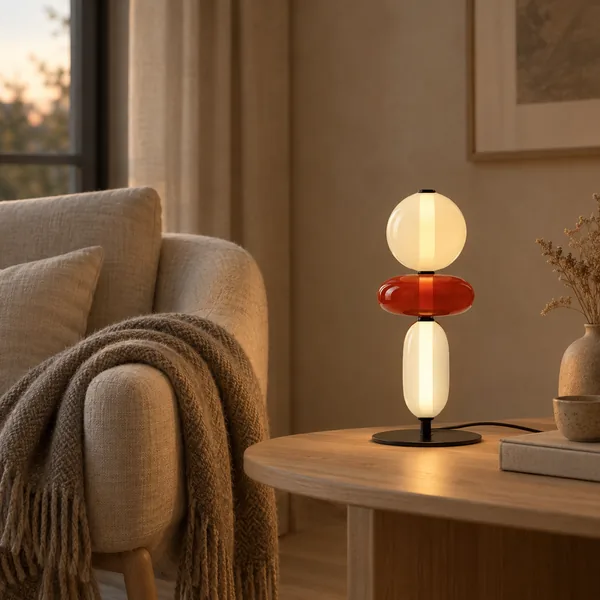 Glødra Stained Glass Multi-Head LED Table Lamp$329.00$499.00
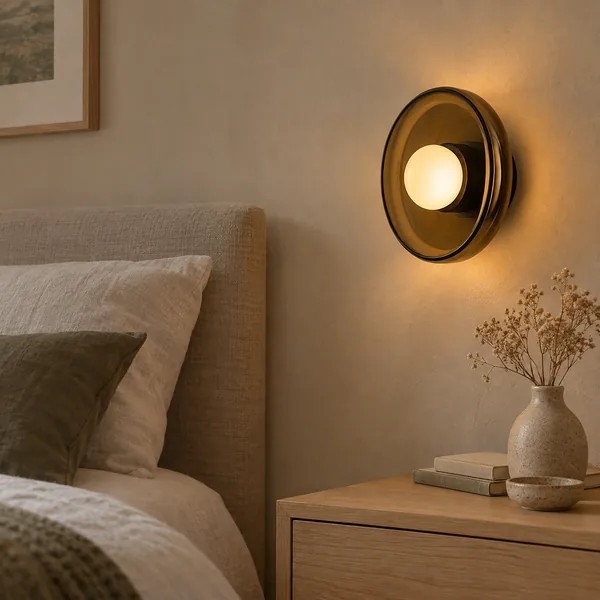 Rolys French Stained Glass Wall Sconce Light$219.00$319.00
Creating Statement Spaces with Intention
Stained glass pendant lights represent more than a design choice—they're a commitment to surrounding yourself with beauty that rewards attention. In a world of mass-produced, disposable decor, choosing a handcrafted lighting fixture is an act of intentionality. It's recognizing that the objects we live with should bring joy not just when they're new, but every evening when the light shifts and new patterns emerge on your walls.
At Skonne, we believe your home should feel like a sanctuary—curated, warm, and authentically you. Whether you're selecting a pendant light for a cozy breakfast nook or a dramatic chandelier for your dining room, the right stained glass piece becomes part of your home's story.
The pieces featured throughout this guide represent the craftsmanship and Scandinavian-inspired aesthetic we champion: designs that honor traditional techniques while embracing contemporary sensibilities. Each one promises not just illumination, but transformation—the kind that happens when art and function merge seamlessly in your most personal spaces.
Related Article
Lantern Pendant Lights: Classic & Modern Styles for Indoor & Outdoor UseExplore lantern pendant lights that blend timeless charm with modern design. From classic brass to contemporary paper styles, find the perfect fixture for indoor and outdoor spaces.