
Stone Floor Lamps: Best Standing Stone Designs for Living Rooms & Beyond

Summary›
- What Is a Stone Floor Lamp?
- The Allure of Natural Stone Materials
- Understanding Material Textures and Patterns
- Design Aesthetics and Style Integration
- Strategic Placement in Living Spaces
- Curating Complementary Design Elements
- Maintaining Your Natural Stone Investment
- Conclusion: Grounding Your Space with Intention
The way we illuminate our homes has evolved far beyond simple functionality. Today's homeowners seek pieces that ground their spaces with intention, warmth, and a connection to the natural world. Enter the stone floor lamp—a lighting category that transforms mere utility into sculptural art, bringing the raw beauty of marble, travertine, and organic minerals into your living sanctuary.
As Scandinavian design principles continue to influence American interiors, the demand for authentic materials and understated elegance has never been stronger. Whether you're curating a minimalist Japandi retreat or seeking that perfect statement piece for your living room, understanding how to select, style, and care for these substantial fixtures ensures your investment resonates for years to come. In this guide, we'll explore everything from material selection to placement strategies, revealing how these substantial luminaries anchor a room with timeless sophistication.
What Is a Stone Floor Lamp?
At its essence, a stone floor lamp represents the marriage of natural geology and functional illumination. Unlike standard floor lamps with metal or wooden bases, these fixtures feature substantial bases, stems, or accent elements crafted from genuine stone materials—marble, travertine, alabaster, onyx, or slate. The weight and permanence of stone create an immediate sense of groundedness, quite literally anchoring your lighting scheme with material authenticity.
Beyond the aesthetic appeal, these lamps offer unique textural qualities that synthetic materials simply cannot replicate. Each vein in marble, each pit in travertine, and each subtle variation in alabaster tells a geological story millions of years in the making. For those looking to explore more options, our Living Room Lighting offers a curated selection of organic modern pieces that complement stone-based designs beautifully.
The construction typically pairs these natural stone elements with refined metal hardware, linen or fabric shades, and sophisticated electrical components. The result is a fixture that reads as both ancient and contemporary—primitive materiality meeting modern engineering. This duality makes stone floor lamps particularly versatile, capable of bridging rustic farmhouse aesthetics with sleek urban loft environments.
The Allure of Natural Stone Materials
Understanding the distinct characteristics of different stone types empowers you to select a lamp that harmonizes with your existing décor while making its own subtle statement. Marble floor lamps remain the most sought-after category, prized for their cool elegance and distinctive veining. Carrara and Calacatta varieties offer that classic white-and-grey palette synonymous with Italian luxury, while darker marbles like Nero Marquina introduce dramatic contrast.
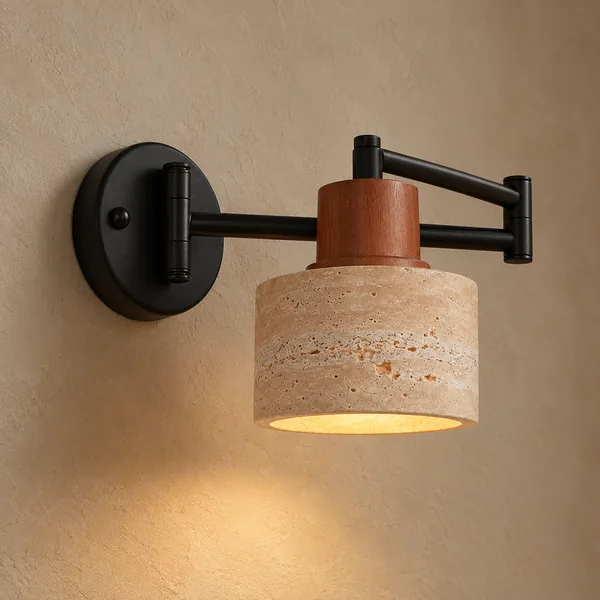
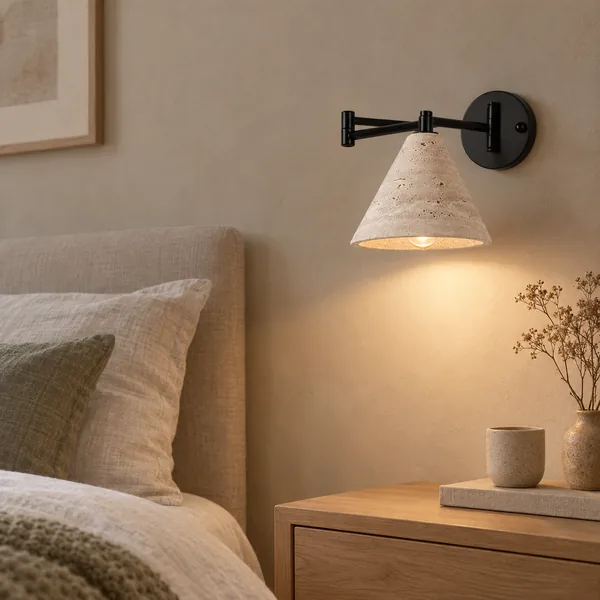
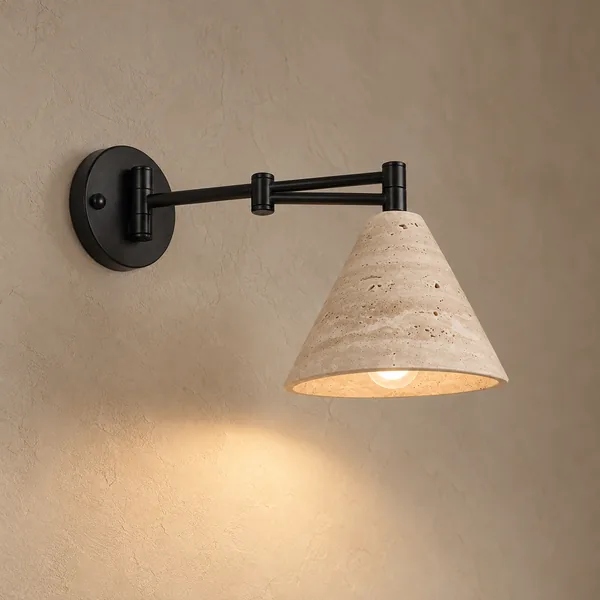
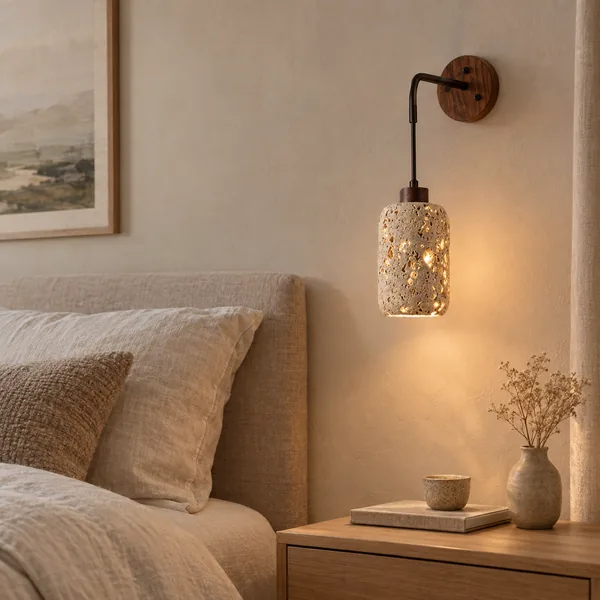
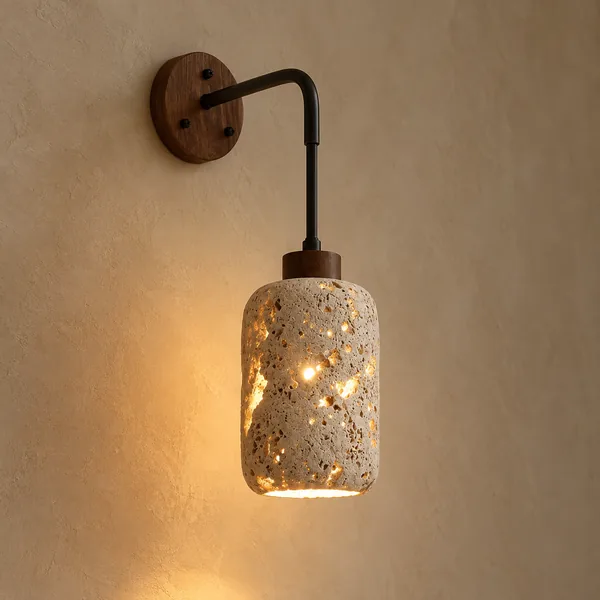
Travertine floor lamps have surged in popularity alongside the organic modern movement. This sedimentary limestone, with its naturally porous surface and warm beige-to-cream coloring, embodies wabi-sabi principles of imperfect beauty. Unlike marble's polished perfection, travertine celebrates texture and time, developing character as it ages gracefully in your space.
Alabaster offers yet another personality entirely—translucent and ethereal, capable of diffusing light into a soft, ambient glow. When illuminated, alabaster elements within a floor lamp create an almost otherworldly atmosphere, perfect for meditation corners or intimate reading nooks. Meanwhile, slate and granite options suit more industrial or masculine interiors, their dark, dense presence providing dramatic counterpoints to lighter furnishings.
Understanding Material Textures and Patterns
The tactile experience of stone cannot be overstated. In an increasingly digital world, the cool, substantial weight of natural stone provides sensory grounding. Each material carries unique textural signatures—marble's smooth polish, travertine's pitted surface, and alabaster's almost waxy finish all invite touch and closer inspection.
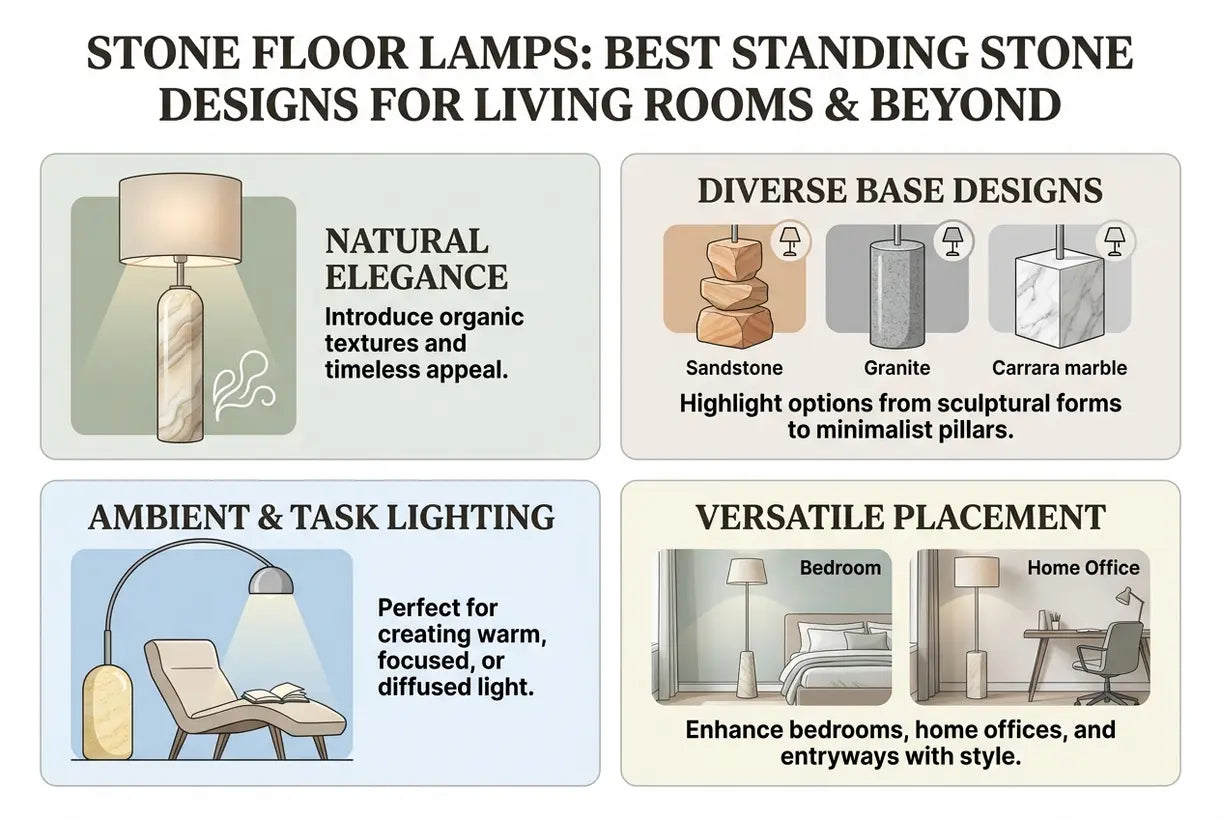
When selecting your stone floor lamp, consider how light interacts with these surfaces throughout the day. Morning sunlight might highlight marble's crystalline structure, while evening lamplight could emphasize the warm, honeyed tones of travertine. This chameleonic quality ensures your lighting investment continues to surprise and delight as ambient conditions shift, making each viewing a new experience.
The choice of stone also influences the lamp's acoustic properties. Weighty stone bases dampen vibrations and add stability, preventing the tipping hazard lighter lamps present in high-traffic areas or homes with active children and pets. This practical benefit merges seamlessly with the aesthetic considerations, providing peace of mind alongside visual pleasure.
Floor Lamps
Shop all Floor Lamps
Design Aesthetics and Style Integration
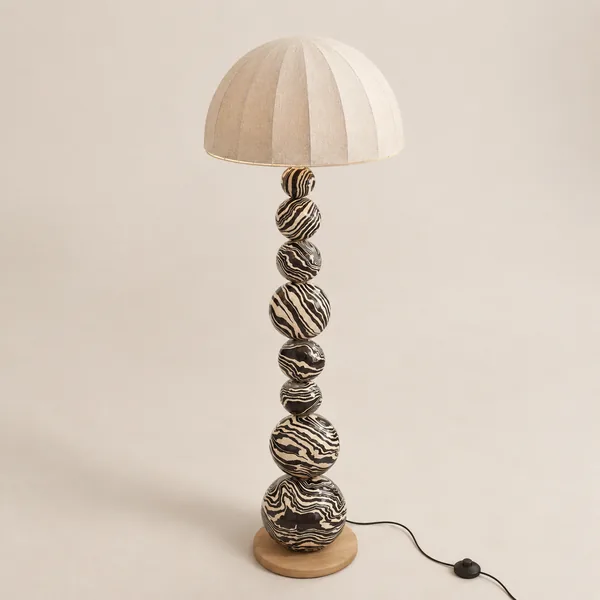
Selecting a stone floor lamp requires thoughtful consideration of your overarching design narrative. These pieces work exceptionally within organic modern interiors, where the tension between refined geometry and natural imperfection creates visual interest. Here, a sculptural travertine lamp might stand beside a low-slung linen sofa, balancing soft fabrication with geological permanence.
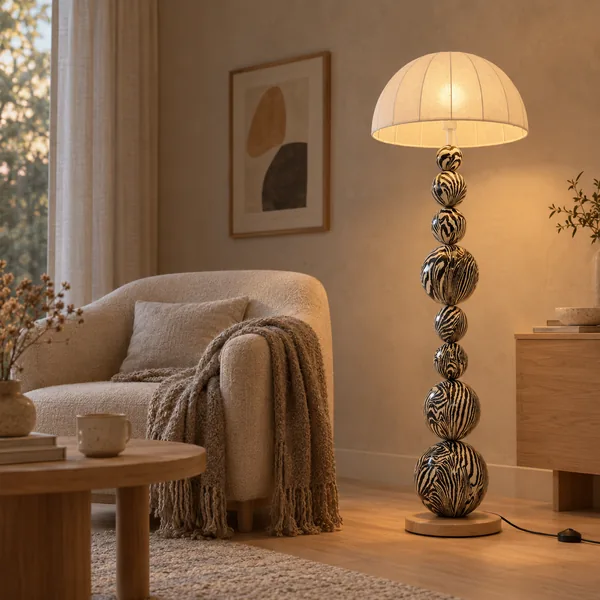
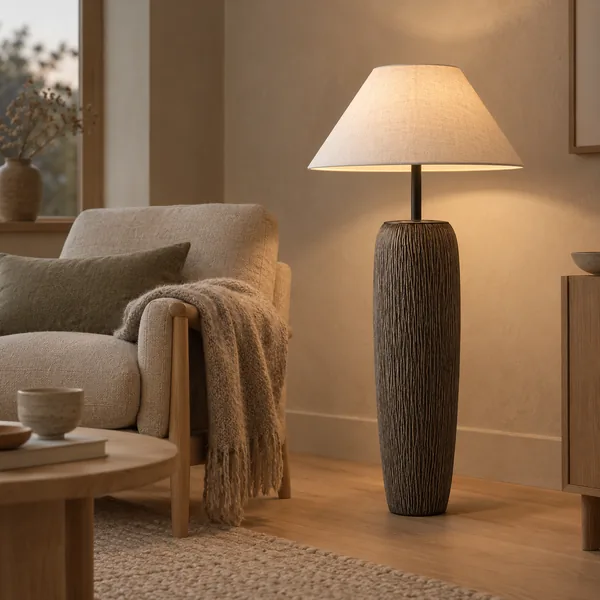 Vasten Artisan Japanese Ceramic Floor Lamp$394.00$569.00
The Vasten Artisan Japanese Ceramic Floor Lamp exemplifies this philosophy beautifully. While crafted from ceramic rather than stone, its hand-finished surface captures that same stone-like warmth and organic sculptural presence that defines the category. Available in three sizes, this piece anchors living spaces with wabi-sabi character, proving that the stone aesthetic transcends literal material boundaries.
In Japandi interiors, where Japanese minimalism meets Scandinavian functionality, stone floor lamps provide essential textural contrast. The raw, imperfect surfaces complement the clean lines of oak furniture and neutral textiles, preventing minimalist spaces from feeling sterile or cold. The key lies in embracing asymmetry—allow your stone lamp to stand as an organic counterpoint to geometric shelving and angular seating.
Strategic Placement in Living Spaces
The substantial visual weight of a standing stone lamp demands intentional placement. These fixtures excel when positioned beside low-profile sofas or lounge chairs, where their vertical presence creates balanced compositions without overwhelming the horizon line. The ideal height places the light source approximately eye-level when seated, typically achieved with lamps ranging from 58 to 64 inches tall.
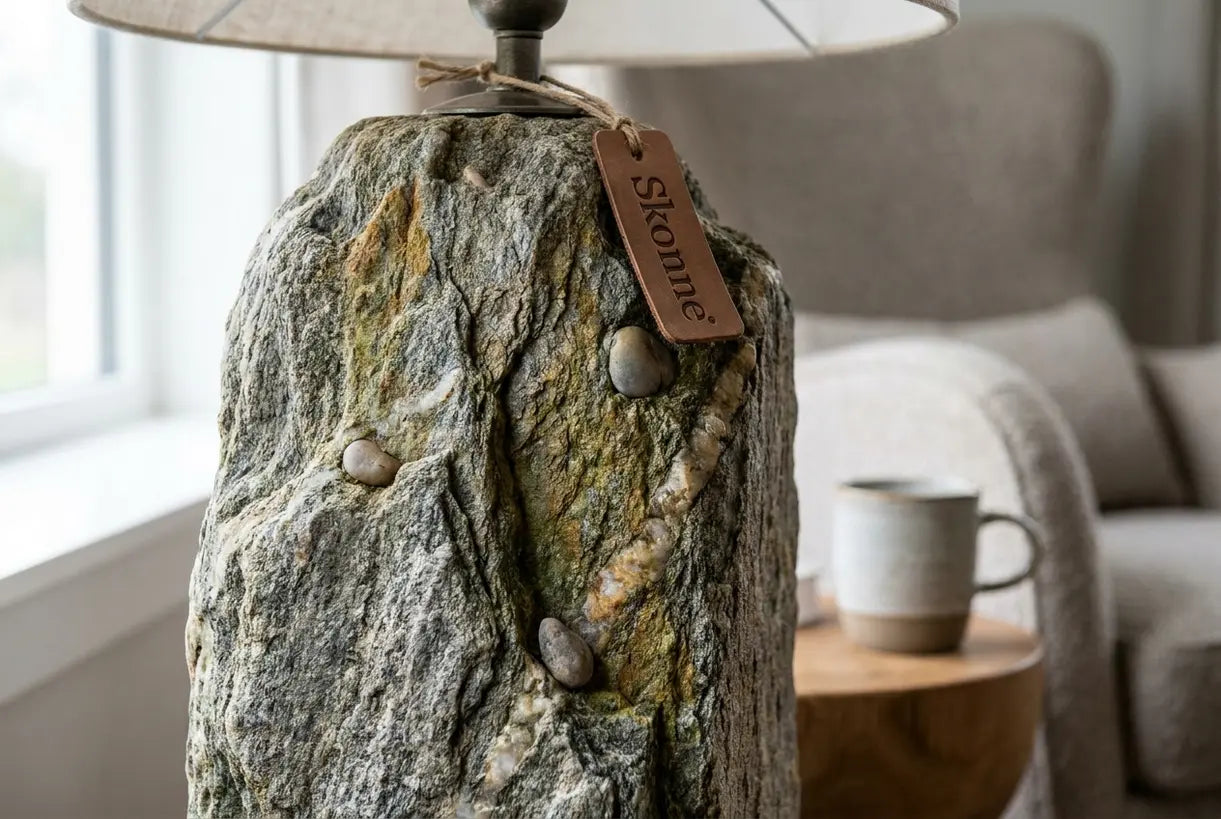
Consider the interplay of materials when positioning your lamp. A marble-based stone pedestal lamp placed on a raw wooden side table creates a dialogue between refined luxury and rustic simplicity. Conversely, travertine lamps pair beautifully with wool and bouclé textiles, their porous surfaces echoing the textural complexity of high-woven fabrics.
Corners often benefit most from stone floor lamps, where the material's permanence can fill architectural voids without clutter. Unlike lighter metal lamps that might disappear against white walls, stone's natural density and color variation ensure these fixtures remain visually present even in peripheral vision, creating a more enveloping sense of furnished space.
Travertine Lighting
Shop all Travertine Lighting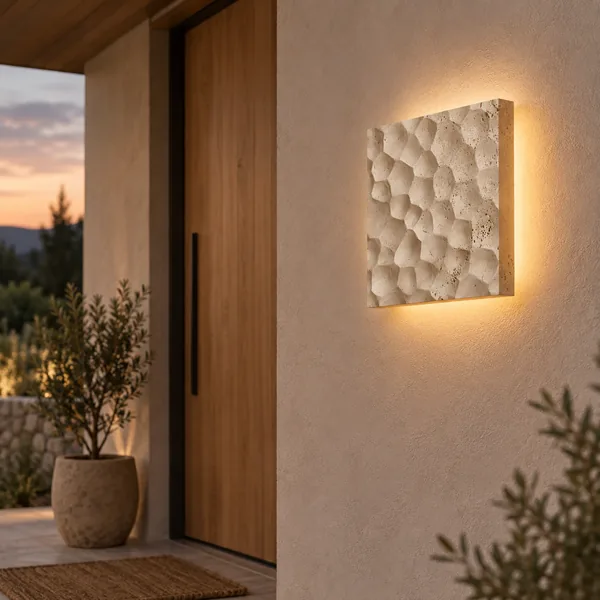
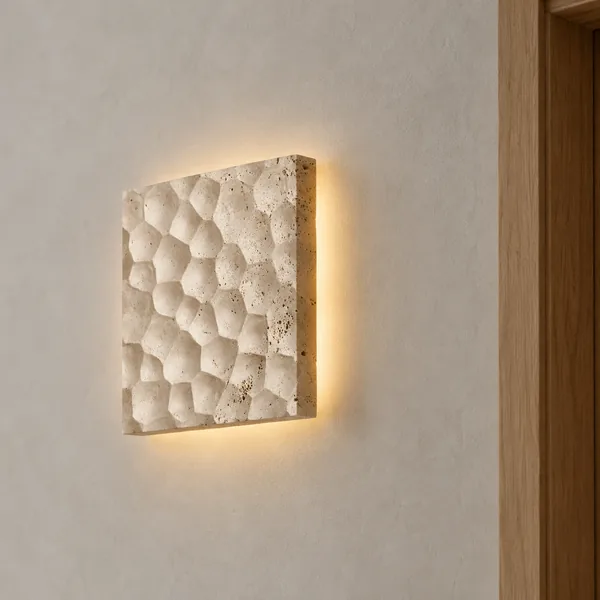 Save $170.00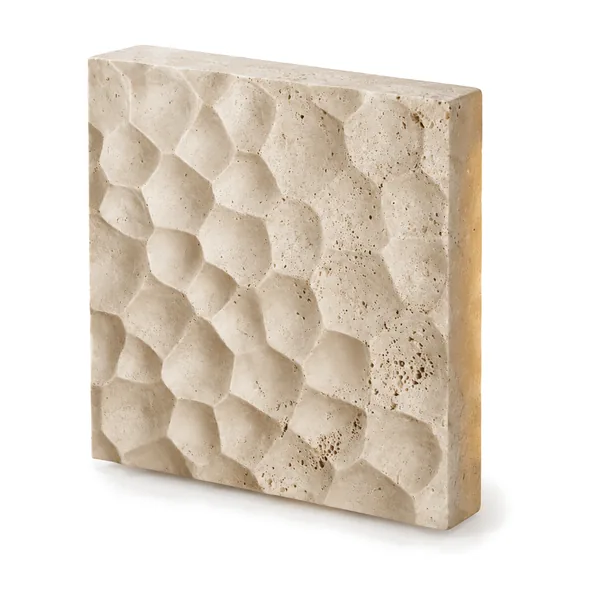
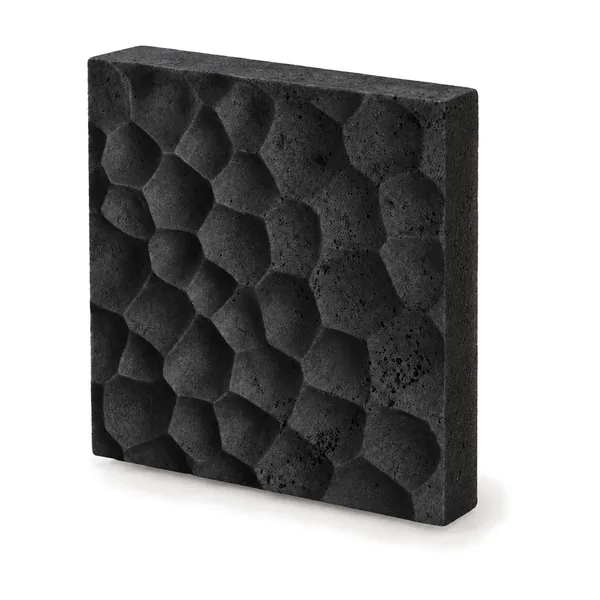 2 options
Stenvei Natural Stone IP65 LED Outdoor Sconce
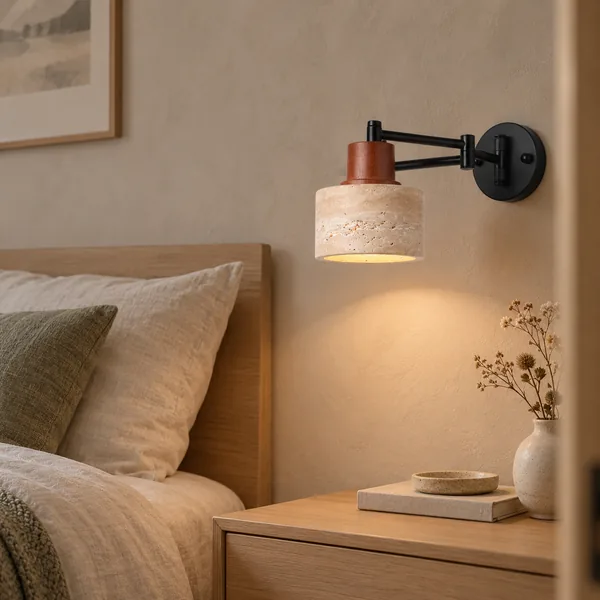
 Save $130.00
Fjella Natural Travertine Adjustable Wall Lamp
Curating Complementary Design Elements
Building a cohesive lighting scheme around your stone floor lamp requires thoughtful layering. The substantial nature of stone bases grounds a room effectively, but they benefit enormously from complementary pieces that share their material vocabulary or design intent. Natural stone lighting works best when it doesn't stand alone but participates in a broader conversation about material authenticity.
Consider pairing your primary floor lamp with smaller accent pieces that echo its textural qualities. Wooden elements in particular bridge the gap between stone's coldness and domestic warmth. The grain patterns found in sustainably sourced hardwoods provide organic irregularity similar to stone veining, creating visual harmony without matching uniformity.
Organic Modern Floor Lamps for Layered Living
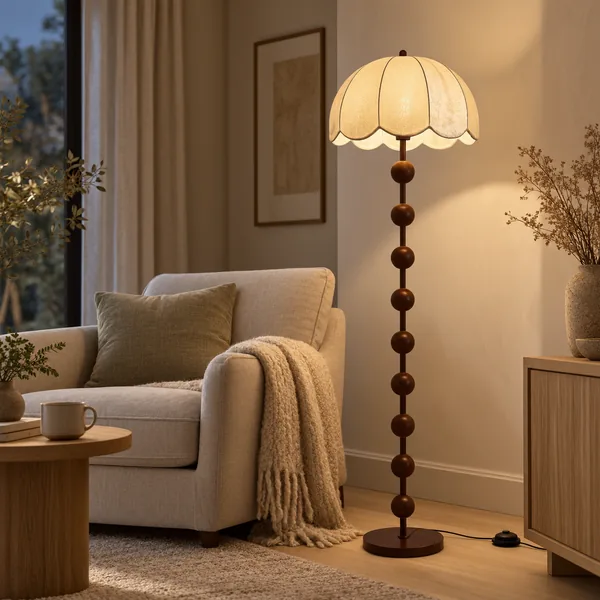 Kveld Scandinavian Mushroom Floor Lamp Walnut$219.00$349.00
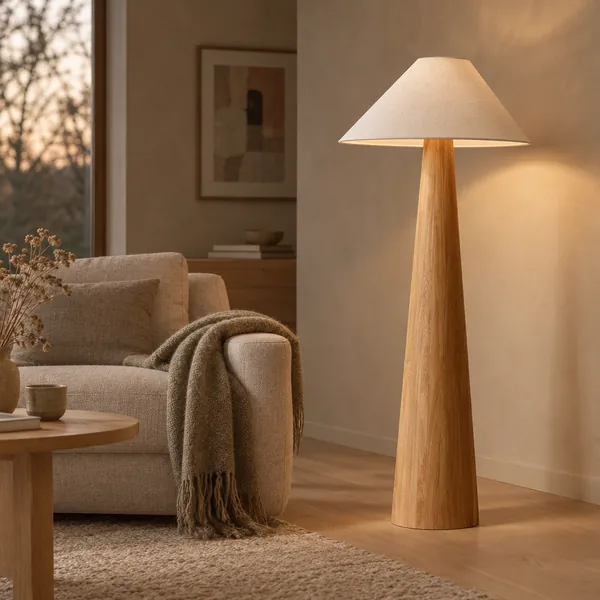 Stille Japanese Wabi-Sabi Solid Wood Floor Lamp$399.00$699.00
The Kveld Scandinavian Mushroom Floor Lamp Walnut demonstrates this complementary approach perfectly. Its gently curved mushroom silhouette and walnut-toned base introduce soft ambient glow through organic form, pairing effortlessly with travertine or marble pieces. Similarly, the Stille Japanese Wabi-Sabi Solid Wood Floor Lamp brings solid wood's natural grain and celebrated imperfections to reading corners, completing the material story that stone begins.
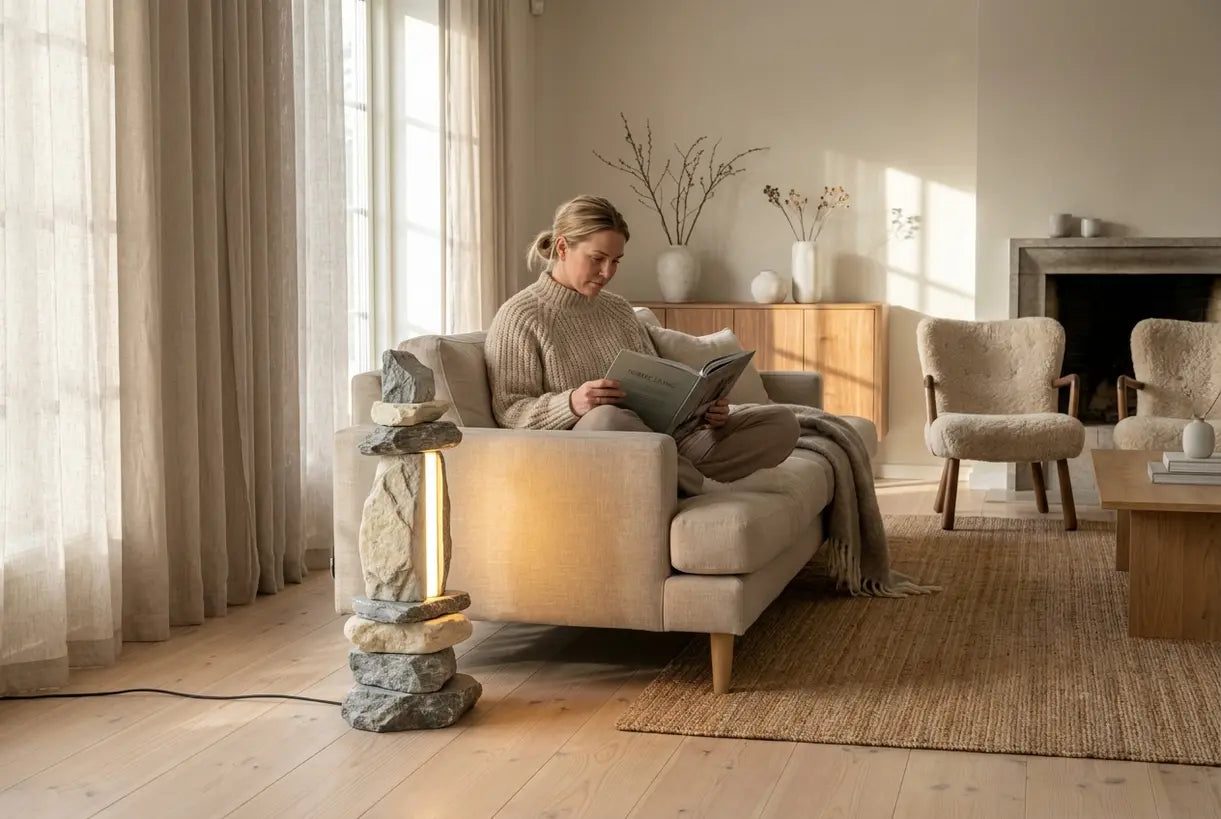
Accessories surrounding your lamp should enhance rather than compete. Low ceramic vessels, textile art in neutral palettes, and books with natural linen covers all reinforce the organic narrative. Avoid highly reflective or synthetic materials directly adjacent to stone bases—the contrast can read as discordant rather than dynamic. Instead, allow breathing space around your lamp, letting its substantial presence command the attention it deserves.
Maintaining Your Natural Stone Investment
Stone floor lamps require specific care protocols to maintain their beauty across decades. Unlike metal or plastic fixtures, natural stone responds to environmental conditions and requires mindful maintenance. Understanding these needs ensures your investment develops character rather than simply showing wear.
Regular dusting with a soft microfiber cloth prevents particulate buildup, particularly important for travertine's naturally porous surface. For deeper cleaning, use pH-neutral cleaners specifically formulated for natural stone—harsh chemicals or acidic solutions can etch marble and travertine surfaces, permanently damaging their finish. Always avoid abrasive scrubbers that might scratch softer stones like alabaster.
Placement affects longevity as much as cleaning routine. Position your lamp away from direct sunlight when possible, as UV exposure can fade or yellow certain stone varieties over time. Similarly, avoid placing stone-based lamps near heating vents or radiators, where thermal cycling can stress the material. With appropriate care, these fixtures become heirlooms, their surfaces developing the coveted patina that only time and touch can create.
Conclusion: Grounding Your Space with Intention
The decision to incorporate a stone floor lamp into your living space represents more than a functional lighting choice—it's a commitment to material authenticity and timeless design. These substantial fixtures anchor rooms with geological permanence while providing the warm, ambient illumination essential for true Scandinavian hygge. Whether you gravitate toward marble's refined elegance, travertine's organic warmth, or the ethereal glow of alabaster, the right stone lamp becomes a daily touchpoint with the natural world.
At Skonne, we curate lighting that honors these principles of intentional materiality and understated sophistication. Our collection reflects the belief that the objects we live with should ground us, warm us, and age gracefully alongside us. As you consider your next lighting investment, remember that true luxury lies not in ostentation, but in the quiet confidence of natural materials that have witnessed millennia—and will continue witnessing your most intimate moments at home.
Related Article
Stone Table Lamps: Best Natural Stone Designs for Every Surface & StyleExplore the best stone table lamp designs for any room. From travertine to marble, discover how natural stone lighting brings warmth and organic beauty to your home.