
Table Lamp Shades: How to Choose, Replace & Style the Perfect Shade
Summary›
- Why the Right Lamp Shade Matters
- Types of Lamp Shades: Finding Your Perfect Match
- Material Matters: Choosing the Right Fabric and Texture
- The Sizing Formula: Getting Proportions Right
- How to Measure for a Replacement Lamp Shade
- Styling Your Space: Curated Design Tips
- Current Trends in Lamp Shade Design
- Caring for Your Lamp Shades
- Creating Your Perfect Lighting Scheme
The right lamp shade does more than cover a bulb—it shapes the entire mood of your room. Whether you're refreshing an old favorite or designing a new corner, lamp shades for table lamps hold the power to create the kind of warm, intimate glow that makes a space feel like home.At Skonne, we believe that thoughtful lighting is the foundation of Scandinavian-inspired living. The right shade doesn't just diffuse light—it tells a story about your style, your values, and how you want to feel in your space. In this guide, we'll walk you through choosing, replacing, and styling the perfect lamp shade to create that coveted hygge atmosphere.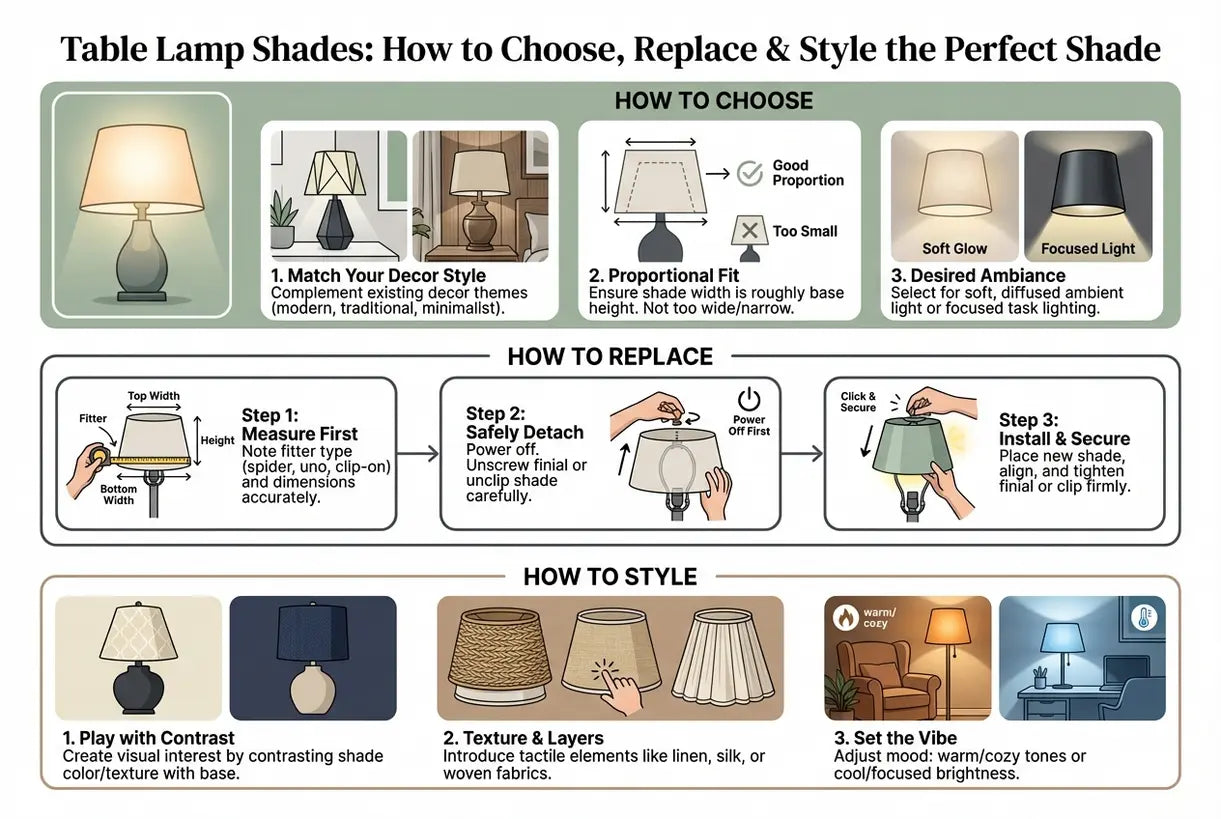
Why the Right Lamp Shade Matters
Your lamp shade is the unsung hero of ambient lighting. While the base provides structure, the shade determines how light spreads through your room. A well-chosen shade softens shadows, reduces glare, and creates pools of warm light that invite you to linger.Consider how different materials affect your lighting experience. Linen table lamp shades offer a natural, organic diffusion that creates gentle, sun-dappled effects on your walls. Drum table lamp shades provide even, 360-degree illumination perfect for reading nooks. The material and shape you choose directly impact the quality of light in your space.For those looking to explore more options, our Scandinavian Lighting collection offers a curated selection of designs that capture the essence of Nordic warmth and intentionality.Types of Lamp Shades: Finding Your Perfect Match
Understanding the three primary types of lamp shades helps you make an informed choice for your space:Drum Shades
Drum lamp shades feature straight sides with equal top and bottom diameters, creating a clean, modern silhouette. These shades distribute light evenly in all directions, making them ideal for general ambient lighting. Drum table lamp shades work beautifully in Scandinavian interiors where simplicity and function reign.Empire Shades
Empire shades taper from a wider bottom to a narrower top, channeling light downward for focused task lighting. These traditional shapes add a touch of classic elegance while still feeling fresh when rendered in contemporary materials.Bell Shades
Bell shades curve outward from top to bottom, creating a soft, romantic profile that casts light both downward and outward. Their organic curves complement the biophilic principles central to Scandinavian design.Table Lamps
Shop all Table Lamps
 Save $30.00
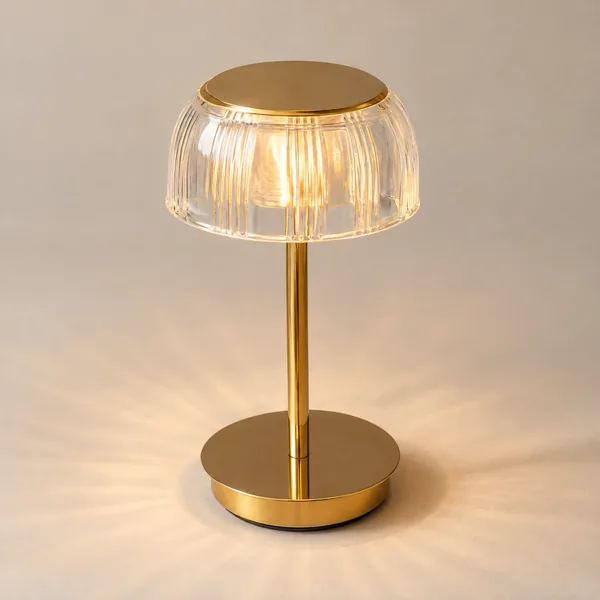
Kvalla Jellyfish LED Rechargeable Table Lamp
 Save $60.00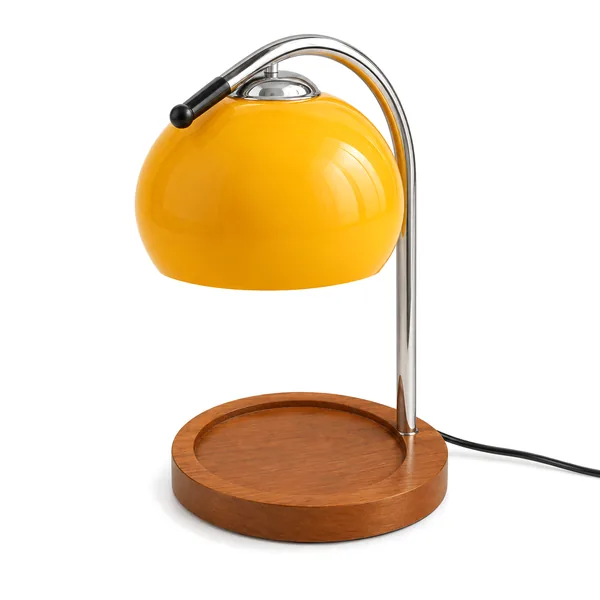
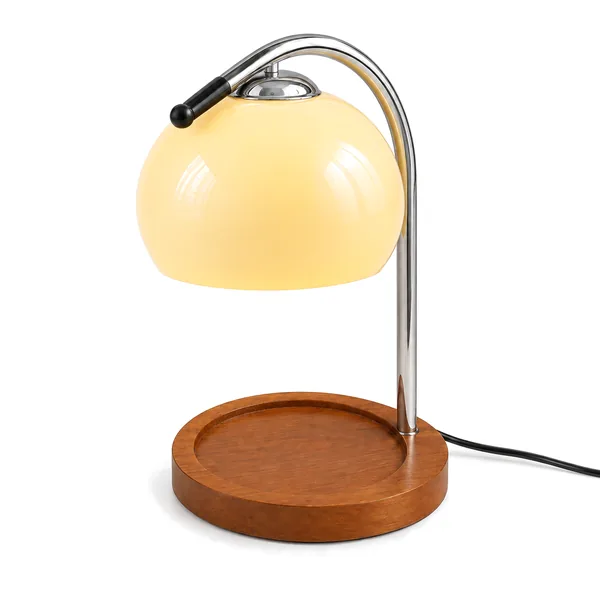 3 options
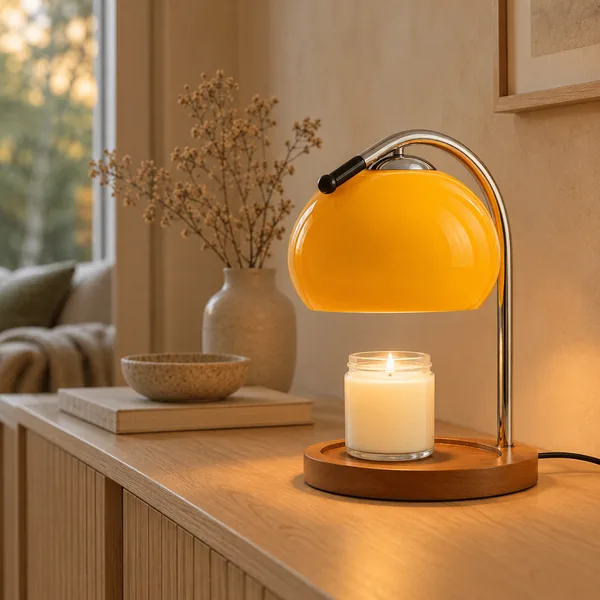
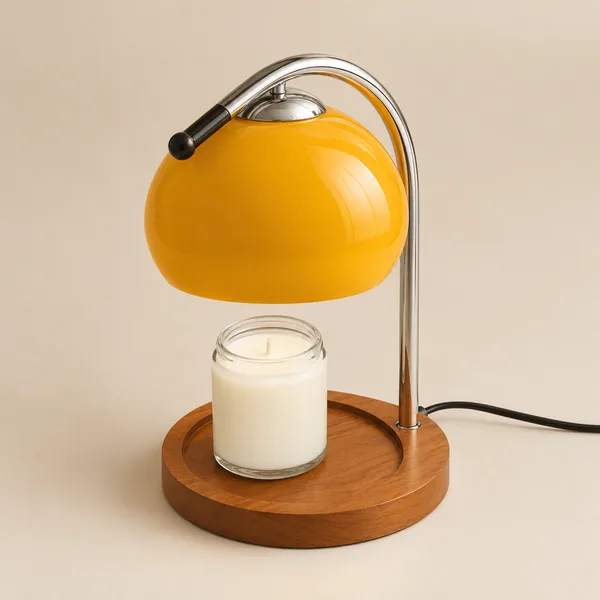
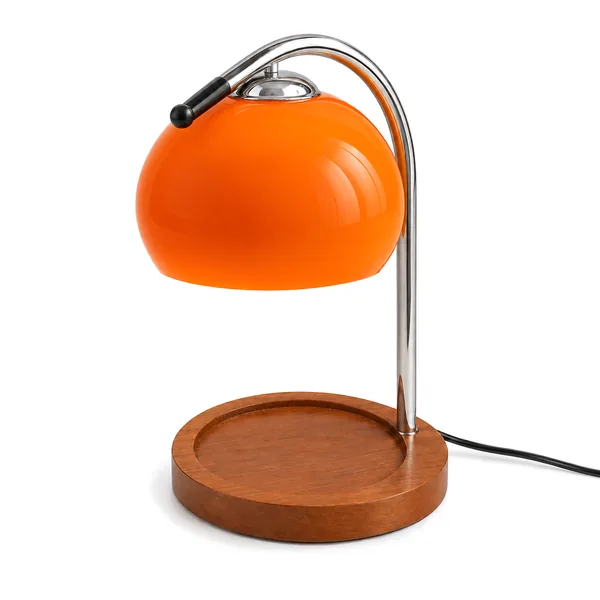
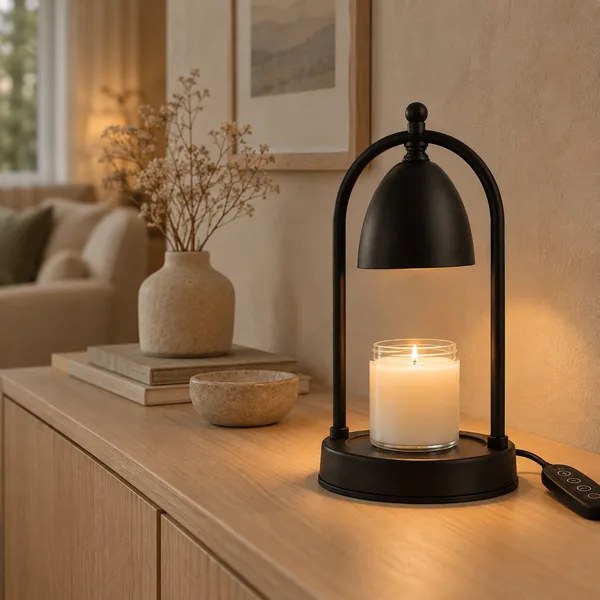
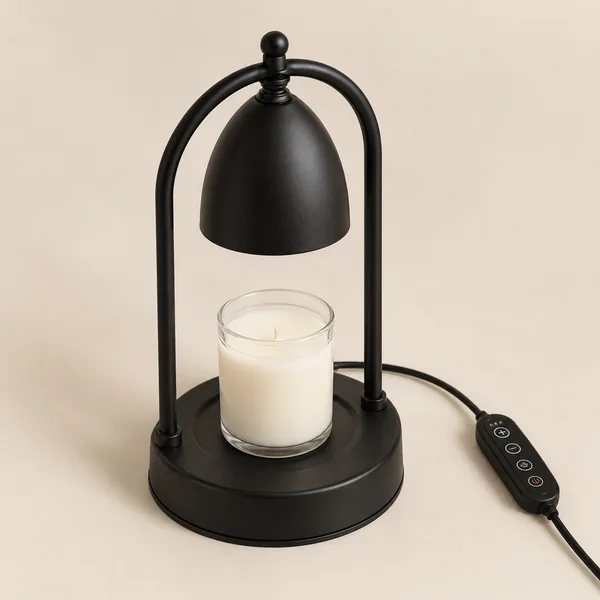
Solvarm Stained Glass Candle Warmer Table Lamp
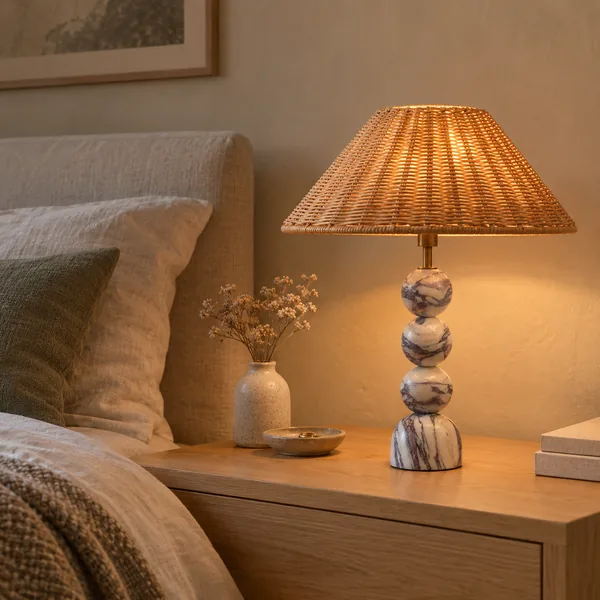
 Save $220.00
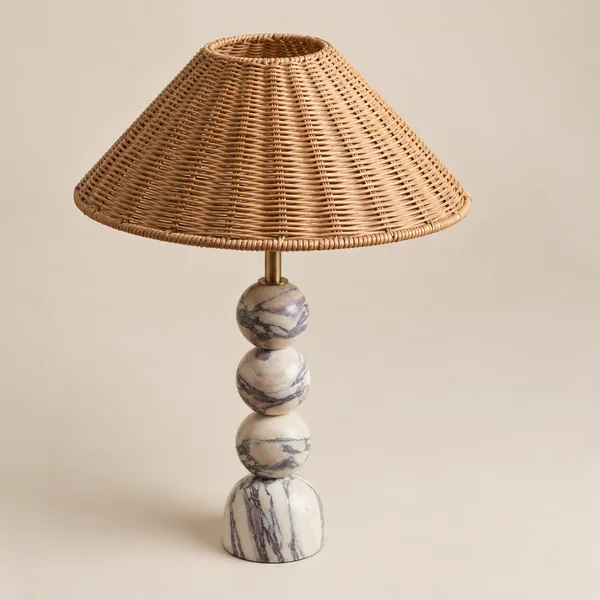
Stenglo Nordic Marble Table Lamp Rattan Shade
Material Matters: Choosing the Right Fabric and Texture
The material of your lamp shade significantly affects both aesthetics and light quality:Linen and Natural Fabrics
Linen table lamp shades remain the gold standard for creating warm, inviting light. The natural fibers diffuse illumination beautifully while adding textural interest that aligns perfectly with Scandinavian design principles. Linen ages gracefully, developing a gentle patina that only enhances its character.Rattan and Woven Materials
Rattan lamp shades bring organic texture and subtle pattern to your lighting. When light filters through woven materials, it creates mesmerizing shadow play on walls and ceilings—a natural artwork that shifts throughout the day. This material has seen a resurgence as homeowners seek to bring nature indoors.Glass and Translucent Options
Glass lamp shades offer a more contemporary approach, providing clear, unfiltered light while showcasing the bulb within. Frosted or seeded glass options strike a balance between transparency and diffusion, offering a modern aesthetic that still provides gentle illumination.The Sizing Formula: Getting Proportions Right
One of the most common questions we hear is: How big should a lampshade be for a table lamp? The answer lies in a simple formula that ensures visual harmony:The Golden Rule of Shade Sizing:- Your shade's diameter should be approximately equal to the height of your lamp base (from bottom to socket)
- The shade height should be about two-thirds the height of your lamp base
- When sitting next to your lamp, the top of the shade should be at or below eye level to avoid harsh glare
How to Measure for a Replacement Lamp Shade
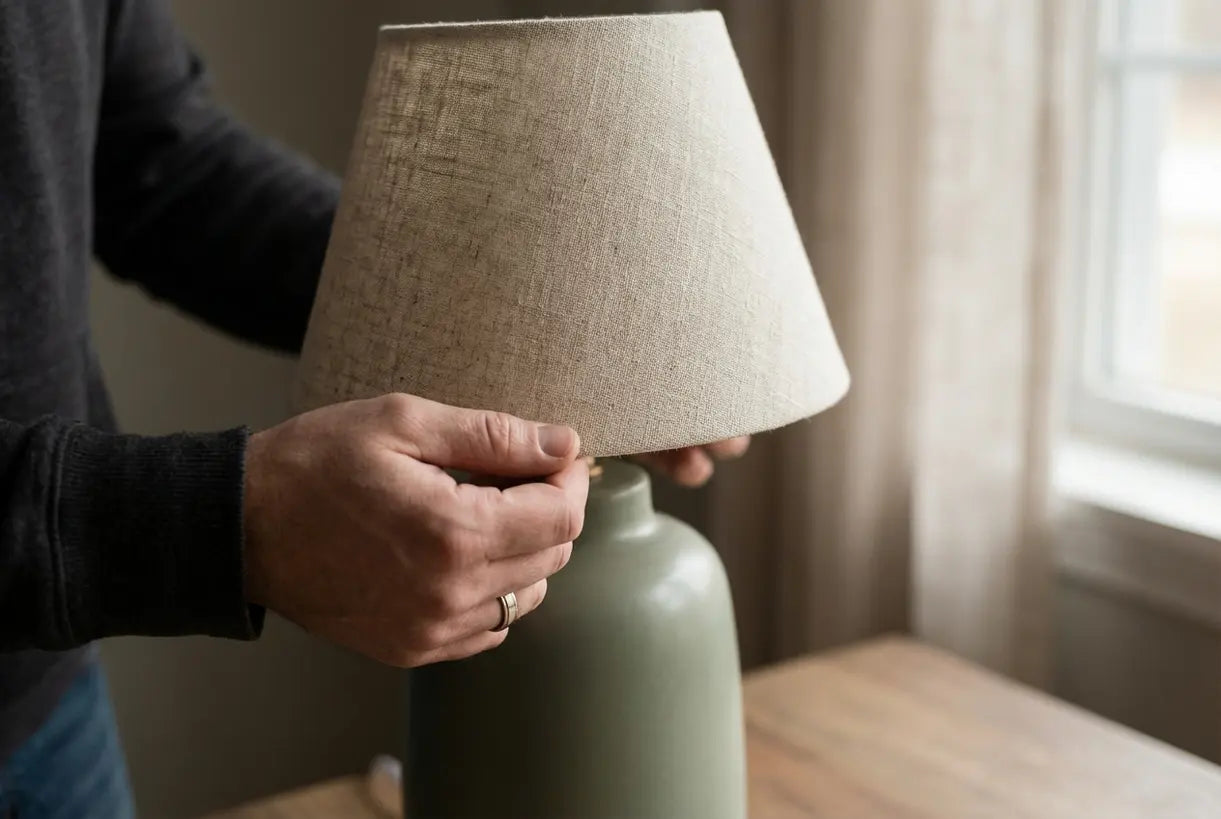
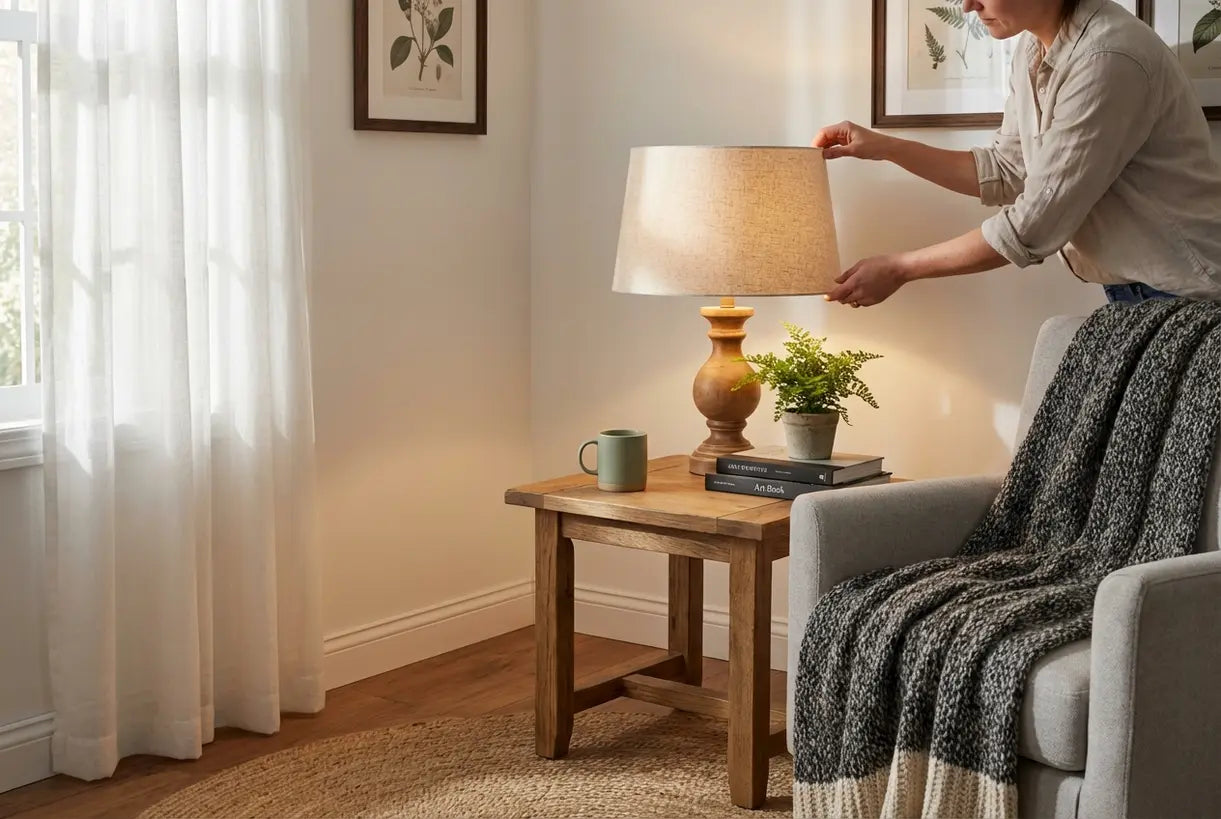
If you're refreshing an existing lamp with new replacement lamp shades, accurate measurements ensure a perfect fit:- Measure the harp: Remove the current shade and measure the distance from the socket base to the top of the harp (the metal frame that holds the shade). This determines your shade height.
- Determine fitting type: Check whether your lamp uses a spider fitting (sits on top of the harp), uno fitting (sits below the bulb), or clip-on style (clips directly to the bulb).
- Measure base proportions: Use the sizing formula above to calculate your ideal shade diameter.
- Consider the bottom opening: Ensure the shade's bottom opening clears the bulb by at least 2.5 inches—this prevents overheating and creates proper light diffusion.
Styling Your Space: Curated Design Tips
 Creating a cohesive lighting scheme requires thoughtful placement and pairing:
Managing Scale and Proportion
Small table lamp shades work beautifully on narrow consoles and nightstands where space is at a premium. In larger living areas, don't be afraid to go bold—large lamp shades for table lamps anchor seating arrangements and create dramatic focal points.Layering for Depth
Combine different shade types throughout your room for visual interest. Pair a drum shade on your primary reading lamp with a pleated lamp shade on an accent table. The contrast in shapes and textures adds dimension without creating visual chaos.Playing with Pattern and Texture
Pleated lamp shades introduce subtle structure and shadow lines that catch the eye. When placed in rooms with clean-lined furniture, these shades add just enough visual complexity to prevent spaces from feeling flat.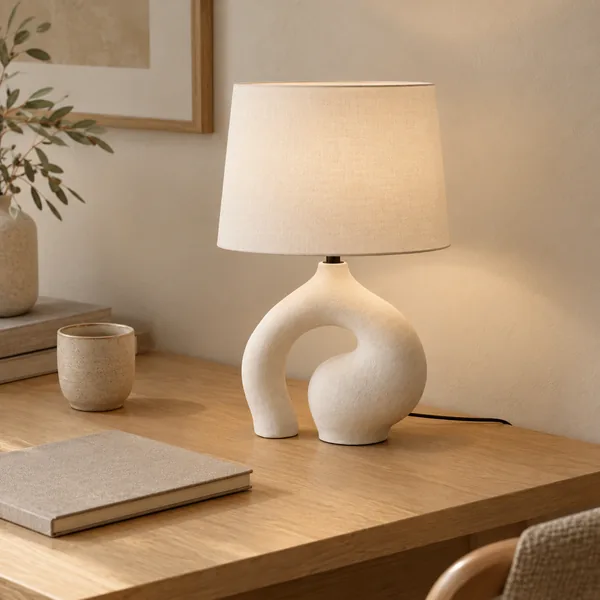 Formia Sculptural Resin Table Lamp Nordic Shade$399.00$579.00
Current Trends in Lamp Shade Design
The world of lamp shades for table lamps continues to evolve, with several key trends shaping contemporary interiors:Organic Materials and Handcrafted Appeal
There's a growing appreciation for materials that show the hand of the maker. Rattan lamp shades and handwoven textures bring warmth and authenticity to modern spaces. These natural elements connect us to slower, more intentional ways of living.Muted Color Palettes
Scandinavian-inspired spaces favor shades in soft whites, warm greys, and natural earth tones. These understated colors allow the quality of light itself to become the design feature, rather than competing with it.Sculptural Forms
Unique table lamp shades that blur the line between functional object and art piece are gaining popularity. Petal shapes, asymmetrical designs, and organic silhouettes create conversation-worthy moments in any room.Curated Lighting for Scandinavian Spaces
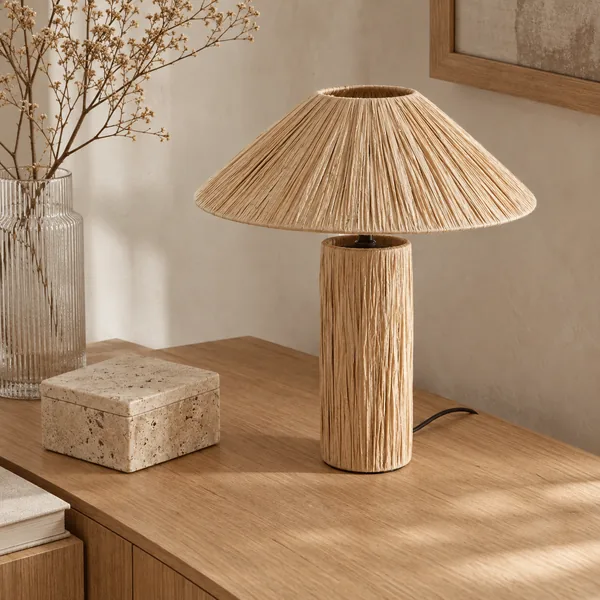 Fletta Handwoven Raffia Wabi-Sabi Table Lamp$289.00$379.00
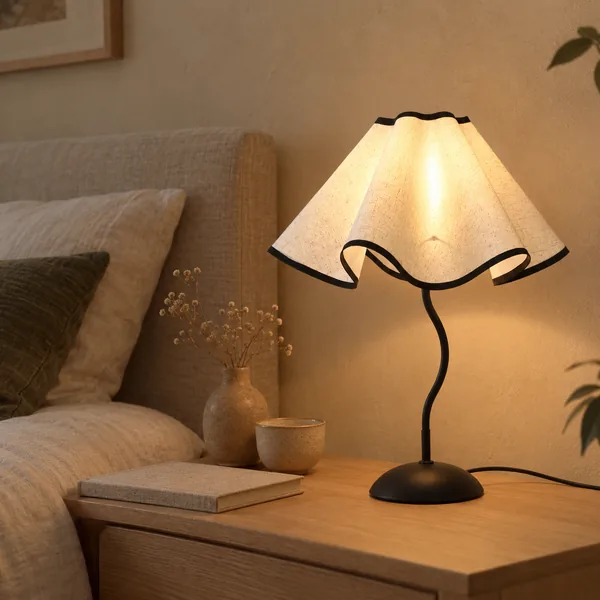 Blomly Petal Table Lamp Handcrafted Nordic LED$89.00$139.00
Caring for Your Lamp Shades
Proper maintenance extends the life and beauty of your shades:- Dust regularly: Use a soft microfiber cloth or feather duster weekly to prevent dust buildup
- Vacuum gently: For fabric shades, use your vacuum's brush attachment on low suction
- Spot clean carefully: Dab stains on fabric shades with a slightly damp cloth—never rub
- Rotate periodically: Turn your shades occasionally to ensure even light exposure and prevent fading on one side
Lamps
Shop all LampsSave $30.00Kvalla Jellyfish LED Rechargeable Table Lamp
 Save $140.00
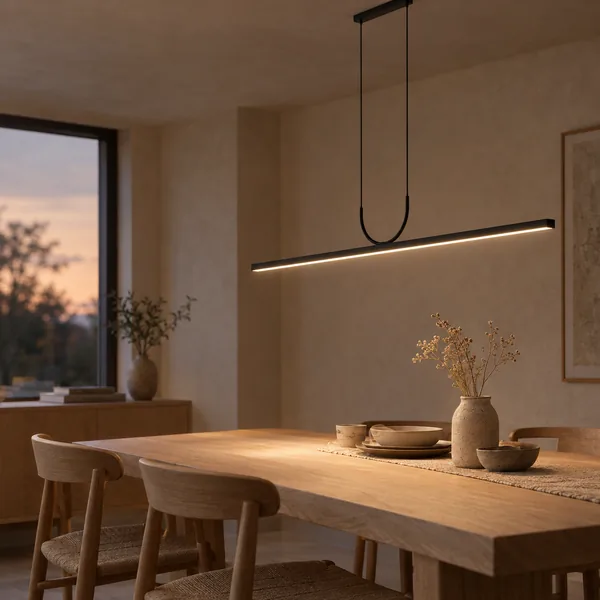
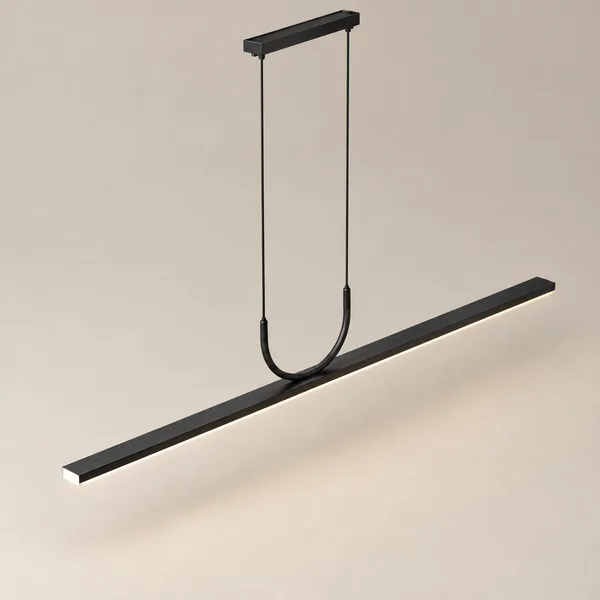
Linné Minimalist Linear Black LED Pendant Light
 Save $60.00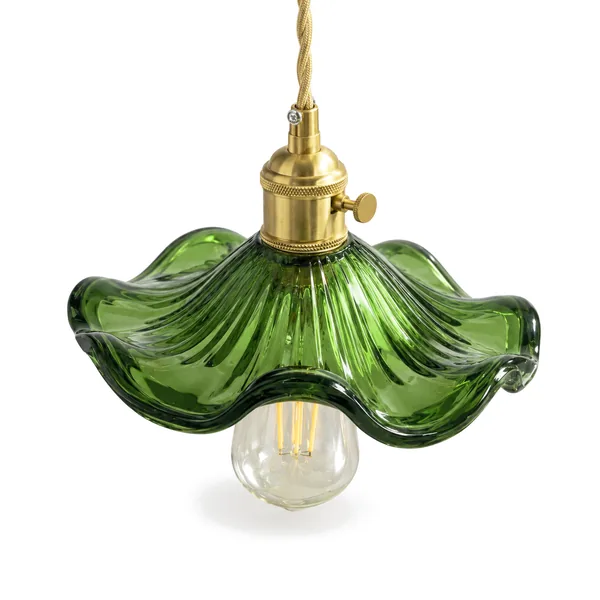
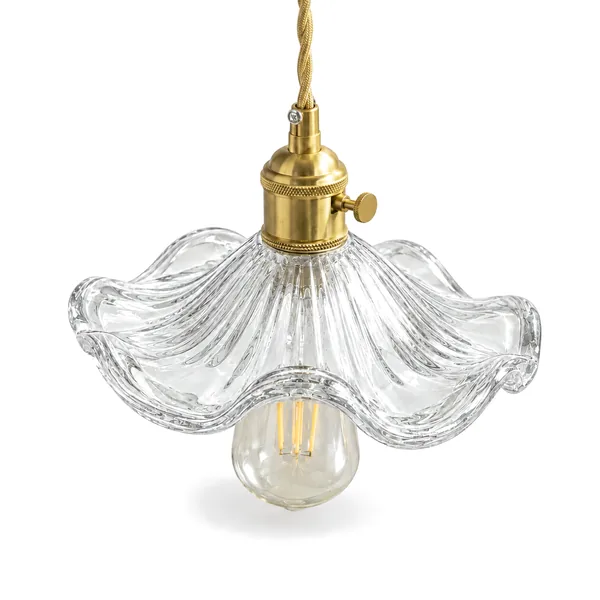
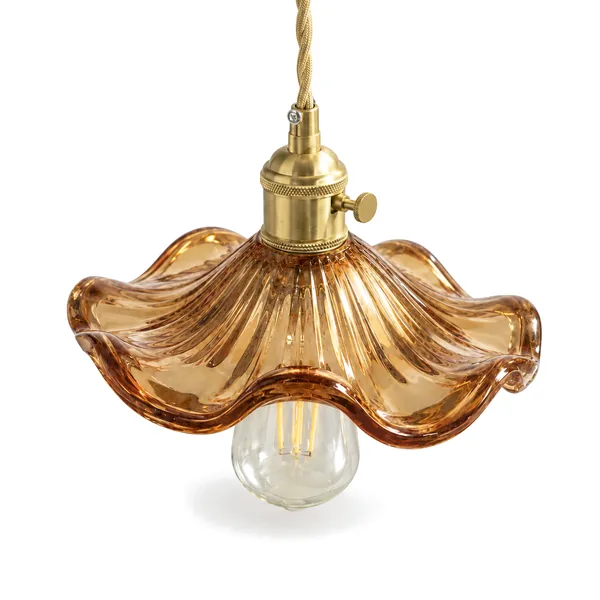 3 options
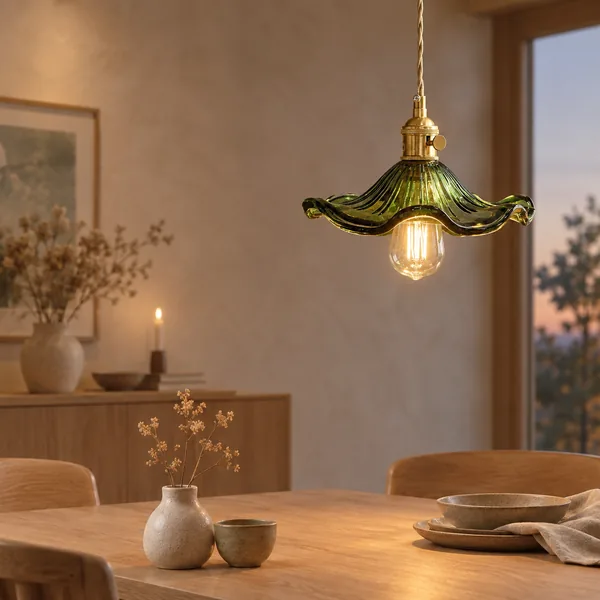
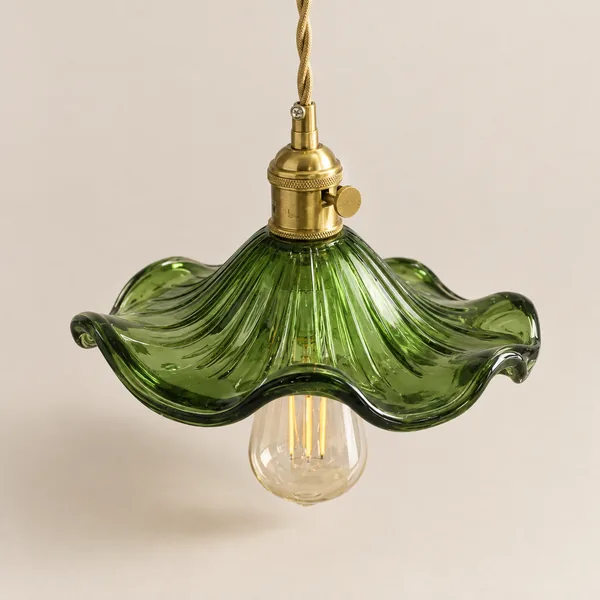
Glora Nordic Glass Pendant Light with Copper
Creating Your Perfect Lighting Scheme
The journey to finding ideal lamp shades for table lamps is deeply personal. It's about understanding how you use your space, what kind of light makes you feel at ease, and which textures and forms speak to your aesthetic sensibilities.Remember that lighting is one of the most impactful changes you can make in your home. A new shade can refresh a tired lamp, shift the mood of an entire room, and create the kind of atmosphere where memories are made. Key Takeaway: The best lamp shade is one that serves both your practical needs and your desire for beauty—creating light that feels like an embrace at the end of a long day.At Skonne, we curate lighting that honors the Scandinavian tradition of finding beauty in everyday objects. Our collection of thoughtfully designed table lamps and shades offers options for every space, from intimate reading corners to grand living rooms.Whether you're searching for the perfect linen shade to cast that coveted golden hour glow, or a sculptural piece that doubles as art, we invite you to explore our collections. Because when the light is right, everything else falls into place.Related Article
Bedside Table Lamps: Best Nightstand Lamps for Every Bedroom StyleFind the perfect bedside table lamp for any bedroom style. Our guide covers modern, Scandinavian, and farmhouse nightstand lighting options.
Frequently asked questions
No, not all lamp shades fit every table lamp. The key factors to consider are the fitting type (spider, uno, or clip-on), the harp size, and the shade proportions relative to your lamp base. Always measure your existing lamp before purchasing a replacement shade to ensure compatibility. The shade should also clear the bulb by at least 2.5 inches to prevent overheating.
A good rule of thumb is that your shade's diameter should approximately equal the height of your lamp base, and the shade height should be about two-thirds the height of the base. For standard table lamps, this typically means shades between 8-14 inches in diameter. When seated next to your lamp, the top of the shade should be at or below eye level to prevent glare.
Current lamp shade trends include organic materials like rattan and handwoven natural fibers, sculptural and asymmetric shapes, muted Scandinavian color palettes in soft whites and warm greys, and pleated textures that create beautiful shadow play. There's also a strong movement toward artisanal, handcrafted pieces that show the maker's hand and bring authenticity to modern spaces.
The three primary types of lamp shades are: 1) Drum shades—featuring straight sides with equal top and bottom diameters for even, 360-degree light distribution. 2) Empire shades—tapering from a wider bottom to a narrower top to focus light downward. 3) Bell shades—curving outward from top to bottom to cast light both downward and outward with a soft, romantic profile.
To measure for a replacement shade: First, remove the current shade and measure from the socket base to the top of the harp to determine height. Check your fitting type—spider (sits on top), uno (sits below the bulb), or clip-on (clips to the bulb). Then apply the sizing formula: shade diameter should equal lamp base height, and shade height should be two-thirds of base height. Ensure the bottom opening clears your bulb by at least 2.5 inches.