
Traditional Dining Room Lighting: Timeless, Classic Fixtures for Formal & Elegant Dining Spaces
Summary›
- The Foundation of Traditional Dining Room Lighting
- Understanding Classic Fixture Types
- Materials That Define Timeless Elegance
- Watch: Gorgeous Dining Room Lighting Ideas
- Featured Traditional Lighting That Transforms Your Space
- The Art of Layered Lighting in Formal Dining Spaces
- Additional Traditional Fixtures to Consider
- Hanging Heights and Proportion Guidelines
- Styling Tips for Maximum Impact
- Conclusion: Creating Your Timeless Dining Sanctuary
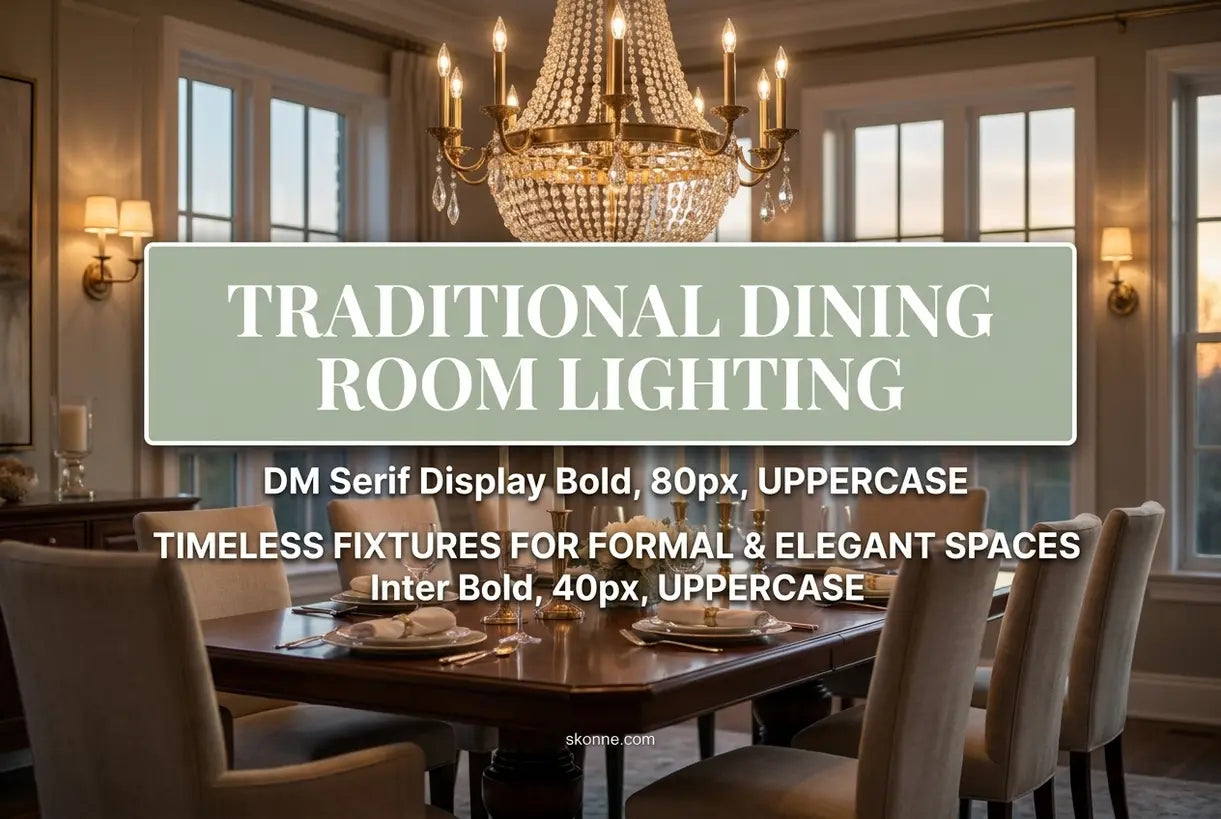
There's something almost magical about the way light transforms a room. In your dining space, where you gather for celebratory feasts, intimate dinners, and conversations that linger long after dessert, the right lighting creates an atmosphere that feels both elevated and welcoming. Traditional dining room lighting offers that rare combination of timeless elegance and functional beauty that turns your dining area into a true centerpiece of your home.
Whether you're designing a formal dining room worthy of dinner parties or simply want to infuse your eating area with classic sophistication, understanding the principles of traditional lighting design helps you make choices that endure. At Skonne, we believe that the best lighting doesn't follow fleeting trends—it honors craftsmanship, celebrates natural materials, and creates warmth that welcomes everyone to the table. Let's explore how to achieve that perfect balance of formality and comfort in your dining space.
The Foundation of Traditional Dining Room Lighting
Traditional lighting design draws from centuries of craftsmanship and architectural heritage. It's characterized by symmetrical proportions, quality materials, and fixtures that feel substantial rather than ephemeral. When we talk about traditional dining room lighting, we're referring to pieces that could have graced the dining halls of French châteaux, English country estates, or American colonial homes—yet remain utterly relevant in today's interiors.
The key to mastering this style lies in understanding that "traditional" doesn't mean "dated." Rather, it means choosing fixtures with honest construction, refined detailing, and materials that age beautifully. Think hand-finished brass, hand-cut crystal, and glass with subtle coloration that warms the light passing through it. These elements create that coveted sense of heritage without ever feeling stuffy or overwrought.
Understanding Classic Fixture Types
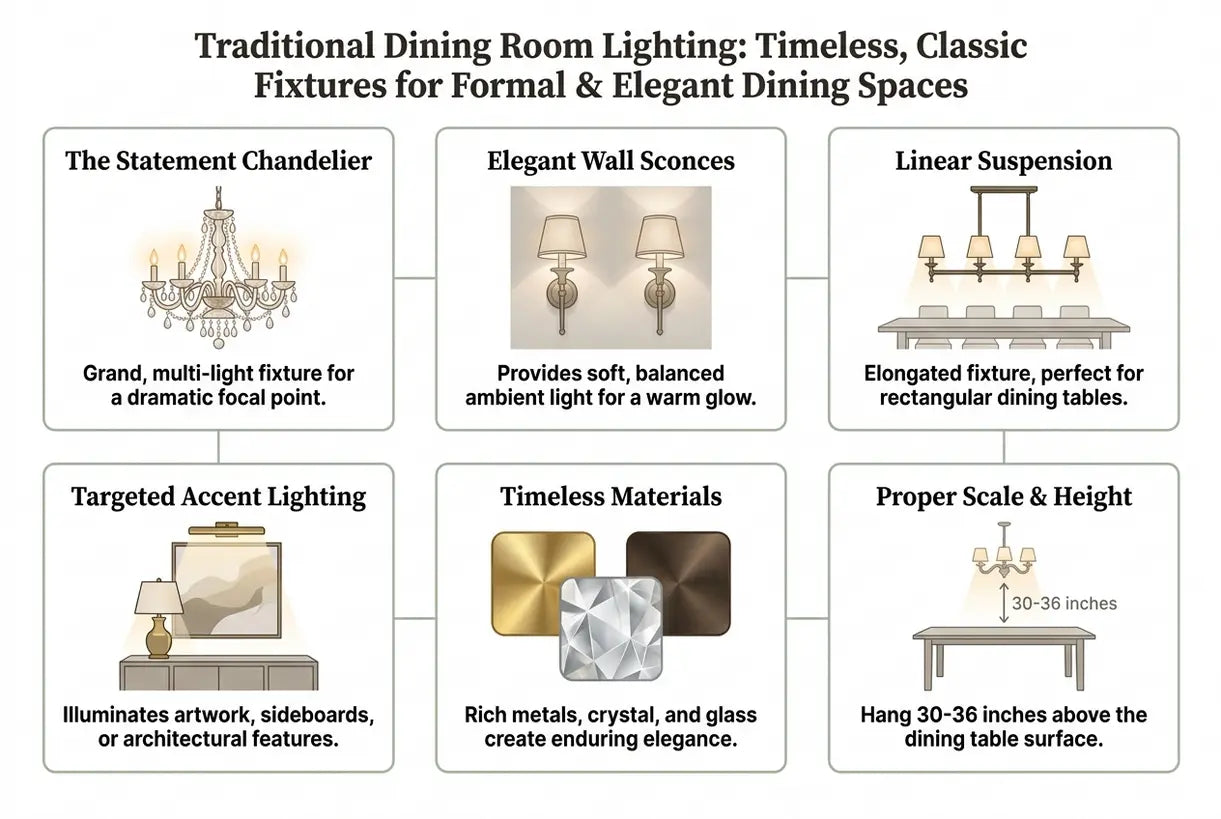
Before selecting the perfect piece for your space, it's essential to understand the three primary fixture types that define traditional dining room lighting:
- Chandeliers: The undisputed monarch of dining room lighting, traditional chandeliers typically feature multiple arms, decorative elements, and a central body that anchors the entire composition. They create drama and establish the room's visual hierarchy.
- Pendant Lights: A single fixture suspended from the ceiling, pendants offer focused illumination and work beautifully above round tables or in rooms with lower ceilings where a full chandelier might overwhelm.
- Sconces and Wall Fixtures: These supporting players add layers of light along dining room walls, creating depth and eliminating harsh shadows. They're particularly valuable in larger spaces where overhead lighting alone feels insufficient.
Each fixture type serves a distinct purpose, and sophisticated dining rooms often combine all three for a layered lighting scheme that feels both intentional and inviting.
Materials That Define Timeless Elegance
The materials chosen for traditional dining room lighting speak volumes about quality and longevity. The most enduring pieces share common material DNA that has proven itself across generations:
The Warmth of Stained Glass
Handcrafted stained glass brings color and character to dining room lighting. Unlike clear glass that can feel cold, amber and honey-toned glass filters light into a warm, flattering glow that makes everyone at the table look their best. This vintage-inspired approach creates immediate ambiance and pairs beautifully with wood furniture and traditional textiles.
The Prestige of Crystal
Quality crystal—particularly optically pure K9 crystal—has adorned dining rooms since the 17th century for good reason. Its ability to refract light into dancing prisms adds movement and luxury to formal spaces. Modern LED systems paired with crystal elements offer the best of both worlds: energy efficiency and timeless beauty.
The Character of Brass and Walnut
Natural materials like solid brass and walnut bring organic warmth that prevents traditional spaces from feeling museum-like. These materials develop a patina over time, telling the story of meals shared and memories made. They're the antidote to disposable lighting that feels temporary and insubstantial.
Chandeliers
Shop all Chandeliers
Watch: Gorgeous Dining Room Lighting Ideas
Featured Traditional Lighting That Transforms Your Space
When selecting traditional dining room lighting, the goal is finding pieces that honor classical proportions while meeting modern needs for adjustability and efficiency. We've curated three exceptional fixtures that embody this philosophy, each offering a different approach to timeless elegance.
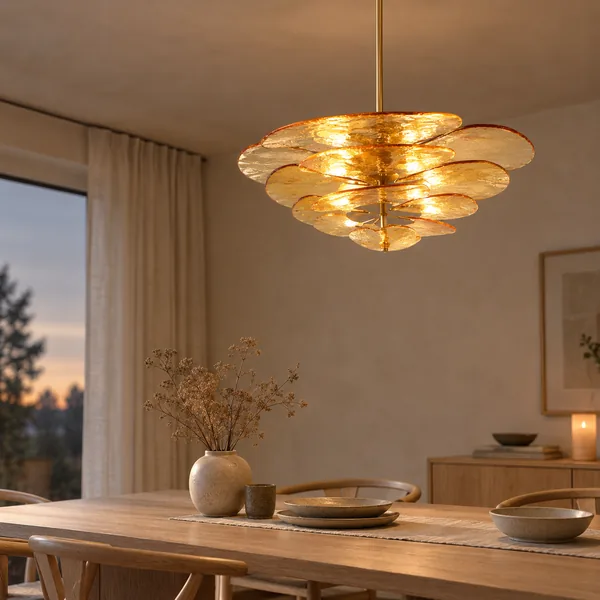 Ravglo Handcrafted Amber Stained Glass Chandelier$899.00$1,389.00
The Ravglo Handcrafted Amber Stained Glass Chandelier represents everything we love about traditional lighting done right. Its warm honeyed radiance eliminates the harsh glare that can ruin an otherwise perfect dining experience. The vintage-inspired silhouette references historical design without feeling like a reproduction, making it equally at home in newly built homes or historic renovations.
The Art of Layered Lighting in Formal Dining Spaces
Professional designers understand that one light source never tells the complete story. A sophisticated traditional dining room employs three distinct lighting layers, each serving a specific purpose while contributing to the overall atmosphere:
Ambient Layer: The Foundation
Your primary chandelier or pendant establishes the room's baseline brightness. This is your statement piece—the fixture guests notice when they enter, the one that establishes the room's design vocabulary. The ambient layer should provide enough illumination for general visibility without creating uncomfortable glare. Dimmable fixtures are essential here, allowing you to transition from bright family breakfasts to romantic candlelit dinners.
Task Layer: Functional Precision
Dining rooms may not seem like task-intensive spaces, but consider the practical needs: reading place cards, serving food, finding dropped utensils. Task lighting needn't be obvious—recessed ceiling lights positioned around the perimeter of the room provide this practical layer without detracting from your beautiful central fixture. For those exploring more options, our Linear Pendant Lights collection offers a curated selection of pieces that can serve both ambient and task functions in longer dining spaces.
Accent Layer: Drama and Depth
Accent lighting highlights architectural features, artwork, or sideboard displays. In traditional dining rooms, wall sconces provide this layer beautifully. Positioned at eye level, they wash walls with gentle light that makes the room feel larger and more dimensional. This layer proves especially valuable during evening entertaining when you want atmosphere over illumination.
Additional Traditional Fixtures to Consider
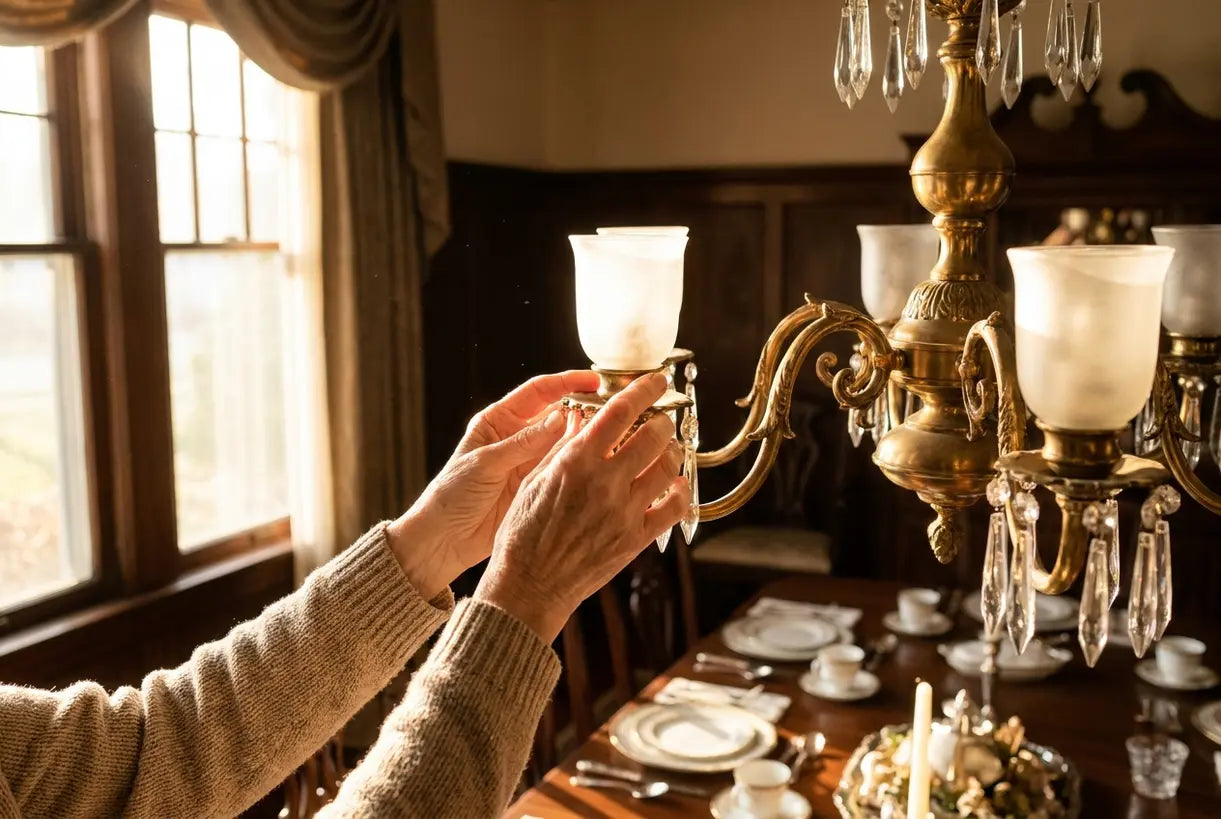
Beyond the centerpiece chandelier, these complementary fixtures help complete your traditional dining room vision:
Create a relevant title
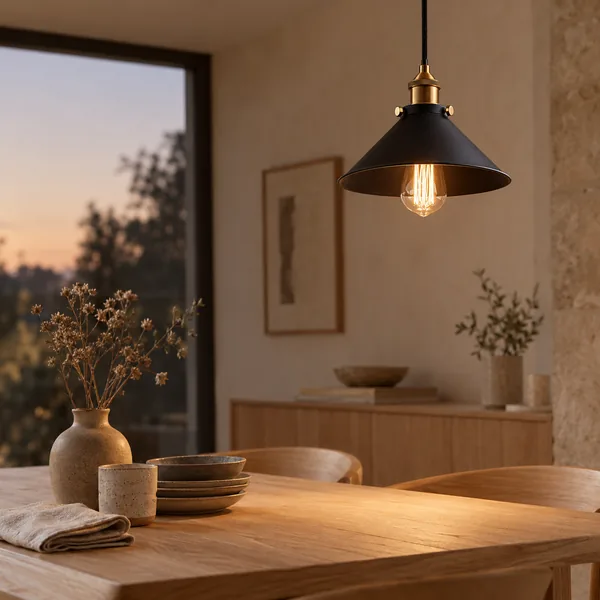
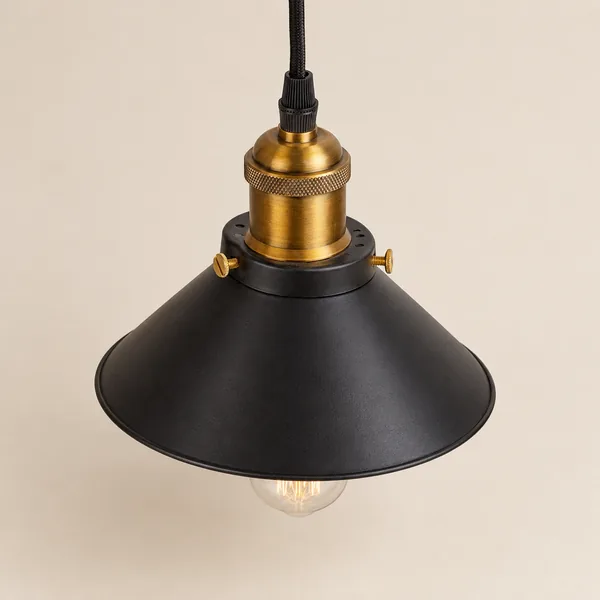
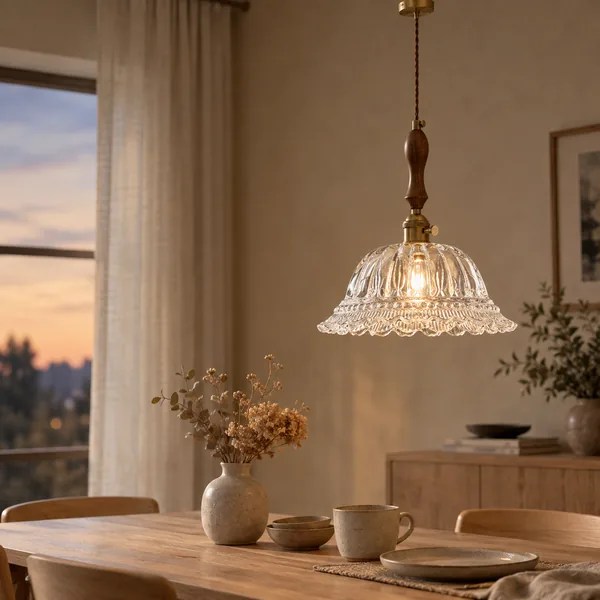 Gloda Walnut Brass French Style Pendant Light$169.00$229.00
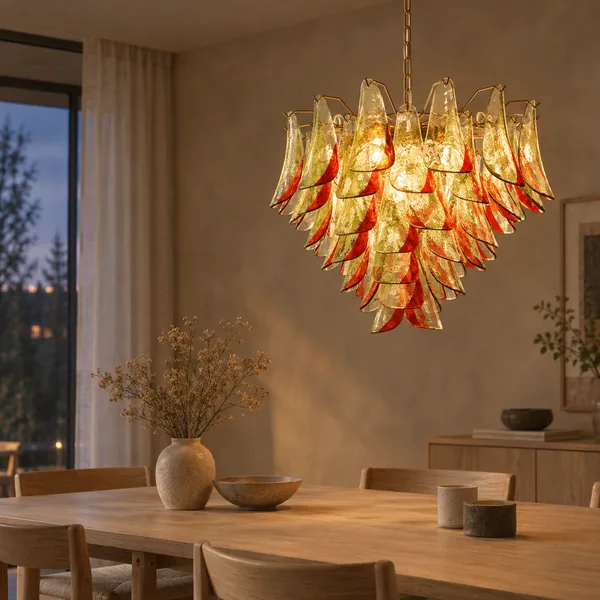 Klarglod Dimmable Nordic K9 Crystal Chandelier$889.00$1,279.00
The Gloda Walnut Brass French Style Pendant Light brings pastoral charm to intimate dining spaces. Its frosted glass diffuser creates that essential gentle amber glow that makes every meal feel special. Meanwhile, the Klarglod Dimmable Nordic K9 Crystal Chandelier proves that traditional materials can meet modern technology—the gold metallic frame provides classic elegance while the dimmable LED system gives you complete control over your room's mood.
Hanging Heights and Proportion Guidelines
Even the most beautiful fixture loses its impact if improperly positioned. Understanding hanging heights and scale prevents the common mistakes that plague dining room lighting:
The Golden Rule of Height
For most dining tables, the bottom of your chandelier or pendant should hang 30 to 36 inches above the table surface. This measurement assumes standard 8-foot ceilings—with higher ceilings, add approximately 3 inches of hanging length per additional foot of ceiling height. This positioning provides intimate illumination across the table while maintaining sight lines for conversation.
Calculating Proper Width
Your fixture's diameter should relate directly to your table dimensions. A simple formula: add the length and width of your table (in feet), and the sum equals the ideal fixture diameter (in inches). For example, a 6 by 4-foot table calls for a fixture approximately 10 inches in diameter. For long rectangular tables, consider either a linear fixture or multiple pendants spaced evenly along the table's length.
Avoiding Scale Disasters
The most frequent error in dining lighting involves scale—either a tiny fixture that looks lost above a substantial table, or an oversized piece that overwhelms the room. When in doubt, err on the side of slightly larger rather than smaller. A substantial fixture grounds the space and establishes the room as an intentional, designed environment rather than an afterthought.
For more professional guidance on lighting placement and design principles, the International Association of Lighting Designers offers excellent educational resources. Additionally, architectural lighting standards from the Illuminating Engineering Society provide technical specifications that ensure your lighting meets professional criteria for both aesthetics and functionality.
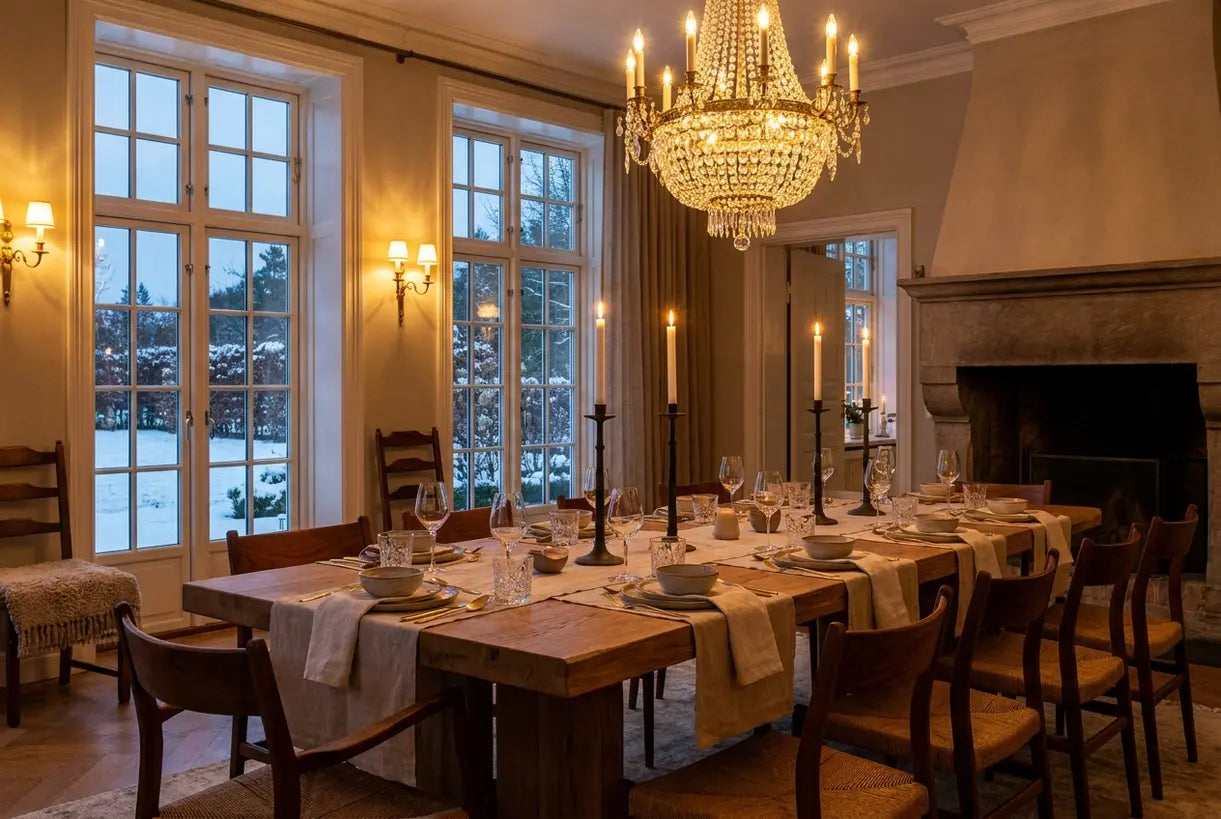
Dining Room Lighting
Shop all Dining Room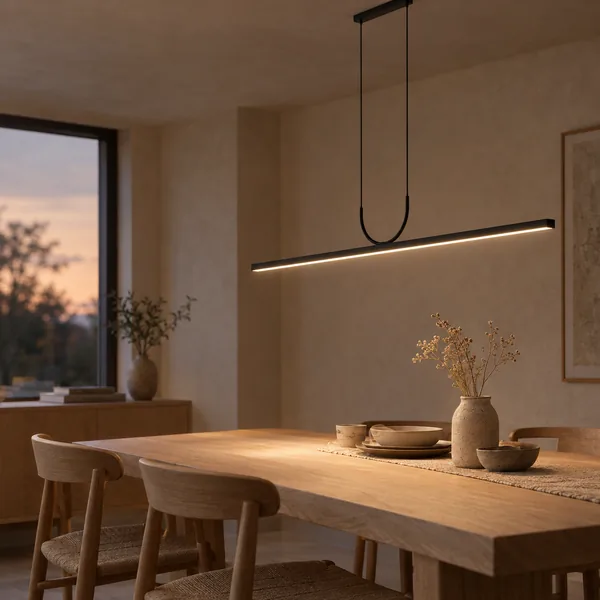
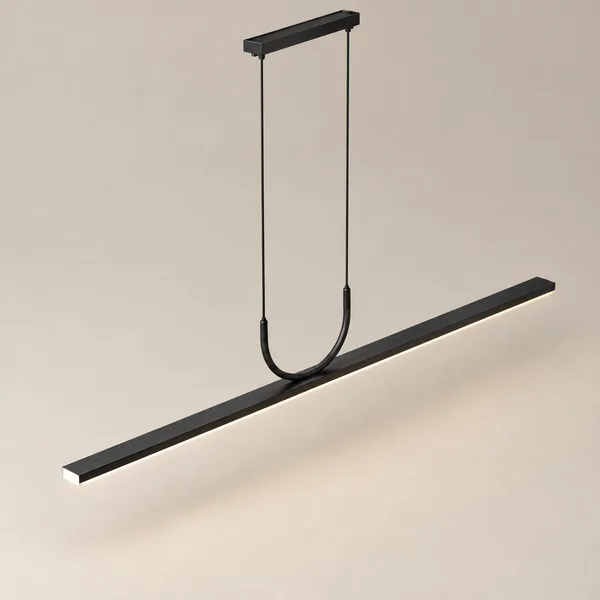 Save $140.00
Linné Minimalist Linear Black LED Pendant Light
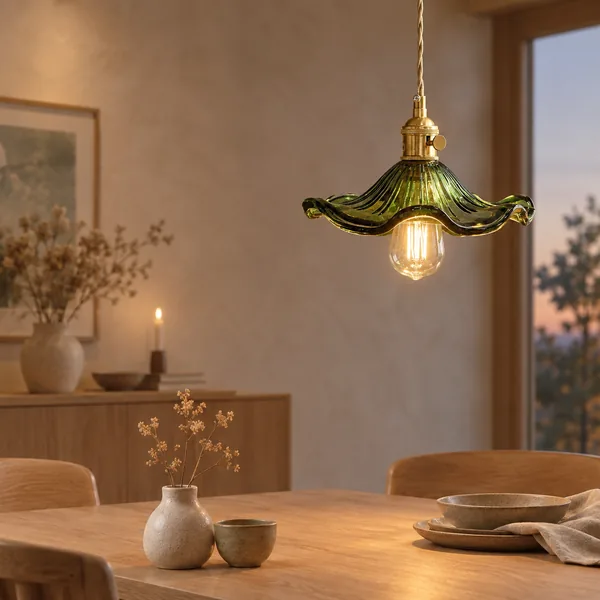
 Save $60.00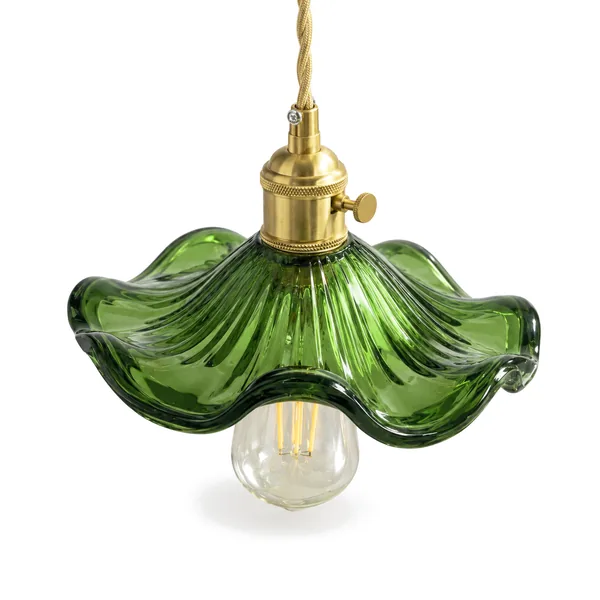
 3 options
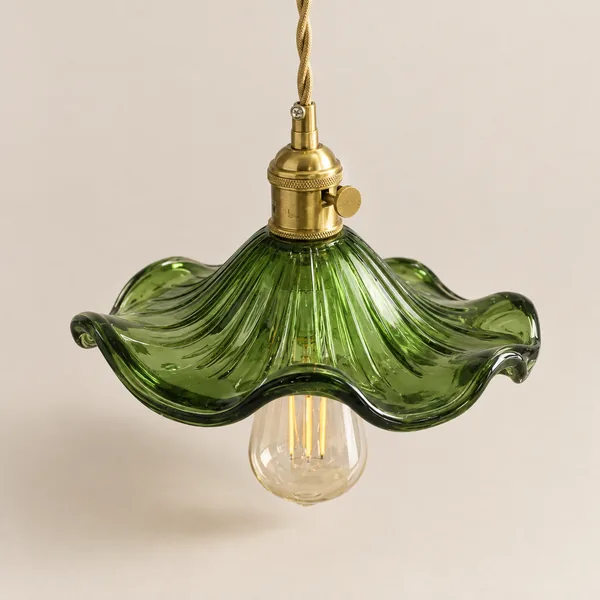
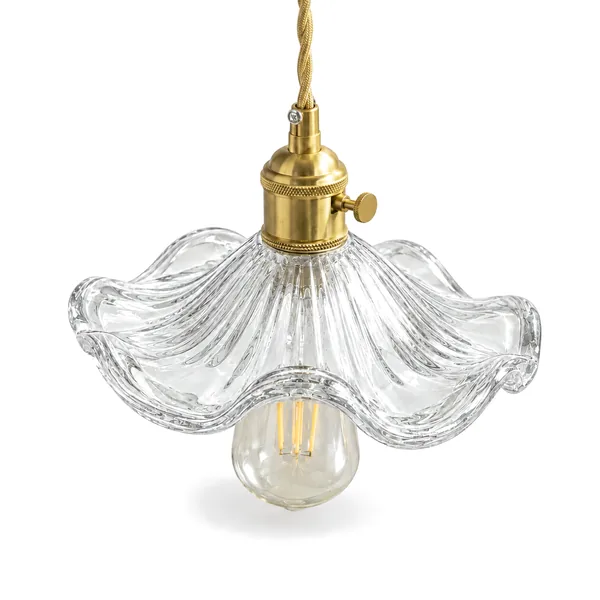
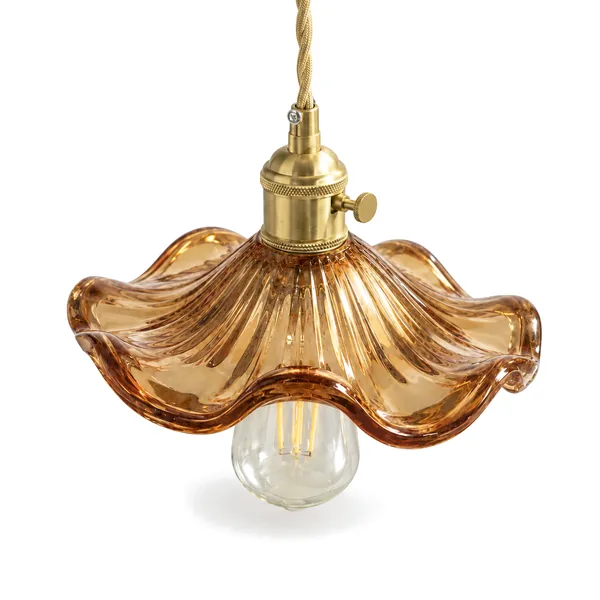
Glora Nordic Glass Pendant Light with Copper
 Save $120.00
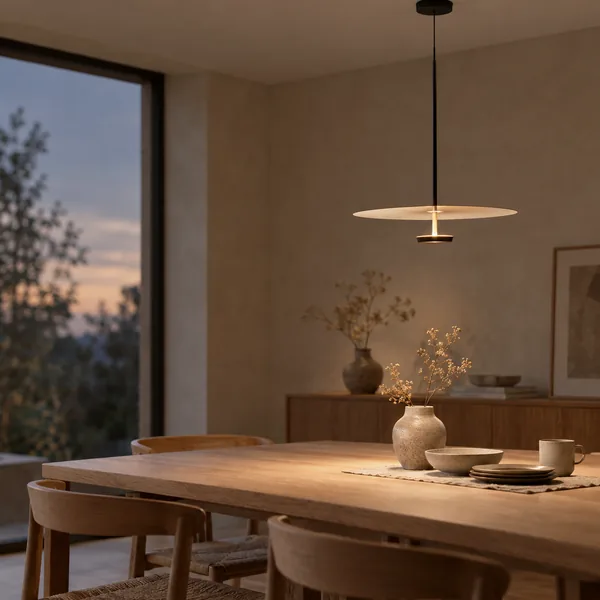
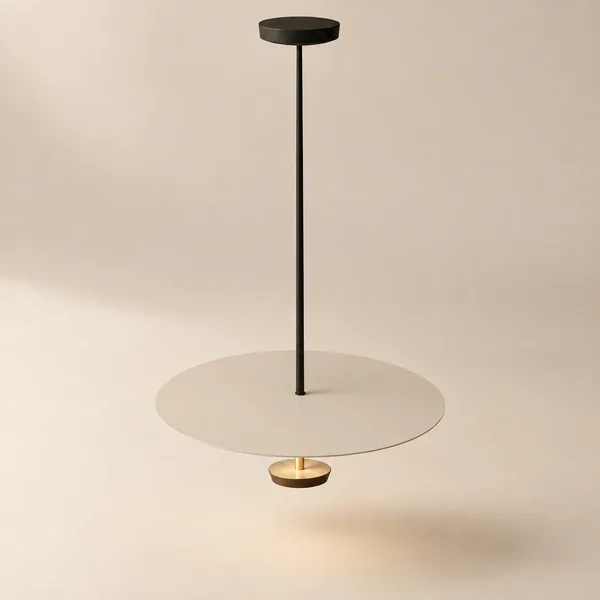
Skiva Nordic Saucer Ceiling Pendant Light LED
Styling Tips for Maximum Impact
Once you've selected and positioned your traditional dining room lighting, a few styling considerations help maximize its impact:
Consider the Ceiling Plate
The ceiling canopy—the plate that covers your electrical box—deserves attention. In traditional spaces, ornate or substantial canopies feel more appropriate than minimal disks. This small detail signals quality craftsmanship and provides a proper visual foundation for the fixture below.
Match Metals Thoughtfully
While traditional design often embraced mixed metals, modern interpretations typically benefit from some coordination. If your chandelier features antique brass, consider carrying that metal through cabinet hardware or chair details. Or use the metal finish as an intentional contrast against other room elements.
Layer Textures, Not Just Light
Traditional dining rooms come alive through texture. Your lighting should complement other textural elements: linen napkins, wool curtains, wood grain, ceramic tableware. The interplay of smooth crystal, warm metal, and soft textiles creates that sense of richness that defines truly successful traditional interiors.
Pro Tip: Install your dining room lighting on a dimmer switch regardless of fixture type. The ability to control brightness transforms a single fixture into multiple lighting scenarios—bright for cleaning and food prep, medium for casual meals, low for elegant entertaining.
Conclusion: Creating Your Timeless Dining Sanctuary
Traditional dining room lighting isn't about replicating a museum piece—it's about honoring the elements that have made dining rooms special for centuries: warm materials, thoughtful proportions, and quality that endures. When you choose fixtures that embody these principles, you create a space that feels both elevated and welcoming, formal yet comfortable.
At Skonne, we believe that every meal deserves beautiful lighting. Whether you're hosting holiday gatherings or enjoying Tuesday night takeout, the environment you create around your table matters. Our curated collection brings together traditional craftsmanship with contemporary sensibility, offering pieces that feel storied from the moment you install them.
Let your dining room lighting be more than just illumination—let it be an invitation. An invitation to linger longer, to savor more deeply, to create memories that last well beyond the final course. Browse our collection today and discover how the right traditional lighting can transform not just your room, but the experiences you share within it.
Related Article
Small Dining Room Lighting Ideas: Best Fixtures & Tips to Brighten a Compact Dining SpaceTransform your compact dining space with our small dining room lighting ideas. Discover space-saving fixtures, low ceiling solutions, and Scandinavian-inspired designs.