
Transitional Home Decor: The Perfect Balance Between Traditional & Contemporary Style
Summary›
- Understanding the Transitional Design Philosophy
- The Pillars of Transitional Style Interior Design
- Modern Transitional Home Decor: Key Elements
- How to Mix Traditional and Modern Furniture Styles
- Room-by-Room Transitional Decorating Ideas
- Styling Techniques for Transitional Design Success
- Is Transitional Design Outdated?
- What Does a Transitional Style Home Look Like?
- Final Thoughts on Creating Your Transitional Space
Creating a home that feels both timeless and current is the dream of every design lover. Transitional home decor offers the perfect solution for those who crave the warmth of traditional aesthetics but appreciate the clean sophistication of contemporary design. This balanced approach to interior styling has emerged as one of the most enduring and popular trends precisely because it doesn't force you to choose between classic and modern—it celebrates both.
Whether you're renovating an entire space or simply refreshing your living room, understanding how to blend these seemingly different design languages unlocks endless possibilities. In this guide, we'll explore the principles of transitional interior design, share practical styling techniques, and show you how curated pieces from Skonne can help you achieve that coveted balance in your own home.
Understanding the Transitional Design Philosophy
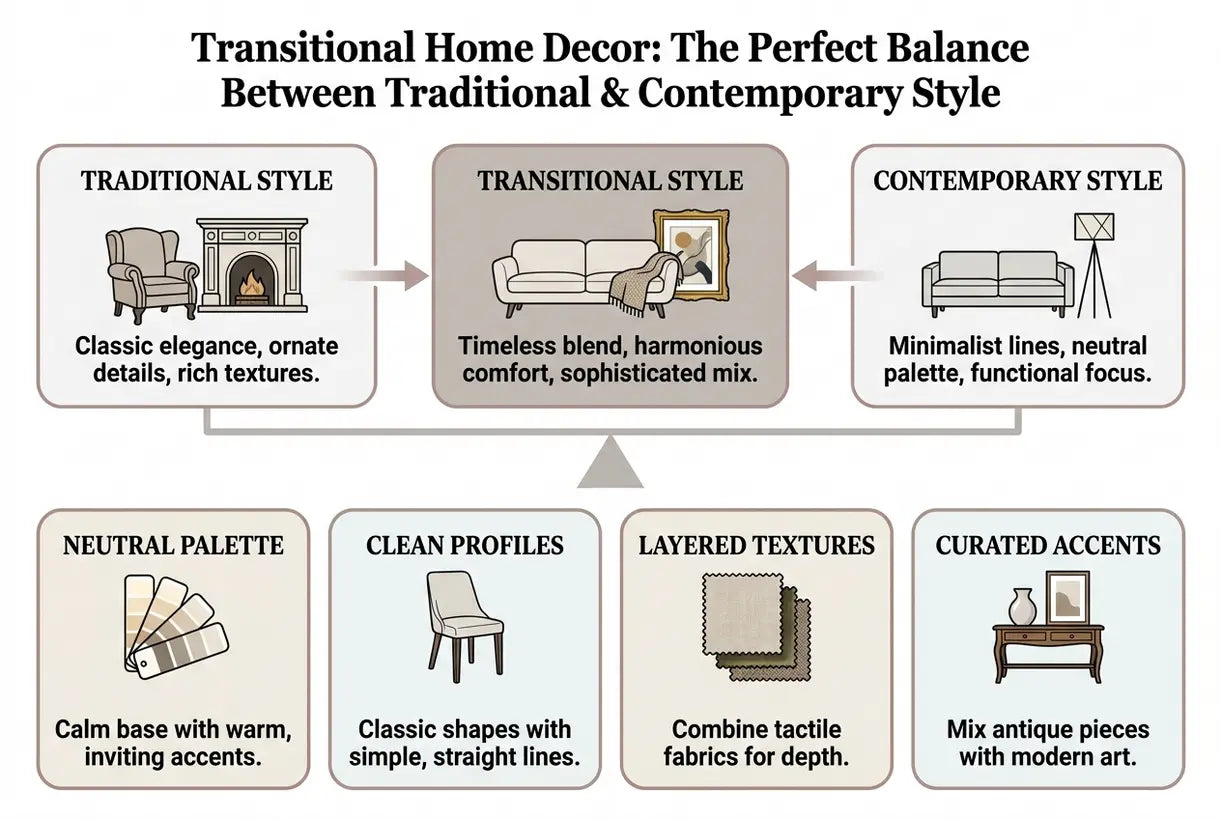
What is transitional home decor? At its core, this style represents the harmonious middle ground between traditional and modern design principles. Unlike purely classic interiors, which can feel overly ornate, or strictly modern spaces, which might come across as cold, transitional design achieves equilibrium through careful curation and thoughtful composition.
The beauty of this approach lies in its flexibility. Transitional style isn't defined by rigid rules but rather by a shared sensibility: clean lines, neutral palettes, textural richness, and an emphasis on quality craftsmanship. From Scandinavian-inspired pendant lights to artisanal ceramics, every element serves a purpose while contributing to the overall aesthetic harmony.
The Evolution of Transitional Design
Transitional interior design emerged organically as homeowners began rejecting the extremes of either purely traditional or ultra-modern aesthetics. Today's design enthusiasts want spaces that feel layered and personal—environments that honor architectural history while embracing contemporary comfort.
This evolution has given rise to a more intentional approach to decorating, where every piece tells a story and contributes to the overall narrative of the home. It's about creating spaces that feel collected over time rather than assembled from a single catalog or era.
The Pillars of Transitional Style Interior Design
Successfully executing transitional home decor requires understanding several fundamental principles that distinguish this style from other approaches to home decorating.
Neutral Foundation with Subtle Layering
The transitional palette typically begins with warm, muted neutrals—creams, taupes, soft grays, and warm whites. These colors create a serene backdrop that allows furniture and decorative objects to shine without competing for attention. However, true transitional design isn't monochromatic—it incorporates subtle shifts in tone and texture to create depth and visual interest.
Accent colors in transitional spaces tend toward the understated: dusty blues, sage greens, warm terracottas, and soft metallics. These hues add personality without overwhelming the senses, maintaining that signature sense of calm sophistication.
The Art of Texture Mixing
Where transitional style truly excels is in its sophisticated use of texture. Without relying on bold colors or patterns, this approach creates dimension through the thoughtful combination of materials. Think smooth linen beside rough-hewn wood, polished metal paired with organic ceramics, or glass accents against wool textiles.
This tactile layering is what gives transitional interiors their signature warmth and livability. The interplay of textures invites touch and creates spaces that feel both refined and approachable.
Pendant Lights
Shop all Pendant Lights
 Save $140.00
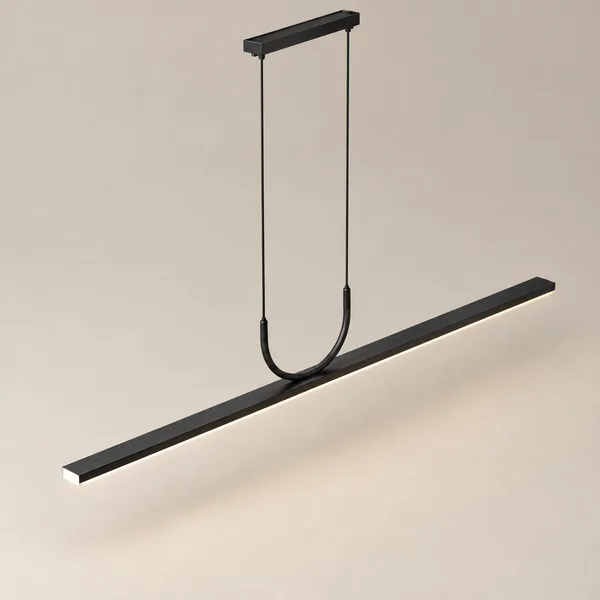
Linné Minimalist Linear Black LED Pendant Light
 Save $60.00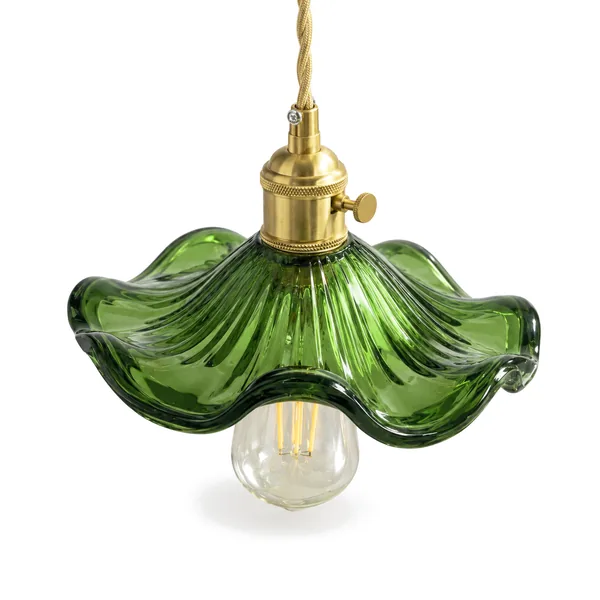
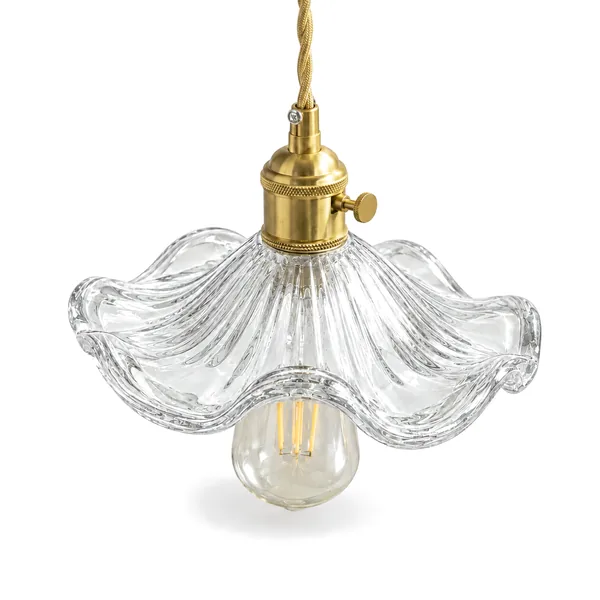
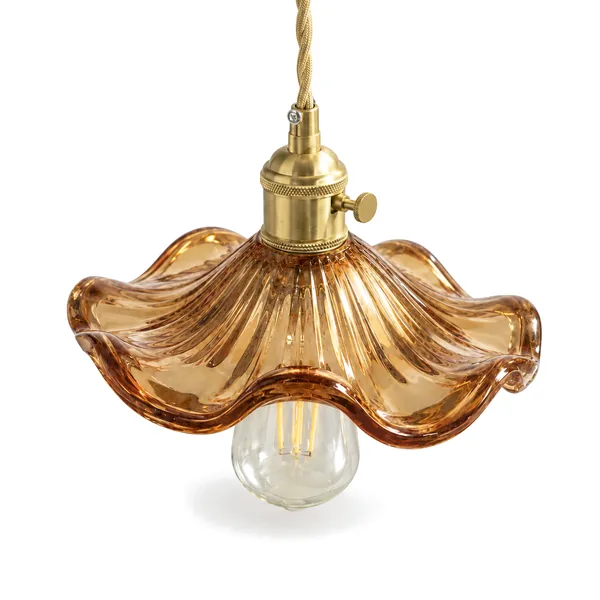 3 options
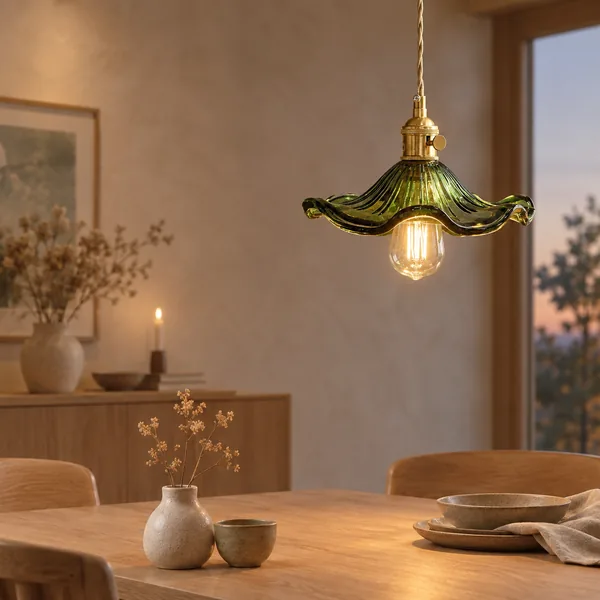
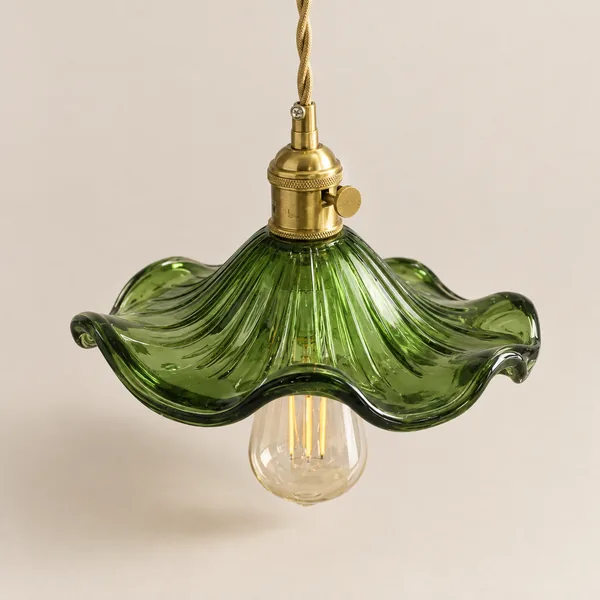
Glora Nordic Glass Pendant Light with Copper
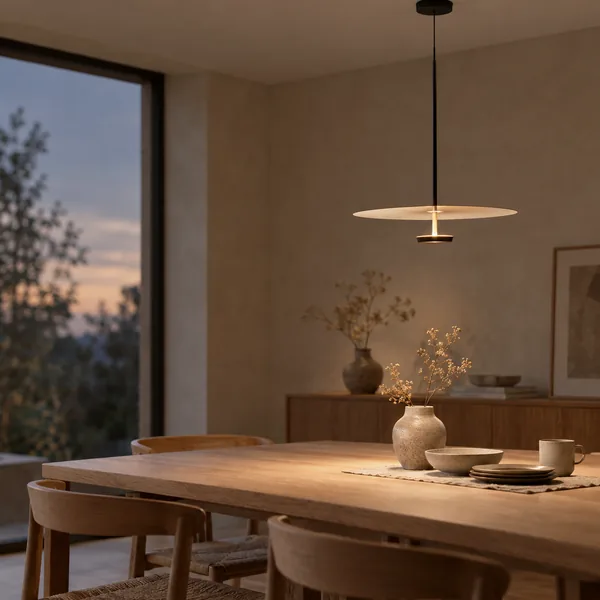
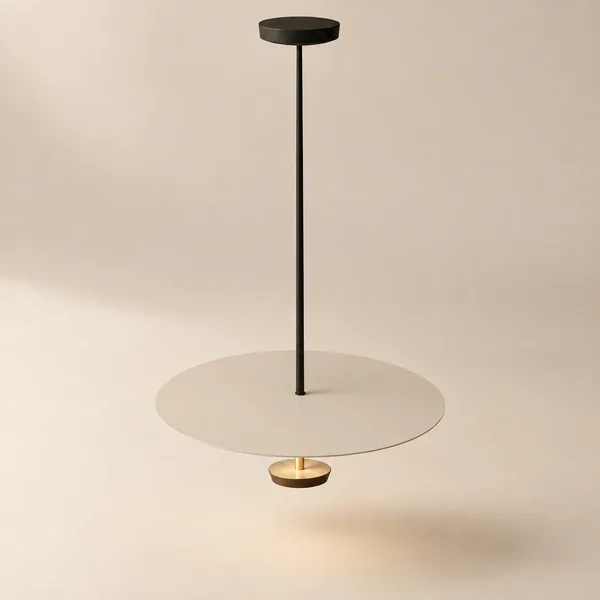 Save $120.00
Skiva Nordic Saucer Ceiling Pendant Light LED
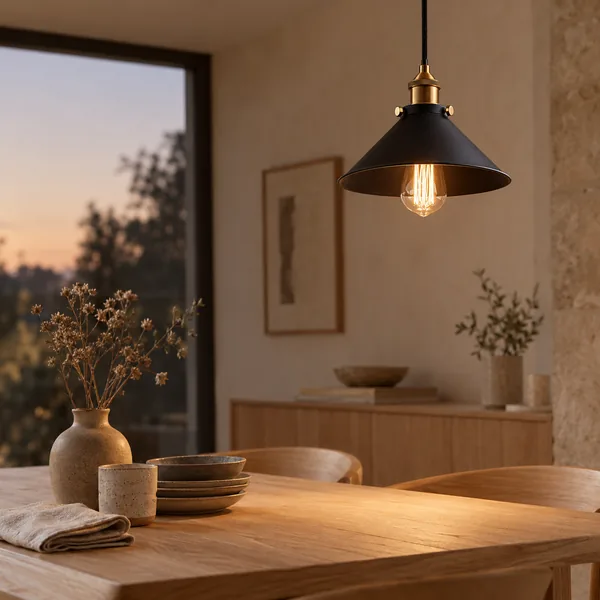
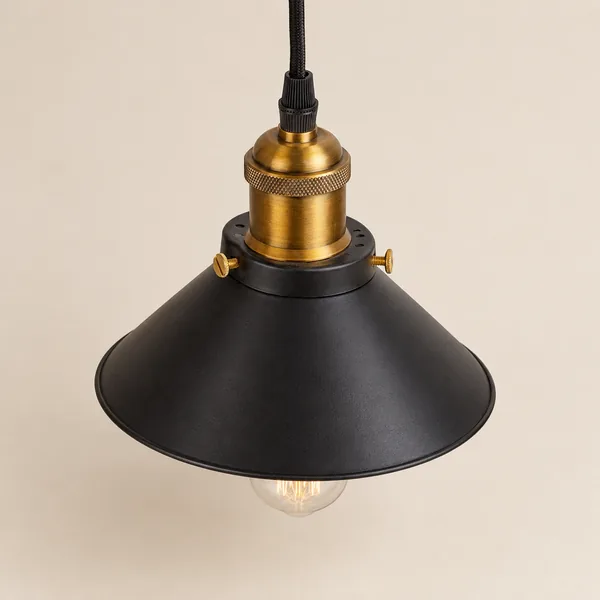
Balanced Proportions and Clean Lines
Transitional furniture style emphasizes silhouettes that feel grounded and balanced. Pieces tend to have cleaner lines than purely traditional furniture while maintaining softer edges than contemporary minimalism. Upholstery features simple tailoring without excessive ornamentation, while wood furniture showcases natural grains and finishes.
The emphasis on proportion extends to spatial planning as well. Transitional interiors favor symmetrical arrangements and a sense of visual order, creating rooms that feel calm and intentional.
Modern Transitional Home Decor: Key Elements
Creating a cohesive transitional home decor living room—or any other space—requires attention to several specific design elements that work together to achieve this balanced aesthetic.
Lighting as a Transitional Statement
Lighting plays a crucial role in establishing the transitional mood. The right fixtures bridge the gap between traditional elegance and modern simplicity, serving as both functional illumination and sculptural art.
For dining areas and living spaces, consider pieces that combine classic materials like brass or brushed nickel with contemporary forms. The Gloda Walnut Brass French Style Pendant Light exemplifies this approach, featuring rich walnut wood and polished brass in a design that feels both vintage-inspired and fresh. Its warm materials introduce traditional charm while the clean lines maintain contemporary relevance.
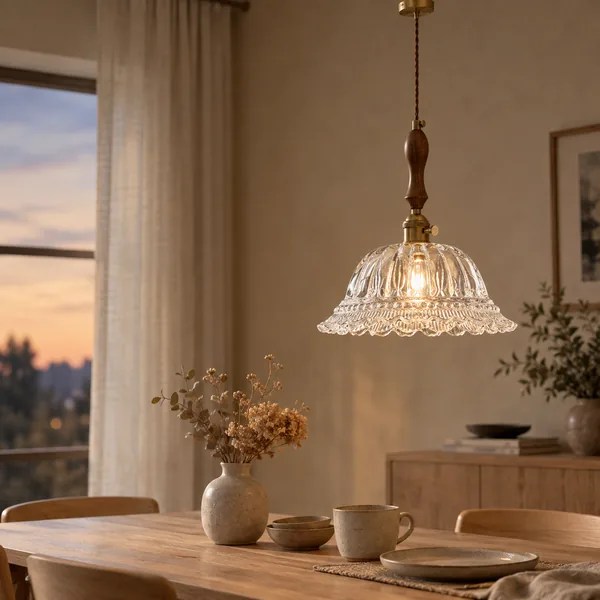 Gloda Walnut Brass French Style Pendant Light$169.00$229.00
When selecting lighting for transitional spaces, look for fixtures that combine different materials—metal with wood, glass with fabric—to create layers of interest. These pieces should feel substantial but not heavy, making a statement without overwhelming the room.
Decorative Objects as Storytellers
Transitional decorating ideas often rely on carefully chosen decorative objects to bridge the style gap. These items should feel curated rather than matched, reflecting personal taste while maintaining design cohesion.
Consider incorporating utility items that double as decor— elegant trays, sculptural vases, and sophisticated candle holders that serve practical purposes while adding personality. These pieces should feel artisanal and intentional, suggesting a patient curation rather than a rushed purchase.
Metal Finishes and Hardware
One of the most practical aspects of transitional style is its flexibility with metal finishes. Unlike purely traditional spaces (which often favor brass or gold) or strictly modern interiors (which tend toward chrome or black), transitional design embraces a range of metallics.
Mixed metals are not only acceptable in transitional interiors—they're encouraged. Pairing brushed gold fixtures with matte black hardware or combining copper accents with stainless steel creates a layered, collected feel that defines this style's sophisticated appeal.
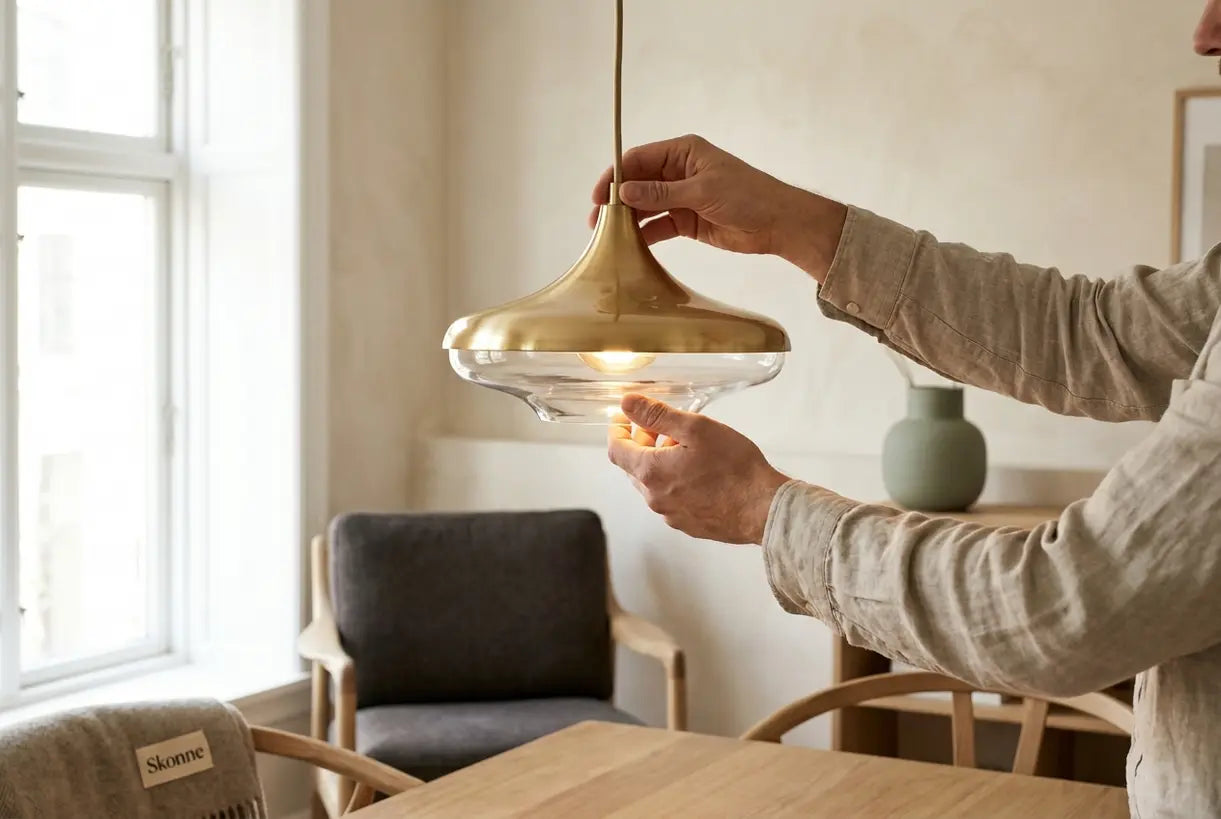
How to Mix Traditional and Modern Furniture Styles
The question how do I mix traditional and modern furniture styles? is perhaps the most common query from those exploring transitional design for the first time. The key lies in finding connection points between the pieces rather than forcing contrast.
Establishing Visual Unity
Start by identifying unifying elements. Two pieces that share similar wood tones, comparable levels of craftsmanship, or compatible proportions can coexist beautifully despite stylistic differences. The goal is creating a conversation between pieces rather than a competition.
For example, a traditional wooden heirloom table can be paired with sleek, modern chairs as long as the wood tones harmonize or the chair materials echo elements in the room elsewhere. This principle of "echo rather than match" is fundamental to successful transitional styling.
Creating Focal Points
Every transitional room needs a clear focal point—typically one piece that anchors the space and sets the tone for the surrounding elements. This might be a statement light fixture, a sculptural piece of furniture, or an artful arrangement of decorative objects.
Once you've established this anchor, arrange additional pieces in conversation with it. The floor lamp in the corner, the coffee table in the center, and the artwork on the walls should all feel connected to this central element, even if they span different design eras.
For those looking to make a sophisticated statement with lighting, our Chandeliers collection offers a curated selection spanning modern minimalist designs to more ornate transitional pieces that blend perfectly with this aesthetic.
Elevate Your Transitional Space with Statement Lighting
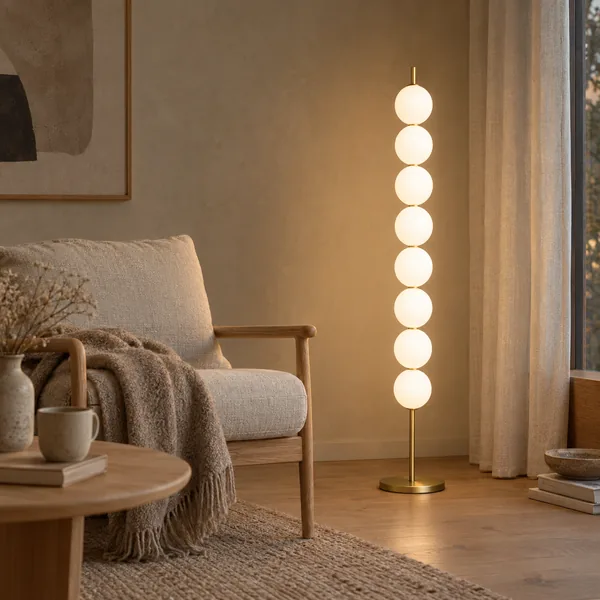 Glödra Nordic Brass Floor Lamp Statement Light$439.00$639.00
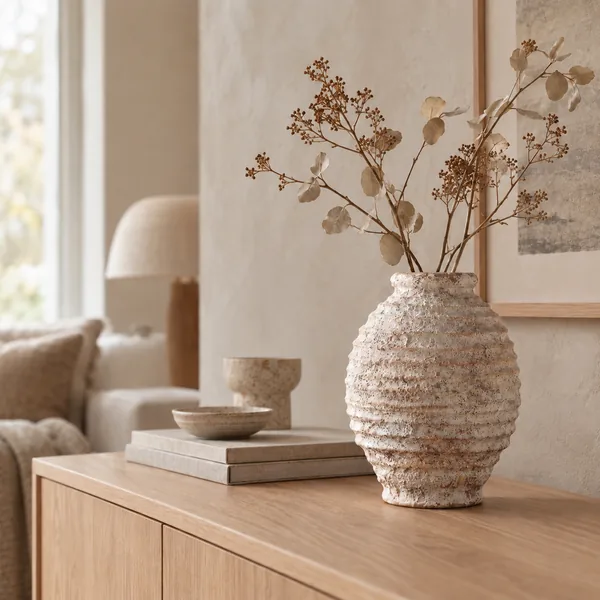 Stille Rustic Handmade Ceramic Vase Earth Tone$99.00$169.00
The Power of Strategic Swaps
You don't need to furnish an entire room at once to achieve transitional style. Start with what you have and make strategic replacements that bridge your existing pieces with the aesthetic you want to achieve.
Replace traditional chandelier shades with simple drum shapes. Swap out ornate hardware for cleaner cabinet pulls. Introduce one or two contemporary accent pieces to a classic furniture arrangement. These small changes can dramatically shift the overall feeling of a space without requiring a complete overhaul.
Room-by-Room Transitional Decorating Ideas
While the principles of transitional design are consistent across spaces, their application varies depending on the room's function and existing architecture.
The Transitional Living Room
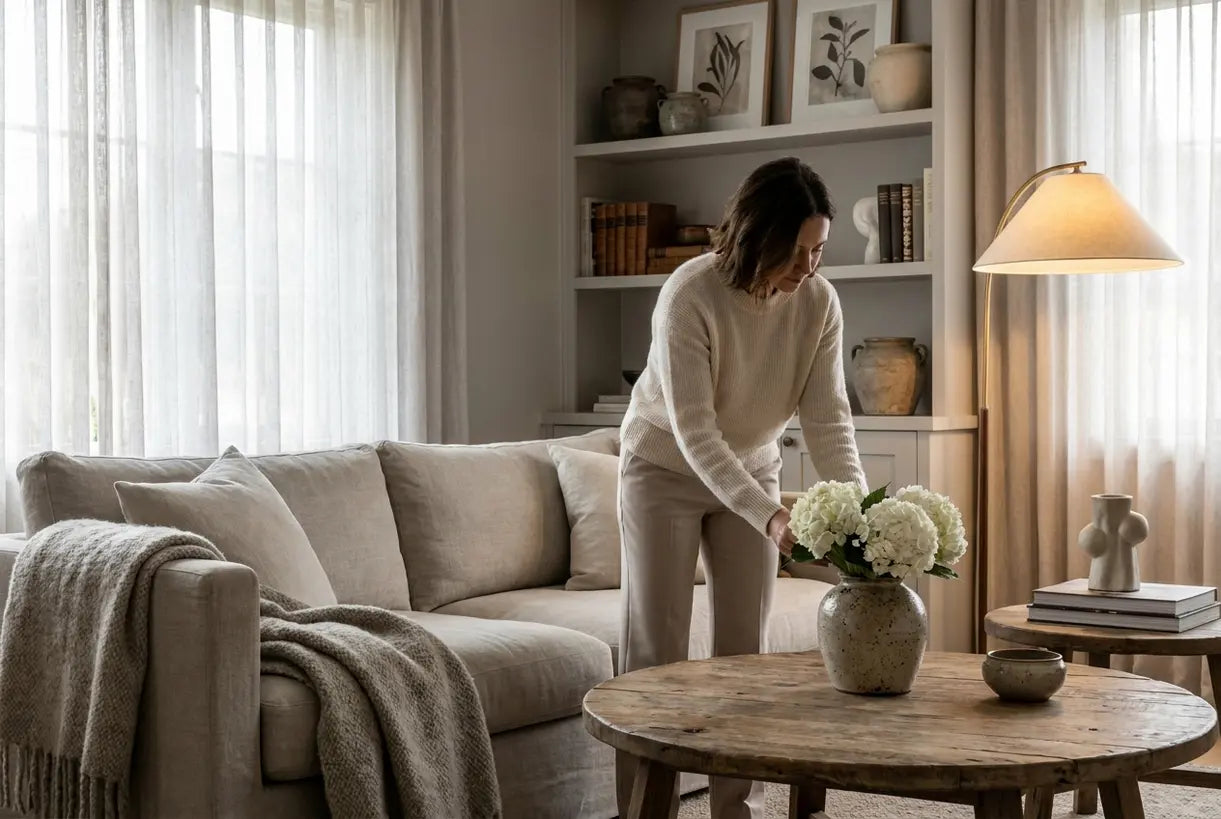
Living rooms offer the most canvas for transitional expression. Here, layering is key. Begin with a foundational sofa in a neutral, high-quality fabric—linen, velvet, or a performance weave in cream, gray, or taupe. Add traditional elements through architectural details like crown molding or built-in bookshelves, then introduce contemporary touches through art, lighting, and accessories.
Area rugs in transitional spaces should provide texture without overpowering. Opt for subtle patterns, solid naturals, or textural weaves that ground the furniture grouping. The rug's material and weave add richness that complements both traditional and modern pieces.
Transitional Dining Spaces
The dining room in a transitional home balances formality with approachability. Traditional table shapes—rectangular or round—work beautifully when paired with chairs featuring cleaner lines. A statement pendant light over the table creates a focal point that bridges traditional and modern sensibilities.
For dining room decor, choose pieces that feel both functional and artful. Consider a sculptural centerpiece, sophisticated candle holders, or a gallery wall that mixes traditional frames with contemporary artwork or photography.
Transitional Bedrooms
Bedrooms thrive in transitional design, where the emphasis on comfort and serenity aligns perfectly with the style's calming aesthetic. Choose upholstered headboards in simple, tailored shapes rather than ornate carved wood or ultra-minimalist platforms. Layer bedding with various textures—linen sheets, a cotton quilt, and a wool throw—rather than relying on bold patterns.
Lighting in transitional bedrooms should feel intimate and refined. Bedside lamps with ceramic, metal, or wood bases paired with neutral shades create the right ambiance while contributing to the overall design harmony.
Styling Techniques for Transitional Design Success
Beyond furniture and color choices, certain styling techniques help ensure your transitional style interior design feels intentional rather than accidental.
What Is the 3-5-7 Rule in Decorating?
The 3-5-7 rule is a guideline for creating visually compelling displays, particularly useful for transitional design where balance is paramount. The rule suggests arranging objects in odd numbers—groups of three, five, or seven—which naturally feel more dynamic and interesting to the eye than even-numbered groupings.
When applying this to transitional spaces, vary the height, scale, and texture of items within each grouping. A trio might include a tall vase, a medium-sized sculpture, and a small stack of vintage books. This creates visual rhythm while maintaining the curated, collected-over-time feeling that defines transitional style.
The Rule of Three Materials
As a complement to the 3-5-7 rule, experienced designers often recommend incorporating at least three different materials in every room. This might mean wood, metal, and fabric; or glass, stone, and leather. In transitional design, this material diversity creates the textural richness that makes neutral palettes feel sophisticated rather than boring.
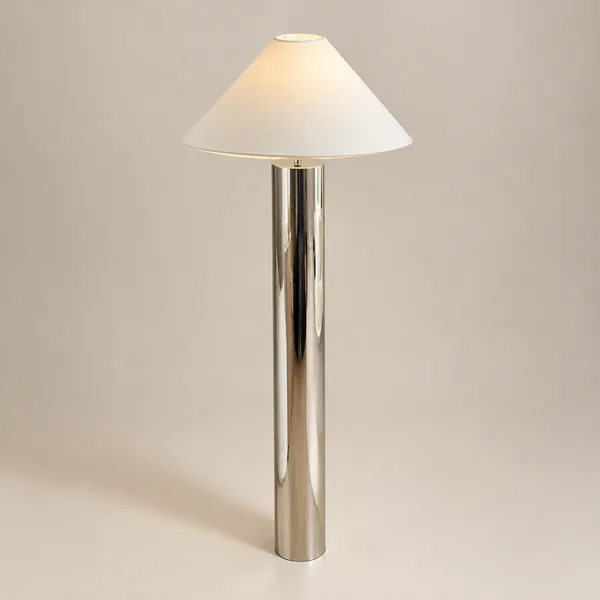
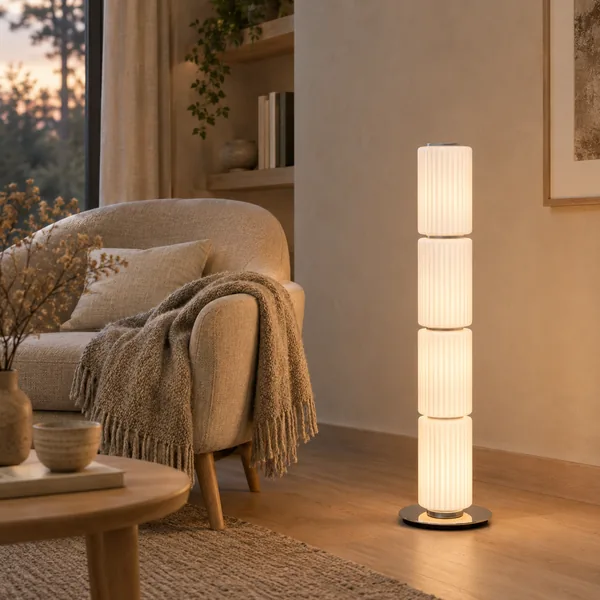
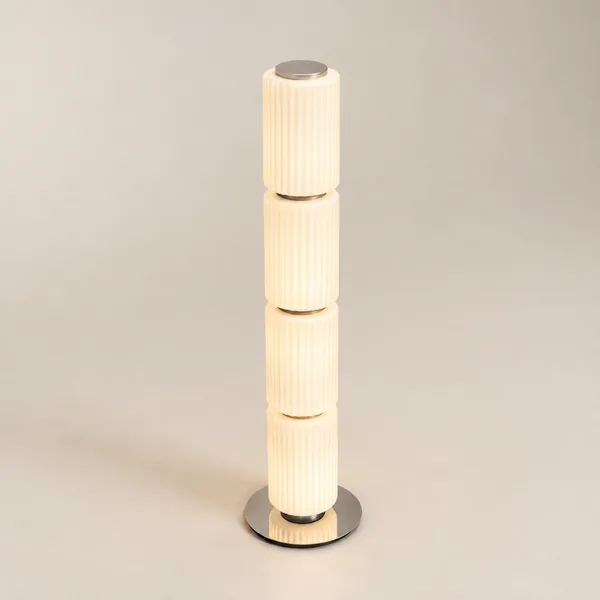
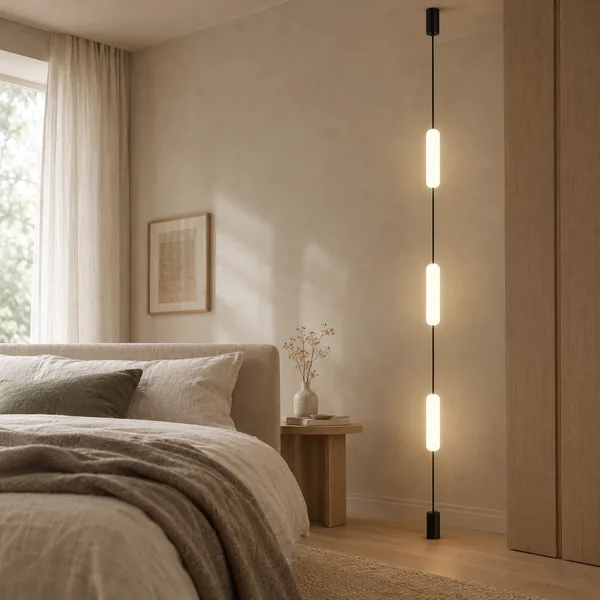
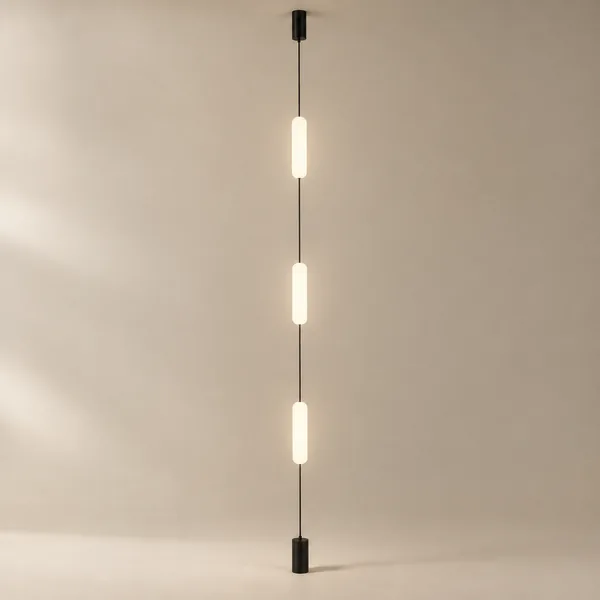
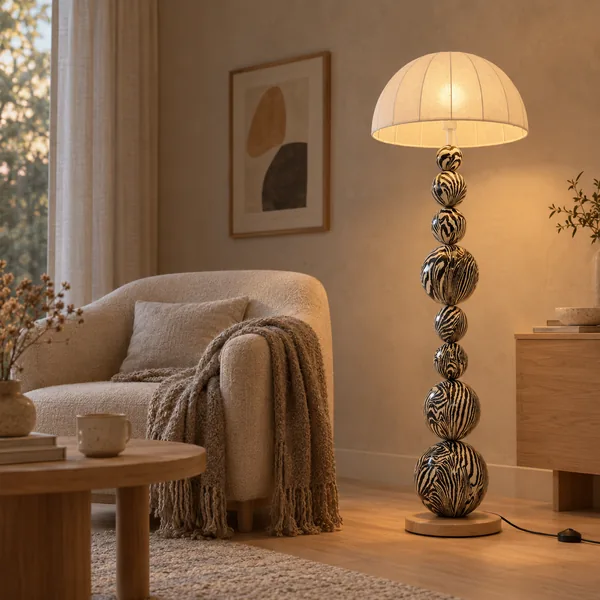
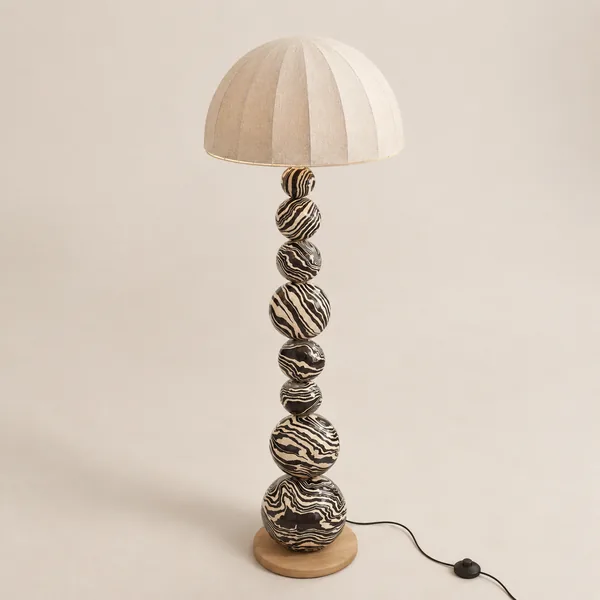
Pro Tip: When in doubt, return to nature. Wood, wool, linen, leather, stone, and clay are timeless materials that work beautifully in both traditional and contemporary contexts. Their organic qualities bring warmth to modern pieces and freshness to traditional ones.Floor Lamps
Shop all Floor Lamps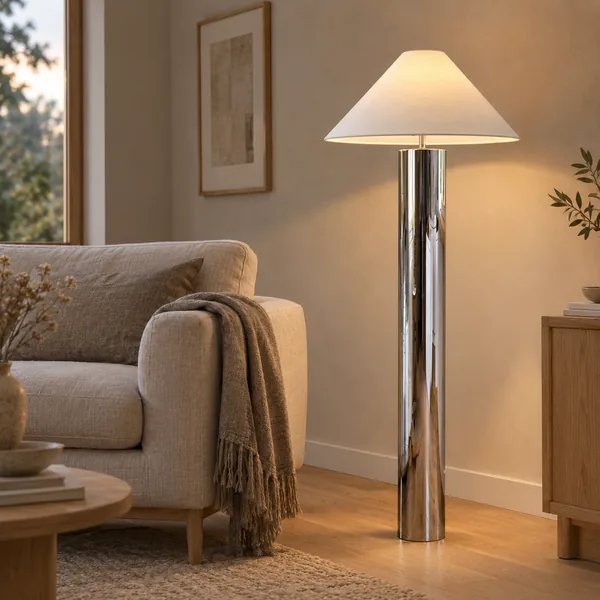
Is Transitional Design Outdated?
A common concern among design enthusiasts is whether this style has staying power. The simple answer is no—transitional design is not outdated, and here's why.
Transitional style isn't a trend; it's a design philosophy rooted in timelessness. Because it pulls from both traditional and modern aesthetics, it evolves alongside both movements without becoming tied to either. A well-designed transitional interior can adapt to changing tastes through simple accessory swaps rather than major furniture replacements.
The enduring popularity of transitional home decor ideas lies in its practicality. It acknowledges that most people don't live in entirely historic homes or ultra-modern spaces—they occupy the vast middle ground where comfort meets sophistication, where heritage meets forward-thinking design.
What Does a Transitional Style Home Look Like?
Walking through a transitional home feels like entering a carefully considered space where every element has earned its place. You notice the absence of clutter and excess, replaced by a calm, welcoming atmosphere. The architecture might feature classic proportions—crown molding, wainscoting, or built-in shelving—but the lines are cleaner than in traditionally styled homes.
The furniture feels substantial without being bulky, elegant without being fussy. Colors remain in the neutral range, allowing textures and materials to create interest. Lighting fixtures make sculptural statements while providing warm, inviting illumination. Decorative objects suggest travel, family history, and personal taste rather than matching sets from a single store.
Most importantly, a transitional home feels livable. There's space to relax, entertain, and move naturally through the environment. It's sophisticated enough for special occasions but comfortable enough for everyday life—truly the best of both design worlds.
Final Thoughts on Creating Your Transitional Space
Mastering transitional home decor is ultimately about developing confidence in your own aesthetic preferences. It's the recognition that you don't need to commit to a single design era to create a beautiful, cohesive home. By understanding the principles that unite traditional and modern styles, you can curate spaces that feel both timeless and current.
The journey toward transitional design starts with intention—choosing each piece because it resonates with you and contributes to the overall aesthetic harmony you're creating. Whether you're drawn to the warm elegance of a walnut and brass pendant, the organic appeal of artisan ceramics, or the sculptural presence of statement lighting, the right pieces help tell your home's unique story.
At Skonne, we believe that beautiful spaces emerge from the thoughtful combination of quality materials, considered proportions, and personal meaning. Our curated collections of Scandinavian-inspired lighting and home decor are designed to support your transitional design journey—pieces that honor traditional craftsmanship while embracing contemporary sensibilities.
Related Article
Entryway Home Decor: How to Style Your Foyer & Make a Stunning First ImpressionLearn how to style your entryway with Scandinavian-inspired decor ideas. From pendant lighting to console table styling, create a welcoming first impression that greets guests beautifully.