
Tray Ceiling Light Fixtures: How to Illuminate a Coffered or Tray Ceiling with Style
Summary›
- What Are Tray Ceiling Light Fixtures?
- The Best Types of Lighting for Tray Ceilings
- How to Choose the Right Fixture Size and Placement
- Lighting Tray Ceilings with Crown Molding
- Tray Ceiling Design: Color and Visual Impact
- Modern Tray Ceiling Lighting Installation
- Cost Considerations for Tray Ceiling Lighting
- Conclusion: Creating Your Luminous Tray Ceiling
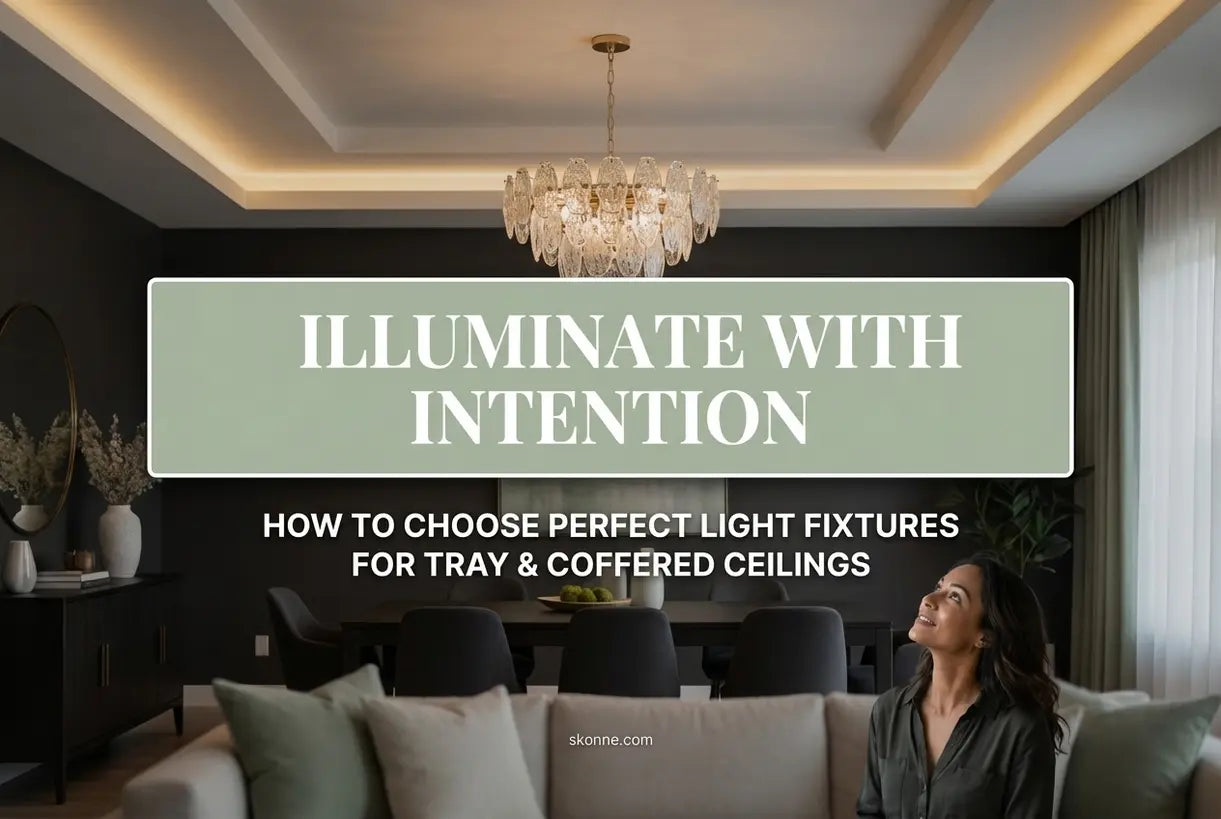
A tray ceiling transforms an ordinary room into something extraordinary. By adding depth and architectural interest overhead, this design feature creates the perfect canvas for layered lighting that elevates your entire space. Whether you're renovating a dining room, master bedroom, or living area, understanding how to properly illuminate a tray ceiling is essential to achieving that warm, intentional atmosphere that defines Scandinavian-inspired design.
In this guide, we'll explore everything you need to know about tray ceiling light fixtures—from the best types of lighting for these architectural features to practical tips for installation and sizing. By the end, you'll have the confidence to transform your tray or coffered ceiling into a luminous focal point that embodies that coveted hygge feeling.
What Are Tray Ceiling Light Fixtures?
Tray ceiling light fixtures are lighting solutions specifically designed to complement the tiered architectural structure of tray ceilings—sometimes called "coffered ceilings"—which feature a central section that sits higher than the perimeter. Unlike standard flat ceilings, trays create recessed areas that demand strategic illumination to highlight their dimensional beauty.
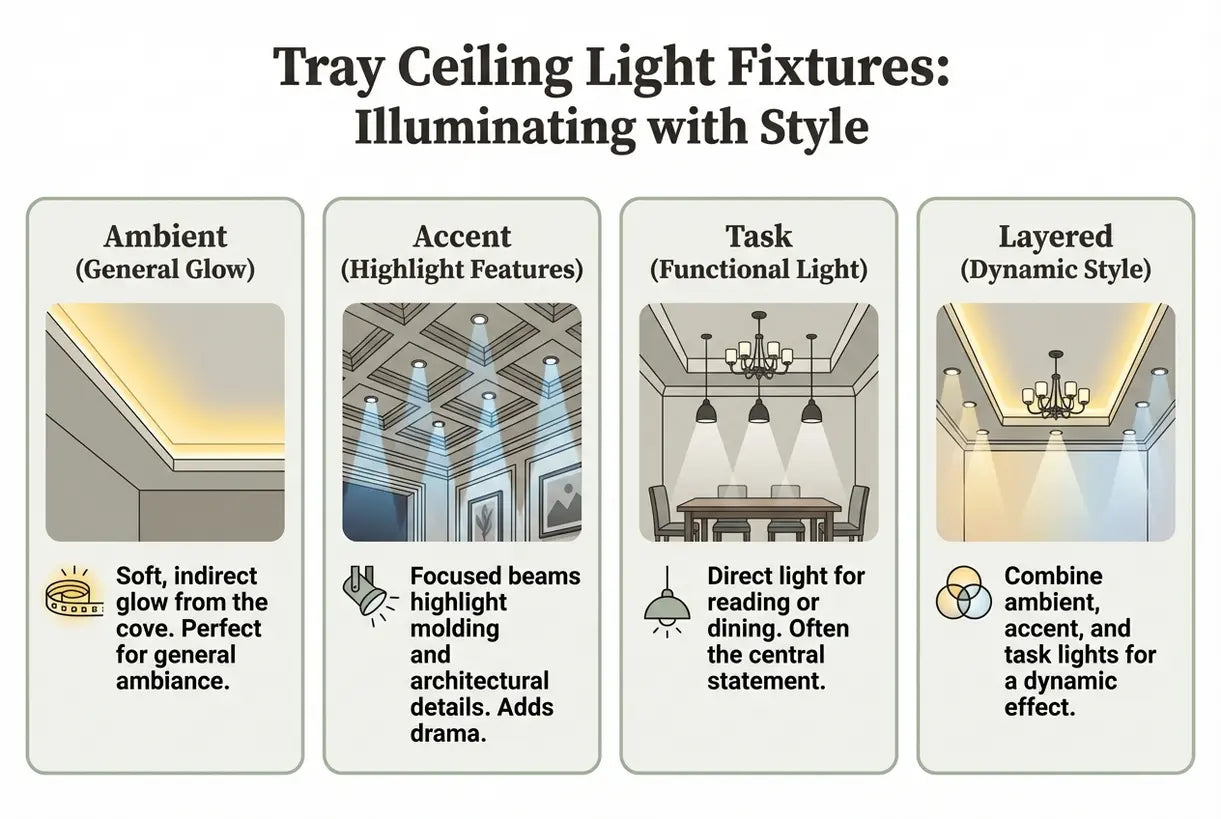
The key to successful tray ceiling lighting lies in the layering principle. Rather than relying on a single source of light, the best installations combine multiple fixture types: a stunning centerpiece like a chandelier or pendant in the raised central area, accent lighting within the perimeter cove or crown molding cavity, and sometimes additional recessed fixtures along the stepped edges. This multi-layered approach ensures your ceiling becomes a design statement rather than just overhead architecture.
At Skonne, we believe that lighting should feel both functional and poetic. Our curated selection of Mounted Ceiling Lights offers Scandinavian-inspired options designed to work harmoniously with tray ceiling architecture—clean lines, warm materials, and thoughtful engineering that brings that sense of intentional calm to your home.
The Best Types of Lighting for Tray Ceilings
When selecting tray ceiling light fixtures, understanding your options is essential. Different lighting types serve distinct purposes within the tray's architectural framework, and the most successful designs often incorporate multiple techniques in harmony.
Chandeliers for Centerpiece Impact
A chandelier positioned in the raised center section of a tray ceiling creates undeniable drama. This approach draws the eye upward, emphasizing the ceiling's height while providing ambient illumination for the entire room. For tray ceilings with sufficient vertical space, a statement chandelier becomes the room's sculptural anchor—a piece of functional art that sets the tone for your entire design scheme.
The elegance of crystal fixtures brings particular magic to tray ceiling applications. Light refracting through quality crystal creates dancing patterns across the tiered surfaces, multiplying the luminous effect and creating that warm, inviting atmosphere central to hygge philosophy.
Semi-Flush Mount Fixtures
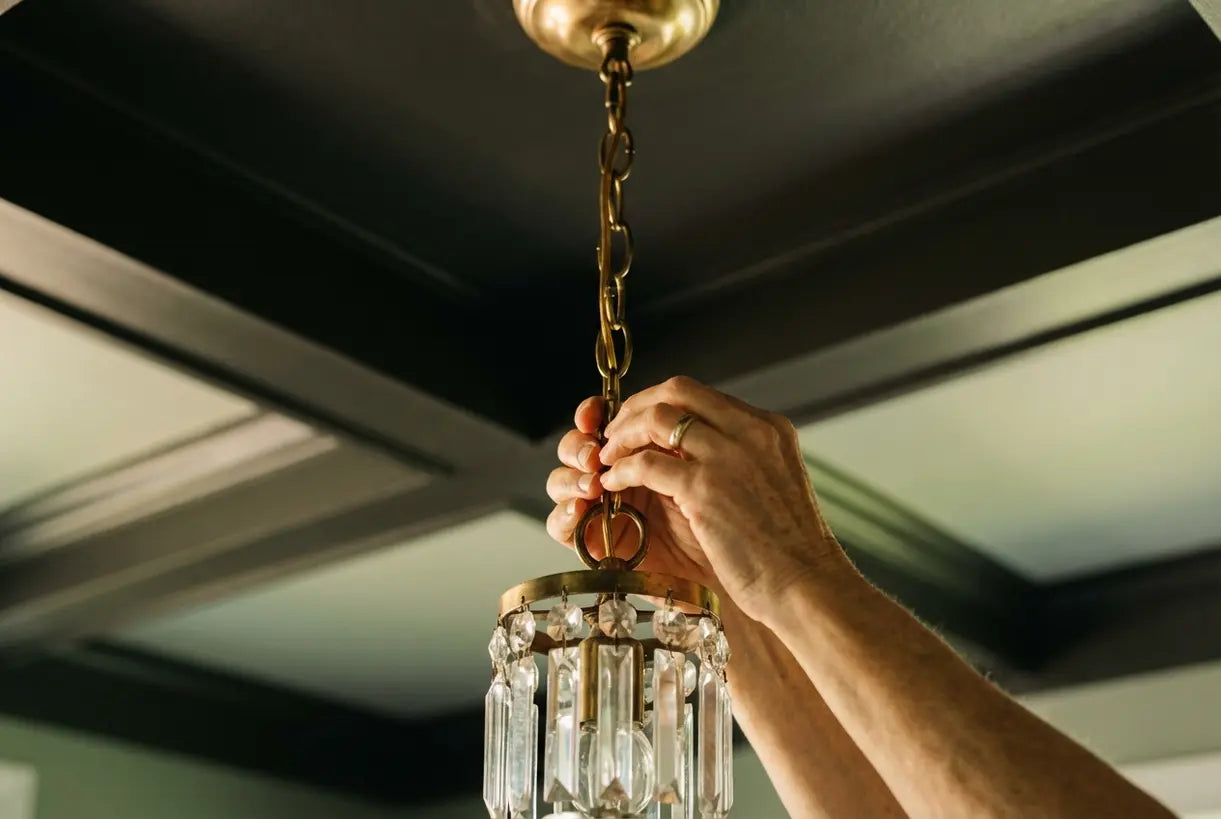
For tray ceilings with more modest height clearance—especially the lower perimeter sections—semi-flush mount fixtures offer the perfect compromise. These solutions provide the decorative presence and sparkle of a chandelier while maintaining the clearance needed for comfortable movement below. Positioned strategically, they can illuminate the lower tier of your tray ceiling while contributing to the overall layered lighting scheme.
Pendant Lighting for Zones
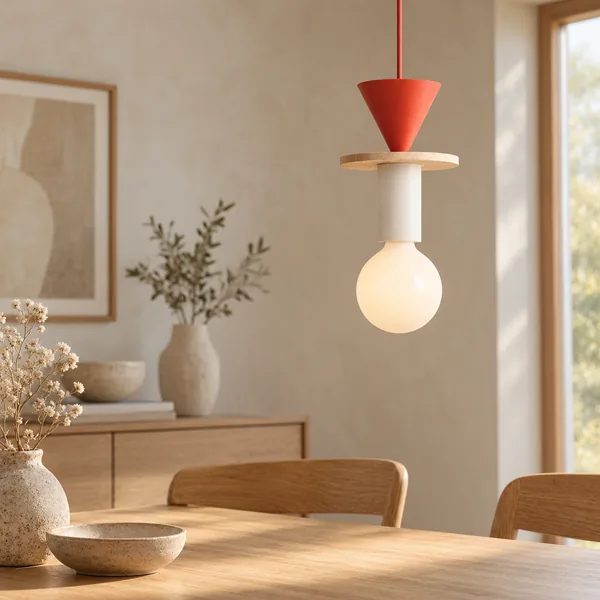
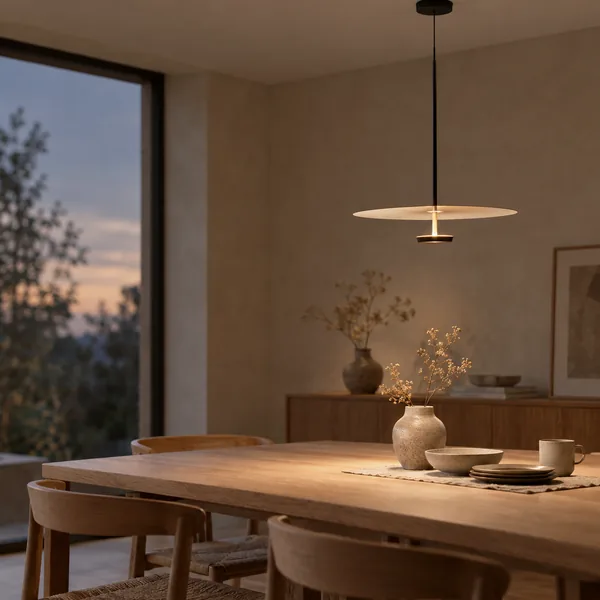
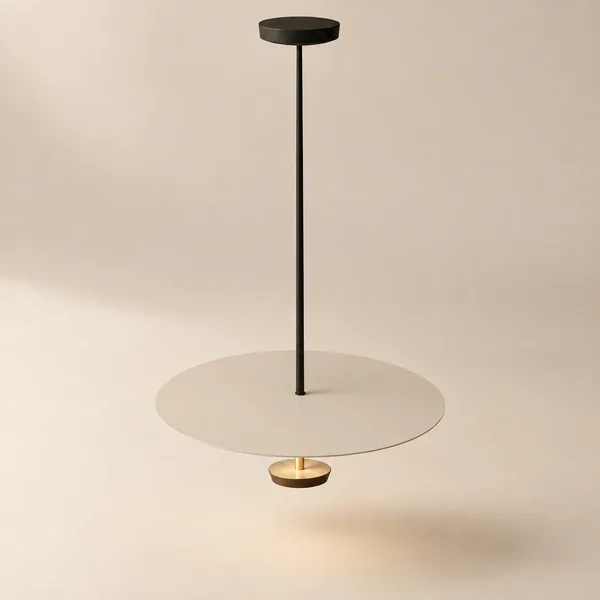
Nordic-inspired pendant lights work beautifully in tray ceilings, particularly when you want to create distinct zones within a larger space. A well-placed pendant can illuminate a seating area, dining table, or reading nook while contributing to the overall ceiling composition. The clean, saucer-like forms characteristic of Scandinavian design complement tray ceiling geometry without overwhelming it.
Cove and Indirect Lighting
One of the most sophisticated approaches to tray ceiling illumination involves hidden LED strip lighting installed within the cove created between the tray's perimeter and the ceiling's main plane. This technique—often called "cove lighting" or "indirect lighting"—washes the tray's interior surfaces with gentle, ambient light that eliminates harsh shadows and creates depth. For those researching coffered ceiling lights specifically, this indirect approach is often essential to the aesthetic.
Modern LED technology has made this option more accessible than ever, with dimmable strips that allow you to adjust the mood from bright and energizing to soft and intimate. When combined with a statement central fixture, cove lighting creates that coveted layering effect that makes rooms feel professionally designed.
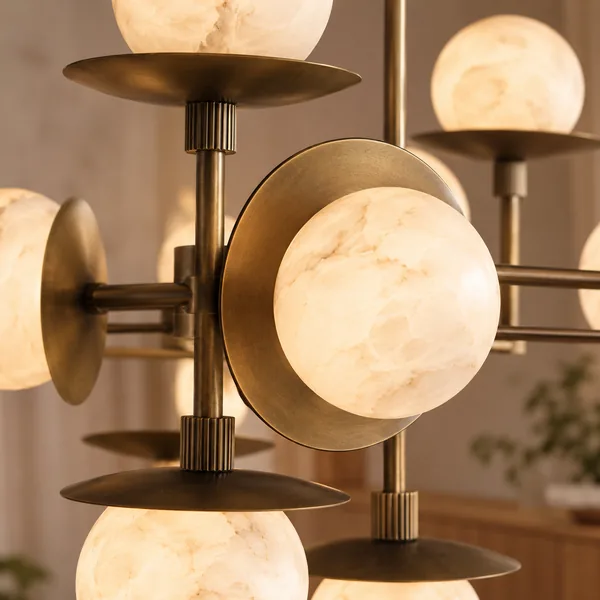
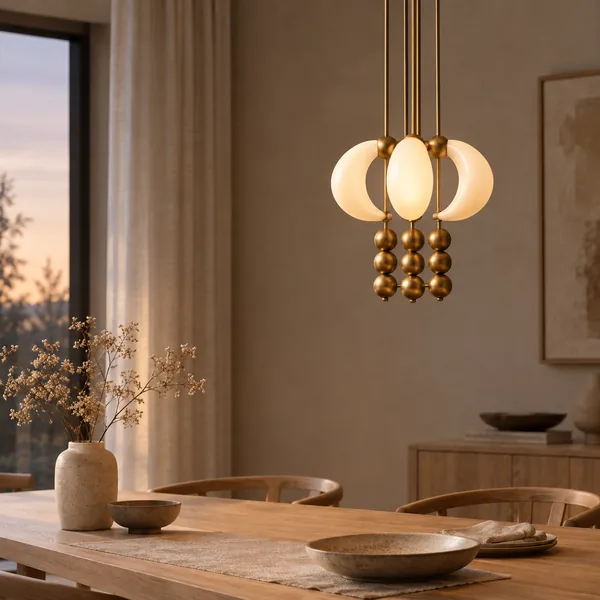
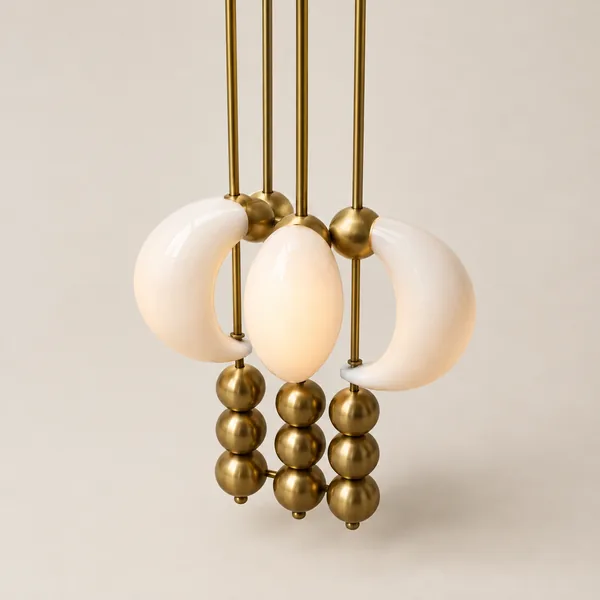
Chandeliers
Shop all Chandeliers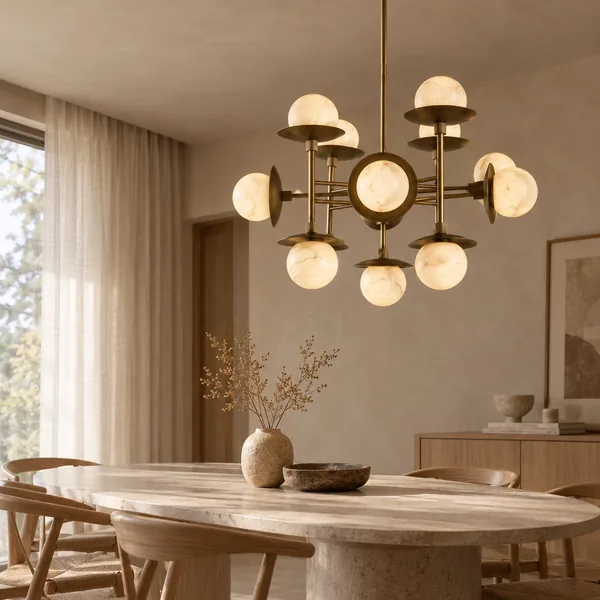
How to Choose the Right Fixture Size and Placement
Selecting the proper dimensions and positioning for your tray ceiling light fixtures requires careful calculation—but the results are worth the attention to detail. An oversized fixture overwhelms; one too small disappears into the architecture.
Sizing Guidelines for Central Fixtures
The general rule for chandeliers and pendants in tray ceilings is to measure the room's length and width in feet, add those numbers together, and use that sum (in inches) as your ideal fixture diameter. For example, a 12-by-14-foot room would call for a 26-inch diameter fixture. However, tray ceilings often allow for slightly larger fixtures since the recessed area naturally frames and contains the visual weight.
Height placement is equally crucial. The bottom of your central fixture should hang approximately 30 to 36 inches above a dining table, or 7 feet above the walking floor in entryways and living spaces. In tray ceiling applications, this often means mounting the fixture closer to the upper tray level, using the vertical space effectively.
Perimeter and Accent Placement
For recessed lighting along tray edges or within crown molding coves, spacing is key. Position recessed lights 18 to 24 inches apart, ensuring even illumination without creating hot spots. When integrating LED strip lighting within crown molding placements, position them to wash light upward and outward rather than directly downward.
Color Temperature Considerations
Scandinavian design philosophy emphasizes lighting that evolves with your daily rhythms. Warm white tones (2700K to 3000K) create that hygge atmosphere essential for evening relaxation, while slightly cooler temperatures (3500K) work well for task-oriented spaces. Dimming capabilities are non-negotiable—your tray ceiling lighting should transition effortlessly from energizing morning brightness to intimate evening ambiance.
Lighting Tray Ceilings with Crown Molding
The intersection of crown molding and tray ceilings presents one of the most elegant opportunities for layered lighting design. When considering tray ceiling crown molding lighting, you're essentially creating a hidden channel that can house LED strips or small recessed fixtures to graze light across the architectural details.
The technique involves installing LED strips within the cove created where the crown molding meets the ceiling plane, or within specially designed "light coves" built into the molding itself. This approach serves two purposes: it highlights the intricate profiles of the crown molding, and it creates ambient up-lighting that bounces off the ceiling, creating the illusion of even greater height.
For homeowners wondering specifically about how to integrate lighting with existing crown molding, retrofit LED options now make this possible without major construction. Wireless systems with remote dimming allow you to add this sophisticated layer without the complexity of hardwired installations.
Tray Ceiling Design: Color and Visual Impact
A common question when planning tray ceiling lighting concerns color strategy: should the tray ceiling be lighter or darker than the walls? The answer depends on the effect you want to achieve.
Darker tray interiors create drama and coziness, making the recessed area feel like a distinct architectural element. In this scenario, lighting becomes even more important—without proper illumination, a dark tray ceiling can feel heavy or confining. Strategic fixture placement ensures the space feels intimate rather than oppressive.
Lighter tray interiors emphasize height and airiness, making rooms feel more expansive. This approach works beautifully with Scandinavian-inspired spaces where natural light and pale surfaces dominate. Your lighting fixtures become subtle jewelry pieces within this bright framework.
Many designers choose a middle path: painting the center section a shade lighter than walls while keeping the stepped perimeter in the wall color. This technique maximizes the sense of height while maintaining visual cohesion. Your lighting choices should complement whichever palette you select—warm metals and crystals work beautifully with both approaches.
Modern Tray Ceiling Lighting Installation
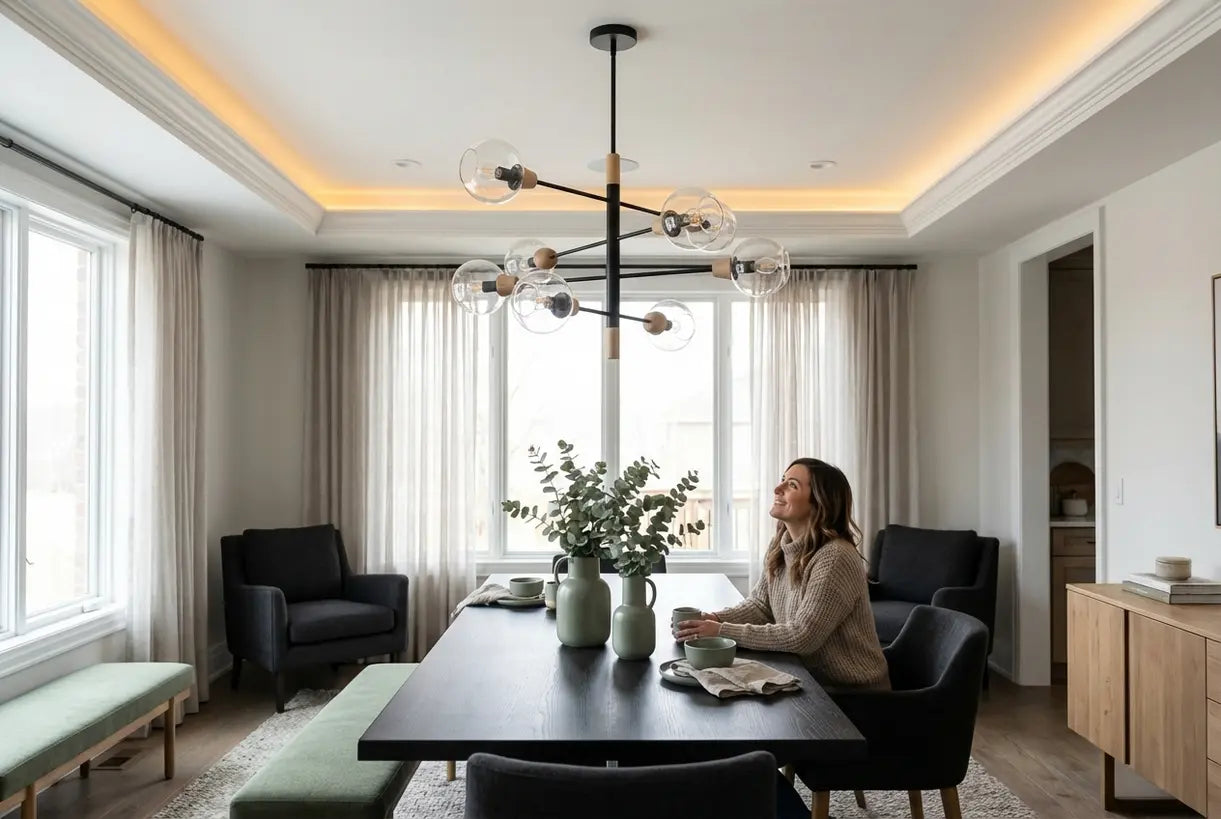
For those considering DIY approaches to tray ceiling enhancement, modern systems have made sophisticated lighting more accessible than ever. The following video demonstrates how to create a modern tray ceiling with integrated LED lighting—offering practical insights into techniques that can transform your space.
Whether you're working with new construction or retrofitting an existing tray ceiling, the key is planning your electrical infrastructure to support multiple lighting layers. Consider installing separate switches or smart home controls for your central fixture, perimeter cove lighting, and any accent fixtures. This allows you to create different "scenes"—full illumination for entertaining, soft cove lighting for movie nights, or gentle central lighting for quiet evenings.
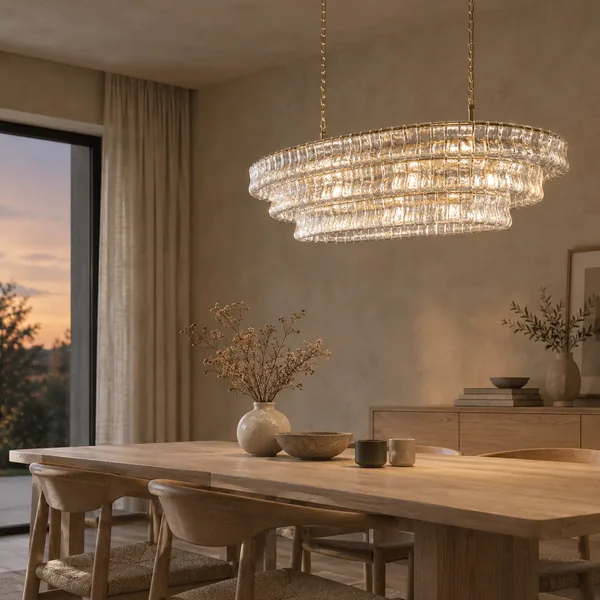 Stjerna Vintage French Clear Glass Chandelier$1,799.00$2,259.00
The Stjerna Vintage French Clear Glass Chandelier exemplifies the transformative power of a well-chosen centerpiece. Its layers of rippled clear glass create a luminous effect that multiplies beautifully within tray ceiling architecture, while the adjustable chain allows perfect positioning regardless of your ceiling height. As a statement piece, it embodies the Scandinavian principle that functional objects should also bring joy.
Elegant Solutions for Every Tray Ceiling
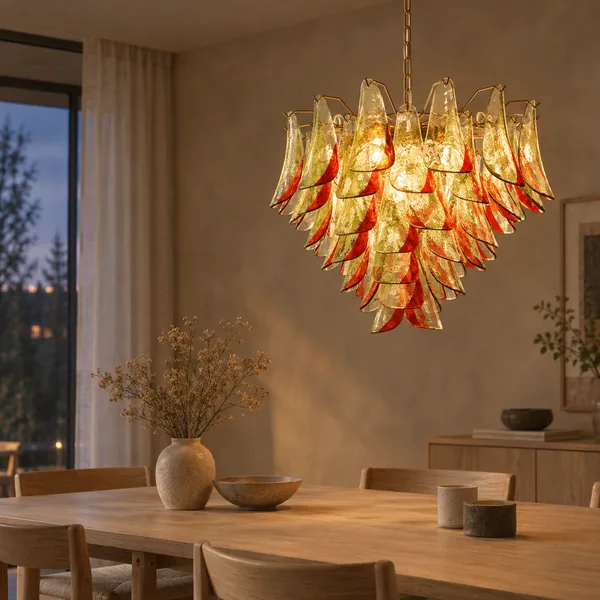 Klarglod Dimmable Nordic K9 Crystal Chandelier$889.00$1,279.00
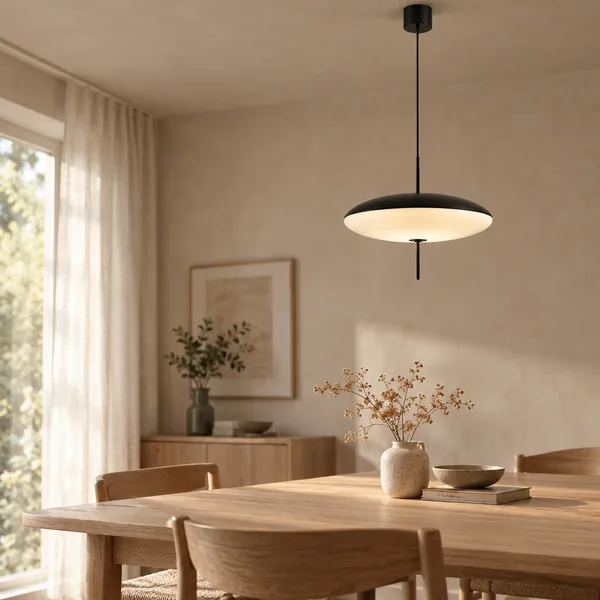 Skiva Saucer Nordic LED Pendant Ceiling Light$179.00$219.00
For tray ceilings where ceiling height is at a premium, the Klarglod Dimmable Nordic K9 Crystal Chandelier offers an elegant solution. Its semi-flush design provides the sparkle and presence of a traditional chandelier without requiring the vertical clearance of a hanging fixture. The remote-controlled dimming ensures you can adjust the ambiance to suit any moment.
When your tray ceiling design calls for multiple lighting zones or when you want to illuminate specific areas within the architectural framework, the Skiva Saucer Nordic LED Pendant Ceiling Light brings clean Scandinavian simplicity to the composition. Its floating saucer form complements modern tray ceiling designs without competing for attention.
Cost Considerations for Tray Ceiling Lighting
Understanding the investment required to properly illuminate a tray ceiling helps in planning your project. Costs vary significantly based on the approach you choose and whether you're working with new construction or retrofitting an existing space.
Basic recessed lighting installation in a tray ceiling typically ranges from $100 to $200 per fixture when professionally installed, including labor and materials. Cove lighting with LED strips represents excellent value—expect to invest $15 to $30 per linear foot for quality LED strips and basic installation, though this can increase with smart controls or complex architectural integration.
Statement fixtures like chandeliers represent the most variable cost component, ranging from a few hundred dollars to several thousand depending on size, materials, and craftsmanship. However, these pieces serve as the centerpiece of your tray ceiling design—an investment in the architectural character of your home.
For those seeking professional cove lighting installation with custom woodworking to create the perfect cove channels, budget between $1,500 and $5,000 depending on room size and complexity. Many homeowners find that phasing the project—installing the central fixture first and adding cove lighting later—makes the investment more manageable while delivering immediate visual impact.
Pendant Lights
Shop all Pendant Lights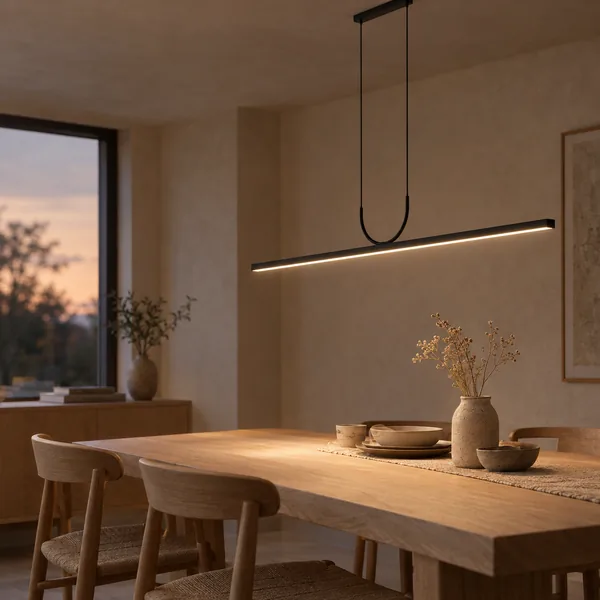
 Save $140.00
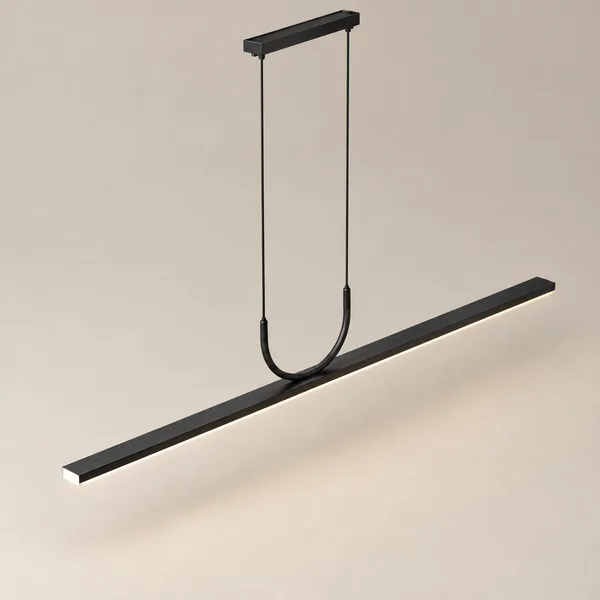
Linné Minimalist Linear Black LED Pendant Light
 Save $60.00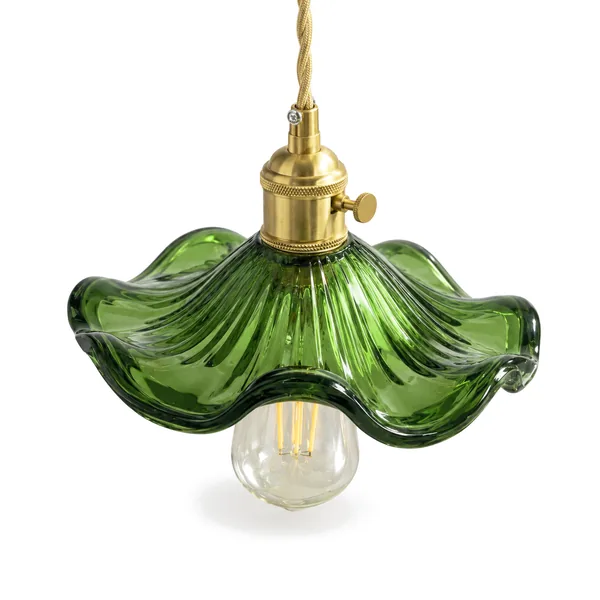
 3 options
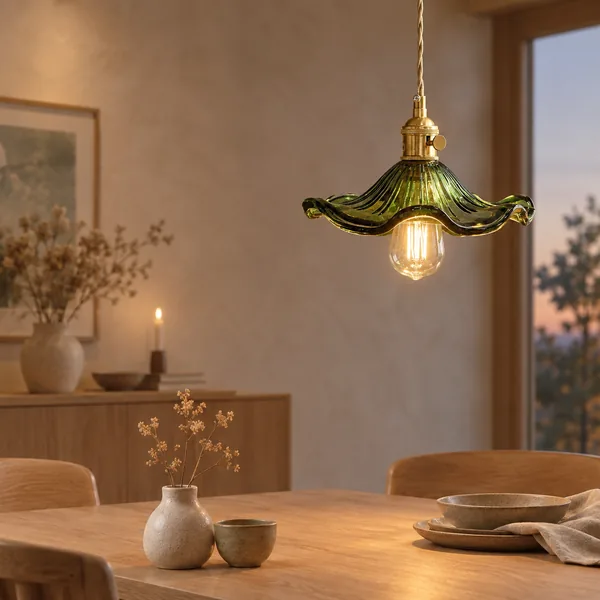
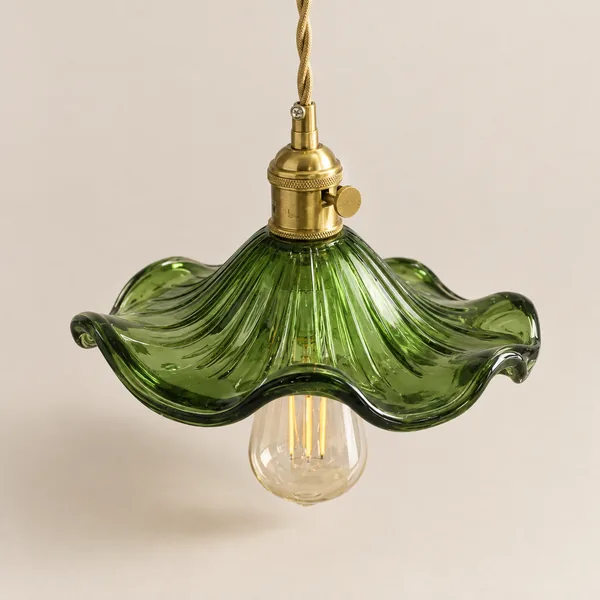
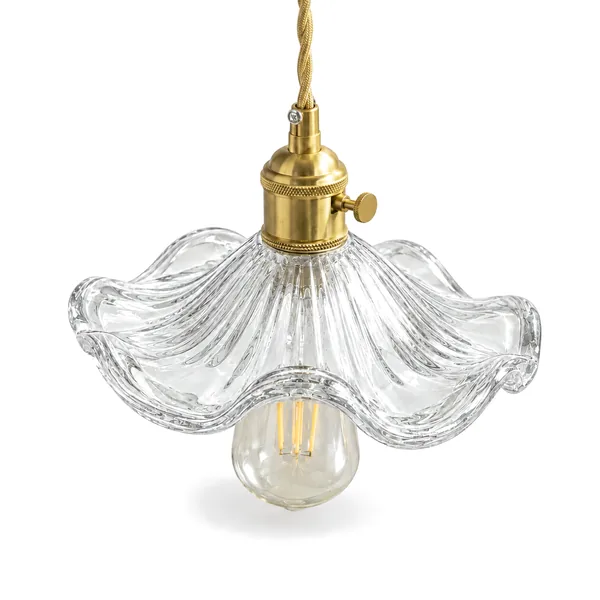
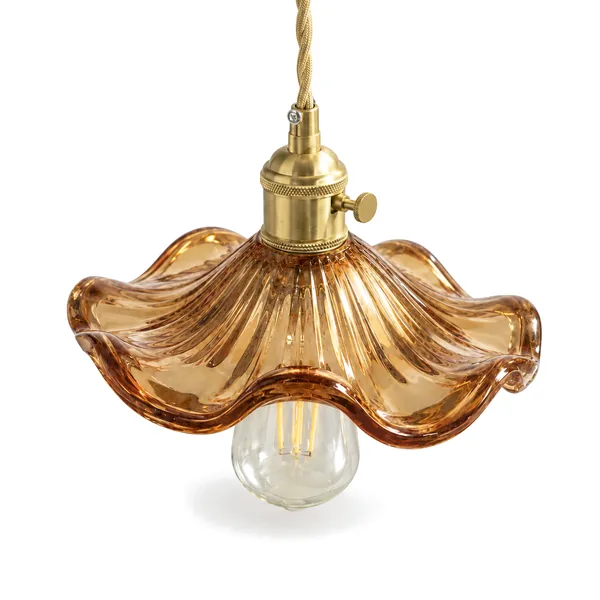
Glora Nordic Glass Pendant Light with Copper
 Save $120.00
Skiva Nordic Saucer Ceiling Pendant Light LED
Conclusion: Creating Your Luminous Tray Ceiling
Illuminating a tray ceiling is an exercise in layered intentionality. By understanding the interplay between central statement pieces, perimeter cove lighting, and accent fixtures, you can transform architectural potential into atmospheric reality. Whether you're drawn to the drama of crystal chandeliers refracting light across tiered surfaces or the quiet sophistication of hidden LED coves, the key lies in creating harmony between your fixtures and your space.
At Skonne, we curate lighting that honors the Scandinavian values of thoughtful design and warm functionality. Our collection of tray ceiling light fixtures includes pieces specifically selected to work beautifully within tiered architectural spaces—fixtures that provide the technical performance you need while bringing that sense of curated calm to your home.
As you embark on your tray ceiling lighting journey, remember that the best spaces evolve over time. Start with pieces that speak to you, that create the foundation of warmth and light you need, and build your layered lighting scheme thoughtfully. Your tray ceiling is waiting to become the luminous heart of your home.
Related Article
Nursery Ceiling Light Fixtures: Safe, Soft & Stylish Overhead Lights for Your Baby's RoomCreate the perfect ambiance for your baby's room with nursery ceiling light fixtures that balance safety, soft illumination, and Scandinavian style.